Tag: Malaysia

  • Sophisticated investors are staying away from Bitcoin

    Sophisticated investors are staying away from Bitcoin

    Malaysia’s pension fund managers are not putting money into bitcoin, despite the digital currency’s recent stratospheric rise.

    Armed Forces Fund Board or Lembaga Tabung Angkatan Tentera (LTAT) chief executive officer Tan Sri Lodin Wok Kamaruddin told NST Business that bitcoin is a highly speculative investment, where the value does not necessary reflect its fundamentals.

    “We don’t have any intention to invest in bitcoin at all. We would prefer to confine our investment within the country where we can, to some extent, control the risk and investment better,” he said in a telephone interview.

    He said the government statutory body would not take the risk in such kind of investment it has at its disposal.

    “Since Bank Negara Malaysia (BNM) deems it as illegal, we certainly would not want to have anything to do with it. I think it is something that the public should refrain from getting involved with their hard-earned money,” he added.

    Lodin said LTAT is currently managing about RM9 billion worth of armed forces retirement money.

    “We have got quite a fair distribution of our assets in different sectors, especially those which are in line with the government’s economic development programme such as infrastructure, property development, plantation and ship-building as well as retail operations like BH Petrol,” he said.

    Lodin said presently LTAT does not plan to invest abroad.

    “No doubt in some cases, investing abroad may be more attractive but at the same time the risk is higher such as currency and politics. At least, if it is within the country, we could mitigate these risks,” he said, adding that LTAT able to pay on the average of 11 per cent dividend annually to contributors.

    In a separate meeting with the Employees Provident Fund (EPF), its chief executive officer Datuk Shahril Ridza Ridzuan said cryptocurrencies such as bitcoin have no intrinsic value and donot provide any kind of actual asset yield. Therefore, it is very hard to invest in it.

    “Cryptocurrency is effectively buying something with the hope of selling it to someone else for a higher price,” he said.

    Shahril Ridza said the speculative element in the returns profile is too great for a fund like EPF, where it focuses on generating actual returns on assets.

    IQI Global chief economist Shan Saeed concurred, saying bitcoin has no sustainable value and none of the global central banks approved it.

    “Nobody has approved bitcoin as a mode of (payment) instrument. Although people are buying, the price is likely to crash. It is a fancy item with no fundamentals,” he said.

    Shan advised investors in Malaysia to stay away from Bitcoin, saying that the chances of losing money are fairly high.

    “Recently the United Kingdom regulators have warned investors to stay away from bitcoin. I’m not in favour of bitcoin because it is a virtual currency. It’s not even worth looking at,” he said.

    Shan said bitcoin is not secured without regulators’ approval, and it is a perfect example how the bubble could burst.

    “The incredible rise of bitcoin over the last few weeks has all the hallmarks of a major topping action when a speculative asset in the final euphoric stages of a big bubble formation makes some unsustainable huge price jumps,” he said.

    He said bitcoin should soon witness a final blow off with one last giant spike higher on huge volume followed by a major price reversal on the same day.

    The Retirement Fund Inc (KWAP) chief executive officer Datuk Wan Kamaruzaman Wan Ahmad recently said cryptocurrency is not the type of risk it can take.

    “We are not invested in cryptocurrency because we prefer to only take moderate risks. However, we do personally monitor the movement of the Bitcoin’s trends,” he said in a recent interview with BFM.

    He added that KWAP has always aimed for more stable investment, with slightly above a double-digit return to its shareholders.

    Last week, Bank Negara announced that Malaysia had recorded RM75 million transactions monthly from four digital currency exchanges in the country.

    Its deputy governor Abdul Rasheed Ghaffour said digital currency exchanges here providing the services were Luno, CoinHako, XBit Asia and PinkExchange.

    He said Bank Negara would meet cryptocurrency exchanges this week, noting that the global market capitalisation of digital currency stood at US$420 billion.

    He said while digital currencies were not legal tender in Malaysia, the central bank was not stopping their trading because “a ban would curb innovation and creativity.”

    In an AFP report quoting investment firm deVere Group chief executive officer Nigel Green, bitcoin started the year at US$1,000 per unit in January. By mid-December, it had shot to within striking distance of US$20,000, a dizzying climb that stoked fears of a bubble even in financial circles used to speculation and volatility.

    Bitcoin was created in 2009, since then, it has become the world’s decentralised cryptocurrency.
  • AirAsia X appoints a new CFO for its Operations

    AirAsia X appoints a new CFO for its Operations

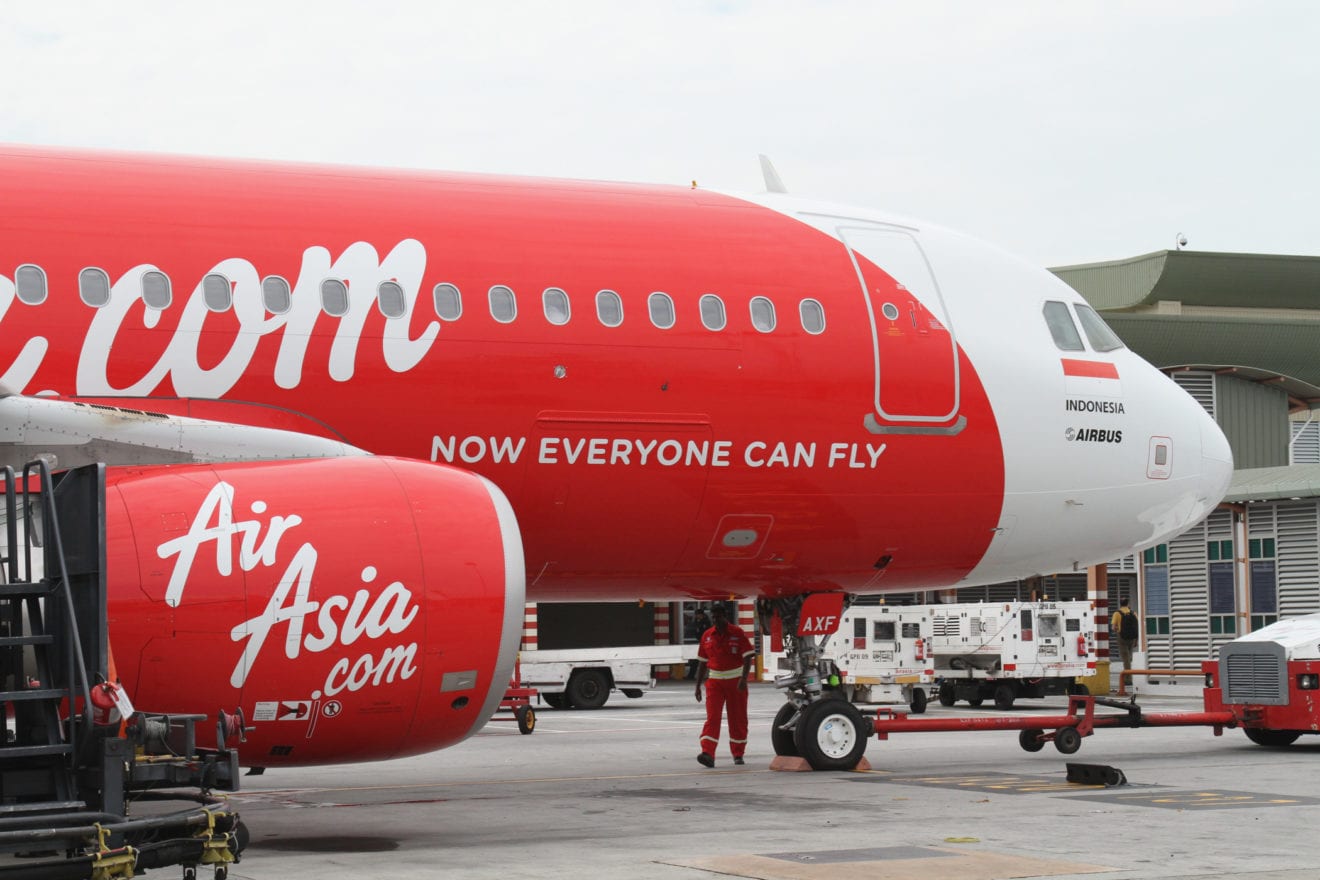
    AirAsia X, The leading low-cost, long-haul carrier today appointed Wong Mee Yen as chief financial officer (CFO) effective Jan 1, 2018.

    She is replacing outgoing CFO Cheok Huei Shian, who has led the AirAsia X finance team since Feb 25, 2015. Cheok, who is leaving the company to pursue personal interests, will continue with through December 2017 to ensure a smooth transition.

    Wong will report directly to chief executive officer Benyamin Ismail and will be responsible for corporate finance, treasury, financial planning and analysis as well as investor relations.

    “We are pleased to bring back Mee Yen to join our management team at AirAsia X,” group CEO Datuk Kamarudin Meranun said in a statement.

    “She was part of the core team in the early days of AirAsia and has played an instrumental role in the success of AirAsia and getting the company listed on the Bursa Malaysia,” Kamarudin said.

    he also thanked Cheok for her contributions towards realising the company’s transformation.

    “Her hard work helped us to return to the black, and she will always be the paragon of an Allstar to us,” Kamarudin said.

    Wong was with AirAsia between 2004 and 2007 as group financial controller. Prior to AirAsia X, she was chief financial officer (MRT project) at LMG Rail Car Sdn Bhd.


  • Malaysian Senators Think AirAsia’s New Uniforms Are ‘Too Revealing’

    Malaysian Senators Think AirAsia’s New Uniforms Are ‘Too Revealing’

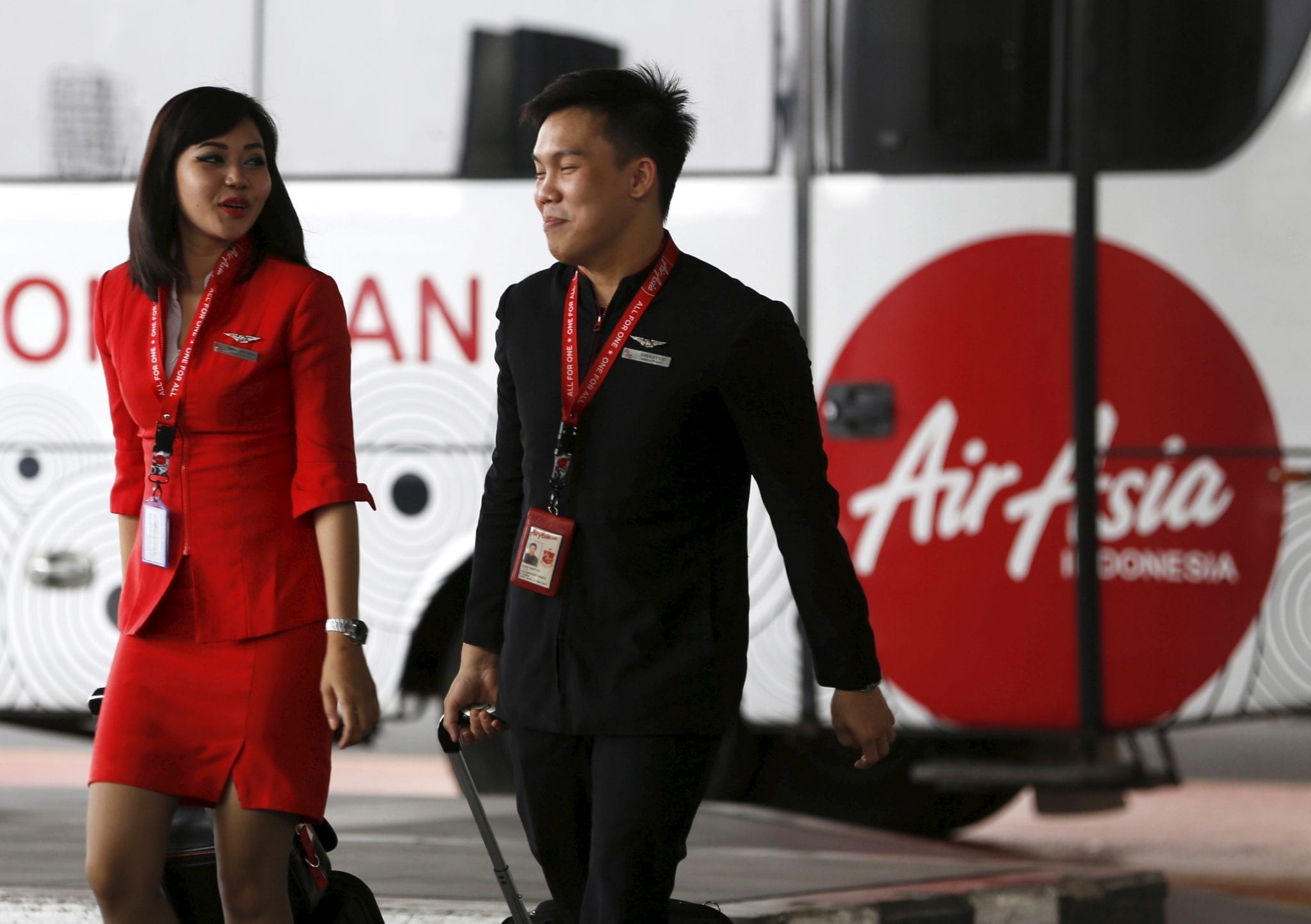
    Malaysian legislators this week criticized the uniforms issued to female crew by two Malaysian airlines, calling them “too revealing” and suggesting they conflict with the country’s Muslim values.

    Senator Datuk Abdullah Mat Yasim targetted the uniforms of AirAsia and Firefly, a subsidiary of Malaysia Airlines. Abdullah called on the Malaysian Aviation Commission to investigate the issue during debate on an aviation bill in the Dewan Negara, the upper house of Malaysia’s parliament.

    Another Senator, Datuk Megat Zulkarnain Omardin, agreed, and added another culprit to the list, saying “My wife is worried whenever I fly alone on Malindo or AirAsia .  This is a real hassle for me.”

    Abdullah replied that he found the uniforms for Indonesia-based Malindo Air acceptable, because they covered attendants’ “sensitive areas.”

    AirAsia is Malaysia’s largest airline, with operations across East Asia and India. Though Americans might not see AirAsia or Firefly’s uniforms as particularly revealing, female flight crew members feature prominently in AirAsia’s marketing materials. AirAsia also says its crew “loves to sing and dance.” It should be noted, though, that the airline does have male flight attendants – including one whose racy Britney Spears dance routineon an Airbus A330 went viral earlier this year.

    The debate follows comments last week by another Malaysian senator that flight attendants should wear Shariah-compliant uniforms to comport with Malaysian religious standards. Islam is Malaysia’s official religion, though only about 60% of Malaysians are Muslim, and Malaysia touts itself as a tolerant multicultural and multiethnic society.

  • NBA Teams for Online Stores in APAC

    NBA Teams for Online Stores in APAC

    In partnership with the US National Basketball Association (NBA), sports merchandise e-commerce company Fanatics has launched official NBA online stores across Asia Pacific.

    Fanatics already runs the flagship NBA Store in New York City, the league’s global e-commerce site and its official online store for Europe.

    It has now opened official online stores in Cambodia, Japan, Laos, Malaysia, Singapore, Thailand and Vietnam, as well as Australia and New Zealand. These offer a range of men’s, women’s and youth products from all 30 NBA teams, including oncourt apparel from official outfitter Nike and products from a range of NBA merchandise partners including Mitchell & Ness and New Era.

    There are also exclusive products, including personalised team jerseys.

    As well as paying in local currency, online shoppers will benefit from quicker deliveries and cheaper shipping thanks to Fanatics’ centralised distribution point in Asia.

    “The NBA is becoming an increasingly global league, and we’ve seen a significant uptick in fandom across several regions throughout Asia,” says Fanatics International president Steve Davis.

    With the launch of the new online stores, the league now has 20 international e-commerce sites.

  • Lotte chemical to expand polyethylene manufacturing unit in Malaysia

    Lotte chemical to expand polyethylene manufacturing unit in Malaysia

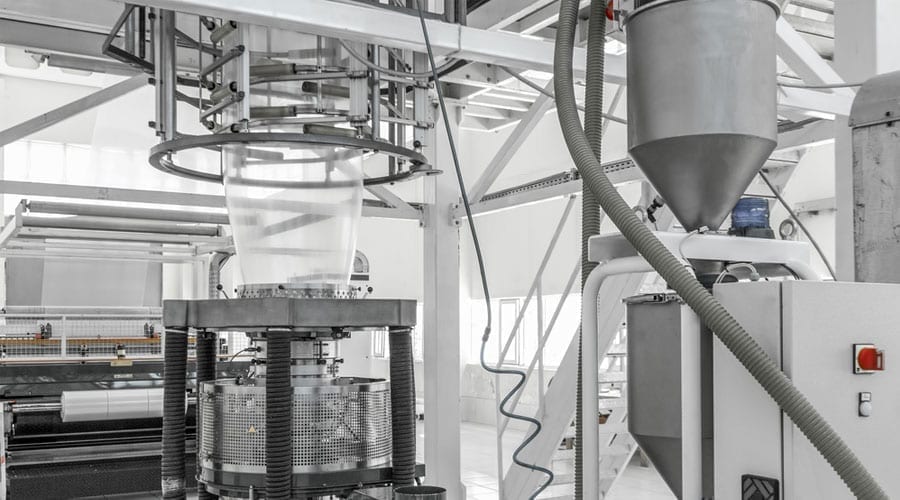
    Lotte Chemical Corp., the compound unit of Lotte Group, has extended its polyethylene plant in Malaysia to support deals in Southeast Asian markets, the organization said.

    Lotte Chemical has contributed 300 billion won (US$276 million) in growing the polyethylene production facility in Malaysia since 2015 and finished the extension venture in August, the organization said in an announcement.

    The Lotte Chemical Titan Holding Berhad plant now has a manufacturing limit of 810,000 tons of polyethylene, up 13 percent from the past limit of 720,000 tons, it said.

    Lotte Chemicalclaims a 74.87-percent stake in the plant which for the most part delivers polyethylene, the most widely recognized of plastic items. Lotte Property and Development holds a 31.27-percent stake in Lotte Chemical. The organizations are affiliates of Lotte Group, a retail-to-construction aggregate.

    Lotte Chemical intends to extend its manufacturing facilities in South Korea and the United States one year from now to have a consolidated polyethylene yield limit of 4.5 million tons globally, up from 3.3 million tons it is forecasting for the finish of 2017, the announcement said.


  • Don Quijote eyes more Asia stores

    Don Quijote eyes more Asia stores

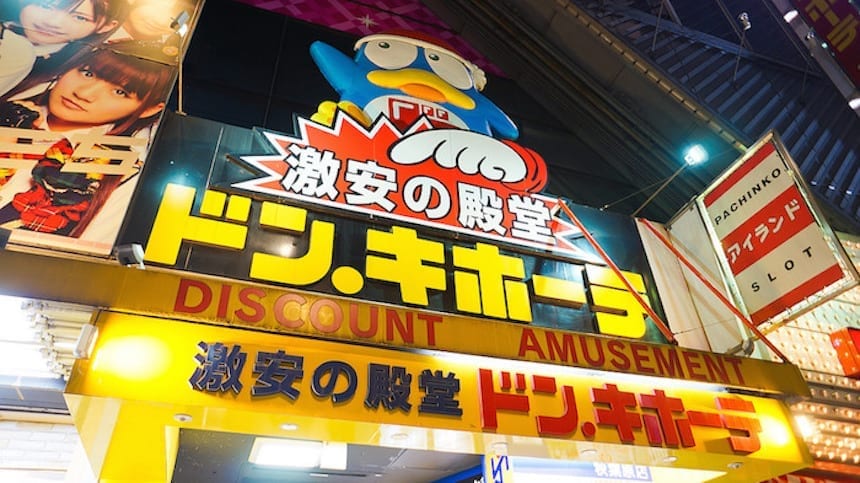
    After opening its first outlet in Singapore (called Don Don Donki) this month, Japanese discount retailer Don Quijote plans to expand with even more outlets in Asia.

    Founding chairman Takao Yasuda sas the group is looking to open stores in Hong Kong, Malaysia, Taiwan and Thailand.

    When moving to Singapore to retire two years ago, Yasuda was surprised at the price of food ingredients and other products imported from Japan. “I realised my new mission was to lower the prices to affordable levels.”

    He says the Singapore store has been so popular it has had to limit customer numbers at weekends. “We’ll increase to around 10 stores in Singapore in two to three years so customers can enjoy shopping at leisure.”

  • Online Printing Startup Gogoprint Is Revolutionising Malaysia’s Printing Industry

    Online Printing Startup Gogoprint Is Revolutionising Malaysia’s Printing Industry

    Gogoprint, Southeast Asia’s leading online printing company, aims to solve one of the printing industry’s biggest pain points – high fixed costs and requisite order volumes, which particularly affect budget-conscious SMEs and startups. Gogoprint achieves this with its proprietary algorithmic software, which manages and pools together multiple orders, and distributes the cost of printing. Parameters such as paper type, quantity, and delivery times are taken into account and aggregated into a batch of prints. This maximises the space on individual sheets. As compared to traditional printing houses, which take 7 to 10 days to process orders, Gogoprint does so in as fast as 1 day. Moreover, it is looking to further optimise the process of preparing the artwork files that customers send for printing, to automate the correction of frequent printing mistakes.

    As a result, the company is able to offer premium printing services at competitive rates, enabling SMEs and startups to print their products such as business cards, digital/offset booklets, flyers, posters, postcards and stickers more cost-effectively. Over the last year, Gogoprint has further developed its algorithm and processes, enabling it to raise its production efficiency, reduce wastage, and share these benefits with customers through price reductions. Furthermore, the company strives to continuously expand its product portfolio, as exemplified by its upcoming launch of banners and buntings.

    These features have fueled Gogoprint’s success despite a general slowdown in the Malaysian printing industry. Gogoprint’s operations have been largely differentiated from their competitors from the start. The company has focused on leveraging technology in order to inject its business model with customer-centric values and approaches, which emphasize convenience, transparency, and speed for the customer.

    This was no easy task since Malaysia’s printing market is relatively saturated with limited market share and a higher volume of competitive prices offered by players, both big and small. Entering this industry would traditionally be considered as a significant risk, but Gogoprint managed to stave off the competition by targeting key sectors which required its services more than others. More specifically, the country’s SME and startup sector clearly needed more transparent pricing and delivery deadlines in order to better manage their printing needs.

    Laurent De Candido, Managing Director and co-founder at Gogoprint said: “We recognise that SMEs and startups in Malaysia require a great deal of reliability, consistency, and transparency to facilitate their operations. This knowledge has enabled us to adapt our business strategies to a market where consumers operate on a fine line between managing operational cost and ensuring business profitability. With such great competition present in the market, we recognise the need for constant innovation. Hence, the innovative solutions that we offer have allowed us to experience a considerable amount of success since our launch in Malaysia a year ago, in November 2016. Growth has exceeded our most ambitious expectations, with an 800% customer increase, as well as a 600% increase in headcount, between November 2016 and November 2017. Also active in Thailand and Singapore, Gogoprint’s success in Malaysia is a testament to how regional expansion success can be derived from a comprehensive market understanding and strategic product positioning.”

    At the source of Gogoprint’s success, of course, lies a happy and diverse customer base. “Gogoprint won us over with their quick and efficient response to a recent crisis that we faced. We had a sudden and urgent demand for a huge amount of books to be printed, and we engaged Gogoprint due to their transparent and convenient website. The customer service provided by their accounts team was professional and world class which, led to the smooth and timely delivery of more than a thousand copies to our customers. Their attention to detail also left a great impression on us and we will definitely continue to work with Gogoprint in the future,” said Anusha Abishegam, Editor from Centrestage, an online magazine dedicated to scouring the local arts scene for news, information and opportunities.

    Satisfied with its strong performance in Malaysia, Singapore, and Thailand, Gogoprint is dedicated to tackle the Indonesian market next, which also suffers from the ailments that characterize printing in Southeast Asia. Since the company’s strong performance and fast regional expansion reflect very positive customer feedback, Gogoprint’s mission to provide affordable and convenient printing to everyone resonates stronger than ever.

  • OldTown shareholders agreed to accept JDE offer

    OldTown shareholders agreed to accept JDE offer

    Malaysian cafe chain and coffee manufacturer OldTown is about to sell a majority shareholding to Jacobs Douwe Egberts (JDE) for about US$361 million.

    It is part of a move by the global coffee and tea company to expand its coffee empire.

    OldTown, which has 232 outlets, mostly in Malaysia, says shareholders holding about 51.45 per cent of the total issued share capital of the company have irrevocably undertaken to tender all their shares in acceptance of the offer, says the company.

    Jacobs Douwe Egberts Holdings is an indirect wholly owned subsidiary of Netherlands-based JDE, which owns such coffee and tea brands as Jacobs, L’Or, Moccona, Senseo and Tassimo, and has a presence in more than 120 countries.

    Earlier this year JDE acquired Singapore-listed Super Group, a pan-Asian integrated instant F&B brand for S$1.45 billion (US$1.05 billion).

    “We are deeply honoured JDE recognises the powerful brand and platform we have tirelessly built over the past 18 years,” says OldTown group MD Lee Siew Heng.

    OldTowns’s cafes are spread across Malaysia (189 outlets) and Singapore (nine outlets), with Malaysia accounting for 59 per cent of its revenue. Born out of a merger between the coffee businesses of US snack company Mondelez with coffee and tea company DE Master Blenders in July 2015, JDE says it is on track for an annual revenues of more than €5 billion (US$ 5.8 billion), claiming a leading position in 28 countries across Europe, Latin America and Asia Pacific.

  • Harvey Norman officially launches Kuching outlet

    Harvey Norman officially launches Kuching outlet

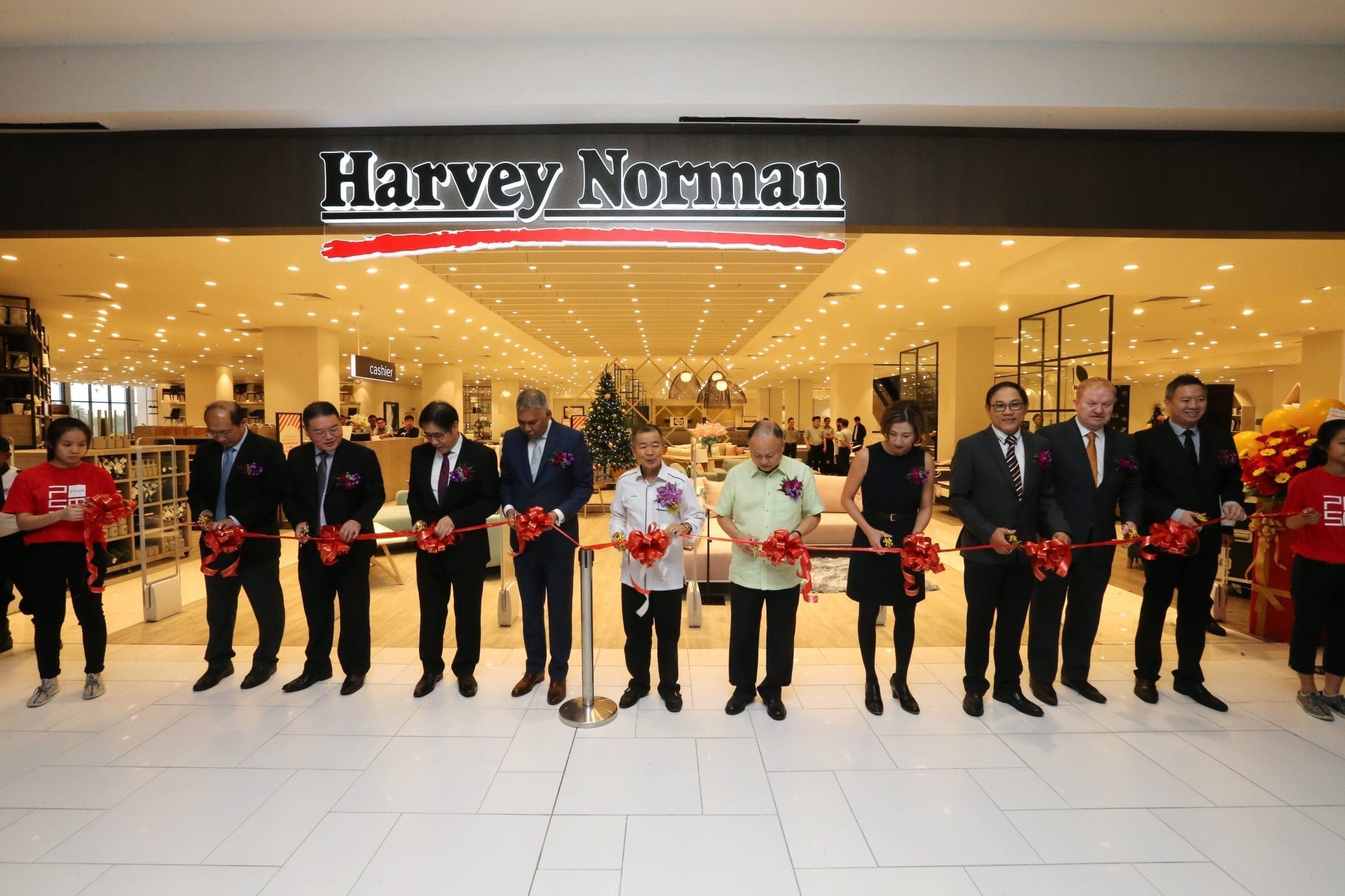
    Australian brand Harvey Norman marked a new milestone with the official launch of its first superstore in East Malaysia today at Vivacity Megamall.

    Established since 1982 in Australia with over 280 stores worldwide, the superstore here occupies a retail space of 46,806 square feet across two floors, featuring a unique retail experience in the country.

    According to Harvey Norman’s managing director for Singapore and Malaysia, Kenneth Aruldoss, the group is creating a revolution in the way customers connect with products and brands.

    “Consumers of today are changing — and therefore we have to change the way we do retail as well.

    “It is a first-of-its-kind shopping experience with a huge range of merchandises spread over two levels of retail space. The range is current and of the latest,” he said in his speech during the official launch today.

    Also present during the launch were Assistant Minister of E-Commerce Datuk Mohd Naroden Majais, Kuching South City mayor (MBKS) Datuk James Chan, Vivacity Megamall executive director Sim Yaw Hang and Vivacity Megamall director Alan Sim, as well as other officials from Harvey Norman.

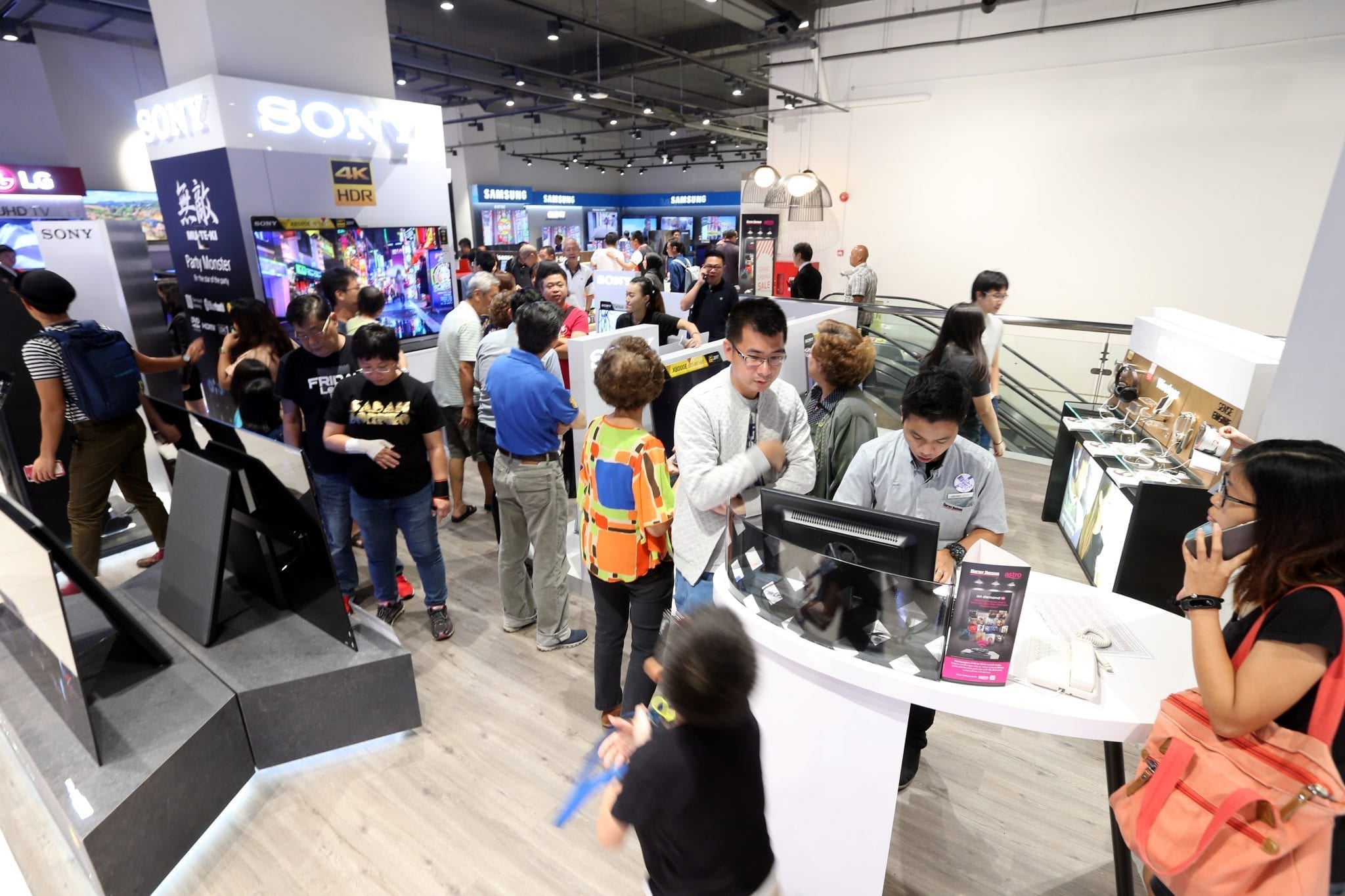
    The store is set to inspire in terms of layout and how the products are being  merchandised. It boasts some of the biggest range of electrical, computers and communications, furniture and bedding products in Kuching.


    The first level features a whole floor of Furniture & Bedding products ranging from sofas, coffee tables, dining sets, home wares, outdoor furniture, home office, TV cabinets, recliners, rugs, as well as mattresses, bed frames, bedroom sets, kids bed frames and bedding accessories.

    Its second floor features home and kitchen appliances, audio visual, cameras, photocentre, computers, games hub, connected health and fitness products.

  • AmInvest Research neutral on transportation sector, AirAsia top pick

    AmInvest Research neutral on transportation sector, AirAsia top pick

    AmInvestment Research is Neutral on the transportation sector in 2018, as it sees upside for AirAsia

    It said on Wednesday while it likes transport firms which operate (or have a growing presence) in the tourism and e-commerce space, it is cautious on seaport operators.

    Transport firms operating in the tourism space, that is AirAsia and Malaysia Airports, will benefit from the sustained recovery in tourist arrivals in 2018 (after reporting the first dip since 2003 in 2015 following the air disasters of MH370 and MH17 in 2014).

    The government projects Malaysia’s tourist arrivals should hit 28 million in 2018 (up 3.3% from 27.1 million in 2017).

    AmInvest Research expected the number should continue to grow, leading up to Visit Malaysia Year in 2020, when Malaysia is also slated to host a series of high-profile international events including the Commonwealth Heads of Government Meeting (CHOGM), the APEC Summit and World Congress of Information Technology (WCIT).

    The rapidly expanding e-commerce sector, particularly, online shopping, has created huge opportunities for parcel delivery service providers such as Pos Malaysia.

    “Malaysia’s presence in the regional and global e-commerce market is on the cusp of an unprecedented quantum leap forward, driven by the Alibaba-backed Digital Free Trade Zone (DFTZ) project in the KLIA Aeropolis,” it said.

    The DFTZ will serve as a regional e-fulfilment centre as well as a regional e-commerce logistics hub.

    “Apart from Malaysia Airports (the landowner and developer of the KL Aeropolis), we believe local logistics players (including warehouse operators) are poised to garner a slice of action in the physical zone of the DFTZ.

    “On the other hand, we do not expect seaport operators (particularly, a transshipment port like Westports) in 2018 to completely shrug off the negative impact from the recent reorganisation of the global shipping alliance, and the resulting diversion of transshipment cargo volumes to Singapore,” it said.

    However, AmInvest Research said on a brighter note, it expects gateway cargo volumes to continue to grow in 2018, thanks to Malaysia’s robust exports and imports.

    Bintulu Port will be weighed down by start-up costs at its newly completed Samalaju Industrial Port in 2018.

    AmInvest Research said it may upgrade its Neutral stance on the transport sector to overweight.

    However, this would hinge on whether tariffs (such as airport taxes, postage rates and port tariffs) are adjusted upwards; volume performance (such as passenger traffic, cargo throughput and letter mail/parcel volumes) beats expectations; yields surprise in the upside on reduced competition; and fuel cost (jet fuel for airlines and diesel for seaport operators) comes in lower on weaker crude oil prices.

    On the other hand, it might downgrade its neutral stance on the transport sector to Underweight if: volume performance (such as passenger traffic, cargo throughput and letter mail/parcel volumes) misses expectations; yields surprise in the downside on heightened competition; and fuel cost (jet fuel for airlines and diesel for seaport operators) comes in higher on stronger crude oil prices.

    “Our top pick for the sector is AirAsia. AirAsia is a good proxy to the growing low-cost air travel market in the region, underpinned by rising per capita incomes and a young demographic.

    “Its strong market presence (in terms of the number of routes, and frequencies for each route) enables it to compete effectively against its rivals (both low-cost and full-service).

    “It has struck a chord with investors with its plans to monetise some of its auxiliary businesses and assets including its leasing arm and ground handling unit, which could translate to special dividend payouts to shareholders,” it said.

  • Calvin Klein watch showcase will be in Suria KLCC

    Calvin Klein watch showcase will be in Suria KLCC

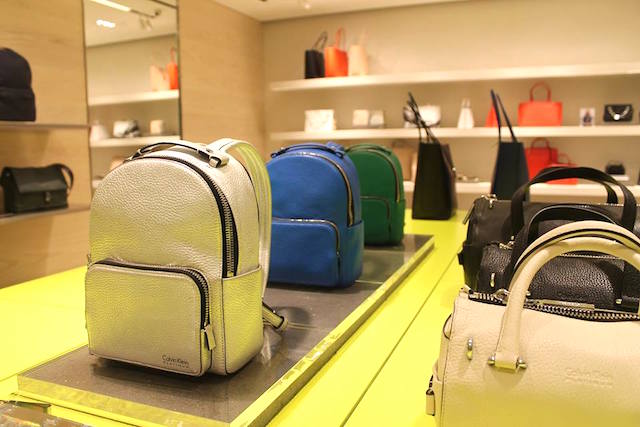
    Calvin Klein Watches + Jewelry has opened its largest kiosk for Malaysia in Suria KLCC, featuring timepieces and accessories.

    Attended the launch were Swatch Group Malaysia and Singapore president Jose de Cardoso, Calvin Klein Watches + Jewelry regional sales manager Pascal Scherer, brand manager Kenny Lim sales and marketing manager Florence Loke. Special guests included actress Siti Saleha and TV presenter Reem Shahwa.

    Since his debut, new Calvin Klein chief creative officer Raf Simon has been providing a singular global creative vision for the brand, as reported. The Belgian fashion designer has been taking the founder’s legacy of modern, simple and sharp aesthetic coupled with provocative imagery to greater heights. This encompasses Calvin Klein Watches + Jewelry, developed in the 1990s in partnership with Swatch Group.

  • Shopee giant leaps on its second year

    Shopee giant leaps on its second year

    Fast-growing e-commerce platform Shopee has released impressive statistics in marking just its second birthday.

    Combined annualised GMV from Taiwan and the six Southeast Asian markets where it operates has reached US$5 billion. It has more than 180 million active listings by more than 4 millions sellers, including 5000 leading brands and distributors. Its app has been downloaded more than 80 million time.

    In Singapore alone, where it has its own mall portal, the app has had more than 1 million downloads and features more than 70,000 sellers and brands.

    “Shopee has undergone tremendous transformation since we first launched, and while we are proud of all that we have achieved, this is only the beginning,” said Zhou Junjie, chief commercial officer of Shopee.

    “Shopee has always been committed to listening to the needs and preferences of our users, and has worked to create a platform that is tailored to exactly that. Whether it is providing a fuss-free and convenient shopping experience for buyers, or offering a reliable and secure platform for brands and budding entrepreneurs to expand their online presence, Shopee strives to continue improving the lives of the region’s consumers and businesses with technology,” said Zhou.

    “This year has been a great one for Shopee and we would like to thank our customers, sellers, and partners for their continuous support. Moving forward, we will continue to focus on improving our platform and diversifying our product assortment. We remain committed to helping brands and local entrepreneurs grow and continuously strive to push the boundaries of e-commerce to become the leading online shopping destination of choice in the region.”

    As part of its birthday celebration, Shopee Singapore will be holding a 10-day birthday sale until December 13, featuring promotions across over 10,000 items.

  • Mitsui Outlet Park continue its opening phase

    Mitsui Outlet Park continue its opening phase

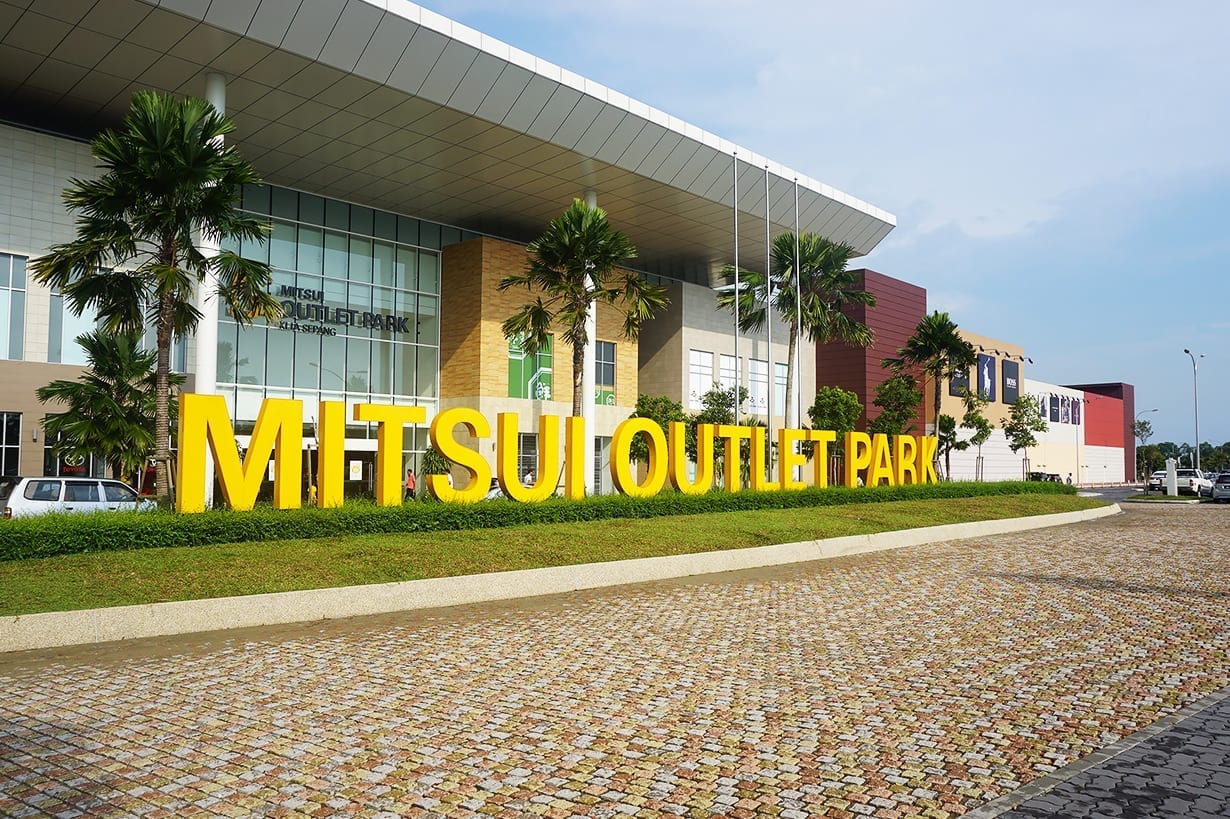
    About 35 new stores are lined up for the soft opening of phase two of Mitsui Outlet Park KLIA Sepang on December 15.

    An official launch is slated for February, says Mitsui Fudosan (Asia) Malaysia, which runs the project in a JV with Malaysia Airport Holdings, MFMA Development.

    Shops making their first appearance in Malaysia include Hummer bags store and The Beauty Laboratory by Shiseido.

    “The expansion will also introduce a good retail mix ranging from fashion apparel and accessories, sports and kidswear to cosmetics and personal care, with diversification into entertainment and amusement as well as specialty stores,” says Mitsui Fudosan.

    Phase 2’s environmental design follows the park’s “tropical resort” theme and also features the Sky Walk, River Walk and Forest Walk. The first phase opened in May 2015.

    Headquartered in Japan, Mitsui Fudosan is expanding in Asia with Shanjing Outlet Plaza Nimbo and Mitsui Outlet Park Linkou in Taiwan.

    For next year the group plans to open Mitsui Outlet Park Taichung Port in Taiwan, followed by Mitsui Shopping Park LaLaport Shanghai Jinqiao in 2020 and Mitsui Shopping Park LaLaport Kuala Lumpur in 2021.

  • JD Sports Fashion moves to influence marketing as strategy

    JD Sports Fashion moves to influence marketing as strategy

    UK company JD Sports Fashion has engaged influencer marketing firm Rocketfuel Entertainment to help develop digital content for its brand in Malaysia.

    JD carries brands such as Adidas, New Balance and Nike as well as in-house labels Brookhaven, Pink Soda, Sonneti, and Supply and Demand.

    A JD spokesperson says it is eyeing growth in markets such as Singapore and Thailand, and aims to open 25 outlets by end of next year.

    Its senior brand marketing manager Jaclyn Tan says the biggest draw for its customers is the “extensive range of sneakers from multiple brands, including Western Europe exclusives available only in our stores”.

    CEO Justin Lim says the content will enable JD Sports Fashion to engage with its audience on its social platforms.

    Rocketfuel claims to have a social-media reach of more than 36 million in the region with influential personalities in beauty, fashion, lifestyle, automotive and parenting.

    The sports lifestyle retailer launched a flagship store for Asia last year at Pavilion Elite Kuala Lumpur, and this week opened a store at Putrajaya’s IOI City Mall. It also has outlets at Aeon Mall Tebrau City (Johor Bahru), Mid Valley Megamall, Sunway Pyramid and Sunway Velocity Mall, with another five stores to follow “very soon”.

  • Japanese property giant, Tokyu invests in Titijaya’s unit

    Japanese property giant, Tokyu invests in Titijaya’s unit

    Titijaya Land Bhd has roped in Japanese leading property giant, Tokyu Land Corp, to be the new shareholder of its wholly-owned Epoch Property Sdn Bhd in a RM47 million deal.

    Epoch Property sealed a conditional share subscription agreement with Tokyu for the subscription of 47 million Class A ordinary shares in Epoch Property worth RM47 million.

    Titijaya said both companies will jointly enhance the development of Mizu Residence which is expected to command a gross development value of RM300 million.

    Tokyu, which holds more than one trillion yen of assets and is ranked third among Japanese real estate companies, is the core company of the Tokyu Fudosan Holdings Group, a Japanese company listed in the First Section of the Tokyo Stock Exchange.

    Tokyu Fudosan is also one of the companies in the Nikkei 225 Index, which refers to the price-weighted average of the 225 top-rated Japanese listed companies.

    Titijaya group managing director Tan Sri Lim Soon Peng believes the collaboration will help establish the two companies as one of the industry leaders, pushing the frontiers of urban development and property management.

    “We are envisioning through the knowledge transfer from Tokyu’s expertise in urban development, especially its expertise in transit-oriented development, retail knowledge, property management (best property management services in Japan), it will further strengthen Titijaya’s objective to offer products that will be a half-step ahead of the times.

    “TOD and enhancing senior living experience are definitely the directions going forward for us, as TOD concept will help a country to reduce carbon footprint while becoming more productive and move livable, and on the other hand, senior living experience values the living experiences for discerning individuals who have an affinity for actively engaging all that life offers,” he said.