Tag: Malaysia

  • Bursa Malaysia rebounds to open higher

    Bursa Malaysia rebounds to open higher

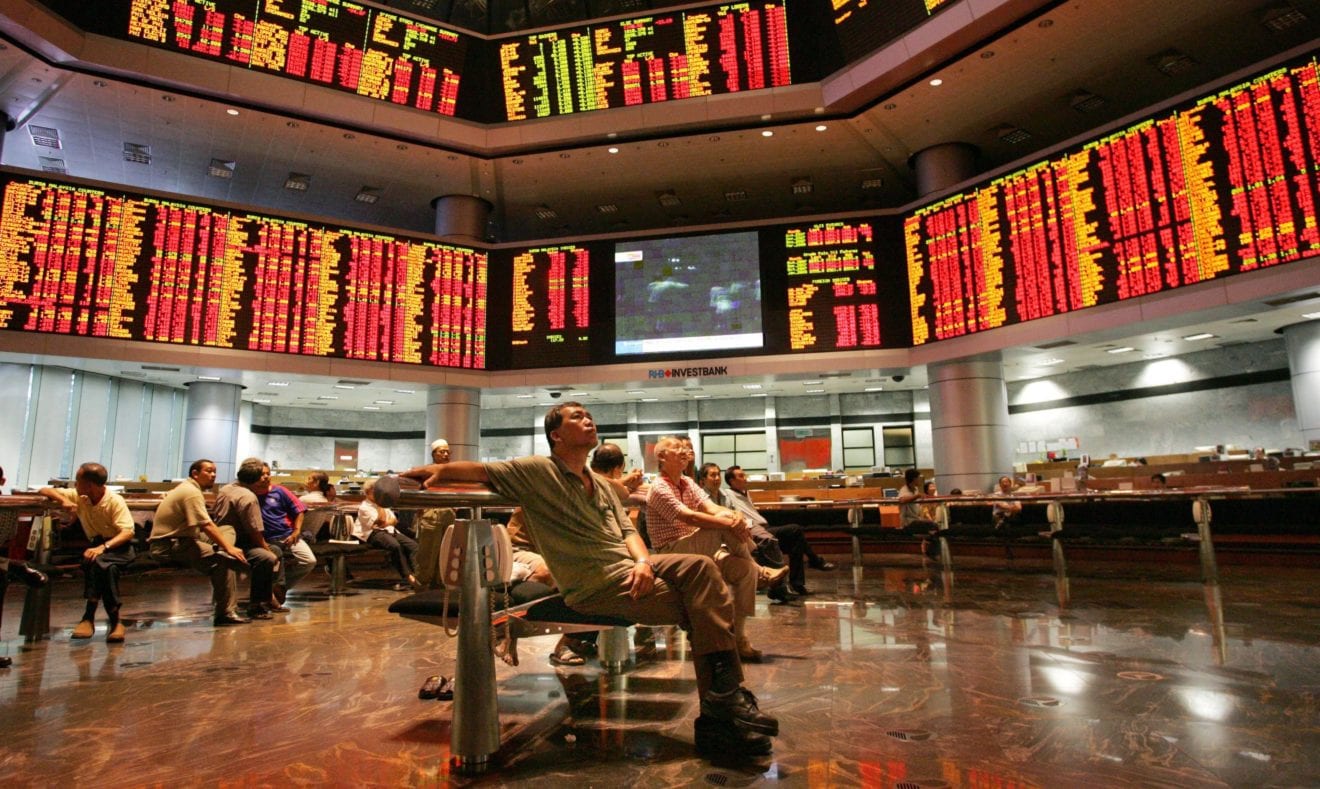
    Bursa Malaysia rebounded from yesterday’s losses to open slightly higher today on renewed buying interest in selected heavyweights, amid a mixed start on regional markets, dealers said.

    At 9.10am, the benchmark FTSE Bursa Malaysia KLCI (FBM KLCI) stood at 1,824.10, up 2.50 points, from yesterday’s close of 1,821.60.It opened 1.79 points higher at 1,823.39.

    Overall market breadth was slightly positive with gainers leading losers 142 to 121, while 211 counters were unchanged, 1,386 untraded and 33 others suspended.

    Turnover stood at 190.75 million shares worth RM86.95 million.

    Kenanga Research expected the benchmark index to move towards the resistance level of 1,840 points and 1,866 points, while any near-term weakness is likely to be short-term in nature.

    “Immediate support is seen at the psychological level of 1,800 points and 1,793 points next, where investors can look forward to buying on dips,” it said in a research note today.

    Among heavyweights, Maybank was flat at RM9.86, Public Bank slipped two sen to RM20.86, while TNB rose 12 sen to RM15.72, with Petronas Chemicals and CIMB Bank up two sen each to RM8.19 and RM6.82, respectively.

    Of the actives, Sumatec earned half-a-sen to 10 sen, UMW O&G and Perisai Petroleum were flat at 34.5 sen and 6.5 sen, while Sino Hua-An fell one sen to 46 sen.

    The FBM Emas Index was 10.95 points higher at 13,151.05, the FBMT 100 Index rose 10.64 points to 12,815.42, but the FBM 70 shed 9.87 points to 16,374.26.

    The FBM Emas Syariah Index went up 23.80 points to 13,591.17, but the FBM Ace eased 0.95 of-a-point to 6,682.31.

    Sector-wise, the Finance Index improved 5.53 points to 17,195.59 and the Plantation Index declined 10.76 points to 8,058.29, while the Industrial Index advanced 15.03 points to 3,327.68.

    The physical price of gold as at 9.30am stood at RM162.85 per gramme, down 0.61 sen from RM163.46 at 5pm yesterday.

  • Perodua aims for 2% growth in car sales this year

    Perodua aims for 2% growth in car sales this year

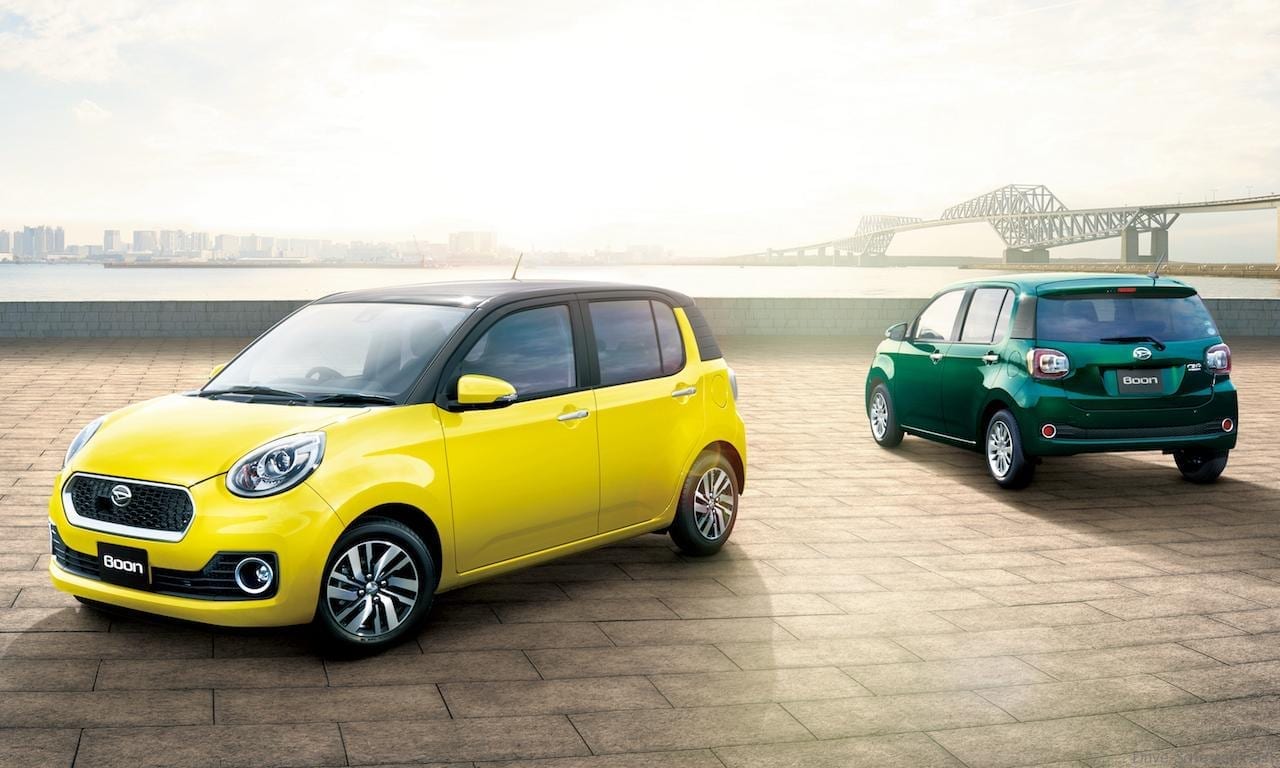
    Perusahaan Otomobil Kedua Sdn Bhd (Perodua) is targeting for the sale of 209,000 vehicles this year, which is a 2% jump from the 204,900 units sold in 2017.

    Speaking to reporters at the 2017 full year review briefing, Perodua’s president and CEO Datuk Dr Aminar Rashid Salleh said, this year the car maker is focusing on maximising the sales potential of all its models to meet its target.

    Production of vehicles is also expected to be ramped up to 215,334 units compared to the 200,146 vehicles produced last year.

    Aminar said that due to unfavourable foreign exchange conditions the company may focus more on the exports of parts and accessories instead of complete built-ups.

    Perodua currently exports to countries such as Indonesia, Mauritius, Sri Lanka and Fiji.


  • Johor set to open Capital 21 in August

    Johor set to open Capital 21 in August

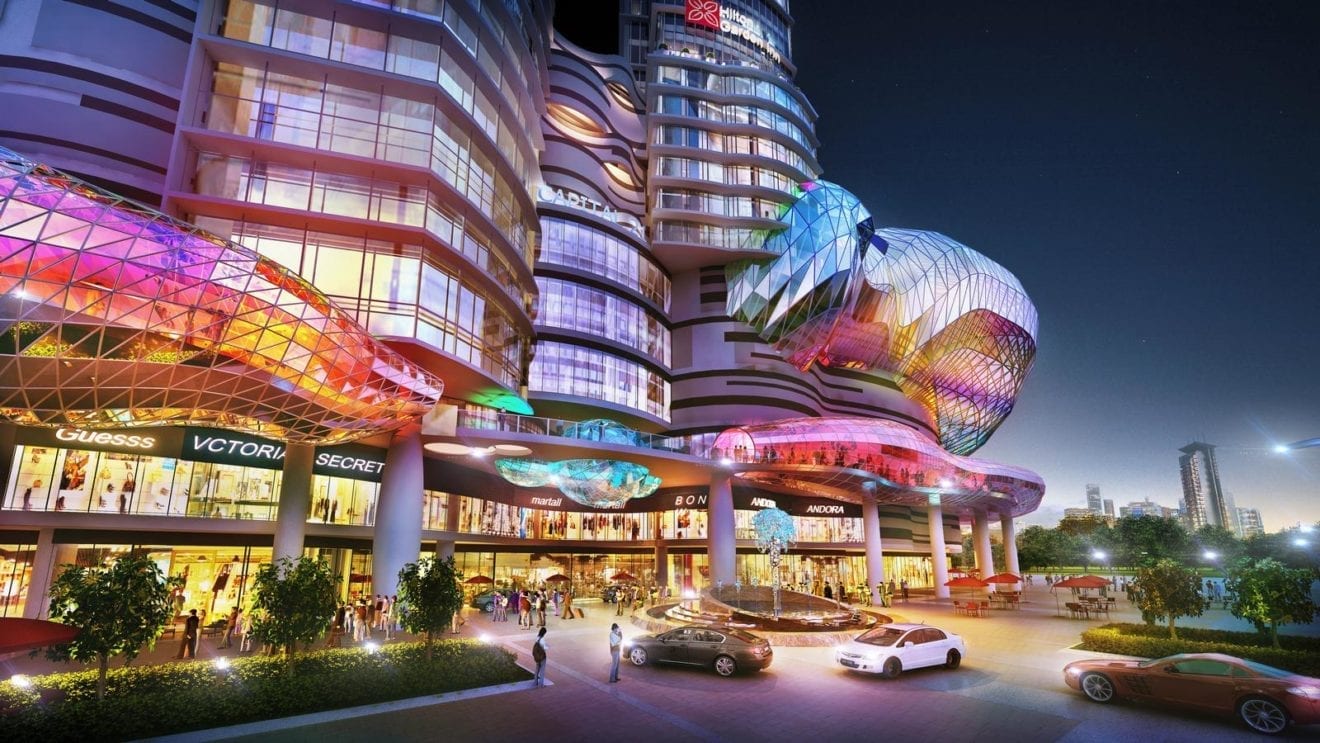
    An August opening date has been set for Malaysia’s Capital 21 mall, with its museum and indoor theme park.

    Initially the development was scheduled to open earlier this year.

    Being developed in Johor Baru by Capital World, the 1.4 million square-foot (130,000sqm) shopping mall will include three floors of retail alongside the MCM Studio indoor theme park, being promoted as the largest in Southeast Asia and the fifth largest in the world.

    It will have three themed sections: Cartoon Planet (animated characters), Movie Planet (Transformers, Dinosaur World and Haunted House themes involving augmented- and virtual-reality technologies) and Music Planet, with a circus tent and also offering music and theatrical events.

    Two hotels are also under development for the complex, a Hilton Garden Inn and The Planet Hotel, both expected to open next year.

    On the mall’s 11th floor, the First World Museum will offer the culture, landmarks and history of 21 countries.

    “With the rise of online shopping and e-commerce, we changed strategy many years ago,” says Capital World group director Siow Chien Fu. “Our theme park is the major attraction for this project, supported by the shopping centre.”

    Near the causeway link to Singapore, Capital World believes the theme park will appeal to its residents despite competition from Universal Studios Singapore.

  • MRCB-Quill REIT’s Q4 net profit down 80% on deficit in revaluation

    MRCB-Quill REIT’s Q4 net profit down 80% on deficit in revaluation

    MRCB-Quill REIT’s (MQREIT) net profit for the fourth quarter ended Dec 31, 2017 plunged 80% on a RM18.2 million deficit in revaluation of its investment properties.

    It made a net profit of RM3.3 million for the quarter under review, compared with Rm16.9 million for the same quarter in 2016.

    This was on 18.3% higher revenue of RM46.1 million, compared with RM38.9 million for the same quarter in 2016.

    The REIT comprises of 10 buildings worth a market value of RM2.2 billion as at Dec 31, 2017.

    In 2017, 14% of MQREIT’s total net lettable area was due for renewal.

    As at Dec 31, 2017, MQREIT successfully renewed approximately 80% of these leases. It is now in active negotiations for the renewal of leases due in 1Q 2018.

    In its filing with Bursa Malaysia, MQREIT said the Klang Valley office market is expected to remain challenging and for 2018, they will focus on asset management and leasing strategies that are centred on tenant retention.

    For the 12 month period ended Dec 31, 2017, MQREIT registered a 11.4% jump in net profit to RM9.9 million, compared with RM62.8 million for the same period in 2016.

    Revenue for the period was 32.8% higher at RM181.5 million, compared with RM136.7 million in 2016.

    Its share price gained one sen to RM1.22 today, with 131,200 shares changing hands.

  • Samsung Galaxy A8 Series Launched in Malaysia, Retails From RM1799

    Samsung Galaxy A8 Series Launched in Malaysia, Retails From RM1799

    Samsung has officially announced the arrival of the new Galaxy A8 (2018) in Malaysia. The Galaxy A8 (2018) and Galaxy A8+ (2018) are the company’s new mid-range offerings, featuring IP68-rated bodies and a new dual front camera setup, and will retail from RM1799.

    While they may be positioned as mid-range devices, Samsung has actually trickled down quite a number of flagship features to the new Galaxy A8 (2018) devices. In fact, the two phones even feature a dual-camera setup at the front, allowing for Live Focus for selfies – something the flagship Galaxy S8 and Note 8 devices do not offer.

    The Galaxy A8 also feature the Infinity Display with slim bezels: the A8 sports a 5.6-inch 18.5:9 Super AMOLED display, while the A8+ features a larger 6-inch panel; both phones boast Full HD+ 2220 x 1080 resolutions.

    The dual front camera, on the other hand, are made up of 16MP + 8MP sensors. The front cameras feature Live Focus, which simulates a shallow depth of field in your selfie shots. The rear camera, on the other hand, is a 16MP f/1.7 shooter with phase detection autofocus.

    Rounding out the specifications of the Galaxy A8 and A8+ are an unspecified Exynos octa-core processor paired with 4GB (A8) or 6GB (A8+) of RAM, 32GB (A8) or 64GB (A8+) of expandable storage, IP68 water and dust resistance, a 3,000mAh battery (3,500mAh on the Galaxy A8+), and Android 7.1.1 Nougat out of the box.

    The two phones run Android 7.1.1 out of the box, and feature a fingerprint scanner USB Type C fast charging, Bixby, and the Dual Messenger feature.

    The Samsung Galaxy A8 (2018) and Galaxy A8+ (2018) will be available in three colours (Black, Gold, and Orchid Grey) and will retail for RM1799 and RM2499 respectively. They will go on sale nationwide from 19 January onwards, and there will also be an early bird promo from 19-21 January, where those who buy the Galaxy A8 phones will receive a free 64GB Samsung Evo Plus microSD card and a 10000mAh power bank with Type C connector.

  • RM1b contraband cigarettes seized by Customs in 2017

    RM1b contraband cigarettes seized by Customs in 2017

    The Royal Customs Department seized contraband cigarettes with RM1 billion worth of taxes last year as the authority intensified actions to curb the rise of illicit tobacco products and the government incurs billions in revenue lost.

    The high price of cigarettes makes Malaysia a haven for contraband smugglers and retailers who reap huge profits as locals seek cheaper alternatives. Malaysia’s long coastline makes monitoring of the entry of illicit cigarettes more difficult.

    Customs DG Datuk Seri Subromaniam Tholasy said the non-duty cigarettes were seized while they were being transported and retail shops. “For the whole of last year, we seized cigarettes with close to RM1 billion in duties and taxes,” he said.

    Subromaniam also said recently Selangor’s Customs confiscated contraband liquor and cigarettes valued almost RM500,000 with RM2.25 million of unpaid taxes.

    Confederation of Malaysian Tobacco Manufacturers had reported the sector would not be able to withstand a price rise for cigarettes due to the widespread sales of illegal tobacco products.

    Malaysia’s legal cigarette market has dwarfed to less than 50% over the last 13 years as illegal cigarette consumption rose to about 57.1%, or 10 billion, out of 18 billion sticks in 2016.

    Contraband cigarettes are sold between RM4 and RM5 per pack, almost 400% cheaper compared to RM17 for the famous brands. Cigarette taxes

    had increased 110% over the last five years.

    It is estimated the government lost billions in tax revenue due to the mushrooming of contraband cigarettes. Excise tax for each stick could be between 28 sen and 40 sen per stick, and with an estimated 10 billion sticks of unpaid taxes, the government is losing a fortune.

    Subromaniam said the Customs is taking a different approach to overcome the sale and distribution of contraband cigarettes.

    “Previously, we go from shop to shop and check, and conduct raids. But, these methods are time consuming and expensive.

    “Now what we are focusing on is stopping the supply of the products to the sellers. Basically, we want to cut the distribution at the roots,” he said, adding that the department was also taking actions against the sale of cigarettes boxes that carried fake “tax paid” stickers.

    Subromaniam said the department had suspended the services of 30 foreign agents who had been bringing liquor and cigarettes.

    “We found out that they made a false declaration and we have halted their services with immediate effect.

    “Show-cause letters will be sent to all 30 foreign agents by next week. So, if they don’t respond accordingly, we will take the necessary action,” he said.

    The Finance Ministry in the third quarter of 2017 (3Q17) said indirect tax collection dropped 7.3% to RM14.6 billion, from RM15.7 billion in 3Q16 due to lower excise duties collection, particularly from the locally manufactured cigarettes.

    Cigarette companies like British American Tobacco (M) Bhd had ceased its local manufacturing operation, citing high excise environment and the sharp rise of illegal cigarettes.

  • Rise of local Malaysian cosmetic brands

    Rise of local Malaysian cosmetic brands

    Malaysian make-up brands and skincare products are now coming to the fore.

    Cushion foundation by So.Lek. Picture credit: Instagram So.Lek

    When it comes to make-up, local beauty enthusiasts tend to look for products offered by global brands such as L’Oreal, Estee Lauder, NARS, Maybelline, Urban Decay and Bobbi Brown.

    Meanwhile, the younger crowd, heavily influenced by Korean music and drama series, will go for branded Korean make-up and skincare used by their favourite celebrities.

    However, there is a new breed of beauty consumers. Rather than looking up to cosmetics giants from the United States, the European Union, Australia, Japan and Korea, they prefer to buy make-up products from independent local entrepreneurs.

    CULT STATUS

    Homegrown cosmetic brands started becoming popular when Instagram, Facebook and Twitter started became a norm in our society.

    They are mainly founded by fashion entrepreneurs, professional make-up artists and celebrities as well as social media influencers.

    According to a 2016 research on personal care and cosmetics products in Malaysia done by the United States International Trade Administration, while some big local manufacturers produce and own their house brands, a growing number of local players turn to local cosmetic manufacturers and focus on contract or private labelling.

    These homegrown brands work on a non-traditional and more personalised marketing strategy i.e. the brand founder is also the spokesperson or “The Face” on billboard advertisements, etc. They sell their products mainly via their own online portal or other established retail platforms such as FashionValet, mySMINK, Zalora and Pretty Suci.

    Although operating on a small-scale, some have managed to penetrate international markets or have their brands placed in established retail stores, pharmacies or global departmental stores.

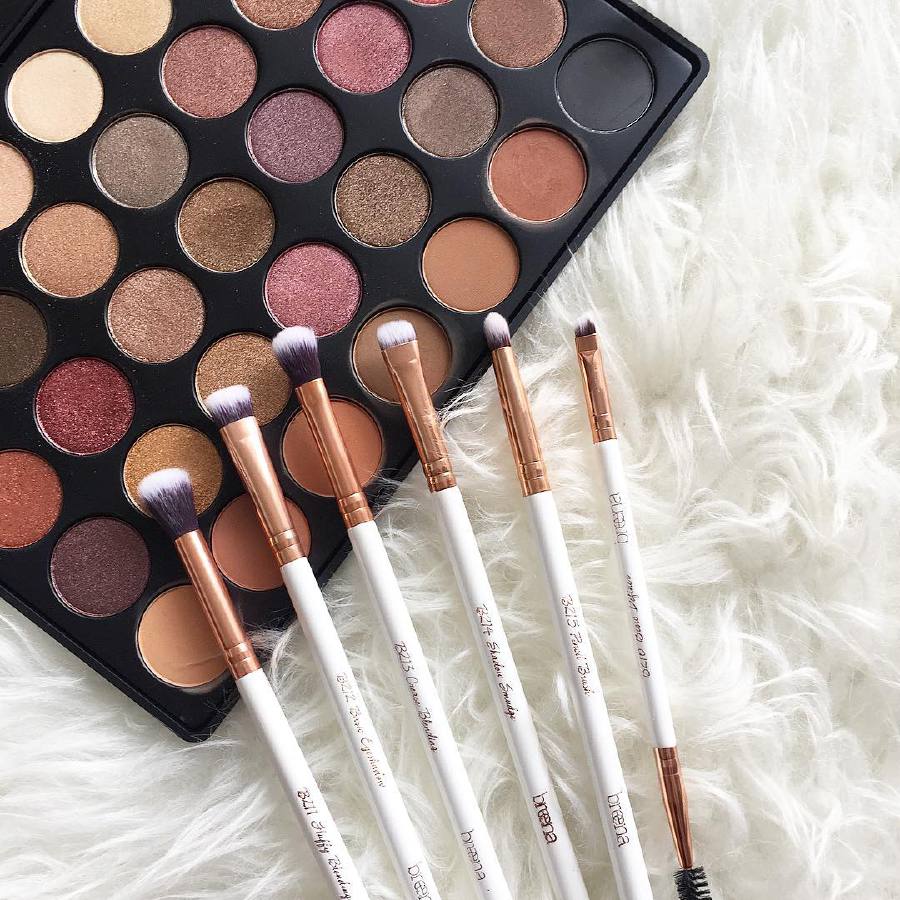
    Breena Beauty was among the earliest independent brands in the scene. Founded by well-known blogger Sabrina Tajuddin in 2014, the brand took off with a stellar make-up tool called face luxe brush.

    Can Can’s Beauty was created in 2015 and is known for lipsticks that are suitable for dark-skinned women. Fame Cosmetics and Stage Cosmetics (founded in 2008) are cult favourites, particularly among professional make-up artists.

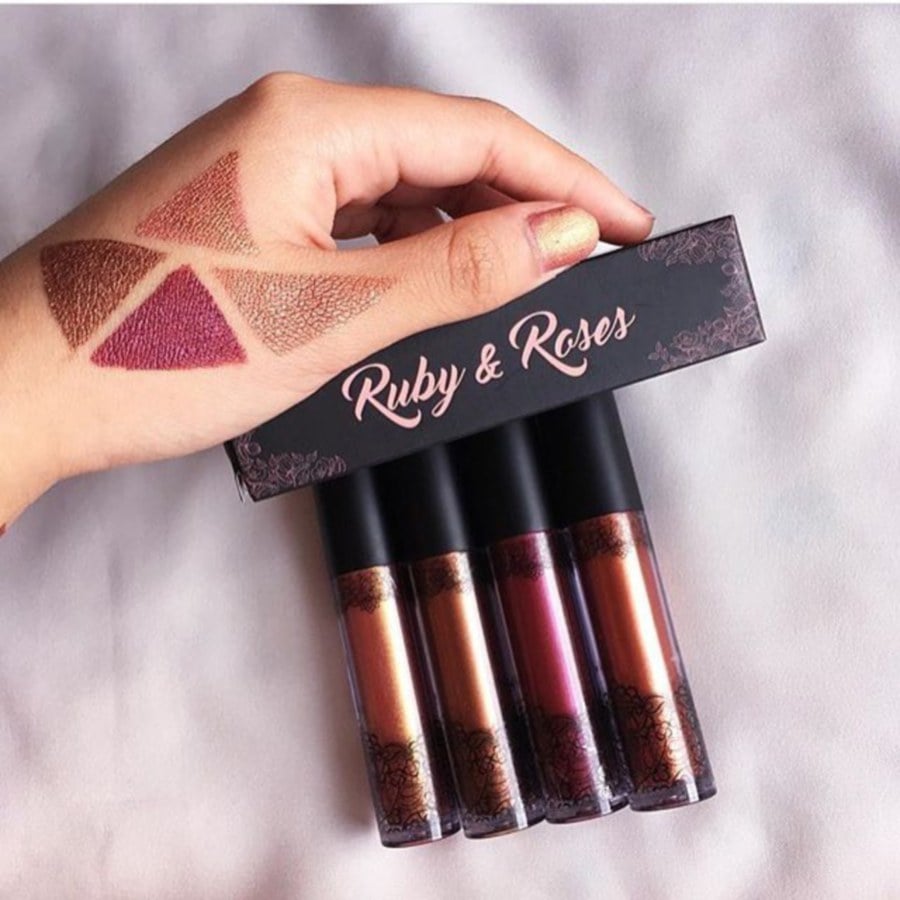
    Year 2016 saw the establishment of a string of new local brands such as Velvet Vanity (known for liquid lipsticks), DIDA For Women (known for matte lip creams inspired by luxurious designer lipsticks), Zhuco Cosmetics (Sabah-based brand known for rainbow-coloured highlighter), Chique Cosmetics (synonymous with fun-looking product packaging) and the Malay influenced So.Lek with its Gincu (lipstick) line and cushion foundation.

    Singer and television host Hunnymadu launched Madu Cosmetics that same year, offering The Artist Collection matte lipsticks named after her favourite songs.

    In December last year, celebrity make-up artist Syed Faizal Syed Noh launched Pipi by Syedskillereyes, a new addition to its Syedskillereyes make-up range that was first introduced in 2016. Pipi (cheek) is a chic cheek palette combining contour, blush and highlighter and is currently retailing on FashionValet.

    The latest label to jump on the brandwagon is OhMostWanted Cosmeceuticals by actress Nora Danish. Launched early this year, it combines both cosmetics and pharmaceutical properties formulated by local aesthetics doctors.

    HALAL FACTOR

    Halal and wuduk (ablution)-friendly elements are significant marketing factors in some local cosmetics brands such as SimplySiti (founded by singer Datuk Seri Siti Nurhaliza Tarudin), Ronasutra, Zawara, Nurayysa Beauty and Sugarbelle Cosmetics.

    Shah Alam-based Sugarbelle Cosmetics is among the cult brands on Instagram. It was founded by social media moguls and Muslimah fashion entrepreneurs Sharifah Nabilla Al-Yahya Syed Sheh a.k.a. Belle Al-Yahya (founder of Bella Ammara) and Eyqa Sulaiman of Sugarscarf.

    Starting with its first product, a creamy liquid lipstick, the brand has grown by leaps and bounds, with halal certification being among its strengths (apart from the 24-7 online marketing efforts and Belle’s endless make-up tips and tutorials).

    “I love make-up. I was inspired to start the business as I couldn’t find many cosmetic products that conformed to halal standards back then. I’m sure I’m not the only one facing the dilemma,” says Belle, 30.

    She says she and her team made sure that all Sugarbelle Cosmetics complied with the standards set by the Health Ministry and the Department of Islamic Development Malaysia (Jakim) from day one. This is why the brand went through a careful selection process of cosmetic manufacturers in Malaysia to cater to its mostly muslim consumers here and abroad.

    “I guess it has helped us stay alive in this competitive field. It has also beefed up our profile, and eventually led us to being among the few local brands to retail at Guardian outlets starting last year,” she says.

    The brand will launch new products to complete its cosmetic range soon and is ready to enter more Guardian outlets this year.

    CHALLENGES

    FashionValet is among the established online fashion retail platforms that curate brands by local entrepreneurs. There are more than 20 beauty and cosmetic brands, including local labels, currently retailing on the platform, with colour cosmetics being the fast-selling item.

    Founder Vivy Yusof says one of the challenges in curating and dealing with homegrown brands is the fact that they are small players.

    “In my seven years in business, I have seen lots of brands come and go. Most are very new to the market and are run by one or two persons. They have the passion and what it takes to tackle the market but they need support in marketing, financing and branding,” she says.

    As part of its ongoing streamlining effort this year, the platform is focusing on keeping only a few brands onboard. “We want to maintain a certain standard and quality. We also want to continue offering products from mid to premium brands.

    “We will focus our efforts to help local players who are ambitious, willing to learn and ready to grow with us,” she says.
    Fast Facts

    * Malaysia’s total trade volume for personal care and cosmetics products was about US$2.24 billion (RM8.9 billion) in 2015.

    * Over 50 per cent of the demand was met by US$1.3 billion in imports mainly from China, Thailand, France, the European Union, the United States, South Korea and Japan.

    * The 2015 Global Economic Summit reported that Malaysia is among the countries with highest Muslim consumers’ expenditure with US$2.6 billion, indicating a huge potential for halal products including cosmetics.

    * There are 210 cosmetic manufacturers in Malaysia that conform to the Good Manufacturing Practices requirement in accordance to the Asean Guidelines for Cosmetics.
     

  • Online sales bring cheers to online retailers

    Online sales bring cheers to online retailers

    To technology, retailers have and are moving out from brick-and-mortar stores to join the cyber world. As a result, street retail sales are accelerating on the Internet, offering shoppers better deals because they do not have to worry about the overhead expenses which traditional stores have to deal with.

    Christy Ng Sdn Bhd founder Christy Ng, who started her business in her mother’s living room years back, now owns five brick-and-mortar stores that delivers to 30 different countries.

    She decided to open her own physical store after her loyal customers, who rather try out the shoes before buying them, nudged her into it.

    “During the recent MyCybersale blow-out frenzy which ran from Oct 9 to 13 last year, we achieved 10-fold more sales than our physical stores,” she said.

    “We also witnessed a 35% increase in sales, specifically during the Alibaba Single’s Day 11.11 and 12.12 mega sale bash.”

    She added that 60% of her customer base comes from the online store, whereas the remaining 40% of customer base are from our physical outlets.

    MyCybersale is a five-day online sales festival organised by the National ICT Association of Malaysia along with the Malaysia Digital Economy Corp.

    MyCybersale 2017 managed to rack in a gross merchandise value (GMV) of RM311 million, exceeding the RM300 million target set for the year.

    RM39 million of the RM311 million GMV were derived from international shoppers which surpassed the export revenue target of RM20 million.

    It was a phenomenal growth of over 254% from the 2016 export revenue of RM11 million.

    Bagman Corp Sdn Bhd group CEO Datuk Liew said his online retail business also witnessed some positive numbers during the online mega sale frenzy.

    “Bagman didn’t do all that well during last year’s MyCybersale. However, during the 11.11 and 12.12 deals, we saw a 20%-30% increase in sales.

    “It is an improvement from the previous year and I believe online retail is the future,” Liew said.

    Liew, who used to sell his designed bags in major marketplaces, however, added that it is hard to do branding on those marketplaces since shoppers mainly go on these sites to search for “affordable” things.

    Previously reported that ShopBack Malaysia country GM Alvin Gill revealed the average spending per customer surged more than threefold during the recent the 12.12 online shopping celebration compared to the Single’s Day 11.11.

    “The average spending per customer during the 12.12 was RM485, whereas for 11.11 it was US$76 (RM302.04).

    “This is due to the increase in travel bookings made for the year-end holidays along with Christmas gift purchases, as well as apparels purchases for the New Year,” said Gill.

    ShopBack Malaysia collaborated with more than 30 online partners during 12.12, among them were Lazada, Zalora, 11street as well as Booking.com.

  • Titijaya Land teams up with Tokyu Land

    Titijaya Land teams up with Tokyu Land

    Bursa Malaysia-listed property developer Titijaya Land Berhad (Titajaya) has signed a memorandum of understanding with Tokyu Land Corporation (TLC) to establish a provisional collaboration in the real estate industry.

    In a statement, Titijaya said it will share and exchange knowledge and expertise with TLC with the intention of further revolutionising their real estate development and to explore potential collaborations for any property development projects that either of them may undertake.

    TLC, founded in 1953, is a real estate firm involved in urban development, wellness and overseas business. It is a core subsidiary of the Tokyu Fudosan Holdings Group, a Japanese company listed in the Tokyo Stock Exchange.

    “By entering into the MOU, we are able to leverage on TLC’s strength to further revolutionise our business,” said Titijaya Land Group Managing Director Tan Sri Dato’ Lim Soon Peng.

    TLC is to establish itself in the Malaysia property development sector by capitalising on Titijaya’s current and upcoming market, he added.

    TLC is known for its technology, expertise, creativity, and innovative knowledge in developing and marketing real estate with an edge, putting it a class ahead in the urban property development realm.

    This includes multiple large-scale projects in Shibuya (birthplace of TLC), Ginza, Takeshiba, and other urban areas.

    Its development in Shibuya is a transit-oriented development (“TOD”) concept with a bus terminal as well as tourist support facility that supports the activities of local and international visitors. TLC also has a good track record in property

    According to the MOU, Titijaya and TLC are desirous of collaborating in real estate development areas such as, but not limited to, residential, office, transit oriented development, senior housing, urban hotels and other forms of hospitality, commercial and retail properties.

    It also includes property management and operations, as well as the establishment of or investments in real estate investment trusts (“REITs”).

  • Legion Concept Store to Open Soon in Kuala Lumpur

    Legion Concept Store to Open Soon in Kuala Lumpur

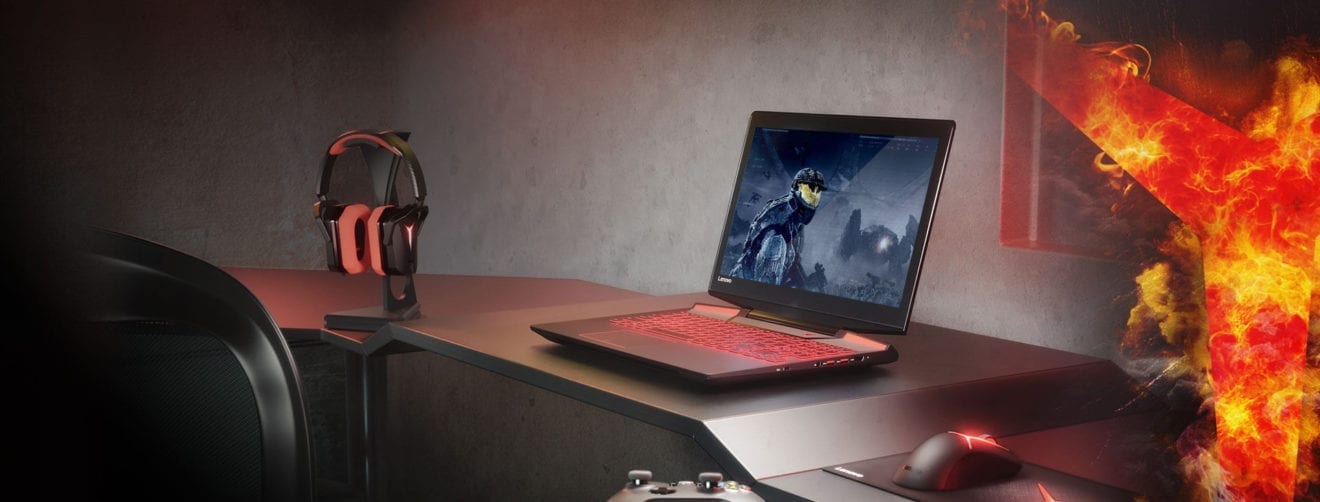
    Technology company Lenovo Group plans to open a Legion concept store in Kuala Lumpur.

    Skewed toward gaming, the store will also offer an experiential area where customers can try Legion’s gaming products.

    Lenovo central Asia Pacific GM Ivan Cheung says a site has already been chosen and renovation work has started. The opening is expected to be within the next quarter.

    With the Legion brand established just a year ago, the company believes it is important to give customers the chance to test and experience the products. The portfolio includes gaming laptops and desktops as well as peripherals such as specialised mice, keyboards and even backpacks.

    Lenovo has identified Malaysia as a high-potential market for gaming.

  • Korea’s Caffe Bene sees the end

    Korea’s Caffe Bene sees the end

    Korean coffee chain Caffe Bene has collapsed, filing for a court-led restructuring scheme on Friday.

    Yonhap news service reports the court will soon decide whether to put the ailing coffee chain under its receivership or commence liquidation.

    The legal move follows a protracted slump and mounting losses, the company said. In 2016, the company lost about US$32 million on sales of $73 million, down 32 per cent on the previous year. At that time it operated 800 stores in Korea, a figure it said would shrink as it restructured, and about 50 in the US.

    Launched in 2008, Caffe Bene expanded to become one of South Korea’s largest coffee franchises, opening more than 1000 stores in five years, but lost ground in the saturated coffee market. While its US website claims it has opened 1600 stores worldwide, the exact number still trading is difficult to ascertain. It has opened in Vietnam, the US, China, Canada, Brunei, Singapore, Japan, Indonesia, the Philippines, Saudi Arabia, Malaysia, Cambodia and Mongolia.

    But the international foray has met with mixed success. The Cambodian store has already closed and the last Facebook post by the Singapore cafe is dated February last year. In Vietnam several stores have opened and closed, including its downtown flagship which drew huge queues when it opened in 2014. Three outlets remain trading there, but it is not clear if they are franchised or company-owned.

    The company also appears to have exited the Canadian market.

    While rapid growth in the consumption of brewed coffee drove up the Korean coffee industry’s overall expansion, Caffe Bene was unable to match the growth rate at home.

  • Indian jeweller Malabar Gold & Diamonds to break a record

    Indian jeweller Malabar Gold & Diamonds to break a record

    Indian jewellery chain Malabar Gold & Diamonds today added 11 showrooms across six countries to its network.

    Taking its retail store count to 208, the showrooms include AMK Hub in Singapore, Ampang Mall in Malaysia and Warangal in Telangana, India. Other showrooms are in malls across the UAE. The brand has 90 showrooms in India, and last year opened 27 showrooms internationally.

    As well as another 50 showrooms in different formats internationally, the Malabar Group plans to add more manufacturing units this year, says chairman MP Ahammed. “This will fuel our vision to become the top jewellery retailer in the world.”

    The company will expand into new countries such as Brunei, Bangladesh, Sri Lanka and the US, says Malabar Gold international MD Shamlal Ahammed.

    The expansion will generate more employment and enhance such initiatives as the government’s Made In India, says Malabar Gold & Diamonds India MD O Asher. The group has earmarked 5 per cent of its annual profit for CSR activities in five key areas: housing, health, environment, women’s empowerment and education.

  • Sa Sa International looking good, thanks to tourists

    Sa Sa International looking good, thanks to tourists

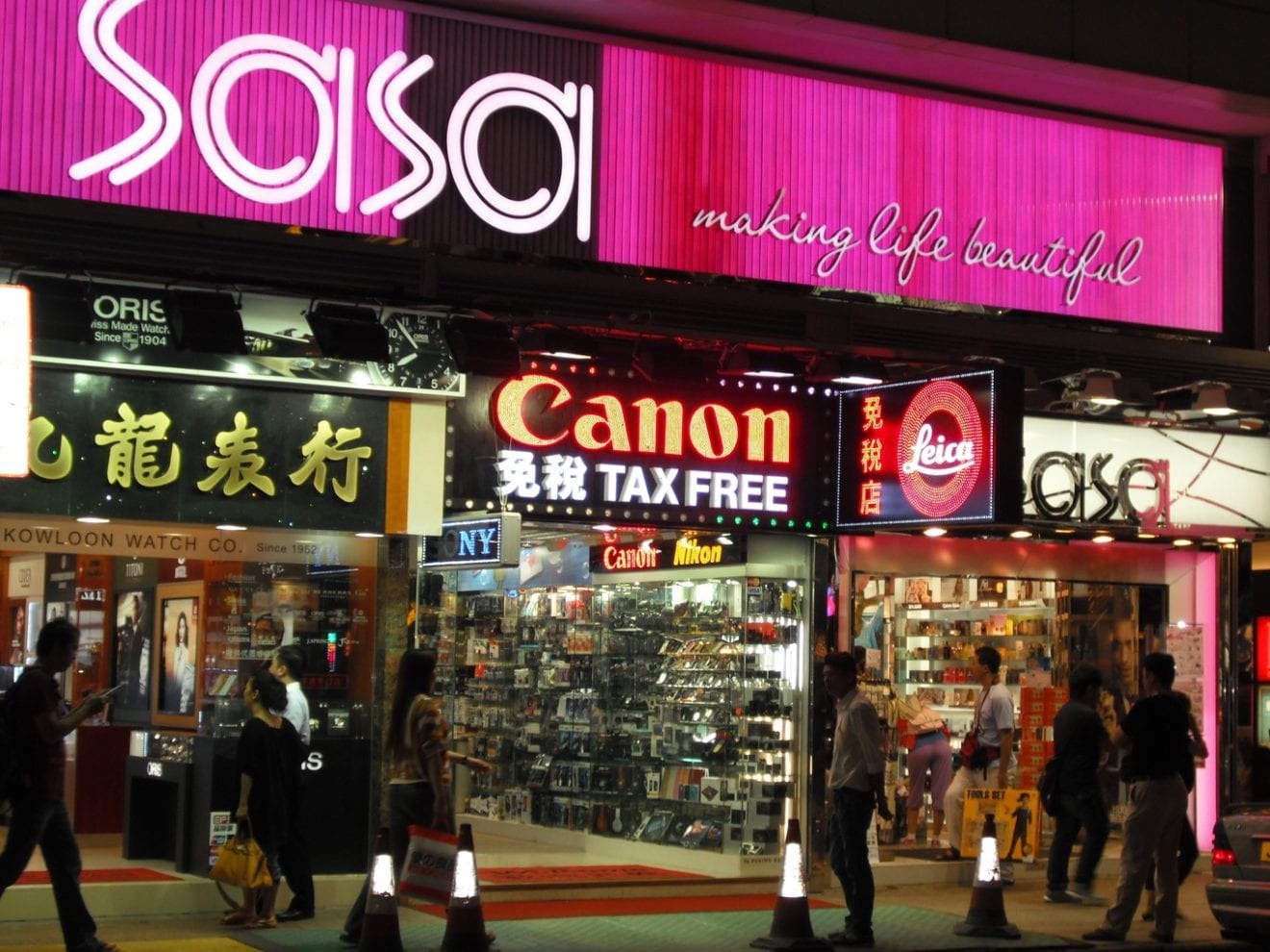
    Stronger store traffic drove overall sales for cosmetics retailer Sa Sa International for its third quarter to the end of December.

    This was in line with expectations, says the company.

    Total transactions increased by 5 per cent year on year to 5.1 million, while the number of transactions with local and mainland tourists grew 6.6 and 4.1 per cent respectively. The average transaction value also rose, by 4.2 and 2.8 per cent (to reach $367) respectively.

    The group’s total turnover grew by 6.5 per cent to HK$2.2 billion (US$281 million), led by Hong Kong and Macau where the growth was 8.1 per cent to reach $1.8 billion, while same-store sales increased by 3.7 per cent.

    Overall retail sales and same-store sales had 9.5 and 5.6 per cent growth respectively during December.

    Turnover in Mainland China, Singapore and Malaysia grew 13, 3.6 and 3.9 per cent respectively, while the turnover for Taiwan and e-commerce dropped by 5.5 and 21.9 per cent.

    Total turnover for the nine months to the end of December was $5.9 billion, up 3.4 per cent. For Hong Kong and Macau the figure was $4.8 billion, up 4.5 per cent.

    Same-store sales were flat for the nine months, while the average sales per transaction rose 3.3 per cent for to $343. There were 14 million transactions, up 1 per cent.

    At the end of December the company had 290 stores, no change from a year previously. However, the number of stores increased in Hong Kong and Macau (from 115 to 119), while there was a drop in Singapore (from 21 to 19) and in Taiwan (from 25 to 21). China and Malaysia had no change with 56 and 73 stores respectively.

  • Zodiac dog, pig go missing for Chinese New Year t-shirt

    Zodiac dog, pig go missing for Chinese New Year t-shirt

    There may be 12 animals in the Chinese zodiac, but it looks like Giant Hypermarket outlets in Malaysia missed the memo.

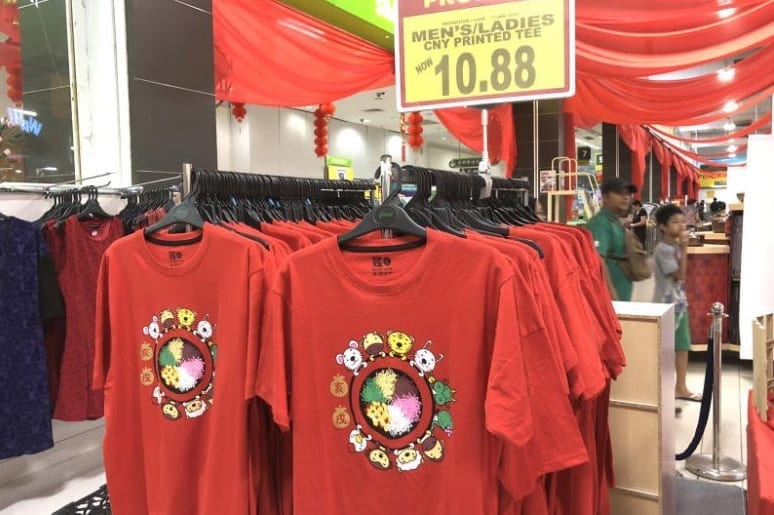
    A photo of a festive Chinese New Year t-shirt being sold by the hypermarket chain received flak online from Malaysians because its image of cartoon animals perched around a platter of yu sheng was missing two animals – the pig and the dog, reported Free Malaysia Today.

    Chinese New Year this year, which ushers in the Year of the Dog, falls on Feb 16.

    Instead of a cute cartoon image, the pig and the dog were represented by the Chinese characters “hai” and “xu”.

    People were far from happy about it. In fact, many of them turned snarky.

    Facebook comment by Mynn Liew

    Facebook comment by Magima Raj Pragasam

    Facebook comment by Masihtah Abdul Mutalib

    According to The Straits Times, the T-shirt comes in different sizes and is being sold at a discounted price of RM10.88 ($2.73), down from its original RM15.99.

    But selling it at a discount might not be enough, with many calling for a boycott of the t-shirt altogether.

    Facebook comment by Supachai Phoong

    Facebook comment by Peter Aeria

    Others were simply left speechless.

    Facebook comment by Neelaa Siva

    This is not the first time that the Malaysian authorities have banned or restricted materials containing dogs or pigs – animals considered unclean by the country’s majority Muslims.

    Last February, thousands of paint brushes suspected of containing pig bristles were seized after Malaysian consumers demanded a crackdown.

    In 2016, the Department of Islamic Development of Malaysia (Jakim) even went as far as banning food outlet operators seeking halal certification from using words linked to non-halal references on their menus – and yes, that includes “hot dogs”.

  • 7-Eleven in talks with a ‘few parties’ on food deal

    7-Eleven in talks with a ‘few parties’ on food deal

    7-Eleven Malaysia Holdings Bhd is in talks with a few parties on food chain supply after its memorandum of undestanding (MoU) with Brahim’s Holdings Bhd’s subsidiary lapsed after close to two years.

    Last week, 7-Eleven said in a stock exchange filing that the MoU with Brahim’s “has lapsed and accordingly ceased to have any effect”.

    “We’re looking to work with many others. We’re talking to some (a few parties), but it’s not finalised yet,” 7-Eleven Malaysia majority shareholder and Berjaya Corp founder and executive chairman Tan Sri Vincent Tan told a press conference after launching mobile wallet app One2pay today.

    He added that once the company has finalised the decision, it will make an announcement, estimated in the next two to three months.

    Meanwhile, Tan said the group is projecting a 3%-5% increase in sales for the retail businesses under Berjaya Group, on the back of the appreciation of the ringgit and positive signs such as the growing economy and foreign investments in the country.

    He said while retail associations and retailers have lamented the soft retail market, partly due to competition from e-commerce, the situation has been better because the ringgit has strengthened, which augurs well for the retail industry.

    “The retail trade in Malaysia is still okay and is not as bad as painted by some. For our group, we’re optimistic that the retail trade will get better,” said Tan.

    He added that the group witnessed a dip in sales when the Goods and Services Tax (GST) was implemented but now it has stabilised and sales are going up.

    “People have accepted GST. Consumers are back and the sales are up.”