Tag: Malaysia

  • Harrisons to acquire entire stake in Komonoya Malaysia

    Harrisons to acquire entire stake in Komonoya Malaysia

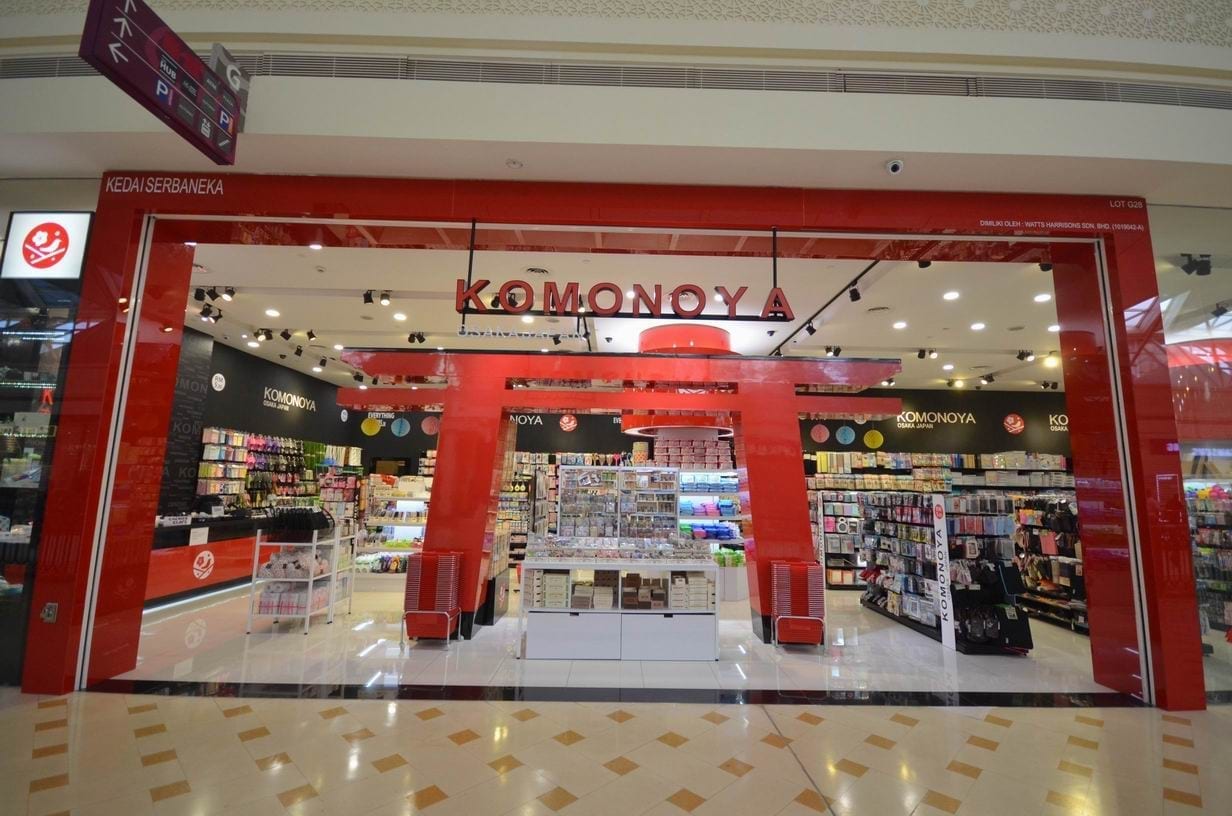
    Harrisons Holdings (M) Bhd has entered into an agreement with Watts Co Ltd to acquire Komonoya products retailer Watts Harrisons Sdn Bhd (WHSB).

    Harrisons said it will pay a nominal sum of US$1 (RM3.91) for the 100% stake, and will also pay on behalf of WHSB the remaining balance of the outstanding debt owed to Watts Co Ltd if WHSB has insufficient cash to pay on the expected completion date of April 5.

    As at May 31, 2017, WHSB’s cash level stood at RM1.93 million, versus the outstanding debt of RM2.33 million.

    In a filing today, Harrisons said WHSB has entered into agreements with Watts Co to grant the former the exclusive right to use the Komonoya name and logo in Malaysia and Brunei as well as non-exclusive wholesale rights to sell products in Singapore, Indonesia, and Dalian, Shenyang and Harbin in China.

    WHSB also entered an agreement to grant itself exclusive franchise retail business and rights to sub-franchise to third parties in Malaysia and Brunei and non-exclusive franchise retail business and rights to third parties in Singapore and sales rights to Dalian, Shenyang and Harbin.

    “The proposed transaction will allow Harrisons to develop another distribution model that comes with the franchisor’s brand (Komonoya) and to embark in the retail sector.

    “With this acquisition and with the support of the Watts Co, Harrisons will be able to expand its distribution network beyond Malaysia to Singapore, Brunei, Indonesia and parts of China thus realising Harrisons’ strategy of expanding its business to overseas. WHSB is already operating in Singapore and Brunei,” said Harrisons.

    Harrisons’ share price closed unchanged at RM3.95, for a market capitalisation of RM270.48 million.

  • Petronas: Biggest risk now is stronger oil price

    Petronas: Biggest risk now is stronger oil price

    Petronas which saw its net profit soar 91% last year, considers the biggest risk in the horizon to be the improved oil price which looks to already be making oil and gas players abandon hard-won cost efficiencies achieved over the last three years.

    Although the recovery of global oil prices played a key role in its strengthened performance for 2017, its president and group CEO Tan Sri Wan Zulkiflee Wan Ariffin at a briefing last Friday cautioned that the sustainability of the oil price at current levels, which are supported by the Organisation of Petroleum Exporting Countries (Opec) and non-Opec production cuts, remains to be seen.

    “A concern here, is that with the oil price recovery, costs are showing signs of increasing at a worrying rate. This is likely being driven by a premature exuberance among industry players. If we do not keep these escalating costs in check, the industry as a whole runs the risk of negating the value we have gained from intensive cost-efficiency efforts over the last three years,” he added.

    Wan Zulkiflee said the industry should continue to ensure costs are kept under control, increase efficiencies and drive up value.

    For the fourth quarter ended Dec 31, 2017, Petronas’ net profit rose 61% to RM18.2 billion from RM11.3 billion a year ago due to higher revenue and lower net impairment on assets and well costs.

    Revenue for the quarter rose 14% to RM61.8 billion from RM54.3 billion a year ago due to higher average realised prices for major products and higher sales volume from liquefied natural gas and petroleum products, partially offset by the ringgit strengthening against the US dollar.

    For the full year, its net profit nearly doubled with a 91% jump to RM45.5 billion from RM23.8 billion a year ago while revenue for the year rose 15% to RM223.6 billion from RM195.1 billion a year ago.

    A dividend of RM16 billion was paid to government last year, while it is committed to paying out RM19 billion this year.

    The group is expecting a higher capital expenditure (capex) this year of RM55 billion compared with RM44.5 billion last year.

    “The stronger ringgit will have an impact on our bottom line but it also works in our favour in terms of capex, which is priced in US dollars. The amount of ringgit that we need to spend on those will be lower,” said executive vice-president and group CFO Datuk George Ratilal.

    He said the stronger ringgit will also benefit Petronas when its borrowings, of which 80% are in US dollars, are translated into ringgit.

    The group managed to sign on nine production sharing contracts in 2017, almost double that of less than five in 2016, a feat the state-owned oil multinational attributes to the regulatory environment for oil and gas investments here, where Petronas is the single point of reference.

    Moving forward, Petronas is driving a three-pronged growth strategy that includes maximising its cash generators by sweating its assets and building a solid foundation for growth; expanding its core business by growing its resource base and integrated business model; and stepping out to build capabilities and venture into new business areas such as specialty chemicals and new energy.

    The strategy will see Petronas focusing on regions like Asean, the Indian sub-continent, the Middle East and the Americas.

    Commenting on its plans to venture into new business areas, Wan Zulkiflee said oil and gas will remain its core business but contribution from renewable energy will grow, to some 18% in 2037-2040.

    On the establishment of Petroleum Sarawak (Petros), he said it welcomes the participation of Petros and any other state-owned company that wants to engage in the oil and gas sector, as long as it is within existing arrangements. He did not elaborate.

  • AirAsia shares down on news of special dividend

    AirAsia shares down on news of special dividend

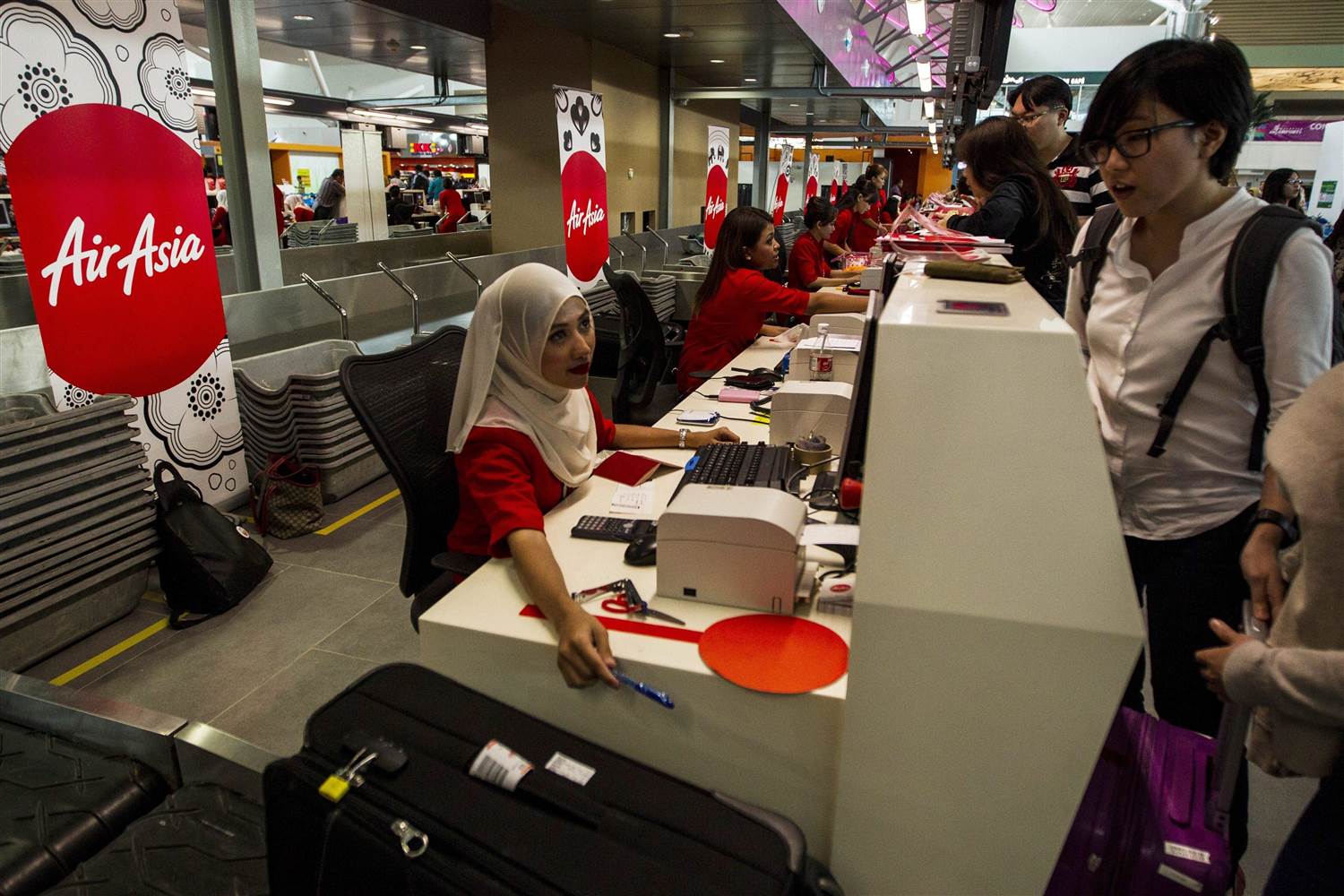
    AirAsia Malaysia share price fell 1.52% at mid day after it plans to use the bulk of the cash proceeds from the sale of its aircraft leasing operations Asia Aviation Capital Ltd to pay out a special dividend to shareholders and settle bank borrowings to improve its financial leverage.

    At 12pm today, AAB’s share price stood at RM4.53 with 13.49 million shares changing hands.

    AAB will sell Asia Aviation Capital Ltd for US$1.18 billion to BBAM Limited Partnership (BBAM) managed entities.

    Under the terms of the agreements, FLY Leasing Limited (FLY), Incline B Aviation Limited Partnership (Incline), Nomura Babcock and Brown (NBB) will acquire a portfolio of 84 aircraft and 14 engines of which 79 Aircraft and 14 engines will be leased back to AirAsia and its affiliates.

    FLY and Incline have also entered into agreements to acquire 48 aircraft to be delivered to AAB and an option to acquire a further 50 aircraft to be delivered.

  • M101 brings world’s first Monopoly-themed hotel to Malaysia

    M101 brings world’s first Monopoly-themed hotel to Malaysia

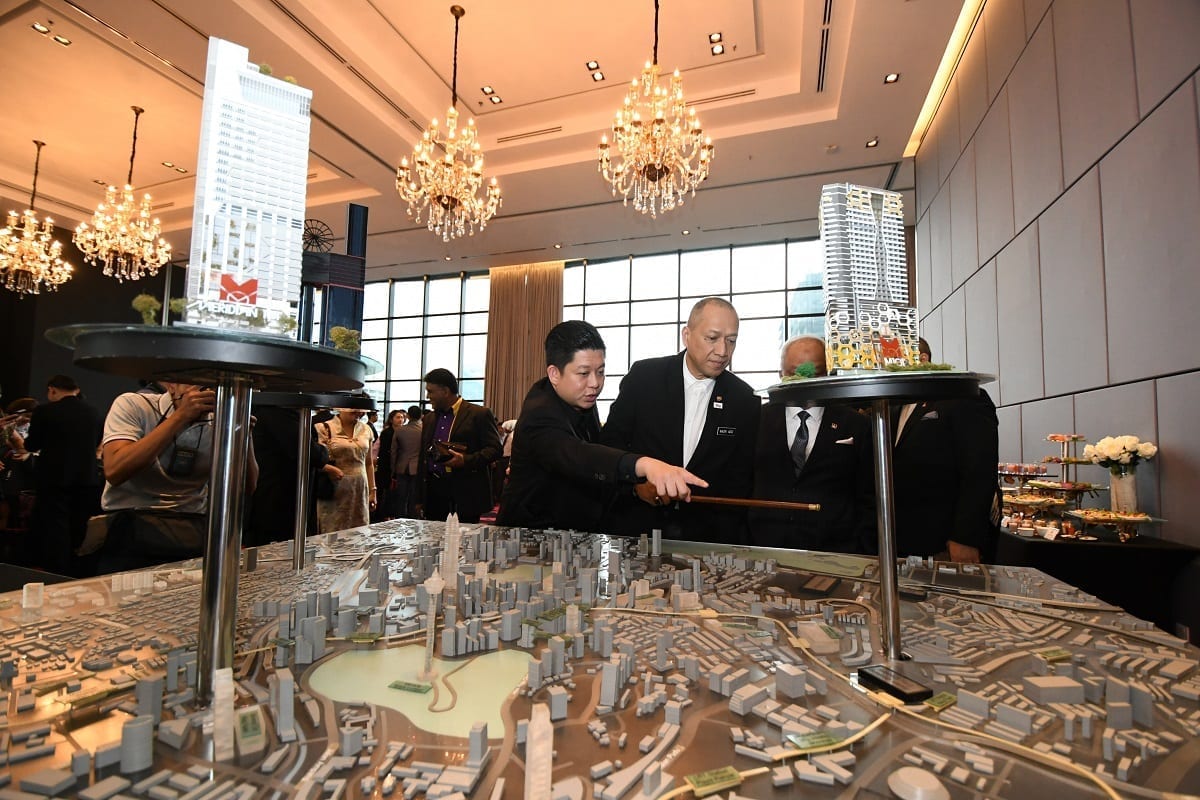
    Property developer M101 Holdings Sdn Bhd is partnering with the US toy company Hasbro Inc for the world’s first Monopoly-themed hotel, which will be located at its existing mixed development project called M101 Bukit Bintang.

    The mixed development project, situated in Bukit Bintang area, include small office flexible office (SoFo), retail lots and hotel suites.

    “The GDV for this development is around RM280 million. We have started construction works two years ago and we expect to hand over the project by end of this year,” M101 CEO Datuk Seth Yap said at the licensing agreement signing ceremony with Hasbro today.

    “Our underlying concept is to collaborate with international renowned brands, a unique and interesting brand that you might not think is possible for a hotel. And there is a lot of international brands that are willing to work with us,” he added.

    M101 had previously announced its collaboration with brands such as Planet Hollywood and Studio F.A Porsche to deliver exclusive suites in its M101 Skywheel project in Kuala Lumpur.

    Upon completion, Yap said the five-star boutique hotel, to be known as Monopoly Mansion by Sirocco, will be managed and operated by the developer’s hospitality arm Sirocco Hospitality Group.

    The Monopoly Mansion will feature 255 luxurious guest rooms, a rooftop pool and sky lounge, a sky ballroom, meeting lounges and a spa.

    To date, Yap said, M101 has launched three projects with a total gross development value (GDV) of RM2.6 billion, namely RED by Sirocco, M101 Skywheel as well as M101 Bukit Bintang.

    On its 2018 outlook, he said this year the group will see a slowdown in terms of sales, as it will be focusing more on its existing projects and project launches.

    He noted that the group’s M101 Skywheel project, which has seen a take up rate of 80% for Phase 1 of its SoFos, registered about half a billion ringgit sales last year.

    The project is targeted to be completed by 2022.

    Going forward, Yap said the group plans to expand its regional presence in Bintan and Bali, Indonesia, as well as Thailand. Currently, the group has presence in 15 countries including China, Brunei, Taiwan, Bangladesh and Sri Lanka.

  • Malaysia Airlines sees decline in Q4 load factor, passengers carried

    Malaysia Airlines sees decline in Q4 load factor, passengers carried

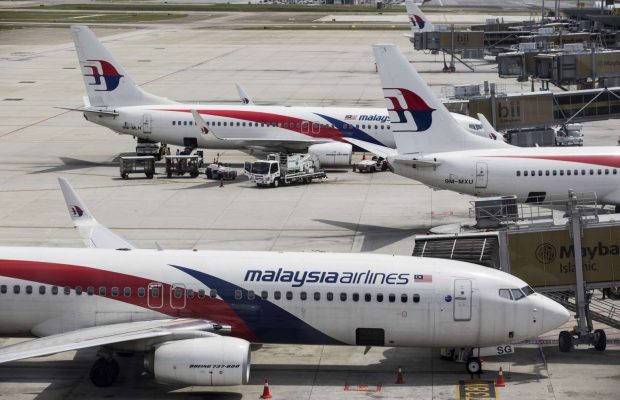
    Malaysia Airlines Bhd’s (MAB) passenger load factor for the fourth quarter (Q4) ended Dec 31, 2017 dipped to 77% from 81% a year ago with a 10.5% drop in the number of passengers carried from 3.8 million to 3.4 million.

    Despite that, Q4 passenger yield was the highest during the year at 23.6 sen, which offset the slight reduction in load factor and also resulted in a 2% improvement in revenue per available seat kilometre (RASK) from 21.6 sen to 22.1 sen.

    Domestic and international passenger load factor stood at 70.5% and 78%, respectively.

    Malaysia Airlines Group (MAG) CEO Izham Ismail said in a statement that the group is firmly anchored to the MAS Recovery Plan and he is happy to see steady progress continue in the fourth quarter.

    “A concerted focus on yield in the second half of the year has seen an overall improvement in yield and RASK bucking the general downward trend of other regional players.”

    Overall he said the airline underperformed against budget compared to the previous year, due to a weaker first half impacted by a weak pricing strategy as well as the hike in exchange rates and fuel.

    “MAB did recover in the second half with closer oversight on yield management and ended the year in a stronger position. Moving forward, we will continue to focus on and drive yield to cushion the group from rising fuel costs and forex volatility,” he added.

    On outlook, Izham said Southeast Asia has strong traffic growth, but overcapacity remains a challenge, pressuring yields.

    “MAB maintains its cautious outlook in the fiscal year of 2018. While the economy is anticipated to be resilient, MAG anticipates that supply and capacity pressure will continue to put a stress on yields although the effect for 2018 is expected to be moderate. The group will continue to be prudent and agile in controlling capacity and has already scaled back on domestic route frequencies allocating aircraft where the best potential returns are seen.”

  • Apple reseller Malaysia apologises over cancelled warehouse sale

    Apple reseller Malaysia apologises over cancelled warehouse sale

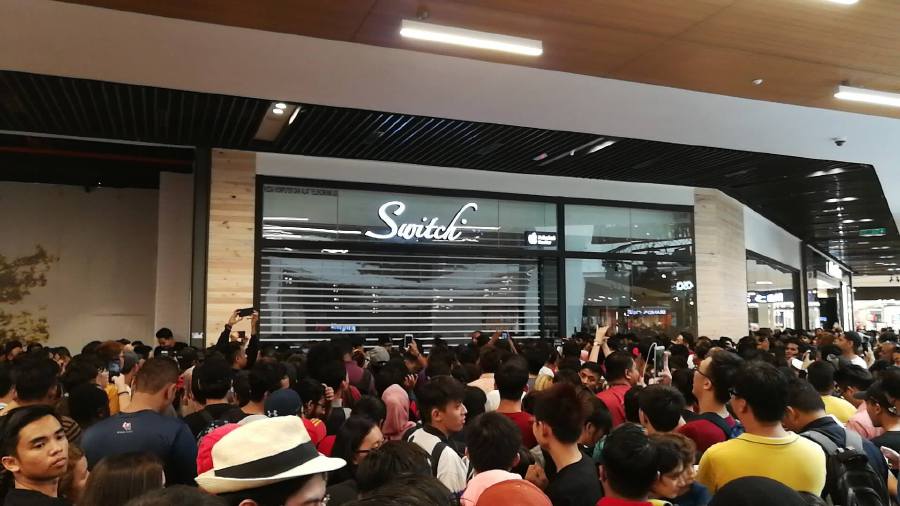
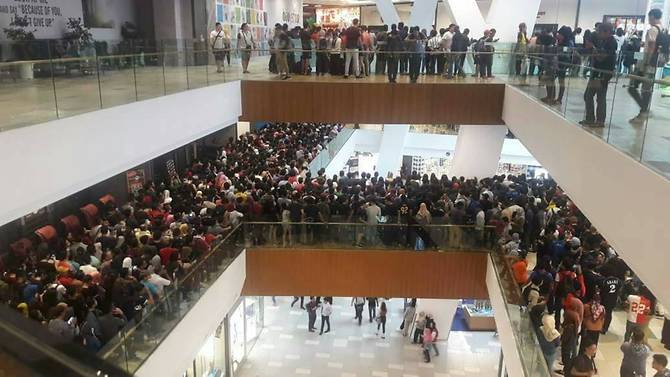
    Following the warehouse sale fiasco on Friday, Switch Malaysia has issued an apology and extended the sale of Apple products to all its branches nationwide.

    In a Facebook posting today, the Apple Premium Reseller said Apple lovers may now enjoy discounted price at 30 of its retail outlets nationwide just for today and Sunday (March 3 and 4).

    The products on discount are MacBook Air 11” (RM2,799), iPhone 6 (32Gb) Gold (RM1,399), iPhone X 64GB (RM4,899) and iPhone X 256GB (RM5,649).

    Apple accessories were also on offer, from as little as RM1. The Apple warehouse sale at MyTown Shopping Centre in Cheras had started yesterday.

    However, it was cancelled after the mall swamped by thousands of Apple fans.

    Some of them had been standing in queue outside the mall since the night before.

    In an apology, Switch said: “We are truly sorry for the Demo Clearance Event yesterday.

    “We did not expect the magnitude. We were overwhelmed by the 11,000 who turned up,” it said.

    Switch acknowledged that their customers had came from other states, woke up early, stayed up all night, brave the traffic and temperature at night, and trying their best to stay in line at the clearance event. Switch promised its customers that it will do much much better in future.

    Despite the apology, Apple lovers – who were told that they could get an iPhone 5s for RM200 or an iPhone 6S for RM800 (a brand new iPhone 6S retails for RM2,249) – are still upset.

    Facebook user Joseph Lee said: 11k people showed up…but they only had 200 units to sell.

    Another Facebook user Muhammad Syamim advised Switch to hold future warehouse sale via online instead.

    Some scolded the customers for making a mad rush for the warehouse without checking the terms and conditions. Mohamad Azlee said Switch had already mentioned the limited quantity of products on sale. “The 11,000 are too lazy to read,” he said.

  • Bursa Malaysia downtrend likely to continue this week

    Bursa Malaysia is expected to continue its downtrend this week on gloomy investor sentiment as fears of a trade war was triggered by US President Donald Trump’s plan to impose steep tariffs on steel and aluminum imports.

    Affin Hwang Investment Bank Vice-President/Head of Retail Research Datuk Dr Nazri Khan Adam Khan said Trump’s Thursday decision of instituting tariffs of 25% on steel imports and 10% on inbound aluminium shipments had worsened the already cloudy sentiment in the market.

    “Therefore, investors believe the move would have a spillover effect on emerging markets like Malaysia and turn away from the equity market.

    “Trump’s announcement had sparked trade war worries that might involve countries like China, as well as European countries, and they are the major export destinations for Malaysia,” he said.

    Nazri Khan expects the wary sentiment would extend until this week, causing the benchmark FTSE Bursa Malaysia KLCI (FBM KLCI) to lower at around 1,850 points from Friday’s close of 1,856.07.

    For the week just-ended, Bursa Malaysia was traded mostly mixed to lower, despite touching a three-week high of 1,871.46 on Tuesday due to the encouraging corporate earning results.

    Moving in tandem with its regional peers, the local bourse was mostly affected by the new US Federal Reserve Chair’s hawkish remarks on the US monetary policy as fears emerged over the faster pace of interest rate hike.

    China’s sluggish manufacturing data in February and Trump’s tariff hike remarks also played a vital role in influencing the market barometer movement.

    On a Friday-to-Friday basis, the FBM KLCI finished 5.43 points easier at 1,856.07.

    The FBM Emas Index lost 139.83 points to 13,173.95, the FBMT100 Index depreciated 112.65 points to 12,892.74 and the FBM Emas Syariah Index dropped 229.04 points to 13,372.35.

    The FBM 70 dipped 394.07 points to 15,978.48 and the FBM Ace slumped 295.31 points to 6,154.67.

    On a sectoral basis, the Industrial Index decreased 36.68 points to 3,215.45, while the Plantation Index gained 18.50 points to 8,079.99 and the Finance Index surged 226.29 points to 18,228.07.

    Weekly turnover went up to 14.37 billion units worth RM14.20 billion from 12.80 billion units worth RM11.26 billion.

    Main market volume rose to 9.22 billion shares valued at RM13.30 billion from 7.81 billion shares valued at RM10.31 billion.

    Warrant turnover fell to 2.44 billion units worth RM439.50 million versus 2.96 billion units worth RM526.96 million last week.

    The ACE market advanced to 2.67 billion shares valued at RM441.25 million against 2.0 billion shares worth RM403.30 million.

    Gold futures contracts on Bursa Malaysia Derivatives are likely to remain uncertain this week, tracking the US Commodity Exchange’s (COMEX) gold market, said a dealer.

    Phillip Futures Sdn Bhd Dealer Tee Guy Eon said gold prices were expected to continue to be pressured by the expectation of the US Federal Reserve interest rate hike anytime soon.

    “The precious metal is vulnerable towards interest rates, as it could increase the opportunity cost of holding non-interest-bearing gold,” he said.

    For the week just ended, the overall local gold price traded slightly higher, lifted by positive sentiment following the uptrend on the COMEX gold futures as the US dollar eased on worries over US President Donald Trump’s plan to impose heavy tariffs on imported steel and aluminium.

    On a Friday-to-Friday basis, March 2018 and April 2018 decreased 33 ticks each to RM166.20 a gramme and RM166.95 a gramme, respectively, while May 2018 eased eight ticks to RM167.70 a gramme and June 2018 declined 17 ticks to RM167.70 a gramme.

    Weekly turnover rose to 20 lots worth RM334,400 from last week’s 14 lots worth RM236,260, while open interest fell to 70 contracts from 73 contracts.
  • Fewer sales, but more profit for Bonia

    Fewer sales, but more profit for Bonia

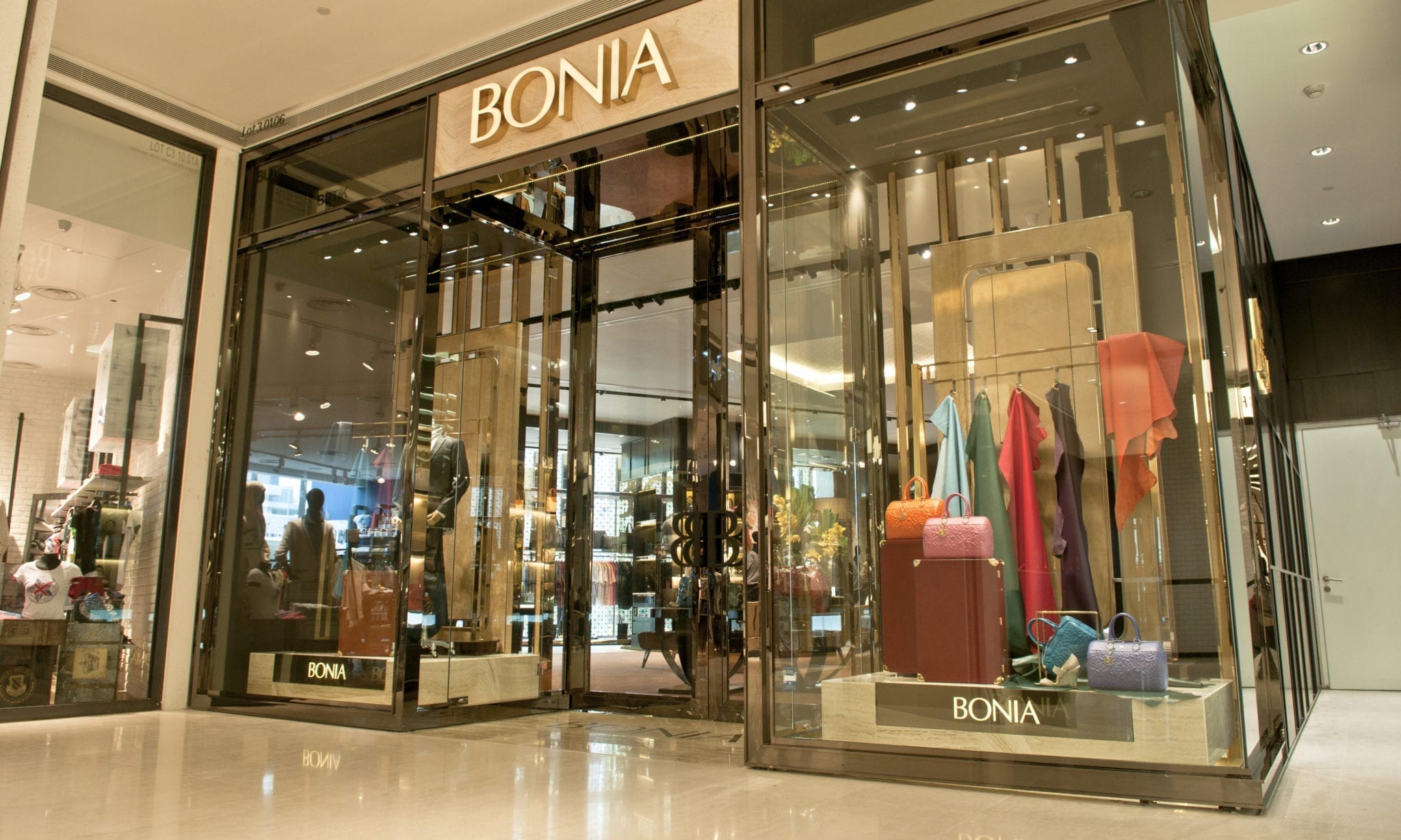
    While Malaysian fashion retailer Bonia sold fewer handbags in its second quarter, it did manage to grow its net profit.

    It achieved a net profit of RM11.99 million (US$3 million) for the period, to the end of December, up 8 per cent. It attributes the upswing to lower running costs and improved gross profit margins.

    Quarterly revenue dropped 7 per cent to RM160.34 million, Bonia saying this had been anticipated because of the closure of counters as part of a rationalisation process.

    However, the lower revenue was offset by improved gross profit margins, up 5 per cent.

    Year-end sales and the festive season boosted revenue and operating profit to RM15.35 million.
    Business in Indonesia, Singapore and Vietnam was hit by weak consumer sentiment.

    Still, the quarterly growth was not enough to stem the fall on its half-year earnings, which saw net profit slide 31 per cent to RM13.3 million. Revenue contracted by 10 per cent to RM279.23 million.

  • Bubba Gump closed doors in Malaysia

    Bubba Gump closed doors in Malaysia

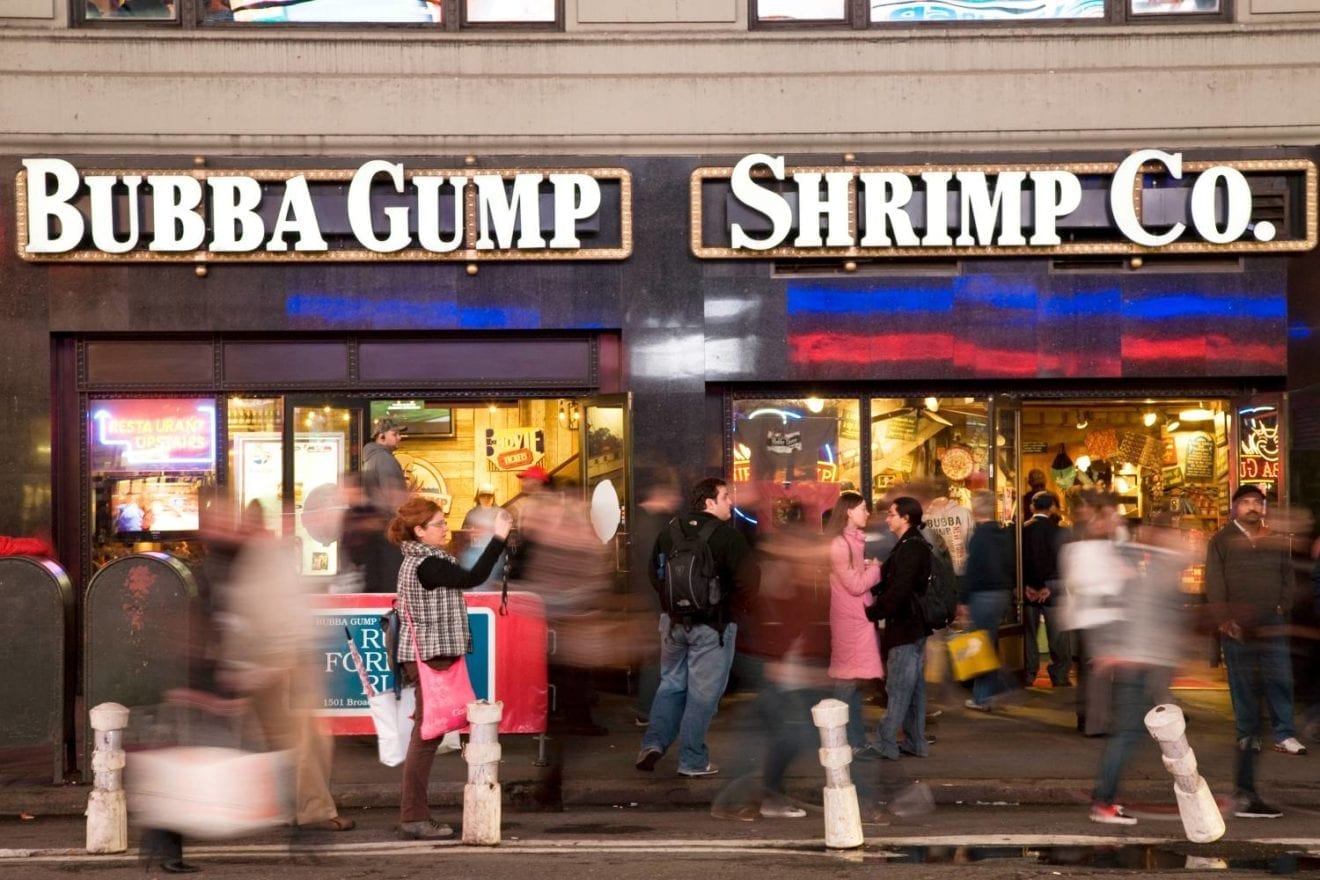
    Restaurant chain Bubba Gump Shrimp Company Malaysia has closed two of its three outlets.

    In a surprise announcement, the US chain says its Citta Mall and The Curve outlets have been closed permanently, while it is business as usual for its first Malaysian outlet in Sunway Pyramid in Selangor.

    Inspired by the 1994 movie Forrest Gump starring Tom Hanks, Bubba Gump Shrimp Company opened its first outlet in Monterey, California, in 1996. It entered the Malaysian market in 2008. The restaurant is named after characters in the film – Benjamin Buford “Bubba” Blue (played by Mykelti Williamson) and Forrest Gump (Hanks). Even the dishes are named after characters in the movie.

    The chain has expanded to more than 40 outlets worldwide, including outposts in Hong Kong, Indonesia, Japan, the Marianas, the Philippines and Malaysia.

  • 7-Eleven Malaysia numbers look good last year

    7-Eleven Malaysia numbers look good last year

    For the 4th Quarter ended 31 December 2017

    The Group’s revenue for the current quarter of RM546.2 million grew by RM22.6 million or 4.3% against the
    corresponding quarter’s revenue in the previous year of RM523.6 million. The growth in revenue continued to be
    driven by the growth in new stores, higher average spend per customer and better consumer promotion activity.

    Gross profit of RM173.8 million improved by RM13.1 million or 8.2% compared to the corresponding quarter in the previous year. This was mainly attributed to the increase in revenue and improvement in gross margin by 1.1% points. The improvement in gross margin was due to higher sales contribution from those categories with higher gross profit margins.

    Other operating income of RM42.7 million increased by RM10.5 million or 32.4% compared to the corresponding
    quarter in the previous year. This is mainly attributed by compensation income from vendors of RM9.3 million in the current quarter.

    Selling and distribution expenses for the quarter increased by RM6.5 million or 4.1% against the corresponding quarter of the previous year. This was mainly due to new store expansion resulting in higher rental cost, store depreciation
    expense and utility cost. Administrative and other operating expenses for the quarter increased by RM1.0 million or 4.4% due to increase in staff cost.

    The increase in revenue, gross margin improvement and other operating income resulted in the Group’s profit after tax of RM15.9 million, an increase of RM6.3 million or 66.5% as compared to the corresponding period in previous year.

    For the 12 months ended 31 December 2017

    For the 12 months ended 31 December 2017, the Group’s revenue of RM2.19 billion grew RM83.7 million or 4.0%
    against the corresponding period in the previous year of RM2.10 billion. The growth in revenue was driven by the
    growth in new stores, higher average spend per customer, improved merchandise mix and consumer promotion activity.

    Gross profit improved by RM44.8 mil or 6.9% compared to the corresponding 12 months in the previous year. This was mainly attributed to the revenue growth and gross profit margin expansion of 0.9% points.

    Other operating income increased by RM21.7 million or 18.8% compared to the corresponding 12 months in the
    previous year. This was mainly due to increase in marketing income by RM11.5 million and compensation income
    from vendors of RM9.3 million.

    Selling and distribution expenses for the 12 months period in 2017 increased by RM55.1 million or 9.2% against the corresponding period of previous year. This is mainly due to impact of minimum wages which came into effect from 1st July 2016, new store expansion and depreciation.

    Administrative and other operating expenses increased by RM5.0 million or 5.4% against the corresponding 12 months in the previous year. This is also mainly due to the increase in staff cost and staff training.

    This resulted in the Group’s profit after tax of RM50.1 million a decrease of RM2.1 million or 4.0% compared to the corresponding 12 months in the previous year.

  • Food inflation lower at 3.8% in January

    Headline inflation moderated to 2.7% in January, mainly due to lower transport inflation at 5.7% compared to 11.5% in December 2017, said Bank Negara Malaysia (BNM).

    “Although RON95 petrol averaged slightly higher at RM2.28 per litre in January 2018 (December 2017: RM2.27 per litre), the higher base of RON95 price in January 2017 (RM2.10 per litre) compared to December 2016 (RM1.90 per litre) resulted in lower inflation in the transport category,” the central bank said in a statement today.

    BNM said food inflation was also lower at 3.8% (December: 4.1%), reflecting lower inflation in the fish and seafood category.

    It said there was a higher current account surplus in the fourth quarter of 2017 (4Q 2017) as the current account surplus widened, reflecting a larger goods surplus and lower secondary income deficit.

    Going forward, BNM said the current account surplus was expected to continue registering a healthy surplus, supported mainly by the goods account.

    “Net financing growth continued to support economic activity as it increased to 7.2% in January 2018 (December 2017: 6.9%),” said BNM.

    It said the growth of net outstanding issuances of corporate bonds continued to increase, with a double-digit growth rate of 16.6% (December 2017: 15.4%).

    The central bank said the growth of outstanding loans of the banking system also increased slightly to 4.2% (December 2017: 4.1%).

    The growth of outstanding business loans increased to 2.0% in January 2018 (December 2017: 1.8%), driven mainly by wholesale and retail trade, restaurants and hotels, real estate, construction, and primary agriculture sectors, said BNM.

    “Banking system capitalisation remained strong as financial institutions are well-positioned to withstand macroeconomic and financial shocks, with excess capital buffers of RM140 billion as at January 2018,” said the central bank.

    More than 75% of total capital, comprised high-quality loss-absorbing capital in the form of Common Equity Tier 1 Capital (i.e. equity, retained earnings and reserves), it said.

    BNM said financial markets attracted non-resident inflows amid positive sentiments as in January, the domestic financial markets were supported by positive sentiments, driven by Malaysia’s strong economic outlook and higher global oil prices.

    “As a result, the Malaysian Government Securities (MGS) and equity markets attracted non-resident inflows amounting to RM4.2 billion and RM3.4 billion respectively.

    “Following the inflows, the ringgit appreciated by 4.3% against the US dollar and the FTSE Bursa Malaysia KLCI increased by 4.0% in January, while in the bond market, three-year, five-year and 10-year MGS yields increased by five basis points each, following the increase in the overnight policy rate (OPR) by 25 basis points.

    “The impact of the OPR increase on MGS yields was mitigated by non-resident inflows into the MGS market,” said BNM.

  • Park Hyatt hotel to occupy top floors at Malaysia’s PNB 118, the world’s 3rd tallest building

    Park Hyatt hotel to occupy top floors at Malaysia’s PNB 118, the world’s 3rd tallest building

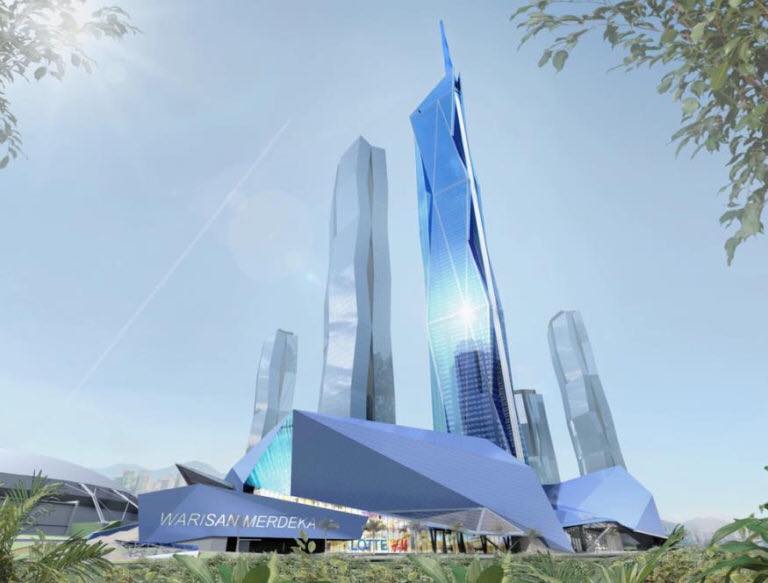
    Malaysia’s largest government-linked fund management firm, Permodalan Nasional Bhd (PNB), has signed Hyatt Hotels & Resorts as the hotel operator for its tower development, expected to be the third tallest in the world when completed.

    The luxury hotel operator’s Park Hyatt brand will occupy the top 17 floors of the tower, called PNB 118, PNB said on Tuesday. Aimed for completion in 2020, the 118-storey building will be the tallest in Southeast Asia.

    PNB 118 will have 1.65 million square feet of rentable office space, a retail mall and other entertainment amenities. The fund itself will take up around half of the office space, and is looking to have its portfolio companies take tenancy as well.

    “From our perspective, this is an investment into real estate, in a historic location,” group chairman Abdul Wahid Omar said at a press briefing.

    In November, PNB said it was looking to raise 2 billion ringgit ($512.03 million) via a green sukuk programme to finance the tower project. The fund’s real estate portfolio also include British and Australian assets.

    Malaysia’s capital has been experiencing an oversupply of office space in recent years. However, new office buildings continue to enter the market. Notably, the construction of a 106-storey building, Exchange 106, is underway in the Tun Razak Exchange and targeted for completion this year.

  • Parkson Holdings’s second-quarter looks bad

    Parkson Holdings’s second-quarter looks bad

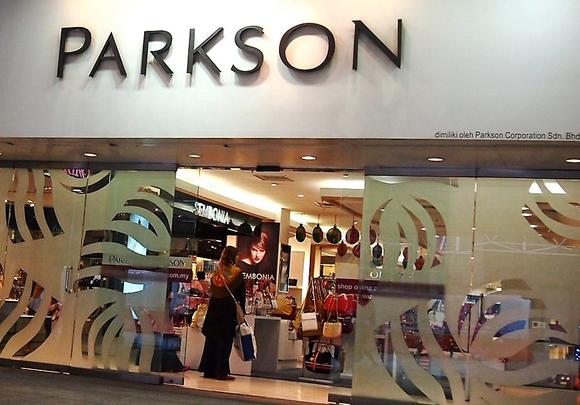
    Despite slight revenue growth, Parkson Holdings’ retailing division ended its second quarter with a loss.

    For the first half, its interim financial report shows there was 3 per cent growth in revenue to RM1.9 billion (US$485.9 million) with an operating loss of RM9 million.

    For the second quarter, to the end of December, the department store group’s revenue grew by 16 per cent to RM1 billion, mainly from higher consumer spending for year-end festivities and holiday seasons. The higher revenue coupled with continued business efficiencies enabled the group to move out of the red with an operating profit of RM27 million.

    After accounting for impairment losses of RM36 million, the group had a loss before tax of RM3 million for the quarter.

    Performance by location:

    Malaysia

    Parkson Malaysia had 4 per cent revenue growth to RM505 million for the six months thanks to the contribution of new stores. However, same-store sales shrank 4 per cent, attributed mainly to the absence of Hari Raya buying following a shift in the festive calendar. This meant the operating loss of RM20 million was higher than a year ago.

    Parkson Malaysia had 45 stores at the end of December after opening two stores and closing two underperforming stores.

    China

    Parkson China, the major contributor of the group’s retail business, had encouraging returns from its transformation strategies, says the company. Same-store sales growth was 3 per cent and 2 per cent respectively for the quarter and year to date, with revenue increasing by 4 per cent to RM1.3 billion for the first half.

    This enabled Parkson China to report an operating profit of RM32 million against a loss of RM85 million a year earlier.

    At the end of December, the group had a network of 48 stores in 30 cities.

    Myanmar/Vietnam

    Same-store sales growth for Parkson Vietnam sagged 5 per cent for the first half amid intense competition, while the contribution of the Myanmar business remained negligible.

    The group had six stores in Vietnam and one in Myanmar at the reporting date. However, the group is about to close its fourth location in Vietnam, Parkson Flemington in Ho Chi Minh City.

    This follows the closure of Parkson Keangnam (Hanoi) in 2015, and Parkson Paragon (Ho Chi Minh City) and Parkson Viet Tower (Hanoi) the following year.

    Indonesia

    Same-store sales were also negative for the first half in Indonesia, falling 8 per cent with revenue lower at RM86 million, largely impacted by the absence of festive spending following the shift in the Lebaran celebration. There was an operating loss of RM13 million.

    Following the closure of two stores in Jakarta during the first half, the group ended the year with 15 outlets in Indonesia.

  • Mr DIY opens door in Mid Valley Megamall Malaysia

    Mr DIY opens door in Mid Valley Megamall Malaysia

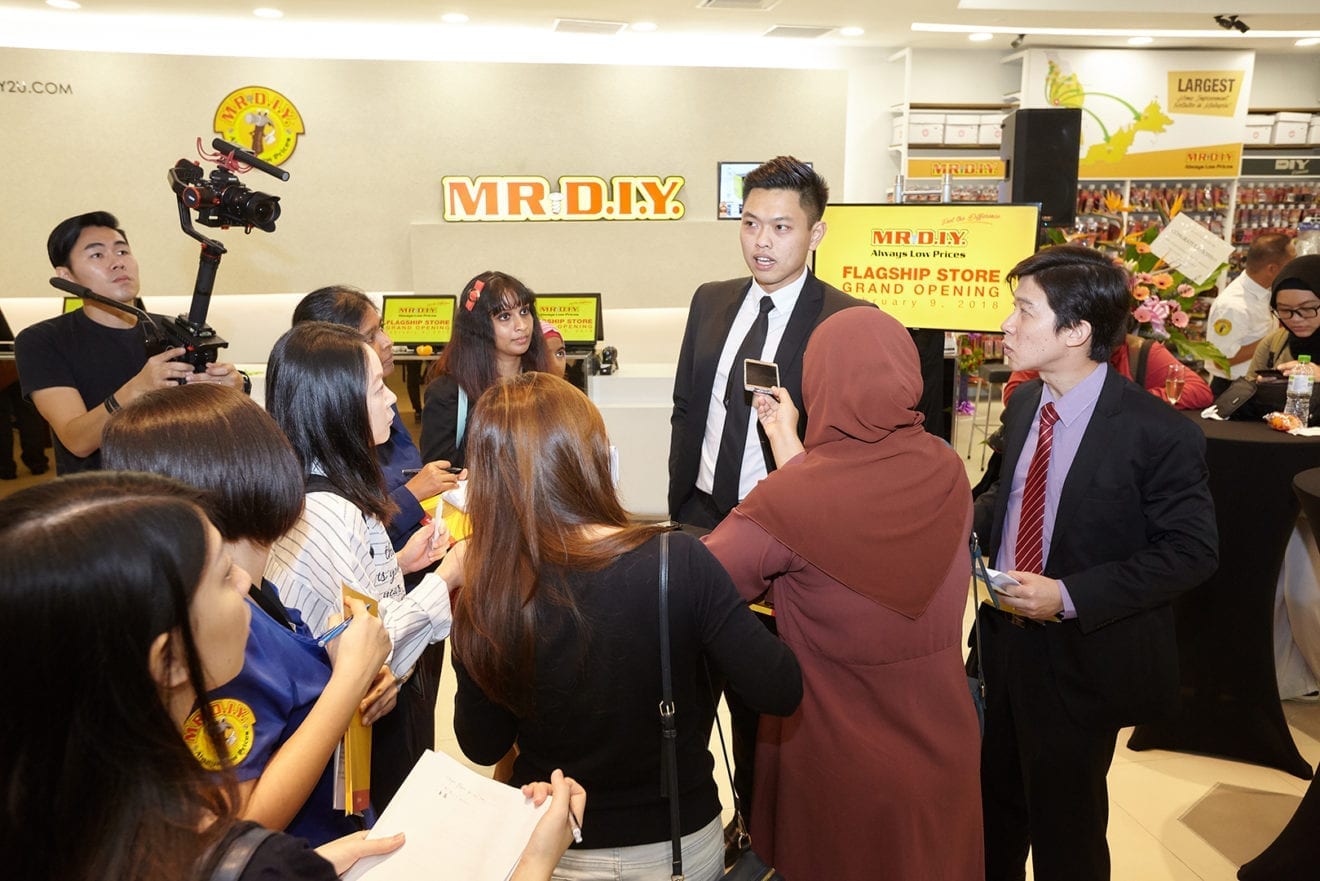
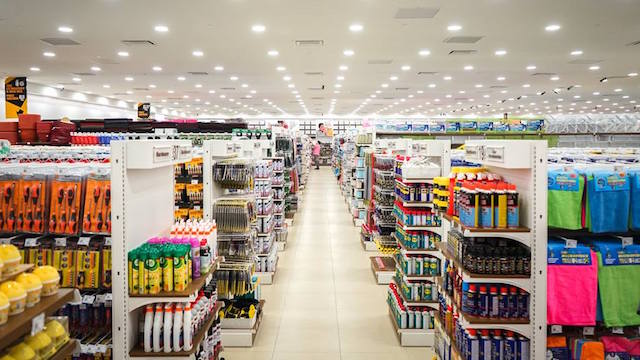
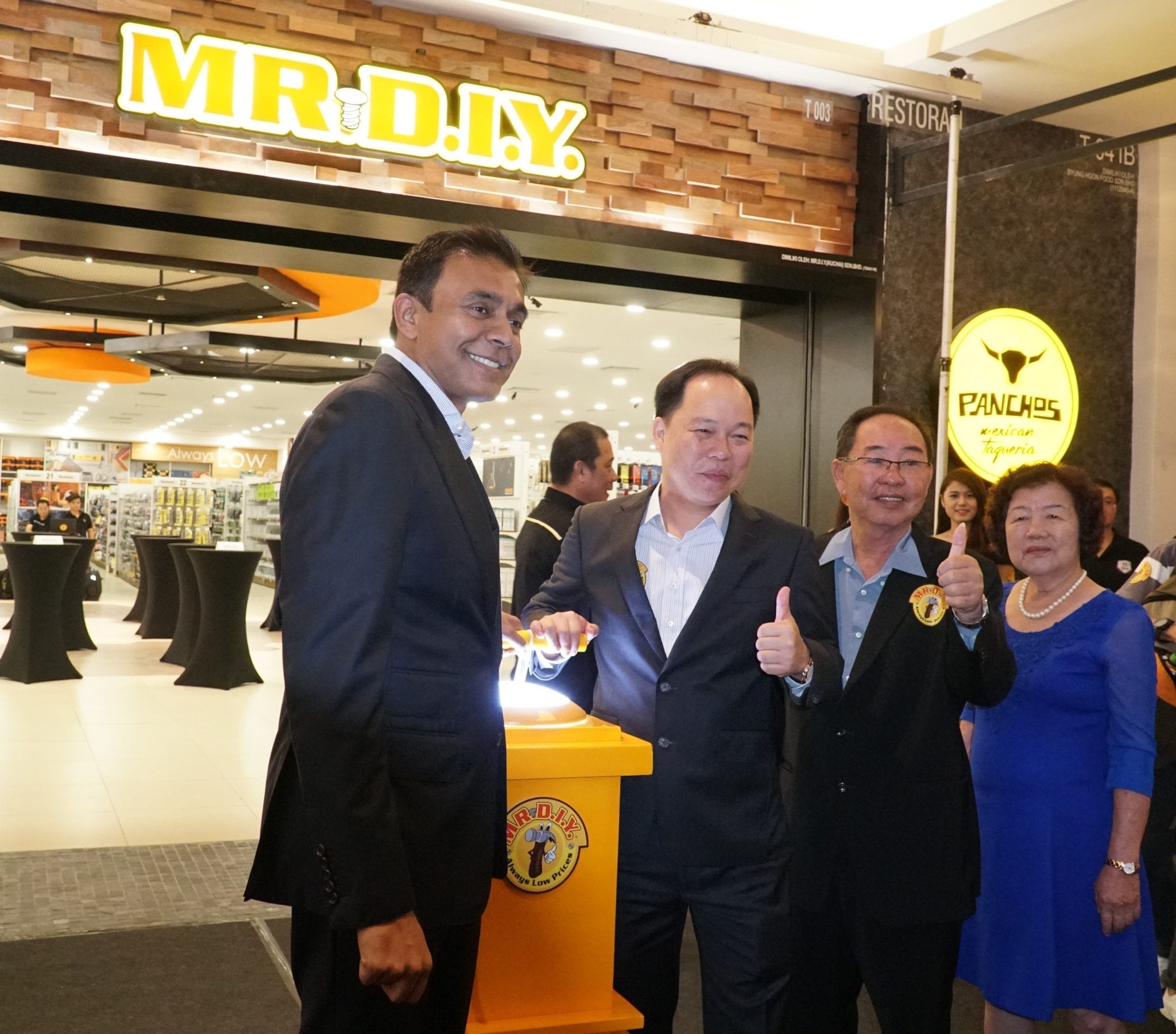
    Malaysian home improvement retailer Mr DIY has launched its first flagship store, at Mid Valley Megamall in Kuala Lumpur.

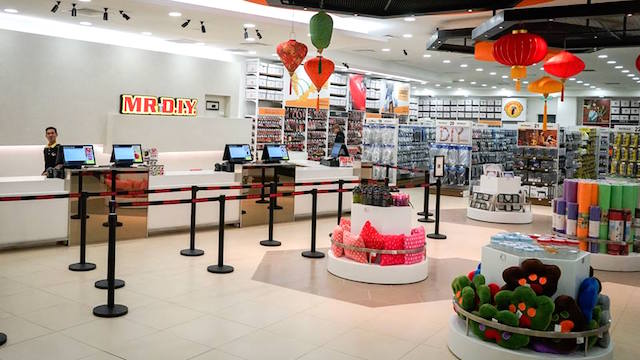
    The chain’s 360th store covers 1393sqm on the mall’s third-floor mezzanine, offering 20,000 product varieties across nine departments – household, hardware, electrical, car accessories, toys, stationery, gifts, sports, and jewellery and cosmetics.

    “This is an important milestone for Mr DIY’s growth in the region as we strive toward our vision of becoming the largest home-improvement retailer in Asia Pacific,” says Mr DIY Trading marketing head Andy Chin.

    With fresh concepts, the flagship store features a ceiling designed like a hexagon nut, plus there are walkways to make it easy for shoppers to navigate the store.

    Chin says RM2 million (US$511,000) was invested in the store, which is expected to drive a monthly footfall of 200,000 customers.

    He says it is an exciting year for the company. “We are targeting a total of 300 new stores across Asia Pacific, with 150 in Malaysia alone. Next, we are looking at expanding our reach into two new countries, Singapore and the Philippines, within the second half of the year while we are set to launch the Mr DIY e-commerce platform in the third quarter.”

    The retail chain last year recorded more than RM1 billion in revenue, serving 110 million customers. It started as a hardware store in Jalan Tuanku Abdul Rahman, Kuala Lumpur, in 2005 and now has more than 450 outlets throughout Malaysia and Asia Pacific, including Thailand, Indonesia and Brunei.

  • Petronas Gas proposes 19 sen dividend on better Q4 earnings

    Petronas Gas proposes 19 sen dividend on better Q4 earnings

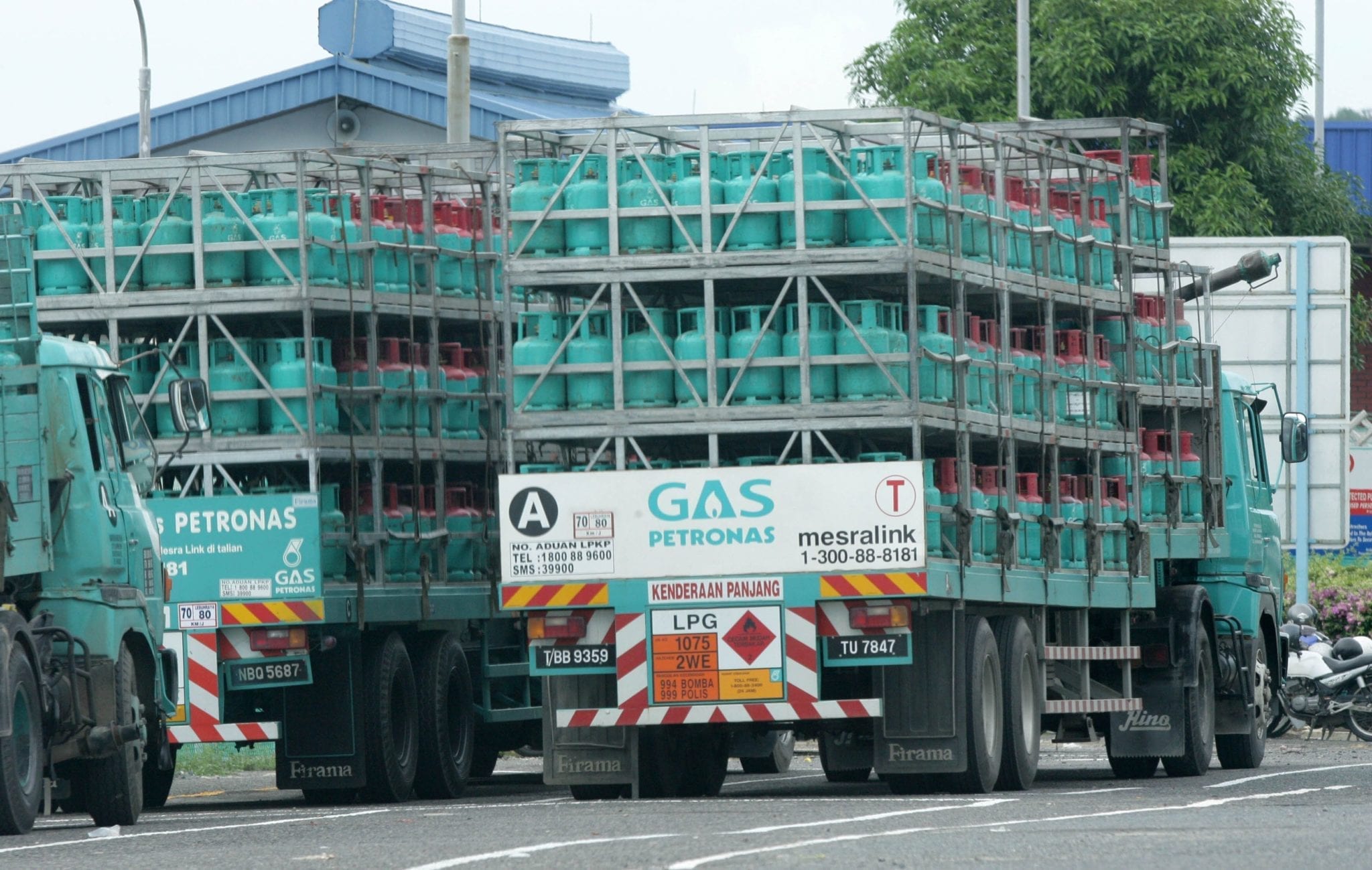
    Petronas Gas Bhd saw its net profit increase 4.7% to RM486.7 million for the fourth quarter ended December 31, 2017 compared with RM465.06 million in the same quarter a year ago, thanks to new contribution from its liquefied natural gas (LNG) regasification terminal in Pengerang, Johor and higher revenue from the gas processing and utilities segments on the back of higher performance-based structure income and favourable selling price.

    Its revenue expanded 13% from RM1.15 billion to RM1.3 billion.

    The group has proposed to declare a dividend of 19 sen per share amounting to RM376 million for the quarter under review.

    Petronas Gas’ full-year net profit rose 3.1% from RM1.74 billion to RM1.79 billion. Revenue came in at RM4.81 billion, 5.4% higher than the RM4.56 billion made a year ago.

    Looking ahead, the group expects its performance to remain robust in 2018, backed by its strong and sustainable revenue streams from existing gas processing agreement and gas transportation agreement signed with Petronas.

    “Furthermore, revenue stream for the regasification segment will grow with the first full year of operations at the group’s new LNG regasification terminal in Pengerang, Johor.”

    On Bursa Malaysia today, Petronas Gas ended down 2 sen or 0.1% at RM17.66, on volume of 827,800 shares.