Tag: Malaysia

  • Titijaya buys 99% stake in Ampang land owner

    Titijaya buys 99% stake in Ampang land owner

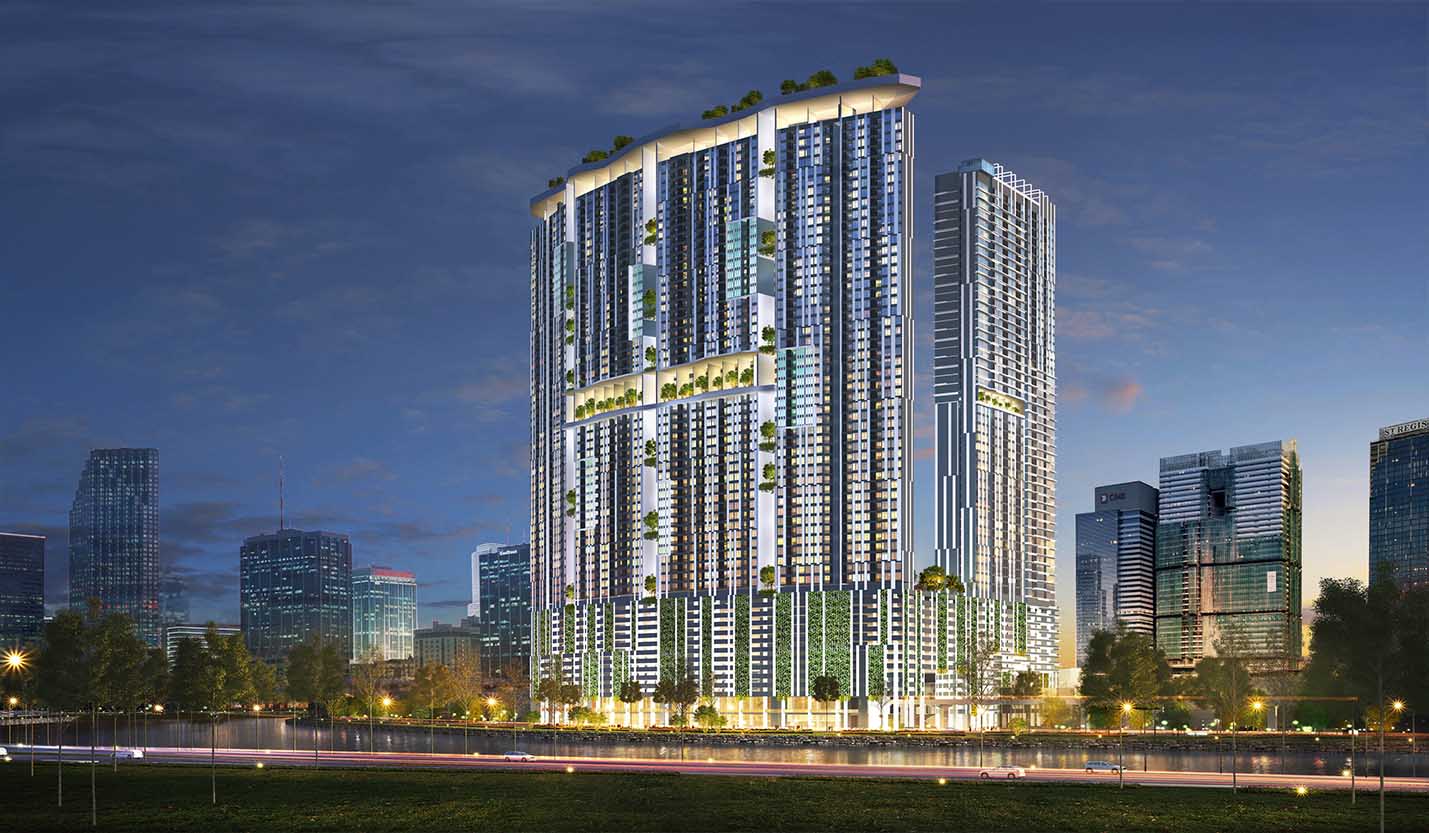
    Titijaya Land Bhd is buying a 99% stake in BJ Properties Sdn Bhd, which owns 6.8 acres of leasehold land in Ampang that it plans to develop into a RM1.5 billion gross development value project.

    In a filing with Bursa Malaysia today, the group said its purchase is in line with its growth strategy in expanding its land bank and investing in strategic property development projects in the Klang Valley.

    The land is expected to be used as mixed development with a focus on the residential component, complemented by some commercial elements.

    Titijaya’s wholly owned subsidiary Tulus Lagenda Sdn Bhd will pay up to RM9.9 million for the stake.

    Based on the audited financial statements for the financial year ended Aug 31, 2017, BJ Properties recorded a net loss of RM1.06 million and negative shareholders fund of RM3.07 million. The land in Ampang has a book value of RM103.67 million.

    Titijaya intends to fund the proposed subscription via internally generated funds and/or bank borrowings. The company’s share price closed 1.5 sen lower to close at 52.5 sen with some 331,100 shares changing hands.

  • PSA signs Malaysia production deal to boost Asia reach

    PSA signs Malaysia production deal to boost Asia reach

    PSA Group has signed a deal with Malaysian company Naza to jointly produce PSA-branded cars for Malaysia and other Asian markets. It is part of the automaker’s plans to boost its presence in the region after a failed bid to form a partnership with with Proton Holdings.

    PSA said in a statement on Monday that it had signed a share sale agreement and a joint venture agreement to establish a shared manufacturing hub in Gurun, Kedah, in Malaysia. PSA will own a 56 percent stake in the manufacturing hub, but no deal value was disclosed at the press event in Kuala Lumpur.

    The Malaysian plant will have a 50,000-unit capacity. Output of the Peugeot 3008 will begin this year, with the Citroen C5 Aircross following in 2019, PSA said.

    Naza said that with the joint venture it aimed to export 20,000 cars from the plant in the next three years.

    “The Naza Group will have sole responsibility for the distribution of Peugeot, Citroen and DS Automobiles in the domestic market and, with PSA, will explore distribution prospects in other ASEAN markets,” the statement said.

    PSA said the deal formed part of the company’s Push to Pass strategic plan to boost sales. That plan envisages a 10 percent increase in sales by 2018 and a further 15 percent by 2021 versus 2015 for the French group.

    “The creation of the ASEAN (Association of South East Asian Nations) hub in Gurun, Kedah, is a significant leap forward for PSA that will lead to the development of a profitable business in the region as part of our Push to Pass strategic plan,” PSA CEO Carlos Tavares said.

    PSA’s entry into Malaysia echoes that of Chinese manufacturer Zhejiang Geely Holdings Group’s last year. Geely bought a 49.9 percent stake in Malaysia’s Proton, pledging to help the struggling national automaker to strengthen its presence domestically and in the region. PSA was also in the running to form a partnership with Proton.

  • Lay Hong to invest RM16.6 million in liquid egg processing facility in Pasir Gudang

    Lay Hong to invest RM16.6 million in liquid egg processing facility in Pasir Gudang

    Lay Hong Bhd will invest RM16.6 million for a new pasteurised liquid eggs processing facility in Iskandar Halal Park, Pasir Gudang, Johor to cater the needs of the southern region and Singapore market as well as addressing logistics costs.

    The group told the stock exchange that the investment will include the purchase of a semi detached factory from Tentu Teguh Sdn Bhd for RM5.2 million. The project is expected to be completed within six to seven months upon delivery of certificates of fitness from the developer.

    The investment cost will be financed through a combination of internally generated funds and bank borrowings.

    Lay Hong said the new facility is also in line with the group’s focus on enhancing the sales of downstream products.

    Its share price gained one sen or 1.05% to close at 96 sen with 4.97 million shares done.

  • Strong sales growth posted by Hermès Asia

    Strong sales growth posted by Hermès Asia

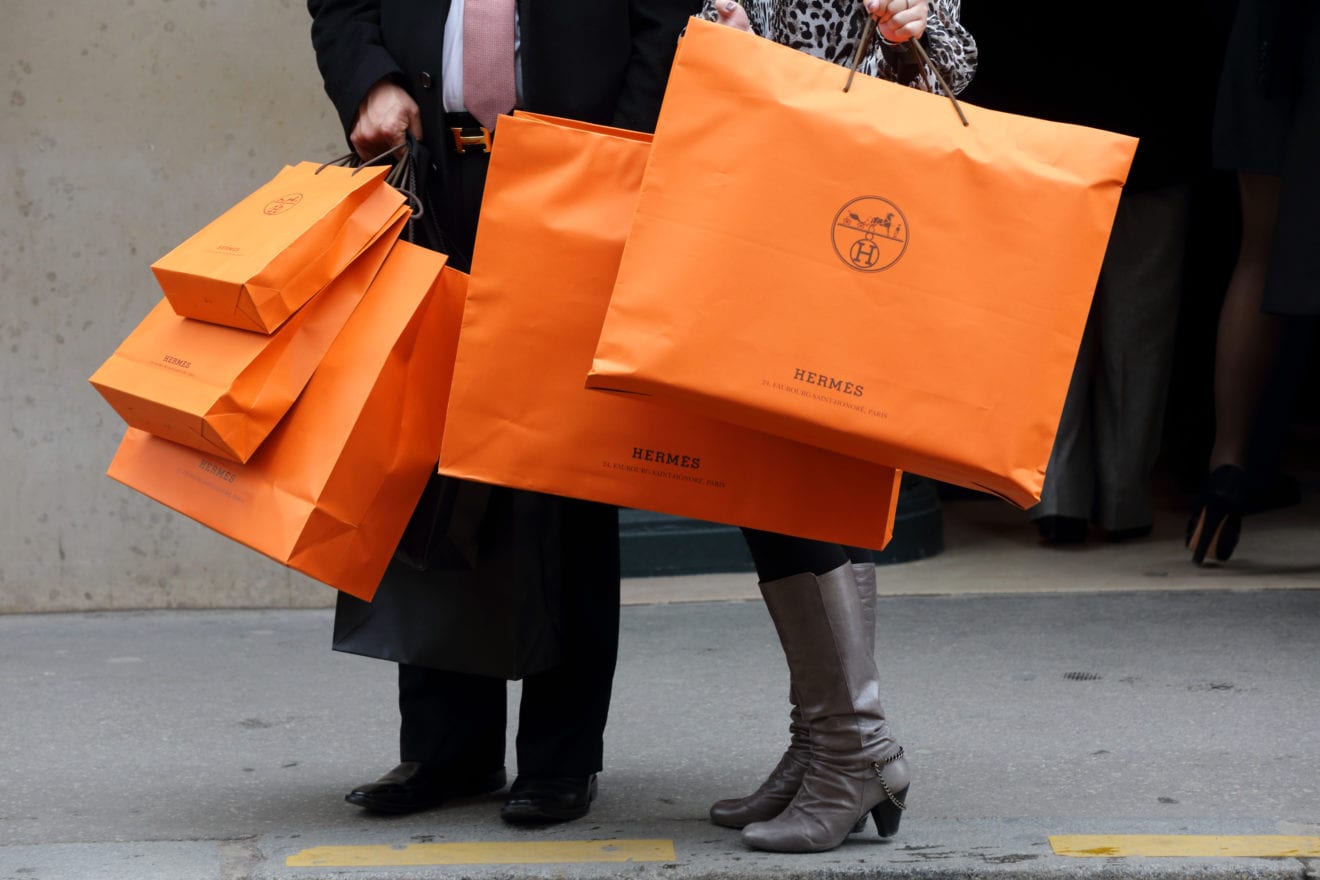
    Hermes Asia sales grew 11.3 per cent last year to €1.946 billion (US$2.4 billion) as the luxury retailer set a new record for gross retail margin.

    The company said the retail market was improving in Hong Kong and Macau, with the Asian market “pursuing its upward curve” and positive outlooks in Mainland China and South Asian countries.

    Growth was aided by store revamps at Sogo Fuxing in Taiwan, Elements mall in Hong Kong and at Kuala Lumpur.

    Sales in Japan (separated from Asia results) rose 4 per cent to €724.1 million, despite a high comparison figure from last year, which the company described as “a sustained increase” in what is a mature market, citing a selective distribution network.

    Group sales totalled €5.549 billion (US$6.863 billion), up 9 per cent at constant exchange rates. Operating income rose 13 per cent, to €1.922 billion, representing a record 34.6 per cent gross margin, while net profit rose 11 per cent to €1.221 billion.

    “Hermes achieved a new year of historic results, thanks to the quality of our know-how, the success of our creations and especially the incredible commitment of the women and men of Hermes,” said executive chairman Axel Dumas.

    Hermes will ramp up its online offer in the region this year, with a new website scheduled to go live in China at the end of this year.

    Meanwhile, the company said the sale of the Galleria building in Hong Kong’s Central district, which previously housed its flagship store, would likely generate a net capital gain of €50 million this year.

    Leather drives growth

    By category, Hermes’ leather goods proved the strongest performer last year, sales rising 10 per cent globally, reflecting increased production capacity as demand rose for its handbags.

    The ready-to-wear and accessories division grew 9 per cent, driven by the success of new collections, fashion accessories and particularly shoes.

    Sales of silk and textile products grew 6 per cent and of perfumes by 10 per cent, largely due to the successful launch of Twilly d’Hermes.

    Watch sales grew just 1 per cent with what Hermes described as “good sales” in company-owned stores. Other Hermes business lines- jewellery, Art of Living and Hermes Table Arts, grew sales by 11 per cent.

  • Tourism Malaysia Supports ShopBack’s Move of Hiring A Chief Travel Officer

    Tourism Malaysia Supports ShopBack’s Move of Hiring A Chief Travel Officer

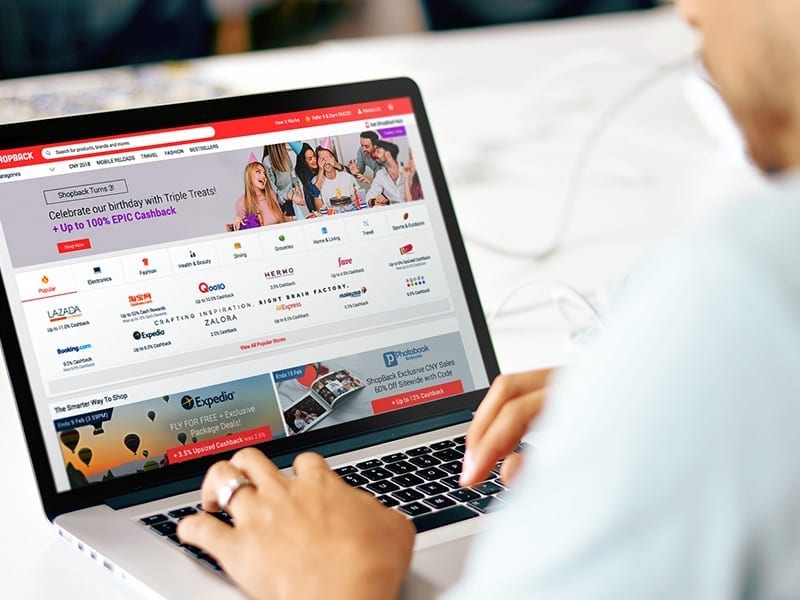
    Tourism Malaysia today expresses its supports towards ShopBack Malaysia’s Chief Travel Officer (CTO) campaign, an attractive idea that offers RM15,000 for a travel lover to go for three trips within Malaysia and showcase how he/she does it through a smarter way via videos.

    “Travel has become a common hobby among the youth, and we believe ShopBack’s Chief Travel Officer campaign will certainly drive interest and conversations towards the interesting places in Malaysia. The first CTO campaign in 2017 was a success, and we are glad that ShopBack Malaysia is passionate to keep this going – more worthy places could be discovered by the next Chief Travel Officer,” says Mr. Mohd Amirul Rizal Abd Rahim, Deputy Director, Domestic & Events Division, Tourism Malaysia.

    “Malaysia is a blessed country with beautiful destinations. Many of us are travel lovers too, therefore we initiated a social campaign that embodies money-saving skills, passionate travel spirit as well as fun and daring adventure. The first CTO brought us to places less publicised such as Kudat, the tip of Borneo in Sabah while nicely demonstrated how she saved on trips booking via ShopBack through lively videos. We look forward to working with the next Chief Travel Officer for a more engaging experience like this,” says Alvin Gill, Country General Manager, ShopBack Malaysia.

    The leading cashback site works with a full range of travel sites that covers airlines, bus, rides, accommodations and tour services to offer cashback on top of discounts provided by merchants. Those include Malaysia Airlines, easybook, Expedia, Booking.com, Traveloka, Hotels.com, Adventoro, KLOOK, Grab and more.

    The Chief Travel Officer will be given a RM15,000 travel fund to plan for 3 holidays within Malaysia. He/She will need to demonstrate how the travel planning was done, film and share travel experience with the public. The campaign targets to encourage youth to travel the smarter way and appreciate the beauty of the country that they live in.

    Amirul also expressed that the Chief Travel Officer campaign will help to amplify Tourism Malaysia’s Cuti-Cuti Malaysia Dekat Je Domestic Campaign and Visit Malaysia 2020 campaign, where ShopBack’s CTO will indirectly promote local tourist attractions and generate interest on domestic travels among Malaysians.

    “We appreciate Tourism Malaysia’s endorsement of this campaign and are confident that it will resonate well with travel communities and show them a journey to enjoy travel without burning a hole in the pocket. Since 2015, we have helped Malaysians to save more than RM25 million Cashback from their purchases, of which a chunk of it is from travel expenses,” Alvin added.

    The application closing date is 8th April 2018, 6 pm. It opens to all Malaysians who love to save while travelling always active on social media and keen to discover the path less travelled. The chosen one will be announced on 18th April 2018.

  • Funmaii jumps on cashless retail hype with e-wallet app service

    Funmaii jumps on cashless retail hype with e-wallet app service

    Malaysian convenience store concept Funmaii aims to become a major player in the cashless retail ecosystem.

    It has made this announcement at the opening of its second outlet, in Bandar Puteri, Puchong. Its first store launched at Sunway Nexis, Kota Damansara, in January.

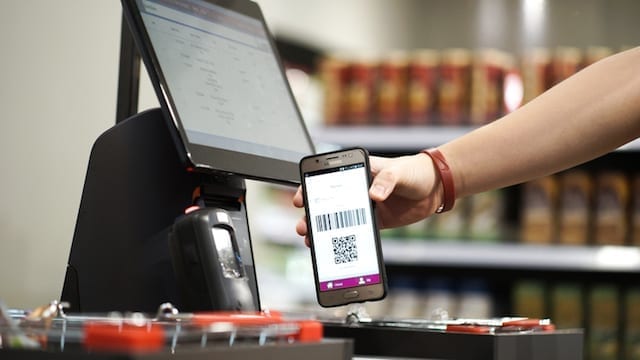
    Designed like a normal convenience store, Funmaii outlets offer daily necessities combined with the ease of electronic payment. Customers simply pick up their items and make payment through the Funmaii app e-wallet service, or by Mastercard or Visa credit cards. As well as Malaysian food products, the stores offer imported snacks and beverages from Japan, Korea, Taiwan Funmaii co-founder Brian Wee says the shopping experience is centered on an all-in- one mobile app. Besides its e-wallet capabilities, the app also allows customers to track their expenses and redeem rewards in the form of discount vouchers, extra credit and rebates.

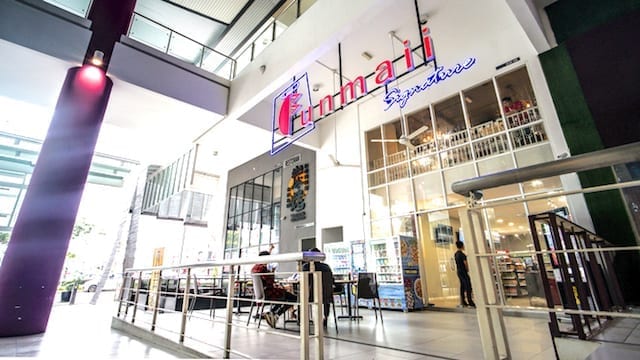
    Meanwhile, Funmaii is about to introduce three types of convenience stores: Basic, Signature and Concept. Funmaii Basic stores offer cashless convenience and small seating areas, while Funmaii Signature stores also feature a “chillout” area for small events. Through partnerships with various brands, Funmaii has plans to set up Funmaii Concept stores that will feature an array of products and services not typically found at convenience stores, including dessert and coffee bars, and also fashion and beauty.

    “We have an aggressive ambition to grow our network of Funmaii branded stores and kiosks, not only in Malaysia but also in Southeast Asia, including Singapore and Indonesia,” says Wee. “We plan to open around 30 outlets over the next 12 months and ultimately have 100 outlets by the end of next year.”

    He says Funmaii also plans to install 10,000 vending machines in major shopping malls around Malaysia in the next three years.

  • Axiata share price down slightly after buying stake in Sri Lankan data centre firm

    Axiata share price down slightly after buying stake in Sri Lankan data centre firm

    Axiata Group Bhd’s share price fell 0.18% this morning following news that its unit is acquiring a 35% stake in data centre company Digital Reality (Private) Ltd (DRPL) for 262.5 million Sri Lankan rupees (RM6.55 million) cash to form a data centre business in Sri Lanka.

    At 11.08am, Axiata stood at RM5.48 with 882,800 shares changing hands.

    The group yesterday said Dialog Broadband Networks (Private) Ltd (DBN) has entered into a deal with St Anthony’s Property Developers (Private) Ltd (SAPD) for the stake acquisition.

    DBN, which is Sri Lanka’s second largest fixed telecommunications provider, is a wholly owned subsidiary of Dialog Axiata Plc which in turn is an 83.32% subsidiary of Axiata.

    SAPD is a member of St Anthony Group and is the main developer of Sri Lanka’s largest privately held IT park, “Orion City”.

  • It’s business as usual at Sa Sa Malaysia

    It’s business as usual at Sa Sa Malaysia

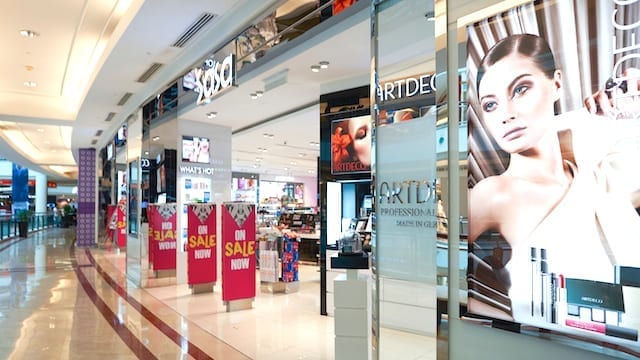
    Cosmetics retailer Sa Sa may have seen the closure of its Taiwan operations recently, but the move is not expected to affect the Malaysian business under Hong Kong Sa Sa (M) Sdn Bhd (Sa Sa Malaysia), said Sa Sa regional general manager for Malaysia & Singapore business Lisa Soon.

    “Sa Sa Malaysia is operating a total of 75 stores in Malaysia and still has plans of expanding our network nationwide in providing the best offerings of beauty products and brands internationally to our shoppers,” Soon said.

    Last month, its Hong Kong-listed parent Sa Sa International Holdings Ltd announced that it will close all its stores in Taiwan by March 31, 2018 after six consecutive years of losses, affecting 260 employees.

    With the closing of its loss-making operations in Taiwan, the group said it will concentrate on its other markets including mainland China, Hong Kong, Macau, Singapore and Malaysia markets as well as its e-commerce business.

    As at Jan 31, 2018, the retail network of Sa Sa consists of Hong Kong & Macau (118 stores), mainland China (55 stores), Singapore (19 stores), Malaysia (75 stores) and Taiwan (21 stores), all of which are solely owned and operated by the group.

    Established in 1978, the cosmetics retailing group opened its first store in Malaysia in 1998.

    According to Sa Sa International’s interim report 2017/2018 (six months ended Sept 30, 2017), the turnover for the Malaysian operations was HK$169.3 million (RM84 million), an increase of 9.2% in local currency terms over the previous period. Same-store sales growth rose a modest 1.1% in local currency.

    It noted that the reason for the conspicuous slowdown in same-store sales growth was weaker demand and purchasing power of local consumers amid the rising cost of living as a result of inflation. However, the group maintained its focus on continuous improvement with a readiness to capitalise on market recovery as and when opportunities arise.

    For the six months ended Sept 30, 2017, the Malaysian market contributed 4.6% of the group’s total turnover. The bulk of Sa Sa’s turnover comes from Hong Kong & Macau (81.5%), while the rest are from e-commerce (4.9%), mainland China (3.8%), Singapore (2.7%) and Taiwan (2.5%).

    Filings by Sa Sa Malaysia showed it posted a profit after tax of RM6.09 million for the financial year ended March 31, 2017, with revenue of RM181.52 million.

    In Malaysia, Sa Sa said it is the leading beauty specialty store in terms of number of stores and coverage. In recent times consumer sentiment has shown signs of a slowdown, necessitating a “comparatively conservative development strategy”.

    Sa Sa will continue to adjust its product portfolio and services to accelerate its penetration of the Malaysian market, it said.

    Adopting a “one-stop cosmetics specialty store” concept, Sa Sa sells more than 700 brands of skincare, fragrance, make-up and hair care, body care products, health and beauty supplements including own-brands and exclusive products. The group’s e-commerce arm sasa.com provides online shopping service to customers.

    On its business strategy, the group said with its global purchasing and sourcing capabilities, often buying in large quantities to increase bargaining power, Sa Sa manages to offer a wide selection of quality products at competitive prices. Its market leadership reflects its innovative retailing formula based on choice and convenience, it added.

    The group, which had a total workforce of around 5,000 employees as at Sept 30, 2017, considers employee training as crucial to the continued success of its operations and business expansion

  • AirAsia in talks to set up airline serving Myanmar

    AirAsia in talks to set up airline serving Myanmar

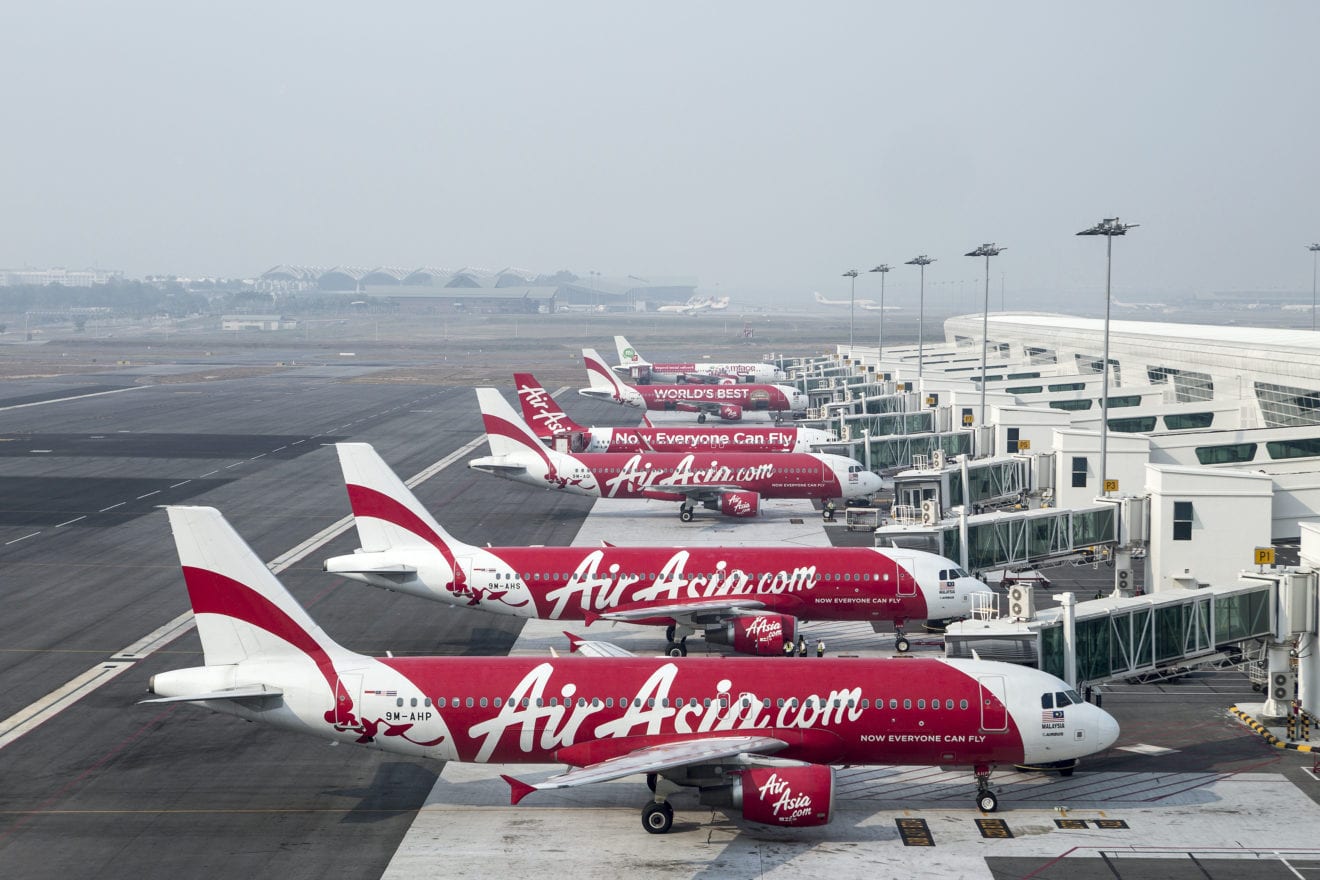
    AirAsia Bhd is in talks with a potential partner to open an airline serving Myanmar, in a move that would help the low-cost carrier cover up to 95% of the Southeast Asian travel market.

    In an interview with Reuters today, the airline’s group chief executive Tan Sri Tony Fernandes said he also expected AirAsia’s Vietnam joint venture to be flying by October.

    AirAsia now has businesses in Malaysia – its home – along with India, Indonesia, the Philippines, Japan and Thailand, as well as plans to launch an airline in China.

    “Once you’ve covered Vietnam and Myanmar, you’ve got all the big (Southeast Asian) populations,” Fernandes said. “Vietnam – we’re talking about October, we’ve had great support from the Vietnam government and we have a great partner. My team are very bullish.

    “It’s not going to be a big airline there (Myanmar), because the airport infrastructure is not there. But it is 50 million people and it will develop over time,” said Fernandes, who was in Sydney over the weekend for the Asean-Australia special summit.

    He added: “We had a good meeting with someone in Sydney – he’s got a good airline that we’ve known for a long time and he is a well-respected guy. We’re going through that process.”

    He did not name the potential partner.

    Fernandes was in Hong Kong for the launch of what he has termed a “We’re More Than an Airline” pitch, which he was due to present to analysts and investors at Credit Suisse’s Asia Investment Conference.

  • Geometry Malaysia appoints Michael Fillon as ECD

    Geometry Malaysia appoints Michael Fillon as ECD

    Geometry Malaysia has appointed Michael Fillon as its ECD. He reports to CEO Kenny Loh.

    In a statement, Loh said Fillon will be responsible for leading Geometry Malaysia’s creative output and taking it to the next level.

    Fillon replaces former ECD Mehdi Lamloum, who left the agency last year to join iris Worldwide as its ECD in Jakarta. The interim ECD for Geometry Malaysia was Daniel Comar, who is also the regional executive creative director for Geometry Global Asia Pacific.

    Prior to joining Geometry Malaysia, Fillon was creative director at Leo Burnett ARC based in Dubai, where he headed creative work for clients including Ferrero, VISA, P&G and Kellogg’s, according to his LinkedIn. Before that, he was creative director at J. Walter Thompson Dubai for about three years, where he was responsible for clients including Nike, HSBC and Nestle. Fillon also previously worked at Impact BBDO.

    “In an age where clients are becoming even more result-oriented, our work will present intelligent ways to get our audiences to act – to join movements, to engage in conversations, to try new things, and ultimately, to shop well,” Fillon said.

    “I’ll admit we searched high and low for this critical position and the wait has been worth it. Fillon’s energy is infectious, his talent undeniable. I’m looking forward to some really great work coming out of Geometry Malaysia,” Loh said.

    In a separate statement, Loh added that most agencies focus on consumer insights, but with Fillon on board, his expertise will enable Geometry Malaysia to place more focus on shopper insights and figure out consumers’ shopping behaviour.

    “What I like about Fillon is he understands shoppers’ behaviours and how they react to retail promotions, as well as his expertise in e-commerce. I think this knowledge is very important and e-commerce will be the future of Malaysia,” Loh added.

  • Malaysian food delivery startup dahmakan acquires Thai competitor

    Malaysian food delivery startup dahmakan acquires Thai competitor

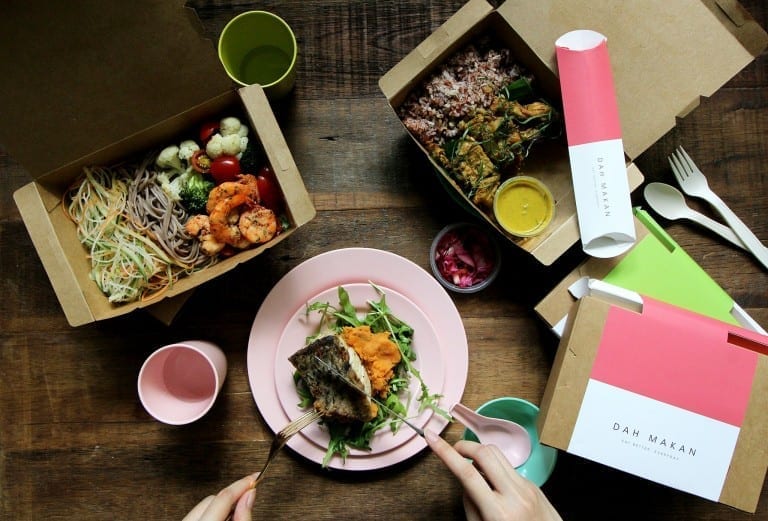
    Malaysian food-delivery startup Dahmakan, which raised US$2.6 million early this year, has acquired Bangkok-based competitor Polpa for an undisclosed amount.

    Dahmakan co-founder Jessica Li says Polpa has been integrated into the brand. The Thai startup’s founders, Dr Julian Timings and Prongfa Uennatornaranggoon, have joined Dahmakan’s executive team.

    “This will be the first of our three-city expansion in Southeast Asia this year, with Jakarta and Hong Kong slated for the third and fourth quarters.

    Dahmakan says demand for online food delivery in Southeast Asia grew 20-fold last year, with online spending projected to quadruple by 2025.

    CEO/co-founder Jonathan Weins says getting into Bangkok, the third-largest city in Southeast Asia, was strategic. “Bangkok has millions of office workers, high urban density and a lack of convenient food-delivery options that makes it an attractive market.”

    According to research firm Euromonitor International, Thailand’s online food-ordering market is on track to hit THB31.7 billion (about $1 billion) this year.

    Established in 2014, Polpa claims to be among the market leaders for healthy food delivery in Bangkok.

    Since launching in 2015, Dahmakan has raised more than $4 million in venture capital funding. It distinguishes itself from rivals – including Deliveroo, Foodpanda and UberEats – by delivering meals prepared in-house instead of picking up from restaurants and stalls.

    Meanwhile, Delivery Hero’s Foodpanda projects a surge in demand this year as competition intensifies.

    Thailand CEO Alexander Felde says he expects Foodpanda deliveries to roughly double this year to 16,000 a day.

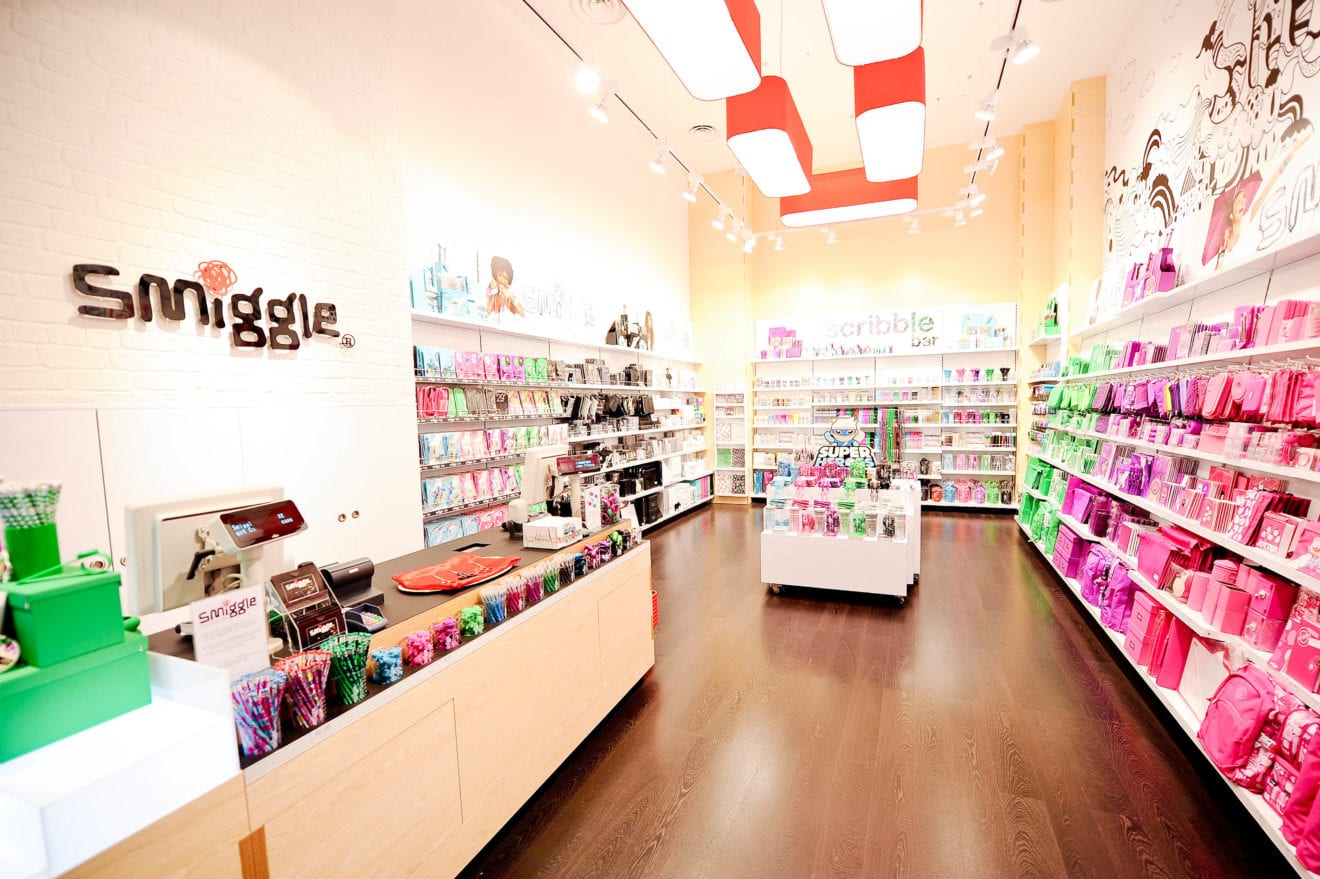
  • Smiggle Asia shows positive growth

    Smiggle Asia shows positive growth

    Smiggle Asia is thriving, its success here encouraging the stationery retailer’s parent to expand in other global markets.

    Smiggle, a subsidiary of Australian listed company Premier Investments, opened three new stores in Hong Kong in the first half of its current trading year and a further two in Malaysia. Both markets now have 13 Smiggle stores trading.

    “The brand now expects to have between 17 and 19 stores operating in Malaysia within three years of first opening. This is well ahead of the original plan,” the company said in an earnings filing.

    “The Smiggle Asia division had an exceptionally strong half. Singapore, the most mature of the Asian markets, enjoyed strong like-for-like growth with tourists providing valuable insights into potential new Smiggle markets.”

    The brand achieved record global sales of A$170.7 million (US$131.6 million) in the first half, up 26.7 per cent on the same time last year, underpinned by the opening of 35 new stores. More than 60 per cent of Smiggle sales during the period were from outside Australia. Smiggle now has 332 stores across Australia, New Zealand, Singapore, England, Scotland, Wales, Northern Ireland, Hong Kong, Malaysia and Ireland.

    The company will open a global flagship on Oxford Street in London in May as the UK business aims for $200 million in annual sales by next year.

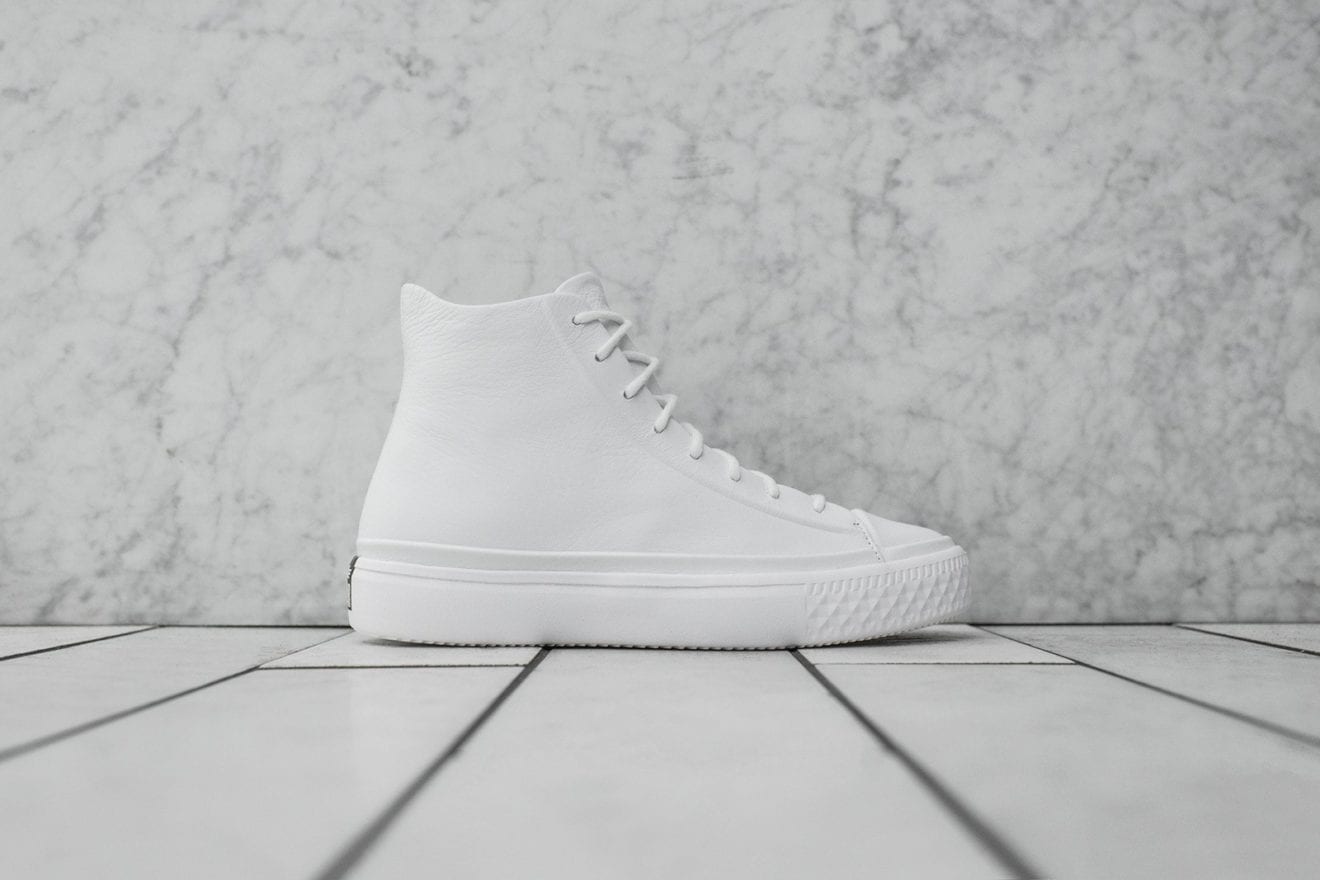
  • Converse starts selling online on Lazada

    Converse starts selling online on Lazada

    Lazada has launched the first official Converse online store in Singapore and Malaysia.

    The two companies say they have created “a curated brand experience” which showcases a diverse product offering.
    The store opened on Friday and will expand later this year into Indonesia, Thailand, the Philippines and Vietnam.

    “We look forward to providing Southeast Asian consumers with the broadest selection of Converse products and an elevated shopping experience via our Converse Official Store,” said Dan Brausch, VP of global partner markets with Converse.

    Robin Mah, chief business officer with Lazada Group, said the store allows local fans of the brand to browse and purchase hundreds of styles for men and women.

    Popular Converse ranges including the Chuck Taylor All Star, One Star and Chuck 70’s are all available in assorted colours, patterns and materials.

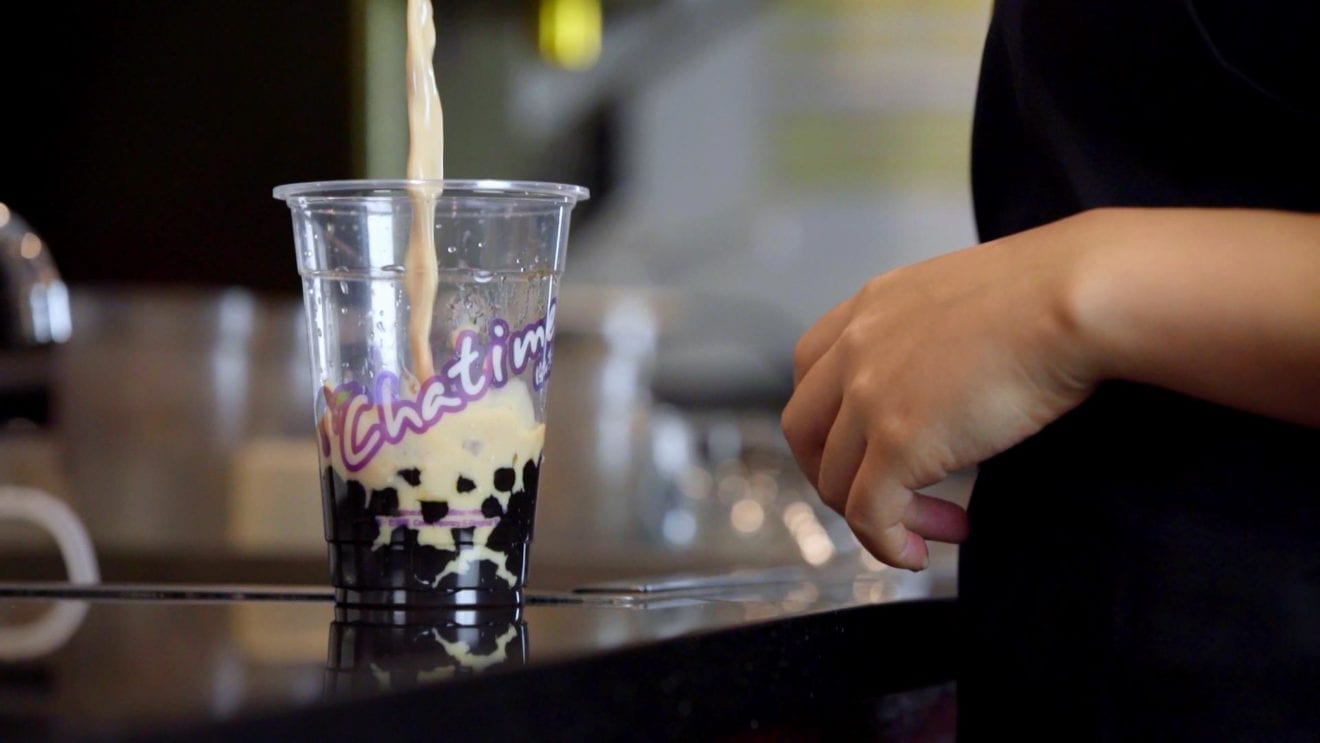
  • Chatime Malaysia sues Tealive

    Chatime Malaysia sues Tealive

    Chatime Malaysia Sdn Bhd yesterday issued a legal letter to Loob Holding Sdn Bhd for the misrepresentation and defamation on Chatime implying that the brand had been replaced and renamed as Tealive.

    Chatime Malaysia group managing director Aliza Ali said Loob Holding had deliberately misrepresented and misled the public that Chatime had been renamed and is now operating as Tealive in Malaysia.

    It said this was done through headlines on the Loob Holding website, particularly two headlines “Chatime renamed as Tealive” and “Tealive replaced Chatime” that falsely indicate that Chatime was renamed to Tealive.

    “We have given them a considerably long grace period of one year to rectify the issue, unfortunately Loob Holding’s website still holds the two headlines ‘Chatime renamed to Tealive’ and ‘Tealive ganti Chatime’, with a new headline that reads ‘Tealive replaced Chatime’,” said Aliza.

    She said this was published as recent as February 2018; all of which have led the public to believe that Chatime has ceased to exist as a result.

    “These misleading statements from Loob Holding have cost us our goodwill and our brand, as such we felt obliged to address the confusion and safeguard Chatime’s reputation in both Malaysia, as well as at an international level,” said Chatime Malaysia executive director Widayu Latiff.

    A year after taking over the Chatime market in Malaysia as its master franchisee, Aliza said that it is now taking on necessary steps to protect the brand, which may include legal proceedings.

  • Malaysia’s Q4 retail sales up a disappointing 3.1%

    Malaysia’s Q4 retail sales up a disappointing 3.1%

    The Malaysian retail industry reported a modest growth rate of 3.1% in the fourth quarter of 2017 compared with the same period in 2016, coming in below expectations due to the rising cost of living which the eroded purchasing power of Malaysian consumers, said independent retail research firm Retail Group Malaysia.

    “This latest quarterly result did not meet market expectations. Members of MRA (Malaysia Retailers Association) projected the fourth quarter growth rate in November 2017 at 3.8%. It was also below Retail Group Malaysia’s forecast of 4.5%,” the firm said in its March 2018 Malaysia Retail Industry Report.

    It said the quarterly result is consistent with the Consumer Sentiment Index for the same period published by the Malaysian Institute of Economic Research (MIER).

    “During the latest quarter, the Consumer Sentiment Index (by MIER) improved to 82.6. Malaysian consumers remained cautious in their monthly spending while juggling with higher cost of living.”

    During the fourth quarter of 2017, the performances of all retail sub-sectors were mixed. The supermarket and hypermarket sub-sector was the worst performer.

    For the whole of 2017, the retail sale growth rate was 2.0% (or RM99.8 billion) compared with the same period a year ago. The retail industry’s performance last year lagged the gross domestic product growth rate of 5.9%.

    “After a rollercoaster ride in 2017, members of the retailers’ association are hopeful that their businesses will begin to recover in 2018. They estimate an average growth rate of 5.4% during the first quarter of 2018, due to the Chinese New Year period.”

    Based on its first quarterly projections of retail sales for 2018, Retail Group Malaysia estimates 4.7% growth in retail sale this year (or RM104.4 billion).

    “At this moment, this projection is considered optimistic by MRA members. The prospect of the retail industry this year is still highly dependent on the economic performance and consumer confidence level,” it said.

    It explained that the upcoming Malaysia general election is one of the main reasons Malaysian consumers have been taking a wait-and-see attitude on their retail spending.

    Retail sales may rise after the official election campaign starts. When campaigns begin, there will be many political and social activities throughout the country. This should motivate consumers to spend.

    “Post-election, consumer spending may improve further as Malaysians will focus on their own economic future and release the pent-up demand.”