Tag: Malaysia

  • Hershey’s activation comes to life at KLIA

    Hershey’s activation comes to life at KLIA

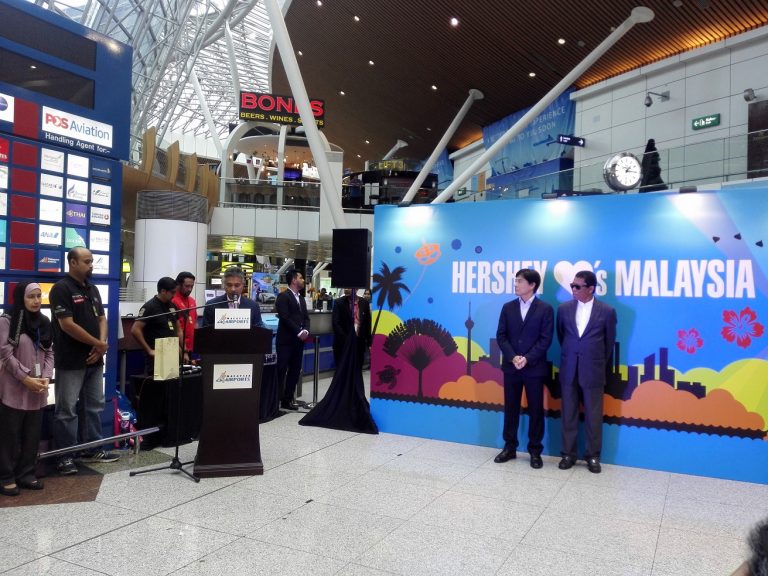
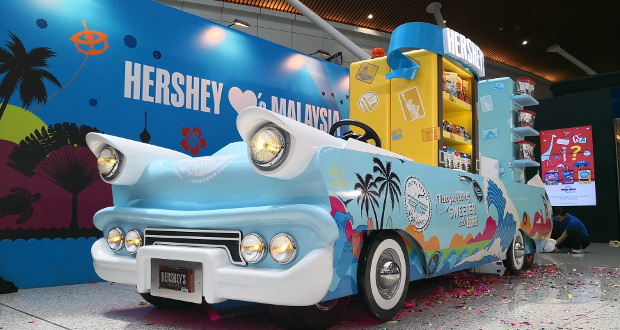
    A new mobile retail concept from Hershey’s has launched at Kuala Lumpur International Airport (KLIA).

    The Hershey’s flotilla buggy is the result of The Hershey Company, Malaysia Airports and DR Groupdiscussing ways to enhance customer engagement at the TFWA World Exhibition & Conference in Cannes in October 2017.

    The flotilla buggy is converted from a conventional buggy making it the world’s first truly mobile promotion from a confectionery brand and is expected to become a unique attraction at KLIA, Malaysia Airports said. It is based on the classic American Cadillac and is adorned with messages and artistic images of iconic landmarks.

    Nazli Aziz, senior general manager for commercial services, Malaysia Airports (at the rostrum) giving a speech at the launch of the Hershey’s flotilla buggy.

    “Malaysia Airports is constantly looking into new ways to curate a convenient, unique and memorable shopping experience for customers. The launch of the Hershey’s flotilla buggy is the culmination of a successful partnership between Malaysia Airports, a world-class confectionery brand and an enterprising retailer,” Malaysia Airports Senior General Manager for Commercial Services Nazli Aziz said.

    cof

    DR Group Managing Director Dato’ Dahlan Rashid added: “Since its inception in 1985, DR Group has been creating its own niche internationally by innovating [in] the travel retail confectionery landscape. We believe this synergistic collaboration provides the perfect beginning for endless possibilities in retail innovation.”

  • Decision time for Malaysia’s fintech regulators

    Decision time for Malaysia’s fintech regulators

    Just as Kuala Lumpur hosted the opening of what claims to be the “largest blockchain centre in Asia,” a newly published report has urged the Malaysian government to hone and relax the regulations covering blockchain technology.

    The 242-page report, entitled “Tailoring Malaysian blockchain regulations for the new digital economy”, was published yesterday by the University of Malaya’s Faculty of Law.

    While it aims to be a “starting point to synthesize some of the [existing] legal viewpoints into collective practical solutions which will benefit Malaysia,” it also calls on the country’s central bank and securities commission to work together to define and provide better clarity, especially in regard to crypto-related taxation.

    The legality of crypto-currency trading in Malaysia remains somewhat unclear, as it is not formally illegal but remains unregulated. Report project director Nur Husna Zakaria said the current government stance was “promising” because, as yet, “none of the regulators in Malaysia has banned any transaction related to blockchain,” but she urged all government stakeholders to work alongside the country’s blockchain community to “ensure whatever regulation is [put] in place … is comprehensive.”

    According to the Malaysia’s Sun Daily, the country’s Inland Revenue Board is now studying the country’s crypto-currency market but has given no timeline on the release of any guidelines or legislation.

    The University of Malaya report was published the day after international technology developer NEM Foundation opened its new Southeast Asian HQ in Kuala Lumpur. The 11,000-square-foot facility, that NEM claims is the biggest blockchain-focussed facility in Asia, will act as a learning centre, incubator and accelerator for blockchain related startups.

    The centre aims to serve as an R&D facility for NEM related developers, business users and crypto exchanges and already Appsolutely Inc, a crypto-based rewards and loyalty business from the Philippines, has based its regional operations at the NEM centre, as has Indonesian crypto retail startup Pundi X and Singaporean mobile settlement solution Dragonfly Fintech.

    Singapore-based NEM, that gained global notoriety after its own digital token was at the centre of a $530 million hack in January 2018, announced earlier this month that it had devoted $40 million to an on-going global expansion program. NEM says $5 million of this fund has been allocated to support blockchain companies based at the new Kuala Lumpur centre.


  • Malaysian stocks, ringgit to remain under selling pressure

    Malaysian stocks, ringgit to remain under selling pressure

    The Malaysian stock market and the ringgit, which have seen constant pressure since the surprise outcome of the 14th general election, are unlikely to change course anytime soon as the US action to slap tariffs on imports from China is expected to increase risk aversion in the short term, say economists.

    Last Friday, the US imposed tariffs on US$34 billion (RM137 billion) worth of goods from China. Beijing was quick to retaliate, announcing levies on the same value of US imports. Bursa Malaysia’s benchmark index, the FBM KLCI, fell 1.6% or 26.79 points to close at its intraday low of 1,663.86 points in reaction to the news, while most emerging market currencies, including the ringgit, yuan, Indian rupee, baht, won and Singapore dollar traded lower. The Malaysian unit closed at 4.0465 to the US dollar on Friday.

    MIDF Amanah Investment Bank chief economist Dr Kamaruddin Mohd Nor said that the local currency as well as the emerging economies’ currencies are expected to remain under pressure this week amid heighten trade tensions between the two economic powerhouses.

    He said trade tensions would hamper investor sentiments towards emerging economies, which in turn would influence the flow of funds as investors assess the possible risks and adverse outcomes associated with the dispute.

    “Thus, selling pressure due to this factor as well as other external factors (faster than expected interest rate increases in the US and stronger dollar) will weigh on the ringgit and regional currencies in the near term,” he added.

    Meanwhile, FXTM global head of currency strategy and market research Jameel Ahmad said there is some risk aversion in the atmosphere following the announcement by US President Donald Trump, where emerging market currencies and stock markets appear to be struggling as a result of a cautious trading environment.

    “If Asian stock markets continue to trade cautiously in wake of the US trade tariffs on China coming into play, there is a likelihood that this could also negatively impact the European stock markets,” Jameel said.

    Socio-Economic Research Centre executive director Lee Heng Guie noted that emerging markets’ assets, including currencies, have been under pressure in recent weeks due to the trade tensions, damaging market volatility due to capital reversals on expectations of higher US interest rates ahead and US dollar strength.

    Additionally, Lee said the ringgit is expected to remain at the current trading range given the multifacet external headwinds amid domestic political and policy transition.

    He noted that among the potential long-term effects from the tariffs’ implementation are slowing trade and investment as trade activity lessens, which would weigh on firms’ profitability and investments’ returns.

    Lee added that domestic demand would also dampen as households’ income becomes affected by the weak performance of export-oriented companies and industries.

    “In addition, global financial market volatility will have negative spillover on domestic equity market,” he said.

    Therefore, Lee said the government needs to widen its trade relationships with countries that are committed to adopting fair and open trade practices while companies work on products and markets complexities to minimise the disruption amid the global network of supply and value chains.

    Kamaruddin said while the research firm which does not expect local companies to face devastating near-term disruptions, they will have to be prepared if the list of products involved are part of their value chain.

    Overall, economists said the continued trade spat between the US and China, the return of market volatility, and the reality of higher US interest rates pressuring emerging financial markets and currencies, are expected to weigh on Malaysia’s growth momentum this year.

    “The estimated impact on GDP growth is around 0.1-0.3 percentage point,” Lee said.

    However, Kamaruddin said MIDF is keeping its full-year 2018 GDP growth forecast at 5.5%.

  • Razer Pay launched in Malaysia

    Razer Pay launched in Malaysia

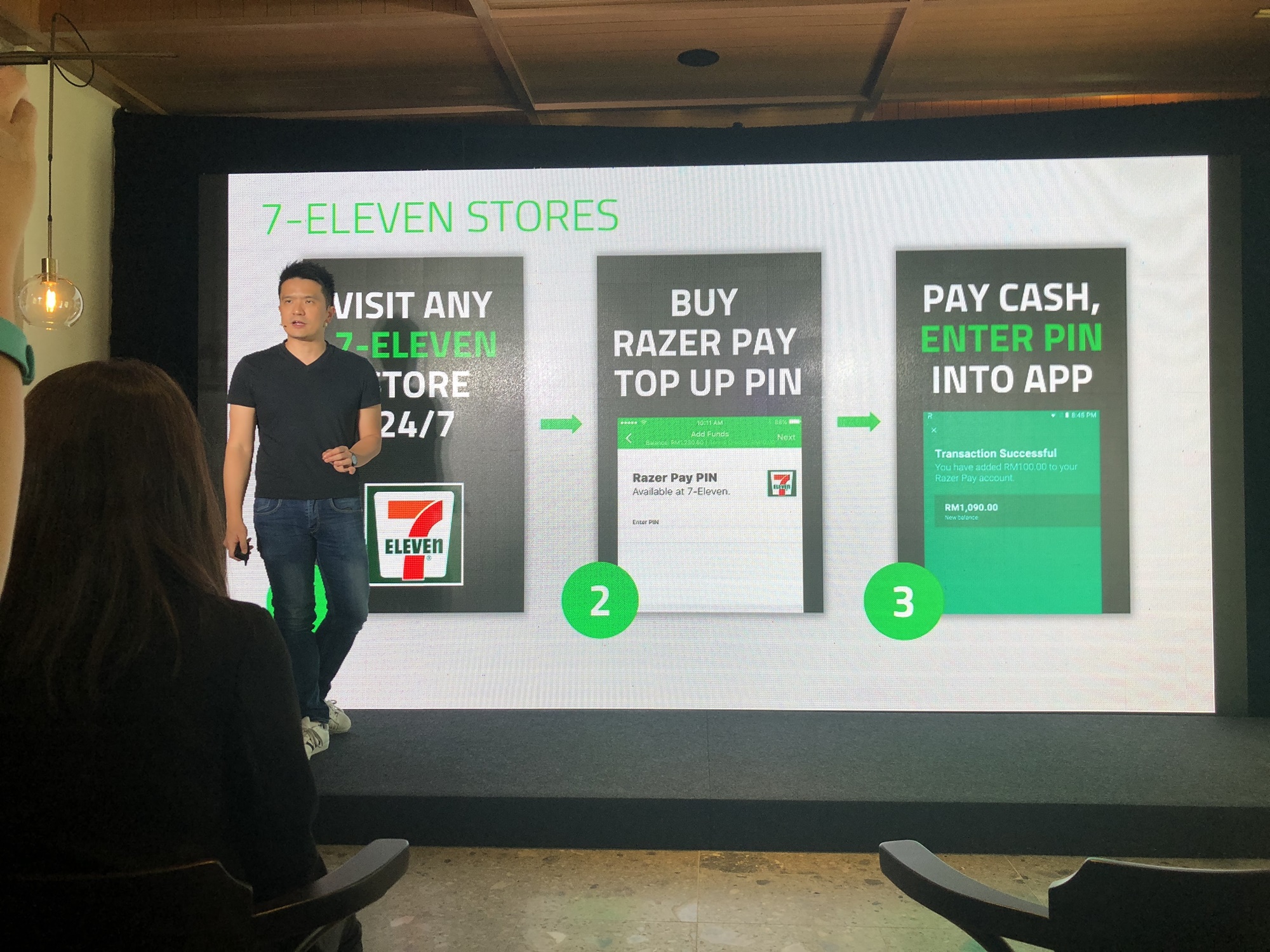
    Leading lifestyle brand for gamers, Razer and Berjaya Corp Bhd (BCorp) today launched the Razer Pay e-wallet in Malaysia.

    Razer Pay is the e-wallet designed for youth and millennials, allowing users to top up easily, transfer money quickly and pay everywhere.

    As a partner to Razer Pay, BCorp has pledged to donate up to RM5 million to the Tabung Harapan Malaysia fund.

    From today until Aug 30, 2018, BCorp has committed to donating RM10 with each first time use of the Razer Pay wallet at participating Berjaya outlets.

  • Luk Fook Malaysia expands into opening of third store

    Luk Fook Malaysia expands into opening of third store

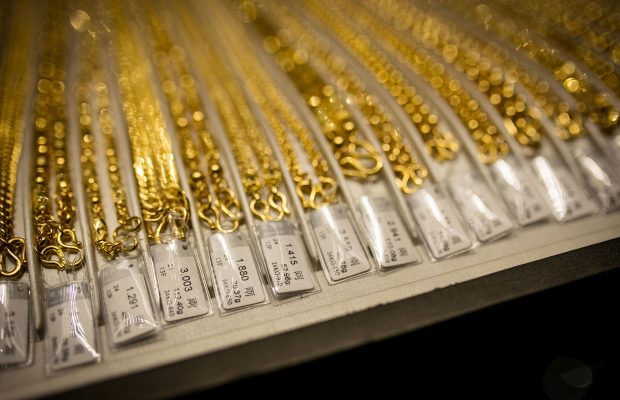
    Luk Fook Malaysia has opened its third shop, at the Genting Highlands Resort.

    The Hong Kong-based jewellery retailer expanded into Southeast Asia in 2010 and now operates 1660 locations through nine countries and regions, including greater China. The Genting Highlands shop will give the brand access to a well-established tourist market that frequents the high-altitude attraction that features casinos and theme parks.

    Luk Fook Holdings’ chairman and CEO Wong Wai Sheung said the group is dedicated to providing global customers with high-quality jewellery products, unparalleled shopping experiences, as well as caring and professional services.

    “With the drive for the Belt and Road Initiative, together with booming tourism in Southeast Asia, the group is optimistic about the prospects for the region. Following the opening of two retail shops at Pavilion Elite and Suria KLCC in Kuala Lumpur in 2016, the group has established a new retail shop at the 6000-foot highland famous casino and tourist spot – Genting Highlands of Malaysia – to further expand our retail footprint, which fulfils the corporate vision of ‘Brand of Hong Kong, Sparkling around the World’”.

    The opening ceremony was attended by multiple dignitaries and celebrities, while Rilakkuma-branded gold coins were distributed among guests.

  • Osram to embark on high-end LED technology in Malaysia

    Osram to embark on high-end LED technology in Malaysia

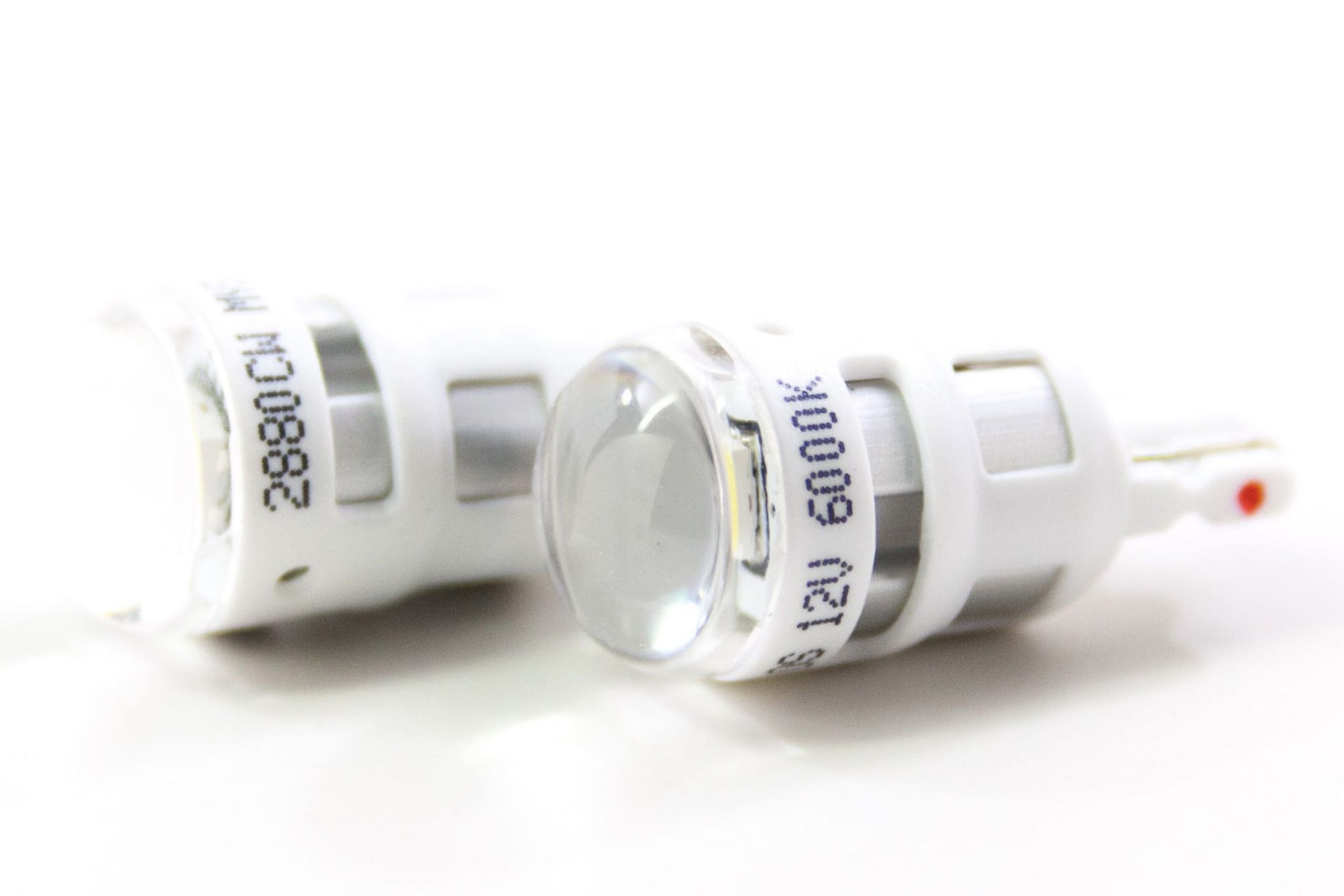
    Light-emitting diode (LED) chip company Osram Opto Semiconductors (M) Sdn Bhd is looking to embark on advanced lighting technology in Malaysia, particularly for automotive applications as it sees huge growth potential in the market.

    “There is more and more of real high-end (lighting) applications needed (in Malaysia) such as pixel headlights in cars for instance and we see that as a huge opportunity for us,” its CEO Dr Ronald Mueller said at the handover ceremony of equipment worth RM2.4 million by Osram to four public universities today.

    Additionally, Mueller said the German-based company is also bullish in the application of micro-pixelated LED for display devices, which he believes will revolutionise the quality of visualisation and improve the illumination quality.

    “We are very confident in micro-pixelized displays, where in five years you might have a 10 sq m of a highly dense pixelized LED displays that is totally different compared with what we have today.

    “These are the areas that we think as hugely interesting and will grow. It’s just a question of when it will takes off. It maybe will take a couple of years but we will go into that direction ,” he added.

    Primarily focused on semiconductor-based technologies, Osram’s products are used in highly diverse applications ranging from virtual reality to autonomous driving and from smartphones to smart and connected lighting solutions in buildings and cities.

    Meanwhile, Malaysian Investment Development Authority (Mida) deputy CEO Arham Abdul Rahman, who officiated the handover ceremony, said as of May this year, Osram’s accumulated investment in the country amounted to RM4.6 billion, with a local spending of RM500 million, supporting close to 600 local vendors.

    “Today’s event is an example of a foreign investment that has contributed much to Malaysia. Mida would like to encourage other global companies to emulate these practices and bring the electrical and electronic industry to the next level of technology sophistication and competitiveness,” Arham said.

    Osram’s donation of the latest semiconductor and photonic equipment involved Universiti Malaya, Universiti Sains Malaysia, Universiti Malaysia Perlis and National University of Malaysia.

    The equipment will be used to provide hands-on educational experience for high-tech industry’s students.

    “By donating our manufacturing equipment for use in universities, we are helping to train the next generation of engineers,” Mueller added.

  • Malaysian export growth to moderate to 5.5% in May

    Malaysian export growth to moderate to 5.5% in May

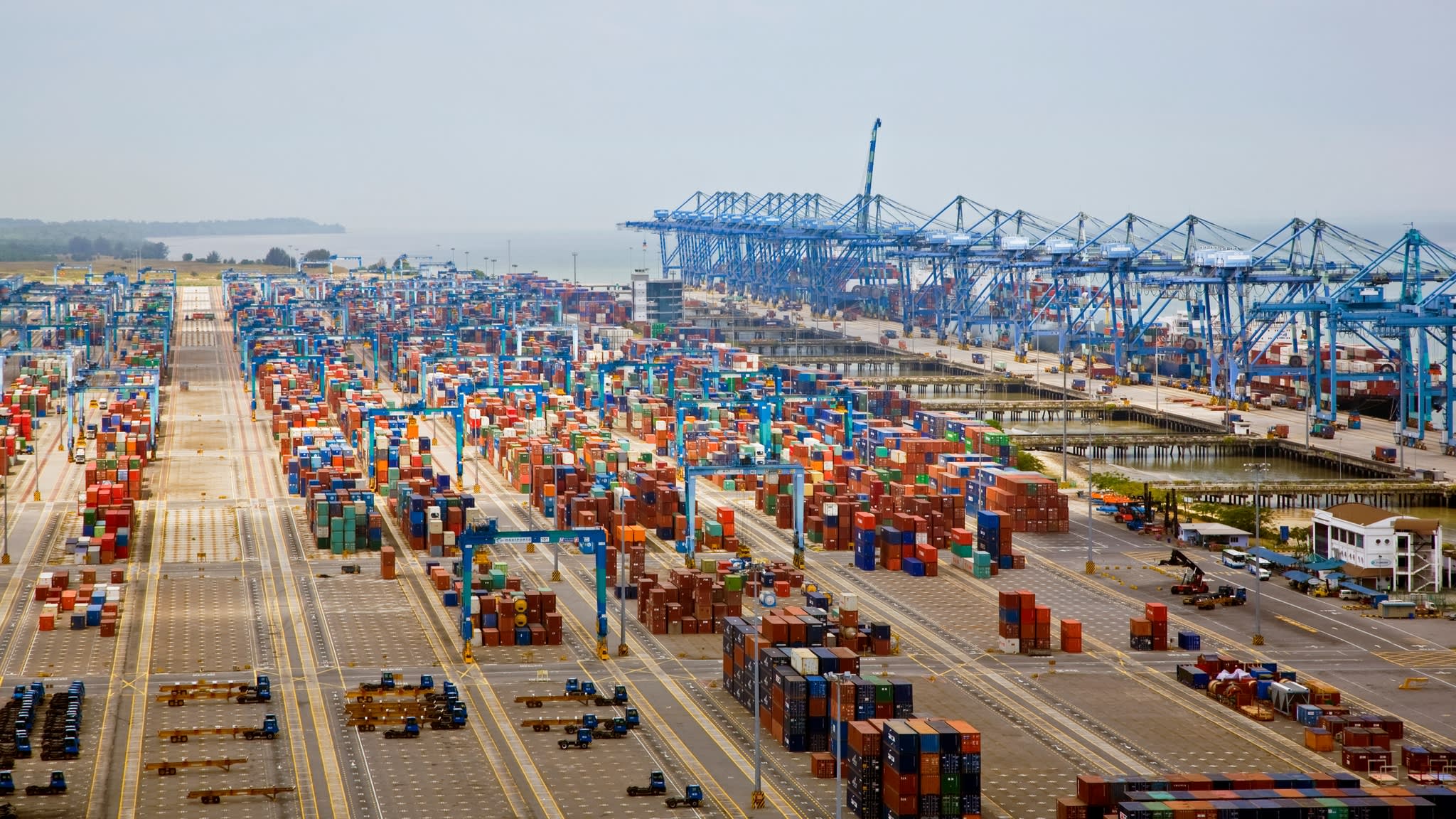
    RAM Ratings expects Malaysia’s export growth to moderate to 5.5% in May 2018 after a strong increase of 14% in April.

    The rating agency said in a statement today that this could be partially attributable to a high-base effect from May 2017, when export growth surged 32.4% – the highest level since March 2010.

    RAM said the continued decline in imports of intermediate goods also suggests an expectation of a corresponding moderation in external demand growth going ahead.

    Meanwhile, the import growth is projected to contract 2.5% in May in anticipation of the deceleration in exports.

    “Furthermore, some risk aversion in the lead-up to the 14th General Election may also have caused some hold-back in investments, thereby contributing to the slower pace.”

    For May, the trade surplus is estimated to come in lower at RM11.8 billion compared with RM13.1 billion in April.

    RAM pointed out that the direct impact arising from the US’s protectionist policies and tariffs on Malaysia’s exports has been limited to date, as exports of affected goods to the US (blanket tariffs on solar panels, washing machines, and steel and aluminium) constituted only 0.8% of Malaysia’s total exports in 2017.

    However, it cautioned that the second-round effects from the escalating trade tensions between the US and China, which bears the brunt of most of the American tariffs, will pose a bigger concern to the Malaysian economy.

    “This ripple effect will be more strongly felt through the global value chain (GVC) and also in global trade and economic growth.”

    “Notably, the US tariffs announced have a more far-reaching impact beyond China and have significant spillover effects to the GVC given the intermediate nature of the goods taxed. China’s set of retaliatory tariffs, on the other hand, seemingly target the US specifically,” said RAM head of research Kristina Fong.

    Having said that, the research house noted that large trade gains could be derived as US substitutes its demand for imports away from China to other established technology markets, in addition to inward investment gains from American and Chinese firms seeking to bypass these trade tariffs by relocating their operations.

    “However, the latter will take time to materialise as firms will require greater certainty in terms of how long and how significant this trade war will turn out to be.”

    In the near term, RAM said, significant downside risks may arise from the widespread uncertainty and heftier production costs, primarily for the US, which could in turn affect the current positive global economic momentum through higher unemployment and lower investments.

    “Moreover, greater-than-expected inflationary pressure may also spur faster-than-anticipated monetary tightening by the US Federal Reserve, which may further hurt investment and global restocking demand.

    “For Malaysia as a small open economy, weak external demand is a clear downside risk to growth momentum; this will require very close monitoring,” the rating agency said.

  • Potboy pioneers online-to-offline groceries sale

    Potboy pioneers online-to-offline groceries sale

    Home grown online grocer, Potboy Grocery, is organising an online-to-offline (O20) groceries sale, the first of its kind in Malaysia, in bringing the online customer to offline retail.

    PB Grocery Group Sdn Bhd, Co-founder Eddie Chew said the event enables offline customers to purchase groceries online and without having to be physically present at the actual exhibition hall of the event.

    “We want to educate customers on cashless transactions and e-payment as an alternative shopping method, and at the same time, give them the convenience of shopping.

    “Customers can enjoy buying groceries at the event without having to worry about carrying the items because we can deliver them to their doorstep for free and at no minimum purchase,” he said.

    Chew said the free delivery and no-minimum order privileges also applied to online transaction-buyers.

    The O2O event will be held for three days starting July 6 at P2, Jaya One, Petaling Jaya from 10 am to 10 pm.

    A crowd of about 18,000 crowd online and offline are expected to attend and generate RM2 million in sales.

    Forty famous suppliers, among others, Coca-cola, Nestle, F&N, Hershey’s, Homesoy, Brand’s, Jasmine, MamyPoko, and other household brands will participate, offering a discount of up to 75 per cent.

    “We are offering goods at a very competitive price during this event, and way better, lower compared to the retail price,” he said, adding, 300 goodies bag would be given away daily for early birds.

    Founded in Malaysia in 2016, Potboy Groceries is owned and operated by PB Grocery Group and currently based in the Klang Valley.

    Potboy Grocery is also the trusted grocer for Suria KLCC, Astro, Getha, Sumbertech Ventures and others.

  • HIJUP UK debuts at London Eid Festival

    HIJUP UK debuts at London Eid Festival

    Malaysian-owned Hijup UK made its debut in London’s modest fashion scene at the recent London Eid Festival.

    Participating in the year’s largest international modest fashion showcase coincided with the launch of the Hijup UK online store.

    Hijup UK will follow this up with the opening of its first brick-and-mortar concept store and a fleet of mobile stores in London to make modest fashion more accessible to women.

    At the London Eid Festival, the fast-fashion and lifestyle brand showed off its latest collection by Indonesian designers Dian Pelangi, Vivi Zubedi, Jenahara and Ria Miranda and displayed its range of clothing and scarves in mobile stores set up on site.

    Along with its own brands handpicked from popular designers from Indonesia, Malaysia, Australia, the UAE, US and the UK, Hijup UK will be retailing popular and versatile Aidijuma hijabs and luxury modest fashion labels carried by Haute Elan.

    The company says it will adopt the online-to-offline business model in the UK, complementing e-commerce with personal retail experiences in both concept and mobile stores to provide a seamless experience for consumers wherever they are.

    Hijup UK is owned by Hijup, the world’s first Islamic fashion e-commerce and modest fashion brand, and Aidijuma Colors Group of Companies from Malaysia.

    “Hijup UK will be the first modest-retail group to create retail revolution through the online merging offline platform which includes the breakthrough concept of having a mobile store to complement the consumer shopping experience,” said Norjuma Habib Mohamed, founder and CEO of Aidijuma Colors Group, which holds the majority stake in Hijup UK.

    “We have a clear vision and that is to bring fashionable modest wear to women wherever they are, through multiple retail platforms and at competitive prices.

    “There is a growing market for modest wear and we are making it even more accessible and mainstream in more and more markets to cater for the needs of women while developing the brand,” added Norjuma.

  • Innisfree Vietnam, Malaysia to go bigger

    Innisfree Vietnam, Malaysia to go bigger

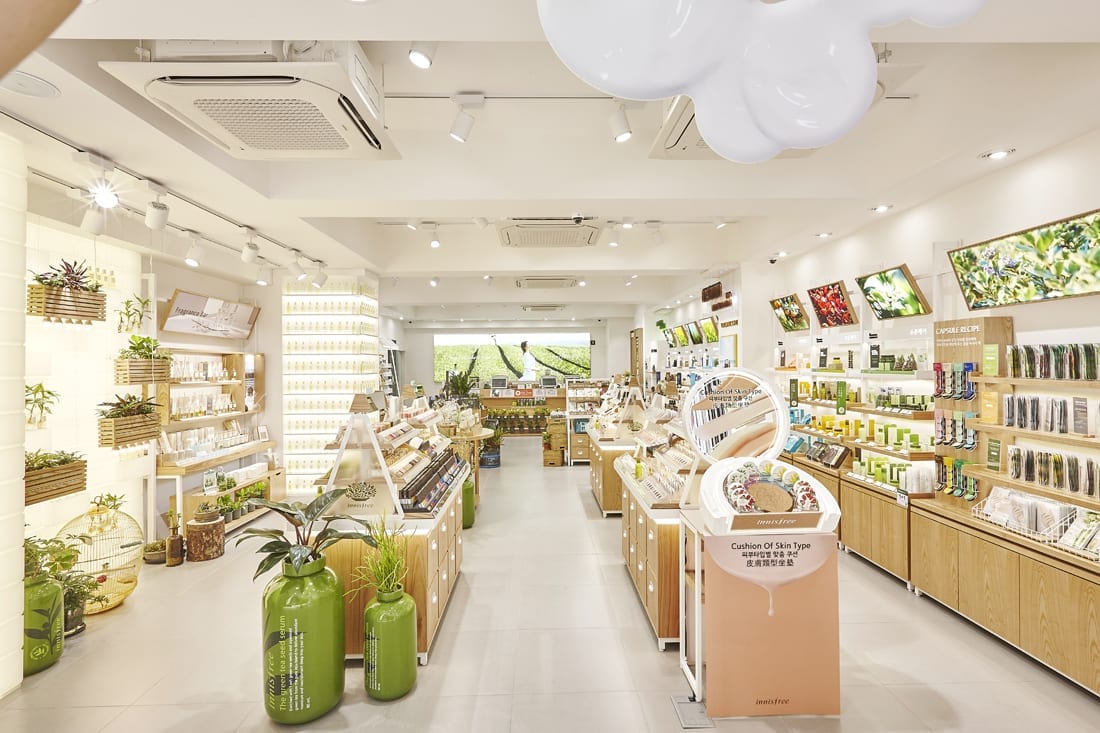
    Amorepacific-owned Innisfree Vietnam has opened its first store in Hanoi, the brand’s fifth in the country.

    Located at 290 Ba Trieu Street, Innisfree Hanoi ranges skincare and makeup products for men and women.

    Opening day saw long queues of the brand’s fans who had been looking forward to the brand having a Hanoi presence for two years.

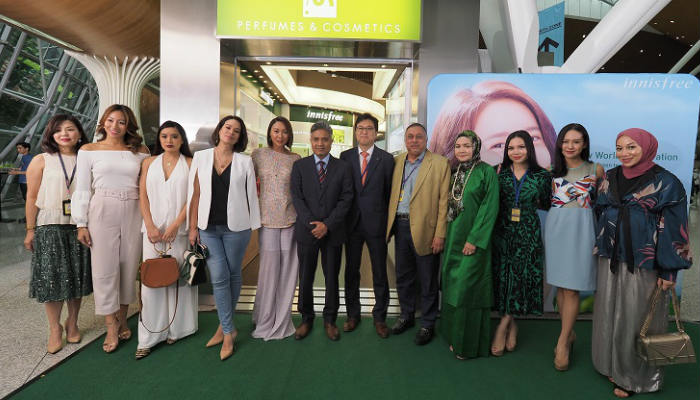
    In Malaysia, Innisfree has teamed with travel retailer Dimensi Eksklusif to make its debut at Kuala Lumpur International Airport.

    KLIA is Innisfree’s latest airport store outside Korea after Singapore’s Changi and Hong Kong International Airport.

    Sales of perfumes and cosmetics at KLIA in the first quarter of this year grew by 29 per cent and are expected to continue to grow, attracting more world-renowned brands to open there.

    Innisfree has nine stores in Malaysia.

  • Texas Chicken Malaysia to open new stores

    Texas Chicken Malaysia to open new stores

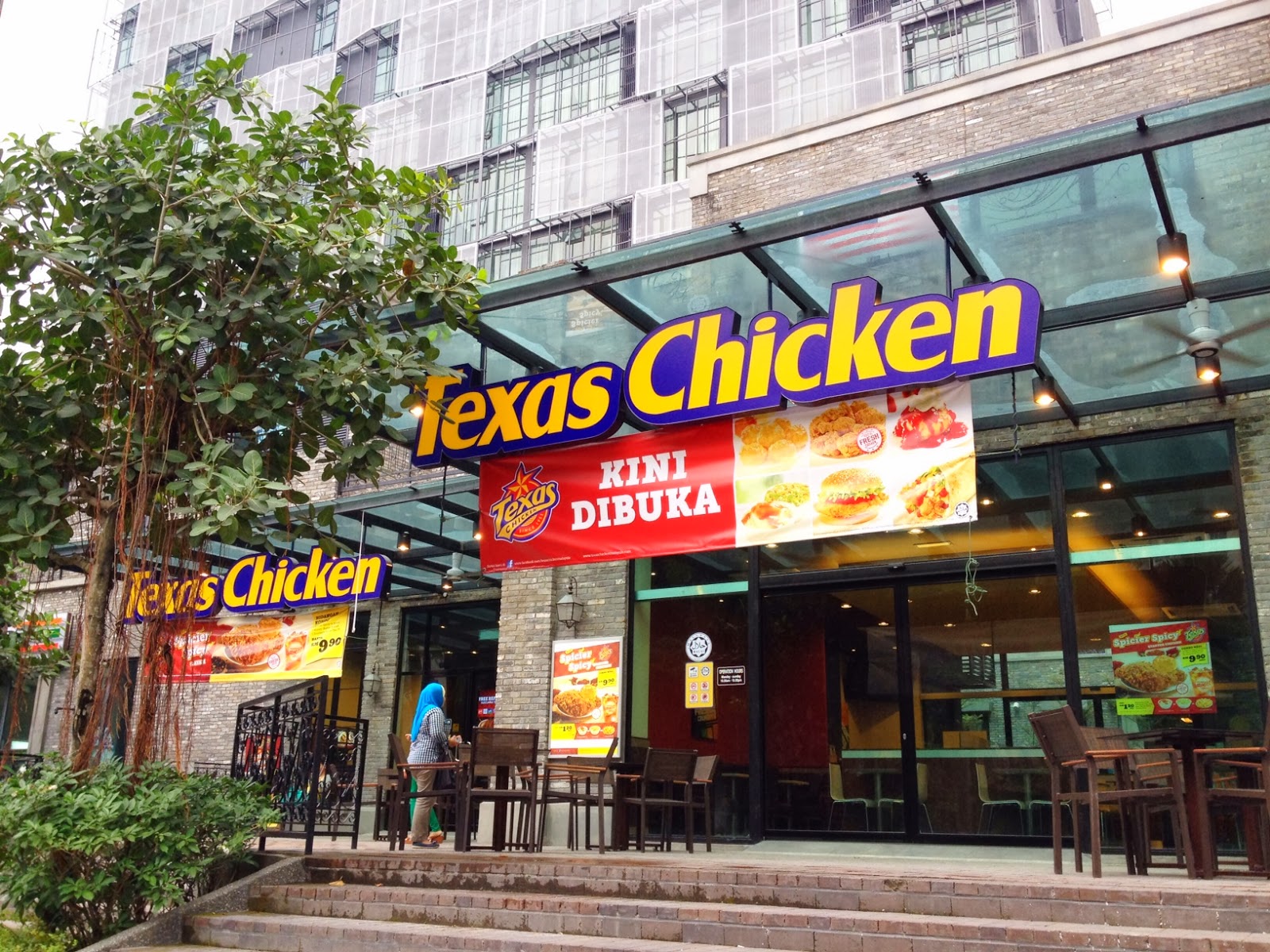
    Fast-food chain Texas Chicken Malaysia has opened its first outlet on the Southern Peninsular with its new store in Johor Bahru’s City Square Shopping Mall.

    The new outlet, Texas Chicken’s 48th restaurant nationwide, is managed by local franchisee Envictus International Holdings Limited (Envictus Group), which plans to open further locations within the region shortly. It already operates outlets in Klang Valley, Selangor, Penang, and Negeri Sembilan.

    According to Envictus chairman Dato’ Jaya Tan, “The Johor Bahru City Square is the kind of location every restaurant dreams of. The new Texas Chicken will be right in the heart of the city, close to corporate offices, local and international colleges, and just minutes from the customs and immigration checkpoint between Malaysia and Singapore”.

    Executive VP of international business for Texas Chicken Tony Moralejo said this was an opportunity that was “identified and cultivated by a veteran franchisee”.

    The new restaurant should seat 111 guests with a retail space of 1123sqft.

  • Air Asia introduces two new international routes from Hanoi and Phuket to Penang

    Air Asia introduces two new international routes from Hanoi and Phuket to Penang

    Expanding its wings even further, AirAsia marked another milestone by celebrating its new international inaugural flights from Hanoi in Vietnam and Phuket in Thailand, into its Penang hub at the Penang International Airport (PIA) here today.

    Its three-hour flight from Hanoi touched down at PIA at 12.50pm, carrying passengers up to 80 per cent load, while the Phuket flight will land later tonight at 11.05pm.

    The inaugural flight from Hanoi was received by state Tourism Development, Heritage, Culture and Arts committee chairman Yeoh Soon Hin, AirAsia Malaysia Head of Commercial Spencer Lee and Penang Global Tourism chief executive officer Ooi Chok Yan.

    Lee said AirAsia was pleased to strengthen its Penang hub further with the two new routes. He said the AirAsia Group had flown over 11 million guests in and out of Penang since 2015.

    “In 2017 alone, we had 3.5 million passengers, and for this year until June, we already have two million guests.

    “We are happy to share that we are leading the market in Penang with 68 per cent of direct routes as of this April.

    “We look forward to further boosting tourist arrivals, while at the same time, connecting Penangites and the northern community to more destinations internationally with the AirAsia network,” he said in his speech.

    Yeoh said that the two new direct routes from Hanoi and Phuket would further boost the number of tourists arriving from these two cities.

    “This upward trend in Penang tourism is a good indicator for a robust economy in the immediate foreseeable future,” he added.

    The four-times weekly direct flight from Hanoi and daily direct flights from Phuket are the seventh and eighth new routes launched by the airline into Penang as a group, thus further strengthening the Asean footprint through connectivity aside from the Kuala Lumpur hub.

    The flights heading to Hanoi will take off at 6.15am every Monday, Wednesday, Friday and Sunday. The return flights from Hanoi will take off at 8.50am Vietnam time on the same four days every week.

    The one-hour flight to Phuket will depart at 8.25pm daily while the return flight will take off at 11pm Thailand time.

    In conjunction with the momentous occasion, AirAsia is offering celebratory promotional all-in-fares from RM119 flight to Hanoi and RM79 flight to Phuket, both flights from Penang.

    The special promotion is available for booking from July 2 to July 8 for the travel period between July 2, 2018, to Jan 31 next year.

    Guests can visit airasia.com or use the AirAsia mobile app on the iPhone or Android devices to enjoy the special promotional fares.

  • Innisfree & Dimensi build Asia airport beauty presence at KLIA

    Innisfree & Dimensi build Asia airport beauty presence at KLIA

    The opening at the Malaysian gateway, in association with travel retailer Dimensi Eksklusif, consolidates the Amore Pacific-owned beauty firm’s airport influence in Asia, having already established a footprint at Hong Kong International and Singapore Changi.

    Earlier this month, Dimensi revealed that it had secured a one-year contract extension at the airport, as operator Malaysia Airports Holding Berhad concludes plans for an overhaul of its passenger facilities.

    TRENDING BRANDS

    Speaking at the official opening of the store, Amorepacific Global Travel Retail Senior Vice President David Park said: “Innisfree is one of the fastest-growing brands in the Amorepacific Group and Korea’s number one natural beauty brand.

    “Apart from Singapore Changi International Airport and Hong Kong International Airport, KLIA is our latest Innisfree airport store outside of Korea. We look forward to great success of the brand at this wonderful airport.

    Dimensi Managing Director Tan Sri Zainul Azman says the travel retailer is constantly searching for ‘trending brands’ and is delighted to partner with Amorepacific to showcase leading Korean names at KLIA.

    P&C SALES GROWTH

    Meanwhile, Malaysia Airports Senior General Manager for Commercial Services Nazli Aziz predicts an increases in sales of perfumes & cosmetics linked to wider product choice and rising Chinese passenger arrivals.

    “In the first quarter of this year, sales of products under the perfumes and cosmetics category grew by 29% against the figures recorded in the corresponding period of last year,” he stated.

    “Our strategy of collaborating with famous brands like Innisfree is part of an ongoing initiative to enhance the total airport experience of travellers at our airports.”

    Innisfree and several other global brands are expected to provide entertainment for travellers in the coming weeks when the annual Malaysia Airports Shopping Campaign begins in July.

    “We hope all the activities and campaigns which we have undertaken and those we are planning to implement will eventually lead to the infusion of a sense of place among travellers, making KLIA an ideal and joyful place to shop,” added Nazli.

  • Why fast-fashion brands like H&M are losing millennial customers in Malaysia and Singapore

    Why fast-fashion brands like H&M are losing millennial customers in Malaysia and Singapore

    Melissa Chi, 30, remembers when her wardrobe was full of H&M clothing and accessories. After discovering the Swedish brand during an internship in Washington, the Singaporean, who runs an online healthy lifestyle store, quickly became a fan of its smart design, decent quality and affordable prices.

    Today, however, Chi rarely wears fast-fashion items, H&M or otherwise. Since she became a convert to sustainable living two years ago, she has learned just how damaging the fast-fashion industry is for the environment.

    “The whole mentality that we should buy more because it’s cheap just didn’t seem right any more,” she says.

    It was a 180-degree sartorial turn for Chi, one that many other young Singaporeans and Malaysians are going through.

    More than 1,000 shoppers queued outside H&M’s Singapore flagship store when it opened in 2011, excited to become its first customers. The following year, about 1,500 people did the same at its Kuala Lumpur flagship on its first day of business. And when H&M collaborated with luxury brands Balmain and Kenzo, launching the collections in 2015 and 2016 respectively, similar frenzies occurred.

    Fast forward and H&M’s quarterly report ending February 28 indicates Asian millennials’ appetite for the brand’s trendy apparel may be on the wane. Malaysia recorded a 1 per cent drop in sales over the quarter, while the Singapore operation saw sales fall by 10 per cent.

    A similar downward trend is being seen in other parts of Asia, including China. That’s after two decades of strong growth globally during which the company regularly reported double-digit sales increases.

    In the three months to February 28, H&M’s operating profit fell by 62 per cent, causing its shares to hit a 13-year low on Stockholm’s bourse. A US$4.3 billion stockpile of clothing and accessories had accumulated in thousands of warehouses and stores around the world, the company reported.

    What had happened? Business analysts say the company failed to adapt to fierce competition from the boom in online retail and lower prices offered by a growing number of similar fast-fashion outlets. Chi agrees that these have been factors in Singapore and Malaysia.

    “I definitely think the demand [for fast fashion] is cooling off and not just because of the growing awareness that fast fashion is bad,” she says, referring to allegations of abuses against workers and environmental concerns. “It is also because of intense competition from all sorts of brands online, globally.”

    Abby Wee, communications manager for H&M Singapore and Malaysia, said that 2018 is a “transitional year” for the brand, adding that the fashion retail landscape is changing rapidly.

    “While there is a decline in sales in Singapore and Malaysia, we don’t see that as an indication that we are not one of the top fashion destinations for our customers,” she says in an email.

    Wee points to last year’s launch of the online store hm.com, and the positive reviews that it has been getting in both Singapore and Malaysia, as proof that its “omnichannel presence” is expanding.

    However, hm.com is competing in a crowded online market of brands that have had a web presence for years. Singapore government data shows that as early as 2011, 50 per cent of the country’s internet users aged 15 years and older were already shopping online. In 2012, regional e-retailer Zalora set up operations in both Malaysia and Singapore. Other e-retailers, such as Asos and American Apparel, had been targeting Singaporean shoppers by offering free shipping long before hm.com came along.

    Sarah Kok, a 22-year-old broadcast journalism student in Malaysia, says she no longer shops at H&M for several reasons. Since Uniqlo, the Japanese mass-market clothing brand, expanded in Malaysian malls several years ago, Kok now does most of her shopping for daily work outfits there. She says it offers more comfort, better quality and greater diversity than H&M.

    Environmental sustainability and a fair supply chain matter, too. These are Kok’s main reasons for shunning H&M today, she says.

    H&M has been accused of using prison labour in China, employing children in Myanmar, firing Cambodian women who got pregnant, suppressing unions, and causing environmental damage, among other issues.

    “If you can sell things at such a cheap price overseas, that means you’re getting it cheap as well,” Kok says. “So, that equals cheap labour.”

    Uniqlo may not be entirely innocent, either. A report by anti-poverty charity War on Want asserted in 2016 that Chinese factories making clothes for Uniqlo were abusing workers’ rights. Despite the brand’s commitment to “corporate social responsibility” and “making the world a better place”, undercover investigations by Students and Scholars against Corporate Misbehaviour said it found excessive overtime, low pay, dangerous working conditions and oppressive management practices in Uniqlo’s supplier factories in China.

    In an emailed statement, Wong Xinyi, sustainability manager for H&M Southeast Asia, points out that the company has signed a “global framework agreement” with workers’ organisations based in Sweden aimed at improving workers’ rights in the supply chain.

    It is also one of a number of global brands that have initiated the ACT (action, collaboration and transformation) agreement, which aims to ensure fair wages and better working conditions in the supply chain.

    Wee claims that the supplier factories H&M works with the most through long-term partnerships – representing 50 per cent of its product volume – have democratically elected representatives who can speak on behalf of the workers, achieving one of the company’s 2018 goals.

    To address the issue of environmental pollution, Wee points to the brand’s collaboration with the Zero Discharge of Hazardous Chemicals Programme to raise awareness and industry standards, and its partnership with the organisation Changing Markets to implement the “road map towards responsible viscose and modal fibre manufacturing” within its existing sourcing policy.

    H&M has also set 2030 as a target date to have all products made from recycled or otherwise sustainably sourced materials. By 2040, it aims to become “climate-positive” throughout its value chain.

    “Our customers in Malaysia and Singapore trust our brand and they have also responded positively towards our sustainability initiatives,” Wee says. “Therefore, it is clear to us that our customers expect us to operate our business responsibly and we are determined to exceed their expectations in this area.”

    However, whether all this means we are seeing a new dawn for fashion in Southeast Asia, with fast-fashion companies complying with a more sustainable and ethical framework in their production lines, is questionable. So, too, is whether there is really enough demand for more conscionable clothing among Malaysian and Singaporean millennials – known for being materialistic – to encourage companies to follow more sustainable practices.

    Both are highly unlikely, according to Nicholas Harrigan, a senior lecturer in sociology at Sydney’s Macquarie University.

    “Unfortunately, not enough young people in Singapore and Malaysia are conscious enough about ethical fashion for it likely to make much of an impact on sales,” says Harrigan, who previously lectured at Singapore Management University.

    Google “sustainable fashion in Malaysia and Singapore” and a few brands with limited offerings will pop up. Biji-Biji Design, arguably Malaysia’s most prominent eco- and labour-friendly company, sells bags and accessories made using discarded advertising banners, car seat belts and even old kimonos, with some products at prices comparable to H&M. Such companies, however, are few and far between.

    Harrigan believes other factors could be at play, such as the growing influence of blogshops – retailers operating on blogging platforms – on Singaporean youth, which provide more variety and are more convenient than going out shopping.

    Price could be another issue. Harrigan posits that despite H&M’s products being cheaper than brands such as Zara, they are still expensive given the quality.

    Still, sceptics note that the relatively low prices of fast-fashion brands will continue to be attractive to young people.

    Norashahera Hakem, head of fashion at Biji-Biji, remains optimistic. Although it is difficult for a brand like hers to survive in Malaysia, there are signs of a shift in mindset. People are starting to care more about quality and the effect of their unused piles of clothes on the environment, she says. Price is no longer the sole factor, as millennials are looking at the stories behind a product.

    “It is possible to survive with a lot of hard work and determination, as the concept is still quite new in this region,” she says. “People need to realise that quality and sustainability have an extra cost and [be] willing to pay for it.”
  • Tealive to apply for stay of execution after injunction threatens to close 161 outlets

    Tealive to apply for stay of execution after injunction threatens to close 161 outlets

    Tealive owner Loob Holding Sdn Bhd will file an application for a stay and for leave to appeal to the Federal Court after the Court of Appeal granted an injunction by Chatime franchisor La Kaffa International Co Ltd against Tealive from continuing its operations.

    La Kaffa had filed the appeal after the High Court dismissed its injunction bid in May 2017 against former franchise holder Loob from carrying a similar business as Chatime.

    “This matter is being handled by our lawyers and we will let the due process of law take its course. We have instructed them to make the necessary application to the courts to allow us to maintain status quo until final settlement of the entire legal process,” Loob said in a statement today.

    Loob is now at risk of closing 161 of its Tealive outlets, which will affect 800 staff, if the injunction stays.

    Tealive was created following a dispute between Loob and La Kaffa last year that saw the Taiwanese franchisor terminate its Chatime master franchisee contract with Loob.

    Loob has since expanded Tealive overseas, including in China, Australia, India and Vietnam.