Tag: Malaysia

  • CIMB Malaysia expects FY18 to be a record year

    CIMB Malaysia expects FY18 to be a record year

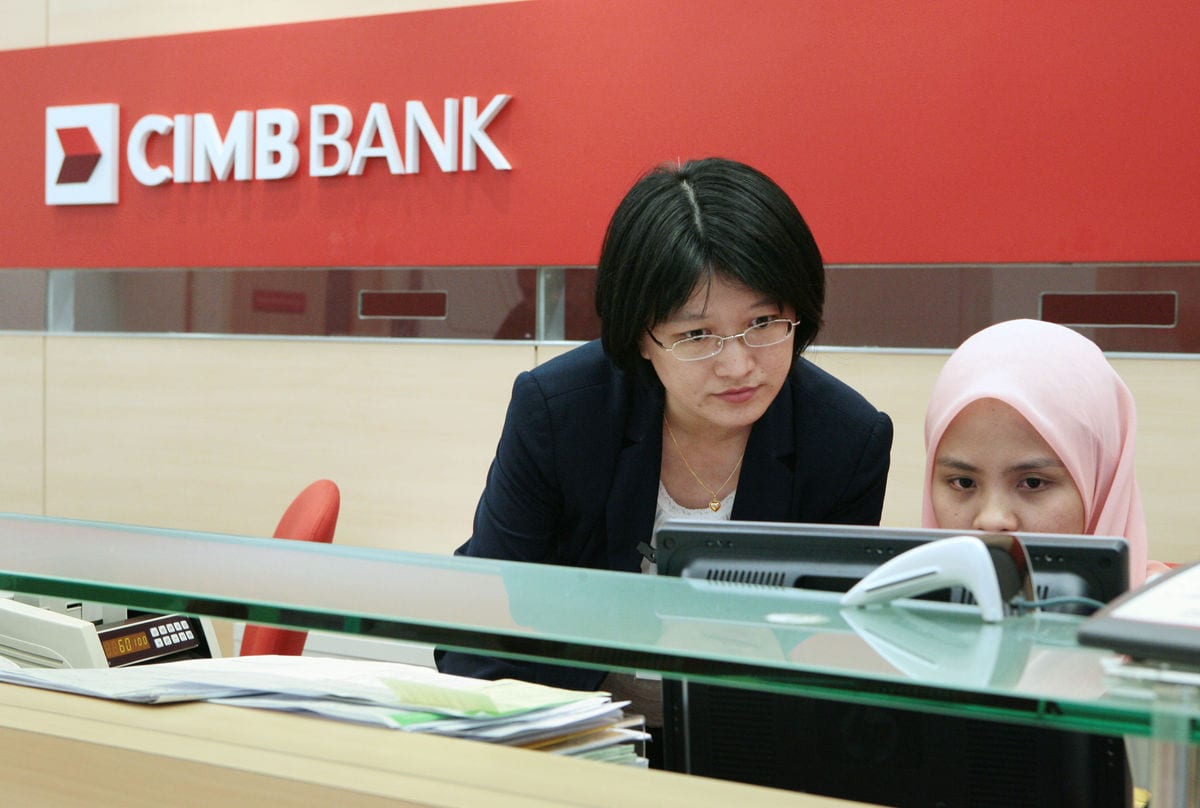
    CIMB Group Holdings Bhd, which posted a record net profit of RM3.29 billion for the first six months ended June 30, 2018 (1H18), expects a record net profit to ensue for the full year on a stronger performance in 2H18 partly driven by improvement in loan growth.

    Group CEO Tengku Datuk Seri Zafrul Aziz said CIMB is on track to meet its loan growth target of 6% for this year, compared with a weaker-than-expected 0.2% last year hit by its Indonesian business.

    It saw a loan growth of 3.4% for 1H18, dragged down by the weakening of rupiah in Indonesia. Excluding foreign exchange fluctuations, its 1H18 loan growth would have been 7%.

    “We’re still keeping our loan growth target. 1H18 was slower and we’re optimistic that in 2H18 we will catch up,” Zafrul said in a press conference after announcing its 1H18 financial results here.

    “For 2H18, we hope to sustain (performance). It’s been a strong two months (July-August), we’ve seen a pickup in capital markets (from slower capital market activities in 1H18), but also in the region in Thailand and Singapore. We’re optimistic. Judging from the pipeline that we have, we should see the same, if not better performance in 2H18,” he added.

    Zafrul said CIMB is focused on achieving its T18 targets, subject to recovery of capital markets, and continued improvement in asset quality across Indonesia, Thailand and Singapore.

    Saying the worst is over for its Indonesian business, he said a rate increase is expected in Indonesia to stabilise the rupiah. On the macro side, it is wary of the currency impact and is also mindful of the election in Indonesia. However he said CIMB Niaga has done well in term of its bottom line, adding that it was the best performing bank in 1H18 in Indonesia.

    “If you look at the numbers on Indonesia, the asset quality is better. The problem is the loan growth and this is something that we need to push further and at the same time we’re tracking the industry.”

    For the second quarter ended June 30, 2018, CIMB’s net profit jumped 80% to RM1.98 billion from RM1.10 billion a year ago bolstered by a RM928 million gain from the sale of 20% of CIMB-Principal Asset Management and 10% of CIMB-Principal Islamic Asset Management. Revenue rose 12% to RM4.86 billion from RM4.33 billion in the previous corresponding quarter.

    CIMB posted a record net profit of RM3.29 billion for the first half of 2018, up 44% from RM2.28 billion a year ago, bolstered by the disposal gain. Excluding the gain, CIMB’s 1H18 earnings was RM2.36 billion, translating to a 3.3% year-on-year growth. Revenue rose 5.5% to RM9.17 billion from RM8.69 billion in the previous year.

    Zafrul said CIMB is finalising its next mid-term growth plan post-T18, which will be premised on customers, people and sustainability, among others. He added that any changes to its management are based on performance and will be decided by the board and not one shareholder.

  • Malaysian businesses expect slower growth in third quarter

    Malaysian businesses expect slower growth in third quarter

    Businesses expect growth to slow in the third quarter due to lower confidence levels after recording positive business performance in the second quarter of the year, according to the Statistics Department.

    The department’s Business Tendency Statistics for the third quarter 2018 which presents statistics on business performance based on a survey conducted on a quarterly basis – said the second quarter of the 2018 was positive with an overall net balance of +3.6%, mainly contributed by services sector (+22.0%).

    As for the third quarter, overall business performance is expected to grow at a slower pace with confidence indicator of +6.0% compared to the +7.8% in the previous quarter.

    On a sectoral basis, services sector is expecting their business performance to continue to grow in the third quarter of 2018 with confidence indicator of +16.5% as compared to +8.6% in second quarter of 2018.

    Other sectors such as industry and wholesale and retail trade which are also of the expectations of their business situation improving albeit at a moderate rate with smaller confidence indicators at +2.1 % and +3.6% respectively.

    However, the construction sector expects their business situation to be less bullish with a confidence indicator of -7.7%.

    “Majority of the respondents in all surveyed sectors which was 45.1%, anticipated that their gross revenue to increase while 44.4% expected unchanged. In contrast, 10.5% of the respondents foresee a decrease in gross revenue,” said chief statistician of Malaysia Datuk Seri Dr Mohd Uzir Mahidin.

    On another note, business performance is expected to continue to grow for the period of July to December 2018 based on a net balance of +11.6%, supported mainly by services sector that was most optimistic with a net balance of +25.3% as compared to +15.3% for the period of April to September 2018.

  • Celcom Axiata appoints Idham Nawawi as new CEO

    Celcom Axiata appoints Idham Nawawi as new CEO

    Celcom Axiata Bhd has appointed Mohamad Idham Nawawi (pix) as its new CEO effective Sept 1, taking over the reins from Michael Kuehner whose tenure ends on Aug 31.

    The group said in a statement that the succession is part of the original plan two years ago to appoint an internal talent for its next phase of transformation and Idham was appointed following a thorough selection process.

    “As an internal talent with excellent management and operational experience within the group, as well as a member of the Celcom board, Idham is already well versed in Celcom’s strategic directions, operations and challenges. The board is confident Idham will be able to move quickly and efficiently to execute on the next phase of transformation,” it said.

    Idham has been with the group since 2012 and is currently the group chief corporate officer, responsible for regulatory management, corporate communications and sustainability, corporate affairs and government relations for the group. He also manages the group CEO’s office and the Axiata programme and governance office.

    Idham led the transformation programme office for Axiata 2.0 from 2012 to 2015, which was the impetus of Axiata’s expansion beyond its core mobile business into new digital services and tower business.

    As interim COO for Axiata Digital Services during its start-up phase in 2014, he was also instrumental in establishing the RM100 million Axiata Digital Innovation Fund targeted at developing Malaysian digital entrepreneurs.

    Idham has served as member of the board of directors in Axiata’s mobile operating companies in Malaysia, Cambodia, Bangladesh and Pakistan, and several Axiata Digital Services companies.

    Prior to joining Axiata, Idham was COO of Packet-One Networks (P1). He was previously head of strategy for Axis Telekom Indonesia and general manager at Maxis Communications Bhd, and had spent his early career with IBM Malaysia and Carl Zeis Inc in the USA.

    “We are pleased to welcome Idham as Celcom CEO. With his vast leadership and notable accomplishments in many roles, I am confident he will lead Celcom to the next level of transformation into a digital world as well as to pursue our profitable growth strategy. His decades of industry experience and familiarity of Celcom, being already a board member, will certainly help him to move quickly in the transition,” said Celcom chairman and Axiata president and group CEO Tan Sri Jamaludin Ibrahim.

    “At the same time, on behalf of the board of directors of Celcom and all of us, I would also like to take this opportunity to extend our gratitude to Michael for his immense contributions and for positioning Celcom solidly for the great opportunities ahead. We wish him all the best in his future endeavors,” he added.

    Kuehner, who took over from Datuk Seri Shazalli Ramly in September 2016, was previously the CEO of Robi Axiata Ltd in Bangladesh from 2009 till 2013.

    The group said his core strategy to provide the best customer experience in the industry saw Celcom achieve significant improvements in many areas in products and services, network quality and coverage especially in the deployment of 4G, sales and distribution as well as digitisation.

  • Rado new Suria KLCC boutique open door

    Rado new Suria KLCC boutique open door

    Swiss watchmaker Rado has launched a new boutique at Suria KLCC.

    The brand’s largest store in Malaysia, the store’s layout represents Rado’s latest minimal design concepts contrasted with textured and handcrafted materials. Rado is generally known for its use of unusual materials to create exceptionally durable watches.

    The store is exclusively hosting the brand’s new True Thinline Nature collection, designed in collaboration with Italian historical garden organisation Grandi Giardini Italiani.

    The store’s star-studded launch function featured a fashion show and a showcase of the brand’s latest collections, focusing on Rado’s theme for the year The Elements of Time.

  • SportsDirect Malaysia opens its largest store

    SportsDirect Malaysia opens its largest store

    SportsDirect Malaysia has opened its largest store yet in the country, at Section 51A.

    The British sporting goods retailer’s new Petaling Jaya flagship, together with sister company MST Golf, comprise a 41,000sqft joint destination that is the largest sporting goods retail outlet in the country. The opening reflects the reportedly significant success of the brand in Malaysia.

    Divided into zones for easier navigation, the new SportsDirect Malaysia stores sells a broad range of international sporting brands.

    SportsDirect Malaysia MD Paul Gibbons said: “We are committed to be the leading sports and lifestyle retailer internationally by offering our customers an unrivalled range of high quality leading brands. This store alone carries an inventory of over 23,000 pairs of sports shoes to cover all our consumer requirements”.

  • July inflation expected to be cushioned by zero-rated GST

    July inflation expected to be cushioned by zero-rated GST

    RAM Ratings expects the zero-rated goods and services tax (GST) to act as a cushion limiting inflationary pressure on Malaysia’s July inflation rate, which is projected to increase to 1% from 0.8% in June.

    Meanwhile, full-year inflation is expected to stand at 1.3 %.

    Transport fuel is seen as a trigger to higher inflation given the 12.4% rise in the average price of RON95 petrol in July (June: 9.9%) amid low-base effects. Prices had averaged RM1.96/litre in July 2017 compared with RM2/litre in June 2017 against the current subsidised level of RM2.20/litre.

    Commenting on the sales and services tax, RAM head of research Kristina Fong said initial assessment on the new tax regime and its potential inflationary impact does not indicate any destabilisation of prices or consumption at this juncture due to the smaller share of products in the consumer price index basket and its nature as a single layer tax applying to manufacturers rather than end-consumers directly.

    This is supported further by the less restrictive administrative costs of implementation and proposed exemptions on raw materials, components, and packaging for registered manufacturers.

    “In view of the deflationary pressure from the change in the taxation system, coupled with lower fuel prices from the reinstatement of fuel subsidies and a persistently weak growth trajectory for food prices, overall inflation is envisaged to average 1.3% this year,” she said.

    Given the lower core inflation and moderating GDP growth (4.9%), RAM said it appears to be a downward bias for the overnight policy rate (OPR) this year.

    However, it expects the interest rate to remain unchanged at 3.25% through the rest of 2018 on the back of lingering policy uncertainties and some macro risks may still pose a risk to capital outflows.

    “That said, we believe that monetary policy will play a bigger role because fiscal consolidation is perceived as a key trend going forward; hence less scope for additional pump-priming.”

  • WeChat launches digital wallet in Malaysia

    WeChat launches digital wallet in Malaysia

    WeChat, China’s most popular social media app, has launched its digital payments platform in Malaysia. It is the platform’s first market in Asia beyond China and Hong Kong.

    The digital payment feature of WeChat allow its users to transfer money among themselves and make payments to offline merchants in ringgit. Rather than taking the common route of overseas expansion used by Chinese mobile-app providers catering to Chinese tourists or nationals living abroad, Tencent here seems to be building a local payment service.

    Malaysia’s central bank has been implementing policies promoting electronic payments in a bid to boost a network that lags behind other Southeast Asian markets. Their move has triggered the launch of digital wallets by other strong players, including Grab, the south-east Asia ride-hailing company.

    “Malaysia is a vibrant market. Technology-savvy Malaysians are embracing a digital lifestyle and to meet this shift, the payment experience has to evolve. Bringing WeChat Pay to Malaysia is our response to this,” said WeChat Pay Malaysia.

    SY Lau, senior vice-president at Tencent said in November when the company acquired a Malaysian epayment licence, that WeChat had 20m users in the country, equivalent to almost two-thirds of the population.

    The potential for mobile payments is vast in Malaysia, where cash is still king, but the number of mobile phones, mostly smartphones, outstrips a population of 32.1m by more than 10m, according to the central bank.

    But collaborations with local banks, of which WeChat has none, will be just as important for WeChat Pay to flourish there.

    At home, it took Tencent and Ant Financial, Alibaba’s electronic payments affiliate, years to build the links with hundreds of Chinese banks that make their services possible.

    Grab has already partnered with top local bank Maybank to bolster its mobile wallet, GrabPay. Coupled with its strong ride-hailing network in its market of origin, Grab is set to be a tough competitor for WeChat in Malaysia. According to Grab, its app and mobile wallet are already on half of all mobile phones in Malaysia.

    The number of emoney licences issued by Bank Negara to non-bank entities has almost doubled to 44 in the past two years as the central bank looks to reduce cash usage to curb tax evasion and corruption, according to Nor Shamsiah Mohd Yunus, Malaysia’s central bank governor.

    In Asia more broadly, however, some analysts say WeChat might struggle to expand beyond Malaysia, where the population is more than one-fifth ethnic Chinese.

    While the use of mobile payments is rapidly overtaking cash and cards for daily transactions by China’s smartphone users, WeChat Pay also faces the challenges of different local infrastructure and app-use habits in going abroad.

    WeChat Pay’s Malaysia launch comes at a tricky time for Tencent, whose second-quarter earnings were hit by domestic reforms delaying the licensing of new games.

  • QSR starts selling in Foodpanda Malaysia platform

    QSR starts selling in Foodpanda Malaysia platform

    Malaysia’s largest fast-food operator QSR Brands is partnering with Foodpanda Malaysia to deliver its Pizza Hut and KFC orders, according to a Deal Street Asia report.

    The move is expected to increase food revenue for the firm by 15–20 per cent, and allow delivery outlets for both brands to increase to 480 by the end of this year, and 730 before 2020.

    QSR MD Mohamed Azahari Mohamed Kamil said: “This will provide a new revenue stream by serving not only our non-delivery outlets but also complement existing delivery outlets.”

    QSR is expected to list on Bursa Malaysia this November, seeking to raise around RM2 billion (US$500 million), raising its market capitalisation to an estimated RM6 billion ($1.5 billion).

  • Ikea Malaysia online platform launched

    Ikea Malaysia online platform launched

    Ikea Malaysia has launched an online store.

    The e-commerce site promises to offer the largest online selection of home furnishings in the country. It marks a strong entry into the Malaysian e-commerce market by the Swedish company’s Southeast Asian subsidiary.

    The site’s delivery service will be available nationwide by package or truck, offering more than 9000 products to online buyers throughout Malaysia purchasing with major debit and credit cards accepted.

    Ikea Malaysia recently extended its return policy from 100 to 365 days to provide their customers more time to exchange or return their products after purchase.

  • Dior Backstage pop-up for KLIA

    Dior Backstage pop-up for KLIA

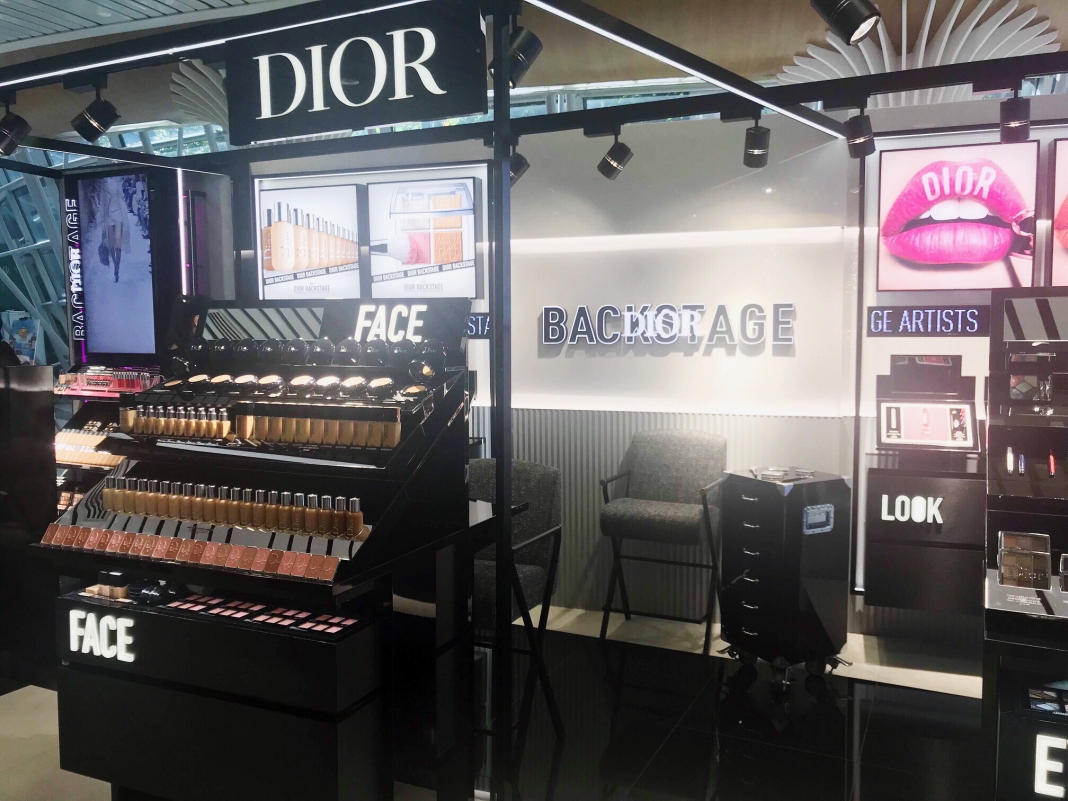
    A Dior Backstage pop-up store is being opened at Kuala Lumpur International Airport (KLIA).

    A partnership between Malaysia Airports, Parfums Christian Dior and Colour & Fragrances, the signature black lacquer store is positioned at KLIA’s international departures as a novel cosmetics concept inspired by the theatre backstage setting.

    It is the first Dior Backstage in Southeast Asia.

    Malaysia Airports senior GM for commercial services Nazli Aziz said: “It is very much in line with our mission of enhancing the total airport experience by continuously introducing unique products and services for travellers.”

    He added that the continued introduction of prestigious and international brands at KLIA will boost the overall retail revenue per passenger.

    Sales revenue for perfumes and cosmetics is forecast to reach RM450 million (US$109.7 million) this year.

    The pop-up will be staffed by a Dior stylist and a team of beauty consultants.

  • Second Cos Malaysia second store opened

    Second Cos Malaysia second store opened

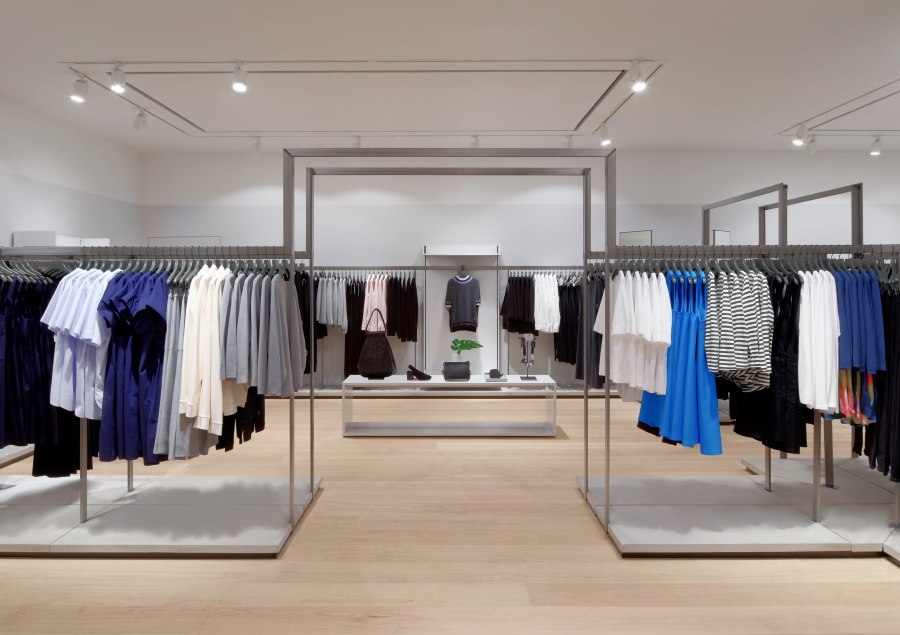
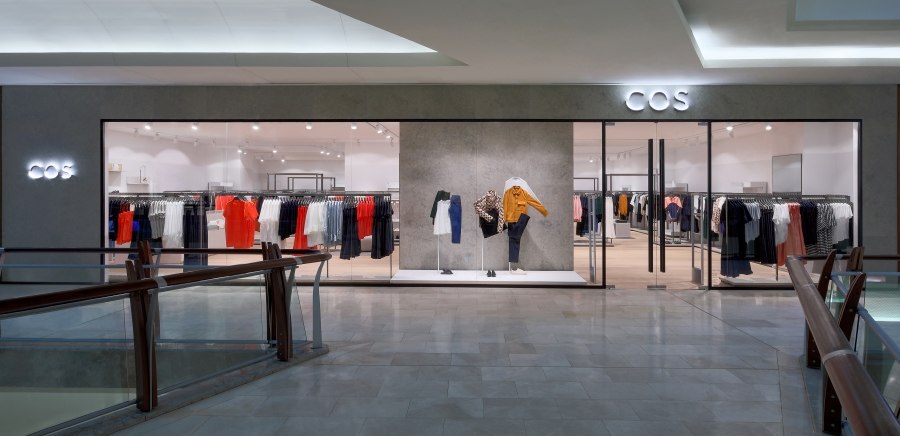
    Swedish fashion brand Cos has opened a second Malaysian store at The Gardens Mall in Klang Valley.

    The launch of the spartan 306sqm Cos Malaysia store comes just 18 months after the brand’s first opening at Pavilion Elite shopping centre. The store’s minimalist decor features Vicenza stone surfaces set off by the brighter tones of the fashions on display.

    Cos Garden Mall has opened with its existing Spring/Summer collection, but will follow the change of season shortly with Autumn/Winter 2018 coming soon.

    An H&M sister brand, the home website describes its fashion aesthetic as merging “lasting quality with timeless design; clean silhouettes, innovative techniques and functional details inspired by art, technology and architecture.”

  • Courts faces some challenges in Malaysia market

    Courts faces some challenges in Malaysia market

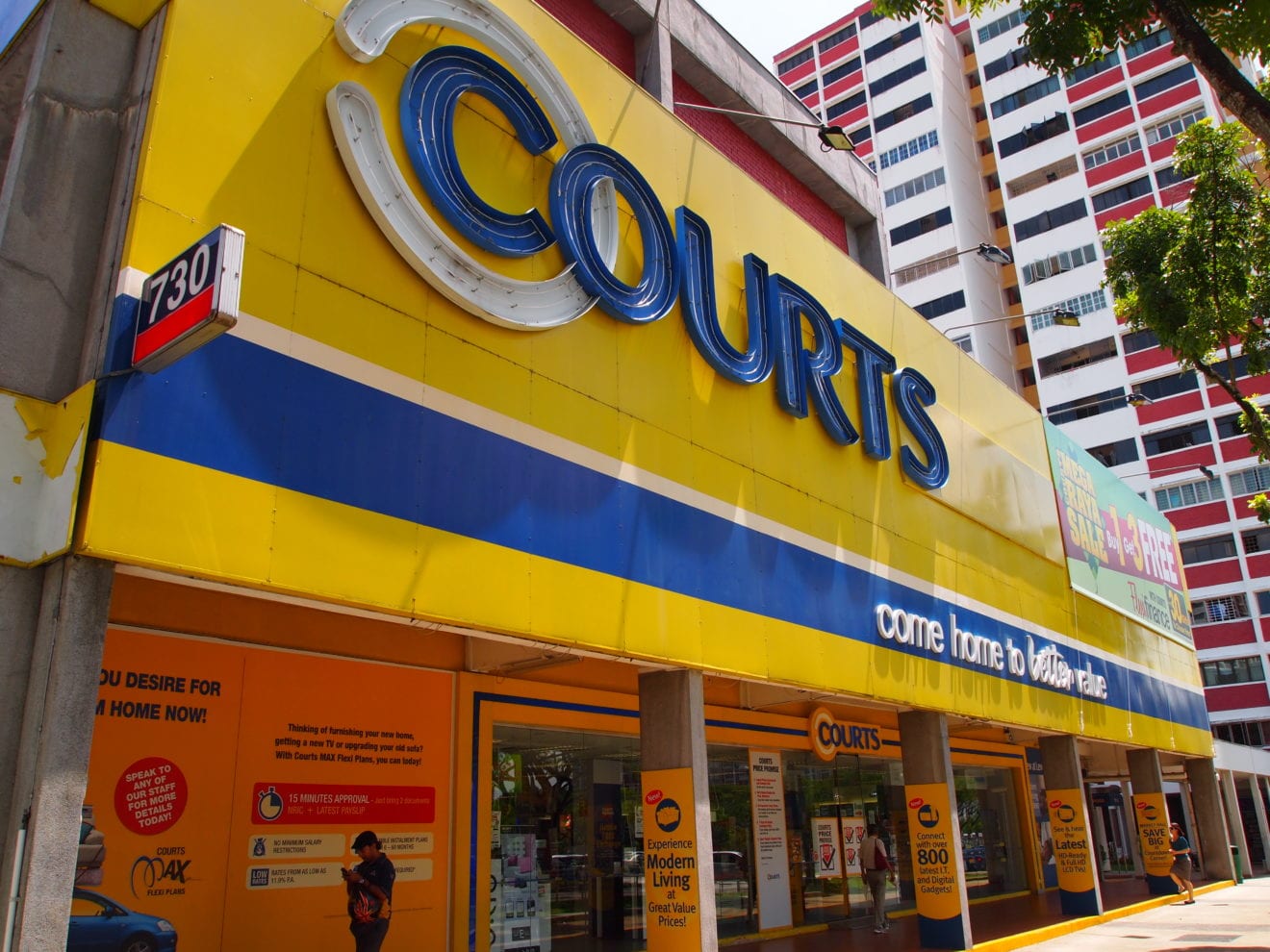
    Electrical, IT and furniture retailer Courts Asia has narrowed a quarter-on-quarter loss following transformation work in its Malaysia operations.

    In its first quarter results, the company said its business in Malaysia had been hit hard by regulatory changes in the territory. The group’s profitability was impacted by the introduction of the Consumer Protection (Credit Sale) Regulations 2017 (“CPAA”), which came into operation on January 1.

    Courts reported a 3.6 per cent year-on-year dip in revenue to S$179.8 million (US$130.86 million) for the period, mainly attributable to Malaysian revenue decline. Correspondingly, a first-quarter net loss of S$2.2 million (US$1.6 million) was reported.

    Courts Asia’s executive director and CEO Dr Terence O’Connor said the group’s business performance continues to be impacted by the interest rate cap imposed by CPAA in Malaysia.

    “However, there are early indicators to suggest that the business transformation work in Malaysia is delivering green shoots. Revenue in Malaysia improved by 16.8 per cent and loss before tax reduced by 36.5 per cent, to S$6.1m from S$9.6 million in the first quarter, compared to the preceding quarter.”

    As part of the group’s ongoing store-optimisation efforts in a post-CPAA environment, five underperforming outlets have been closed, leaving 58 in Malaysia. The group is redefining its store strategy there and will be downsizing its Megastore at Sri Damansara to make way for an incoming tenant. Marketing spend has also been reduced in alignment with a smaller store footprint.

    O’Connor added: “The team recognises the urgency and is in overdrive mode to deliver the transformation work in Malaysia. It is a significant undertaking that will take time to execute and finetune. That said, we have reason to believe that the results are trending in the right direction.”

  • Petronas Gas shares fall further despite higher Q2 earnings

    Petronas Gas shares fall further despite higher Q2 earnings

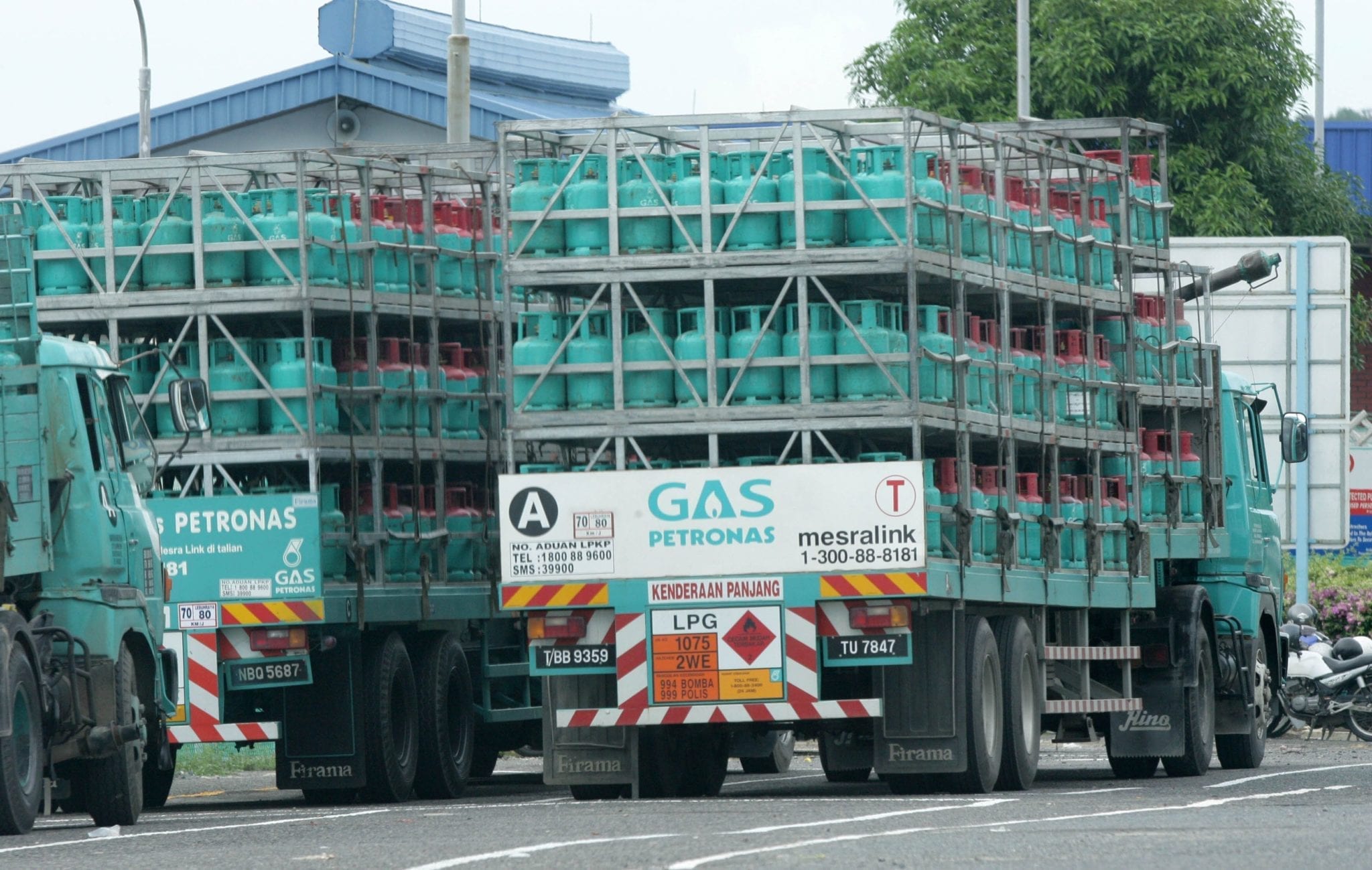
    Petronas Gas Bhd’s share price continued to fall by 14 sen or 0.75% this morning despite reporting a 19.7% jump in its net profit to RM509.3 million in the second quarter (Q2) ended June 30 from RM425.3 million previously.

    At 11.08 am, the stock stood at RM18.52 with 62,900 shares changing hands.

    The group told the stock exchange that the higher profit was in tandem with improved in revenue during the quarter.

    Revenue for the quarter grew 15.7% to RM1.36 billion, compared with RM1.17 billion in the same period last year, mainly contributed by the group’s new LNG regasification terminal in Pengerang, Johor which commenced commercial operations in November 2017.

    “This was further supported by higher revenue from all segments,” it added.

  • Kenny Rogers Roasters, Jollibean to enter India market

    Kenny Rogers Roasters, Jollibean to enter India market

    The Kenny Rogers Roasters and Jollibean food retail brands are to launch in India.

    Malaysia’s Berjaya Food has signed a preliminary franchise partnership deal with India’s World Iconic Brands Hospitality (WIB) to take the banners into the new market.

    WIB will invest US$50 million to open 30 Kenny Rogers Roasters restaurants and 75 Jollibean kiosks in India over the next five years.

    Berjaya Food owns the two chains as well as operating Starbucks in Malaysia and Brunei.

    CEO Sydney Quays describes India as “a stepping stone” for the company to expand into more foreign markets.

    “We have a lot of interest from Southeast Asian countries,” he told the Sun Daily.

    With 970 shopping malls and more than 200 airports, India represents a strong potential market for both the brands, said WIB MD Gaurav Marya.

    “We’ll spend the next six to eight months to get the model right, understand the preference of consumers and we will scale up the business,” he said.

    The first new outlet will open early next year.

    WIB is a subsidiary of Franchise India, Asia’s largest integrated franchise solutions company, which manages 400 brands.

    Kenny Rogers Roaster restaurants already operate in Malaysia, the Philippines, Singapore, Indonesia, Thailand, Bangladesh, India and Dubai, while India is only the second offshore market for Jollibean, after Singapore.

  • A&W Malaysia reveals big expansion plan

    A&W Malaysia reveals big expansion plan

    Fast-food franchise A&W Malaysia is set to open around a dozen new outlets by next year.

    The group currently operates 41 outlets in Kuala Lumpur and Perak that collectively employ 500 people.

    Acting CEO Mohd Hasmadi Zainal said that the company has allocated around RM1.2 million (US$292,500) for each new branch. Seven branches will be opened by the end of this year, five of which will feature drive-through services, in key metropolitan locations such as Kuala Lumpur, Johor Bahru, Ipoh and Penang.

    He added that better prospects for A&W Malaysia’s business are anticipated for the second half of this year based on these growth plans, given the positive performance of recently renovated existing branches.

    A&W is a US-founded fast-food chain which is also about to make a return to Singapore after an absence of 13 years.