Tag: Malaysia

  • Malaysia’s Aug exports decline 0.3%, trade surplus at nearly 4-year low

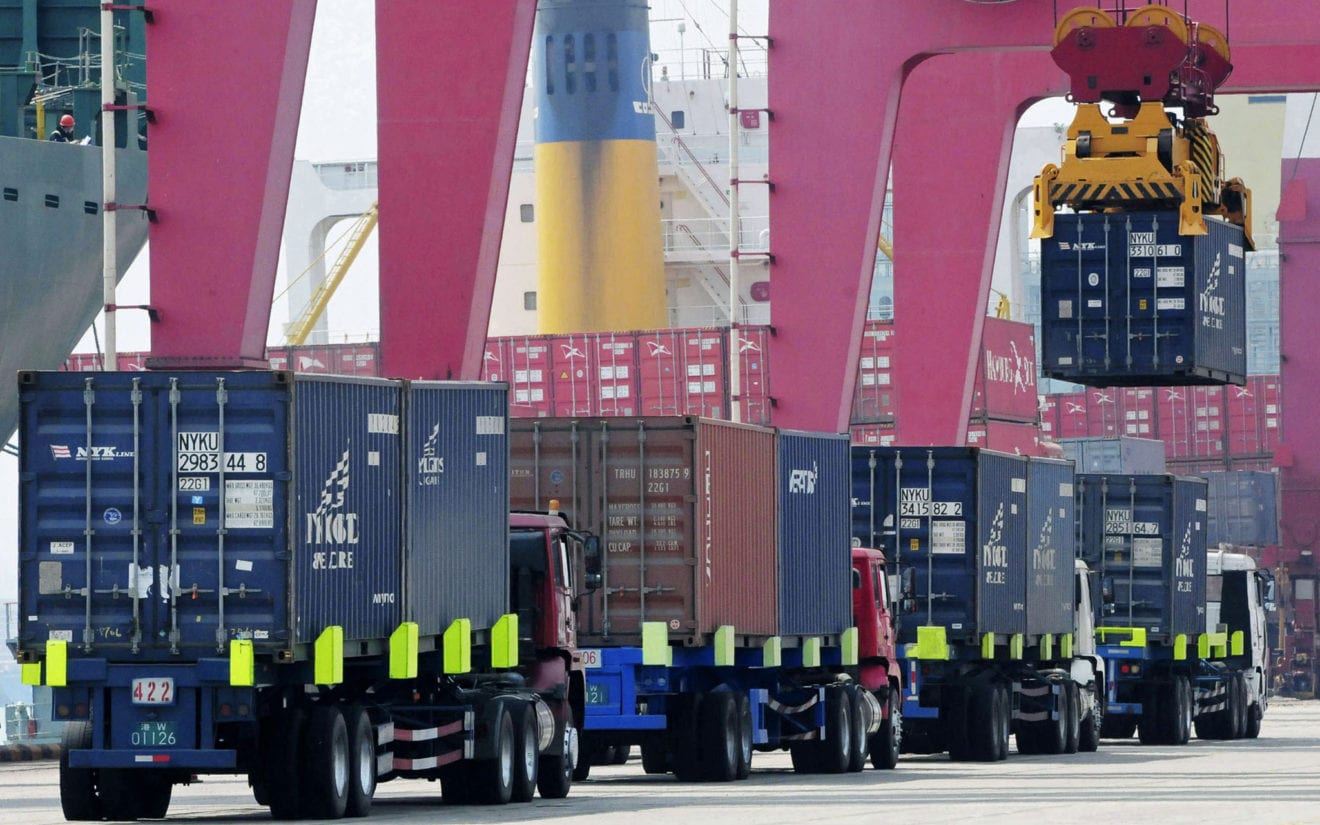
    Malaysia’s total exports fell marginally by RM215.2 million or 0.3% to RM81.8 billion in August, the second time exports recorded a decrease in 2018 after February due to the high base effect, according to the Department of Statistics.

    Trade surplus also recorded the lowest value since November 2014 at RM1.6 billion on the back of a double-digit growth of 11.2% or RM8.1 billion in imports to RM80.2 billion in August.

    Total trade stood at RM162 billion, RM7.9 billion or 5.1% higher than the same month a year ago.

    The main products which contributed to the decline in exports were palm oil and palm oil-based products (-RM1.5 billion); liquefied natural gas (-RM918.3 million); timber and timber-based products (-RM49.0 million); and natural rubber (-RM39.5 million).

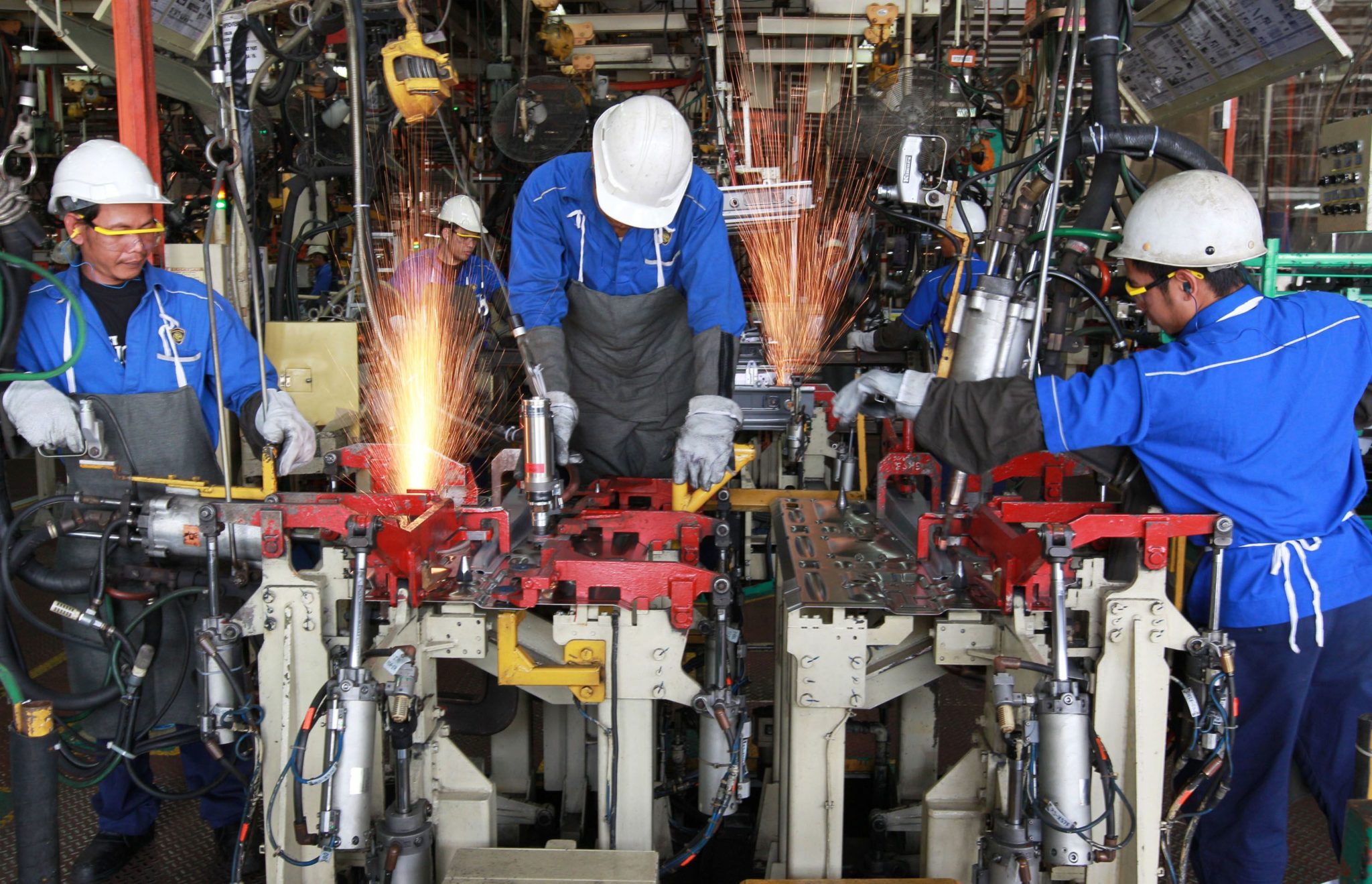
    However, increases were recorded for crude petroleum (+RM1.3 billion); electrical & electronic products (+RM985.5 million); and refined petroleum products (+RM232.2 million).

  • Nestle Malaysia CEO Alois Hofbauer to be replaced soon

    Nestle Malaysia CEO Alois Hofbauer to be replaced soon

    Alois Hofbauer will be stepping down as Nestle (Malaysia) Bhd CEO effective Nov 30.

    Nestle said in a statement that Hofbauer’s departure is to pursue other interests outside the group.

    Hofbauer will be succeeded by Juan Aranols, currently CFO for the Nestle Group’s Zone Asia, Oceania nd Sub-Saharan Africa (Zone AOA).

    Aranols joined the Nestle Group in 1990 as an auditor for Nestle Spain. In his 28 years with the company, he has held roles of increasing responsibility across a number of different markets in Europe and Latin America.

    He has worked for the last six years at Nestle Global Headquarters, first as global group controller and since 2015 in his current role as CFO and member of the senior management team for Zone AOA.

    “Nestle Malaysia is a company with a long history and great future prospects. I am both humbled and excited to be given the opportunity to take this organisation forward, building on the strong foundations laid by my predecessor and his team,” said Aranols of his new appointment.

    Meanwhile, Hofbauer has been Nestle Malaysia CEO for the last five-and-a-half years.

    “I am proud that my team and I have established Nestle Malaysia as one of the top performing companies on the Bursa Malaysia. We reignited growth and achieved solid results year after year. I am confident that this success will continue, and I wish Juan all the best in his new role,” said Hofbauer.

  • Oldtown White Coffee opens new concept store at Suntec City

    Oldtown White Coffee opens new concept store at Suntec City

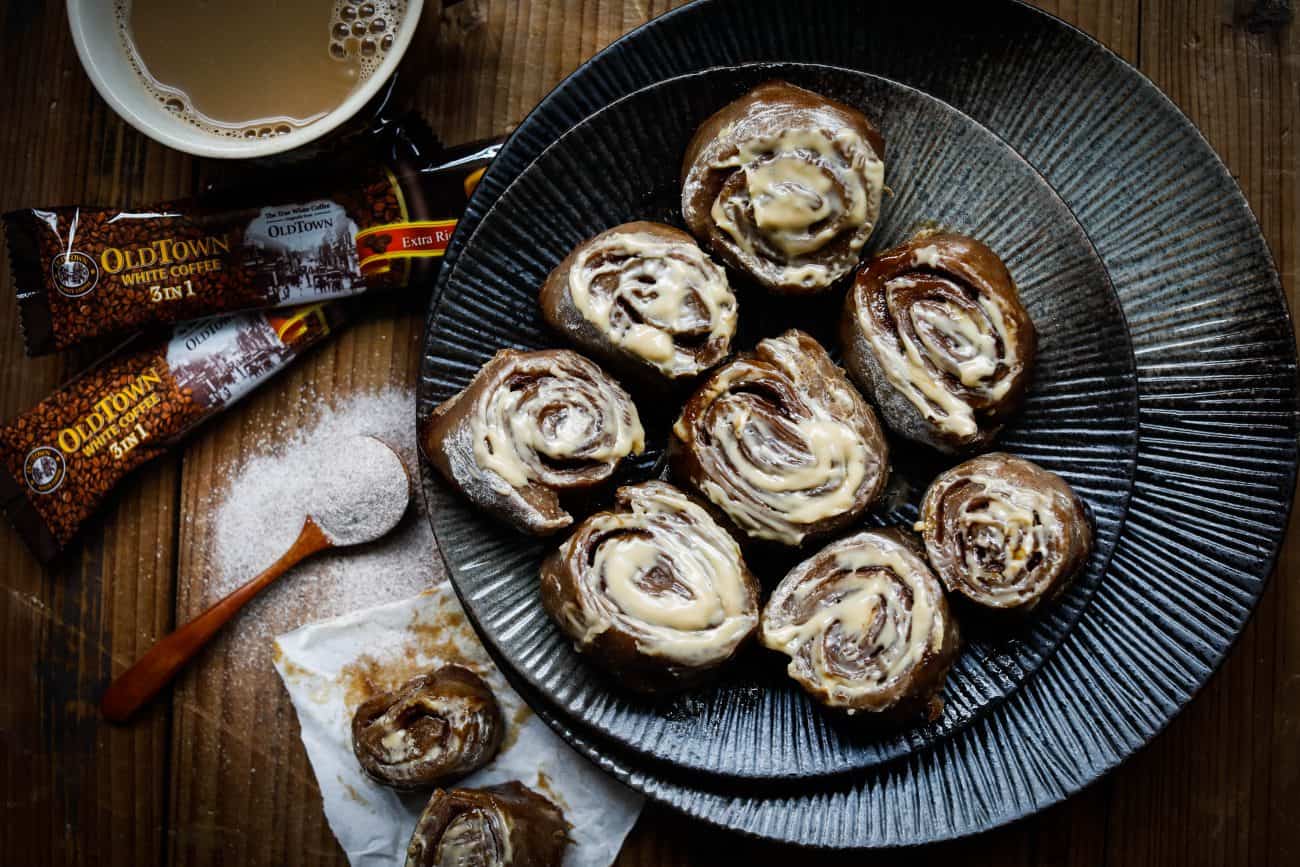
    Malaysian cafe chain Oldtown White Coffee has launched a concept store at Suntec City Mall.

    The venue opened last month and features a facial-recognition feature as part of its ordering system. Seating 88 guests, Oldtown Suntec City offers exclusive local menu items and new coffee flavours, including popcorn and coconut lattes.

    Oldtown White Coffee is Malaysia’s largest white coffee chain and operates more than 250 outlets throughout Southeast Asia. It has established outlets in China and Indonesia, and has recently expanded into Vietnam and Cambodia.

  • Malaysia Airlines, Jet Airways expand codeshare agreement

    Malaysia Airlines, Jet Airways expand codeshare agreement

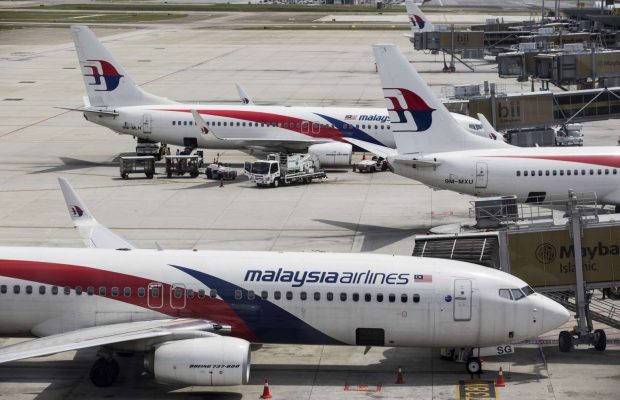
    Malaysia Airlines and Jet Airways have expanded their codeshare agreement to offer consumers a wider network of destinations effective Sept 24.

    Malaysia Airlines said in a statement that the wider network covers new routes with departures from Mumbai and Hyderabad to cities in India as well as Southeast Asia destinations including Hong Kong, Bangkok and Singapore.

    The agreement is an extension from existing codeshare with Malaysia Airlines on Malaysia Airlines routes from Kuala Lumpur to Mumbai, Bangalore, Hyderabad, Delhi and Chennai.

    “We are delighted to announce the codeshare expansion with Jet Airways to broaden our global reach into India, the third largest market in the aviation industry. Together with Jet Airways, we will be offering seamless connectivity to fast growing cities in India including Aurangabad, Dabolim (Goa), Ahmedabad, Kochi and Kolkata,” said Malaysia Airlines’ chief revenue officer Ignatius Ong.

    “This codeshare agreement serves as an important element towards Malaysia Airlines’ proposition of being the preferred way to fly to, from and around Malaysia,” he said.

    Malaysia Airlines’ codeshare on Jet Airways services include flights from Hyderabad to Bangalore as well as flights from Mumbai to Ahmedabad, Aurangabad, Bangalore, Chennai, Delhi, Goa, Hyderabad, Jaipur, Kochi and Kolkata.

    Meanwhile, Jet Airways codeshare on Malaysia Airlines services include flights from Kuala Lumpur to Bangkok, Hong Kong and Singapore.

  • Malaysia’s GDP growth to moderate to 4.9% for 2018

    Malaysia’s GDP growth to moderate to 4.9% for 2018

    Malaysia’s economic growth is expected to ease to 4.9% in 2018, as export growth slows and lower public investment following the cancellation of major infrastructure projects, said World Bank chief economist for the East Asia and Pacific region Sudhir Shetty.

    As a highly open economy, he said Malaysia will continue to face substantial risks relating to uncertainty in the external environment.

    Heightened financial market volatility either triggered by shifting monetary policy expectations in advanced economies could spread across emerging economies, including Malaysia.

    Another key risk relates to the escalation in protectionist tendencies and trade tensions in some major economies that could have an adverse impact on Malaysia, given its high level of integration with global markets.

  • Harvey Norman to open 50 more stores in Malaysia

    Harvey Norman to open 50 more stores in Malaysia

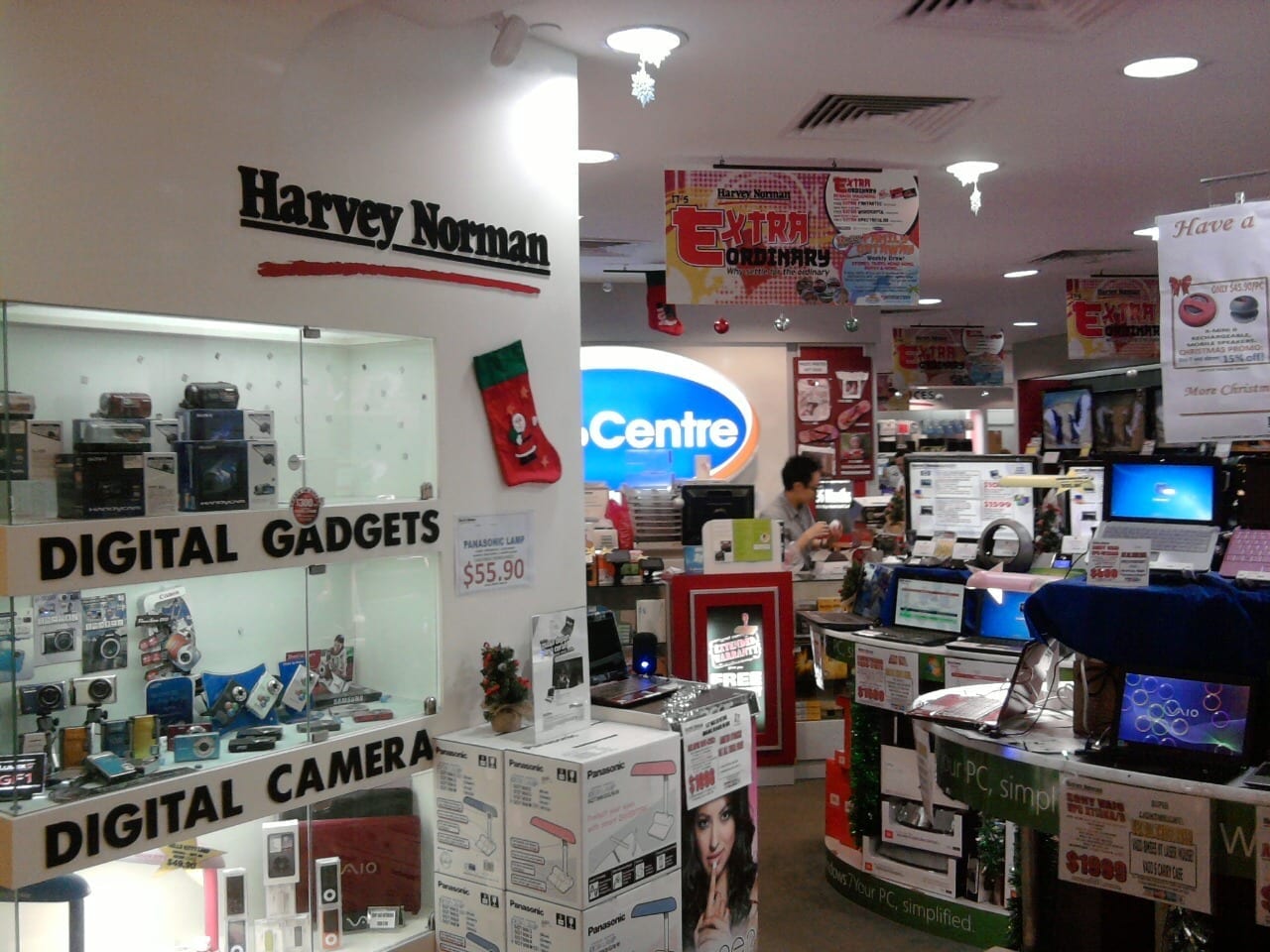
    Australian furniture and appliance retailer Harvey Norman plans to open 34 stores in Malaysia, taking its network there to 50.

    In a commentary accompanying the company’s recent Australian results filing, Harvey Norman said it was planning substantial investment outside Australia where markets offered greater growth potential.

    The company indicated it would open as many as 18 of its own stores overseas by 2020, taking its offshore network to 107. More stores would likely open on a franchised model.

    Malaysia is a primary target given the country’s population has been growing at a rate of 400,000 people per year since 2010 and currently totals about 32 million. It believes the market can sustain 50 Harvey Norman stores by 2023.

    Asia stores accounted for about AUD$500 million (US$362 million) in sales in the latest financial year.

  • IDEAS: Lack of technology, skills transfer from China to Malaysia

    IDEAS: Lack of technology, skills transfer from China to Malaysia

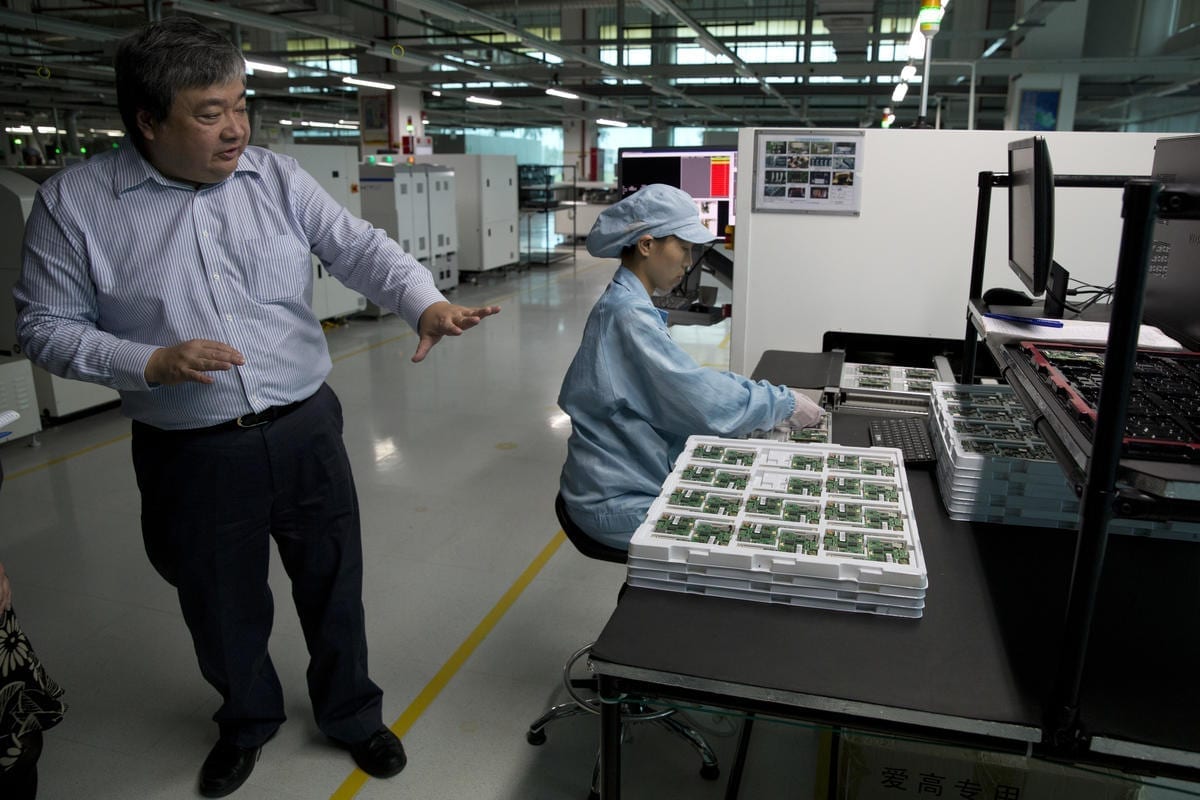
    While Malaysia has benefited from China’s foreign direct investment (FDI) in terms of financing and capacity, the social and environmental impacts of these investments should be looked into as well.

    The Institute for Democracy and Economic Affairs’ (IDEAS) research paper entitled “Impacts of Investment from China in Malaysia on the Local Economy” said there is a lack of technology and skills transfer from China to Malaysia, which the think tank highlighted as being crucial.

    IDEAS director of research and development Laurence Todd said there are instances of Chinese companies favouring Chinese labour and subcontractors over local ones.

    Having said that, he noted that evidence from other countries suggests FDI is most beneficial when there is a high level of technology and knowledge transfer but this requires the involvement of human capital.

    “There are indications that Chinese firms do not always provide opportunities for such transfers, particularly to local SMEs,” he said.

  • CIMB to accept payments from six mobile wallets

    CIMB to accept payments from six mobile wallets

    CIMB Bank Bhd will be accepting Quick Response (QR) Payment from six major mobile wallets at its terminals, enabling it to tap into an estimated customer base of about 4.5 million in Malaysia and 520 million registered mainland Chinese.

    This is the first in the market QR payment acceptance for six mobile wallet systems are accepted on a single terminal. The six mobile wallet partners are Alipay, Touch & Go Digital, Boost, KiplePay, Mcash, and Vcash.

    CIMB has partnered with GHL Systems Bhd, a leading payments company in Malaysia and Asean, to introduce the CIMB’s multi-QR terminal acceptance points for both merchants and customers.

    CIMB Group Consumer Banking CEO Samir Gupta said that this move will not only fulfil its customers and merchants’ needs, but also help develop the cashless payment ecosystem in Malaysia, in support of Bank Negara’s vision in promoting a cashless society.

    “We are delighted to enable CIMB merchants to process multiple QR codes via GHL’s unique single payment facility/gateway. Our multi-channel model is not just convenient but also cost-saving to CIMB’s merchants as multiple QR settlements are streamlined into a single payments provider,” said GHL Group CEO Danny Leong.

    The payment method is already available at certain outlets of House of Leather, NSK and Super Seven.

  • GDEX acquires 44.5% stake in Indonesian courier

    GDEX acquires 44.5% stake in Indonesian courier

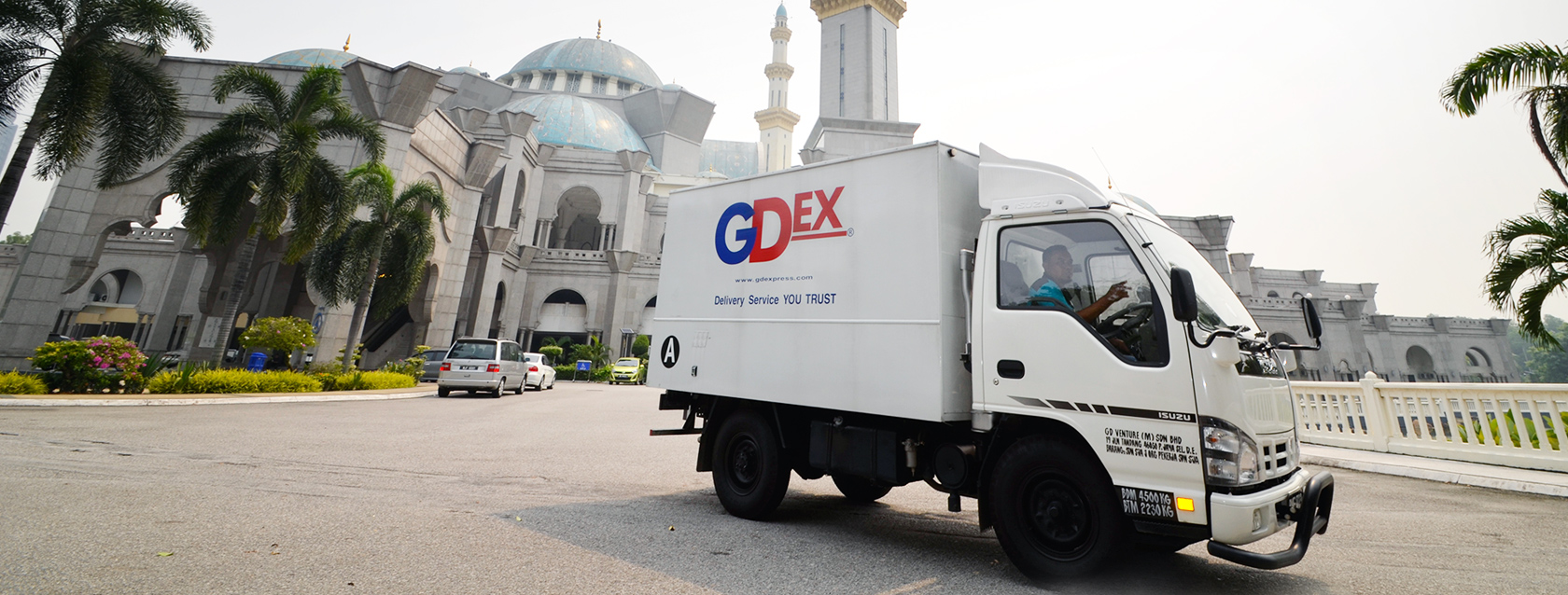
    GD Express Carrier Bhd (GDEX) and two of its wholly owned subsidiaries have taken up a 44.5% stake in PT Satria Antaran Prima TBK (SAP Express) via an initial public offering (IPO) for IDR92.71 billion (RM25.8 million) or IDR250 per share.

    SAP Express is slated for listing this week.

    GDEX told Bursa Malaysia that the group and two units GDEX Sea Sdn Bhd and GD Valueguard Sdn Bhd have subscribed for a 16.5%, 18% and 10% stake in SAP Express for RM9.57 million, RM10.43 million and RM5.79 million, respectively.

    The subscription sum will be satisfied entirely in cash through internal generated cash and cash in hand.

    Headquartered in South Jakarta, SAP Express mainly provides services in the express delivery segment, as well as transportation, distribution and warehousing.

    As of March 2018, it is able to cover the whole of Indonesia supported by its 58 branches and 12 representative branches as well as more than 100 retail counters.

    GDEX said the participation in SAP Express’ IPO will enable the group to tap into the fast-growing express delivery industry in Indonesia, which is also in line with the strategy of regional expansion starting with Indonesia.

    “We believe Indonesia offers a vast growth opportunity for the courier business, supported by the growth of e-commerce as well as conventional business. The continuation of the company’s partnership with SAP Express will enable the company to provide business advice and support as well as knowledge transfer between the two companies.”

    Its shares gained 1.5 sen or 3.6% to close at 43 sen today with 1.01 million shares changing hands.

  • Sungei Wang Plaza Will Be Getting a Major Facelift

    Sungei Wang Plaza Will Be Getting a Major Facelift

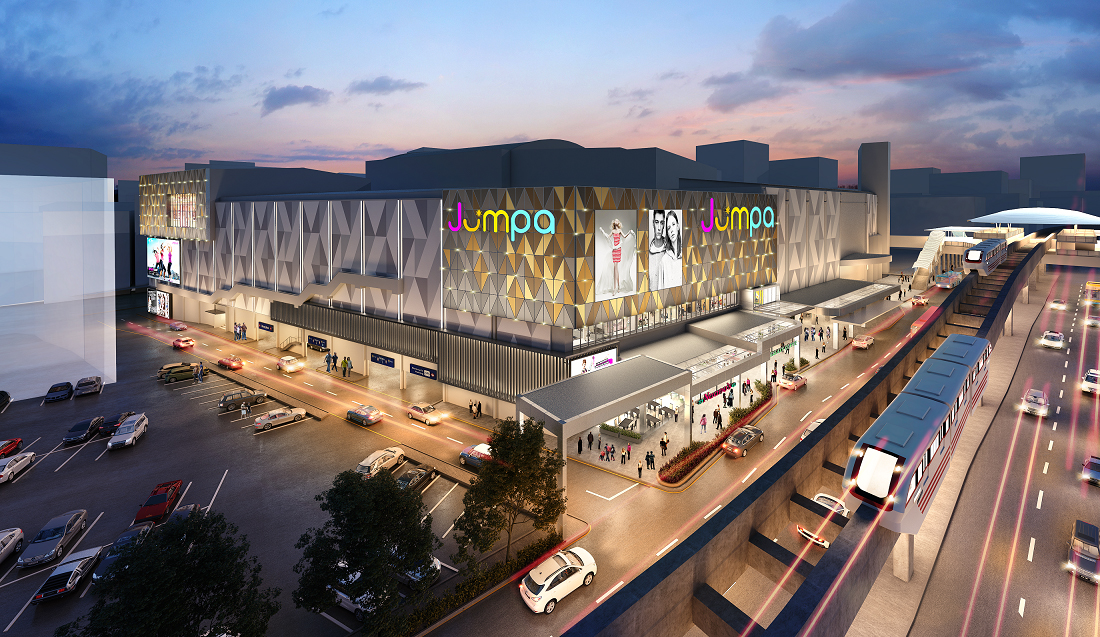
    Sungei Wang Plaza, one of Kuala Lumpur’s older malls, is getting a facelift.

    The mall’s majority owner Capitaland Malaysia Mall Trust’s (CMMT) has announced plans to transform the tired shopping centre into a “glistening-gold location” by the middle of next year. Renovations will feature a 3D screen that is to be part of a 24 hour lights display.

    Complex manager Yuen May Chee said: “The 3D-patterned screen will give a brand new modern outlook to Sungei Wang Plaza and it will glisten under the sunlight. Furthermore, the screen will form certain patterns during dawn and dusk.”

    The mall will also feature a new “Jumpa” zone to include a family entertainment park, large-format specialty retail stores, fashion brands, F&B, beauty products and a supermarket.

    Previously a noted fashion locale, the mall had declined in popularity as new developments entered the Malaysian shopping centre market. The planned renovations will be the mall’s third major refurbishment since 2013, and is expected to cost CMMT MYR54.5 million (US$13.2 million).

  • KLIA retail space offered for tender

    KLIA retail space offered for tender

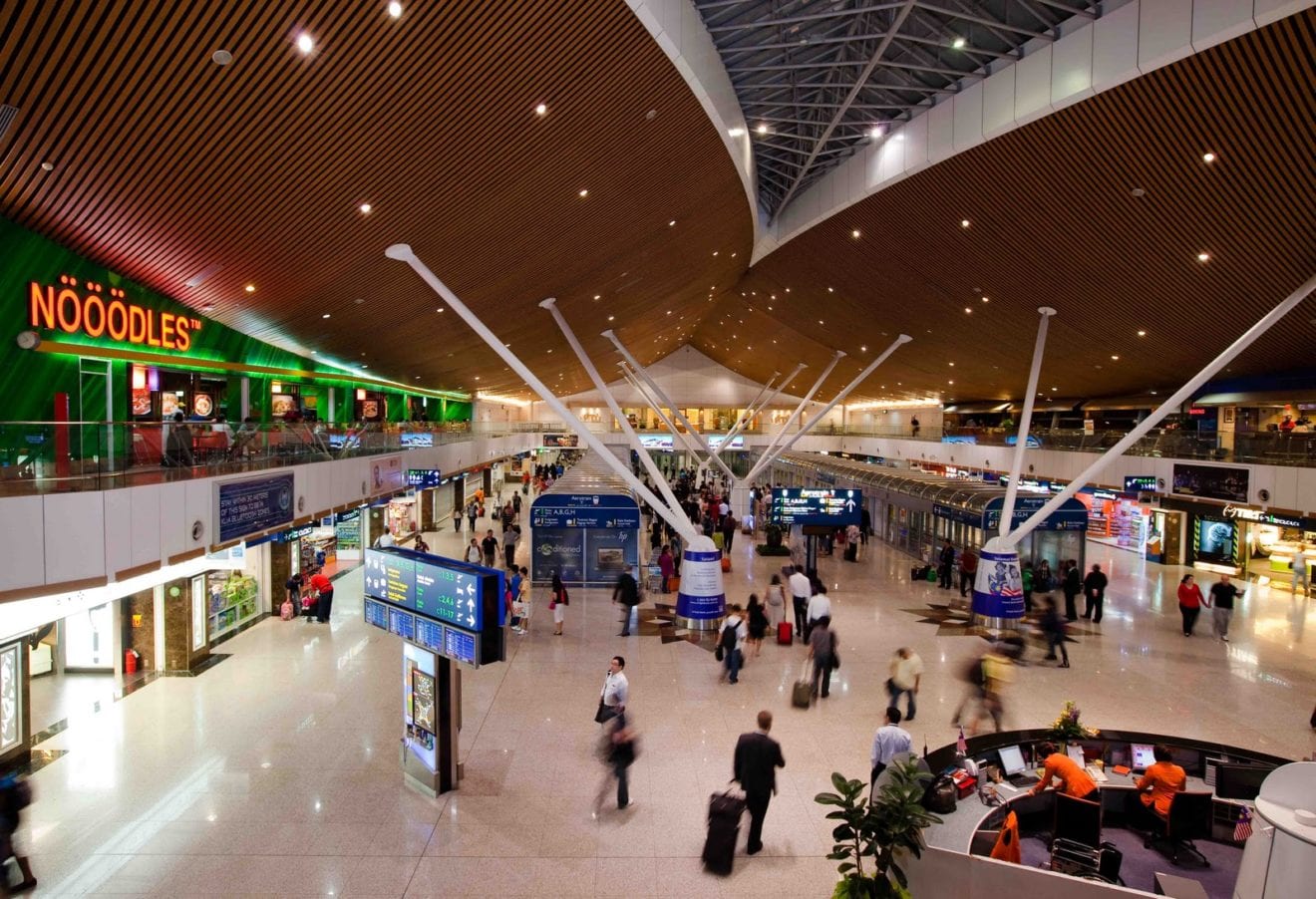
    Malaysia Airports has announced 14 tenders for KLIA retail space covering more than 2000sqm.

    The tenders are part of the Kuala Lumpur International Airport rennovation works in the main terminal building.

    The majority of the tenders closed in mid-September, although the deadline for submissions for a 777sqm walkthrough emporium in the level 3 arrivals area, featuring core duty free brands such as perfume and alcohol, remains open until October 11. Tenderers are asked to consider the creation of a seamless walkthrough emporium incorporating a passenger walkway of approximately 30 to 40 per cent of the common walkway.

    The closed tenders include four news, books and convenience goods outlets; two coffee outlets, and two casual dining concepts in the main terminal.

    The tenders are part of MAHB’s five-year plan to evolve KLIA into “a hub with increased connectivity and seamless transfers”.

    The new retail layout at KLIA will be divided into five new zones: the duty free zone, fashion avenue, ‘retailtainment’, sense of place, and F&B.

  • Astro Malaysia Q2 earnings fall 93%

    Astro Malaysia Q2 earnings fall 93%

    Astro Malaysia Holdings Bhd’s net profit for the second quarter ended July 31 fell 93% to RM16.58 million from RM246.34 million a year ago due to an increase in FIFA World Cup content, merchandise sales and higher net finance costs.

    The decrease in earnings before interest, tax, depreciation and amortisation (ebitda) was mainly due to higher content costs from FIFA World Cup and merchandise sales, while higher net finance cost was mainly due to unfavourable unrealised forex movement arising from unhedged finance lease liabilities and vendor financing and increase in interest expenses from borrowings.

    Revenue for the quarter of RM1.42 billion was marginally lower by 0.2% mainly due to a decrease in subscription and advertising revenue.

    For the six months period, net profit plunged 57% to RM191.31 million from RM442.17 million mainly a year ago due to decrease in ebitda and increase in net finance costs.

    Revenue for the current period of RM2.73 billion was lower by 0.7% against corresponding period of RM2.75 billion, mainly due to a decrease in subscription and advertising revenue.

    The board of directors declared a second interim single-tier dividend of 2.5 sen per ordinary share in respect of the financial year ending Jan 31, 2019 amounting to RM130.35 million.

    Astro chairman Tun Zaki Azmi said Astro continues to be cash generative, cost disciplined and proactive in its capital management whilst navigating through a challenging market and competitive media environment.

    Astro CEO Henry Tan said it experienced increased content costs for the 2018 FIFA World Cup. In addition, financial results were affected by the reduced need to advertise during the tax holiday period from June 1 to Aug 31, 2018 and the depreciating ringgit.

    Nevertheless, it continues to have stable revenues across TV and radio with diversification from digital platforms, e-commerce, licensing income and theatrical sales.

    “Going forward, we expect the group’s second half performance to improve and we will remain focused on key business drivers. Astro is committed to improving customer experience beginning with a new interface for premium customers on TV and Astro GO allowing for a seamless viewing experience across all screens and the introduction of 4K Ultra HD offerings,” said Tan.

  • Axiata Malaysia evaluating options on stake in M1

    Axiata Malaysia evaluating options on stake in M1

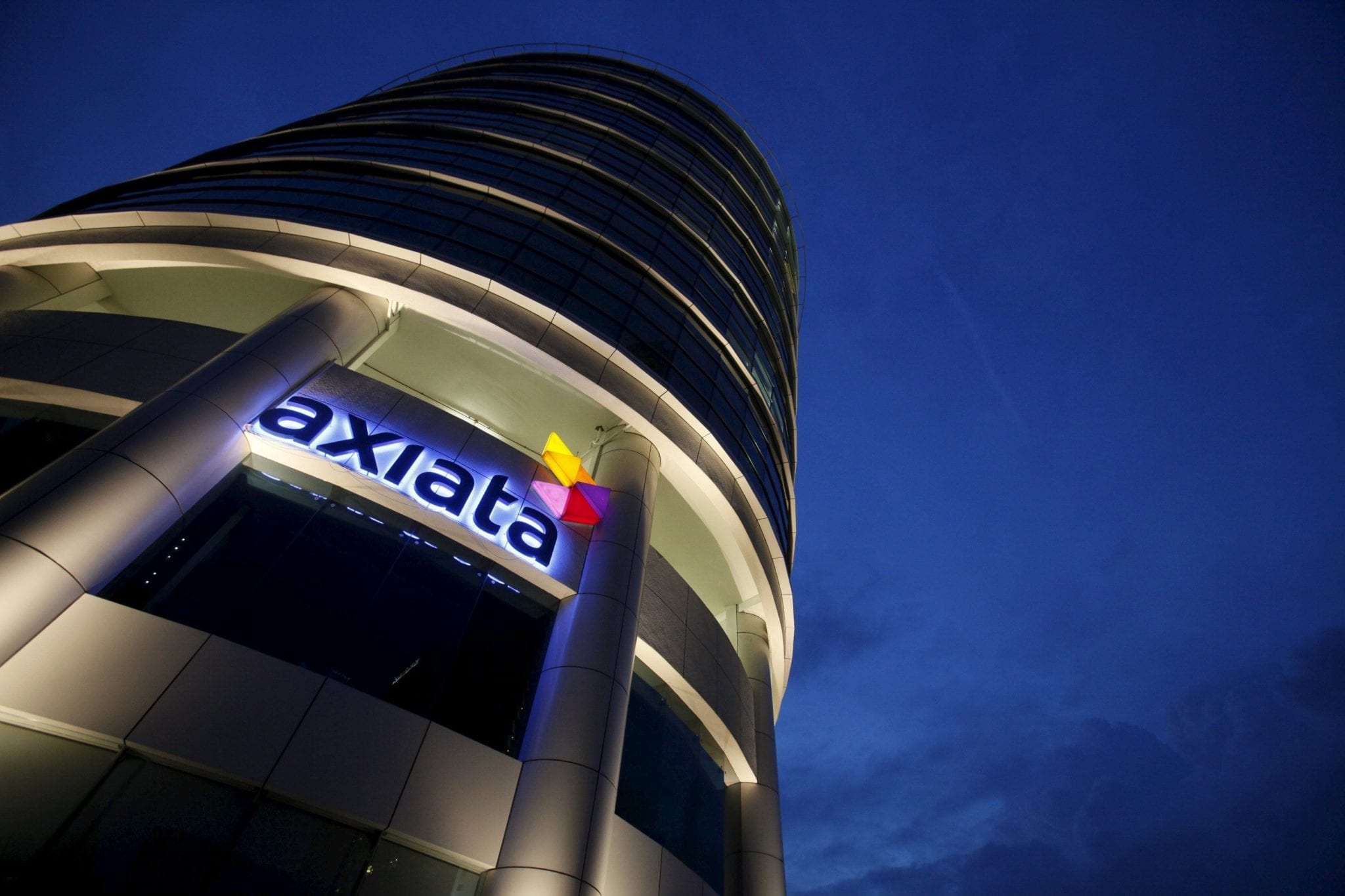
    Axiata Group Bhd, which is evaluating its options on a possible buyout offer by two of M1 Ltd’s major shareholders Keppel Corp Ltd (KCL) and Singapore Press Holdings (SPH), is hoping for accurate future value for its 28.7% interest in M1.

    News reports in Singapore cited that both companies are planning to launch a general offer for shares they do not own in M1. The deal is expected to fetch a market value of S$1.51 billion (RM4.6 billion).

    KCL and SPH hold 19.3% and 13.5% stake in M1, respectively.

    In a statement released today, Axiata said any transaction involving M1 stake should reflect its accurate future value as well as incorporate acceptable control premium based on market norms and precedent transactions of similar nature.

    Axiata said the group is currently reviewing its position in view of a possible transaction to be further announced by KCL and SPH on its M1 shares.

    “The company is already in discussion with a financial institution to act as its adviser to review various options available to Axiata with the sole objective that the company continues to vigorously protect and enhance shareholders’ value of both Axiata and M1, the latter via its board representation.”

    “The financial institution will also advise the company once KCL and SPH officially announce their proposed transaction,” it added.

    Axiata’s share price gained 19 sen or 4.2% to close at RM4.75 today with 3.02 million shares changing hands.

  • US-China trade war dims Asia’s 2019 growth outlook: ADB

    US-China trade war dims Asia’s 2019 growth outlook: ADB

    Developing Asia could grow more slowly than previously thought next year as the US-China trade war inflicts damage on the region’s export-reliant economies, the Asian Development Bank (ADB) said.

    Tightening global liquidity could also weigh on business activity by pushing up borrowing costs, while capital outflows are also a risk.

    The Manila-based institution kept its 2018 economic growth estimate for the region at 6.0% in an update of its Asian Development Outlook. But it trimmed next year’s forecast to 5.8% from 5.9%.

    “Downside risks to the outlook are intensifying,” said ADB chief economist Yasuyuki Sawada, pointing to the potential impact of US-Sino trade tensions on regional supply chains and the risk of sudden capital outflows if the Federal Reserve raises interest rates even more quickly.

    The ADB’s 5.8% growth estimate for 2019 would be the slowest for the region since 2001, when it expanded 4.9%.
    The report covers 45 countries in the Asia-Pacific.

    The ADB’s latest forecasts did not reflect fresh tariffs that the US and China imposed on each other’s goods on Monday.

    Sawada said the additional duties would not significantly change ADB’s growth forecasts, but added the “escalating” trade conflict must be closely monitored.

    China’s economy is expected to grow 6.3% in 2019, the ADB said, slower than its 6.4% forecast in July and weaker than its 6.6% growth estimate for 2018, which was unchanged from its previous projection.

    Domestic consumption in China “seems to be quite robust and supporting 6.6% growth this year”, Sawada said.

    “But admittedly we don’t know (how) the further escalation of the trade dispute may directly affect consumer sentiment,” he added.

    Beijing has set a growth target of around 6.5% this year, the same as last year, which it handily beat with an expansion of 6.9%.

    Chinese authorities have pledged they can still meet the 2018 target, and have started to roll out growth boosting measures as the trade war threatens to put further pressure on the already cooling economy.

    For Southeast Asia, moderating export growth, quickening inflation, net capital outflows and a worsening balance of payments have dimmed the outlook, with growth this year projected to slow to 5.1% from the July forecast of 5.2%.

    “Policy makers have at their disposal an array of policy tools with which to manage pockets of vulnerability and maintain stability, but they must be applied carefully,” Sawada said.

    Inflation across the region is expected to remain under control, helped by country-specific factors like moderate food price inflation in India and China and fuel subsidies in Indonesia and Malaysia, the ADB said.

    Sawada said Asian governments have “enough policy space to handle” shocks and pressure from currency depreciations.

    The ADB lowered its 2018 economic growth forecast for Vietnam to 6.9% from 7.1% projected previously, partly due to the ongoing trade friction between the US and China.

    Vietnam, one of the fastest growing economies in Asia, has an open economy that is heavily reliant on exports, while the US and China are among its biggest trade partners.

    ADB lowered its growth forecast as the ongoing trade tension between the US and China could have a spillover impact on Vietnam. However, the ADB outlook is still higher than the Vietnamese government’s target of 6.7%.

  • Malaysia’s MAS’ 787 deal lapses, considering future widebody purchases

    Malaysia’s MAS’ 787 deal lapses, considering future widebody purchases

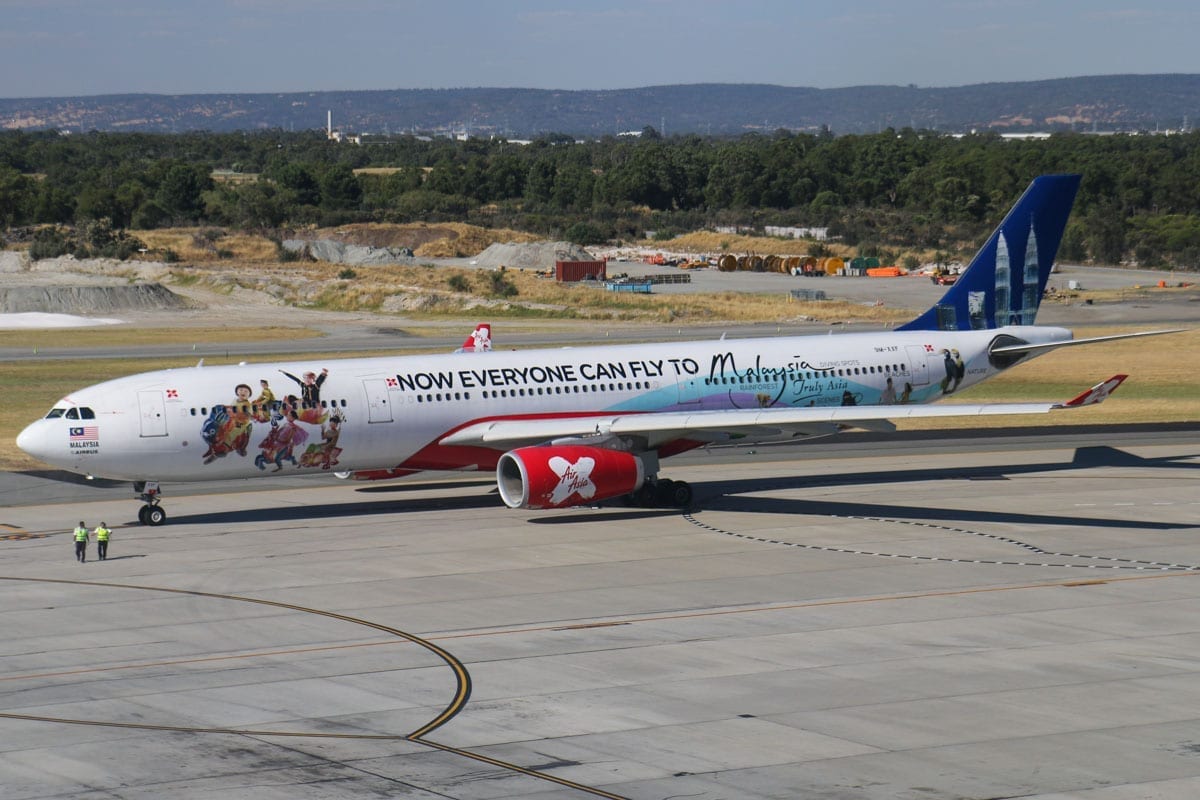
    Malaysia Airlines Bhd said a provisional deal to purchase eight Boeing Co 787 jets had lapsed and the airline was in talks with planemakers about the future of its widebody fleet.

    The national carrier last year signed a memorandum of understanding (MoU) with Boeing to purchase the 787 jets valued at US$2.25 billion (RM9.3 billion) at list prices during a visit to Washington by former prime minister Datuk Seri Najib Abdul Razak.

    In April, It is reported the carrier had expressed interest in buying 20 to 30 widebody jets from either Boeing or its rival Airbus SE that could expand or replace the Boeing MoU.

    The lapse of the MoU was confirmed by a Malaysia Airlines (MAS) spokesman today. A Boeing spokesman declined to comment on ongoing discussions with customers.

    Malaysia Airlines CEO Captain Izham Ismail said that the airline had issued a request for information from aircraft makers for new generation widebody jets, without specifying how many it intended to buy.

    It was open to the advice of the manufacturers on the fleet size the airline would need for further network development, he said, adding any order decision would be made in the fourth quarter at the earliest.

    The airline currently has an all-Airbus widebody fleet including A330s, A350s and A380s.

    Sources said in July that the airline was tapping banks to fund about nine Boeing 737 MAX planes in what would be the airline’s first jet financing with lenders since it was restructured more than three years ago.

    The airline last month said in a quarterly update that it was facing pressure from higher fuel prices, foreign exchange volatility and overcapacity in the domestic market, as well as a shortage of pilots, but it was putting in place strategies to return to a profit next year.