Tag: Malaysia

  • Bank Mandiri to grow Malaysian operations

    Bank Mandiri to grow Malaysian operations

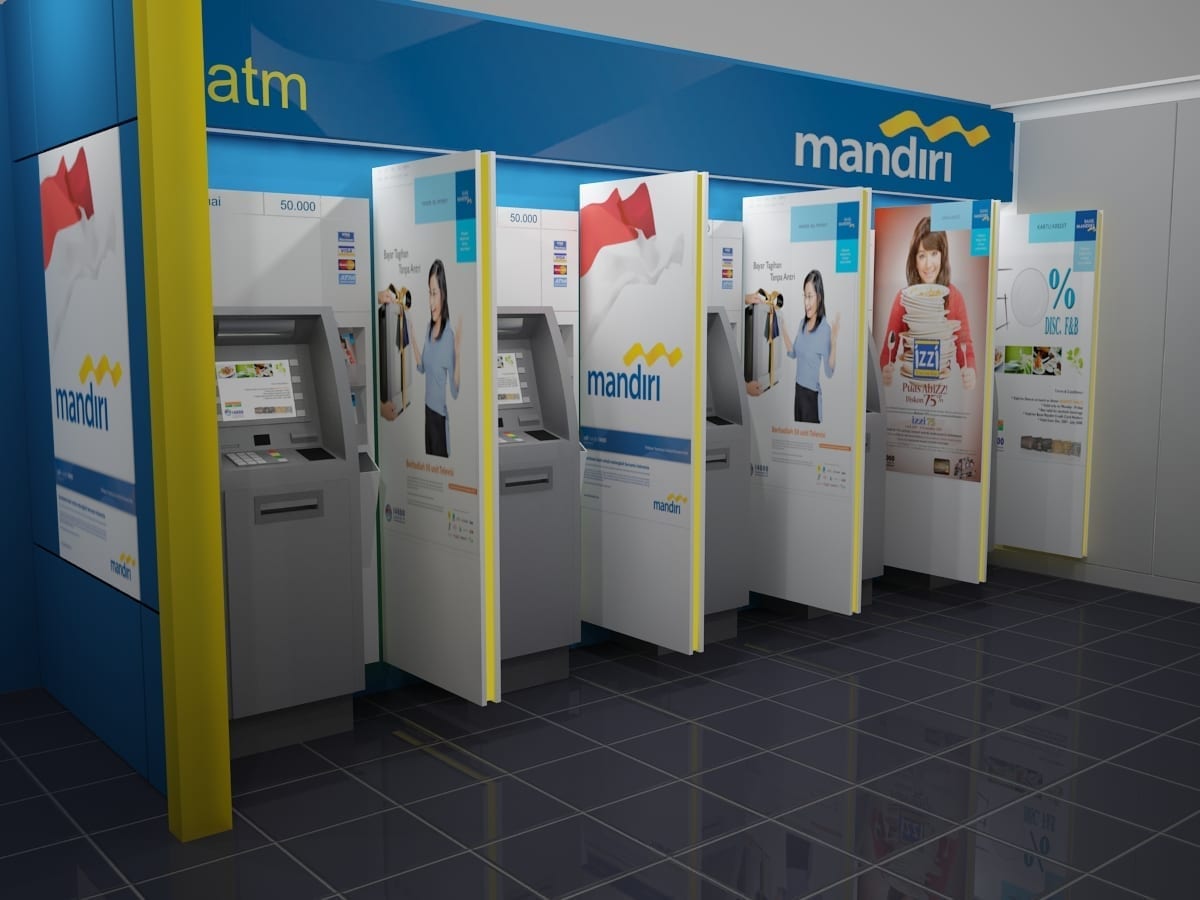
    PT Bank Mandiri Tbk, Indonesia’s largest bank by assets, could soon operate here with full banking rights.

    The move comes after financial authorities from Indonesia and Malaysia signed a bilateral agreement earlier this week, allowing greater access to lenders from both countries to fully operate in the respective jurisdictions.

    Bank Mandiri would pay RM100mil (US$24.6mil) to Malaysia’s central bank as soon as possible and meet the capital requirement of RM300mil by the end of this year so that it could operate soon after the permit is issued by Bank Negara.

    Bank Mandiri currently operates in Malaysia under the licence of remittance office. It has five remittance offices in the country that focus on revenue generated from Indonesians working here.

    Papers in Jakarta reported that the bank planned to immediately apply for a full licence in Malaysia, following the bilateral agreement.

    To recap, the Malaysian authorities had issued a commercial banking licence to five foreign banks, including Bank Mandiri, in 2009-2010 in line with the country’s liberalisation of the financial services sector. Apart form Bank Mandiri, the other recipients were Sumitomo Mitsui Banking Corp of Japan, National Bank of Abu Dhabi and BNP Paribas SA, France, and Mizuho Corporate Bank.

    However, Bank Mandiri’s expansion into the Malaysian market had met with little success because the requirements for the full banking status set by Bank Negara were “too restrictive”, reports had indicated. It was previously quoted as saying that Bank Negara had not responded to its requests for a degree of leeway.

    Foreign banks, under Bank Negara’s funding guidelines, must have a minimum capital, unimpaired by losses, of RM300mil.

    Based on earlier Indonesian news reports, Bank Mandiri was adamant that the amount be lowered to RM100mil.

    The reports also stated that Bank Mandiri was not too happy with the other conditions set by Bank Negara, which included the number of branches and automated teller machines allowed to be opened by foreign banks.

    A main complaint among Bank Mandiri and other Indonesian lenders wanting to open their branches in Malaysia is the “inequality of access” in the two markets. The Indonesian Government had been demanding Malaysia reciprocate the banking freedom its banks enjoy in Indonesia.

    Two Malaysian banks that had established a significant presence in Indonesia are CIMB Group Holdings Bhd and Malayan Banking Bhd (Maybank).

    CIMB Group owns 97.9% of PT Bank CIMB Niaga Tbk, which is Indonesia’s fifth-largest bank by assets. Maybank, meanwhile, operates in Indonesia via 80%-owned PT Bank Maybank Indonesia Tbk.
  • AirAsia may launch sale of leasing arm, valued at RM4b

    AirAsia may launch sale of leasing arm, valued at RM4b

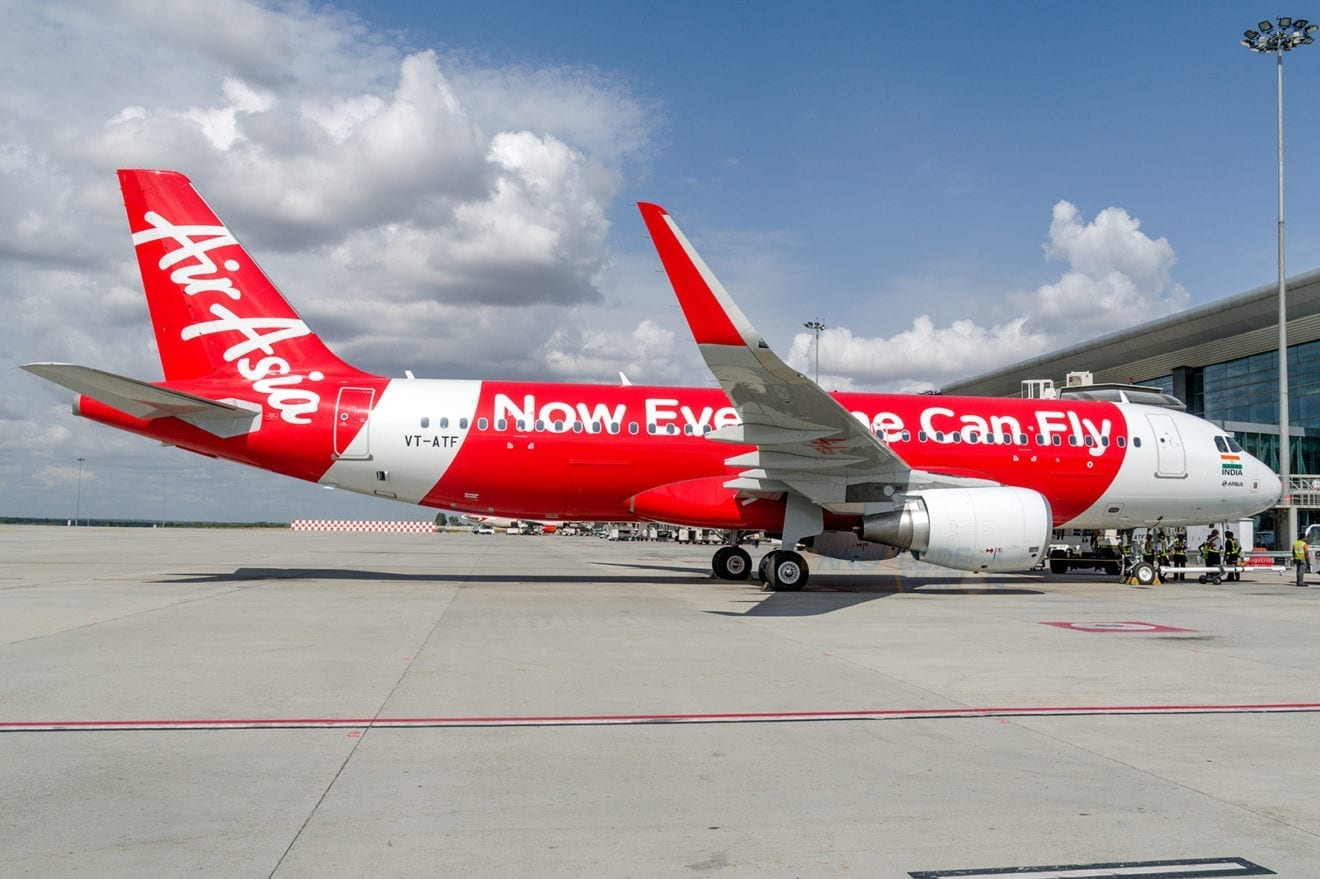
    AirAsia Bhd, Asia’s biggest budget airline, will kick off the sale of its leasing unit this month, seeking to cut debt with a deal that could value the business at about US$1bil (RM4.04bil), people familiar with the matter told Reuters.

    A successful deal would help group CEO Tan Sri Tony Fernandes, one of Asia’s best-known entrepreneurs, to bolster AirAsia’s finances and spur growth.

    At an overall valuation of US$1bil, the sale would be significant for a carrier with a market value of US$2bil (RM2.08bil).

    AirAsia is looking to sell a majority stake in the leasing unit, Asia Aviation Capital (AAC) but is also open to a full sale, sources said, adding that the final valuation could change depending on talks with potential buyers.

    They said AirAsia was considering paying a special dividend from the proceeds. The people declined to be identified because the discussions were confidential. AirAsia declined to comment.

    The carrier planned to tap potential suitors including the leasing units of China’s HNA Group, China Merchants Bank, and the aviation leasing company backed by Hong Kong billionaire Li Ka-shing for the sale, the people familiar with the matter said.

    China Merchants Bank, HNA Group and Li’s Cheung Kong Infrastructure Holdings Ltd did not respond ’ requests for comments.

    Fernandes, who built up AirAsia into multi-billion dollar business from a two-plane operation in 2002, is cashing in on a booming leasing sector after AirAsia ordered hundreds of Airbus planes at bargain prices in recent years and emerged as one of Airbus’ biggest customers.

    AirAsia responded to a critical research report last year by Hong Kong-based GMT Research saying it stood by its accounts.

    “This is a landmark transaction if Tony manages to pull it off,” said Shukor Yusof, founder of Malaysian aviation consultancy Endau Analytics, adding that AirAsia could use the funds to invest in its businesses in India, Indonesia and Japan.

    Sources said AirAsia was expected to approach about a dozen suitors including infrastructure and pension funds to bid for the leasing company.

    “Aircraft are good US-dollar denominated, cross-border assets to own,” said Shukor.

    AirAsia has a fleet of some 170 jets operating across Thailand, the Philippines, India, Indonesia and Malaysia and competes with the likes of Indonesia’s Lion Group, Singapore Airlines, Qantas Airways, Malaysian Airlines and some of their budget affiliates.

    Deal making is picking up in the US$228bil global plane leasing sector, with Asian lessors grabbing a bigger share, buoyed by the growth in China.

    “This is a way to unlock the value of the aircraft orders while also managing AirAsia’s balance sheet,” said one person familiar with the matter.

    In a regulatory filing in May, AirAsia said it had received preliminary interest for AAC.

    AirAsia has hired Credit Suisse, BNP Paribas and RHB Bank to handle AAC’s sale and expected to complete it by early next year, the people familiar with the matter said.

    BNP Paribas and RHB Bank declined to comment, while Credit Suisse did not respond to Reuters requests for comments.

    Though AAC has only 55 planes, primarily leased to AirAsia affiliates outside Malaysia, it expects to get more aircraft from the airline and lease them to other airlines. — Reuters

  • Shell Malaysia to open dozens of new stations to keep market lead

    Shell Malaysia to open dozens of new stations to keep market lead

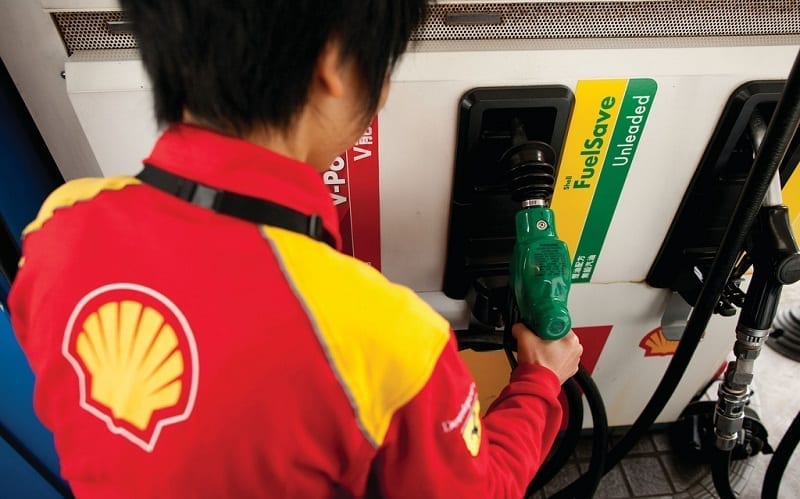
    Shell Malaysia Trading Sdn Bhd plans to open more than 20 new petrol stations to maintain its leadership in the retail fuel market in the country.

    About a third of these stations, according to theedgemarkets.com quoting Shell managing director Datuk Azman Ismail, have already been opened.

    Shell Malaysia is the number one fuel retailer in terms of market share and operates more than 900 stations nationwide.

    Apart from quantity, the company also strives to improve the quality of its services with the launch of ‘Welcome to Shell’ campaign, a three-year transformational program which aims to make the oil company the benchmark for hospitality on Malaysian roads.

  • Is Nike golf equipment journey ending?

    Is Nike golf equipment journey ending?

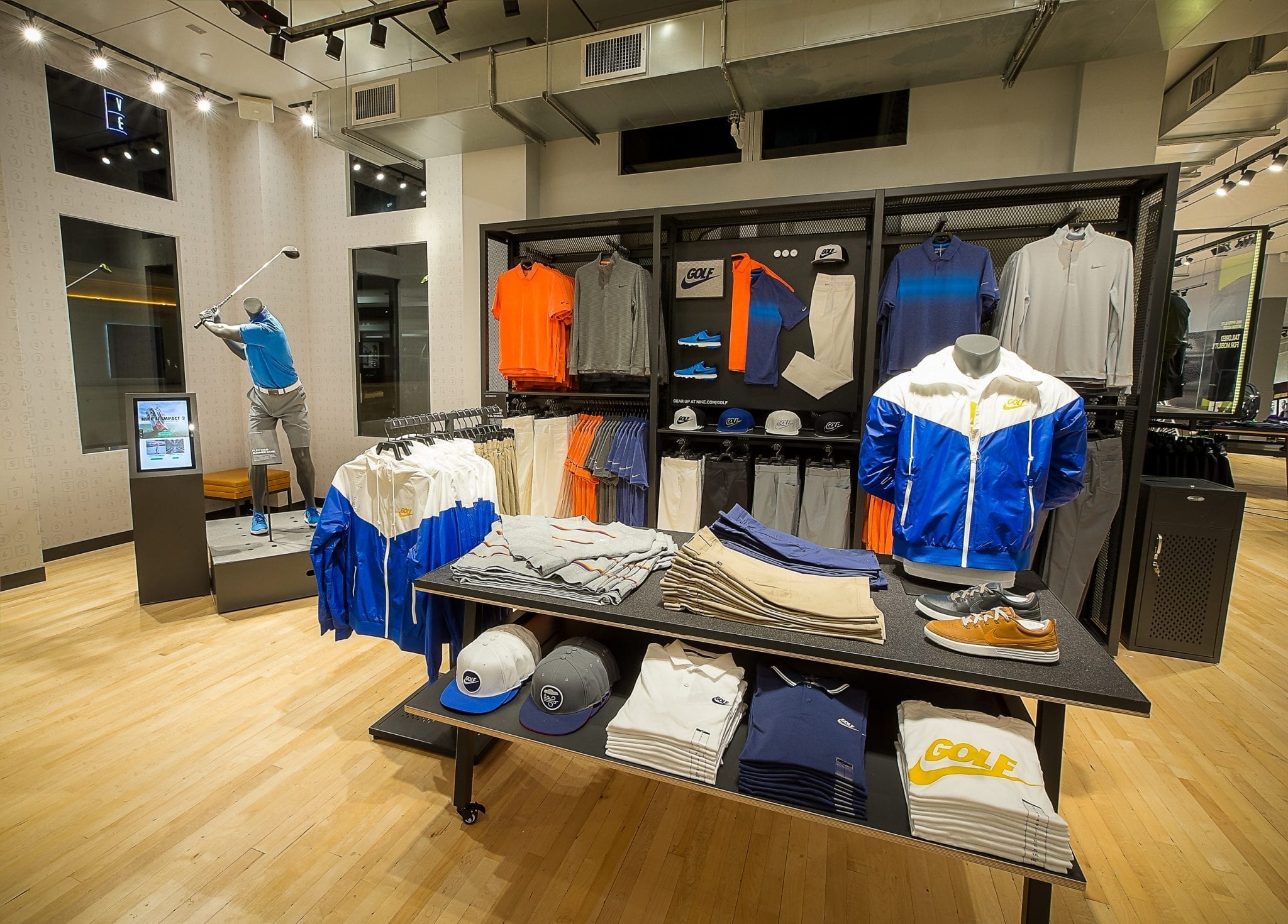
    Nike is phasing out its golf equipment business to focus on shoes and apparel.

    The company has announced it is accelerating its footwear and apparel business and will transition out of Nike golf equipment range – including clubs, balls and bags.

    “We’re committed to being the undisputed leader in golf footwear and apparel,” says Trevor Edwards, president, Nike Brand. “We will achieve this by investing in performance innovation for athletes and delivering sustainable profitable growth for Nike Golf.”

    The global giant said it will continue to partner with more of the world’s best golfers as part of its changed golfing segment strategy.

    “Athletes like Tiger, Rory and Michelle drive tremendous energy for the game and inspire consumers worldwide,” says Daric Ashford, president of Nike Golf.nike golf

    “Over the past year the MM Fly Blade Polo, the Flyknit Chukka and Air Zoom 90 have all connected strongly with golfers. We’ll continue to ignite excitement with our athletes and deliver the best of Nike for the game.”

  • Duck Scarves spreads wings to mall

    Duck Scarves spreads wings to mall

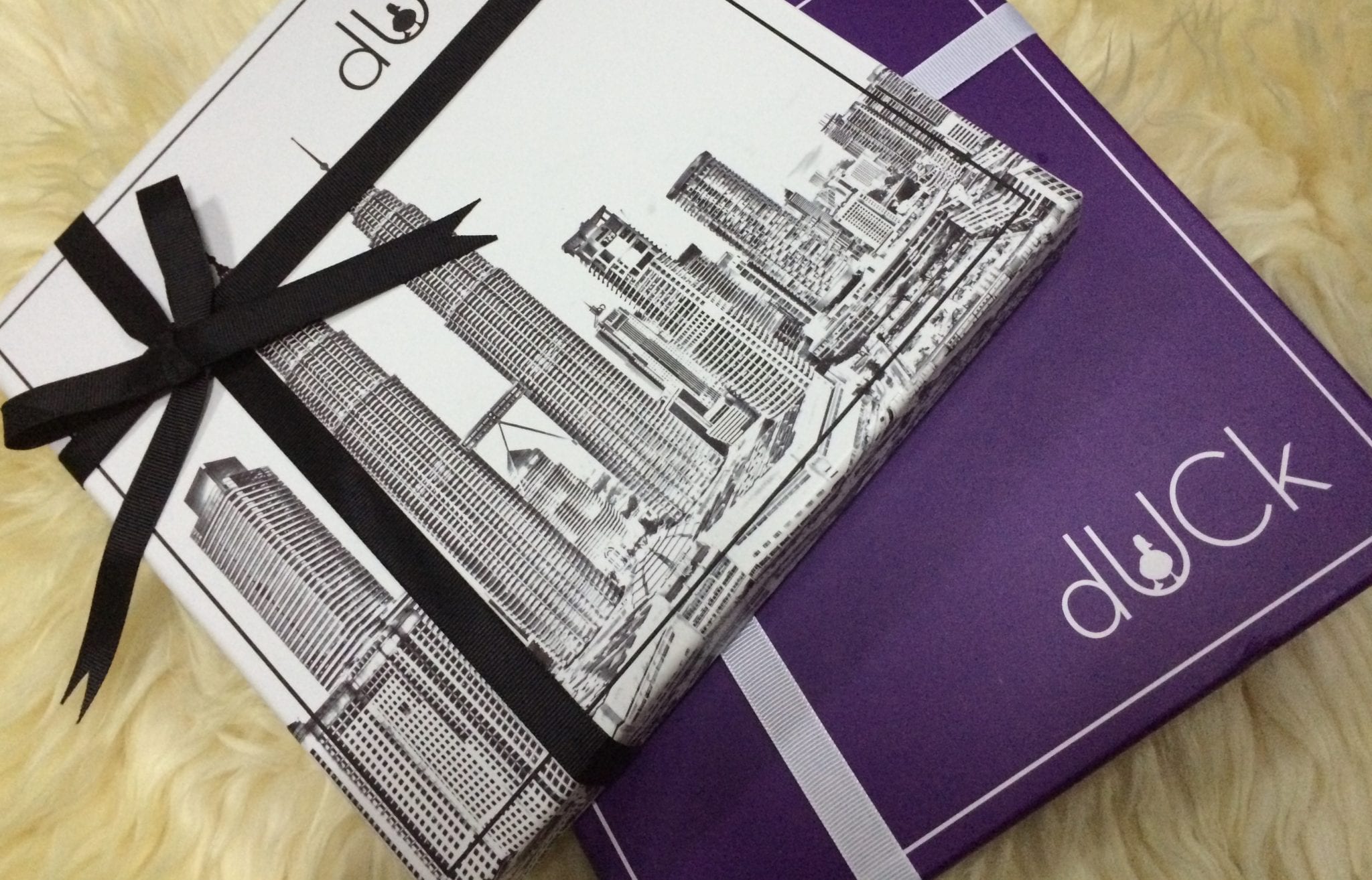
    Founded by Malaysian blogger and fashion entrepreneur Vivy Yusof, online fashion outlet Duck Scarves has come to ground, opening its first store, in Pavilion Kuala Lumpur.

    duck scarves

    Since launching in May 2014, Duck products have become known for their presentation and packaging, as well as design and quality. Each scarf comes with special hem detailing and a shiny Duck charm.

    Duck’s new store has a minimalist design with a spacious layout and ample light. Its grey and white palette is accented by purple, the brand’s main colour. It features a private fitting area.
    The Duck brand revolves around a character named D, and its evolution echoes her life and adventures.

  • ‘Bilateral agreement will give players greater banking access’

    ‘Bilateral agreement will give players greater banking access’

    Top Malaysian financial players with a presence in Indonesia lauded the bilateral agreement between Indonesia and Malaysia, saying it will pave the way for greater access to conventional and Islamic banking. CIMB Group chief executive officer Tengku Datuk Seri Zafrul Aziz said the agreement is positive for the banking industry of both countries. “It is an additional impetus for CIMB Group to expand its business in Indonesia, particularly in the Islamic and consumer segments, where there are a lot of growth opportunities, given Indonesia’s 260 million population.

    “We also view the agreement between Indonesia and Malaysia as an important step towards better Asean economic integration, paving the way for CIMB to continue delivering its universal banking proposition for customers in the region.” Bank Negara Malaysia and Otoritas Jasa Keuangan of Indonesia have signed the agreement which will provide more access and operational flexibility for Malaysian and Indonesian Qualified Asean Banks operating in the respective jurisdictions. The agreement permits the formation of three banking groups that meet stipulated criteria to be classified as one of the Qualified Asean Banks, which would be afforded equal treatment as local lenders.

    CIMB is eyeing further growth in its banking franchise. Its subsidiary, CIMB Niaga, is ranked as one of the top five banks in Indonesia by asset size, with a current customer base of 3.6 million. It recently posted strong first-half results. RHB Banking Group said a commercial banking presence in Indonesia remains a priority in its overseas expansion plan, adding that it will complement its existing business in the country. “From a merger and acquisition aspect, we will keep an opportunistic mind to ensure the right time, price and strategic fit into our overall group strategy to deliver better value to stakeholders,” said group chief strategy and transformation officer Christopher Loh. Islamic finance is a significant area of potential growth in the world’s most populous Muslim nation, he pointed out.

    “Malaysia, being at the forefront of Islamic finance, could provide expertise to grow this sector, which spells an opportunity for Indonesia as the government aims to deepen the country’s Islamic banking sector. ” RHB has about 14 branches across Indonesia dealing with securities and asset management business. Affin Hwang Capital banking analyst Loh Jia Ying said one more banking licence is available for Malaysian banks to expand into Indonesia, adding that it is also possible that the central bank of Indonesia may allow the Malaysian bank to acquire one of the Indonesian banks. On the impact of the agreement, he said it would be minimal in the near term for Maybank Indonesia, CIMB Niaga and the Indonesian banking sector.

    As for state-owned Bank Mandiri’s keen interest to expand in Malaysia, Loh said although the bank may have the advantage of familiarity for Indonesians here, its profitability may be limited if it focuses only on Indonesian workers, unless there is a significant change in their behavioural patterns. Bank Mandiri, the largest Indonesian bank by assets, currently has five remittance offices in Malaysia, and focuses on the revenue generated from Indonesians working here. It will also have to undertake significant work to generate more revenue from the Indonesian workers and will be limited by the smaller number of branches.

  • Indonesia joins Malaysian halal e-commerce

    Indonesia joins Malaysian halal e-commerce

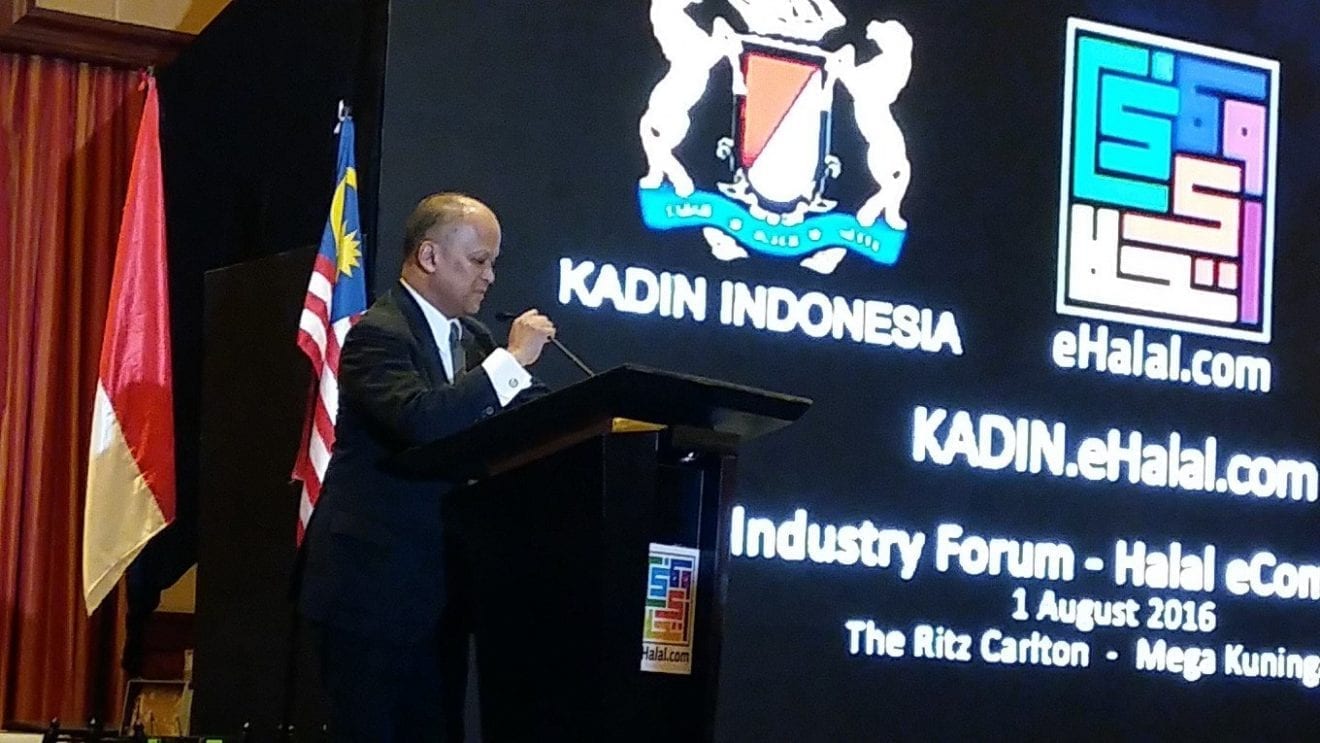
    The Indonesian Chamber of Commerce and Industry (Kadin) has joined Malaysia’s halal e-commerce website to tap into a larger international consumer base for local products, while at the same time giving local consumers easier access to imported halal products.

    The halal business sees a large market of 1.8 billion Muslims worldwide with a variety of products ranging from food, cosmetics, to pharmaceuticals. Markets for the halal business include the ASEAN region — led by countries such as Indonesia, Malaysia and Thailand, which have a large Muslim population — as well as the Middle East and North Africa.

    Now that Indonesian businesses have joined Malaysia’s e-Halal, a commerce directory portal of halal products not only from Malaysia but other countries such as China and India, Kadin chairman Roslan P. Roeslani said the country should not only be a market for halal products but also a producer and supplier.

    E-commerce platforms are becoming increasingly popular to showcase Indonesia’s potential, from big players to smaller enterprises, he added.

    Current trends show that the halal business and market will continue to grow. In 2014, the global halal market value reached US$2.3 trillion.

    “As long as there are Muslims in this world, the halal market will continue to thrive. We must see the business opportunity in this, while still upholding Islamic values,” Rosan said during an event to introduce e-Halal in Jakarta on Monday, adding that Indonesian products can be accessed through the official portal, kadin.ehalal.com.

    Malaysia’s halal industry is more developed and advanced than Indonesia’s, but the latter could still
    work to catch up and learn from Malaysia’s experiences. Indonesia’s potential is not only in food and beverage, Roslan explained, but also cosmetics, such as the popular Wardah, and fashion.

    E-Halal director Michael Teh said although most of its suppliers were Malaysian, it hoped to add Indonesian suppliers to its list from the cooperation with Kadin. E-Halal was launched in Malaysia in May and now has hundreds of products, from prawn crackers and baby food to fresh vegetables and bath salts.

    Michael said suppliers may join e-Halal for free, so long as their products are certified halal from the local issuing authority. From Indonesia, for example, products must receive halal certification from the Indonesian Ulema Council (MUI).

    “All our suppliers must be certified, and we will verify the certifications they upload. Our concept is to enable and safeguard halal suppliers to reach the world of e-commerce,” he said during the same occasion.

    Malaysian International Trade and Industry Ministry’s Halal Industry Development Corporation (HDC) CEO Dato Seri Jamil Bidin said Malaysia and Indonesia must cooperate in developing the halal industry, which holds large economic potential.

    “Amid the increasingly borderless global trade, it is important to seize opportunities and develop with sophisticated technology like e-halal,” Jamil said.

  • Mydin hypermarket chain founder dies at 88

    Mydin hypermarket chain founder dies at 88

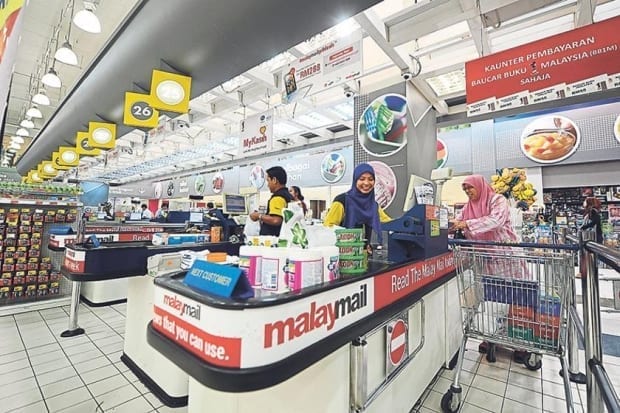
    Mydin hypermarket chain founder Mydin Mohamed Ghulam Hussein died of old age at a private hospital in Kuala Lumpur today.

    His son, who is also Mydin Mohamed Holdings Bhd managing director, Ameer Ali Mydin, 60, said his 88-year-old father had died at 5.06pm.

    “My father was taken to hospital due to vomiting after he returned from (Mydin) outlet in (Jalan) Masjid India shortly after Zohor prayer time,” he said.

    He said the body would be buried after Zohor prayer on Wednesday at the Bukit Kiara Muslim Cemetery, after the return of his youngest son who is currently living in the United States.

    Born in Penang in 1928, Mydin Mohamed is survived by his wife Rowshan Bai, 80, and seven children.

    Ameer Ali said his father established the company in Kota Baru, Kelantan in 1957.

    “He was a highly disciplined person and punctual when dealing with others especially in business.

    “He often reminded his children to earn money in a ‘halal’ manner by running an honest business,” said the third child of the deceased.


  • ‘Modest’ growth for Dairy Farm International

    ‘Modest’ growth for Dairy Farm International

    Pan-Asia retailer Dairy Farm International Holdings reports “modest” sales growth for the six months ended June 30.

    Underlying profit was slightly ahead as higher contributions from food, home furnishings, restaurants and China hypermarket Yonghui offset a lower contribution from the group’s health and beauty division. The group is seeing the benefits from investments made last year.

    Sales for the period, excluding associates and joint ventures, were down 1 per cent but up 2 per cent at constant exchange rates. Sales were impacted by the closure of underperforming stores in Indonesia and Singapore.

    The operating profit was stable at US$197 million, compared with $201 million in the first half of last year.

    Under pressure

    In the food division, sales within supermarkets and hypermarkets were up 2 per cent despite deflationary pressures.

    In Hong Kong, sales increased modestly but profits were impacted by higher rental and labour costs. In Indonesia and Singapore, profitability improved despite reduced sales following store closures. Sales were flat but profits lower in Malaysia, while the Philippines had good sales growth and improved profitability.

    Convenience stores in Hong Kong and Macau performed satisfactorily in a difficult trading environment, while overall sales in Singapore were flat because of the cutback in stores yet sales were positive and profits higher.

    Store expansion continued in mainland China, and there was good sales and profits growth.

    In the health and beauty division, sales improved in Hong Kong but Macau and Malaysia were behind with lower profitability.

    Like-for-like sales were positive in China, and in Indonesia “encouraging” improvements were made in sales and profits following a store rationalisation program.

    In the Philippines, good progress continues to be made on the integration of Rose Pharmacy.

    In home furnishings, Ikea performed well, producing growth in both sales and profits in its three markets. Store expansion opportunities are being pursued.

    Still expanding

    In the restaurant division, Maxim’s maintained its impressive track record with higher sales and profits in China and Hong Kong. The group is growing its presence on the mainland and continues to expand its Starbucks network in Cambodia and Vietnam.

    Yonghui reported 18 per cent revenue growth in the first half.

    In February, PT Hero agreed to sell its remaining Starmart stores in Indonesia. The transfer of the stores is expected to be completed in the fourth quarter.

    In March, the group refinanced short-term borrowings of $900 million, to be used in part to invest a further $191 million in Yonghui. This will maintain the group’s 19.99 per cent interest following the placement by Yonghui of a 10 per cent shareholding to JD.com.

    In April, Maxim’s acquired the Cova patisserie and restaurant franchise in Hong Kong, which has 10 outlets. Maxim’s also opened its first The Cheesecake Factory in Shanghai Disney Town.

    At the end of June, Dairy Farm, including Yonghui, had about 6500 outlets across all formats and employed 180,000-plus people.

    “While sales and profit performance in the first half have been encouraging in a challenging
    trading environment, the outlook remains uncertain with consumer confidence fragile in most
    Markets,” says chairman Ben Keswick.

    Incorporated in Bermuda, Dairy Farm International Holdings has its primary listing on the London Stock Exchange with secondary listings in Bermuda and Singapore. The group’s businesses are managed from Hong Kong by Dairy Farm Management Services through its regional offices. Dairy Farm is a member of the Jardine Matheson Group.

  • Maxis to offer Vodafone IoT services

    Maxis to offer Vodafone IoT services

    Malaysia’s largest operator Maxis has arranged to offer Vodafone’s IoT services for its business customers.

    The operator will offer a service combining its high speed data network with Vodafone’s IoT platform to help assist business customers looking to implement IoT services in their operations.

    The IoT offerings have been designed with multiple layers of security between IoT devices and applications, and to be scalable to support the constantly increasing number of connected devices.

    At a recent media event, Maxis showcased potential applications for the IoT in key sectors including automotive, retail, logistics, banking and financial, smart cities and manufacturing.

    “The exponential growth of data and how people use them has had a huge impact on how businesses operate,” Maxis head of marketing and products Shanti Jusnita Johari said.

    “Through our agreement with Vodafone, which brings with it a global standard of service, unrivalled IoT experience and highly ranked by analysts, we are equipping businesses in Malaysia with more than just connectivity through our advanced data network, but a suite of IoT solutions to digitalize and transform their operations.”

  • Government fine watch shop over Aishwarya Rai photo

    Government fine watch shop over Aishwarya Rai photo

    The photograph below is from a Longines advertising campaign, and features arguably India’s most famous Bollywood star, Aishwarya Rai.

    Some might consider it elegant, others “hi-so” in certain parts of Southeast Asia. But in Malaysia, religious zealots have fined a non-Muslim watch retailer for displaying a poster in-store featuring this same Aishwarya Rai photo.

    According to Malaysian mainstream media, someone from the Kota Baru Municipal Council considered the photograph too “sexy” – an “offence” the beleaguered retailer has supposedly committed more than 10 times since the 1990s.

    Aishwarya-Rai-Longines

    Swee Cheong Watch & Pen Co owner Lee Kum Chuan’s latest bureaucratic punishment came to light when he went to obtain a business licence from the council to open a new store in Aeon Mall, his third outlet in Kota Baru.

    “When I went to MPKB to apply for a business permit for the new shop, I was told to settle the fines for the offence committed in KB Mall,” he told The Star in Kuala Lumpur.

    “I was hit with a total RM2000 (S$668) in fines, but the amount was reduced to RM400. I had to pay the sum before I could get the new permit,” he said.

    In a nation where family members of the Prime Minister are allegedly siphoning off hundreds of millions of dollars of state funds to spend on luxury goods, movie productions, condominiums and aircraft, prompting investigations in a dozen or so countries, law-enforcement officials consider it damaging to community standards for a fully dressed Bollywood actress to promote watches. At least that’s how it seems.

    Shop ‘raid’

    MPKB enforcement officers “raided” the new Swee Cheong Watch & Pen shop in Aeon Mall on Monday, ordering the “offensive” posters be removed from display.

    “The posters were supplied by our manufacturers,” Lee told The Star.

    The issue has sparked wider concerns about the application of a dual justice system in Malaysia in which hudud laws – and their applicable punishments – apply to Muslims, and more conventional laws apply to Chinese, Indian and other ethnicities. (In Malaysia, ethnic Malaysians are born Muslim and face physical punishment if they try to renounce their religion). Hudud is defined by Wikipedia as “an Islamic concept: punishments which under Islamic law (Shariah) are mandated and fixed by God”.

    Kelantan Malaysian Chinese Association secretary Datuk Lua Choon Hann says the harassment of the watch retailer follows the council taking action against hairdressers for attending clients of a different gender.

    “The government has proved yet again that its repeated claims that the hudud enactment will have no bearing on non-Muslims are nothing but mere fallacy,” he said in a statement this week.

    “Based on the summonses issued by local councils (in Kelantan), MCA wants to raise awareness of the motives to remove clauses in the Federal Constitution that protect the rights of non-Muslims and Muslims against punitive criminal actions based on religious precepts,” he said.

  • Damco expands Hub-In-Transit in Malaysia

    Damco expands Hub-In-Transit in Malaysia

    Damco, the global third party logistics provider, has expanded its Hub-in-Transit programme by establishing new hubs in Malaysia, United Arab Emirates and Morocco.

    Damco’s Hub-in-Transit programme allows companies to postpone their decisions on the final delivery date and final destination, by using container trans-shipment hubs as decoupling points in the supply chain.

    Anthony Elwine, Damco’s Global Head of Chemical & Industrial, explains: “Damco customers have used our Hub-in-Transit solution successfully to improve service to their customers while decreasing costs. We have now developed three additional hub locations to help them serve even more markets, and reap similar benefits.

    “Chemical sector clients have been early users of the programme, but the service is also suitable for other products, such as steels and textiles, or FMCG/CPG.”

    The service is especially of interest to companies with limited on-site storage capacity where production operations are large-scale, continuous processes. Those companies may be forced to ship their products based on assumptions about the best place and time of delivery.

    Hub-in-Transit enables the companies to make full use of carrier free-time by using strategically located trans-shipment hubs as virtual warehouses for goods.

    By doing so, the companies will be able to lower their costs-to-serve whilst increasing logistics flexibility towards their end-customers.

    Damco’s Hub-In-Transit programme:  The benefits

    • Use carrier free-time at strategically located trans-shipment hubs as a virtual warehouse for your goods
    • Increase flexibility to respond to changing customer demand by postponing your decisions on the final destination and delivery date of shipments
    • De-consolidate shipments if needed
    • Respond faster to your customers and increase your speed-to-market
    • Increase service levels as a result of more reliable point-of-destination deliveries
    • Reduce costs by eliminating the need for storage at origin or destination
    • Keep full end-to-end visibility and control of your cargo from the place of manufacturing to your end customer
  • McDonald’s Singapore and Malaysia for sale

    McDonald’s Singapore and Malaysia for sale

    Franchise rights for 20 years for McDonald’s Singapore and Malaysia could fetch S$542.8 million (US$400 million).

    The rights have been put on the market as part of McDonald’s Corp’s international turnaround plan put in place by new CEO Steve Easterbrook last year. With a US$112 billion market value, the corporation is revamping its ownership models throughout Asia, including plans to offload its China, Hong Kong and South Korea master franchises.

    McDonald’s has adopted a “development licensee model” for Malaysia and Singapore, says a Singapore spokesman. It is negotiating with candidates “committed to helping accelerate growth and innovation in Malaysia and Singapore”.

    McDonald’s owns most of its outlets in Asia, and eventually aims to have 95 per cent of its restaurants in the region under local ownership.

    Singapore has more than 120 McDonald’s restaurants with about 9000 employees, while in
    Malaysia there are more than 250 restaurants.

  • Public Bank to Launch UnionPay Card in Malaysia

    Public Bank to Launch UnionPay Card in Malaysia

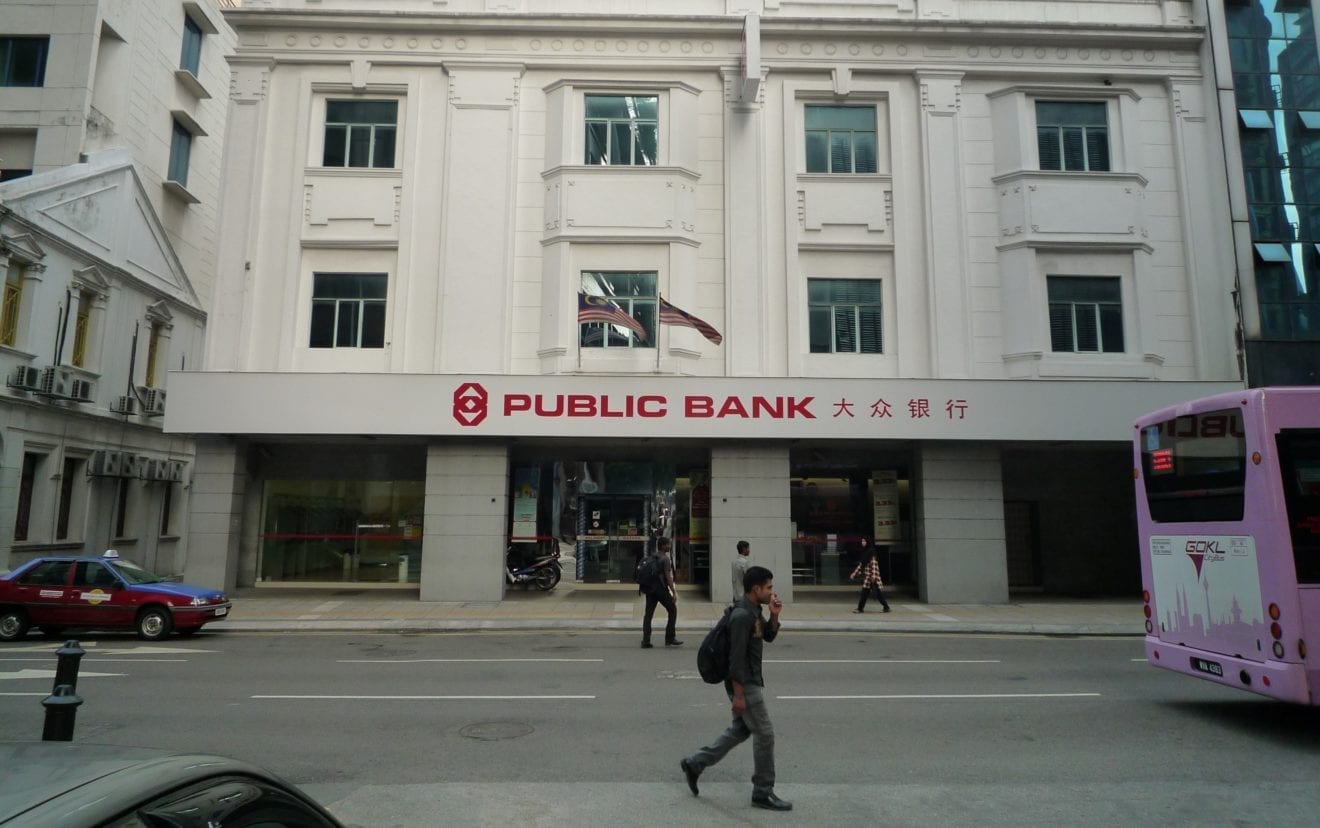
    Public Bank, Malaysia’s third largest bank and UnionPay International, a global payment network signed an agreement for UnionPay Debit Card Issuing Business today. With this partnership, Public Bank will be the first local bank to issue UnionPay card in Malaysia by Quarter 4 of year 2016.

    PB UnionPay Lifestyle Debit Card and PB UnionPay Savings Account will be launched to cater to the needs for customers and businessmen who frequently travel to China with the convenience of cards over carrying large amounts of cash.

    UnionPay’s acceptance across 160 countries and its full acceptance in China encourage Malaysian who travels often, expatriates and inbound students and workers from China to take up these bundled products.

    In Malaysia, UnionPay cards issued locally and overseas are accepted at over 90% of ATMs whilst 60% of merchants accept payments by UnionPay cards.

    The agreement was signed between Public Bank’s Managing Director, Tan Sri Dato’ Sri Tay Ah Lek and UnionPay International’s Chief Executive Officer, Mr Cai Jianbo at Menara Public Bank with the presence of other management staff of Public Bank and officials of UnionPay International.

    Commenting at the launch, Tan Sri Dato’ Sri Tay said, “Being the first local bank in Malaysia to launch UnionPay card once again proves that Public Bank is focused in progressing and improving our core retail business to enhance our customers’ banking experience. It is also a great pleasure in partnering with UnionPay International to offer our customers another new payment option.”

    Concurring on the significance of this partnership, Mr Cai Jianbo said, “Malaysia is one of the most important market for UnionPay, with 90% UnionPay card acceptance on ATM, and 60% at POS. This MOU signing with Public Bank Berhad will serve to provide a strong foundation as we continue to localise our business in Malaysia. UnionPay will enable more merchants and increase UnionPay POS acceptance to 90% by end of 2017. We will also issue more cards with local banks, provide more local privileges to improve services and convenience for Cardholders. For innovative payment, we will expedite the launch of e-wallet payments and build an 020 payment ecosystem.”

  • 7-Eleven Malaysia Opens Historic 2000th Store in Malaysia

    7-Eleven Malaysia Opens Historic 2000th Store in Malaysia

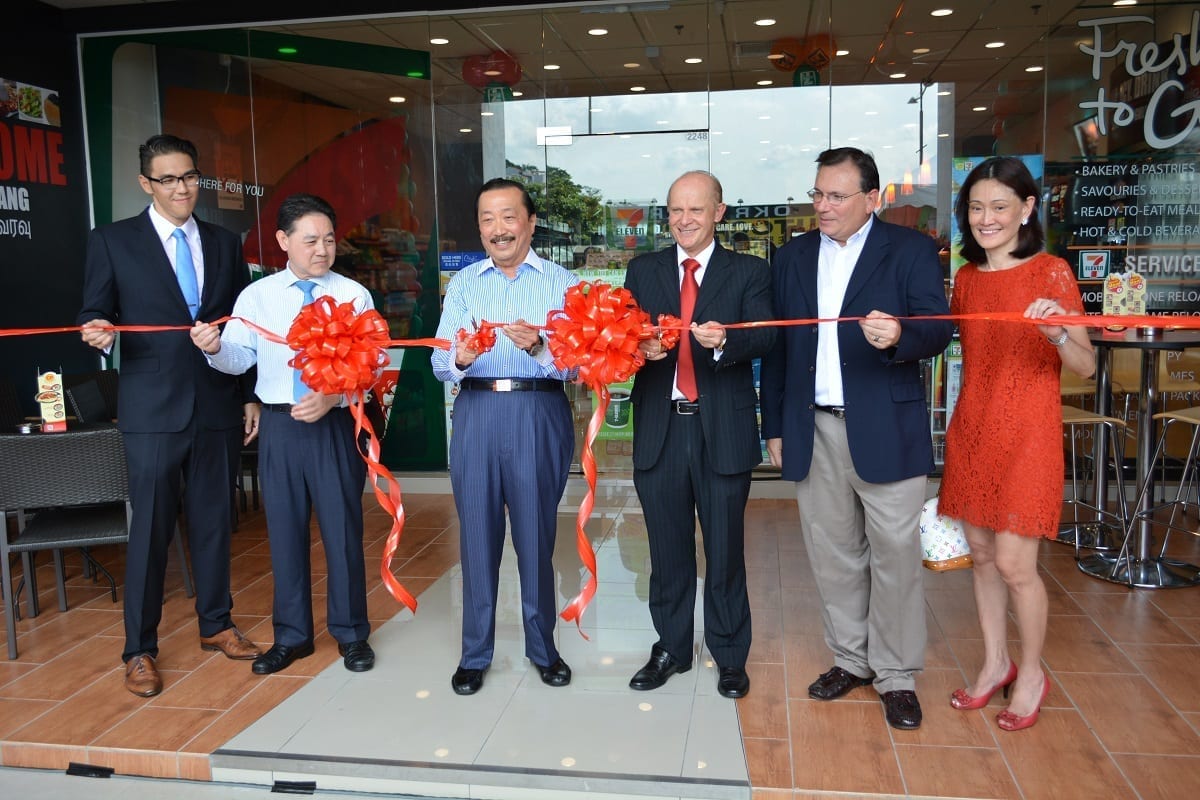
    7-Eleven Malaysia, a wholly owned subsidiary of 7-Eleven Malaysia Holdings Berhad, the No.1 standalone convenience store chain in the country, is proud to announce that it has launched its 2000th store in Malaysia at an opening ceremony held at The Scott Garden in Old Klang Road. This landmark store reflects the current 7-Eleven convenience store format, which is being rolled out across Malaysia via a programme of store refurbishments and new stores since late 2013.

    Speaking at the ceremony, Mr. Gary Brown, CEO of 7-Eleven Malaysia Sdn. Bhd. commented, “At our listing in 2014, we discussed our expansion plans and our intention to increase our number of new stores by 600 over the next three years from 2014 to 2016. We are very pleased to have reached this historic milestone of 2000 stores but it’ll be business as usual as we have no intention of stopping here and will continue with our rapid store expansion. We are also pleased to be able to showcase here today our latest product and service innovations which sets us apart from other convenience stores in Malaysia with a strong emphasis on best in class fresh food and beverage such as our well-received RM2 Fresh to Go hot beverages.”

    During the opening ceremony, there was a tour and brief on the current innovation of the stores. The current generation 7-Eleven convenience stores is to encourage customers to see 7-Eleven as a lifestyle concept, where they can enjoy the range of products on offer by spending time at the store, similar to a neighborhood café. In addition to this, 7-Eleven Malaysia has increased its range of product and services to customers by providing Touch ‘n Go reload services, bill payment for utility providers, online purchases payment through MOLPay, point-of-sales activated (“POSA”) gift cards and parcel locker services in partnership with BoxIt.

    Mr. Brown continued, “It is important to us to continue to innovate on not only our product offering, but to also play more of a role in the daily lives of our customers. By offering these services, we can offer a whole new level of convenience in Malaysia and we continue to be the leader for the convenience sector. We are enthusiastic about the future and will continue to deliver the best possible product, services and promotional offerings at our stores based on what our consumers want.”

    7-Eleven Malaysia is the largest stand-alone convenience store-chain nationwide, with 2000 outlets across the country and continuously aspires to elevate customers’ shopping experiences and to scale greater heights as the largest stand-alone convenience store operator in Malaysia. To meet today’s expectations in providing convenience to customers; 7-Eleven Malaysia opts to stay close to its customer’s heart by staying true to its motto, Always There for You.