Tag: Malaysia

  • Parkson Retail Asia cuts Q4 loss by 80%

    Parkson Retail Asia cuts Q4 loss by 80%

    South-east Asian department store operator Parkson Retail Asia narrowed its fourth quarter net loss by 80 per cent, owing to the absence of costs associated with a store closure a year earlier.

    Parkson, which does not have stores in Singapore, reported a net loss of $12 million for the three months to June 30.

    Revenue was up 10.9 per cent to $93.9 million from a year earlier, it added yesterday.

    The closure of a store at Landmark 72 in Hanoi, Vietnam in January last year had cost the firm $68.4 million. This went under other expenses – which include advertising, selling and administrative expenses, for instance – which improved 70.4 per cent to $27.6 million.

    Owing to this, the firm added in a statement that “as a percentage of revenue, the other expense ratios for the fourth quarter and the full year declined substantially year on year”.

    For the 12 months to June 30, Parkson reversed a net loss of $34.7 million to a net profit of $33 million, while revenue dipped 9.4 per cent to $388.4 million from a year earlier.

    Parkson has department stores in cities across Malaysia, Vietnam, Indonesia and Myanmar.

    Malaysia reported same store sales growth being up 21.5 per cent, thanks to “early festive buying arising from the shift in the Hari Raya calendar”. The growth also came from a low base a year earlier, where consumers bought less after the 6 per cent goods and services tax was introduced on April 1 last year.

    Even though consumer sentiment remains subdued in Malaysia, the firm said it has initiated new concepts such as introducing South Korean apparel, affordable private labels and shoe speciality stores to diversify earnings.

    Parkson added: “We have been consolidating our department store space by identifying non-performing stores with the view to closure upon tenancy expiry.”

    The Myanmar operations’ same store sales growth, however, took a 25 per cent hit in the fourth quarter.

    Parkson added that there are plans to close the store in FMI Centre in Yangon for re-development, and this upcoming closure has affected sales.

    “The landlord has not confirmed the timing for the re-development,” the firm added.

    Overall, it expects the first quarter of the next financial year to remain challenging.

    Quarterly loss per share stood at 1.78 cents, up from a loss of 8.82 cents in the same period last year. Net asset value per share was 24 cents as at June 30, up from 19 cents as at the same date last year.

    Parkson proposed a final dividend of 0.5 cent.

    Its shares closed 0.3 cent lower at 15.6 cents yesterday.
  • Pokemon Go game changer in Malaysian retail scene?

    Pokemon Go game changer in Malaysian retail scene?

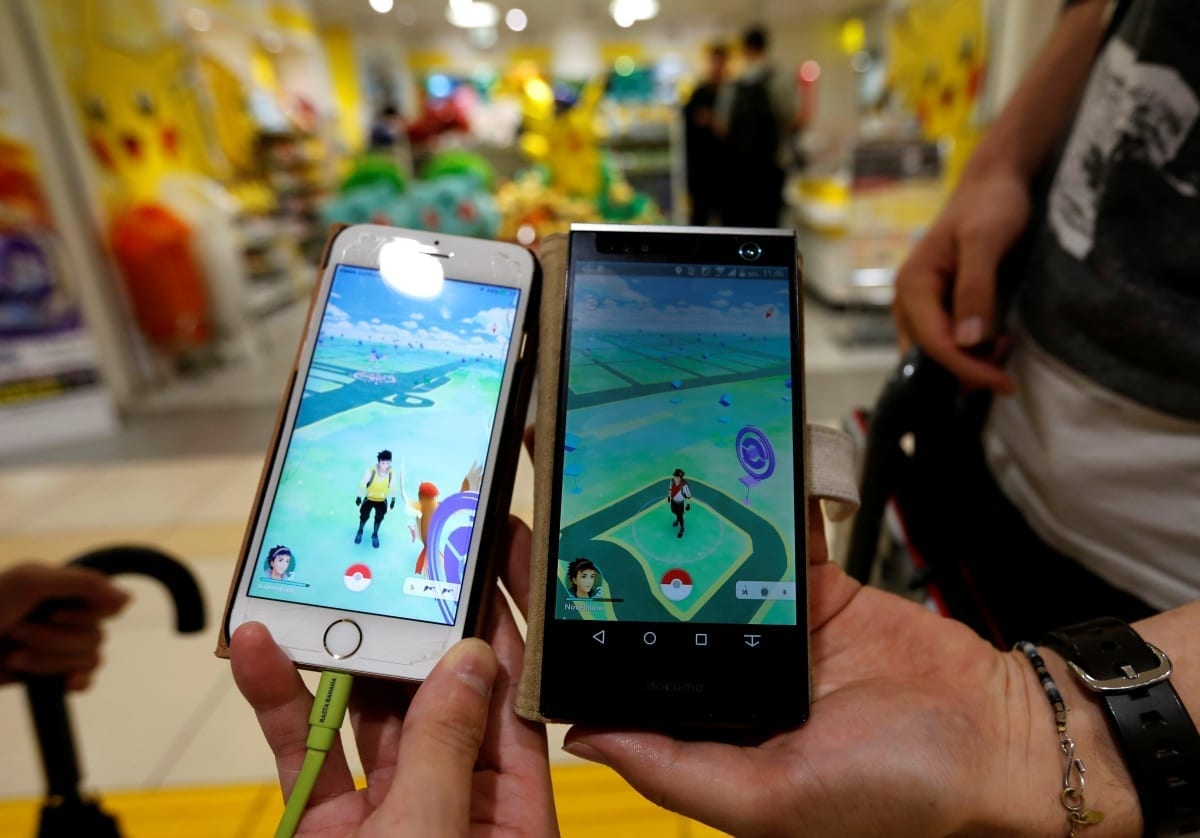
    The runaway success of augmented reality game Pokemon Go can be a potential game changer in the local retail scene.

    UOBKayHian said in a report that the game could also be seen as a revenue booster for retail real estate investment trusts (REITs) and modestly positive for food and beverage (F&B)/convenience store retailers and cellular companies.

    “Pokemon Go creates higher footfall in malls. Although turnover revenue accounts for less than 10% of retail REITs’ revenue, sustained higher footfall leads to better rental reversion.

    The research house said Sunway REIT has reportedly experienced a double-digit hike in average footfall at its malls.

    “Car count has increased by 10%. Similarly, Suria KLCC and Pavilion have also garnered attraction from Pokemon Go ‘hunters’.

    UOBKayHian said F&B retailers like Starbucks, OldTown and other F&B retail chains surveyed saw minimal impact with sales being consistent before and after Pokemon Go’s launch.

    “Nevertheless the higher footfall in the malls and shoplots could eventually translate into higher sales for the F&B retailers.”

    As for convenience stores, the research house said KK Supermart, which operates a chain of 223 convenience stores in shoplots, had reportedly seen a surge in footfall, with the sales of some store shooting up by up to 20%.

    “Approximately one-third of both 7-Eleven and Bison’s stores are located in the malls. The higher footfall in the malls may translate into higher sales for these convenience stores.

    “However, we note from these companies that at this juncture, impact on earnings is minimal.”

    UOBKayHian said it was “potentially marginally positive” on the telecommunications sector on higher data usage and pre-paid reloads.

    It pointed out that Pokemon Go had hastened the adoption of smart phones, currently accounting for around 30% of global mobile phones.

    “The game could hasten global conversion to smart phones, which benefits Malaysian electrical and electronics component suppliers like Inari. Among the potential beneficiaries, our top pick is Sunway REIT.”

    The research house noted that public response to Pokemon Go, which was released on Aug 6, has been overwhelming in Malaysia.

    Pokemon Go, which is by far the highest revenue grossing game in history, can provide at least a short-term lift to various Malaysian companies.

    “Although widely seen as a fad, this game’s shelf life could well exceed common expectations; 90% of players who downloaded the app continue to play after its launch,” according to a media report.

  • New post at Luxasia Group for SingPost’s ex-boss

    New post at Luxasia Group for SingPost’s ex-boss

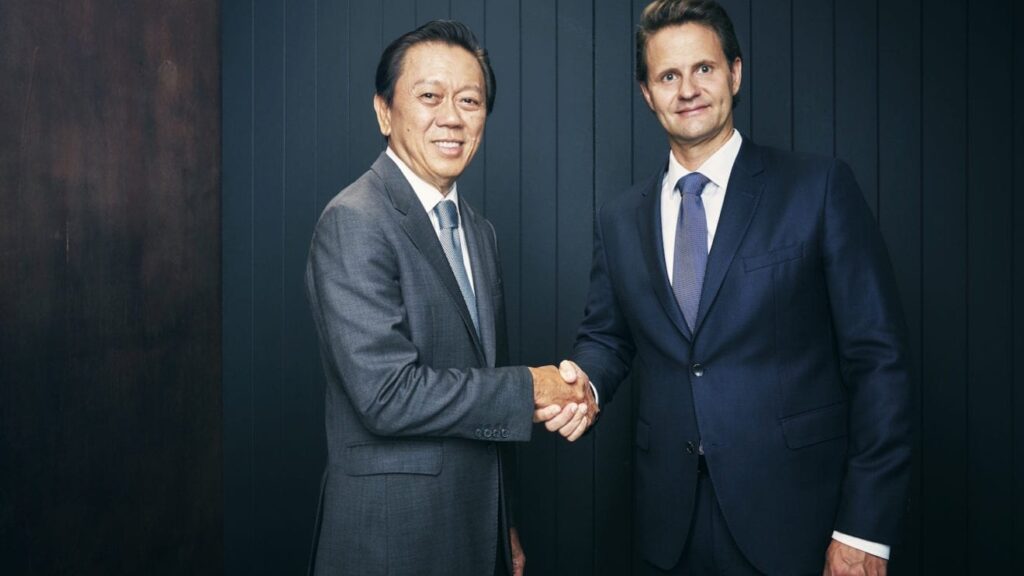
    Beauty retailer The Luxasia Group has appointed former SingPost CEO Dr Wolfgang Baier as group CEO, while founder/owner Patrick Chong has become chairman.

    “Luxasia is now at an important crossroads,” says Chong. “We intend to grow with our international partners and strengthen our core competencies to become the leading Asia consumer-centric omnichannel go-to-market partner of the beauty industry.”

    Patrick-Chong-Wolfgang-Baier

    He says Baier has proven leadership capabilities, vast knowledge and skills in areas such as CRM and omnichannel retail. “His track record in the logistics sector will also help strengthen Luxasia’s partnerships.”

    “Transformation is relevant in every sector and particularly for retail, where the digital and physical space is converging,” says Baier. “This makes developing an omni-channel ecosystem critical. We want to revolutionise how we serve consumers and brand partners in the beauty industry across Asia.”

    Chong says the search for a CEO took more than a year, as it was important Luxasia found the right leader.

    “Not only does Wolfgang understand our operations and share the same aspirations, in some ways he is even more ambitious for Luxasia with regard to developing new areas.”

    Established in 1986, The Luxasia Group has developed retail and distribution networks across Asia for some of the world’s biggest beauty companies. Based in Singapore, the privately held company has 11 offices and more than 2000 full-time employees in Singapore, China, Hong Kong, India, Indonesia, Malaysia, Myanmar, Taiwan, Thailand, the Philippines and Vietnam.

    It manages a portfolio of more than 120 international fragrance, cosmetics, skincare and
    professional salon brands including Beiersdorf, Burberry, Clarins, Estee Lauder, Ferragamo, Hermes, P&G and Shiseido.

  • Faster roll-out for Mister Minit Asia

    Faster roll-out for Mister Minit Asia

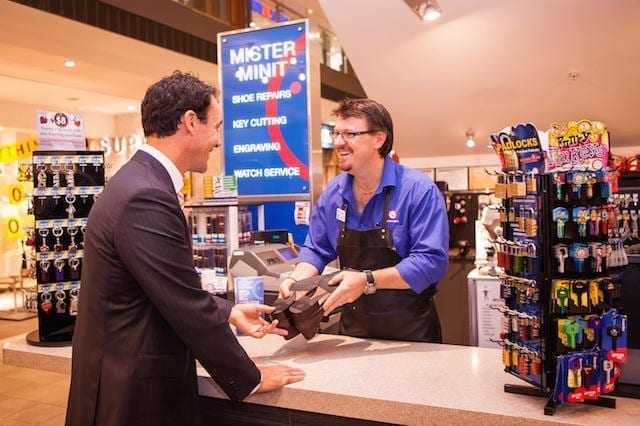
    Australasian services retailer Mister Minit is to expand its retail presence in SE Asia after stellar growth in Malaysia and Singapore.

    The company says it is experiencing an increasing appetite for its personal services among time-poor shoppers.

    For the third consecutive year, the company has experienced strong comparable growth in Singapore and Malaysia with current running rates at 30 to 40 per cent, and is now on the verge of a major expansion program in South East Asia.

    “We are committing significant funding over the next three years initially in Singapore and Malaysia, with interest in also expanding into other Asian markets in the medium term,” said Mark Rusbatch, CEO of Mister Minit.

    Mark Rusbatch - CEO  cropped

    There are currently 12 Mister Minit Singapore retail stores and seven in Malaysia.  The company is developing a pipeline of new shop openings for both countries and working with key landlords on identifying prime locations in shopping centres.

    “One of the fastest growing trends right now is ‘do it for me’ and Mister Minit is well placed to make time poor customer’s lives that bit easier – from shoe repairs to other household and personal services including key duplication, engraving and watch servicing,” said Rusbatch.

    Mister Minit Shoes 8157 (Large)

    The company is synonymous with ‘fixing people’s problems’ in Australia and New Zealand, where it is the clear market leader, and has shown year on year comparable sales and total growth for the past 15 years.

    “Our strategy in Australia and New Zealand has been to secure prominent locations in high foot traffic areas that provide ready access to those customers who are time poor and need to utilise our array of services as part of their everyday shopping needs including visiting the supermarket,” said Rusbatch.

    Mister Minit Service2 8406 (Large)

    Mister Minit will adopt a similar strategy in Southeast Asia, where it sees a real opportunity to accelerate its growth rates in the medium and long term.

    “Mister Minit’s heritage in this region has been around high quality shoe services and augmenting these with our full array of services, which include key duplication, personalisation through engraving, and watch servicing including band and battery replacement.”

    “As an international brand we deliver a consistent level of quality and services from our shop fit outs to our high service standards. We recognise the importance of people – from securing the best people to retaining them. We also invest in a significant level of training, upskilling our team in the latest technology and expertise. We know the quality of our people defines our brand.”

    The company’s franchise model is also a strength of the business, and has so far been implemented across five of the Singapore stores with more anticipated to follow.

    Mister Minit Singapore

    “Franchising is our preferred business model as it delivers a strong offer – combining local ownership with an International brand profile,” said Rusbatch.

    Mister Minit will next year celebrate its 60th Anniversary, following its establishment in 1957 in Europe.  In a further sign of the importance of the South East Asia region to the company, it will celebrate the milestone locally.  Mister Minit will host its Annual Franchisees Conference in Singapore in 2017, attended by franchisees and employees from across Australia, New Zealand and South East Asia.

  • Kantar Worldpanel partners with Facebook to expand advertising measurement service

    Kantar Worldpanel partners with Facebook to expand advertising measurement service

    Kantar Worldpanel has formed a global partnership with Facebook that brings Facebook mobile ad exposure data into Kantar Worldpanel’s Consumer Mix Model (CMM) service.  In Asia, the service has launched in South Korea, Taiwan, Thailand, Philippines, and Vietnam, and will soon be available in Indonesia and Malaysia as well.

    The enhanced CMM tool combines Facebook’s mobile ad exposure data (in addition to desktop) with Kantar Worldpanel’s continuous consumer packaged goods (CPG) purchase data to provide brands with an accurate assessment of the effectiveness of their cross-media advertising campaigns. 

    The advertising landscape has witnessed rapid change in recent years as brands increasingly turn to digital formats.  In April Facebook announced that its advertising revenue had grown by 57 percent to $5.2 billion in the first quarter of 2016 alone, with advertisers drawn to its increasingly large user base. 

    The tool allows brands and advertisers to understand the real impact of individual advertising campaigns on actual sales and the contribution Facebook and other media have on their return on investment.  This in turn will help them to optimise their media planning and ultimately improve the efficiency of their media investment.

    Josep Montserrat, chief executive of Kantar Worldpanel, commented: “The partnership allows our experts to build a solid understanding of how advertising works and the role that Facebook plays in a wider campaign context.  Working with Facebook will allow us to inspire even better decisions to optimise advertising budgets and maximise advertisers’ return on investment.”

    Marcy Kou, chief executive of Kantar Worldpanel Asia, said: “It brings tremendous potential for advertisers on Facebook as the number of smartphone users continues to grow in Asia Pacific. Retail ecommerce in this region is going stronger than the rest of the world, and is still considered the “it” market. Yet there hasn’t been a reliable method to measure the effectiveness of mobile ads, and with this partnership, we will finally be able to.”

    Patrick Harris, director of Global Agency Development at Facebook, said: “We believe that strong partnerships with our agency partners are key to providing advertisers with the tools they need to measure true business value on Facebook.  We are excited to help inform Kantar Worldpanel’s Consumer Mix Model solution by bringing in our mobile ad exposure data in a privacy-safe way.”

    Kantar Worldpanel’s continuous CPG purchase panels are already widely used by the advertising community worldwide to understand the effect of cross-media advertising.  Its measures take into account in-store promotions and consumer loyalty to determine the full picture behind consumer purchase behaviour. 

    This partnership with Facebook is part of a wider alliance between WPP and Facebook to activate WPP’s data proprietary assets within Facebook, which was announced in April 2015.

  • Malaysians keen on investing in commercial properties in Australia

    Malaysians keen on investing in commercial properties in Australia

    Malaysian investors in Australia will most likely focus on commercial properties with the implementation of new tax rates targetting foreign buyers of residential real estate, according to Knight Frank Australia.

    The property consultancy, which recently organised a roadshow to gauge investors’ sentiment, noted that the Australian property market remained a key attraction for Malaysian investors despite the recent changes to the country’s property tax law.

    “Despite the recent stamp duty changes imposed on foreigners purchasing residential property, interest from Malaysian private and institutional investors is remarkably strong,” Knight Frank head of commercial sales Paul Henley said in a statement.

    “We expect many commercial, hotel and retail assets transactions from Malaysian investors over the next year.

    “These assets are not impacted by the tax changes, and some residential specialists will still show interest at the right pricing metrics to build scale,” he added, referring to SP Setia Bhd’s recent purchase of an office tower at 288 Exhibition Street, Melbourne, for A$101mil ( S$104.3mil) as an example of the growing interest of Malaysian investors in Australia’s commercial property sector.

    In an effort to limit the amount of foreign money coming into its real-estate market to keep home prices from rising further, the Australian government had implemented new tax laws targetting foreign investors.

    These changes included a stamp duty surcharge of up to 7 per cent of residential real estate, and an extra 10 per cent withholding tax for a property with a market value of more than A$2mil.

    According to Henley, the Australian property market remained attractive to Malaysian investors due to its strong underlying economic fundamentals, including a record-low interest-rate environment.

    Malaysian investments in Australian real estate had averaged at A$750mil over the past six years, although deal flow had not been as prevalent over the past year.

    “With interest rates having dropped to their lowest ever, and a stable political scene with the Federal election result, combined with an ever-growing population, Australia is well-positioned for offshore investors,” he said.

    Separately, Sarkunan Subramaniam, Knight Frank’s managing director for Malaysia, said there was a close connection between Malaysia and Australia because the latter is one of the preferred education and tourism destinations for many Malaysians.

    “Many Malaysians travel there for education… 77 per cent of Malaysia’s ultra-high net worth individuals are expected to send their children abroad for university over the next year,” he said.

    In addition, Sarkunan said there was a growing number of Malaysians visiting Australia, with the rate having risen by more than 40 per cent over the past three years.

    Meanwhile, Knight Frank head of research and consulting Matt Whitby said UK’s referendum to leave the European Union, or Brexit, would likely accentuate global capital flows into Australia.

    “I expect Australia to benefit from Brexit and other global uncertainty, as it remains a safe-haven for investors.

    “With volumes slowing over the past quarter, mainly on the back of limited supply of assets, I expect Brexit will accentuate the capital flows into Australia and volumes will pick up in the second half of 2016,” Whitby said.

    “Australia’s economy is the envy of the developed world, growing at 3.1 per cent as at the March 2016 quarter. Sydney and Melbourne are driving performance, while our population is strong, with a growth average of 1.5 per cent across the country,” he added.


  • Sunway Malls to Activate Pokémon Go Lure Modules

    Sunway Malls to Activate Pokémon Go Lure Modules

    Starting tomorrow, Sunway Malls will be activating Pokémon Go lure modules at certain hours and at certain Poké stops for Pokémon Go fans. The participating malls from the Klang Valley are Sunway Pyramid, Sunway Putra Mall and Sunway Giza Mall. Sunway Carnival Mall in Penang will participate in the campaign as well.  

    The campaign will last for 2 weeks, and might extend if the response is good.

    “Since Pokémon Go was released on Saturday, some of our malls have seen some form of increase in footfall. Sunway Pyramid for example, have had an increase of 5% of shoppers as compared to the weekend before, Sunway Putra Mall has seen an increase of 12% whilst Sunway Giza Mall has seen an increase as well,” says Kevin Tan, Chief Operating Officer of Sunway Malls.

    All Sunway Malls will activate their lure modules campaign, with Sunway Pyramid taking the lead today itself. The lure hours and location will be shared with the public in the mall itself and in their social media sites.

    Sunway Pyramid will also run a Best Costume contest this coming Saturday, 8pm where the best dressed Pokémon Go costume can win surprise gifts from the mall. Retailers of the malls are spotted sporting their own rewards for Pokémon Go players.

    Ever since the introduction of GST (Goods & Service Tax) April last year, Malaysians were subsequently hit by the removal of petrol subsidy, sugar, inflation and drop in currency value. The retail and mall industry has been hit with lower consumer confidence, lower consumer spend and certainly lower footfall for certain malls. Hence, various malls in Malaysia are stepping up their game in attracting shoppers’ footfall.

    It is widely known that malls in general have high traffic during the festive period and school holidays, but the introduction of Pokémon Go has certainly spiked up the footfall for the non-peak season.

    While it’s still too early to determine if sales have increased for Sunway Malls following the higher footfall, the malls under the brand are amongst the first in Malaysia to jump into the trend.

    Sunway Pyramid’s Facebook fanpage was the first Malaysian mall facebook page to feature the various Pokémon shoppers and gamers can find in the mall and attracted high organic reach without advertisement spend. Sunway Carnival Mall followed suit with similar posts while Sunway Putra Mall and Sunway Giza featured guides in their fanpage.

    “As Pokémon Go is taking the world by storm, we hope Pokémon Go gamers take necessary safety precaution and be constantly aware of their surroundings. We wish no untoward accidents befall on them,” Kevin cautions.

    “We can’t control where the Pokémon would appear and if they would appear near railings, escalators, steps or at open air car park such as the roof top, we hope they would remain aware of their surroundings,” he said.

  • Bursa Malaysia opens slightly higher

    Bursa Malaysia opens slightly higher

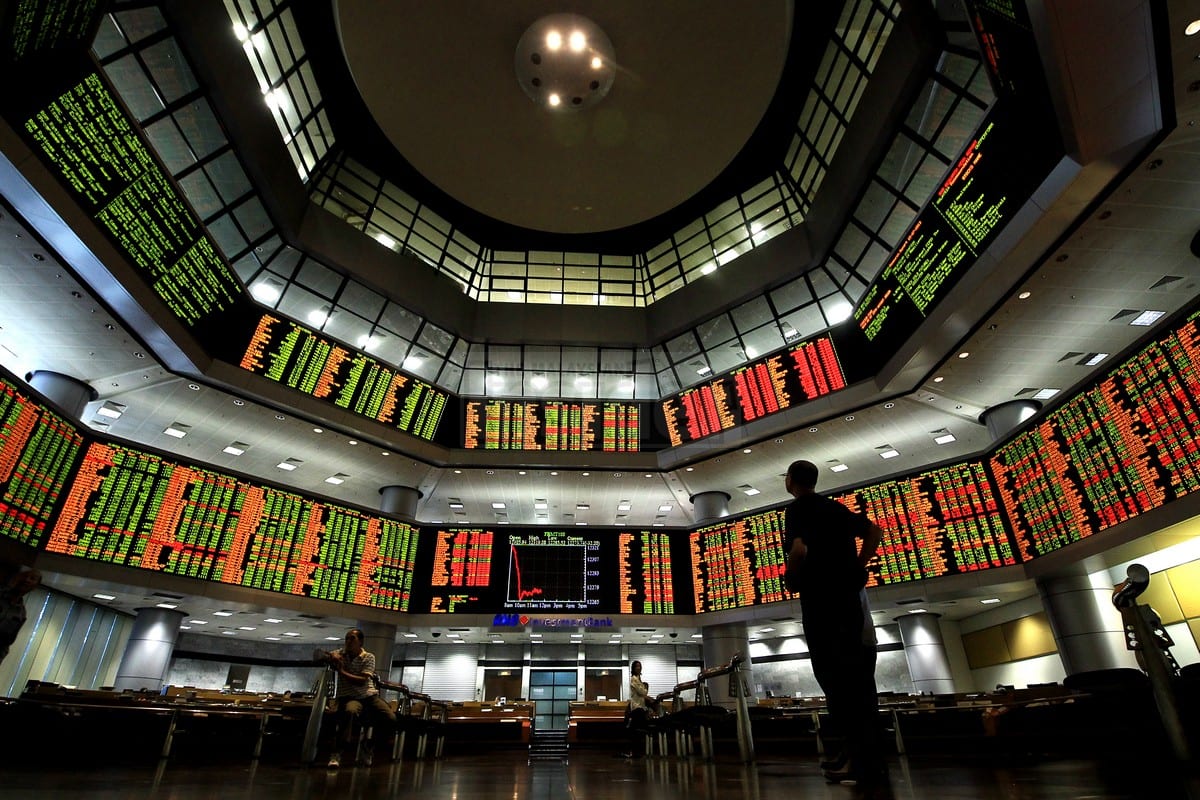
    Bursa Malaysia opened slightly higher on Tuesday, extending yesterday’s gains but mild profit-taking in selected heavyweights limited the gains, dealers said.

    At 9.10am, the benchmark FTSE Bursa Malaysia KLCI (FBM KLCI) was 0.40 point better at 1,673.08, after opening 1.84 points higher at 1,674.49.

    Gainers outpaced decliners 148 to 64, while 193 counters were unchanged, 1,281 untraded and 26 others suspended.

    Turnover stood at 119.87 million shares worth RM45.70 million.

    In a research note today, RHB Retail Research maintained its bearish short-term outlook for the index, saying buying interest was still weak.

    “The index has not climbed above the recent high of the 1,675.50-point resistance mentioned since two weeks ago.

    “On a technical basis, as long as the bearishness of July 21’s ‘Tower Top’ pattern is not negated, we believe that the sellers still have control of the market,” it said.

    The FBM Emas Index rose 4.97 points to 11,741.69 and the FBMT 100 Index was up 3.61 points at 11,440.04.

    The FBM Emas Syariah Index increased 17.87 points to 12,373.70, the FBM 70 rose 7.46 points to 13,466.39 but the FBM Ace slipped 14.89 points to 5,469.39.

    Sector-wise, the Industrial Index gained 10.13 points to 3,160.24, the Plantation Index rose 6.63 points to 7,680.66 but the Finance Index was 11.95 points lower at 14,335.64.

    Among heavyweights, TNB, Maybank and IHH Healthcare were flat at RM14.58, RM7.98 and RM6.59 respectively, while Public Bank shed two sen to RM19.62.

    Of the actives, MBSB and PDZ Holdings advanced one sen each to 93 sen and 9.5 sen respectively, Konsortium Transnasional went up two sen to 18 sen while Vivocom Intl was flat at 29 sen.

    The physical price of gold as at 9.30am stood at RM167.34 per gramme, up 21 sen from RM167.13 at 5pm yesterday.

  • Two more Kuala Lumpur malls opening

    Two more Kuala Lumpur malls opening

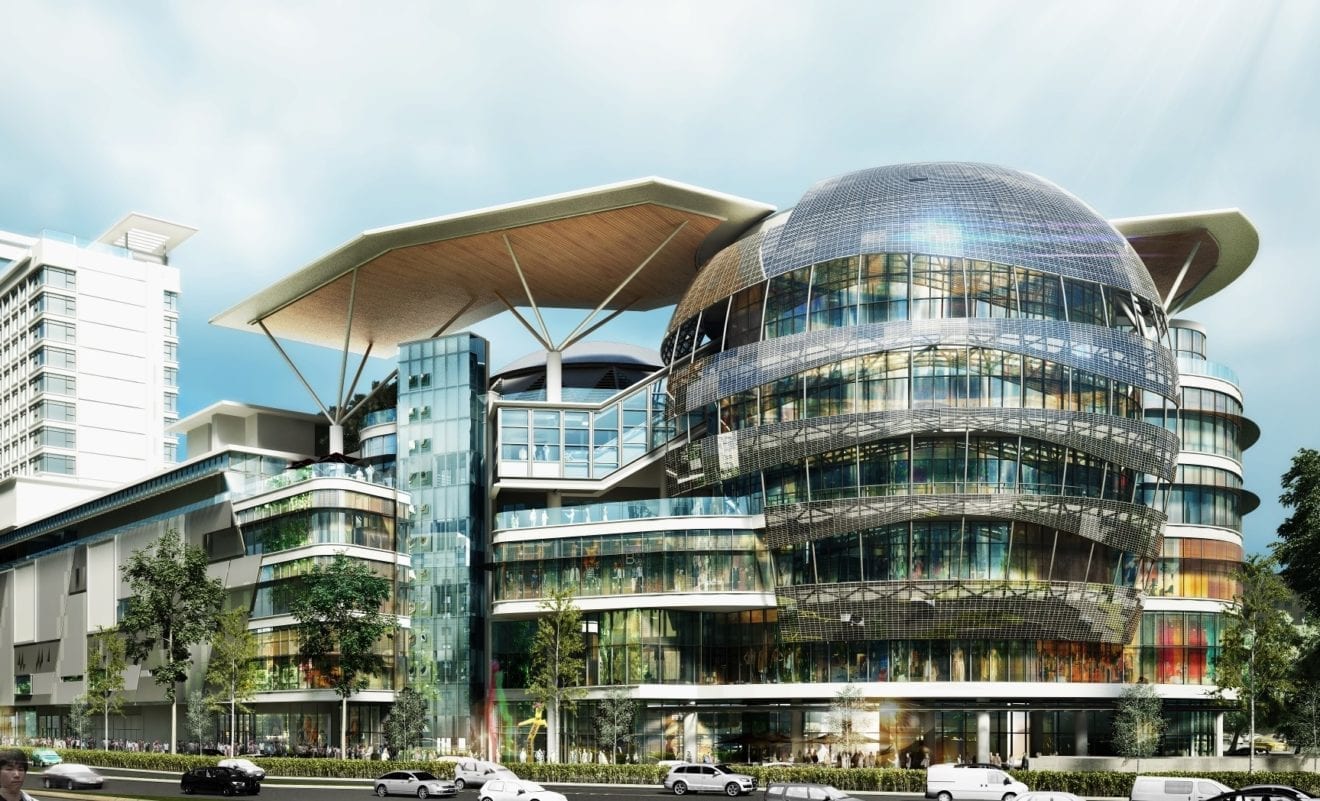
    Two Kuala Lumpur malls, collectively offering more than 2 million sqft (185,806 sqm) in net lettable area, will open in Cheras, Klang Valley, by the end of the year.

    Moreover, the MyTown Shopping Centre (below picture) and Sunway Velocity Mall (above picture) will be just 800m away from each other.

    Cheras already has the Aeon Maluri shopping centre and Cheras Leisure Mall, with The Tun Razak Exchange also on the horizon, reports The Star.

    MyTown is being developed by Boustead Ikano while Sunway Velocity Mall is a Sunway Groupproperty. MyTown will be structurally linked to Ikea Cheras, the largest outlet mall in Malaysia.
    With a population of 800,000 people, Cheras is an “ample market”, says Sunway Shopping Malls & Theme Parks CEO HC Chan.

    myTown mall Malaysia

    “Fundamentally, the real issue is the absence of lifestyle and experiential malls in Cheras – Sunway Velocity Mall fills this void. I am looking from a quality rather than a quantity perspective… we are addressing this from multiple angles.”

    Boustead Ikano GM Jo Hogsander agrees there is demand for more retail space, especially in Cheras. He says that when the MRT line opens it will ease traffic congestion and boost accessibility to the mall.

    “Game changer”

    Chan also sees the MRT as a “game changer”. “Two out of six MRT stations in Cheras will serve Sunway Velocity, which translates to a capacity of about 400,000 passengers a day.”
    He says Sunway Velocity Mall would not only compete, but also complement the MyTown Shopping Centre.

    “Competition is healthy, but in the longer term we will complement each other. Just look at the Bukit Bintang area and the number of malls there. It’s thriving because it gives consumers a choice.”
    Despite the number of malls in the Klang Valley, Hogsander says they are still crowded, even on a weekday afternoon.

    “I went to our competitors on a Thursday afternoon and couldn’t find a parking space. I then went to another competitor and had to do laps to find parking – and these are big shopping centres with more than 6000 parking bays.”

    Sunway Velocity Mall and MyTown Shopping Centre will open on October 28 and November 15 respectively, 18 days apart. Both malls boast 6500 parking bays.

    Sunway will have a NLA of 1 million sqft and accommodate 500 shops, while MyTown will have 460 stores on 1.1 million sqft of space.

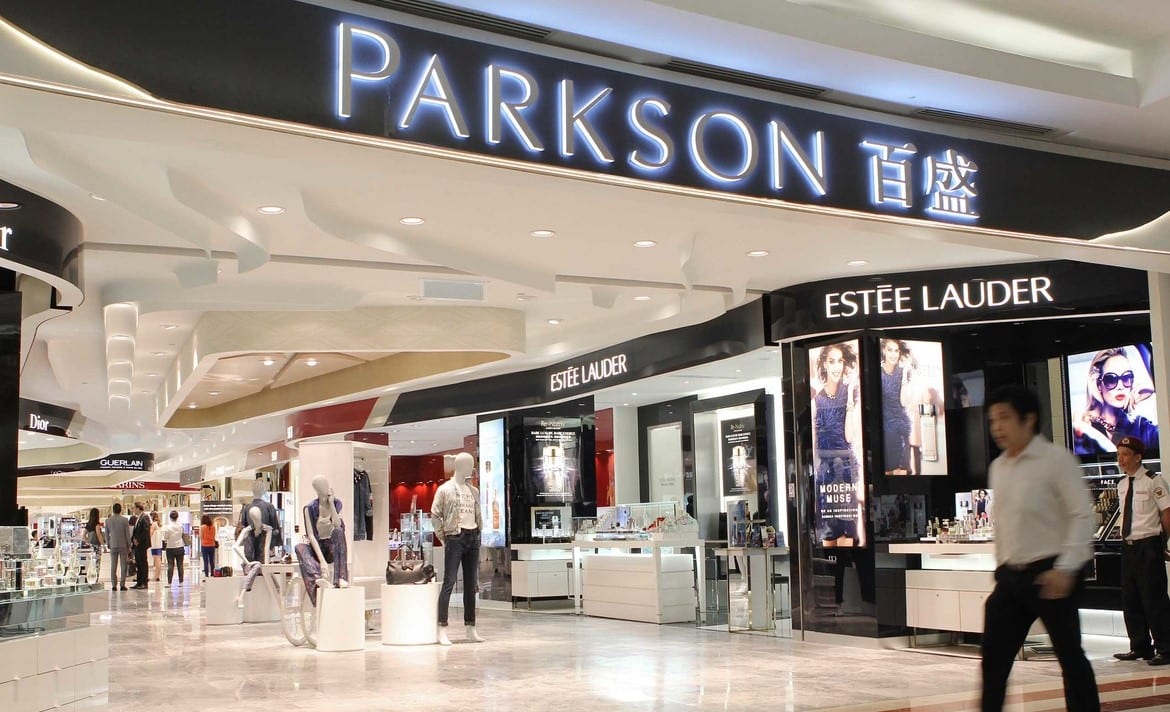
    Sunway Velocity Mall’s anchor tenants include Harvey Norman, Parkson, TGV Cinemas and Toys’R’Us, while MyTown has secured such brands as Golden Screen Cinema, Mango, Uniqlo and Village Grocer.

  • Bank Mandiri to grow Malaysian operations

    Bank Mandiri to grow Malaysian operations

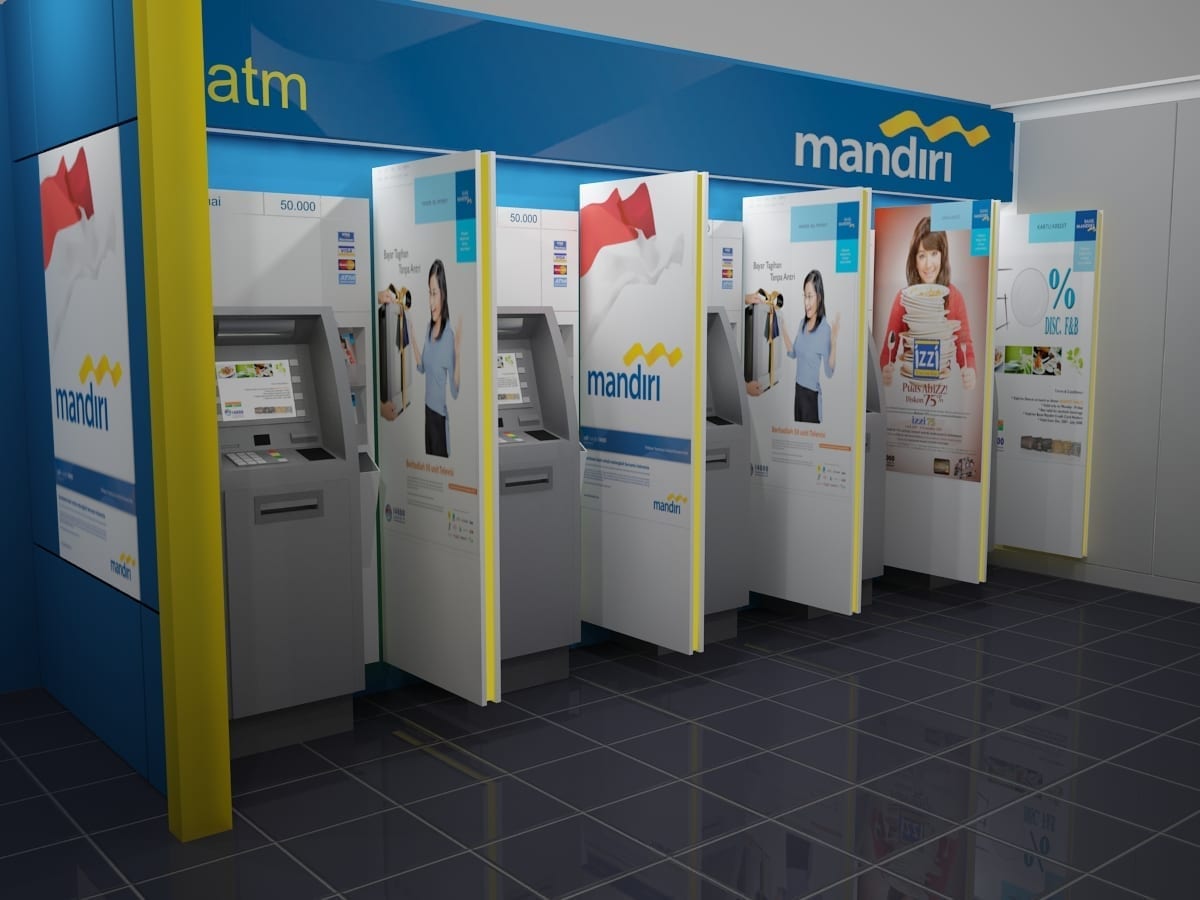
    PT Bank Mandiri Tbk, Indonesia’s largest bank by assets, could soon operate here with full banking rights.

    The move comes after financial authorities from Indonesia and Malaysia signed a bilateral agreement earlier this week, allowing greater access to lenders from both countries to fully operate in the respective jurisdictions.

    Bank Mandiri would pay RM100mil (US$24.6mil) to Malaysia’s central bank as soon as possible and meet the capital requirement of RM300mil by the end of this year so that it could operate soon after the permit is issued by Bank Negara.

    Bank Mandiri currently operates in Malaysia under the licence of remittance office. It has five remittance offices in the country that focus on revenue generated from Indonesians working here.

    Papers in Jakarta reported that the bank planned to immediately apply for a full licence in Malaysia, following the bilateral agreement.

    To recap, the Malaysian authorities had issued a commercial banking licence to five foreign banks, including Bank Mandiri, in 2009-2010 in line with the country’s liberalisation of the financial services sector. Apart form Bank Mandiri, the other recipients were Sumitomo Mitsui Banking Corp of Japan, National Bank of Abu Dhabi and BNP Paribas SA, France, and Mizuho Corporate Bank.

    However, Bank Mandiri’s expansion into the Malaysian market had met with little success because the requirements for the full banking status set by Bank Negara were “too restrictive”, reports had indicated. It was previously quoted as saying that Bank Negara had not responded to its requests for a degree of leeway.

    Foreign banks, under Bank Negara’s funding guidelines, must have a minimum capital, unimpaired by losses, of RM300mil.

    Based on earlier Indonesian news reports, Bank Mandiri was adamant that the amount be lowered to RM100mil.

    The reports also stated that Bank Mandiri was not too happy with the other conditions set by Bank Negara, which included the number of branches and automated teller machines allowed to be opened by foreign banks.

    A main complaint among Bank Mandiri and other Indonesian lenders wanting to open their branches in Malaysia is the “inequality of access” in the two markets. The Indonesian Government had been demanding Malaysia reciprocate the banking freedom its banks enjoy in Indonesia.

    Two Malaysian banks that had established a significant presence in Indonesia are CIMB Group Holdings Bhd and Malayan Banking Bhd (Maybank).

    CIMB Group owns 97.9% of PT Bank CIMB Niaga Tbk, which is Indonesia’s fifth-largest bank by assets. Maybank, meanwhile, operates in Indonesia via 80%-owned PT Bank Maybank Indonesia Tbk.

  • AirAsia may launch sale of leasing arm, valued at RM4b

    AirAsia may launch sale of leasing arm, valued at RM4b

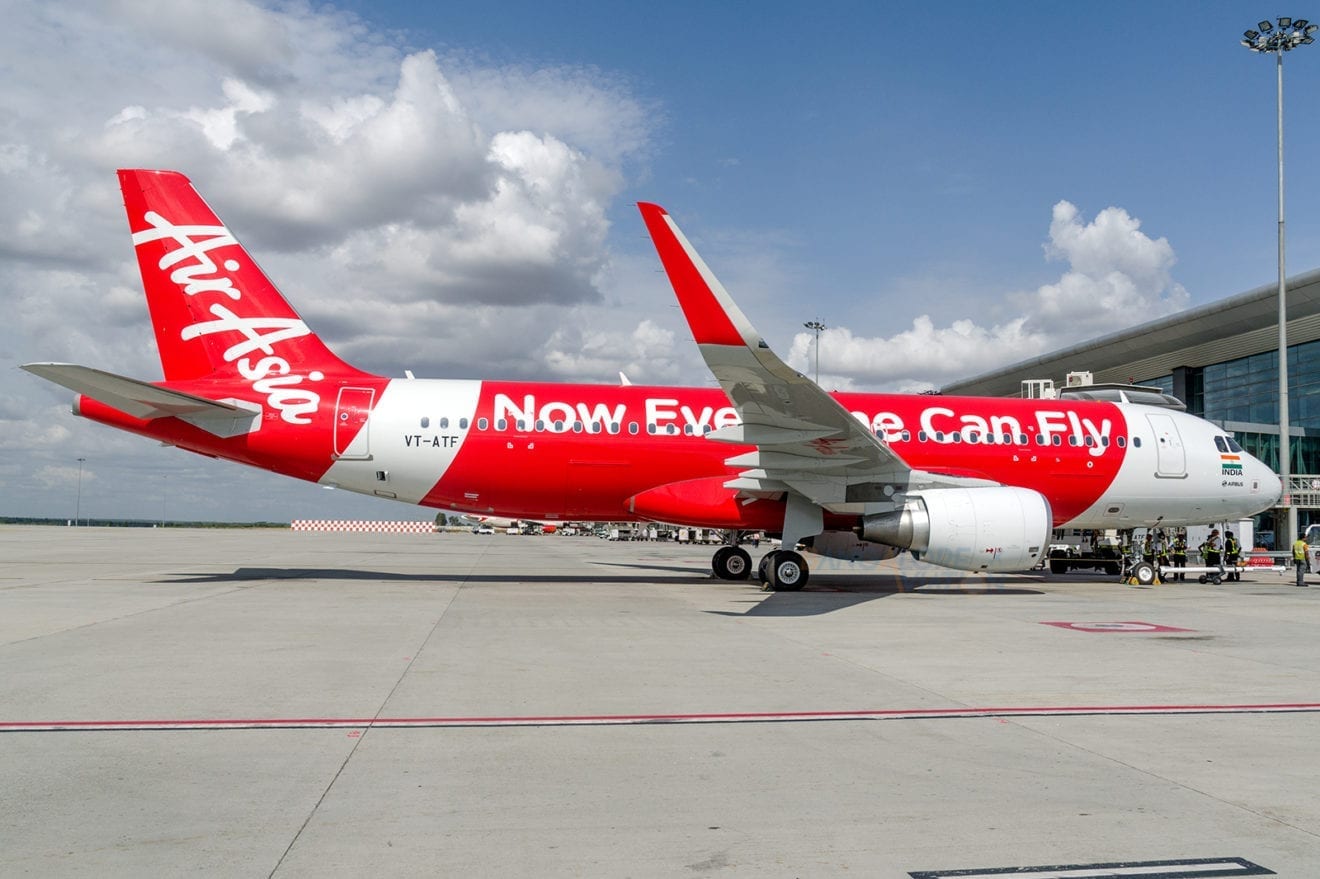
    AirAsia Bhd, Asia’s biggest budget airline, will kick off the sale of its leasing unit this month, seeking to cut debt with a deal that could value the business at about US$1bil (RM4.04bil), people familiar with the matter told Reuters.

    A successful deal would help group CEO Tan Sri Tony Fernandes, one of Asia’s best-known entrepreneurs, to bolster AirAsia’s finances and spur growth.

    At an overall valuation of US$1bil, the sale would be significant for a carrier with a market value of US$2bil (RM2.08bil).

    AirAsia is looking to sell a majority stake in the leasing unit, Asia Aviation Capital (AAC) but is also open to a full sale, sources said, adding that the final valuation could change depending on talks with potential buyers.

    They said AirAsia was considering paying a special dividend from the proceeds. The people declined to be identified because the discussions were confidential. AirAsia declined to comment.

    The carrier planned to tap potential suitors including the leasing units of China’s HNA Group, China Merchants Bank, and the aviation leasing company backed by Hong Kong billionaire Li Ka-shing for the sale, the people familiar with the matter said.

    China Merchants Bank, HNA Group and Li’s Cheung Kong Infrastructure Holdings Ltd did not respond requests for comments.

    Fernandes, who built up AirAsia into multi-billion dollar business from a two-plane operation in 2002, is cashing in on a booming leasing sector after AirAsia ordered hundreds of Airbus planes at bargain prices in recent years and emerged as one of Airbus’ biggest customers.

    AirAsia responded to a critical research report last year by Hong Kong-based GMT Research saying it stood by its accounts.

    “This is a landmark transaction if Tony manages to pull it off,” said Shukor Yusof, founder of Malaysian aviation consultancy Endau Analytics, adding that AirAsia could use the funds to invest in its businesses in India, Indonesia and Japan.

    Sources said AirAsia was expected to approach about a dozen suitors including infrastructure and pension funds to bid for the leasing company.

    “Aircraft are good US-dollar denominated, cross-border assets to own,” said Shukor.

    AirAsia has a fleet of some 170 jets operating across Thailand, the Philippines, India, Indonesia and Malaysia and competes with the likes of Indonesia’s Lion Group, Singapore Airlines, Qantas Airways, Malaysian Airlines and some of their budget affiliates.

    Deal making is picking up in the US$228bil global plane leasing sector, with Asian lessors grabbing a bigger share, buoyed by the growth in China.

    “This is a way to unlock the value of the aircraft orders while also managing AirAsia’s balance sheet,” said one person familiar with the matter.

    In a regulatory filing in May, AirAsia said it had received preliminary interest for AAC.

    AirAsia has hired Credit Suisse, BNP Paribas and RHB Bank to handle AAC’s sale and expected to complete it by early next year, the people familiar with the matter said.

    BNP Paribas and RHB Bank declined to comment, while Credit Suisse did not respond to Reuters requests for comments.

    Though AAC has only 55 planes, primarily leased to AirAsia affiliates outside Malaysia, it expects to get more aircraft from the airline and lease them to other airlines. — Reuters

  • Shell Malaysia to open dozens of new stations to keep market lead

    Shell Malaysia to open dozens of new stations to keep market lead

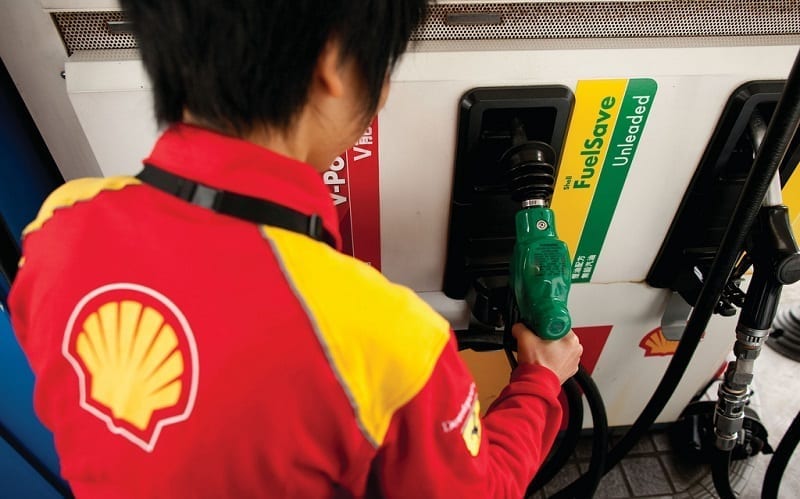
    Shell Malaysia Trading Sdn Bhd plans to open more than 20 new petrol stations to maintain its leadership in the retail fuel market in the country.

    About a third of these stations, according to theedgemarkets.com quoting Shell managing director Datuk Azman Ismail, have already been opened.

    Shell Malaysia is the number one fuel retailer in terms of market share and operates more than 900 stations nationwide.

    Apart from quantity, the company also strives to improve the quality of its services with the launch of ‘Welcome to Shell’ campaign, a three-year transformational program which aims to make the oil company the benchmark for hospitality on Malaysian roads.

  • Is Nike golf equipment journey ending?

    Is Nike golf equipment journey ending?

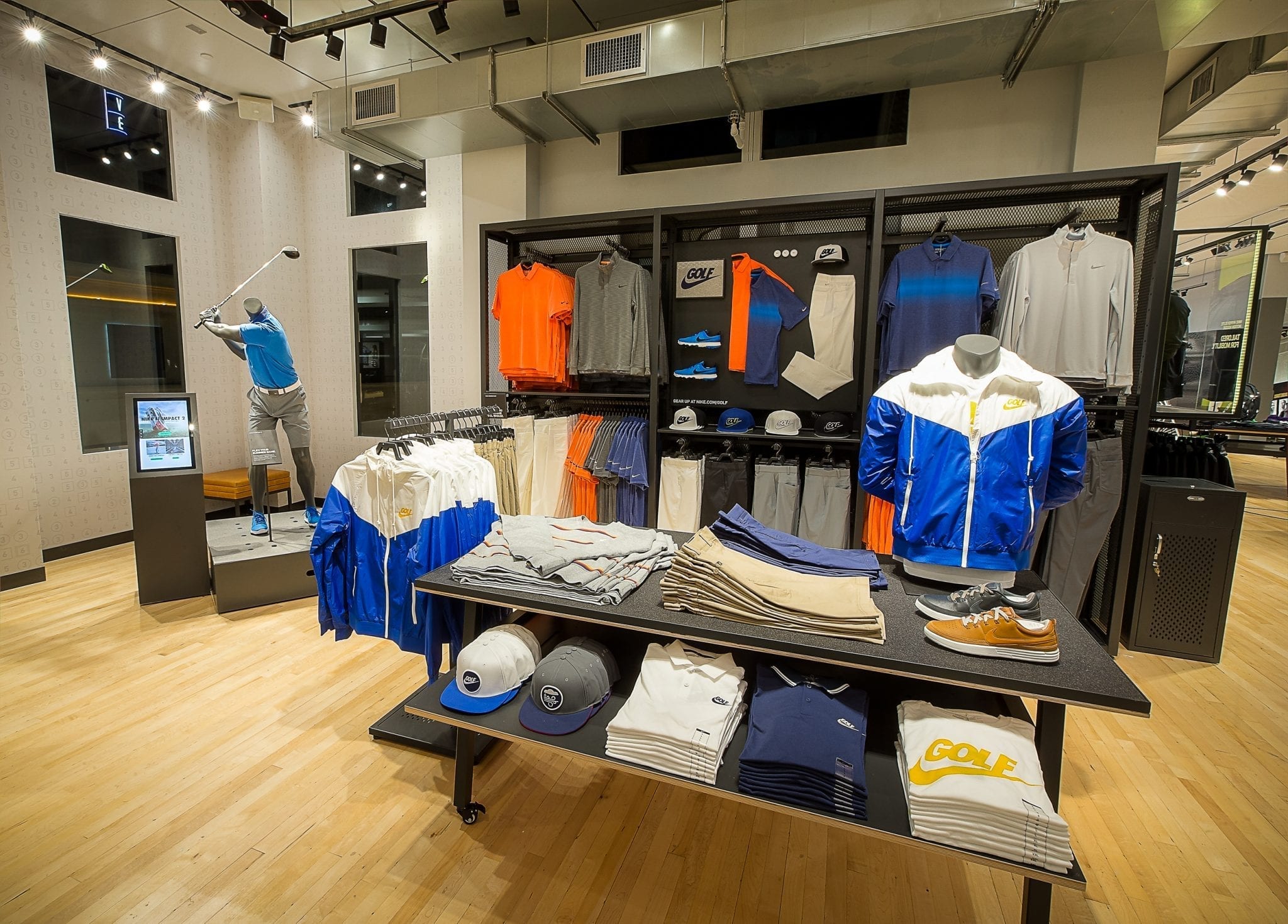
    Nike is phasing out its golf equipment business to focus on shoes and apparel.

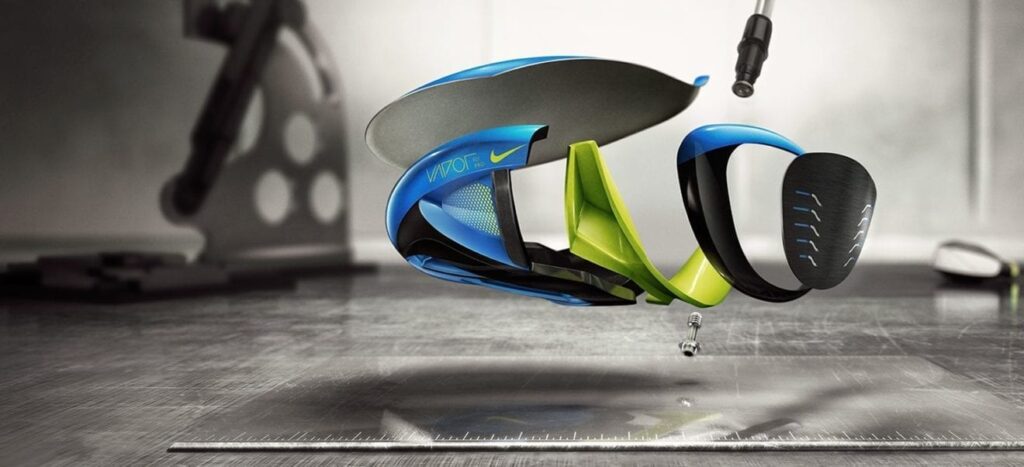
    The company has announced it is accelerating its footwear and apparel business and will transition out of Nike golf equipment range – including clubs, balls and bags.

    “We’re committed to being the undisputed leader in golf footwear and apparel,” says Trevor Edwards, president, Nike Brand. “We will achieve this by investing in performance innovation for athletes and delivering sustainable profitable growth for Nike Golf.”

    The global giant said it will continue to partner with more of the world’s best golfers as part of its changed golfing segment strategy.

    “Athletes like Tiger, Rory and Michelle drive tremendous energy for the game and inspire consumers worldwide,” says Daric Ashford, president of Nike Golf.nike golf

    “Over the past year the MM Fly Blade Polo, the Flyknit Chukka and Air Zoom 90 have all connected strongly with golfers. We’ll continue to ignite excitement with our athletes and deliver the best of Nike for the game.”

  • Duck Scarves spreads wings to mall

    Duck Scarves spreads wings to mall

    Founded by Malaysian blogger and fashion entrepreneur Vivy Yusof, online fashion outlet Duck Scarves has come to ground, opening its first store, in Pavilion Kuala Lumpur.

    duck scarves

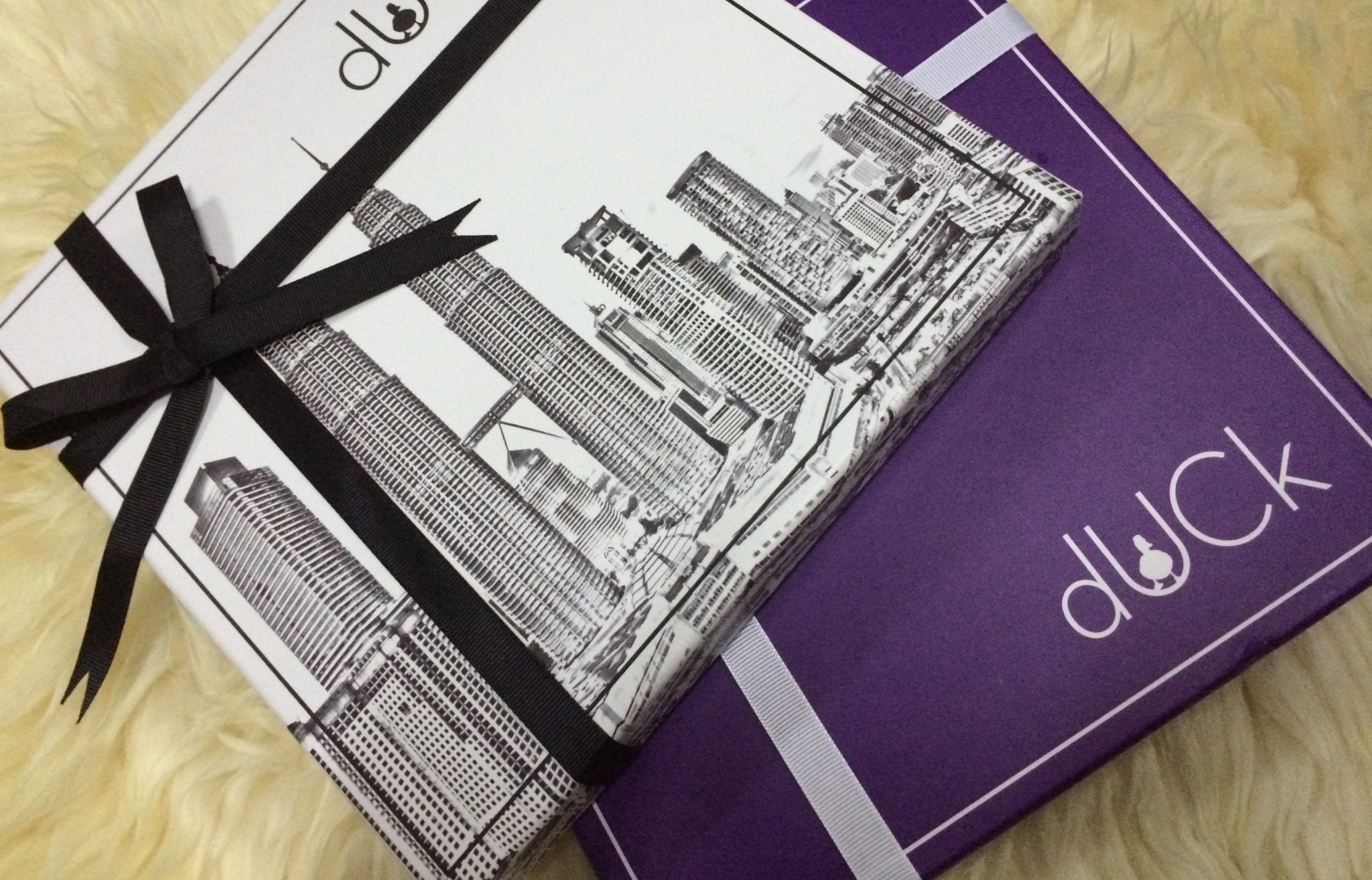
    Since launching in May 2014, Duck products have become known for their presentation and packaging, as well as design and quality. Each scarf comes with special hem detailing and a shiny Duck charm.

    Duck’s new store has a minimalist design with a spacious layout and ample light. Its grey and white palette is accented by purple, the brand’s main colour. It features a private fitting area.
    The Duck brand revolves around a character named D, and its evolution echoes her life and adventures.

  • ‘Bilateral agreement will give players greater banking access’

    ‘Bilateral agreement will give players greater banking access’

    Top Malaysian financial players with a presence in Indonesia lauded the bilateral agreement between Indonesia and Malaysia, saying it will pave the way for greater access to conventional and Islamic banking. CIMB Group chief executive officer Tengku Datuk Seri Zafrul Aziz said the agreement is positive for the banking industry of both countries. “It is an additional impetus for CIMB Group to expand its business in Indonesia, particularly in the Islamic and consumer segments, where there are a lot of growth opportunities, given Indonesia’s 260 million population.

    “We also view the agreement between Indonesia and Malaysia as an important step towards better Asean economic integration, paving the way for CIMB to continue delivering its universal banking proposition for customers in the region.” Bank Negara Malaysia and Otoritas Jasa Keuangan of Indonesia have signed the agreement which will provide more access and operational flexibility for Malaysian and Indonesian Qualified Asean Banks operating in the respective jurisdictions. The agreement permits the formation of three banking groups that meet stipulated criteria to be classified as one of the Qualified Asean Banks, which would be afforded equal treatment as local lenders.

    CIMB is eyeing further growth in its banking franchise. Its subsidiary, CIMB Niaga, is ranked as one of the top five banks in Indonesia by asset size, with a current customer base of 3.6 million. It recently posted strong first-half results. RHB Banking Group said a commercial banking presence in Indonesia remains a priority in its overseas expansion plan, adding that it will complement its existing business in the country. “From a merger and acquisition aspect, we will keep an opportunistic mind to ensure the right time, price and strategic fit into our overall group strategy to deliver better value to stakeholders,” said group chief strategy and transformation officer Christopher Loh. Islamic finance is a significant area of potential growth in the world’s most populous Muslim nation, he pointed out.

    “Malaysia, being at the forefront of Islamic finance, could provide expertise to grow this sector, which spells an opportunity for Indonesia as the government aims to deepen the country’s Islamic banking sector. ” RHB has about 14 branches across Indonesia dealing with securities and asset management business. Affin Hwang Capital banking analyst Loh Jia Ying said one more banking licence is available for Malaysian banks to expand into Indonesia, adding that it is also possible that the central bank of Indonesia may allow the Malaysian bank to acquire one of the Indonesian banks. On the impact of the agreement, he said it would be minimal in the near term for Maybank Indonesia, CIMB Niaga and the Indonesian banking sector.

    As for state-owned Bank Mandiri’s keen interest to expand in Malaysia, Loh said although the bank may have the advantage of familiarity for Indonesians here, its profitability may be limited if it focuses only on Indonesian workers, unless there is a significant change in their behavioural patterns. Bank Mandiri, the largest Indonesian bank by assets, currently has five remittance offices in Malaysia, and focuses on the revenue generated from Indonesians working here. It will also have to undertake significant work to generate more revenue from the Indonesian workers and will be limited by the smaller number of branches.