Tag: Malaysia

  • Axiata may sell up to $700m in shares in three units

    Axiata may sell up to $700m in shares in three units

    Malaysia’s Axiata Group is said to be seeking buyers for stakes in its Asian telecoms assets worth up to $700 million as part of efforts to reduce debt.

    The group may sell around 11% of Indonesia’s XL Axiata and up to 30% each of Sri Lanka’s Dialog Axiata and Cambodia’s Smart Axiata, Bloomberg reported, citing unnamed sources.

    According to the report, Axiata is seeking to cut down its debt, which had grown to 21.5 billion ringgit ($5.2 billion) as of the end of June.

    Axiata Group currently owns 83.3% of Dialog Axiata, 95.4% of Smart Axiata and 66.4% of XL Axiata, on top of its operations in Bangladesh and Pakistan and minority stakes in Singapore and India.

    In a statement responding to the report, Axiata said the company “continuously reviews various strategic options to enhance shareholders’ value.”

    The company confirmed that it has been exploring options to optimize its balance sheet since the middle of last year, “potentially including, but not limited to, the portfolio rebalancing and review of shareholding across subsidiaries.”

    But Axiata added that any reports are “speculative” unless and until any transactions are entered into and disclosed to the market.

  • Bulgari Malaysia rolls out new concept in KL

    Bulgari Malaysia rolls out new concept in KL

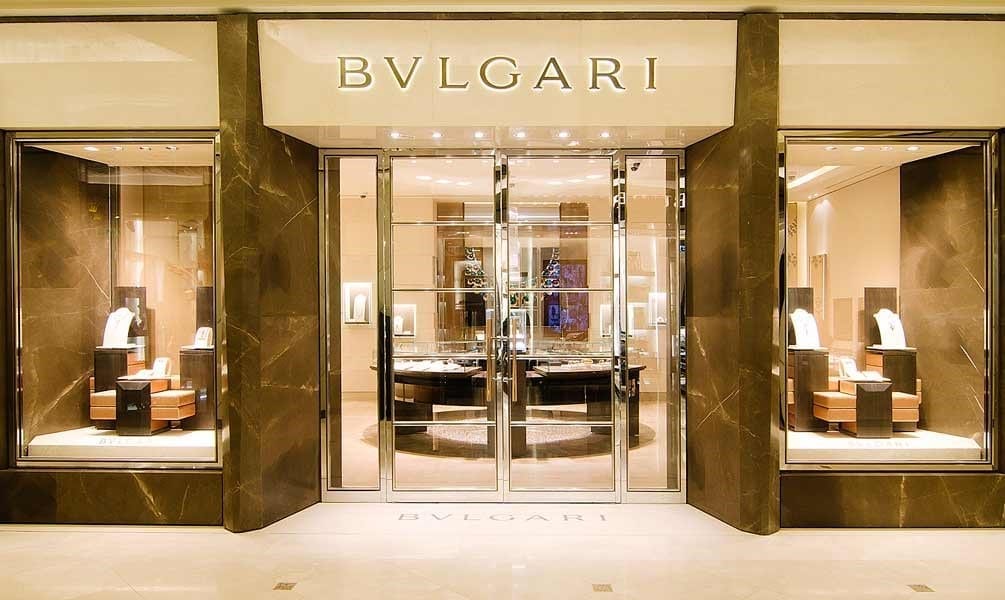
    Italian jewellery brand Bulgari has opened a store at The Gardens Mall in Kuala Lumpur, and renovated its outlet at KLCC.

    Its new store adapts the brand’s fresh architectural concept by architect Peter Marino, launched in London early this year and being rolled out in key locations internationally. It showcases the brand’s origins within its 95 sqm, echoing a street in Rome.

    Elements of this design are also evident in the renovated and relocated boutique at KLCC. The 143 sqm store draws reinterprets the marble and stone theme typical of Roman buildings.

    Both stores are adorned with Imperial Saffron shantung silk, while the walls are decorated with vintage photo endorsements by celebrities.

    At the new store, a mesh grid surrounds a VIP area.

  • New Challenger subsidiary set-up in Malaysia

    New Challenger subsidiary set-up in Malaysia

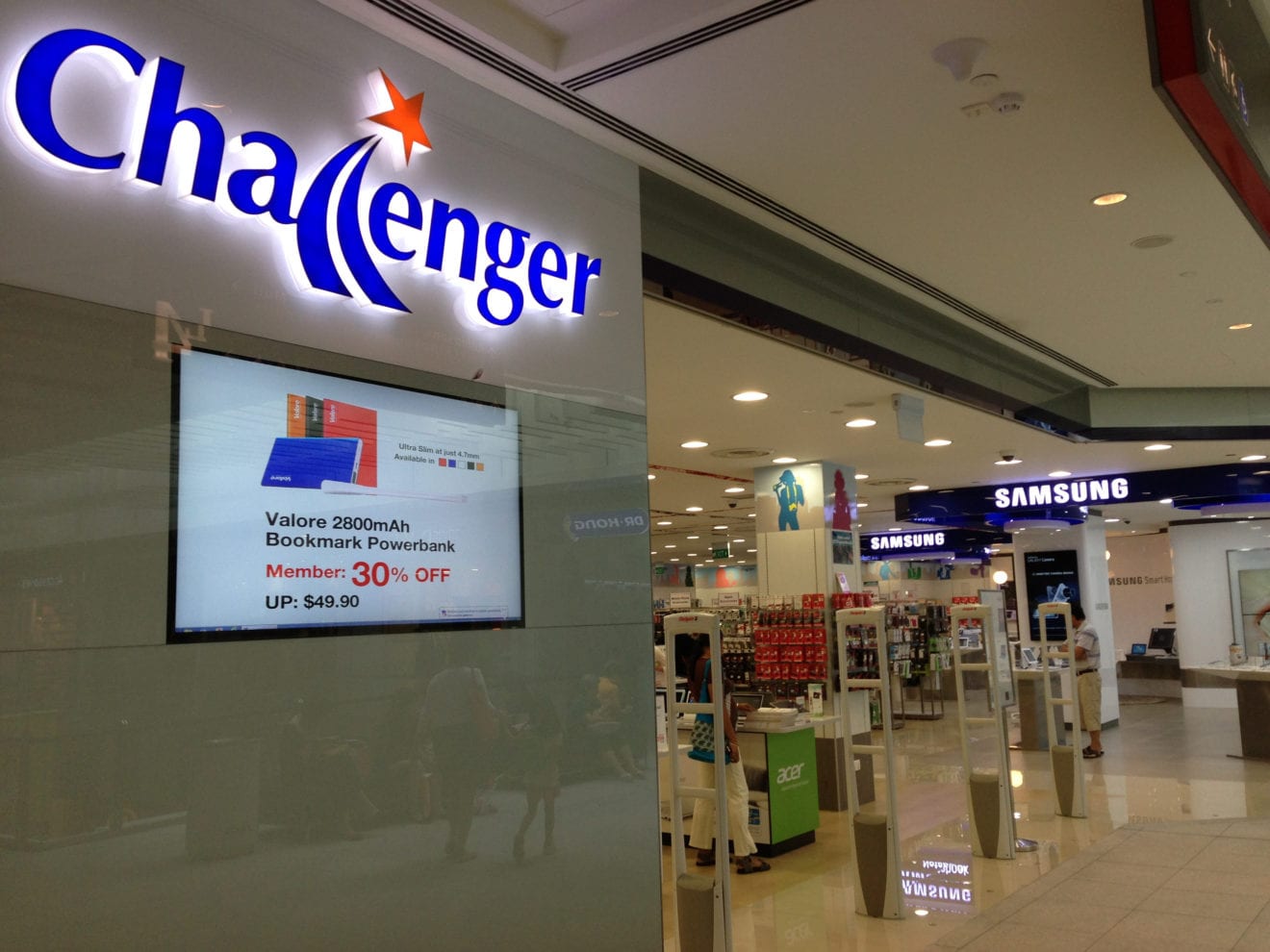
    Singapore-based retailer Challenger Technologies has set up a new wholly-owned susbidiary in Malaysisa. The new subsidiary, which is called Hachi MY, has been set up by Challenger Technologies’ wholly-owned Challenge Ventures unit. Announing the incorporation of the new subsidiary, Challenger stated that its principal business would be trading, retail, distribution and online trading if IT and lifestyle products and services.

    Established in 1984 as an IT products retailer, Challenger Technologies now operates 40-plus stores consisting of superstores, mini stores, Valore concept stores and Musica stores across Singapore.

  • A Leading Malaysian FMCG Distributor Chooses ORION ERP Suite from 3i Infotech

    A Leading Malaysian FMCG Distributor Chooses ORION ERP Suite from 3i Infotech

    Malaysian based Teik Senn (M) Sdn Bhd (TSM), a leading FMCG distributor, recently upgraded to ORION ERP Suite from 3i Infotech. The company was seeking a technology upgrade to support its business consolidation, and wanted a Cloud enabled application with real-time reports for better decision-making.

    With their distribution network spread across Malaysia and Thailand, the company required better visibility among the end users. ORION offered real-time management dashboards, such as Report Designer and Enterprise Content Search to enable TSM to stay updated as well as track the status of various departments & its processes.

    They reported several key benefits after the upgrade. Our client, Ms Chong Sok Chee said, “TSM wanted to move from a Client server setup to a Cloud enabled application. We also wanted a reporting system that enabled an end-user personalisation and customisation of views, along with real-time data for better decision-making. ORION from 3i infotech gave us an overview of the entire business through KPI management as well as a 360-degree view of products, customers and suppliers, thus providing us with user defined scheduled reports with active report designers.”

    As ORION was able to meet all of TSM’s requirements, Suryanarayan Kasichainula, EVP and Business Head (ERP) from 3i Infotech said, “The upgrade empowered TSM’s end users with real-time data to ensure better decision-making. Through this deal, which is the first for Warehouse Management, ORION is expanding its product portfolio further in the logistics space.”

  • Paradigm Mall Petaling Jaya eyes 100pc occupancy

    Paradigm Mall Petaling Jaya eyes 100pc occupancy

    WCT Holdings’ Paradigm Mall Petaling Jaya hopes to achieve 100 per cent occupancy soon following the opening of 22 outlets.

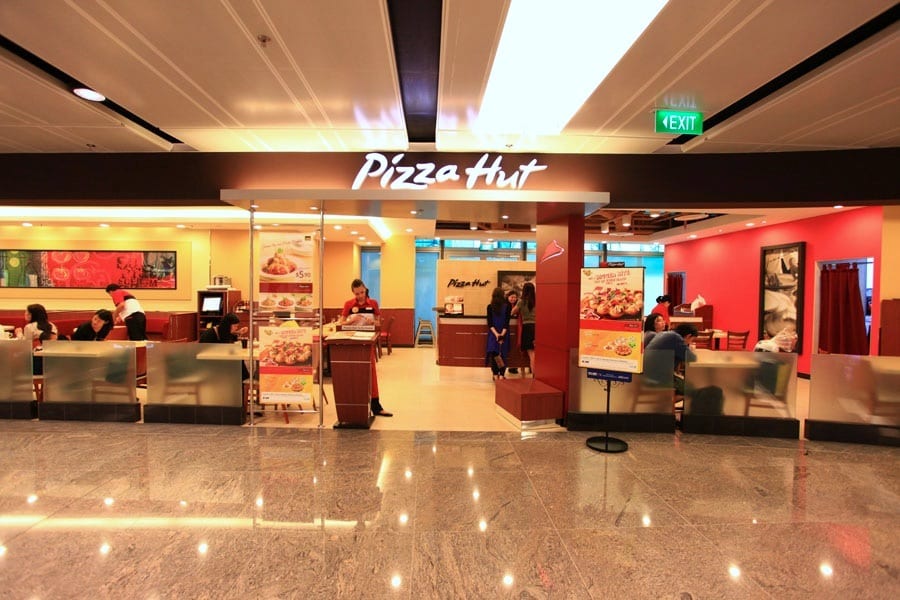
    It has welcomed new brands such as JDF, MC Vogue, Nathan’s Famous, Vareo and F&B offerings including Hong Kong Sheng Kee Dessert, MyeongDong Topokki, Pho Street, Pizza Hut Restaurant, Seaweed Club & Hot Wings and Taiwan Spicy Noodle House.

    New merchandise and service outlets include Dunlopillo, Majestic Leather Restore, Okashi World, Sunday’s, TMPoint and Wax Zone.

    “Our mall has an occupancy rate of 93 per cent, out of which 8 per cent are new tenants,” says WCT Malls Management GM Vincent Chong. “With the encouraging response, we hope to hit 100 per cent occupancy in the very near future.”

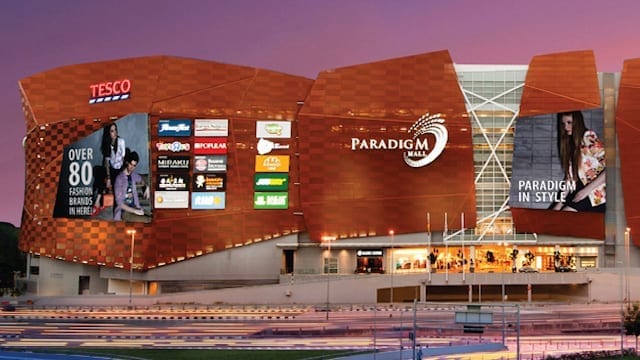
    paradigm-mall-outside
    Paradigm Mall from the outside

    More brands will be coming aboard in the fourth quarter, including DJI, FOS, Hokkaido Baked Cheese Tart, Mammamia Gelato Italiano and Sensuous Lingerie.

    Chong says Paradigm Mall PJ is part of WCT’s Paradigm Integrated Commercial Development which also comprises The Ascent Paradigm, The Azure serviced residences and the soon-to-open New World Petaling Jaya Hotel.

  • Malaysia-Singapore-Indonesia cable commissioned

    Malaysia-Singapore-Indonesia cable commissioned

    A new subsea cable company has contracted Huawei Marine Networks to deploy a 250km cable system connecting Malaysia, Singapore and Indonesia.

    Super Sea Cable Networks (SEAX) has commissioned construction of its SEAX-1 cable, which will connect Mersing on the eastern seaboard of Peninsular Malaysia with Singapore’s Changi and Indonesia’s Batam.

    Construction of the 24-fiber-pair system is expected to be complete by the end of next year. SEAX’s market focus will be wholesale operators in emerging markets, including Tier 1, Tier 2 and Tier 3 carriers who want to own but not operate cable systems.

    SEAX’s five-year plan is to target, Thailand, the Philippines, Cambodia, Vietnam and Myanmar in addition to Malaysia and Indonesia.

    The company has a facilities-based operator license in Singapore, an affiliate company in Indonesia and is partnered with telecoms infrastructure provider SACOFA in Malaysia.

    “SEAX-1 passes through one of the busiest region in the Asia Pacific region, where bandwidth demands are increasing exponentially,” SEAX CEO Joseph Lim said.

    “We believe this new submarine cable system will relieve bandwidth pressures on existing infrastructure and continue to provide this region with high-speed, reliable connectivity that will fast-track its growth.”

    Indonesia’s PT Telkom last week contracted NEC to build a subsea cable system connecting six large Indonesian islands with Singapore.

  • Govt asked to freeze shopping mall licences

    Govt asked to freeze shopping mall licences

    The Malaysia Retail Chain Association (MRCA) has asked the government to temporarily freeze issuing licences for new shopping malls to curb the oversupply of retail space.

    Its deputy president, Valerie Choo, said the number of shopping malls was likely to grow between 2017 and 2018 and this would strain the retailers’ margins.

    “There will be over 50 per cent increase in shopping mall space (once the new shopping malls are ready).

    “Too many shopping malls can be tough on the retailers as well,” she told reporters at the “MRCA Engaging with the Media” session here today.

    Choo said the retail industry has been impacted by the economic slowdown and the weakening ringgit had led to an increase in overhead costs.

    “We depend on imported goods, which have increased tremendously. We have been trying our best not to raise prices, but how long can we do it,” said Choo.

    She said Indonesia had decided to freeze shopping mall development to curb oversupply, which has slowed the growth of its retail industry.

    Choo also urged the government to spur the tourism industry to help boost sales of retailers in shopping malls.

    “The tourists can take advantage of the weaker ringgit. It will help to increase spending in shopping malls,” said Choo.

    MRCA represents over 300 retailers in Malaysia covering over 20,000 outlets and who provide over 100,000 jobs.

  • Singapore flagship leads Uniqlo Asia plan

    Singapore flagship leads Uniqlo Asia plan

    Japanese casual-clothing chain Uniqlo’s new store in Singapore takes up three floors – and marks its biggest gamble in Southeast Asia yet.

    In the Orchard Road shopping precinct, the 2700 sqm Uniqlo Singapore flagship is the brand’s largest store in the region. Its parent, Fast Retailing Co, is opening Uniqlo stores in the US, London and across Asia to help reduce its dependency on its home market where household spending is falling.

    Uniqlo Singapore - Orchard store 1

    Uniqlo has about 130 outlets across Southeast Asia, opening a six-storey China flagship store in Shanghai a year ago. Chairman Tadashi Yanai says he has plans to open 100 stores a year in China on it way to a potential 3000. There are about 30 stores each in Malaysia, Thailand and the Philippines.

    Uniqlo Singapore - Orchard store

    Meanwhile, in Japan Uniqlo closed a net six stores in August, as same-store sales decreased by 1 per cent year-on-year. Sales at company-owned stores slipped by 0.5 per cent, but the company’s increasing online business saw overall sales increase by 0.2 per cent.

    Uniqlo cited cooler temperatures in the first half of the month and heavy typhoons from mid-month onward for the store sales decline.

  • Singapore’s ViewQwest expands to Malaysia

    Singapore’s ViewQwest expands to Malaysia

    Singapore ISP ViewQwest has expanded into the Malaysian market, entering a high-speed fiber broadband joint venture with Malaysian telecoms engineering services company Televenture.

    ViewQwest has launched fiber and managed services for enterprises within Kuala Lumpur’s Golden Triangle commercial hub, Bangsar South and Cyberjaya.

    The joint venture will also offer ViewQwest’s suite of enterprise networking and managed services, including the Direct Cloud Connect Service to allow Malaysian enterprises to access cloud services including AWS, Microsoft Azure and Google Cloud which are regionally hosted in Singapore.

    By the end of the year the company plans to launch a 1Gbps fiber service for residences in the same locations, which ViewQwest expects will be the fastest residential broadband service in the nation.

    The company will also offer value-added services including Freedom DNS, which is designed to allow customers to access geoblocked media content such as Amazon Prime, Hulu and BBC iPlayer.

    “We hope to enable businesses in Malaysia to adopt more cloud services by bringing down the cost of bandwidth and to empower consumers to enjoy gigabit-speed internet from their homes. There is also a huge market to tap for businesses who want to have improved connectivity between the two closely-linked nations,” ViewQwest CEO Vignesa Moorthy commented.

    “[Singapore’s] NG-NBN lets any ISP deliver services to 1.4 million homes without the debilitating cost of building its own fibre network infrastructure. Now we have the confidence to export our expertise and experiences from running a nationwide ISP service with uber high speeds of up to 10Gbps to other parts of the world.”

  • Volkswagen sets up shop in Malaysia to handle direct sales here

    Volkswagen sets up shop in Malaysia to handle direct sales here

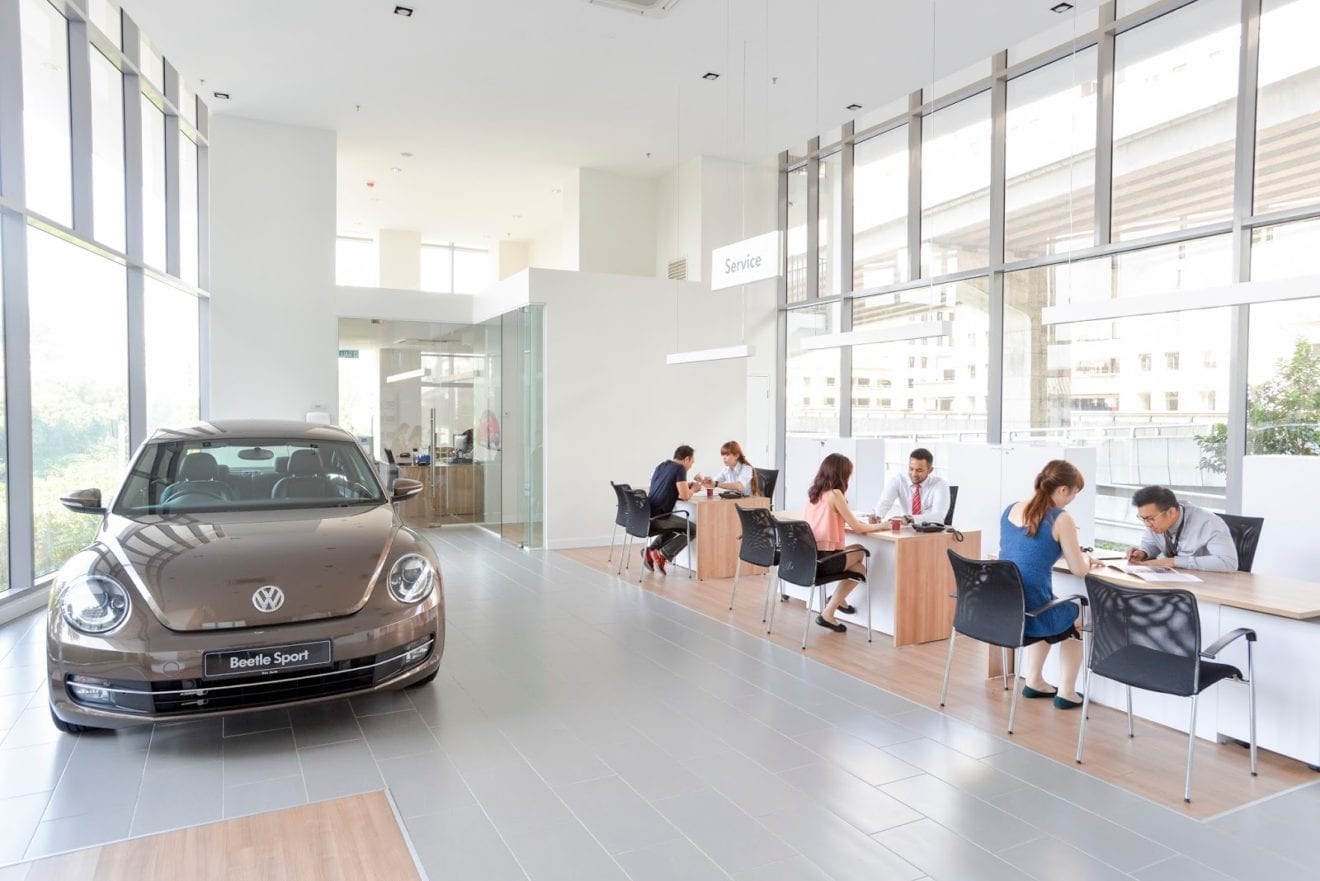
    Volkswagen Passenger Cars Malaysia (VPCM) Sdn Bhd will be the official distributor of Volkswagen cars in the domestic market.

    VPCM is managed by European automotive retail specialist, Porsche Holding Salzburg, the car distributor said in a statement.

    The announcement comes after a series of consolidation exercises within Volkswagen Malaysia over the past six months.

    Alin Tapalaga, one of two managing directors to lead VCPM, said the company would be increasing the Completely Knocked-Down model line-up, and continue to import Completely Built-Up models into the country.

    Moving forward, Volkswagen Group Malaysia will concentrate its business interest in Malaysia on the Audi brand, as well as its vehicle assembly operation in Pekan, Pahang.

    Meanwhile, VPCM is introducing a five-year manufacturer warranty for all Volkswagen cars purchased from today, while launching the new Jetta and all-new Passat within the next few months.

    The Volkswagen franchise in Malaysia was previously handled by DRB-Hicom Bhd.

  • Pizza Hut Malaysia parent to relist

    Pizza Hut Malaysia parent to relist

    QSR Brands, parent of Pizza Hut Malaysia, plans to relist, raising more than US$400 million.

    The company is Malaysia’s largest fast food operator with more than 450 Pizza Hut restaurants in Singapore and Malaysia. It has the sole KFC franchise rights for Malaysia, Singapore, Cambodia, and Brunei.

    The Wall Street Journal reports the company will prepare to accept bids this month (September), but the exact size of the offer has yet to be finalised. Majority shareholder, state government-owned Johor Corp, with a 51 per cent slice of the business, may hold onto its investment for the time being.

    ASR Brands was taken private for $1.3 billion by a consortium led by private equity firm CVC Capital Partners in 2012. The other significant investor is Malaysia’s Employees Provident Fund.

    The most recent major Malaysian IPO in the consumer sector was 7-Eleven Malaysia Holdings, which raised $225 million in 2014.

  • Report predicts $25b in eCommerce revenues

    Report predicts $25b in eCommerce revenues

    Southeast Asia eCommerce revenues are projected to exceed US$25 billion by 2020, according to new research by growth partnership company Frost & Sullivan.

    Despite acquisitions, market exits and many online retailers struggling to achieve profitability, the market earned $11 billion last year, says the report, from its Telecommunications and Digital Services program, Analysis of the Southeast Asian E-commerce Market. The study examines market trends and opportunities in six key Southeast Asian markets – Indonesia, Malaysia, the Philippines, Singapore, Thailand and Vietnam.

    Key findings include continuing rapid growth as the industry evolves.

    Total revenues from business-to-consumer (B2C) eCommerce in the six markets will increase at a compound annual growth rate of 17.7 per cent.

    Malaysia and Thailand were the largest eCommerce markets in the region last year, generating revenues of $2.3 billion and $2.1 billion respectively. But by 2020, both these markets are expected to be eclipsed by such emerging economies as Indonesia and Vietnam.

    “Despite being relatively young, the eCommerce market in Southeast Asia is developing quickly, thanks to an astounding rate of digital adoption,” says Frost & Sullivan Asia-Pacific lead consultant for eCommerce and digital transformation, Cris Duy Tran.

    “However, companies pursuing an Amazon-style B2C mass-market business model are struggling to turn a profit, and there have been several mergers and acquisitions and market exits,” he says.

    “With fewer players in the market, eCommerce players are beginning to compete beyond price points and logistics, and are moving into new areas such as Online-to-Offline (O2O) eCommerce and loyalty programs.”

    Although the mass-marketing approach has not worked so far in Southeast Asia, he says there are many exciting opportunities in specialized eCommerce and peer-to-peer (P2P) eCommerce. Services such as Carousell, Shopee and Tokopedia are aggressively pursuing a “mobile first” strategy, and Frost & Sullivan expects to see more sector-specific services in areas such as travel, food delivery and luxury goods.

    Challenges

    While the opportunities for growth are immense, says the report, the eCommerce market in Southeast Asia is not without challenges.

    Several key factors that inhibit growth have been identified, including low credit-card ownership – less than 7 per cent of the population in all Southeast Asian markets except for Malaysia and Singapore. In some countries, more than half of the population does not have a bank account, making payment the biggest challenge for eCommerce companies.

    Logistics is another issue hampering eCommerce growth, especially in areas with complex geographies such as Indonesia and the Philippines. However, recent investments by regional logistics players such as aCommerce and SingPost have strengthened eCommerce logistics infrastructure in these markets.

    China’s rapid expansion in eCommerce is providing further impetus for online retail growth in Southeast Asia, says the report.

    “The eCommerce revenue in China represented 12.1 per cent of all retail sales last year, surpassing the US, Europe and Japan,” says Tran. “Given the massive adoption of eCommerce in China, Southeast Asia is set to follow a similar upward trajectory, even though eCommerce now represents less than 2.5 per cent of all retail sales.”

    With more mergers and acquisitions likely during the forecast period, more exciting market developments can be expected in the near future, says Tran.

  • RSH launching Old Navy in Malaysia with KL store

    RSH launching Old Navy in Malaysia with KL store

    With distributor RSH, fashion label Old Navy will open its first store in Malaysia at the end of this month.

    RSH regional marketing and communications manager Roy Lan says the brand will launch a “robust” integrated campaign to raise awareness among consumers of the arrival of Old Navy in Malaysia.

    Its store will be in the 1 Utama Shopping Center in Kuala Lumpur.

    Launched in 1994, Old Navy offers fashion essentials for families. It became the first retailer in the US to reach $1 billion in annual sales in less than four years, and is part of the Gap portfolio of brands, which also includes Athleta, Banana Republic and Intermix.

    With an 800 sqm layout, the new store will offer apparel and accessories collections for men, women, children and babies.

    Its launch in Malaysia follows its entry into Indonesia this year.

    “In the next five years, if everything goes according to plan, we should have 10 stores in Indonesia and five stores in Malaysia,” says Lan.

    Malaysia is the seventh franchise market expansion for Old Navy. In launched its first franchised stores in the Philippines two years ago, and has since opened in four Middle East countries. Its move into Southeast Asia builds on the success Gap and Banana Republic have experienced since entering the market in 2007.

  • Asian online shoppers habits uncovered

    Asian online shoppers habits uncovered

    Asian online shoppers research, locate, engage with and purchase products and services in entirely different ways in different markets, according to a new report.

    For example, almost all consumers in Indonesia knowingly provide brands with wrong details, including name (93 per cent), phone number (94 per cent), and email address (95 per cent) when researching or shopping online

    And the biggest driver of online-to-offline (O2O) conversions is with email in Singapore; SMS in Indonesia; chat apps in China; social media in Malaysia and Thailand and video ads in Hong Kong.

    And 27 per cent of consumers in China and 10 per cent of consumers in Singapore unknowingly input wrong payment details, breaking the region’s eCommerce’s momentum.

    Those are among many takes from The Digital Consumer View 2016 (Asia) report, released by global information services specialist Experian today, containing research from International Data Corporation (IDC), aimed at helping businesses better understand digital consumers in Asia.

    The report reveals how consumer behaviour varies across the key Asian markets of Singapore, Malaysia, Indonesia, Thailand, Hong Kong, and China, based on surveys with over 1200 digital consumers.

    Differences exist across channels (SMS, app notifications, email, social media, chat apps), devices (smartphone, feature phone, Wi-Fi/cellular tablet, wearable) and content (ads in email, ads in mobile apps, ads in social media, video ads on websites, and search ads). The findings highlight the complexity of reaching digital consumers in Asia across many channels, but also highlight how crucial that is, says Jeff Price, MD of Southeast Asia at Experian.

    “While the region is fast-growing, consumer behaviour in each market has unique disparities. Businesses today cannot succeed without intelligent insights based on consumer data,” he advises.

    “Asia is in the midst of a great digital revolution, with an explosion of smart devices, social media interactions and eCommerce transactions. While this evolution has greatly enabled and empowered both sides, it has also challenged businesses to be more effective and targeted in the way they communicate and market to this modern, digital-savvy consumer.

    “For companies to keep up with digital consumer behaviours – how they act on information – it’s absolutely vital to adopt and leverage what their consumers are providing them with every day – invaluable data. Businesses slow to act on this data will see their competitive advantage erode.”

    Key findings

    Experian - DCV - Region - Key findings

    • Search and discovery: Social media is the top channel in Singapore (31 per cent), Malaysia (49 per cent), Indonesia (67 per cent) and Thailand (58 per cent). It’s equally important as chat apps in China (47 per cent); in Hong Kong, video ads (63 per cent) trumps all.
    • Triggering product interest: Social media, once again, is the key driver in Singapore (28 per cent), Malaysia (44 per cent), Thailand (49 per cent) and Hong Kong (25 per cent). However, in Indonesia it’s SMS (62 per cent), and in China it is chat apps (48 per cent).
    • Triggering purchase intent: Email is the biggest driver of online to offline conversion in Singapore (27 per cent); SMS tops in Indonesia (57 per cent); chat apps in China (45 per cent); social media in Malaysia (44 per cent) and Thailand (51 per cent); and video ads tie with social media in Hong Kong (23 per cent).
    • Finding good deals: For unplanned purchases stemming from promotions, email leads in Singapore (34 per cent); social media in Malaysia (50 per cent), Indonesia (68 per cent) and Thailand (58 per cent); SMS in Hong Kong (36 per cent), and social media in China (51 per cent).
    • Brand engagement: Email is key for marketers to build engagement in Singapore (58 per cent) and Thailand (60 per cent); chat apps in Malaysia (62 per cent) and China (70 per cent); banner ads in Indonesia (56 per cent), and SMS in Hong Kong (61 per cent). While email is important, marketers need to be wary: more than 70 per cent of consumers reported receiving too many emails, up from 52 per cent in 2015.

    Experian - DCV - Region - The rise of omni-channel engagement 1

    Shiv Putcha, associate director, consumer mobility and telco strategy with IDC Asia Pacific, says businesses and brands cannot afford to ignore Asia’s multi-trillion-dollar digital commerce market. China alone is now the world’s largest retail market.

    “The challenge lies in the fact that the region has extraordinary differences – language, economy, purchasing power – and consumer behaviours, especially with the digital generation. That uniqueness will not diminish over the next few years and may even increase, making it challenging for marketers not using data-driven insights to research, plan and execute effectively. The Digital Consumer View 2016 (Asia) will hopefully serve as a valuable guide to deciphering some of these key trends, mapping the path forward for brands and their connected consumers.”

    Experian - DCV - Region - Top 3 types of ads that influence consumer's buying behavior

    Key Learnings for marketers in Asia

    • Over-reliance on a single marketing channel will not work. Depending on the country and its current state of digital sophistication, marketers need to think carefully about the right mix of channels to employ.
    • Quality over quantity. Consumer preferences for receiving promotional material varies from market to market, and by specific use cases. On a broader level, more is not necessarily better. A relevant and targeted message will ensure better conversion. Too much, and consumers are inclined to unsubscribe, delete, or mark content as spam.
    • The quality and integrity of data is crucial for marketers to find success. A significant number of consumers across the region either knowingly or unknowingly provide inaccurate information, which in turn causes errors and inaccuracies in marketer’s data sets. Around 27 per cent of consumers in China but only 10 per cent in Singapore unknowingly input wrong payment details; 40 per cent of consumers in China, and over 20 per cent of consumers in the rest of the region provide a wrong address at online checkout.

    Asia comprises 49.6 percent of the world’s Internet users, according to Internet World Stats (2016), digital commerce in the Asia-Pacific (excluding Japan) region will rise to US$17 trillion by 2019, up from US$7 trillion in 2015 according to International Data Corporation (IDC). The combination of rising incomes, increased consumption, acceleration of internet use, and the proliferation of mobile broadband access continues to unlock tremendous opportunities for marketers across the continent.

  • Malaysia’s retail industry may grow by 6% this year

    Malaysia’s retail industry may grow by 6% this year

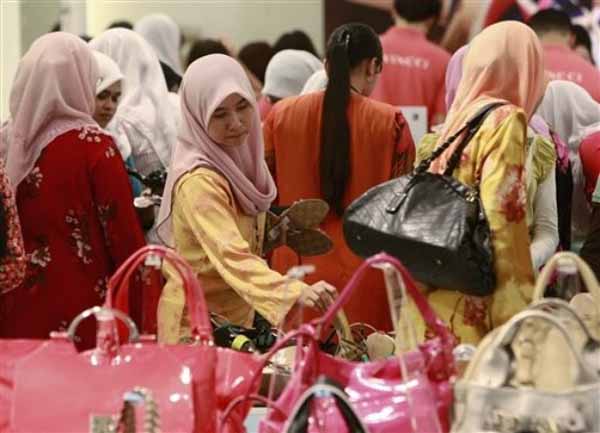
    Malaysia’s retail industry is expected to grow by 5.9% in the third quarter of this year, boosted by the timing of the Hari Raya holidays, according to Retail Group Malaysia (RGM) in the latest Malaysia Retail Industry Report.

    RGM said the projected growth would also be spurred by the Minimum Wages Order 2016 that was implemented on July 1.

    “For civil servants in Malaysia, the minimum wage increased to RM1,200 per month. This has raised the average purchasing power of the Malaysian working population to some extent,” RGM said.

    It added that the Pokemon Go app launched in Malaysia this month had also attracted more visitors to shopping centres and retail outlets throughout the country.

    “Nevertheless, it is not expected to contribute significantly to retail sales. Food and beverage outlets and grocery stores located near to Pokestops will benefit the most from this craze.”

    Mall operator Sunway Malls, in a recent statement, said Pokemon Go had resulted in a surge in traffic and sales numbers at its shopping centres locally.

    “To date, we have seen traffic increase by an average of 10% for Sunway Pyramid (pic), 8% for Sunway Giza, 6% for Sunway Putra Mall, and 4% for Sunway Carnival Mall,” said Sunway Malls chief operating officer Kevin Tan.

    “It is widely known that malls in general have high traffic during the festive period and school holidays, but the introduction of Pokémon Go has certainly spiked up the footfall for the non-peak season.”

    Meanwhile, RGM said retailers in the fashion and fashion accessories sector expected their business to slow down again, with a positive growth of only 0.2% during the third quarter of this year.

    “Retailers in the pharmacy and personal care sub-sector are expecting to maintain their recovery with a growth of 11.4% during the third quarter of 2016.”

    MIDF Research, in a report earlier this month, said it was optimistic that the launch of the new Perodua Bezza and Proton’s new batch of models, combined with the launching of new smart devices, will boost retail sales in the second half of 2016.

    Moving forward, RGM said the Malaysian retail industry’s fourth-quarter growth rate estimate remained at 5.5%, taking into consideration the growth of 1.3% achieved during the same period a year ago.

    “The projected retail sales growth rate of Malaysia’s retail industry in 2016 by RGM stays at 3.5% or RM99.5bil in values.”

    The Malaysian retail industry reported a lower-than-expected growth rate of 7.5% in the second quarter of this year compared with the same period last year.