Tag: Malaysia

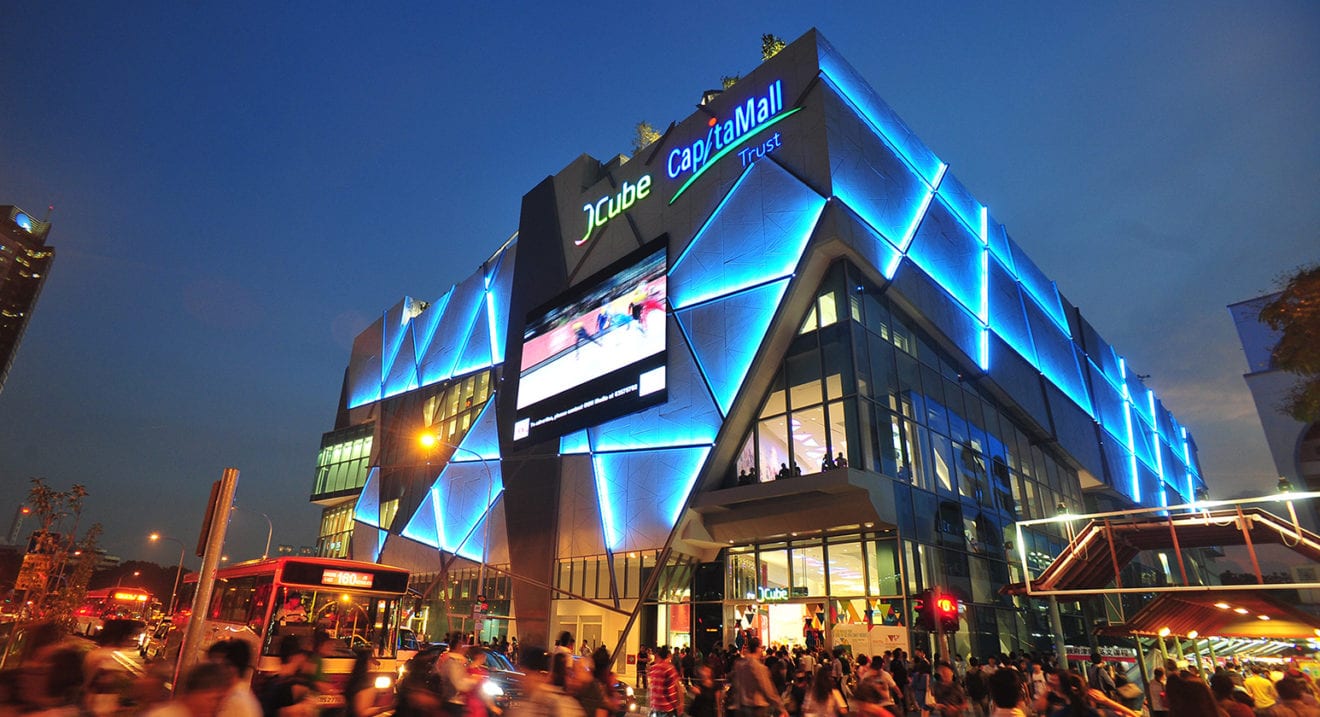
  • CapitaLand Mall Asia inks its first third-party management contract in China

    CapitaLand Mall Asia inks its first third-party management contract in China

    The contract with Changsha Pilot Investment Holdings Group Co is for Fortune Finance Center, an integrated development in Changsha, the provincial capital of Hunan in central China, CapitaLand announced on Wednesday (Aug 31).

    It said the deal marks the beginning of an enhanced asset-light strategy to enlarge its mall network through third-party management contracts to complement its core strategy of developing, owning and managing malls.

    The scope of the contract covers asset planning, pre-opening and retail management for a total gross floor area, excluding car park, of 95,000 square metres (about 1 millio square feet) that spans seven levels – five levels above ground and two basement levels.

    Currently under construction, the mall is targeted to commence operations in end 2018. It is owned by Changsha Pilot Investment Holdings, a Chinese state-owned developer which currently has seven projects in Changsha.

    Said Mr Jason Leow, CEO of CapitaLand Mall Asia: “We continue to be on the lookout for suitable acquisition opportunities to grow our mall portfolio even as we seek to enlarge our network through third-party management contracts. By managing quality third-party malls for which we have a right of first refusal to acquire, we are also paving the way for future acquisitions.

    “Through this multi-pronged approach, we will be able to maximise opportunities to expand our mall and retailer network, increase recurring income and further strengthen our leadership in the shopping mall sector in the region.”

    With this contract, CapitaLand doubles its presence in Changsha, where it currently owns and manages CapitaMall Yuhuating, a 62,000 sqm mall, approximately 10 km) from Fortune Finance Center.

    It is also expanding its presence in China, where it has a network of 65 malls. Across Asia, CapitaLand now manages a total of 104 malls in Singapore, China, Malaysia, Japan and India.
  • Isetan to open Japan Store Kuala Lumpur

    Isetan to open Japan Store Kuala Lumpur

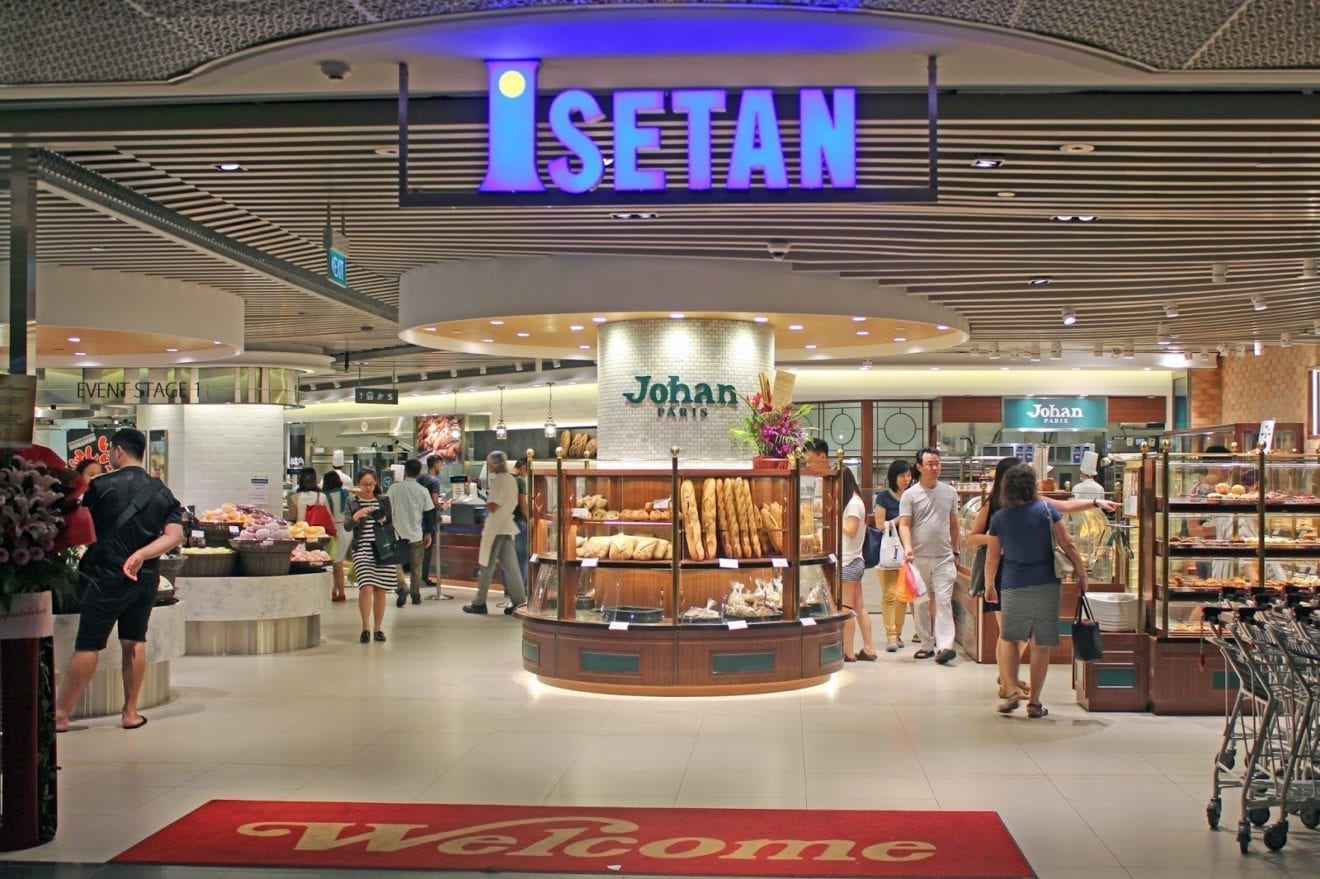
    The Isetan Mitsukoshi Group will open a new specialty store, Isetan The Japan Store Kuala Lumpur in Malaysia at the end of October.

    “As global interest in Japan continues to grow, we are pleased to introduce Japanese history, culture, technology, diversity and lifestyle designs,” the company said, announcing the initiative.

    “The new store will deliver Japanese lifestyles and aesthetics to customers. We will bring not only the best of Japan, but authentic Japanese experiences as well.”

    The venture has the support of the government-financed Cool Japan Fund Inc.

    Comprising 11,000 sqm of floor space, Japan Store Kuala Lumpur will be located in the renovated Lot 10 and have six storeys introducing high-quality products, experiences and services:

    • LGF: New dining style based on authentic Japanese tastes and technologies – groceries, sake, beer & whisky, Japanese and Western sweets and green tea, delicatessen, eat-in dining space, fresh foods, etc.

    Isetan Japan store KL - LGF

    • GF: Fashion, art, technology.

    Isetan Japan store KL - GF

    • 1F: Japan’s fashion culture, a melting pot of unique combinations.

    Isetan Japan store KL - 1F

    • 2F: A collection of products featuring unique Japanese materials and technology to “enhance beautiful, healthy lifestyles”.

    Isetan Japan store KL - 2F

    • 3F: Experience Japanese culture – bookstore, culture academy, photo lounge, etc.

    Isetan Japan store KL - 3F

    • 4F: Restaurant floor featuring authentic Japanese cuisine to open in January 2017.

    Hiroshi Ohnishi, Isetan Mitsukoshi president and CEO said the company will introduce Japan’s exceptional products, experiences and services to the world.

    “In 2011, Japan’s Ministry of Economy, Trade and Industry (METI) launched Cool Japan, a program promoting the introduction of regional products, fashion and other content to the world. In this context, the Isetan Mitsukoshi Group has promoted the Japan Senses campaign, introducing to our customers remarkable traditional crafts from all over Japan, styling them with a newborn originality. Now, to more clearly convey the spirit of Cool Japan, we are ready to show the world the exceptional craftsmanship Japan is proud to offer.”

  • Loss deepens for FJ Benjamin Holdings

    Loss deepens for FJ Benjamin Holdings

    Restructuring has taken its toll on FJ Benjamin Holdings’s bottom line.

    The fashion and lifestyle brand management company has deepened its full-year net loss to S$23 million (US$16.9 million) for its latest financial year, compared to S$17 million the previous year.

    Group turnover subsided 14 per cent to S$253.6 million. Excluding the translation effects of foreign currency, the fall was 10 per cent.

    Turnover from the fashion business declined 9 per cent to S$212.5 million, while timepieces fell 13 per cent to S$51.6 million, after excluding currency translation loss.

    FJ Benjamin attributes the turnover decline to the closing of non-performing stores, discontinued businesses and the closure of its north Asian business, plus a S$10.4 million loss in converting Malaysian ringgit to Singapore dollars. These factors more than offset a slight increase in sales from franchise brands.

    Gross profit margin was 39 per cent against 41 per cent in the previous year because of increased promotional expenses.

    The group operating loss, excluding a one-time gain of S$19.6 million from the sale of mandatory convertible bonds and the sale of properties last year, was 32 per cent lower year on year at S$19.9 million.

    FJ Benjamin says it expects the trading environment to remain challenging amid uncertain economic slowdown in its key markets.

    “The restructuring that started in 2013 has been substantially completed, and associated losses are unlikely to recur,” says the group.

  • Pos Malaysia Q1 net profit jumps 40% to RM32mil

    Pos Malaysia Q1 net profit jumps 40% to RM32mil

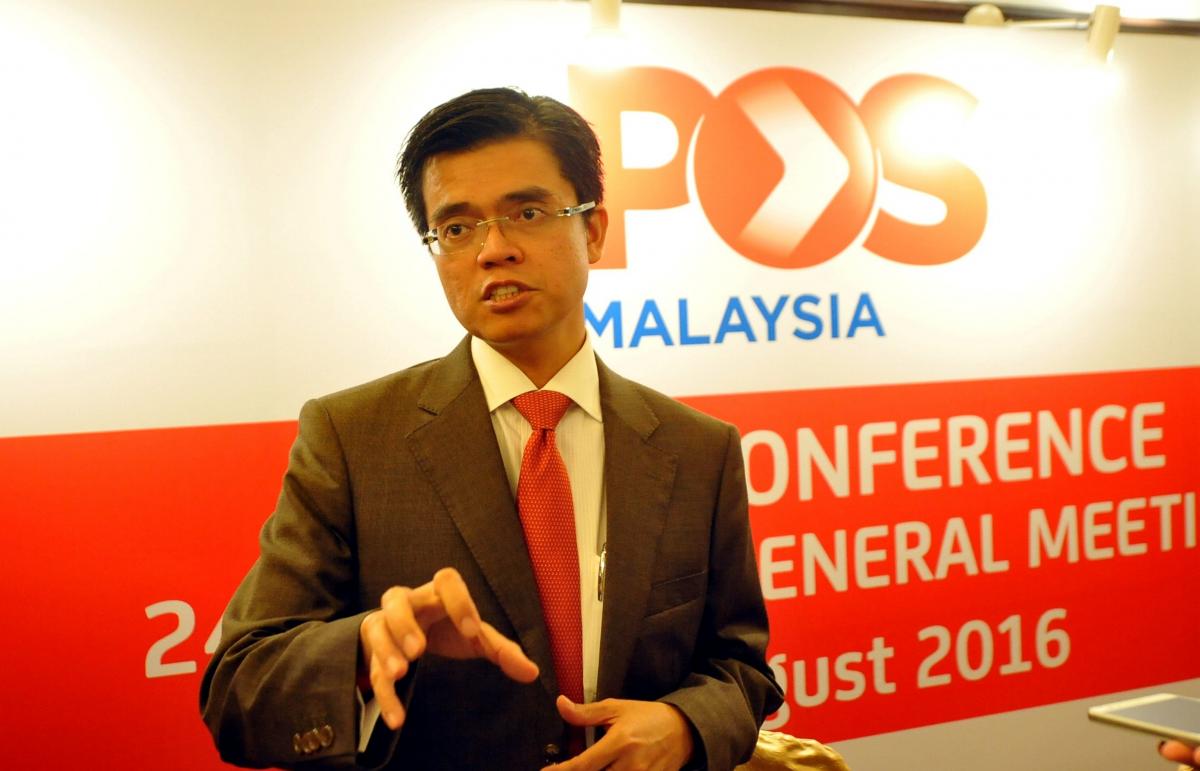
    Pos Malaysia Bhd’s net profit for its first quarter ended June 30, 2016 grew 40% to RM31.84mil, from RM22.74mil a year ago, despite operating in the current challenging environment, said group chief executive officer Datuk Mohd Shukrie Mohd Salleh.

    The increase was due to higher profits generated from its courier segment that was driven by demand from its e-commerce and online businesses. First quarter revenue rose to RM415.87mil from RM390.37mil a year earlier.

    Shukrie said Pos Malaysia is focussing to transform itself into a one-stop fully integrated logistics services provider through the recently approved and soon-to-be-completed corporate exercise of acquiring Kuala Lumpur Airport Services Sdn Bhd (KLAS) group of companies.

    The company will also introduce more new 24/7 e-commerce convenient touch points when it unveils a slew of new services. The company will also enhance facilities at all Pos Laju Centres and post offices nationwide. It is planning a total of 110 more touch points from the current total of 1,030 throughout Malaysia by end of 2016, Shukrie said.

    In a separate Bursa filing yesterday, the company said its courier segment registered higher revenue of RM162.8mil in the first quarter of this year compared with RM148.1mil a year ago.

    The upward performance was driven by increase in demand from e-commerce, the company said. Its postal services segment registered lower revenue of RM206.7mil in the first quarter of 2016 compared with RM230.6mil a year ago.

    “This is due to lower revenue for direct mail for mail segment and decrease of transactions from bill payment for retail segment,” Pos Malaysia said.

    Its international segment registered lower revenue by RM16.4mil as compared to RM36.1mil a year earlier due to lower transactions from transhipment business segment.

    Meanwhile, Pos Malaysia’s other segments which consist of digital certificates, printing and insertion registered higher revenue by RM7.8mil in the first quarter of this year due to higher business volume attributed to sales of digital certificates, as well as printing and insertion.

    Going forward, the company said its longer term prospects remain closely tied to the growth in the fulfilment and delivery of merchandise arising from the growth of e-commerce.

    “Investments by global e-commerce giants into the South-East Asia’s e-commerce players, for example the acquisition of Lazada by Alibaba, support the growth and development of the industry in the region.”

  • Robust profit for 7-Eleven Malaysia

    Robust profit for 7-Eleven Malaysia

    Despite a sluggish retail market, 7-Eleven Malaysia had robust after tax profit, growing 40.3 per cent, in its second quarter compared with the same period last year.

    Gross profit margin continued to improve, and the average customer spend edged up 4 per cent.

    A milestone was the opening of the 2000th 7-Eleven store in Malaysia.

    CEO Gary Brown says the net profit growth was achieved in a tough market in which the introduction of GST on April 1 last year dampened consumer FMCG spending.

    “We remain confident that continuous store expansion, refurbishment, promotional activity, improved merchandise mix and expanded in-store services will continue to deliver positive results despite the challenging headwinds.”

    Revenue for the second quarter, ended June 3, grew by 4.8 per cent to RM505.7 million (US$125.7 million). This was driven by store expansion, improved merchandise mix and promotional activity.

    Gross profit was up 6.8 per cent to RM156.7 million, mainly because of the revenue growth and gross profit margin expansion of 0.6 per cent.

    Profit before tax of RM21 million surged by 38.1 per cent, driven mainly by the revenue growth, gross profit margin expansion, other income growth and cost control.

    For the six months ended June 30, the group’s revenue grew 4.5 per cent to RM1.03 billion, driven by expansion (at the period end, the group had 2001 stores). Gross profit improved by RM18.9 million, or 6.3 per cent, thanks to the revenue growth plus gross profit margin edging up 0.5 per cent.

    Profit before tax was RM43.3 million, up 22 per cent.

  • CBRE Research urges landlords to engage

    CBRE Research urges landlords to engage

    Online and offline retailing in Southeast Asia is expected to merge further, according to a new study by CBRE Research Singapore.

    Its report It’s All About Place-making urges landlords to play their part to stay ahead in a fast-changing retail landscape where consumers transit seamlessly from physical to digital platforms.

    CBRE Research projects that nearly 4 million sqm of city retail stock across Malaysia, Singapore, Thailand and Vietnam will be completed in the next three to five years. CBRE studied retail stock in Bangkok, Hanoi, Ho Chi Minh City, Jakarta, Kuala Lumpur and Singapore.

    “Some retail developments across these six cities have had to shut down in the face of high vacancy rates and low footfall as they failed to capture consumers and retain tenants,” says the report. “One suggestion is for landlords to acquire eCommerce platforms or set up logistics networks to give consumers the fully integrated omnichannel experience.”

    Established shopping centres with online platforms that provide “click-and-collect” or “store-to-door” services give consumers a higher sense of reliability and earn trust as well, says the report.

    “Both physical and online-only retailers are also more inclined to expand their footprint in these shopping centres in their bid to incorporate an omnichannel strategy.”

    Wave of change

    Combining both online and offline channels is one of five strategies CBRE Research recommends to landlords as Southeast Asian economies cope with structural shifts in the face of disruptive technologies.

    This wave of change has affected retail sales across the markets, with CBRE Research using the PLACE acronym…

    Place-making: Conceptualising shopping developments with the consumer’s experience at the forefront. A good social experience makes a strong positive association on the consumer and is tougher to replicate on the digital platform, says the company.

    Leveraging technology: Landlords should take advantage of the high internet and smartphone penetration among SEA consumers to improve the offline shopping experience. Technology can provide consumer insights and interaction while helping boost foot traffic and sales.

    Actively engaging: Forging personal connections with consumers is imperative for landlords to stand out from the competition and gain loyalty. Tenant engagement, and landlords need to find ways to show support.

    Combining channels: Landlords can break down the silos between online and offline by helping tenants incorporate an omnichannel strategy through vertical and horizontal integration, such as acquiring an eCommerce platform or setting up a logistics network to fulfil delivery needs.

    Engaging digital tenants: Landlords should seek to lease space to up-and-coming eCommerce retailers as they are likely to be more savvy about digital marketing and in tune with modern consumer needs.

    New needs

    “The onus of ensuring that stores in shopping centres remain an important and relevant touch point for consumers should not lie with retailers solely,” says CBRE Research Singapore/Southeast Asia head Desmond Sim. “The roles of the asset manager, landlord and shopping centre need to evolve to cater to the new needs of retailers and consumers amid stiff competition.

    “This task is all the more urgent as the market is anticipating a surge in internet use among developing countries, particularly Indonesia and Vietnam where mobile phone use has the greatest potential to increase.”

    Store-based retailing will stay the key point of purchase among SEA consumers in the next five to 10 years and account for at least 90 per cent of total sales value, says CBRE Research. However, landlords will face increasing pressure to make every visit to the shopping mall a memorable experience.

    With its headquarters in Los Angeles, CBRE Group is a commercial real-estate services and investment firm with more than 400 offices worldwide.

  • FJ Benjamin secures Marc Jacobs rights

    FJ Benjamin secures Marc Jacobs rights

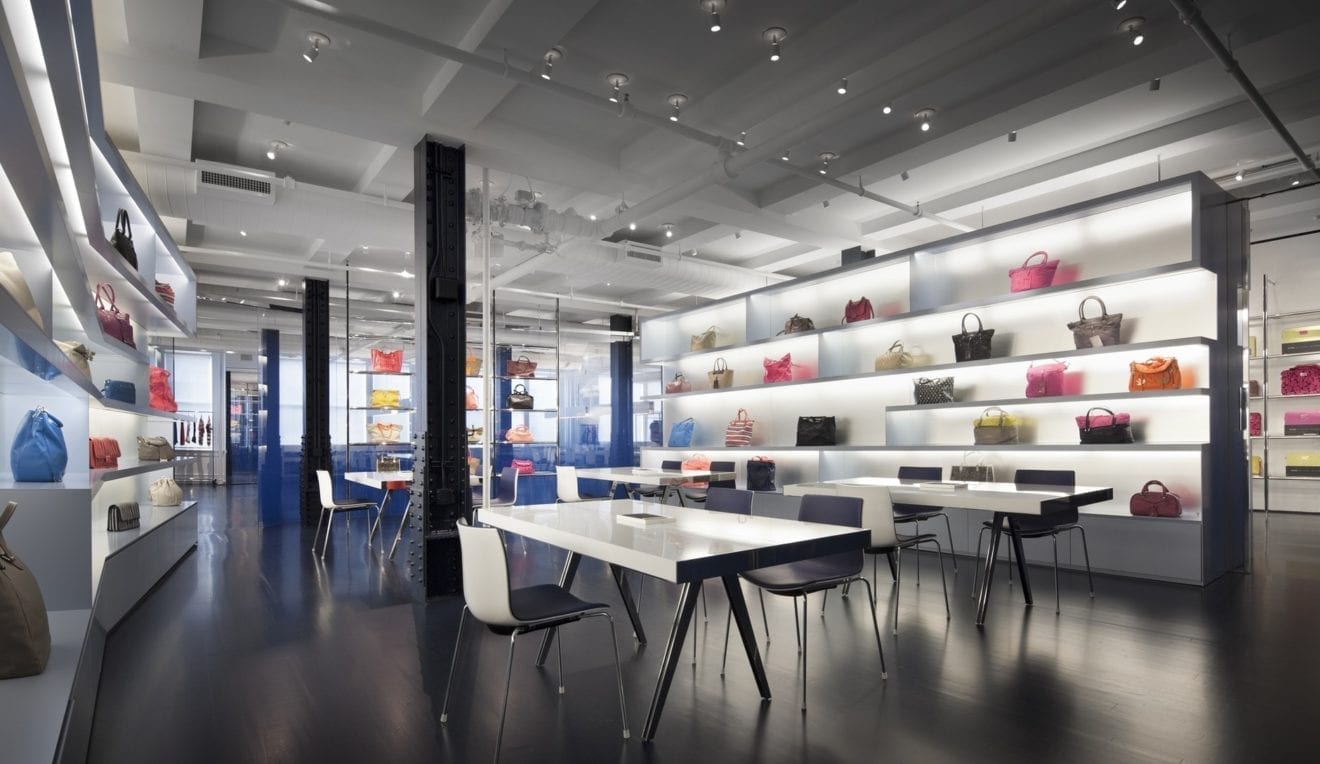
    Singapore fashion and lifestyle group FJ Benjamin has secured exclusive rights to distribute the Marc Jacobs brand.

    An agreement with Marc Jacobs International allows FJ Benjamin to open Marc Jacobs stores in
    Indonesia, Malaysia and Singapore.

    FJ Benjamin plans to open four stores in the next two years carrying the full range of the American designer’s women’s ready-to-wear, shoes, jewellery, bags and accessories.

    Starting his own label at the age of 23 in 1986, Jacobs became the youngest designer to win the Perry Ellis Award for New Talent from the Council of Fashion Designers of America.

    FJ Benjamin Holdings group COO Douglas Benjamin describes Marc Jacobs as one of the most exciting and sought-after fashion brands.

    Dating back to 1959, FJ Benjamin Holdings specialises in brand building and management through distribution and retail. With offices in Indonesia, Malaysia and Singapore, it manages more than 20 brands and has 226 stores.

  • Sunway’s footfall and sales up due to Pokemon Go

    Sunway’s footfall and sales up due to Pokemon Go

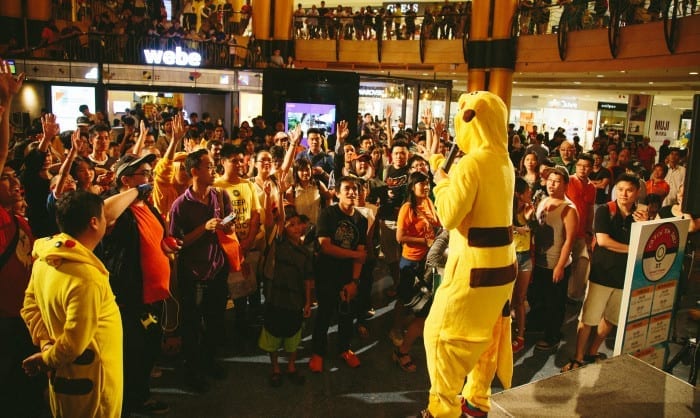
    Sunway Malls is seeing a surge in traffic and sales on the back of the launch of its Pokemon Go Lure Module earlier on 9 August- just a few days after the popular game was officially introduced in the country.

    The retail group said in a statement to A+M, with the retail industry already beset with a 4.4% fall in Q1 2016, the surge has offered a temporary relief for retailers. In comparison, growth was up 4.6% a year ago according to Retail Group Malaysia’s figures.

    Riding on game’s ability in moving large traction of traffic across various Poke stops, Sunway Malls was among the early adopters of the lure module activation to drive traffic into group’s four malls – Sunway Pyramid, Sunway Putra, Sunway Giza and Sunway Carnival in Klang Valley and Penang.

    “To date, we have seen traffic increase by an average of 10% for Sunway Pyramid, 8% for Sunway Giza, 6% for Sunway Putra Mall, and 4% for Sunway Carnival Mall,” Kevin Tan, chief operating officer of Sunway Malls said.

    Sunway said its preliminary report also suggests a rise in sales especially for its F&B retailers.

    “We are unable to verify exactly the total amount of overall sales achieved at the moment, but some of our retailers have shared that their shops have been busy because of the campaign. Currently, it looks like F&B operators have the most to gain whilst fashion retailers see the traffic but business is as usual,” Tan added.

    For example, for its Sunway Pyramid – F&B operator Gong Cha at recorded a 10% increase in sales while snacks retailers J&G Chicken and Crispy Crust saw higher than average sales. Similar trends were also observed in both Sunway Putra Mall and Sunway Giza, averaging an 8% increase.

    Over in Penang, Sunway Carnival reported the best results by far, with retailers such as Bread History recording a sales increase of 50% since the campaign began. Meanwhile, F&B operators Mocktail Bar and Blackball saw a 30% increase while Winter Warmers reported a 20% increase in sales.

    Other F&B operators of the mall such as Chatime, Sushi King, Kim Gary, New Zealand Natural and Shihlin Taiwan Street Snacks recorded a 15% increase in sales while Sakae Sushi, Yoshinoya, Starbucks and Kaffa Signature saw sales increased by 10%.

    A check on Google Trends also showed that the search for Sunway Pyramid coordinate shot up by a whopping 5000% due to its popularity as one of the locations with the most Poke stops, whereas Sunway Putra Mall saw a 180% increase for searches related to the mall’s tenant offerings.

    Much of this could be attributed to the fact that Malaysia was made to wait for Pokemon Go launch until recently, said the company. The game has been trending worldwide pending its official release here.

    “We saw it as our opportunity to leverage on game’s immense potential. The one thing unique about Pokemon Go is that gamers are finally coming out of their houses and converging in the outdoors. They have to explore their surroundings and learn the locations of the stops and gyms and familiarise themselves with whichever areas they are in, which is great for us as it means they explore our mall.  All these will ultimately translate into business and sales for our retailers,” Kevin said.

    It is widely known that malls in general have high traffic during the festive period and school holidays, but Sunway said – the introduction of Pokemon Go has certainly spiked up the footfall for the non-peak season.

    Ever since the introduction of GST (Goods & Service Tax) April last year, Malaysians were subsequently hit by the removal of petrol subsidy, sugar, inflation and drop in currency value.

    The retail and mall industry has been hit with lower consumer confidence, lower consumer spend and certainly lower footfall for certain malls. This prompted various malls in Malaysia to step up efforts in attracting more footfall, and riding the well-received Pokemon Go games is just one of the many strategies in place.

  • RHB Bank to assess opportunities in Indonesia

    RHB Bank to assess opportunities in Indonesia

    RHB Bank Bhd, which saw its bid to acquire a stake in Indonesia’s PT Bank Mestika Dharma Tbk fall through, is optimistic about the prospects in that country and and will assess the opportunities.

    Group Managing Director, Datuk Khairussaleh Ramli, said the Indonesian market was good with banks recording stronger credit growth and higher return on equity compared to Malaysia’s.

    It has been reported that, on average, an Indonesian bank’s return on investment was between 15% and 20% compared with Malaysia’s 9) and 11%.

    “(However) at this point there is nothing on the table for us to look at and when it does we will have to evaluate the opportunity,” he said after announcing RHB Bank’s first-half 2016 financial results here on Wednesday.

    He said the recent bilateral agreement signed between Indonesia Financial Services Authority (IFSA) and Bank Negara Malaysia would pave the way for banks to have greater access in both countries.

    In 2009, RHB Bank, which was then the banking unit of RHB Capital Bhd had, proposed to acquire 80 per cent of PT. Bank Mestika Dharma Tbk for RM1.16 billion but IFSA’s move to limit the foreign ownership to 40 per cent emerged as a stumbling block for the deal to be signed.

    The second bid to acquire a 40% stake, also fell through after RHB Capital did not get the Indonesian authorities’ approval before the deadline of the sales and purchase agreement on June 30, 2014.

    Also under its own corporate exercise, on April 14, 2016, RHB Bank emerged as the new group’s holding company and it was listed on Bursa Securities on June 28, 2016.

    For the first half-year ended June 30, 2016, its pre-tax profit fell by 12.7% to RM1.22bil due to a one-off impairment on a corporate bond in Singapore. For the first-half of 2015, it reported a pre-tax profit of RM1.40bil.

    Revenue for the six months of 2016, however, rose to RM5.42bil from RM5.37bil.

    Khairussaleh said the financial market would remain challenging due to the macro-economic uncertainties in most parts of the world.

    “The risks of external demands and softer consumer sentiments are expected to moderate Malaysias gross domestic product growth in 2016 to 4% from 5% last year.

    “The banking sector growth too is expected to remain modest, attributable to a deceleration in corporate loans market and ongoing consolidation of household loans sector,” he said.

    He said although the bank’s performance in the second quarter was affected by one large impairment on securities, RHB was on track to achieve its long-term objectives set under the reframed strategy of focusing on performance.

    For the second quarter ended June 30, 2016, pre-tax profit stood at RM469.33mil, down from RM724.9mil a year ago. Revenue increased to RM2.68bil from RM2.65bil previously.

    “The group will stay on course in executing the various initiatives under its transformation programme, while continuing to be vigilant amid a challenging macro environment and volatility in the market place,” he said.

  • Allianz secures distribution rights with Malaysia’s Maybank

    Allianz secures distribution rights with Malaysia’s Maybank

    Allianz is hoping the agreement will give access to Maybank’s 4 million customers in Asia. The insurer said it has jointly developed three life insurance products with Maybank which includes a unit-linked life insurance product compliant with Islamic Shariah law, a single-premium investment product and a life policy which combine protect with investment. “This partnership demonstrates Allianz’s continued focus on growing in the Asia region, of which Indonesia is a key priority.

    We’re excited to bring our multi -channel approach, innovative products and digital expertise to serve the protection needs all Maybank customers,” said Allianz’s regional chief executive for Asia Pacific, George Sartorel, in a statement on Tuesday. Under the collaboration, a team of more than 150 insurance advisers will sell the products to Maybank clients via their retail branches. Joachim Wessling, chief exectuive of Allianz Life Indonesia said: “This cooperation between two outstanding companies combines our strengths in providing world-class services and solutions, to deliver insurance protection tailored to our customers’ needs. We look forward to working closely with Maybank to secure a safer future for our customers in Indonesia.”

    Last week, it emerged that Allianz and France’s Axa are locked in a bidding war to acquire the 15-year distribution rights to sell insurance products through Standard Chartered’s channels in Asia. Meanwhile, Hanwha Life, South Korea’s second largest life insurer, is set to pump KRW150bn (£102m, €121m, $134m) into its Indonesian arm in a bid to expand its foothold in the country’s booming insurance sector.

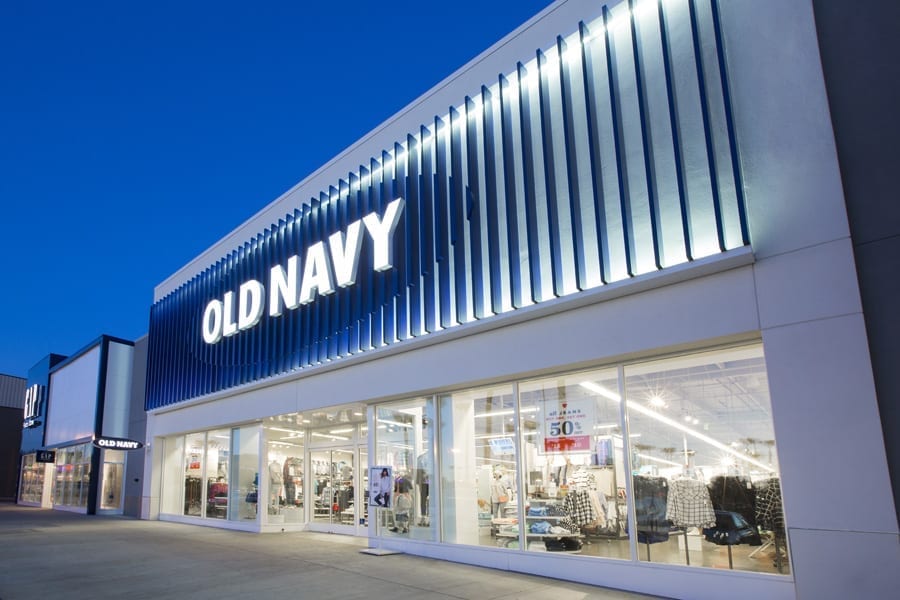
  • Old Navy Opening Doors At First Store in Malaysia

    Old Navy Opening Doors At First Store in Malaysia

    Global apparel brand Old Navy announced today that it is opening its first store in Malaysia at 1 Utama Shopping Center, the fifth largest mall in the world, which is located in the heart of MSC Malaysia Cybercentre Township Bandar Utama. Old Navy makes current American fashion essentials accessible for every family, with a focus on fashion, family, fun and value. The brand launched in 1994 and quickly became one of the top apparel brands in the United States, making history in 1997 as the first retailer to reach $1 billion in annual sales in less than four years. Old Navy is part of the Gap Inc. portfolio of brands, which also includes Gap, Banana Republic, Athleta and Intermix.

    The brand’s entry into Malaysia marks another milestone in Old Navy’s continued global growth strategy. The first store will feature the same great product that the brand has become known for in the United States and will offer apparel and accessories collections for men, women, kids and babies. It will also provide a fun and energizing shopping experience for customers, featuring a spacious 800 square meter layout and Old Navy’s newest store design.

    The store will open its doors on September 30 at 5:00 pm and will be open until 10:30 pm. To celebrate the opening, customers can enjoy fun activities, meet special guests, and receive RM60 back when they spend RM200 and above. Additionally, the first customers in line will receive a free limited edition Old Navy Malaysia tote bag with any purchase, and the first 100 customers will be eligible to win a RM1000 shopping spree.

    This is the seventh franchise market expansion for Old Navy. In March 2014, the brand opened its first franchise-operated stores in the Philippines and has since opened stores in Qatar, Kuwait, Saudi Arabia, the UAE, and most recently, Indonesia. The brand’s move into Southeast Asia builds on the success that Gap and Banana Republic have experienced since entering the market in 2007.

    Franchise partner RSH Limited has a 39-year history of delivering seamless brand experiences to customers in Southeast Asia, the Middle East and South Pacific. Today, RSH Limited’s portfolio includes more than 70 international brands with over 700 stores and shops-in-shop in 11 countries.

  • New Arrival app helps Chinese shop abroad

    New Arrival app helps Chinese shop abroad

    A new fashion app, New Arrival, aims to introduce Chinese travellers abroad to lesser-known boutiques abroad.

    The New Arrival app serves as a platform and guide for brick-and-mortar stores Chinese shoppers might otherwise miss in their travels.

    Founded by Howell Hu, the app has two sections. One part focusses on “new arrivals” from on-ground stores, letting users browse products with a swiping feature. Shoppers swipe right to like a product and see more like it, swipe left to “pass” on the product, and swipe down to add it to their shopping cart.

    From there, they can either access more information about the store or arrange to make the purchase directly on the app via Alipay. Users can also browse using a navigation system to shop by category.

    The other section of the New Arrival app lets users tour shops by city. A “nearby” option lets travellers find stores on the go, or they can search by city (destinations include Beijing, Shanghai, New York, Paris and Hong Kong).

    More than 200 stores are presently collaborating with the app, all of them either multi-brand stores or individual designers. While most of the countries included are major tourist destinations, China is also represented as well as several destinations in Asia, such as Johor Bahru in Malaysia.

    The New Arrival app allows returns within one week, and the stores themselves handle shipping.
    Available for iPhone, the app will have an Android version next month.

  • Maxis taps YouTube for 360° film series

    Maxis taps YouTube for 360° film series

    Maxis is partnering with YouTube and Malaysia’s best storytellers to produce a Merdeka-themed film series, shot entirely using the latest cutting edge 360° cameras.

    Maxis will be working with award-winning filmmakers that include The Ming Thing, YouTube superstars with over 20 million video views; Junad Mohd Nor, whose film Ikal Mayang’s Odah premiered at Busan International film festival; and Denes Kumar & Vimala Perumal, the filmmakers behind Tamil’s box office hit, Vetti Pasanga.

    The company said that, using YouTube 360° video, it wants to empower Malaysians to be the first to “see Malaysia from different angles.”

    “Instead of premiering in a traditional physical cinema, these films will premiere exclusively via the YouTube platform to an estimated audience of 15 million via their mobile screens starting August 25,” said Sulin Lau, Maxis’ head of marketing services.

    “Because 360 films are truly immersive video, it’s a great way to demonstrate how great the Maxis 4G network is for seamless, buffer-free video,” said Lau.

    For this film series, the filmmakers are drawing inspiration from Malaysia’s diversity and will tell stories showing that even though we are made up of many different people, we can still come together and embrace each other’s differences.

    Maxis and YouTube are also inviting students and the public to submit their own Merdeka film and stand a chance to be premiered alongside the films of these award-winning filmmakers.

  • Korean fashion brands in Zalora pop-up

    Korean fashion brands in Zalora pop-up

    South Korean fashion brands are featuring in an online pop-up store on regional sites of online fashion portal Zalora.

    It’s all part of a concerted bid to expand recognition of Korean fashion bards across the broader Asia-Pacific region.

    Launched in Singapore, the Premium Korean Fashion pop-up shop is open until October in Zalora sites in Singapore, Malaysia, Indonesia, the Philippines, Hong Kong and Taiwan, according to the officials at the Korea Trade-Investment Promotion Agency (Kotra) and the Korea Fashion Association.

    Seventeen South Korean designer brands, which have been recognised for their competitiveness both at home and abroad, are showcasing their products on the pop-up store.

    A launch ceremony was attended by some 80 Southeast Asian fashion journalists and so-called power bloggers. It marks South Korea’s first marketing activity targeting the entire Southeast Asian region.
    At the event, Giulio Xiloyannis said there is growing interest in Korean fashion in Southeast Asia and that the opening of the pop-up store is not only a new attempt but also an important event for Zalora.

    A Kotra official said the trade agency will step up efforts to gain access to major online portals in an effort to make inroads into regional markets.

    “Southeast Asia is emerging as the next eCommerce market after China as youths account for a large portion of its population and regional economies are growing at a fast pace,” Lee Byung-woo, head of Kotra’s office in Kuala Lumpur. “Efforts will be made to help Korean brands gain a foothold there.”

  • H&M Beauty sets opening date

    H&M Beauty sets opening date

    The Swedish fast-fashion brand, H&M has set September 10 as launch date for its beauty line in Asia.

    After making its debut late last year, H&M beauty line will come to its Asian customers this September, with Singapore as the first destination.

    The first two Singapore stores to present the line are at Orchard Building and H&M Raffles Place.

    The range covers cosmetics, skincare, body-care and haircare products. The makeup range will include more than 700 products for all makeup styles and occasions. The body-care products are said to be made from premium ingredients with ‘Conscious’ collection using recyclable packaging.

    The beauty line is part of H&M’s philosophy to offer shoppers the latest styles and quality with affordable prices.