Tag: mastercard

  • Tencent expands WeChat Pay to HK residents

    Tencent expands WeChat Pay to HK residents

    Tencent has expanded its WeChat Pay user base to Hong Kong residents, who now will not need to have a Chinese bank account or credit card to take advantage of the Mainland’s popular cashless payment system.

    With the announcement, Hong Kong residents can now bind and activate their WeChat Pay accounts with any international credit cards, including MasterCard, Visa and JCB.

    They can activate WeChat Pay in two ways:

    • Bind any Mastercard, Visa and JCB credit cards for online payments such as online shopping, taxi hailing, ticket purchasing, bike-shares, food delivery and hotel booking.
    • Bind any credit cards or bank cards issued by 71 banks in China, together with proof of a valid passport, China Resident Identity Card, a Mainland Travel Permit for Hong Kong and Macau Residents or a Mainland Travel Permit for Taiwan Residents, to pay for all online and offline payments. Users with these bank cards can also activate their QQ Wallet.

    Besides Hong Kong residents, Tencent opens WeChat to expatriates living in China as well as to Macau and Taiwan residents.

    According to the 2017 WeChat Data Report that tracked consumption habits of foreign residents in China, over 64% of expatriates use Weixin Pay for their daily needs, especially for splitting bills, food delivery, transportation, dining, as well as shopping in stores, supermarkets and online.

    With the introduction of using credit card accounts, this number is expected to grow as the payment system will be simpler and more convenient to use for citizens outside of China.

    In China, WeChat is being used by a group of friends to split a restaurant bill, check into or out of a hotel, board a bus or train, hail a car service or hop on a bike. WeChat provides access to China’s car hailing service Didi Chuxing and bicycle-sharing system Mobike.

  • SPH Buzz hybrid store has self-service option

    SPH Buzz hybrid store has self-service option

    Convenience-shopping concept company SPH Buzz has partnered with Mastercard to launch a hybrid store that includes attended and unattended retail counters.

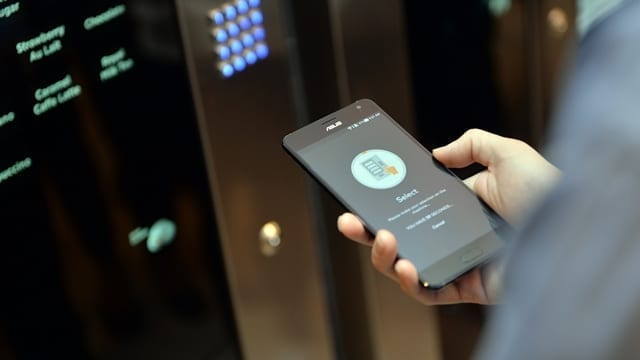
    As part of the deal, SPH Buzz has integrated Mastercard’s mobile commerce platform, Vending Powered by Masterpass, in its unattended machines to enable customers to seamlessly order and pay for goods using their smart devices.

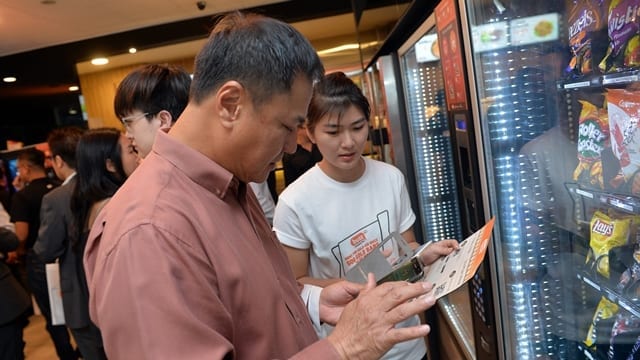
    At the Cnergy Gas Station in Toh Tuck Road, the 827sqft (77sqm) Buzz hybrid convenience store has 16 vending machines. Buzz customers can buy from the machines using Masterpass on their smart device. This is a secure digital payment service by Mastercard that speeds up the checkout process without consumers having to enter their financial and shipping information every time.

    Made by Auresys, the vending machines can dispense beverages (hot or cold), ready-to-eat meals, snacks and confectionary, specialty foods (imported from Japan), beauty and over-the-counter (OTC) medication, and novelty and lifestyle options such as activity trackers, electronic accessories, pre-packed presents and mystery gifts.

    Cafe with snacks

    Also available at the store is a cafe with local snacks and artisanal bread.

    “With the introduction of the automated station, I can now focus on providing a more interpersonal customer service and experience at the cafe,” says Buzz hybrid franchisee Audrey Joan Yap.

    To complete the shopping experience, customers will soon be able to buy such prepaid services as phone top-up cards, tickets to tourist attractions such as Gardens by the Bay, River Safari, Singapore Zoo and Universal Studio, as well as Google and Xbox stored-value cards. Other services such as FOC Wi-Fi, cash withdrawal via smartphone, reloading of EZ-Link cards, and Nets and Nets FlashPay are also available.

    SPH Buzz Convenience Stores deputy-GM Spencer Tan says that as well as offering round-the-clock service, the hybrid store has a backend system that helps forecast demand and alerts the staff to replenishments. “This helps the team to be more productive given the current manpower crunch,” he says.

    SPH Buzz runs a chain of retail kiosks and newsstands at bus interchanges, bus shelters, MRT stations, shopping malls and heartland areas. Started in 2007 as a franchise model, it has 59 stores island-wide.

  • Bangkok moves up the food chain

    Bangkok moves up the food chain

    According to the Mastercard Global Destinations Index, Bangkok is the most visited city in the world with 21.47 million overnight visitors in 2016.

    There are several factors that make Thailand’s capital the world’s leading destination and one of them is food.

    Anyone familiar with Thailand is aware of Thais’ love of food and now the world is learning more about Thai cuisine. There are few cities in the world without a Thai restaurant. Today, Bangkok is delivering a wide range of authentic Thai food and is growing as a foodie destination.

    The Tourism Authority of Thailand has been using ‘Thai Food’ as their strategy to promote sustainable tourism. Social media platforms, such as YouTube and Facebook, are the most effective channels to reach travelers, especially independent travelers who rely on the internet to plan their trip. For example, the ‘Thai-Licious Journey’ series campaign on YouTube aims to promote Bangkok as a food capital of the world.

    In addition to the government’s effort to promote Thai cuisine, the private sector is also playing a role to raise awareness. The Minor Group—one of the largest hospitality and leisure companies in APAC—has expanded their Thai Express restaurant brand across six countries in Asia Pacific. Thailand’s Mudman Group has also established their Greyhound Café restaurant brand in Hong Kong and Beijing.

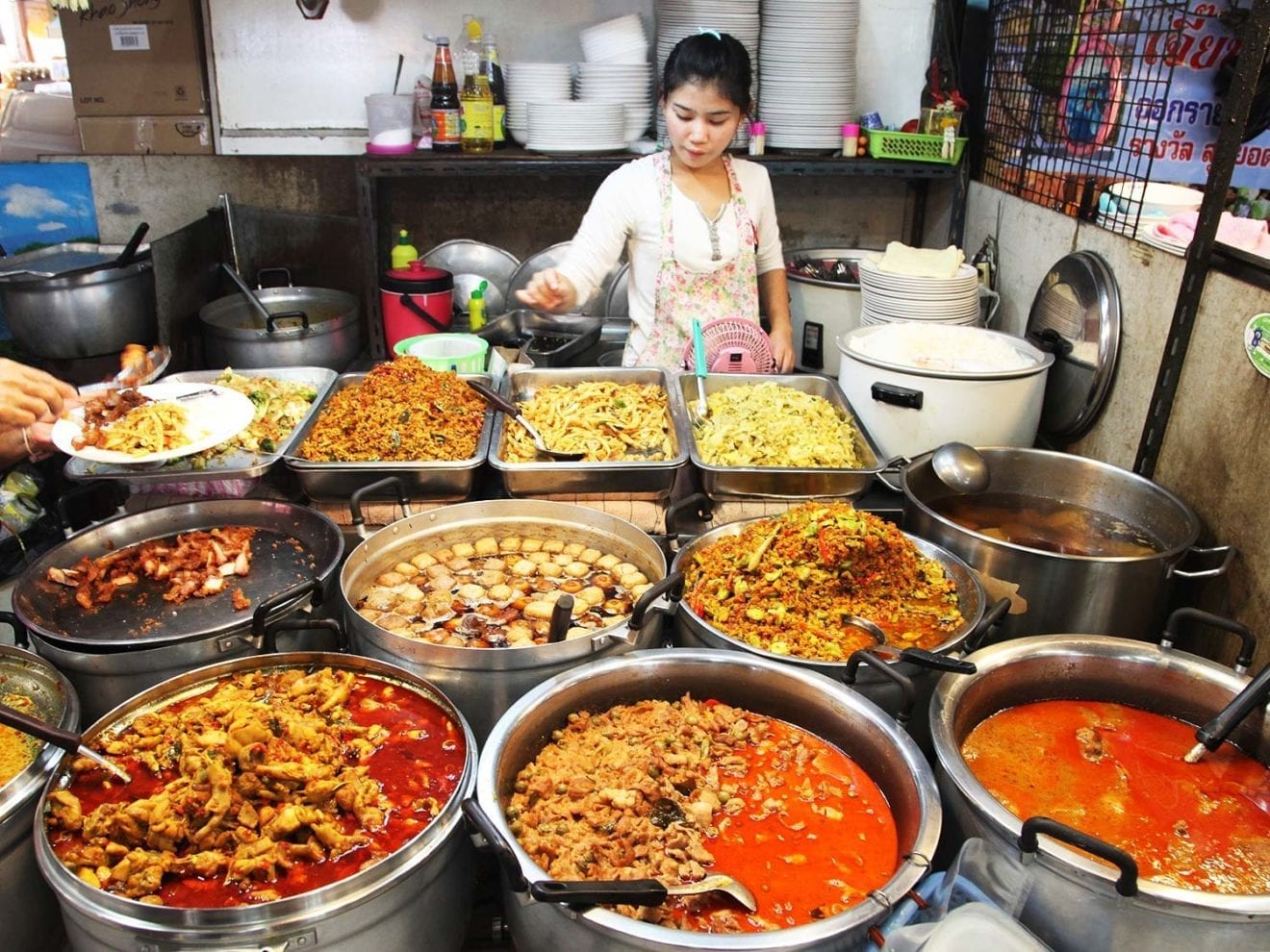
    In terms of variety, Bangkok offers a range of dining experiences from local street food to cutting-edge restaurants. Bangkok was ranked by CNN as the Best City in the World for Street Food in 2017. On the other end of the scale, the city is now home to two out of the fifty finest culinary establishments on the planet, according to the EATER website—Gaggan and Nahm. Bangkok’s bars are also world-famous; Sirocco Sky Bar featured in ‘The Hangover Part II’ movie.

    Retail landlords have been revising their retail mix by adding more F&B tenants, ranging from international restaurants to an indoor street food experience. For example, the Terminal 21 shopping center offers Thai local street food at affordable prices, as well as Tim Ho Wan, a one-star Michelin restaurant.

    Many of today’s travelers, especially millennials, have become more sophisticated and want authenticity and experience; Bangkok is increasingly catering to this market. Retail landlords who are using a placemaking strategy want restaurants that can give them a competitive edge to attract locals as well as international visitors.

    Traditionally, fast-food tenants have been the highest F&B rent payers but nowadays, landlords of many Bangkok shopping centers want to create a unique selling point, which means accepting lower rents to secure a wider range of restaurants.

    Bangkok is growing as a foodie destination and we can expect to see a wider and more sophisticated range of restaurants for Thai regional and international cuisines.

  • Mastercard adds payment capabilities to vivoactive 3

    Mastercard adds payment capabilities to vivoactive 3

    Mastercard has added payment capabilities to the newly launched Garmin vívoactive 3 fitness tracker and smart watch.

    The move aims to to provide active customers with a watch that frees them from having to carry their phone or wallet around.

    Fitness enthusiasts will be able to make contactless payments and pay by holding their device near a contactless terminal at nearly 6.6 million merchant locations globally.

    Garmin users will enter payment information in the Garmin Connect Mobile app (available in Apple and Android app stores) by scanning a card or manually entering their information. Once the app has synced with the smartwatch, the card is available for use. The user can quickly launch their wallet from the controls menu and tap at a contactless terminal whenever they wish to make a payment.

    By using Mastercard’s token service, the 16-digit card number found on the front or back of a payment card is replaced by a unique alternate number or “token.” The token number is not only different from the card number but is also, on its own, useless, when trying to perform a transaction via a different device – making each transaction secure.

    Bringing secure payment functionality to the Garmin vívoactive 3 is the latest initiative within the Mastercard Commerce for Every Device program that is designed to provide consumers a safe and secure way to pay from any device of their choice. Simplicity and security are at the core of the Garmin Pay capability.

    “Technology is enabling fitness companies to provide athletes with the most comprehensive performance trackers we have seen in our time,” said Kiki Del Valle, senior vice president in charge of the program.

    “Adding payment capability to these devices is a natural next step to make training and fitness experiences more relevant, personal, and convenient.”

    “We want to be true training partners and support the active lifestyles of our users,” said Dan Bartel, Garmin vice president of worldwide sales.

    “With Mastercard technology, our users no longer need to be tethered to their physical wallets and can pay for things in a safe, simple, and secure way. This partnership enables us to empower our consumers to use the device that is most convenient to them, with a high level of security.”

  • Mastercard to expand QR payments program

    Mastercard to expand QR payments program

    Mastercard has detailed plans to expand its QR-based payment programs, starting this month.

    The company will broaden its solutions to offer QR codes that can be scanned by either consumers or merchants under a common set of global specifications.

    Mastercard worked with EMVCo and other industry players to create a new global QR standard. These standards aim to ensure consistency in QR codes both generated and captured on a consumer’s mobile phone.

    The use of QR codes in certain markets aims to complement the extensive investment in contactless payments to provide merchants of all sizes with a fast, secure and inexpensive way to accept payments.

    Launched in 2016, Masterpass QR provides people with any type of mobile phone the ability to safely make in-person purchases without a plastic card. A consumer scans a QR code displayed at the merchant’s checkout on their smartphone or by entering a text code into their feature phone.

    The company’s consumer-presented solution will allow the merchant to scan a QR code from a smartphone and process the payment through the Mastercard network. It will leverage M/Chip technology to provide a secure way to pay based on EMV infrastructure.

    “Today’s news builds on the momentum of our QR work in India and Africa,” said Ajay Bhalla, president of global enterprise risk and security, Mastercard. “We look forward to the adoption of the EMVCo global QR standards. In the meantime, we’ll continue to work with our customers and partners to make every device a secure way to pay and be paid.”

    IDC Financial Insights lists NFC and QR codes as payment technologies that will power m-payments, complementing non-NFC based mobile wallets and other peer-to-peer transfers or direct funds transfers.

    The analyst predicts mPayments will accelerate in 2017 exceeding US$1 trillion in 2017. IDC also predicts that APAC will not follow the same growth path for mPayments as that of North America and Europe. Taiwan, Malaysia, China and Thailand will lead the region in terms of mobile payments while the Philippines, Vietnam, Indonesia and India will showcase the best examples in mobile money.

  • Mastercard to transform Cyberjaya into a cashless hub

    Mastercard to transform Cyberjaya into a cashless hub

    Mastercard, Cyberview and the Malaysian Global Innovation & Creativity Centre (MaGIC) have entered a collaboration to transform Cyberjaya, a technology hub in Malaysia, with a focus on cashless initiatives.

    Mastercard will be providing its global expertise in innovative payment technology and network to increase the digitalization of payments, an initiative which is in line with Cyberjaya’s aim to become a cashless society.

    Mastercard will embark on a pilot program to test several smart city applications beginning Q3 2017. This also entails a partnership with internationally-renowned player in the smart city scene, Masabi, a global leader in mobile ticketing and innovative fare collection for transportation based in London to implement quality innovations that will benefit the Cyberjaya community.

    The pilots will first focus on the transportation as well as food and beverage (F&B) sector with more sectors to be included in phases. Cyberjaya will be the starting point and benchmark of this cashless society development, as part of larger plans to replicate these concepts into other Smart Cities throughout Malaysia, in the future.

    The pilot program include: introduction of the Masterpass QR solution to allow consumers to  pay for goods and services from their mobile phones by utilizing a QR code without the need of a point of sale terminal, a mobile ticketing application with Masabi, a bike-sharing platform based on GPS trackers and AI chatbots for retail applications.

    “E-payments are at the center of a city’s economic vitality and its integration is crucial to promote a smarter, more sustainable and inclusive space for residents, commuters and local businesses,” Mastercard country manager for Malaysia and Brunei Perry Ong said.

    “We will work towards enhancing Cyberjaya’s payment ecosystem with a comprehensive suite of simple, safe and smart digital solutions. The implementation will cover various sectors in Cyberjaya such as urban mobility, lifestyle, finance, health, supply chain and education sectors to help the community to go cashless. This initiative is in line with the government and Bank Negara Malaysia’s vision to transform Malaysia into a digital economy and cashless society.”

  • Mastercard, UnionPay International and Visa Make E-Payments in Thailand Easier

    Mastercard, UnionPay International and Visa Make E-Payments in Thailand Easier

    Mastercard, UnionPay International and Visa today introduced a Standardized Quick Response (QR) Code for payments, accelerating Thailand’s transition to a cashless society.

    The Standardized QR Code supports the Bank of Thailand’s cashless agenda to drive innovation, interoperability, and security in payments.

    In order to pay, consumers holding a Mastercard, UnionPay, or Visa card can simply use a mobile application with Standardized QR Code support to scan the merchant-presented QR code. QR Code works on both smart phones and feature phones with camera function.

    By establishing standard specifications for QR code payments, consumers and merchants in Thailand now have more options to pay electronically without compromising on security and convenience. The Standard QR Code is simple to set up and use and provides three key benefits.

    First, consumers will not need to scan different QR codes to make payments with Mastercard, UnionPay and Visa. Merchants will only need to display one QR code at the storefront or through the acquiring bank’s mobile application.

    Second, by routing the transactions through global-standard processing networks, consumers can enjoy a fast, convenient and secure payment experience.

    Third, the standards are intended to be globally interoperable and with the right mobile application consumers will be able to use the same standard QR code to make payments everywhere the standards have been adopted.

    The Standardized QR Code is intended to be implemented by banks and merchants across Thailand by the third quarter of 2017 and will contribute to the financial sector’s Electronic Data Capture (EDC) expansion initiatives under the National e-Payment Roadmap introduced by Ministry of Finance.

    A readily accessible and secure payment processing option for all stakeholders, the Standardized QR Code for payments will contribute to the growth and speed of electronic payment adoption across the country, lowering the cost for accepting electronic payments.

    In the future, Thai consumers will benefit from being able to make QR code based payments when traveling outside of Thailand.

    Mr. Donald Ong, Country Manager, Thailand and Myanmar, Mastercard, said, “The launch of the Standardized QR Code signals exciting times for Thailand as consumers move quickly to adopt new payments technology. Our own research, for example, shows that 50% of young consumers across South East Asia would use the QR code straightaway, and we believe this reflects the demand in Thailand. This demand will grow further as the technology is rolled out at small shops across the country, and includes bill payments and cash on delivery as well. Developed in line with global standards, this QR code solution means Mastercard users have even more peace of mind, as well as extra convenience when paying for goods and services. This is yet another strong offering as Mastercard supports Thailand’s evolution towards a cashless society.”

    Mr. Wenhui Yang, General Manager for UnionPay International Southeast Asia, said, “UnionPay now chairs an international workgroup with other payment networks to develop a global QR Code Standard for payments. As an international payment network, UnionPay aims to provide payment solutions that are tailored to the needs of the local market, to enable choice and ease of payment for consumers and businesses alike. The Standardized QR Code is an innovative step forward in the right direction for Thailand’s payment industry. By enabling consumers and merchants to pay and process QR codes easily and securely, this will accelerate the development of the local payments industry, as we continue to work with the Bank of Thailand on payment solutions that will benefit the people of Thailand. We believe the Standardized QR Code has the potential to support and strengthen the Thai economy and help Thailand become a truly cashless society.”

    Mr. Suripong Tantiyanon, Visa Country Manager, Thailand, said, “Visa is proud to have contributed to the development of Standardized QR Code in Thailand as we believe it has the potential to significantly accelerate the growth of electronic payments acceptance in the country. This is especially true for consumers as well as small merchants, as it lowers cost and is easy to implement, eliminating the need for traditional POS hardware. The success of mVisa worldwide has proven a QR code solution to be scalable, secure and easy to use. Increased use of electronic payments has contributed to meaningful economic growth, with more than USD 3.18 billion or about THB 113 billion added to Thailand’s GDP from 2011 to 2015. We look forward to continuing to partner with our clients, merchants and the government to innovate and expand access to digital payments in Thailand, driving inclusive growth for everyone, everywhere.”

  • MyTheresa.com takes aim at Korea

    MyTheresa.com takes aim at Korea

    European luxury online retailer MyTheresa.com is launching a Korean-language site.

    Selling luxury womenswear and accessories from such brands as Chloe, Gucci, Miu Miu and Stella McCartney, the e-tailer says it has seen “huge growth potential” in South Korea.

    “The Korean luxury market is moving quickly to digital. Ever since our first activities in Korea we have seen a massive consumer shift to digital and a triple-digit growth in the market,” says MyTheresa.com president Michael Kliger.

    The online fashion destination’s Korean website will offer free exchanges and returns within 30 days, including a free collection service, as well 72-hour deliveries. It aims to offer a more personalised service with a Korean-speaking customer care team.

    Korean customers will be able to pay in euros if using American Express, MasterCard or Visa.

    Launched in 2006, MyTheresa.com was acquired by American company Neiman Marcus Group in 2014. The German multi-brand retailer delivers to more than 120 countries with websites available in Arabic, Chinese, English, French, German and Italian.

  • Sands China launches branded Mastercard rewards program

    Sands China launches branded Mastercard rewards program

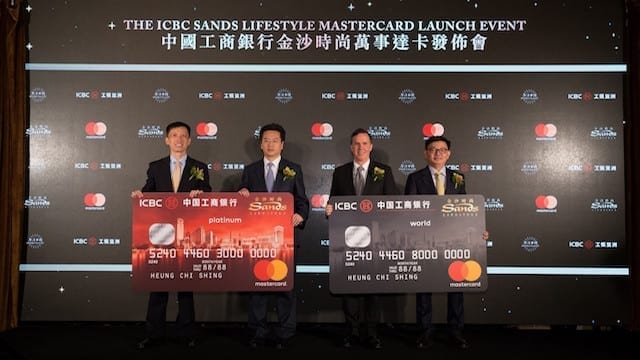
    Sands China, ICBC and Mastercard have launched a credit card allowing holders to collect points anywhere in the world which can be redeemed at Sands Macao’s integrated resorts.

    The ICBC Sands Lifestyle Mastercard holders will also have the opportunity to earn up to three times more points when they shop and 20 times more points when they stay at Sands Resorts Macao properties. ICBC Asia offers three times more points when they spend overseas with the card.

    The program is the first for Mastercard’s Pay with Rewards in Asia Pacific. It will have two levels of co-branded credit cards, including the Sands Lifestyle Platinum Mastercard and Sands Lifestyle World Mastercard.

    Cardholders can take advantage of benefits including hotel stays, dining, shopping, events and entertainment. This includes discounts on accommodation packages, ferry tickets, air travel and holiday packages with Cotai Travel, special offers at selected restaurants, Sands Shoppes and entertainment tickets to international and Asian theatre shows and music events.

    Initially, the program will only be available for customers living in Hong Kong and Macao. Customers living in Hong Kong can apply to join the program at ICBC (Asia) branches in Hong Kong or via the ICBC (Asia) website, while customers living in Macao can apply at ICBC (Macau) branches or via the ICBC (Macau) website.

    Dave Horton, chief marketing officer with Sands China, said the Sands Lifestyle program offers a range of attractive benefits for cardholders.

    Sands China, ICBC and Mastercard executives announce the new Sands Lifestyle loyalty program. From left: Ling Hai, co-president, Asia Pacific, Mastercard, Jiang Yisheng, CEO of ICBC Asia, Dave Horton, global chief marketing officer, Las Vegas Sands Corp & Sands China and Wang Du Fu, president, ICBC Card Center.

    “Designed to enhance the experience of our visitors to our integrated resorts and Macao in as destination, Sands Lifestyle is an innovative addition to our world-class facilities and one we anticipate will encourage more visitor arrivals.”

    Ling Hai, co-president, Asia-Pacific, Mastercard, added: “Today represents a number of firsts for Mastercard in China. It is the first time we are partnering with Sands China, one of the largest leisure brands and most popular lifestyle destinations in the region. The ICBC Sands Lifestyle Mastercard is also the first to launch the Mastercard Pay with Rewards product in Asia Pacific. We believe our partnership with Sands China is another step towards fulfilling our commitment to meeting the evolving desires of China’s burgeoning affluent population.”

  • Emerging Asian nations producing more international travellers

    Emerging Asian nations producing more international travellers

    Outbound travellers from emerging Asian nations outnumber those from developed countries in the region by one and a half times.

    Furthermore, this figure is poised to grow more than twice as fast over the next five years (7.6 per cent versus. 3.3 per cent), according to Mastercard’s report The Future of Outbound Travel in Asia Pacific (2016 to 2021).

    Collectively, Asia Pacific markets are expected to grow by 6 per cent annually during the period.

    China is expected to be the largest outbound travel market in 2021 with 103.4 million trips, constituting 40 per cent of all Asia Pacific outbound travel, nearly four times that of the second and third markets, South Korea (25.6 million) and India (21.5 million) respectively.

    As forecast by the report, international outbound trips from the top 10 Asia Pacific markets by 2021 are:

    1. China, 103.4 million
    2. South Korea, 25.6 million
    3. India, 21.5 million
    4. Japan, 19.4 million
    5. Taiwan, 16.3 million
    6. Malaysia , 14.2 million
    7. Australia, 11.8 million
    8. Singapore, 11.7 million
    9. Indonesia, 10.6 million
    10. Thailand, 9.1 million

    “The burgeoning middle class is driving the growth of outbound travel in Asia Pacific, along with other trends such as the emergence of the Asian millennial traveller and, on the other end of the spectrum, the senior traveller, as well as technology and infrastructure developments,” says Mastercard Advisors Asia Pacific senior VP Eric Schneider.

    “Asia Pacific travellers will continue to fuel global tourism growth in years to come, providing vast opportunities for businesses to benefit through the development of products and solutions that seek to improve their overall travel experiences.”

    Myanmar fastest growing

    Myanmar is projected to be the fastest-growing outbound travel market with a 10.6 per cent annual growth rate over the next five years, followed by Vietnam (9.5 per cent), Indonesia (8.6 per cent), China (8.5 per cent) and India (8.2 per cent). Among developed Asia Pacific markets, growing fastest are South Korea (3.8 per cent), followed by Singapore (3.5 per cent), Australia (3.5 per cent) and New Zealand (3.4 per cent).

    The report predicts the top 10 fastest-growing Asia Pacific markets by international outbound trips (compound annual growth rate from 2016 to 2021) will be:

    1. Myanmar, 10.6 per cent
    2. Vietnam, 9.5 per cent
    3. Indonesia, 8.6 per cent
    4. China, 8.5 per cent
    5. India, 8.2 per cent
    6. Sri Lanka, 6.1 per cent
    7. Thailand, 4.8 per cent
    8. Philippines, 4.4 per cent
    9. South Korea, 3.8 per cent
    10. Australia/Singapore/Malaysia, 3.5 per cent

    According to the study, outbound travel will grow faster than real GDP. Outbound travel growth tends to be higher than real GDP growth for emerging markets compared to developed markets, except for Japan, where outbound travel growth is much closer to its predicted real GDP growth.

    Emerging markets such as Myanmar (10.6 per cent vs. 7.7 per cent), Vietnam (9.5 per cent vs. 6.2 per cent), Indonesia (8.6 per cent vs. 5.7 per cent), Thailand (4.8 per cent vs. 3.1 per cent) and China (8.5 per cent vs. 6 per cent) are expected to grow faster than real GDP.

    By 2021, all developed markets in Asia Pacific, except Japan, will have a ratio of more than 100 per cent for outbound travel trips to total number of households. Households in Singapore (693.6 per cent), Hong Kong (248.9 per cent) and Taiwan (232 per cent) have the highest propensity to travel abroad.

    Among emerging markets, Malaysia is expected to record the highest ratio, 198.7 per cent, by 2021, whereas India (7.3 per cent), Bangladesh (7.4 per cent), Myanmar (14.6 per cent) and Indonesia (15.4 per cent) are among the lowest.

    While a ratio of 100 per cent means on average that each household has at least one person who makes a trip abroad each year, in practice it is more likely that a certain percentage of households make multiple trips overseas each year, implying there are households where nobody goes abroad at all.

  • India, Myanmar top Consumer Confidence rankings

    India, Myanmar top Consumer Confidence rankings

    India tops the Mastercard Index of Consumer Confidence rankings as the most optimistic market in Asia Pacific, with Myanmar, Vietnam, Philippines and Bangladesh rounding off the top five.

    Overall, consumer confidence in Asia Pacific continues to hold steady, showing stability (within plus or minus five points from the previous survey) in nine out of 17 markets. With an increase of 1.2 points in the overall score from the first half of 2016 to 60.9 points in the second half, Asia Pacific sits just above the 60 point optimistic mark.

    However, the overall stability masks some significant movements across five markets in the region compared to the previous six months. Hong Kong, Thailand and Bangladesh saw more than 10 point improvements, while Malaysia and Taiwan saw more than 10 point decreases.

    Bangladesh recorded the largest gain of 11.2 points to 82.8 points – a significant improvement in overall consumer confidence compared to the first half of 2016 where it saw a relatively smaller increase of 4.2 points. Bangladesh’s increase in score was backed by an improvement in all components, the largest coming from heightened expectations in stock market movements (+24.6 points). Both Thailand and Hong Kong also saw a large improvement of 10.1 points, putting Thailand in optimistic territory and Hong Kong in neutral territory.

    On the other hand, eight of the 17 markets saw a deterioration in confidence levels. The biggest decline in optimism levels was observed in Taiwan, followed by Malaysia, and Myanmar. According to the survey, prospects for the stock market was the key driver of the decline.

    Between November and December 2016, 8723 respondents, aged 18 to 64 in 17 Asia Pacific markets, were asked to give a six-month outlook on five economic factors including the economy, employment prospects, regular income prospects, the stock market and their quality of life. The Index is calculated on a scale of 0 to 100, with zero as the most pessimistic, 100 as the most optimistic and between 40 and 60 as neutral.

  • CapitaLand Vietnam to build Ho Chi Minh City mall

    CapitaLand Vietnam to build Ho Chi Minh City mall

    Singapore developer CapitaLand plans to build a 240 metre tall office tower in downtown Ho Chi Minh City, apparently anchored by at least four storeys of shopping mall.

    artists_impression_of_capitalands_first_grade_a_office_development_in_hcmc

    While CapitaLand has already established a strong presence in Vietnam in the accommodation and serviced apartment sectors, this tower would mark its first foray into retail. Fellow Singapore developers Keppel and Mapletree have both built shopping centres in Ho Chi Minh, Vietnam’s most-populated city.

    CapitaLand Vietnam released an artist’s impression of the new building on Tuesday which clearly shows a strong retail component. In the statement it said the building would incorporate “exciting retail offerings, including some of the city’s best restaurants and cafes, lifestyle and entertainment outlets” on levels above and below ground.

    But when approached for more details, a CapitaLand spokesman declined to reveal further details.

    Also apparently secret is the precise location of the new development, other than it is in the heart of District 1, the CBD, and on the riverfront. CapitaLand says construction will commence in the first quarter – but refused to reveal the exact location of the 0.6ha site it has acquired.

    The development – of an unspecified number of storeys – will be built by CapitaLand’s wholly-owned subsidiary CapitaLand Vietnam Holdings. It will be the company’s first international Grade A office tower in Vietnam and connected with the metro railway line currently under construction. Both are expected to open in 2020.

    Lim Ming Yan, president & group CEO of CapitaLand said in a statement that the acquisition and development of the project serves to diversify CapitaLand’s portfolio and strengthen its foothold in Vietnam.

    “It is also in line with our plan to establish a US$500 million investment fund to focus on commercial properties in Vietnam. CapitaLand has a 22-year track record in Vietnam which has delivered to-date, 22 serviced residences, nine residential developments and now, a prime commercial property. Given its strong growth outlook and positive market sentiments, we are excited to be a long-term player in Vietnam’s growth story and will continue to look out for opportunities to grow our footprint.”

    An eye-catching feature of the building will be lush open terraces towards the top of the tower, “bursting with greenery where tenants can meet, network or relax while enjoying unobstructed views of the Saigon River and the city”.

    It is within walking distance to the city’s vibrant shopping and entertainment area, and CapitaLand’s Ascott Waterfront Saigon – a 222-unit luxury serviced residence due to open in July 2017.

    Vietnam is CapitaLand’s third largest market in Southeast Asia, after Singapore and Malaysia. Last November, CapitaLand announced plans to set up a US$500 million fund to invest in commercial properties in Vietnam; its second one after a US$200 million fund launched in 2010 which has been fully invested in the development of three residential projects in Ho Chi Minh City and Hanoi.

  • Easy Pass users can now top up with MasterCard via “easyBills”

    Easy Pass users can now top up with MasterCard via “easyBills”

    2C2P, Expressway Authority of Thailand (EXAT) and MasterCard have partnered to launch a new top-up channel for Electronic Toll Collection System for Easy Pass users in Thailand. Easy Pass users can now top up their cards easily with their MasterCard via easyBills’ mobile application or its website (www.easyBills.in.th), without having to pre-register their cards with the respective issuing banks. They will enjoy benefits including points accumulation upon card usage, extended due dates for payments made through the credit card, convenient storage of their favorite billers for repeat usage and checking their historical transactions, as well as the ability to set bill alerts on their calendar.  A thousand gift cards worth 500 baht each will be given away to the top 1,000 MasterCard cardholders who accumulate the highest Easy Pass top-up value via easyBills from now till 28 February 2017.

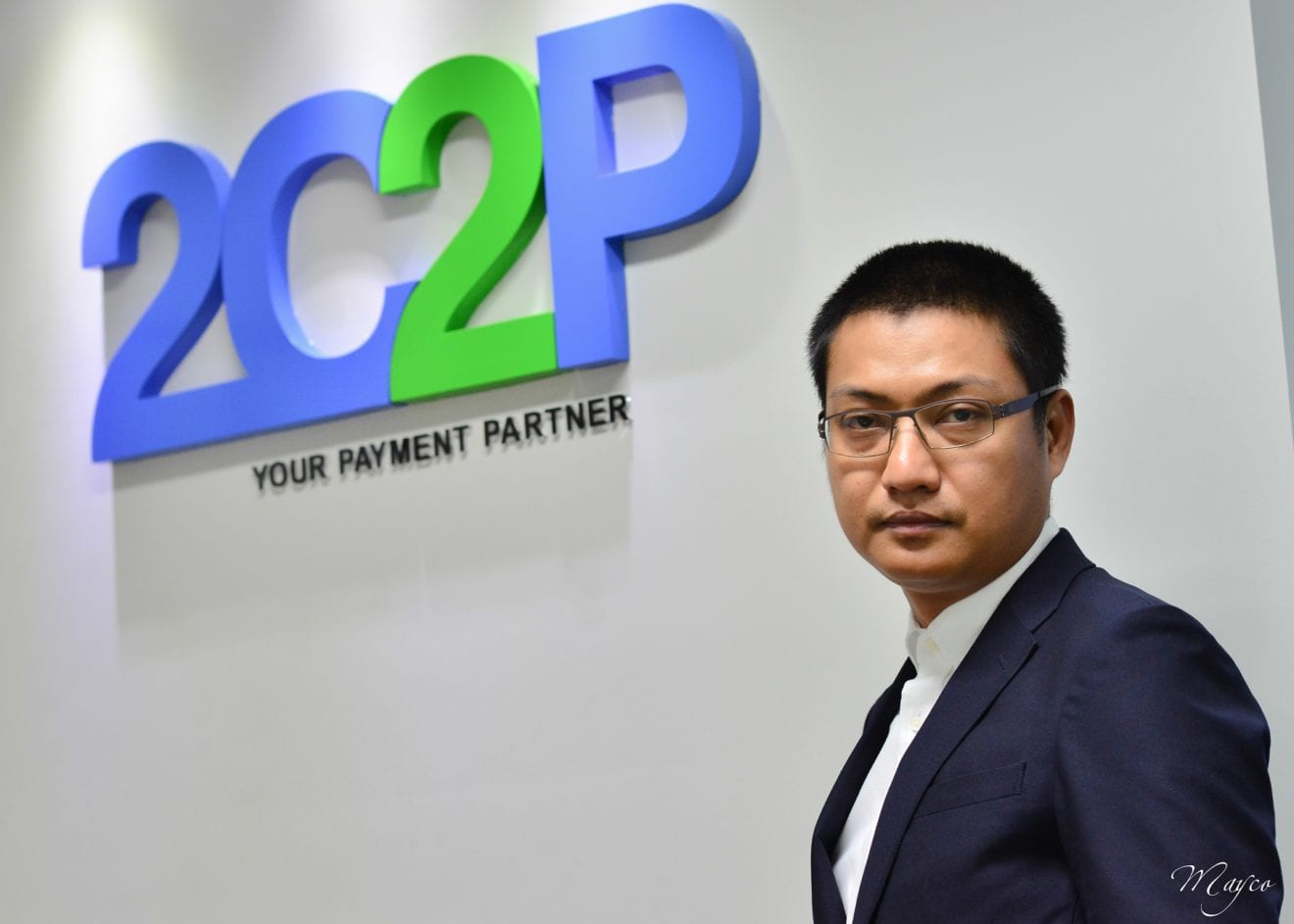
    Mr. Piyachart Ratanaprasartporn, Chief Executive Officer of 2C2P (Thailand) Co., Ltd., said:  “easyBills is an innovative payment service catered to digital users who are familiar with the online platform. The collaboration marks the first time that Easy Pass users can easily and conveniently top up their cards without cash, using their MasterCard without pre-registering with their banks, simply by downloading and using the easyBills mobile application on either iOS or Android, or by visiting easyBills’ website.”

    “easyBills helps consumers pay their bills easily, bringing convenience to everyone. It is equipped with special features that enable users to store their favorite billers for future usage, store their credit card details securely for future payments with 2C2P’s PCIDSS Level 1 certification and set biller alerts on their calendar to remind them of the payment due. Users will receive their payment confirmation via their emails,” Mr. Piyachart added. 

    Mr. Antonio Corro, Country Manager for Thailand & Myanmar, MasterCard, said, “MasterCard is very pleased to join our partners to increase convenience to our customers. They can now top up their Easy Pass card through the easyBills mobile application and website, with their MasterCard that is issued by all the banks in Thailand. They can be assured that all the online transactions are secure, while enjoying the privileges from using MasterCard. We believe this service will pave the way for Thailand to become a cashless society soon.”

    Mr.Narong Gieddech, Governor of Expressway Authority of Thailand (EXAT) said: “Since 2010 we have provided our service for the Electronic Toll Collection (ETC) system;  there are 1.3 million Easy Pass card users. We are excited to join hands with MasterCard and 2C2P who developed easyBills. easyBills’ application and website will be the 12th top-up channel for Easy Pass. This service will be bolstered by Thailand’s National e-Payment system, which the government is set to launch to transform Thailand into a cashless society.”

    easyBills “Pay Bill Easily…Get More Easier”, is developed by 2C2P in collaboration with MasterCard. Through this service, cardholders can pay utility bills, such as electricity, water supply, telephone, mobile phone top-up and e-wallet, as well as for insurance premium, online products, games, books and several other bills all in one app, anywhere anytime. Most importantly, security meets the international standard of 3D Secure.

    There will be a giveaway of a thousand Tesco Lotus gift cards worth 500 baht each. The prizes will be awarded to the top 1,000 MasterCard cardholders who accumulate the highest top-up value on their Easy Pass via easyBills from now until February 28, 2017.

  • A selfie to verify your MasterCard? Why Not

    A selfie to verify your MasterCard? Why Not

    Moving from social media to commerce, the “selfie” is about to become verification for online transactions for Mastercard users.

    An executive of the credit-card company says the “selfie verification” technology will be introduced in Singapore and other parts of Asia this year.

    Known as Mastercard’s Identity Check, the system will let card holders use facial-recognition technology to match selfies against their photograph on file to ensure the veracity of online transactions.

    “There could be an issue with twins, but  I would need to have a bad twin,” says Mastercard executive VP for identity solutions Bob Reany. “They would have to break into my house, steal my phone and be at my location.”

    With its prototype, Mastercard will convert head shots into encrypted code to be stored on a mobile device. The “selfie” would not need to be a perfect match, and banks would set the threshold for the accuracy of the matching.

    “We’ll advise the bank and say ‘You don’t want to be too open and have only 20 per cent of the things match’. Then, everybody and their dog could use it,” says Reany.

    The technology can either be as a standalone app or be integrated into an existing bank app. It can also work with other payment brands.

    No specific date has been set for the launch in Singapore, where some banks provide not just tokenisation but also use two-factor authentication for transactions.

    Already the technology has been rolled out in 12 markets in Europe.

    More sophistication

    Mastercard data shows that the rate of online payment fraud is more than three times higher than for physical transactions. Against this, banks are approving just 83 per cent of online transactions, compared to the 96 per cent for physical transactions.

    Reany says cybercrime is also gaining in sophistication, with new forms of malware being evolved. He says the fraudsters are smart. “They are getting PhDs and are finding ways to commit fraud. What we have to do is ruin their business model.”

    He says this runs along the enormous potential for growth in the online payment space, with the number of online and mobile transactions expected to double to 40 billion by 2020.

    Tokenisation already cuts the risk of credit-card numbers being stolen from single individuals and the details being sold in larger batches on the dark web. With tokenisation, a card number is replaced by a unique set of numbers not tied to actual account details. Mastercard is now working to fill another gap by tokenising the card details merchants already have on file.

    Reany says banks and payment companies need to combine various tools to create more secure authentication. This should so significantly raise the costs for criminals to exact fraud that the returns are no longer worth it. “If it’s not a scalable attack, we’re winning.”

  • MasterCard eyes Indonesians craving exclusivity

    MasterCard eyes Indonesians craving exclusivity

    Global payments and technology company MasterCard is intensifying efforts to tap opportunities in the Indonesian premium market segments by offering a variety of exclusive rewards and services for its premium card holders.

    Among the select opportunities are wine privileges for the holders of MasterCard Platinum cards, access to passenger lounges at 750 airports for MasterCard World card holders and concierge services and exclusive dining for holders of MasterCard World Elite cards.

    “Premium customers currently want payment solutions that provide exclusivity and special access, and can be accepted globally and providing a variety of special services,” MasterCard’s president for Indonesia, Malaysia and Brunei, Safdar Khan, said recently.

    MasterCard is aiming for double-digit growth in debit and credit cards users in Indonesia next year, amid low credit card penetration in the country.

    Data from Bank Indonesia show that, as of September, there were around 123 million active ATM cards and debit cards in Indonesia. The number of credit card holders, meanwhile, reached 17.22 million in October, up 2.85 percent on the year.

    MasterCard has also recently sealed collaboration with domestic lender Bank Negara Indonesia (BNI) Syariah to provide ATM cards for the bank’s customers who go on the haj and umrah. They have cooperated with a private bank in Saudi Arabia to provide special ATMs to better assist Indonesian pilgrims.

    As the country with the largest Muslim population, Indonesia sees nearly 200,000 people go on the haj every year.