Tag: Mobile

  • E-Commerce Giant Lazada Joins Mobile Game EvergleamHill

    E-Commerce Giant Lazada Joins Mobile Game EvergleamHill

    HotNow, the retail marketing platform has announced the soft launch of Evergleam Hill, a casual mobile game where users mine their way to discounts, vouchers, and giveaways. After months of testing, the soft launch version is now available on both the Android Google Play and Apple App Stores, having successfully accrued over 3000 downloads in the past few weeks without any marketing efforts. The game includes new merchant partners including Southeast Asian e-commerce giant Lazada and leading Thai coffee chain D’Oro Coffee.

    Developed as HotNow’s flagship game for its proprietary in-game advertising solution, HotPlay, Evergleam Hill has seen approximately one thousand coupon downloads by avid consumers in the past few weeks. To date, the coupons on the game hold a total discount value exceeding THB 2.5 million (US$80,000), highlighting the benefits of HotPlay as merchants have been able to measurably engage with an ever-growing consumer base by effectively bridging virtual gameplay with real-world rewards.

    Nithinan Boonyawattanapisut, CEO and Co-Founder of HotNow said, “Following a rigorous testing phase with the help of a dedicated gamer community, we are thrilled to celebrate this milestone in the development of Evergleam Hill as we welcome new merchant partners onboard. By successfully bridging the worlds of gaming, retail, and virtual currencies, we’ve been able to leverage the existing synergies within these industries to the benefit of our merchant partners and users alike”.

    Set in the eponymous mining village, Evergleam Hill is a mobile role-playing game where players are rewarded with branded prizes, discounts, and promotions with real-world value from participating merchant partners. As a highly interactive game with stunning visuals, players currently have the opportunity to mine their gold chunks for HOT tokens by exchanging them at the game’s bank, the First Bank of Evergleam Hill. HOT tokens can then be used to purchase in-game items. Further updates to the game’s infrastructure will see branded coupons and discounts from retail partners sold within an in-game marketplace which can then be used in real-world transactions at partnering brick-and-mortar retailers. Users will also be able to sell these coupons and discounts to other players through the game’s marketplace in the near future.

    Benjamin Scherrey, Group CTO of HotNow said, “As we work towards the full global launch of Evergleam Hill, it’s important to recognise that our HotPlay platform offers a new, unprecedented form of mobile advertising that is truly the first of its kind. We are excited to be working with these merchants who have taken a progressive approach to consumer engagement and we look forward to supporting them along with our community of game developers as we work to revolutionise the in-game advertising landscape”.

    Participating retail partners at this time are local to Thailand, including American ice cream chain, Baskin-Robbins; Thailand’s coffee chain, D’Oro Coffee; and globally-recognised fast food chain and donut brand, Mister Donut. Apart from food and beverage discounts, Evergleam Hill now features discount coupons from Lazada along with a coupon for a free one-night stay worth THB 6,799 from five-star beachfront resort U Pattaya.

  • Singapore digital accessories chain Uniq enters the Philippines

    Singapore digital accessories chain Uniq enters the Philippines

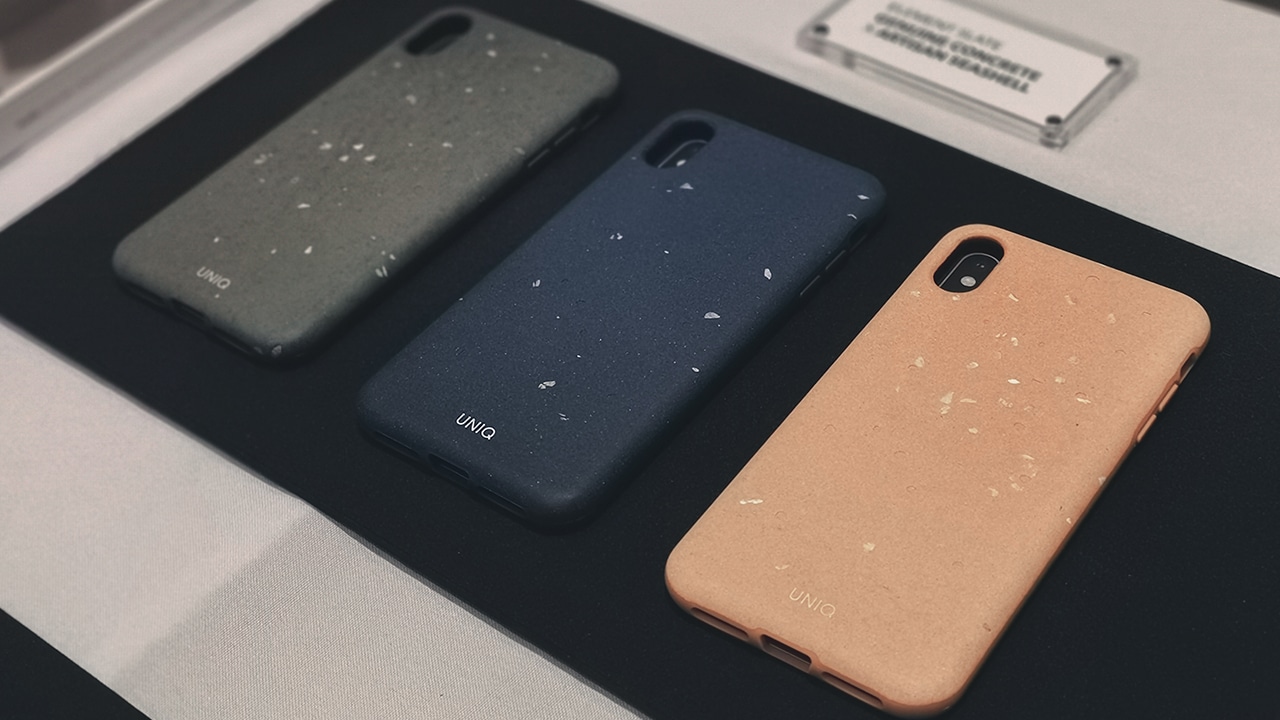
    Singaporean gadget and mobile-accessories retailer Uniq has opened its first Philippine store.

    Located at Cyberzone in Quezon’s SM North Edsa Annex, the store targets young professionals who are particular about style.

    Its products known for their “minimalist mobility” and “smart simplicity” to the country’s digitally connected populace.

    “Most of our products are for iPhones and Mac but we also have charging solutions that are more universal,” said Andy Wong, MD and co-founder of Uniq.

    Established in Singapore in 2010, Uniq started out as a phone-case design company.

    The company has entered the Philippines with the help of Macpower Marketing Corporation, which is also partner of Globe, Power Mac Center, and Lazada.

    Uniq products are available in 22 countries via an online store and the company plans to partner with online stores such as Shopee and Lazada.

  • Netflix to launch Stranger Things mobile RPG in 2020

    Netflix to launch Stranger Things mobile RPG in 2020

    In anticipation of the third Stranger Things season set to debut on July 4th, Netflix announced a brand new mobile game under the successful franchise. Developed in collaboration with Next Games, makers of The Walking Dead games, the free-to-play Stranger Things mobile game will be released in 2020 on Android and iOS platforms.

    According to Netflix, the game will reimagine the Stranger Things universe in the style of an 80’s Saturday morning cartoon. Moreover, the game will feature location-based gameplay elements and Google Maps integration, which will allow players to explore The Upside Down hidden around them.

    We are huge fans of Stranger Things and thrilled to work together with Netflix to bring our shared vision of Stranger Things into life in a mobile game format. Our core focus will be to deliver on Stranger Things’ rich and intense themes like friendship and supernatural adventure, and translate these into snack-sized entertainment on your mobile device.

    We don’t know if the Netflix and Next Games plan to monetize the game or simply use it for more exposure. Either way, we do know that the upcoming Stranger Things mobile RPG will be free-to-play.

  • Six European Mobile Wallets and Alipay Collaborate to Promote Digital Payment Interoperability across Europe

    Six European Mobile Wallets and Alipay Collaborate to Promote Digital Payment Interoperability across Europe

    Six prominent mobile wallets across Europe, together with Alipay, announce today a collaboration to promote QR code-based digital payment interoperability for travelers both in Europe and from China.

    Bluecode, ePassi, momo pocket, Pagaqui, Pivo, Vipps and Alipay are working towards adopting a unified QR code, marking a milestone in connecting Europe’s thriving yet fragmented mobile payment landscape. When fully realized, users of the six participating European digital wallets will be able to make QR code-based payments with their home apps to local merchants in 10 European countries where those apps are accepted. At the same time, merchants that already accept mobile payments via the six apps in their respective domestic markets will also be able to easily accept payments made by customers of the other countries covered by the collaboration. In addition, Alipay’s Chinese users can also make payments to merchants that accept these wallets.

    Helsinki-based ePassi and Oslo-based Vipps have started to prepare the roll-out of this QR code format for users across several Nordic countries, while the Spanish payment company MOMO, Portugal’s Pagaqui and Austria’s Bluecode intend to extend the collaboration further later this summer in their respective home markets. Built on the back of a similar partnership announced in December between two Nordic firms, Vipps and ePassi, and Hangzhou, China-based Alipay, this open-ended collaboration is expected to continue to expand into more European countries and companies in the future.

    The collaboration, the first of its kind in Europe, will bring together the six mobile wallet partners’ users, which are more than 5 million in total, and around 190,000 merchants in Europe, as well as a fast-growing number of travelers from China. In addition, as each of the participating firms grows the user base and merchant network, the growth is also beneficial to all of the collaborating firms’ merchants and users, respectively.

    The partnering firms have agreed to apply a compatible QR code format provided by Alipay, the world’s most-used app outside social apps. ePassi and Bluecode will offer technical services to the participating wallets to simplify the integration process among them.

    “With over 12 years’ experience, ePassi is already a mobile payments front-runner in QR code-based payments in the Nordic and selected European countries. We are proud and honored to be part of this unique collaboration of European payment wallets, and to support other partners with their integration as well,” said Risto Virkkala, CEO of ePassi.

    “It has always been our vison to enable European banks with a widely accepted European mobile payment offering”, said Christian Pirkner, CEO of Blue Code International. “As a payment solution provider, we naturally support this collaboration of European wallets agreeing on a technical format. Even more compelling that it is compatible with Asia’s leading lifestyle app Alipay.”

    The announcement came on the heels of Alipay activating the eight-year global partnership with UEFA in Porto, where the inaugural Nations League Final just concluded. “We feel honored to help promote a smart lifestyle and digital experiences in Europe, while continuing to connect more merchants with more Chinese tourists. We believe mobile payment is a universal language that can help connect people just as football does,” said Eric Jing, Chairman & CEO at Ant Financial.

    Alipay currently serves over 1 billion users with its Asia-based local e-wallets partners. Launched in 2004, Alipay has evolved from a digital wallet to a lifestyle enabler. Users can hail a taxi, book a hotel, buy movie tickets, pay utility bills, make appointments with doctors, or purchase wealth management products directly from within the app.

    In addition, Alipay’s technology is being used to enable over 200 Chinese financial institutions to improve efficiency and lower operational costs. Alipay’s in-store payment service covers over 50 markets across the world, and tax reimbursement via the app is supported in 35 markets.

    Nearly 60 per cent of overseas bricks-and-mortar merchants that adopted Alipay saw a subsequent growth in both foot traffic and revenue, according to a report by Nielsen earlier this year.

    “Momo were first to process payments via mobile devices in Spain six years ago, starting in Malaga. Since then, we’ve expanded to also help our merchants increase their sales by accepting QR payments from thousands of Chinese tourists via Alipay.” says Mariano de Mora, CEO of MOMO Group. “We are excited to see how this collaboration with other European payment wallets can bring millions of users to our merchant network here in Spain and offer our users hundreds of thousands of places to pay with their local momo app across Europe.”

    “This unique cooperation is a testament to how collaboration in Europe can simplify the market for businesses and users to create better outcome for everyone.” said Rune Garbog, CEO of Vipps. “We are extremely enthusiastic about new partners joining this collaboration, giving all our combined users broader possibilities for using their preferred mobile app also when travelling abroad.”

    “As a Portuguese company and a stakeholder in this project, Pagaqui rejoices in the choice of venue for this announcement, and is extremely proud to participate in such an ambitious and innovative undertaking”, says João Barros, CEO of Pagaqui. “As in football, European firms can be more successful when playing together as a team. This is a real game changer for businesses and users across Europe, and we are excited to see so many partners taking part in it.”

    Pivo, the largest mobile wallet in Finland with over 1 million registered users, is welcoming the collaboration and the benefits it will provide to all mobile wallet customers. “Interoperability will allow us to offer a simple and unified customer experience across services and points-of-sale internationally. The collaboration will create additional value for Pivo as a service platform, and it is a welcome initiative for the ecosystem and our customers,” said Masa Peura, CEO of Pivo.

  • Visa Expands Contactless Payments to Public Transport

    Visa Expands Contactless Payments to Public Transport

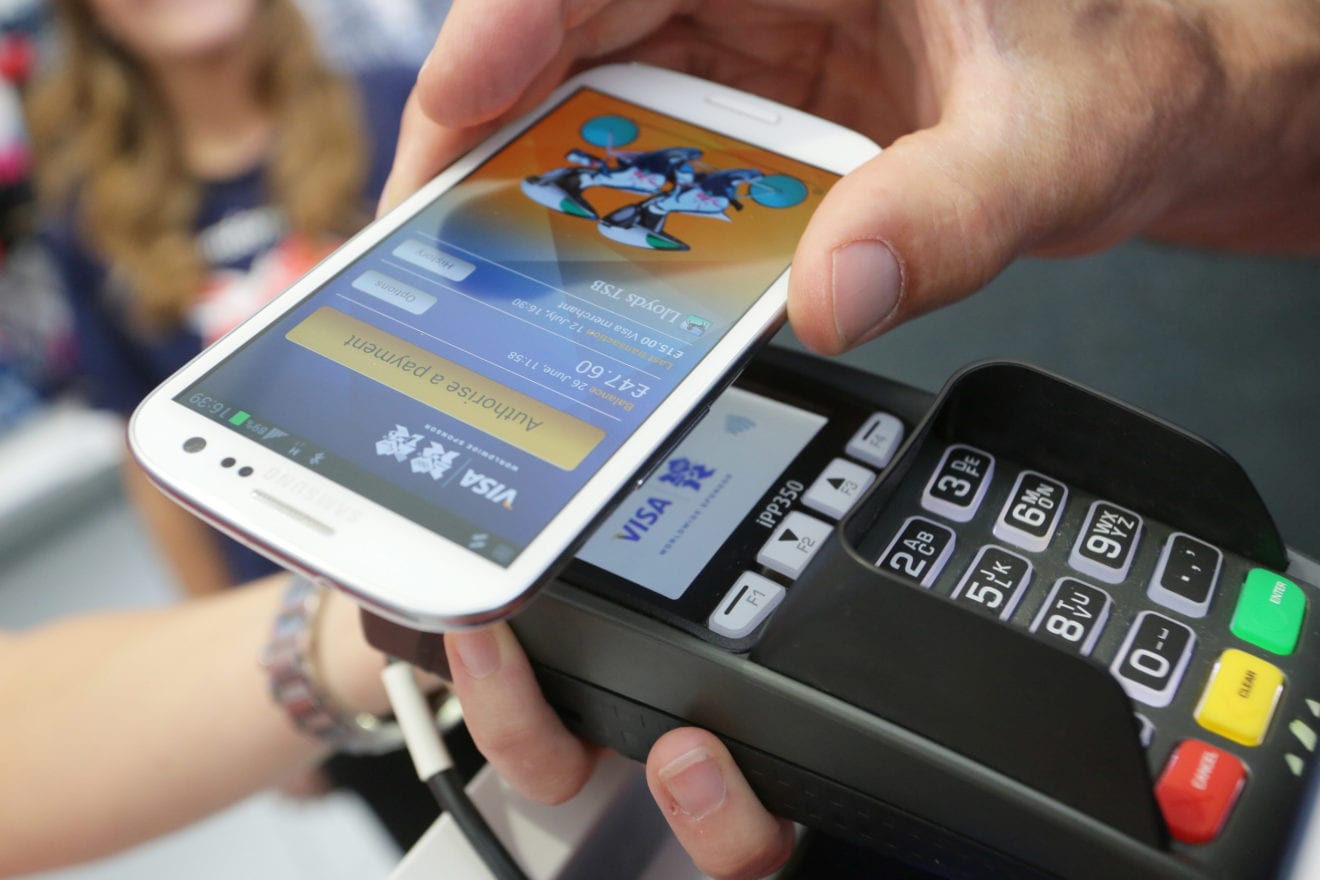
    Singapore joins other major cities that have enabled open-loop Visa payment cards for public transport, including London, Sydney and New York. Commuters in Singapore can now use their Visa contactless cards or compatible devices to pay for bus or train rides under the Land Transport Authority’s (LTA) SimplyGo initiative, Visa said in an announcement on Thursday.

    According to Visa, the project with LTA is one of its largest implementation for contactless acceptance for transit globally, with 30,000 acceptance points.

    SimplyGo was rolled out for MasterCard users in April, aiming to make traveling by public transport seamless and convenient by eliminating the need to carry a travel card or wait in line to purchase or top up a travel card. Fees under SimplyGo are the same as paying with a travel card.

    Visa said has been working with partners and merchants to expand the acceptance of contactless payments nationwide, including transport, quick service restaurants and hawker centers.

    Today, Singapore is already one of the top markets globally in terms of contactless penetration with more than 80 percent of all Visa transactions being contactless. We expect this number to grow even faster with the opening of transit acceptance, Kunal Chatterjee, Visa country manager for Singapore and Brunei, said.

  • Huawei’s troubles could hurt the entire smartphone market

    Huawei’s troubles could hurt the entire smartphone market

    After putting on a brave face for the last few weeks and insisting the Chinese company is prepared for whatever US President Trump might throw at it down the line, Huawei has finally acknowledged its incredible recent rise through the ranks of the world’s largest smartphone vendors is likely to slow down.

    But while Apple, Samsung, and Xiaomi are expected to derive important gains from Huawei’s global losses, Canalys is taking a look today at another big potential loser in this extremely complicated equation. The research firm thinks the entire smartphone industry will be hurt by “uncertainties surrounding the US/China trade talks, the US Executive Order signed on 15 May and subsequent developments.”

    Although it’s obviously impossible to project the long-term repercussions of current tensions between the US and Chinese governments, as “subsequent developments” remain up in the air, Canalys is already reducing its 2019 smartphone shipment forecast to 1.35 billion units. That would represent a decrease of 3.1 percent from last year’s total, which in turn marked a worrying decline for an industry that was used to steady, impressive growth until not long ago.

    That essentially stopped when manufacturers got into a rut, failing to innovate like before and convince people to upgrade from their awesome high-end handsets to eerily similar and only slightly awesomer new flagships. With the advent of 5G connectivity and increasingly bolder designs pursuing the foldable and bezelless dreams, analysts are now widely expecting a (slow) recovery of global smartphone sales.

    But if Canalys is right, we may have to wait until 2020 for a boost in shipments. Specifically, this year’s 1.35 billion units are projected to rise to 1.39 billion for a sequential growth of 3.4 percent after consecutive declines of 4.5 and 3.1 percent in 2018 and 2019 respectively.

    Of course, this year’s total is exceptionally volatile and tricky to forecast, greatly depending on whether or not Huawei will ultimately be allowed to continue doing business with US companies. The current assumption is that “restrictions will be imposed stringently” on the Chinese vendor at the end of Trump’s 90-day reprieve, hampering its overseas potential for “some time.”

  • Fave buys startups CutQ and FoodTime at once

    Fave buys startups CutQ and FoodTime at once

    Southeast Asian mobile payment and reward platform Fave has acquired CutQ and FoodTime, two startups specializing in F&B table ordering and takeaway pre-ordering for an undisclosed figure.

    The acquisition and integration of both firms present Fave with an opportunity to significantly accelerate its growth in the region.

    “I’m very pleased to welcome both CutQ and FoodTime into the Fave family,” said founder of Fave Group Joel Neoh. “As the cost to operate restaurants increases and business owners face challenges to hire staff and increase productivity, we wanted to provide table ordering and takeaway pre-ordering solutions which will reduce these hurdles.

    “We saw an opportunity to leverage on the knowledge and technology that CutQ in Singapore and FoodTime in Malaysia have developed and are delighted to officially introduce their services as our next value-added service for our merchants and users. At Fave, we believe every business should be able to partake in the digital economy, and no one should be left behind because the cost is too high or the technology is too complex.”

    “One of the biggest problems facing Singapore’s and Malaysia’s F&B and retail industry is an acute labour shortage,” said Fave Singapore MD Ng Aik Phong. “The lack of skilled labour, coupled with new government restrictions on foreign workers, poses one of the biggest growth challenges for both countries. With Fave, merchants have experienced an impressive 70-per-cent increase in loyalty-return rates from their customers as compared to the industry average of around 20 per cent. Adding table ordering solutions is a step towards addressing what merchants in F&B need.”

  • Google Chrome on Android is getting a seriously useful new feature

    Google Chrome on Android is getting a seriously useful new feature

    Opening a ton of tabs in Chrome, even the mobile version, is something that many of us are all too familiar with. The current card-style interface of the Chrome app is alright when you have only a few opened tabs, but going over 10 often leads to confusion and excessive scrolling to find what you’re looking for. A new feature headed to Google Chrome on Android aims to resolve this issue by introducing tab grouping and a redesigned tabs screen.

    The long-press menu will offer a new option, “Open in new tab group,” that allows you to bunch sites together in groups. Starting a group makes a bottom navigation bar appear where the various tabs in the group are displayed as favicons for easy switching between them. Tapping the “Tab” icon next to the search bar brings you to the new tabs screen. The card stack interface is gone, and in its place is a thumbnail view that shows snapshots of where you left of on different pages in a vertical gallery style.

    Tab groups are displayed like folders, each showing the total number of tabs inside the group, alongside thumbnail previews and favicons for the first four pages. Taping on a group opens an expanded view, which is very similar to the tabs screen. This really helps when you have quite a few tabs opened in Chrome, and you want to group some of them based on topic.

    The new interface is currently a work in progress, so it’s lacking some polish, but should be ironed out in the near future. Like most other features added to Google Chrome, this one is already accessible in the Canary version on Android. As such, it is still in the testing stages and may not perform as it will in the final release. Still, if you’re eager to try it out, you can do so by typing “chrome://flags” in the URL bar in Chrome Canary, and searching for “enable-tab-groups-ui-improvements.” Enable the option, restart the browser twice, and you should be ready to go.

  • Vietnam considering mobile money trials this year

    Vietnam considering mobile money trials this year

    Vietnam’s Ministry of Information and Communication has held an international workshop on the ability of mobile money to promote financial inclusion, as part of preparations for potential mobile money trails.

    The two-day workshop was designed to provide a comprehensive overview of mobile money, and put forward recommendations for Vietnam’s adoption of the technology.

    At the event, Minister of Information and Communication Nguyen Manh Hung said the government is evaluating approving mobile money trials this year, the report states.

    Vietnam would become the 91st nation in the world to adopt mobile money services, the minister said. By the end of last year, nearly 900 million people in 90 nations were using mobile money services to conduct transactions worth around $1.3 billion per day.

    The minister also noted that mobile money will help promote cashless payment in a market were only around 40% of the population have bank accounts but mobile penetration is well over 100%, and will allow low-income people in remote or hard to reach areas to access paid online services.

  • Privacy browser Tor is now available on Android

    Privacy browser Tor is now available on Android

    With online privacy becoming an increasingly rare luxury these days, most all browsers offer some sort of “incognito” mode that’s supposed to help bypass various “surveillance” methods employed on the web. The demand for online anonymity has spawned a whole new breed of privacy-focused browsers that promise to offer better security and cover your traces in a more efficient manner than incognito modes. Among those, the Tor browser is the most popular (and infamous) choice for people looking to really erase their online presence.

    Connecting to the Tor network was possible in the past on Android, by using apps like Orbot and Orfox, but the release of the Tor browser on the Google Play Store eliminates the need of such workarounds. The browser has been in beta for close to a year now, but it’s finally ready for prime time.

    If you’re not familiar with Tor, here’s a simplified explanation. Instead of connecting directly to a website, like a regular browser would, Tor channels your request through a network of encrypted computers all around the globe, called “nodes,” before reaching your desired destination. This way, your identity and IP address remain hidden. Not to mention that this can also help when trying to view content that is blocked on a per-region basis, like music videos on YouTube for example.

    The Tor browser is based on Firefox, so its interface should be immediately recognizable to Firefox users. The browser is now available on Android, but an iOS may never see the light of day, according to the Tor Project. This is due to “restrictions by Apple,” though the blog post doesn’t go over any of them in detail.

  • DBS launches digital payments Singapore pre-schools

    DBS launches digital payments Singapore pre-schools

    Singapore bank DBS has developed a mobile payment platform that aims to allow parents in Singapore to purchase uniforms, pay for field trips and sign up for extra-curricular classes for their pre-school children.

    DBS has partnered EduTech company, LittleLives, to enhance the latter’s app-based pre-school management system with real-time payment features. The app is used by one in three pre-schools in Singapore to update parents on their child’s development.

    In Singapore, the early childhood education sector is still dependent on cash despite school fees being paid via GIRO or Child Development Accounts (CDA). For example, when paying for excursions, school uniforms or learning resources, parents often make payments using cash or checks and the school then makes arrangements to pay third-party vendors.

    With payment functions built into the LittleLives app, pre-school operators can save up to 40 manhours per month on administrative tasks such as payments reconciliation, allowing them more time to engage with parents and their children. This addresses a recent DBS survey that revealed that one in four SMEs are looking to develop their digital business capabilities to improve productivity.

    The LittleLives app is used by over 750 pre-schools in Singapore. The app can now enable pre-schools to generate invoices and parents to make payments through PayNow and DBS PayLah. Receipts will be generated automatically after payments are made. With access to real-time payment reports such as daily settlement and auto-reconciliation, pre-schools can better manage their finances more accurately and securely.

    “Many young parents are time-strapped and juggling multiple responsibilities at work and at home. By enabling parents to conduct payments on the go, quickly and safely, they have more time to nurture and care for their children,” said Sun Ho (pictured, right), founder of LittleLives.

    “Partnering a powerhouse like DBS will help us create a super app that will transform how pre-schools are managed. LittleLives can then create an amazing childhood education experience for both children and parents,” she said.

    DBS and LittleLives have plans to roll out this payments gateway to other markets such as Brunei, Cambodia, China, Malaysia and Vietnam. This is made possible with DBS IDEAL RAPID, an API-enabled solution, that allows the bank and its partners to scale their services quickly and seamlessly.

  • Japan to create 10b 14-digit mobile numbers by 2021

    Japan to create 10b 14-digit mobile numbers by 2021

    Japan’s communications ministry plans to create around 10 billion 14-digit phone numbers in anticipation of the 5G era.

    The 14-digit numbers starting with the code 020 will be introduced by 2021 at the latest.

    The current stock of 11 digit mobile numbers is expected to run out as early as the 2022 financial year.

    In response, a panel of experts has proposed to introduce the new numbers once the necessary preparations are complete, and Japan’s big three mobile operators NTT Docomo, KDDI and SoftBank have agreed to the proposal.

    Now the ministry has announced it will draft a report on the matter as early as June and aims to complete a ministerial ordinance by the end of the year.

    New numbers will be allocated to the operators early if they complete the necessary upgrades ahead of schedule, the report states.

    Japan currently uses 11 digit numbers starting with 090, 080 and 070 for mobile phones, and with 020 for IoT devices.

  • Outlook Mobile is Getting New Features

    Outlook Mobile is Getting New Features

    Microsoft has just announced its Outlook mobile app is getting some new features in the latest update, which will allow users to customize their email notifications from their favorite people. On top of that, the Redmond-based company announced it will add enhancements to Outlook for Android Contacts, along with additional use of intelligent technology from Office Lens.

    The first important new feature you’ll be getting on Outlook for Android is the new special place in the sidebar that appears when you select someone as a favorite person. This will allow you to quickly access recent emails from them.

    You can now manage favorite people, folders and Outlook groups by simply tapping the pencil in the sidebar to edit Favorites. According to Microsoft, all the changes that you make to Favorite in Outlook mobile will sync with Favorites in Outlook on the web.

    Once you select your Favorites, you can set Outlook mobile to block all other notifications and let only those from your VIPs to go through, so that you can work without interruption. Also, in addition to the option to receive notifications from Focused Inbox, Focused Inbox or Other or no notifications, those who use the Microsoft sync technology for Outlook mobile can choose to be notified only when an email from one of their favorite people is delivered to the inbox.

    Several enhancements to the Outlook for Android contact card have been implemented as well. Expect additional contact details, information about where they fit into the company reporting structure and insight about who they work with courtesy to the Microsoft Graph.

    If you haven’t yet used Office Lens in Outlook, Microsoft made a video to show users how to scan a business card and convert it into an Outlook contact. It’s extremely convenient and save you a lot of time if you have several contacts that you want to add in Outlook.

  • Google Will Start Pushing More Ads on Mobile

    Google Will Start Pushing More Ads on Mobile

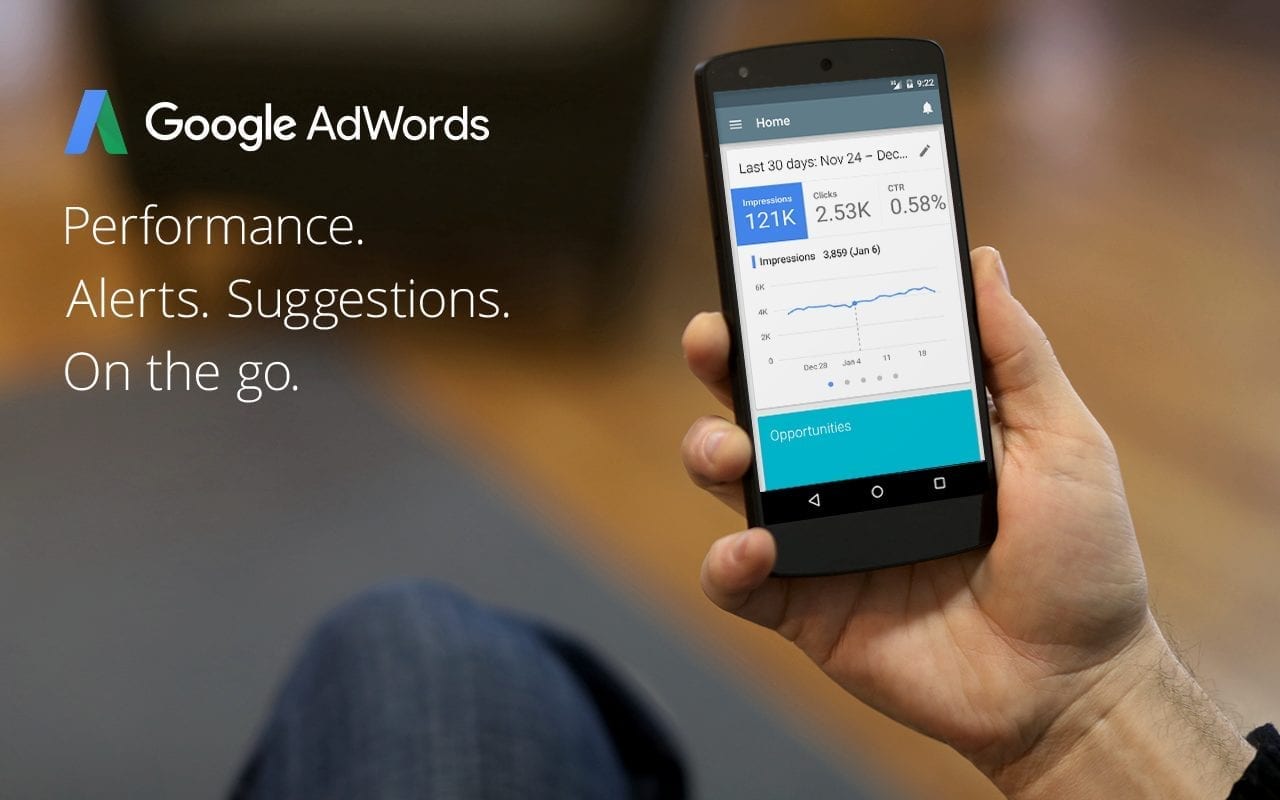
    Google has just announced that it will soon start pushing out more ads on mobile to make it easier for Android and iOS users to find information about the products they want to purchase. The so-called Discovery ads will be rolled out to all advertisers globally later this year, as a new way to reach people across Google properties when they’re looking for something specific.

    Besides Discovery ads, Google revealed that it will deliver mobile users Gallery ads, a new search ads format delivered in the form of up to eight ads that they can swipe through.

    By combining search intent with a more interactive visual format, gallery ads make it easier for you to communicate what your brand has to offer. We’ve found that, on average, ad groups including one or more gallery ad have up to 25 percent more interactions—paid clicks or swipes—at the absolute top of the mobile Search results page.

    On top of that, standard ads will now pop up in Google’s discover feed that’s implemented in many Android home screens, in the Google app, as well as on Google’s mobile homepage.

    These ads are supposed to “inspire consumers with an open canvas” and allow them to learn about new brands or products in a swipeable image carousel, which is rendered natively across all Google’s properties.

    Last but not least, Google plans to bring Showcase Shopping ads to even more of its properties, such as Google Images, the feed on Discover, and YouTube. This is a highly visual ad format that includes rich lifestyle imagery into Shopping ads.

  • Vodafone M-Pesa applies for license extension

    Vodafone M-Pesa applies for license extension

    Mobile payments company Vodafone M-Pesa has applied for an extension on its prepaid payment instrument license while it explores merging with an associate or third party company.

    Vodafone M-Pesa, which is wholly owned by India’s Vodafone Idea, is seeking an additional extension of its license from the Reserve Bank of India.

    The company will be required to pursue a merger due to regulations preventing one entity from having a payments banking business and prepaid payments business under separate entities.

    Due to the merger between Vodafone India and Idea Cellular, the combined Vodafone Idea currently has a 100% stake in Vodafone M-Pesa as well as a 49% shareholding in the Aditya Birla Idea Payments Bank Limited.

    The company has already negotiated multiple extensions to its prepaid payment instruments, but only on a temporary basis as the company pursues a solution to gain compliance with the regulations.