Tag: payments

  • South Korean firm to invest $700 mln towards cashless payment in Vietnam

    South Korean firm to invest $700 mln towards cashless payment in Vietnam

    Financial solutions firm Alliex will invest over $700 million to build shared Point of Sales (POS) across Vietnam. Alliex plans to install a total of 600,000 shared POS devices in Vietnam over the next five years, its director Park Byounggun told Deputy Prime Minister Vuong Dinh Hue at a meeting on Friday.

    The company, along with local partners, will build and operate this shared system, and continue to add new features on the POS devices such as QR code, contactless payment, and biometrics in line with regulations, Byounggun said.

    The shared POS system will help local authorities cut down cash in circulation and transaction costs, combat tax losses and speed up payment transactions in a safe and efficient manner, helping the government’s efforts to transform Vietnam into a cashless society, he added.

    Alliex has also signed collaboration contracts with private lender Sacombank and the state-owned VietinBank to roll out the POS system in Vietnam.

    Electronic payments in the country increased by 22 percent in 2017 to $6.14 billion, according to Statista, a local market research firm. The figure is projected to rise to $12.33 billion by 2022.

    Economists have said that the potential for cashless payments in Vietnam is huge due to a growing middle class and rapidly improving telecom infrastructure. The Vietnamese government targets to make 90 percent of all transactions cashless by 2020.

    However, for now, the reliance on cash remains huge. About 80 percent of Vietnamese prefer to use cash for daily transactions, according to the Ministry of Industry and Trade.

  • All 7-Eleven Philippines stores now sell Bitcoin

    All 7-Eleven Philippines stores now sell Bitcoin

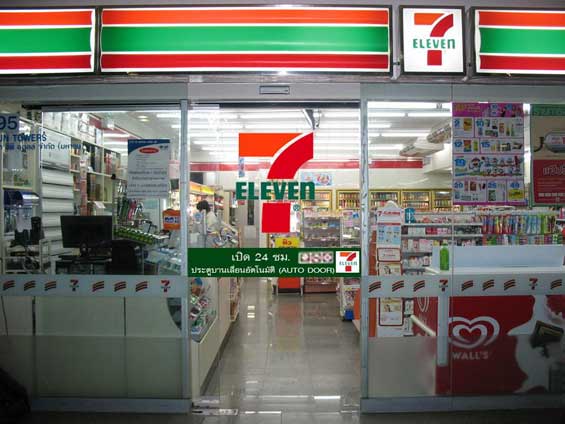
    Bitcoin purchasers can now buy the cryptocurrency in all 7-Eleven Philippines stores.

    The move has been introduced by Cryptocurrency investment app Abra in partnership with ECPay payments firm, making the coin available in more than 6000 locations in the territory. The purpose of the new strategy is to simplify access to Bitcoin investment.

    “Using new digital tools that open up financial access shouldn’t be hard,” said a spokesperson for the firm to Cointelegraph, “and they shouldn’t be complicated. Moving cash to crypto and other digital assets should be simple and fast. That’s why we are really excited to announce our new partnership.”

    Bitcoin purchase is being made available under the “Bills Payment” option at Cliqq ECPay kiosks in stores, or use the mobile app.

  • AirAsia’s BigPay Launches International Remittance Services

    AirAsia’s BigPay Launches International Remittance Services

    BigPay, the financial services venture by Malaysian low-cost carrier AirAsia, has announced the fixed-rate international remittance services across Southeast Asia.

    BigPay is rolling out cross-border transfers for its users to Singapore, Thailand, Indonesia and the Philippines. Such transfers can be done using its mobile application, and will be charged at a fixed rate for each corridor at competitive exchange rates, with no hidden fees or charges, the firm said in a press release.

    Technology can dramatically reduce the cost of remittance and we want to make it easy for people to move money abroad – whether it is sending money to family, friends or other overseas payments – without having to pay exorbitant exchange rates and transfer fees,» said CEO and co-founder Chris Davison.

    Davidson added that financial inclusion is a cornerstone of BigPay, and offering low-cost and accessible money transfers is part of its strategy to address this.

    BigPay was launched in 2018 by AirAsia as an e-wallet, hoping to leverage the low-cost carrier’s dominance in regional air travel in Southeast Asia. It promised to reduce the cost of air travel, including the cost of foreign transactions when traveling. A key differentiator is that it waives markups on foreign exchange, and other transactional fees charged by traditional debit and credit cards.

    Operating on a challenger bank model, BigPay has also tied up with MasterCard, which provides users access to 35 million merchants globally, and will soon venture into offering loans.

    BigPay has more than 750,000 users as of July 2019, and its transactional volume has been growing 20 percent month-on-month, which also said that BigPay plans to launch in Singapore by year-end.

  • SMEs struggling with late payments

    SMEs struggling with late payments

    Kiwi small businesses are struggling as they wait for an estimated $7.4 billion in overdue payments, Xero has revealed.

    The Wellington-based tech company, which provides software for small businesses, based the estimate on anonymous data drawn from a sample of its more than 350,000 users in New Zealand.

    Data from the April-June quarter revealed that on any given day, more than 50 percent of small businesses on its platform are owed at least $7000.

    Half the overdue invoices were on average at least 16 days past due, and still pending payment.

    What’s worse, the average amount of overdue invoices per firm increased from 12 to 13 year on year in Q1, and the number of small businesses reporting late payments rose from 77 percent in March to 79 percent in June.

    “Small business needs this money to pay suppliers, staff, rent and other bills – and over time that can take a toll,” Craig Hudson, Xero’s MD for New Zealand and the Pacific Islands.

    “Weak cash flow doesn’t just impact the financial stability of a business, there’s the human impact too, with financial stresses affecting employment, families and mental wellbeing.”

    Accommodation and food service businesses were the most affected by late payments, with overdue invoices comprising 32.5 percent of all their invoices – compared to 28.5 percent for all industries.

    “They each had an average $9,586 overdue in Q1, which is smaller than other industries but significant when you consider they’re usually very small, often family-run, and typically making little profit,” Hudson said.

  • New Zealand payment firms roll out new technology to reduce fraud

    New Zealand payment firms roll out new technology to reduce fraud

    Payment firms in New Zealand have committed to rolling out the new payment technology credential-on-file (COF) tokenization to strengthen e-commerce security and enhance conversion rates.

    Adyen, Bambora, Cybersource, Paystation by Trade Me and Windcave said they plan to introduce tokenization in the country, in partnership with Visa, which will not only reduce fraud but will also enhance conversion rates, resulting in savings for businesses and simpler payment experience for every-one that shops online.

    COF tokenization replaces card details such as account numbers and expiry dates with unique digital identifiers (‘tokens’) that are used for payment without exposing a cardholder’s sensitive information.

    Each token is merchant-specific, so it can only be used with the merchant where it is stored, removing any incentive for hackers to try to steal the account data and decreasing the risk of data breach attempts.

    Businesses usually store card numbers for direct debit, top-up, loyalty, subscription or account-based online shopping. This same technology is used to enable the various mobile wallets that are available to Kiwis today.

    Riaz Nasrabadi, Visa’s head of Product for New Zealand and the South Pacific, said this commitment to drive tokenization across the industry represents a win for New Zealand businesses, consumers, financial institutions and payments companies alike.

    “The technology enhances consumers’ experience, enables retailers to retain consumer loyalty and protects all businesses from fraud,” Nasrabadi said. “With the advent of open data and the creation of new experiences based on data, initiatives such as tokenization will ensure consumer data is protected and held securely.”

    According to Visa, in addition to enhancing security, COF tokenization enables businesses to have consumer payment details instantly refreshed when a card is lost, stolen or expires, meaning there is no need for the consumer to log in and update his or her details, or the business to lose out on that payment cycle.

    “This development will be welcomed by Kiwi consumers, with a YouGov survey finding that 44 percent identify updating pre-existing details with merchants and service providers among the most annoying consequences of losing a card or having it expire,” the company said.

    The automated process could also help prevent online merchants from missing out on subscription renewals, with 19 percent saying they would use the manual card update to try out an alternative, and 13 percent opting to stop using a service altogether.

    According to Visa, with tokenization in place protecting their card details, 37 percent of New Zealanders said they would be more likely to purchase from small retailers, 46 percent would be more trusting of online businesses, and 36 percent said they would buy from retailers they had not bought from in the past.

  • OCBC Launches Mass-Market Travel Credit Card

    OCBC Launches Mass-Market Travel Credit Card

    The bank is hoping to capitalize on the rising trend of frequent traveling among the younger generation and the high share of rebates and reward card users who are also keen travelers.

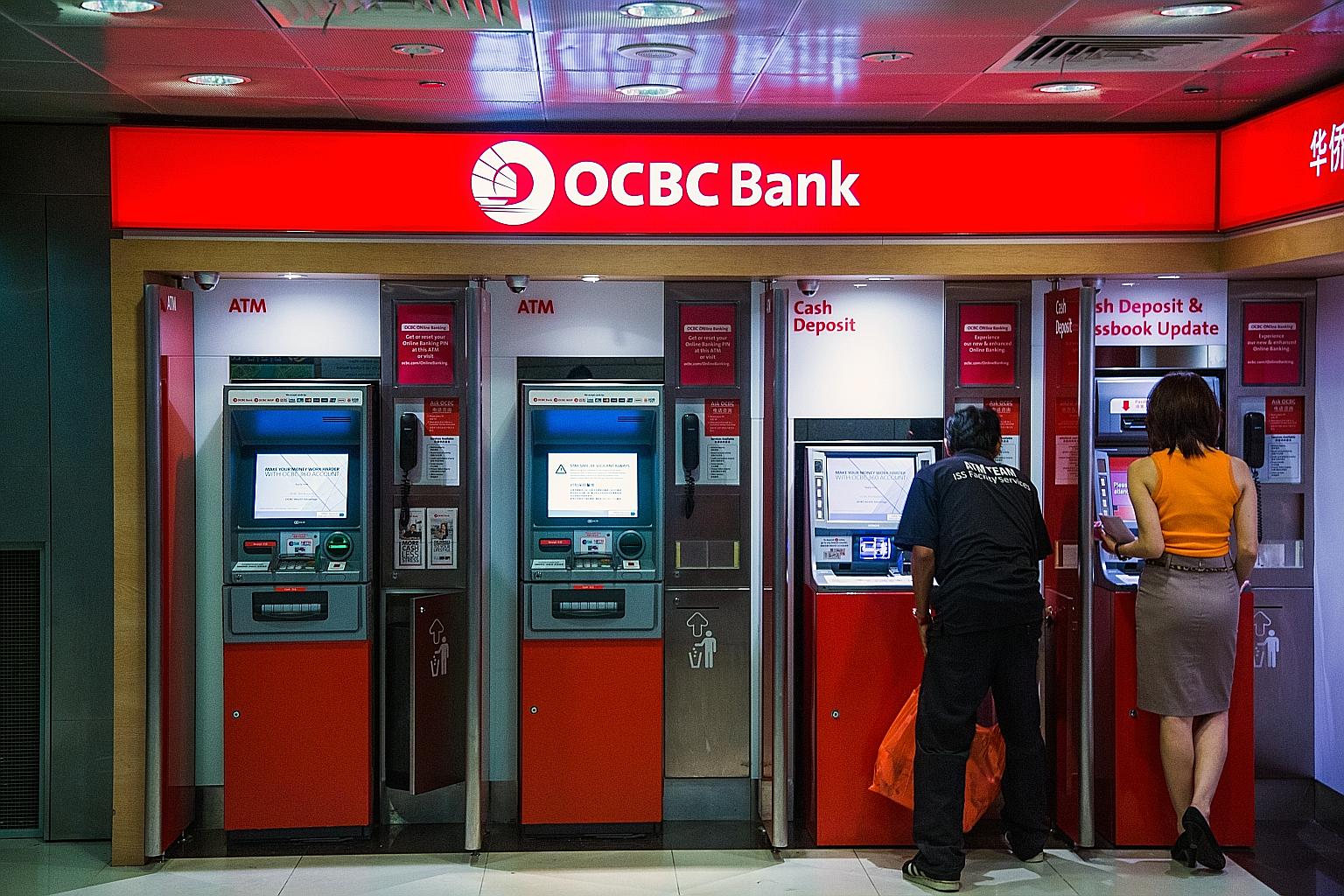
    OCBC Bank has launched its first mass-market miles card, the OCBC 90°N Card, with which it hopes to achieve $1 billion in annual billings within three years, the bank said in a statement.

    The credit card, which is targeted at fresh graduates, young professionals, management, executives and technicians (PMETs), as well as emerging affluent individuals, has a low annual income requirement (S$30,000), a brand new rewards currency that does not expire, and smaller redemption blocks with no fees, the statement said. The card also allows instant cashback ranging from an average of 1.5–5 percent and reward points that can be used for dining and shopping privileges.

    The bank said it hopes to attract 150,000 sign-ups, and is offering a launch bonus of up to 8 miles per dollar with no cap and minimum spend, as well as 7,000 miles to draw new customers.

    In the past five years, overseas credit card expenditure among OCBC cardmembers has «more than doubled,» Desmond Tan, OCBC’s head of group lifestyle financing, said.

    In addition, the bank has a total card base of 2.5 million customers, and its total card billings have registered a compound annual growth rate of 10 percent over the past three years.


  • Google Pay update brings dark mode to Android users

    Google Pay update brings dark mode to Android users

    Google continues to push dark themes to its apps and service, a more than welcome feature that Android users have been requested for a long time. Pay is the next Google app that is getting the long-awaited dark theme, although we’re not yet sure if the update that brings the new feature is rolling out to everyone.

    A certain version of Google Pay (2.96.264233179) has the new dark theme, but it’s only showing up for some users on the Google Play Store. You can download the APK file from the source if you don’t want to wait for Google to release it in your country.

    If you’re lucky to get the updated version of Google Pay, the app will automatically switch to dark mode if the battery saver is enabled, but you can also manually set the app to use dark theme whenever you want.

    Once Android 10 gets released, the system-wide dark mode will take over, so it makes sense for Google to want to add this feature to as many of its app as possible until the new OS update hits compatible devices.

  • Standard Chartered in Hiring Push to Grow Private Banking

    Standard Chartered in Hiring Push to Grow Private Banking

    The bank is on a recruitment spree in Hong Kong and Singapore as it hopes to increase its private banking assets by 50 percent to $100 million in the next three to five years.

    The U.K.-based bank will be hiring 30 to 40 private bankers per year in Hong Kong and Singapore, where it derives most of its revenue, to bolster its 300-strong team of relationship managers over the next two to three years as it hopes to grow its private banking assets to $100 billion from $65 billion currently.

    That makes us meaningful internally for the group, that makes us a meaningful player in this landscape. Hitting $100 billion can give us credibility internally, help us to attract talent, Standard Chartered’s global head for private banking and wealth management, Didier von Daeniken, said in an interview.

    Competition for the region’s growing number of ultra-high net worth (UNHW) and high net worth individuals is stiff. Standard Chartered’s $65 billion in private banking assets trails global powerhouses UBS’ $2.3 trillion and Credit Suisse’s $770 billion, but the unit plans to leverage the bank’s corporate and institutional clients in Asia and other emerging markets where it has existing banking networks to hit the $100 billion mark, the report noted.

    Standard Chartered’s private banking business targets individuals with at least $5 million in investable assets. The unit makes up for only 3.8 percent of Standard Chartered’s total profit before tax for the first half of 2019, Reuters reported. But $100 million, this represents a marked improvement from a $5-million loss for the same period the year before.

  • Digital Payment Provider QFPay Raises $20 Million

    Digital Payment Provider QFPay Raises $20 Million

    Major Asian digital payment tech firm QFPay has raised another $20 million from both existing investors and a new list of renowned names including Sequoia Capital and Rakuten.

    Sequoia Capital China, which has participated in all three funding rounds, joins Matrix Partners as returning investors. New investors also include Rakuten Capital, the VC arm of major Japanese internet service provider, Rakuten; MDI Ventures, the VC arm of Indonesia’s largest telecom, Telkom Indonesia; and VentureSouq, a Dubai-based VC firm specializing in tech startups.

    According to QFPay co-founder and CEO, Patrick Ngan, the value from new investors this round extends beyond just funding to matters such as market-specific strategic growth.

    We have been witnessing tremendous growth in digital payment adoptions across Asia and given the need for localized strategy and networks in each of the markets, having support from trusted strategic partners like MDI Ventures, Rakuten Capital and VentureSouq as your investors and advisors plays an important role in navigating through the complex business environments, he elaborated.

    Asia is currently the leader for digital payments driven by demand from the region’s largely unbanked population. The ASEAN region is a major contributor to the sector with the market expected to grow 25 percent CAGR till 2027 to reach $109 billion, according to a research report by Nomura. QFPay is well-positioned to capture some of this growth with presence in 13 markets in Asia and the Middle East including Cambodia, China, Hong Kong, Indonesia, Japan, Korea, Laos, Malaysia, Myanmar, Philippines, Singapore, Thailand and United Arab Emirates.

    We have built our track record, know-how and expertise in this industry since we launched in China which is dubbed as the birthplace of digital payment, added Tim Lee, co-founder and CEO of QFPay.

    We are excited to leverage what we have learned in the past seven years to help lead the cashless movement in the rest of Asia as demand for digital payment, particularly QR-code payment method, heats up in the region.

  • Swift Calls for Collaboration on Cross-Border Payments

    Swift Calls for Collaboration on Cross-Border Payments

    Cross-border payments challenges should not be solved with closed loop systems, global payments network Swift said in a call to the payments community, including market infrastructures, banks and fintechs.

    Its white paper, Payments: Looking to the Future,» lays out the financial services firm’s vision of cross-border payments as one that is «seamless and convenient as domestic ones: instant, accessible, ubiquitous, saying the increase in cross-border flows, new technology enabling improvements, and end-customers demanding a better customer experience as changes that are shaping the global payments industry.

    Innovations in domestic retail payments have transformed entire markets, and facilitating the exchange of value beyond tightly knit domestic, single-currency communities is inherently more complex for banks, the paper noted.

    Cooperation by all players in the community is important, because the openness and universality of the envisioned system are unique; the more widely adopted the convention for moving value, the easier the circulation of value – and the more the convention will be used. Banks are key in this, Swift said, asking for the widespread adoption of its global payments innovation (GPI) service.

    According to Swift, API technologies supporting open, agile architectures are supporting the revolution in international payments as they allow fintechs to offer value-add services and banks to differentiate themselves by layering services and products.

    Payments are not an end in themselves – they exist to enable investment, trade and commerce, Swift said.

    Swift launched its GPI service in 2017 to increase the speed, transparency and tracking of cross-border payments. It currently remains optional for banks but its ambition is to create a new standard in cross-border payments, and said it expects it to be the universal standard by 2020.

    In January, it accounted for 55 percent of cross-border payment instructions carried on the network, and about $300 billion in transfers daily.

  • Visa Transforming Mass Transit Experience Worldwide with Visa Contactless Payments Now Live in Singapore

    Visa Transforming Mass Transit Experience Worldwide with Visa Contactless Payments Now Live in Singapore

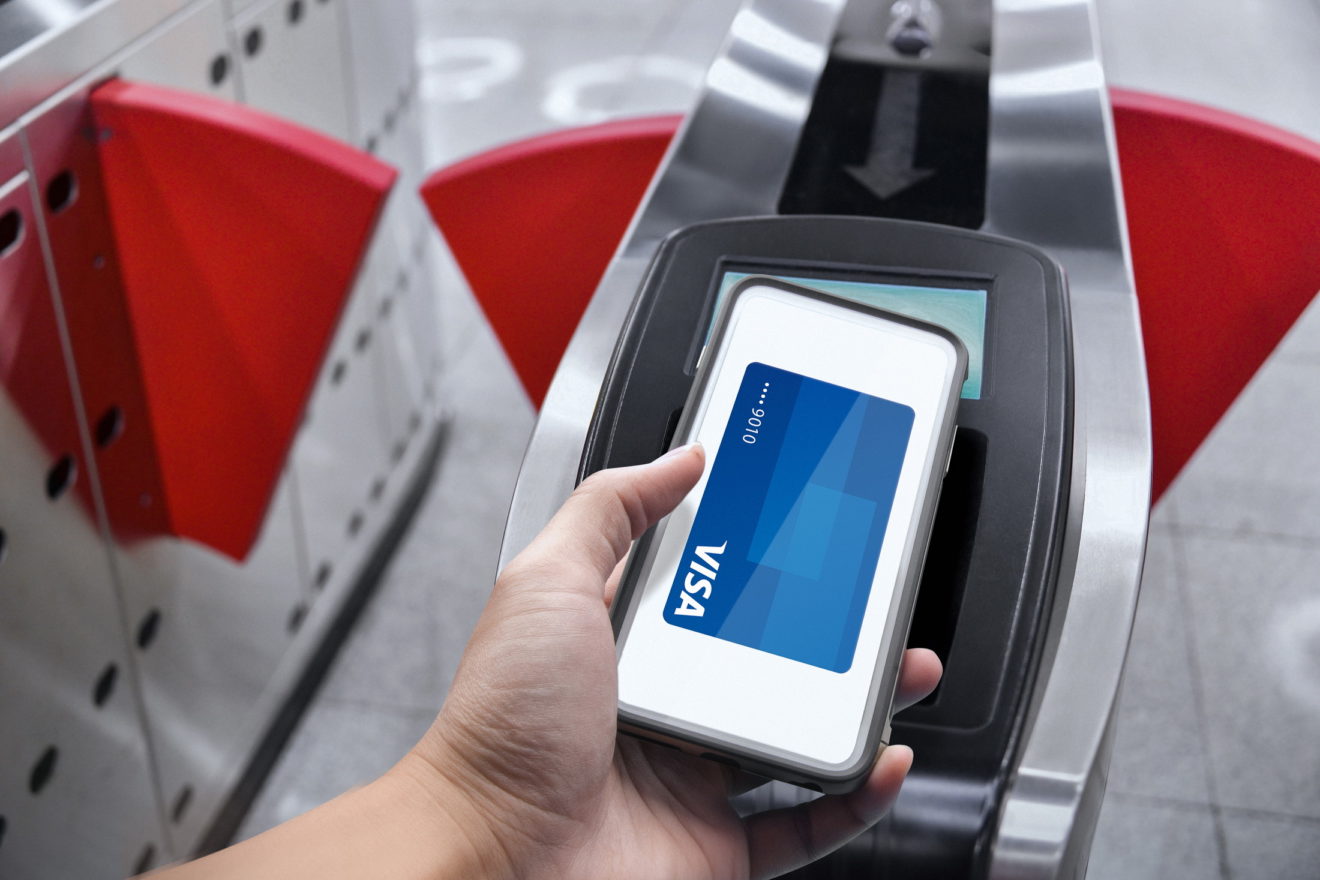
    The project with LTA will be one of Visa’s largest implementation for contactless acceptance for transit globally at 30,000 acceptance points.  All banks that issue contactless enabled Visa cards will be part of this transit initiative. Consumers will also be able to make mobile contactless transactions through compatible devices including Apple Pay, Fitbit Pay, Google PayTM and Samsung Pay.  Singtel Dash mobile wallet users can also tap and pay for bus and train rides with their Dash Visa Virtual Account.

    Paying for public transportation using Visa contactless is not only convenient, but enhances the travel experience for commuters by eliminating the need to carry multiple cards or the hassle of having to top up stored value travel cards.

    More than one-third (35 percent) of respondents in a recent Visa Singapore transit study say it is inconvenient to top-up their pre-paid stored value cards for local travel. In addition, close to 70 percent of respondents say it is a hassle to wait in long queues to purchase fares or top up their travel cards. The same study also highlighted that 75 per cent of Singaporeans are open to using mobile or digital payments as their sole method of payment for public transport.

    Kunal Chatterjee, Visa Country Manager for Singapore and Brunei said: “We are excited to bring contactless transit payments to our cardholders in Singapore as part of LTA’s SimplyGo initiative. Our partnership with LTA to implement contactless acceptance is one of the largest contactless initiatives for transit that Visa is implementing globally and we are proud that this expansive project has come to fruition. By opening up contactless acceptance for transit, we are removing friction from the travel experience, eliminating the need for Singaporeans and tourists to wait in line to top up their stored value travel cards. Visa will continue to work closely with our partners to streamline the payment experience at all touchpoints across Singapore to make it seamless and convenient.”

    With the expansion of the SimplyGo programme to Visa cardholders, Singapore joins other major cities that have enabled open-loop payment cards for public transport, including London, Sydney and New York.  The launch built on Visa’s experience helping transit operators around the world find the best, most cost-effective way to address increasing pressures on their existing infrastructure while also investing in the technologies that will serve them in the future. Over the past year alone, Visa helped launch contactless transit solutions in 20 cities across 12 countries, with more than 150 projects currently underway.

    “Today, Singapore is already one of the top markets globally in terms of contactless penetration with more than 80 percent of all Visa transactions being contactless. We expect this number to grow even faster with the opening of transit acceptance,” added Kunal.

  • Naver’s Latest Move and the Rise of New Payment Methods in Japan

    Naver’s Latest Move and the Rise of New Payment Methods in Japan

    Trends come and go in the retail world, but one which undoubtedly appears to be here to stay is the shift in how consumers now choose to pay for goods and services.

    Physical cash has played an important part in retail for decades, but a recent announcement involving South Korean internet firm Naver has put a spotlight on how new payment methods are becoming increasingly common in Japan.

    Mobile payments system

    Earlier this month it was confirmed that the company has launched a mobile payments system which can be used in Japanese stores. According to the Korea Herald, the Naver Pay service now features a tool known as Cross-Border, which allows people to make payments via a QR code on their smartphone or tablet.

    Naver Pay chief Choi Jin-woo told the media outlet that the move was the company’s “first step” into Japan and was based around providing a “convenient service” to customers wherever they are.

    While it is thought that the move will help Koreans travelling to the country, the announcement is also arguably another sign of the major changes being seen in how people pay for different items across the world.

    Going cashless

    A huge number of countries have embraced the idea of going cashless by using new payment methods, with the likes of Canada, Sweden and the UK thought to be among those leading the way.

    The types of services which have made the move possible include Google Pay, Apple Pay and, of course, the likes of PayPal. The latter is thought to have a total user base of 277 million accounts, with 255 million of those being consumers.

    Many businesses have worked hard to keep up with the consumer appetite for new payment options, and evidence of this can be seen in a range of sectors. For example, Amazon Pay allows people to use payment methods linked to their Amazon account to pay for services on other sites. In addition, this site offering Japanese NetBet casino games gives users a chance to make deposits via a range of means including Neteller, Skrill, Entropay and Trustly. Companies like Subway and Expedia have even flirted with cryptocurrency in the past too.

    Set for growth

    According to payment technology provider InComm, it is thought that around 20 per cent of all payments in Japan are currently made with methods other than cash, and it is thought that the government is keen to boost this further in the next six years. When did the organization reveal this? In an announcement that it had partnered with DFS to launch barcode payment solutions in the country.

    The world of payments is undoubtedly changing, and it will be fascinating to see whether all of the innovations emerging in Japan will ultimately mean the country rises up the rankings when it comes to going cashless. In addition, it will be vital that retailers can stay on top of these trends to ensure they can continue to meet consumer demand.

  • Six European Mobile Wallets and Alipay Collaborate to Promote Digital Payment Interoperability across Europe

    Six European Mobile Wallets and Alipay Collaborate to Promote Digital Payment Interoperability across Europe

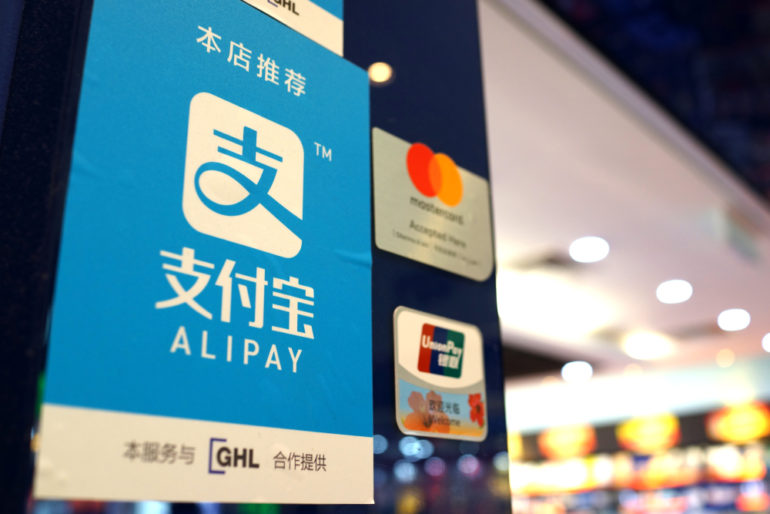
    Six prominent mobile wallets across Europe, together with Alipay, announce today a collaboration to promote QR code-based digital payment interoperability for travelers both in Europe and from China.

    Bluecode, ePassi, momo pocket, Pagaqui, Pivo, Vipps and Alipay are working towards adopting a unified QR code, marking a milestone in connecting Europe’s thriving yet fragmented mobile payment landscape. When fully realized, users of the six participating European digital wallets will be able to make QR code-based payments with their home apps to local merchants in 10 European countries where those apps are accepted. At the same time, merchants that already accept mobile payments via the six apps in their respective domestic markets will also be able to easily accept payments made by customers of the other countries covered by the collaboration. In addition, Alipay’s Chinese users can also make payments to merchants that accept these wallets.

    Helsinki-based ePassi and Oslo-based Vipps have started to prepare the roll-out of this QR code format for users across several Nordic countries, while the Spanish payment company MOMO, Portugal’s Pagaqui and Austria’s Bluecode intend to extend the collaboration further later this summer in their respective home markets. Built on the back of a similar partnership announced in December between two Nordic firms, Vipps and ePassi, and Hangzhou, China-based Alipay, this open-ended collaboration is expected to continue to expand into more European countries and companies in the future.

    The collaboration, the first of its kind in Europe, will bring together the six mobile wallet partners’ users, which are more than 5 million in total, and around 190,000 merchants in Europe, as well as a fast-growing number of travelers from China. In addition, as each of the participating firms grows the user base and merchant network, the growth is also beneficial to all of the collaborating firms’ merchants and users, respectively.

    The partnering firms have agreed to apply a compatible QR code format provided by Alipay, the world’s most-used app outside social apps. ePassi and Bluecode will offer technical services to the participating wallets to simplify the integration process among them.

    “With over 12 years’ experience, ePassi is already a mobile payments front-runner in QR code-based payments in the Nordic and selected European countries. We are proud and honored to be part of this unique collaboration of European payment wallets, and to support other partners with their integration as well,” said Risto Virkkala, CEO of ePassi.

    “It has always been our vison to enable European banks with a widely accepted European mobile payment offering”, said Christian Pirkner, CEO of Blue Code International. “As a payment solution provider, we naturally support this collaboration of European wallets agreeing on a technical format. Even more compelling that it is compatible with Asia’s leading lifestyle app Alipay.”

    The announcement came on the heels of Alipay activating the eight-year global partnership with UEFA in Porto, where the inaugural Nations League Final just concluded. “We feel honored to help promote a smart lifestyle and digital experiences in Europe, while continuing to connect more merchants with more Chinese tourists. We believe mobile payment is a universal language that can help connect people just as football does,” said Eric Jing, Chairman & CEO at Ant Financial.

    Alipay currently serves over 1 billion users with its Asia-based local e-wallets partners. Launched in 2004, Alipay has evolved from a digital wallet to a lifestyle enabler. Users can hail a taxi, book a hotel, buy movie tickets, pay utility bills, make appointments with doctors, or purchase wealth management products directly from within the app.

    In addition, Alipay’s technology is being used to enable over 200 Chinese financial institutions to improve efficiency and lower operational costs. Alipay’s in-store payment service covers over 50 markets across the world, and tax reimbursement via the app is supported in 35 markets.

    Nearly 60 per cent of overseas bricks-and-mortar merchants that adopted Alipay saw a subsequent growth in both foot traffic and revenue, according to a report by Nielsen earlier this year.

    “Momo were first to process payments via mobile devices in Spain six years ago, starting in Malaga. Since then, we’ve expanded to also help our merchants increase their sales by accepting QR payments from thousands of Chinese tourists via Alipay.” says Mariano de Mora, CEO of MOMO Group. “We are excited to see how this collaboration with other European payment wallets can bring millions of users to our merchant network here in Spain and offer our users hundreds of thousands of places to pay with their local momo app across Europe.”

    “This unique cooperation is a testament to how collaboration in Europe can simplify the market for businesses and users to create better outcome for everyone.” said Rune Garbog, CEO of Vipps. “We are extremely enthusiastic about new partners joining this collaboration, giving all our combined users broader possibilities for using their preferred mobile app also when travelling abroad.”

    “As a Portuguese company and a stakeholder in this project, Pagaqui rejoices in the choice of venue for this announcement, and is extremely proud to participate in such an ambitious and innovative undertaking”, says João Barros, CEO of Pagaqui. “As in football, European firms can be more successful when playing together as a team. This is a real game changer for businesses and users across Europe, and we are excited to see so many partners taking part in it.”

    Pivo, the largest mobile wallet in Finland with over 1 million registered users, is welcoming the collaboration and the benefits it will provide to all mobile wallet customers. “Interoperability will allow us to offer a simple and unified customer experience across services and points-of-sale internationally. The collaboration will create additional value for Pivo as a service platform, and it is a welcome initiative for the ecosystem and our customers,” said Masa Peura, CEO of Pivo.

  • Visa Expands Contactless Payments to Public Transport

    Visa Expands Contactless Payments to Public Transport

    Singapore joins other major cities that have enabled open-loop Visa payment cards for public transport, including London, Sydney and New York. Commuters in Singapore can now use their Visa contactless cards or compatible devices to pay for bus or train rides under the Land Transport Authority’s (LTA) SimplyGo initiative, Visa said in an announcement on Thursday.

    According to Visa, the project with LTA is one of its largest implementation for contactless acceptance for transit globally, with 30,000 acceptance points.

    SimplyGo was rolled out for MasterCard users in April, aiming to make traveling by public transport seamless and convenient by eliminating the need to carry a travel card or wait in line to purchase or top up a travel card. Fees under SimplyGo are the same as paying with a travel card.

    Visa said has been working with partners and merchants to expand the acceptance of contactless payments nationwide, including transport, quick service restaurants and hawker centers.

    Today, Singapore is already one of the top markets globally in terms of contactless penetration with more than 80 percent of all Visa transactions being contactless. We expect this number to grow even faster with the opening of transit acceptance, Kunal Chatterjee, Visa country manager for Singapore and Brunei, said.

  • Fave buys startups CutQ and FoodTime at once

    Fave buys startups CutQ and FoodTime at once

    Southeast Asian mobile payment and reward platform Fave has acquired CutQ and FoodTime, two startups specializing in F&B table ordering and takeaway pre-ordering for an undisclosed figure.

    The acquisition and integration of both firms present Fave with an opportunity to significantly accelerate its growth in the region.

    “I’m very pleased to welcome both CutQ and FoodTime into the Fave family,” said founder of Fave Group Joel Neoh. “As the cost to operate restaurants increases and business owners face challenges to hire staff and increase productivity, we wanted to provide table ordering and takeaway pre-ordering solutions which will reduce these hurdles.

    “We saw an opportunity to leverage on the knowledge and technology that CutQ in Singapore and FoodTime in Malaysia have developed and are delighted to officially introduce their services as our next value-added service for our merchants and users. At Fave, we believe every business should be able to partake in the digital economy, and no one should be left behind because the cost is too high or the technology is too complex.”

    “One of the biggest problems facing Singapore’s and Malaysia’s F&B and retail industry is an acute labour shortage,” said Fave Singapore MD Ng Aik Phong. “The lack of skilled labour, coupled with new government restrictions on foreign workers, poses one of the biggest growth challenges for both countries. With Fave, merchants have experienced an impressive 70-per-cent increase in loyalty-return rates from their customers as compared to the industry average of around 20 per cent. Adding table ordering solutions is a step towards addressing what merchants in F&B need.”