Tag: retail sales

  • Malaysia projected 4.9% retail sales growth for 2018

    Malaysia projected 4.9% retail sales growth for 2018

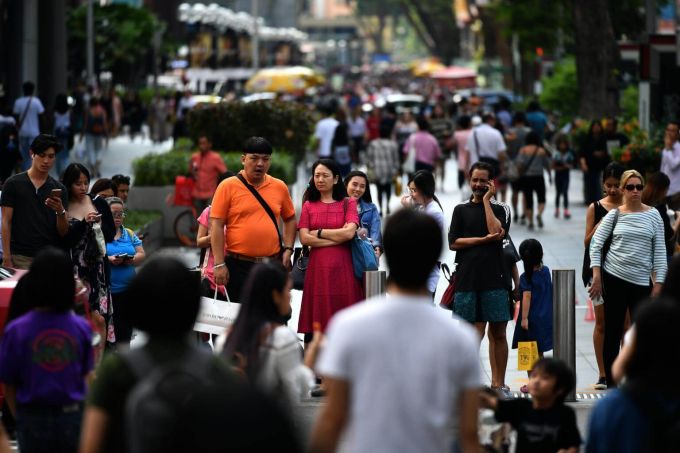
    The Malaysia Retail Chain Association (MRCA), which expects retail sales growth to come in at 4.9% for 2018 in line with the country’s gross domestic product growth, has pointed out that some of its members face difficulties in retailing online amid the push for e-commerce.

    MRCA, in releasing its first quarterly retail sales survey for the third quarter (Q3) today, highlighted that online sales make up only 3.9% of its retail revenue.

    The sample of respondents for the survey include 10% of MRCA’s members, representing 59 brands and 2,266 stores across a variety of trade categories, including food & beverage (F&B), fashion, health & beauty, supermarket & department stores, entertainment, optical, education, home improvement and more.

    MRCA president Datuk Seri Garry Chua said the association constantly reminds members to bring their businesses online and be part of the digital ecosystem, adding that MRCA also has digital membership for players like Lazada, Lelong and 11street, which are all its members.

    “We can also work closely with them (digital players) to reinforce and increase the market share for online. We’re confident the (industry) sales from online retail is going to be double-digit growth every year as more brick and mortar retailers go online, as with many start-ups,” Chua said.

    MRCA vice-president Datuk Liew Bin said although all members have an online presence, most of its members rely on the brick and mortar model and “survive happily on brick and mortar”, whereby online sales is regarded as a bonus to them.

    “With so many years in brick and mortar, it’s difficult for our members to turn to online. This is one of the challenges that our retailers face because (the) online (wave) is coming on strongly. This should be an alert to our members, as 3.9% is still a small figure,” Liew said, adding that MRCA expects online sales to grow 5% next year.

    Individually, he said some retailers have seen a 20% growth in their online retail sales.

    MRCA projected retail sales growth to grow 6.1% year-on-year in Q4 this year as year-end school holidays and the festive season are expected to bolster consumer spending; while an increase in the number of outlets is also expected to boost sales growth.

    It said retail sales grew 5.7% year-on-year in Q3 with the tax holiday between June and August that had encouraged consumers to spend.

    In Q2, retail sales grew at a slower rate of 2.1% year-on-year, affected mainly by the general election in May, where consumers held back on spending due to economic uncertainty.

    Retail sales grew 5.7% year-on-year in Q1 due to Chinese New Year sales and promotions.

    F&B, health & beauty and other retailers reported encouraging growth rate of 5.4%, 3.1% and 21.3% year-on-year respectively. However, fashion retailers suffered a negative growth in Q2 and Q3 at -2.2% and -2.8% year-on-year respectively.
  • China retail sales surges in October

    China retail sales surges in October

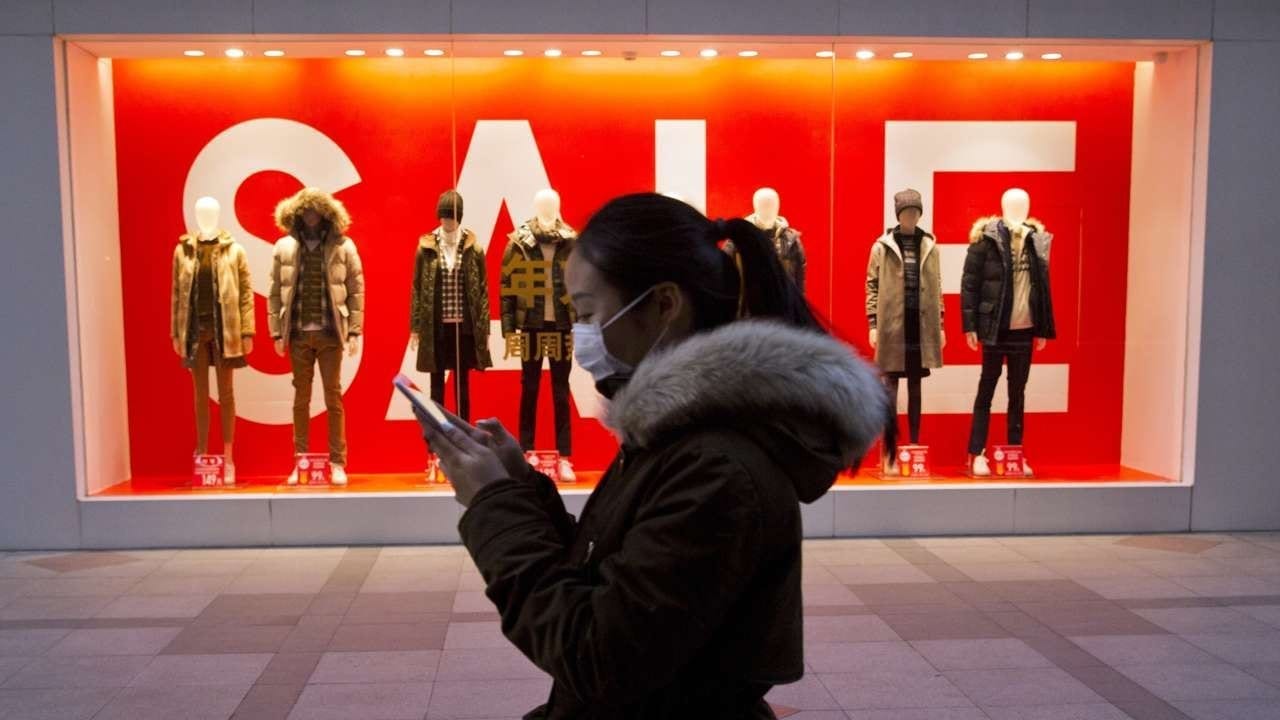
    Official figures for China retail sales show an 8.6 per cent year-on-year increase in October. That’s a little shy of the 9.2 per cent achieved in September and the same pace of growth for the first 10 months of the year.

    The data was released by the National Bureau of Statistics (NBS), which blamed the slowing growth rate on delayed consumption ahead of the 11.11 Singles Day shopping festival. Many products sold on Singles Day are pre-ordered, but not settled until the 24-hour sale commences, to boost the event’s topline figure.

    The NBS said sales in rural areas rose by 9.7 per cent in October, a faster rate than the 8.4 per cent in urban areas.

    Online spending soared 25.5 per cent to reach RMB 7 trillion during the first 10 months of this year.

  • Hong Kong retail up in September despite massive growth slowdown

    Hong Kong retail up in September despite massive growth slowdown

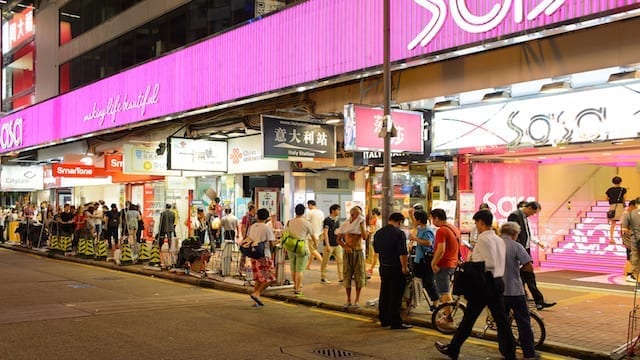
    Retail sales in Hong Kong rose 1.4% year-on-year in September, signalling a considerable retail sales slowdown in the Asian economy, following a downwardly revised 7.9% increase in August. According to industry figures released on November 1, the September uptick is the smallest annual gain in Hong Kong retail sales since June 2017.

    The Census and Statistics Department (CENSTAD) attributed the slowdown to two factors, with the first being the temporary drag on inbound tourism from typhoon Mangkhut.

    Also, local consumer spending was reportedly hindered by negative sentiment, in light of the US-China trade conflicts and stock market corrections.

    Looking at the results closer by category, September food, alcoholic drinks and tobacco retail sales fell 0.8%, compared to an increase of 2.4% in August.

    Hong Kong fuel sales were down 2.9%, widening in terms of loss, compared to a 0.6% decline in the month prior.

    Hong Kong’s clothing and footwear retail sales figures fell a whopping 6.5%, compared to 3.4% in August, with growth stalling in September at department stores, up 1.1% compared to 11% in August.

    Likewise, jewellery, watches and clocks gained 5.3%, but proved to be a soft growth result, compared to the 22% lift last month.

    But not all categories in September underperformed.

    Retail sales at supermarkets swung to a 0.6% increase, compared to a decrease of 3.4%, while consumer durable goods gained 3.3% compared to 2.1% last month.

    Based on seasonally adjusted data, retail sales decreased by 3% in the third quarter, compared to the second quarter.

    Hong Kong retail sales have been on annual upward trajectory since 2005.

    For the last thirteen years, sales have gained on average 5.67%, with a high of 30.6% in February 2010.

    The lowest recorded result was an 18.5% downswing in February 2016.

  • Australia retail sales miss in September

    Australia retail sales miss in September

    Australian retail sales rose slightly in September 2018, missing industry expectations that the nation’s retail revenues would register a bigger increase for the first month of spring. Domestic retail turnover saw a 0.2 % gain in September, according to the latest Australian Bureau of Statistics (ABS) Retail Trade figures.

    While the growth remains positive, analysts were predicting a stronger result and forecast retail sales to climb 0.3%, on August’s 0.3% gain in the prior month.

    Year-on-year, September witnessed a rise of 3.67%.

    “Although September’s month-on-month figure isn’t as positive as we would have liked, we need to understand the year-on-year retail growth figure represents a better overview of the current state of Australian retail,” Russell Zimmerman, Executive Director of the Australian Retail Association said.

    “The ARA know personal tax cuts play a big role in discretionary spend, and believe a second round of personal tax cuts before the next election would certainly boost consumer confidence, and see an increase in retail sales in the new year.”

    For the month, café, restaurant and takeaway spending registered the highest growth in September, up 0.5%. This was followed by food retailing, up 0.4%, said the ABS.

    But the month of September was weighed down by lower sales across the clothing, footwear and personal accessories category, with three industries falling 1.2%. Household goods and department stores remained relatively flat from previous months.

    By state, sales were strongest in the state of Victoria and Tasmania, leading by 0.7%. New South wales fell 0.4%, while Western Australia and The Australian Capital Territory were relatively unchanged in September 2018.

    Online retail sales made up 5.6 % of total retail turnover in original terms in September 2018, an unchanged result from August, said the ABS.

    The ABS also released quarterly data that showed seasonally-adjusted retail sales rose 0.2%, a massive drop from the 1 per cent increase in the second quarter.

  • Apple’s India profit zooms 140 pc to Rs 896 cr in FY18

    Apple’s India profit zooms 140 pc to Rs 896 cr in FY18

    Tech giant Apple’s India unit registered 140 percent jump in its net profit at Rs 896.3 crore for the fiscal ended March 2018, as per regulatory documents filed by the company. According to a report: The iPhone maker, which competes with the likes of OnePlus and Samsung in the premium smartphone category in India, had registered net profit of Rs 373.3 crore in 2016-17, the documents filed with the Corporate Affairs Ministry showed.

    The company saw its total income (including other income) rising about 12 percent to Rs 13,097.6 crore in FY2018 from Rs 11,704.3 crore in the previous financial year, documents sourced by business intelligence firm Tofler showed.

    During the company’s earnings call in July, Apple CFO Luca Maestri had stated that Apple was witnessing great momentum in emerging markets and that it had established new June quarter records for Mac sales in India.

    Earlier in the year, Apple CEO Tim Cook, too, had emphasised the importance of the Indian market. He had said the company plans to launch all its initiatives, including retail, in India where it has an extremely low overall market share but offers huge opportunities. The CEO also stated that Apple was putting a lot of energy in India and working with the carriers in the market.

    The company has also been steadily increasing its market share in the burgeoning Indian smartphone market. According to Counterpoint Research, the company had a 25 percent market share in the premium category (Rs 30,000 and above) — after OnePlus (30 percent share) and Samsung (28 percent share) — in the third quarter of 2018.

  • Japan’s retail sales lift for 11th consecutive month

    Japan’s retail sales lift for 11th consecutive month

    Japanese retail sales continued to grow in September with the archipelago nation recording its 11th consecutive month of revenue growth in retail. For the four weeks to September 30, retail sales increased 2.1% on the same period last year, according to data by the Japanese trade ministry.

    However, the growth was slower compared to August’s 2.7% expansion in the prior month, signalling a potential slow down in retail spend ahead of the busy Holiday period.

    Last month’s gains were led by rising gasoline prices and high sales of machine tools, as well as food and beverage purchases and clothing.

    In September, car sales slipped and online retailers suffered a decline, said the report.

    On a month-on-month basis, retail sales fell 0.2% in September from the previous month, following August’s 0.9% increase.

    The dropped was the first in four months, adding to fears that consumer spending fell yet again in the third quarter.

    Meanwhile, Japan’s annual core consumer inflation gained 1% in September, the fastest in seven months. However, the inflation was boosted mostly by higher oil prices.

    The retail growth follows a survey from Criteo that states Japanese consumers lead the world in mobile transactions, with customers shopping more while commuting.

    In the latest survey, mobile devices accounted for 55% of all EC transactions, up 4 points on the year. Transactions through smartphones increased 9%, and tablets 3%, but purchases by PC were down 9%.

  • Holiday boosts South Korean retail sales

    Holiday boosts South Korean retail sales

    A government report has shown a rise in South Korean retail sales of food during the Chuseok holiday. The holiday, likened to the Korean version of Thanksgiving, is thought to have sparked a 6.9 per cent spike in combined revenue for major online and offline retailers during September, compared with last year’s figures for the same period.

    Total online sales grew 8.6 per cent, with 6 per cent growth in offline sales during the holiday period.

    Ahead of the holiday, discount chain food sales increased by 8.1 per cent; department store food sales rose 4.7 per cent, and convenience stores saw 5.1 per cent increases in demand for imported beers and lunch boxes.

  • Insufficient measures to boost retail spending : RGM

    Insufficient measures to boost retail spending : RGM

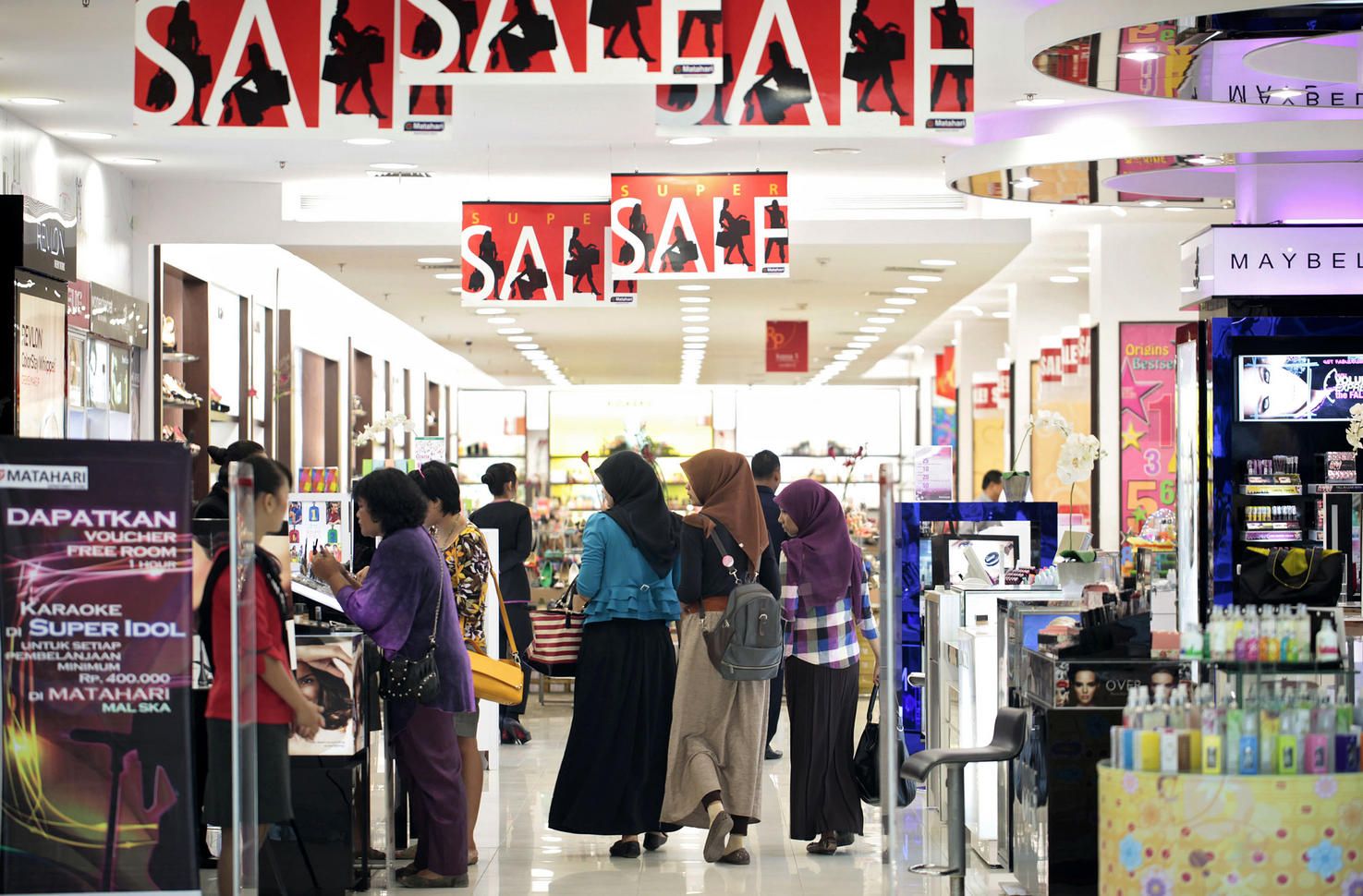
    The latest budget announcement is not expected to stimulate consumer spending in the near term, as there is insufficient economic policies aimed at increasing retail spending, opined retail consulting firm Retail Group Malaysia.

    Managing director Tan Hai Hsin said that Budget 2019 is focusing more on managing government deficit and social programmes for the B40 group.

    “We hope the economic activities will improve significantly in the immediate future. Higher economic activities will lead to higher take-home pays (and higher retail spending subsequently),” Tan said.

    Prior to the Budget announcement, he said Malaysian consumers were told that they should not expect monetary incentives from the government in 2019. Malaysians were also informed that more taxes could be expected next year.

    “Based on the latest announcement, it should improve consumer confidence. At least in the next six months,” said Tan.

    For next year, the government continues to distribute one-off monetary incentives to Malaysians (including civil servants) to reduce their financial burden. About 4.1 million households are expected to benefit from it.

    Increment of minimum wage by RM50.00 will also lessen the financial burden of B40 group.

    “On the other hand, higher minimum wage will lead to higher cost of goods for retailers. It will lead to higher retail prices eventually.”

    He said the soda tax will not have major impact on retail spending, while noting that it is still early to comment on the impact of RON95 until more announcements have been made.

    “Same as previous budgets for many years, there were no direct incentive and new government policies related to retail industry.”

    Sunway Malls & Theme Parks Chan Hoi Choy said the 2019 Budget balances fiscal discipline while emphasising development in the right sectors.

    “Initiatives announced particularly with the emphasis on B40 group is lauded while efforts to grow Industry 4.0 especially knowledge transfer, artificial intelligence development, matching grants will drive higher productivity and cost rationalisation in mall & retail industries.”

    Similarly, it is encouraged by the government’s focus in housing, public transportation and education initiatives to form the bedrock for Malaysia’s economy into the future. The drive for greener adoption and women representation also signifies a greater sustainable and inclusive approach.

    “We take note of the significance of Malaysia’s economy projected GDP growth rate of 4.8% for 2018 and 4.9% for 2019, against IMF’s projected slowdown of global growth of 3.7% in 2019. This underscores the relative resilience of the Malaysian economy in face of global headwinds and protracted trade war. In the light of this and the current country’s fiscal position, the overall Budget 2019 is targeted while exercising prudence,” said Chan.

  • Transformation in the Thai Retail Market

    Transformation in the Thai Retail Market

    Retail property is one of the most complicated types of real estate development because of the constantly changing behaviours, tastes and needs of consumers. The Thai retail property market has changed enormously over the last 30 years since CBRE established an office in Bangkok and change continues at an even faster rate especially with the growth of E-commerce.

    30 years ago, the Bangkok retail property market was limited to a handful of department stores and a few typical shopping centres like Central Plaza Ladprao completed in 1982, Amarin Plaza completed in 1985 and the original Siam Centre completed in 1977.

    The rest of the retail sector was shophouses and wet markets.

    There are now almost 7.5 million square metres of modern retail property in Bangkok split between department stores, shopping centres, big box stores and other new formats.

    There has been rapid growth and change in the range of retail formats and types of tenant.

    The first 7-Eleven convenience store opened in Thailand in 1989 and there are now 10,268 stores in 2018.

    The first big box store was Makro Ladprao in Bangkapi district in 1989 and now Big C, Tesco Lotus and Makro have over 450 big box stores in Thailand.

    Over the last 30 years we have seen an increased move from traditional retail in wet markets and shophouses to modern retail formats ranging from convenience stores and community malls to giant regional shopping centres such as Central Westgate.

    The modern retail format has spread throughout Thailand with many provincial cities now having modern shopping centres.

    The Thai retail market is, like the rest of the world, facing the new challenge of E-commerce.

    In the UK, E-commerce sales are expected to account for 18% of total retail sales in 2018 and 9.5% in the USA.

    Currently E-commerce sales account for less than 1% of total retail sales in Thailand but this is expected to grow rapidly as E-commerce platforms and infrastructure, including payment systems and distribution have now been established.

    Big players are currently entering the Thai E-commerce market such as Alibaba investing $320 million as well as JD forming a $500 million joint venture with Central Group.

    Retailers will have to adapt to best serve customers in stores and online.

    Retail developers will have to improve the customer experience through design, decoration, events, tenant mix and customer service.

    Retail landlords will have to create a unique environment that focusses on customer experiences. Landlords can achieve this through placemaking in which transforms retail space into “destinations” and “lifestyle centres” to draw more consumers to the area. Landlords may also choose to shift towards greater food and beverage based tenants, such as restaurants, as they provide an experience which cannot be replicated online.

    “clicks” will not totally replace “bricks” but will mean that retailers and retail property developers will have to change.  “Simply building a nice glass box and filling it with brand names, won’t work anymore. “said Ms. Jariya Thumtrongkitkul, head of retail services at CBRE Thailand.“

    Many retailers are trying to pursue an omni-channel approach with both online and offline channels that are fully integrated whereby the digital and physical options complement each other.” Landlords will need to fully integrate the omni-channel approach in which to provide consumers with a frictionless experience across online and offline channels. AI will also have a big role to play in collecting data. Through using interactive apps or customer order history, businesses will also be able to form a more accurate customer profile in which they then can use to personalise their marketing campaigns as well as improving their operations and sales. The use of data can also help retailers better keep up and understand consumer trends and expectations.

    The continuous change in consumer behaviour means that retail property development is much more complicated than office development.  It requires hands on management and constant innovation and improvement.

    The level of commitment and expertise needed is very high and unlike hotels it is rare to subcontract management to a third party in Thailand.

    Even though the economy is improving retailers, retail landlords and developers face big challenges in adapting to the changing environment caused by E-commerce.

    The shopping centre is one of the most successful business models and will not fade away but the competition from E-commerce means that the model will have to evolve to survive.

  • The Shoppes at Marina Bay Sands enjoys sales rise

    The Shoppes at Marina Bay Sands enjoys sales rise

    Revenue from The Shoppes at Marina Bay Sands rose 4.5 per cent during the third quarter, reaching US$44 million, according to the integrated resort’s latest results announcement. Sheldon Adelson, CEO of parent Las Vegas Sands Corp, said retail tenant sales per square foot at the shopping complex rose by 22.2 per cent during the past year.

    That, together with rising food and beverage sales (up 15.2 per cent to $53 million) and improved hotel revenues helped offset a decline in gaming takings, said to be affected by a decline in VIP playing. Third-quarter earnings were down 52 per cent to $419 million for the quarter.

    Las Vegas Sands’ regional third-quarter earnings were up by 6 per cent to US$1.28 billion, thanks to the strengthening Macau business.

    Hotel occupancy at Marina Bay was 97.5 per cent during the third quarter with an average daily rate of $466.

  • Positive trend for South Korean duty free sales

    Positive trend for South Korean duty free sales

    South Korean duty free sales in the first nine months of 2018 have exceeded total sales for 2017. Sales hit an all-time high of US$12.9 billion between January and September, according to Korea Duty Free Shops Association. That figure exceeds the US$12.8 billion recorded for full year 2017.

    The performance comes despite a significant fall in the number of Chinese tourists to South Korea since the THAAD dispute erupted in early 2017, with a number of restrictions imposed by the Chinese government including a ban on group tours.

    As reported, the latest Korea Tourism Organization (KTO) figures showed that Chinese arrivals were up just +6.5 percent year-on-year (to 3,059,075) in the first eight months of 2018, reflecting a very tough first quarter before Korean-Chinese relations improved as the THAAD dispute eased.

    In the first eight months of 2016 – long before the THAAD crisis began– some 5,608,046 Chinese arrived in South Korea. That figure is +83% higher than the 2018 performance over the same timeframe, highlighting the scale of the drop in Chinese tourist numbers.

    A key factor driving sales is the daigou phenomenon.

    Daigou (also known as ‘shuttle traders’ in South Korea) buy goods abroad (predominantly cosmetics but also a wide range of accessories and other premium and luxury goods, as well as commodity items such as milk powder) and resell them (often through well-organised networks) on the Mainland.

    As reported though, a Chinese government crackdown on returning daigou shoppers after the Golden Week holiday (1-7 October) has raised serious questions about the future of a sector that has buoyed Asia Pacific travel retail in recent times.

    Many South Korean retailers expect China to continue to ease economic and travel restrictions, including a full lifting of the ban on group tours in the near future.

    The return of group tours would be a significant boost – and could mean the pendulum swings back from individual shuttle traders to large group tours and traditional FIT business in terms of being the key driver of duty free sales.

  • Chow Tai Fook sales rises

    Chow Tai Fook sales rises

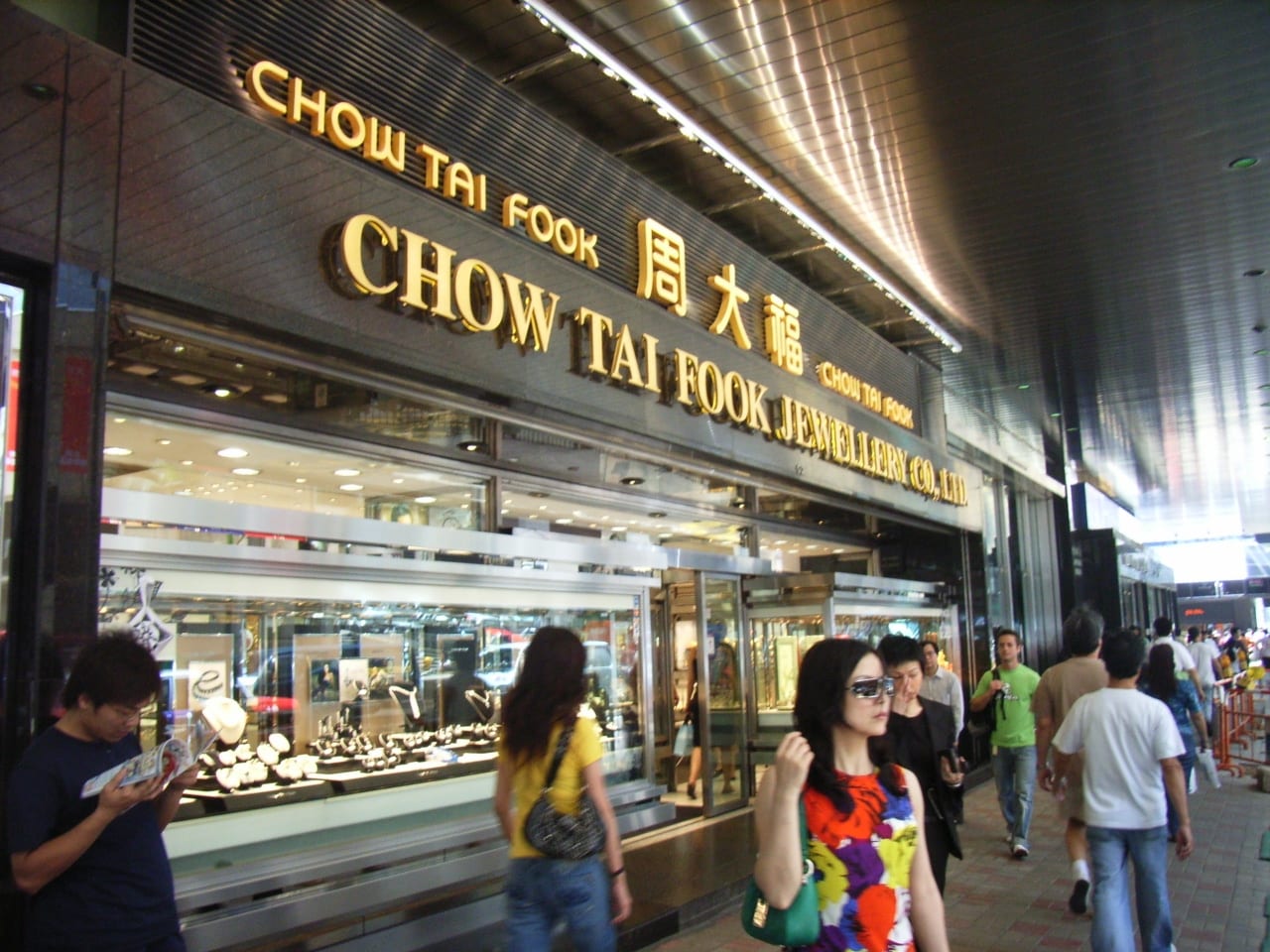
    Chow Tai Fook sales soared 25 per cent in Hong Kong and Macau in the September quarter.  On the mainland, sales rose by a solid 15 per cent. Same-store sales rose 23 per cent in Hong Kong and Macau and by 6 per cent on the mainland, according to a stock exchange filing by the company.

    But same-store volume growth told a different story: down 2 per cent in Hong Kong and Macau and up 1 per cent on the mainland, reflecting weaker gold prices which correspondingly drove more customers into stores.

    Chow Tai Fook’s sales of gold products grew by 41 per cent in Hong Kong and Macau and by 11 per cent in Mainland China

    Chairman, Dr Henry Kar-Shun, described the Hong Kong and Macau market growth as “impressive” during the quarter, “benefitting from buoyant consumer spending and resilient mainland visitation”.

    He said the same-store sales performance of gold products in both markets was driven by the increase in weight per piece sold. The company’s same-store average sale value on the mainland was HK$4000 compared to $3600 in the preceding quarter, while in Hong Kong and Macau, it rose from $7100 to $8500.

    The average international gold price declined by 5 per cent year on year during the quarter to September 30.

    Chow Tai Fook opened a net 162 points of sale in Mainland China during the quarter, which

    included 158 new Chow Tai Fook Jewellery spaces, three SoInLove spaces and one Chow Tai Fook T Mark space.

    In Hong Kong, Macau and other markets, the group opened one Hearts On Fire space and closed two CTF Watch stores in Hong Kong, and opened one Chow Tai Fook Jewellery space in South Korea. As at September 30 the company had 2822 points of sale globally.

  • Fast fashion retailer Giordano sales surge in Hong Kong

    Fast fashion retailer Giordano sales surge in Hong Kong

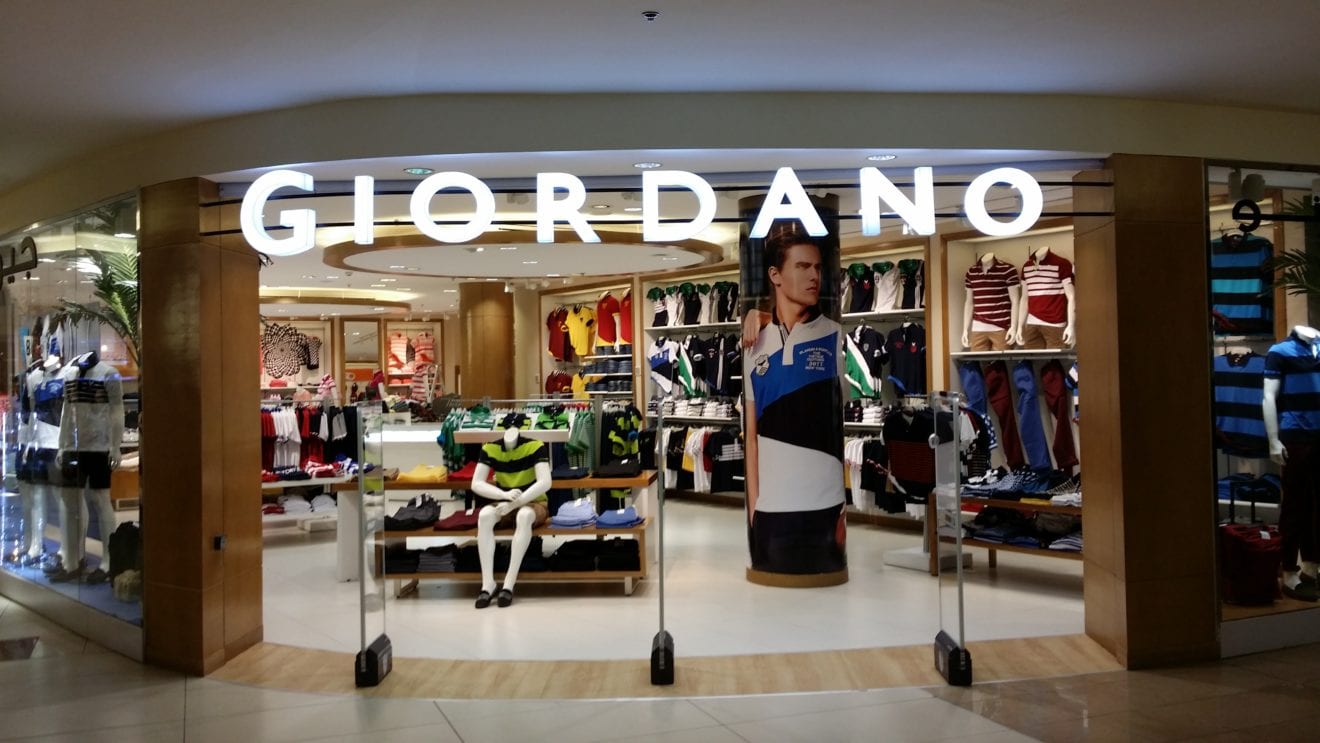
    Giordano sales slid 5.2 per cent in the September quarter, according to a trading update by the fast-fashion retailer. Translated into constant currency basis, sales declined by 6.9 per cent, the company said. “We saw a sharp decline in sales as a result of dampened consumer confidence since June throughout the Asia Pacific region,” said chairman and CEO Peter Lau.

    Group comparable-store sales slipped by 2.8 per cent.

    However, Giordano sales in Hong Kong and Macau bucked the trend, rising by HK$2 million on a same-store basis in the quarter and by $6 million for the nine months to the end of September, reaching $226 million and $703 million respectively.

    Mainland China sales fell $30 million to $251 million.

    Lau said core Giordano lines accounted for 84.6 per cent of total brand sales. The company’s premium womenswear brand, Giordano Ladies, posted comp-stores growth of 3.3 per cent.

  • Real Singapore retail sales rise 2.4 per cent in August

    Real Singapore retail sales rise 2.4 per cent in August

    Singapore retail sales rose 2.4 per cent in August, after excluding the impact of motor vehicles on the figure. Including vehicles, retail sales posted a year-on-year decline of 0.4 per cent. They rose 2 per cent month on month, excluding cars.

    By category, August delivered a mixed bag for retailers, year on year. Jewellers drove the watches and gem sector up 6.3 per cent while apparel and footwear sales rose 6 per cent. Recreational goods rose 4.4 per cent and sales in department stores by 3.3 per cent.

    But sales of computers and phones dropped 3.8 per cent, partly due to declining computer sales. Food retailers experienced a 3.5 per cent decline and optical goods and book vendors, 2.3 per cent.

    Petrol stations had the highest movement, up 10.4 per cent, reflecting high fuel prices.

    The total of Singapore retail sales in August, including motor vehicles, was estimated at S$3.8 billion, of which online sales accounted for 4.6 per cent.

    Sales of food & beverage services from restaurants, cafes and fast-food retailers, increased 3.2 per cent in August, reaching $728 million.

  • Hong Kong yoy August retail sales rose

    Hong Kong yoy August retail sales rose

    Hong Kong August retail sales surged 9.5 per cent ahead of last year according to figures from the Census and Statistics Department (C&SD).

    The figure marked an improvement of the revised 7.8 per cent recorded in July and year to date, growth is running at 12.2 per cent year on year.

    A government spokesman said the increase in Hong Kong August retail sales was buttressed by solid local demand and visible growth in visitor arrivals.

    But the spokesman warned that while favourable job and income conditions and sustained growth in inbound tourism should support the retail sector in the short term, the government will “closely monitor how consumer sentiment will be affected by the external headwinds in the period ahead”.

    After netting out the effect of price changes year on year, Hong Kong August retail sales increased by 8.1 per cent. For the first eight months of this year, inflation-adjusted total retail sales increased by 10.6 per cent, estimates the C&SD.

    Predictably, the growth was fuelled by tourist-driven categories, with jewellery, watches and valuable gifts sales up 21.6 per cent. Cosmetics sales were up 16.3 per cent, footwear and accessories by 13.6 per cent, department store turnover rose 11.7 per cent and Chinese medicines and herbs improved by 9.3 per cent. Apparel sales rose by a more modest 5.7 per cent.

    Categories of goods not affected by tourists fared less well, with supermarket sales up by a mere 0.3 per cent, food and alcohol by 6.3 per cent, furniture sales up 5.5 per cent and eyewear sales by 2.8 per cent.

    The only categories to record a downturn were electrical and consumer durable goods, which fell by 3.5 per cent, and newspapers and books, down 2.3 per cent.