Tag: retail sales

  • 2018 is looking good for Sa Sa sales

    2018 is looking good for Sa Sa sales

    Sa Sa International has released sales figures combining January and February – the first true indicator of how the Hong Kong retail market is performing so far this year.

    Sa Sa sales in Hong Kong and Macau surged 14.6 per cent during the period, and same-store sales rose 11.1 per cent.

    Official government figures show Hong Kong retail sales rose 4.1 per cent in January, compared to last year, but that figure was relatively meaningless given the timing of Lunar New Year, which fell in February this year and in January last year, preventing a true comparison. A government spokesman said at the time of the data’s release that, after taking the Lunar New Year factor into account, the figures suggested consumer sentiment was “rather robust” entering 2018.

    These Sa Sa sales figures suggest a positive rebound from January 1 to February 28.

    Chairman and CEO Simon Kwok said the number of transactions through Sa Sa stores rose 9 per cent and the average sale per transaction by 5.2 per cent.

    “The overall performance was in line with our expectations. Sales growth was mainly driven by the increase in store traffic and consumer consumption. The number of transactions with locals and mainland tourists increased by 6.3 per cent and 12.5 per cent respectively, while

    their average sale per transaction also increased by 4.6 per cent and 3.6 per cent respectively.”

    Kwok says Sa Sa is benefitting from Hong Kong’s retail market recovery, and  is “cautiously optimistic” about the outlook of Hong Kong and Macau markets.

    “We will continue to optimise product offerings and enhance customers’ shopping experience to cater for consumer demand in the fast changing markets,” he said in a stock exchange filing.

  • Malaysia’s Q4 retail sales up a disappointing 3.1%

    Malaysia’s Q4 retail sales up a disappointing 3.1%

    The Malaysian retail industry reported a modest growth rate of 3.1% in the fourth quarter of 2017 compared with the same period in 2016, coming in below expectations due to the rising cost of living which the eroded purchasing power of Malaysian consumers, said independent retail research firm Retail Group Malaysia.

    “This latest quarterly result did not meet market expectations. Members of MRA (Malaysia Retailers Association) projected the fourth quarter growth rate in November 2017 at 3.8%. It was also below Retail Group Malaysia’s forecast of 4.5%,” the firm said in its March 2018 Malaysia Retail Industry Report.

    It said the quarterly result is consistent with the Consumer Sentiment Index for the same period published by the Malaysian Institute of Economic Research (MIER).

    “During the latest quarter, the Consumer Sentiment Index (by MIER) improved to 82.6. Malaysian consumers remained cautious in their monthly spending while juggling with higher cost of living.”

    During the fourth quarter of 2017, the performances of all retail sub-sectors were mixed. The supermarket and hypermarket sub-sector was the worst performer.

    For the whole of 2017, the retail sale growth rate was 2.0% (or RM99.8 billion) compared with the same period a year ago. The retail industry’s performance last year lagged the gross domestic product growth rate of 5.9%.

    “After a rollercoaster ride in 2017, members of the retailers’ association are hopeful that their businesses will begin to recover in 2018. They estimate an average growth rate of 5.4% during the first quarter of 2018, due to the Chinese New Year period.”

    Based on its first quarterly projections of retail sales for 2018, Retail Group Malaysia estimates 4.7% growth in retail sale this year (or RM104.4 billion).

    “At this moment, this projection is considered optimistic by MRA members. The prospect of the retail industry this year is still highly dependent on the economic performance and consumer confidence level,” it said.

    It explained that the upcoming Malaysia general election is one of the main reasons Malaysian consumers have been taking a wait-and-see attitude on their retail spending.

    Retail sales may rise after the official election campaign starts. When campaigns begin, there will be many political and social activities throughout the country. This should motivate consumers to spend.

    “Post-election, consumer spending may improve further as Malaysians will focus on their own economic future and release the pent-up demand.”

  • Singapore retail sales and Lunar New Year

    Singapore retail sales and Lunar New Year

    Singapore retail sales fell in January, however there is little to read from the figures.

    The decline – of 8.1 per cent (excluding motor vehicles) – is totally attributable to the timing of Lunar New Year which fell in February this year and January last year, making year-on-year comparisons meaningless.

    However, month-on-month sales fell a mere 1.5 per cent which suggests a solid January given the strength of Christmas trade in December.

    Statistics Singapore estimates the total value of retail sales in January at S$3.9 billion, compared with $4.3 billion in January last year. It estimated online retail sales accounted for 4.1 per cent of total sales in the city state.

    The only categories to register a rise in sales year-on-year were furniture and household equipment and optical goods and books, which rose 3.1 per cent and 7.8 per cent, respectively.

    Seasonally adjusted sales of food and beverage services fell 4 per cent in January over December, and 13.2 per cent over January last year, again reflecting the timing of Lunar New Year.

  • Hong Kong start 2018 with positive number

    Hong Kong start 2018 with positive number

    Hong Kong retail sales rose 4.1 per cent in January, compared to last year.

    While that marked a positive trend to kick off the new year, it was well short of the revised 5.8 per cent growth of December, most likely explained by the timing of Lunar New Year.

    The Census and Statistics Department provisionally estimated the value retail sales in January at $44.9 billion. After netting out the effect of price changes over the same period, the provisional estimate of volume was a 2.2 per cent ahead year on year, while the revised estimate of December’s volume was up 4.3 per cent.

    The C&SD says retail sales tend to show greater volatility in the first two months of the year due to the timing of the Lunar New Year. “Local consumer spending normally attains a seasonal high before the festival. As the Lunar New Year fell on February 16 this year but on January 28 last year, the year-on-year comparison of the figures for January 2018 with those for January 2017 might have been affected by this factor to a certain extent.”

    Accordingly, the real measure of growth in retail sales can only be determined by comparing combined January-february figures for both years in a month’s time, when the February data is released.i

    However,i retail spending was strong during February. There was also a double-digit increase in visitor numbers from the mainland during the holiday week.

    A government spokesman said that, after taking into account the Lunar New Year timing, the sales figures suggested consumer sentiment was “rather robust” entering 2018.

    Predictably, the jewellery and watch sector drove January’s growth, up 10.4 per cent year on year.

    Apparel sales rose 3.3 per cent in value, cosmetics by 12.1 per cent and electrical goods by 21.1 per cent. Those, in order, are the four largest categories contributing to the total retail market.

    Unsurprisingly, given the Lunar New Year timing effect, supermarket sales slumped 13.3 per cent. Department store sales were down 4.6 per cent and food and alcoholic drinks fell 4.6 per cent.

  • BreadTalk Group posts a positive profit growth

    BreadTalk Group posts a positive profit growth

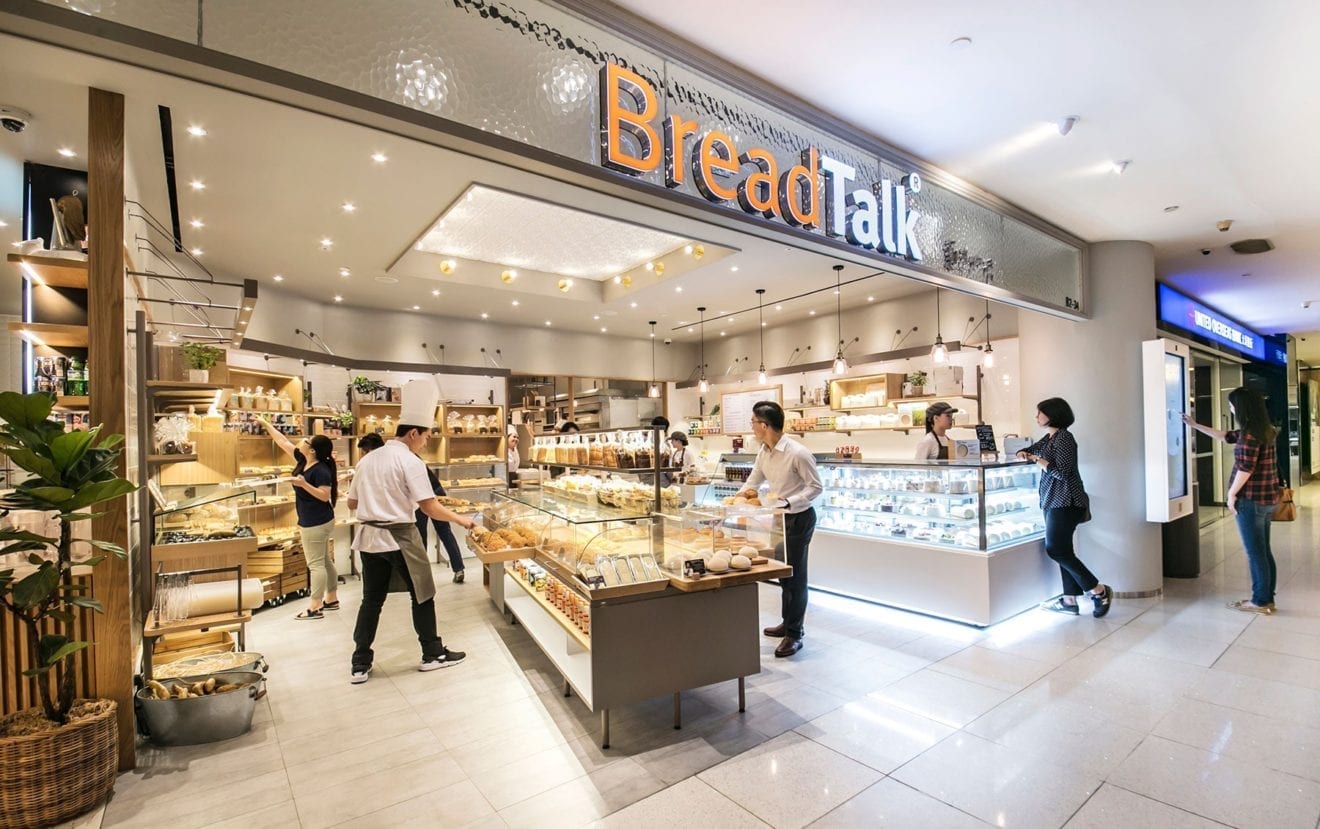
    With a record 91 per cent profit growth, lifestyle F&B company BreadTalk Group says it is ready to soar in a challenging market.

    Its record net profit for last year came in at US$21.8 million despite an “unpredictable” macro retail environment, says the Singapore-headquartered company.

    “We are well positioned to soar above the challenging retail market conditions,” says chairman Dr George Quek.

    “The group remains determined to identify innovative food concepts and partnerships, delivering them promptly across our 17 territories.”

    In line with the group’s consolidation strategy for the year, group revenue eased 2.5 per cent to $599.7 million.

    For the same period, earnings before interest, tax, depreciation and amortisation (EBITDA) fell 3.5 per cent to $84.4 million, with EBITDA margin steady at 14.1 per cent.

    Profit after tax and minority interests (PATMI) improved 91 per cent from $11.4 million to $21.8 million. PATMI margin rose from 1.9 to 3.6 per cent.

    During the year, $9.3 million in net capital gain was recognised from the divestment of the group’s investment in TripleOne Somerset in the first quarter.

    Excluding one-off items, core F&B business net profit for the year would have been $17.7 million, an improvement of 153.3 per cent.

    Bakery less bouyant

    Bakery-division revenue declined 3.2 per cent to $297.2 million, attributed to lower revenue from directly run stores in Beijing, Shanghai and Hong Kong, as well as lower franchise revenue from China because of the planned early termination of eight franchisees during the year.

    There were 20 fewer directly run stores at 240, following the reclassification of the eight outlets in Malaysia in the fourth quarter to franchise, as well as closures in China and Singapore.

    Franchise outlets ended the year at 631, 29 more because of the addition of the re-classified outlets from Malaysia as well as more outlet openings by franchisees in Indonesia, Philippines and Thailand.

    EBITDA for the division declined 20.5 per cent to $23.2 million, with EBITDA margin at 7.8 per cent, down from 9.5 per cent, mainly because of lower profitability at Shanghai and Singapore directly run stores, and lower high-margin revenue contribution from the China franchise business.

    For the food atrium division, revenue was 5.4 per cent lower at $149.3 million with four fewer outlets. The same-store sales growth momentum for the entire food atrium portfolio was strong, especially in China. Two outlets opened in Shenzhen during the fourth quarter, at MIXC World and Uniwalk.

    EBITDA improved 53.7 per cent to $25.1 million, with EBITDA margin improving from 10.3 to 16.8 per cent.

    London debut

    For the restaurant division, revenue was up 2.2 per cent to $140.7 million, with one outlet being added in Thailand. EBITDA rose in tandem by 2.1 per cent to $30.1 million with EBITDA margin steady at 21.4 per cent despite costs related to the start-up of the group’s first Din Tai Fung outlet in London.

    A new business division, the 4orth Division, was launched with the objective of incubating F&B concepts, as well as enter into joint ventures. The division ended the year with revenue of $7.9 million and EBITDA of $500,000, translating to an EBITDA margin of 6.8 per cent.

    “Significant” efforts were put into consolidating and turning around the group’s bakery business, particularly underperforming stores in China and Singapore. Also, the Toast Box product in China was revamped to better suit the local palate and to meet the consumers’ mobile lifestyle.

    BreadTalk’s food-atrium division ended the year with a record low stall vacancies of less than 2 per cent.

    The management team is also staying focused on deepening reach in Singapore and Thailand to further optimise economies of scale. Two outlets were opened last month, at the new Northpoint City in Singapore and at Thonglor in Bangkok.

    All five Ramen Play outlets were rebranded as So, turning the business profitable. The group’s first JV, Song Fa Bak Kut Teh outlet at Jing An Kerry Centre in Shanghai officially opened last month, to be followed by further Song Fa outlets in other parts of Shanghai as well as in other cities in China and Thailand.
  • Korean embracing the chill, retail sales number peak in low degrees

    Korean embracing the chill, retail sales number peak in low degrees

    A new study has revealed that Korean shoppers embrace the cold winter climate – but not much beyond minus 5 degrees.

    Supermarket operator E-Mart says the number of customers peaks during winter when the temperature hits minus 5 degrees Celsius, also known as the ‘golden temperature’ in the South Korean retail industry.

    Researchers learned that customers were most likely to come out and shop when the mercury fluctuated around the golden temperature, after analysing the shopping patterns of consumers from last December to early January on Wednesday, Thursdays and Fridays.

    The number of visitors to E-Mart reached the highest levels between December 20 and 22 of  last year, totaling 2.17 million shoppers. During this period, the temperature dropped to around minus 5 degrees Celsius.

    Between January 31 and February 2, 2.12 million people shopped at E-Mart stores across the country, with the temperature plunging to a low of minus 4.3 degrees Celsius on average.

    During the seven weeks when the study was conducted, the temperature stayed at a low of minus 4 to minus 7 degrees Celsius on the top four most visited days.

    The best temperature for retail sales didn’t come often, however.

    The number of customers dropped when the mercury rose to minus 0.3 degrees Celsius, with only 2.05 million people visiting E-Mart stores on Wednesday, Thursday and Friday during the third week of January.

    When it was too cold, retail sales were impacted negatively, with the number of customers plunging below 2 million during some days in January when the temperature dropped to minus 10 degrees Celsius.

    “When cold waves hit and temperatures drop below minus 10 degrees Celsius in the winter, shoppers tend to avoid offline shopping. At the same time, warm weather also doesn’t help retail sales as sales of seasonal products like heating supplies become sluggish. We believe around minus 5 degrees Celsius is best for retail sales,” an E-Mart spokesperson said.

  • Singapore retail sales stagnate in December

    Singapore retail sales stagnate in December

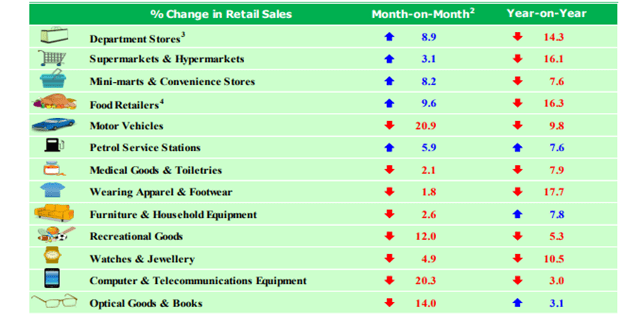
    Singapore retail sales were static in December, increasing just 0.6 per cent year-on-year, after excluding motor vehicles.

    With vehicles included, they rose by 4.6 per cent. Month on month they declined 0.2 per cent against November or by 2.6 per cent with vehicles excluded.

    The figures would have disappointed retailers after a strong November, although that was fuelled in part by the launch of new iPhone models.

    Last November, retail sales grew by 5.3 per cent year-on-year, or by 4.7 per cent excluding motor vehicles.

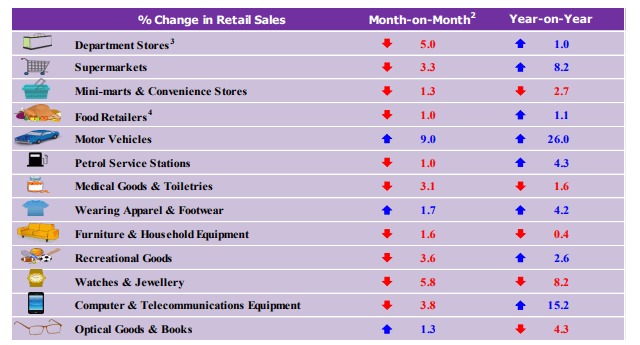
    That said, computer and telecommunications equipment sales rose 15.2 per cent in December. Sales by supermarkets, of wearing apparel and footwear, recreational goods, and by food retailers and department stores increased between 1 per cent and 8.2 per cent during the period.

    But sales of watches and jewellery, optical goods and books, by mini-marts and convenience stores, of medical goods and toiletries and of furniture and household equipment declined by between 0.4 per cent and 8.2 per cent year-on-year in December.

    Sales of food & beverage services (seasonally adjusted) increased 3.1 per cent year-on-year.


  • Hong Kong Retail to Sell Well In Next Five Years, PwC Says

    Hong Kong Retail to Sell Well In Next Five Years, PwC Says

    After steady recovery last year, Hong Kong’s retail sector is expected to improve further this year on the back of a bullish economic outlook, both globally and in China, says PWC Hong Kong.

    Retail sales in Hong Kong for the first 11 months of last year eased up 1.8 per cent over the same period in 2016, and with the traditional shopping spree toward year-end, the full-year increase could reach 3 per cent (government retail sales figures will be released on Thursday).

    Despite store consolidation and a retreat from main-street locations, luxury goods, especially jewellery and watches, was one of the best-performing sectors last year and is expected to further recover,

    Hong Kong’s retail sector could have growth between 4 to 6 per cent this year, which is equivalent to about HK$465 to 480 billion, with a positive outlook for the next five years.

    “All-time-high stock and real-estate markets, both local and global, have created a significant wealth effect, and much improved sentiment in consumption,” says PWC’s Michael Cheng.

    “In addition, tourist arrival numbers in Hong Kong, particularly from China, have been encouraging and recovering steadily under the much better and more stable political and social environment.

    Combined with a low jobless rate and a weakening US dollar against major currencies, Hong Kong’s retail sector should be recovering well in the medium term and exceed the all-time high of 2013 within the next five years.”

    Tourism key

    However, the sector still depends on tourism, particularly from China. From January to November, Mainland Chinese tourist numbers grew 3.6 per cent year on year, compared to 3.1 per cent for all tourists.

    Meanwhile, the Chinese government has slashed tariffs on 187 imported consumer goods, including wines and spirits, pharmaceuticals, and food. While this will strengthen domestic consumption in China, PWC says it will have only a modest effect on Hong Kong retail.

    “Hong Kong still enjoys the world’s freest economy, providing high-quality goods under a well-established legal system that provides excellent consumer protection,” says PWC China tax partner Rebecca Wong. “This encourages legal imports and reduces the attractiveness of purchases made through irregular channels.”

    However, Cheng says retailers need to transform, from being disrupted to becoming disruptors.

    “Embracing technology and data to provide unique customer experiences through diversified platforms and logistics networks are the keys to success.”

  • Budget fashion star Primark boasts record Christmas sales

    Budget fashion star Primark boasts record Christmas sales

    UK fast-fashion retailer Primark has reported record Christmas sales, largely due to the addition of a massive 300,000sqft of retail selling space.

    In its home market, Primark opened five stores during the 16-weeks to January 6 and during the whole year added 1.1 million sqft of space. By the end of the period the company, a subsidiary of Associated British Foods, operated 350 stores and 14.2 million sqft of trading space.

    Total retail sales rose 7 per cent year-on-year on a constant currency basis.

    “The UK continued to perform well with strong like-for-like sales, a consequent strong increase in share of the total market, and trading which reflected the breadth of our consumer offering,” the company said in a statement.

    Figures for Europe were less inspiring, due to warm weather in October reducing demand for winter clothing.

    The company said its operating margins in the first half year are now expected to be close to those in the same period last year with better buying almost offsetting the adverse effect of the weaker exchange rate between the pound and the US dollar.

  • Retailers suffer worst December since 2010

    Retailers suffer worst December since 2010

    Retail sales fell more sharply than expected in the core Christmas month, capping the worst December performance for volumes since 2010.

    The Office for National Statistics (ONS) issued the grim update on the health of the high street just hours after Carpetright became the latest big name chain to announce a profit warning .

    The retail figures showed sales volumes fell 1.5% on November which was boosted by strong Black Friday trade.

    It marked the biggest month-on-month fall since June 2016 – the month when the UK was focused on the Brexit vote on 23 June.

    The Leave win prompted a collapse in the value of the pound, resulting in a leap in shop prices during 2017 as a whole as stores passed on higher import costs.

    Higher inflation, coupled with earnings failing to keep pace, has been a thorn in the side of the retail sector as the squeeze on shoppers’ budgets has dented demand for non-essential goods.

    The ONS said 2017 was the weakest year for retail since 2013 but it still recorded year-on-year growth of 1.3% and a rise of 1% over the final quarter of the year.

     How the major retailers have fared over Christmas

    Senior statistician, Rhian Murphy, said: “Retail sales continued to grow in the last three months of the year partly due to Black Friday deals boosting spending.

    “Consumers continue to move Christmas purchases earlier with higher spending in November and lower spending in December than seen in previous years.

    “However, the longer-term picture is one of slowing growth, with increased prices squeezing people’s spending.

    “Over the year the proportion of internet spending is continuing to rise, with almost one in every five pounds spent online by the end of 2017.”

    Ruth Gregory, UK economist at Capital Economics, said it was difficult to get a clear picture of the state of the high street because the ONS figures showed retail sales values rising – suggesting a limited impact from price pressures.

    “A fall in retail sales volumes in December had always looked likely, given November’s hefty rise.

    “After all, UK retailers’ adoption of “Black Friday” discounting appears to have caused consumers to bring forward their Christmas purchases, rather than to buy more overall in recent years,” she wrote.

  • Vietnam to celebrate its new retail sales highest record US$129 billion

    Vietnam to celebrate its new retail sales highest record US$129 billion

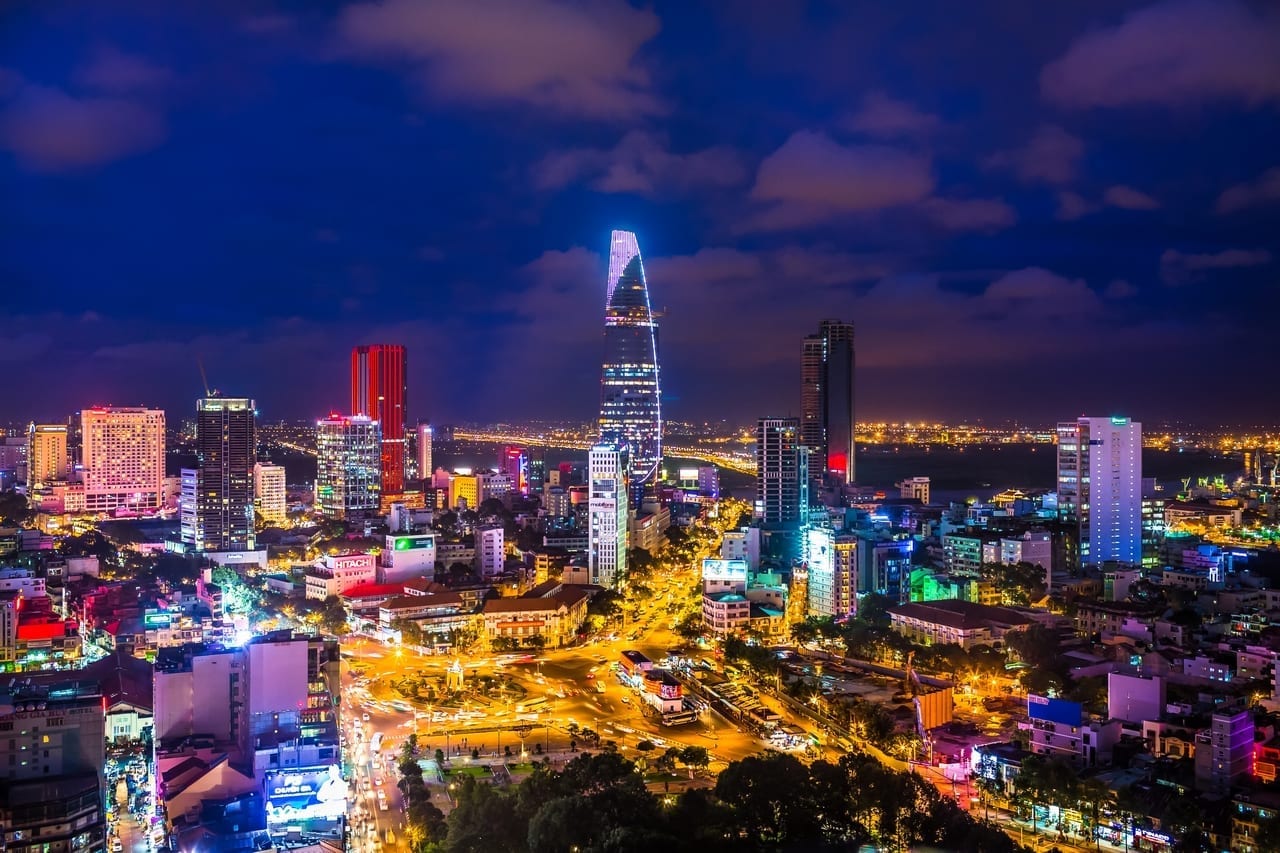
    Spurred by a rising middle class and influx of international retailers, Vietnam retail sales hit a record US$129.6 billion last year.

    This was growth of 10.9 per cent over 2016, according to the Vietnam General Statistics Office (GSO).

    Vietnam’s largest real estate company, Vingroup, starting expanding its Vinmart Plus convenience store chain in 2016 and has already topped 1000 stores – it opened 100 last month alone. It is predicted the store network could reach 3000 this year.

    Meanwhile, Vietnam last year saw the arrival of a slew of foreign retail brands, headed by Japan’s Seven & I Holdings opening its first Vietnamese 7-Eleven convenience store in Ho Chi Minh City in June.

    Swedish fast-fashion brand H&M followed in September with a store in the same city, while Zara, the chain of Spanish rival Inditex, opened its second Vietnam location in Hanoi in November (its first store, covering two levels, launched at Vincom Centre Dong Khoi in Ho Chi Minh City in September 2016).

    Thailand’s Central Group has made several acquisitions in Vietnam, including the Big C supermarket chain and electronics retailer Nguyen Kim Trading. It also launched its first stationery and office supplies store in Vietnam last year.

    South Korea’s GS Retail partnered with Vietnam’s Son Kim Group 12 months ago to open the first of their convenience stores in Ho Chi Minh City this month. They plan to open 2000 locations within 10 years.

    Double-digit growth

    Since joining the World Trade Organisation in 2007 and opening up to foreign goods and businesses, Vietnam has seen continued double-digit growth, led by a 31.5 per cent spike in 2008. With the Association of Southeast Asian Nations Economic Community taking full effect this month, Vietnam has eliminated nearly all tariffs on goods from within the region.

    Meanwhile, supermarkets and convenience stores are selling meat and vegetables at prices that are 20 to 30 per cent higher than at traditional markets, and the number of specialty shops selling organic vegetables is growing.

    Spending on cars, home electronics and other consumer durables is also brisk, with 70 per cent of Vietnam’s GDP coming from personal consumption.

    The GSO says auto sales grew by 14 per cent in value, gemstone and precious metals by 13.2 per cent, food and foodstuffs by 11.1 per cent, cultural and educational products by 10.2 per cent, apparel by 9.6 per cent, and home products by 8.5 per cent.

    Vietnam still has room for growth as modern retail channels like supermarkets and shopping centres account for only a quarter of total retail sales, and most of these businesses are in big cities, reports VIetnamNet. By 2020, the proportion of modern retail channels is forecast to rise to 45 per cent.

  • Nordstrom Ends Rocky Year With Modest Holiday Sales Growth

    Nordstrom Ends Rocky Year With Modest Holiday Sales Growth

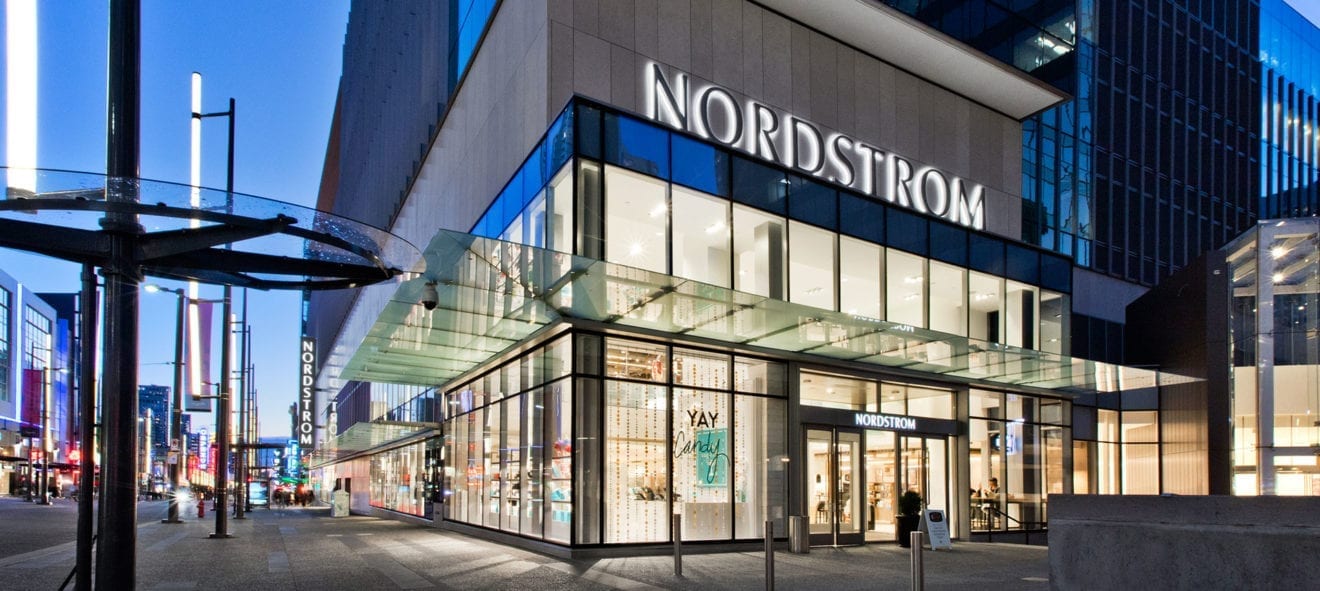
    Department store chain Nordstrom has seen a boost in sales during the holiday season buoyed by greater consumer confidence, lower unemployment and e-commerce growth.

    Nordstrom posted a 2.5 per cent increase in net sales and a 1.2 per cent increase in same store sales for the nine weeks ending December 30, 2017 compared to the previous corresponding period.

    For the Nordstrom brand, including US and Canada full-line stores and Nordstrom.com, net sales when combined with Trunk Club, increased 0.7 per cent and comparable sales increased 1.0 per cent. In the Nordstrom Rack brand, which consists of Nordstrom Rack stores and Nordstromrack.com/HauteLook, net sales increased 8.2 percent and comparable sales increased 2.9 per cent.

    Based on holiday results, the company has updated its fiscal 2017 expectations for an increase in net sales of approximately 4.2 per cent, inclusive of the 53rd week, and an increase in comparable sales of approximately 0.5 per cent.

    The retailer announced it is expecting full-year earnings per diluted share to be in a range of $2.90 to $2.95, compared with its prior outlook of $2.85 to $2.95.

    The company is scheduled to report its fourth quarter and full-year 2017 financial results after the close of the financial markets on March 1.

    Nordstrom has also recently announced the president of its Rack brand, Karen McKibbin, will retire in March.

    McKibbin joined Nordstrom in 1985 and has held many leadership roles within the company, including president of Nordstrom Canada, where she led the first-ever international expansion of Nordstrom’s full line stores.

    “We are indebted to Karen for the many contributions she’s made over her more than 30-year career with Nordstrom,” said Blake Nordstrom, co-president of Nordstrom, Inc. “During her long tenure, Karen brought great depth of experience to her various roles including president of Canada, president of Nordstrom Rack, and a member of the Executive Team. Her leadership will be missed across the company and we wish her all the best in her next endeavor.”

    Geevy Thomas, chief innovation officer, will succeed McKibbin.

    Thomas, who joined Nordstrom in 1983, has held numerous senior leadership positions throughout the organisation and served as president of Nordstrom Rack from 2010 to January 2017.

  • Hong Kong Recovery Boosts Jewelry Sales

    Hong Kong Recovery Boosts Jewelry Sales

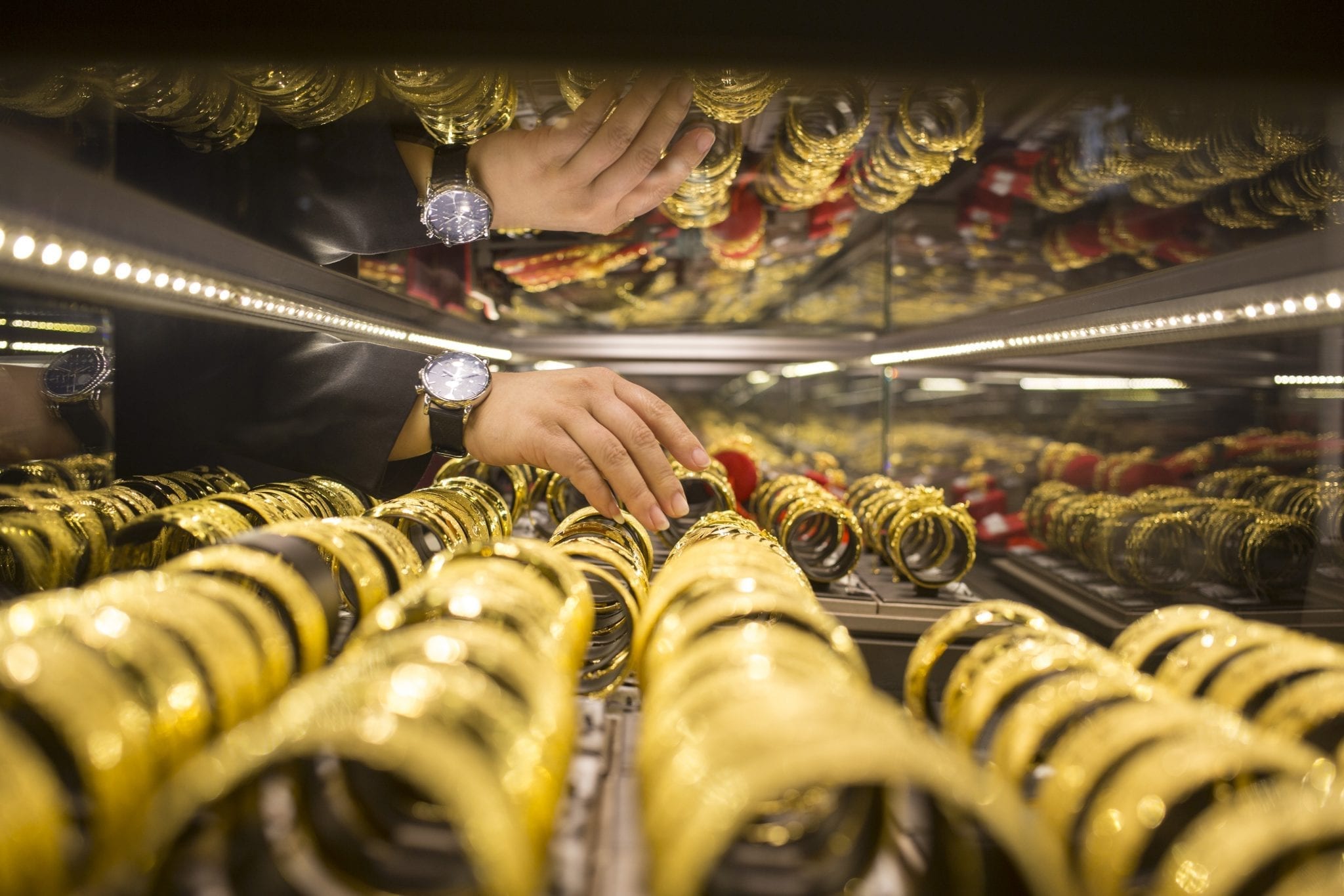
    Sales of jewelry, watches and other luxury items in Hong Kong rose in the first 11 months of 2017 as tourists returned and local consumer sentiment recovered, the city’s official data authority said.

    Retail sales for the category grew 5% year on year to $8.49 billion (HKD 66.35 billion) for the January-to-November period, Hong Kong’s Census and Statistics Department said in a statement Wednesday. November proceeds jumped 8% to $783.1 million (HKD 6.12 billion), it added.

    Sales across all retail products rose 1.8% for the first 11 months, and climbed 7.5% in November, reflecting the “visible growth in visitor arrivals and the [optimistic] consumer sentiment during the period,” a spokesperson for the Hong Kong government said.

    Hong Kong’s luxury retail sector is largely reliant on purchases by tourists from mainland China. A slump in visitors from that location hit Hong Kong’s retail industry over the last two to three years, with sales of jewelry and other luxury items sliding 17% in 2016. However, the tourist sector recovered this year: Visitors from mainland China rose 3.6% from January to November, to a total of 40.2 million, according to the Hong Kong Tourism Board.

    Meanwhile, the total number of tourists arriving in Hong Kong from all locations jumped 7% to 5 million in November compared with the same month last year. During the first 11 months of 2017, the figure climbed 3.1% to 52.9 million.

    As a result, Hong Kong jewelry retailers saw significant improvements in their 2017 performances. Chow Tai Fook’s same-store sales jumped 9.5% in Hong Kong and Macau in the six months ending September 30, while Luk Fook recorded 13% growth in retail sales for the same region.

    “The near-term outlook for retail sales remains positive, as consumer sentiment is buttressed by the favorable employment and income situation, and as inbound tourism continues to recover,” the government spokesperson noted.

    The upturn in 2017 also affected the diamond trade, with imports of polished stones into Hong Kong growing 7% to $14.07 billion in the first nine months.


  • Hong Kong retail sales highest jump in 2017

    Hong Kong retail sales highest jump in 2017

    Hong Kong retail sales in November lept 7.5 per cent, the biggest monthly rise in at least three years.

    Census and Statistics Department (C&SD) data also showed a revised estimate of 3.9 per cent growth in October, fuelling a year-to-date increase of 1.8 per cent against 2016.

    The total volume of retail sales in November, after adjustment for inflation, showed an increase of 6.9 per cent year-on-year.

    A government spokesman described November’s figures as “appreciable year-on-year growth” reflecting rising numbers of visitors and “sanguine consumer sentiment” during the month.

    “The near-term outlook for retail sales remains positive, as consumer sentiment is buttressed by the favourable employment and income situation, and as inbound tourism continues to recover.”

    While jewellery and watch sales led the overall increase, rising 7.9 per cent, not a single retail category showed a decline in November. Cosmetics and medicine sales rose by 12.5 per cent, department store sales by 5.7 per cent, apparel by 3.5 per cent and footwear and accessories by 5.6 per cent. Sales of electrical goods and cameras were up 9.8 per cent.

  • Korean retail sales boosts by double

    Korean retail sales boosts by double

    South Korean retail sales were up by more than 9 per cent in November from a year earlier, led by strong demand for products from online malls and convenience stores, new government data shows.

    Ministry of Trade, Industry and Energy figures show that the combined sales of 26 online and offline retailers stood at KW10.68 trillion (US$9.97 billion) for the month, up 9.4 per cent from a year earlier.

    Meanwhile, the sales of 13 offline retailers over the same period rose 5.4 per cent, the biggest gain since the start of the year, as customers were attracted to convenience stores and discount chains.

    Among offline outlets, convenience stores showed the highest growth, attributed to the rising number of single households with more people buying food and daily necessities from neighbourhood stores.

    With sales flat for discount chains, convenience stores saw 10.2 per cent gains and department stores an 8.5 per cent rise in sales.

    More people were buying food and clothes on the internet, resulting in 13 major online stores and marketplaces gaining 16.7 per cent in sales year on year.