Tag: Retail

  • Storefront partners with Obsess to create virtual reality stores

    Storefront partners with Obsess to create virtual reality stores

    Storefront is pushing the boundaries of the retail industry by giving brands for the first time ever the opportunity to rent Virtual Reality pop-up stores right on its platform.

    Retailers and e-commerce brands can now launch a virtual, fully customisable store powered by Obsess’ VR technology, featuring their own inventory and choosing any layout, decor and style.

    The ‘Future of Retail’ is retail everywhere, according to Storefront

    Storefront is making retail accessible to anyone in the world by now giving customers a unique selling and buying experience through Virtual Reality, in addition to its current retail space offerings. Now, anyone has the ability to experience a physical store with the ease of online shopping.

    “We see this Virtual Reality pop-up store as creating a new category between e-commerce and a physical retail space. It’s a great in between,” says Joy Fan, Storefront’s CCO.

    Get a taste of (virtual) reality

    With this new partnership with Obsess, brands and retailers can now easily book space through a New York City, Los Angeles, or San Francisco themed virtual store.

    Now with this virtual pop-up store, e-commerce brands can get a branded store environment without the need to invest in a physical space – just yet.

    “Our goal is to bring the visual merchandising and curation of retail stores into online shopping to make it a more guided and enjoyable experience,” explains Obsess founder and CEO Neha Singh.

    By booking this virtual reality experience, brands will be able to increase digital engagement, reduce costs, create more traffic and acquire new data.

    A unique initiative that allows Storefront to open all doors to all ideas.

    About Storefront

    Storefront is the world’s largest marketplace for short-term retail space rental, making it possible for brands to sell their idea anywhere; for space owners to activate their space with a click and for consumers to buy local; globally.

    Storefront’s platform powers more than 10,000 listings, which represent more than 30 millionsqft of retail space. The company offers greater access to spaces in leading retail cities around the world, including Hong Kong, New York, Paris, London, Milan, Amsterdam, Los Angeles and San Francisco.

    Since its launch in 2013, it has helped thousands of brands all over the world, including Google, Samsung, L’Oréal, Everlane, Shopify, Indiegogo; open temporary retail stores.

  • Massive rebound in Hong Kong retail sales

    Massive rebound in Hong Kong retail sales

    Hong Kong retail sales for the first two months of this year soared 15.7 per cent against the same period of last year, the first double-digit increase in years.

    Census and Statistics Department figures just released showed a 29.8 per cent increase in February, which reflects the shifting of Lunar New year from January last year to February this year. That followed a revised figure of 4.2 per cent growth for January, a month when a decline might well have been expected given New Year’s timing.

    But while many retailers were providing anecdotal reports of improved fortunes for the start of this year, no one predicted an increase of more than 15 per cent for the two month period.

    The value of retail sales in February was provisionally estimated at $45.2 billion. After netting out the effect of price changes over the same period, the provisionally estimated increase of the volume of retail sales for the first two months of this year was 13.9 per cent.

    A government spokesperson said retail sales have strengthened visibly this year, thanks to favourable job and income conditions and a further pick-up in visitor arrivals.

    Luxury leads

    Predictably, sales of jewellery, watches and valuable gifts drove the first two months sales growth, rising 21 per cent.

    Apparel sales rose 19.5 per cent, medicines and cosmetics by 17.4 per cent, electrical goods by 27.9 per cent and accessories by 18.2 per cent. Food, alcoholic drinks and tobacco sales were up 10.5 per cent, department store sales up 10.9 per cent and footwear and accessories by 18.2 per cent.

    The only category showing a decline in the first two months was books, newspaper and stationery, down 1.3 per cent.

    The government spokesperson said the outlook for retail sales should remain positive in the near term, underpinned by upbeat local consumer sentiment amid a full employment situation and by continued improvement in inbound tourism.

  • Hong Kong retail rents set for ‘early lift’

    Hong Kong retail rents set for ‘early lift’

    Hong Kong retail rents are expected to move into an “early upswing cycle” this year according to a regional real estate market briefing prepared by Savills.

    The report details commercial and residential property leasing trends across major Asian markets and as the accompanying tables show, compares occupancy costs of space as well.

    It groups major cities by upswing and downswing, late and early, showing that Hong Kong is at the end of its downswing in retail rental rates. Cities currently in early upswing are Manila, Guangzhou, Jakarta and Singapore. Hong Kong is grouped with Taipei, Hanoi, Ho Chi Minh City and Seoul, suggesting all those markets are about to turn.

    Savills says regional prime retail rents moved by between a decline of 1.8 per cent in Beijing and an increase of 5.9 per cent in Guangzhou last year.

    “Strong local retail consumption growth of 9.5 per cent year on year in the second half of the year following 10.5 per cent in the first half of the year supported the Guangzhou leasing market, while prime shopping malls began to re-position and upgrade, focusing more on entertainment and food & beverage,” said Savills in a brief commentary.

    “Again, Hong Kong’s prime shopping mall rents are considerably ahead of all other Asia-Pacific markets and are expected to move into an ‘early upswing’ cycle this year.”

    Savills says economic growth across Asia-Pacific continued to picked-up moderately in the second half of last year and the International Monetary Fund estimates that the “Emerging and Developing Asia” economies grew by 6.5 per cent over the year as a whole while China grew by 6.8 per cent and Japan’s economy grew by 1.8 per cent last year, from 0.9 per cent in 2016.

    “The improving global economic outlook and an accommodative monetary policy created momentum for business expansion,” said Savills.

  • Retail, office sectors will top investments in 2018

    Retail, office sectors will top investments in 2018

    Commercial real estate investors will continue to invest in the retail sector despite the oversupplied market, a commercial real estate investment sentiment survey done by Knight Frank Research revealed.

    The survey targeted key players in commercial property, namely developers (56%), fund/REIT managers (24%) and commercial lenders (20%), to grasp their sentiment in real estate investment.

    It showed that despite unfavourable market sentiment towards the retail sub-sector, all respondents intend to deploy more capital, citing opportunities available. For example, embarking on various asset enhancement initiatives will improve the competitiveness of their retail assets.

    Surprisingly, the office market, which is also viewed unfavourably, is also expected to generate much attention from developers and lenders, with the exception of fund/REIT managers, who plan to limit exposure in this sub-sector mainly due to the oversupply situation that will inevitably place downward pressure towards rental yields of office properties.

    The survey concluded that retail and office sub-sectors are expected to continue generating the most interest in 2018 despite their unfavourable outlook, due to the two sub-sectors generally having higher development values.

    As for the hotel/leisure sub-sector, lenders plan to retain a similar exposure in 2018, whereas developers are expected to deploy more capital into this sub-sector. However, fund/REIT managers will limit their exposure to this sub-sector in 2018.

    Developers’ plan to invest more in the hotel/leisure comes at a time where the tourism sector in Malaysia remains strong.

    Hence, this sub-sector acts as a logical avenue for developers to diversify beyond the weakening office and retail sub-sectors, which used to be the highly coveted sub-sectors for developers.

    Fund/REIT managers plan to limit their exposure towards the hotel/leisure sub-sector as they prefer to invest in the logistics/industrial sub-sector, due to higher yields and brighter prospects supported by the rise in e-commerce.

    Logistics/industrial and healthcare/institutional sub-sectors will garner more attention from fund/REIT managers and lenders while developers remain on the sideline.

    Besides that, the retail sub-sector is also better liked by fund / REIT managers although they will be more selective in the future.

  • Retail News Asia Honoured with the “Best Global Retail News Platform 2018” Award

    Retail News Asia Honoured with the “Best Global Retail News Platform 2018” Award

    Retail News announced today that it has been named the Best Global Retail News Platform 2018 in the AI Business Excellence Awards. Hailed as the “Internet’s highest honor” by KPMG, EY, PwC and Deloitte, The Business Excellence Awards, is the leading international awards organization honoring excellence on the Internet. The judging panel is compromised of the three directors here at AI Global, they have a combined total of 40 years of work within this industry and know it very well.

    The reason why AI uses an in-house judging panel is because they fully understand the process and also know what our standards are in terms of award winners.  They have been judging the award programs for the past 8 years. AI’s judging panel works very closely with a research team which is comprised of 4 researchers who are in charge of gathering information for each case study and presenting each case file to the judges. This is the 6th year of the Business Excellence Awards, hosted by Acquisition International, and you can view all the details of last year’s awards on their homepage.

    Launched over 8 years ago, AI has rapidly risen to and now has a circulation of 108,000 people in over 170 countries and regularly attracts editorial submissions from some of the biggest players on the global corporate landscape.

    AI is a monthly magazine that seeks to inform, entertain, influence, and shape the global corporate conversation through a combination of high quality editorial, rigorous research and an experienced and dedicated worldwide network of advisors, experts and contributors.

    Alongside the monthly issue AI hosts annual award programs which aim to highlight and provide recognition to the companies and individuals who have worked hard to get where they are today. The AI awards are only given 100% based on merit and not based on the judgment of a number of votes received.

    RetailNews is committed to providing both local and global retailers with the latest breaking retail news throughout the Asian market. This on a daily base. We have resources for everyone from the independently owned business owners, online-only retailers, and major chains expanding their reach throughout the Asian market, says Sven – founder of Retail News.

    We Are Stronger Together

    You can quickly and easily search for the latest breaking retail news by country, or come here to keep an eye on the latest local, global and seasonal trends.

    On Retail News you can network, engage, and share invaluable information with other retailers. Our retailers come from a wide range of industries and expertise, meaning that whatever the question may be—we have you covered!

    We are extremely honored with this recognition and my team has been working extremely hard the last 3 years to bring us to a level where we are operating now, Sven added. With nearly 8 million visitors a month, 23 daily retail updates, Retail News is believed to be the Retail industry leader.

  • How China is growing its economic influence in the Middle East

    How China is growing its economic influence in the Middle East

    China is becoming a major player in Middle Eastern real estate, with activity driven by tourism and the Belt & Road Initiative.

    Both the overland Silk Road Economic Belt and the Maritime Silk Road, which aim to boost trade links between China and Europe and China and Africa, run through the Middle East.

    The UAE, particularly the trading centre of Dubai, is expected to be a key beneficiary of Chinese investment interest in the next few years. Large state-owned construction companies such as China State Construction Engineering Corporation (CSCEC) and China National Aero-Technology International Engineering Corporation already have a number of projects underway.

    For example, CSCEC has committed to 16 projects in Dubai, mostly in the residential sector, but also in retail and hospitality. The firm is also active in other Emirates; in January CSCEC signed an agreement with Ajman Holdings to build a US$136 million shopping centre in Ajman, one of the UAE’s emirates.

    Chinese construction companies are mostly involved in hospitality and residential projects although JLL is “also seeing more activity in the retail and commercial sectors.”

    Dubai is home to Dragon Mart, a shopping mall said to be the largest trading hub for Chinese products outside of Mainland China, with more than 3,500 retailers. Developer Nakeel Malls plans to expand the mall into Dragon City, a mixed use development which will capitalise on Chinese influence in Dubai.

    At the new masterplanned city of Dubai South, the China Business Hub is intended to become home to hundreds of new Chinese businesses. “China Business Hub will allow Chinese companies to smoothly set up and quickly develop their business in the region and to facilitate all processes such as visa applications,” says Andrew Williamson, Head of Retail at JLL MENA.

    A new destination

    It’s not just business attracting Chinese visitors to the UAE, tourism is increasingly important.

    According to the Dubai Statistics Centre, the number of visitors from China to Dubai rose 49 percent to 573,000 in the third quarter of 2017 compared with the same period the previous year.

    China is also now the biggest source of tourists for Abu Dhabi, with 242,000 visiting in the first nine months of last year, up 68 percent on 2016.

    CSCEC and other Chinese construction firms are working on five hotels in Dubai, with others expected to follow as more Chinese tourists and business travellers arrive in the Emirate, said Amr El Nady, Head of Hotels & Hospitality MENA at JLL.

    r

  • Retail News Asia makes it to Final with a Selection in the Top Asia Pacific Best News Websites

    Retail News Asia makes it to Final with a Selection in the Top Asia Pacific Best News Websites

    Retail News Asia is selected as one of the winners of the Top Asia-Pacific News websites list! This is the most comprehensive list of best Asia-Pacific News websites on the internet and we’re honoured to be there! Retail News Asia is the leading Retail News portal in Asia Pacific since many years and we show deep respect and bow for being selected as one of the most influencing medias in Asia Pacific.

    RetailNews.asia has always been committed to providing both local and global retailers with the latest breaking retail news throughout the Asian market on a daily base since many years. With over 20 post per day with relevant Retail News, we can proudly say that we’re the leading media in the Retail industry.

    We have resources for everyone from the independently owned business owners, online-only retailers, and major chains expanding their reach throughout the Asian market.

    We Are Stronger Together

    You can quickly and easily search for the latest breaking retail news by country, or come here to keep an eye on the latest local, global and seasonal trends on our portal, watch video’s and/or follow uw with both local and international Retail Events.

    You can network, engage, and share invaluable information with other retailers. Our retailers come from a wide range of industries and expertise, meaning that whatever the question may be—we have you covered!

    We keep you apprised of the upcoming retail events, and even provide coverage and updates during many retail events.

    Thank You

    Retail News Asia wishes to congratulate all the team members, editorial and advertising departments for all hard work, overtime and sweat. We did it together says Sven, Founder of Retail News Asia

  • Australia’s November online sales surge most in three years

    Australia’s November online sales surge most in three years

    Online sales in November 2017 increased the most in three years in Australia, according to data released by the NAB, with consumers buying considerably more items online compared to the same month in 2016.

    The NAB Online Retail Sales Index (NORSI) said online sales increased 4.7% in November 2017, equating to the biggest growth rate over the period of one month since December 2014. The NORSI also revealed e-commerce sales year-on-year surged 14.4%, excluding the holiday sales period and Amazon’s launch in Australia.

    The biggest shift was the increase in online sales made in Australia, compared to the start of the year, said the NAB.

    “We estimate that Australian consumers have spent around $24 billion over the 12 months to November 2017. This is equivalent to 7.7% of spending at traditional bricks and mortar retailers, as measured by the Australian Bureau of Statistics in the 12 months to October 2017,” NAB said.

    By category, homewares and appliances recorded the most rapid growth over the past year, up 24.9%, compared to 3.8% last year. Fashion and apparel witnessed a comeback after weaker sales, increasing by 5%.

    Moreover, Australian retail sales, including off and online sales, hit 1.2 per cent – the biggest jump in almost five years. Experts were predicting a 0.4%.

    The Australian Bureau of Statistics said the November uptick was helped by the release of Apple’s iPhone X and higher sales activity Black Friday sales, adopted in by Australian retailers from the US, due to the globalization of retail.

    As a whole, Australia’s retail sales at department stores fell 1.1%; fashion was up 2.2% and footwear and other personal accessories sales were up 0.3%. Cosmetics were up 1.1%, said the ABS.

  • The Different Advantages And Disadvantages Of Cell Phone Charging For Retail

    The Different Advantages And Disadvantages Of Cell Phone Charging For Retail

    Living in a digital society, wireless phone charging has become a commonplace daily activity.  Technology is becoming more advanced in the 21st century and it is creating an ecosystem of various wireless charging gadgets that are not just for smartphones.  Nowadays, wireless phone charging can be done not only at home but also at public companies.  While the advantages of wireless phone charging are quite obvious, there is a negative side to this feature.  If you are planning to switch to wireless charging, it may be useful to read this article on its benefits and drawbacks.

    Before heading further into this discussion, you should have some idea of how wireless chargers operate.  Through an elimination of cables and connectors, the wireless charging has various benefits over wired chargers.  In this fast-changing digital society, it is obvious that people need “smart chargers” to charge the “smart phones”.

    What Are The Different Benefits Of Phone Charging?

    1. Convenience

    The first benefit to using wireless charging devices is that you will not need to deal with cables or cords.  By removing the need for cords, it becomes far simpler to place the phone at a charging station.  Furthermore, you will not have to concern yourself with where you left the cable or the need for different types of chargers.  Wireless chargers are also able to charge different phones simultaneously. Cell Phone Charging Stations with Lockers are also safe, providing you with peace of mind.

    1. Integration

    One of the greatest advantages to using wireless chargers is that it can integrate with almost all mobile phones regardless of the size or shape of the phone’s charging socket.  It should also be mentioned that other devices beyond a smartphone can be charged using the wireless charging option.

    1. Multiple Device Charging

    Nowadays, it is common for several smartphones to be within the same room.  In many cases, the smartphones will have the same or similar chargers; however, there are still differences when it comes to Android and Apple cell phones.  By using a wireless charging pad, you will be able to charge numerous types of smartphones at the same time.  It is also possible for you to charge other devices using the wireless charging pad including laptops and tablets.  This is beneficial because you will reduce the number of cables required and other international power adapters used at the workplace or at home.

    What Are The Disadvantages Of Wireless Phone Charging?

    Despite the different benefits of wireless charging, everyone knows that this concept is not perfect and there are several drawbacks.  To make an informed decision regarding this item, it is important that you know these drawbacks.

    1. Performance

    Unlike traditional device chargers, wireless chargers are not fully integrated for all devices.  This is because it lacks efficiency and the charging process is much slower than traditional charging options.  Furthermore, wireless chargers generate heat that is higher than traditional options which can be highly detrimental.  Click here to read tips on how to boost a smartphone’s battery life.

    1. Mobility

    While the signals transmitted between a phone charger and the mobile phone are wireless, it is still necessary to plug the wireless charging station into a wall socket.  This means that the charging station is not portable.  In addition, you will need to keep the device (mobile phone, tablet, or laptop) on the charging pad at all times for it to be charged.  If the device is moved from the pad, it is no longer being charged.  This can cause difficulties to operate the phone when it is being charged.

    1. Compatibility

    Despite the fact that charging stations can be used for different gadgets, people have experienced issues when charging different devices at once.  Reports claim that there are compatibility problems with smartphones not being charged or drawing power from the wireless power station.


  • Retailers take omnichannel path in preparation for Thailand 4.0

    Retailers take omnichannel path in preparation for Thailand 4.0

    Supaluck Umpujh, chairwoman of The Mall Group, said that Thailand 4.0 is an economic model to promote and transform Thailand into a digital economy.

    Digital economy refers to the widespread use of digital technologies, which are rapidly transforming business practices and social interactions.

    According to the Thai Board of Industries, the strategic framework for digital economy promotion consists of four areas: digital commerce, digital entrepreneurship, digital innovation, and digital content.

    In pushing forward this forward-looking agenda, the Ministry of Digital Economy and Society will promote a new generation of entrepreneurs, as well as commercial and industrial innovations. At the same time, it will assist investors in developing new markets for digital content. Entrepreneurs will be aware of the importance of using ICT in enhancing efficiency and reducing production costs. Implementation of the digital economy plan will need the support and involvement of all stakeholders in achieving its stipulated goals.

    “We realised that retail business played a crucial role in Thailand’s economy, and we are also trendsetters in shopping. The first mission that we seek for our customers is to add some online shopping experience into our stores. But we also offer the experience that customers cannot find through digital channels. Currently, we are working on many digital platforms for instance e-commerce, mobile application, Radio Frequency Identification, Near Field Communication and many more,” she said.

    Nicolo Galante, chief operating officer of Central Group, said the group had integrated omnichannels to improve the customer experience. “We [Central Group] expect to move each of its online business units and will launch major e-commerce initiatives such as major partnerships and joint-ventures,” he said, adding that the e-commerce market will have a significant impact on retailers.

    Galante said the Central Group aimed |to be number one in terms of sales across channels. Central Group has stores, customer data and customer knowledge across many different stores, locations and categories.

    Salinla Seehaphan, corporate affairs director of Tesco Lotus, said the Thailand 4.0 economic model stressed on the importance of adding value to traditional products and services using innovation and digital transformation.

    “In our own business, Tesco Lotus has adopted innovation and digital transformation to improve our product and service offerings, as well as our customers’ shopping experience, for example by allowing customers to be able to trace where their fruits and vegetables come from via QR codes. As our core business revolves around fresh food, we have an opportunity to work directly with farmers across the country and help them to become farmers 4.0 in line with the government’s goal for Thai farmers to transform from being simply growers of food to smart farmers who use effective crop management and a market-led approach to farming,” she said.

    We also focus on equipping them with the knowhow that will help them thrive in Thailand 4.0,” she said.

    Punyapon Tepprasit, chief executive of MVP Consultant and lecturer at Sripatum University’s International Trade Department, said the main idea of the Thailand 4.0 economic model focuses on innovation creativity and sustainability. Thai retailers will change definitely in keeping with consumer behaviour. “I have four suggestions for Thai retailers. First of all, retailers must combine the online and offline channel strategy for creating an omnichannel that can help a business generate brand awareness, market share, and sales growth with big data analysis. Online enjoys competitive advantages as it is the fastest, can be available for 24 hours, has low advertising cost, and can track consumer behaviour. Also, businesses can reduce the cost per acquisition for one customer or groups of target customer,” he said.

    “Second, businesses have to build a talent team to create a new creativity strategy. Their new strategy must attract the attention of customers through newness of products and service innovation, or marketing communication via online and offline channel such as the augmented reality technology with an application on smartphone that can boost the emotional connection by experience and relationship creation with customers or target groups. The winner will be the one who can impress the brand on customers’ minds,” added Punyapon.

    “Third is business transformation. Businesses must reshape their organisations into lean entities to minimise wastage in the working process, as well as total cost and lead time. If companies can adjust agilely, they will have a competitive advantage in the volatile environment, because companies have the ability to address the changes in market demand.

    “The fourth is to become a data driven organisation. Businesses have to undertake market research to know the depth of consumer behaviour. Big data is very important, but the tools and data analysis are more important,” he said.

  • South Korea’s service sector investment focused on wholesale, retail and restaurants

    South Korea’s service sector investment focused on wholesale, retail and restaurants

    South Korea’s investment in the service sector has been focused on low value-added areas, such as wholesale, retail and restaurants, official data showed Monday.

    The gross fixed capital formation for the service sector was tallied at 256.1 trillion won ($239.6 billion) in 2015, the findings by the Bank of Korea and the National Assembly Budget Office showed. This represents a solid 13.9 percent increase to 224.8 trillion won reported in 2006.

    The GFCF refers to the net increase in assets that takes into account both investments and deductions within a set period of time.

    The tally, however, showed investments in high value-added areas, such as cultural and education industries, backtracking.

    An injection of funds into this sector reached 18.1 trillion won in 2015, or a 69.2 percent spike from 10.7 trillion won tallied in 2006.From 2006 through 2015, when investment in the service sector shot up the steepest, investment was centered on restaurants and catering, as well as retail and wholesale.

    The increase rate is five times faster than gains for the entire service industry as a whole in the same time period.

    The central bank said the sharp rise has allowed restaurants and catering businesses, and retail and wholesale to make up 7.1 percent of all service sector investments in 2015 from 4.8 percent in 2006.

    On the other hand, investment in the cultural sector contracted 20.8 percent to 7.6 trillion won in 2015 from 9.6 trillion in 2006, with 15.2 percent drop being reported for education-related outlays in the same period.

    Hong Joon-pyo, a senior analyst at the Hyundai Research Institute , said areas where investment has focused on in recent years is closely associated with self-employed posts.

    “Many people who retire and do not have any skill sets often go into these businesses so there has been a natural rise in investment,” he said.

    The economist said that this trend has led to an over saturation of certain service sectors that has eaten into profits.

    Statistics Korea said operating profits of restaurants and catering industries stood at 13.4 percent in 2015 or down 9 percentage points from five years earlier, while numbers for retail and wholesale correspondingly stood at 5 percent or down 2 percentage points.

    The statistical office said this has led to such stores’ average survival rate three years after opening standing at an average of just 39.1 percent. Such dismal numbers are not conducive to sustainable growth for the economy as a whole.

  • Chinese brands earn youth’s trust

    Chinese brands earn youth’s trust

    Young people visit a self-service shop in Qingdao, Shandong province. Today’s Chinese youth recognize major domestic brands better than well-known international brands, an AT Kearney report said.

    Chinese millennials, or people born in the late ’80s and early ’90s, and the internet generation, or those born after 1998, recognize major domestic brands better than well-known international brands, according to an AT Kearney report.

    The global consultancy surveyed more than 7,000 consumers in different age-group across China, Japan, India, the United States, the United Kingdom, France and Germany, and found several trends that will drive markets in the future.

    The report found that 71 percent of internet native consumers in China showed an increasing trust in major domestic brands, whereas 57 percent of those showed an increasing trust in international brands.

    “Chinese consumers, especially the young generation, have significantly increased their trust in local big brands. This signals a very positive sign for the rise of Chinese brands,” said He Xiaoqing, partner and head of consumption and retail industry at AT Kearney Greater China.

    “Compared with five years ago, well-known international brands will have an increasingly difficult time to gain or retain consumers’ trust merely by offering quality products and services,” she said.

    In the next 10 to 20 years, young Chinese born in the digital age will become the largest consumer group.

    The report showed that instead of swearing by big brands, about 60 percent of them are expected to prefer brands that commit to social causes, support environmental conservation and have distinctive brand values.

    This trend is particularly obvious in the food sector, with 93 percent of millennials and the internet native consumers willing to pay an extra 5 percent of the price for those products that are environmentally friendly or with a strong sense of social responsibility.

    Young Chinese consumers also tend to pay attention to the history of the brands, the report said.

    The gradual loss of trust in big international brands has been particularly significant in the UK, France, the US, and Germany.

    Now in China and India, they are still able to play the “cool kid” and “quality” cards. In the next few decades, however, it will be a different situation in China, as the younger consumers showed less trust compared to older generations, the survey stated.

    The report found that in today’s age of hyper-connectivity and social networking, individual voices can be amplified to influence the entire market, and companies are facing significant risks of losing their brand values in a short time.

    For instance, in April, a video showing a man being violently dragged off an overbooked United Airlines flight has led to an uproar on social media, and later the market value of the airline shrunk by $1 billion.

    “Consumers in the old world were defined by their possessions, and companies were able to meet their customers’ needs to an adequate degree with static business models and a ‘one size fits all’ marketing strategy that followed major trends,” AT Kearney’s He said.

    “But now, the new business model calls for highly differentiated approaches, which rely on individual influencers and those who are capable of immediately understanding consumers’ signals and translating them into action.”

    In this case, one of the most important steps is to identify the right “influencers”, also known as KOLs, or key opinion leaders.

    The report also introduced the concept of “macro influencer”, such as sports or pop-culture stars with huge number of followers of their social media accounts, as well as “micro influencer”, who are likely to be more segmented.

    For example, “micro influencers” can be bloggers with a fashion sense or foodies. They have fewer followers, but may have more impact than macro influencers because they engage more actively with their followers and therefore build trust more effectively.

  • How China is leading the ‘new retail’ revolution

    How China is leading the ‘new retail’ revolution

    While the past two years may have been brutal for brick-and-mortar stores worldwide, China’s online and offline retailers have witnessed a “new retail” revolution, driving an increasingly stronger national consumption.

    Since China launched economic reforms in 1978, the country’s retail industry has undergone multiple stages of development.

    With foreign retailers flooding in after China joined the World Trade Organisation in 2001, the scene was diversified. Offline retail started to be challenged by Taobao, Alibaba’s online shopping platform, which was founded in 2003 and grew ­exponentially in the following decade. The transaction amount for Alibaba’s “Singles’ Day” 24-hour online sales each November 11 has grown from 50 million yuan (HK$59 million) in 2009 to 168 billion yuan this year.

    With e-commerce booming, businesses have been adopting an “online to offline” (O2O) model, using online channels to attract offline traffic. In the past few years, this phenomenon has evolved into the notion of “new retail”.

    New retail represents a trend of online merging seamlessly with offline, resulting from the prevalence of digital technology, like mobile payment, wireless internet, sensors and artificial intelligence (AI).

    In this model, online is no longer just a sales channel, but provides ubiquitous touchpoints to interact with consumers and their social groups. By contrast, offline retailers are trying hard to keep consumers in their brick-and-mortar stores for longer, offering better customer experiences by leveraging digital technologies.

    From sales and marketing to ­logistics and inventory management, the new retail revolution is transforming the industry. For example, Amazon Go, the pioneer in new retail in the US, tracks purchasing behaviour with sensors placed on supermarket shelves. After consumers choose their products, they can just walk out of the store, with the amount payable automatically deducted from their mobile payment account.

    Some aspects of the retail operation are also becoming less human-led. In China, logistics firm Cainiao is incorporating hi-tech-enabled hardware and software to improve efficiency. In its logistics park, ­Cainiao deploys drones to monitor the security of the venue. Within the warehouse, several robots called “Geek+” work with staff to sort packages. It also uses computer vision to identify, monitor and ­arrange different orders.

    Improved logistics efficiency is contributing to the consumer experience as well. Consumers will not only receive their packages faster, but also with fewer errors and get fresher goods.

    China’s speed and intensity in new retail have gone into orbit

    Whereas in America, Amazon is at the forefront of the new retail revolution, China’s speed and intensity have gone into orbit. Players big and small are experimenting with various forms of new retail, making the industry more dynamic than ever.

    Driven by the huge market ­opportunities and abundant venture capital, start-ups in China are actively participating in this revolution. For example, Xingbianli, a convenience store and vending machine start-up, offers many popular Korean and Japanese products that could mostly only be bought via daigou (individuals who shop overseas and resell to Chinese consumers). More importantly, it is testing the area of unmanned retail.

    Products have their own bar code, which can be scanned by consumers when they choose their shopping and then check out on the Xingbianli app. There is also a mini-library and a ­café within the convenience store, aimed at making consumers linger.

    Traditional local retailers are also incubating their own new retail formats, such as Super Species, a subsidiary of China’s largest supermarket chain, Yonghui Superstores.

    Super Species specialises in selling fresh produce, such as vegetables and seafood, and combines the traditional market with restaurants, ­cafés, florists, and so on. It has also introduced a Yonghui Partnership Plan, allowing staff to present more innovative retail ideas and pilot them within the stores. Super Species itself is becoming an incubator for those innovative ideas, and new retail here is no longer just about changing the store format, but also the mindsets of all staff.

    Tech giants like Alibaba, Tencent and JD.com are heavily investing and competing head to head in the offline battleground. Alibaba ­invested US$2.9 billion in one of China’s largest supermarket chains, Sun Art Retail Group, in November. It aims to transform Sun Art’s offline business of over 400 ­Auchan and RT-Mart branded ­hypermarkets and provides technology to enhance customer data and inventory management.

    In 2015, JD.com invested US$700 million in Yonghui Superstores. This month, Tencent, a close ally of JD.com, acquired a 5 per cent share in Super Species, and made capital injection for a 15 per cent stake in Yonghui Yunchuang Technology, Yonghui’s supply chain and logistics subsidiary.

    To further compete with Alibaba online and enrich their own ecosystems, Tencent and JD.com are ­investing in VIP.com, a Chinese e-commerce platform specialising in discounted products for women.

    They will together own 12.5 per cent of VIP.com and, as they further monetise their traffic, the new retail battle with Alibaba will ­get fiercer.

    Foreign companies are also ­actively piloting their new retail strategy in China. Earlier this month, the world’s largest Starbucks ­Reserve Roastery opened in Shanghai, leveraging Alibaba’s technology to give consumers a more immersed Starbucks journey.

    This is also the first mass offline application of augmented reality (AR) technology. Consumers can use the Taobao app to unlock the AR features in the store, such as learning about the details of the Starbucks coffee brewing process.

    Technologies are enabling these companies to create new business approaches, while intense competition is driving all players to ­become better. They can’t afford to slow down. China’s scale also allows companies to use the market as a business laboratory and to experiment with business models.

    Consumers will ­increasingly be viewed as a ‘segment of one’ and receive more personalised solutions

    Through fast launch and adaptation, players can fine-tune their business model at a rapid pace.

    Beyond retail, the future consumption landscape will be much more complicated and sophisticated. Digital technologies, especially AI, 5G network and the internet of things, are already blurring the boundaries of industries.

    Eventually, retail will be merely one layer of the consumer lifestyle, albeit a high-frequency one. The internet of things will create a new ecosystem that is ubiquitous and interconnected. Also, 5G network development will facilitate this process in the near future and bring about disruption in the retail world.

    Assisted by machine learning and big data, consumers will ­increasingly be viewed as a “segment of one” and receive more personalised solutions, not just in ­retail, but in every facet of their life.

    To that end, China will be at the global forefront of innovation and experimentation.
  • 2018 retail predictions and impact of technology

    2018 retail predictions and impact of technology

    Globally e-commerce is a low hanging fruit with low teens penetration. E-commerce is a proven channel and is expected to continue to gain marketshare to the chagrin of incumbent retailers in 2018.

    International grocery research firm IGD, noted that both traditional retailers and ecommerce players, lured by the rosy prospects of the thriving e-commerce market, have stepped up their online expansion, reaching out to more customers in Asia via online platforms.

    In many Asian countries, with m-commerce getting more popular among online shoppers, the move towards a cashless society is gaining steam. Some retailers have also partnered with payment service providers to offer electronic payment services and mobile wallets to provide their online customers a frictionless payment experience.

    In 2017 IGD predicted that online grocery will be the greenfield that will drive battleground. The excitement revolves around the anticipated significant potential as far as addressable market is concerned. In China, online grocery penetration is around 4% (compared to mid- to high-tens for e-commerce) compared to 1% in the US.

    “We think that online grocery is going to be the next driver because the cost of customer acquisition cost while helping Internet companies to cross-sell,” said Sundeep Gantori (video top rigth), director, Equity Analyst, UBS AG. In this exclusive video interview with Retail Tech Innovation, he describes the key pressure points facing retailers in 2018.

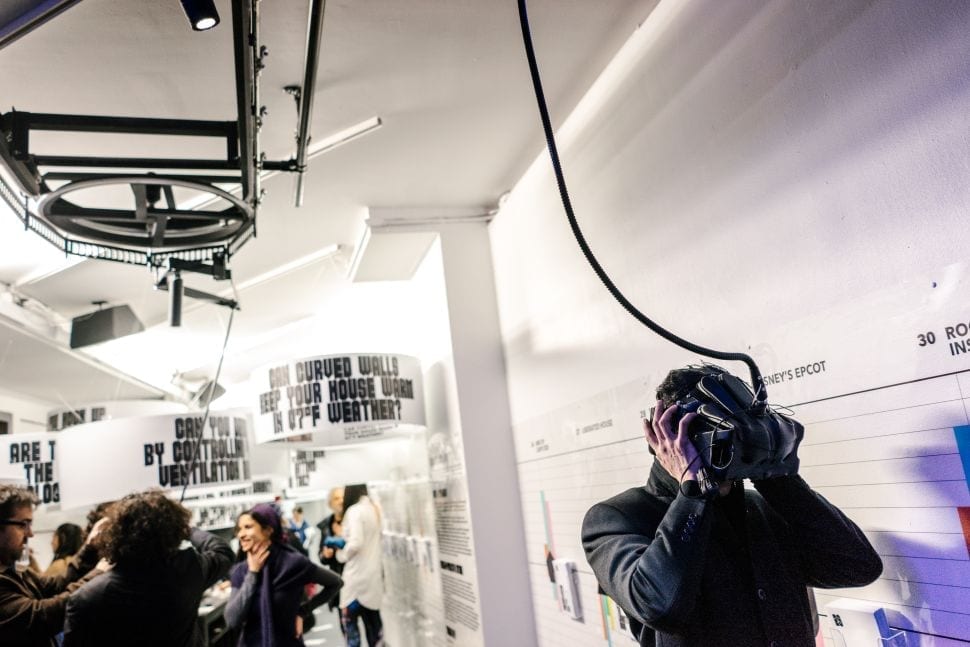
    The strategy for much of 2018 will likely be further integration of digital with brick-and-mortar operations as retailers further embrace advanced technologies to improve customer engagement with tools such as virtual and augmented reality as well as gamification. One clear strategy is alignment of business with the needs of the evolving customer.

    IGD also noted that “experiential shopping” is gaining traction in Asia as consumer palate for additional value – exceptional service and personalized experiences, or as the research firm refers to it: immersive shopping experiences and services.

    The latest IDC FutureScape: Worldwide Retail Predictions says that by 2019 50% of retailers will have adopted an omni-channel commerce platform. IDC forecasts up to a 30% increase in omni-channel profitability as a result of increased revenue and efforts to drive up TCO while driving down inventory costs and operational costs.

    The analyst also predicts that in the same period, the top 30% of retailers will be actively engaged in digital transformation, driving organization shifts and investment strategies in foundational endeavors.

  • 5 Tips For Powerful Retail Brands

    5 Tips For Powerful Retail Brands

    With the competition so steep in today’s retail market, retailers must build on their brand and their customer service in order to edge ahead of the competition. First, they must learn how to better enhance their services so that they can deliver better than their competitors.

    In today’s powerful market, owning one’s own brand is tantamount to their success. It can help them to edge ahead of the competition and focus on the reasons that customers are choosing them over the competition. In recent research with some of the larger retails in transforming their labels into their own personal brands, we’ve decided to share the Top 5 discoveries along the way.

    1. Train Staff

    Training staff and keeping them up to date with the latest techniques and changes in the industry should be the number one thing for any business in retail. This is a fast paced business and the companies that invest in the knowhow and skills of their workers are the ones that come out on top. There are plenty of corporate e-learning companies and businesses that can help you with this aspect and it can make all the difference.

    1. Never Underestimate A Name

    Names denote the quality of a product. They frequently revert to the normalcy of the market and how the public perceives the product. It’s imperative to find a name with personality as well as a name that reflects the brand. The name must be powerful and assertive enough to draw the attention of the market. Central to the overall design, a Co-operative Food brand name must show the core values of the company without overpowering the product. The field range must show the corporate logo and brand yet allow the product to shine through. Such a decision is the core value and a frequent strategy that will yield more product sales. This helps to keep the integrity of the company at the forefront of the market. It also helps to unify the range, aid in the recognition of the product and the company and show a sense of warmth and well-being. This, in turn, builds up the confidence for the quality and the taste of the product. Shown in multiple colors, such logos further elevate the notion that the company is involved and has it together. This is a benchmark for the market.

    1. Don’t Just Sell The Brand, Sell The Product

    It’s not just about the sale of the product. The label must denote the brand of the product without overpowering the name of the product. It must tell the customer why this product should stand out from the rest of the market. The best way to do this is to sell the brand as well as the product. For Morrison’s, it had to show that they had their own brand as well as an outstanding product. It had to show their commitment to the quality of the fresh food as well as the reason that the food should be chosen over others foods of different brands. The customer had to feel that this product was the superior product over the other products on the market. It denoted an authenticity and although it was wrapped simply, it stood out from the crowd and the design was personalized with a hand-written script. This gave it a personalized and friendly tone that showed not only quality but also, a personalization that others were lacking. This clearly showed that the market cared about the quality and led the consumers to want to buy something that was “hand-made” just for them.

    1. Value Denotes Value

    It’s easy to choose cheap over quality. It’s done every day in every market. However, it’s not always the best way to shop. More attention must be given to what people are seeking and how to get them what they are seeking. The category must point out that the product is quality and worthy of their attention. The range value must be in line with other products, yet offer a value to the consumer. To break the conventional approach, the products would have to stand out from the crowd and offer the customer a value that other products didn’t offer. This meant that the company had to use a different approach and offer them a different level of value. The value range made customers smile and gave them a superior product. This, in return, yielded a year on year growth of 49 percent and the competition was quickly surpassed.

    1. Brand Identity

    Consider that the brand must identify itself vs just the packaging. Thus, it’s vital to consider the identity of the product as well as the quality. Designs should stand out and focus on the quality of the product as well as identify the brand. Color, packaging, and brand should all stand out and be apparent when considering the retail brands and how to make them stand out. This gives a huge impact on the shopping experience.