Tag: Retail

  • Amazon Languishing in China Online Retail Market after More than 10 Years

    Amazon Languishing in China Online Retail Market after More than 10 Years

    It has been more than decade since Amazon entered China but, despite being in the country for such a long time, Amazon has struggled to make its mark in one of the largest online retail markets in the world. According to e-marketer, China is expected to overtake United States as the world’s largest retail market, and the gap is expected to grow even wider in the next few years.

    But Amazon has not even made a dent in the Chinese market, which is completely dominated by the homegrown Amazon clone, Alibaba.

    To be fair to the Chinese e-commerce giant, Alibaba services the same online retail market, but follows a completely different model for its e-tail operations. Alibaba is more of a technology platform that facilitates transactions between buyers and sellers, and assumes the role of a supervisor when it comes logistics.

    Amazon is more of a hands-on retail player with strong buying and selling activities of its own. The result: Alibaba’s operating margin keeps crossing 30% every now and then, while Amazon hardly ever gets close to 5%.

    As you can see from the chart above, despite having the best e-commerce technology in the world, Amazon only has a 0.8% share of the Chinese market to show for it. Tmall, Alibaba’s B2C portal, controls more than half the market. Along with its competitor, JD.com, they control nearly 80% of the market, leaving very little for any other player.

    One big advantage of e-tail is that once you get the lead, it’s very hard to topple you from that place. And it becomes even harder if you are the kind of company that keeps pushing the boundaries. Alibaba may have copied a lot of Amazon’s moves, but it changed the model to fit its needs, and its platform has evolved nicely over the years.

    In the United States, despite big box retailers pouring billions of dollars every year into e-commerce initiatives, nobody is able to come close to Amazon. And one of the reasons for that is the huge lead that the e-commerce giant has over every other retailer. Since Amazon has the bulk of online shoppers, it’s natural that sellers gravitate to them, making Amazon even stronger in the process.

    The more the GMV (Gross Merchandise Volume) moves, the higher Amazon’s margins go. Amazon then reinvests even more into its business, transferring some of the benefits to its customers, who are more than happy to keep ordering. It’s a self-feeding cycle that keeps Amazon at the top of the e-tail industry in United States.

    Now, replace Amazon with Alibaba and the United States with China in this scenario, and add an extremely favorable government to the mix, and it’s easy to see why Alibaba sits at the top of the e-commerce pile in the People’s Republic – and why Amazon has to be satisfied with a sliver of market share.

    In the world of online retail, those who play catch-up will always play catch-up, or so it would seem.

  • Indonesia Dominates Global Retail Coffee Market

    Indonesia Dominates Global Retail Coffee Market

    Indonesia increases its dominance over the global retail coffee market with an average sales growth of 19.6 percent each year throughout the last five years, followed by India (15.1 percent average growth) and Vietnam (14.9 percent average growth in second and third position, respectively.

    The data gathered by Mintel also revealed that the growth of the global retail coffee market in 2016 had reached 2.7 percent from the previous 2.5 percent in 2015. Meanwhile, Asia continues to dominate the fastest growth in the global coffee market.

    According to the data, the slowest growth in the global coffee market throughout 2011-2016 is recorded by Finland with a -3.7 percent average growth, followed by Australia with a 0 percent growth, Poland with a 0.1 percent growth, Dutch with a 0.5 percent growth, and Belgium with a 0.5 percent growth.

    Mintel’s Global Drinks Analyst Jonny Forsyth, stated that Asia’s coffee market is increasingly growing following the high level of innovations in various processed coffee products in the region. Throughout the same period, the number of newly introduced coffee products in Asia grows by 95 percent.

    In comparison, the number of new tea products introduced in Asia in the same period only grew by 55 percent. Jonny asserted that the numbers showed that the majority of Asian citizens have shifted from the tradition of consuming tea to coffee.

    “In 2016, there was a drastic increase in the number of new coffee products that rivals the previously booming tea product in Asia. It is true tea drinking tradition has been the main obstacle for Asia’s coffee products. But, currently there are many tea-coffee hybrid products that have been introduced in order to solve the problem,” Jonny explained.

  • ZhangMen Brewing opens Tsim Sha Tsui flagship

    ZhangMen Brewing opens Tsim Sha Tsui flagship

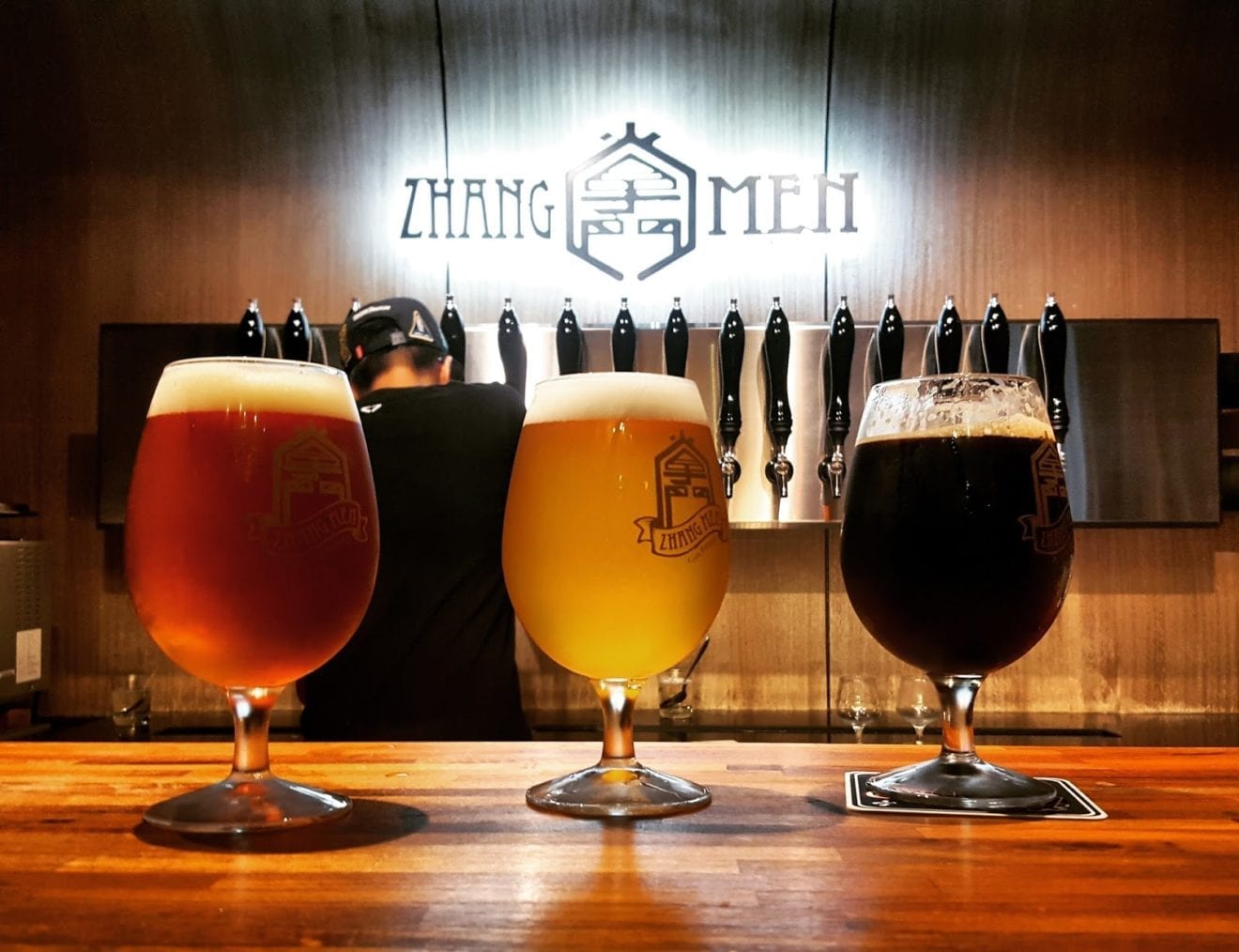
    Taiwan’s ZhangMen Brewing Company has chosen Hong Kong to set up its first international flagship pub.

    On Kimberley Road in Tsim Sha Tsui, the outlet offers 24 varieties of craft beer, shipped directly from its brewery, as well as providing Taiwanese snacks.

    ZhangMen Brewing - Tsim Sha Tsui HK 1

    ZhangMen Brewing Hong Kong GM Ajax Lo says Hong Kong has had a thriving craft-beer scene for years and is relatively close to Taiwan. “Hong Kong is also the region’s economic hub, which will help us promote our brand to other Asian markets more easily.”

    Invest Hong Kong helped the Taiwan company set up in Hong Kong, with its associate director-general of investment promotion Dr Jimmy Chiang saying it has helped several craft-beer brands settle in the city.

    As well as its own brewery, ZhangMen Brewing Company has a brewery farm and laboratory, and runs six outlets across Taiwan. The brand has won many accolades including champion and second runner-up in the Australian International Beer Awards plus second runner-up in the China Beer Awards last year.

  • Strong consumer confidence propels Philippines retail

    Strong consumer confidence propels Philippines retail

    The Philippines is experiencing a new wave of retail property construction, thanks to strong consumer confidence and enhanced purchasing power among Filipinos.

    Among SNL-covered companies, the Philippines has the largest volume of shopping centers and regional malls under construction, outpacing both China and the U.S. As of Feb. 24, the Philippines had 44 shopping center and regional mall properties under construction by SNL-covered companies, compared to 32 in China and 19 in the U.S.

    Although shopping centers have sprung up across the Philippines since the 1990s, when local developer SM Prime Holdings Inc. kicked off what it called the “malling” phenomenon as trips to the mall became a way of life for Filipinos, the retail market there appears to be nowhere near the saturation point, with new supply set to come online this year. According to the Colliers International Philippines Retail 3Q 2016 report, close to 500,000 square meters of leasable retail space is expected to be added across the country in 2017.

    Megamall-ed

    According to SM Prime’s website, the malling phenomenon became evident in the Philippines in the early 1990s as the developer started building one new mall after another, including SM City Sta. Mesa in 1990 and SM Megamall in 1991, both of which are situated in the nation’s capital region of metro Manila. Since then, the company has grown to become one of the largest mall developers in the country and one of the top mall operators in Southeast Asia. Continuing its expansion, SM Prime said it plans to invest as much as 65 billion Philippine pesos to build at least five new malls in the country in 2017. The company also launched SM City East Ortigas in the eastern part of metro Manila in December 2016.

    An SNL analysis found that SM Prime has the greatest exposure to the Philippines retail market among covered companies, with a total of 91 shopping centers and regional malls in operation or under development as of Feb. 24. Trailing SM Prime is Robinsons Land Corp., with 46 properties, followed by Ayala Land Inc., with 43.

    Meanwhile, DoubleDragon Properties Corp. has the highest number of retail properties under development in the country. As of Feb. 24, the company had 18 regional malls and one shopping center under construction. DoubleDragon is also pursuing aggressive expansion on the provincial retail front. In an investor presentation at the Macquarie Capital ASEAN Conference, the company said it envisions adding 700,000 square meters of retail leasable space, including 100 CityMalls, by 2020.

    SNL Image

    The Philippines retail market is also likely to attract foreign developers; media reports have indicated that the current administration is considering new regulations that would ease foreign investment in the country. One foreign developer that has made its foray into the market is Hong Kong-based Kerry Properties Ltd., which owns the Shangri-La Plaza Mall in Mandaluyong City in Metro Manila.

    Confident consumers

    The retail boom in the Philippines is spurred in large part by increased confidence among Filipino consumers. According to the Department of Economic Statistics’ most recent survey, the consumer outlook index in the country soared to 9.2% in the fourth quarter of 2016, marking its highest reading since the poll was launched in 2007. Improved consumer sentiment was generally seen across all income groups, and consumers were most confident in the country’s economic condition, followed by family income and family financial situation. Nielsen also reported that consumers in the country were the second most confident worldwide during the third quarter of 2016 and ranked third a year earlier.

    From the outside in

    With a higher level of consumer confidence comes increased domestic spending backed by both external and internal funding sources. Colliers said the rising purchasing power among Filipino consumers is driven primarily by overseas remittances and business process outsourcing revenues, particularly in Metro Manila.

    Colliers noted that remittances from overseas Filipino workers jumped 4.4% year over year to US$19.5 billion for the first eight months of 2016, and such growth is expected to continue as demand rises for skilled Filipino workers and remittance service providers work to expand market coverage. Meanwhile, BPO revenues are poised for continued yet slower growth, as the local outsourcing sector is forecast to employ 1.8 million full-time employees and generate US$38.9 billion in revenues by 2022, Colliers reported, citing the IT and Business Process Association of the Philippines.

    Staying relevant

    The Philippines RE index, comprising seven diversified real estate companies, all of which have exposure to the country’s retail sector, outperformed its peer Asia Pacific indexes, including the SNL Hong Kong RE index, SNL Singapore RE index, SNL Australia RE index, and the SNL Japan RE index. As of Feb. 24, the index recorded a 1-year total return of 28.71%, 9.21 percentage points higher than the SNL Asia-Pacific RE index.

    Despite the anticipated surge in new supply, Colliers is bullish that the Philippines retail market will continue to flourish in 2017 as vacancy rates remain low and demand for retail space supports higher lease rates. But with the evolving retail scene, characterized by increased competition and the emergence of online shopping, Colliers said malls should be “more lifestyle-oriented rather than retail-centric” in order to stay relevant. In Metro Manila, the primary driver of retail spending is food and beverage, making up 30% to 40% of leasable space in shopping centers and accounting for roughly 40% of Philippine household spending. With this trend likely to continue over the long term, developers should carve out a portion of their retail properties to feature unique food and beverage concepts, Colliers said.

  • Vietnamese spend big on foreign high-street clothes

    Vietnamese spend big on foreign high-street clothes

    Huong, an office worker in Hoang Mai district in Hanoi, said she reserves a budget of VND2-3 million for buying new clothes every month. But she does not want products bearing Vietnamese brands, but preferably orders Zara and Mango products from overseas shops online.

    Huong said that the foreign high-street products are now affordable for office workers like her.

    “Why don’t you choose foreign brands if they have diverse design, good materials and reasonable prices?” she said.“Manufacturers and distributors often launch sale promotion campaigns with big discount rates. I can buy many products at the prices just equal to or even cheaper than Vietnam’s export products,” she explained.

    Oanh, an account executive in Hanoi, said she looks for Zara, H&M, Mango and Uniqlo products regularly, which allows her to buy high-quality products at reasonable prices.

    Sometimes she can buy products at just VND1 million or lower in sales campaigns.

    “I never buy Vietnamese goods during sale promotion campaigns because I am not sure about the actual value of the goods,” she said. “Meanwhile, no need to worry about this when you buy products from these brands. And the prices are very good”.

    Huong and Oanh order the products online and pay fees to have the products shipped to Vietnam. There are many shipping agents in Hanoi, who are in charge of receiving products, carrying to Vietnam and delivering to clients.

    Thuy Linh, one of the agents, commented that Vietnamese clients mostly order clothes and footwear, and 80 percent of ordered products bear high-street brands such as Zara, Mango, and Forever 21, while the remaining 20 percent are luxury brands.

    Linh said she is always busy so Vietnamese tend to favor foreign high-street brands. A T-shirt with Zara or Mango brand can be bought at VND180,000 only, including fees, which is cheaper than Chinese products.

    Understanding the Vietnamese taste and realizing the rapid increase of middle-income earners in Vietnam, a lot of high-street brands have been conquering the local market. Zara, the fashion brand from Spain, has been present in Vietnam since mid-2016. Mango, which targets customers aged 18-40, has been present in Vietnam since 2004 through a franchise contract signed with Maison JSC.

    In the latest news, H&M has begun employing workers to prepare for its landing in Vietnam. The Swedish brand’s first shop would be in Hanoi, cover an area of 2,000 square meters and employ 100 workers. The recruitment will also be implemented in HCMC.

  • SmarTone deploying smart robots at retail stores

    SmarTone deploying smart robots at retail stores

    Hong Kong’s SmarTone is deploying “smart robots” at its psychical retail stores to help enhance the customer experience. The initiative, launched last week on Valentine’s day, involves the leading mobile network operator in Hong Kong deploying the NAO robot at its stores.

    It marks the first time SmarTone is using actual robots for enhancing the customer experience. The idea is to streamline the customer experience while adding fun and improving engagement.

    At the launch ceremony at SmarTone’s apm store, NAO joined local Web-celebrity Lilian Kan to sing, dance and play games with customers while uttering words of love.

    Not to be outdone, Pepper, another smart robot, joined in the festivities as well. It was the first time both robots were pictured together.

    “SmarTone has always been pushing the frontiers of innovation, committed to innovating customer experience in the industry,” SmarTone head of marketing and sales Josephine Lam said.

    “The introduction of NAO will enable a fun and interactive experience, deepening in-store engagement with customers.”

    NAO can perform detailed actions and is multi-lingual. It offered details about the latest service plan offerings while providing recommendations on phone accessories.

    “Robotics is one of the hottest technologies and we know they will have a significant impact on our lives in the future,” SmarTone head of products and services Alex Kun said.

    “We will continue to seek ways to introduce the latest robotics technologies into our business as well as provide opportunities for local enterprises, organizations, and individuals to experience the technology.”

    SmarTone is not just looking to robotics to improve customer services and operational efficiency.

    The company is looking to improve overall robotics appreciation as a territory-wide effort. For example, it will include the introduction robot rental services and the organization of coding workshops to spur interest in robotics among the youth.

  • Vietnam now ranks among the world’s top 5 most optimistic nations

    Vietnam now ranks among the world’s top 5 most optimistic nations

    Vietnamese consumers’ higher confidence late last year has helped lift the country to be among the world’s five most optimistic nations, Nielsen said.

    The ranking is measured for the fourth quarter of 2016, with Vietnam’s Consumer Confidence Index moving up five percentage points from the July-September quarter to a score of 112, the global information and measurement company said in a statement following a survey that ended last November.

    The Southeast Asian nation now ranks behind India, the Philippines, the U.S. and Indonesia. At 112, Vietnam ranks third in Southeast Asia after the Philippines and Indonesia, Nielsen said in the poll attended by more than 30,000 online consumers in 63 countries.

    Vietnam’s growing middle class population with rising disposable income, higher education level plus the country’s stable economic outlook remain the main drivers for its ranking, Nguyen Huong Quynh, Nielson managing director in Vietnam, said in the statement.

    Up to 76 percent of the Vietnamese consumers surveyed said they would place spare cash in savings, down from 78 percent in the previous quarter. Vietnam remains in its top position globally on keeping savings, the survey found.

    It also found that, after covering essential living expenses, around two in five Vietnamese consumers were willing to spend big on holidays and vacations (35 percent), new clothes (33 percent), new technology products (30 percent), home improvements (27 percent) and out of home entertainment (26 percent).

    “Vietnamese consumers have a strong desire for a better life,” Quynh said. “This reflects in their saving intention to prepare for the better future.”

    Health and job security topped the list of Vietnamese consumers’ concerns, the survey showed.

    “As consumers are looking to lead healthier lives, the need for food safety and product’s quality arise,” Quynh said, suggesting manufactures and retailers could get opportunity to tap into new markets to meet the consumer’s demand.

    Just 20 percent of the respondents in the survey expressed concern over Vietnam’s economic growth prospect, down from 26 percent in the second quarter.

    Vietnamese consumers’ rising confidence is in line with the trend in Southeast Asia, which grew five points between the first and the fourth quarter to 115, the index showed.

  • Singapore retail sales up 0.4% in December

    Singapore retail sales up 0.4% in December

    Singapore’s retail sales rose 0.4 per cent in December 2016 compared to the same month in 2015, mainly due to higher sales of medical goods & toiletries.

    Stripping out sales of motor vehicles, retail sales went up by 0.3 per cent, the Department of Statistics said on Wednesday.

    Compared to November, the seasonally adjusted retail sales figure decreased by 1.9 per cent in December. Excluding motor vehicles, they rose 0.7 per cent.

    Notably, retailers of medical goods & toiletries reported 9.9 per cent increase in sales year on year. Surprisingly, motor vehicle sales rose only 0.9 per cent year on year.

    On a seasonally adjusted basis, motor vehicles sales recorded a dip of 11.9 per cent compared to November. Retail sales of computer & telecommunications equipment and department stores also fell 6.8 per cent and 2.2 per cent respectively over the same period.

  • Max’s Group taking Yellow Cab Pizza to Vietnam

    Max’s Group taking Yellow Cab Pizza to Vietnam

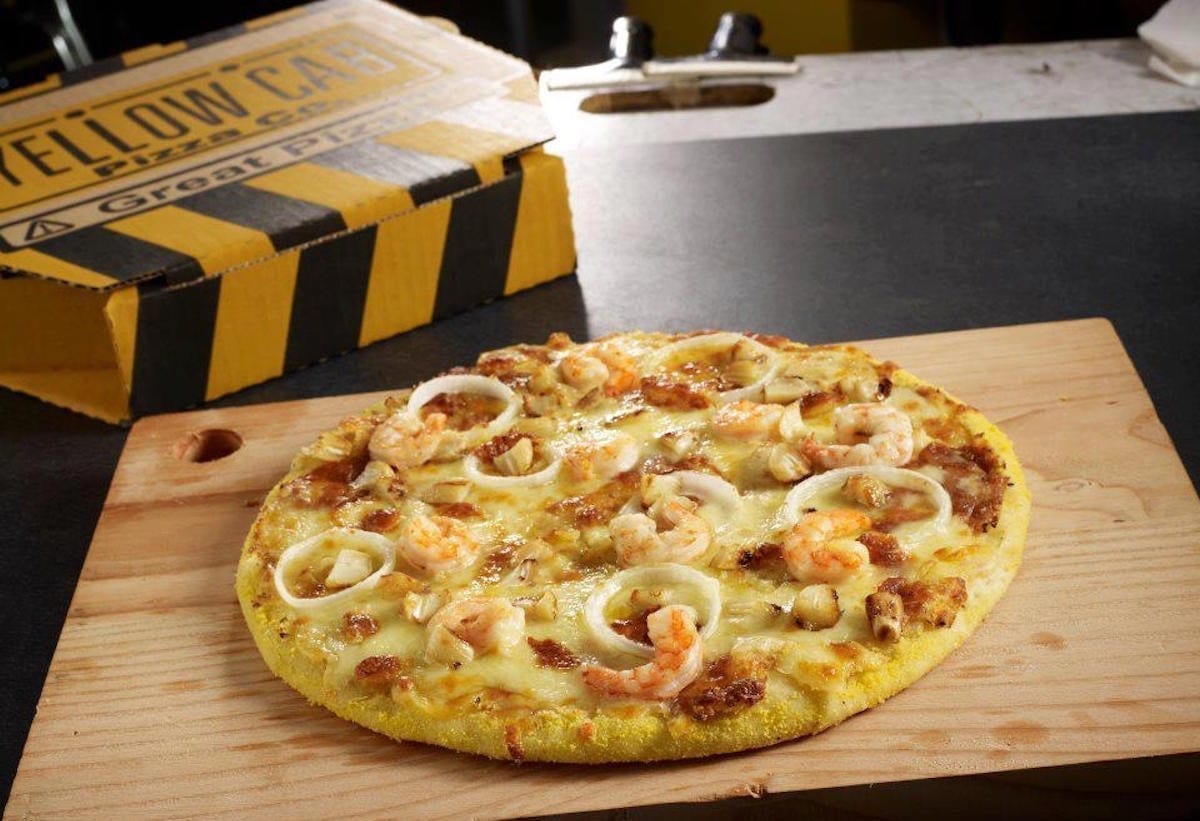
    Filipino casual-dining company Max’s Group is taking its pizza chain Yellow Cab Pizza to Vietnam.

    Max’s Group says it has signed a development agreement with Blue Star Food in Ho Chi Minh City to roll out at least 12 Yellow Cab Pizza stores in Vietnam within five years, says president/CEO Robert Trota.

    The timing and locations of the Vietnam restaurants have not been revealed, but the plan will raise Yellow Cab’s international network to 165 outlets.

    Blue Star Food CEO Nguyen Thanh Nam says Vietnam’s young and affluent population has been targeted by significant developments in the F&B industry.
    “A lot of Western and casual-dining restaurants are flourishing in Vietnam,” he says, including McDonald’s and Starbucks.

    Blue Star Food oversees 45 ice-cream parlours for US brand Baskin Robbins.
    Western food represents 7 per cent of dining-out visits in Vietnam, according a survey by UK market research company Decision Lab.

  • iFashion Group acquires lifestyle marketplace Megafash

    iFashion Group acquires lifestyle marketplace Megafash

    Singapore-based lifestyle venture platform, iFashion Group, announced today it has acquired Singaporean independent designer brands marketplace Megafash for S$3.5 million (US$2.23 million), in a cash and shares deal.

    iFashion group also appointed Jeremy Khoo, the CEO and founder of Dressabelle – an O2O fashion marketplace that it acquired last year for S$7.5 million (US$5.5 million) – as its new CEO.

    This new development will strengthen iFashion Group’s position as a major lifestyle portal in Southeast Asia. Megafash has both a strong online and offline presence, with its 7 stores occupying over 15,000 sq ft. It works with over 2,000 indie brands globally to sell over 300,000 unique products on its marketplace. In 2016, Megafash’s annualised revenue was reported to be S$8 million (US$5.7 million).

    “It’s an exciting time for us at Megafash. The brand has grown significantly, from 3 stores in 2015 to 7 stores currently. In times of economic downtown, we are pleased to say that our revenue grew five times from 2015. Megafash continues to grow as Singapore’s leading lifestyle marketplace. In fact, in December we received as many as 2,000 orders a day,” said Megafash’s CEO and Co-Founder, Jiawen Ngeow, in an official press release.

    The acquisition of Megafash will also accelerate iFashion Group’s plans to go public. A press release said that the company is mulling an IPO at the end of April or May.

    Last year. besides Dressabelle, iFashion Group made two other acquisitions: online retail real estate booking platform INVADE, and Malaysian fashion brand NOSE.

  • 2016, a year to forget for luxury retailers in Hong Kong

    2016, a year to forget for luxury retailers in Hong Kong

    The retail sector in Hong Kong recorded the poorest annual sales in nearly two decades last year, according to a report by the ‘Nikkei Asian Review’. The Hong Kong government argues that this ‘annus terribilis’ partly responds to the declining number of Chinese tourists visiting the territory.

    The report reveals that retail sales in Hong Kong came in at 436.6 billion Hong Kong dollars in 2016, what implies an 8.1 percent dip in comparison with retail sales from the previous year. This is, in fact, the sharpest decline since the Asian financial crisis in 1998 when sales plummeted 17 percent year- on-year.

    On the upside, some analysts say they start to see the first signs of a gradual recovery in the territory’s economy as the number of Chinese tourists stabilizes and the performance of retail sales in the latter half of last year improved when compared to the previous six months.

    Last year, retail sales fell in every month. However the year-on-year declines waned in the latter months, moving from a 5.5 percent year-on-year decrease in November to 2.9 percent in December.

    “The near-term outlook for retail sales business will still depend on whether the recent improvement in inbound tourism could gain more traction and the extent to which local consumer sentiment will be affected by various external uncertainties,” a Hong Kong government spokesperson told the ‘Nikkei Asian Review’.

    It’s worth calling out that the number of mainland visitors to Hong Kong in December indicated a reversal after months of decline. The number of visitors increased by 9 percent year-on- year, led by the Christmas holidays, and outperforming the 7.8 percent growth rate observed year-on- year that month in Macau.

    Worst affected retailers were those operating within the luxury and upmarket niches. Jewelry group Chow Sang Sang issued a profit warning last month that its full-year earnings for 2016 could drop as much as 40 percent. Meanwhile, fashion retailer Bauhaus closed four shops across Hong Kong and Macau as its same store’s sales declined 10 percent year-on-year in the final quarter of 2016. Its direct competitor, I.T, recorded a slightly smaller decline (-4.6 percent) in store sales in Hong Kong during the three-month period between September and November 2016.

    Market sources recall that the vast majority of luxury retailers in Macau and Hong Kong depend on the influx of wealthy tourists coming from mainland China as their main source of revenue.

    “Looking ahead, the near-term outlook for retail sales business will still depend on whether the recent improvement in inbound tourism could gain more traction and the extent to which local consumer sentiment would be affected by various external uncertainties,” the government said in a statement issued earlier this month.

  • Ito Yokado To Accelerate Expansion In Mainland China

    Ito Yokado To Accelerate Expansion In Mainland China

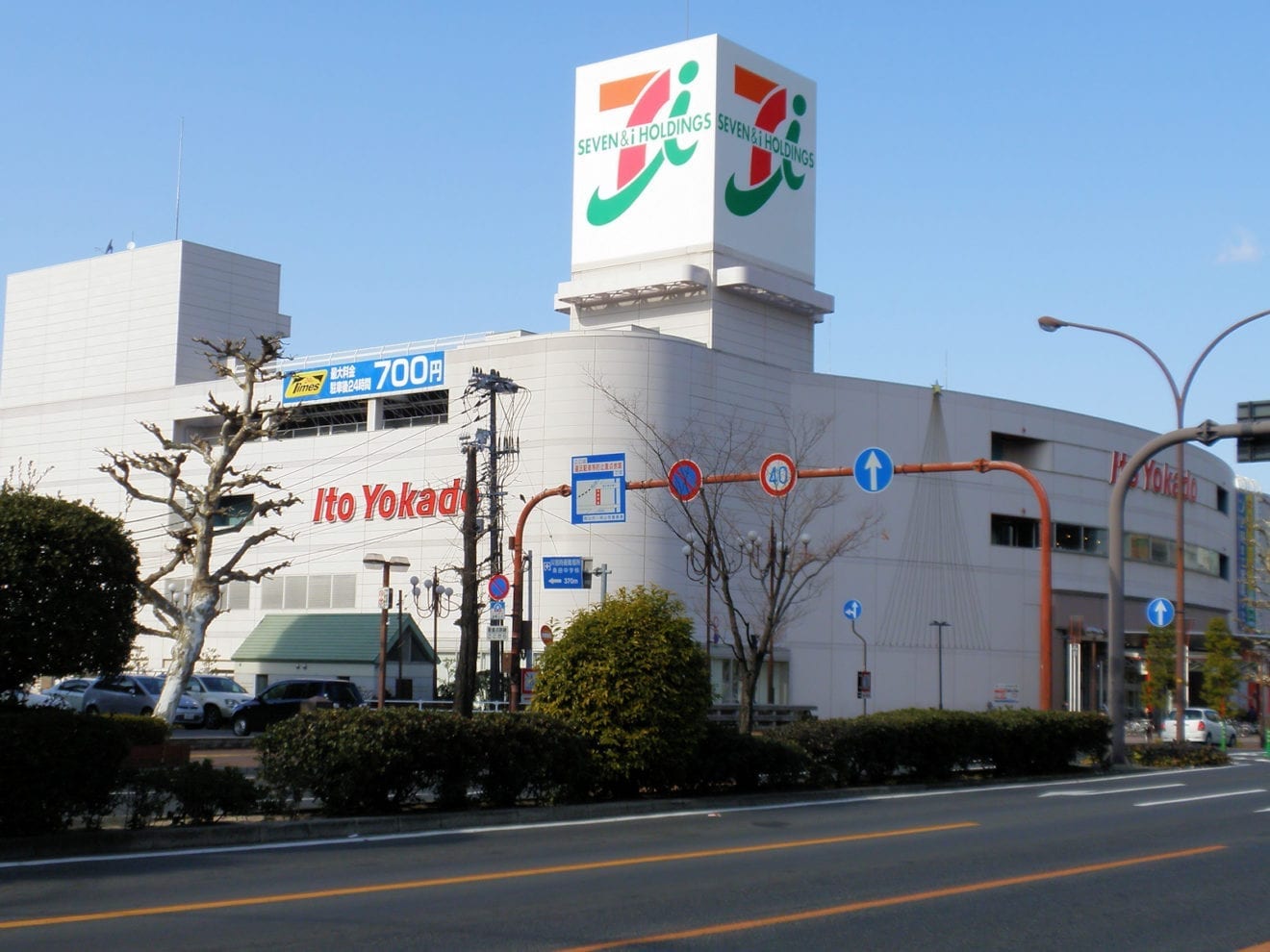
    Seven & I Holdings, parent company of Ito Yokado, will accelerate store expansion in the Chinese mainland market and plans to have 20 stores by 2020, tripling their current number in China.

    Ito Yokado entered the Chinese mainland market in 1997, with its first store openning in Chengdu, Sichuan province. In 1998, the company entered the Beijing market. At present, Ito Yokado has six stores in Chengdu and two in Beijing.

    On January 12, 2017, Ito Yokado opened a new store in Sichuan’s Meishan city and the company plans to launch another new store in Sichuan’s Leshan city in 2019. According to Ito Yokado, the company will increase the number of its general merchandise stores and food supermarkets to ten in Sichuan.

    In 2005, Ito Yokado opened its first food supermarket in Beijing. However, due to the severe competition from foreign supermarket giants like Carrefour and Chinese local enterprises, the Japanese retailer ceased the operations of this food supermarket in December 2016 and only maintains two department stores in the capital city.

    In addition, with the rapid development of e-commerce in China, Ito Yokado also plans to tap the online business. The company will establish a new company in Sichuan this summer and it aims to achieve sales of JPY10 billion by 2020 via online sales.

  • No strong recovery in Hong Kong retail sales until 2018

    No strong recovery in Hong Kong retail sales until 2018

    Despite a return of mainland Chinese tourists to mark the start of the Year of the Rooster, it might be too early to celebrate for Hong Kong retailers. Sales will continue to fall this year, according to industry observers.

    Thomson Cheng Wai-hung, chairman of Hong Kong Retail Management Association, estimates the territory’s retail sales will fall 3-4% on the year in 2017, an improvement from the 8% drop in 2016.

    Last year, retail sales fell to 437 billion Hong Kong dollars ($56.3 billion), marking three years of decline and the worst full-year slump since 1998. This was despite some signs of improvement when the decline in sales in December narrowed to 3% from a year ago as more mainland visitors spent their holiday in Hong Kong.

    “We might be getting closer to the end of the tunnel,” Cheng said on Thursday. But citing uncertainty in the global environment, such as a possible U.S.-China trade war, he expects the retail market to bottom out only in 2018 at the earliest. “It is hard to say whether it will be a recovery in L shape, V shape or U shape,” he said.

    There were winners and losers during the Chinese New Year holiday.

    Luxury retailers were hit by dwindling sales as Chinese tourists tightened their purse strings amid a slowing economy. Prices in Hong Kong are also less attractive for mainlanders due to a weaker yuan and the Hong Kong dollar’s peg to the U.S. dollar, which had strengthened during the year.

    Chow Tai Fook Jewellery Group recorded an 11% slump in Hong Kong and Macau sales from a year ago between Jan. 14 and Feb. 3, which covered the Chinese New Year holiday.

    Mass-market retailers fared better. Hong Kong’s largest cosmetic chain Sa Sa International saw a 3.5% sales increase at home and in Macau from Jan. 28 to Feb. 3, helped by a rebound in mainland tourist traffic. While the number of transactions they made increased, the average spend per transaction was down 4.6% from a year ago.

    Given the latest data over the holiday season, Chairman and CEO Simon Kwok Siu-ming is upbeat on the outlook. “It is recovering, and December was almost flat [compared to a year before],” he told Nikkei Asian Review on Tuesday.

    He is positive about mainland customers as well. “I am not worried about China and the Chinese economy,” he said. Ease of travel to Hong Kong in the near future with the expected opening of a high-speed railway link and bridge connecting to Macau and Zhuhai in southern Guangdong province will make the territory “more accessible” for mainlanders.

    Some mid-tier fashion retailers are turning to e-commerce to expand their reach. Walton Brown, a subsidiary of Lane Crawford Joyce Group that has a portfolio of premium brands including Kate Spade and Brooks Brothers, will launch in March its own mobile platform MyMM.com to target China’s growing middle class.

  • Salvatore Ferragamo Hong Kong sales still weak

    Salvatore Ferragamo Hong Kong sales still weak

    Despite business still being weak in Hong Kong, Asia Pacific was again been the top market in revenue terms last year for Italian design label Salvatore Ferragamo.

    Preliminary figures show the group’s consolidated revenues for its latest fiscal year reached €1438 million (US$1.5 billion), up by 1 per cent at current exchange rates and down by 2 per cent at constant exchange rates from the previous 12 months.

    Asia Pacific contributed 36 per cent of total revenue for the year, up by 1 per cent. Growth was more than 4 per cent for the fourth quarter. The positive performance was achieved despite lacklustre sales for Salvatore Ferragamo Hong Kong.

    In Japan, the brand had stable revenues last year, with a 3 per cent rise in the fourth quarter.

  • Lotte Group in China suffers from Korea’s missile plan

    Lotte Group in China suffers from Korea’s missile plan

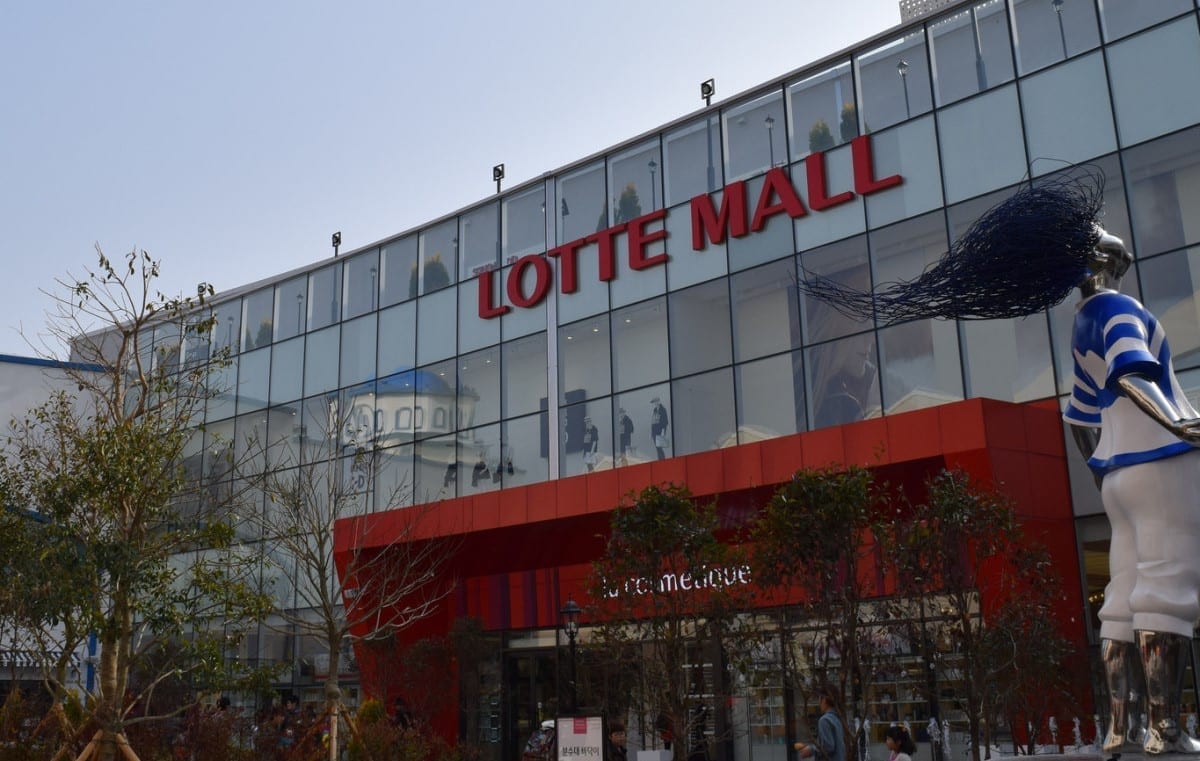
    Hit by fallout from the Korean government’s plan to deploy a US-made missile shield, the Lotte Group is shutting three retail shops near Beijing.

    Korea’s fifth-largest conglomerate, Lotte was hit by a series of regulatory investigations into its China business in December after striking a deal with the Korean government a month earlier to relinquish one of its golf projects to accommodate the anti-missile system.

    South Korean companies have discovered themselves in China’s crosshairs since Seoul’s determination in July to deploy the Terminal High Altitude Area Defence (THAAD) platform, reports News on Hand. Beijing opposes the move, fearing the US will use the platform’s radar to probe deep into Chinese territory.

    Lotte says it has been restructuring its loss-making China enterprise for a few years, but the work has been spurred by the deteriorating bilateral relations because of the THAAD deployment. The retailer has already closed some of its unprofitable outlets in China.

    Lotte has also been opening shops in China, but has put the brakes on this following officials conducting security, tax and other investigations. Having entered the market in 1994, the group has 99 stores and 16 Lotte Super shops in China.

    Also in retaliation to THAAD, Beijing has blocked imports of high-tech bidets and a range of cosmetics, cancelled shows by Korean pop groups and restricted Chinese flights and tourism to Korea.