Tag: Retail

  • Retail rents in central region to slump 8% later this year

    Retail rents in central region to slump 8% later this year

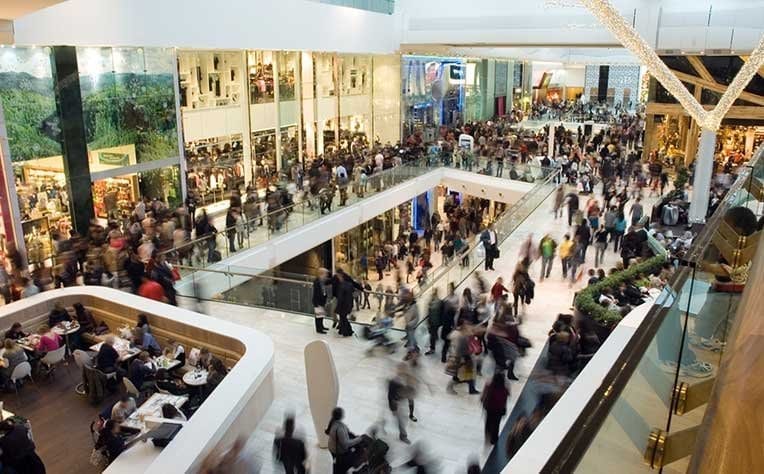
    Landlords and retailers are off to another bumpy ride. The retail outlook for this year seemed to still be on the cloudy side for both retailers and landlords.

    According to Knight Frank’s latest Singapore Retail Bulletin, average rents in the Central Region are envisaged to fall by 5.0% to 8.0% by Q4 2017, while the more resilient prime rents to moderate downwards by up to 3.0% YoY in the same period.

    “Landlords are likely to take on a more proactive role to initiate more advertisement and promotion activities in a bid to attract shoppers into the mall. On the same note, retailers are also expected to explore innovative concepts that integrate both offline and online retailing platforms to enhance consumer engagement,” the research house said.

    Meanwhile, the occupancy performance is expected to hover between 90% and 92% this year, after maintaining an average of 92.2% over the first three-quarters in 2016. This is in consideration of the close to 2m sq ft. gross floor area of retail space slated for completion in 2017 amidst the heightened level of caution among retailers towards their business strategies due to the uncertain global economic outlook.

  • Vietnam franchise rules under pressure to change

    Vietnam franchise rules under pressure to change

    At the end of the 1990s, franchise was still a strange concept to most people in Việt Nam. There were no opportunities to enjoy or even see the products and services of the world’s well-known brands in Việt Nam.

    KFC, McDonald, Starbucks and Lotteria were not familiar names for Vietnamese youth. However, this has changed.

    Now, you can start a beautiful morning with friends at a Starbucks or enjoy lunch with family at a KFC or Lotteria outlet. You could also purchase the latest Nike or Adidas products as well as those of other world famous brands at stores in Việt Nam.

    This change has been the result of a very effective business model – franchise.  After 40 years of  Đổi mới (Renewal) and more than 19 years since its entry into the World Trade Organization (WTO), Việt Nam has emerged as one of the most attractive countries for investors and franchisors, with a population of over 90 million, 65 per cent of whom are under 35 years old, and a very dynamic consumer class with a strong preference for foreign brands.

    Despite the global economic slowdown, thanks to its advantageous location, population size, and consumer habits, Việt Nam is now an ideal destination for many investors as well as franchisors.

    According to the Vietnamese Ministry of Industry and Trade (MoIT), around 160 franchises have entered Việt Nam so far. This is just the franchises that are required to register with MoIT before officially commencing their operation pursuant to the 2005 Commercial Law.

    The dominant business sectors for franchises are food services, retail, education, and entertainment. Food and beverage franchises account for 30 per cent of the registered franchises. The primary reason for the sustained increase in franchise activities in Việt Nam is the adoption of the 2005 Commercial Law and Decree 35/2006/NĐ-CP (later amended by Decree 120/2011/NĐ-CP), which, for the first time, provided a legal framework for franchising.

    Foreign franchisors are required to register their franchising activities before granting franchises in Việt Nam. If they carry out their franchise activities in the country without a certificate of franchise registration, they will face administrative sanctions, including fines ranging from VNĐ10 million to 20 million (approximately US$439-878).

    The franchisors must also consider the following conditions before registering their activities: The franchise network must have been in operation for at least one year.

    As regards Vietnamese sub-franchisors:

    – They must have operated the franchise business for at least one year before they initiate sub-franchising.

    – The goods or services that are the subject of a franchise agreement must not be on the Government’s list of banned goods and services.

    If they are on the list of goods and services subject to business restrictions, a special business license must be obtained before franchising is deployed.

    A franchise registration dossier must comprise:

    – An introduction of the franchise business containing the information as required by Circular 09/2006/TT-BTM guiding the commercial franchising registration;

    – A copy of the certificate of business registration or a legally equivalent document;

    – A copy of the certificate of protection of industrial property rights in Việt Nam or in foreign countries if the franchise includes a license of industrial property rights;

    – Approval from the primary franchisor to the sub-franchisee in case of a sub-franchisor;

    – Other documents required by the competent authority (including the franchise agreement or form of agreement).All documents issued in a foreign language must be notarized and legalized. The Vietnamese versions of such documents must also be notarized.

    According to Decree 35, the franchisor has an obligation to provide the franchisee with the information regarding the franchise system, namely a copy of a form of franchise agreement and an introduction of the franchise business, at least 15 days before signing the agreement. The franchisor must also notify the franchisee of all substantial changes in the franchise system.

    In case of a master franchise, in addition to providing the aforementioned information, the secondary franchisor must also provide a proposed franchisee with the following information in writing: (a) information about the franchisor which has granted the franchise; (b) contents of the master franchise contract; and (c) the manner in which secondary franchise contracts will be dealt with in the event of termination of the master franchise contract.

    If the parties select application of the law of Việt Nam, the franchise contract may contain the following main items:

    i. Contents of franchising;

    ii. Rights and obligations of the franchisor;

    iii. Rights and obligations of the franchisee;

    iv. Price and periodic franchising fee, and payment method;

    v. Term of the contract; and,

    vi. Extension and termination of the contract, and dispute resolution.

    The franchise contract must be made in Vietnamese. In the case of a franchise from Việt Nam to overseas, the parties must agree on the language of the franchise contract. Once registered, a franchisor must report any changes in the general information about the franchisor and/or changes affecting the relevant industrial property rights (i.e., changes in Part a) to the competent authority within 30 days after the date of change.

    In addition, by January 15 every year, a franchisor must send an annual report to the competent authority on the matters contained in the disclosure document.

    The above regulations regarding franchise activities in Việt Nam are provided in the 2005 Commercial Law. However, such regulations were issued in 2005 and there are some defects in this law: the definition of franchising is not clear for distinguishing between a trademark licence agreement or a technology transfer agreement; the conditions on franchisee and sub-franchisee do not offer sufficient protection for the rights of the sub-franchisees.

    In addition, the method and measures for controlling and checking the franchisee’s activities by the franchisor are not clear.

    Furthermore, numerous changes in the legal system, such as adoption of new investment and enterprise laws, the civil code, changes in the legislative mindset of lawmakers, have occurred in order to protect and ensure the freedom of enterprises as well as actual business conditions at a time Việt Nam is deepening its international integration.

    Therefore, the need to revise the said regulations should be taken into account. In fact, the drafting of a new commercial law is underway and, according to MoIT, the draft will be submitted to the Government in 2017 and publicised to collect feedback before it is submitted to the National Assembly for passage in 2018.

    The franchise business in Việt Nam has developed in a stable manner thus far. With a new commercial law to be adopted soon, this business will hopefully prosper further.
    Read more at https://vietnamnews.vn/economy/350237/vn-franchise-rules-under-pressure-to-change.html#wg0kz4K4qwK39BXg.99

  • AirAsia load factor up 85% in third quarter 2016

    AirAsia load factor up 85% in third quarter 2016

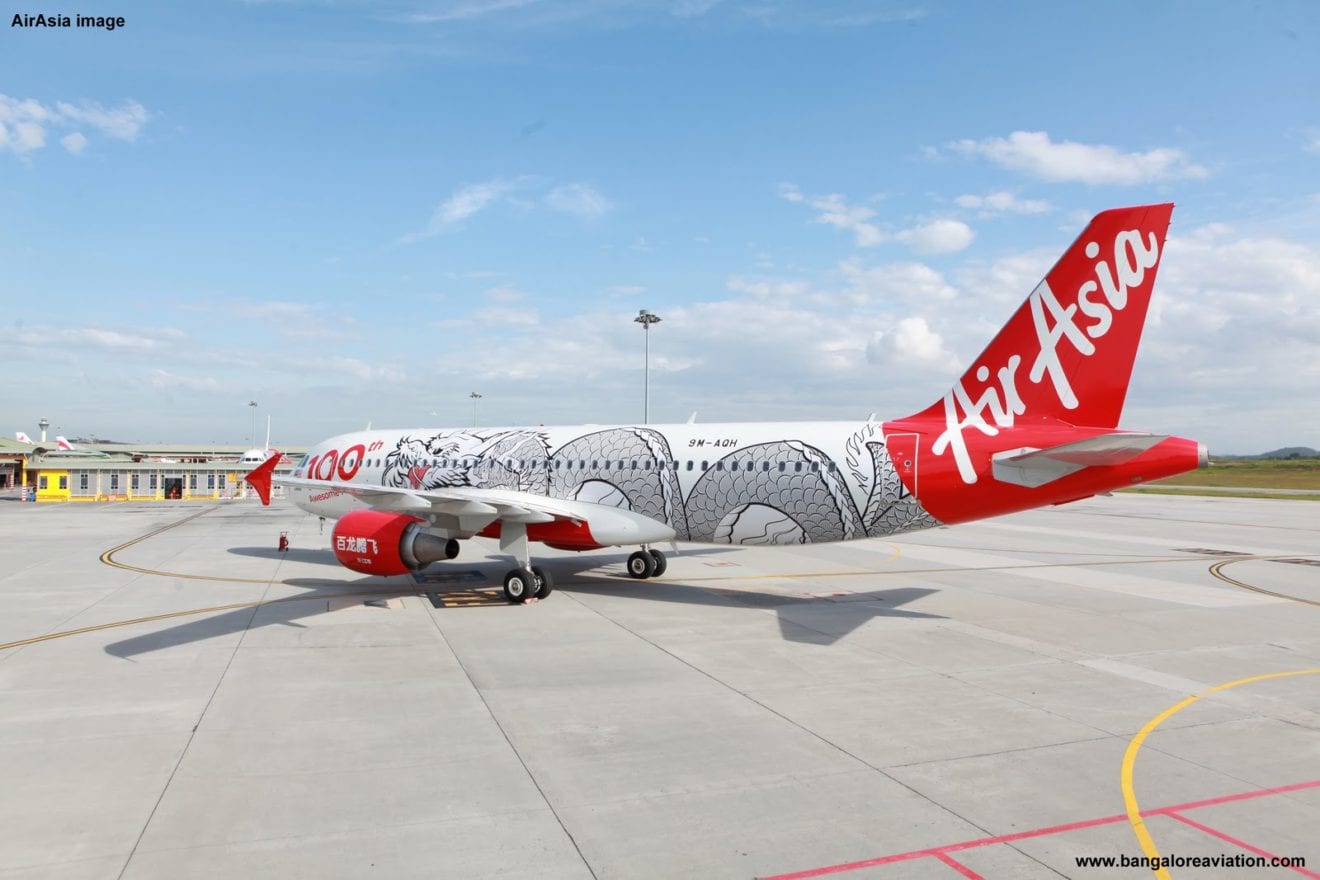
    AirAsia Bhd recorded a load factor of 85% in the third quarter (Q3) of 2016, up two percentage points from the same period last year.

    The carrier said the total number of passengers carried increased 7% year-on-year (y-o-y) to 14.51 million, well ahead of the 5% increase in seat capacity.

    At the end of the quarter under review, the budget airline’s total fleet size stood at 172 aircraft (174 including two aircraft delivered to AirAsia Japan but yet to commence operations).

    For financial year 2016 (FY16), the airline carried a total of 56.59 million passengers for a load factor of 86%.

    AirAsia said in a statement the Malaysian operations achieved a load factor of 87% in Q4, up two percentage points year-on-year.

    It added that demand exceeded the 2% y-o-y increase in capacity, with the number of passengers carried rising by 5% y-o-y to 6.76 million. AirAsia Malaysia ended the quarter with a fleet size of 77 aircraft.

    Thai AirAsia posted a load factor of 82% in Q4, unchanged y-o-y. The number of passengers carried was 4.37 million, an increase of 8% y-o-y, near to the capacity growth of 10% y-o-y.

    “Thai AirAsia took two additional aircraft during the quarter, ending the year with a fleet of 51 aircraft. For FY16, Thai AirAsia carried 17.22 million passengers and posted a load factor of 84%, up three percentage points from FY15,” it said.

    Indonesia AirAsia posted a load factor of 83% in Q4, up three percentage points y-o-y. The number of passengers carried totalled 1.55 million on a reduced capacity of 10% y-o-y, in line with the turnaround strategy.

    For FY16, Indonesia AirAsia carried 6.52 million passengers and averaged a load factor of 84%.

    Philippines AirAsia reported a load factor of 85% while AirAsia India posted a load factor of 86% in Q4.

    Meanwhile, AirAsia X Bhd (AAX) said overall operating performance in Q4 has improved y-o-y, resulting from the successful turnaround initiatives implemented during the year.

    “In Q4, the company recorded high double-digit increase in passengers carried of 40% y-o-y to 1.38 million, in line with capacity growth of 43% y-o-y. The huge capacity injected during the quarter was to cater to higher demand from year-end holiday travel,” it said in a separate statement.

    AAX said passenger load factor dropped two percentage points to 81% against 83% for the same period last year, as available seat per kilometers grew 44% y-o-y to 8,474 million in Q4.

    “Operationally, FY16 has been a success turnaround story, with various phases of turnaround initiative carried out positively during the year.”

  • Indian company buys Twelve Cupcakes

    Indian company buys Twelve Cupcakes

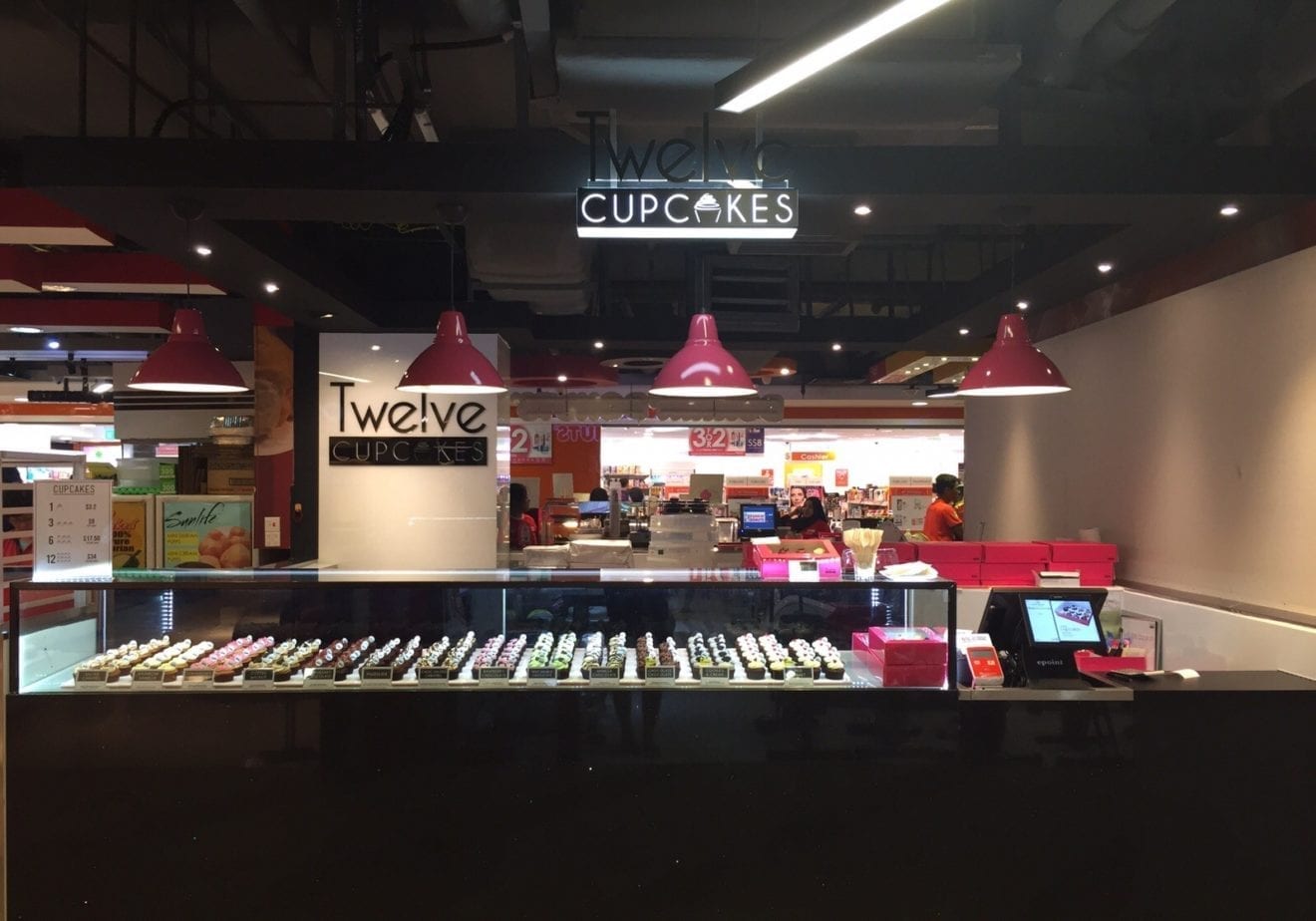
    Following the divorce of celebrity couple Jaime Teo and Daniel Ong, the Twelve Cupcakes chain they founded in 2011 has been sold.

    One of India’s largest tea producers, Kolkata-based Dhunseri Group, has bought the chain outright for S$2.5 million (US$1.7 million).

    With a presence in 17 malls, the chain offers the group the chance to establish a strong footprint in the F&B space in the Singapore market, says Mrigank Dhanuka, a member of the family that owns the Dhunseri Group.

    “We are looking at turning the business around, which is at just about cash break-even point at this juncture.”

    The sale was completed last month, following the divorce four months earlier of the former beauty queen and the radio deejay. The couple made the news of their divorce public on December 31 on their respective Instagram accounts.

    Twelve Cupcakes has more than 40 outlets across six countries in the region.

    This is Dhunseri Group’s first foray into the F&B space in Singapore, and Dhanuka has relocated to Singapore to head the business in the region.

    “We will be expanding our F&B portfolio under Twelve Cupcakes with new product launches in Singapore,” he says. “We continue to look for value deals here in the confectionery space.”

    In the tea business for more than five decades, the group also has petrochemical interests in India.

  • Australian Online Retailers Need to be Extra Vigilant

    Australian Online Retailers Need to be Extra Vigilant

    Thirty-nine of the world’s top 250 retailers now operate in Australia, up two from last year. Australian retailers are warned to be extra vigilant, with international retailers set to enter our retail market further in 2017, according to Deloitte’s 2016 Global Powers of Retailing report.

    With 16 percent of the world’s top 250 retailers currently operating in Australia, coupled with a relatively stable economy, significant discretionary spend and strong consumer demand for international products and brands, we can expect further disruption in the Australian retail market with new entrants highly likely.

    “Australian retailers will need to be vigilant in ensuring they are differentiating themselves from their competitors by offering the right product range and mix and delivering a service, in-store and online, that meets their customers’ expectations,” said David White, partner and national leader of Deloitte’s retail, wholesale and distribution group.

    At present, the Australian market remains relatively unsaturated by the world’s largest retail brands compared to the US and European markets, according to White. “In the last quarter of 2015 we learnt South African retailer Steinhoff  had secured a deal with UK department store Debenhams to sell a selection of its private label apparel through its Harris Scarfe stores. And, in its first venture outside of South Africa, Mr Price has entered the Australian fast-fashion market, branded MRP, with two stores in Melbourne.”

    Whilst new global retailers look to Australian shores, those already here continue to expand their operations, including Sephora and US retailer Williams-Sonoma, both set to continue their store expansion programs in 2016.

    Amazon, ranked 12th, is the number one e-commerce retailer globally according to the report, followed by Apple, China’s largest B2C online retailer JD.com and Walmart in the US. All but six of the Top 50 online retailers are based in the US (26 companies in total) or Europe (18). The majority of the e-50 (39 companies) are omnichannel with bricks-and-mortar stores as well as online and other non-store operations.

    China to Enter Soon

    With nearly half of the 39 Top 250 global retailers which operate in Australia based in the US, one country conspicuous by its absence is China. Whilst China has nine retailers in the Top 250, none currently operate in Australia.

    “Many of the products we buy are manufactured in China, however unlike other sectors we have yet to see Chinese retailers entering the Australian market directly,” said White. “The growth in the middle classes in China is already prompting a surge in consumer demand and Chinese developed brands. It is only a matter of time before we see these emerging retailers expanding their businesses more globally, including Australia.

    Deloitte’s retail report also highlights the impact of technology on the digital divide between online retail and in-store, and evolving consumer expectations. “Some retailers may underestimate the digital influence, while others recognise the real opportunity to capitalise on this ‘digital divide.’”


  • Indonesian mall integrates tech in the shopping experience

    Indonesian mall integrates tech in the shopping experience

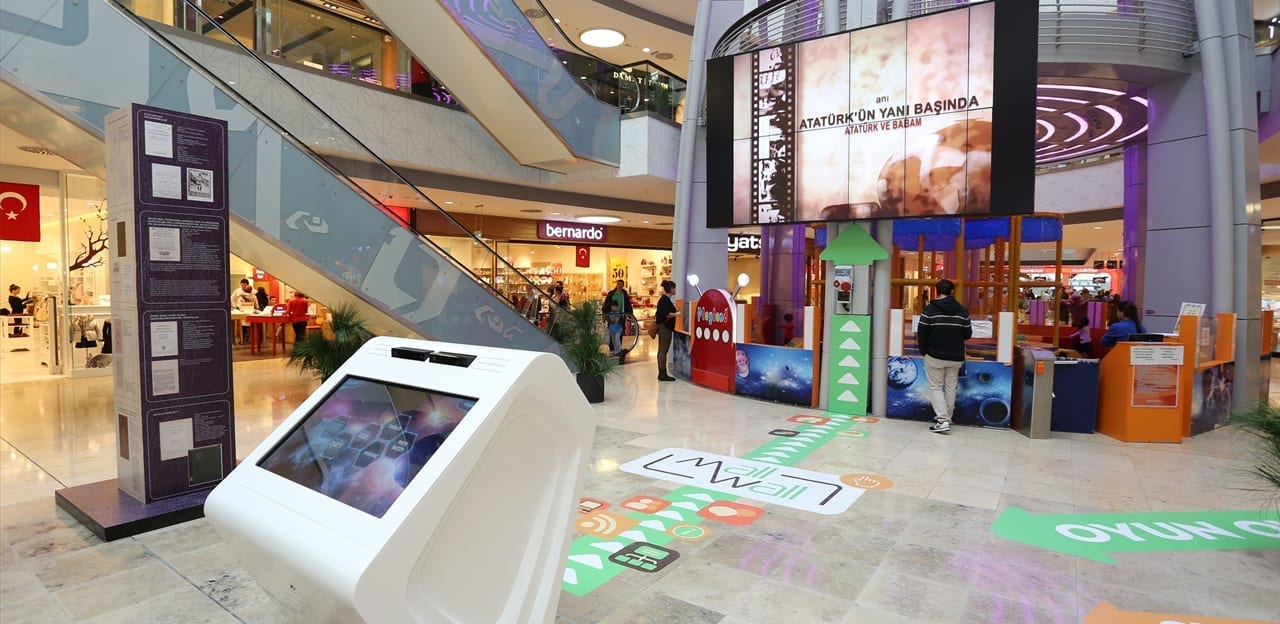
    Supermal Karawaci, one of the largest mall entertainment center in Western Jakarta, has launched an interactive mobile application that would allow retailers to offer personalized content and engage with customers better.

    The 125,000-square-meter retail destination in Banten Province, West of Jakarta has over 1,000 retail stores and outlets, three cinemas and the largest Timezone arcade in Southeast Asia.

    The app, which was built on the shopper engagement platform of Singaporean technology firm Sprooki, is integrated with Supermal Karawaci’s touchpoints and mobile apps. Using location and contextual data, retailers would be able to offer individualized content such as vouchers, special offers, event alerts and store information.

    The system allows social sign-in and content sharing on platforms, including Facebook, which has more than 76 million users in Indonesia as of end 2016 and projected to grow to 86.4 million by end of 2017, according to eMarketer. The service will also be available in both English and Bahasa.

    Pipih Tjandra, Supermal Karawaci Marketing and Leasing General Manager, said the Sprooki platform would help keep the shopping hub at the cutting edge of technology, which customers had come to expect.

    “Supermal Karawaci works every day to be in tune with what today’s consumers want and expect through innovative marketing strategies. By implementing the Sprooki platform, our mall will be one of the first shopping precincts in Indonesia to incorporate a data-driven mobile platform to improve shopper experience, helping our tenants to increase in-store traffic and sales,” he said in a news release.

    Pablo Amante, Sprooki’s Head of Marketing, said in an email interview that the Indonesian market is ready to start adopting location-based and engagement technologies to help retailers and business to engage their shoppers, making the Indonesian retail industry much more competitive.

    The latest report from eMarketer shows that the number of smartphone users in Indonesia will rise from 55 million in 2015 to 92 million in 2019 and would be the third largest smartphone market in the Asia-Pacific.

    According to Lee Kang, the Vice Chairman of the Indonesian Cellular Phone Association (APSI), number of smartphone users in Indonesia has been growing between 30 and 50 percent each year and this growth momentum will remain intact due to the availability of affordable 4G smartphones on the Indonesian market and further development of Indonesia’s 4G network.

    “Based on these figures, retailers, shopping malls, and all companies focused on engaging their customers through mobile will see in our software a powerful tool to optimize their sales and marketing strategies, based on real data about their customers’ behavior,” Amante said.

    Cloud-based platform

    The Sprooki software is a cloud-based platform that analyzes physical and digital shopper behavior detected inside and outside stores. The platform is an analytics and contextual engine that algorithmically analyzes digital and physical data and predicts what shoppers are most likely to respond to, offering shoppers most relevant products at the best moments and locations.

    “Mall’s retailers benefit most from Sprooki platform, which gives them the possibility of engaging mobile shoppers in context and personalized ways; driving footfall to their stores; rewarding their top customers; making data and insights actionable through integrated reporting and predictive recommendations, and all these by using only one platform, saving time and efforts, so retailers and malls can focus on their marketing and sales strategies,” Amante explained.

    The software can be integrated either in mobile apps or websites. In these environments, consumers are always able to opt out or not sign in. The challenge, however, is to provide highly targeted and relevant content in a way that shoppers appreciate the added value of having access to these offers, campaigns or rewards.

    “When our customers provide to its shoppers with contextual and personalized offers, general response by consumers is very positive, as the shopping experience is different for each one and it’s relevant according to their likes and what they are looking for,” Amante added.

    While this is the first implementation of Sprooki technology in Indonesia, its customers are already spread across Southeast Asia.

    Amante said some of its customers include the 313@somerset iconic mall at Orchard Road in Singapore where the company implemented Sprooki Campaigns module, which allows shoppers to access to exclusive offers and coupons through vouchers. At Far East Organization /Shop Far East Asia (Singapore), it has also implemented Sprooki Rewards, a module that allows the mall to offer a card-less loyalty program to its shoppers.  In Vietnam, the technology allows location-based features and beacon technology to work both outside and inside the Crescent Mall to collect strategic data, providing a unique experience to shoppers.

    At this stage, Supermal Karawaci shoppers are exploring this new way of access to exclusive offers, and the response has been more than positive, with a high rate of voucher downloads since its launch last December 15.

    “Sprooki is delighted to enable Supermal Karawaci with the most advanced technology for engaging with customers and understanding their behavior. Our mobile platform will give the precinct’s retail tenants an effective way to drive frequency of visits and increase sales conversions,” said Sprooki CEO and Co-founder Michael Gethen in a media statement during the launch.

    Retail challenges ahead

    Sprooki is confident that location-based, data-driven mobile services are the present and the future for the retail industry.

    “After the struggles that retailers have suffered in the last years due to the e-commerce and online shops, the game is again on for big retailers and shopping malls that want to bring shoppers back to the physical stores. And the only way to make this happen is by providing a new shopping experience, based on offering what the digital world already offers (personalization, analytics, related purchases, recommendations, rewards, etc.),” Amante said.

    Shoppers nowadays also expect more from their brands in terms of product offerings, customer services, efficiency, and engagement. That is the reason why features such as ‘click and collect’, digital voucher redemption, scan receipts, faster and easier payment methods are raising, in order to meet consumers’ expectations.

    Taking a look at the region and the challenges that retailers are facing in Southeast Asia, Sprooki sees a lot of opportunities.

    “Retailers nowadays have a big gap in terms of what they know about their shoppers, and how they behave in their shopping journey. Even the most advanced retailers that work already with big data haven’t found an effective and sustainable way to manage all these data without the need of investing a lot of money and time,” Amante said.

    Sprooki today is currently based in Singapore, and has offices in Hong Kong and Australia, with local contacts in Indonesia, Malaysia, Philippines, and Vietnam.

  • Alibaba buys into retail stores strategy

    Alibaba buys into retail stores strategy

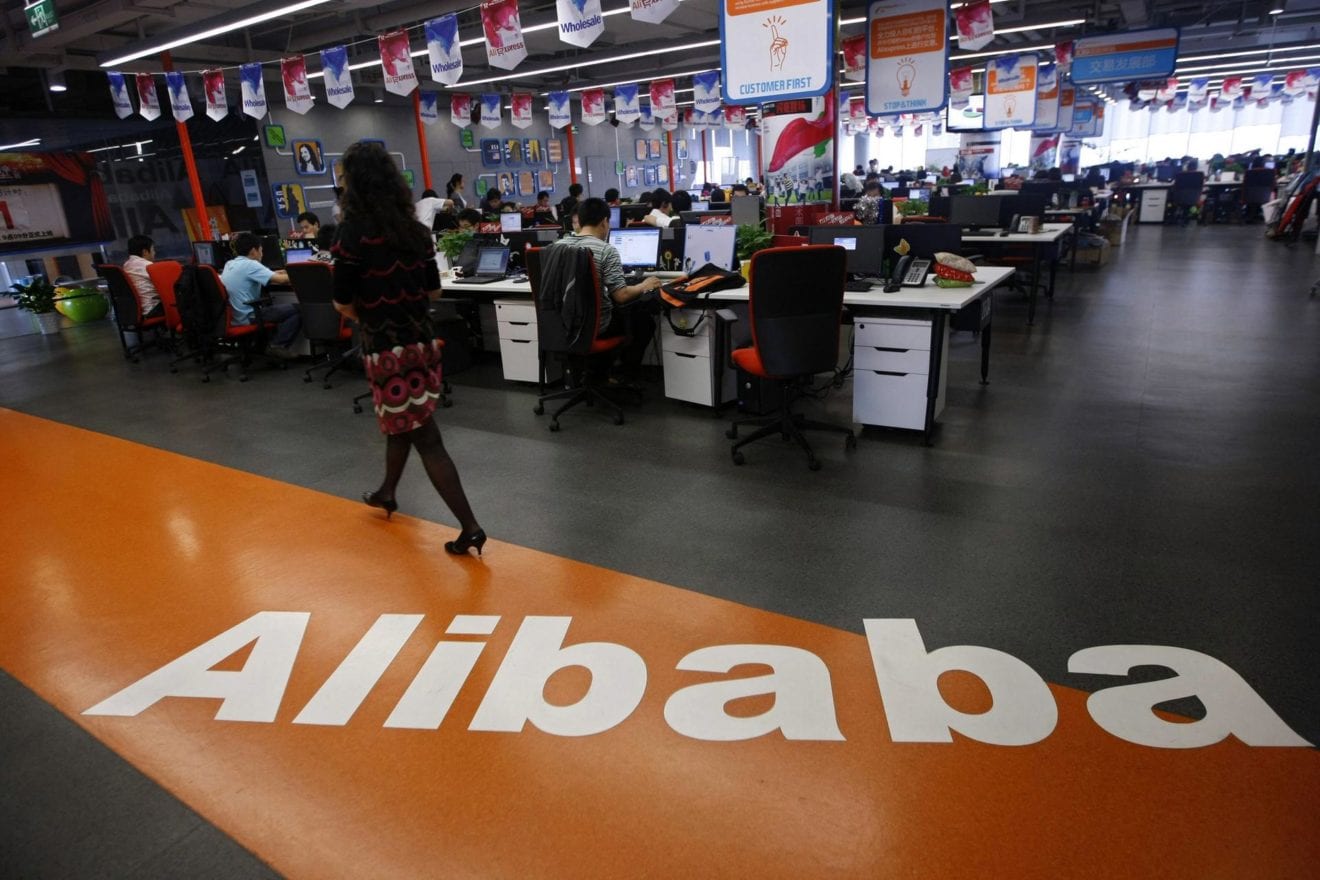
    Alibaba’s $2.6bn plan to take leading domestic department store Intime private underlines the dilemma being faced by the hoards of disrupters: how to blur the lines between online and offline shopping, and create a model that keeps the fun and feel of shopping, while letting retailers and brands collate the big data that enable them to sell more goods, more quickly and more profitably.

    “Today we cannot just separate online and offline,” Daniel Zhang, Alibaba chief executive, told a panel at Davos last week. Even when people are shopping in malls, he pointed out, they are on their phones — literally on and offline simultaneously.

    Alibaba, which already boasts investments in offline players such as retailer Suning and white goods manufacturer Haier, is not the only ecommerce name going back to bricks and mortar. Last month, Amazon launched its checkout-free Amazon Go store. Other crossover innovations are springing up. Panasonic is shopping its “intelligent baskets”, which will price items as they are placed inside.

    “To say that bricks and mortar is dead is wrong,” says Tom Birtwhistle, senior manager in PwC’s digital strategy division in Hong Kong. “It just needs to evolve, into smaller-format stores, for example, and embrace in-store digital technology.”

    It is a lesson start-ups are also learning. Luke Grana, who set up his eponymous Grana clothing company in 2014, was forced into a U-turn on his original ecommerce-only plan — introducing pop-up “fitting rooms”.

    “We realised we needed offline presence to increase brand awareness and push people online,” he says. “And lots of people want to try before they buy to get the fit right.”

    Customers can try on clothes in-store but still order online via iPads — “there are no cashier tills” — and have their purchases delivered. These partially offline purchases now account for 10 per cent of sales.

    It is a sentiment echoed by Alain Bejjani, chief executive of mall, retail and leisure operator Majid Al Futtaim Holding, who talks about stores as showrooms. “It’s not just products and price,” he told the Davos panel. “It’s about the seamlessness of the journey, and total integration between online and offline.”

    Alibaba, which represents more than one-tenth of China’s total retail sales and about 75 per cent of those made online, according to HSBC, takes that literally. Its apps enable shoppers to navigate China’s sprawling malls, some of which span more than 1m sq ft, and find where their cars are parked when they emerge hours later.

    Amazon unveiled its checkout-free grocery store last month

    But it is also rewriting the rules on the well-rehearsed “click and collect” model and corralling big data to loop back to retailers, allowing them to manage their inventory more efficiently.

    “Alibaba and Amazon have the same two goals. Two billion customers and a reinvention of the retail model and experience,” says Michael Zakkour of Tompkins International.

    “Much in the same way department stores, chain stores, malls, Big Boxes and ecommerce have reinvented retail in the past, Alibaba is using technology, big data and imagination to connect offline and online so that there is only a unichannel retail experience.”

    Mr Zhang talks about collapsing the traditional vertical system that sees manufacturers pass goods to a handful of large distributors, who in turn pass them on to smaller ones, who sell to retailers before the goods finally reach the consumer.

    Before, he says, a consumer could order a drink and have it delivered to their home. “Now you can order it and it’s delivered to your next stop.” That means inventory can no longer be managed by distributors, who lack the full picture, but requires the whole chain to be digitised and shops to become mini fulfilment centres.

    This is where Alibaba takes integration a step further — or rather, a step back, into what founder Jack Ma has called “new manufacturing”, where data can be used to tell the makers in advance what consumers want to buy.

    Manufacturers are also waking up to a flatter system and seeking ways to move closer to shoppers. Unilever, the Anglo-Dutch consumer goods manufacturer, last July paid $1bn for Dollar Shave, which sells razors and grooming products direct to consumers using home delivery.

    This month Coty, maker of perfumes and lipsticks, bought a majority stake in Younique, an online cosmetics retailer. And the crossover between internet and manufacturers can also be spotted in personnel shifts: US toymaker Mattel tapped Google executive Margaret Georgiadis as its next chief executive.

    Some question whether predictive data are enough to dictate fashion trends. “They’re not going to be on the back streets of South Korea looking at styles or pieces of fabric,” says one player.

    Others point to conflicts. Alibaba prides itself on being a platform rather than an asset-heavy ecommerce player such as Amazon, yet the Intime acquisition will see it integrate a bricks-and-mortar business into its asset-light ecosystem.

    Alicia Yap, analyst at Citigroup, is “cautious” about the future integration and about how Alibaba “would manage the potential conflicts between Intime vs other merchants and brands on its platform”, she writes in a research note.

    Others note that China’s online/offline models differ from the west, where platforms are mainly owned by the retailer or brand. Instead, China ecommerce is dominated by third party platforms, be it Alibaba’s Tmall or JD.com.

    “If customers are buying through a third party you are never going to get the same level of data granularity on the customer as if it was yours. That’s what all the big [multinational corporations] are beginning to grapple with,” says Mr Birtwhistle.

    “So linking data between on and offline is difficult. Solving that problem is the multi-billion-dollar question. No one has really got an answer to that yet.”

  • Nike aims for traction in Cambodia with first retail store

    Nike aims for traction in Cambodia with first retail store

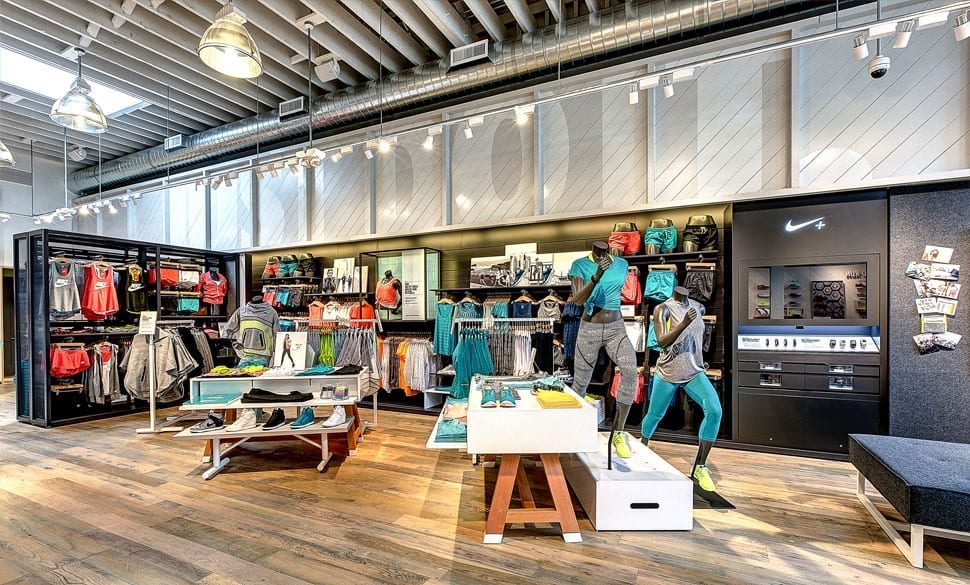
    American sporting goods giant Nike has opened its first dedicated retail store in Cambodia in what observers have described as another sign the Kingdom’s strong economy and rising incomes had not gone unnoticed by international retail giants.

    The opening of the outlet store in central Phnom Penh marks the first time that Nike goods such as sport shoes and apparel – including items produced at local factories – can be purchased from a dedicated brand outlet.

    According to Julie Chung, Charge d’ Affaires at the US Embassy in Phnom Penh, Nike’s retail launch underscores the Kingdom’s economic development and its ability to attract major name-brand American products and investment.

    “This is a testament to the economic transformation that is taking place here a transformation we hope the United States and American companies can continue to help support,” she said at the store opening on Saturday.

    Ronald Marvin, executive director of the American Chamber of Commerce, said the Nike store’s arrival was a positive sign that American businesses have confidence in the Cambodian market.

    However, on a retail level, some analysts said the choice of opening a flagship store on Monivong Boulevard, rather than in an upscale mall or neighbourhood such as Aeon Mall or Boeung Keng Kang 1, could signify that Nike was still testing the market before going all in.

    “The fact that they are not opening a flagship store in a more prime location could be because they just want to establish a presence in Cambodia for the meantime,” said Sofia Perez of property consultancy advisory Knight Frank Cambodia.

    She said that while Nike’s brand-name appeal would certainly help business, it should not be relied on as the sole marketing tool.

    “The choice in location and the store size will definitely affect brand image, which is important for consumers because for a higher price, they would also expect a more exclusive shopping experience among other added benefits,” Perez said.

    She added, however, that if Nike can develop an effective marketing strategy with added consumer benefits, “they could definitely increase the pressure on their competitors”.

  • Festive feasts, online deals bring smile to China retailers

    Festive feasts, online deals bring smile to China retailers

    Retail sales hit their year high in December, buoyed by the festive mood in the food and beverage sector and continued surge in online shopping. Still, inflationary pressures are making themselves felt in consumers’ pocketbooks, climbing to their highest in 30 months.


    Higher prices on shop stickers nationwide played a major role in the 0.1 percentage uptick last month to 10.9%, with price-adjusted sales growth steady at 9.2%.

    Diners notched up 335.2 billion yuan (US$48.8 million) in bills, up 10.6% from a year earlier and an improvement on November’s 10.1% year-on-year gain — perhaps driven by Chinese homeowners celebrating their good fortunes in the property market.

    Consumer goods sales rose 10.9% in December from a year ago, the same as in November but well ahead of gross domestic product growth of 6.7% for the year.

    Vehicle sales jumped 14.4% from 13.1%, and clothing to 7.1% from 5.1%. Food products, another major component, rose 8.6% from 8.8% in November.

    E-commerce for the full year totalled 5.16 trillion yuan, 26.2% up on 2015, and accounting for 12.6% of overall retail sales in China. The percentage was just 9.7% during the first half of 2015.

    A key indicator of consumer spending, China’s retail sales grew 10.4% in 2016, the same as in the first three quarters. After deducting price changes, retail sales clocked in at 9.6%, according to National Bureau of Statistics. Total retail sales were 33.23 trillion yuan in 2016.

  • Qoo10 bridges the gap between online and offline retail in Singapore

    Qoo10 bridges the gap between online and offline retail in Singapore


    Asia’s e-commerce platform, Qoo10, has launched a GPS-enabled mobile game called MameGo! in Singapore. The game, which was developed by Qoo10, is available on Qoo10’s online marketplace as well as its Qoo10 and Live10 mobile apps.

    Nearly similar to Pokemon Go!, the game issues three Mameballs to Qoo10 shoppers on a daily basis to unlock and catch Mamemons, which can be exchanged for discounts, super sale coupons or Qpoints. Mameballs can also be collected through electronic direct mailers (eDMs), mobile pushes and various loyalty programmes.

    According to Qoo10, brick-and-mortar retailers can use MameGo!’s GPS feature to attract shoppers to visit their physical stores. This method thus bridges the gap between brick-and-mortar outlets and e-commerce platforms.

    “The future of retail is no longer divided between online and offline, but one converged platform offering consumers an end-to-end shopping experience. As consumers’ shopping appetites continue to become more sophisticated and as they demand more personalised experiences, it will take a concerted effort to boost Singapore retail sector,” said Jacob Yu, Brand Manager and PR, SEA, Qoo10.

    To help retailers leverage the game to increase brand awareness, MameGo! offers exclusive branded Mamemon characters, also known as Brandmons. Currently, more than 100 retail brands are exploring the adoption of MameGo!, each with their own personalised Brandmons.

    “Singapore remains a key growth market for us, and initiatives such as Mame Go! are aligned with our mission to create a marketplace that benefits everyone – not just customers, but also the retail ecosystem as a whole,” concluded Yu.

  • Vietnam airport operator misses out on retail business opportunities

    Vietnam airport operator misses out on retail business opportunities

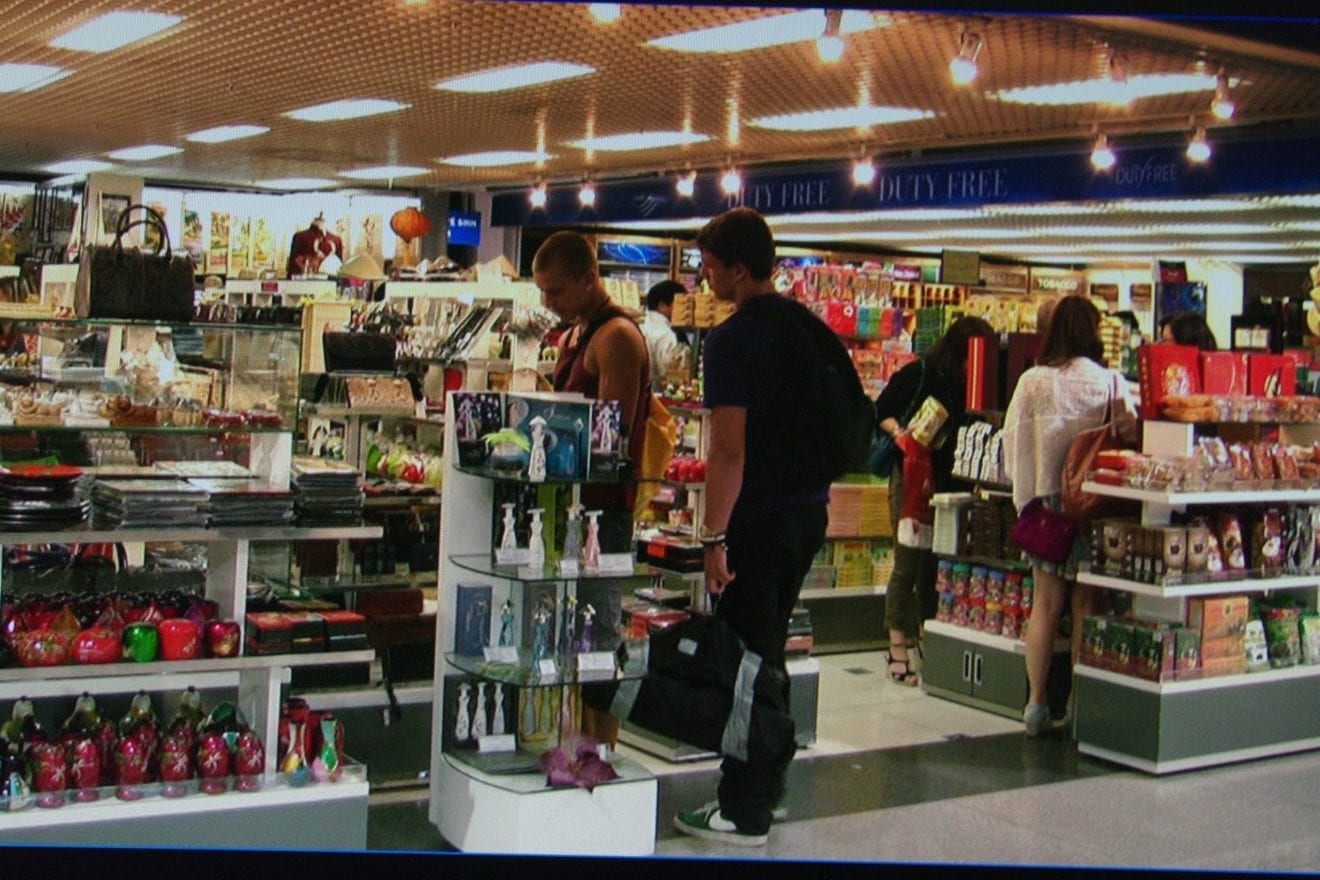
    Despite robust growth in passenger numbers, the state-owned Airports Corporation of Vietnam (ACV), which operates the country’s civilian airports, generated only $81 million from non-aeronautical businesses such as airport retail in 2016, or 15 percent of the annual target.

    Industry experts said the airport operator’s revenue mainly comes from the aeronautical sector such as landing fees and passenger service charges. Meanwhile it hasn’t focused enough on non-aeronautical business, especially the airport retail business.

    The operator estimated its revenue from retail at $1 per passenger last year, far below the average of other airport operators in Asia that reached up to $12.

    Thailand’s AOT and Malaysia’s BHD raked in $4-5 per passenger last year.

    The ACV, which operates 22 civilian airports in Vietnam, recorded significant growth in passenger traffic in 2016 to an estimated 81 million, with Vietnam’s airline market developing at the third-fastest pace in the Asia-Pacific region.

    According to market research group Nielsen, Vietnam’s airline market will be fueled by the middle and affluent class which is forecast to rise from 12 million people in 2014 to 33 million by 2020.

    However, ACV revenue lags behind it’s Thai counterpart even after factoring differences in passenger traffic. As of the end of the third quarter of 2016, the ACV’s annual revenue was only equal to 40 percent of Thailand’s airport operator AOT while passenger traffic made up as much as 68 percent.

    The proportion of international arrivals at Vietnam’s airports is about 30 percent of total passenger traffic, compared to 58 percent in Thailand and 48 percent in Malaysia, while service charges on international travelers are higher than those for domestic passengers. That partly explains why the ACV is so far behind many of its competitors in the region in terms of revenue.

    Airports Corporation of Vietnam, which is currently valued at $1.2 billion, is one of Vietnam’s biggest state-owned enterprises.

    Last year, the ACV raised $51.6 million by selling a 3.47 percent stake in an initial public offering where foreigners snapped up 82 percent of the shares on offer.

    France’s Aeroports de Paris SA has emerged as the front-runner to buy a 20 percent stake in the Ho Chi Minh City-based company, according to the Transport Ministry. The deal is scheduled to take place in March.

  • As Vietnamese banks digitise, customer service key

    As Vietnamese banks digitise, customer service key

    Customers must be at the centre of banks’ attention as they make a move towards digital transformation in an effort to adapt to a changing landscape of financial innovation and disruptive technologies.

    This was said by head of Retail Banking at VP Bank, Sandeep Deobhakta, at a conference held in Hà Nội on Thursday, titled, ‘The Future of Finance in Việt Nam 2017.’

    Deobhakta, who has been holding this position since May 2015, said customers in Việt Nam are very open to new technologies and the nascent retail banking industry in Việt Nam can also adopt these technologies faster than other markets if they put customers first.

    In the future, traditional banks might lose business to companies that employ disruptive innovations if they failed to deliver better, simpler and faster solutions to customers, Deobhakta cautioned.

    VP Bank has been working with Timo, Việt Nam’s first mobile-only bank, giving customers better solutions to manage their money, bills and the ability to top up their mobile cards through the Timo app. At Timo Hangouts, one can forget about a typical bank branch and instead enjoy a coffee as one opens an account and uses bank services.

    Timo has about 4,000 customers in the HCM City and opened a Timo Hangout in Hà Nội last October, looking to attract more than 100,000 users by next year.

    Việt Nam has a huge untapped market for financial innovation, with only 20 per cent of the population having bank accounts and 3 per cent owning credit cards, Foo Boon Ping, managing editor of The Asian Banker, said at the conference.

    “The stable GDP growth of around 6 to 7 per cent, low wages, a large population with a high savings and strong innovative approach are crucial factors that will accelerate the financial and industrial development in the Vietnamese market,” he said.

    “Digital transformation is driven by real business needs to transform to become more cost efficient and to serve your customers as their behavior and preferences change,” he added.

    There are only about 36 fin-tech companies in Việt Nam, with most focusing on providing consumers and merchants with online and digital payment solutions.

  • Bangkok to get 14 new malls as Thailand gets the shopping bug

    Bangkok to get 14 new malls as Thailand gets the shopping bug

    Retail space, in particular shopping malls, will continue to grow this year, with health, beauty and pharmacy stores becoming the new retail battlefield.

    Fourteen retail projects will open in Bangkok and its suburbs this year, adding a total of 272,800sqm of space, said Mr Surachet Kongcheep, associate director of Colliers International Thailand. Of the total, five are shopping malls totalling about 178,640sqm, seven community malls totalling 51,850sqm, one department store of 36,000sqm, and one retail plaza with 6,310sqm in an office building.

    Colliers said the seven community malls due to open in Bangkok this year are We Retail Nana with 2,100sqm on Sukhumvit Road, ZY Walk Chula Soi 5 (4,500sqm) on Banthadthong Road, Happy Avenue Don Muang (4,053sqm) on Songprapa Road, Canapaya (17,094sqm) on Rama III Road, Landmark Mahachai (5,000sqm) on Rama II Road, Muang Thong City Park (phase 1, 17,000sqm) on Chaeng Watthana Road, and Hyde Sukhumvit (2,100sqm) on Sukhumvit Road. Fewer community malls are opening this year compared to the past few years, following the lacklustre performance of some community malls in the past one to two years.

    The five shopping complexes to open are Iconsiam, a luxury retail project developed by a joint venture between Siam Piwat Co, the operator of Siam Center and Siam Discovery, and Magnolia Quality Development Corp, the real estate developer under Charoen Pokphand Group, on Charoen Nakhon Road with 51,500sqm, Show DC on Rama IX Road, Ikea@CentralWestgate in Nonthaburi’s Bang Yai district, Gaysorn II near Ratchaprasong intersection with 6,000sqm and G Tower with 7,140sqm on Ratchadaphisek Road. Meanwhile, one department store to be opened this year is Iconsiam with 36,000sqm. Pearl Bangkok is a retail plaza on Phahon Yothin Road with 6,311sqm.

    Outside of Bangkok, several retail projects are set to open upcountry this year. Central Pattana Plc plans to open at least three shopping complexes with one each in Samut Sakhon’s Maha Chai district, Nakhon Ratchasima and Phuket. Robinson Department Store Plc plans to develop three new branches this year. Two are lifestyle shopping complexes in Phetchaburi and Kamphaeng Phet provinces, and the location of the third has not been disclosed.

    TSCA president Wallaya Chirathivat said new investment in shopping malls during 2016-17 has declined to 70 billion baht (S$2.83 billion), down from 100 billion over the past four to five years. Retail investment slowed due to economic slowdown at home and abroad.

    Mr Chatrchai Tuongrattanaphan, adviser to the Thai Retailers Association, said he believes consumer purchasing power will gradually improve this year.

    “The health and beauty sector will be the new retail battlefield this year because Thailand is gearing towards an ageing society, and when people earn more, demand for health and beauty products also rises,” he said.

    The local health and beauty business in 2016 is expected to be valued over 280 billion baht. Health and beauty store chains are Boots, Watsons, Tsuruha, Pure and Matsumoto Kiyoshi.

    Siam Makro Plc, the operator of Makro cash-and-carry stores under CP Group, will slow the opening of new stores in Thailand and shift focus to nearby countries instead. Siam Makro recently set up a subsidiary, Makro Ros, to operate its cash-and-carry store operations in Cambodia. The opening of Makro stores in Cambodia will be under a joint venture with a local partner.

    Domestically, Siam Makro will focus on opening Makro Food Service stores to cash in on the continuing growth of the hotel, restaurant and catering business.

    Meanwhile CP All Plc, the operator of 7-Eleven convenience stores, is expected to open some 700 new stores this year, on a par with last year. Mr Chatrchai said he expects Thailand’s retail market — currently worth 3.4 trillion baht — to grow by 3 per cent last year, and growth in 2017 will probably be higher.

  • Trans Retail Indonesia eyes expansion

    Trans Retail Indonesia eyes expansion

    Grocery retailer Trans Retail Indonesia plans to open dozens of stores this year in a challenge to the online retail industry.

    This year it will open 30 stores under the Transmart Carrefour brand, says corporate communications GM Satria Hamid, without revealing costs.

    Trans Retail Indonesia, part of business tycoon Chairul Tanjung’s CT Corp, has decided to go head to head with the burgeoning eCommerce scene, reports The Jakarta Post.

    The retailer says it is determined to be more creative by way of promotional activities, intensive marketing and fresh products to lure customers to its stores.

    “We will refresh several stores with a new concept,” says Satria, citing a combination of retail and culinary experiences, and play areas for children.

    Trans Retail has 94 Carrefour stores nationwide, of which 15 stock the Transmart Carrefour brand. The house brand will be gradually rolled out to the other stores.

  • Standard Chartered to Exit Thai Retail Banking Next Year

    Standard Chartered to Exit Thai Retail Banking Next Year

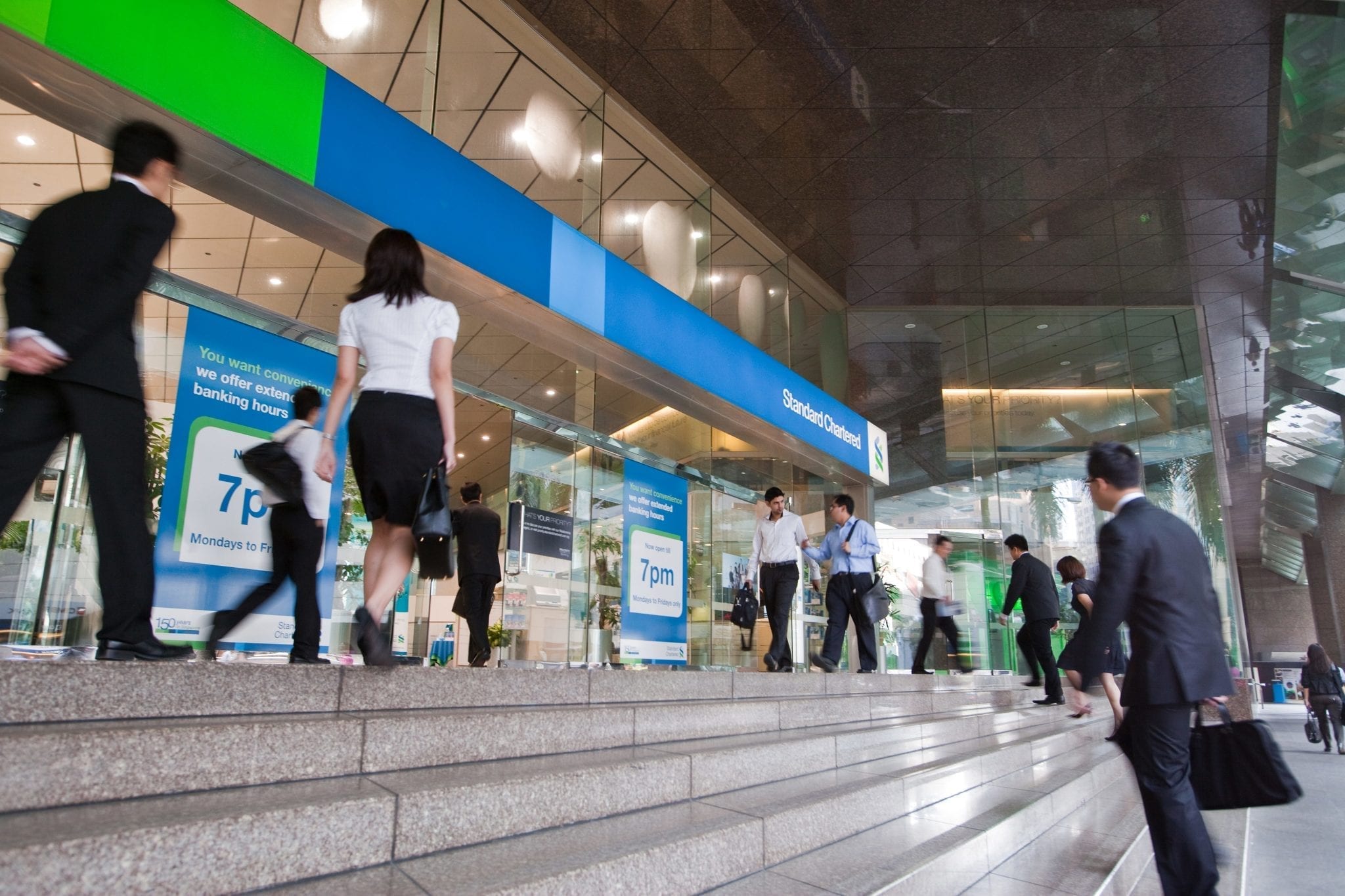
    Standard Chartered Plc plans to transfer its Thai retail-banking business to Thailand’s Tisco Financial Group Pcl next year, exiting an operation that the U.K. lender said lacked the scale to generate adequate returns.

    The net asset value is about 5.5 billion baht ($153 million), according to a stock exchange filing by Tisco on Thursday, which didn’t disclose a price for the deal. Tisco shares climbed to a record.

    Standard Chartered will continue to operate corporate, institutional and commercial banking businesses in Thailand, but the small size of the retail operation made it “increasingly difficult to achieve the returns that we aspire to,” the lender’s Thai head, Plakorn Wanglee, said in a press release.

    “It’s very tough to survive in Thailand’s retail-banking business for small players with very fierce competition,” Isara Ordeedolchest, an analyst at SCB Securities in Bangkok, said by phone. “The outlook for banks should improve significantly in 2017 as a consumption recovery and higher government spending will spur economic growth.”

    The Asia-focused Standard Chartered is targeting a turnaround after last year posting its first annual pretax loss since 1989. In a sign that the Thai operations were not a bright spot, the bank in February recorded a $126 million goodwill impairment on its business in the country.

    One unit of Tisco Financial, Tisco Bank Pcl, will take over operations including personal lending, mortgages and deposits, while another, All-Ways Co., will take over the credit-card business, the exchange filing said. The deal is subject to approvals.