Tag: Sales

  • Is hype gone for AmorePacific?

    Is hype gone for AmorePacific?

    AmorePacific seems to be in a quandary, with the country’s fair trade watchdog investigating the cosmetics giant amid declining performance.

    According to AmorePacific’s auditory filing, the company logged 731.5 billion won (US$685.2 million) in operating profit last year, down 32.4 percent from a year earlier. Its sales also declined to 6.29 trillion won, down 10 percent during the same period.

    Its share price also nearly halved from two years earlier.

    In the first half of 2016, AmorePacific hovered over 400,000 won per share, but started to decline, falling as low as 236,500 won last Sept. 29, and did not rise above 350,000 won. It ended at 278,000 won on Tuesday.

    The situation is quite similar for AmorePacific Group (Amore G), which is the holding firm of AmorePacific. It has been on a downturn for the past two years, falling from 215,000 won on July 3, 2015, to 127,000 won on Tuesday.

    On the fall of the titan, analysts and other observers cited the diplomatic friction between Korea and China, due to the former’s decision to deploy a U.S. Terminal High Altitude Area Defense (THAAD) battery here.

    They said China’s cap on the number of items purchased at duty free shops directly affected the revenues of domestic cosmetics firms, whose sales to Chinese tourists account for a significant portion of their entire sales.

    However, some others say blaming the THAAD issue as the sole cause of AmorePacific’s fall may be unfair, given LG Household & Health Care’s (LG H&H) surge last year.

    In January, LG H&H said it posted 6.3 trillion won in sales and 930 billion won in operating profit last year, up 2.9 percent and 5.6 percent from 2016, respectively.

    LG H&H explained it has overcome the harsh market environment, in which overall market growth faced headwinds due to a sharp decline in inbound Chinese traffic, due to its luxury brand strategy and robust sales in the onshore Chinese market.

    With the handsome numbers, LG H&H overtook AmorePacific to become Korea’s top cosmetics company.

    As the two companies show stark differences while suffering the same THAAD issue, analysts interpreted the performances of their luxury brands as the decider.

    According to LG H&H, its Whoo brand logged 1.4 trillion won in sales last year, up 200 billion won from a year earlier. Though AmorePacific did not disclose its luxury brand Sulwhasoo’s sales, Kiwoom Securities analyst Lee Hee-jae assumed Sulwhasoo posted 1.15 trillion won in sales last year, down 245 billion won from 2016.

    AmorePacific denied the assumption, saying it cannot disclose the amount but Sulhwasoo outperformed Whoo in sales last year.

    Further data showing AmorePacific products’ popularity is the market share in duty free shops. According to a Daishin Securities report, AmorePacific’s duty free market share declined from 12 percent in the first half of last year to 5 percent in the fourth quarter.

    Amid doubts on the competitiveness of AmorePacific products, with its fairness in business also questioned, the Fair Trade Commission (FTC) investigated Amore G and its subsidiaries.

    During the five-day investigation that started Feb. 21, the watchdog looked into internal trading between Amore G’s affiliates on suspicion the group unfairly helped affiliates in which Suh Min-jung, the eldest daughter of AmorePacific Chairman Suh Kyung-bae, owns stakes.

    Despite the negative issues, Amore G and AmorePacific decided to pay dividends worth more than 40 billion won to the Suh family. Of them, Chairman Suh will take approximately 39 billion won thanks to his more than 70 percent stake in Amore G and 11 percent stake in AmorePacific.

    Unlike the owner family, AmorePacific employees did not receive incentives, which they normally receive every six months, throughout last year.
  • Strong sales growth posted by Hermès Asia

    Strong sales growth posted by Hermès Asia

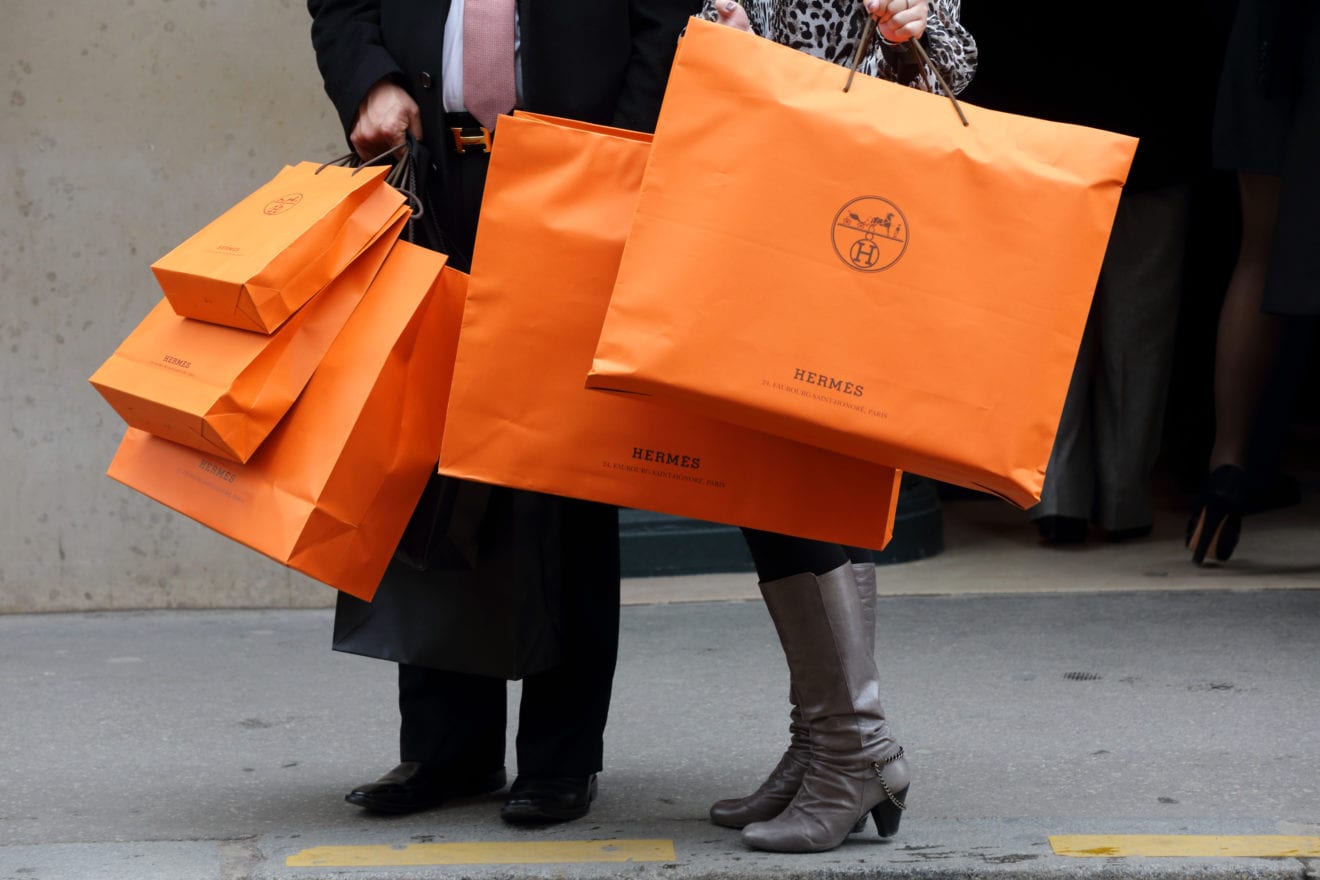
    Hermes Asia sales grew 11.3 per cent last year to €1.946 billion (US$2.4 billion) as the luxury retailer set a new record for gross retail margin.

    The company said the retail market was improving in Hong Kong and Macau, with the Asian market “pursuing its upward curve” and positive outlooks in Mainland China and South Asian countries.

    Growth was aided by store revamps at Sogo Fuxing in Taiwan, Elements mall in Hong Kong and at Kuala Lumpur.

    Sales in Japan (separated from Asia results) rose 4 per cent to €724.1 million, despite a high comparison figure from last year, which the company described as “a sustained increase” in what is a mature market, citing a selective distribution network.

    Group sales totalled €5.549 billion (US$6.863 billion), up 9 per cent at constant exchange rates. Operating income rose 13 per cent, to €1.922 billion, representing a record 34.6 per cent gross margin, while net profit rose 11 per cent to €1.221 billion.

    “Hermes achieved a new year of historic results, thanks to the quality of our know-how, the success of our creations and especially the incredible commitment of the women and men of Hermes,” said executive chairman Axel Dumas.

    Hermes will ramp up its online offer in the region this year, with a new website scheduled to go live in China at the end of this year.

    Meanwhile, the company said the sale of the Galleria building in Hong Kong’s Central district, which previously housed its flagship store, would likely generate a net capital gain of €50 million this year.

    Leather drives growth

    By category, Hermes’ leather goods proved the strongest performer last year, sales rising 10 per cent globally, reflecting increased production capacity as demand rose for its handbags.

    The ready-to-wear and accessories division grew 9 per cent, driven by the success of new collections, fashion accessories and particularly shoes.

    Sales of silk and textile products grew 6 per cent and of perfumes by 10 per cent, largely due to the successful launch of Twilly d’Hermes.

    Watch sales grew just 1 per cent with what Hermes described as “good sales” in company-owned stores. Other Hermes business lines- jewellery, Art of Living and Hermes Table Arts, grew sales by 11 per cent.

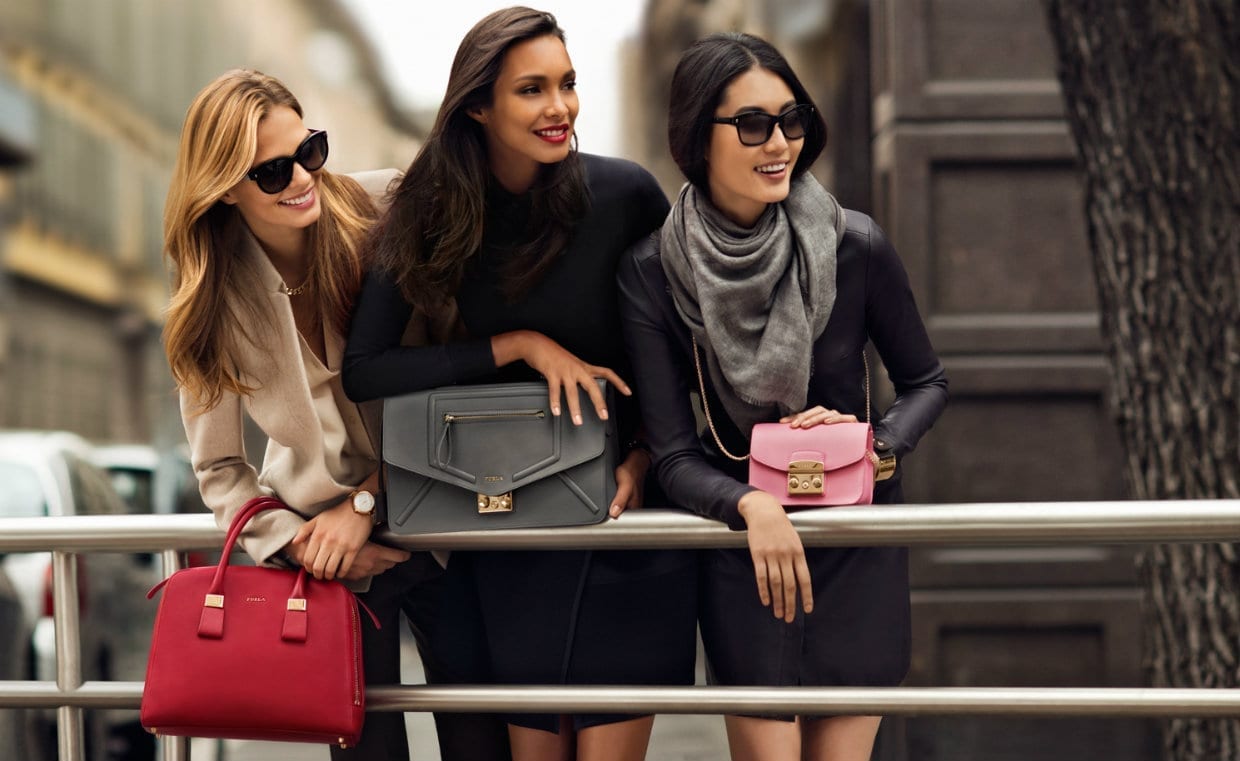
  • Furla Asia sales boosts its global growth

    Furla Asia sales boosts its global growth

    Furla Asia sales soared a stunning 50 per cent last year, powering the brand’s global sales to €499 million (US$618 million).

    Revenue from Asia-Pacific now accounts for 24 per cent of global sales and that share is steadily rising.

    Sales in Japan, a separate reporting division, increased by 15.4 per cent, while sales in its largest region, Europe, Middle East and Africa, were up 12.9 per cent, now representing 46 per cent of global sales.

    In Australia, where Furla purchased back the distribution rights to its brand from Luxury Retail Group (LRG) last year, sales rose 60 per cent. Earlier this year the company revealed plans to double its store presence Down Under from its 15 initial locations on the east coast.

    Globally Furla’s earnings increased by 34.1 per cent last year on sales up 20 per cent.

    “The 500 million euros goal is something to be very proud of and motivation to keep evolving,” said CEO Alberto Camerlengo. “The organic sales growth data is the most relevant, as it confirms that the company is on solid financial ground, thanks to the excellence of the brand and the quality of the product and Italian design we offer our customers. The company’s widespread growth across all markets reflects our efforts in further strengthening our distribution network and investing in research and product innovation.”

    Meanwhile, Furla continues to buy back distributorships around the world, the latest market being Singapore. Camerlengo said the brand will increase its store count in the city state, hoping to attract Chinese tourists as well as local shoppers.

  • Hollister sales hits US$2 billion as A&F rebounds

    Hollister sales hits US$2 billion as A&F rebounds

    Hollister sales helped drive a strong fourth quarter for parent Abercrombie & Fitch in both revenue and profit.

    In the past year, Hollister sales broke the US$2 billion sales threshold for the first time, rising 19 per cent in the final quarter to February 3, to $709.2 million.

    All of the Abercrombie & Fitch brands posted increased sales in the quarter, as did all geographical markets.

    Net sales were $1.193 billion, up 15 per cent for the quarter, which included an extra week. The company said the additional week benefited fourth-quarter net sales by approximately 4 per cent.

    Comparable sales rose 9 per cent and comparable operating income doubled, according to CEO Fran Horowitz.

    “We are pleased by our performance. Our focus on staying close to our customer, executing to our playbook and maintaining our disciplined approach to expense management delivered a strong performance on both the top and bottom line,” she said.

    The company’s main brand, Abercrombie, returned to positive sales for the quarter after a series of declines, in part reflecting the success of a new store format now being rolled out across the US and in selected international markets, including Hong Kong. Global sales rose 9 per cent.

    The company also recorded record digital sales across all brands.

    “We continue to improve the customer experience with ongoing investments in loyalty programs, stores, direct-to-consumer and omnichannel capabilities,” said Horowitz.

    “We have a strong balance sheet, proven cost management discipline and a clear plan for building on the foundations we laid last year. This year, we will continue to focus our attention and our investments on engaging our customers with compelling assortments and new experiences, in clearly defined brand voices, positioning our business for sustainable long-term growth.”

    US sales rose 13 per cent and international sales by 20 per cent,with direct-to-consumer sales accounting for 34 per cent of total company sales, up from 31 per cent in the same period last year.

  • Fewer sales, but more profit for Bonia

    Fewer sales, but more profit for Bonia

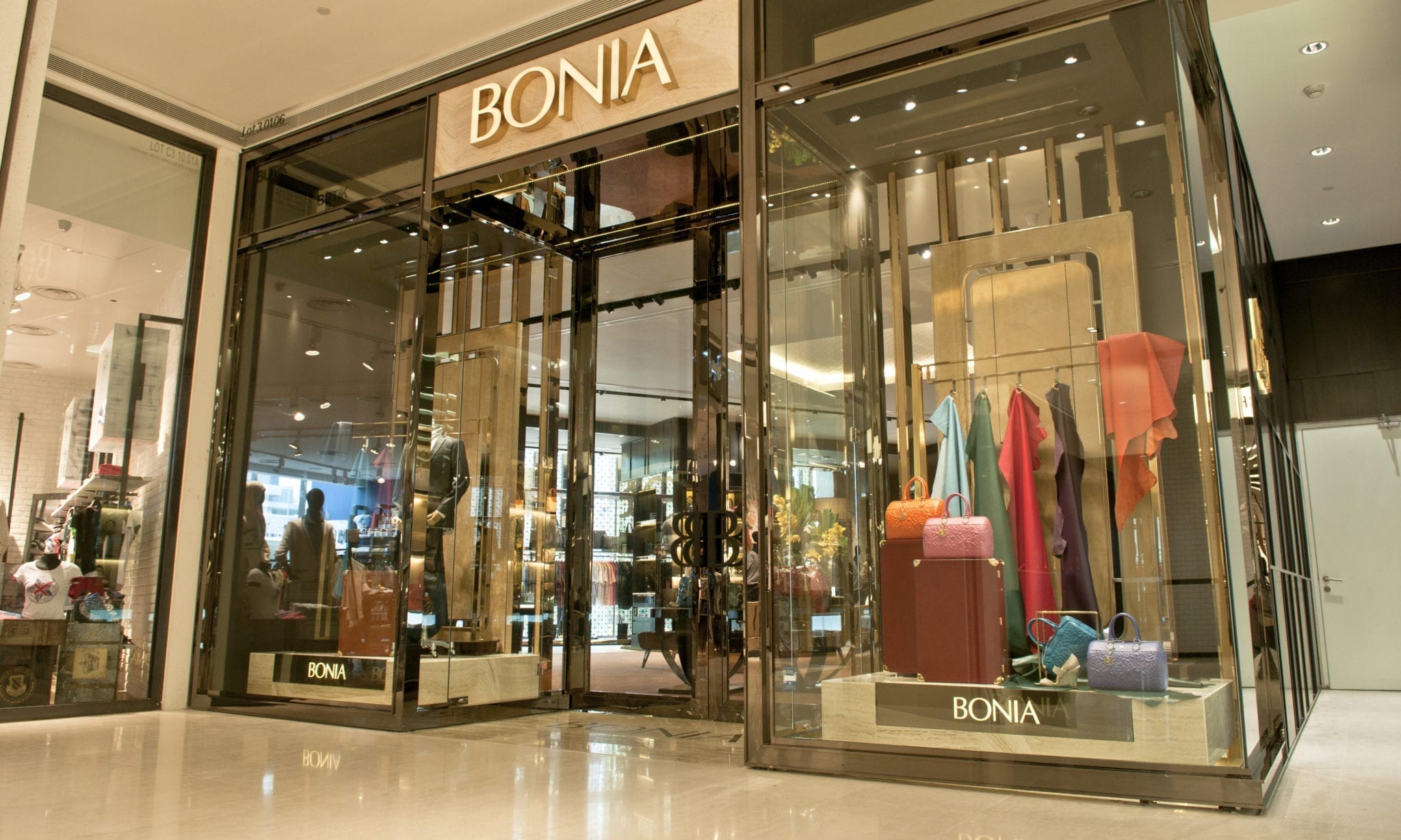
    While Malaysian fashion retailer Bonia sold fewer handbags in its second quarter, it did manage to grow its net profit.

    It achieved a net profit of RM11.99 million (US$3 million) for the period, to the end of December, up 8 per cent. It attributes the upswing to lower running costs and improved gross profit margins.

    Quarterly revenue dropped 7 per cent to RM160.34 million, Bonia saying this had been anticipated because of the closure of counters as part of a rationalisation process.

    However, the lower revenue was offset by improved gross profit margins, up 5 per cent.

    Year-end sales and the festive season boosted revenue and operating profit to RM15.35 million.
    Business in Indonesia, Singapore and Vietnam was hit by weak consumer sentiment.

    Still, the quarterly growth was not enough to stem the fall on its half-year earnings, which saw net profit slide 31 per cent to RM13.3 million. Revenue contracted by 10 per cent to RM279.23 million.

  • Honda aims to double market share in India

    Honda aims to double market share in India

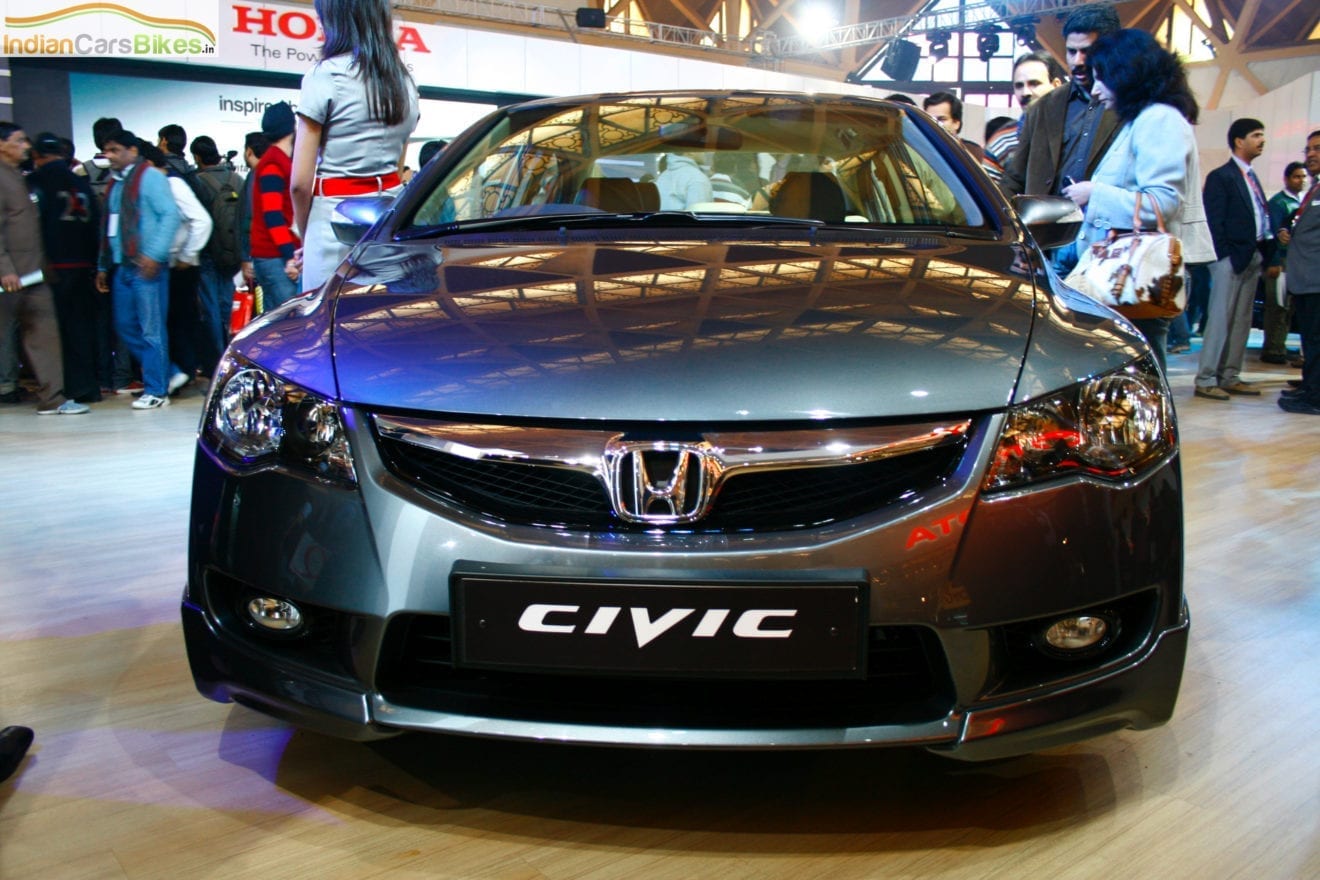
    Japanese carmaker Honda Motor Co plans to double its market share in India within the next few years, the head of its local unit said, as it looks to boost its presence in the world’s fifth-largest car market.

    To be a major player and have a meaningful presence, Honda needs to achieve a 10 percent market share, Yoichiro Ueno, managing director of the carmaker’s India unit, said during the country’s biennial auto show.

    Honda, which sells cars such as the City sedan and CR-V sport-utility vehicle in India, has seen its market share fall to about 5 percent at the end of 2017 from 7 percent three years ago, industry data show, thanks to a slew of new launches from rivals Maruti Suzuki and Hyundai Motor.

    Annual passenger vehicle sales in India crossed 3 million units last year and the country is expected to become the world’s third-largest car market by 2020, trailing only China and the United States.

    One of the challenges for Honda is that lower taxes on small cars in India make them a preferred choice for buyers, and the carmaker has few small cars to offer.

    “Our global line up is different so it is a bit difficult to utilise global resources,” Ueno said, adding car taxation policy in India needed to change to encourage carmakers to bring in products from their global portfolio.

    The Japanese carmaker is utilising only 70 percent of its annual production capacity of 300,000 units in India and needs to ramp up output to be efficient, Ueno said.

  • Imported beer sales at convenience stores on rise

    Imported beer sales at convenience stores on rise

    Sales of imported beer at South Korean convenience stores have risen sharply, store operators Sunday, as more consumers opt for variety and a growing number of people drink at home.

    BGF Retail Co., the operator of CU, South Korea’s largest convenience store chain, said sales of foreign beer brands accounted for 60.2 percent of the total in the two months of this year.

    The figure has steadily increased from 58.3 percent in 2015, with numbers surpassing the 60 percent mark for the first time ever.

    Industry insiders said the rise of single-person households also boosted the trend of demand for light alcoholic beverages. This has resulted in rising demand for imported beer sales at discount chains and convenience stores.

    “A total of US$250 million worth of beer were imported last year to set a new record,” said a CU official, noting that discounts on imported beer have also reduced the price gap with domestic beers.

    Local convenience stores have recently offered aggressive price promotions for foreign beers to meet strong demand for various flavors beyond the lager-dominated domestic brands.


  • Under Armour Asia saves the brand globally

    Under Armour Asia saves the brand globally

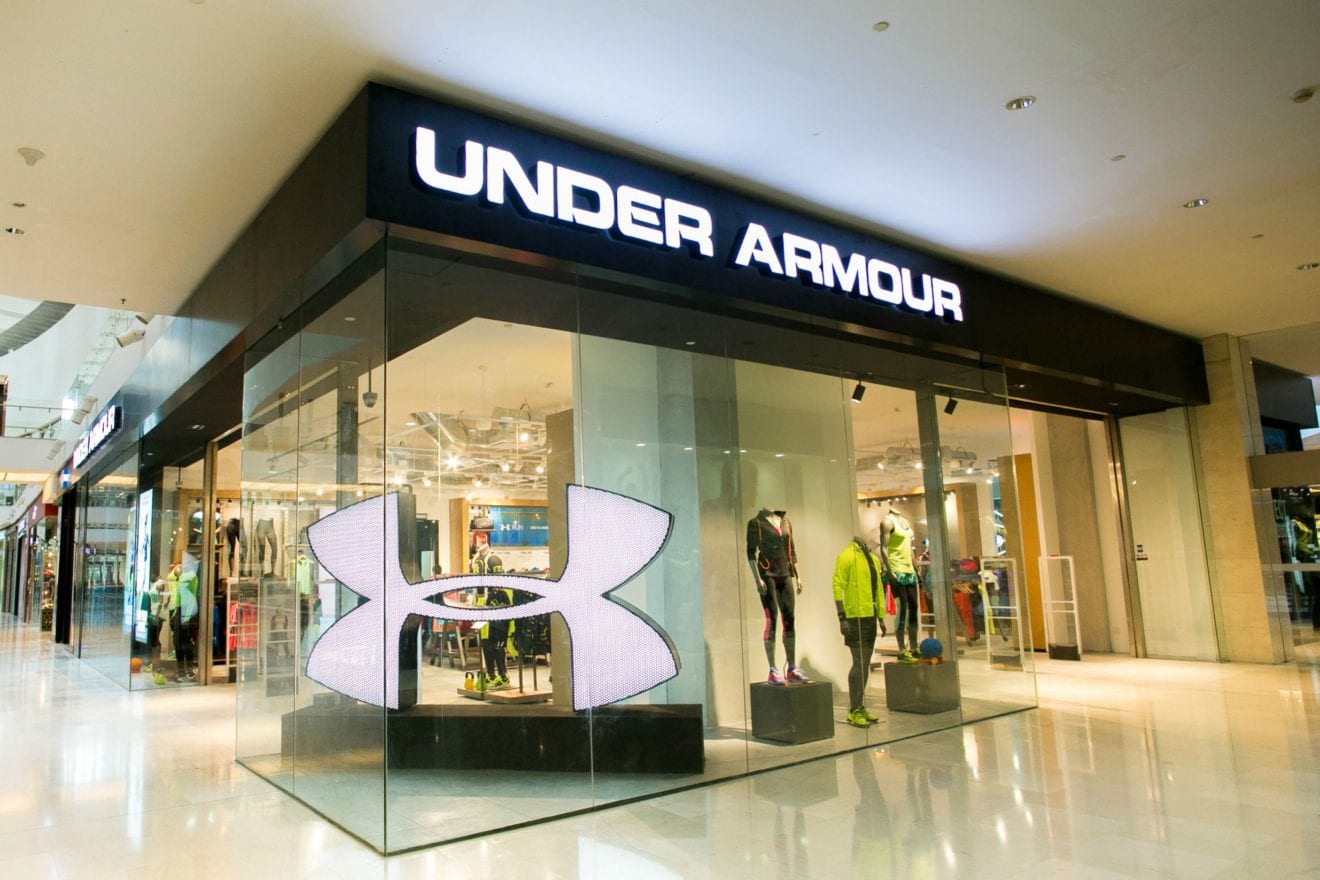
    Under Armour Asia sales soared 61 per cent in the 12 months to December – a highlight in the US-headquartered sportswear retailer’s year in which it lost US$48 million.

    Global revenue was up a mere 3 per cent to $5 billion with the company losing ground in the wholesale sector, but raising its direct sales – which now account for 35 per cent of turnover – by 14 per cent.

    Asia was by far Under Armour’s top-performing market, with sales in Latin America up 28 per cent and in Europe, Middle East and Africa, by 42 per cent. It is in the company’s core North American market where the damage is being done – sales fell 5 per cent

    The loss was caused by restructuring costs and impairments of $124 million. Those excluded, Under Armour achieved an operating surplus of $87 million.

    While noting a small improvement in the company’s fourth quarter, retail analyst Neil Saunders, MD of GlobalData Retail, said the results “show signs of a company in difficulty”.

    Fourth-quarter sales rose 4.6 per cent, a sharp turnaround from the 4.5 per cent decline of the preceding quarter, but that growth came entirely from overseas markets, led by Under Armour Asia, up 66 per cent.

    “While overseas growth is to be applauded, it carries investment costs and also accounts for just 25 per cent of group revenue,” noted Saunders. “As such, Under Armour is reliant on its North American operation to drive performance on both the top and bottom lines. Unfortunately, the North American division had a lamentable quarter and is the main source of Under Armour’s woes.”

    Saunders said the brand has “lost power” in North America.

    “Compared to last year, Under Armour was firmly off the radar for holiday gifting. Far fewer people thought of or requested the brand for gifts, and consequently fewer people bought into it. Under Armour has spent too much time trying to expand its footprint and product coverage, and too little time building connections with customers.”

    He said Under Armour was failing in terms of customer experience.

    “Customer service at some of its own stores leaves a lot to be desired. Meanwhile, expansion into retailers like Kohl’s has weakened exclusivity and made the brand feel commoditised and ubiquitous.”

    GlobalData Retail’s consumer data reveals Under Armour has lost its way, with consumers unsure what the brand stands for, what it specialises in, and why they should use it.

    “For many, it has become something of an also-ran,” said Saunders. “These shallow roots are dangerous: they leave Under Armour vulnerable to competition and the vagaries of changing market conditions.”

    In contrast, rival Lululemon has a very clear sense of identity, and its approach is more disciplined and focused, which has helped it maintain price integrity and remain a destination of choice for many consumers.

    “While we do not believe that Under Armour should simply emulate Lululemon, we do think it can learn some lessons from its playbook.”

    Saunders said Under Armour has already warned of further full-year revenue decline in North America this year and operating profit will also be weak thanks to restructuring and impairment costs.

    “For all of this, Under Armour still has potential; but it needs to use the year ahead to regroup and rethink its strategy. The company that once believed it could challenge Nike has come down to earth with a bump. Humble reflection is now the order of the day.”

  • Asia boosts Hermes international sales

    Asia boosts Hermes international sales

    Hermes international sales showed strong growth last year, pushed by an upward curve in Asia.

    Sales for the French fashion brand were up 9 per cent at constant exchange rates, with consolidated revenues reaching €5.5 billion (US$6.7 billion). After adjustment for the negative currency effect resulting from the year-end strengthening of the euro, the increase was 7 per cent.

    In the final quarter growth was sustained at 5 per cent at constant exchange rates.

    During the year Hermes continued to improve its distribution network, renovating and extending almost 20 stores. It launched websites in Canada and the US, to be followed by China at the end of this year.

    Asia, excluding Japan, saw sales rise 11 per cent with a positive outlook in Mainland China and South Asia.

    Hermes says the context is improving in Hong Kong and Macau. Regional stores were extended and renovated – the Sogo Fuxing store in Taiwan, Kowloon Elements in Hong Kong and the Kuala Lumpur store.

    Despite a high comparison basis, Japan recorded a sustained increase of 4 per cent thanks to its selective distribution network.

    All sectors recorded growth, with a “remarkable” performance by the ready-to-wear and accessories, perfumes and other sectors.

    Leather goods and saddlery sales grew 10 per cent to meet demand for such bags as Constance, Halzan, Lindy and Verrou. Shoes particularly boosted sales in the ready-to-wear and accessories division, up 9 per cent, silk and textiles had a  6 per cent rise, while the perfumes division posted 10 per cent growth with the launch of Twilly d’Hermes.

    There was a 1 per cent rise in watch sales, while other Hermes business lines ‒ encompassing jewellery, Art of Living and Hermes Table Arts ‒ rose 11 per cent.

    Currency fluctuations had a negative impact of €100 million on revenues.

    The company will publish its annual results next month.

  • Lotte Shopping swings to loss in 2017 due to THAAD row

    Lotte Shopping swings to loss in 2017 due to THAAD row

    Lotte Shopping Co., the retail affiliate of South Korea’s fifth-largest conglomerate Lotte Group, said Thursday it swung to the red in 2017 from a year earlier amid a diplomatic row between Seoul and Beijing over the deployment of a U.S. anti-missile system here.

    Its losses reached 20.6 billion won (US$18.9 million) on a consolidated basis last year, compared to a net profit of 246.9 billion won posted in 2016, the company said in a regulatory filing. The firm operates Lotte’s key retail units, including its department store and hypermarket chains.

    Operating income stood at 530.3 billion won, down 30.5 percent on-year, and sales dropped 24.6 percent to 18.2 trillion won during the cited period, it said.

    The numbers reflect the performance of Lotte Shopping and its subsidiaries, including Lotte HiMart Co., which specializes in electronics and home appliances.

    The drop in the revenue was largely expected following Beijing’s apparent retaliation over Seoul’s deployment of the U.S. Terminal High Altitude Area Defense (THAAD) system on its soil. Lotte Shopping was one of the most affected companies from the economic retaliation after it signed a land-swap deal with the Seoul government to host the missile shield system.

    Shares of Lotte Shopping soared 4.17 percent to close at 250,000 won on the main bourse Thursday, with the broader KOSPI index gaining 0.46 percent. The earnings results were released after the stock market closed.


  • Ralph Lauren sales mix figures

    Ralph Lauren sales mix figures

    The latest Ralph Lauren sales figures come with a mixed dose of both optimism and pessimism.

    The pessimism is from the continued slide in sales, which tumbled on both a total and comparable basis. More optimistically, the drop in sales is now flattening out, with some of the decline deliberately engineered as the company looks to rebuild its brand.

    According to the apparel brand, US sales fell 10 per cent in the last quarter of last year, although this was mitigated a little by a 28 per cent increase in Mainland China. The company reported a net loss of $81.8 million, largely due to a taxation issue.

    Starting on the bright side, it is clear that the long run decline in sales is easing. Admittedly there are some factors – such as very soft prior year comparatives – that have aided this trend, but even so, performance is improving. It is particularly encouraging that much of the decline is now deliberately engineered rather than just a function of Ralph Lauren being out of step with consumer demand. The pullback from department stores and a reduction in shipments to off-price channels have both taken their toll on the revenue line, but they are essential steps on the path to rebuilding brand equity.

    A reduction in discounting is also to be applauded, even if this dampened sales numbers over the holiday period. The impact on margins has been good, and we believe that a reduction in promotional activity is helping to strengthen Ralph Lauren’s brand image. That said, as has been seen from other luxury brands that have pulled back from the discounting drug, there is pain before recovery. In our view, Ralph Lauren remains in the painful phase, and it is unlikely to see improvements until well into this calendar year.

    The margin gains, along with some action on costs, has resulted in a much better bottom line performance. At operating level, profits rose by 47.5 per cent this quarter. Its net loss for the period was down to increased tax provisions rather than operational issues, we are not unduly alarmed by the slip.

    For all the good news, Ralph Lauren still has much more work to do before it is back to full health. Our data shows that while there has been a moderate improvement in brand perception, Ralph Lauren has not regained all of the ground it lost over the past ten years and is a long way from where a luxury brand of its kind should be.

    The main brand issues are still clarity and relevance. Many consumers are unclear about what Ralph Lauren stands for or what it has to offer; therefore, they do not see the brand as being entirely relevant to them. In a sense, Ralph Lauren has simply slipped off the radar of many shoppers. Much of this is down to the lack of coherence across the various parts of Ralph Lauren’s business. There are still too many parts to the offer, and they are disjointed and confusing. Steps are being taken to correct this, but it is clear that much more work needs to be done.

    North America challenge

    The problem is most acute in North America, where the brand is arguably at its most ubiquitous. With comparables in the region down by 10 per cent, the scale of the problem is evident. Of particular concern is the 27 per cent slide in retail e-commerce sales. Given the strength of the channel over the holiday period, this is a terrible result and underlines the fact that Ralph Lauren has a great deal more work to do in streamlining and strengthening this part of the operation.

    We note that it has recently taken on new hires in this area, including talent from Burberry.

    However, the lack of progress on e-commerce is as much a function of brand issues as it is to do with online execution. Both need to be corrected before growth can come.

    Overall, we are encouraged that Ralph Lauren is now on the right path. However, we are also cognisant that the road to recovery is long, and winding.

  • Hyundai hopes bigger, revamped Santa Fe SUV will reverse U.S. sales slump

    Hyundai hopes bigger, revamped Santa Fe SUV will reverse U.S. sales slump

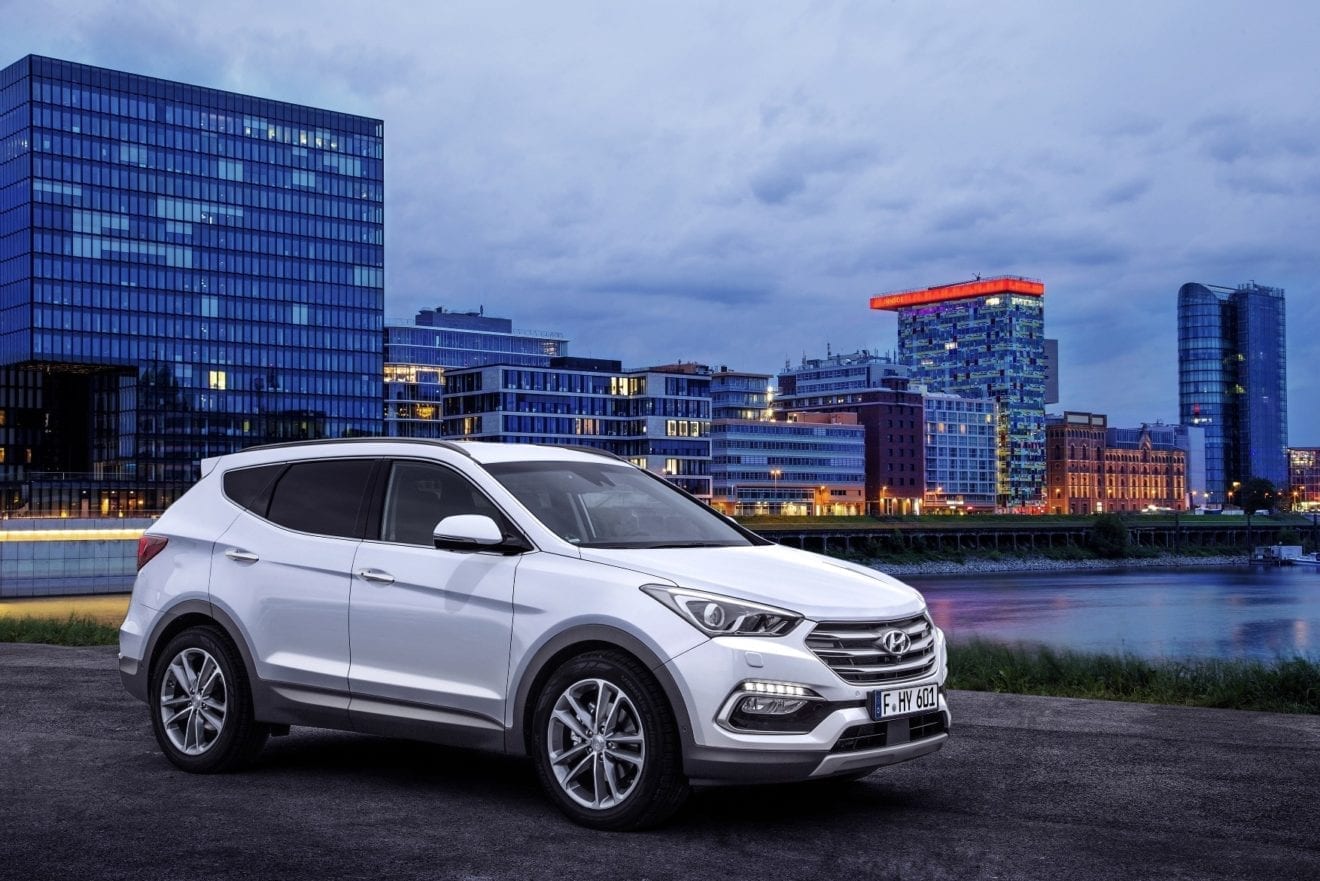
    Hyundai Motor unveiled on Tuesday a re-designed Santa Fe, hoping the first makeover of the sport utility vehicle (SUV) in six years will help rectify a sales slowdown at the South Korean automaker, especially in the key U.S. market.

    The revamped version of its top-selling SUV in the United States and South Korea features a longer, more voluminous body than its predecessor while boasting advanced safety features such as warnings on approaching objects from the rear when a car stops.

    The two-row, five-seater SUV was unveiled to South Korean media at a “preview” event, before its official launch in February in the home market.

    While Hyundai did not disclose other details, a source said the model comes with a 2.0-liter and a 2.2-liter diesel engine, a more fuel-efficient eight-speed transmission and semi-autonomous driving features used in its Genesis premium sedans.

    “The new Santa Fe will be a bread and butter model for us this year,” the Hyundai insider said on condition of anonymity since he is not authorized to speak to the media.

    “We have high hopes for the model,” he said. Hyundai Motor declined to comment.

    Hyundai Motor reported last week its worst annual earnings in seven years, battered by its delayed response to the burgeoning SUV market and a diplomatic row with China.

    A firmer local currency also adds to the woes of the automaker, as it is eating into its profits repatriated from overseas and hurts the price competitiveness of its exports in the United States and other markets.

    “The mission of the Santa Fe is to recover Hyundai’s U.S. market share. It carries a big burden on its shoulder,” said Ko Tae-bong, a senior auto analyst at Hi Investment & Securities. The U.S. sales of the aging Santa Fe slumped 25 percent last year even as U.S. industry SUV and truck sales rose 4 percent.

    The model, expected in the U.S. market in the third quarter of this year, will be also “key to recovering the utilization rate of Hyundai’s factory in Alabama”, Ko said.

    Hyundai’s U.S. sales fell 12 percent last year, making it the worst performer among automakers in that market, hit by the conservative design of the Sonata and the Elantra sedans and an absence of a broadbased SUV line-up.

    Hyundai, which has three SUV models – Kona, Tucson and Santa Fe – has said it would diversify its SUV line-up by launching a mini-SUV and a large SUV.

  • Asos posts massive growth across globe

    Asos posts massive growth across globe

    Online fashion retailer Asos has reported a 30 per cent rise in retail sales during the last four months of 2017.

    Across its international marketplaces including Australia, the retailer said sales were up 35 per cent to 489.5 million pounds.

    The UK-based retailer saw sales increase 23 per cent to hit 300 million pounds in its home market during the period, which the retailer said was driven by a range of initiatives.

    “We acquired 2.6 million active customers year on year and saw encouraging movements across all key customer KPIs,” said Nick Beighton, CEO.

    “Velocity in our technology programmes continued, with a record number of releases.”

    Beighton said its customer proposition was further enhanced in the U.K. by the launch of ‘Try Before You Buy and ASOS Instant, the retailer’s same day delivery proposition.

    “Following this strong start to the year, we remain confident in our full year guidance and delivery of our planned investments in infrastructure to support our global ambitions.”

    The retailer expects its full year capital expenditure to now be around the upper end of the previously indicated range of £200-220m.

  • Starbucks China sales rises 30 per cent

    Starbucks China sales rises 30 per cent

    Starbucks China sales grew 30 per cent in the first quarter, overshadowing a lacklustre performance in the US company’s home market.

    Same-store sales in the core Asian market rose a respectable 6 per cent, with the majority of the growth down to new store openings: 700 new Starbucks stores opened, taking its global network to 28,039.

    US same-store sales rose by 2 per cent, driven by a similar increase in the average transaction value. Global revenue reach US$6 billion in the 13 weeks to December 31.

    Neil Saunders, MD of GlobalData Retail, said the strong Chinese result “hides an underlying softness – although we would stop short of saying problem – in the rest of the business”.

    “Barring last quarter – which was affected by one less week of trade than the prior year – Starbucks’ growth trajectory has slowed. This is most noticeable in the US, where both overall and comparable sales growth is trending lower,” said Saunders.

    “This slowdown does not mean the domestic business is broken. Instead, it is a function of maturity and saturation which has made both adding new stores and driving performance from existing locations steadily more challenging. Given that this dynamic will only worsen over time, it raises a question as to how Starbucks intends to remedy the issue.”

    Kevin Johnson, president and CEO of Starbucks, said the strategic acquisition of East China positioned the company to accelerate its growth in the key China market.

    “Today, Starbucks has two powerful, independent but complementary engines driving our global growth, the US and China. Our work to streamline the company is sharpening our focus on our core operating priorities.”

  • Honda Malaysia retains number one spot for non-national brands

    Honda Malaysia retains number one spot for non-national brands

    Honda Malaysia retained its number one spot for non-national brands for the third consecutive year, managing to sell 19% more cars or 109,511 units in 2017, the highest in its history.

    Honda Malaysia also sold the second largest number of cars in total industry volume in 2017, for the second consecutive year, it said in a statement today.

    Since 2003 and in the span of 14 years, Honda Malaysia has sold more than 730,000 units of vehicles.

    The company managed to capture a 19% market share, the highest ever achieved in Honda Malaysia history, with six new model launches, namely BR-V, City, Jazz and Jazz Hybrid, City Hybrid, CR-V and All-New Civic Type R.

    The City emerged as Honda’s best-selling model in 2017, contributing 27% of total sales, followed by HR-V at 17%, BR-V at 16% and Civic at 14% respectively.

    In the Hybrid segment, the Jazz Hybrid and City Hybrid contributed 2% to the total sales of Honda Malaysia despite being on sale for only 4 months. The two models are leading the overall Hybrid segment.

    Throughout 2017, Honda Malaysia expanded its presence and penetration in Sabah and Sarawak, which contributed more than 7,500 units to the total sales achieved. Sales for East Malaysia in 2017 increased by 33% compared to 2016. BR-V was the best-selling model in Sabah and Sarawak.

    Not losing sight of its after sales service segment, Honda Malaysia introduced Honda Pride with 12 specially designed benefits such as five years warranty with unlimited mileage, genuine parts and comfortable dealer showroom.

    In terms of service intake, Honda Malaysia recorded more than 1.15 million vehicles serviced in 2017, up 13% from the 1.0 million vehicles serviced in 2016.

    Managing director and CEO Toichi Ishiyama said, “Reflectively, we are pleased to note that with the maturing Malaysian market, customers responded well to the various Next Generation Advanced Technologies we introduced such as Honda SENSING, Turbo and Sport Hybrid i-DCD. The Sport Hybrid i-DCD made history during their introductions, as Malaysia is the only country outside of Japan to introduce the technology. It was also the most affordable Hybrid to be introduced in the market. Honda was also the first brand to introduce the SENSING technology into mass models such as the CR-V and New Accord.”