Tag: Sales

  • Budget fashion star Primark boasts record Christmas sales

    Budget fashion star Primark boasts record Christmas sales

    UK fast-fashion retailer Primark has reported record Christmas sales, largely due to the addition of a massive 300,000sqft of retail selling space.

    In its home market, Primark opened five stores during the 16-weeks to January 6 and during the whole year added 1.1 million sqft of space. By the end of the period the company, a subsidiary of Associated British Foods, operated 350 stores and 14.2 million sqft of trading space.

    Total retail sales rose 7 per cent year-on-year on a constant currency basis.

    “The UK continued to perform well with strong like-for-like sales, a consequent strong increase in share of the total market, and trading which reflected the breadth of our consumer offering,” the company said in a statement.

    Figures for Europe were less inspiring, due to warm weather in October reducing demand for winter clothing.

    The company said its operating margins in the first half year are now expected to be close to those in the same period last year with better buying almost offsetting the adverse effect of the weaker exchange rate between the pound and the US dollar.

  • Perodua aims for 2% growth in car sales this year

    Perodua aims for 2% growth in car sales this year

    Perusahaan Otomobil Kedua Sdn Bhd (Perodua) is targeting for the sale of 209,000 vehicles this year, which is a 2% jump from the 204,900 units sold in 2017.

    Speaking to reporters at the 2017 full year review briefing, Perodua’s president and CEO Datuk Dr Aminar Rashid Salleh said, this year the car maker is focusing on maximising the sales potential of all its models to meet its target.

    Production of vehicles is also expected to be ramped up to 215,334 units compared to the 200,146 vehicles produced last year.

    Aminar said that due to unfavourable foreign exchange conditions the company may focus more on the exports of parts and accessories instead of complete built-ups.

    Perodua currently exports to countries such as Indonesia, Mauritius, Sri Lanka and Fiji.


  • Tiffany polishes up outlook on holiday sales rise

    Tiffany polishes up outlook on holiday sales rise

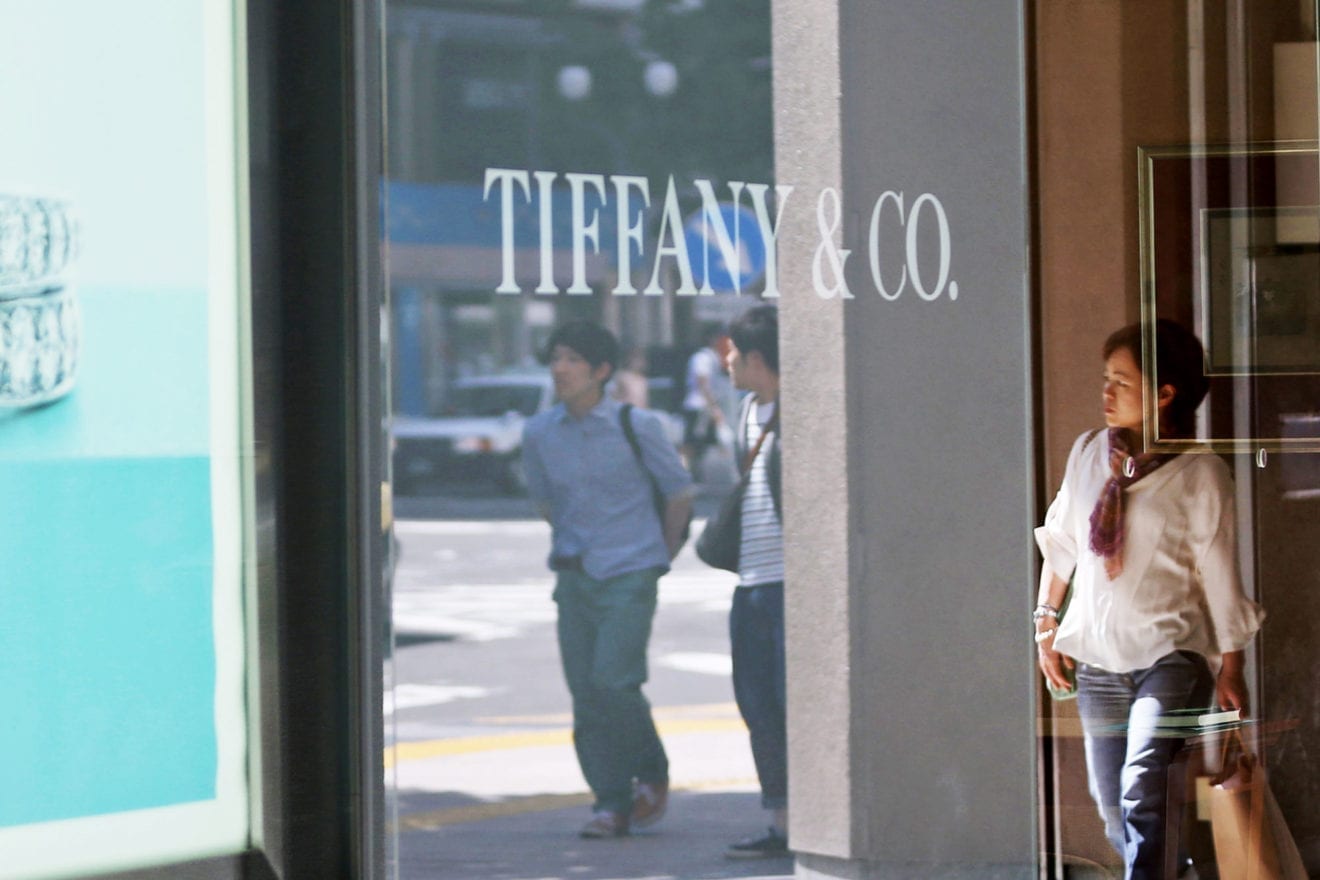
    Tiffany holiday season sales surged 16 per cent in Asia-Pacific, driven by strong performances in Hong Kong, Mainland China and Korea.

    The region accounted for US$232 million of Tiffany’s $1.05 billion global sales in the two months to December 31. The figures were driven by a 7 per cent increase in same-store sales, new store openings and an increase in wholesale turnover, the US-headquartered company said in a statement.

    Management attributed Asia-Pacific retail sales growth primarily to higher spending by local customers.

    On a constant exchange rate basis, total sales and comparable store sales increased 13 per cent and 4 per cent, respectively.

    In Japan, Tiffany holiday season sales increased just 1 per cent to $145 million and comparable store sales were unchanged. Management noted a difficult comparison to exceptionally strong growth in spending attributed to local customers in last year’s holiday period.

    In Europe, Tiffany holiday season sales rose 14 per cent to $136 million and in the Americas by 7 per cent.

    As at December 31, Tiffany operated 316 stores (125 in the Americas, 87 in Asia-Pacific, 54 in Japan, 46 in Europe, and four in the UAE), a net increase of two year-on-year.

    CEO Alessandro Bogliolo, said the company was pleased with the improvement in sales during the holiday period across all regions and categories, both instore and online.

    “While our major fashion jewellery collections continued to perform well, customers were equally excited about our fine jewellery, watches and our new home and accessories collection.

    “This recent return to growth in worldwide comparable store sales, fuelled by a substantial improvement in the Americas and Asia Pacific, is consistent with our commitment to generate solid and sustainable growth in sales, operating margin and earnings that is at least comparable to our industry peers over the long-term.”

  • Luk Fook Holdings retail Business 3Q Same Store Sales Up 1% On Year

    Luk Fook Holdings retail Business 3Q Same Store Sales Up 1% On Year

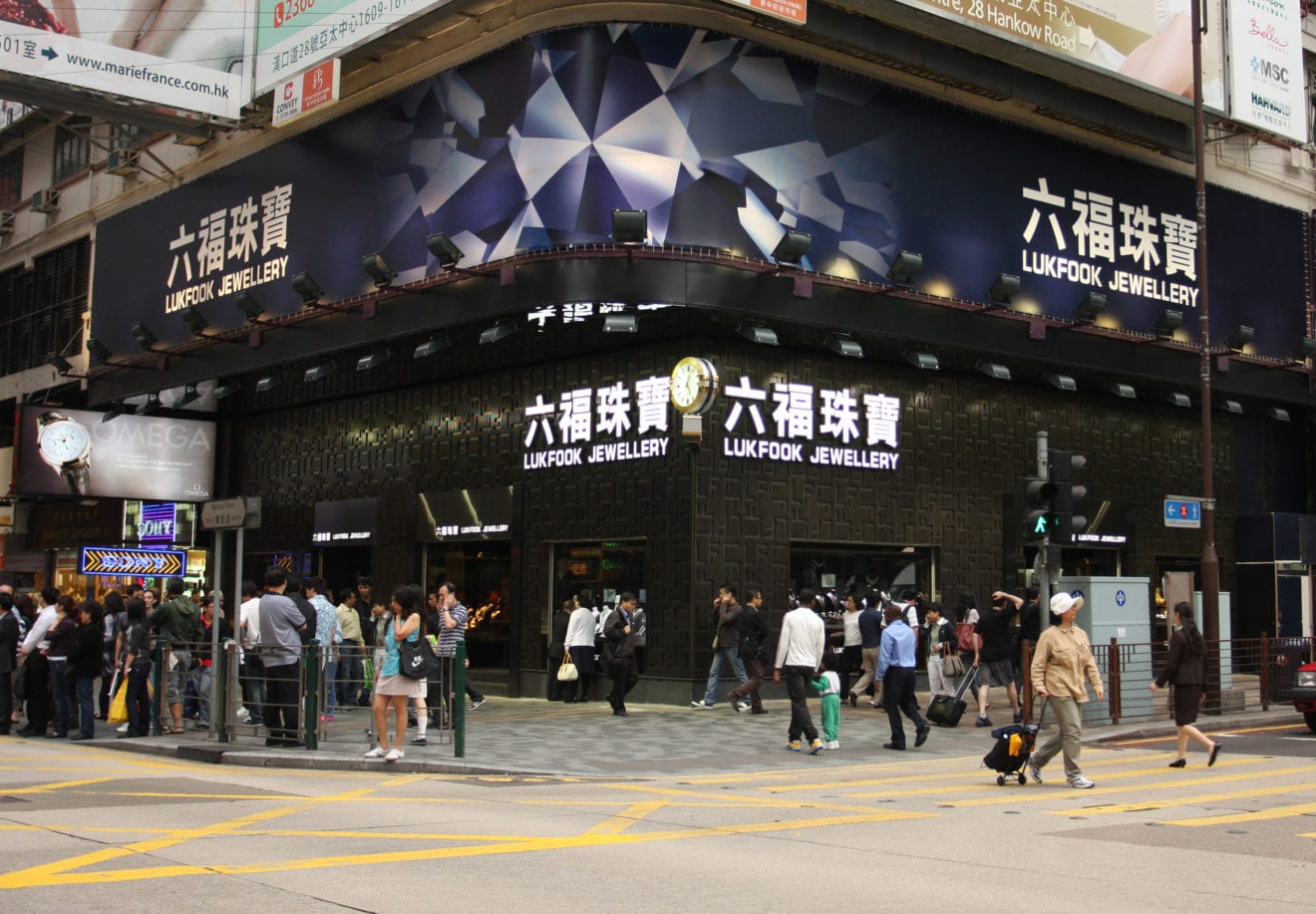
    Luk Fook Holdings (International), a Hong Kong-listed jewelry retailer, said Wednesday its retail business same store sales for October to December was up 1% on year.

    In the third quarter, same store sales growth of gold products were down 3% and gem-set jewelry products were up 10%, it said in an exchange filing.

    “The gem-set jewellery products in Hong Kong and Macau market continued to benefit from the market improvement as well as the successful introduction of more varieties of stylish and good-value-for-money products,” it added.

  • Burberry third quarter sales slip 2 percent as it starts up-market move

    Burberry third quarter sales slip 2 percent as it starts up-market move

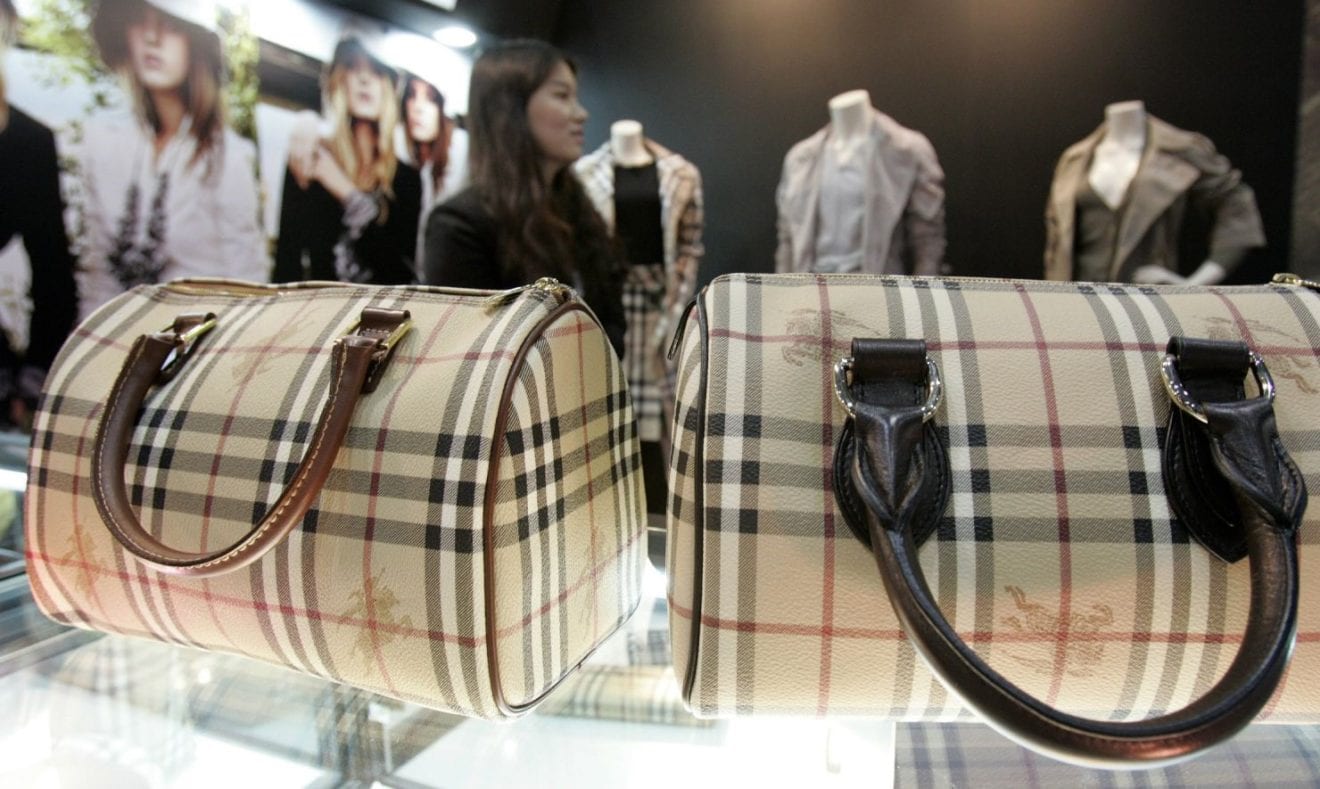
    UK luxury brand Burberry today reported a 2% drop in retail revenue for the Christmas quarter after sales in Europe slipped against a year ago when a fall in the pound had helped its home market.

    Chief executive Marco Gobbetti set out a plan in November to take the label further up-market.

    But the company said there would be little, if any, growth in revenue and operating profit until its 2021 financial year as the programme was implemented.

    Burberry said its retail revenue was £719m in the three months to December 31, its fiscal third quarter, down from £735m the same time in 2016.

    The firm, known for its camel, red and black check, said retail revenue was up 1% on an underlying basis, while comparable store sales rose 2% – below analysts’ expectations.

    Comparable store sales grew by a mid-single figure percentage in Asia Pacific and mainland China, and by a low single digit in the Americas.

    However, they fell by a low single figure in its Europe division, hurt by a larger fall in the UK which performed very strongly in the same period in 2016.

    Burberry did, however, maintain its operating profit guidance for the full 2017-18 year and said it was on track to make cumulative cost savings of £60m in the year.

    “We are making good progress embedding our strategic vision into the organisation,” said Gobbetti.

    Burberry announced in November that Christopher Bailey, the designer who turned the firm into a global label, would leave this year.

    Today’s statement did not give any update on the search for Bailey’s successor.

  • iPhone helps dial up Nov retail sales growth to 2-year high

    iPhone helps dial up Nov retail sales growth to 2-year high

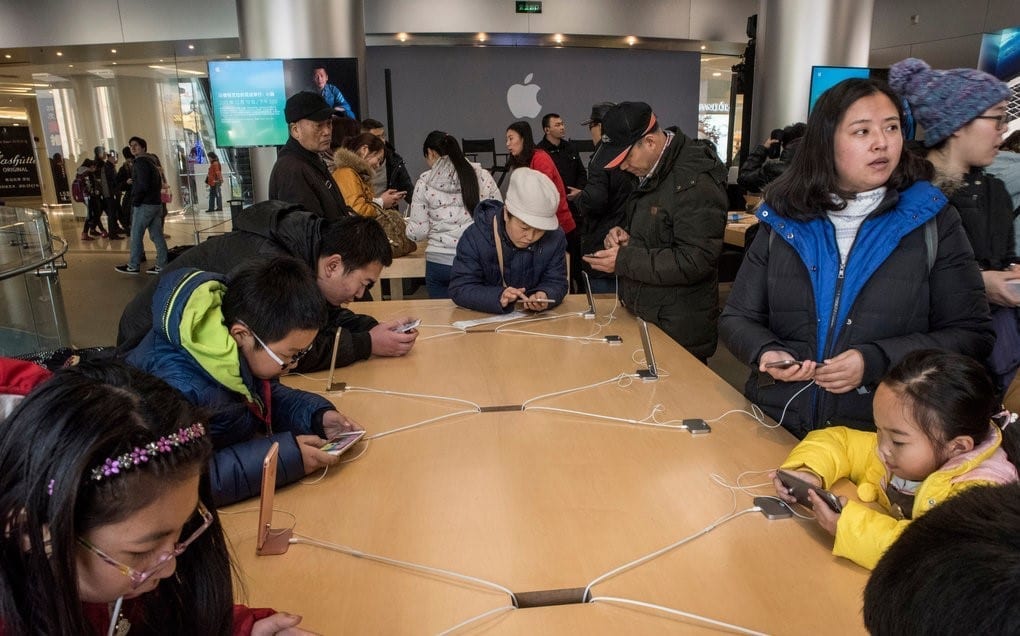
    Retail sales surged in November with their strongest growth in almost two years, reversing course from the slump seen in October possibly due to the launch of the iPhone X and improved consumer sentiment, say economists.

    Total takings grew 5.3 per cent in November compared to the same month a year ago – its best showing since March 2016, according to latest data by the Singapore Department of Statistics.

    This is a reversal of the 0.2 per cent decline recorded in October – revised lower from earlier estimates of a 0.1 per cent dip – and a steeper 0.6 per cent fall in September. It also beat economist forecasts of a modest 1.1 per cent rise, according to a poll by Bloomberg.

    With motor vehicles stripped out, retail sales still grew 4.7 per cent year-on-year.

    Despite the volatility usually seen in retail sales numbers, economists say that November’s data is a sign of a continued pickup in sentiment thanks to a brightening economy.

    Maybank Kim Eng economist Chua Hak Bin said: “You haven’t seen this type of retail numbers for quite some time. It looks as if growth has broadened and consumers are a lot more upbeat… Generally, the feel-good factor has spread out.”

    While it seems that consumer spending has finally turned the corner, one factor that could influence this recovery is a hike in taxes. Credit Suisse economist Michael Wan said: “The one risk is on policy – whether the government will change any tax rates and the magnitude of change.”

    Goods and services tax (GST), which has stood at 7 per cent since 2007, is widely seen as the top contender for a hike, with e-commerce tax another likely candidate. Market watchers expect the issue of tax to be addressed at the upcoming Budget 2018.

    Maybank’s Mr Chua said that the timing of a GST hike, if any, matters. For example, there could be an uptick in retail sales as consumers bring forward their spending ahead of higher taxes in the future. A possible e-commerce tax could also affect retail sales. Mr Chua explained: “Some of the international e-commerce transactions are not captured (in terms of tax). There could be some shifts as the playing field is levelled as this (an e-commerce tax) will take away some advantage that the international online players have.”

    As of now, retail sales data mostly captures brick-and-mortar spending. He believes November’s stellar growth was likely driven by smartphone sales with the launch of the latest iPhone X, which would explain the surge in computer & telecommunications equipment sales.

    Computers & telecommunications equipment was by far the best performing segment, going up by 16.6 per cent compared to a year ago. This was followed by supermarket sales at 9.7 per cent and petrol service station sales at 9.6 per cent.

    On a month-on-month basis, the performance of computers & telecommunications equipment was even more stark, jumping 46.5 per cent compared to October. This was followed by motor vehicles at 14.6 per cent. The poorest performing segment was watches & jewellery with a decline of 3.6 per cent.

    After seasonal adjustment, total retail takings went up by 5.1 per cent in November compared to the month before. Excluding car sales, it still grew a respectable 2.9 per cent.

    While retail sales was much stronger than expected, sales of food & beverage services was mixed. Total takings grew 2.1 per cent year-on-year, but dipped 0.1 per cent compared to October. The total retail sales value in November was estimated at S$3.8 billion, higher than the S$3.6 billion seen last year.

    Despite the uncertainty surrounding possible tax hikes, economists remain optimistic on the outlook for retail sales in 2018.

    Mr Chua pointed out that even when GST was increased in the past, the backdrop of a booming economy helped offset its dampening effects.

    He said: “The state of the economy and the job market – those are always the more overwhelming factors. What’s important is that the economy holds up.”

  • Modest sales rise for Bauhaus International

    Modest sales rise for Bauhaus International

    With two more shops at year’s end, apparel company Bauhaus International (Holdings) had a modest rise in same-store sales for its latest nine months.

    The quarter reverses a trend of declining sales and store closures by the streetwear retailer.

    Unaudited figures show sales growth was up 9 per cent for Hong Kong and Macau with a weighted average of 65 shops for the third quarter, while for the nine months growth was 4 per cent from 64 shops.

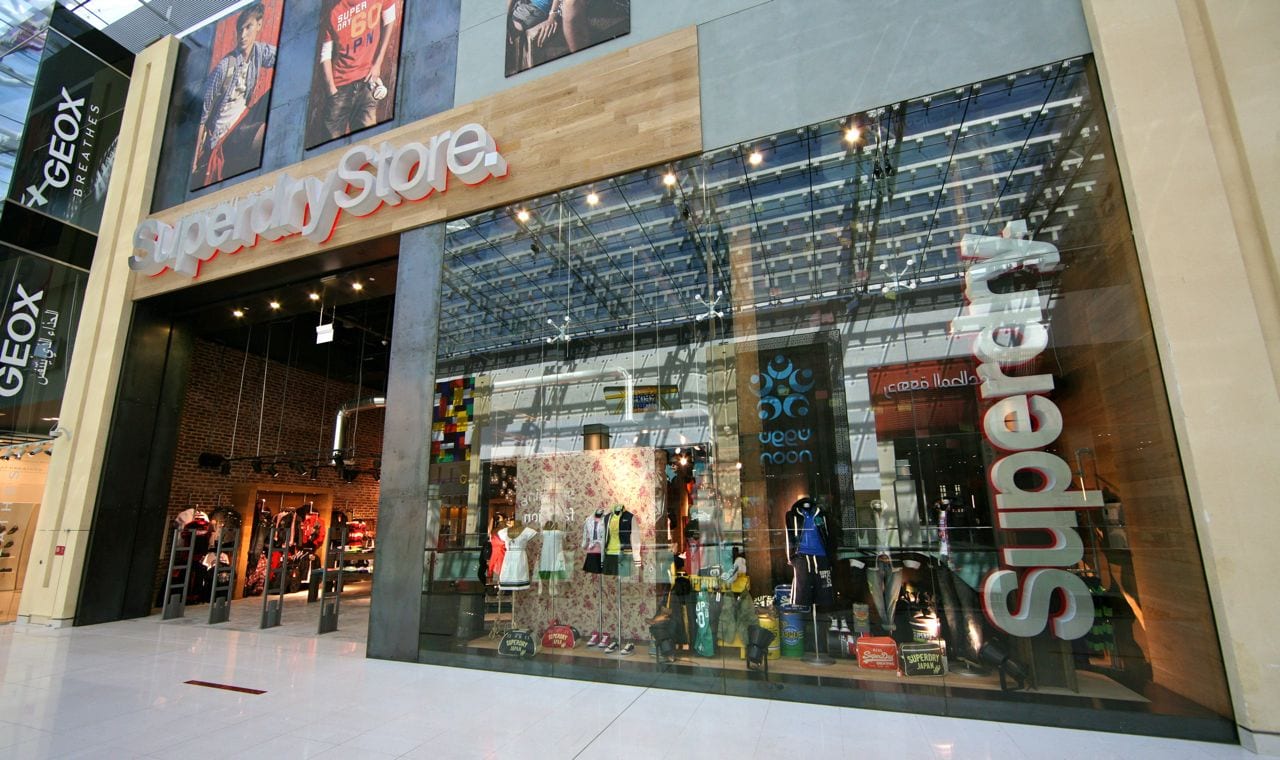
    Bauhaus designs and makes apparel and accessories which it wholesales and retails under its brand names including Bauhaus, Salad and Tough, and retails third-party labels including Superdry.

    With a constant 82 shops, Taiwan saw sales fall 8 per cent for the quarter and 16 per cent for the year to date.

    For Mainland China, 18 shops saw sales growth of 9 per cent for the quarter, while for the nine months growth was 12 per cent for 19 shops.

    Overall, group sales growth was 4 per cent for 165 shops for the quarter, with a 1 per cent sales dip for 165 shops for the nine months.

    At the end of the year the group had 198 self-managed offline shops, two fewer than nine months earlier.

    These comprised 80 outlets in Hong Kong and Macau at March 31, dropping to 77 at year end, 91 in Taiwan rising to 96 by December 31, and no change in China with 25 shops.

  • Amazon : AR will change how we shop

    Amazon : AR will change how we shop

    Amazon saw its biggest holiday shopping season yet, as the draw of its Prime membership program seemed to kick into overdrive, with consumers around the world buying at record levels, the nation’s largest online retailer said.

    Over the course of one week, more than four million people either started free Prime trials, or purchased a membership outright, wooed by benefits such as free two-day, one-day or same-day shipping, as well as one-hour and two-hour delivery perks.

    The retailer’s holiday findings hint at what is poised to propel retail sales next year and beyond — from merchandise purchased via voice commerce to furniture shopping aided by the magic of augmented reality.

    Alexa-enabled Amazon devices such as the Echo Dot and Fire TV Stick with Alexa Voice Remote were not only top selling Amazon items, but also the best-selling products from any manufacturer in any product category and brand sold on the site, according to the e-tailer.

    Amazon additionally scored a hit with its Echo voice-assistant devices, as the Echo Spot, Echo Dot and Echo Buttons sold out. At the same time, the Echo Dot, Fire TV Stick with Alexa Voice Remote and TP-Link Smart Plug Mini ranked as the most popular items purchased by voice.

    Amid a $2.3 trillion global ecommerce market, Amazon shipped more than one million customer packages in a single day in North America and Europe alone, with 19 December 2017 marking the mega load for picking, packing and shipping at its 10 fulfillment centers.

    To meet that demand, the retailer increased the size of its fulfillment and shipping network by more than 30% worldwide this year.

    Just as holiday 2017 is poised to go down in the retail record books as a tipping point for mobile shopping, consumer purchases on Amazon’s app soared nearly 70% this season, the retailer said.

    To take that out of the abstract, more than 1,400 electronics products were ordered per second on the site via a mobile device this holiday.

    “The mobile phone is the new mall, and how a brand looks on a smartphone replaces the physical store window,” according to Oliver Chen, retail analyst with Cowen, in a research note.

    Meanwhile, Amazon shoppers can now see how a sofa would look in their own living room via its AR View feature.

    Shoppers are beginning to give AR more attention on the site, particularly when viewing function-driven, feature rich, high-consideration purchase, such as furniture. Top categories viewed via AR included furniture, toys, Amazon devices, kitchen items and consumer electronics, with the retailer’s black chair with ottoman getting the most views.

    In its Future 100 report, J. Walter Thompson’s Innovation Group files this trend under the “transcendent retail” category, as shopping is “ leaping on the screen and morphing into a more immersive experience,” said Lucie Greene, Director of JWT Innovation, in a press statement on the report.

    Voice technology, augmented reality, and artificial intelligence are transforming the retail industry “to make buying products quicker, easier and more enjoyable.”

  • Health and beauty stores prove lucrative for retail conglomerates

    Health and beauty stores prove lucrative for retail conglomerates

    Health and beauty stores are rapidly expanding their footprint in Korea as the sector remains one of few lucrative realms in the local retail industry.

    CJ Olive Networks will soon open its 1,000th Olive Young store 18 years after starting the business. This year alone, it has added more than 200 locations. GS Retail in February took full ownership of Watsons Korea, the local operation of the Hong Kong franchise, and significantly expanded the chain. Lotte Shopping is also picking up the pace with LOHB’s, which had 30 stores in 2014 and now runs 89 locations across the country.

    Health and beauty stores, sometimes shortened to H&B, are similar to drugstores like CVS and Walgreens in the United States, but Korean law forbids them from selling pharmaceutical products, even off-the-counter medicine, so businesses naturally shifted to cosmetics and body care products, including dietary supplements.

    The H&B market has seen average annual growth of 22.5 percent in the last five years and is forecast to reach 2 trillion won (US$1.8 billion) this year. For retail conglomerates like CJ, GS and Lotte, the figures suggest the market is mature enough to ensure steady revenue as they look for the next big thing to make up for falling sales at discount chains and department stores.

    The companies are competing fiercely to expand their presence. Late entrants in particular are boosting efforts to catch up to the market leader Olive Young.

    Even smaller cosmetics brands that operate their own small shops and discount retail operators are eyeing a leap into the market.

    Olive Young’s parent company, CJ Olive Networks, is expected to pull in sales of 2 trillion won and operating profit of 111 billion won this year, according to industry estimates. The figures would represent an increase of 32 percent and 18 percent from last year.

    It is a remarkable turnaround from 2009, when CJ acquired a full stake in Olive Young from a Hong Kong retail group. For the next few years, the H&B chain remained profitless, with loss surpassing 10 billion won.

    But demographic changes – a rise in the number of single-person households and growth of a young population in their 20s and 30s – reversed the situation, and now, Olive Young is CJ Group’s fastest-growing subsidiary.

    About 80 percent of this year’s revenue at CJ Olive Networks, which also runs a home shopping channel, is expected to come from Olive Young. H&B stores also benefited from a new law in 2011 that allowed retailers other than pharmacies to sell sanitary pads and other women’s health care products. H&B stores began selling the products, and the market began growing at a remarkable speed, from 300 billion won in 2011 to 1.3 trillion won last year.

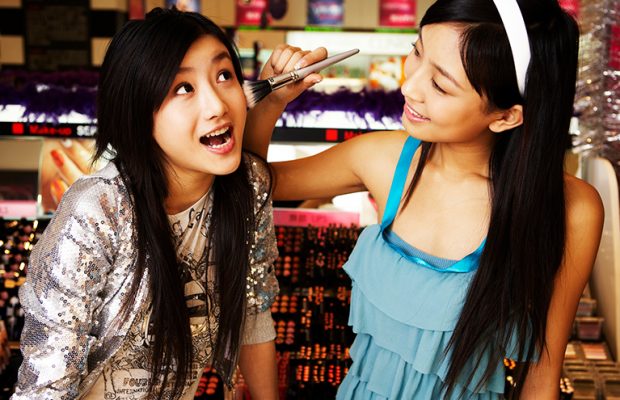
    Another attribute cited by analysts for H&B stores’ success is the carefree shopping atmosphere. Customers can freely try on products like lipstick and makeup without being followed by staff, a strategy that has worked well with younger consumers who value cost and saving money.

    With the market proving its worth, conglomerates are now making aggressive moves to include or expand H&B stores in their business portfolio. The market’s No. 2 player, Watsons, entered relatively early in 2005 but failed to make leaps due to a conservative business strategy.

    But after fully acquiring Watsons Korea, GS Retail has been signing off large investments to boost the sector despite going through some struggles with its convenience store chain GS25. The company said it is looking for ways to create synergy between GS25 and Watsons. Lotte Shopping is also looking for ways to expand LOHB’s, which started in 2013 with 10 stores.

    The first few years were slow, without impressive results, but last year, Lotte began investing heavily in the chain, setting up more than 30 new stores and doubling its sales. LOHB’s now has 89 locations, closely tailing Watsons’ 139.

    “Until now, LOHB’s didn’t receive much attention, squished between Lotte Department Store and Lotte Mart [both under Lotte Shopping], but we’re planning to develop it into one of our major businesses,” a source at Lotte Shopping said. The company plans to have more than 100 stores by the end of this year.

    Shinsegae last year won the right to operate the British drugstore chain Boots in Korea as part of its bid to enter the H&B market. The company opened four Boots stores this year, including one in the Starfield Hanam mall in Gyeonggi and a four-floor location in Myeong-dong, central Seoul, just steps away from Olive Young.

    The Myeong-dong store is the largest H&B in Korea, measuring 1,284 square meters (13,820 square feet). The company said its strategy is to customize each store and its product categories based on the commercial area in which it is located.

    Standalone cosmetics shops are also adding products to their offerings to turn themselves into H&B stores.

    Aritaum, which is owned by cosmetics maker AmorePacific and has 1,340 stores nationwide and 300 in Seoul alone, recently added skin care supplements to its product lineup.

    The company said the “rapid transition is hard because more than 80 percent of the branches are franchises,” but industry analysts believe this may be a sign that Aritaum is looking to profit from the H&B market.

    Convenience stores have also started signing partnerships with cosmetics and skin care product manufacturers to sell at their own operations.

  • Ford ramps up electric vehicle push in China amid slowing sales

    Ford ramps up electric vehicle push in China amid slowing sales

    Ford Motor Co will launch 50 new vehicles in China by 2025, including 15 electrified vehicles, the U.S. firm said at an event in Shanghai on Tuesday, as it looks to rev up sales growth in the market and shift towards cleaner electric cars.

    Ford’s sales in China have been weak in recent months, and the company is scrambling to come up with electric and hybrid vehicles to comply with strict Chinese quotas over production and sales for so-called new energy vehicles, or NEVs.

    The U.S. automaker is undergoing a broad review of its China operations, part of a strategic re-think under new Chief Executive Officer Jim Hackett, which will likely see the company focus on electric commercial vans as well as electric cars.

    “Between now and 2025, we will launch 50 new vehicles in China, and of those 50 new vehicles, 15 of them will be all-new electrified vehicles,” said Peter Fleet, Ford’s head of Asia Pacific, pointing to big growth in the “utility” segment.

    Fleet also said Ford’s China revenue would grow by 50 percent over the same period.

    China is pushing automakers toward electric and hybrid petrol-electric vehicles, setting tough quotas for NEVs that come into play in 2019, and has signaled a longer-term shift away from traditional internal combustion engine cars.

    The major shift in the world’s largest auto market has jolted some automakers, sparking a spate of recent electric vehicle (EV) joint ventures in the market. Ford has announced an EV tie-up with China’s Anhui Zotye Automobile.

    “We’ve never seen change like we do today,” said Ford Executive Chairman Bill Ford. “Everything is being disrupted” by the development of autonomous vehicles, trends such as ride-sharing and electric vehicles, he added.

    “It’s clearly the case that China will lead the world in EV development, and so we at Ford are investing enormous amounts of money both here in China and globally to bring electrification into fruition.”

  • Can Japan’s Uniqlo make it big in India?

    Can Japan’s Uniqlo make it big in India?

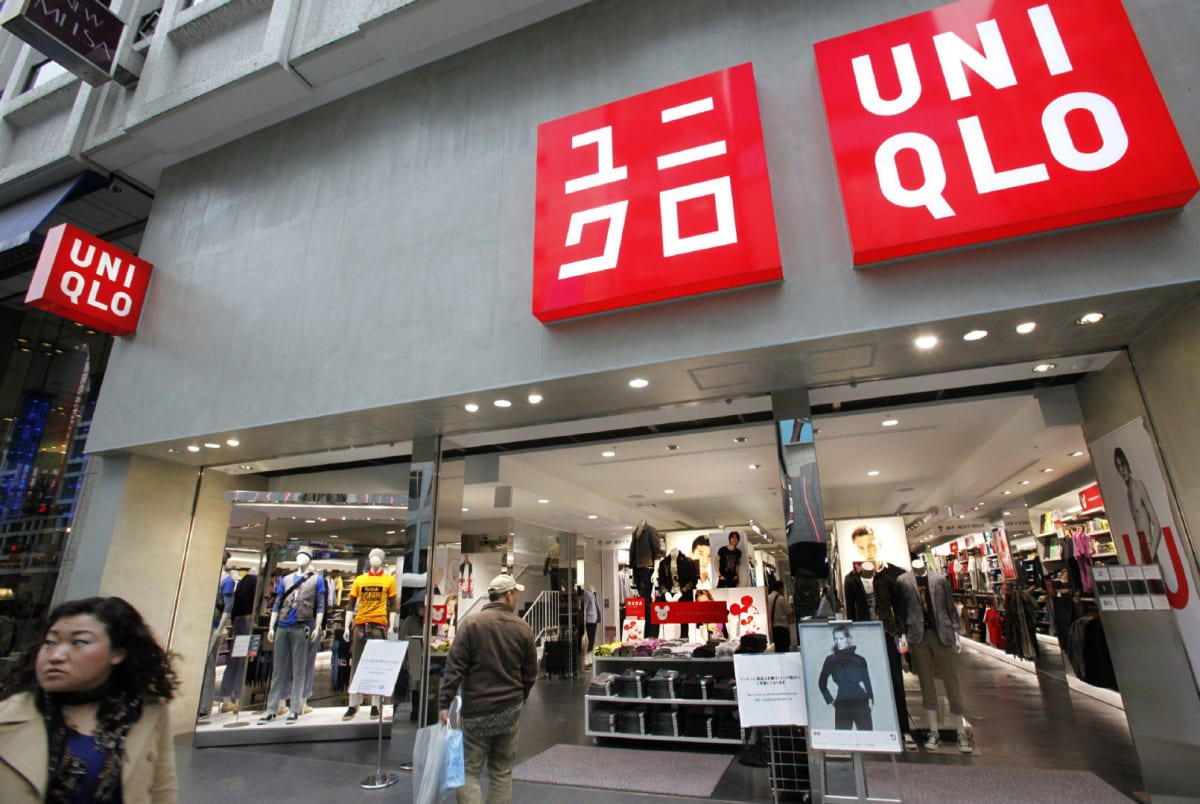
    Japanese brand Uniqlo, Asia’s largest apparel retailer, is all set to enter India. The Fast Retailing Co-owned brand, popular for its casual clothing in solid colours and iconic lightweight jackets, has sought the approval of India’s department of industrial policy and promotion (DIPP) to undertake single-brand retail trading in the country.

    If its proposal is cleared, Uniqlo will join the ranks of fast-fashion brands such as Zara, Forever 21, and H&M to open stores in Asia’s third-largest economy, where fashion retail is a $70 billion business. And here, its range of winter-wear, polos in solid colours, linen shirts, and other minimalistic offerings could well lure legions of young, aspiring shoppers hunting for branded clothing.

    While Uniqlo’s positioning and fashion are visibly different from that of Spanish retailer Zara and Swedish label H&M, with more focus on basic clothing and a strong line-up of winter wear, the brand will have to work on its pricing, communication, and styles to suit Indian shoppers, said retail experts.

    That’s because, unlike in other Asian markets, the brand is quite niche in India. “Not too many Indians know it as (well as) they know a Zara or H&M, so expansion is going to be a big challenge,” Pankaj Renjhen, managing director-retail at real estate consultancy JLL India, said. “Since Uniqlo is a basics brand…its positioning will have to be in line with that, which means the sizes and pricing will need to be tailored to India.”

    But what is likely to work for Uniqlo is its plain linen shirts and trousers that may find takers among India’s young office-goers seeking business casuals. Also, the Japanese firm offers a mix for both men and women, unlike Zara and H&M that mostly target the later. “While Zara and H&M are high on the fashion quotient, Uniqlo will have an appeal with the more young, office-going crowd as it offers casual wear at affordable prices,” said Ankur Bisen, vice-president of retail and consumer products at Technopak. “It also has a wide range for both men and women.”

    Uniqlo’s interest in India comes at a time when the retailer, which first opened a shop in Hiroshima in 1984, has been expanding its presence outside Japan where it holds a 6.5% share of the apparel market. In its most recent earnings report, the Fast Retailing Co posted a record operating profit of $1.57 billion for the year ended August 2017, bolstered by a jump in Uniqlo’s international business.

    For India, it has spent years evaluating the country’s policies. India allows foreign retail companies to invest directly in single-brand retail trading but has local sourcing requirements. Top Uniqlo officials have on several occasions met Indian government representatives to discuss its India debut. “India is a market with great potential,” a company spokesperson told Bloomberg, adding, “At the moment, we are awaiting word from the government, and we will be able to discuss potential future steps at a later date.”

  • Gome Retail Holdings satisfying result

    Gome Retail Holdings satisfying result

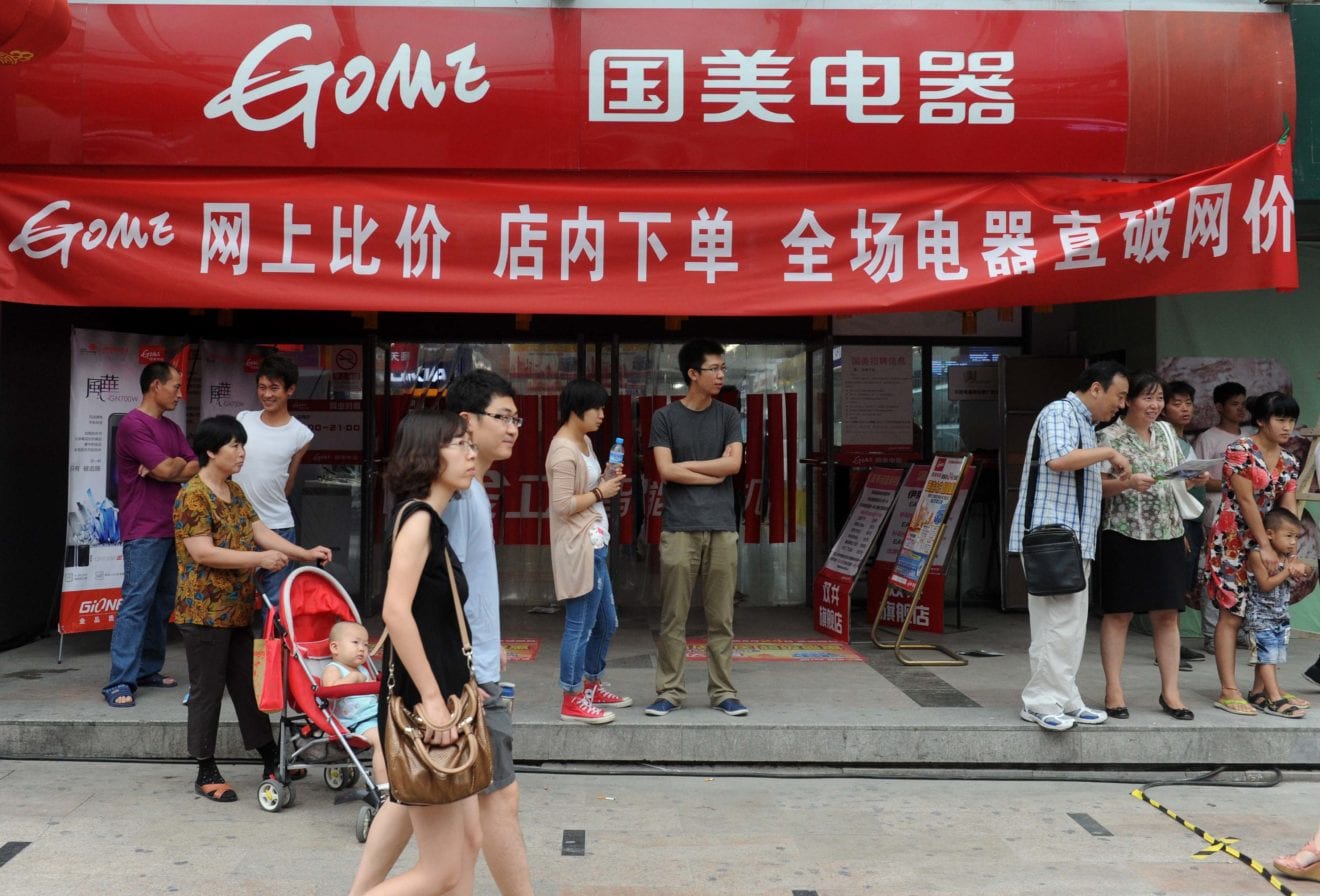
    Both online and offline business showed strong growth for electrical appliance retailer Gome Retail Holdings during the nine months to the end of September.

    Total gross merchandise volume (GMV) of the group for both online and offline grew by 20.04 per cent, while GMV of online e-commerce business grew by 58.13 per cent.

    Sales revenue was about RMB57.4 billion (US$8.6 billion), up 3.68 per cent on the same period last year.

    Consolidated gross profit margin was about 17.05 per cent, up 1.03 points, while profit attributable to the owners of the parent was about RMB220.1 million, a decrease of 10.71 per cent.

  • Swiss watch exports rise 9% on strong Japan, China and Hong Kong

    Swiss watch exports rise 9% on strong Japan, China and Hong Kong

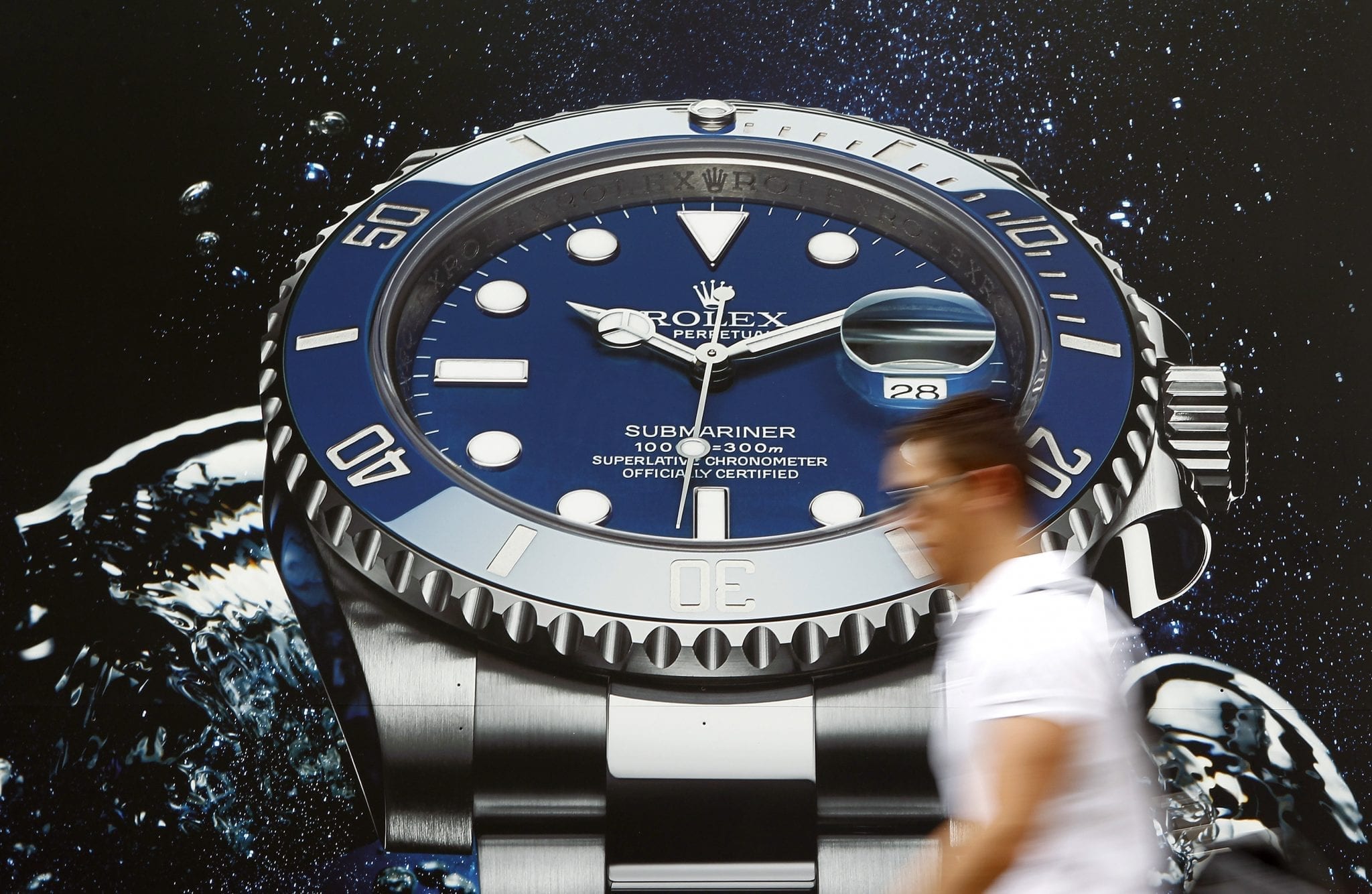
    Swiss watch exports jumped 9.3 percent in October 2017, on strong sales in Hong Kong and China, despite a lag in U.S. imports, according to the Federation of Swiss Watches.

    For the month-period, sales of Swiss watches totalled 1.85 billion Swiss francs, or $1.86 billion. The federation said that the monthly result confirms a solid improvement in the watch industry, with consolidated growth for the past ten months sitting at 2.4 percent.

    In September 2017, sales rose 3.7 percent and 4.2 percent in August.

    In October 2017, Japan recorded the fastest growth, where exports leapt 21.7 percent. Exports to China were up 18.2 percent, while Hong Kong, which is also the industry’s largest market, rose 15.8 percent.

    Outside Asia, the U.S. market remained dire, down 7.3 percent. Growth in Europe was a placid 5.9 percent, hurt by a 0.7 percent decline in Italy. Big player Britain inched forward 1.2 percent, showing signs of a slow down in October, said the federation.

    By watch category, exports of watches worth between 500 Swiss francs and 3,000 Swiss francs grew the fastest, up 20.3 percent in value terms, while watches priced between 200 Swiss francs and 500 Swiss francs rose 10.4 percent.

    The most expensive range, above 3,000 Swiss francs, rose 6.3 percent. Meanwhile, timepieces priced at below 200 Swiss francs dropped 3.4 percent, said the federation.

    Looking forward, the federation noted a “declining medium-term trend” in Japan.

    Analysts also fear that the ongoing weakness in exports of cheaper watches could prompt the resurgence of smartwatch domination over the longer term.

  • Farfetch yearly sales surge 74%, 2016 losses widen on investments

    Farfetch yearly sales surge 74%, 2016 losses widen on investments

    British online fashion retailer Farfetch said global revenue grew at a record speed in 2016, while losses widened for the year, on the back of increased investment in technology, customer acquisition and hiring.

    For the twelve months ending December 31, 2016, Farfetch said after-tax losses widened to 34 million pounds from 28.7 million pounds, while operating losses grew to 33.5 million pounds from 26.5 million pounds.

    The losses come despite Farfetch.com revenues growing 74 percent to 151.3 million pounds.

    In a statement to Companies House in London, the company reported “strong growth in both demand for, and supply of, products through the Farfetch platform. The company is confident in its future outlook, and well placed to manage its business risks successfully despite the current uncertain economic outlook.”

    Addressing the press post-earnings, founder and chief executive officer Jose Neves called Farfetch “a fast-growing company at an exciting stage in its journey, with over 21 million visits to our websites every month and relationships with over 500 partner boutiques and 200 brands.”

    He added, “the trajectory of rapid growth and substantial investment continued in 2016, and we are pleased to have seen 81 percent growth in gross merchandise value, as well as strong growth of 74 percent, in revenues.”

    Farfetch Group owns Farfetch.com and Browns. The aforementioned results pertain to Farfetch.com, the sales platform for luxury boutiques worldwide.

    Moreover, Browns saw its revenue more than double to 36.9 million pounds, while losses widened to 6.4 million pounds from 369,330 pounds in the 17 months to December 31, 2016.

    Looking ahead the group’s CEO was upbeat about the London-based retailer’s position moving forward.

    “We have very strong foundations in place and will continue to invest and grow our business as we build the definitive technology platform for the luxury industry,” Neves said.

  • Victoria’s Secret pins hopes on Shanghai show to enhance Chinese market share

    Victoria’s Secret pins hopes on Shanghai show to enhance Chinese market share

    Victoria’s Secret understands “sexy”.

    And with the retail market for women’s lingerie in China estimated at $25 billion – nearly twice that of the United States – China is the new “sexy”.

    Shanghai maga show

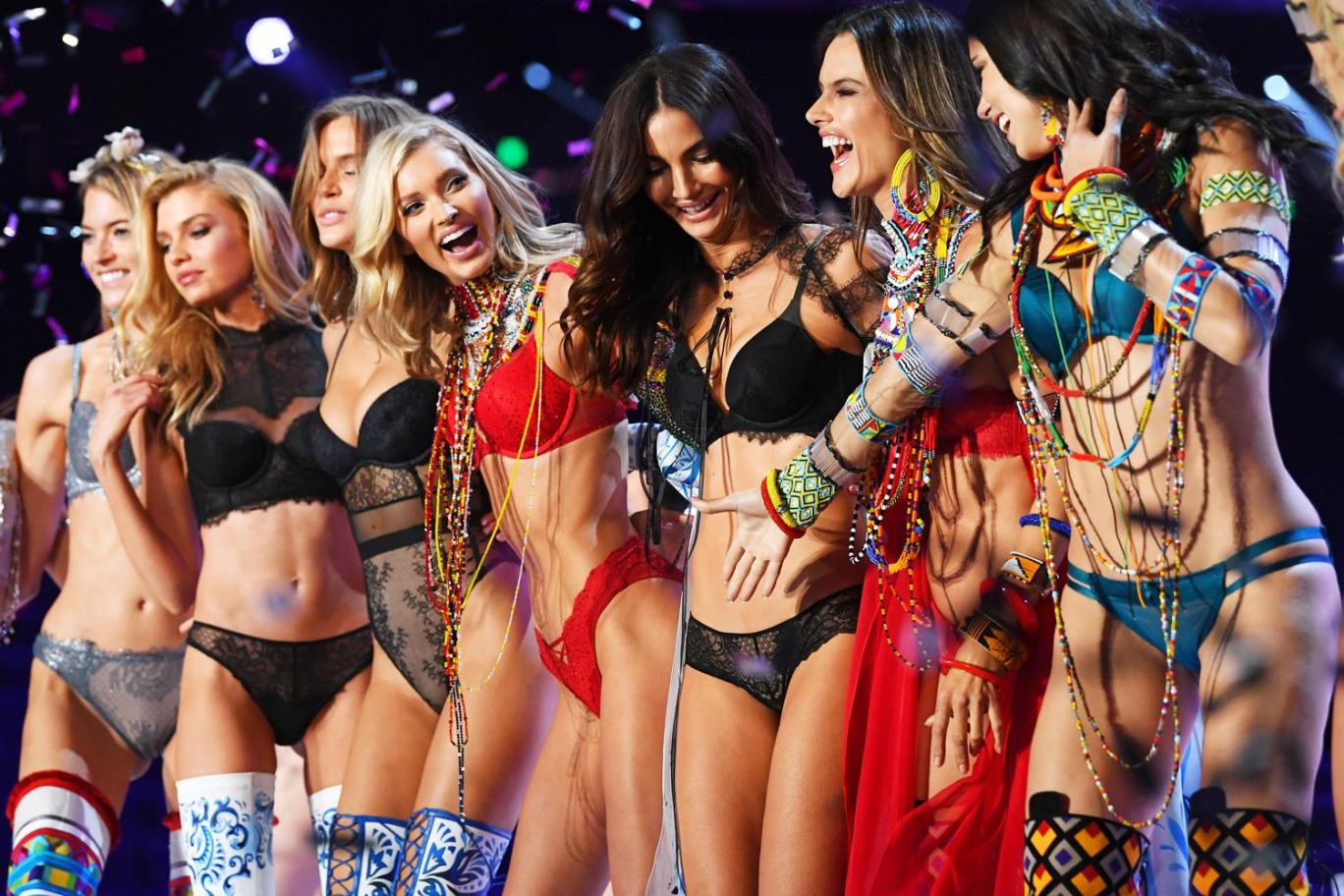
    This month, the retailer is debuting its Victoria’s Secret Fashion Show featuring its “angels”, young models clad in whiffs of lace and exotic, bejeweled wings, in Shanghai. The show will be globally televised on Nov 28 on CBS in 190 countries and regions worldwide.

    After the 2016 Victoria’s Secret Fashion Show in Paris, the company received complaints from Chinese bloggers about the use of Chinese-themed dragons and other Chinese cultural symbols. So a lot is riding on the success of the inaugural effort in Shanghai.

    Ed Razek, executive producer of the fashion show and Victoria’s Secret chief creative officer, told Xinhua that there will be performances by former One Direction boy band member Harry Styles, Grammy-winning artist Miguel, Tony Award winner Leslie Odom Jr., and Chinese popstar Jane Zhang and solo pianist Yundi Li.

    In addition, 55 models from 18 countries and regions will be strutting the catwalk, including top Chinese models Ju Xiaowen, Liu Wen, He Sui, Ming Xi, Wang Yi, Xie Xin and Estelle Chen.

    Founded in San Francisco in 1977, Victoria’s Secret burst onto the American market by styling itself as an alternative to more humdrum, purely functional women’s inner wear. The core strategy was to inject sex appeal into mass-market undies.

    The strategy paid off and it became the largest American retailer of women’s lingerie, pulling in $8 billion in revenue in 2016 despite an 11 percent dip in sales.

    Still, all is not rosy in the Victoria’s Secret boudoir.

    Women’s groups have long decried its objectification of women’s bodies. In “Victoria’s Dirty Secret”, a research article published by Canada’s Wilfrid Laurier University and the University of Waterloo, its authors asserted, “Victoria’s Secret sends a message to these adolescent girls and women that their models are the standard of beauty. Women in these ads are highly objectified, idealized, and sexualized. If women feel they have to live up to this sociocultural norm standard, it is only telling men that it is okay to objectify and sexualize women.”

    As varying body types have become more accepted, competitors have gained ground, and the athleisure movement is luring more women to place stylish comfort over high-maintenance sex appeal.

    Add to that the growing trend to shop online and even leading brands are feeling the burn. To trim corporate fat, Victoria’s Secret recently canceled its print catalogue, dumped its swimwear line, and announced plans to lay off 200 employees.

    So the booming Chinese market could be manna from heaven. Rapid economic growth and higher disposable income, combined with widespread exposure to leading global luxury brands has given Chinese consumers a taste for international brands and luxury merchandise.

    Big but no easy market

    After expanding internationally in the 1990s and 2000s in 38 countries and regions, Victoria’s Secret entered China in 2015, opening its first storefront in Shanghai. Plans for a second store in Chengdu are in the works.

    Spurred on by trends in social media and fashion-forward celebrities, Chinese women are increasingly embracing luxury lingerie, and are willing to pay a premium for it.

    In Victoria’s Secret’s pink glass-fronted, four-story flagship store on Huaihai Road near Shanghai’s fashionable Xintiandi shopping district, prices range from 300 yuan ($45) to 4,000 yuan ($605) or more.

    The store also features “The Angel Suite”, one of only three in the world, with the other two being in New York and London, catering to VIP customers seeking to view the latest in lingerie fashions in a private and exclusive setting.

    However, while the Shanghai fashion show may create greater exposure, it can’t solve the pressing issue of growing global competition.

    Luxury Italian lingerie maker La Perla already has eight stores in China with additional outlets coming down the pike. Canada’s athleisure yoga brand leader Lululemon is also weighing in with a flagship store in Shanghai. And China’s own Guangdong-based mass-market lingerie brand Cosmo Lady has already staked claim to 4 percent of the domestic market.