Tag: Sales

  • Korean online shopping growth surge as retail sales stumble

    Korean online shopping growth surge as retail sales stumble

    Online shopping is experiencing a growth surge, accounting for close to 20 percent of all retail sales in the first quarter of this year.

    Retail transactions in the three months to March totaled 96.56 trillion won (US$85.83 billion), a growth of 4.7 percent from the same period a year before, according to Statistics Korea. The sum of online shopping was 18.21 trillion won, or 19 percent of the total.

    This represents a 19.6 percent leap from the same quarter of the previous year and the largest total since related record keeping began in 2010.

    The ratio of online sales to all retail sales has grown in double digits every quarter since the fourth quarter of 2012, when it was 10.2 percent. It reached 17.7 percent in the last quarter of 2016.

    In monetary terms, the amount of transactions has also expanded by double digits, increasing the growth pace from 11.2 percent in the first quarter of 2013 to 23.2 percent in the third quarter of 2016. It fell to 19.6 percent in the first three months of this year.

    The mobile sector played a critical part in contributing to online shopping, accounting for 59 percent of the sales in March.
    “Mobile shopping has grown with the wide penetration of smartphones, and shopping malls have also been pushing their mobile platforms,” a Statistics Korea official said.

    Such high performance of online sectors contrasts with sluggish figures in the overall retail market. Retail sales gains that reached over 10 percent in the first two quarters of 2011 shrank to 0.6 percent by the second quarter of 2013. They bounced back somewhat to 3-5 percent last year.

    Sales at department store, the strongest source of offline shopping, have backtracked. The monetary amount of transactions fell 1.5 percent in January from a year before, 5.6 percent in February and 3.5 percent in March. The figures showed a decrease of 2.2 percent in April and 4.6 percent in May.
  • China’s retail sales grow 10.4 per cent

    China’s retail sales grow 10.4 per cent

    China’s retail sales of consumer goods grew 10.4 per cent year-on-year in the first half of this year to RMB17.24 trillion (US$2.55 trillion), new official data shows.

    The pace was slightly faster than the 10 per cent for the first quarter, the National Bureau of Statistics (NBS) says.

    Retail sales last month grew by 11 per cent year-on-year, the fastest rate since December 2015.

    The NBS attributes the pick-up in growth partly to online sales, which surged 33.4 per cent year-on-year in the first half, 1.3 points higher than in the first quarter.

    Online sales of goods rose 28.6 per cent to RMB2.37 trillion, accounting for 13.8 per cent of China’s total retail sales, up from a share of 11.6 per cent for the first half of last year.

    NBS spokesman Xing Zhihong says the larger share proves new growth sources in the economy are rising.

    Retail sales in rural areas rose 12.3 per cent in the first half, outpacing the 10.1 per cent expansion for urban areas.

    Booming retail sales are behind China’s stabilising economy, which grew 6.9 per cent in the first half.

    The contribution of final consumption to GDP growth stood at 63.4 per cent, slightly down from last year’s 64.6 per cent.

    “Consumption demand is the most important engine of our economic growth,” says Xing.

  • Singapore retail sales up 0.9% in May

    Singapore retail sales up 0.9% in May

    A surge in takings at petrol pump stations lifted Singapore‘s retail sales in May, though a broad fall in sales by food retailers and other consumer goods sellers has left shops and restaurants here worried.

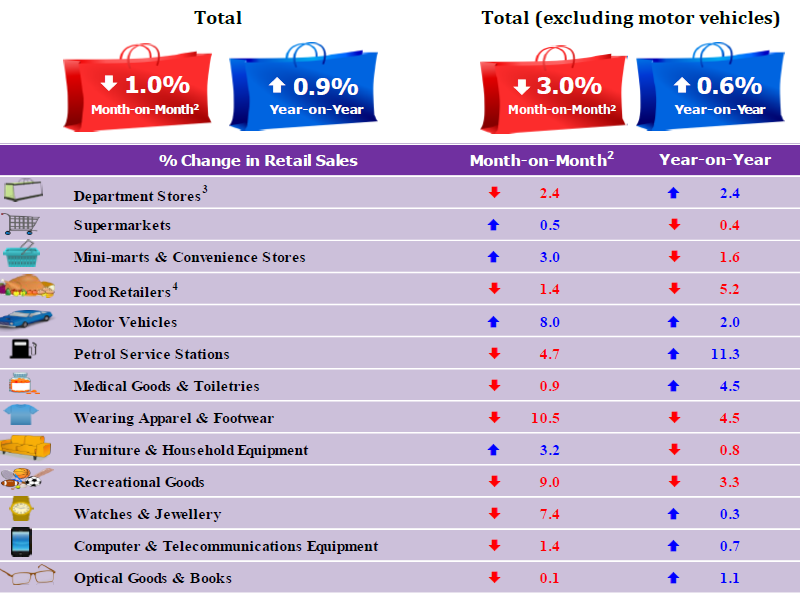
    Total retail turnover in May was S$3.7 billion, up 0.9 per cent from May last year, according to Department of Statistics data out on Wednesday (July 12).

    This was due mainly to a 11.3 per cent jump in sales at petrol service stations, a 4.5 per cent rise in sales of medical goods and toiletries, as a well as a 2 per cent rise in motor vehicle sales.

    Singapore Retail sales - Retail in Asia

    Excluding motor vehicles, retail sales rose 0.6 per cent from May last year.

    On a month-on-month, seasonally adjusted basis, retail sales dropped 1 per cent in May over the previous month. Excluding motor vehicles, takings were down by a bigger margin of 3 per cent.

  • Japan’s Rakuten retail site bans ivory sales

    Japan’s Rakuten retail site bans ivory sales

    One of Japan’s largest online retailers has banned the sale of ivory, closing a major marketplace for the controversial trade. Rakuten is accused of being the world’s largest online retailer for elephant ivory, but will now phase out its sale. The trade is legal in Japan for items imported before 1989 – but no new stock can be brought into the country. Many other countries have banned the trade outright over concerns that it contributes to elephant poaching.

    Rakuten also banned the sale of sea turtle products on its site, telling it was responding to “growing international concern”.

    “We expect it will take 1-2 months for all listings of these prohibited products to be removed,” it said.

    On the day of the announcement, a large number of ivory items were still listed for sale, including many carved personal seals known as “hanko”. Sellers of such items are expected to maintain careful records of their origin, and use only government-regulated ivory stockpiles. But activists believe the rules are often circumvented and the precious material is often smuggled across borders.

    Yahoo Japan, another site which allows the sale of ivory, has previously come under fire for the practice.

    However, a spokesman told Reuters it did not plan to halt the trade, saying: “We don’t think that the legal ivory trade in Japan has any impact on African elephant numbers.”

    “It is important to recognise there are cultural differences between different countries,” he added.

    African elephant numbers have plummeted in the last century, and there are an estimated 500,000 remaining on the continent.

    China, a traditional powerhouse in the ivory trade, announced in December that it would ban all ivory activities and trade by the end of 2017.

    Conservation groups hailed the decision as “historic” and a “game-changer” – but ivory artists have lamented the loss of a traditional craft.

  • Tesco aims to boost online sales

    Tesco aims to boost online sales

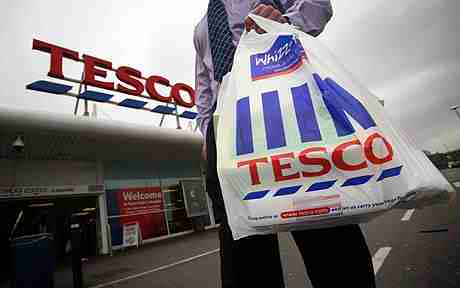
    Ek-Chai Distribution System Co, the operator of Tesco Lotus hypermarkets, has outlined strategies to serve omnichannel shoppers better.

    Due to the growth of mobile internet usage in Thailand, the boundaries between offline and online worlds are become increasingly blurry.

    Customer behaviours have shifted towards omnichannel shopping, where they receive information, converse with brands, do their research and finally shop both in brick-and-mortar stores and online, interchangeably, according to Mark Roughley, the company’s online director.

    Internet penetration in Thailand in 2017 grew to 67% from 56% in January 2016. Nearly 45 million Thais now access the internet on their mobile phones.

    Due to these trends, the customer journey has changed tremendously, and the new retail ecosystem now involves several parties and providers to facilitate the new customer journey and offer more choice, Mr Roughley said.

    “We have been witnessing an increasing number of omnichannel customers,” he said. “We know that convenience is key for these customers. And we also know that mobile and innovation is the secret to attracting and connecting with omnichannel customers.”

    To cope with this trend, the company continues to enhance its shopping fulfilment by extending more choices in terms of product delivery and shopping platforms.

    The customer journey has changed rapidly. The new retail ecosystem is much more sophisticated than the old one, which had only three or four key players, namely product manufacturers, distributors, retailers and customers.

    But the new retail ecosystem involves several parties and providers facilitating the new customer journey, from logistics providers to payment providers and price comparison platforms.

    “We plan to enhance our services for customers in this new retail environment,” Mr Roughley said. “For example, the company has partnered with Happy Fresh to deliver fresh food to customers in their homes within one hour, or they can choose Tesco’s delivery.”

    The retailer has also set a more comprehensive plan geared towards the e-payment system, in line with the government’s national e-payment scheme.

    Mr Roughley said Tesco Lotus will focus on providing e-payment channels for customers. The retailer is considering setting its own e-payment system or using those of partners it would recruit.

    The launch of the government’s national e-payment system will propel the country’s e-commerce industry and online shopping business. And the company can see that more customers are aware of e-payment.

    To prepare for the growing trend, Tesco Lotus is working with payment providers such as Rabbit Line Pay to facilitate mobile payments. The retailer’s e-payment module is expected to start sometime by the end of this year or early next year.

    This will support the online business of Tesco Lotus, currently a small portion of total sales. Mr Roughley declined to reveal the sales figures for Tesco, one of Thailand’s leading retailers operating 1,900 branches in all formats, including Tesco Express.

    “Online shopping in Thailand grew faster than our network in several countries worldwide,” he said. “We are seeing very strong double-digit growth in our online business since offering it in the past five years, and the growth will be stronger this year.”

  • Jaguar Land Rover overall retail sales up 1.2 pct in May

    Jaguar Land Rover overall retail sales up 1.2 pct in May

    Jaguar Land Rover says overall retail sales for Jaguar Land Rover were 45,487 in May, up 1.2 percent year-on-year.

    Jaguar Land Rover says Jaguar May sales were 13,613 vehicles, up 28 percent year-on-year. Jaguar Land Rover says Land Rover retailed 31,874 vehicles in May, down 7.1 percent year-on-year.

  • AirAsia Free Seats promotion starts tomorrow

    AirAsia Free Seats promotion starts tomorrow

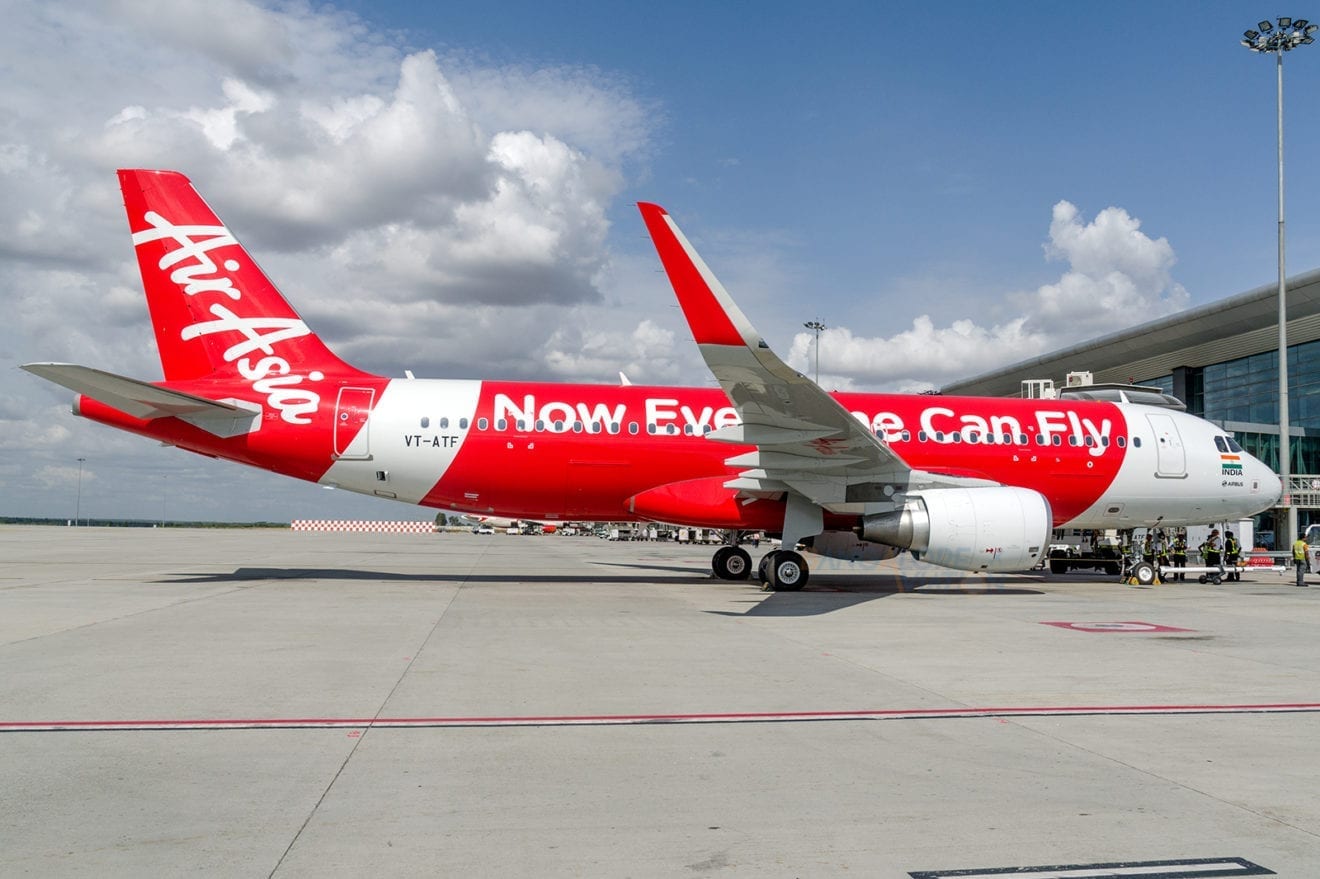
    Need to satisfy your wanderlust? Look no further, because AirAsia will be giving away up to three million promotional seats in its Free Seats campaign.

    The promotion is available from June 5 to June 11 for travel between Jan 15 and Aug 28, 2018.

    Fares will be as low as RM0 to des­­tinations such as Johor Baru, Pe­­nang and Surat Thani from Kuala Lumpur; Singapore and Lang­­kawi from Penang; and Te­­reng­ganu from Johor Baru.

    Other than that, AirAsia X guests can also fly from Kuala Lumpur to Perth and Chongqing for fares as low as RM199.

    Those travelling on AirAsia X will also be able to enjoy its award-winning Premium Flatbed from Kuala Lumpur to Beijing, Shanghai, Osaka, Busan, Auckland, Gold Coast, and many more destinations from only RM899.

    AirAsia BIG Members and BIG Prepaid MasterCard members will enjoy priority access and will be able to make bookings on airasia.com and the AirAsia mobile app or redeem flights via airasiabig.com from today.

    Other partners will also be able to access the promotion 24 hours earlier. BIG Prepaid cardholders can do so on airasia.com, AirAsiaGo and AirAsia Expedia on their respective websites, while account holders with Citibank in Malaysia will re­ceive an exclusive link from the bank. The first 100 daily bookings with AirAsia-Citi Card will get a RM50 AirAsia Electronic Gift Voucher (eGV).

    “Free Seats is the best time to lock down travel plans for next year,” said AirAsia Group chief commer­cial officer Siegtraund Teh.

    “With so many fantastic destinations on offer, it’s perfect for a long break or even just a quick weekend getaway,” she said in a statement.

  • China’s retail sales up 10.7 pct in April

    China’s retail sales up 10.7 pct in April

    China’s retail sales, a key indicator of consumption, grew 10.7 percent year on year in April, 0.2 percentage points slower than the March level, official data showed Monday.

    Total retail sales of consumer goods hit 2.73 trillion yuan (about 395.4 billion U.S. dollars) last month, according to the National Bureau of Statistics (NBS). It increased 0.79 percent month on month.

    In the first four months, total retail sales of consumer goods rose 10.2 percent year on year, 0.2 percentage points faster than the growth in the first quarter, according to Xing Zhihong, a spokesperson with the NBS.

    Consumption activities were relatively stronger in rural areas, with retail sales expanding 12.6 percent in April, outpacing urban areas, where retail sales climbed 10.4 percent year on year.

    Online spending was robust. From January to April, online retail sales surged 32 percent year on year to 1.92 trillion yuan.

    Xing said the April figure indicates continued expansion of domestic consumer demand, which was partly driven by consumption upgrades and new business patterns such as online sales.

    China is trying to shift its economy toward a growth model driven by consumer spending, innovation and services, while weaning it off reliance on exports and investment.

    China’s economy expanded at a 6.9-percent pace in the first quarter, accelerating from 6.8 percent in the previous quarter, and 77.2 percent of it was driven by consumption, 12.6 percentage points higher than the 2016 level, according to official data.

  • Hong Kong retail sales climb 3.1% in March

    Hong Kong retail sales climb 3.1% in March

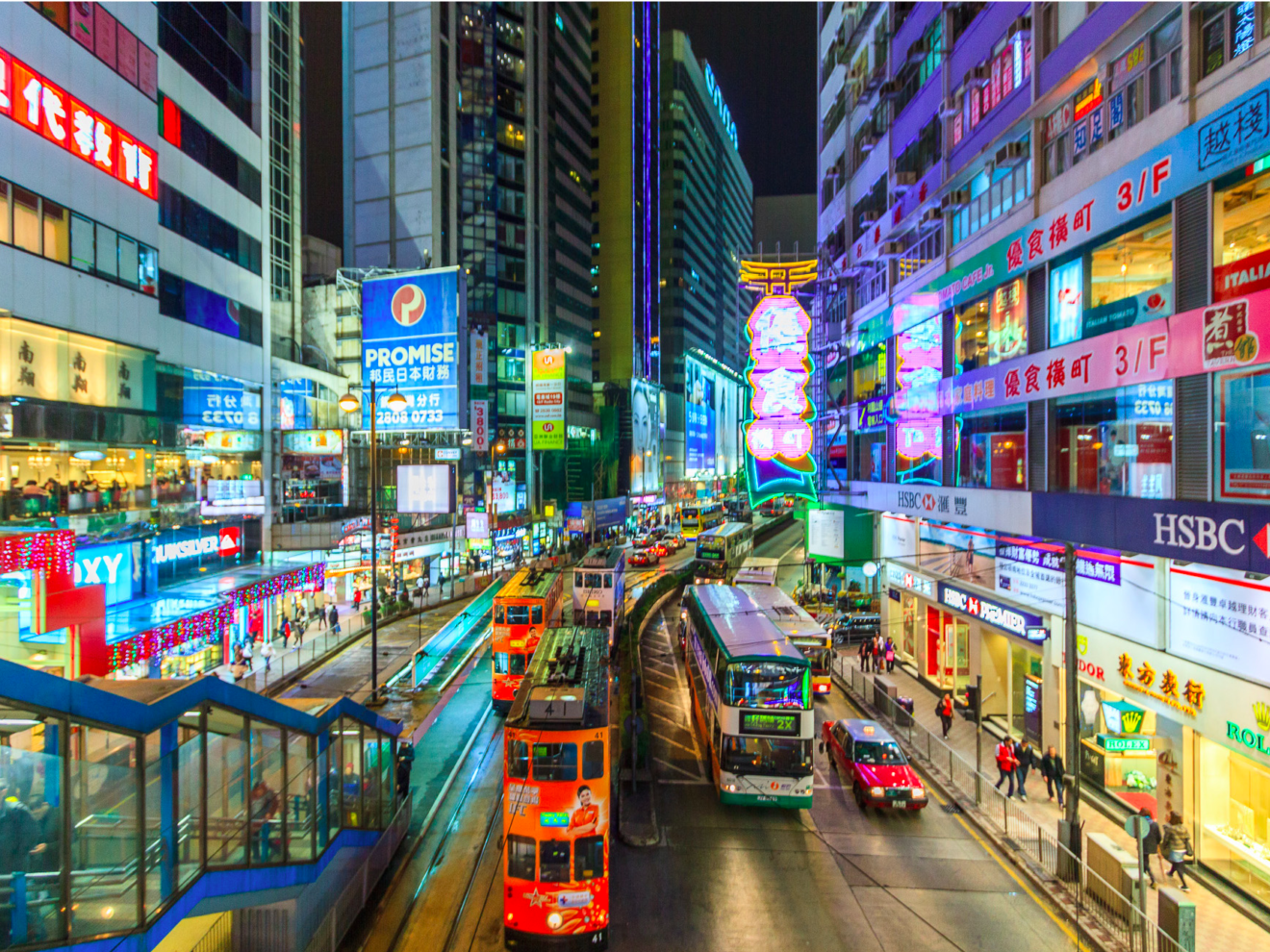
    Hong Kong’s retail rut is no more. For the month of March, Hong Kong retail sales lifted 3.1%, the first gain in two years, as visitors from mainland China returned to the city’s shopping regions.

    The 3.1% uptick in Hong Kong was a measure of total revenues, while retail sales in volume terms gained 2.7%, rising for the first time since July 2015 according to figures released by the Hong Kong government’s Census and Statistics Department (C&SD) on Monday.

    “Retail sales resumed moderate year-on-year growth in March,” said the government in a statement.

    “This reflected partly the continued recovery of visitor arrivals and partly the robust local consumption demand.”

    Local tourism surged 10.4% in March compared to the same month last year, pushed on by the return of mainland Chinese arrivals. It was the most growth recorded since February 2015.

    March’s return to growth follows a dire start to 2017 for local retailers. Hong Kong retail sales dived 5.7% in February, after January sales contracted just 1%, said the C&SD.

    In recent months, Hong Kong tourism has been hurt by an influx of Chinese tourists to Macau, the only Chinese territory where gambling is legal. The region is fast becoming a shopping hotspot too, with major retailers opening stores close to casinos and restaurants.

    This includes US lingerie heavyweight Victoria’s Secret, who bowed its assortment retail store in Macau this month.

  • McDonalds’ Q1 sales boosted by its all-day breakfast menu

    McDonalds’ Q1 sales boosted by its all-day breakfast menu

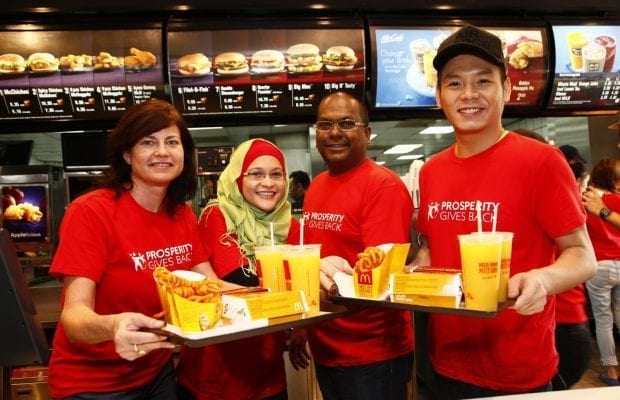
    In November, credit ratings agency Fitch warned that the breakfast-driven rebound the chain is experiencing won’t last forever. While that prediction still may prove correct someday, Fitch can’t claim victory just yet: McDonald’s reported better-than-expected first quarter same-store sales Tuesday, thanks in no small part to a continued boost from the most important meal of the day.

    McDonald’s reported Tuesday that its global same-store sales increased 4% during its first fiscal quarter of 2017. “There’s a sense of urgency across the business as we take actions to retain existing customers, regain lapsed customers and convert casual customers to committed customers,” McDonald’s president and CEO Steve Easterbrook said in a statement Tuesday morning.

    The growth in same-store sales didn’t completely translate to gangbuster top-line sales, with first quarter revenue ticking down 4% to $5.68 billion (a figure that nonetheless managed to come in ahead of the $5.5 billion Wall Street consensus). McDonald’s explained the dip by pointing to the refranchising effort that is a part of its broader turnaround plan, and the costs associated with that effort.

    Net income for the quarter, meanwhile, grew 8% to $1.2 billion, resulting in earnings of $1.47 per share — a figure that came in well ahead of the Street’s $1.33 per-share consensus.

    “Our efforts to build a better McDonald’s are yielding meaningful results with continued positive momentum and a strong start to 2017 that includes positive comparable sales across all segments, higher global guest counts and enhanced profitability,” Easterbrook continued. “We’re challenging ourselves to identify and pursue initiatives that can bring the biggest benefit to the most customers in the shortest possible time. I’m confident that we’re on the right path and well-positioned to unlock incremental growth and deliver against our growth plan for 2017 and beyond.”

  • Luk Fook sales recover from three-year slide

    Luk Fook sales recover from three-year slide

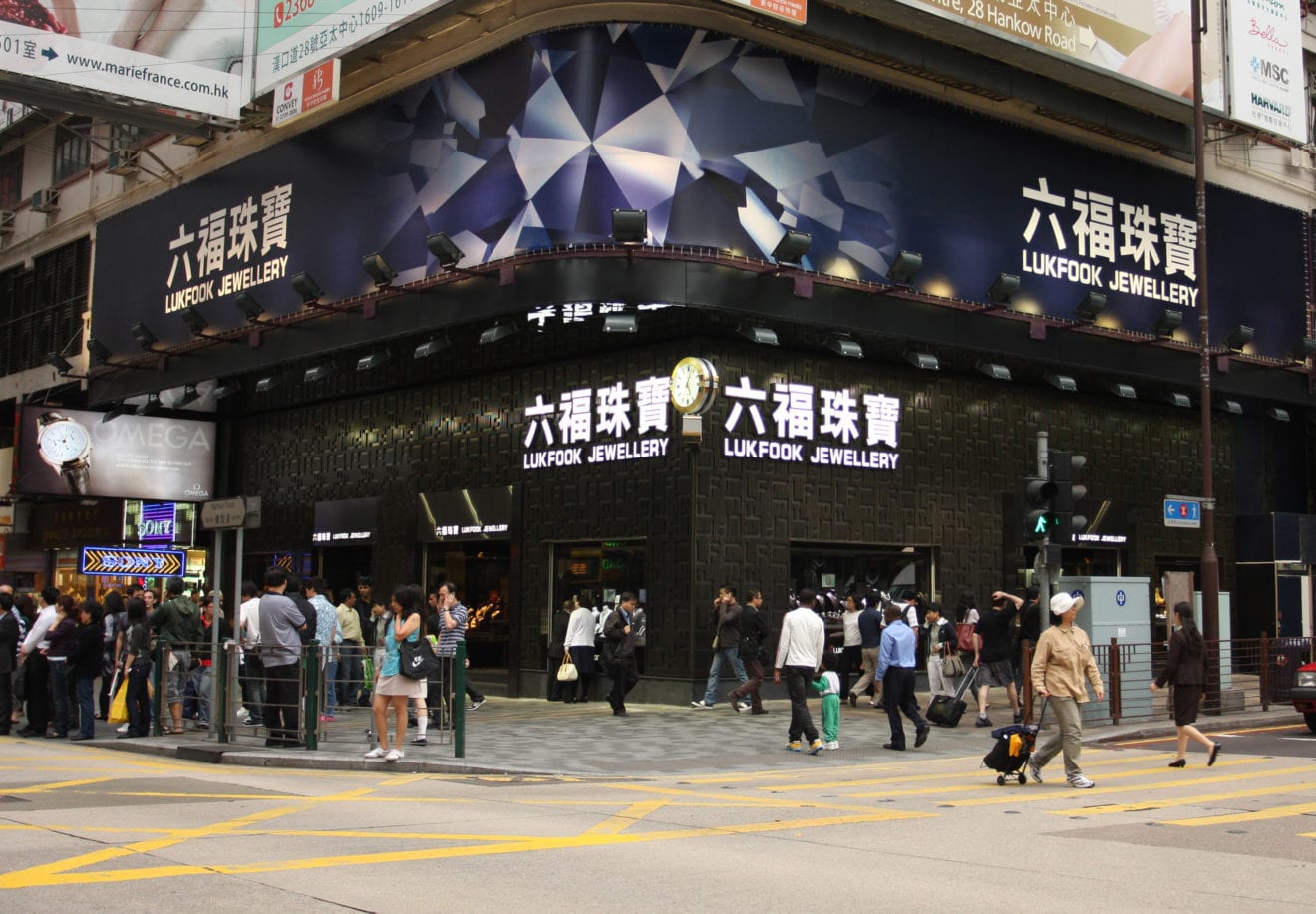
    After 12 consecutive quarters of decline, jeweller Luk Fook has recorded a 2 per cent turnaround for its fourth quarter, ended March 31.

    The retailer says that with a relatively low base and encouraging improvement in the Hong Kong/Macau market, same-store sales growth moved back into the black for its self-run outlets.

    In addition, Luk Fook sales of gold and gem-set jewellery products rose 16 per cent and 6 per cent respectively in Mainland China leading to double-digit growth for the first time this year, reaching 11 per cent.
    On the other hand, the same-store sales of gem-set jewellery products in Hong Kong and Macau also turned around from a decline of more than three years to achieve 12 per cent growth.

    During the quarter the group opened four self-run shops on the mainland and closed one licensed shop. At the end of March the group had 199 self-run shops in total – 133 in China, 47 in Hong Kong, 10 in Macau and nine in other countries. Together with 1296 licensed shops in China and one in Korea, there were a total of 1496 shops worldwide.

  • Burberry sales ‘lacklustre’ despite China boost

    Burberry sales ‘lacklustre’ despite China boost

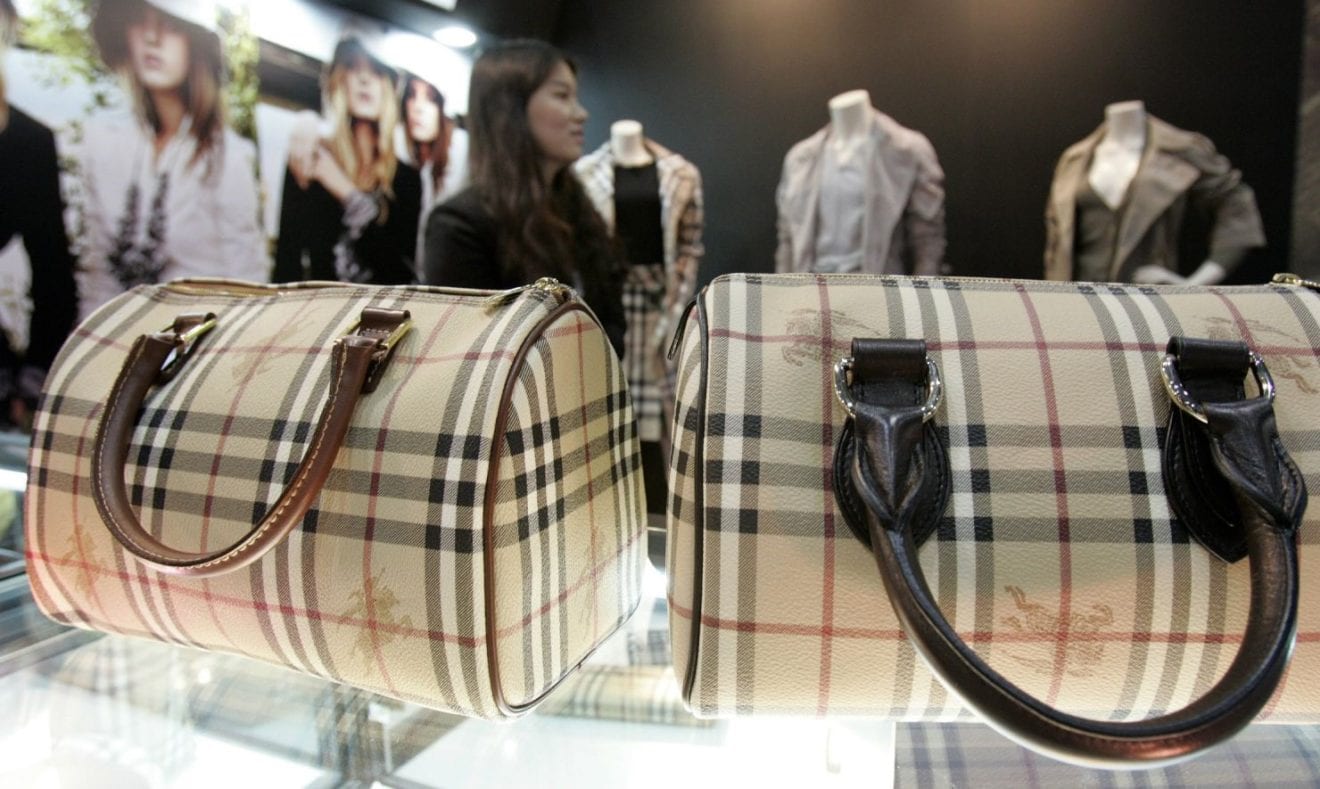
    Strengthening sales in Mainland China and an “exceptional” UK performance helped UK luxury fashion retailer Burberry weather a weakening US market in its second half year.

    Same-store Burberry sales rose 3 per cent – a lesser rate than during the third quarter. The company said a recovering Mainland China market had driven growth in Asia-Pacific.

    Incoming CFO Julie Brown says UK Burberry sales soared 90 per cent during the second half year as US tourists took advantage of the weaker pound in the UK.

    But sales in its wholesale division fell by 13 per cent and licensing sales fell 38 per cent, although the latter was largely due to the company taking back control of its Japan business.

    While based in Great Britain, the bulk of Burberry’s turnover is abroad and Hong Kong and China comprise its largest market.

    Releasing its second half year sales figures, the company revised down its estimate of the sales boost from the weaker UK currency from an earlier projected £130 million to £115 million. And it warned shareholders to expect a £10 million hit in 2018.

    Charlotte Pearce, associate retail analyst with GlobalData, described the second half results as “lacklustre” following impressive third quarter figures.

    “Burberry’s international performance in the second half has proved disappointing, with declining sales in Korea and the US and a challenging market in the Middle East bringing down the brand’s overall performance.

    “However, its plan to invest in store refits will help to increase footfall, especially in areas such as Hong Kong, where trading has historically been much more positive.”

    She said Burberry’s strong digital performance, particularly via mobile, continues to drive growth for the luxury brand as it maintains its reputation as a digital innovator in the luxury market.

    “Burberry live-streamed its February catwalk show on Instagram, giving the brand a sense of accessibility and allowing the brand to engage with shoppers on a platform where many consumers are regularly active. Burberry’s investment in experiential retail, including its app which will be rolled out in English speaking countries from the first quarter, will resonate well with modern shoppers and enable it to promote new products.”

  • Asos posts half year profit increase

    Asos posts half year profit increase

    Online fashion retailer, Asos, has posted a 14 per cent increase in profits for the six months to the end of February to £27.3 million.

    The company saw a 31 per cent increase in sales to £889.2 million. UK retail sales rose by 18 per cent and international sales went up by 42 per cent.

    Sofie Willmott, senior retail analyst at GlobalData, said Asos’ broad product range sold on local language and currency platforms, along with its aggressive delivery proposition and responsive pricing, allows it to steal market share from well-established international and local players.

    “Asos’ mobile-first approach has paid off with mobile devices now accounting for 58 per cent of orders and 70 per cent of traffic,” she said.

    Willmott said competitors targeting the 16-34 age group should take note that a spotlight on mobile functionality to create a smooth, and enjoyable, shopping journey will drive visitor-purchaser conversion.

    “In a period of weak volume growth, retailers must use mobile channels to capitalise on frequent engagement and implement fast and simple checkouts to capture impulse spend.”

    According to Willmott, Asos has continued to strengthen its product offer by introducing new brands, including competitors Miss Selfridge and Burton, while also broadening its own label offer into niche product areas such as plus size for men which was recently introduced and activewear due to launch in 2017 – allowing Asos to target a larger customer base.

    “Meanwhile, the number of UK Asos premier customers lifted 41 per cent on last year, leading to an eight per cent rise in order frequency in the UK.”

    GlobalData research shows Asos is market leading in driving spend through its delivery subscription scheme, with 60 per cent of consumers shopping at Asos more often since signing up.

    Despite a 14.3 per cent rise in operating profit to £27.1 million, operating margins fell to 2.9 per cent from 3.6 per cent last year, signalling the impact of the highly promotional sector.

    “Since Asos is committed to keeping prices stable despite higher inflation in 2017, we forecast margins to weaken further in H2.”

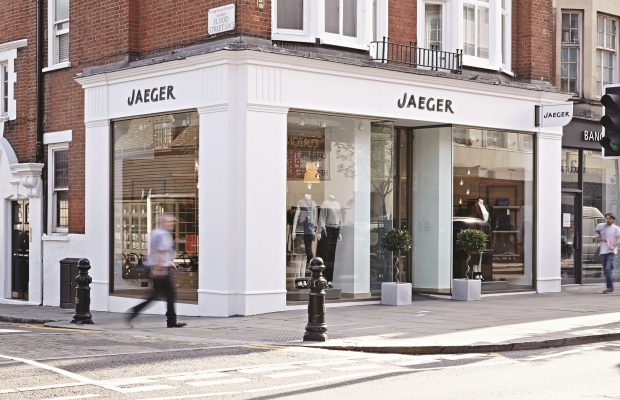
  • Fashion retailer Jaeger reportedly on brink of collapse

    Fashion retailer Jaeger reportedly on brink of collapse

    Century-old UK fashion retailer Jaeger is reportedly on the brink of entering administration.

    The 25-store strong chain was recently sold by private equity company Better Capital to an unidentified buyer, but according to a report in the Sunday Times, the business is believed to be beyond repair.

    Better Capital paid £19.5 million for Jaeger in 2012, but the business has not been profitable since.

    Jaeger received a royal warrant in 1910 and in its heyday, its fashion models included Audrey Hepburn and Marilyn Monroe. But the business entered a decline in the 1980s, overtaken by more popular brands from Europe.

    The Sunday Times reported the mystery buyer was Edinburgh Woollen Mill, which has a track record of buying distressed retail businesses and turning them around.

    “Edinburgh Woollen Mill has a history of buying troubled retailers and turning them around, and it’s one of the more credible bidders for Jaeger,” an unnamed source told the Press Association.

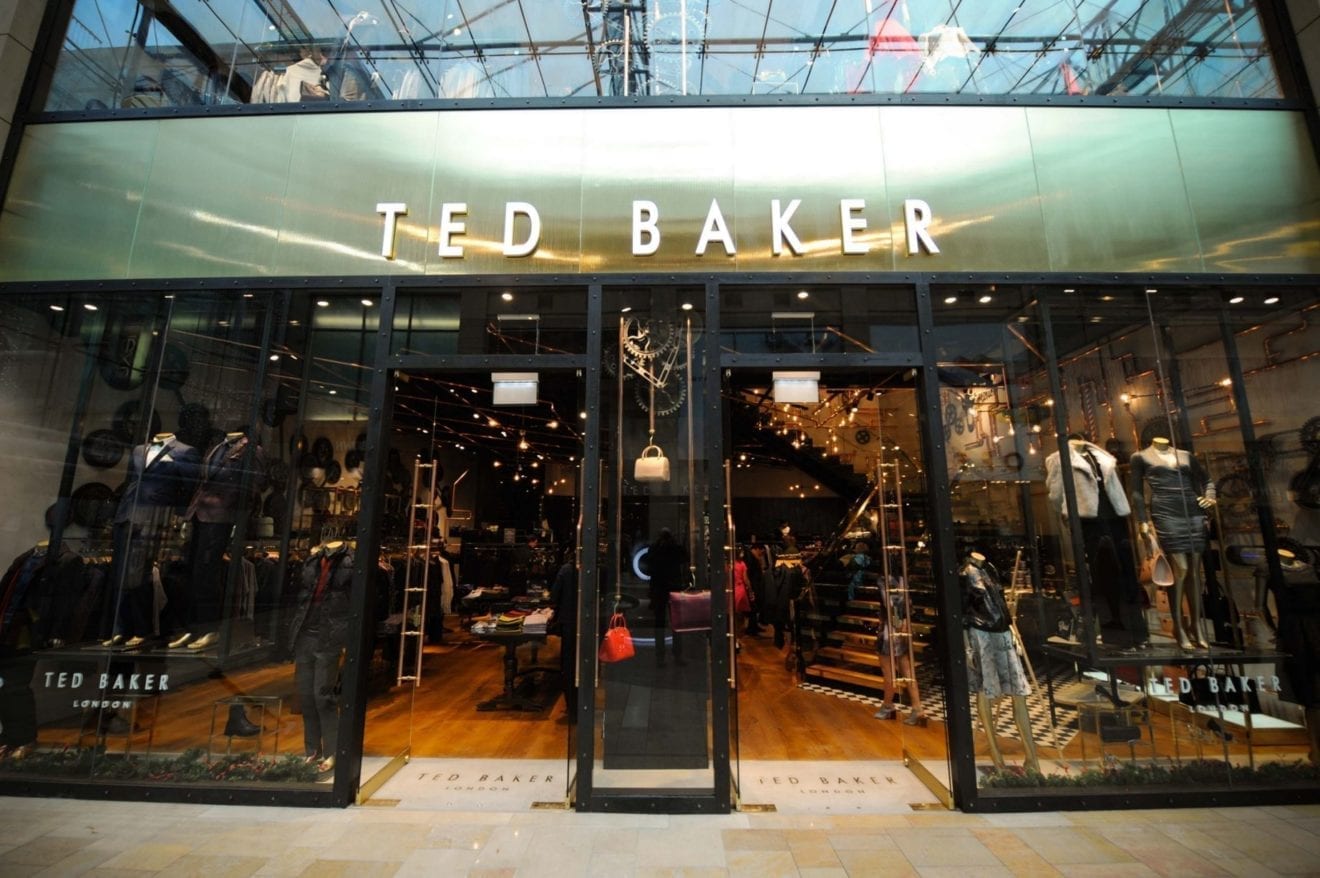
  • Ted Baker stronger on America and China

    Ted Baker stronger on America and China

    New stores in North America and China have paid off for British fashion retailer Ted Baker, which has reported a 4.4 per cent increase in pre-tax profit, despite the challenging global retail environment.

    It achieved a profit of £63 million for the year to January 28, as total revenues rose 16.4 per cent to £531 million.

    Online sales rose 35.1 per cent, while 14 new stores in the US and Canada fuelled a 28.3 per cent increase in sales there.

    Ted Baker also commenced a new focus on Greater China, opening a store in Beijing.

    Fiona Paton, an associate retail analyst with GlobalData, says the falling demand for premium goods presents challenges in Asia.

    “However with British heritage brands remaining popular in the region, Ted Baker should lean upon this trait through its marketing and store environment while working hard to gain more exposure.”

    Even in the tough UK and European markets, Ted Baker thrived last year, sales rising 10.7 per cent.

    Observers can expect to see even better results next year, Paton believes.

    “While it has a measured approach to expansion, new stores and concessions are planned throughout Europe, North America and Asia in 2017-18, bolstering growth amid difficult domestic trading conditions.”

    In range terms, womenswear was a highpoint for Ted Baker achieving 19.7 per cent growth for the year, accounting for 57.3 per cent of sales, while menswear grew 12.2 per cent.

    “Menswear will simultaneously be a challenge and an opportunity for Ted Baker. While men are becoming more interested in fashion and buying more regularly, the sector is also becoming increasingly competitive as players such as Superdry extend their menswear ranges,” says Paton.

    “Unlike rivals such as Whistles, Ted Baker benefits from unisex appeal but will need to monitor the competition to ensure that its designs remain distinctive enough to differentiate itself.”