Tag: Sales

  • Swatch Group confident despite profit dive

    Swatch Group confident despite profit dive

    While Swatch Group profits nearly halved last year in a weak global watch market, the Swiss company is predicting “healthy growth” ahead.

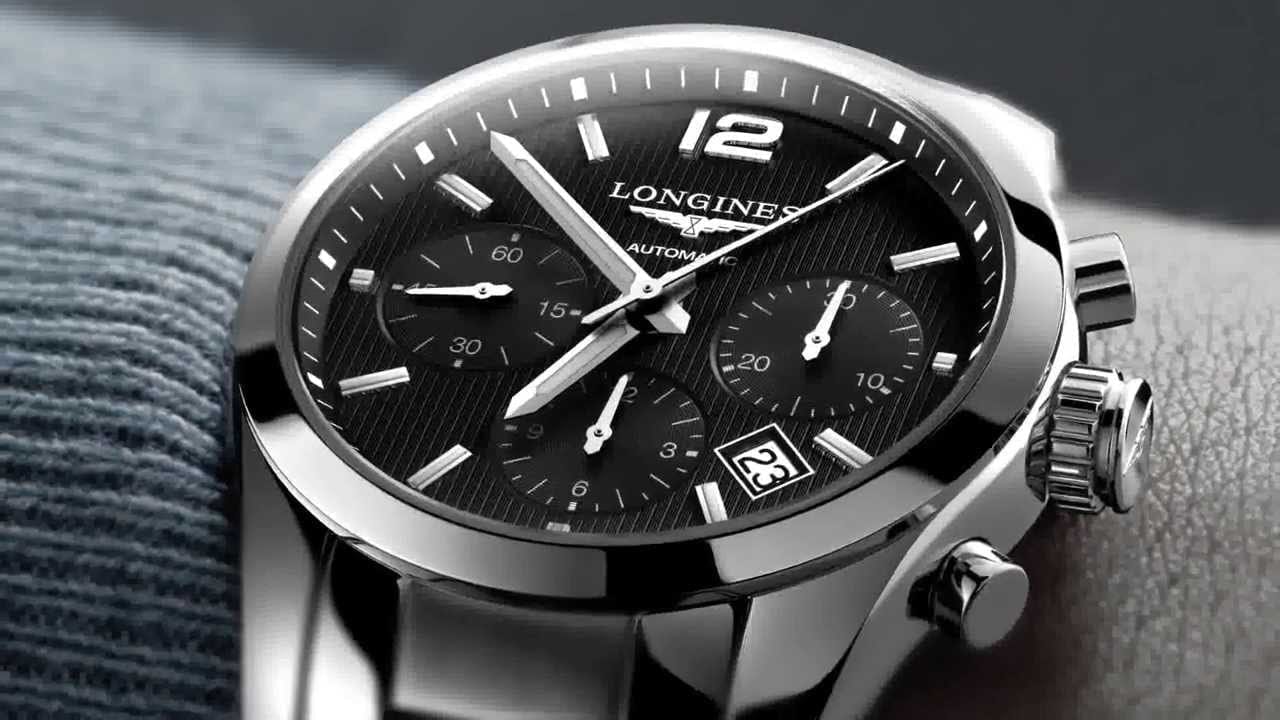
    Swatch Group owns such luxury brands as Breguet, Longines and Omega as well as marketing watches carrying its own name.

    Net profit fell 47 per cent to 593 million Swiss francs (US$598 million) last year while sales came in at 7.5 billion francs.

    Watch and jewellery sales dropped by nearly 11 per cent as 2015’s marked slowdown ran into last year. However, by the end of the year there was fresh movement in sales, especially in China, says Swatch.

    From November to January there was “very good growth” in the segment, particularly in Mainland China, says the group, noting “a substantial improvement in operating margin.”

    “Based on the positive development of the past three months, healthy growth is expected for this year.”

  • First ever sale kicks off on AirAsia India social channels

    First ever sale kicks off on AirAsia India social channels

    Riding on the increasing digital penetration in the Country, AirAsia India is launching its first ever ‘Big ASS’ Sale on its social channels at 2130 hours on Thursday, 2 nd February 2017.

    Here’s the chance for travel enthusiasts to pick up their bags, without thinking twice and head out to their favourite destinations immediately! By immediately, we mean as early as NOW till 30 th April 2017.

    Unable to hold on to your excitement? Don’t lose time! between 3 rd & 5 th Feb 2017 and get going! What’s more thrilling than indulging yourself in an unexpected holiday? It is the amazing fares that come with it! Your Goa dreams are finally coming true – fly to Goa from Bengaluru or Hyderabad at INR 899 (All-inclusive).

    It’s the perfect time to plan those long weekends coming up in Feb, March and April! There’s so much for you to explore in India and beyond – Kuala Lumpur & Bangkok. AirAsia India currently flies to 11 destinations with its two hubs in Bengaluru & New Delhi covering Chandigarh, Jaipur, Guwahati, Imphal, Pune, Goa, Visakhapatnam, Kochi and Hyderabad. The airline will start flying to Srinagar & Bagdogra form 19 February 2017.

    Keep yourself updated with AirAsia’s latest promotions and activities via Twitter

    (twitter.com/AirAsiaIN) and (facebook.com/AirAsiaIndia).

  • South Korea Dec department store sales rebound from Nov, reverse two declining years

    South Korea Dec department store sales rebound from Nov, reverse two declining years

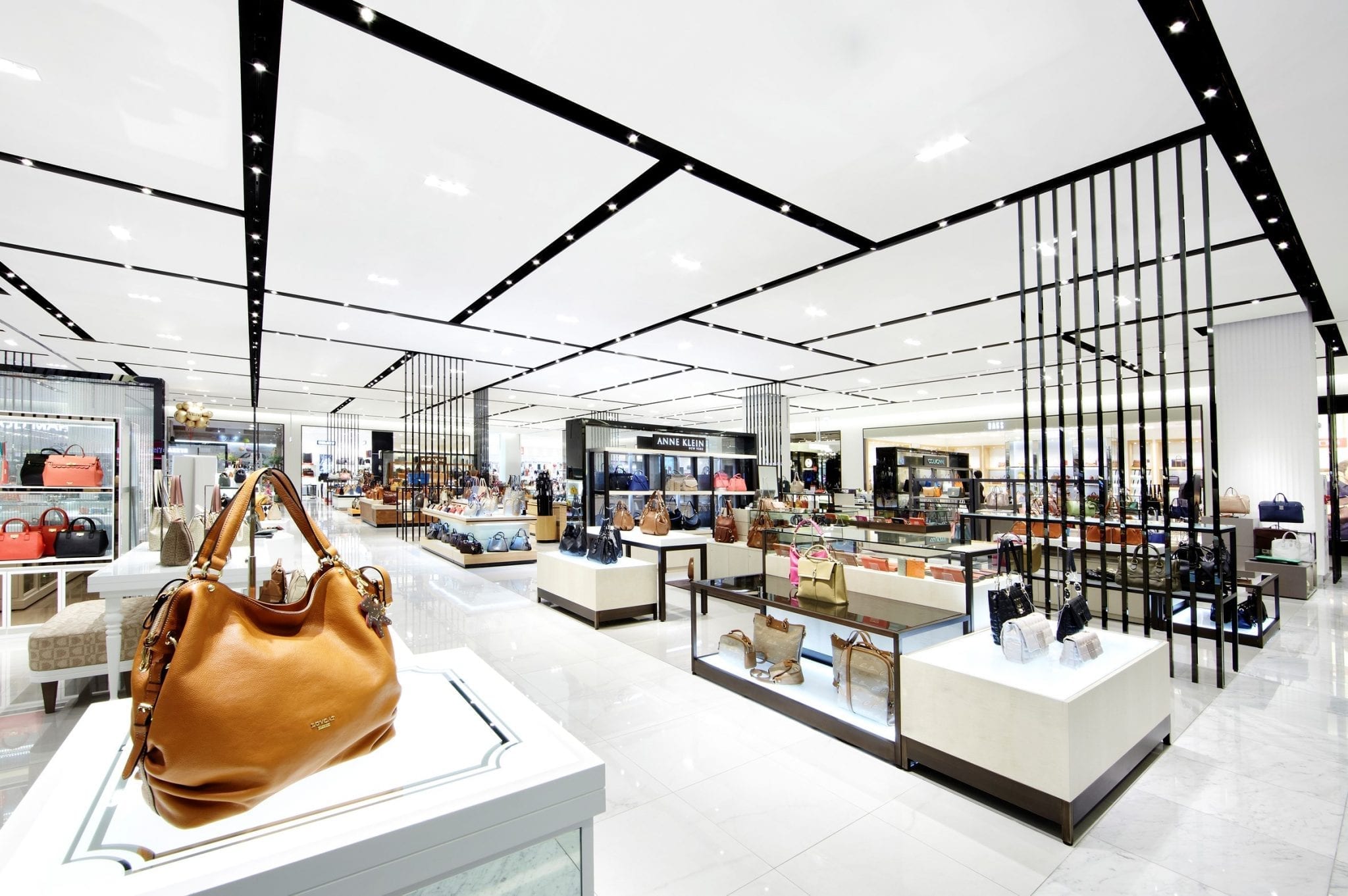
    Sales at South Korea’s department stores in December rebounded from November on year-end gift purchases, trade ministry data showed on Monday, while sales for the whole year ended on a positive note, reversing two years of decline.

    Combined sales last month at department stores run by Hyundai Department Store, Lotte Shopping and Shinsegae Co rose 3.3 percent on-year, the Ministry of Trade, Industry and Energy said, bouncing from a 2.8 percent decline in November.

    Nearly all product categories saw rises in sales, which were led by offshore brand items and food products.

    Retail data has shown consumption has not fallen markedly since an influence-peddling scandal involving President Park Geun-hye engulfed the country late last year, although consumer sentiment is at its worst in nearly eight years.

    The central bank governor, Lee Ju-yeol, said earlier this month private consumption is likely to head down in 2017 due to uncertainties at home and abroad, hampering overall growth.

    Discount store sales, meanwhile, slipped 1.9 percent in December over a year earlier, the same trade ministry data showed, although not as bad as November’s 6.1 percent decline.

    In 2016, department store sales rose 3.3 percent, breaking two years of falls and rebounding from a 1.2 percent fall in 2015. Demand for luxury goods and large household appliances such as televisions and refrigerators bolstered sales, the ministry said.

    Discount store sales fell 1.4 percent in 2016, declining for a fifth straight year, the data said, as more consumers bought food items online from a widening variety of vendors.

    In 2015, discount store sales dropped 2.1 percent.

  • Toyota Philippines To Increase Production Despite Looming Excise Tax

    Toyota Philippines To Increase Production Despite Looming Excise Tax

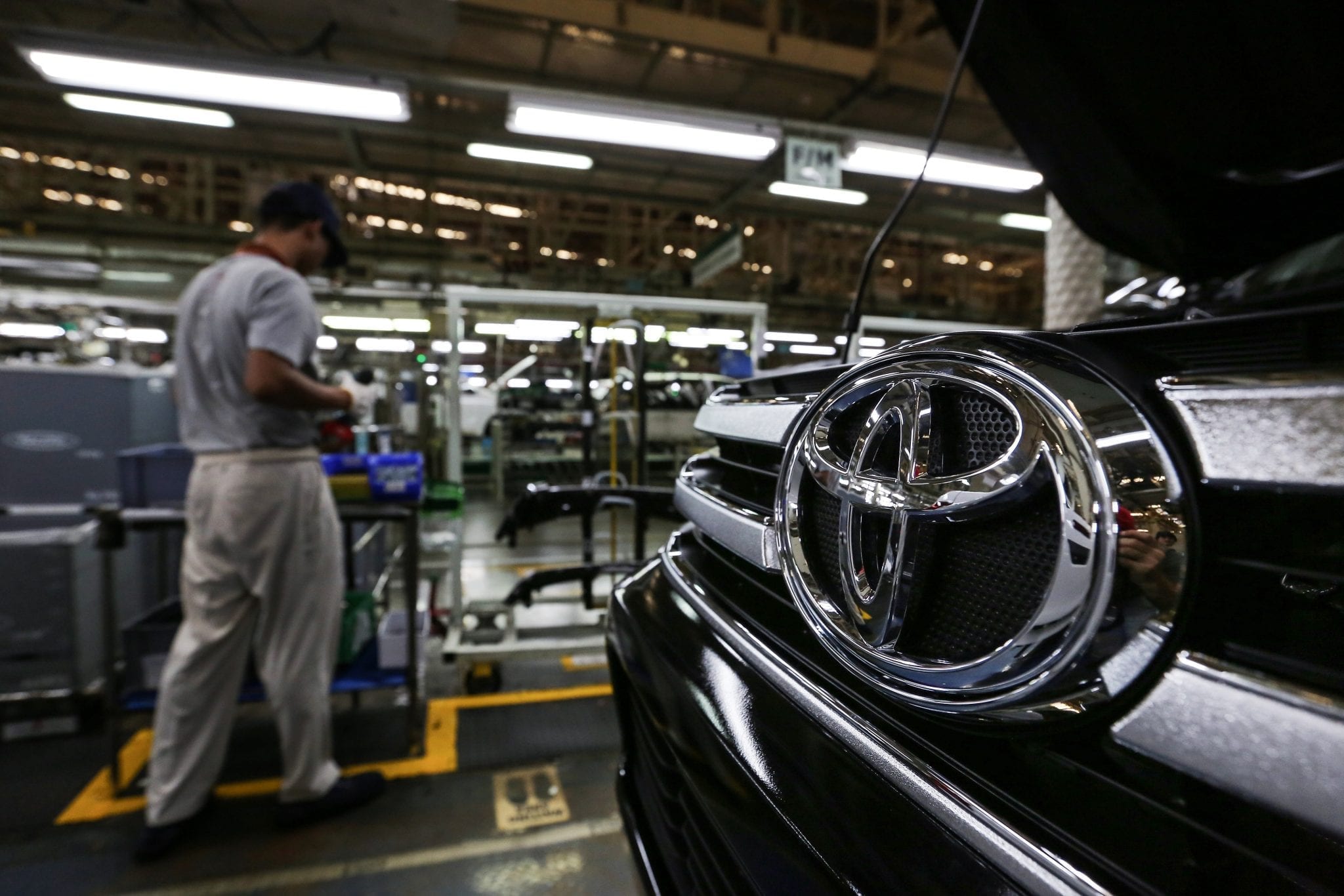
    Toyota Motors Philippines (TMP) has made it clear that it is still looking at increasing its production in 2017. This is despite a looming excise tax that may soon be imposed in the industry and bring vehicle retail prices significantly up.

    Modest production target to begin with

    “We’re projecting a minimum 10 percent growth. So this year we started conservatively. Of course, the looming excise tax is an issue that we have to be aware of,” Business World Online quoted TMP Vice-Chairman Alfred Ty as saying. The company has long been committed to increasing its production as part of its involvement in the Comprehensive Resurgence Strategy (CARS) Program that had been established during the Aquino administration. Aside from TMP, Mitsubishi Motors Philippines Corporation has also agreed to participate in the CARS program.

    The goal had been to produce at least 200,000 vehicles in a span of six years, averaging at 33,333 vehicles each year. In 2016, TMP managed to produce as much as 55,028 units, with its top-selling Vios and Innova vehicles assembled in its facility in Laguna.

    Tax will hurt luxury vehicles the most

    Ty has also said that since the looming excise tax will impact the luxury market more, he believes the impact may be small. “We understand where we’re coming from but we also have to be careful not to kill the market because again the luxury cars from this country do not even comprise 1 percent of the total cars,” he explained. This would readily affect Toyota’s Camry and Fortuner models.

    According to a report from Business Mirror, a vehicle selling from P600,000 to P1.1 million will be subject to an excise tax of P24,000 plus 40 percent of the value in excess of P600,000. Meanwhile, higher priced vehicles will be subject to significantly higher tax. For instance, vehicles with a retail price of P2.1 million may face a tax amounting to P1.22 million. Vehicle buyers would also have to pay 200 percent of the value exceeding P2.1 million in additional tax.


  • China retail sales grow 10.4 pct in 2016

    China retail sales grow 10.4 pct in 2016

    China’s retail sales of consumer goods, a key indicator of consumption, grew 10.4 percent year on year in 2016, the same as the first three quarters, official data showed Friday.

    Retail sales grew 9.6 percent year on year after deducting price factors, according to the National Bureau of Statistics (NBS).

    Total retail sales of consumer goods hit 33.23 trillion yuan (4.84 trillion U.S. dollars) last year.

    The data showed strong consumption potential in rural areas, with retail sales expanding 10.9 percent, outpacing the 10.4 percent rate in urban areas.

    The NBS said that retail sales of communication equipment and housing goods had grown fast. Sales of communication equipment jumped 11.9 percent year on year, furniture went up 12.7 percent, and building and decoration materials climbed 14 percent.

    The catering industry garnered 3.58 trillion yuan in revenue last year, up 10.8 percent year on year.

    Online sales boomed, surging 26.2 percent year on year to reach 5.16 trillion yuan.

    Per capita spending was 17,111 yuan, representing a nominal growth of 8.9 percent year on year, though real growth was 6.8 percent after deducting price factors.

    In December, nominal growth of retail sales was 10.9 percent year on year, slightly higher than the 10.8 percent increase in November.

    Retail sales contributed significantly to China’s economic growth as the country shifts from an export-driven economy to a consumer society.

    Consumption contributed 64.6 percent of China’s economic expansion in 2016, the NBS said.

    Retail sales of consumer goods are expected to jump by 10.2 percent year on year to exceed 37 trillion yuan in 2017, contributing more than 70 percent of the country’s economic growth, according to a report issued by the China General Chamber of Commerce.

    China’s economy grew 6.7 percent year on year in 2016, well within the government’s annual growth target of 6.5 to 7 percent.

  • Luxury cars flooding Vietnamese market

    Luxury cars flooding Vietnamese market

    From now to 2020, Mercedes Benz Vietnam plans to double its sales agent network, an important step for the luxury car manufacturer to cement its position in the Vietnamese market.

    Speaking to local mass media on December 3, Choi Duk Jun, CEO of Mercedes Benz Vietnam, said together with the expansion of product items, the enlargement of sales agents will be a strategic move that helps Mercedes increase its market share in Vietnam.

    Mercedes Benz has the highest number of sales agents in Vietnam with 12 centers throughout the country.

    Sources said Rolls-Royce, a brand of German BMW, which also owns two other strong brands – BMW and Mini — is also preparing to enter the Vietnamese market.

    Toyota Vietnam has opened an authorized agent in the central region, raising the number of total sale agents in Vietnam to 44.

    Ford Vietnam has opened an authorized agent in Binh Duong province, while it has upgraded Pho Quang branch of Sai Gon Ford into a 3S branch. It is preparing to open another showroom, belonging to Sai Gon Ford, in the central business district 1 in HCMC.

    The new centers are reported as having investment capital of VND120 billion. The number of Ford’s sales agents and service centers in Vietnam has increased to 27.

    The Vietnamese market had its highest sale growth rate of 60,000 cars in 2016 compared to 2015.

    The sale of luxury cars and sports cars also increased sharply. Mercedes led the market segment with 4,401 cars sold in 2016, an increase of 22 percent over the year before.

    Meanwhile, Lexus sold 1,665 cars, up by 73 percent. Audi, Porsche and BMW  have not revealed the sales, but reported growth.

    A source said Porsche had fulfilled its yearly sales plan in Vietnam by mid-2016.

    The sales surprised many analysts, because prices had increased sharply.

    Lexus LX570, for example, saw the price increasing from VND5.7 billion to VND8 billion, while Maybach S600 was from VND10 billion to VND14 billion. Rolls Royce Phantom price soared from VND54 billion to VND84 billion.

    Oxfarm, a non-government organization, on January 12 released a report on inequality in Vietnam, pointing out that the income gap between the richest and poorest Vietnamese people is very large. The richest Vietnamese has the daily income higher than the 10 year-income of the poorest.

    In related news, Marquardt from Germany had a working session with Da Nang authorities on its plan to set up an automobile part factory in the city.

  • Restructuring bites into McDonald’s global sales

    Restructuring bites into McDonald’s global sales

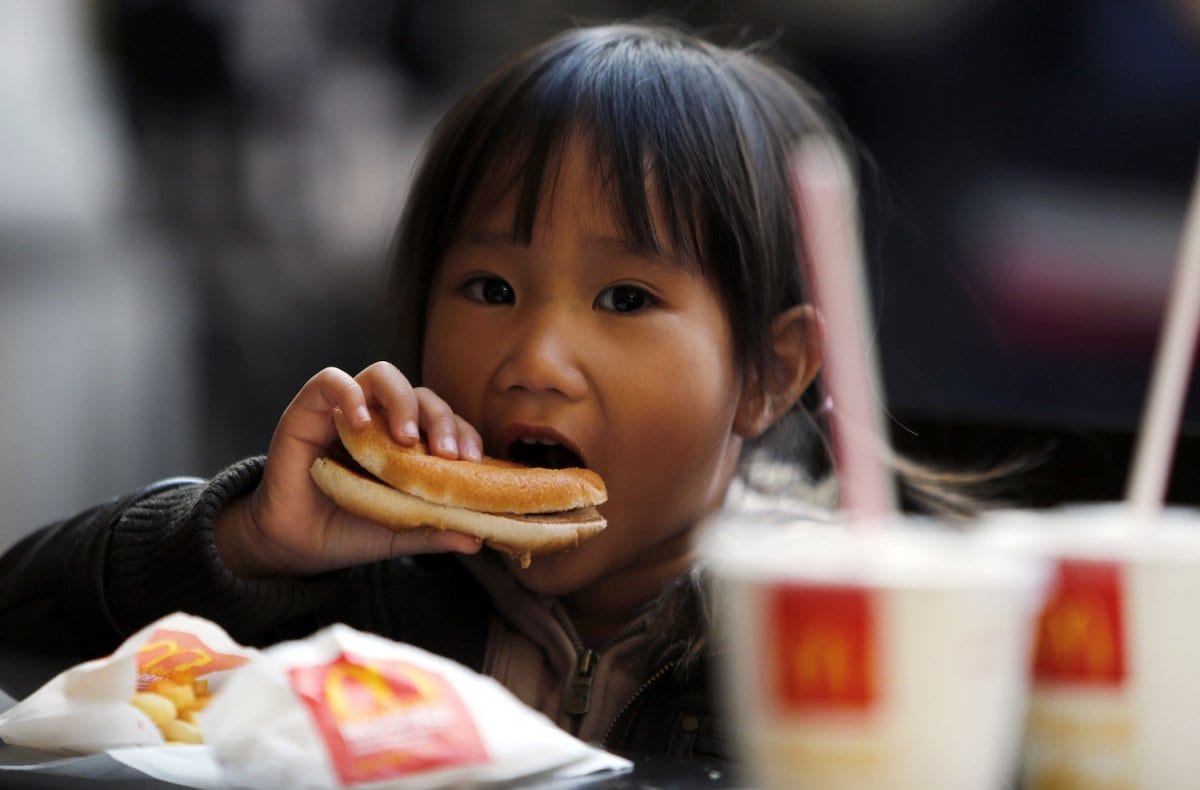
    Restructuring has taken its toll on McDonald’s global sales as the company refranchises store networks in Asia.

    The US fast food giant reported what one analyst described as a “sombre result” overnight, its fourth quarter sales falling by 1.3 per cent in the US market. However, two-thirds of its sales are achieved outside the US, where the company’s turnaround plan is further advanced.

    Global same-store sales rose 2.7 per cent, but overall sales fell by 5 per cent as the company worked towards spinning off its rights in Korea, China, Malaysia and Singapore.

    In the UK and Germany, McDonald’s is benefitting from technology upgrades such as self-service kiosks, which are also being installed in Hong Kong. Sales in what McDonald’s describes as its “international lead markets” rose 2.8 percent in the fourth quarter.

    Neil Saunders, CEO of Conlumino, said McDonald’s ends its fiscal year on a somber note with figures that put pay to the early optimism which surrounded its turnaround program.

    “McDonald’s is now lapping some tougher comparatives, especially in the US where, this time last year, it was reaping the rewards of menu reconfiguration and the introduction of the All Day Breakfast. These changes were supposed to drive a steady and sustainable uplift in spending rather than a one-off spike in sales, but it is increasingly clear that this strategy is not delivering through.”

    Saunders says widening the audience in a sustainable way is the key issue for McDonald’s as it enters the new fiscal year.

    “This has to be more than about menu change – including the recent introduction of multiple sizes of Big Macs which, in our opinion, does nothing to create step change or to increase real choice. Indeed, it is clear that the menu changes made so far have not completely reinvigorated the brand with younger and more discerning consumer segments, many of whom still shun the chain in favor of what they see as more premium offerings from other players.”

    Saunders believes the majority of the growth is at the quality end of the market, a segment where McDonald’s – which is seen as fast, convenient and low priced – still does not squarely play in the US – although it has made strides in some Asian markets, especially Thailand, with its customisable burgers.

    “In our view, McDonald’s needs to think more fundamentally and more holistically about how to play in this space. This includes looking at the state of its US restaurants – some of which leave a lot to be desired. It also means being more radical, perhaps opening a new type or brand of restaurant with a more premium proposition. What’s clear is that more fundamental change is needed to transform the US business.”

  • Cebu Pacific-Visa tie up for exclusive international seat sale

    Cebu Pacific-Visa tie up for exclusive international seat sale

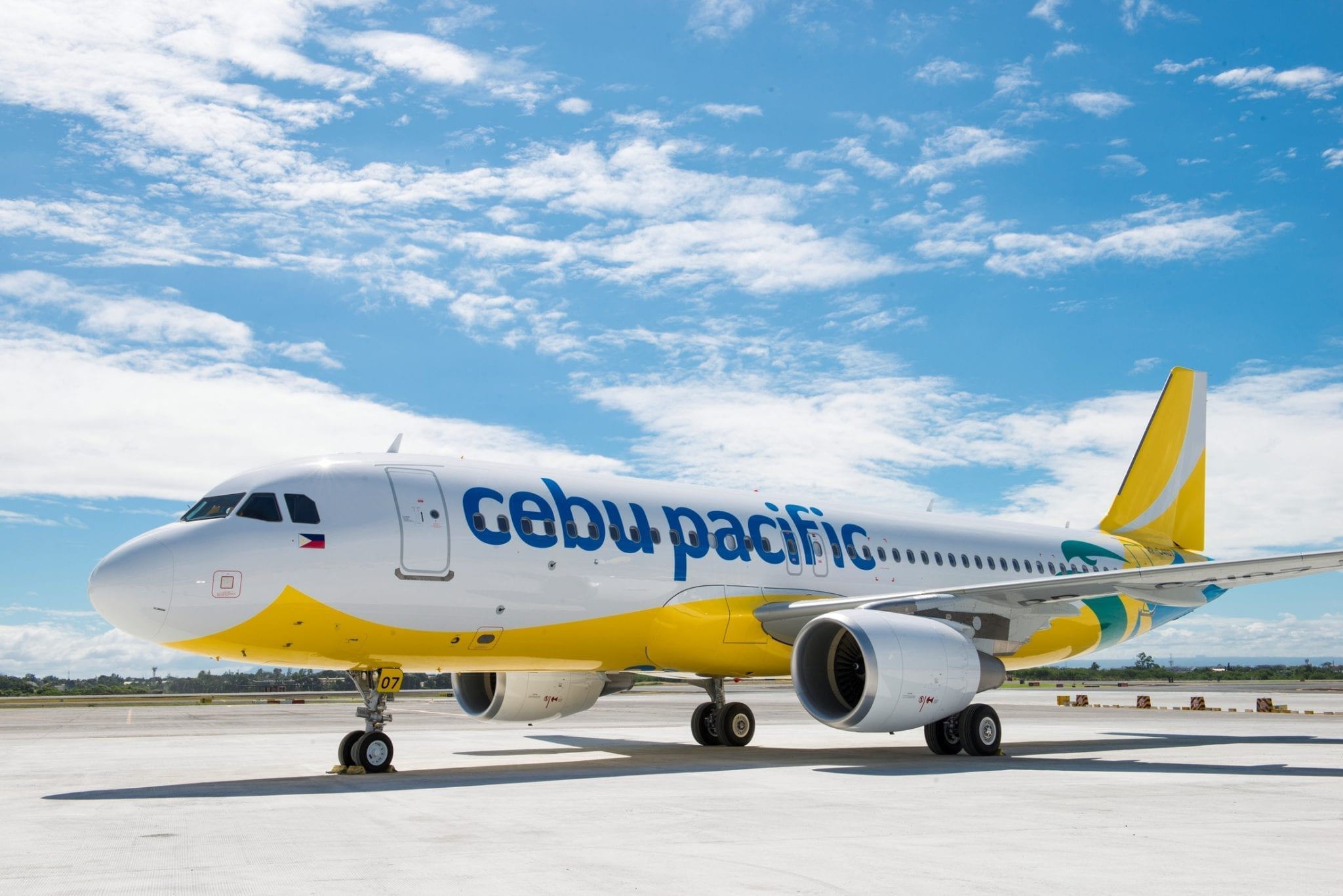
    Cebu Pacific (CEB) allies with Visa to offer all-inclusive seat sale fares to some of the most popular international destinations within its extensive flight network.

    The seat sale exclusive for Visa cardholders, started last January 16, 2017 and will be available until January 22 (or until seats last). Flights will be for travel from May 1 to September 30, 2017.

    Cardholders who wish to make the most out of this year can still catch the last few days of the sale and book flights from Manila to Hong Kong for as low as P1, 599. Seats from Cebu, Clark, Davao and Iloilo to Hong Kong and Singapore are also available at the same low fare.

    Those who want to visit Busan and Incheon from Manila can avail of flights for as low as P2, 099. Flights to Incheon from Cebu and Kalibo and flights to Singapore, Guangzhou and Xiamen from Manila are also up for grabs at the same all-in fare. Passengers can also fly from Manila to Beijing and Shanghai (P2, 599), Guam (P3, 099) or Sydney (P4, 199).

    All fares quoted are for one-way flights, and are inclusive of country-specific taxes, web admin fee and terminal fee. Baggage allowance, meals, travel insurance and other ancillaries may be added to the fare per the passenger’s preference.

    To avail of this exclusive seat sale, Visa cardholders only need to input the promotional code “VISA” through www.cebupacificair.com. Terms & conditions apply.

    CEB currently offers flights to a total of 37 domestic and 29 international destinations, operating an extensive network across Asia, Australia, the Middle East, and USA. Its 57-strong fleet is comprised of four Airbus A319, 36 Airbus A320, seven Airbus A330, eight ATR 72-500, and two ATR 72-600 aircraft. Between 2017 and 2021, CEB expects delivery of one more brand-new Airbus A330, 32 Airbus A321neo, and 14 ATR 72-600 aircraft.

  • New law to stop minors in Hong Kong buying alcohol from shops

    New law to stop minors in Hong Kong buying alcohol from shops

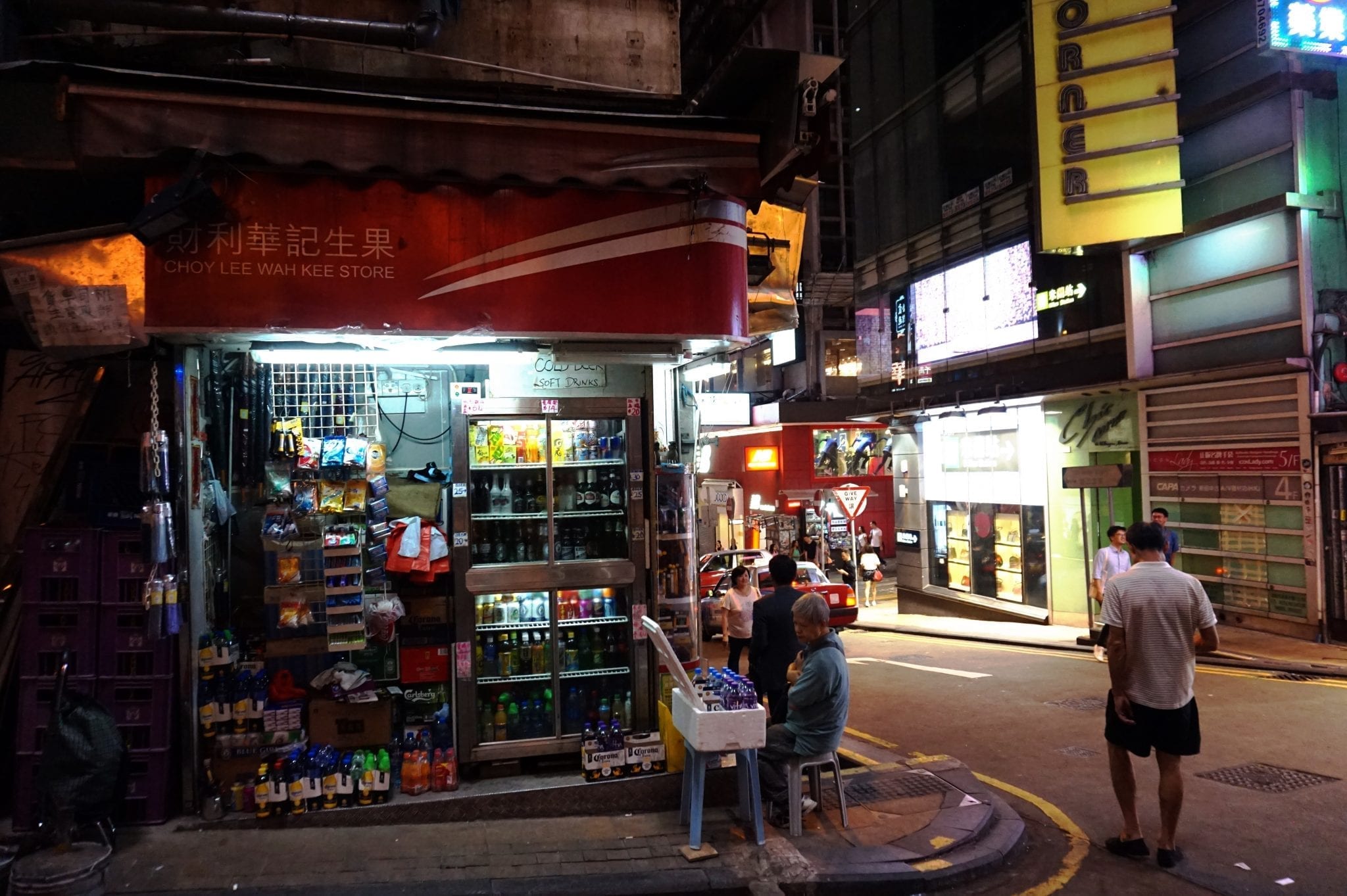
    Convenience stores and shops across Hong Kong will be banned from selling alcohol to minors under new legislation to be proposed by the government this year as it steps up efforts to tackle a rise in underage drinking.

    The law, if passed by the Legislative Council, will prohibit retailers from selling liquor to anyone under the age of 18 – the same as the current restriction on the sale of tobacco.

    Although the city’s bars and clubs are already banned from serving or selling alcoholic drinks to minors, retailers do not have to follow the rule. Leading retail chains such as 7-Eleven have agreed ­voluntarily to refuse to sell liquor to anyone below 18, but staff seldom bother to check the age of customers. This is a problem that has been confirmed by various studies and demonstrated in a test conducted.

    The new move by the Food and Health Bureau comes amid criticism that Hong Kong is slipping behind other developed cities in its handling of underage drinking, and that it remains easy for teenagers to enjoy a tipsy night.

    “The proposed statutory regulatory regime will cover all forms of commercial sale and supply of alcohol, including internet sale … and from the vending machine,” a spokeswoman for the bureau said, confirming the plan to table the legislation this year.

    Sellers will also have to display signs stating that no alcohol may be sold or supplied to anyone aged below 18.

    A government poll in 2014 found that 56.2 per cent of the city’s students had tried alcohol, with 21.9 per cent of those aged 10 or below saying they had done so.

    Last year the Centre for Health Protection found that 43.1 per cent of 1,630 people polled had taken their first sip of alcohol before the age of 18. It also showed a worrying rise in binge drinking among students.

    The Medical ­Association, the city’s largest doctors’ group, said 77 per cent of the 1,003 people it polled supported banning the sale of alcohol to those below 18.

    Allan Zeman, ­chairman of the Lan Kwai Fong Group, supported the move, saying anti-social behaviour among the young at nightspots might damage Hong Kong’s image abroad.

    “Some of the retail chains are very powerful here. I think we should look at what other cities in the world have done and get tough about this,” Zeman said.

    A 7-Eleven spokesman said the chain supported legislation banning the sale of alcohol to those aged below 18.

    The Hong Kong General Chamber of Wine & Spirits has previously said it supports an age limit on the sale of alcohol, but it should be set at 16.

  • Trading brightens for Luk Fook Holdings

    Trading brightens for Luk Fook Holdings

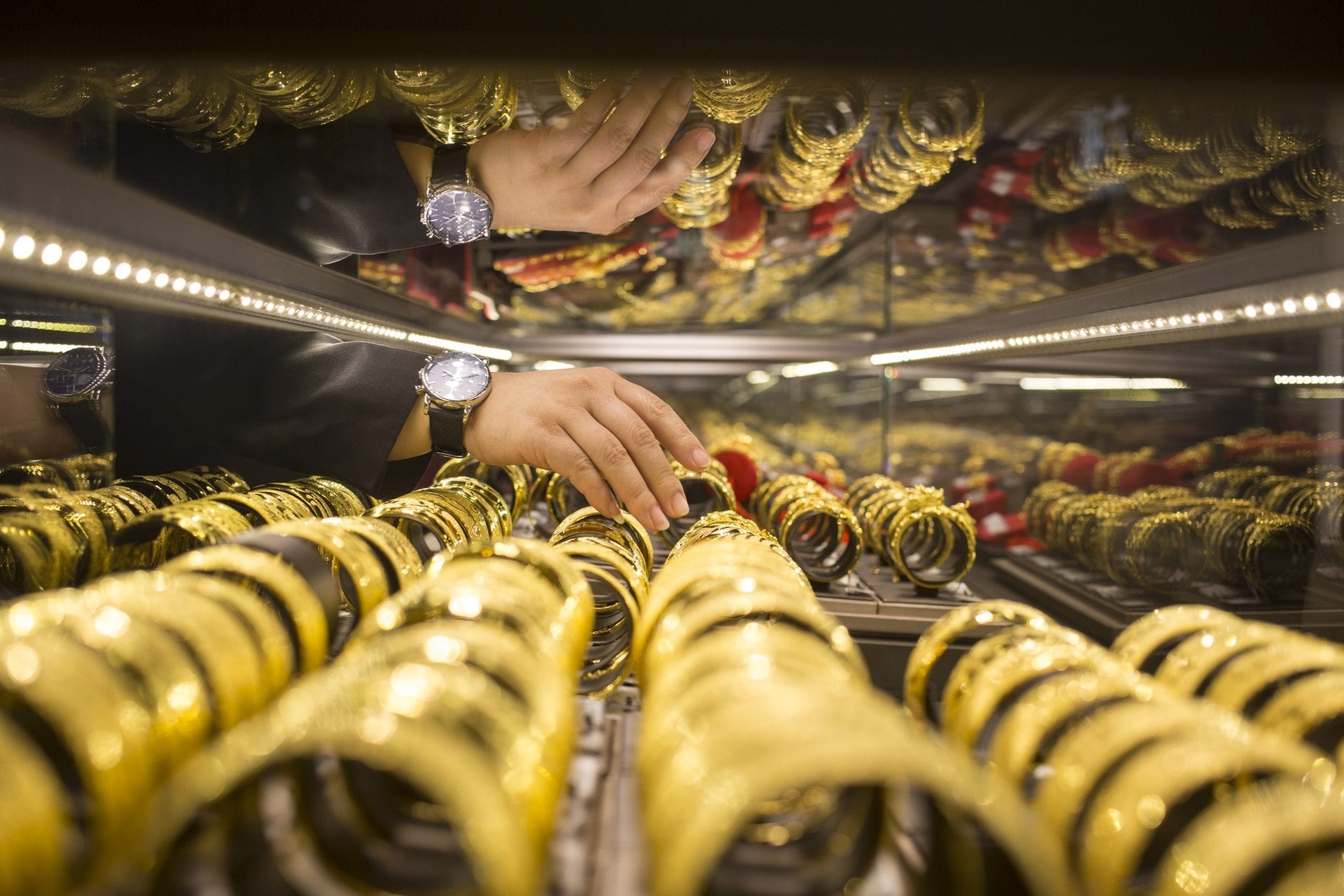
    Jeweller Luk Fook Holdings (International) reports a turnround to positive growth in its same-store sales for its third quarter, ended December 31.

    With a relatively low base, the same-store sales growth for the period recorded a “substantially narrowing decline” of 10 per cent from 37 per cent in the second quarter.

    Since September, same-store sales of gemset jewellery products in Mainland China have achieved double-digit growth for four consecutive months.

    Luk Fook’s same-store sales for the quarter turned into a positive growth of 20 per cent from a decline in the previous two quarters. Together with the 2 per cent growth of same-store sales in gold products, mainland sales for the quarter started to see positive growth (5 per cent) for the first time in the current fiscal year.

    The group ended the quarter with 11 new shops – nine in Mainland China and two in Kuala Lumpur. However, it closed an outlet in Macau.

    There was also an increase in its licensed shops in China, with 28 at the end of December. There were 195 own-brand shops – 129 in China, 47 in Hong Kong, 10 in Macau and nine in other countries.

    Together with 1297 licensed shops in China and one in Korea, there were 1493 Lukfook outlets worldwide, of which 1426 shops were in China.

  • Burberry China sales recover

    Burberry China sales recover

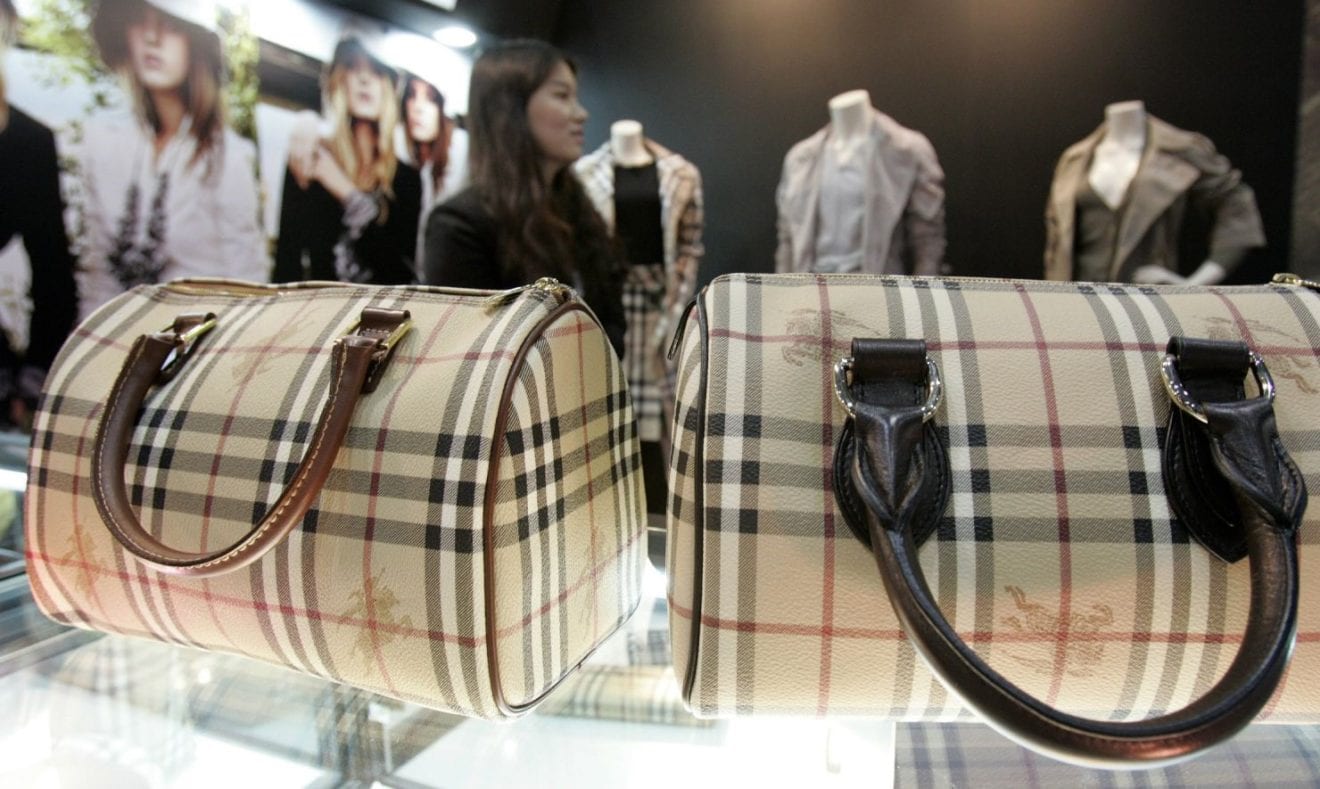
    Burberry says sales in its core China market have improved in the latest quarter, ending a long run of declines.

    And while Hong Kong stores posted yet another like-for-like drop due to weaker footfall, the decline is now in the low single digits.

    Globally, Burberry achieved a 4 per cent increase in wholesale and retail sales for the three months to December 31, totalling US$1.19 billion. This was largely underpinned by an “exceptional” 40 per cent increase in same-store sales in its UK home market.  UK media report the boom was down to Chinese tourists taking advantage of the cheaper pound in high street flagship stores in London, where staff estimate some 70 per cent of customers are from China.

    Globally, retail revenue rose 22 per cent to £735 million.

    The luxury fashion brand singled out Burberry China and Hong Kong sales, reporting Asia-Pacific had returned to growth during the quarter, hitting low single-digit percentages, driven by acceleration in Mainland China and improvement in Hong Kong.

    American trade experienced a low single-digit percentage sales decline, similar to sales trends in the first half, although the company reported an increase in American customer spending globally.

    “With a record number of views of our festive film and strong demand for new products in our collections, this third quarter improvement reflects early progress from our plans to drive Burberry’s performance for the long term,” said Burberry CEO Christopher Bailey.

    Verdict Retail analyst Charlotte Pearce said that although the company’s results have been chequered in recent times, its strong performance is a sign the changes the company is making are working.

    “Burberry’s double digit growth in EMEIA is most notable in Q3, with the retailer reporting continued strong trading in the UK, thanks to the weak pound which has encouraged tourism spending.

    Meanwhile, the innovation and newness of its products aided strong performances in bags, accessories and apparel, with items such as rucksacks and buckle totes standing out,” she said.

    “The brand continues to focus on its presence in the digital space through growing its online business, where mobile has been the driver due to improved payment methods, as well as developing an app, which is currently in its testing phase, in order to build Burberry’s connection with customers.”

    Pearce said the Asian results bode well for Burberry’s recovery.

    “Historically, sales in Asia Pacific have been a source of strength for the renowned British brand, accounting for 38 per cent of retail and wholesale revenue in 2015/16, so the brand should look to identify new markets within the region which indicate fast growing affluence and urbanisation.”

  • China’s BYD plans to sell passenger cars in U.S. in 2-3 years

    China’s BYD plans to sell passenger cars in U.S. in 2-3 years

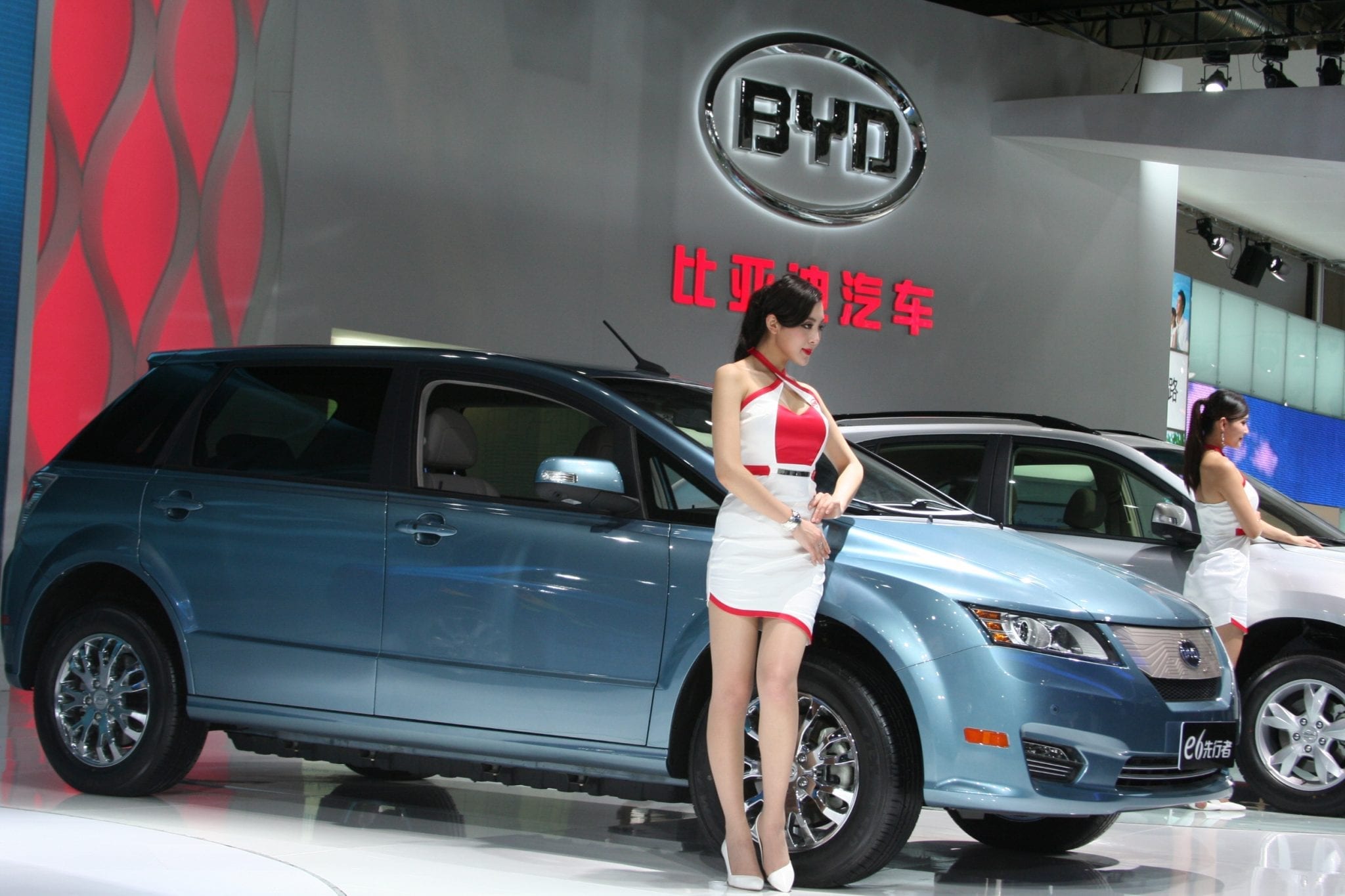
    BYD plans to sell electric passenger cars in the United States in about two to three years, an executive said on Thursday, as it races to be the first Chinese automaker to sell cars to American drivers.

    BYD, backed by Warren Buffett’s Berkshire Hathaway, specializes in electric and plug-in petrol-electric hybrid vehicles. At present, its U.S. presence is limited to producing buses and selling fleet vehicles such as taxis.

    Li Yunfei, BYD’s deputy general manager for branding and public relations, said its passenger car plan was not fixed as entering the U.S. was a complicated process.

    “It could be adjusted,” Li said at an event in Beijing. “Now we can only say roughly 2 to 3 years.”

    China’s government has used a raft of policies, including billions of dollars in subsidies, to spur a boom in electric and plug-in hybrid sales since 2015. The U.S., meanwhile, has lagged.

    BYD has had false starts in the U.S., with Chairman Wang Chuanfu previously saying the automaker would begin selling in the U.S. in 2010. Other Chinese peers have also encountered delays in entering the market.

    GAC Motor, a subsidiary of Guangzhou Automobile Group, displayed three models at the Detroit Auto Show earlier this month, stating it would enter the U.S. by 2019 instead of a previous goal of 2017.

    A GAC Motor spokeswoman declined to elaborate on the delay.

  • Ford posted record sales in Philippines in 2016

    Ford posted record sales in Philippines in 2016

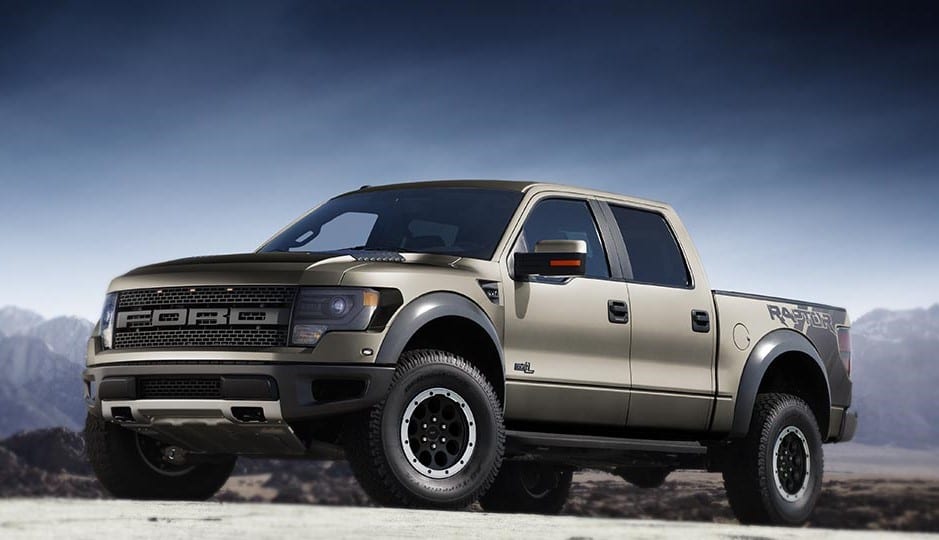
    Ford Philippines said it posted new record sales in 2016, the fourth in a row, with sales rising 33 percent to 33,688 vehicles, driven by continued strong demand for EcoSport, Everest and Ranger.

    The company said it also had the best-ever December performance in the Philippines with sales increasing 13 percent year-on-year to 3,198 vehicles.

    “Our big three nameplates – Ranger, Everest and EcoSport – continued to lead the charge throughout the year and further solidify the Ford brand as a top choice among Filipinos,” said Ford Philippines managing director Lance Mosley.

    The Everest became Ford’s best-seller in the Philippines in 2016 with full-year sales rising 152 percent year-on-year to a record 12,453 vehicles, finishing the year with a 6-percent rise in December sales to 1,066 vehicles.

    The EcoSport compact SUV also turned in its best-ever full-year performance with retail sales rising 15 percent to 10,010 vehicles, capping the year with December sales rising 40 percent to an all-time monthly record of 1,123 vehicles.  The Ranger, on the other hand, finished 2016 as the second best-selling pickup truck in the Philippines with total retail sales of 8,158 vehicles.

  • China, Europe drive shift to electric cars

    China, Europe drive shift to electric cars

    Electric cars will pick up critical momentum in 2017, many in the auto industry believe – just not in North America.

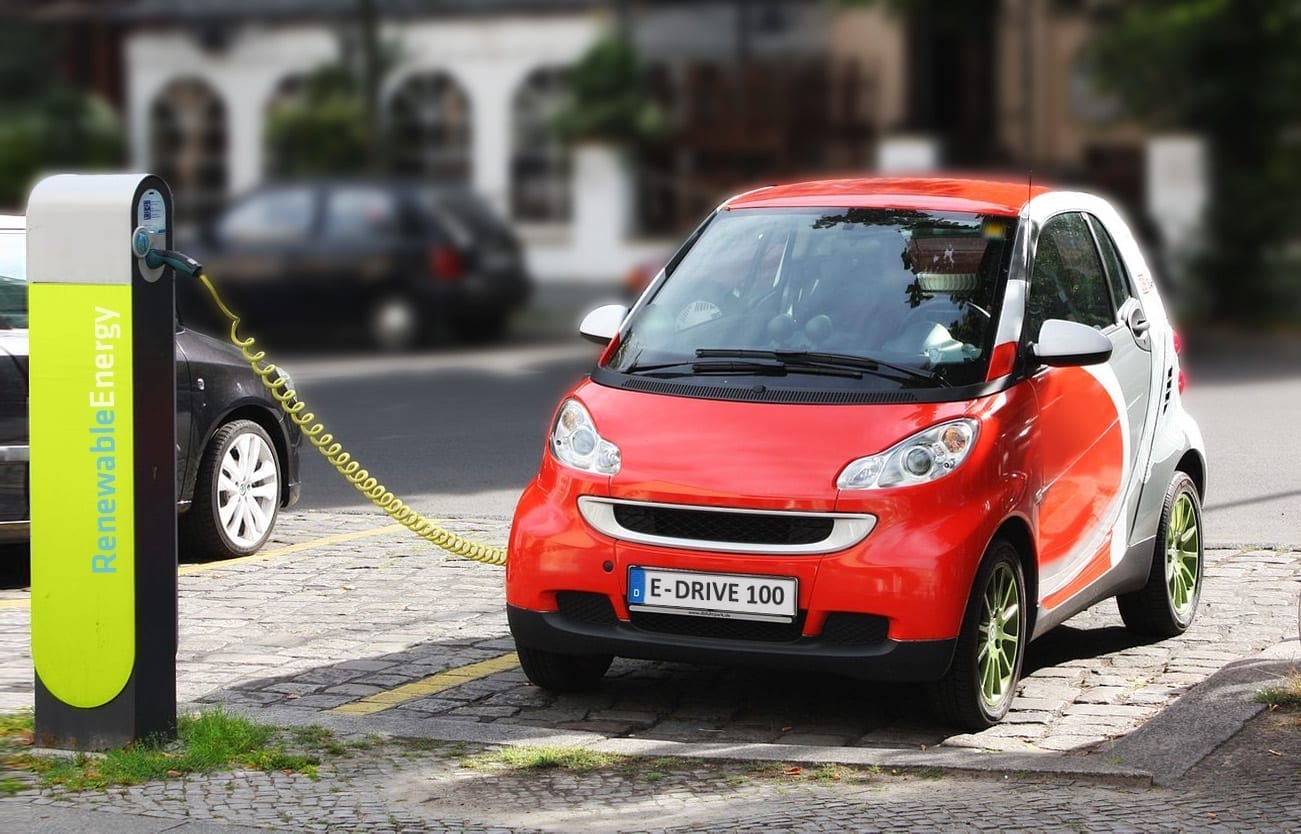
    Tighter emissions rules in China and Europe leave global carmakers and some consumers with little choice but to embrace plug-in vehicles, fuelling an investment surge, said industry executives gathered in Detroit this past week for the city’s annual auto show.

    “Car electrification is an irreversible trend,” said Jacques Aschenbroich, chief executive of auto supplier Valeo, which has expanded sales by 50 percent in five years with a focus on electric, hybrid, connected and self-driving cars.

    In Europe, green cars benefit increasingly from subsidies, tax breaks and other perks, while combustion engines face mounting penalties including driving and parking restrictions.

    China, struggling with catastrophic pollution levels in major cities, is aggressively pushing plug-in vehicles. Its carrot-and-stick approach combines tens of billions in investment and research funding with subsidies, and regulations designed to discourage driving fossil-fueled cars in big cities.

    The road ahead for electric vehicles (EVs) in the United States, however, could have more hairpin curves.

    Regulators in California and a group of other U.S. states are pushing ahead with state-level rules mandating rising quotas for electric, or “zero emission” vehicles.

    But plug-in registrations in the United States fell in 2015, and the market share of electric-only vehicles declined further to 0.37 percent in 2016, as cheap fuel drove demand for gas-guzzling sport utility vehicles and pickup trucks.

    President-elect Donald Trump has pledged to roll back environmental and climate rules. Groups representing established automakers asked Trump to review Obama administration fuel economy targets out to 2025, even before the outgoing administration formally signed them into effect on Friday.

    Automakers have also asked Trump to work toward a single, national set of rules to govern automotive greenhouse gas emissions, a move that could spark legal challenges to electric car quotas in California and other states on grounds they present a separate standard.

    “THE WORLD IS GOING ELECTRIC”

    Still, industry executives in Detroit said hitting the brakes on electric vehicles in the United States would not relieve the pressure to bring them to market, because China and Europe are forging ahead with policies to expand sales of plug-in cars.

    That is why Ford (F.N) is moving forward with previously announced plans to invest $4.5 billion for plug-in vehicles by 2020, Chief Executive Mark Fields said earlier this month.

    “The industry is changing, the infrastructure’s starting to build, and that’s why our view is (that) within the next 15 years we’ll see more electrified offerings … than we’ll see gasoline-powered,” Fields said as he unveiled a $700 million plan to build a battery SUV and other plug-in vehicles in Flat Rock, Michigan.

    To drive the shift to electric, industry executives said they needed more help from governments. In China, Europe and the United States, automakers are advocating new infrastructure money go to public electric car charging networks.

    In the United States, EV manufacturers are pushing for the continuation of a $7,500 federal tax subsidy for consumers who buy a fully electric car. Even if Trump were to try to eliminate it, it would take time as Congress would have to act.

    “There is not a disagreement that the world is going electric,” California Air Resources Board Chair Mary Nichols said on the sidelines of the auto show, noting that all vehicle makers were now investing in electric models across their entire product lines. The debate, she said, was “over timing, not the goal.”

    The Chinese electric car market cast its shadow over the Detroit auto show, where manufacturers showed off plug-in hybrid and electric models that will likely do scant business in the United States.

    IHS Automotive predicts Chinese plug-in deliveries will hit 1 million in 2019, four years before the United States. China pulled ahead in 2015 with a fourfold sales surge before adding 55 percent last year to 348,000 vehicles, with the United States at 138,000.

    “Look to China rather than the U.S. for the future of electric cars,” Gerard Detourbet, a Renault-Nissan executive leading low-cost plug-in development, said recently. “China is compelled to act – that’s the main difference.”

  • House of Fraser sales plummet under Chinese owner

    House of Fraser sales plummet under Chinese owner

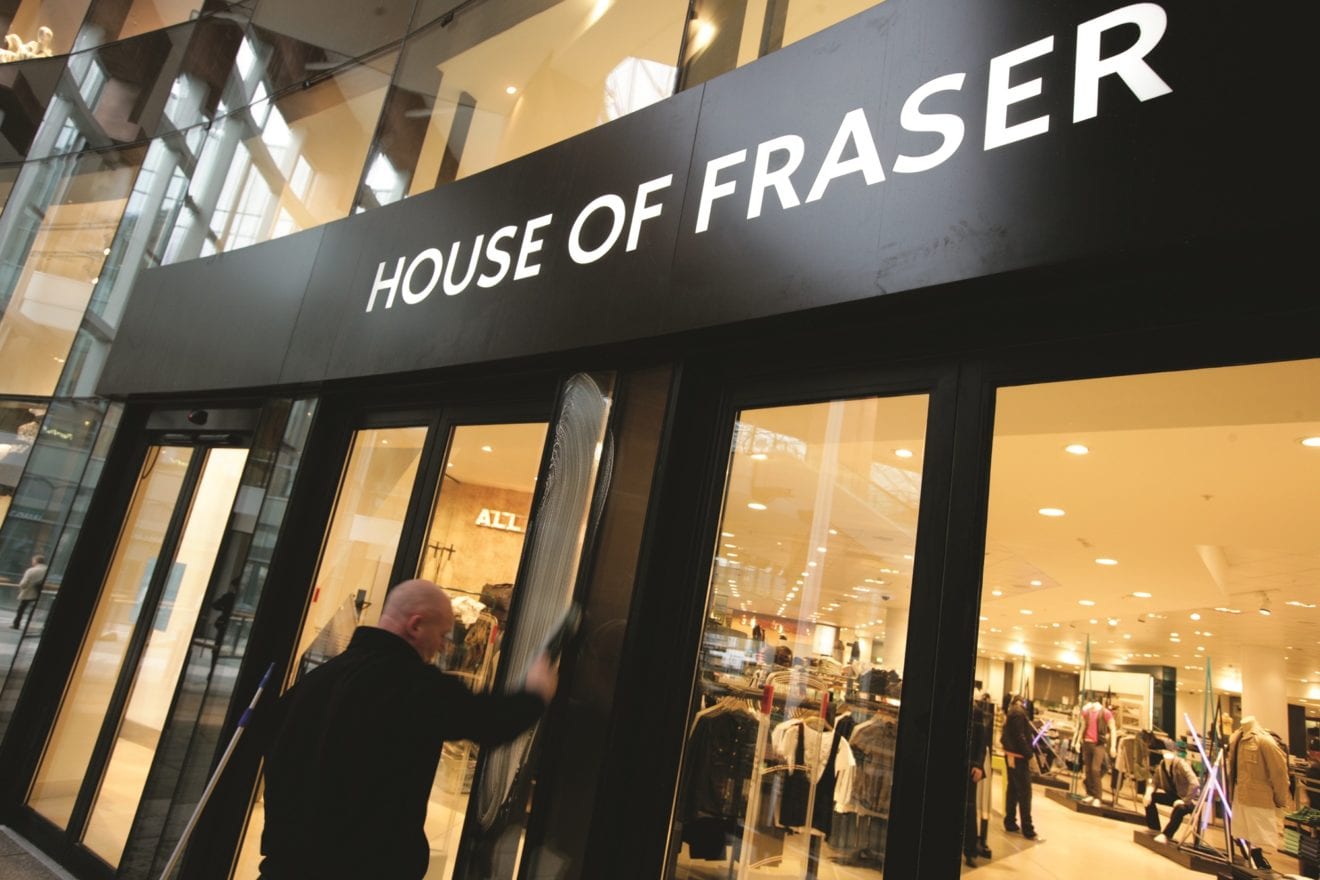
    The global ambitions of House of Fraser’s new Chinese owners have fallen flat, management is disgruntled and profits have dived nearly 50 per cent in the first half year.

    That’s the analysis of Verdict Retail senior analyst Emily Stella, who says the department store’s fate is “being closely watched”.

    Unseasonable weather and consumer uncertainty were factors in the decline, she adds.

    But the news is not all bad.

    “House of Fraser has reported a positive set of results for the Christmas period: the beauty category performed particularly well, with an increase in gifting and the onset of party season. [In the UK] House of Fraser’s Black Friday results were also commendable, with sales rising 2.7 per cent on last year – driven primarily by strong online demand, which represented 41 per cent of total sales across the week-long event.”

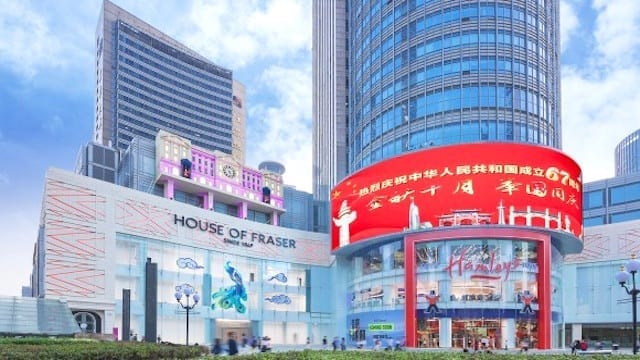
    After repeated postponements, House of Fraser opened its first standalone store in China in Sanpower Plaza in Nanjing in December.  The company is owned by Chinese conglomerate Sanpower Group, whose affiliate C.banner International owns British toy giant Hamleys, which has opened a store in the same centre.

    House of Fraser chairman Frank Slevin said at the opening that the chain will look to benefit from the strong demand by Chinese consumers for UK brands.

    Meanwhile, Stella says the retailer has rightly invested in refurbishing its existing UK stores.

    “These stores have been the retailer’s top performers over the Christmas weeks and supported like-for-like sales growth. Continued investment in its online platform and store estate, as well as offering consumers a broad range of brands will be critical as the retailer faces tougher market conditions in 2017.”

    The true performance of House of Fraser over Christmas will be able to be assessed when rivals M&S, Debenhams and John Lewis reveal their results tonight, providing a benchmark for all.