Tag: Sales

  • Signs abound that the worst may be over for Hong Kong retailers

    Signs abound that the worst may be over for Hong Kong retailers

    Hong Kong’s retailers and mall operators are crossing their fingers in the hope that the signs of recovery in tourist arrivals and the return of spending aren’t flashes in the pan.

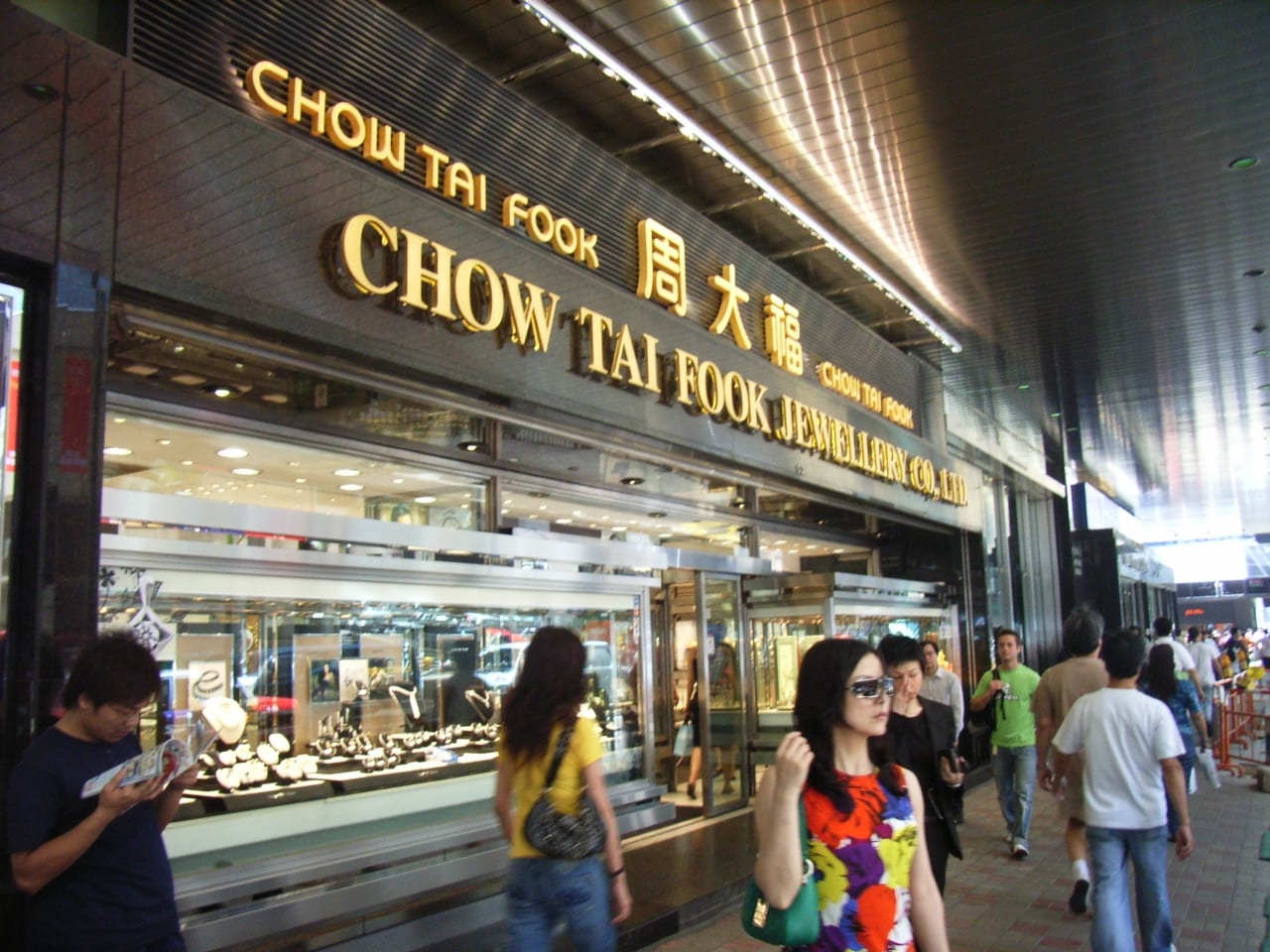
    Jewellers like Chow Tai Fook and retailers are reporting that the pace of their sales declines have slowed, indicating that the struggling industry may have finally found a bottom.

    Hong Kong used to be the favourite shopping destination for mainland Chinese tourists, lured to the city by its wide selection of tax-free brands and cheaper currency.

    Retail sales dwindled since 2014 amid Beijing’s anti-corruption campaign started a year earlier, local backlash against the hordes of mainland tourists thronging Hong Kong malls and the strength of the Hong Kong dollar.

    As tourist numbers started to recover in the past few months, mall developers and clothes vendors are becoming more optimistic towards their profit prospects.

    SEE ALSO: Red Valentino opens new Hong Kong store, debuts Walky Land collab

    “The signs of bottoming out are visible, as same-store gross profit has stopped declining, after a period of negative growth for more than one year,” said Tsin Man-kuen, chairman of fashion brand Bossini, whose same-store gross profit declines slow to 6 per cent in the second half of 2016 from the 14 per cent the same period a year ago.

    Wharf Holdings, the city’s biggest mall operator, said tenants’ 2016 sales decline at Harbour City slowed to 10 per cent at HK$27.7 billion, compared with the 15 per cent first-half slump. At Times Square in Causeway Bay, the sales drop narrowed to 11 per cent, from 16 per cent over the same period.

    The Sogo department store in Causeway Bay, which contributes to 87 per cent of the revenue of Hong Kong-listed Lifestyle International, said its sales decline slowed in the second half.

    Samsonite International, the world’s largest luggage maker, said its Hong Kong sales drop narrowed to 7 per cent in the second half of 2016 from the 16 per cent decline in the first half, adding the market has shown “early signs of stabilising”.

    Analysts largely agree with the cautiously optimistic view, citing a recovery in inbound tourism and improving consumer sentiment in the mainland.

    Mainland visitor numbers grew 6.1 per cent in December and 7.7 per cent in January, compared with a 6.7 per cent drop in the entire year of 2016.

    The city’s retailers can also benefit from a wealth effect caused by rising property price in the mainland – meaning consumers spend more because of a strong sense of financial security, analysts said. However, some warned that mainland tourists who opt for Hong Kong are no longer the wealthiest batch, and a weaker yuan means they are not able to buy as much as they used to.

    “The spending power per head for mainland Chinese tourists is decreasing,” Walter Woo, an analyst with China Merchant Bank, said. “But I’m still quite positive on the Hong Kong retail segment because the traffic has been rising.”

  • Shopify revenues grow 90 per cent

    Shopify revenues grow 90 per cent

    Shopify, the cloud-based, multi-channel platform designed for small and medium-sized businesses, has reported a 90 per cent increase in revenues for 2016.

    GMV rose 99 per cent to US$15.4 billion, figures which “speak to the enormous opportunity in retail right now and our strategic position within it,” according to CFO Russ Jones.

    Total revenue for the full year reached $389.3 million, compared with $205.2 million in 2015. Within this, subscription solutions revenue grew 68 per cent to $188.6 million and merchant solutions revenue grew 115 per cent to $200.7 million.

    But it still recorded a net loss of $35.4 million, almost double the $18.8 million of 2015.

    Merchants can use Shopify software to design, set up, and manage their stores across multiple sales channels, including web, mobile, social media, marketplaces and physical retail locations. Shopify powers 377,500 merchants in some 175 countries. Its clients include Tesla, Nestle, GE, Red Bull and Kylie Cosmetics.

    “Our work at Shopify is to help entrepreneurs thrive in a space that’s changing all the time, and we did our job especially well this past holiday season,” stated Tobi Lütke, founder and CEO of Shopify. “That eight of our 10 top sellers over the Black Friday Cyber Monday weekend were merchants that had upgraded from lower-priced plans reminds us that today’s startups become tomorrow’s superstars, at a velocity that appears to be increasing all the time. As the engine powering the growth of these merchants, Shopify has an opportunity that stretches years into the future.”

    For the full year 2017, Shopify currently expects revenues in the range of $580 million to $600 million and an operating loss in the range of $73 million to $77 million.

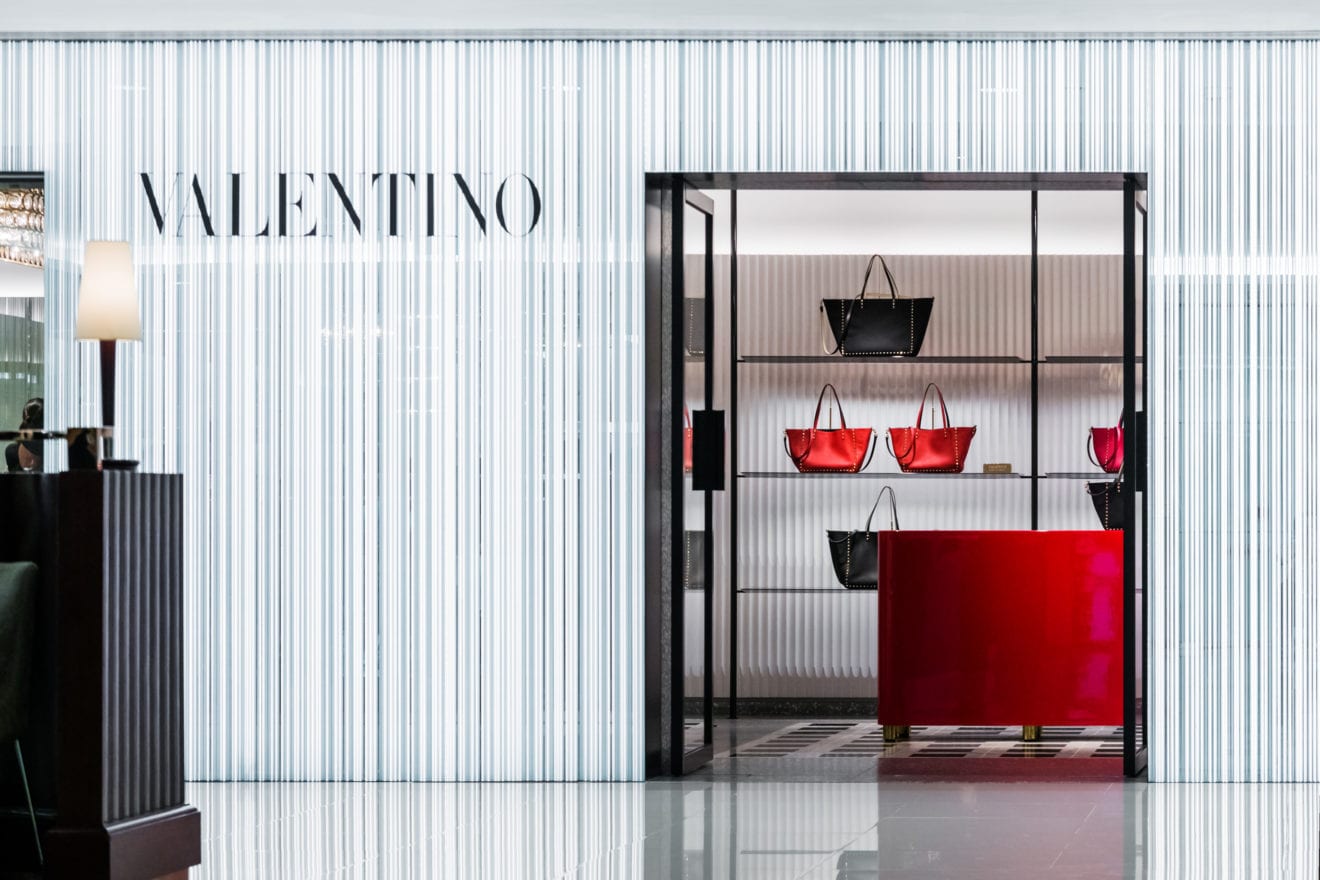
  • Tokyo boosts Valentino sales

    Tokyo boosts Valentino sales

    Luxury fashion retailer Valentino boosted sales by 12.4 per cent last year, reaching €1.11 billion.

    Following a stunning 47 per cent growth in Valentino sales the previous year, the company has trebled its turnover in the four years since Qatari royal family acquired the business in 2012.

    A major factor in last year’s growth was the expansion into Japan, where it opened a new flagship in Tokyo’s Omotesando district. Two more stores are planned for the city, the first in Ginza and another in a location yet to be disclosed, but possibly Roppongi.

    The US continues to be the brand’s largest market accounting for about 20 per cent of sales.

    Valentino currently operates 175 of its own stores internationally, with retail sales accounting for 55 per cent of sales and the balance wholesaling. The company is on track to open 20 more physical stores this year, along with boosting its online presence and sales through both its own website and those of multibrand retailers.

    Profit for last year was €206 million, up 14.4 per cent on 2015.

    While privately owned Valentino sales and profit results are released due to a mid-term intention to launch an IPO. GM Stefano Sassi said in a press statement there was no decision at this time on timing for the float.

    “There is nothing planned for 2017, and the project will be re-evaluated based on the most favourable market conditions.”

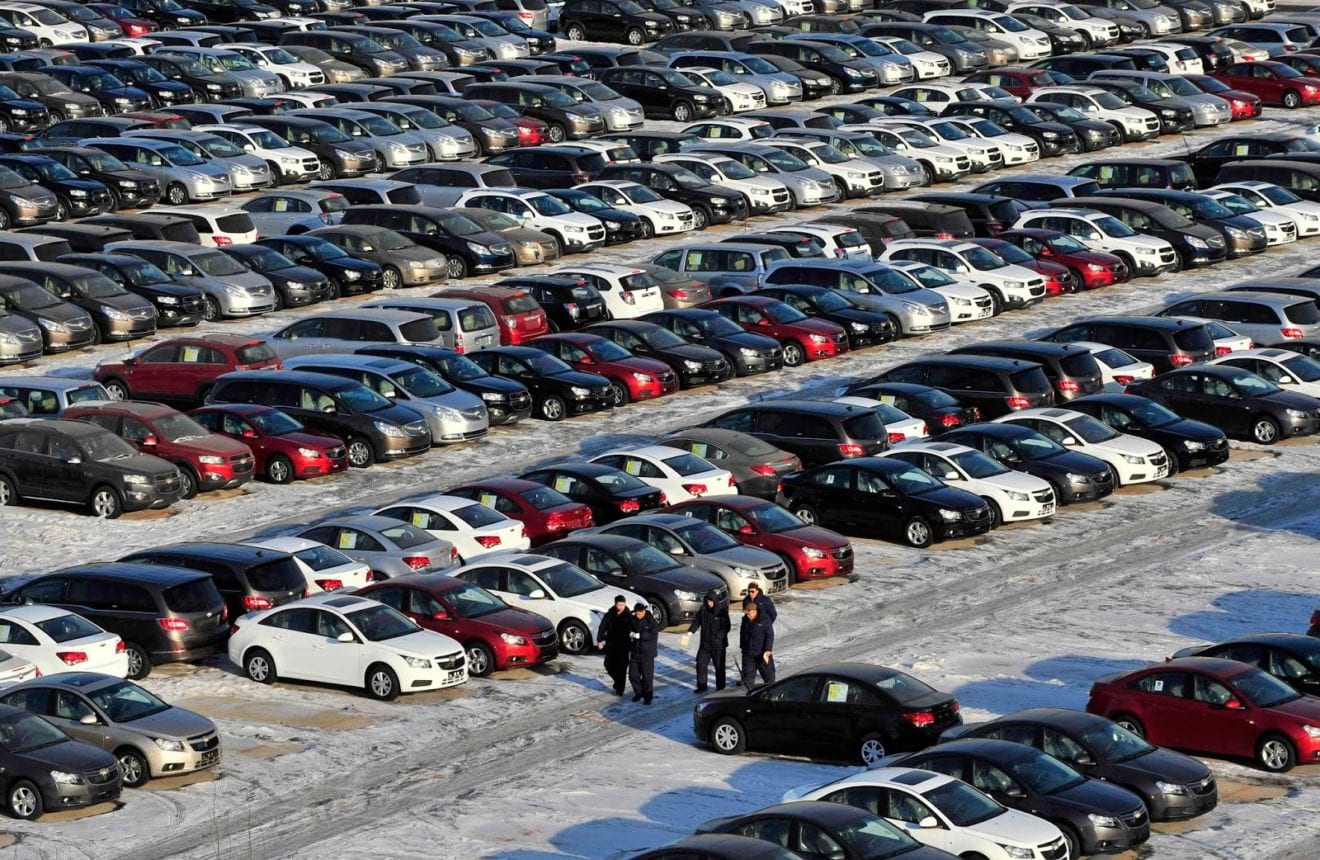
  • Sale of cars down despite price drop

    Sale of cars down despite price drop

    Members of the Vietnam Automobile Manufacturers’ Association (VAMA) sold more than 17,600 cars in February, down 13 per cent from the previous month.

    The prices of many types of cars were adjusted in the market in recent months. This is the second month this year that the association has witnessed a drop in sales, although its members continuously reduced prices of their products.

    At the end of last month, prices of seven types of cars were adjusted, including imported and locally-assembled ones.

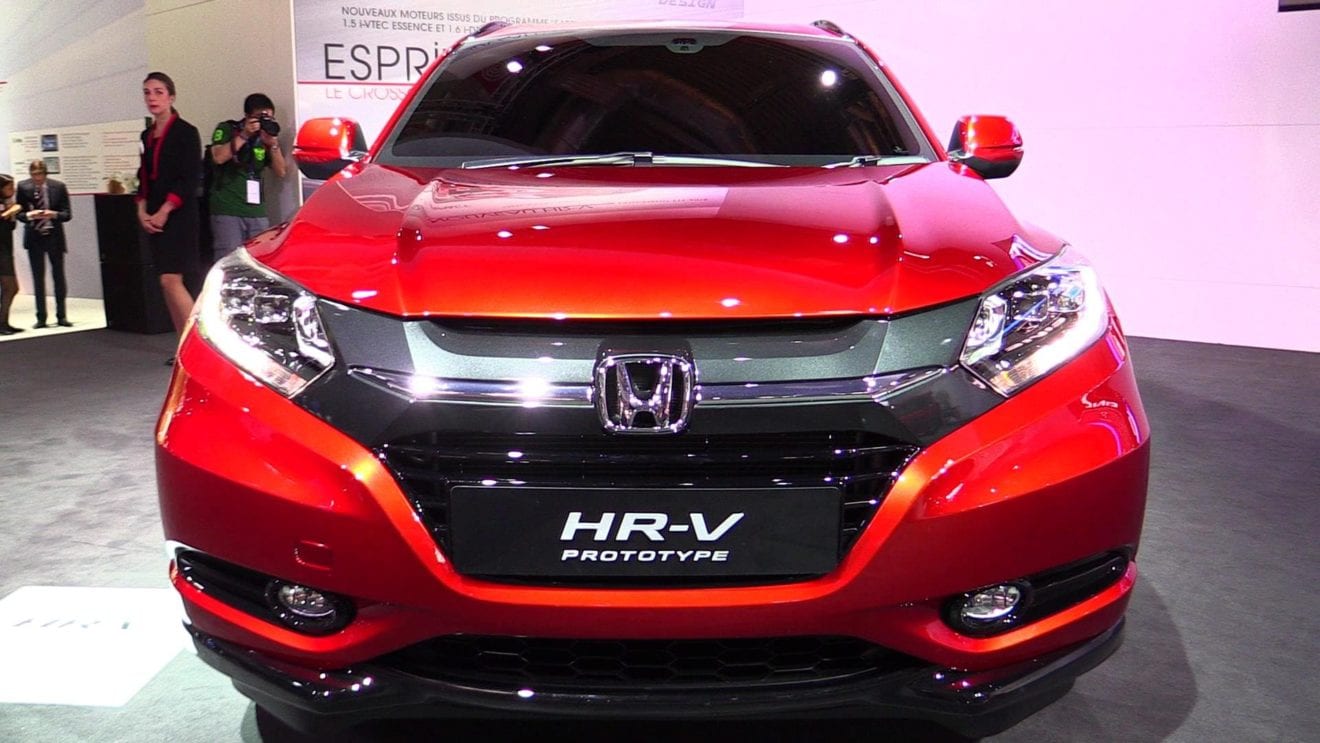
    Honda Vietnam decreased its price by VND80 million for Accord, which was imported from Thailand. Meanwhile, Toyota Motor Vietnam (TMV) announced new prices for Yaris models G and E, with a drop of VND47 million (US$2,057) and VND44 million, respectively. The imported Land Cruiser Prado TX-L and Land Cruiser VX also saw a revision in prices at nearly VND2.17 billion and VND3.65 billion, down VND264 million and VND70 million each.

    Honda Vietnam and TMV were followed by other automakers.

    Domestic automaker Thaco reduced the prices of Kia and Mazda models by between VND20 million and VND140 million each.

    A report from the People’s Committee in central Quang Nam Province showed that vehicles witnessed the highest inventory volume in the province, which was nearly 49 per cent higher than the previous month and almost triple compared with the same period last year.

    This was partly due to the increase in demand for vehicles before the Tet (Lunar New Year) holiday, which declined after the holiday. In addition, people were still waiting for prices to reduce further, especially once the import tax on vehicles from ASEAN countries dropped to zero per cent by January 1, 2018, according to the committee.

    While the consumption of locally-assembled cars was showing a declining trend, the volume of imported cars had sharply increased.

    According to the estimate of the General Statistics Office (GSO), Viet Nam imported some 9,000 complete built up units in February, worth $153 million, up 29 per cent in volume in comparison with the previous month but sticking to the same value.

    On average, each imported car in February was $17,000 — $4,850 lower than January – which meant almost all imported cars were less expensive.

    During the Government’s February meeting session, Prime Minister Nguyen Xuan Phuc reminded relevant ministries about the rapid increase of imported vehicles in the first two months of this year, which was due to the impact of the expected import tax decline in 2018.

    He said this was a warning to relevant ministries and sectors to strengthen management to create harmony between import and local auto manufacturing.

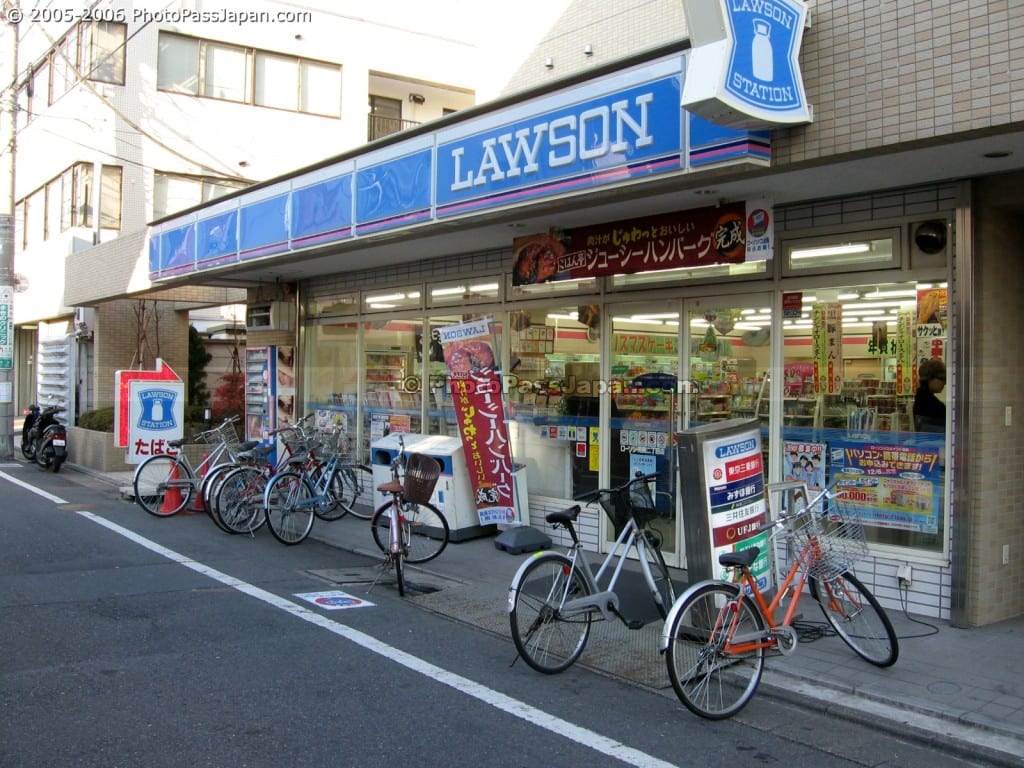
  • Japanese convenience store sales grow

    Japanese convenience store sales grow

    Sales at Japanese convenience stores rose 0.1 per cent in January from a year earlier, up for the fourth consecutive month.

    Industry data shows there were brisk sales of hot food and side dishes.

    Same-store sales for eight major chains totalled ¥753.16 billion (US$6.7 billion), the Japan Franchise Association says.

    While the number of customers dropped 1.1 per cent to about 1.2 billion – declining for the 11th straight month – spending per customer rose 1.2 per cent to ¥620, up for the 22nd consecutive month, according to the association.

    The number of convenience stores increased 2.5 per cent from a year earlier to 54,496.

  • Tariffs are cut, import prices fall, but cars are still pricey

    Tariffs are cut, import prices fall, but cars are still pricey

    According to GDC, in January 2017 alone, Vietnam imported 1,000 cars from India, worth $3.7 million in total. The average import price was $3,700 only, or VND85 million, the price level described as ‘surprisingly low’ and ‘dirt cheap’. The imports from India are mostly Hyundai i10 and i20.

    However, Vietnamese cannot buy imports at VND85 million. The amount of money they have to pay will be four or five times higher.

    As explained by a car dealer, imports from India are taxed 70 percent. Besides, they are also subject to other kinds of tax, including luxury tax (35 percent for 1.0-1.5L cars) and VAT (10 percent).

    Imports also bear many other different kinds of fees, such as ownership registration fee (10-12 percent, or VND233-237 million), the number plate granting fee (VND20 million in Hanoi), registration fees (VND340,000 for the first time), and road maintenance fee (VND130,000 a month).

    At present, a Hyundai i10 is sold at VND350-450 million in the market, or five times higher than the factory price.As such, every import product from India would cost VND260 million on average after taxes and fees. Meanwhile, the selling prices will be defined after adding up distribution expenses, profits for distributors, storage fees, and marketing & advertisement costs.

    The same is occurring with imports from ASEAN. Though the import tariffs have been cut from 40 percent 30 percent since early 2017, the selling prices are still many times higher than the import prices.

    Nguyen Tuan, director of Thien An Phuc, a distributor, said a Toyota Fortuner from Indonesia has the CIF price of $27,500, or VND700 million. However, the selling price could be as high as VND1.3 billion.

    “Because of high taxes, Vietnamese have to pay high to own cars,” he explained, adding that the selling price in Vietnam is 2-3 times higher than in other regional countries.

    By 2018, when the import tariff goes down to zero percent, the price of one Fortuner would fall by VND290 million thanks to the tariff cut. Many people don’t buy cars at this moment, because they don’t want to waste hundreds of millions of dong on car tax.

    Ngo Tri Long, a renowned economist, said people hope the car prices would be decreasing once the tariffs are cut. However, sharp price decreases may not occur, because the car prices not only depend on import tariffs, but also on luxury taxes, fees and pricing strategies followed by car distributors.

    “In Vietnam, you’d better not dream of cheap cars,” he said.

  • Japanese automakers consider leaving Vietnam due to weak supporting industries

    Japanese automakers consider leaving Vietnam due to weak supporting industries

    The companies are looking for bigger profits in nearby countries such as Thailand. Japanese automakers may be shifting their production away from Vietnam in the near future due to its poor supporting industries.

    Vietnam’s supporting industries have stood still for years and that might cause Japanese companies in the country to change their investment approach, said Takimoto Koji from the Japan External Trade Organization (JETRO), a Japanese government-related organization that works to promote trade and investment by Japanese businesses overseas.

    Several automakers intend to stop assembling cars in Vietnam and import whole cars from nearby countries like Indonesia, Malaysia and Thailand instead, Takimoto said.

    Car import tariffs between Southeast Asian neighbors are falling rapidly and the new approach will secure bigger profits, he said.

    Under a new free trade agreement among the 10 members of ASEAN, car import tariffs were cut from 50 percent to 40 percent last year and will go down to 30 percent next year before being scrapped in 2018.

    Japanese companies Toyota, Mazda, Honda and Suzuki are competing in Vietnam’s auto industry, which produces around 250,000 cars a year, a modest number compared to those in nearby countries such as Thailand’s two million cars.

    According to experts, an automobile production line only becomes profitable when it delivers more than 200,000 cars a year.

    Japan registered $2.58 billion in investments in Vietnam last year, accounting for more than 10 percent of the total FDI pledges made in the country and making it the second biggest foreign investor after South Korea, according to figures from the Ministry of Planning and Investment.

    Vietnam’s FDI inflow hit a record high of $15.8 billion in 2016.

  • Singapore retail sales up 0.4% in December

    Singapore retail sales up 0.4% in December

    Singapore’s retail sales rose 0.4 per cent in December 2016 compared to the same month in 2015, mainly due to higher sales of medical goods & toiletries.

    Stripping out sales of motor vehicles, retail sales went up by 0.3 per cent, the Department of Statistics said on Wednesday.

    Compared to November, the seasonally adjusted retail sales figure decreased by 1.9 per cent in December. Excluding motor vehicles, they rose 0.7 per cent.

    Notably, retailers of medical goods & toiletries reported 9.9 per cent increase in sales year on year. Surprisingly, motor vehicle sales rose only 0.9 per cent year on year.

    On a seasonally adjusted basis, motor vehicles sales recorded a dip of 11.9 per cent compared to November. Retail sales of computer & telecommunications equipment and department stores also fell 6.8 per cent and 2.2 per cent respectively over the same period.

  • BMW Group achieves new sales record in China in January

    BMW Group achieves new sales record in China in January

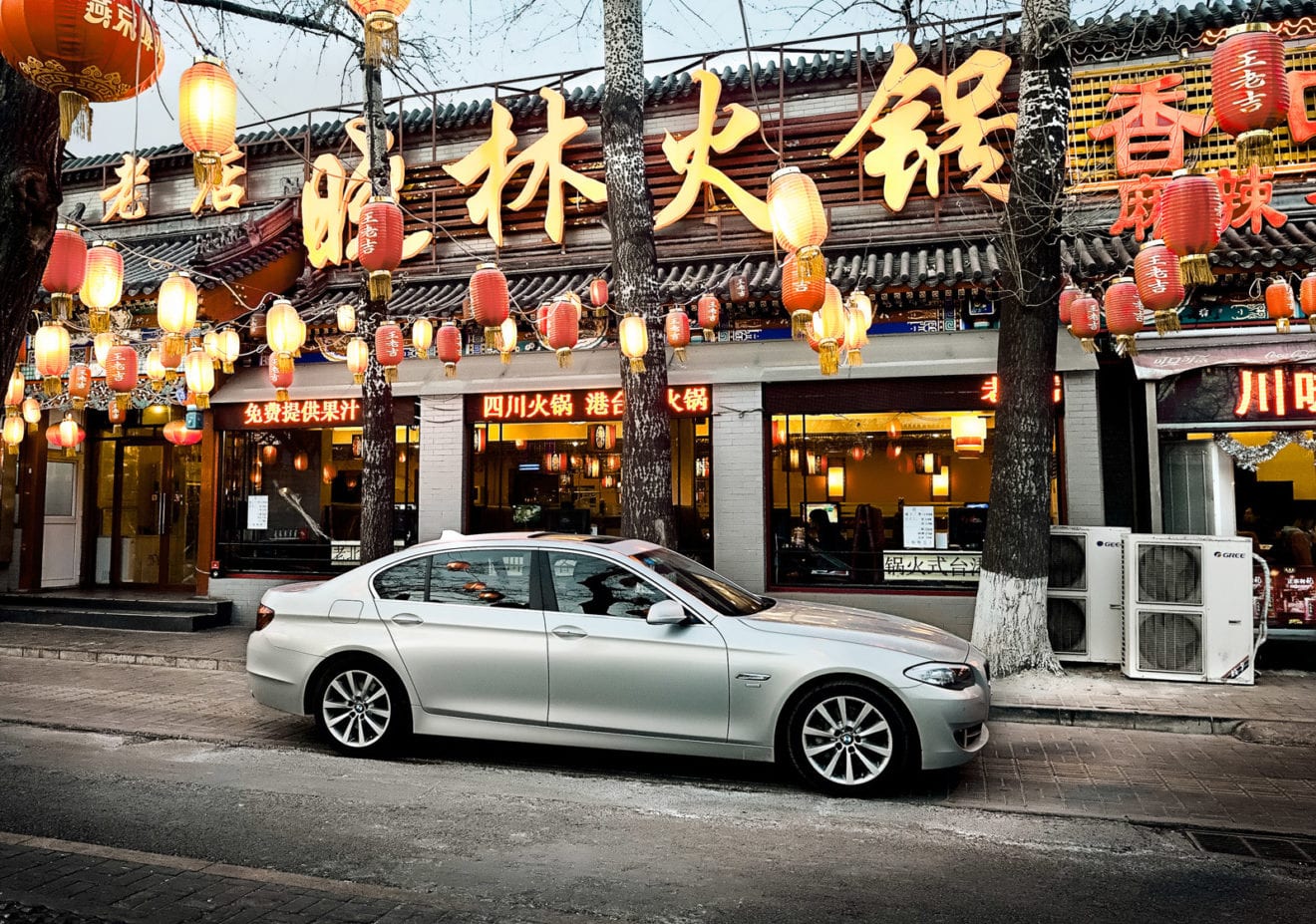
    German automaker BMW Group announced on Friday that its sales in China achieved double-digit growth in January, hitting a new record.

    A total of 51,345 units of the premium brands BMW and Mini have been delivered to Chinese customers, representing a year-on-year increase of 18.2 percent.

    It is the first time the Bavarian automobile company delivered more than 50,000 units in a single month in China, the largest market in Asia for BMW Group, the announcement said.

    In January 2017, a total of 163,288 vehicles were sold worldwide, an increase of 6.8 percent year-on-year. Among them, 21,219 vehicles were delivered to customers in the United States, down by 0.5 percent compared with January 2016.

    “We’ve started the year well. We’re confident that the new models we’re bringing to market this year will ensure further momentum as the year goes on,” said Ian Robertson, member of the board of management responsible for sales and marketing.

  • No strong recovery in Hong Kong retail sales until 2018

    No strong recovery in Hong Kong retail sales until 2018

    Despite a return of mainland Chinese tourists to mark the start of the Year of the Rooster, it might be too early to celebrate for Hong Kong retailers. Sales will continue to fall this year, according to industry observers.

    Thomson Cheng Wai-hung, chairman of Hong Kong Retail Management Association, estimates the territory’s retail sales will fall 3-4% on the year in 2017, an improvement from the 8% drop in 2016.

    Last year, retail sales fell to 437 billion Hong Kong dollars ($56.3 billion), marking three years of decline and the worst full-year slump since 1998. This was despite some signs of improvement when the decline in sales in December narrowed to 3% from a year ago as more mainland visitors spent their holiday in Hong Kong.

    “We might be getting closer to the end of the tunnel,” Cheng said on Thursday. But citing uncertainty in the global environment, such as a possible U.S.-China trade war, he expects the retail market to bottom out only in 2018 at the earliest. “It is hard to say whether it will be a recovery in L shape, V shape or U shape,” he said.

    There were winners and losers during the Chinese New Year holiday.

    Luxury retailers were hit by dwindling sales as Chinese tourists tightened their purse strings amid a slowing economy. Prices in Hong Kong are also less attractive for mainlanders due to a weaker yuan and the Hong Kong dollar’s peg to the U.S. dollar, which had strengthened during the year.

    Chow Tai Fook Jewellery Group recorded an 11% slump in Hong Kong and Macau sales from a year ago between Jan. 14 and Feb. 3, which covered the Chinese New Year holiday.

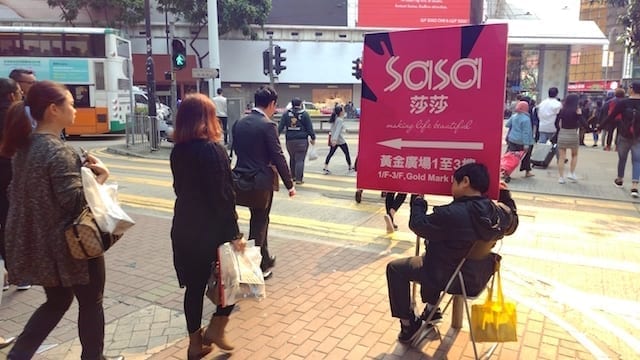
    Mass-market retailers fared better. Hong Kong’s largest cosmetic chain Sa Sa International saw a 3.5% sales increase at home and in Macau from Jan. 28 to Feb. 3, helped by a rebound in mainland tourist traffic. While the number of transactions they made increased, the average spend per transaction was down 4.6% from a year ago.

    Given the latest data over the holiday season, Chairman and CEO Simon Kwok Siu-ming is upbeat on the outlook. “It is recovering, and December was almost flat [compared to a year before],” he told Nikkei Asian Review on Tuesday.

    He is positive about mainland customers as well. “I am not worried about China and the Chinese economy,” he said. Ease of travel to Hong Kong in the near future with the expected opening of a high-speed railway link and bridge connecting to Macau and Zhuhai in southern Guangdong province will make the territory “more accessible” for mainlanders.

    Some mid-tier fashion retailers are turning to e-commerce to expand their reach. Walton Brown, a subsidiary of Lane Crawford Joyce Group that has a portfolio of premium brands including Kate Spade and Brooks Brothers, will launch in March its own mobile platform MyMM.com to target China’s growing middle class.

  • Upswing for Sa Sa International New Year sales

    Upswing for Sa Sa International New Year sales

    With more tourists from the mainland, cosmetic retailer Sa Sa International Holdings saw a 3.5 per cent upswing in sales in Hong Kong and Macau during the Lunar New Year (January 28 to February 3).

    It says there were 10.7 per cent more transactions by tourists from China, while the average value of each transaction shrank by 4.6 per cent.

    Sales to local customers also decreased, by 3.3 per cent, according to the company’s preliminary figures.
    Hong Kong Immigration Department says there was a 12.9 per cent increase in the number of Hong Kong residents travelling overseas through the airport during the Lunar New Year period.

    Sasa chairman/CEO Kwok Siu Ming Simon says that as the group’s sales performance during the period had been affected by several factors, the figures may not reflect overall performance.

  • Sales up, revenue down for Michael Kors Holdings

    Sales up, revenue down for Michael Kors Holdings

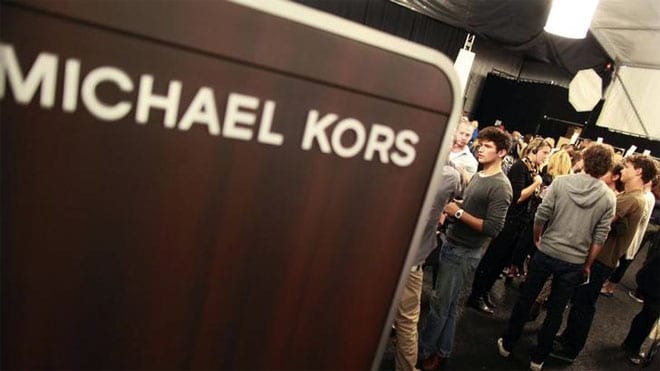
    While retail net sales grew 9.2 per cent to US$836.7 million for luxury lifestyle brand Michael Kors in its third quarter, ended December 31, its revenue decreased 3.2 per cent to $1.35 billion.

    It sales growth was mainly driven by 193 store openings since the end of the third quarter, including 143 stores associated with the company acquiring its the previously licensed outlets in Greater China and South Korea. This resulted in licensing revenue dropping 22.9 per cent to $43 million, but revenue in Asia growing 89.1 per cent to $112.3 million.

    At the end of December, the company had 816 retail stores, including concessions, compared to 623 at the same time the previous year. There were also 128 retail outlets run by licensing partners.

    Chairman/CEO John Idol says the company believes Asia represents a $1 billion opportunity over the long term.
    For the first nine months ended December 31, the company saw retail net sales increase 9.6 per cent to $2 billion while comparable store sales fell 6.6 per cent. Wholesale net sales dropped 15 per cent to $1.32 billion. Gross profit eased 2.8 per cent to $2.04 billion.

    “More work to do”

    Neil Saunders, MD of research company GlobalData Retail, says the poor holiday quarter shows that Michael Kors has a lot more work to do before it is back on track.

    “The numbers provide a marked contrast to those of Coach, a company going through a similar brand reinvention, which had a much more positive third quarter. To be fair, the overall decline is partly because of the decision to cut back on distribution through department stores and other channels, which Michael Kors believes have been undermining its brand through excessive discounting, ” says Saunders.

    While the resulting 17.8 per cent slide in wholesale revenues and 22.9 per cent drop in licensing revenues was painful. “We believe the decision to dial back is a necessary step in making the brand less ubiquitous, and driving higher margins.

    “However, the issue is that the reduction in the number of doors through which Michael Kors is available is not immediately translating into an uplift in sales through its own stores. With a 9.2 per cent rise in retail sales, the numbers look robust enough, but most of this is down to store openings and the shops acquired in Asia where Michael Kors bought out the brand licence.”

    Saunders says the underlying comparable sales tell a more revealing story. “These remain weak and have actually deteriorated since the previous quarter. Only a small element of this decline is because of the stronger dollar; indeed, on a constant currency basis same-store sales are still down by 6.4 per cent.

    “As much as we believe that Michael Kors is headed in the right direction, and that its new lines are generating interest, it has much more work to do in reconnecting with customers who have been alienated by the overexpansion of the brand. As yet, it is simply not exciting customers in the same way that Coach or Kate Spade are. ”

    Saunders says that reconnecting customers with the brand is particularly important as Michael Kors expands its range.

    “The new Access smartwatches and fitness trackers, and the new fragrance lines are sensible additions to the portfolio. However, they will only really drive sales as part of a strong lifestyle brand that consumers want to buy into. In our opinion, on this front Michael Kors has more convincing to do. ”

  • Salvatore Ferragamo Hong Kong sales still weak

    Salvatore Ferragamo Hong Kong sales still weak

    Despite business still being weak in Hong Kong, Asia Pacific was again been the top market in revenue terms last year for Italian design label Salvatore Ferragamo.

    Preliminary figures show the group’s consolidated revenues for its latest fiscal year reached €1438 million (US$1.5 billion), up by 1 per cent at current exchange rates and down by 2 per cent at constant exchange rates from the previous 12 months.

    Asia Pacific contributed 36 per cent of total revenue for the year, up by 1 per cent. Growth was more than 4 per cent for the fourth quarter. The positive performance was achieved despite lacklustre sales for Salvatore Ferragamo Hong Kong.

    In Japan, the brand had stable revenues last year, with a 3 per cent rise in the fourth quarter.

  • Korean sales +30.9% to $10.6bn as growth slows

    Korean sales +30.9% to $10.6bn as growth slows

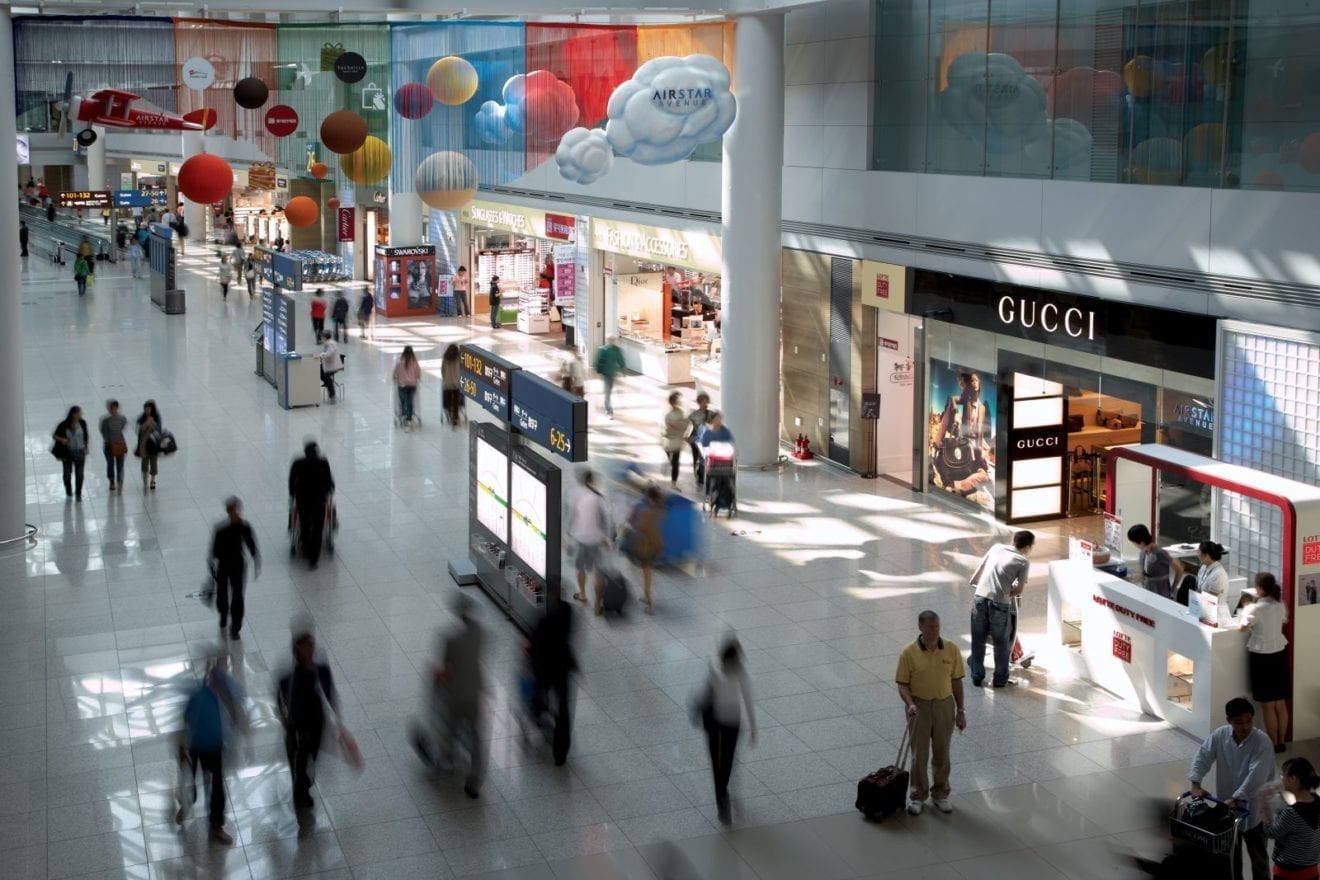
    South Korea’s duty free industry saw total sales grow by +30.9% or $2.5bn to a record-breaking $10.6bn in 2016, although senior sources in Seoul tell TRBusiness that sales growth is expected to slow to between 10% to 15% in 2017 – resulting in incremental sales of between $1bn to $1.5bn.

    These estimates nevertheless assume that foreign tourist numbers (primarily Mainland Chinese) continue to increase in 2017 as expected.

    According to senior sources in Seoul, foreign visitors’ duty free purchases amounted to US$7.6bn in 2016, accounting for 72% of South Korea’s total US$10.6bn purchases last year. This sales result includes contributions from all airport, seaport and downtown shops (including internet) sales and ‘domestic duty free’ sales on Jeju Island, although it excludes inflight duty free sales.

    BIG CHINESE TOURIST DEPENDENCY

    Highlighting the dependence on foreign tourists for duty free growth, South Korean travellers’ share of sales came in at $2.9bn last year, which was equivalent to 28% of the national duty free revenue total.

    “In 2015 we had a big impact from MERS on our duty free market from July to October, then the market recovered from November. It meant half of 2015 was impacted by MERS so we had a big 31% sales increase last year,” said a senior industry duty free source in Seoul.

    He told : “Sales to foreign tourists increased about 40% last year in value, about 80% of them are Chinese; but sales to South Korean travellers saw only a 9.7% increase.

    A busy cosmetics counter at the Lotte World Tower duty free shop in Seoul.

    Meanwhile, per capita duty free spending amongst foreign visitors grew last year, allaying fears among duty free operators that changes made to China’s luxury goods import regulations in April might force a reduction in individual spending.

    20.6M FOREIGNERS BOUGHT DUTY FREE

    According to industry figures, a total of 20.6m foreign visitors bought duty free products in South Korea last year – a rise of 28% compared to those purchasing in 2015.

    In addition, 27.9m South Koreans purchased duty free goods last year – an increase of 13.6% compared to 2015.

    “Sales to foreign customers increased 40% in value and the number of foreign customers rose by 28%, so total per capita spending by foreign visitors increased last year,” said the source.

    By contrast, South Korean per capita customer spending slowed slightly in 2016 as total South Korean duty free purchases rose by 9.8% in value, although this was less than the rise in the number of customers making purchases.

    As expected, perfume and cosmetics continues to dominate as South Korea’s largest duty free category accounting for more than 50% of duty free sales, with Lotte Duty Free – the country’s leading operator – generating total sales of $5.7bn, of which perfume and cosmetics sales accounted for almost $3bn. These sales included all of Lotte’s various downtown and airport stores.

    HOTEL SHILLA SALES REACHED $2.6BN

    Hotel Shilla Duty Free was the next biggest operation with total sales registering $2.6bn in 2016 (not including its HDC Shilla joint venture in Seoul) and once again, perfume and cosmetics accounted for a large share of revenue.

    Other South Korean duty free operators – including new entrants to the industry – also registered good P&C sales, with many finding it easier to arrange supply deals with local cosmetics manufacturers rather than international brand suppliers.

    “The numbers are incredible; cosmetics is the number one item for Chinese visitors,” said the senior source. “South Korean cosmetics brands are about 60% of the purchases and imported cosmetics are 40%. South Korean cosmetics are very good quality and the prices are reasonable.

    “South Korean cosmetics companies are developing products to please East Asian customers, as their skin texture is different. They know what products Chinese visitors are looking for. South Korean face mask products are very famous with Chinese customers.

    SOUTH KOREAN COSMETICS GROWTH

    “The other thing is the price gap between the South Korean and Chinese markets. There are big perfume and cosmetics import tariffs in China; also, Chinese people do not trust products made in China, as there are many fake products.”

    While duty free operators are obviously happy to see products fly off the shelves, a number of perfume and cosmetics brands and luxury goods brands have started to limit the volumes sold to individual customers, as suspicions grow amongst some suppliers that not all these purchases are for personal use.

    ‘SURROGATE SHOPPERS’ ARE A CONCERN…

    “Many people are saying that a significant ratio of purchases are by surrogate shoppers,” said the source. “As foreign brands begin to withdraw from China, so mainland tour companies are sending tourists here to buy luxury branded goods and pay them a commission for buying.

    “The travel companies collect these products for re-sale in China, as there is a 30% to 40% price gap between South Korea and China because of the luxury goods tariffs. Chinese wholesalers organise these purchasing trips; they’re common now.”

    Individual brand product purchasing limits also vary, with most international P&C brands – along with top South Korean brands – limiting the number of pieces sold to individual customers to five items. For luxury fashion goods and accessories, many international brands also limit purchases to one or two items per customer.

    “The purchase limits are set by the brands, not the operators; the operators only think of profit. It’s the same around the world,” the source remarked.

    Foreign visitors are the major customers in South Korea’s downtown duty free stores, spending $6.4bn in downtown outlets in 2016, a huge figure which is five times the value of foreign traveller purchases worth $1.1bn in airport duty free shops last year.

    AIRPORT SALES EQUALLY DIVIDED

    Foreign and South Korean customers each accounted for half of the country’s total airport duty free sales that were worth $2.4 billion in total in 2016, of which the major share was recorded at Incheon International Airport.

    South Korean customer purchases were divided equally between downtown and airport shops, with spending reaching $1.3bn in the country’s downtown stores and $1.2bn in international airport shops last year, plus almost $500m was spent in Jeju Island’s domestic airport and seaport duty free shops.

    Foreign visitors accounted for 83% of all downtown store duty free purchases worth a total of $7.7bn in 2016, according to industry figures. Outbound South Korean traveller purchases accounted for just 17% of downtown duty free stores’ overall sales and included online and internet purchases estimated to account for 25% to 30% of total downtown revenue.

    More than 80% of purchases in almost all downtown duty free stores in South Korea were made by foreign customers (primarily Mainland Chinese) with the exception of the Shinsegae Duty Free and Lotte Duty Free Busan downtown shops, where South Korean customers accounted for 48% and 34% of purchases respectively.

    In addition, foreign visitors accounted for 71% of total sales in South Korea’s various SME downtown duty free stores, which recorded combined total sales worth $68m last year, a sales total equivalent to less than 1% of the nation’s total duty free revenue.

    Meanwhile, government policy to increase the number of duty free operator licenses in an effort to reduce large conglomerates’ dominance of the domestic duty free market has led to increased competition.


    LOUIS VUITTON STILL DELIVERS…

    “Last year there were 8m Chinese visitors to South Korea,” said the source. “South Korea’s duty free market is very concentrated and it’s difficult to make money as travel agents dominate an important share of the market. If they do not send tourists here there will be no group tour sales, so they receive huge a commission from South Korean duty free operators.

    “Two to three years ago the maximum commission paid was 20% for group tour customers, but nowadays over 30% is being paid. It’s impacting on operator profits. Most small operators and new starters cannot expect a profit – it’s a severe and critical problem in this market.”

    This follows the opening of new downtown stores in Seoul over the past 18 months by Shinsegae Duty Free, HDC Shilla, Doota (Doosan), Hanwha Galleria and SM Duty Free and another four downtown stores are also scheduled to open this year.

    As reported, Lotte has only recently reopened its Lotte World Tower store after winning a new downtown license, while three completely new downtown stores are scheduled to open in the capital city.

    DIPLOMATIC FALL OUT DUE TO MISSILE DEFENCE SYSTEM

    Work is underway preparing the Shinsegae Kangnam and Hyundai CO-EX duty free stores that are scheduled to open in Seoul’s growing southern area by the end of 2017 – along with the SME Top City Sincheon (City Plus) store in the capital’s western region.

    Meanwhile, one large dark cloud on the horizon is the deterioration in South Korea’s current diplomatic relations with China, which are causing serious concern for duty free operators.

    This has resulted in a dramatic reduction of Chinese visitor arrivals in both November and December, according to the Korea Tourism Organization.

    At the same time, South Korea’s current domestic political crisis, after the National Assembly voted to impeach Park Geun Hye over corruption allegations, has left the country in a leaderless limbo with no major statesperson in place to handle the escalating dispute with China – until new presidential elections in the spring of this year.

    GROUP TOUR NUMBERS ARE SUFFERING

    Some operators say this dispute has already prompted Beijing to quietly reduce group tour numbers visiting South Korea in January, as a clear warning that it means business with its protest against Seoul installing the proposed Terminal High Altitude Area Defense (THAAD) defence system.

    “South Korea’s duty free market should be increasing this year by 10% to 15%, but already in January we are losing the group tour market. We have already felt impact from South Korea and China’s tension,” said the source.

    “We will have presidential elections in April or May. Now there is no president as President Park is impeached and the South Korean government cannot react to China properly.

    “For the first half of 2017 we will be impacted by the China group tours situation. Also, Chinese customers are getting smarter and they are looking not only for luxury products, but reasonably-priced products and leveraging down their spend.”

  • Growth for Coach China

    Growth for Coach China

    New York design house Coach reports “notable strength” in Mainland China while reporting its second-quarter results for the quarter ended December 31.

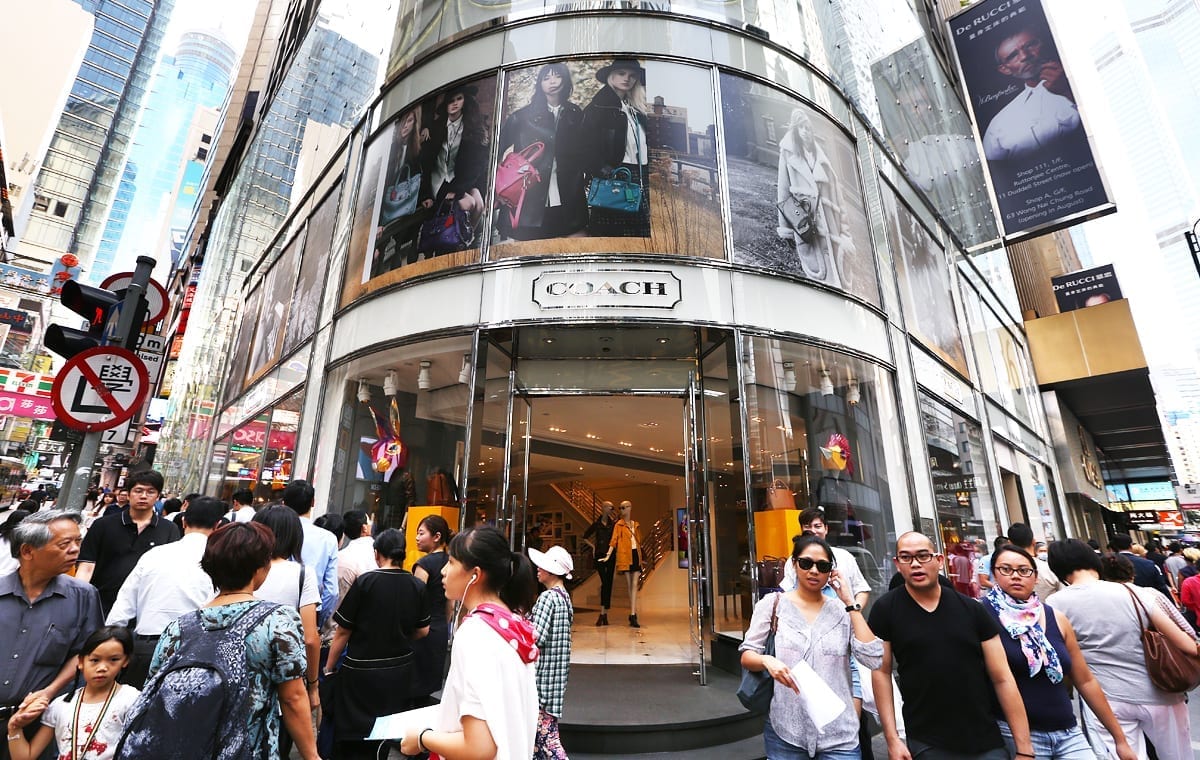
    Coach China sales were roughly even but increased 6 per cent on a constant currency basis when the impact of the strong US dollar was removed. In addition, there was a “significant” improvement in the quarter for Hong Kong and Macau.

    “We are both pleased and proud of our performance this holiday season, particularly in light of the challenging and volatile global retail environment,” says CEO Victor Luis, noting that China represents “significant opportunities” for its brands.

    “And, despite our deliberate pullback in the North America wholesale channel as well as currency headwinds, we delivered double-digit earnings growth in the quarter. ”

    Second-quarter net sales totalled $1.32 billion for the second fiscal quarter, an increase of 4 per cent over the same period the previous year, including a benefit of 40 basis points related to currency translation.

    Gross profit totalled $906 million, up 5 per cent. Gross margin for the quarter was 68.6 per cent compared to 67.4 per cent in the year-ago period, while net income for the quarter was $200 million.

    Net sales for the Coach brand totalled $1.20 billion for the quarter, an increase of about 2 per cent. This included international sales of $440 million, up 3 per cent.

    Continued strength

    This growth was driven in part by positive comparable-store sales overall with continued strength in Mainland China.

    In Japan, sales rose 9 per cent in dollar value, but eased 2 per cent in constant currency, impacted by a lower Chinese tourist spend.

    Sales eased for the group’s other directly-run businesses in Asia.

    Gross profit for the Coach brand rose 4 per cent to $830 million. Gross margin for the quarter was 69 per cent, including about 30 basis points of benefit from currency. This compared to 67.7 per cent for the quarter in the previous year.

    Net sales for the group’s Stuart Weitzman brand reached $118 million for the quarter compared to $94 million in the same period the previous year. This 26 per cent improvement was driven by strong growth in the brand’s direct channels, and was positively impacted by a wholesale shipment timing shift from the first quarter.

    Gross profit for Stuart Weitzman rose 26 per cent to $76 million, while gross margin was even at 64.3 per cent.