Tag: Sales

  • AI to fuel smartphone sales rebound in 2017

    AI to fuel smartphone sales rebound in 2017

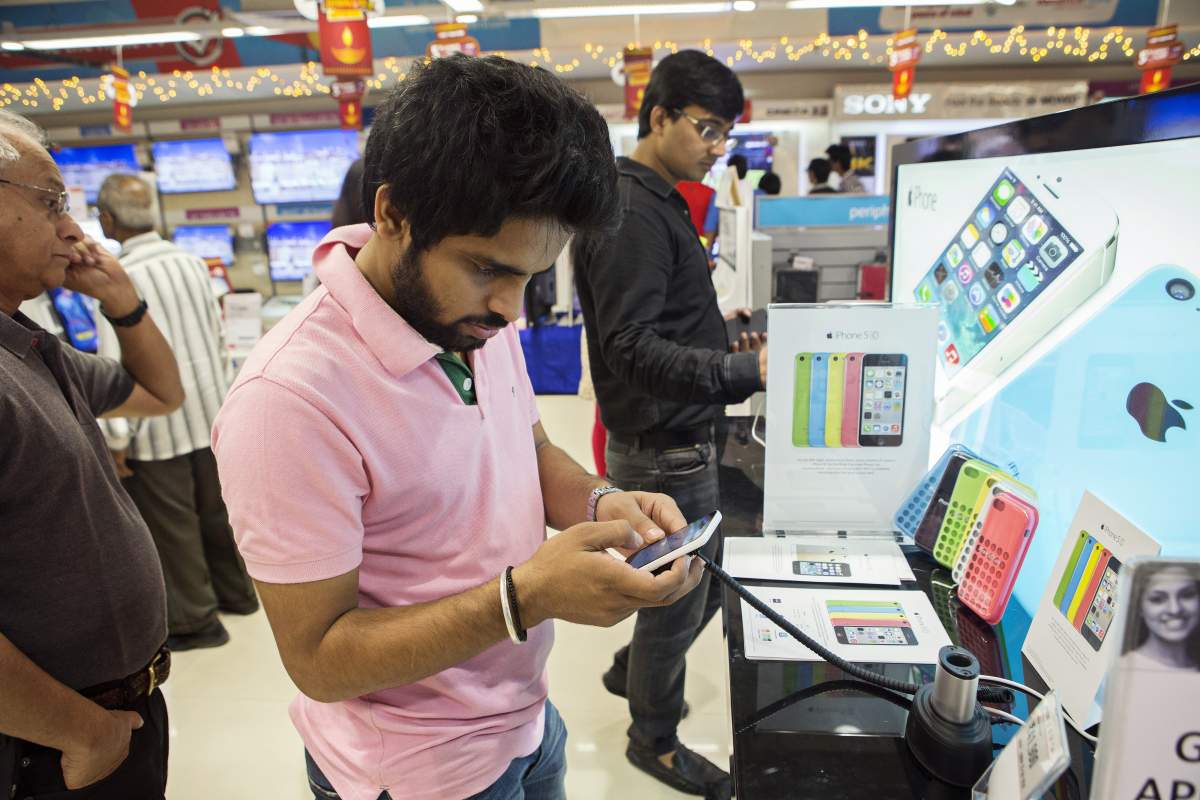
    Consumer purchases of smartphones dropped to a three-year low in 2016, but Accenture believes sales will rebound this year, fueled by demand for new capabilities including AI-driven digital assistants.

    A new global Accenture survey finds that the expected resurgence will be also fueled by the introduction of better security, new functions, improved performance and device refresh schedules.

    Accenture polled 26,000 consumers in 26 countries. Results show that more than half (54%) of consumers surveyed said they plan to buy a smartphone in the next year, up from 48% in last year’s survey.

    Chinese consumers are the main drivers of this upturn, with three-quarters (74%) of respondents in China saying they intend to purchase a smartphone in the coming 12 months, up from less than two-thirds (61%) in last year’s survey.

    The number of respondents in India and the United States who said they plan to buy a smartphone in the coming 12 months also increased by double digits over last year, to 79% in India (from 68% last year) and 52% in the United States (from 38% last year).

    Among all consumers surveyed, the leading driver of purchase intent is the ability to access the newest and most innovative features and functions, cited by 51% of respondents in this year’s survey, compared with only 41% last year.

    Another reason consumers are opting to buy new smartphones is the inadequate performance of their existing devices, cited by 45% of customers this year – up from 33% last year.

    “Improved features and falling prices are key reasons consumers around the world are signaling a desire to buy new smartphones,” said David Sovie, global managing director for Accenture’s Electronics and High-Tech business.

    “Growing acceptance of services powered by artificial intelligence, such as voice assistants, is also fueling this market upswing. 2017 will be the year when artificial intelligence goes mainstream in consumer devices.”

    For the first time, the annual survey polled consumers about their intentions to buy digital voice-enabled assistants such as Amazon Echo and Google Home. Powered by artificial intelligence, the products recognize a human’s voice commands, such as ‘Turn on the light’ and ‘Play music’ and answer questions such as ‘What time is it?’ and ‘What is the temperature outside?’

    While only 4% of the respondents said they own such a device today, two-thirds (65%) of these said they use their device on a regular basis, showing strong acceptance of this new technology.

    Voice assistants on smartphones are also becoming increasingly popular as the AI technology powering these services has improved dramatically. Younger consumers are leading the adoption, with more than four in five (84%) of 14-to-17-year-olds saying they either use this technology today or are interested in doing so.

    Consumers are also willing to embrace a wide array of potential AI-powered, personalized services, with a majority of respondents saying they are interested in personal health assistants (cited by 60%), smart trip assistants (59%) and entertainment advisors (51%).

  • Jaguar Land Rover sells record 583,313 cars in 2016

    Jaguar Land Rover sells record 583,313 cars in 2016

    Britain’s biggest carmaker Jaguar Land Rover sold a record 583,312 cars last year as the Indian-owned firm continues its rapid expansion with the aim of building 1 million vehicles a year at the turn of the decade.

    Sales were up 20 percent from the previous year, although sales growth slowed to 12 percent year-on-year in December, the carmaker said.

    The automaker, which spent years in the doldrums before being bought by India’s Tata in 2008, has since invested heavily in new models and expanded production with plants in China and Brazil and construction of a new site in Slovakia under way.

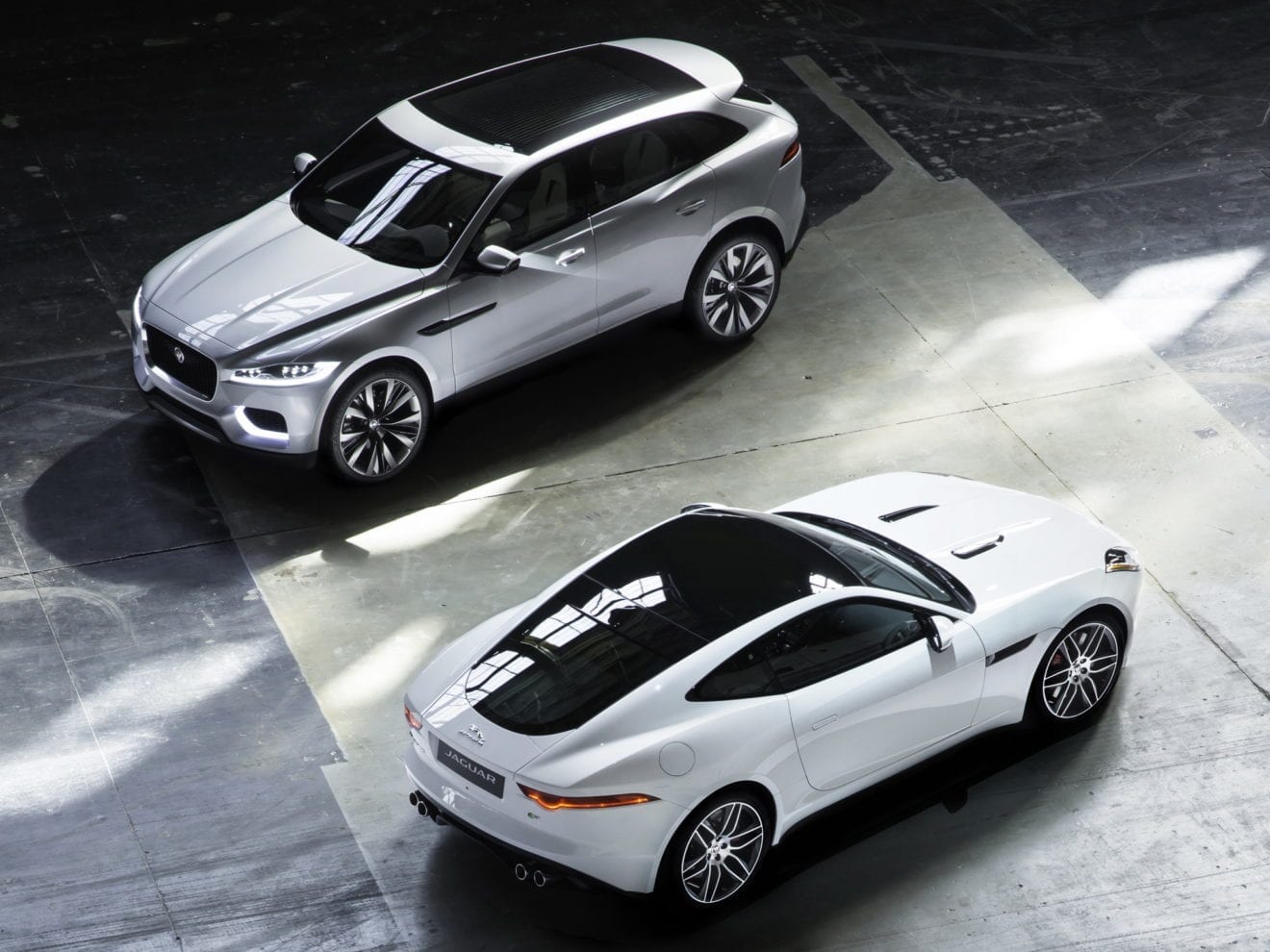
    Sales of luxury Jaguar models rose 77 percent to 148,730 units in 2016 due to strong demand for a range of new high-end products including the F-PACE, the brand’s first off-roader which was launched last year.

    Europe was the carmaker’s biggest overall market, accounting for almost a quarter of total demand.

    The firm said its line-up will continue to expand but it has warned about the negative effect any tariffs on its business imposed as part of a Brexit deal could have if Britain were to lose unfettered access to the single market.

    Its annual profit could be cut by 1 billion pounds ($1.23 billion) by 2020 if Britain returned to World Trade Organization rules for trade with the continent, two sources told Reuters last year.

  • Myanmar smartphone shipments up to 26% YoY

    Myanmar smartphone shipments up to 26% YoY

    According to the latest International Data Corporation’s (IDC) Asia/Pacific Quarterly Mobile Phone Tracker, a total of 2.5 million smartphones were shipped to Myanmar in 2016Q3, reflecting a 26% (year-on-year) YoY growth, IDC said in a statement on 25 December. This has been the strongest YoY growth seen in Myanmar’s budding smartphone market since 2015Q3. Sequentially, shipments declined 10% from 2.7 million in 2016Q2 as soft retail sales and the typhoon season negatively impacted smartphone buying in the country.

    “Despite years of hypergrowth in Myanmar’s emerging smartphone market, channels are now starting to lament about a looming slowdown as retail sales show signs of softening, causing inventory buildup across the board,” says Jerome Dominguez, Market Analyst for Mobile Devices, IDC Asia/Pacific.

    IDC maintains a positive outlook for Myanmar’s smartphone market in 2017, although growth is expected to be tamer compared to previous years.

    “IDC expects Myanmar’s smartphone market to grow by 9% this 2017 off the back of relatively low smartphone penetration rate and rising disposable income. This is already a lowered forecast to account for the slower consumer market and political instability in some parts of Myanmar,” adds Dominguez.

    Myanmar’s projected growth for smartphones in 2017 still stands higher than the 6% growth expected in the whole ASEAN region for next year.

    Myanmar Smartphone Vendor and Market Highlights, 2016Q3

    Samsung continued to keep its lead, owing it largely to the good reception of its budget-friendly J-series. Huawei came in at 2nd place and while finishing with a flat quarter, its sales and distribution were still going strong across Myanmar. Vivo spiked last quarter, coming in at 3rd place as it further penetrated tier 2 and tier 3 cities. Xiaomi dropped to the 4th spot although its volume remained high and consumer response stayed positive as it continued to offer smartphones perceived as good value for money. OPPO held the 5th place, maintaining its stronghold in the urban sites of Yangon and Mandalay although its overall shipments dropped quarter-on quarter (QoQ) due to inventory build-up.

    As with many developing countries, low-cost smartphones continue to thrive in Myanmar. In 2016Q3, 89% of smartphone shipments to the country fall below US$225. “Smartphones priced at US$50<US$150 still holds the sweet spot among Myanmar consumers. However, handsets in the US$150<US$250 price band are also on a growth track due to the influx of mid-range handsets from Chinese vendor Vivo,” adds Dominguez.

    Despite being a budget market for devices, Myanmar’s feature phone market remains very small, unlike other emerging markets, accounting for only 20% of total mobile phone shipments in 2016Q3. “Channels in Myanmar are not expecting the feature phone market to pick up anytime soon based on the rather progressive device adoption in the country, where most consumers would typically opt for a smartphone as their first mobile phone,” states Dominguez.

    In terms of screen size preference, smartphones in the <4.5“segment are now starting to diminish as Myanmar consumers go for larger screen sizes. 5” <5.5” handsets continue to gain traction, growing 44% YoY. Phablets (5.5” <6.99”) also saw a huge annual growth of 160% last 2016Q3, particularly driven by the rise in the 5.5”<6” segment. Huawei and Vivo lead the 5” <5.5” band while Xiaomi and Samsung reign supreme in the phablet category. “Myanmar’s increasing appetite for bigger screens is driven by the rising popularity of content consumption on social media, particularly on Facebook,” says Dominguez.

    4G LTE has just been recently introduced to Myanmar but as of October 2016, all 3 telcos have already been able to roll out 4G LTE services. Concurrently, 4G-capable devices have also shown a spike in 2016Q3, growing 41% QoQ, with market leaders Samsung, Huawei, and Xiaomi leading the wave. “IDC has raised its 4G smartphone shipment forecast in Myanmar for 2017 to account for the positive uptake of 4G smartphones in the country and vendor direction to focus on this air interface moving forward,” says Dominguez.

  • Online retailers move to sell new cars on web

    Online retailers move to sell new cars on web

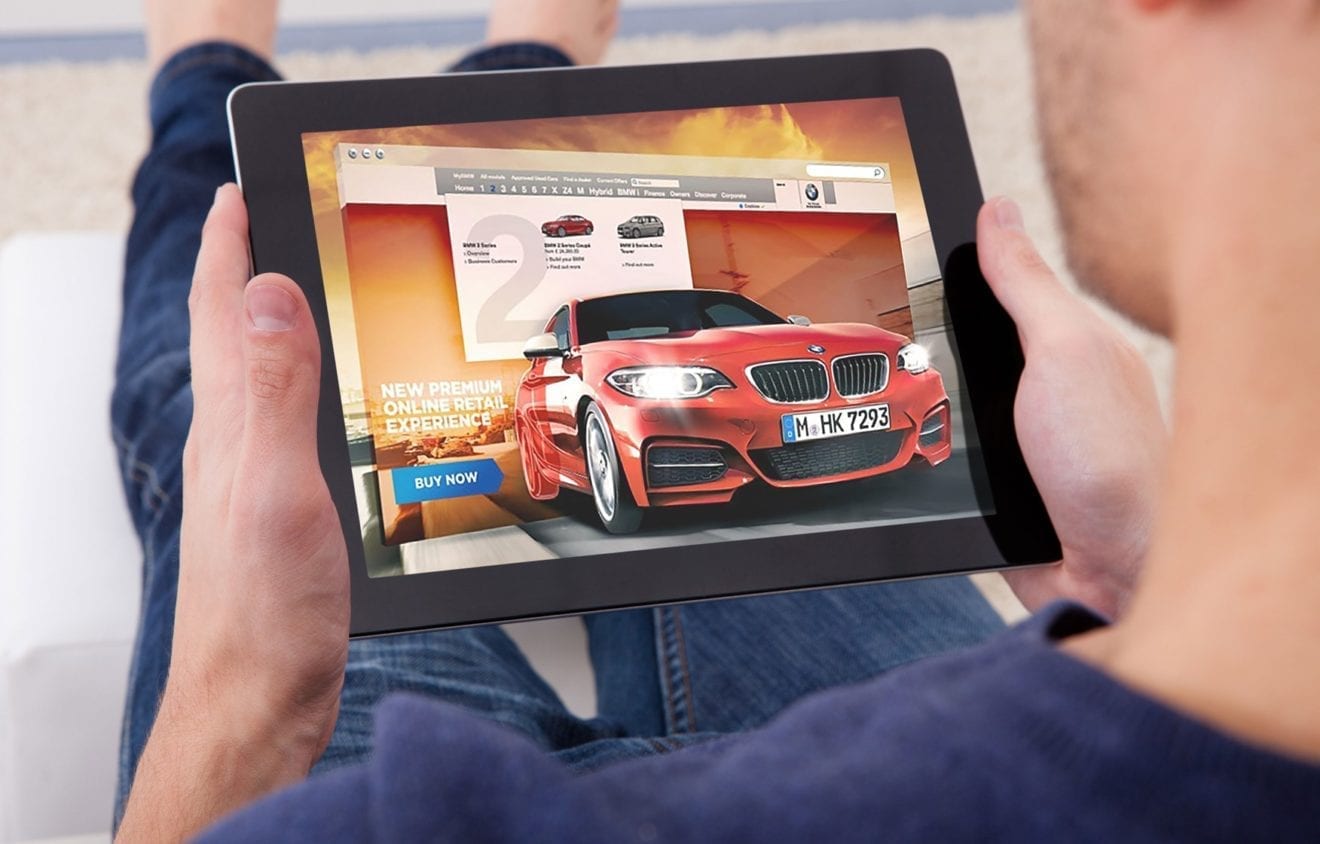
    Brick-and-mortar shops will no longer be the only go-to place for buying new automobiles, as online e-commerce shops are stepping into the industry as well.

    Interpark said Wednesday it would start a retail service for imported vehicles with local company D.parts, which delivers foreign cars to Korean customers and assists with paperwork, tax issues and delivery.

    To avoid conflict with local car dealers, the company will offer models that are not included in the list of products officially imported to Korea.

    “Buying foreign brand cars that are not dealt by official dealers can be a nuisance for general consumers,” said Cho Jin-hyuk, manager for Interpark’s electronics division. “Because our service is based on collaboration with an experienced company, customers can now buy such products with credibility and convenience on the internet.”

    “We’re looking for a way to talk directly with headquarters without going through any intermediate agents,” said a Tmon spokesman.E-commerce site Ticket Monster (Tmon) is also beginning to sell vehicles online, offering inventory from auto manufacturers inside and outside borders. The company’s brief experience in the market may offer clues about demand. The retailer sold Jaguar XE models in August, for which orders were filled in the first three hours. However, only one eventually completed a purchase after Tmon and SK Encar, agent supplier for the project, bumped heads with Jaguar Land Rover’s Korean office and official dealer Aju Networks.

    Online is the main sales channel for the global electric car brand Tesla Motors which has two showrooms in Korea but doesn’t have an official brick-and-mortar store. Tesla’s stores serve only as showrooms and clients must use the website to order. Demand in Korea was evident last year when pre-orders of the automaker’s Model 3 surpassed 325,000 in the first week.

    Although most sales offers are temporary, online retailers are eyeing expansion into domestic car brands. In September, Auction placed 10 models of Chevrolet’s Aveo on its platform, in a deal with GM Korea. The models sold out within one minute, as Auction offered a credit of five million won ($4,195) to buyers on the website.

    “We already saw potential, so the company is open for collaboration suggestions as long as the manufacturer is willing to do so,” said Lee Jin-young, a manager for Auction.

    Starting next year, domestic cars will be sold on television home shopping channels as laws that prohibited the practice were eased in November.

    New sales channels may prove favorable for consumers, as fierce competition will prompt companies to offer discounts or interest-free installment plans, which were common when imported car sales on television were popular in the early 2000s.

    “Online sales of automobiles may be a chance to enhance consumers’ convenience and improve the ambiguous structure of domestic vehicle sales,” said Kim Pil-soo, an automotive engineering professor at Daelim University College.

    Industry insiders, however, say that there are still many obstacles. E-commerce and home shopping networks equally say that although they are interested in launching online auto sales, the final decision is up to manufacturers and official importers.

    Decision makers are not enthusiastic about the idea, as sales online would eventually hurt brick-and-mortar stores and their sales force.

    “Realistically speaking, going online is not an easy option as it is a matter likely to be attacked by our labor union,” said a source from Hyundai Motor. GM Korea employees also criticized the Aveo sale on Auction, calling it a death sentence for sales people.

    Foreign car brands don’t seem too excited about the idea either, even though they may be able to save 15 percent on the commission fees they pay dealers. Most foreign car brands sign contracts with local dealers. One source pointed out that those vehicles require service after the purchase.

    “Dealers have connections to competent car service providers and quality after-service is an essential in this industry, therefore going online may be a risky decision for brand image,” the source added.

  • Nissan’s premium brand Infiniti sells 230,000 vehicles in 2016

    Nissan’s premium brand Infiniti sells 230,000 vehicles in 2016

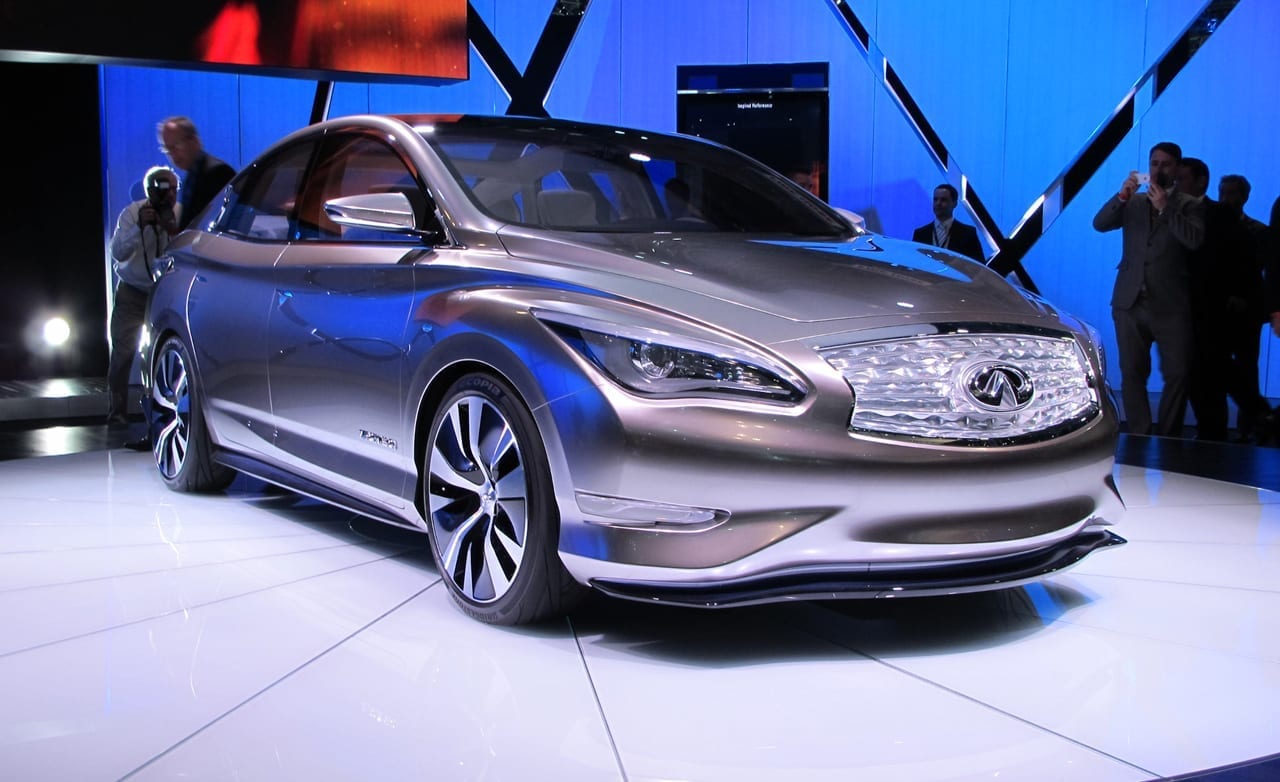
    Nissan Motor’s premium brand Infiniti sold more than 230,000 vehicles globally in 2016, a 7 percent annual rise, Infiniti said on Wednesday, a record year for a marque that trails rivals in the increasingly crowded premium market.

    The brand distantly lags German luxury competitors like BMW, which can sell almost as many vehicles in a single month, and second-tier luxury leaders like Toyota’s Lexus, which sells at least twice as many cars each year.

    Infiniti annual sales grew 4 percent year-on-year in the United States, its largest market, to more than 138,300, while China sales rose 3 percent to 41,590.

    In December, Infiniti sold 27,200 vehicles globally.

  • India’s festive season drives smartphone sales

    India’s festive season drives smartphone sales

    India’s Tier 2 and 3 cities led growth in smartphone sales during the festive season between August and October, according to IDC.

    Total sales in tier 2 and 3 cities – those with a population of between 20,000 and 100,000 – grew 23.3% growth over the previous month, the research firm’s latest Monthly City Level Smartphone tracker shows.

    IDC said this is largely due to vendors focusing on new affordable launches, higher spending on marketing and innovative payment options.

    IDC India senior market analyst Upasana Joshi said the key four months from July to October 2016 made up more than 40% of annual smartphone sales. The festive season in India started in August with Independence Day and ran until Diwali in October, drove the consumer buying across all markets.

    “Multiple sales by all major e-commerce players in October with their high-decibel marketing, attractive payment options, and exchange offers also helped in growing the market. The top 8 to 10 cities of India constitute the major portion of online sales, leaving a yawning gap between these markets and the still largely untapped smaller towns,” he said.

    Josh disclosed that China-based players contributed significantly to the growth at the offline retail counters while continuing to dominate the online channel.

    “These vendors collectively accounted for more than 40% market share in the top 30 cities during Diwali month, primarily driven by 4G enabled handsets. Oppo and Vivo continue to shake the traditional line up of Indian vendors with their superior build quality, massive marketing investments in the offline channel,” he said.

    Varun Singh, Market Analyst, IDC India, added that e-commerce players have also started investing more on sellers in smaller cities, better model and improving delivery network, moving away from deeper discounts.

    “Previously offline only or online only vendors have now started drawing benefits from their multi-channel strategies, acknowledging that offline and online channels can coexist in the market, without necessarily posing a threat to each other,” he said.

    Samsung registered 26.1% share in the top 30 cities. With a series of newly launched models namely J5 Prime and J7 Prime, Samsung clocked 15.8% shipments growth in October over the previous month.

  • Hyundai, Kia aim to grow 2017 sales to 8.25 million vehicles globally

    Hyundai, Kia aim to grow 2017 sales to 8.25 million vehicles globally

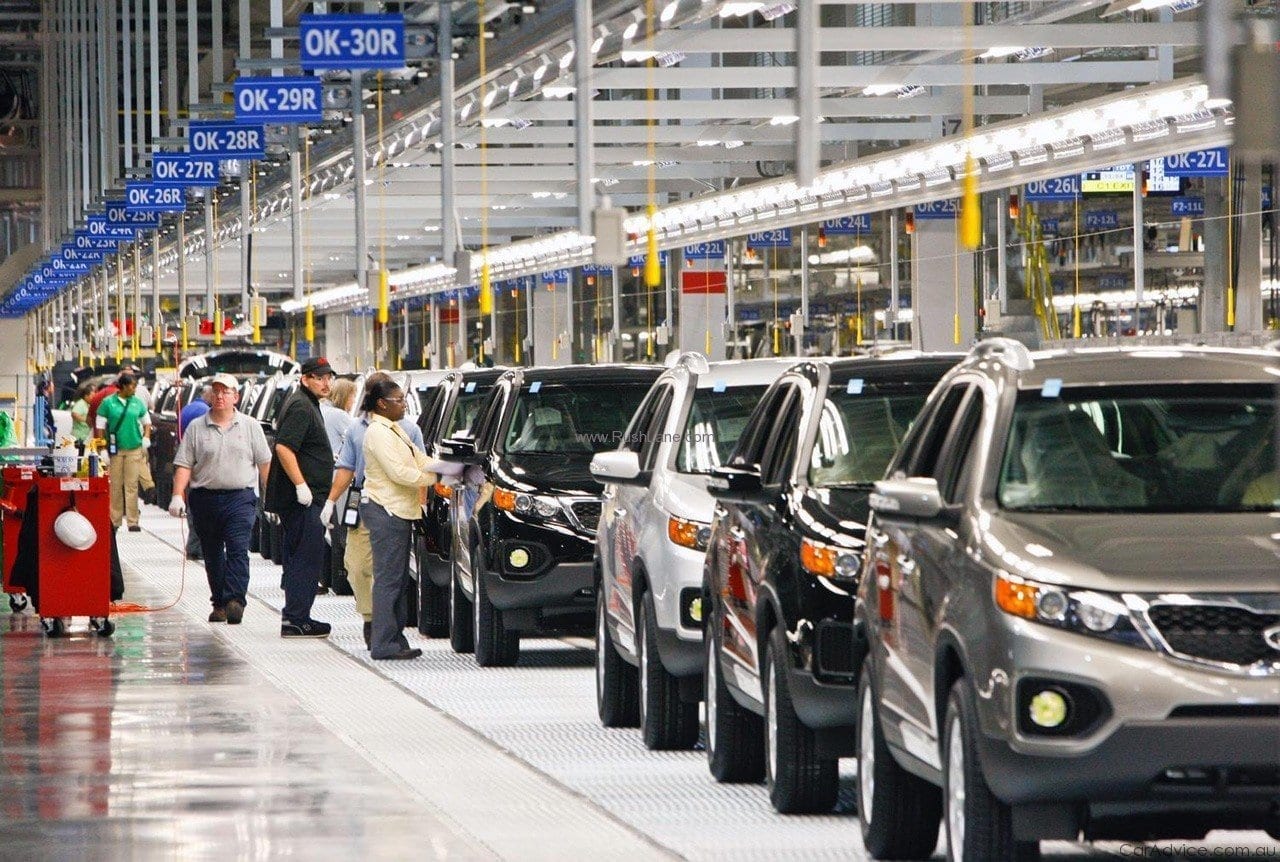
    Hyundai Motor and affiliate Kia Motors said on Monday they aim to increase their combined sales to 8.25 million vehicles globally in 2017, despite rising competition.The 2017 target is slightly higher than their 2016 goal of 8.13 million vehicles. The South Korean automakers’ final sales figures for 2016 are due out later on Monday, with analysts expecting a miss due to weak demand in emerging markets.

    “The 2017 goal is slightly higher than my projection,” said Ko Tae-bong, an auto analyst at Hi Investment & Securities, adding that the performance of new models would be the key to success after some disappointments in recent years.

    With emerging markets such as Russia stabilizing, and with Hyundai and Kia Motors gearing up to boost vehicle supply to the United States and China, sales could get a lift this year.

    But Hyundai Motor and Kia Motors – which together rank fifth in global sales – plan to add capacity in China and Mexico this year, just as those markets and the United States are seen slowing, likely pressuring margins.

    “With the global economy continuing its low growth, trade protectionism spreading and competition intensifying in the automobile industry, uncertainty is growing more than ever,” Hyundai Motor Group Chairman Chung Mong-koo said in his New Year message to employees.

    Hyundai Motor likely clocked its fourth straight annual profit decline last year, hurt by its higher exposure to weak emerging markets, and a product line-up that features more sedans than sport utility vehicles, just as SUVs have become more popular across many global markets.

    Hyundai Motor is targeting 2017 global sales of 5.08 million vehicles, while Kia Motors set its goal at 3.17 million vehicles.
    Kia Motors Vice Chairman Hank Lee told employees on Monday that the automaker hoped to revive growth this year, after falling short of its 2016 sales target.

    Hyundai Motor shares were flat in a wider market .KS11 that was down 0.4 percent in early morning trade, while Kia Motors shares were down 0.3 percent

    Hyundai Motor shares fell for a third straight year in 2016, down 2 percent versus the wider market’s 3 percent gain. Kia Motors shares slumped 25 percent last year, making them the worst-performing stock among major car makers in the world.

  • Use underground space to boost retail in Singapore

    Use underground space to boost retail in Singapore

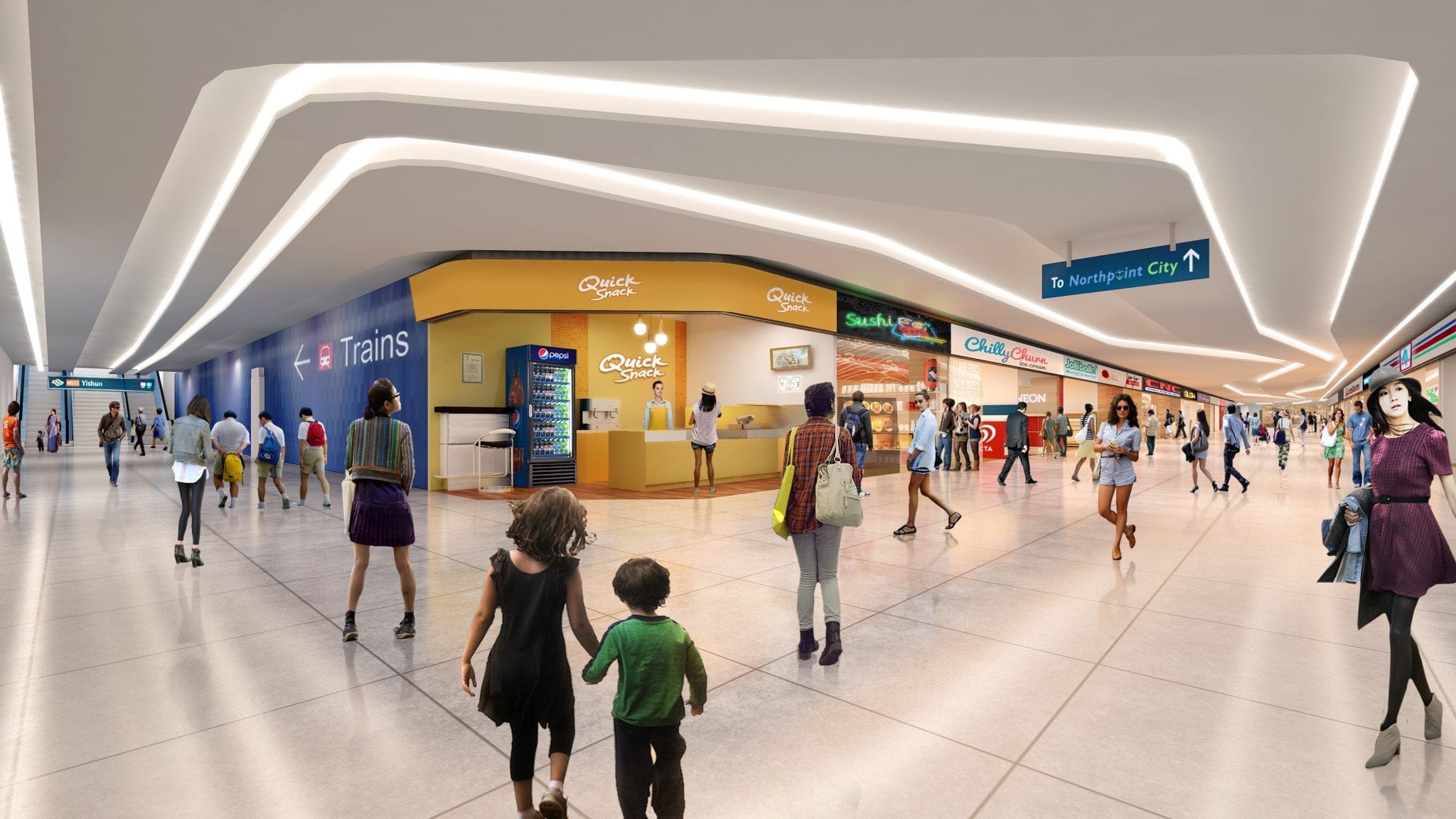
    In land-scarce Singapore, land optimisation is a strategic thrust that is achieved by reclaiming land, intensifying land use upwards, and building downwards.

    However, there are limits to land reclamation and building upwards due to maritime and aviation constraints respectively.

    Therefore, unlocking underground space and synergising below and above-ground land use is the next frontier for Singapore.

    To facilitate the growth of an extensive underground pedestrian network, the Urban Redevelopment Authority (URA) developed an Underground Master Plan to guide the construction of underground walkways in the Central Area.

    INCENTIVE SCHEME

    While the government has the ability to finance public underground development, the commercial viability of an underpass is a significant consideration for building owners and developers.

    Consequently, URA implemented an incentive scheme in 2004 to co-fund the construction of strategic underground links in the Central Region, in particular Orchard Road.

    However, no developer on Orchard Road has voluntarily capitalised on the URA incentive scheme to construct underground connections.

    This provided the key impetus for this study, which focuses on the integration of underground walkways with existing buildings on Orchard Road.

    It evaluates the feasibility of an underpass from the perspective of developers, retailers, and the public.

    PERSPECTIVES OF DEVELOPERS, RETAILERS AND THE PUBLIC

    From a developer’s perspective, there are two motivations for an underpass.

    First, an underground walkway provides a seamless, all-weather retail experience.

    Second, an underpass enhances underground connectivity which could generate higher foot traffic, resulting in higher rents for landlords.

    Furthermore, we found that there are two tiers of underpass in terms of connectivity efficiency, whereby a primary underground linkway provides a direct connection between an MRT station and shopping mall, while a secondary underpass connects two adjacent shopping malls.

    However, there are six barriers to the development of an underground walkway, namely:

    • (a) high construction cost;
    • (b) subterranean land premium;
    • (c) extensive underground infrastructure beneath public roads;
    • (d) structural building limitations;
    • (e) loss of rental revenue during construction period; and (f) diversion of pedestrian traffic to competitors’ shopping malls.

    Consequently, the total development cost – comprising high construction cost and subterranean land premium – renders an underpass commercially infeasible.

    A robust tenant mix is central to the success of an underpass, and the demand for retail space along the link depends on the rent and trade mix.

    Generally, retail rent is contingent upon the location within a shopping mall, shop size, and the building’s proximity to transportation nodes.

    The rents are highest on the ground-level retail spaces fronting Orchard Road, while rentals in the basement levels are typically lower than those of levels one through three, except in cases with direct connectivity to an MRT station.

    Our study found that the suitable tenant mix for an underground walkway includes fashion, convenience, pharmacy and healthcare, food and beverage, and accessories.

    Furthermore, the tenant mix within an underpass is distinguished from those in the basement levels of a shopping mall.

    From a shopper’s perspective, one may use an underpass to commute, shop, or do both.

    It is dependent on the visibility and connectivity efficiency of an underpass.

    For instance, the primary underpass between Orchard MRT Station and Tangs Plaza is heavily utilised because it is not only highly visible, but it also serves as an efficient linear connection between the two shopping malls.

    Conversely, the secondary underpass between Orchard Central and The Centrepoint was previously underutilised due to a lack of both visibility and awareness of its existence.

    However, the completion of Orchard Gateway provided a more seamless underground connection between Somerset MRT Station and Orchard Central, generating higher traffic flow to The Centrepoint.

    RECOMMENDATIONS

    Our study proposes four recommendations to encourage the development of new underpasses:

    First, the government could undertake the construction of an underground linkway and sell the retail spaces to investors.

    The precedent was set by the sale of Tangs Underpass, connecting ION Orchard and Tangs Plaza, to joint-venture partners CapitaLand and Sun Hung Kai Properties.

    Today, the Tangs Underpass is lined with retail spaces on both sides of the walkway.

    Second, our study proposes further enhancement to the subsidy on public pedestrian walkways and an introduction of a subsidy for retail space under the URA incentive scheme.

    These refinements significantly reduce the construction cost of an underpass, thereby making it commercially viable for building owners and developers.

    Third, the government may consider the provision of feasibility studies and infrastructure support under the URA incentive scheme, which would benefit both the state and the market.

    From the state’s perspective, this would develop the underground database to aid future planning of subterranean space.

    Furthermore, it would provide the market with clarity on the physical conditions encompassing land parcels and technical requirements of an underpass.

    Additionally, infrastructure support could be offered in the form of cash subsidies to partially offset the high construction costs of underground tunnels on Orchard Road.

    Fourth, an increase in plot ratio could incentivise developers to undertake redevelopment or major addition and alteration works, leading to the construction of an underpass which is mandated by URA.

    The 2014 URA Master Plan allows up to a 15 per cent bonus in base plot ratio for land sites above 10,000 square metres in the Orchard Planning Area.

    Furthermore, there is a variety of space and design incentive schemes to maximise a site’s development potential.

    The upcoming Orchard Boulevard MRT Station in 2021 may motivate building owners to amalgamate land parcels in West Orchard and carry out redevelopment or major addition and alteration works, giving rise to the creation of new underground walkways.

    In conclusion, an effective incentive scheme entails a delicate balance between the objectives of the state in enhancing underground connectivity and the market, where profit matters.

    Ultimately, the exploitation of underground space has limitless potential in expanding Singapore’s physical space boundary vertically downwards and optimising land use through the seamless integration of below and above-ground activities.

  • Aprindo Foresees 10% Increase in Retail Sales Volume for 2016

    Aprindo Foresees 10% Increase in Retail Sales Volume for 2016

    Indonesian Retailers Association (Aprindo) said that this year’s retail performance has been better than last year. Aprindo chairman Roy Mandey is confident that volume of retail sales will increase 10 percent this year.

    “We are confident of ending 2016 with 10 percent increase in volume of retail sales compared to last year,” Roy Mandey said in Jakarta on Wednesday.

    Roy explained that the figure of 10 percent is equal to Rp200 trillion. Last year, with national economic growth at 4.7 percent, the volume of retail sales reached 8 percent or equal to Rp181 trillion. “Adding processed food and beverages into the equation would take the sales volume to Rp1,630 trillion.”

    Roy said that sales volume increased significantly in November and December, despite some rallies staged during that period.

    As for next year, Aprindo is confindent of achieving similar figure of sales volume because Indonesian economic growth is predicted at 5.4 percent, which will help the growth of retail industry.

    Roy revealed that the growth of Indonesia’s retail industry is better compared to that of other countries. The United States, for instance, only saw 0.1 percent increase in retail industry. “Indonesia’s [retail sector] is better [in terms of growth], more so because inflation rate is low.”

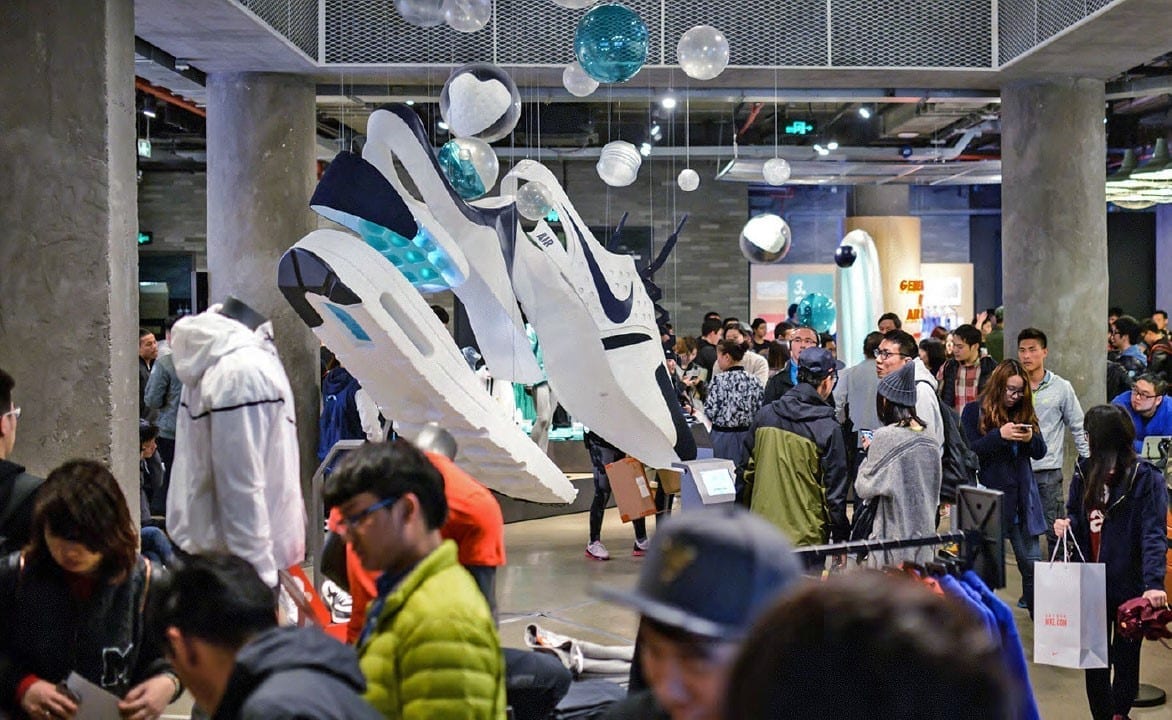
  • Nike sales saved by basketball sector

    Nike sales saved by basketball sector

    A rebound in basketball drove strong Nike sales and profit growth in the last quarter.

    The US-headquartered sports giant has reported a profit rise of 7.3 per cent to US$842 million in the three months to November 30, with sales up 6.4 per cent, to $8.18 billion. Excluding the impact of currency rates, profit rose 8 per cent.

    Sales in the basketball category, which includes its Jordan brand, accounted for 15 per cent of wholesale revenue in 2016. And even greater growth is expected in the next quarter after the brand lost momentum in the core category in previous periods.

    “We’re seeing incredible momentum in basketball,” said Trevor Edwards, president of Nike Brand. “To be clear, basketball is back.”

    Sales in China rose 12 per cent, and in the US by 3 per cent.

    Nike has moved to drive more direct sales, improved its online sales apps and adjusted pricing on some of its marquee products, including basketball shoes.

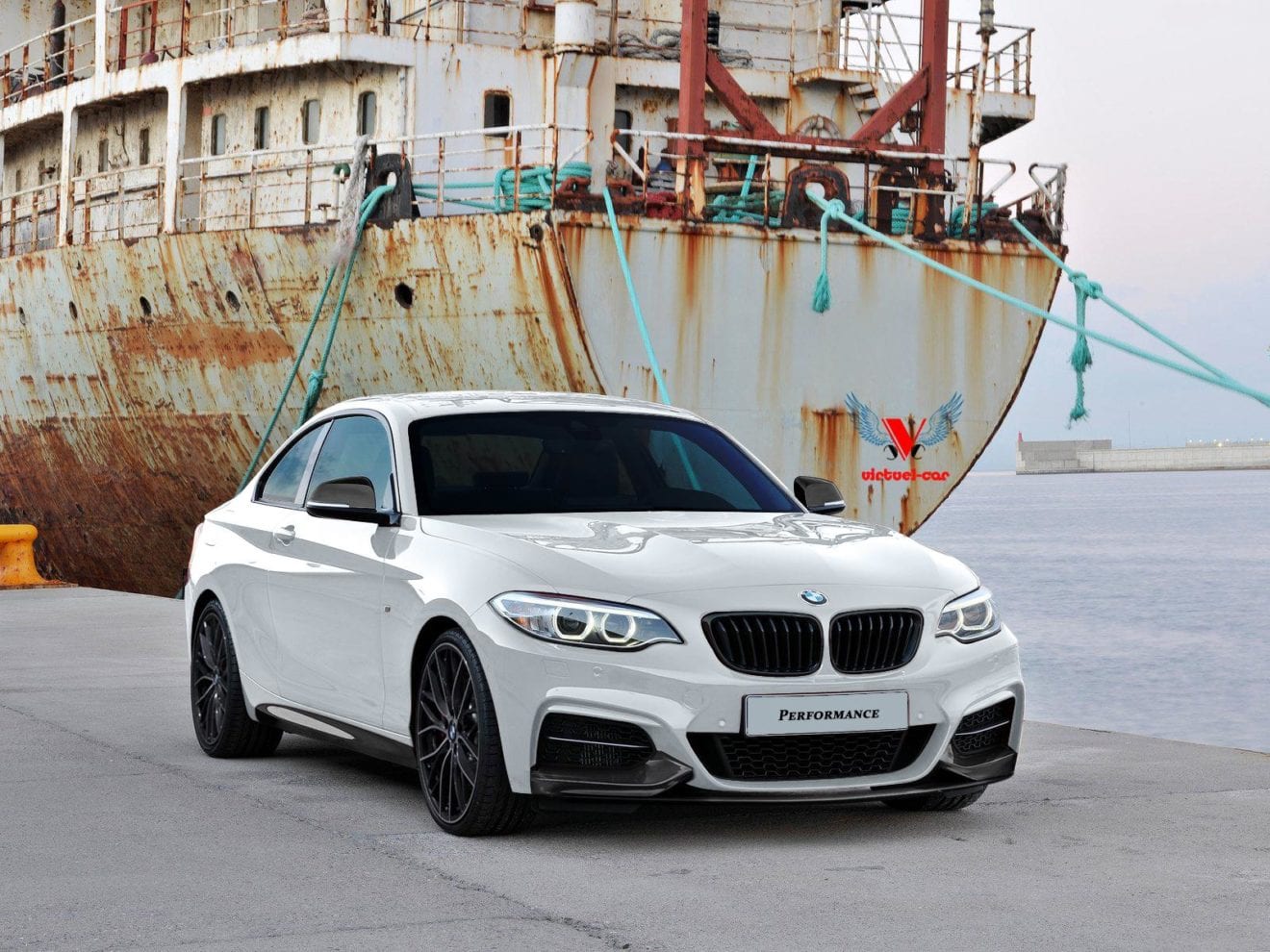
  • BMW November sales up 5.9 percent, Mercedes poised to overtake

    BMW November sales up 5.9 percent, Mercedes poised to overtake

    Daimler’s Mercedes-Benz is on track to overtake rival BMW to take the title of the world’s biggest luxury carmaker, sales figures for November released on Monday showed.

    November sales of BMW branded luxury cars were up 5.9 percent to 177,740 taking year-to-date sales to 1,824,490. By contrast Mercedes-Benz passenger car sales were up 12.7 percent to 182,602 increasing year-to-date sales to 1,893,619.

    Sales of BMW’s core brand reached 1.91 million in 2015 on strong demand for sports utility vehicles like the X5, the 11th year in a row the Munich-based carmaker clinched the title in 2005.

    Mercedes sold to 1.87 million cars in 2015, compared with 1.80 million luxury vehicles sold by Volkswagen’s Audi

  • IMDA to ban 2G-only device sales from Jan 1

    IMDA to ban 2G-only device sales from Jan 1

    Singapore’s Infocomm and Media development Authority (IMDA) has announced it will ban the sale of 2G-only mobile devices from January 1.

    After this time, retailers and equipment suppliers will not be allowed to sell 2G handsets for use in Singapore, the regulator said.

    Suppliers with a dealer’s individual license will be able to continue selling the devices, but only for export purposes or overseas use.

    The order applies to devices in the GSM900 and GSM1800 frequency bands, and covers other cellular devices besides handsets including POS terminals and M2M equipment. Retailers and suppliers found to be in violation of the new rules could face financial penalties.

    Singapore’s mobile operators will shut down their 2G networks from April 1 to allow IMDA to re-allocate spectrum for more advanced mobile services.

    IMDA is working with operators to facilitate the migration of remaining 2G users to 3G or 4G networks, allowing subscribers to upgrade their devices while maintaining their plans and monthly subscription costs.

    Singapore is on track to introducing a fourth mobile network operator. Last month, local fiber ISP MyRepublic and Australian fixed line operator TPG Telecom were pre-qualified to take part in a special auction for the fourth mobile license.

  • China November vehicle sales up 16.6 pct

    China November vehicle sales up 16.6 pct

    China auto sales in November rose 16.6 percent from a year earlier to 2.9 million vehicles, the sixth consecutive month of double-digit growth, the China Association of Automobile Manufacturers said on Monday.

    That compares with an 18.7 percent rise in October and a 26.1 percent rise in September.

    In the first 11 months of 2016, sales grew 14.1 percent compared with the previous year, the association said at a briefing in Beijing.

    In October, the association raised its forecast for full-year 2016 growth to 7 percent, from 6 percent previously.

  • Apple’s iPhone 7 Sees Discounting as China Sales Fall

    Apple’s iPhone 7 Sees Discounting as China Sales Fall

    Jun Zhang today reiterates a Neutral rating, and a $102 price target, warning that sales of the iPhone in China, he estimates, are “still weaker than retail channels” as discounting of the phone has popped up across the country.

    iPhone sales, presumably in dollars, he doesn’t specify — fell by 6% in November, and are probably down “slightly” from November this month, as discounting takes hold outside of tight supplies at Apple’s online store:

    Overall iPhone sales in China were down 6% in November and slightly down MoM in November due to some pushes in “single day” sales. In our view, iPh- one 7 sales will continue trending down and many retailers in China have al- ready started discounting ($50) the iPhone 7 in November. iPhone 7 Plus sup- ply is catching up in November, and sales have grown MoM in November. iPh- one 6/6S sales continue to be weak. The 7 Plus model currently accounts for 60% of iPhone 7 sales in China. We started seeing some retailers discounting this model in November. In our view, there is a waitlist if ordered from Apple’s online store, but consumers can easily buy them from local stores and third party retail stores. Since the jet black mod- el has high return rate, Apple might try to control capacity. Overall, we believe iPhone sales in China are still weaker than retail channels expected.

    Zhang also cautions investors not to be mislead if they hear of component orders rising come the March quarter. In his view, “Some noise of Apple increasing orders might come from the iPad instead of the iPhone,” given he sees Apple refreshing the various iPad models in March.

  • Korean online shopping reaches new high

    Korean online shopping reaches new high

    South Korean online shopping reached a new record high in October, aided by a nationwide discount event, according to government sources.

    Total online transactions reached a record 5.6 trillion won (US$4.8 billion) in October, up 17.3 per cent from 4.8 trillion won a year earlier, according to the report compiled by Statistics Korea.

    Purchases made through smartphones, tablets and other mobile gadgets also soared 37.4 per cent on-year to a record 3.2 trillion won to account for 56.1 per cent of all online sales in the month, up from the 54.7 per cent share the previous month.

    In October, the Korea Sale Festa, designed to tie up the retail industry with the tourism and cultural sectors in line with the major Chinese holiday season, encouraged people to go shopping online and offline.

    During the one-month period, some 200 retailers and internet markets offered discounts and promotions to attract local and foreign shoppers.

    Demand for clothes jumped 29.5 per cent on-year to 726.8 billion won and online sales of cosmetics surged 42.1 per cent to 465.1 billion won, while online food delivery vaulted 24.8 per cent to 521.4 billion won.

    According to separate data, the combined sales of department stores, large outlets and internet shops increased 8.4 per cent on-year in October, with those of offline stores gaining 6.3 per cent and those of online retailers jumping 13.2 per cent.