Tag: samsung

  • Samsung to manufacture Qualcomm’s upcoming 5G chipset for premium phones

    Samsung to manufacture Qualcomm’s upcoming 5G chipset for premium phones

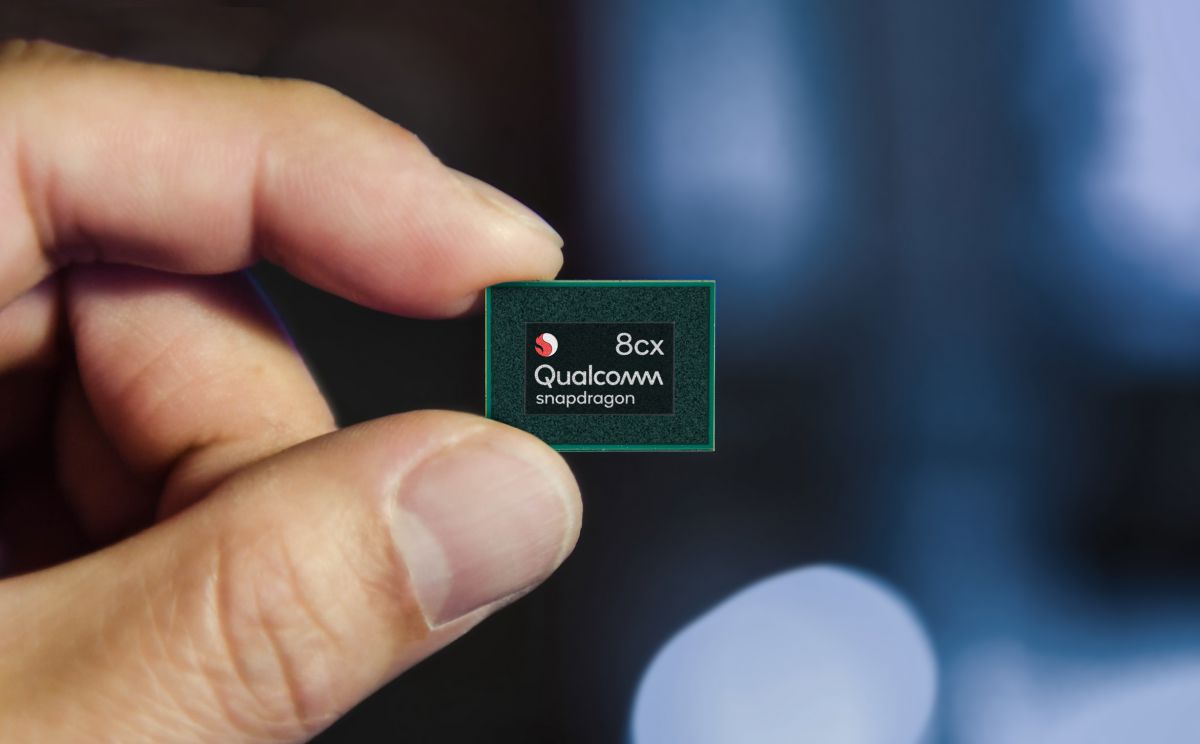
    Samsung is the sole manufacturer of Qualcomm’s upcoming Qualcomm Snapdragon 875 chipset, South Korean media reports. Apparently, the South Korean giant is about to ink a deal with the US chipset maker for the manufacture of the premium chipsets that will power flagships launching in 2021 and beyond.

    The deal worth about $1 billion elevates Samsung from a relatively large chipset supplier for the smartphone market to a major position. Reports claim Samsung’s offer was slightly better than TSMC’s, but no numbers were revealed in the report.

    Qualcomm’s Snapdragon 875 chipset (tentative name) is manufactured using a 5-nanometer process and it’s aimed at premium smartphones. The new chipset is expected to be unveiled in December, but the first devices powered by Snapdragon 875 won’t be ready until next year.

    Samsung Galaxy S21 and other flagships from Xiaomi and Oppo will be among the first to pack Qualcomm’s new Snapdragon 875 processor, which also includes 5G support. Samsung Electronics has already started the mass production of the new chipset at its foundry line in South Korea.

  • HCMC requests tax incentives for Samsung subsidiary

    HCMC requests tax incentives for Samsung subsidiary

    HCMC has proposed that a subsidiary of Samsung be defined as an export processing enterprise to enjoy zero import and export duties.

    The city said in a recent proposal to Prime Minister Nguyen Xuan Phuc that switching the label of TV screen producer Samsung Electronics HCMC CE Complex (SEHC) from a manufacturing enterprise to an export processing one will fulfill the city’s commitment to creating a favorable investment environment for the South Korean conglomerate.

    This will place Vietnam as an export base for Samsung to the global market and in turn benefit local suppliers to the South Korean giant, it said.

    Vietnam allows export processing enterprises to enjoy zero import and export duties and other tax incentives, but a company needs to have 90 percent of its revenue coming from exports to be able to achieve this status.

    SEHC forecasts its revenue from exports to reach $4.4 billion this year out of the total $4.9 billion, a ratio of 90 percent.

    In 2018, the management board of the Saigon Hi-Tech Park in District 9, where SEHC is based, had made the same proposal. However, this was denied by the Ministry of Finance because the export revenue ratio of SEHC between January 2016 and June 2018 was 75 percent.

    Another reason for the rejection was that SEHC operated in a hi-tech industrial park, not an export processing zone or an industrial or economic zone.

    SEHC, which began operations in June 2016, produces and assembles smart TVs and LED screens.

    Samsung is a major foreign direct investment company in Vietnam. About half of its smartphones are produced in the country, where it has invested over $17 billion so far. Its first plant in the country was built in 2008.

  • Samsung’s Galaxy Z Fold 2 5G is proving even more popular than expected

    Samsung’s Galaxy Z Fold 2 5G is proving even more popular than expected

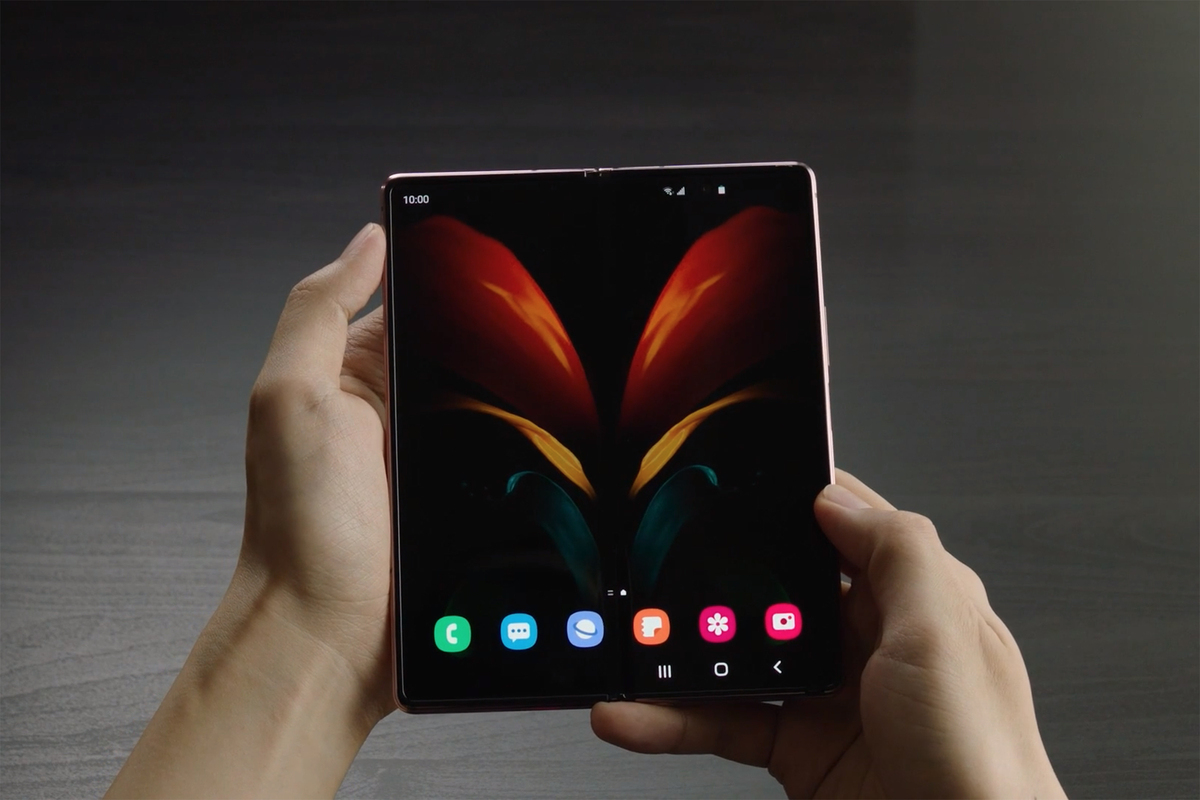
    Priced at $2,000 in the US, the 5G-enabled Galaxy Z Fold 2 is not what we’d call widely accessible to the masses. But even though 2020 has been a tough year for high-end, high-priced smartphones in general and Samsung flagships in particular, this foldable beaut is sure shaping up to be a smash hit, at least by early foldable market standards.

    Forecasted ahead of its official announcement to rack up around 500,000 unit sales by the end of 2020 and tipped to cross 800,000 units manufactured in that same timeframe just last week, the Galaxy Z Fold 2 5G is today estimated to reach an “initial volume” of 10,000 copies or so in South Korea.

    That may not sound like an impressive number by itself, not to mention when you compare it to the other two figures above, but apparently, it’s triple the initial regional volume of the original Galaxy Fold last year. It’s also important to keep in mind that while Samsung cares a lot about its domestic market, this is only one of many major countries where the Galaxy Z Fold 2 5G could sell like hotcakes compared to its predecessor.

    In other markets, starting with the US, show a similarly “positive reaction” as the one reported in the tech giant’s homeland, the foldable device may well exceed 500,000 or even 800,000 shipments this year. More importantly, Samsung is proving by allotting three times as many second-gen Z Folds than OG Galaxy Folds to major South Korean carriers and independent stores that it can produce a significantly higher number of foldable smartphones during these challenging times for the mobile industry, contrary to rampant speculation from a few months back.

    At least for now, there are no reasons to expect substantial delays or particularly long shipping times for early adopters. That is, as long as you’re not looking to buy the luxury Thom Browne Edition.

    Believe it or not, around 230,000 people in Samsung’s homeland applied for a bank-breaking purchase in just two days, which means a lot of potential buyers will end up feeling terribly disappointed at missing their chance to spend the rough equivalent of $3,330 on, well, a phone.

    There are only 5,000 copies of this thing prepared to be distributed worldwide, mind you, including a measly 1,000 in South Korea. The Galaxy Z Fold 2 Thom Browne Edition is not up for grabs stateside yet, but as far as the standard version is concerned, you still have until September 18 to pre-order your copy in a Mystic Black or Mystic Bronze color.
  • Samsung phone sales down

    Samsung phone sales down

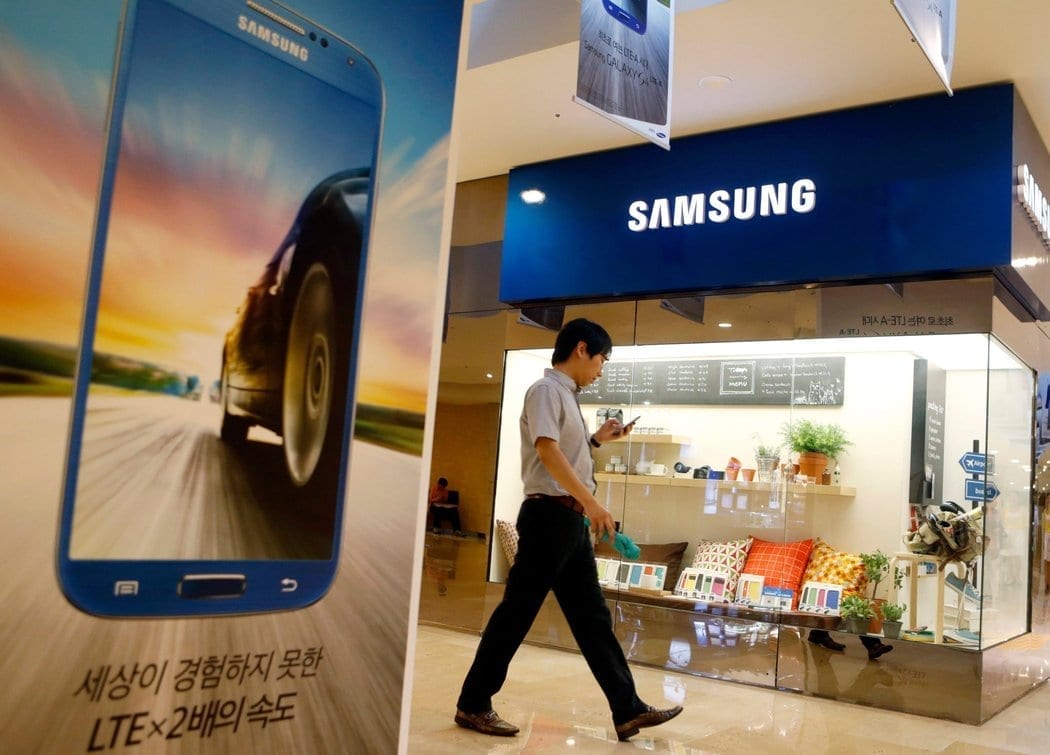
    Samsung Electronics remained the top smartphone vendor in the second quarter of the year despite suffering a sharp decline in sales.

    Samsung sold 54.75 million smartphones in the April-June period to take an 18.6-per-cent market share, according to market researcher Gartner.

    Its second-quarter sales suffered a 27.1-per-cent year-on-year decline, the largest drop among the top five smartphone brands, Gartner added.

    “The Covid-19 pandemic continued to negatively affect Samsung’s performance in the second quarter of 2020,” said Anshul Gupta, senior research director at Gartner. “Demand for its flagship S Series smartphones did little to revive its smartphone sales globally.”

    China’s Huawei Technologies came a close second with an 18.4-per-cent market share after it sold 54.12 million smartphones in the second quarter, down 6.8 percent from a year ago.

    “Huawei’s performance in China helped it avoid a worse quarterly performance,” Gartner said.

    US tech titan Apple was third with a 13-per-cent market share after it sold 38 million iPhones in the second quarter, down 0.4 percent from a year earlier.

    Chinese brands Xiaomi and Oppo took the fourth and fifth spots in the global smartphone sales rankings, respectively, Gartner said.

    The global smartphone sales in the second quarter dropped 20.4 percent year-on-year to 295 million units, according to Gartner, as the Covid-19 pandemic continued to undermine the mobile phone industry.

  • Lost Samsung phones can now be found even if offline

    Lost Samsung phones can now be found even if offline

    If you own a Samsung phone and have misplaced the device, the Find My Mobile feature will help you get back together with the handset. And you can even unlock your device with Find My Mobile even if you’ve forgotten your password, PIN, or pattern. The missing device must be signed in to your Samsung account. But what if the missing device is offline?

    XDA’s Max Weinbach disseminated a tweet last night after noticing that Samsung had added a new feature to Find My Mobile; the new feature depends on other Galaxy owners to help find the missing device. According to a screenshot shared by Weinbach, this offline tracking is enabled by going to the Offline finding page and toggling on the switch at the top of the page. According to Samsung, “This will allow your phone to be found by other people’s Galaxy devices even when it’s not connected to a network. It will also allow your phone to be used to scan for lost Galaxy devices that may be nearby. You can also find watches and earbuds if this was the last device they connected to.”

    In other words, if your missing phone is offline, it still will show up on another Galaxy owner’s phone if it is nearby. And that means that if someone else has a Galaxy phone that is lost and offline, it will show up on your phone if the missing device is close to you.

    Apple beat Samsung to the punch as iPhone users running iOS 13 have had the ability to find a missing iPhone that is offline. This is possible as long as the handset is powered on. Using Bluetooth, your missing offline iPhone can be found. To enable this on your iPhone (again, running iOS 13 or later), go to Settings > Tap your name at the top of the screen > Tap on Find My > Tap Find My iPhone > Toggle on Find My iPhone > Enable offline finding > Send Last Location.

  • Samsung denies moving part of Vietnam smartphone production to India

    Samsung denies moving part of Vietnam smartphone production to India

    Samsung has rebutted reports it plans to shift part of its smartphone production in Vietnam to India, saying the former will continue to be the group’s major manufacturing base.

    Samsung Vietnam said in a statement that its smartphone manufacturing factories in the northern provinces of Bac Ninh and Thai Nguyen are operating as usual.

    Vietnam will always be Samsung’s important production base in the world, it stated on Tuesday, adding that reports on the shift to India are “unfounded.”

    The statement came after India’s Economic Times on August 17 reported that Samsung “may shift a major part of its smartphone production to India from Vietnam and other countries,” citing sources.

    The report said the South Korean conglomerate had submitted estimates of making smartphones worth over $40 billion in the next five years to the Indian government.

    “Samsung is likely to diversify its production lines for making smartphones to India under the PLI (Production Linked Incentive) scheme and this will have an impact in its existing capabilities across various countries like Vietnam,” the English-language daily quoted a source “familiar with the matter” as saying.

    About half of Samsung’s smartphones are produced in Vietnam, where it has invested over $17 billion so far. Its first plant in the country was built in 2008.

  • Samsung tops Vietnamese smartphone market

    Samsung tops Vietnamese smartphone market

    Samsung increased its market share to 33 percent in the second quarter to become the largest smartphone brand in Vietnam. Despite the impact of the Covid-19 pandemic, the South Korean firm increased its sales by 4 percent year-on-year, Singaporean technology market analysis firm Canalys said in a recent report.

    China’s Oppo and Vivo followed with 17 percent and 12 percent share of the market, respectively. But their sales trends diverged wildly, with Oppo’s falling by 26 percent and Vivo’s increasing by 246 percent. VinSmart, a subsidiary of Vietnam’s largest listed company, Vingroup, was fourth with an 11 percent market share. It had launched its first product at the end of 2018, and produced its first 5G smartphones in collaboration with U.S. chip giant Qualcomm last month. VinSmart is focusing on the low-end segment with 12 offerings all priced at below VND5 million ($212).

    China’s Realme was in fifth place with a market share of 9 percent after growing at 63 percent. According to We Are Social, a social media marketing and advertising agency, around 75 million people, or almost 80 percent of the country’s population, use smartphones.

  • Samsung Money arrives in the US, here are all the perks

    Samsung Money arrives in the US, here are all the perks

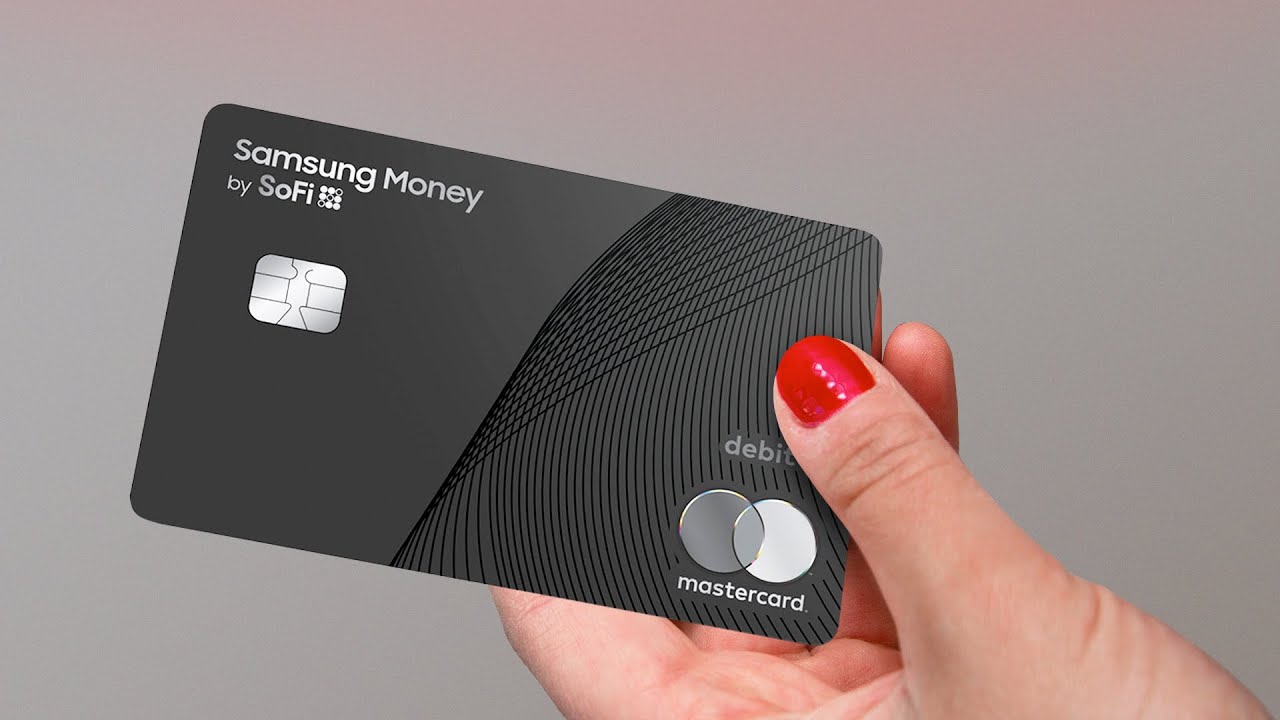
    Samsung has just introduced Money by SoFi in the United States, as part of the Samsung Pay mobile payment system. Samsung Money offers both physical and virtual perks for those who order the plastic chip card that enables them to use the service.

    Launched in partnership with the fintech startup SoFi, Samsung Money supplements the online aspect of Samsung Pay by adding several perks that you would otherwise get. First off, in order to get the Mastercard debit card accompanying Samsung Money, one must first sign-up and access the service via the dedicated website.

    After opening and funding an account, customers will be eligible for a chance to win $1,000 in Samsung Rewards points toward a Samsung Galaxy S20 5G, QLED 4K TV, or any other product made by the South Korean company.

    Also, Samsung revealed that all Money users in the US will soon get access to an exclusive discount on various products such as Galaxy smartphones, tablets, wearables, TVs, laptops, washers, refrigerators, and more. This special discount can be combined with any other offer from Samsung. Apart from that, you can see below all the other perks that come with being a Samsung Money user:

    • Instant Activation: As soon as you fund your new Samsung Money by SoFi account, your digital debit card will be provisioned in your Samsung Pay wallet, with your physical card arriving shortly by mail.
    • No Account Fees: Samsung Money charges zero account fees, overdraft fees, or transfer fees.
    • Added Savings and Benefits: Samsung Money rewards users for saving, earning up to 6x higher interest rate relative to the national average of transactional accounts. Also, Samsung Money users will earn Samsung Rewards points for every purchase they make within Samsung Pay.
    • Money Management: With Samsung Money, you can use the Samsung Pay app to check your balance, review past statements and search transactions, as well as pause or restart spending, freeze or unfreeze your card, change your pin and assign your trusted contact
    • Security: Since Samsung Money by SoFi isn’t a credit card, you can only spend the cash you have on hand. If an unauthorized transaction occurs, you’ll receive an alert and assume zero liability. Not to mention that the physical debit card will not display the card number, expiration date, or CVC.

    Samsung Money is available to Samsung Pay users in the United States starting today. To access the service, you’ll need to tap on the Money tab in the Samsung Pay app on your phone.

  • Apple helps Samsung report stronger than expected Q2 earnings estimate

    Apple helps Samsung report stronger than expected Q2 earnings estimate

    Recently Samsung revealed what its second-quarter earnings numbers should look like when it soon reports the final figures. The manufacturer says that it expects to report a 7% annual decline in second-quarter revenue to 52 trillion Korean won. At current exchange rates, that works out to $46 billion U.S. dollars. Operating profit for the three months ended June is estimated at 8.1 trillion Korean won ($6.6 billion USD), up 23% year-over-year.

    The results topped analysts’ consensus estimates of 51 trillion won in revenue and operating earnings of 6.5 trillion won. Helping Sammy top the analysts’ forecasts was a one-time payment of $950 million that the company received from Apple. DSCC says that the money was due to Samsung when Apple purchased fewer OLED panels from the company than called for by the terms of their contract. Thanks to this payment, Samsung’s display devices unit reported a profit for the quarter instead of a loss. During the same quarter last year, Apple reportedly paid Samsung $770 million for a shortfall in orders for OLED panels. The contract required Samsung to deliver 100 million panels at approximately $70 a pop.

    Apple has been trying to reduce its dependence on Samsung as an iPhone supplier. After all, does Coke buy cola syrup from Pepsi? Samsung has been Apple’s largest supplier of OLED panels for the iPhone and Apple has been looking to add glass from LG and Beijing Oriental Electronics (BOE). However, earlier this year it was alleged that BOE had failed a quality test conducted by Apple. Ironically, BOE reportedly failed a quality test conducted by Samsung who is supposedly considering the company’s OLED displays for the 2021 Galaxy S21 flagship models.

    Samsung’s semiconductor business saw strong demand for memory chips used by cloud computing companies looking to expand their capacity as more people are forced to work from home. With prices for DRAM and NAND flash memory chips on the rise, Samsung earned an estimated 5 trillion Korean won during Q2. Samsung’s mobile and consumer businesses were hurt by the pandemic during the three months, but results were not as bad as expected. Still, the company’s flagship Galaxy S20 series is doing poorly in the states trailing the numbers put up by the Galaxy S10 and Galaxy S9 lines in 2019 and 2018 respectively. On August 5th, Samsung is expected to introduce the Galaxy Note 20 line. We also should see in the near future the Galaxy Z Note 2 and the Galaxy Z Flip 5G foldable.

    Sammy’s troubles at the cash register could be seen in other data. In April and May Huawei became the top smartphone manufacturer in the world. May’s numbers showed the Chinese manufacturer with a hair-thin lead over Samsung; Huawei was responsible for 19.7% of global smartphone shipments in May compared to Samsung’s 19.6%. What might really hurt Samsung in the U.S. is the ravaged economy. Millions of Americans remain out of work and money that normally could be used to purchase an expensive handset now must be used to put food on the table.

    The full second-quarter earnings report will be released sometime later this month. As for Apple, the flip side of the coin is that when it reports its fiscal third-quarter earnings on July 30th, it will have to account for the payment to Samsung somewhere in its financial report. Most investors are able to shrug their shoulders at one-time payments like this so it shouldn’t have an effect on Apple. The only negative is that Apple can’t seem to end its addiction to Samsung.

  • Samsung unveils Samsung Infinity experiential concept in Seoul

    Samsung unveils Samsung Infinity experiential concept in Seoul

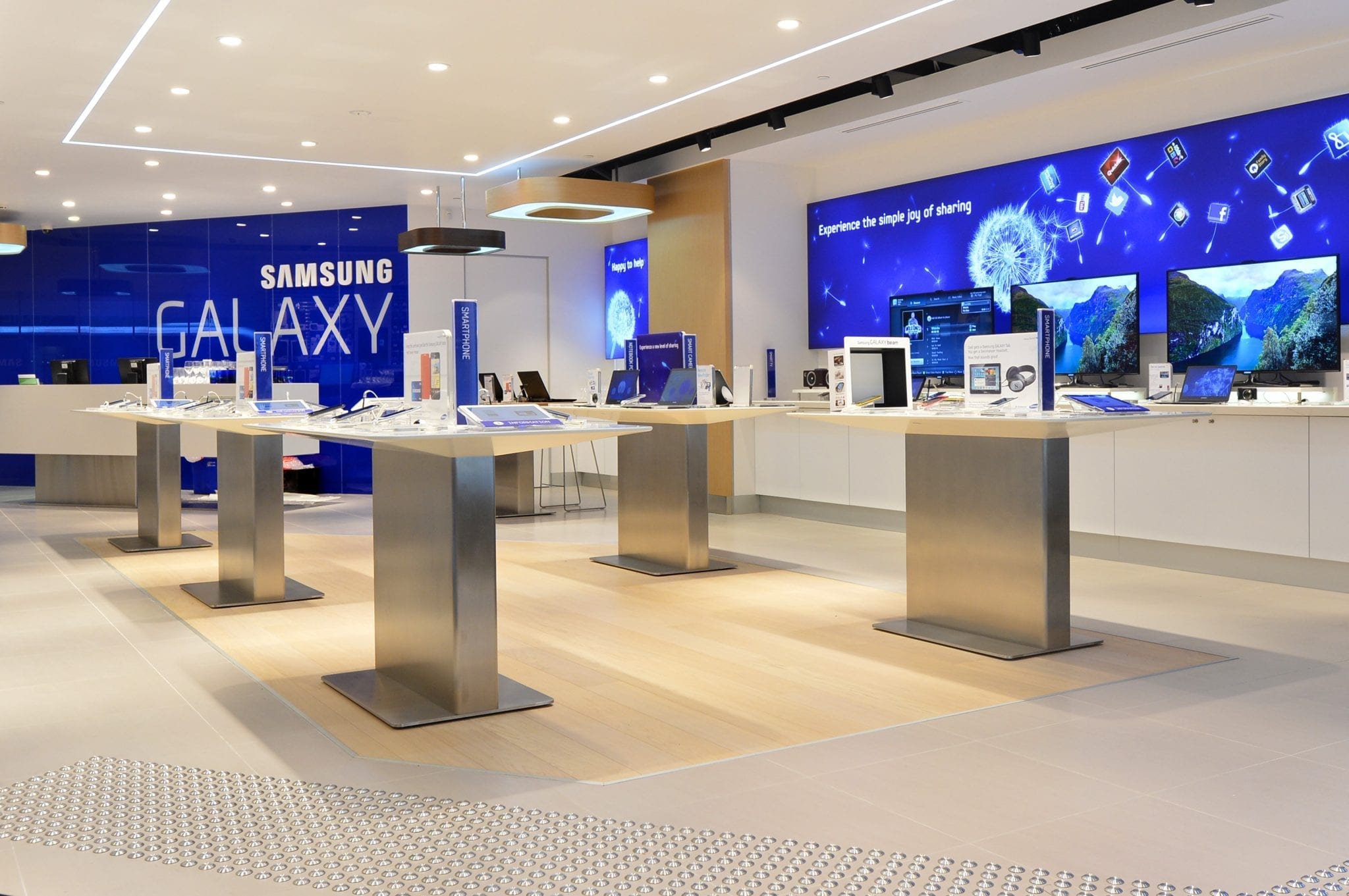
    Samsung has created an experiential concept store in south Seoul, dubbed Samsung Infinity, showcasing its products across multiple categories.

    Located inside the premium department store OMA’s Galleria in Seoul, the experience center spans four stories, with a 4000sqm floor area. Designed by JHP, Samsung Infinity features a futuristic concept which some customers have described as “something out of the science fiction series Devs”.

    A wide range of Samsung products is displayed there, ranging from ‘super smartphones’ and appliances to electric cars and even ‘digital fashion’.

    Samsung Infinity also houses a giant glass sculpture called Infiniti Tower standing in a three-story atrium in the heart of the center.

    “I recall going in but then walking immediately out again only to look at my watch and find that two hours had passed,” a customer said when visiting the center. “I felt elated, entranced and in something of a state of ecstasy,” they enthused.

    “We designed it… but emotionally we are still coming to terms with what we have created,’ says Steve Collis, CEO at JHP.

  • Samsung together with Facebook help Indian SMEs go live online

    Samsung together with Facebook help Indian SMEs go live online

    Samsung and Facebook have partnered up in India to train retailers to expand into e-commerce via social media platforms such as Instagram and WhatsApp.

    More than 800 retailers have undergone training sessions, with many more expected to participate in the near future.

    “Our partnership with Facebook is helping a large number of our retail partners go digital in a big way,” said Samsung India senior VP mobile business Mohandeep Singh. “By leveraging the Facebook training, our retail partners will be able to discover and target local consumers digitally.”

    The training by Samsung and Facebook most specifically targets offline retailers of Samsung products to set up business pages and accounts on Facebook’s various platforms.

    “The presence of local Samsung retailers on Facebook, Instagram, and WhatsApp will help consumers reach out to their local retailers for more information about their desired Galaxy smartphone, and shop for Galaxy smartphones on the platform of their choice,” read an official statement from Samsung.

  • Apple & Samsung face tough times as global smartphone shipments set to drop 15%

    Apple & Samsung face tough times as global smartphone shipments set to drop 15%

    The smartphone market has been struggling for the past couple of months due to the COVID-19 pandemic and, although the situation is expected to improve in the second half of the year, a huge decline is still predicted. The latest report by DigiTimes Research claims smartphone shipments are now expected to decrease by a whopping 15% this year to 1.15 billion units. That is slightly more pessimistic than earlier forecasts and can be attributed to the worsening situation. Smartphone brands with large presences in the United States and Europe, which have implemented strict lockdown measures and are likely to experience an economic recession, are expected to feel the biggest impact this year.

    Those competing in the premium segment will face extra pressure too. After all, customers are starting to live on tighter budgets, and smartphones aren’t typically high on the list of priorities, especially not high-end ones. DigiTimes believes Apple has already lowered orders for the iPhone 11, which is the best-selling iPhone device globally, for the second and third quarters. The newly released iPhone SE should help soften the near-term impact, but Apple itself is still expecting a noticeable decline.

    So much so that it has reportedly decided to cut its internal iPhone shipment target for the entire year. There has yet to be an official comment on the matter, but the first indications of this should arrive later this week. Apple is scheduled to announce its results for the January-March quarter on Thursday, April 30. These should be accompanied by an official revenue guidance for the current quarter, which will provide a clearer indication of how Apple is battling shrinking global demand.

    The final quarter of the year should be more positive for the Tim Cook-led company, but it will be far from plain sailing. Apple is reportedly facing severe iPhone 12 delays and recent reports suggest the company has cut its orders for the second half of 2020 by 20%. Samsung is another company that has reportedly lowered its internal smartphone shipment forecasts for the year. The poor reception of the Galaxy S20 series is one of the main reasons for this outcome.

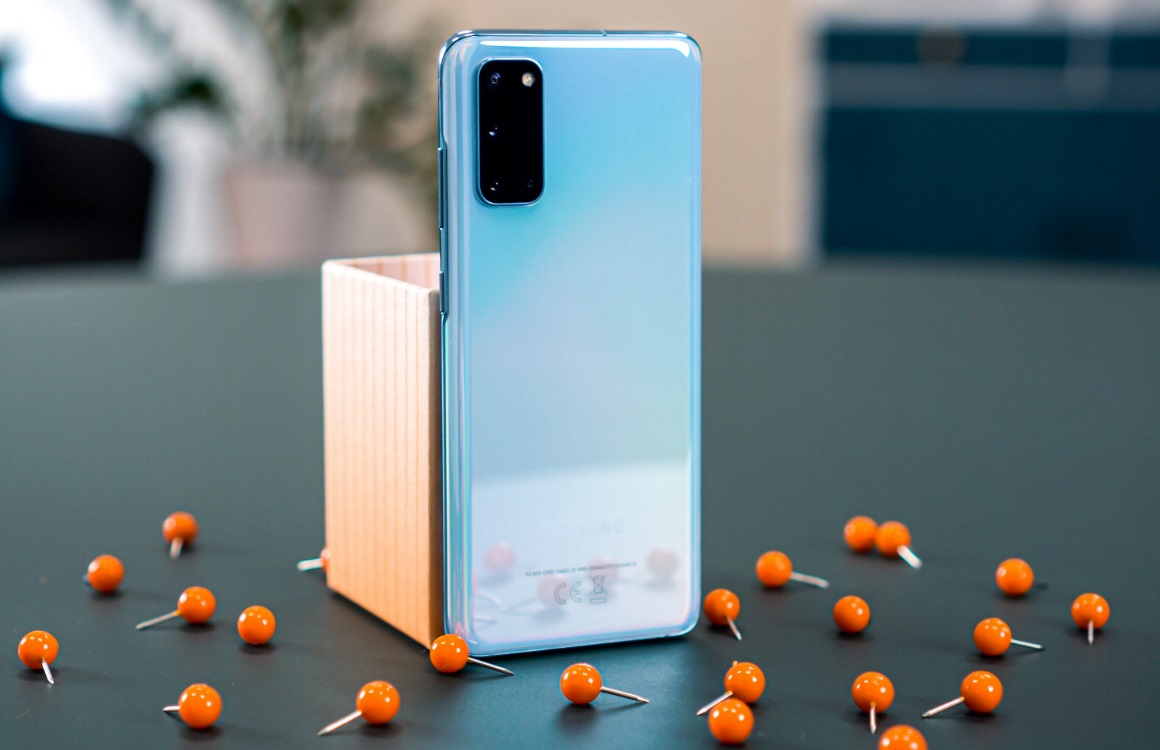
    The COVID-19 pandemic combined with significantly higher prices has led to significantly lower demand than predicted. The Galaxy S20 Ultra is understood to be performing slightly better than expected, but the smaller and cheaper Galaxy S20 & S20+ have missed sales targets.

    If the situation fails to improve, the Galaxy S20 series could become the worst-selling Galaxy S lineup in years or perhaps ever. That would massively impact revenue, profit, and valuable market share on a global scale. To make matters worse, the next-gen Galaxy Note 20 series will apparently resemble the Galaxy S20 lineup very closely. If true, Samsung may struggle to sell those flagships too.

    More worrying for Samsung is the fact that it is also losing market share in the crucial Indian market. The company was number one only a few years ago but dropped down into third place during the first quarter. That was before COVID-19 had heavily impacted the market, which means the second quarter could be particularly bad for the company.

  • Apple Music app arrives on Samsung Smart TVs, owners get free subscriptions

    Apple Music app arrives on Samsung Smart TVs, owners get free subscriptions

    Samsung has just announced that its Smart TVs are now compatible with Apple’s Music app. If you own a Samsung Smart TV launched in the last two years, you’ll be able to download and install the new Apple Music app, but you’ll need a subscription to use it.

    The Apple Music app can be found in the Samsung Smart TV App Store and requires users to sign in to an existing account with their Apple ID. Those who don’t have an Apple Music subscription can apply for one directly from their TV. More importantly, all Samsung Smart TV owners can try Apple Music for free for 3 months. The deal applies to individual, family and student subscriptions.

    Apple Music subscribers will get access to Beats 1 radio station, a global live stream with exclusive shows by popular artists like Nicki Minaj, The Weeknd, DJ Khaled, and Elton John, as well as “At Home With Apple Music” content that offers editorial playlists, group FaceTime chats with artists and more.

    Keep in mind that besides the option to stream over 60 million songs ad-free, Apple Music subscribers can also watch original shows, trending concerts, as well as other exclusive content directly on their Samsung Smart TVs.

  • Sales of Galaxy S20 underwhelm amid pandemic

    Sales of Galaxy S20 underwhelm amid pandemic

    Sales of Samsung Electronics’ latest flagship series Galaxy S20 are hovering below those of its predecessor as the global new coronavirus pandemic has led to a slump in demand for consumer products, industry sources say.

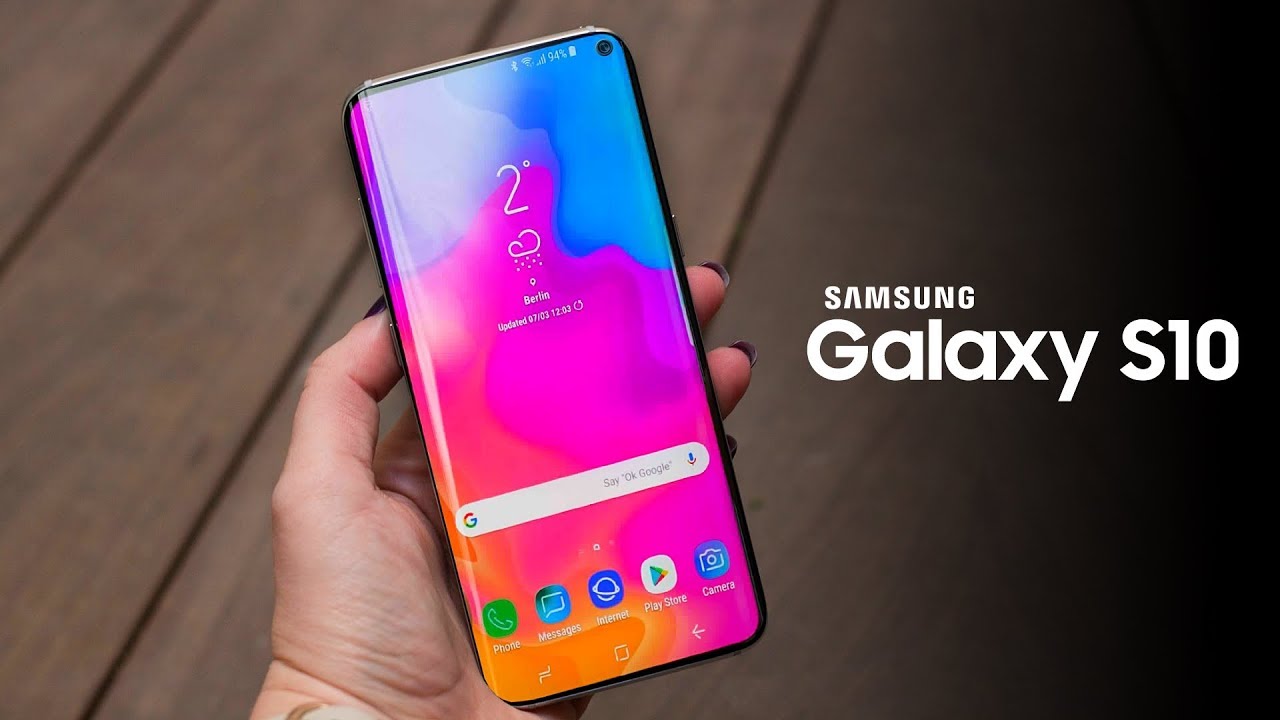
    South Korean sales of the Galaxy S20 series, which comes in three models — the S20, S20 Plus and S20 Ultra — are estimated to have accounted for only 60 percent of the sales of the Galaxy S10 series so far, according to sources from local mobile carriers.

    The South Korean tech giant, which has not been providing official numbers, estimated the sales were roughly 80 percent of the Galaxy S10 5G series.

    The decrease apparently came as consumer sentiment was seriously impacted by the Covid-19 pandemic, which led to economic jitters around the globe.

    Reflecting the weaker-than-expected performance, Samsung is estimated to have posted an operating profit of around 2.5 trillion won (US$2 billion) or below for the first quarter from the IT & mobile communications division, which oversees the smartphone business.

    The company will report its finalized earnings later this month.

    Samsung’s operating profit from the sector reached 2.9 trillion won in the third quarter of 2019, which slipped to 2.5 trillion won a quarter later

    Industry tracker Strategy Analytics earlier said global shipments of smartphones are estimated to reach 1 billion units, revising down its previous estimate of 1.3 billion units.

  • Samsung to double down on cheaper 5G phones to tackle sales slump

    Samsung to double down on cheaper 5G phones to tackle sales slump

    Smartphone shipments are expected to fall by over 10% this year because of the ongoing COVID-19 pandemic. The situation is affecting all brands yet it seems Samsung is in an even tougher position following the poor reception of the Galaxy S20 series.

    Samsung has been betting heavily on 5G-ready smartphones ever since it announced the premium Galaxy S10 5G in early 2019. That phone was eventually followed by the Galaxy Note 10+ 5G and the Galaxy A90 5G, two very expensive offerings.

    This year the strategy is all about taking the technology mainstream. The South Korean giant has already introduced the Galaxy A51 5G and Galaxy A71 5G, priced at $499 and $599 respectively, but is now expected to double down on next-gen network support.

    The exact plans remain unclear at this stage but Samsung is reportedly working on an updated Galaxy A series that incorporates even more 5G-ready smartphones. Crucially, these will be even cheaper in the hope of attracting consumers on tighter budgets.

    The global financial crisis is going to make selling smartphones this year harder than ever – global sales tumbled a humongous 38% annually in February – and Samsung along with other top manufacturers aren’t under any illusions that the worst is behind them.

    But Samsung does believe that, if something is going to convince people to upgrade in 2020, it will be 5G. After all, next-gen networks grant access to unprecedented upload and download speeds that make cloud gaming and video streaming, among other things, easier and more seamless than ever.