Tag: Shopping

  • Korea’s Cafe24 launched in Japan

    Korea’s Cafe24 launched in Japan

    South Korean e-commerce platform Cafe24 has launched in Japan. The new Japanese service offers local businesses solutions to use online stores, payment gateways, logistics networks and marketing tools to reach global customers. Japanese businesses are able to use the service to build multilingual online stores and offer international and Japanese payment gateway services.

    The Japanese e-commerce market is currently the world’s fourth largest, growing in value at more than ¥1 trillion per year.

    Cafe24’s CEO Lee Jae-suk said: “Our expansion into Japan’s e-commerce market marks an important milestone and adds momentum to our growth as a global company … We will continue to rigorously sophisticate the Japanese platform in accordance with local situations to successfully set roots in Japan’s e-commerce market.”

    Cafe24 has indicated plans to expand into English-speaking countries and Southeast Asia, following Japan.

  • Karl Lagerfeld x Mood by Christofle

    Karl Lagerfeld x Mood by Christofle

    Karl Lagerfeld has collaborated with Christofle, the luxury Parisian silversmith, on an exclusive edition of the “MOOD” flatware set and decorative case. Taking inspiration from the Art Deco movement, Karl — himself a long-time connoisseur of Christofle — designed a striking, symmetrical pattern of graphic lines to appear on the elliptical egg shape.

    There are two versions that have been created: one in polished silver and one in black, lacquered stainless steel. The sleek MOOD opens to reveal a 24-piece silver-plated cutlery set.

    Each piece is stamped with a subtle linear print, the Christofle hallmark and the iconic Karl Lagerfeld silhouette logo.

    The Mood is Christofle’s most renowned design that reimages the classic codes of table setting; it reflects the brand’s vision for relaxed but refined entertaining.

    The partnership with Karl Lagerfeld marks the first time in Christofle’s 188-year history that it has worked with a fashion brand.

  • Parkson Retail Asia continues drowning

    Parkson Retail Asia continues drowning

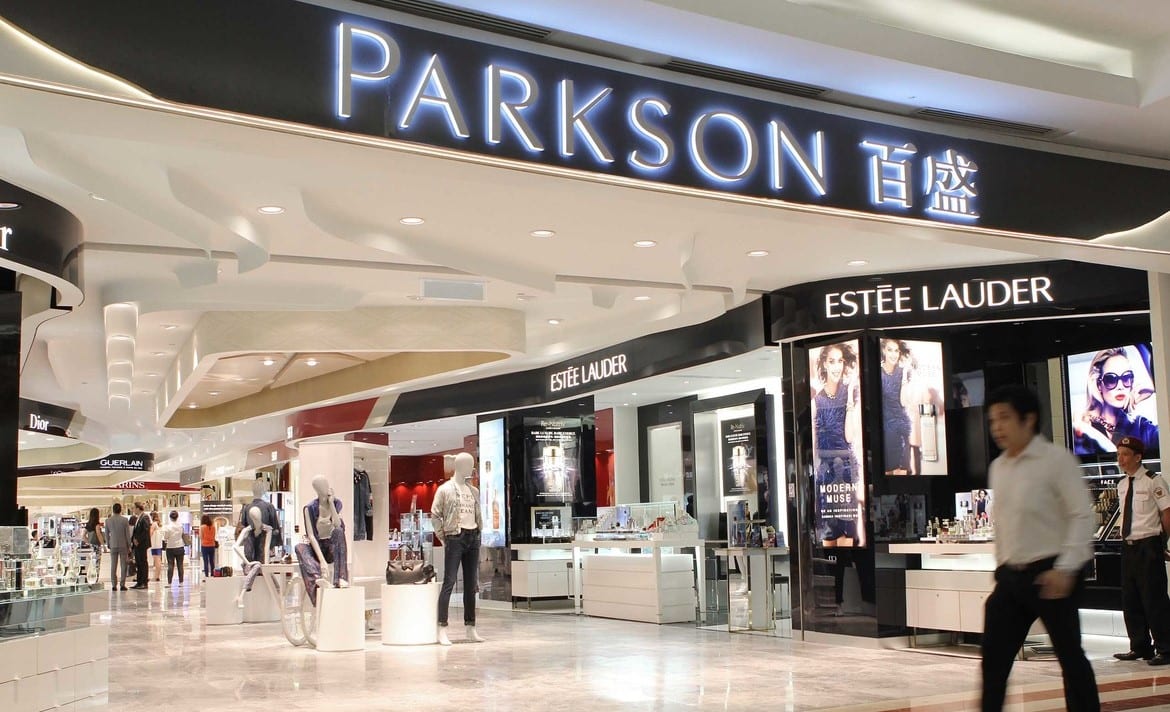
    Struggling department store operator Parkson Retail Asia has hinted it may close further stores as it posted yet another loss. For the first quarter of the new trading year, the Singapore headquartered company lost S$11.1 million, a slight improvement on the $12.9 million of a year ago.

    Last full trading year, the company lost $40.1 million for the full year.

    In a statement, the company said it would will continue to prioritise on enhancing product offerings “as well as on optimising both our operational efficiency and network of stores,” suggesting further exits, most likely in Vietnam where it has just five stores remaining from a peak of 10 and continues to lose money.

    Parkson credited the reduced loss on an improved performance of the Malaysian and Indonesian store networks, together with the effect of the closure of seven loss-making stores last financial year.

    Group sales rose 1.7 per cent to $92.6 million.

    On Friday the company announced the immediate resignation of its CFO Chia Cang Yang, with immediate effect. CEO Michael Remsen will oversee financial matters until a replacement is recruited.

  • Transformation in the Thai Retail Market

    Transformation in the Thai Retail Market

    Retail property is one of the most complicated types of real estate development because of the constantly changing behaviours, tastes and needs of consumers. The Thai retail property market has changed enormously over the last 30 years since CBRE established an office in Bangkok and change continues at an even faster rate especially with the growth of E-commerce.

    30 years ago, the Bangkok retail property market was limited to a handful of department stores and a few typical shopping centres like Central Plaza Ladprao completed in 1982, Amarin Plaza completed in 1985 and the original Siam Centre completed in 1977.

    The rest of the retail sector was shophouses and wet markets.

    There are now almost 7.5 million square metres of modern retail property in Bangkok split between department stores, shopping centres, big box stores and other new formats.

    There has been rapid growth and change in the range of retail formats and types of tenant.

    The first 7-Eleven convenience store opened in Thailand in 1989 and there are now 10,268 stores in 2018.

    The first big box store was Makro Ladprao in Bangkapi district in 1989 and now Big C, Tesco Lotus and Makro have over 450 big box stores in Thailand.

    Over the last 30 years we have seen an increased move from traditional retail in wet markets and shophouses to modern retail formats ranging from convenience stores and community malls to giant regional shopping centres such as Central Westgate.

    The modern retail format has spread throughout Thailand with many provincial cities now having modern shopping centres.

    The Thai retail market is, like the rest of the world, facing the new challenge of E-commerce.

    In the UK, E-commerce sales are expected to account for 18% of total retail sales in 2018 and 9.5% in the USA.

    Currently E-commerce sales account for less than 1% of total retail sales in Thailand but this is expected to grow rapidly as E-commerce platforms and infrastructure, including payment systems and distribution have now been established.

    Big players are currently entering the Thai E-commerce market such as Alibaba investing $320 million as well as JD forming a $500 million joint venture with Central Group.

    Retailers will have to adapt to best serve customers in stores and online.

    Retail developers will have to improve the customer experience through design, decoration, events, tenant mix and customer service.

    Retail landlords will have to create a unique environment that focusses on customer experiences. Landlords can achieve this through placemaking in which transforms retail space into “destinations” and “lifestyle centres” to draw more consumers to the area. Landlords may also choose to shift towards greater food and beverage based tenants, such as restaurants, as they provide an experience which cannot be replicated online.

    “clicks” will not totally replace “bricks” but will mean that retailers and retail property developers will have to change.  “Simply building a nice glass box and filling it with brand names, won’t work anymore. “said Ms. Jariya Thumtrongkitkul, head of retail services at CBRE Thailand.“

    Many retailers are trying to pursue an omni-channel approach with both online and offline channels that are fully integrated whereby the digital and physical options complement each other.” Landlords will need to fully integrate the omni-channel approach in which to provide consumers with a frictionless experience across online and offline channels. AI will also have a big role to play in collecting data. Through using interactive apps or customer order history, businesses will also be able to form a more accurate customer profile in which they then can use to personalise their marketing campaigns as well as improving their operations and sales. The use of data can also help retailers better keep up and understand consumer trends and expectations.

    The continuous change in consumer behaviour means that retail property development is much more complicated than office development.  It requires hands on management and constant innovation and improvement.

    The level of commitment and expertise needed is very high and unlike hotels it is rare to subcontract management to a third party in Thailand.

    Even though the economy is improving retailers, retail landlords and developers face big challenges in adapting to the changing environment caused by E-commerce.

    The shopping centre is one of the most successful business models and will not fade away but the competition from E-commerce means that the model will have to evolve to survive.


  • Korea Sale Festa kicked off last week

    Korea Sale Festa kicked off last week

    The Korea Sale Festa beginning Sept. 28 will fail to fulfill its aim of boosting consumption and helping small- and medium-sized enterprises (SMEs), as a growing number of retailers and consumers have turned away from the government-initiated discount event.

    Since 2016, the government has hosted the Korean version of Black Friday to stimulate domestic consumption.

    However, consumers have pointed out low discount rates and the poor quality of products sold during the event.

    Retailers have also complained about the ineffectiveness of the event. “Department stores and discount chains regularly hold discount events, so their sales do not grow significantly during the Korea Sale Festa,” a retail industry official said.

    Amid the growing criticism, the government even cut the budget for the event and its duration.

    According to Rep. Yoon Han-hong of the main opposition Liberty Korea Party, the Ministry of Trade, Industry and Energy will spend 3.45 billion won (US$3 million) on the Korea Sale Festa this year, down from 5.1 billion won last year.

    In particular, the budget for traditional markets and SMEs decreased to 1.3 billion won from 2.77 billion won, while that for the promotion of the event is 2.15 billion won, down from 2.32 billion won.

    Most of the 2.15 billion won has been used to cast SHINee’s Choi Min-ho as spokes-model for the Korea Sale Festa, and entertainers who will perform on the eve of the event. They include Red Velvet, EXO, NCT 127 and several other singers and comedians.

    The length of the Korea Sale Festa has also been shortened to 10 days this year from 34 days last year.

    Given that the event will be held after the peak shopping season of the Chuseok holidays, SMEs and vendors at traditional markets will face difficulties in boosting sales.

    Against this backdrop, the number of companies participating decreased to 231 this year from 446 last year, as a growing number of retailers, hotels and restaurants declined to offer discounts.

    “Despite the recent slump in domestic consumption, the trade ministry does not pay any attention to the Korea Sale Festa, as it focuses only on the shutting down of nuclear power plants,” Yoon said. “The government should come up with measures to boost consumption and support SMEs.”

    The ministry decided to spend 2 billion won on the Korea Sale Festa next year, down 1.45 billion won from this year. Some observers expect the Moon Jae-in administration will move to abolish the event initiated by the previous Park Geun-hye administration.

  • Indomaret tops retailer list with US$4.89b in sales

    Indomaret tops retailer list with US$4.89b in sales

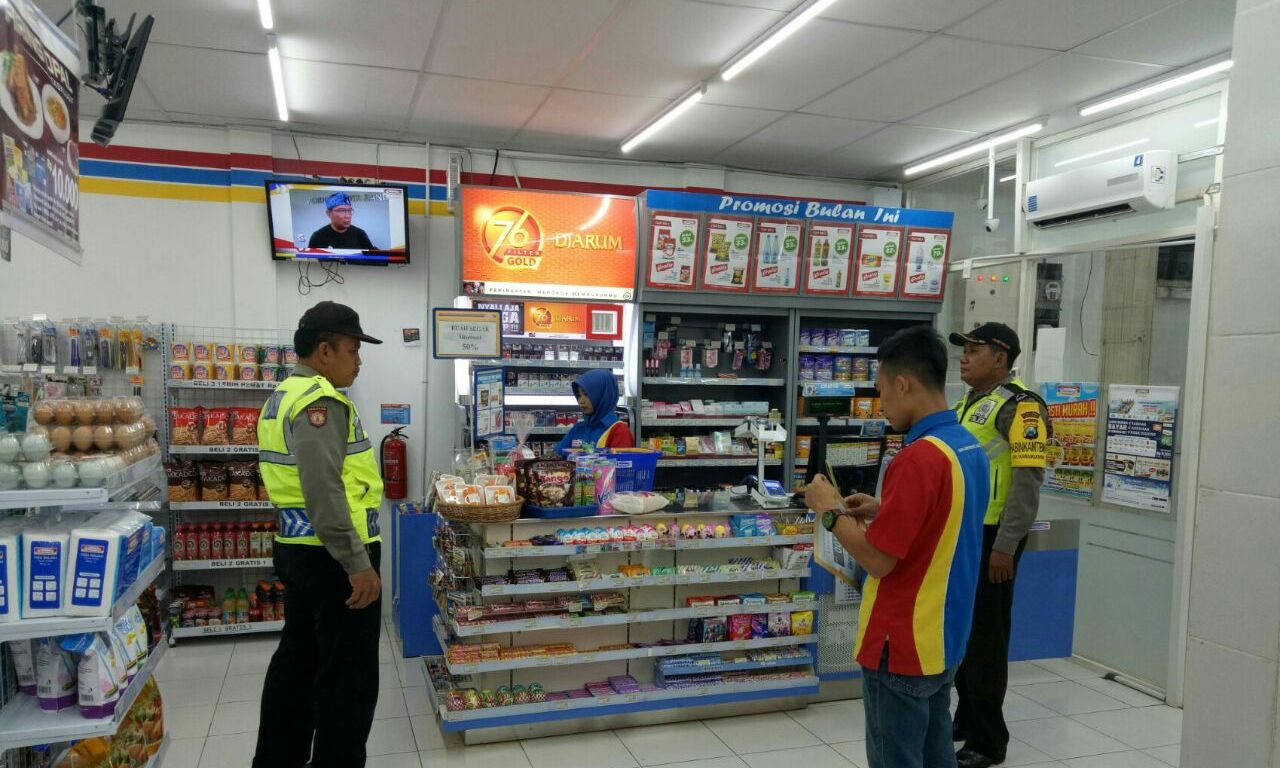
    Convenient store chain Indomaret and Indomaret Point, owned by retail group Indomarco Prismatama, were the top-selling retailers of 2017, racking up a combined US$4.89 billion in sales, according to London-based strategic market research company Euromonitor International

    With the total sales, Indomaret beats its closest competitor Alfamart, owned by Sumber Alfaria Trijaya, which booked US$3.97 billion in sales last year to come in second.

    Euromonitor consultant Dhea Sutanto said Indomaret’s success was likely attributable to the greater number of physical stores it had compared to its competitors. Another factor could be the company’s promotion strategy, she added.

    “If they are able to reach more consumers and more outlets, automatically they will generate more revenue, especially if they provide more accessibility to consumers that are harder to reach,” she said at the sidelines of the Euromonitor International Conference on Tuesday.

    Indomaret currently operates 15,633 outlets across Indonesia while Alfamart has 13,991.

    Number three on the list of Indonesia’s top retailers in 2017 was Matahari Department Store with $1.36 billion in sales, followed by Carrefour and Transmart Carrefour by Trans Retail Indonesia, which earned $1.22 billion. Hero Supermarket Group with Guardian, Star Mart and Giant, among others, was at fifth place with $903 million in sales.

    A retailer group of high-end fashion goods, Mitra Adi Perkasa (MAP), which includes Kidz Station, Marks and Spencer and Sports Station, came in sixth with $866 million. MAP is followed by Matahari Putra Prima group (Hypermart, Boston Health), gadget retailer Erajaya Swasembada (Erafone) and middle-to-low-income fashion retailer Ramayana with $781 million, $688 million and $643 million, respectively.

    Meanwhile, books and stationery stores Gramedia, Grazera and Trimedia from Gramedia Asri Media ranked 10th by garnering $430 million in sales.

  • King Power Traveler to launch inflight duty free with Vietnam Airlines

    King Power Traveler to launch inflight duty free with Vietnam Airlines

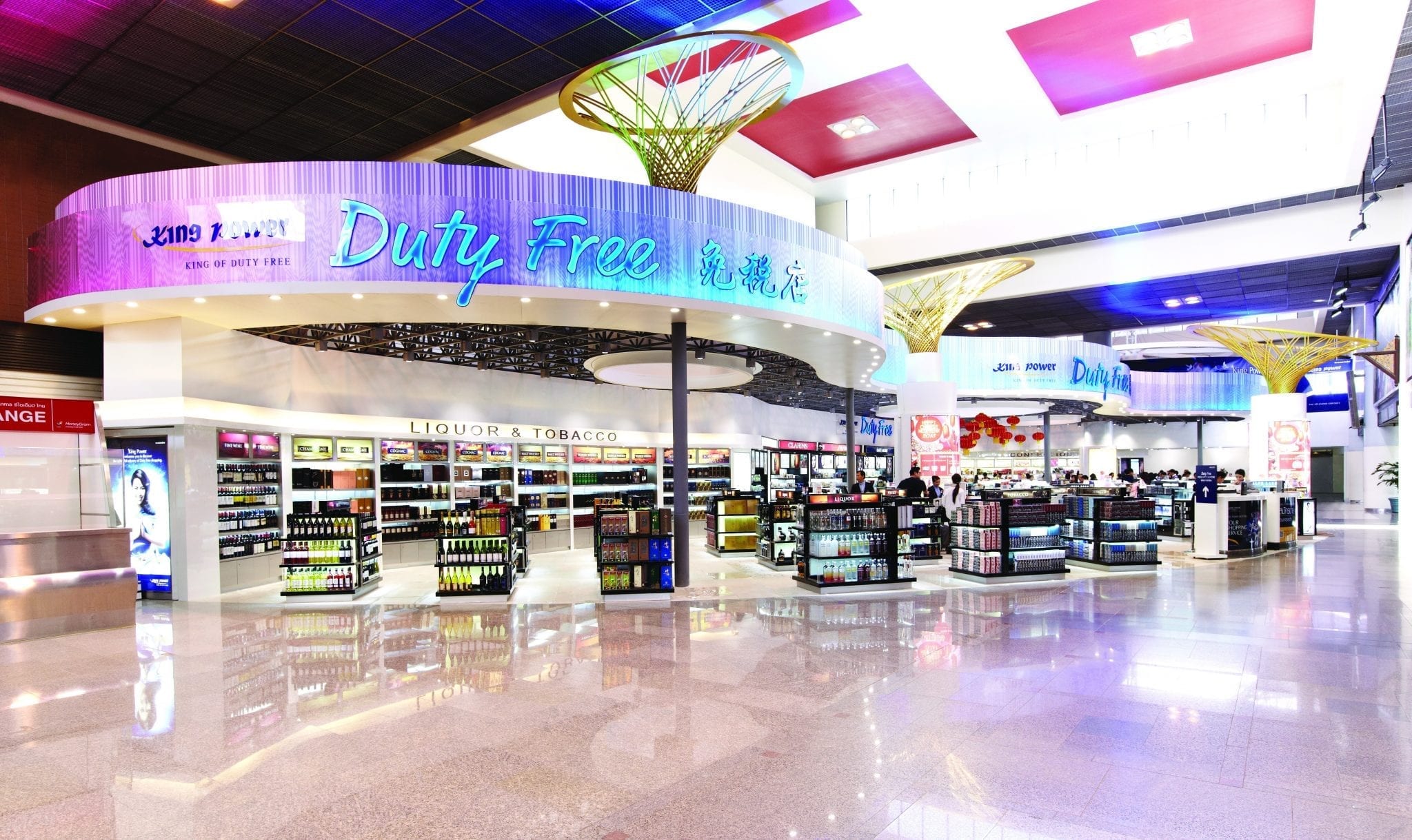
    National carrier Vietnam Airlines is set to officially establish an inflight duty free service from October in cooperation with inflight specialist King Power Traveler, the Rakhita Jayawardena-run subsidiary of Hong Kong-based travel retailer King Power Group.

    Over the next five years, the SkyTeam alliance member will cooperate with King Power Traveler to expand and upgrade its Lotushop services to meet Skytrax four-star service standards.

    Skytrax – the well-known airline and airport rating organisation – has ranked Vietnam Airlines as a four-star airline for three consecutive years.

    Vietnam Airlines Executive Vice President Le Hong Ha, said: “The partnership with King Power Traveler demonstrates our efforts to provide passengers with an enhanced duty free retail service, thereby consistently upgrading our four-star service quality through every aspect of the business. We are taking great strides to reach five-star status.”

    The enhanced duty free offer covers categories such as perfume, cosmetics, watches, suitcases and bags. Passengers will be able to shop from their seats on 30 of Vietnam Airlines’ international routes including to the UK, China, France, Germany, Japan, South Korea and Russia. The airline said that passengers would benefit from average discounts of -5% to -15% compared to domestic retail prices.

    King Power Traveler will also provide extensive training to flight attendants to enhance their sales skills and application of technology.

    Vietnam Airlines operates 90 routes to 20 domestic and 29 international destinations with an average of 400 flights per day.

  • Instagram stories, new shopping windows

    Instagram stories, new shopping windows

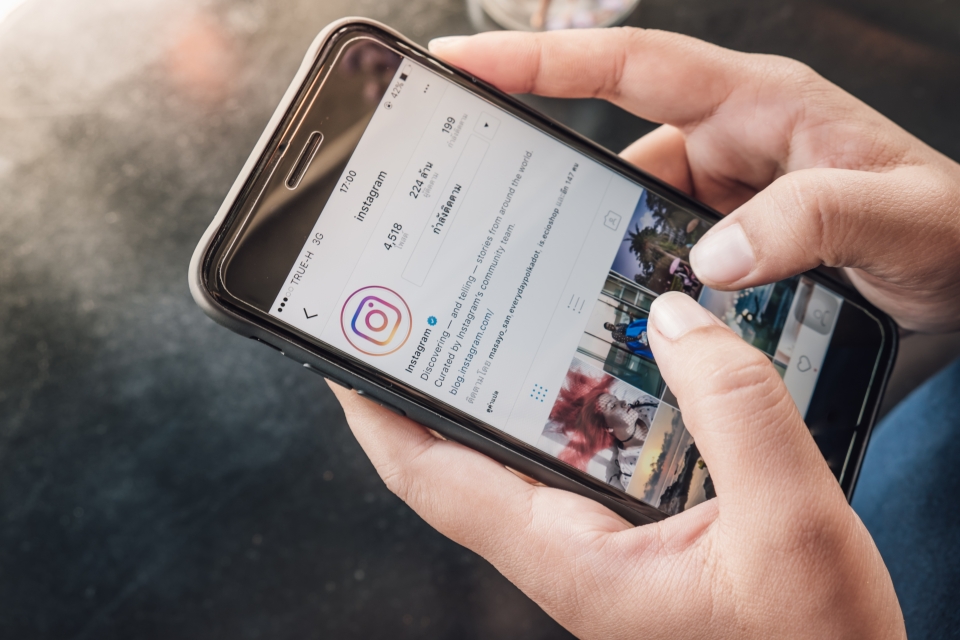
    Facebook’s Instagram is letting people shop directly from its Stories, opening up a direct way for people to buy what they see.

    Starting on Tuesday, some retailers, including Adidas, Aritzia and The Kooples can tag and link directly to their products. Instagram users can click on the link and buy the item directly, without having to leave the app.

    The shopping function becomes very interesting when it relates to video. Coupled with Instagram’s reported plans to launch its own exclusive longer-length series, it’s plausible to think that one day a person could be watching a show on Instagram, see an actor or social media star wearing or using a certain product, and then tap on the link to buy that item directly.

    Although the buy links are free for companies to use, if more customers start shopping through Instagram it could get marketers to move their money to the platform. This click-to-shop feature could be a more compelling way to get to shoppers than a traditional TV commercial, allowing the Facebook company to dip into the nearly $70 billion brands are expected to spend on commercials this year.

    Instagram overall has 800 million daily active users — the Instagram Stories feature alone has 300 million daily users. It is especially popular with young adults, with 71 percent of 18- to 24-year-olds using the app according to Pew. Instagram Stories could be a way to get products in front of an audience that’s watching less TV.

    Allowing sales from Instagram Stories could also take money away from Google’s YouTube, which has its own shoppable feature. And it makes it a stronger competitor to Snap, which recently allowed direct shopping from its Snapchat lenses.

    The new Instagram Stories shopping feature is only available for businesses, not individual sellers or consumers trying to get affiliate payments. Moreover, companies can only directly link to products they sell themselves, meaning they won’t be able to sell through a third-party retailer for now. The feature also does not allow targeting to a specific audience, meaning most people who see the shopping-link enabled posts would have already been following the company on Instagram.

  • Southeast Asian online shoppers are big spenders via apps

    Southeast Asian online shoppers are big spenders via apps

    Southeast Asian online shoppers are leading the world when it comes to spending on shopping apps, according to research by tech company Criteo.

    Across Asia Pacific, 54 per cent of all online transactions are made in-app, 18 per cent on mobile web and 28 per cent on desktop.

    In its Q1 2018 Global Commerce Review (South East Asia), for which the company analysed browsing and purchasing data from more than 5000 retailers in more than 80 countries, Criteo also says shoppers in Southeast Asia are moving across multiple browsing environments before making a purchase.

    “Native mobile-shopping apps are now a prerequisite for success in retail and customer engagement,” said the Criteo report.

    “Our latest data reinforces how it is no longer just about having multiple channels available to consumers, but about how those channels are connected to offer a comprehensive and consistent shopping experience,” said Alban Villani, GM Southeast Asia, Hong Kong and Taiwan at Criteo.

    “Compared to other regions, the Asia-Pacific region now has the highest share of transactions on shopping apps – a natural progression from regional consumers’ mobile-first mindset. To engage shoppers, especially in countries like Indonesia and Vietnam, retailers must make mobile apps the centrepiece of their omnichannel strategies and integrate data across channels, at scale, to personalise content for consumers and drive sales,” said Villani.

    “It is crucial for retailers in the region to invest in the optimisation of shopping apps to effectively drive online and offline sales. This includes integrating native mobile-shopping apps into in-store shopping experiences and enabling mobile payments and customer loyalty programs within the app.”

    As they move to apps, Southeast Asian online shoppers are buying less on PCs. Year-on-year, online shopping on smartphones has grown 38 per cent while purchases via computers have fallen by 12.5 per cent in the region.

    Additional highlights

    The report also found:

    • Conversion rates on shopping apps in Asia Pacific are five times higher than on mobile websites.
    • Omnichannel consistency is key: Southeast Asian omnichannel customers generate 27 per cent of all sales, despite representing only seven per cent of all customers.
    • Southeast Asian omnichannel retailers that combine their online and offline data can apply more than four times as much sales data to optimise their marketing efforts.
    • Globally, 67 per cent of marketing leaders say that creating a connected customer journey across all touchpoints and channels is critical to the success of their overall marketing strategy.
    • In Southeast Asia, 62 per cent of customers worldwide check reviews or ratings before visiting a store.
    • The proportion of transactions made on smartphones and tablets in Southeast Asia increased from 28 per cent to 37 percent between last year and this year.
    • In Asia Pacific, 72 per cent of all online transactions are made on mobile devices. While desktop usage still dominates in online sales during working hours, mobile wins during nights and weekends.
  • Department stores lead Singapore retail sales

    Department stores lead Singapore retail sales

    Singapore retail sales rose 2.6 per cent in March, excluding motor vehicles, as the sector’s slow but steady recovery continues.

    Month-on-month, retail sales rose 1.1 per cent.

    The headline figure – which includes motor vehicles – showed a year-on-year decline of 1.5 per cent as car sales in the city state slumped 16 per cent.

    According to Statistics Singapore, retail spending (including vehicles) totalled S$3.8 billion in March, with e-commerce accounting for 4.1 per cent of that.

    Department stores were the big winners of the month, with sales up 9.1 per cent, while food retailers also performed well, up 7.5 per cent. Sales of medical goods and toiletries rose 6.2 per cent and of apparel and footwear, and watches and jewellery, by 5 per cent.

    Sales of phones and computer equipment fell by 8 per cent.

    In the foodservice sector, sales of food and beverage rose 3.6 per cent to an estimated $716 million, led by fast-food outlets, up 16.1 per cent.

  • Profits up for Circle K Hong Kong

    Profits up for Circle K Hong Kong

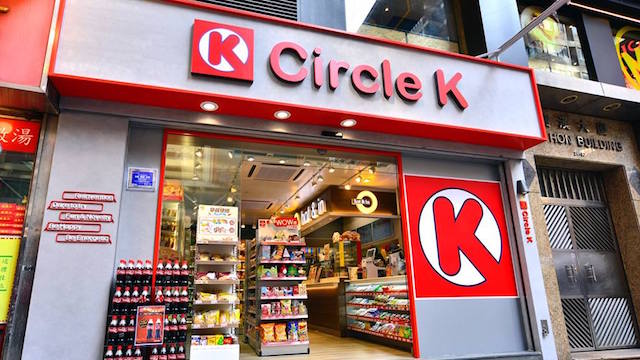
    As the retail sector finally rebounds, the CEO of Circle K Hong Kong owner Convenience Retail Asia (CRA), Richard Yeung, says the company has reinvented itself.

    He says profits have grown over the past year, while strong customer loyalty and marketing initiatives and an O2O business strategy have positioned the group for long-term growth.

    By moving its convenience store and bakery businesses toward an O2O-centric business strategy has led to a highly sustainable business model. “The strategy has been a resounding success in terms of driving customer engagement, foot traffic and sales.”

    Despite a challenging business environment, the group’s convenience store and bakery businesses had achieved satisfactory comparable-store sales growth in Hong Kong.

    Core operating profit and net profit increased by 7.4 and 7.7 per cent respectively, mainly attributable to the effectiveness of the CRM program and strong marketing campaigns by Circle K together with improved performance from Saint Honore cake shops.

    Growth has been driven by the group’s digital initiatives, led by its O2O CRM programs that saw its “OK Stamp It” and “Cake Easy” memberships exceeding 1 million and 300,000 respectively.

    During the year the group obtained the franchise for Japan’s fast-fashion eyewear chain Zoff, opening the brand’s first store in Hong Kong.

    Group turnover grew 4.6 per cent to HK$5 billion.

    Turnover for the Circle K Hong Kong business was HK$4 billion (US$5 billion), representing growth of 5.4 per cent. Turnover for the Saint Honore Cake Shop business across Hong Kong, Macau and southern China was $1 billion, an increase of 1.9 per cent.

    Core operating profit increased 7.4 per cent to $183 million while net profit grew 7.7 per cent to $150 million.

    Satisfactory comparable-store sales growth in the group’s core market of Hong Kong and improvements to the Saint Honore factory business led to a rise in gross margin and other income as a percentage of turnover from 36.6 to 36.9 per cent, despite intense retail market competition and high manufacturing costs, says the group.

  • Lotte Shopping closing down

    Lotte Shopping closing down

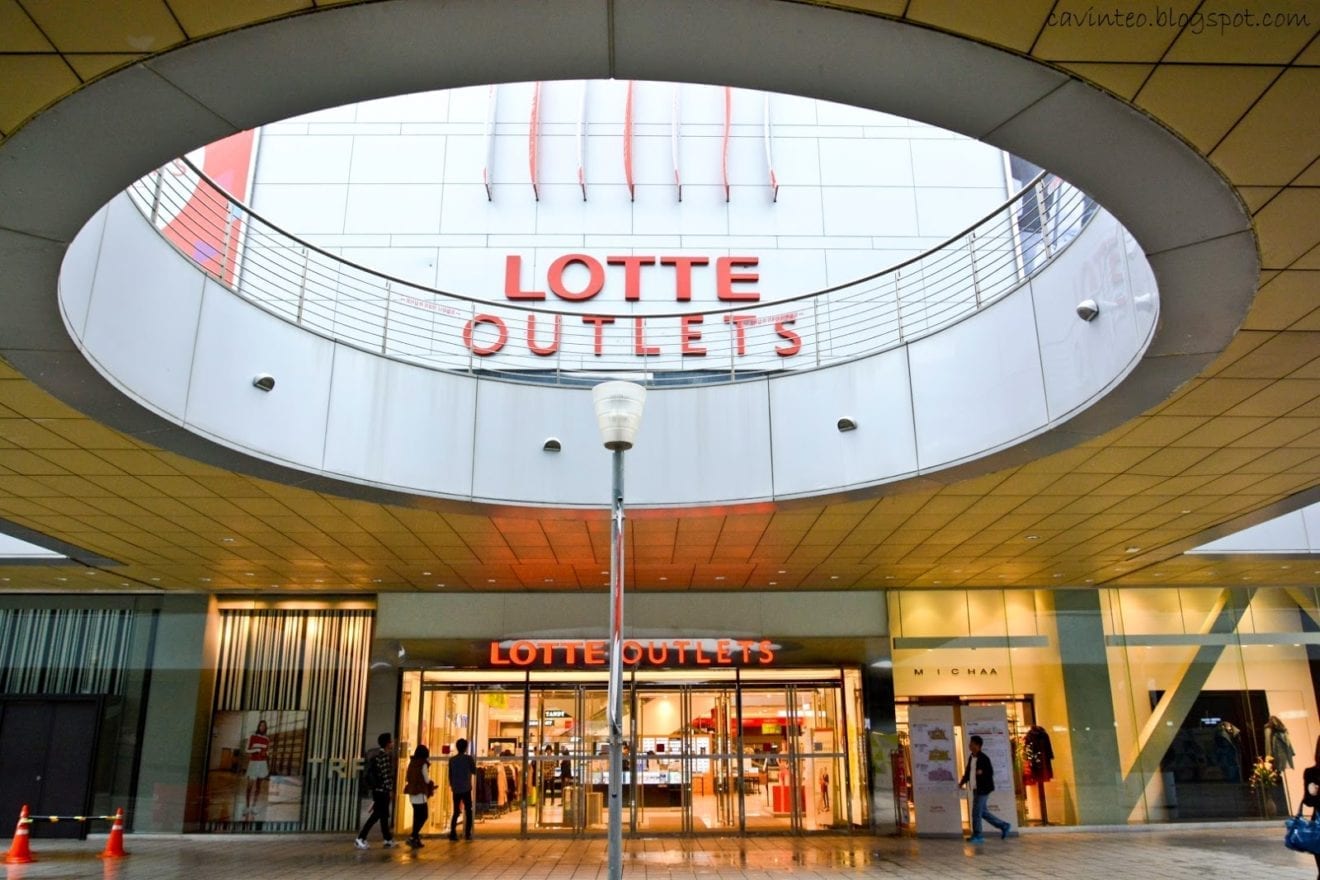
    Lotte Shopping is trying to offload its department store annexed to Anyang train station, 20km from Seoul.

    It is said to be in the final stage of closing a deal with shopping mall group Enter Six to either sell or transfer its lease rights on the store, reports Pulse.

    With nine floors above ground and one below, Lotte Department Store Anyang is connected to the Anyang station and is within walking distance of an intercity bus terminal.

    After opening in 2002, the branch was the only major shopping mall in the area, but sales nosedived after Lotte Department Store’s Pyeongchon branch opened in March 2012. The two Lotte department stores are only 2.8km apart. The retailer still has nearly half of its 30-year lease term left on the Anyang building.

    Lotte Shopping is shutting down its poor-performing stores. Meanwhile, E-mart, the big-box store chain of Shinsegae, also has been scaling back.

  • Fendi Thailand has launched two pop-up stores in Bangkok

    Fendi Thailand has launched two pop-up stores in Bangkok

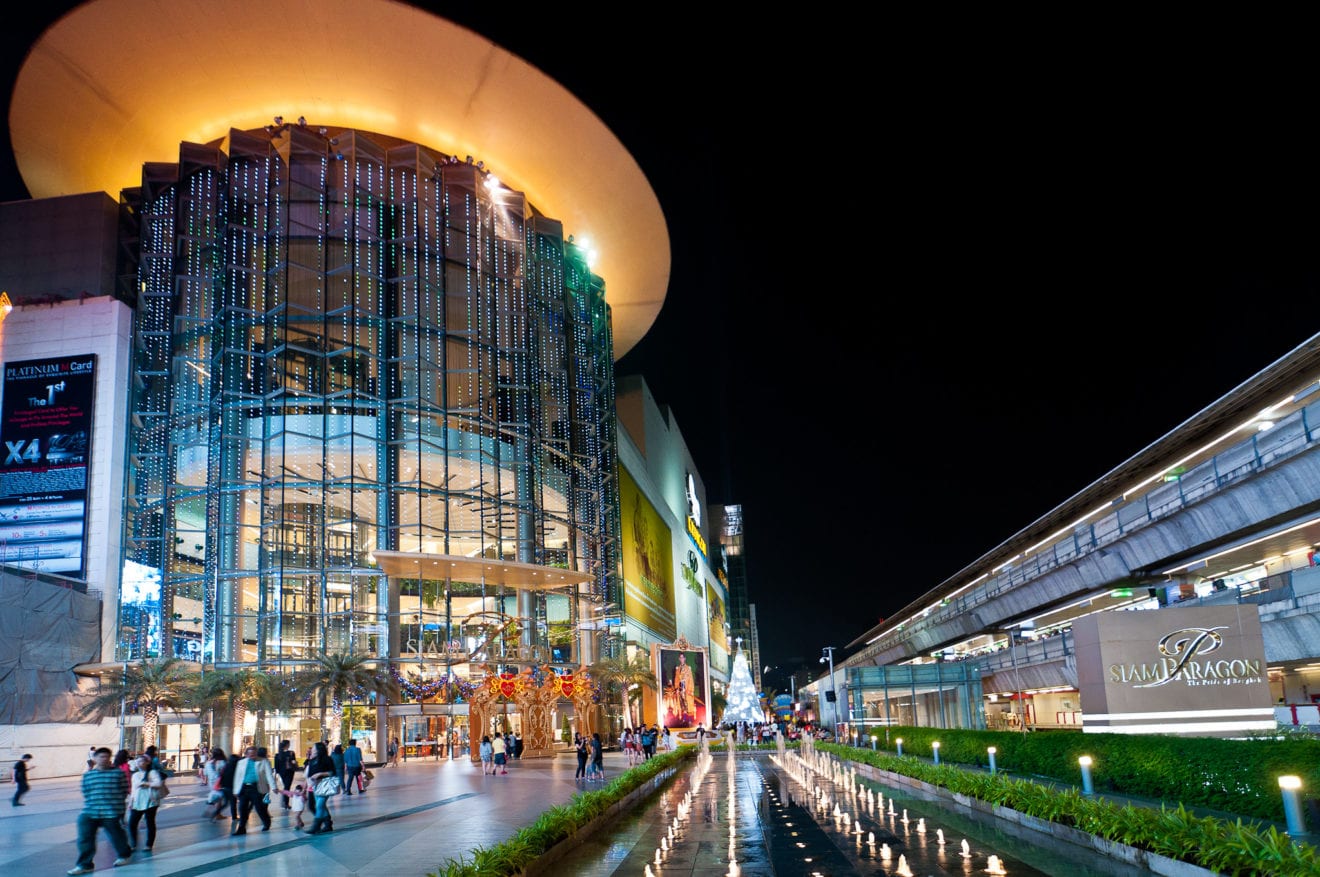
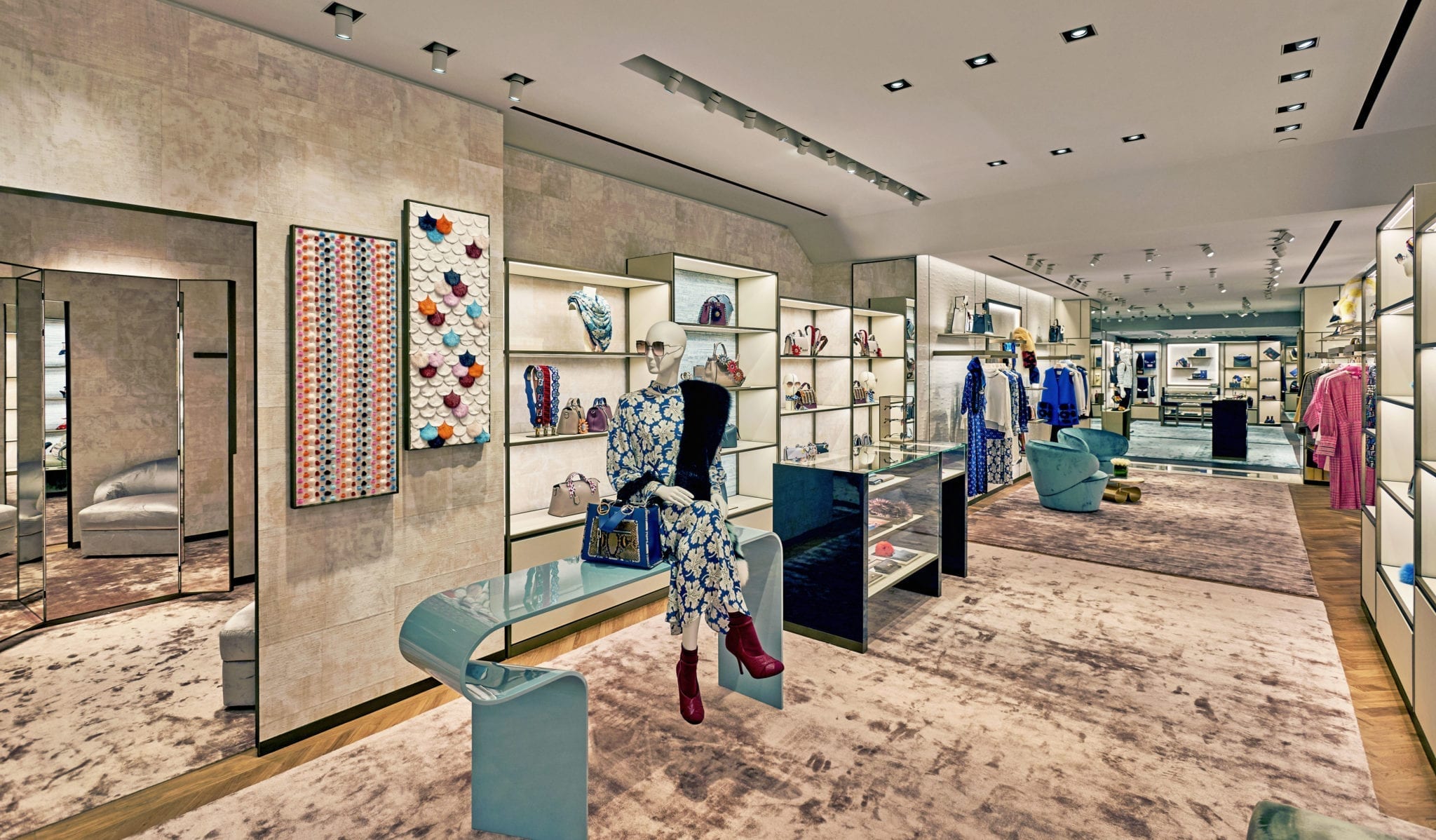
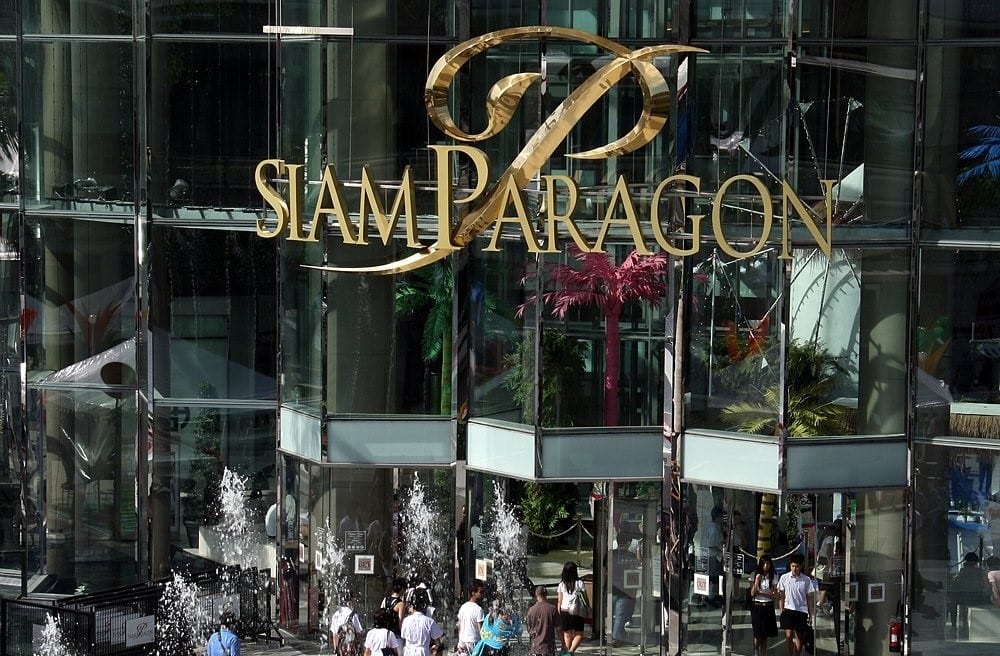
    Fendi Thailand has launched two pop-up stores in Bangkok’s Siam Paragon. Its concept is a luxurious reinterpretation of the Roman-style vintage newsstands typical of piazza in the heart of Rome. One kiosk is dedicated to the label’s spring/summer women’s collection while the other puts its focus on the men’s collection. Both outlets feature ready-to-wear, leather goods, small leather goods, accessories and shoes.

    To mark the launch of the pop-ups, Fendi hosted a Roman-inspired cocktail party with special guests including Chontida Asavahame, Mai Davika, Nattarat Nopparuttayaporn, Note Panayangkool, Pasakorn Vanasirikul, Sonya Singha, Sorawis Saengvanich and Violette Wautier.

    Included in the men’s collection are everyday Fendi items including illustrations done by British artist Sue Tilley. Items include a glossy red corkscrew, an antique set of keys, leaky bathroom taps, a plastic rotary telephone and a desk lamp.

    The kiosks will be active until June.

  • Paragon dip hits SPH Reit income

    Paragon dip hits SPH Reit income

    Lower revenue at Paragon mall hit net property income for SPH Reit Management for its second quarter to the end of February.

    The return of S$42.2 million (US$32 million) dipped 1.1 per cent from the same period last year. This reflected a rental reversion of -7.1 per cent for new and renewed leases at Paragon in the first half, mainly because of negotiations during the retail sales downturn since 2014. The decline was more moderated in the second quarter, says SPH.

    There were only three changes in tenancies at Clementi Mall, representing 1.4 per cent of the mall’s net lettable area.

    However, tenant sales have grown in the malls in tandem with the recovery in retail sales since June. Both properties also continued their track record of full occupancy.

    “In keeping with our philosophy of treating tenants as business partners, we work closely with them to ride through both cyclical and structural challenges in the retail environment,” says SPH Reit Management CEO Susan Leng.

  • Chateraise plans to open 200 shops in Thailand

    Chateraise plans to open 200 shops in Thailand

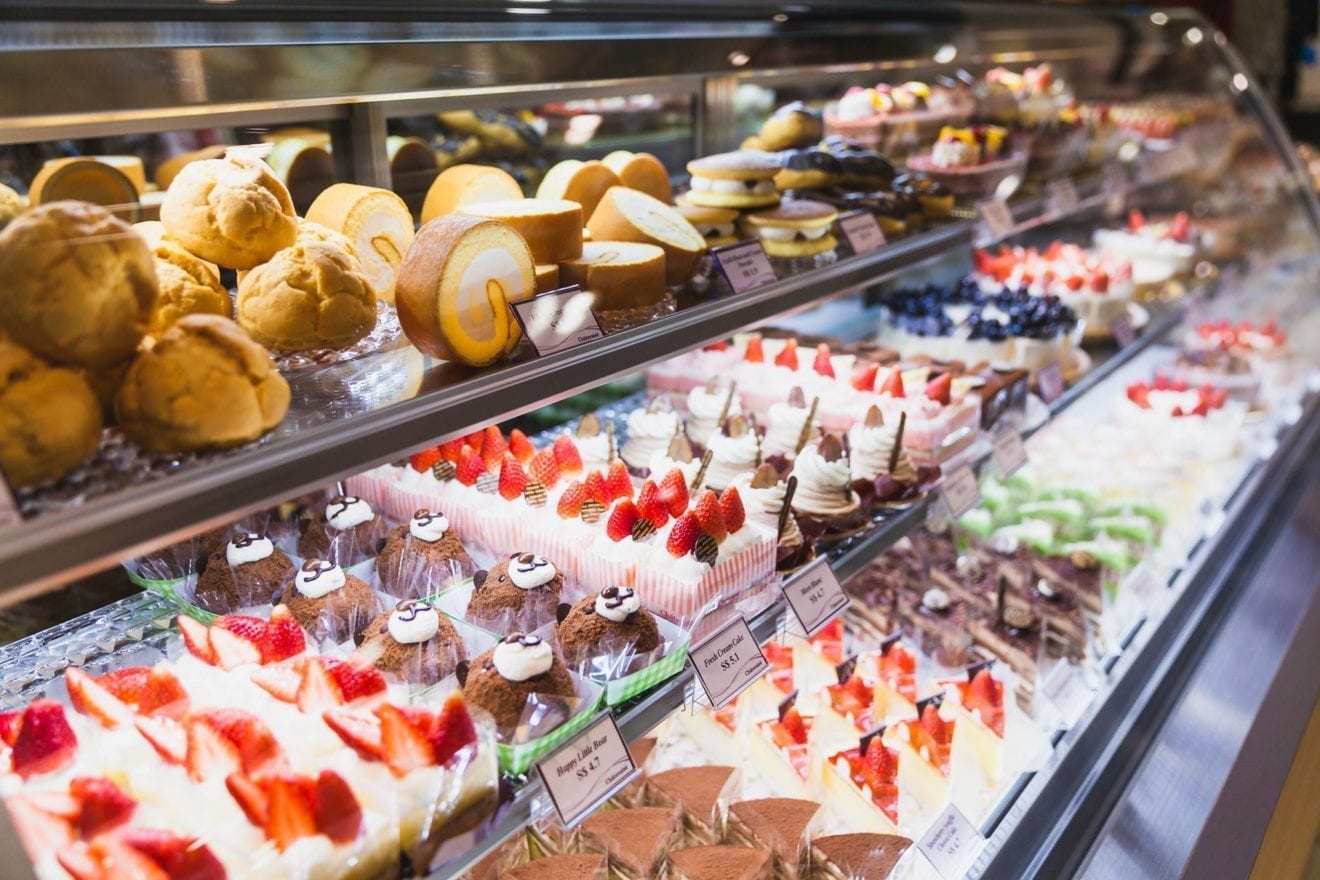
    Japanese patisserie Chateraise, which is known for having its main factory in the middle of a forest, plans to open 200 shops in Thailand and boost overseas sales to 50 per cent of its total revenue in the next 10 years.

    With more than 500 outlets mainly in Japan, it has just opened its second shop in Bangkok, at Gateway Ekamai Shopping Mall, and is seeking franchisees to accelerate store expansion in Southeast Asia’s second-largest economy.

    Its debut shop for Thailand opened in Isetan Bangkok department store in July. Both Bangkok outlets are under franchise.

    In the past two years, Chateraise has moved into eight markets across Asia, opening more than 30 shops. The company sees Thailand as a promising market where sweets consumption is expected to be driven by economic growth coupled with a youthful population, says senior managing director Takako Saito of parent company Chateraise Holdings.

    Based in Yamanashi prefecture, the company produces cakes, pastry, confectionery and beverages at six factories across Japan. It procures raw materials directly from contracted farmers and sells through branded shops.

    Almost all products for Thailand are shipped from Japan, with plans to add ice cream to the lineup. Chateraise plans a third Bangkok shop for next year

    The brand’s first overseas expansion was to Singapore in 2015, and it has since opened stores in Dubai, Hong Kong, Indonesia, Malaysia, South Korea and Taiwan, and plans to head to Hanoi and Manila next year.