Tag: Singapore

  • Product Lighthouse to launch in Singapore

    Product Lighthouse to launch in Singapore

    Singapore is to become the first offshore market for Australian consumer electronics product information platform Product Lighthouse.

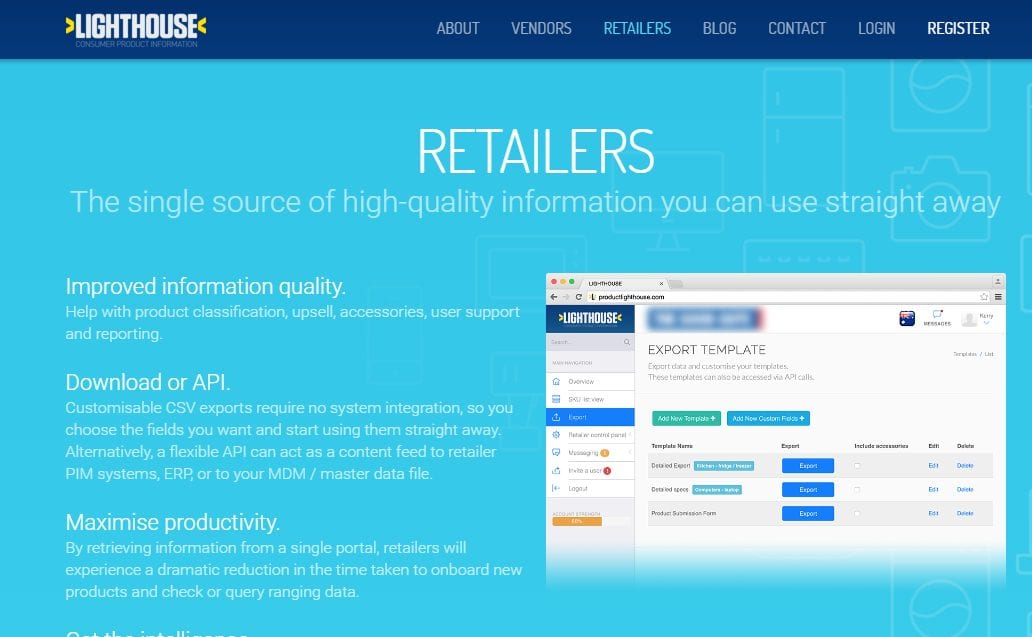
    Electronic goods retailers upload product information to the content distribution platform, and its data-validation tools identify and correct data errors and gaps. Retailers can use the system to access product data in the format that suits them. They can receive product submissions, compare specifications and send information about products.

    Product Lighthouse replaces the manual system of sharing data via email and spreadsheets, saving time and improving data integrity. Its name is a reference to the importance of helping customers and store staff alike navigate to the right products.

    Singapore has been chosen by the company because of the sophistication of its domestic market, the demand for electronic goods and the close level of integration with neighbouring countries.

    With the platform’s launch set for the second half of this year, discussions have started with retailers and manufacturers.

    Through Product Lighthouse, information entered by vendors is available for retailer websites, catalogues, staff training and in-store tickets.

    Research by Product Lighthouse shows that 87 per cent of consumers say they leave a website and go elsewhere when product data is not available, and 64 per cent of consumers say they are less likely to buy from a retailer who does not provide full product information.

    “Most of us have visited a store and found staff unable to answer our questions,” says CEO Chris Grannell. “Even though most consumers buy electronic goods in a physical store, the growing significance of the internet in the product-discovery process means that comprehensive and accurate information online is essential.”

    In an audit of product information on retail websites in Singapore, the company found inaccuracies and information gaps. Grannell says there were some “astonishing” inaccuracies such as incorrect specifications, key attributes missing, wrong weights and sizes.

    “We even found one website that had a laptop listed with a gender. These things happen because content is transferred from manufacturers to retailers manually. Even with the most conscientious staff, mistakes will happen.

    “Added to that, the nature of this industry means that information is not available all at once, which means it is more of a drip feed and less of a single transfer.”

    Product Lighthouse is designed with low-fi integration in mind. “Making things easy is part of our DNA,” says Product Lighthouse chief technology officer Gex Cheng, “so we’ve created the ability for retailers to export content in customised spreadsheets that can be loaded into their systems. We’ve also invested heavily in collaboration tools and in the ability to read output from all kinds of manufacturer databases and libraries.

    “I always like to remind our users that our approach is to ensure our software fits their workflow rather than changing it.”

    Cheng and Grannell will be in Singapore next month, with their product also being showcased at theTech in Asia expo at Suntec Convention Centre.

  • Bata Shoe Company’s unified communications story

    Bata Shoe Company’s unified communications story

    With mobility growing at an unprecedented pace, user dependence on smartphones and tablets has intensified. The mobile device, with its dynamic messaging, video conferencing, and voice options, is playing an enabling role to empower communication within the organization—regardless where employees are geographically.

    For a company with extensive global reach as that of Bata Shoe Company—one of the world’s largest and oldest shoe companies with more than 33 production facilities in 28 countries on five continents—ensuring seamless collaboration between all of its facilities proved a challenge. Product and R&D teams in China, Singapore and other Asia-Pacific countries were spending too much time and money traveling to collaborate on design, production and operations planning; as were members of senior management whose valuable time was spent shuttling between offices.

    “It has always been a hassle and costly affair whenever we tried to organise regional meetings or group discussions. This would normally take at least one month of coordination and planning before the actual event to gather every participant to a single location,” relates Jeremy Chong, regional manager for Finance and IT Projects.

    Such arrangement afforded one to two business-critical meetings annually, but faced with an increasingly competitive business environment and other external factors, Bata recognized the need for the company to become more fluid. “This meant more collaboration both horizontally and vertically. To have fruitful and meaningful discussions, it wasn’t good enough to send out emails and collaborations that relied solely on public internet connectivity. These were not enough to deliver the kind of face-to-face discussions we wanted,” says Chong.

    Seamless collaboration

    It’s a different picture these days for Bata Shoe Company. Leveraging unified communications tools provided by Tata Communications, the company is now able to collaborate across multiple platforms and devices, all the while mitigating communication costs. Implementation, which began with a pilot rollout involving video conferencing end points deployed in Bata’s Singapore, Switzerland, Chile, Indonesia and India facilities, proved successful, providing high-quality video, an immersive face-to-face meeting experience and solid reliability.

    “We did not have too much involvement during the whole implementation process as this was well managed by Tata Communications’ assigned project manager to us. Overall, the whole process was comfortable for countries that already have a developed infrastructure while we faced longer implementation in countries with less developed infrastructure,” reports Chong, adding that the company’s key critical criteria for choosing a unified communications vendor include the following: strong global coverage in the network infrastructure “as we are geographically diverse”; availability of the right technology that has to be user-friendly and easy-to-use; and strong customer service support available 24/7. “Tata Communications was chosen primarily because of its long-term relationship with us and its flexibility to meet our specific requirements. The team’s customer-oriented approach has played an important part as well,” he says.

    The benefits

    From an economic point of view, unified communications has proven to be quite cost-effective for Bata Shoe Company. Since implementing Jamvee across the enterprise, Chong reports increased productivity across the whole organization. “The frequency of group discussions and collaborations has invariably increased as the technology has provided an almost face-to-face environment. This has also indirectly affected the way the organization has deployed people. Instead of consolidating the entire team in one geographical location, we are able to comfortably have members of the team working locally, cutting down some of the hassles and inconveniences during a re-allocation,” shares Chong.

    In terms of numbers, traveling costs were reduced by as much as 40 percent in some operations, saving the company $300,000 in the first year and generating a 400 percent return on investment. “From a social point of view, less flying means our executives have the valuable opportunity to spend better quality family time,” puts in Chong, adding that with the basic infrastructure now laid down, Bata is more confident about embarking on another phase of its IT journey. “We want to expand the usage of our investments to enhance cross-border collaborations horizontally through multiple devices. If this is successful, we will potentially shift from a pure physical office environment to a hybrid office environment,” he states.

    According to Chong, this exercise was initiated and run by the business users themselves. “It has been an adventure, as well as a steep learning curve for us to grasp and understand the technology involved to support the solution we wanted. An important lesson we learnt is that not all IT implementations are the same and these cannot be managed in similar manners,” he shares. For enterprises looking to leverage unified communications in their business, Chong relates Bata’s insights:

    • Listen to the users. “Listening is crucial as it enables a good understanding of the user’s business requirements, therefore providing the right solutions.”
    • Be prepared to fail. “But learn quickly from mistakes to complete the projects.”
    • The key change management, and most important, is education. “Before any implementation, we would showcase to each country the capabilities of this technology and how it can help them with collaborations and effective communication. After implementation, online trainings were conducted to ensure users are well equipped to use the facilities,” he says, adding, “a strong sponsorship by the CEO and Chairman helps make the process smoother as well.”
  • Cost of living here makes cosy retirement an elusive goal: HSBC

    Cost of living here makes cosy retirement an elusive goal: HSBC

    The cost of living makes Singapore one of the toughest countries to retire in, according to a new report.

    It found that about two in three workers here who are 45 or older would like to retire in the next five years but 48 per cent of them say they would not be able to. The global average is 38 per cent.

    Moreover, 30 per cent of pre-retirees predict that they will never be able to retire fully, compared with the global average of 18 per cent.

    Respondents here said the main impediment is a lack of savings or the burden of having dependants to look after.

    Having a lot of debt was raised by 26 per cent of respondents here, compared with the global average of 22 per cent.

    TOUGH FINANCIAL REALITIES

    The HSBC Future of Retirement survey shows that the financial realities of retirement make it an elusive goal for many Singaporeans.

    MR MATTHEW COLEBROOK, head of retail banking and wealth management, HSBC Singapore.

    HSBC surveyed 1,008 respondents – people aged 25 and above as well as retirees – here as part of a survey spanning 17 countries.

    START SAVING TODAY

    Even small amounts saved by starting today can lay the groundwork for a comfortable retirement tomorrow, placing retirement dreams squarely within reach.

    MR IAN MARTIN, chief executive of HSBC Insurance (Singapore).

    Mr Matthew Colebrook, head of retail banking and wealth management at HSBC Singapore, said: “The HSBC Future of Retirement survey shows that the financial realities of retirement make it an elusive goal for many Singaporeans.

    “This can be rectified with early financial planning and by seeking help from professionals who can provide advice on how to protect and grow your wealth.”

    Pre-retirees surveyed said they were anxious that events such as bad health and the need to care for elderly parents could interfere with saving for retirement.

    In spite of these concerns, retired life still offers much promise for some.

    The poll found that 62 per cent of Singapore respondents aged 45 and above who would like to retire in the next five years want to travel or pursue other interests.

    Also, 42 per cent of them would like to spend more time with family once they retire.

    Pre-retirees also expect relationships with friends, their partner and their children to improve.

    Mr Ian Martin, chief executive of HSBC Insurance (Singapore), said: “People should consider their personal aspirations when planning for retirement and ensure they are making sufficient financial provisions for this new chapter in life.

    “Even small amounts saved by starting today can lay the groundwork for a comfortable retirement tomorrow, placing retirement dreams squarely within reach.”

    HSBC also noted that about 56 per cent of pre-retirees here do not know how to predict how much they will spend on healthcare in retirement, even though 74 per cent believe that poor health will make saving for their golden years more difficult.

    To help individuals assess financial preparedness in realising their retirement aspirations, HSBC has launched the Retirement Profiler, an online tool to help individuals assess financial preparedness in realising their retirement aspirations.

  • StarHub acquires 9% stake in MM2 Asia for SGD 18 mln

    StarHub acquires 9% stake in MM2 Asia for SGD 18 mln

    Singapore operator StarHub has acquired a 9.05 percent stake in film and TV content producer MM2 Asia for SGD 18.04 million. StarHub will collaborate with MM2 to expand and differentiate its pay TV offerings through original content creation. In addition, StarHub can leverage MM2’s regional presence to market and distribute its own localised content beyond Singapore.

    StarHub has agreed to subscribe for an aggregate of 44,000,000 new ordinary shares in the capital of MM2, by way of a private placement. The aggregate consideration for the placement shares is SGD 18.04 million. The price per placement share is SGD 0.41.

  • Singapore debut for Korean jeweller Stonehenge

    Singapore debut for Korean jeweller Stonehenge

    South Korean jeweller Stonehenge has opened its first overseas store – on Level 1 of Singapore’s Takashimaya Shopping Centre.

    Stonehenge is showcasing its full range of earrings, necklaces, bracelets, rings and timepieces, which come in silver, rose gold, white gold and yellow gold.

    To mark the opening, customers visiting the new store will receive nail stickers, while those spending S$350 (US$254) or more will receive a portable battery charger as a gift.

    Processed with VSCO

    Also, Stonehenge will be choosing 20 customers to meet its brand ambassador, Korean actress Shin Min Ah, at a special event in June. To be eligible for selection, customers who have made a purchase at Stonehenge need to post a photo on Instagram.

    Launched in 2008, Stonehenge has 62 retail stores and 16 duty-free counters in South Korea. It is part of the Woorim FMG (Fashion Marketing Group), founded 20 years ago and with interests in the entertainment and F&B sectors.

  • Eres brings French style to Asia

    Eres brings French style to Asia

    French luxury brand Eres has opened its first boutique store in Asia – at the Four Seasons Hotel Singapore.

    It is the 43rd boutique worldwide for the brand, founded in 1968 and known for its graphic swimsuits in bold colours, and form-enhancing lingerie.

    In Orchard Boulevard, the 484 sqft (44.96 sqm) store is featuring the latest spring/summer swim and lingerie collection, with prices ranging from S$125 (US$90.48) to S$700.

    Eres has until now focused on markets in Europe and the US.

  • Expansion plan for Longchamp Asia

    Expansion plan for Longchamp Asia

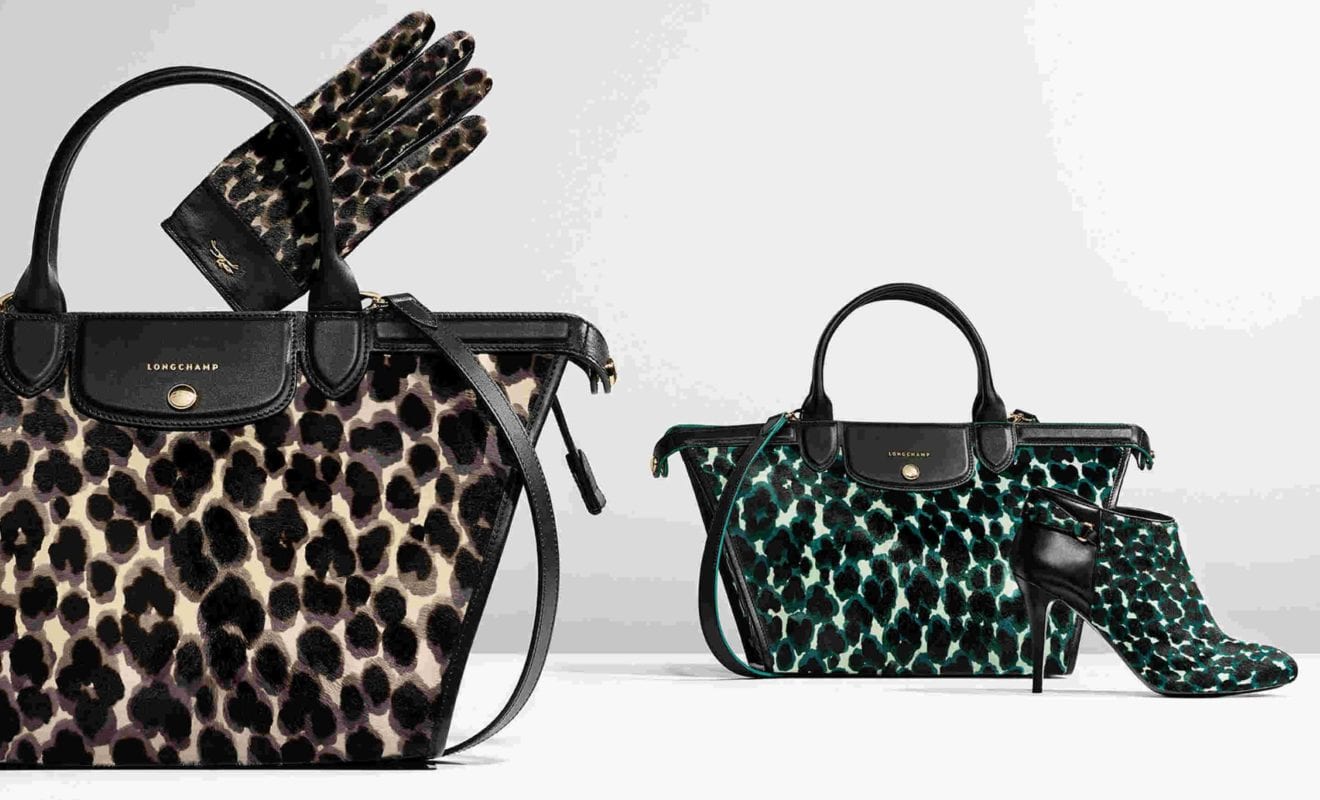
    Luxury French brand Longchamp sees Asia as a major contributor to the brand’s global growth in coming years.

    Jean Cassegrain Longchamp CEO Caterina di Orgi via TwitterCEO Jean Cassegrain says 25 per cent of the brand’s business now comes from Asia – and 50 per cent of its customer base is Asian.

    In an exclusive interview with The Straits Times in Singapore last week, Cassegrain, grandson of the brand’s founder of the same name, described its Southeast Asian customer base as a “mature luxury shopper” and confirmed an expansion of the brand’s activity as it boosts its presence across the region.

    Part of the Longchamp Asia expansion plan will include a doubling in the size of the Singapore store at The Shoppes at Marina Bay Sands late next month, to better showcase its ready-to-wear collections.

    “Customers [in Singapore] are well educated on luxury, perhaps more so than in China and Taiwan, where luxury consumers are more in discovery mode,” he told The Straits Times.

    “It just shows the enormous opportunity Southeast Asia still holds for us to grow our business. We are far from reaching our potential in Asia.”

    Longchamp remains family-owned in an era when most high-profile luxury brands have been swallowed up by corporate giants in Europe, or private equity investors.

    Since its foundation 68 years ago, Longchamp has grown to a network of some 300 directly-operated retail stores in 24 countries, with franchise partners expanding that reach to 80 markets.  Sales topped 566 million euro last year, (US$621 million).

  • Changi makes it four as World’s Best Airport

    Changi makes it four as World’s Best Airport

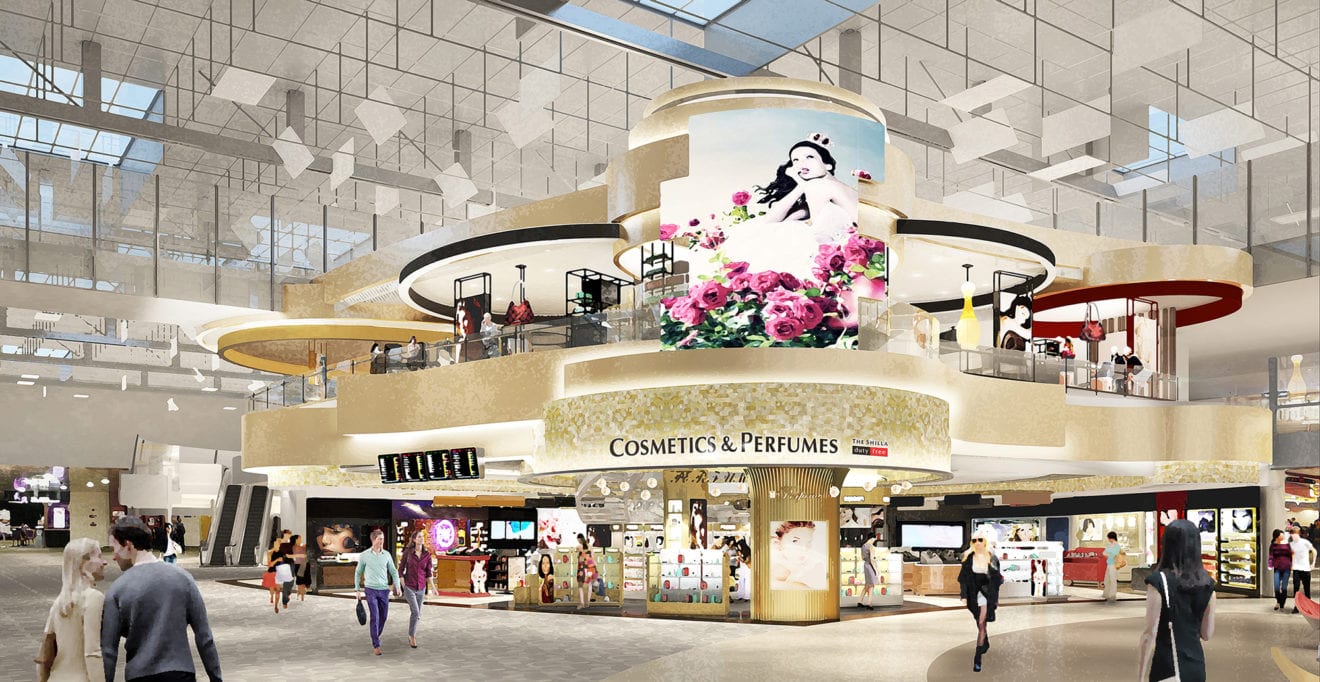
    For the fourth year running Singapore Changi Airport has been voted the World’s Best Airport by air travellers at the Skytrax 2016 World Airport Awards, held at the Passenger Terminal EXPO in Cologne, Germany.

    The Skytrax awards are the most comprehensive on the planet, based on 13.25m ‘customer nominations’ across 106 nationalities of air travellers using 550 airports worldwide. The survey evaluates customer satisfaction across 39 key performance indicators for airport service and product – from check-in, arrivals, transfers, shopping, security and immigration, to departure at the gate.

    Changi Airport was also voted Best Airport in Asia, as well as the Best Airport for Leisure Amenities, with the latter award recognising the airport’s music bar lounges, cinemas, music deck, swimming pool, napping and rest areas – plus its in-terminal Transit Hotel.

    In order, the Skytrax best airport ranking 2016 placed Singapore Changi first, ahead of second placed Incheon, Munich Airport (3); Tokyo Haneda (4); Hong Kong (5); Chūbu Centrair Nagoya (6); Zürich Airport (7); Heathrow (8); Kansai (9); and Hamad International Doha (10).

    Mr Lee Seow Hiang (left), CEO of Changi Airport Group, receiving the World’s Best Airport award from Mr Edward Plaisted (right), CEO of Skytrax. This is the seventh time that Changi Airport has picked up this top title at the World Airport Awards.

    Commenting on the award to Changi, Edward Plaisted, CEO of Skytrax said: “To be voted by customers as the world’s Best Airport four years in succession is a most remarkable achievement for Changi Airport Singapore, and is clear testament to the airport’s popularity amongst air travellers.

    “Changi Airport continues to innovate in both product and service options for its customers and focus on making the customer experience at the airport as enjoyable and relaxing as possible.

    “To be named by global travellers as the world’s favourite airport for the 6th time in ten years is great reward not only to Changi Airport management, but for staff across every section of the airport who contribute in every little way to Changi Airport operations.”

    Adding his comments, Mr Lee Seow Hiang, Changi Airport Group CEO said: “To be named the World’s Best Airport by Skytrax for the fourth year running is a significant achievement for Changi Airport and a clear affirmation that we continue to hit the right notes in our pursuit of service excellence.”

  • Singapore customers left hanging when Asos orders fail to arrive

    Singapore customers left hanging when Asos orders fail to arrive

    She is a loyal Asos customer who has ordered from the UK website not once, not twice, but a total of 19 times so far. But the latest experience for Ms Bernie Low, a local blogger, has been nothing short of frustrating.

    Ms Low, 22, is just one of many customers who have taken to Facebook to voice their unhappiness over missing goods ordered from the retail giant in January.

    Many of these customers had placed their orders as early as the beginning of January as they were hoping to wear their new clothes for Chinese New Year. However, Chinese New Year has come and gone but there was still no sign of their clothes.

    What has been more agonising for these customers is that they have been told time and again to wait for their deliveries by different members of the Asos social media team.

    Ms Low, who likes Asos for its free worldwide shipping, affordable prices and plus-sized offerings, had ordered five items from the store on Jan 10 this year. However, her items did not arrive on the Jan 28 delivery date that is usually stated on the email tax invoice.

    Instead, she was told that delivery would be pushed back by almost one month to Feb 24. Despite this, she told AsiaOne that she had not received any of the five items on Feb 24.

    In a blog post on Feb 18, Ms Low expressed frustration at the way the Asos team was handling its customer queries.

    “Look, there has to be something that is wrong since so many orders to Singapore have all gone missing, most likely all from the same batch and shipped together. They keep asking us to send in more details to verify the order and everyone gets told to wait even longer,” she wrote.

    “Plus many, many, many other Singaporeans have faced this problem yet no one is getting a proper response. We see the exact same responses copy pasted for every single dispute. It is very frustrating.”

    Another Asos customer, Laysie Lim, 35, told AsiaOne that she had also raised her concerns with the company after her Jan 14 order failed to arrive on Feb 3. According to Ms Lim, the retailer was holding a Chinese New Year promotion at the time and offered an 18 per cent discount on purchases.

    When she contacted Asos, the designer was told that her shipment would arrive on Feb 21 instead.

    Later, she heard from two of her colleagues that they too had not received orders made on Asos. That was when she realised that many other Singaporeans had been complaining of missing parcels on the Asos Facebook page.

    Ms Lim was then told to give her order details to Asos again, but the representative who replied told her that delivery would be further delayed till Feb 26.

    “Real sorry for this delay, I hope it doesn’t cause you too much troubles – keep an eye out for the postman Laysie,” the message from a representative identified as Danielle read.

    When asked about the cause of the delay, another representative named Holly said: “We need to allow some extra time due to postal delays in your area. We’re really sorry about this Laysie”.

    In an email response to AsiaOne, the London-based e-commerce retailer did not mention that there were any obstacles for delivery to Singapore.

    Instead, a spokesperson from Asos said that the delay was caused by incorrect address labels printed by its delivery partner.

    “One of our delivery partners recently made a change to their technology that updated the way address labels were printed. As a result many of our customers’ addresses were not printed correctly and packages were unable to be delivered,” the spokesperson said.

    According to Asos, the problem was identified and fixed on the same day.

    When asked about the feedback received so far, Asos said in an email: “We apologise to any customers who are impacted”.

    For many customers, however, an answer – not an apology – is what they are looking for.

    Both Ms Lim and Ms Low said that they would continue to order from Asos despite the disappointing experience – but only if their purchases are accounted for.

    “I’m very disappointed because I really like Asos,” Ms Low said in a phone interview with AsiaOne in February, adding that she could still forgive the store if her purchases arrive by March, or if she is given a refund. In a second interview, Ms Low said that Asos had offered to give her a refund after the clothes she ordered did not arrive on Feb 24 as promised.

    But even getting a refund might not prove to be any easier.

    Although Ms Lim told AsiaOne that she had received her refund, not all Asos customers were given a satisfactory reply to their requests.

    Facebook user Jo Koh was one of many customers who left a frustrated message on the Asos page asking for a proper response. “I have been in contact with Asos since Feb 16 for an order which (was) due to arrive on Feb 4 but never arrived,” the user wrote on Feb 24.

    As her order had not arrived by Feb 23, she decided to request for a refund instead. To her disappointment, she did not receive a reply from Asos. “I am completely disappointed! Can someone please get back to me!” she wrote.

    Another Facebook user, Daryl Aw Yeong, wrote on Feb 23 that he had gotten a refund from Asos, but not without “a heck load of trouble and it wasn’t a good experience”.

    His tactic for finally getting a response? “Spamming” the Asos Facebook page, he said.

    Going by the number of complaints posted on the Asos Facebook page thus far, it seems that “spamming” is what many of its customers have resorted to doing in the hopes of getting a response from the e-retailer on their delayed parcels.

    In response to AsiaOne’s queries on Asos’ refund process, a spokesperson said:”‘Our customer care team has a full list of all those affected by this issue. Should any customer on this list advise our team that their delivery has not yet arrived, they will be entitled to a full refund.”

  • Korea has potential to top Singapore in MICE

    Korea has potential to top Singapore in MICE

    South Korea has the potential to become the world’s top MICE (meeting, incentive tour, convention and exhibition) destination once it upgrades its tourism infrastructure, Marina Bay Sands (MBS) CEO George Tanasijevich said.By Kim Jae-kyoung

    He added that a large-scale integrated resort similar to MBS in Singapore will not only help Korea revitalize its infrastructure but also serve as a marketing tool to attract more business and leisure tourists from abroad.

    “Korea has a greater opportunity to lift its MICE industry even higher (than Singapore),” Tanasijevich said in an interview with The Korea Times at the MBS Hotel overlooking a panoramic view of Singapore.

    He pointed out that Korea has many advantages over competitors such as Singapore, because it has both rich cultural assets and advanced technology.

    “You have wonderful cultural, historical attractions that the tourism industry leverages very effectively. Where I think it is lacking is in more modern tourism infrastructure. The integrated resort is something that would be a huge positive effect on tourism in Korea,” he said.

    “Korea has a well-established international airport, a highly skilled workforce, and high connectivity. It also has a network of small firms that can support a large-scale resort and at the same time benefit from it. And Korea is very innovative in technology and pop culture.”

    However, the CEO said that there are infrastructure limitations, or even an outright lack of infrastructure within the MICE industry in Korea. He believes that an integrated resort will relieve many such constraints.

    One limitation he cites is that the largest ballroom in Seoul can only serve dinner to around 700 people at once, compared to MBS that can serve dinners to 6,600 people at the same time.

    “That’s an example of an infrastructure constraint in terms of facilities that MICE industry offers in Korea. You can’t have the world’s biggest event because the world’s biggest event wants to have dinners that are bigger than 700 people,” he said.

    Another example of limitation or constraint in the market is entertainment facilities.

    Tanasijevich, who is managing director of Global Development for Las Vegas Sands Corp., said that Korean entertainment is sweeping across the globe but venues are inadequate to really promote the industry within Korea.

    “If we are given the opportunity to develop the resort in Korea, what we would do is create major entertainment components included in it,” he said.

    “It can serve as a home of K-pop, home of Korean entertainment so that you can use it as a marketing tool to draw high-value tourists into Korea who would contribute significantly to your economy.”

    The Singapore-based CEO said that Sands is not interested in investing in building a resort allowing only foreigners to gamble.

    “That’s not our business model. That’s not what interests us in Korea so we are not moving forward with that kind of project. What we are looking to do is to create a MICE-focused resort that is more substantial than MBS.”

    The following is an excerpt from the interview.

    Q: Sands has had tremendous success with MBS in Singapore. What do you think are the key success factors?

    A: We are pleased that in our seven years of operations, we are still partnering with the government to deliver its promises of tourism, jobs and growth to Singapore. I would say the biggest contributor is our unique MICE-focused resort business model, which is a strong fit for a city like Singapore, a top destination for tourism as well as MICE business.

    We did not just bring a replica of what we have developed in other parts of the world. We proposed a very strong MICE element, which would fulfill Singapore’s aspirations as a MICE destination.

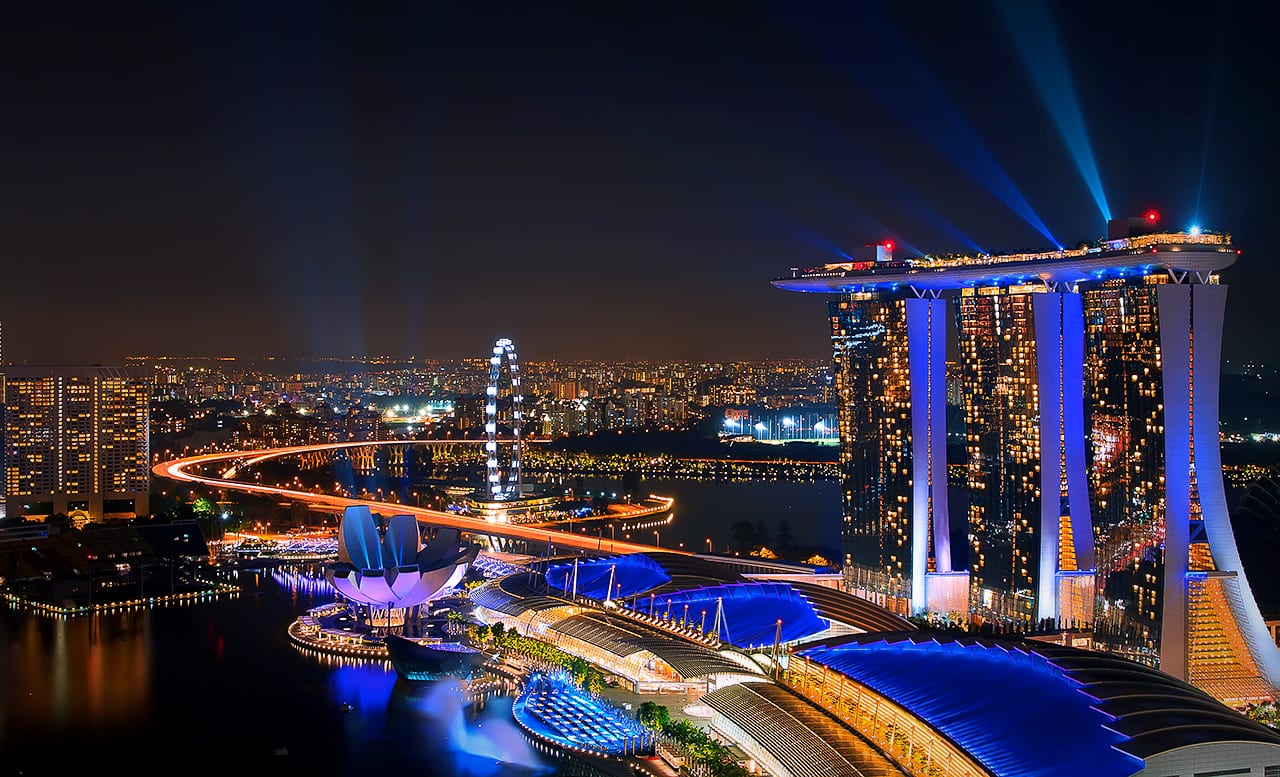
    Then we added celebrity chef restaurants, theaters, nightclubs, a sizeable retail mall and a museum to add excitement to Singapore as an entertainment and dining attraction. To alleviate the problem of insufficient hotel rooms, we constructed 2,500 rooms. We then added an iconic SkyPark and architecture that would make a stunning skyline for Singapore, given that we were awarded the focal site in Marina Bay.

    Likewise, we will study the Korean market carefully and develop an integrated resort that will fulfill the aspirations and objectives of the Korean people if we have the opportunity to be in Korea.

    Q: MBS is now a symbol of Singapore and considered a successful integrated resort model. Korea is different from Singapore in many aspects. Do you think the same model can be applied to Korea?

    A: On the flip side, Korea is also similar to Singapore in many ways. It is a developed country with a strong economy, its workforce is highly skilled and its people have the same aspirations for better jobs, better lives and growth for the country. We will adapt our model to Korea, which like Singapore, is a very strong MICE contender among the world’s top business destinations.

    Q: Do you think an integrated resort can contribute to economic growth by creating more jobs and bolstering the tourism industry?

    A: Today, MBS is one of the largest job creators in Singapore. We hire over 9,500 team members for our daily operations and house another 3,000 staffers under the employment of various tenants in our retail mall.

    By 2015, MBS had created 46,000 direct, indirect and induced jobs in the Singapore economy, according to economists. Since we opened in 2010, we have offered thousands of Singaporeans unprecedented opportunities to work alongside the world’s biggest celebrity chefs, stage the biggest entertainment events and learn new skills and trade in gaming, conventions and more.

    If we have an opportunity to open an integrated resort in Korea, we will create similar opportunities for the Korean people, especially for young Koreans who want good careers in a multinational company.

    In MBS, Singaporeans make up 60 percent of senior management, and account for 80 percent of the supervisory and managerial positions. The numbers illustrate that we can provide not only employment, but good jobs for Koreans if we have the opportunity to open in Korea.

    Q: The biggest hurdle to opening an IR in Korea is the public’s negative sentiment against casinos. What is your view on Koreans’ concerns?

    A: We believe many Koreans associate the word casino with gambling dens, which is not what our type of integrated resort like MBS is. Our proposal for Korea is an entertainment complex with theaters, celebrity chef restaurants, a mall, hotel, convention facilities, attractions, and even arenas and parks. The casino is less than 5 percent of the total footprint, making it possible for millions of visitors to enjoy our resort without taking a step into the casino.

    We will work closely with the government to inform and educate the Korean public about our type of integrated resorts we intend to invest in Korea if the government allows us the opportunity to do so.

    Q: What is your bottom line in investment in Korea?

    A: We do not believe that a foreigners-only casino will accomplish the goals of the Korean people. Korea already has 16 of them. It will neither warrant the type of investments we intend to make nor achieve the economic impact that the Korean government wants to achieve. We believe a restricted-entry casino that allows Koreans, subject to social safeguards and barriers to entry in place — no bigger than 5 percent of the total integrated resort footprint, will do so.

    Q: Do you have preferred places to build an integrated resort in Korea?

    A: We think that Seoul and Busan are ideal locations for our type of business model and the size of investment we are prepared to make.

    As you can note from MBS in Singapore, because we have such substantial elements for MICE facilities we need to be in a downtown location that is accessible to major international airports and a place where we can provide opportunities for companies and business people.

  • Singapore Retail sales up 7.5% in January as car sales surge

    Singapore Retail sales up 7.5% in January as car sales surge

    Singapore’s retail sales increased 7.5 percent in January on a year-on-year basis, mainly due to a spike in sales of motor vehicles, said the Department of Statistics Singapore (SingStat) on Tuesday.

    On a month-on-month basis, retail sales dropped 1.2 percent in January. Excluding motor vehicles, retail sales decreased 0.5 percent.

    The total retail sales value in January was estimated at 4.1 billion Singapore dollars (3 billion U.S. dollars), higher than 3.8 billion Singapore dollars (2.8 billion U.S. dollars) in January in 2015.

    Compared to January 2015, retailers of motor vehicles, medical goods and toiletries and department stores recorded increases of between 11.9 percent and 50.9 percent in sales in January 2016. Similarly, retail sales of supermarkets, mini-marts and convenience stores, wearing apparel and footwear and optical goods and books rose between 1.4 percent and 7.9 percent.

    In contrast, retail sales of telecommunications apparatus and computers decreased 30.5 percent in January 2016 over January 2015. Retail sales of watches and jewellery, food and beverages, petrol service stations, recreational goods and furniture and household equipment also declined between 0.8 percent and 8.4 percent over the same period.

    The total sales value of food and beverage services in January 2016 was estimated at 685 million Singapore dollars (500 million U.S. dollars), lower than the 689 million Singapore dollars (503 million U.S. dollars) in January 2015.

    The Retail Sales Index and the Food and Beverage Services Index measure the short-term performance of retail and Food and Beverage service industries based on their sales records. The sales figures exclude taxes.

  • IDA, SPRING Singapore & CapitaLand partner to boost last-mile delivery for retailers in $20m project

    IDA, SPRING Singapore & CapitaLand partner to boost last-mile delivery for retailers in $20m project

    The three parties have signed a Memorandum of Intent (MOI) to launch an In-Mall Distribution (IMD) trial expected to benefit 300 retailers.

    If successful, the model may be rolled out to other shopping malls owned or managed by the CapitaLand Group in Singapore.
    With two CapitaLand malls – Tampines Mall and Bedok Mall – part of the pilot project, the trial will provide useful insights into how to calibrate the logistics solution for wider implementation.
    The initiative falls under the Nationwide Urban Logistics Programme spearheaded by IDA and SPRING Singapore.

    The idea was first mooted in the Infocomm Media 2015 followed by a funding announcement of $20 million from IDA and SPRING Singapore to implement urban logistics in the retail sector.

    According to the IDA, if deployed nationwide, it could lead to an estimated reduction of trucks on the road by 25 per cent and a cut in waiting and queuing time for deliveries by 65 per cent. The aims is to enable trucks with less-than-full loads to consolidate and sort their goods in an offsite centre before delivering to malls.

    Subsequently, these goods can then be re-loaded and then delivered to their intended destinations on a single truck within the same day, reducing the number of trucks going to the same destination and improving truck load utilisation.

    Teresa Teow, head of retail management in Singapore for CapitaLand Mall Asia Limited, the manager of CMT malls, explained: “As the owner and manager of Singapore’s largest shopping mall network, we are constantly looking at ways to innovate and further improve our operations and shopping experience by leveraging technology and strategic partners.”


    Steve Leonard, executive deputy chairman of the IDA said, “Achieving the Smart Nation vision of Singapore will only be possible if government and industry work closely together, adopting new ideas and embracing new technologies.”

    Leonard added, “We know that the complexities and logistics of moving large amounts of goods in densely-populated areas is a big challenge. Together with our partners, we want to explore how analytics and robotics can be part of new ways to solve these challenges. It is imperative that the government and the industry not only work together, but keep looking forward to adopt new ideas and new tech in business.”


  • Can CapitaLand Mall Trust survive 2016’s volatile equity market?

    Can CapitaLand Mall Trust survive 2016’s volatile equity market?

    CapitaLand Mall Trust (CMT) is poised to dominate the retail REIT scene in 2016, with positive rental reversions and increased tourist arrivals playing to its favour.

    According to a report by RHB, CMT is likely to enjoy mid single-digit (about 5%) positive rental reversion in 2016 as encouraging trends are expected in CMT’s tenant sales (psf/month) and traffic flow at its malls.

    “In the recent reported quarter, the retail REIT reported an upward trend in tenant sales, a 5.3% YoY increase for FY15. With this, we think that the retail landlord is in a better position to command higher rental rates this year,” asserts RHB.

    Moreover, an anticipated pick-up in tourist arrivals is seen to spur consumer spending in malls. This bodes well for CMT, as its malls are located near tourist attractions such as Plaza Singapura, Bugis Junction and Clark Quay.

    RHB also thinks that the expected recovery of Singapore tourism could be boosted by positive catalysts like lower airfares, a busier year for events, and an anticipated climb in Chinese tourists visiting Singapore.

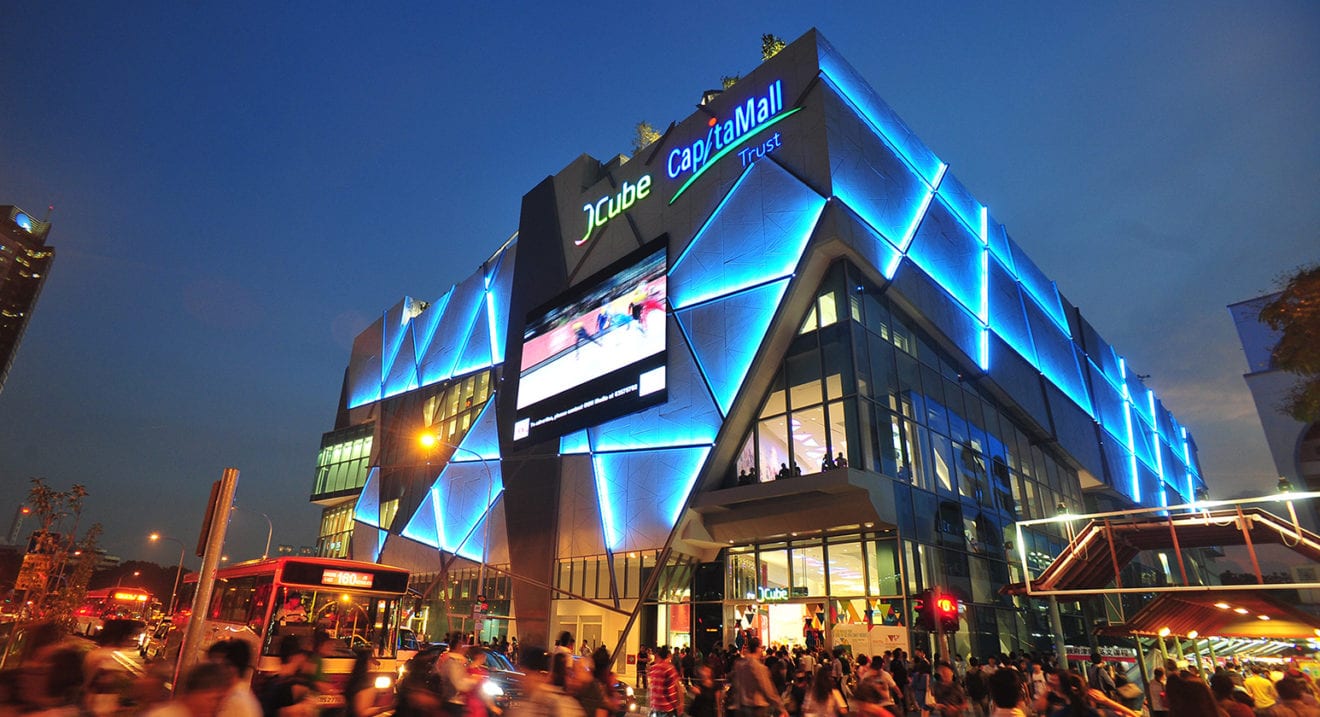
    Further, there’s still room for CMT to exercise a capital recycling strategy given that it currently owns non-core assets such as JCube and Sembawang Shopping Centre.

    RHB further notes that on top of this, CMT handles its portfolio favourably. For instance, CMT recently parted ways with its non-core asset Rivervale Mall, which was estimated to be divested at a attractive cap rate of about 3.4%. Compared to the average cap rates for retail assets, independent real estate company CBRE estimated 4Q15 average cap rates to range from 4.75% to 5.25%.

    “In addition, we advise investors to take up CMT as it is highly liquid, which may be especially advantageous in the current volatile equity market,” states RHB.

  • Fitch Asia appointed new chief

    Fitch Asia appointed new chief

    Fitch Asia, the retail and brand consultancy, has appointed a new regional CEO to cover north and southeast Asia.

    UK-born and Australian-raised Andrew Crombie will lead the company’s growth across the region from its Singapore hub, reporting to worldwide CEO Simon Bolton. Crombie will work closely with China GM Nikki Lin to expand opportunities in that market. He takes over from Ian Bellhouse, who is moving on to a new venture.

    Crombie has spent 25 years working in Singapore, Taiwan, Hong Kong and Malaysia in regional and global roles for agencies including Batey Ads, FCB, Havas and Ogilvy. He began his career in Australia working for such brands as American Express, Banyan Tree Resorts, BMW, Carlsberg, Dell, Dunhill, Guinness, Hennessy, IBM, Mercedes Benz, Porsche, Qantas, TagHeuer and Visa Gold.

    Most recently, he has been MD and partner at healthcare agency H&T Asia.

    “Andrew’s brief is to make Fitch famous in this region, and he’s the person to do that,” says Bolton. “No-one thinks about the customer journey more, and he will bring this expertise to Fitch along with his extensive understanding of the diversity and rich potential for retail and experience design within the region.”

    “It’s great to be joining Fitch at this time of profound change in how consumers are engaging with brands,” says Crombie, who takes up his new position on May 3.

    “Asia is poised to be at the forefront of innovation in retail and brand experience.”

  • Kose cosmetics reveals global ambition

    Kose cosmetics reveals global ambition

    Japan’s Kose cosmetics has unveiled a global marketing plan that aims to give it a strong international presence – including department store outlets in China, Malaysia and Singapore.

    The plan was revealed as it celebrated its 70th birthday, with a media event at Roppongi Hills in Tokyo, attended by actress Yui Aragaki.

    In response to the success of its flagship Sekkisei skincare line, Kose is giving it more prominence on retail floors, and has introduced a “Stand by You” concept.

    Sekkisei products feature Chinese and Japanese herbal ingredients. The brand has been growing for 30 years and is continually updated, says Kose Corporation president/CEO Kazutoshi Kobayashi. Its latest addition is Sekkisei Herbal Gel.

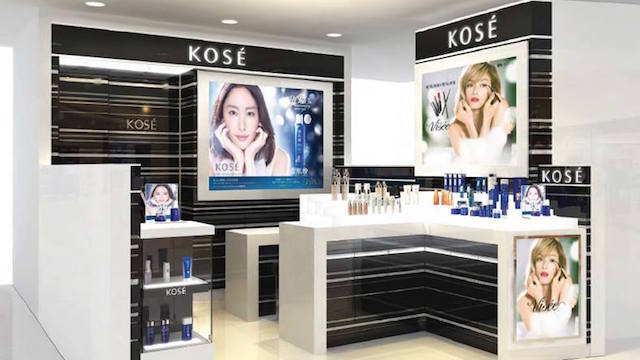
    A dedicated counter section has been designed by architect Kengo Kuma, in keeping with the store’s Japanese-motif interior design.

    “The counter uses a special material, high-density polyethylene non-woven fabric, and is lit from inside to represent the divine whiteness of Sekkisei,” says Kengo Kuma.

    The dedicated sections will launch inside department stores in Fukuoka, Osaka and Tokyo next month, and be added to a duty-free store location in Hawaii by the end of the year.

    Other locations are being established in department stores in China, Malaysia and Singapore, which will help Kose expand the Sekkisei network to seven countries within three years.

    According to the Nikkei Asian Review, Kose earns about 30 billion yen (US$266 million) in annual Sekkisei sales, and is looking to build this figure to as much as 60 billion yen by 2020.