Tag: Singapore

  • Singapore economy grew 2% in 2015, weakest since 2009

    Singapore economy grew 2% in 2015, weakest since 2009

    The Republic’s economy expanded by 2 per cent in 2015, the weakest annual growth since 2009 when the economy was hit by the global financial crisis, according to figures released by the Ministry of Trade and Industry (MTI) on Wednesday (Feb 24).

    The figure was a sharp drop from the 3.3 per cent growth the previous year, and was revised downwards from the 2.1 per cent growth initially projected.

    Growth was mainly supported by the wholesale and retail trade, and finance and insurance sectors, according to MTI.

    For the fourth quarter, the economy expanded by a slower-than-expected 1.8 per cent from a year ago, after industrial production in December suffered its biggest year-on-year slump in eight months. The initial estimate was for a growth of 2 per cent.

    On a quarter-on-quarter seasonally-adjusted annualised basis, the economy expanded by 6.2 per cent in the fourth quarter, MTI said.

    The MTI has maintained its forecast of growth between 1 per cent and 3 per cent this year.

    “Even though global growth is expected to improve, the continued slowdown in China, the services-driven nature of growth in the US, as well as the trends of in-sourcing in China and the US, may mean that external demand for our exporters may not see a significant boost this year,” said MTI’s Permanent Secretary Ow Foong Pheng.

    “Lower oil prices have weakened the prospects for new rig orders for firms in the marine and offshore segment, and heightened the risks of further deterrents and cancellations of existing orders,” she added.

    The economic data also showed that labour productivity, as measured by value added per worker, grew by 0.5 per cent in the fourth quarter – the first improvement since the first quarter of 2014 – driven by the wholesale and retail trade, and construction sectors.

    For 2015 as a whole, overall labour productivity fell by 0.1 per cent, marginally improving from the decline of 0.5 per cent in 2014.
  • Singapore’s Sun Electric begins solar power distribution

    Singapore’s Sun Electric begins solar power distribution

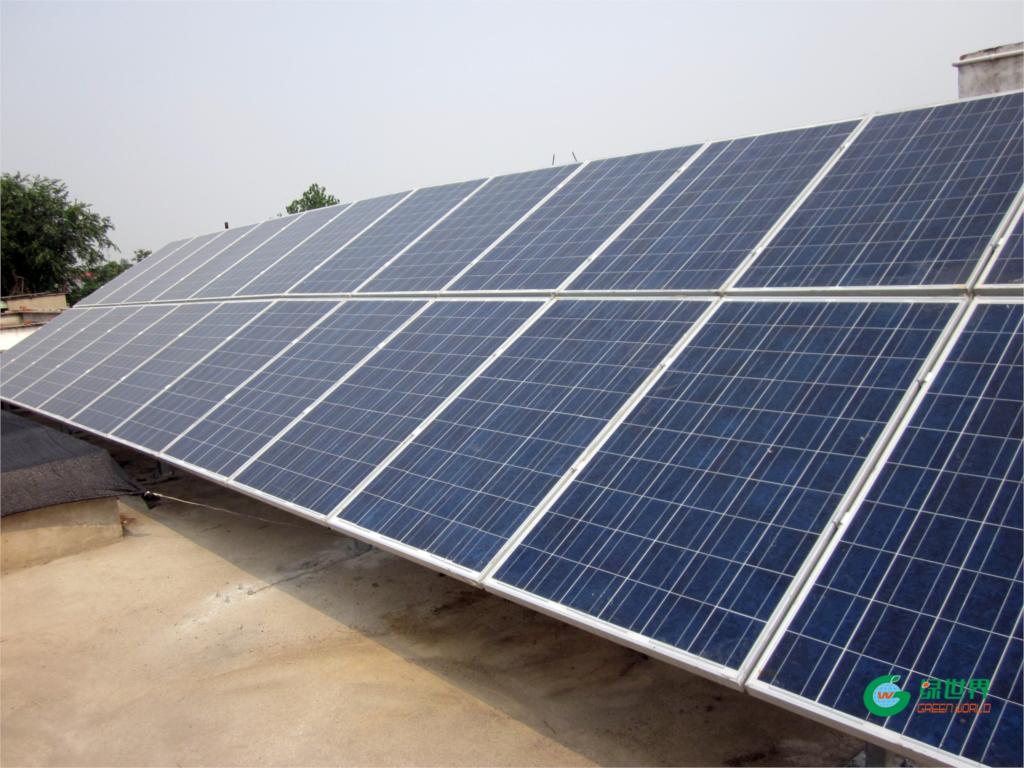
    Providing an environmentally friendlier alternative to power generation fired by coal or natural gas, home-grown Sun Electric kicked-off its first live distribution of solar power today (Feb 29) to local businesses. The solar power is distributed through Singapore’s power grid and supplied by solar energy generators installed in collaboration with JTC Corporation (JTC) and SPRING Singapore.

    The first solar energy company to obtain an electricity retail license in Singapore – Sun Electric also launched an array of clean energy products under SolarSpaceTM, a platform that enables consumers in cities to buy solar energy even if they do not have a roof of their own to install solar panels.

    “Our programme was developed to change the way cities obtain energy, and to allow cities to harness clean energy that can be obtained from their environment. Smaller consumers of energy such as SMEs can now do their part for the environment and sustainability by adopting clean energy,” Dr Matthew Peloso, CEO of Sun Electric said at a press conference attended by Mr Loh Khum Yean, Chairman of the Energy Market Authority (EMA).

    The programme, Dr Peloso said, allows rooftop owners to capture sunlight striking their roofs, and sell it to energy consumers in their city. Rooftop owners can install solar panels and generate energy while tracking their contributions to their city in real-time, and customers who buy the energy can monitor their usage easily on Sun Electric’s platform. This means that a city can now blend in solar energy as a component of its power supply with various consumers, the company said in a media release.

    Previously, only building owners who bought energy themselves could use solar power. Now, building owners can install solar energy generators on those rooftops while energy consumers who do not own rooftops can buy clean energy from them. “This system harnesses the power and connection of people who can put this city on a sustainable footing. This system requires no subsidies, and allows any competitive and open energy market to adopt solar energy,” Dr Peloso noted.

    Dr Peloso also announced the launch of Sun Electric in the USA, Japan, Australia, and the Philippines with “strategic partners abroad”.

    “By the second half of 2018 we aim open the electricity retail market to full retail competition. This will empower the remaining 1.3 million small consumers, mainly households , with more option on how to better meet their electricity needs,” Mr Loh Khum Yean, Chairman of the Energy Market Authority (EMA).

    Market interest in clean energy, Mr Loh said, has been growing significantly in Singapore where the total installed solar PV capacity has increased from 1.5 megawatt in 2009 to 43.8 megawatt by end 2015, enough to power around 14000 four-roomflats a year. “We expect the strong growth of solar to continue as technology improves and cost goes down… The demand for Cleantech solutions is growing both locally and overseas. This presents business growth opportunities not just for established companies but also for SMEs,” Mr Loh added.

    The company said, its portfolio of products including – SolarFlexTM, SolarLiteTM, SolarPeakTM and Solar100TM offer tailored electricity packages according to the percentage of clean energy required by individual consumers.

    Seven local companies including The Chope Group, Sky Tower on Sentosa, Pilatique, Seagift, Lotto Carpets Gallery, Absolute Living, and Duta Holdings, are the first set of clients receiving electricity from the solar energy generators installed on JTC rooftops in Tuas South under the test-bedding programme.

  • Glashutte Original expands in Asia

    Glashutte Original expands in Asia

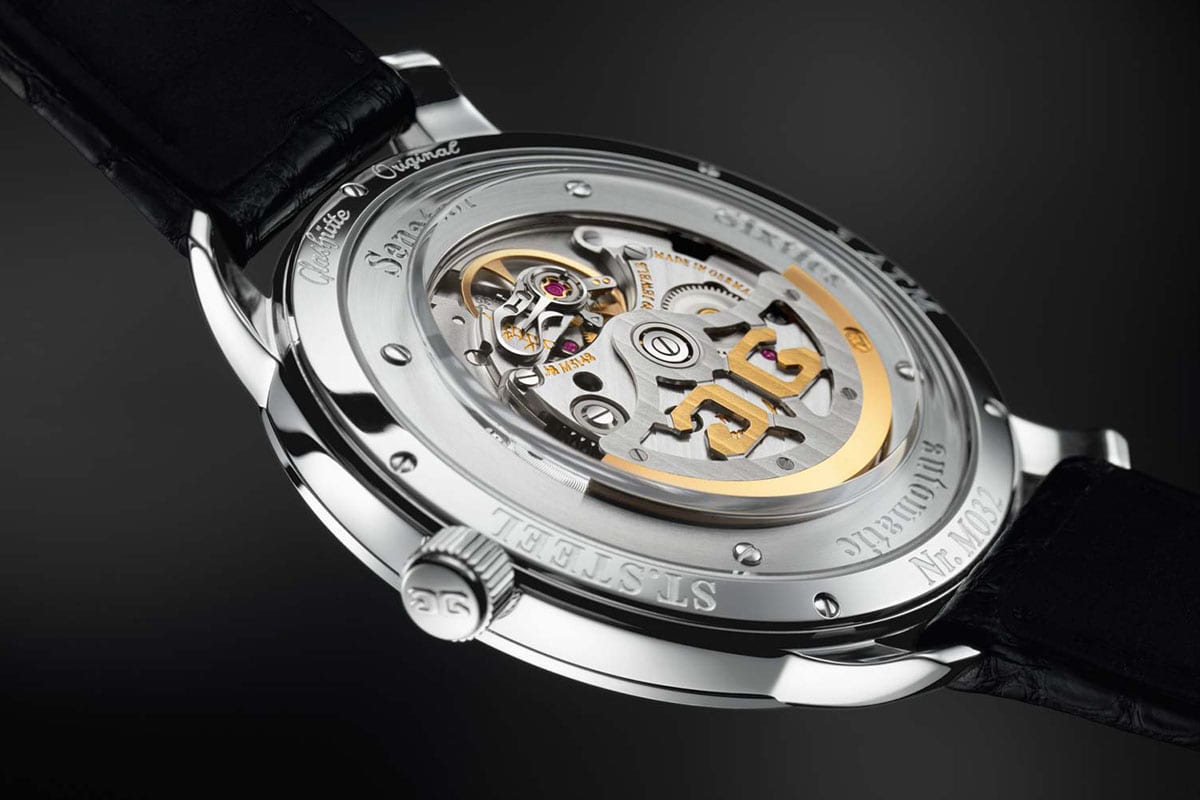
    German watchmaker Glashutte Original is rapidly building its network of Asian boutiques as it tries to build its share of global luxury watch sales.

    During the last three months, Glashutte has opened three new stores in Asia, including its first in Southeast Asia inside The Shoppes at Marina Bay Sands in Singapore.

    Glashuette Singapore MBS

    “The fine art of German watchmaking has its friends all over the world.  With the opening of not three new boutiques in Asia, Glashutte Original has added impressive strength to its presence, bringing even more of its manufactory art to China and Singapore,” the company said in a statement.

    The boutique at AMP in Wangfujing Rd in Beijing is the latest of the new stores as the brand continues to execute its international expansion strategy. Only at the end of December, the Saxon-based manufacturer opened its first in the city, in the popular Beijing SKP.

    “All three new boutiques offer a warm welcome to international connoisseurs of fine watches:  in keeping with the brand concept they offer visitors a world of experience that takes them straight to the heart of the German art of watchmaking.

    “Carefully chosen materials, stylish interiors and a contemporary environment present an essential expression of the brand DNA.”

    The Wangfujing Rd boutique, at 147 sqm, is the largest of the brand’s five Chinese retail stores.

    A watchmaker on the premises offers information and insights into his centuries-old art and puts his knowledge and experience to good use in answering any questions customers may have. Also awaiting customers is a luxurious lounge area that enhances the visual, emotional and individual experience of the visit, along with an interactive presentation allowing each visitor to explore in depth, using a touch-screen, the fascination of Glashutte Original.

  • Honolulu Coffee Shop opening in Singapore

    Honolulu Coffee Shop opening in Singapore

    Honolulu Coffee Shop, known in Hong Kong for its egg tarts with flaky pastry, will open a 50-seat restaurant in Singapore in April.

    At The CentrePoint in Orchard Rd, the restaurant will go head to head with Hong Kong’s Tai Cheong Bakery, which is known for its egg tarts made with shortcrust pastry and is scheduled to open in Orchard Rd within the next three months, according to the Straits Times.

    Meanwhile, Tai Cheong will set up a pop-up stall early next month at a location yet to be advised. The new outlet is a joint venture with Food People, a company set up by The Pine Garden MD Wei Chan and Han Jin Juan of Palm Beach Seafood Restaurant.

    Honolulu Coffee Shop is a franchise brought in by a new F&B company set up by Lee Yuen Yong, who is also MD of Asia Gourmet. That company brought in wonton noodle specialist Mak’s Noodle from Hong Kong, which has shops at The CentrePoint and Westgate, and will open a third at VivoCity in May.

    Lee says not many people in Singapore know about Honolulu Coffee Shop, “but its egg tart is the best we can get in Hong Kong”. He says the recipe has 70 years of history, with all other egg tarts evolving from it.

    “On more than 10 trips to Hong Kong, the team tried egg tarts from more than 50 stores before deciding that Honolulu’s are the best.”

    Honolulu Cafe Hong Kong Wan Chai

    Its signature egg tart has 192 layers of flaky pastry.
    Meanwhile, Chan says the market is big “and diners will figure out which egg tart tastes better”.

    Honolulu Coffee Shop was founded in the 1940s by Yeung Jin Hei, who died nearly three years ago. It started out selling coffee, tea and baked goods, and over the past 20 years its menu has evolved to include everything from noodle dishes to sandwiches.

    Yeung’s second son Derrick, 50, took over the business in 1996 and runs it with his 51-year-old brother Wayne, who handles the six outlets in Hong Kong.

    Derrick has been instrumental in expanding the brand overseas, starting 18 months ago. Honolulu has three shops in Beijing and one in Shanghai. The Singapore shop will be its fifth overseas outlet and will also serve macaroni and noodle dishes as well as weekly specials.

    He is now meeting suppliers and recruiting staff and chefs, who will be trained in Hong Kong.
    Aside from Singapore, he plans to open in Taiwan in line with his plans to go “more international”.
    Asked why the chain is called Honolulu, he says it dates back to the time Hong Kong was a British colony and the company wanted a Western name.

  • Furniture Retail Iwannagohome to shut Singapore outlets

    Furniture Retail Iwannagohome to shut Singapore outlets

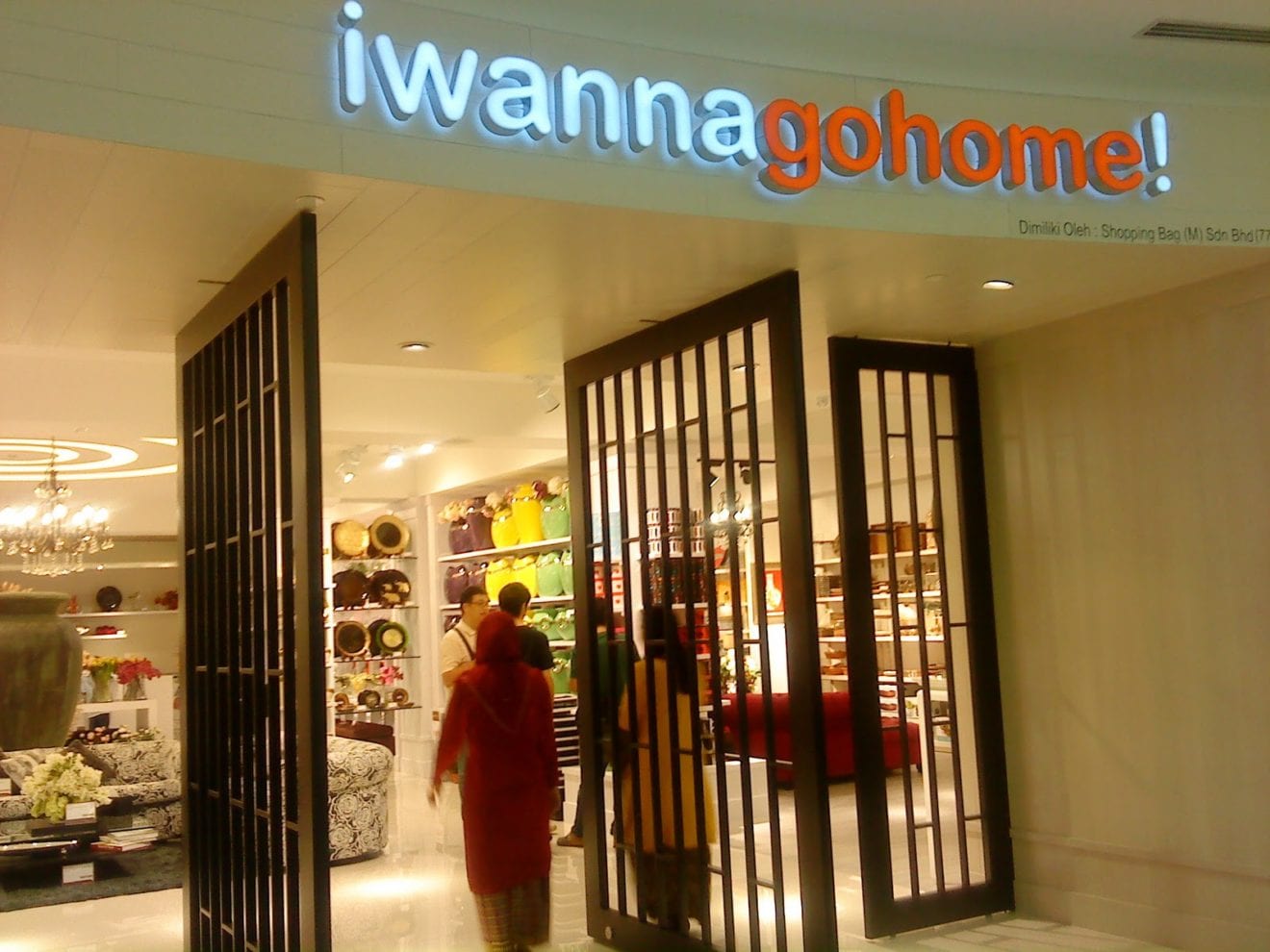
    Home furnishing and accessories shop iwannagohome will close its outlets in Singapore, its parent company confirmed on Friday (Feb 26).

    Both its branches at Tanglin Mall and Great World City will be closed, said a spokesperson for the brand, which debuted in Singapore in 2007. Clearance sales have begun at both outlets.

    A retail employee told Channel NewsAsia that he was told the shop would close “around May or June” this year.

    No employees will be affected, the spokesperson added. “As we have other businesses, all employees will be transferred to other outlets.”

    Among the other brands managed by parent company, Gill Capital, are fashion store H&M and candy store Candylicious.

    No details were provided in response to queries about whether iwannagohome’s other outlets in Malaysia and Australia would be affected.

  • Dior Opens Largest Flagship Store in Singapore, 1st Ladies Duplex in South East Asia

    Dior Opens Largest Flagship Store in Singapore, 1st Ladies Duplex in South East Asia

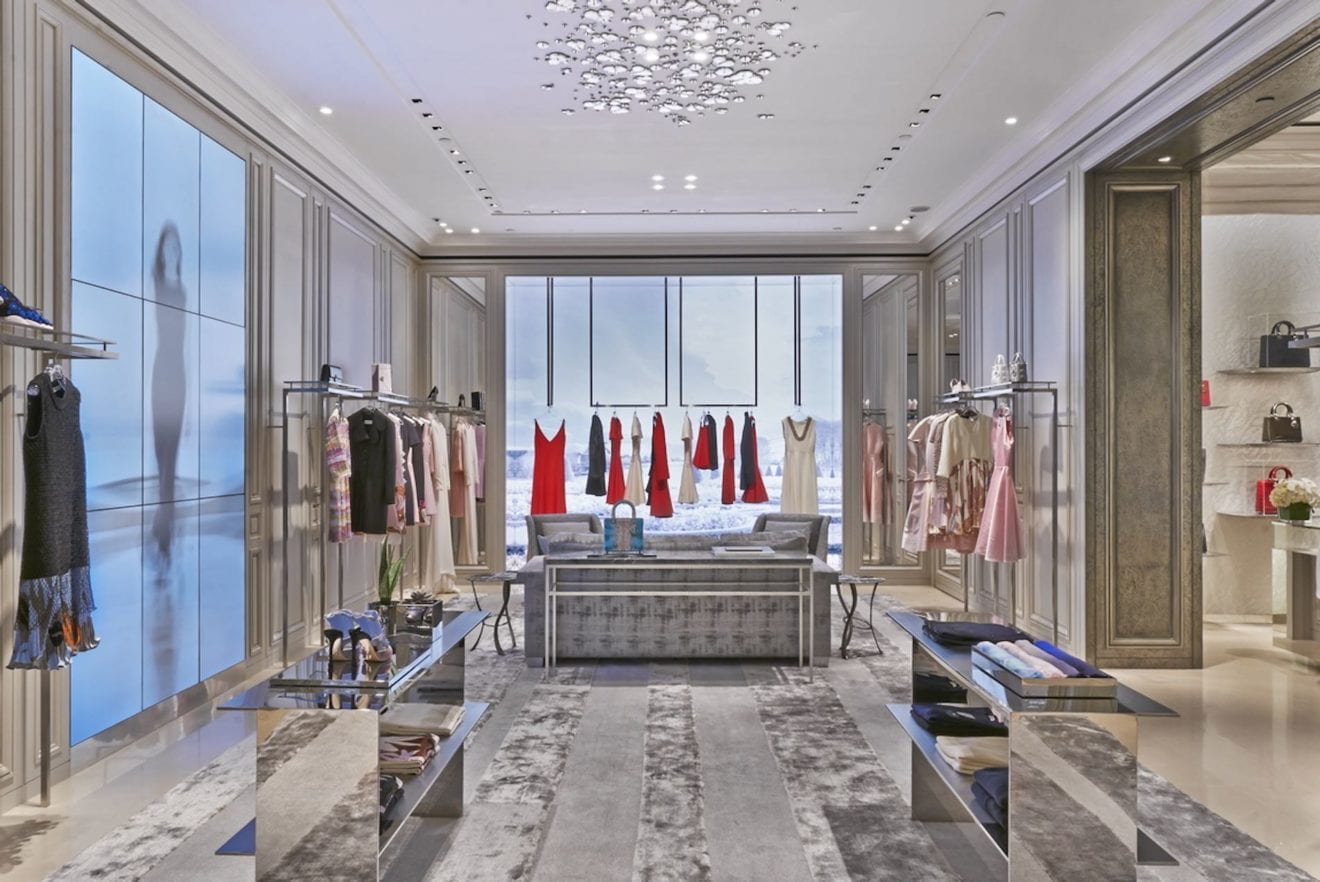
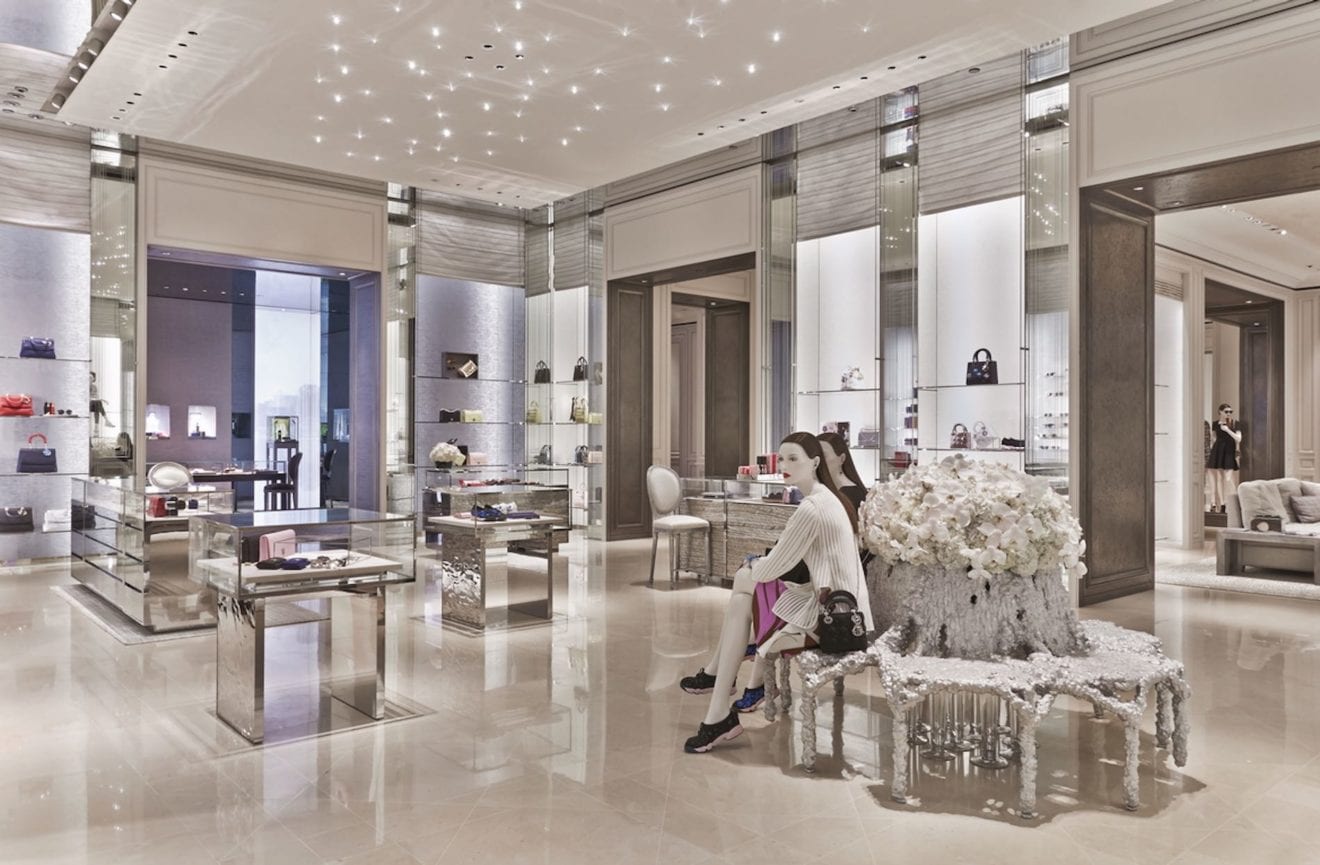
    Christian Dior has officially re-opened its duplex ladies boutique at ION Orchard, its largest flagship boutique in Singapore measuring over 700 square meters, and the first ladies duplex boutique in South-East Asia.

    The newly-minted retail space provides a look inside the unique, creative and luxurious universe of Dior.

    Expanded in size and given a complete facelift, the exterior sees a floor-to-ceiling, highly visible transparent glass façade patterned in Dior’s signature ‘Cannage’ alongside beautifully animated windows on both the external street-facing and internal mall façades.

    The lighting gives the façades a beautiful transparency and glowing, kinetic effect.

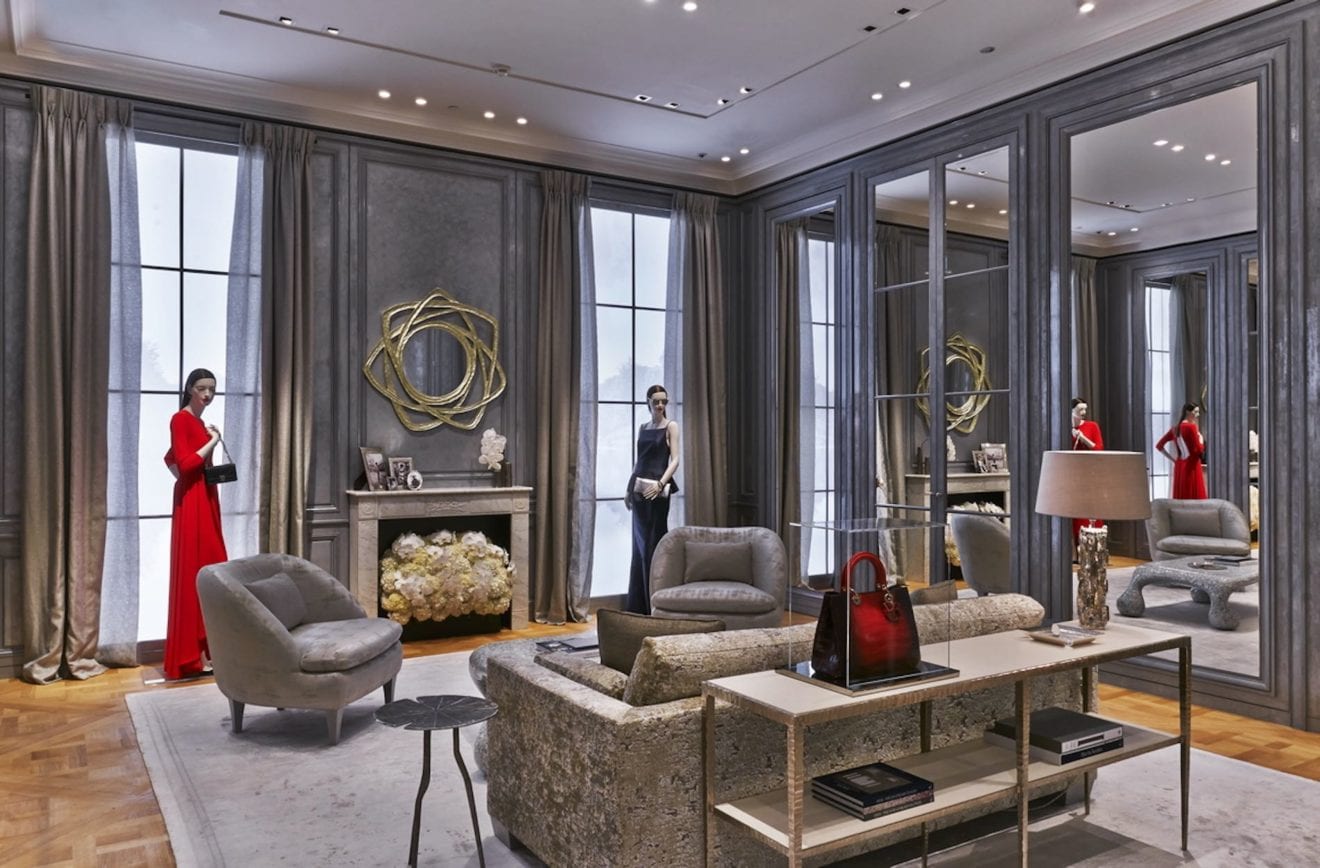
    The opulent interior developed by international renowned architect Peter Marino, emulates the design concept of Dior’s legendary boutique on Avenue Montaigne in Paris.

    The tone is set by shades of opalescent grey and crisp white.

    Classically inspired moldings can be found on walls and ceilings. Luxurious grey zibeline carpets complement the polished limestone floors. The furniture juxtaposes the modern with the classic as Louis XIV chairs are paired with varied upholstered fabric.

    The 18th century details blended with modern elements and art pieces to achieve a feminine and glamorous aesthetic, In addition, Dior commissioned several world’s leading contemporary artists to create works of art which are displayed throughout the boutique.

    The exclusive VIP salon on the 1st floor comes complete with a fireplace, with its dedicated fitting room, accessible only by a private elevator for a more personalized and intimate experience.

    On the 2nd floor is the fine jewelry and timepiece salon with a dedicated entrance, an accessories salon, bags gallery & salon devoted to Dior’s complete range of handbags from Lady Dior to Diorever, as well as a footwear salon.

  • No price fixing among petrol retailers in Singapore, says competition watchdog

    No price fixing among petrol retailers in Singapore, says competition watchdog

    Local prices mirror global trends.

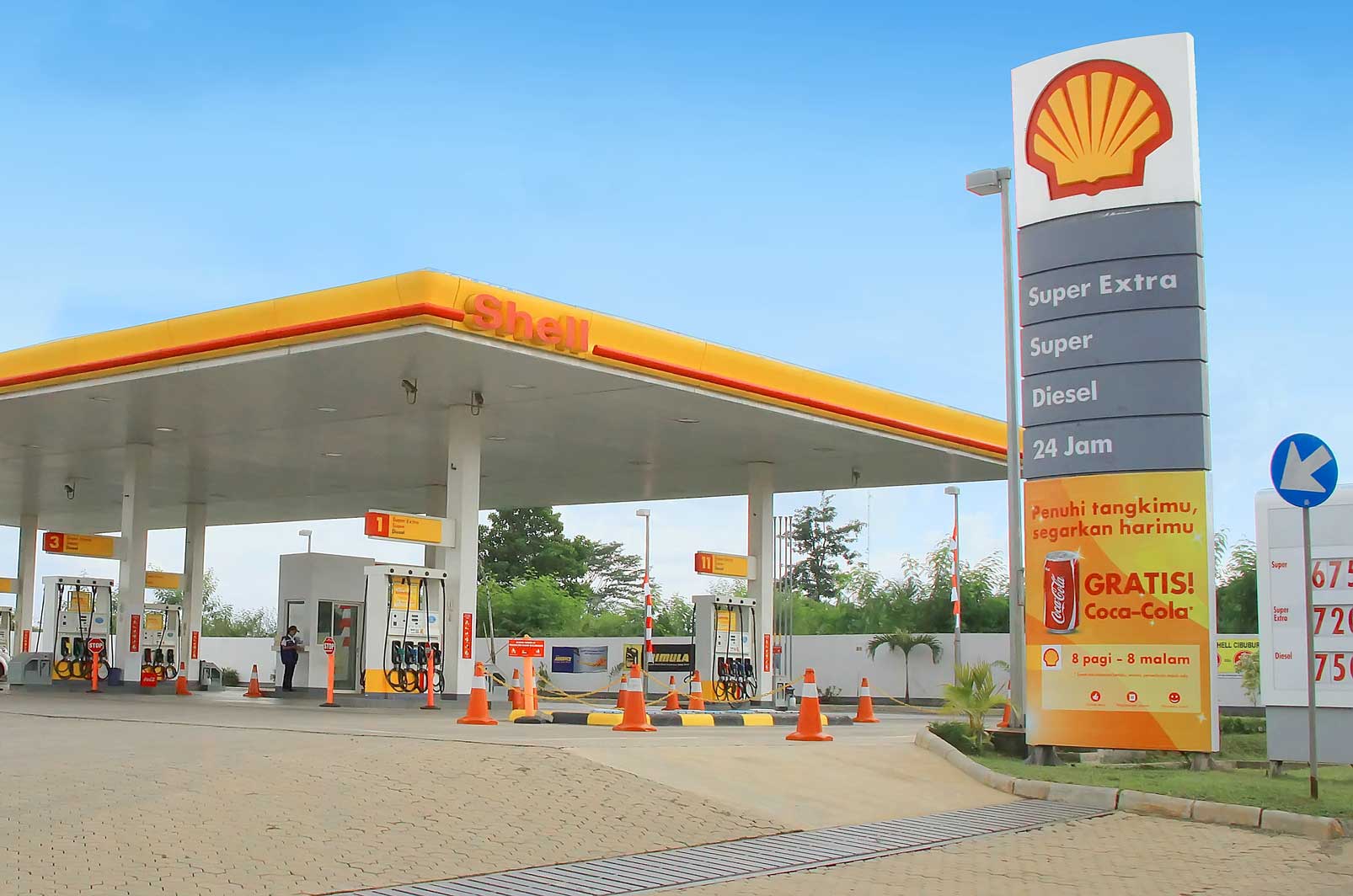
    There is no evidence to suggest that petrol companies conspire to control oil prices in Singapore, according to a study by the Competition Commission of Singapore (CCS).

    The study showed that local oil retailers base their prices on the Mean of Platts Singapore (MOPS) price, which refers to the cost at which petrol companies purchase the refined wholesale petrol from the refineries.

    The CCS said that listed retail petrol prices was observed to move in tandem with the price of MOPS over a six-year period between 1 January 2010 and 31 January 2016, although the pass-through was neither complete nor immediate.

    The MOPS price also made up less than a third of listed retail petrol prices. Other components of retail prices include operating costs, taxes and duties, land costs, discounts and rebates. The cost of these non-fuel components have generally increased in the past few years, the report noted.

    For the period of June 2014 to January 2016, crude oil price fell by an average of 59 SGD cents, or 67%. Consequently, MOPS price fell by 52 SGD cents or 53%, and the listed price of Octane 95 fell by 35 SGD cents or 15%.

    Including discounts, rebates and levy increase in February 2015, the effective price that consumers paid for Octane 95 was found to have fallen by 45 SGD cents, or -24%.
    This indicates a “relatively high level of pass-through” of the fall in MOPS price to consumers over this period. the report noted.

    “The operating income margin of the petrol companies has also increased, but the increase is smaller relative to the increase in the non-fuel components. There is no evidence to suggest collusion in petrol pricing, even though petrol companies monitor and react to each other’s published prices,” the CCS said.


  • Wildcraft expands out of India

    Wildcraft expands out of India

    As a first step toward growing its international presence, Indian fashion brand Wildcraft has launched into the Middle East and Southeast Asia.

    It has formed partnerships for its foray into the UAE, Oman and Muscat markets, and online partnerships for Hong Kong, Indonesia, Malaysia, Singapore and Taiwan, reports ETRetail.com.

    Wildcraft unveiled a new brand identity last year while expanding its product portfolio into clothing and footwear. It has also added 130 retail outlets in more than 50 cities across India, giving it more than 3000 distribution points in more than 400 cities in India.

    In Southeast Asia, the brand has partnered with Zalora, part of the Global Fashion Group, giving Wildcraft access to the Hong Kong, Malaysia, Singapore and Taiwan markets. It will use this alliance to initially sell its outdoor gear products.

    Co-founder Gaurav Dublish says the international expansion “is just the start of our growth plans”.

    “The focus, at this point, is to reach countries with similar climatic conditions and geo-proximity.”

  • Mars chocolate products removed from DFS in Singapore

    Mars chocolate products removed from DFS in Singapore

    DFS (Singapore) has removed Mars chocolate products from its shelves following a global recall of the products. Mars Inc said on Tuesday (Feb 23) that it was recalling chocolate bars and other products in 55 countries, including Singapore, due to choking risk after a piece of plastic was found in a Snickers bar in Germany.

    On Wednesday, the Agri-Food and Veterinary Authority of Singapore (AVA) also issued a recall of such products manufactured in the Netherlands as a precautionary measure.

    DFS said on Thursday that the products which have been removed from its stores here are Mars Minis Pouch and Celebrations Pouch that expire on Jan 1, 2017; Mini Variety Pack that expires on Oct 9 and Celebrations Pouch that expires on Dec 11 this year.

    “As Mars has issued this recall, we will wait to hear from them on any necessary next steps and act accordingly to ensure the safety of our customers,” said DFS, which offers shoppers a selection of duty-free goods in its stores, yesterday.

    Meanwhile, The Cocoa Trees, a candy retail chain, said it has removed all Dutch-made products from its shelves, and is waiting for further clarification from Mars to ensure that its products are safe.

    The company said it is still in talks with the AVA, and is prepared to throw away its stock of Mars products if they are certified to be unsafe.

  • Singapore-based ecommerce marketing startup raises $1m to enter Indonesia

    Email and digital marketing startup Ematic Solutions has raised a pre-series A round of close to US$1 million, it announced today. The funding comes from MDI Ventures, a venture capital fund backed by Telkom Indonesia, the country’s major telco.

    The pre-series A round comes just two months after Ematic raised its seed round, worth US$1.07 million, led by Wavemaker Partners and joined by 500 Startups and Convergence Ventures.

    The funding will be used to intensify the Singapore-based startup’s quest for regional expansion. Indonesia was already a priority destination for the company, and it expects MDI’s support to help it further along. It has just opened an office in Jakarta, its first outside of Singapore, and is currently recruiting there.

    Ematic’s products include HiIQ, a tool that figures out when is the best time to reach out to which customer, and ByeIQ, a method for encouraging engagement when a user is about to leave your website.

    Indonesia is a particularly attractive market for Ematic given its mammoth market size and ecommerce potential. The numbers are well known; a population of 250 million, the largest in Southeast Asia, with a recent annual GDP increase of five to six percent. A 65.6 percent growth for retail ecommerce in 2015, according to eMarketer. 73 million internet users – the highest number in Southeast Asia.

    singapore-based-ecommerce-marketing-startup-raises-1m-to-enter-indonesia

    “Indonesia has the largest internet population in Southeast Asia, which is set to grow at a blistering pace,” says Ematic founder and CEO Paul Tenney in a statement. “There has been a huge pull for us from regional and local online retailers to be in Indonesia to help these retailers capitalize on this opportunity.”

    Paul explains that the resources provided by MDI Ventures in terms of investment and market insight will help Ematic to quickly expand in the country. Telkom’s 150 million customer base and network is also an attractive prospect for the startup.

    Even in the event that market enthusiasm isn’t completely warranted, there’s enough of an incentive for ecommerce players to strike while the iron’s hot. Ematic, in turn, wants to be there to offer its services to those ecommerce players. It’s already signed up high-profile clients like fashion estore Berrybenka and lifestyle marketplace Bobobobo. Back in December, the company had more than 50 clients in Singapore, Thailand, and Indonesia.

    “Email marketing is the most important channel for digital marketers in Indonesia; we see it contributing between 25 to 35 percent of total sales for the companies we work with,” Paul adds.

    “Our approach allows us to achieve desired long term results and improve all marketing metrics within a short period. But more importantly, our solutions are much more manageable for the small marketing teams that we often see in Southeast Asia.”

  • Retail closures add to Wing Tai woes

    Retail closures add to Wing Tai woes

    Costs related to the closure of retail stores were among the factors contributing to reduced second-quarter earnings for Singapore’s Wing Tai Holdings.

    Store closures caused a 12 per cent rise to S$23.8 million in administrative and other expenses quarter-on-quarter, according to a stock exchange filing by the company.

    Lower rental income and depreciation from its Singapore retail outlets also resulted in a 20 per cent fall in distribution expenses to S$22.2 million from S$27.7 million. No dividend was declared for the quarter.

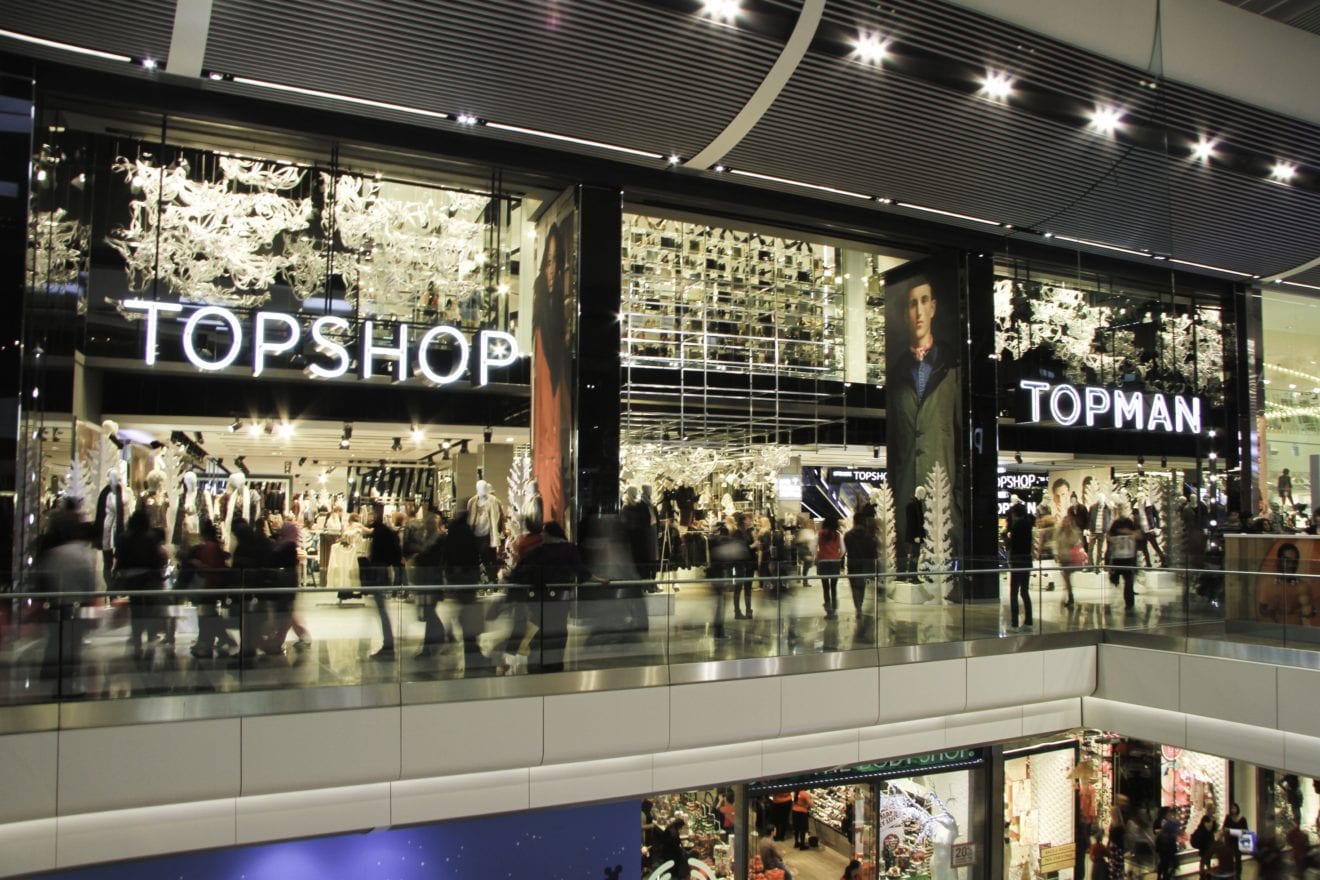
    Wing Tai’s retail division represents the brands Adidas, Fox Kids and Baby, Topshop, BCBGMaxazria, G2000, Topman, Burton Menswear London, I.T., Uniqlo, Dorothy Perkins, Karen Millen, Warehouse, Etam, Pumpkin Patch and Yoshinoya. The company also has hospitality, residential and commercial property interests.

    Also contributing to the second-quarter net profit fall of 85 per cent year-on-year to S$1.08 million were lower contributions from the property development segment and a higher tax rate. These were partially offset by a stronger share of profits from associates/JVs, and lower distribution expenses.

    Overall, the group said earnings had come in below expectations as its operating and sales environment had proved tougher than anticipated. However, it is confident it is well-positioned to ride out the current down-cycle with its portfolio of prime residential and investment assets.

    Cooling measures will continue to weigh on market sentiment in Singapore this year, the group expects, while economic conditions in Malaysia will probably keep sales soft.

  • StanChart still profitable in Singapore

    StanChart still profitable in Singapore

    Singapore remained one of the few bright spots for Standard Chartered last year amid huge losses elsewhere.

    Profit before tax in Singapore was US$567 million (S$796 million) in the 12 months to Dec 31, down 33.4 per cent year-on-year but still the second best country performance.

    Hong Kong’s profit contribution was top, at US$1.49 billion, but still down 17.9 per cent compared with a year ago. In China, profit pared 45.3 per cent year-on-year to US$88 million, according to the group’s results released overnight.

    Elsewhere, signs that StanChart was struggling amid global headwinds were more apparent.

    In India, it suffered a loss before tax of US$981 million, a huge reversal from 2014’s profit of US$561 million. Its losses in Britain widened from 2014’s US$154 million to US$1.41 billion last year.

    The banking group reported a total loss before tax of US$1.52 billion, down from a US$4.24 billion profit in 2014.

    Group chief executive Bill Winters warned of a choppy outlook, noting in the annual report: “The economic and geopolitical backdrop for the group clearly deteriorated over 2015 and has not improved into 2016.”

    But StanChart’s business in Singapore, where it employs about 7,000 people, presents a rosier picture.

    “The bank in Singapore remained profitable in 2015. We saw a double-digit year-on-year growth in retail deposits and bancassurance, achieved a substantial increase in wealth management market penetration and grew our priority banking client base,” Singapore chief executive Judy Hsu said in a statement yesterday.

    She added: “We also maintained positive business momentum in financial markets, driven by a significant increase in foreign currency volume and revenues, and improved on the quality and interest margins of transaction banking’s cash income business.

    “Singapore is a core market for the bank and plays a significant role as a hub for our global business and as a gateway to Asean… and we will continue to invest in the growth of our Singapore franchise across retail, private banking, commercial and institutional clients.”

    Ms Hsu’s comments came amid concerns about how global banks are faring in Singapore. In November, StanChart moved to cut 15,000 jobs globally, including an unspecified number of positions here.

    Uncertainty yet looms at the bank, which is undergoing “accountability reviews” targeting around 150 current and former employees globally. The reviews have led to some layoffs and the move to claw back past year bonuses.

    A Singapore spokesman declined to comment on whether any staff here was affected by the reviews, adding: “The accountability reviews are still ongoing and more actions, including the reduction or cancellation of prior year incentive awards, are likely.”

  • SingPost GD Express sale to boost eCommerce

    SingPost GD Express sale to boost eCommerce

    Singapore Post (SingPost) has sold off part of its stake in GD Express (GDEX) for S$78.4 million (US$55.88 million) and will use the proceeds to drive global growth for its eCommerce logistics.

    This is a net gain of S$64 million – about five times return on the initial investment.

    Yamato Asia, a wholly owned subsidiary of Japanese transportation and forwarding group Yamato Holdings, has bought the 137,418,000 shares.

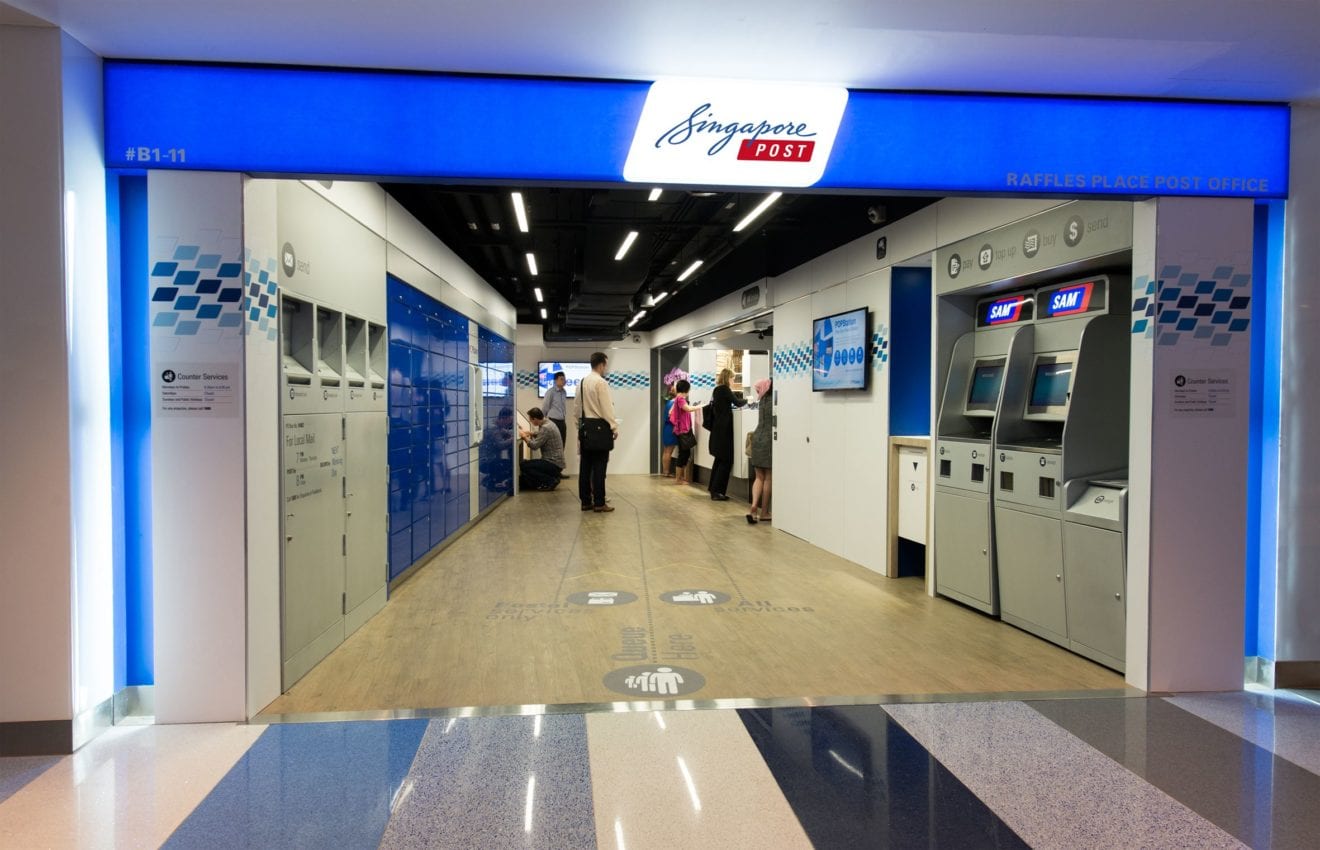
    Proceeds from the SingPost GD Express sale will be reinvested into its eCommerce services and networks in the US, Europe, China and the rest of Asia Pacific, in line with the group’s strategy to continue strengthening its integrated end-to-end eCommerce logistics, including front-end web management, warehousing and fulfilment, last-mile delivery and international freight-forwarding.
    SingPost deputy group CEO Mervyn Lim says the group is gearing up “on an accelerated path” to becoming a global leader in end-to-end eCommerce logistics.

    “This deal gave us a good return on our investment and also boosted our available resources to drive SingPost’s eCommerce logistics growth as it pivots into the US with the recent investments inTradeGlobal and Jagged Peak.”
    With interlinked systems with GDEX, the group will continue to reap business synergies with the added uplift Yamato brings to GDEX.

    “Collaborations and partnerships are vital to SingPost as we connect the dots in building a global eCommerce logistics ecosystem,” says Lim. “We continue to work with strategic partners in Malaysia and the rest of Southeast Asia while leveraging the Quantium Solutions commercial network, as well as those of our associated companies, to reinforce the ecosystem we are building.”

    SingPost now holds a 11.2 per cent strategic stake in GDEX and retains its board seat.

  • OCBC rallies on earnings surprise as Singapore bank rivals fall

    OCBC rallies on earnings surprise as Singapore bank rivals fall

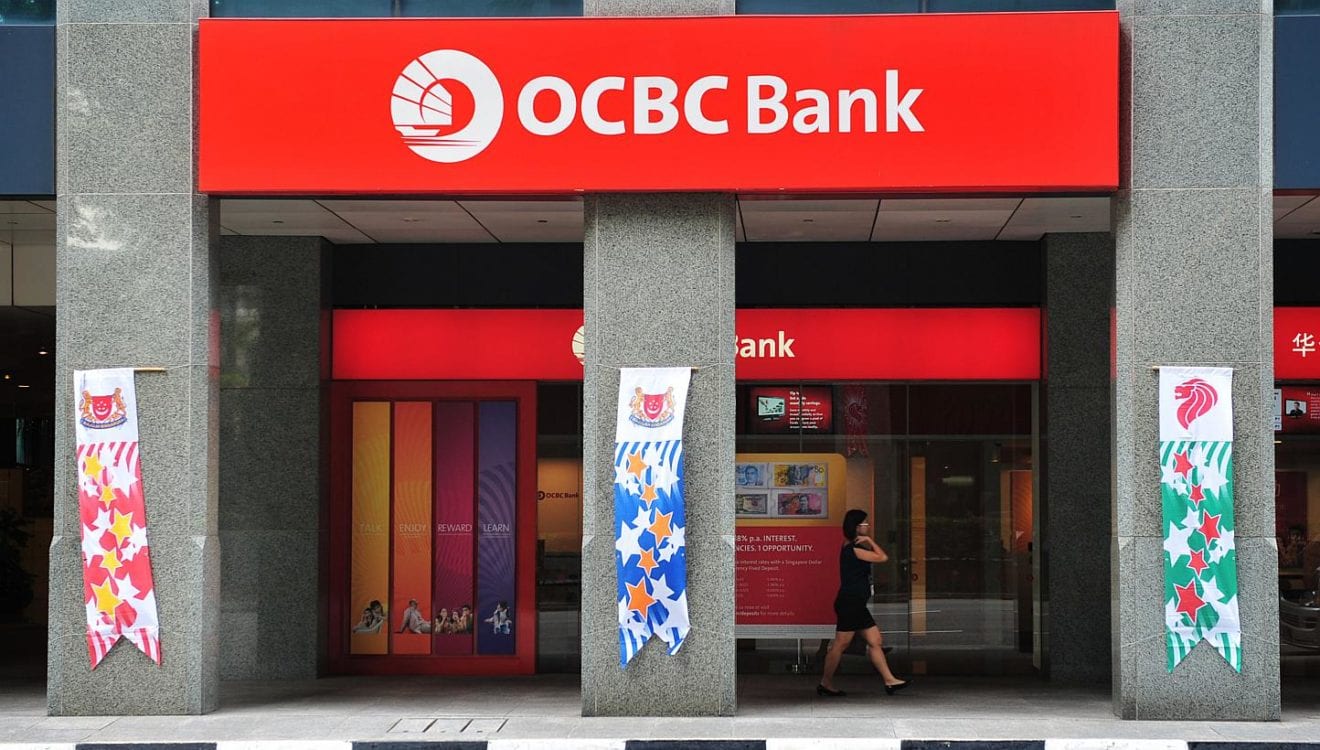
    Oversea-Chinese Banking Corp.rallied after fourth-quarter profit rose more than analysts anticipated. Shares of its two large Singapore rivals fell.

    The bank’s stock surged Wednesday by the most in almost six months following the release of an exchange statement showing net income climbed 21% on higher interest and trading income as well as gains from life insurance.

    Chief Executive Officer Samuel Tsien signalled confidence in the bank’s ability to continue growing as Singapore’s lenders face pressure from their exposure to a commodity price slump and an economic slowdown in China and Southeast Asia. OCBC doesn’t face issues with its Greater China loan portfolio, he said in a briefing. Smaller competitor United Overseas Bank Ltd.reported barely improved quarterly net income Tuesday as rising expenses and provisions for bad loans restrained earnings growth.

    “Against the massively negative sentiments against banks in general and fears of oil and gas impact, OCBC indeed saw higher provisions but nowhere near levels justifying” downgrades for the stock, Kevin Kwek, an analyst at Sanford C. Bernstein & Co. in Singapore, said in an e-mail. “The positives of gains in net interest and fee income in this environment should also reassure investors.”

    Analysts had cut their consensus 12-month target price for OCBC’s shares to $9.67 from a peak of $11.76 last August, according to estimates compiled by Bloomberg.

    The lender’s stock jumped as much as 4%, the largest intraday gain since Aug. 25. The shares were up 1.8% at $7.91 as of 1:33 p.m. in Singapore. United Overseas Bank fell 3.2% and DBS Group Holdings Ltd. declined 0.2%. The benchmark Straits Times Index dropped 0.9%. The rally in OCBC stock pared its loss this year to 10%, exceeding a 9% decline in the Straits Times Index.

    OCBC, Singapore’s second-biggest bank by assets, said net income climbed to $960 million in the three months ended Dec. 31 from $791 million a year earlier. That exceeded the $877 million average of seven analysts’ estimates compiled by Bloomberg.

    OCBC’s net interest margin, a measure of lending profitability, rose to 1.74% in the fourth quarter, a seven basis-point increase from a year earlier. That helped net interest income climb 5% to S$1.34 billion, the statement showed. Non-interest income advanced 26% to $960 million as the life-insurance unit’s profit jumped 24%. Net trading income soared nine times to $163 million from $18 million a year earlier.

    Bad loans

    Non-performing loans rose 54% to $1.97 billion in 2015, mostly because of “a few large corporate accounts associated with the oil and gas services sector,” the bank said. Its bad-loan ratio climbed to 0.9% as of Dec. 31 from 0.6% a year earlier. The loan portfolio remained “sound” with a “comfortable” allowance coverage, the bank said.

    At a briefing for media and analysts Wednesday, CEO Tsien said that while he expects an increase in non-performing loans, it’s unlikely the bank’s NPL ratio will exceed levels during the global financial crisis that started in 2008. In that period, OCBC’s soured credit ratio reached 1.7% of total loans. NPLs tied to the oil and gas industry represented 0.39% of the bank’s loan book of $211 billion, he said.

    Tsien said pillars of Singapore’s economy — such as real estate, retail and oil and gas — have weakened, and that a “challenging operating environment” will continue this year.

    “The past year has been a challenging one for most industries,” he said in the statement, citing the economic downturn, volatility in financial markets and higher regulatory requirements for capital.

    OCBC spent US$5 billion buying Hong Kong-based Wing Hang Bank in 2014. The acquisition helped the bank rely less on revenue from Southeast Asia as China including Hong Kong became its largest source of income after Singapore. Greater China accounted for 20% of pretax profit in 2015, up from 12% in 2014, it said.

  • Challenger Technologies going online

    Challenger Technologies going online

    To maintain its relevance in a fragmented and slow retail market, Singapore-listed Challenger Technologies will launch a new online store concept in April.

    In announcing its results for the full year and fourth quarter ended December 31, the IT products and services provider says the portal, Hachi.sg, will have “significantly” more products, an improved shopper interface and a robust sales platform.

    CEO Loo Leong Thye says that with the weak market sentiment from last year spilling over into 2016, retailers like Challenger have to keep innovating to keep customers and attract new ones.

    While the group’s net profit for the year increased by 22 per cent to $18.3 million, its fourth-quarter profit ballooned by 50 per cent to $7.5 million, year-on-year. This is mainly attributed to higher government grants received and lower operating expenses following the closure of retail outlets in Malaysia.

    During the year, the group also learnt that it will lose its flagship megastore when Funan DigitaLife Mall is demolished to make way for an integrated development.

    Group revenue dipped 1 per cent for the full year – by $2.9 million to $352.2 million, mainly because of lower contribution from retail revenue in Singapore and the absence of revenue after closing its Malaysian businesses in the second half of the year. This was partially offset by higher corporate sales and a writeback of deferred revenue on loyalty program activities.

    Fourth-quarter revenue shrank by $9 million, or 9 per cent, compared to the same quarter the previous year, attributed mainly to lower retail and corporate sales.

    While higher expenses will be incurred to kick-start and grow online sales this year, the online focus corresponds with the overall market trend in the region.

    “The next wave of growth is online, and we are building up to a stronger position by investing our resources and manpower for the next three to five years toward the online business,” says Loo. “Our strong network of offline stores will complement the online business.”

    Incorporated in 1984 and listed in January 2004, the group has a chain of 48 stores in Singapore, plus more than half a million members in its loyalty program.