Tag: Singapore

  • Furla Asia-Pacific plans more flagships

    Furla Asia-Pacific plans more flagships

    Luxury Italian brand Furla is planning more flagship stores in Asia as the region delivers strong growth for the 89-year-old family-owned company.

    FURLA CEO_Eraldo PolettoIn an exclusive interview with Inside Retail Asia, Furla CEO Eraldo Poletto explains how the company has bucked the decline in luxury spending in core markets like Hong Kong and Singapore during the past year. Furla achieved 53 per cent growth in total sales (in euro at the current exchange rate) in Asia-Pacific, where it counts 14 markets – Australia, Cambodia, China, Hong Kong, India, Indonesia, Korea, Macau, Malaysia, Singapore, Taiwan, Thailand, The Philippines and Vietnam. Japan, a stand-alone territory in Furla’s accounts, saw sales grow 24 per cent.

    Even discounting sales from new stores, like-for-like growth for Furla Asia-Pacific reached 15.5 per cent last year, yet the region accounts for just 19 per cent of the company’s sales – about €64.4 million ($72.1 million) – suggesting strong growth potential ahead.

    “The consistent strategy we have implemented over the past four years – positioning ourselves as the only Italian and ‘Made-in-Italy’ brand in the premium segment, without accepting compromises in terms of quality – is paying off,” says Poletto.

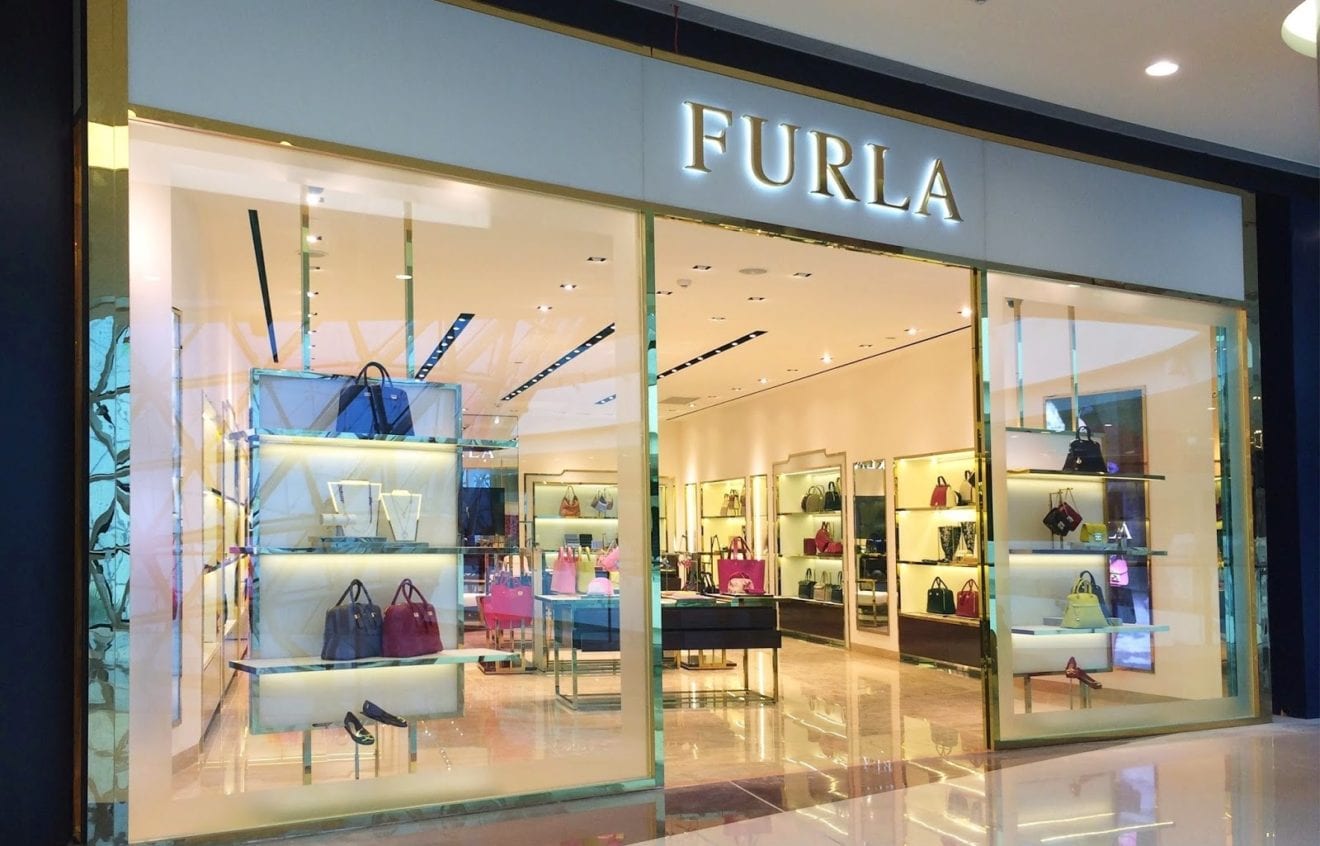
    “We are expanding our footprint with important flagships: Singapore Marina Bay Sands opened in September; Hong Kong Miramall and Shanghai Citic, each with a 300 sqm street facade, opened in December with a luxury retail concept showcasing our full ladies’ and men’s collections.”

    Furla China Flagship Store @ Shanghai Citic Square 4

    He says more flagships will open this year in Australia and Bangkok.

    “Flagships are meant to represent every aspect of the brand in terms of image and product range; however, we are not expecting to open more than five or six flagships in the region, as we are focusing on the profitability of our retail network, and prefer to penetrate the market extensively.”

    In what he terms a “capillary” approach, more standard-sized stores and points of sale will also open across the region.

    Furla China Flagship Store @ Shanghai Citic Square 7

    For the past two years the company has opened or renovated one store a week. It now has 172 points of sale in Asia-Pacific, along with 72 monobrand stores in Japan.

    “In terms of our retail format, our average store size is increasing together with Furla’s total-look collections. Malls and high-street locations complement each other, and in this period of time, rent levels in some markets have decreased substantially because of a drop in demand from luxury, watch and jewellery brands. We are always on the lookout for new opportunities to invest in,” says Poletto.

    “Our retail store concept is also quite special, as it wants to deliver a 360-degree luxury shopping experience while maintaining our the value-for-money approach.”

    Furla China Flagship Store @ Shanghai Citic Square 2

    Asians appear to be embracing Furla’s distinctive quality brand feel and shopping experience. Perhaps surprisingly, the brand has no strategy of differentiating its Asia-Pacific product range from those of other markets.

    “We believe that if a product captures customers’ hearts in one market, its appeal is universal. Our price and product range have always been appealing to a large spectrum of clientele; it is not by chance that our two best-seller styles – Metropolis and Artesia – represent the most affordable and the highest offer of our collection respectively.

    Furla China Flagship Store @ Shanghai Citic Square 6

    “In terms of branding, strong marketing investments – like our collaboration with Mario Testino and a more aggressive digital and outdoor media planning strategy – are making Furla far more visible.”

    Department stores are still an integral part of the Furla sales strategy, especially in China, where that sector is still in its infancy by western standards.

    “The department store culture in Greater China isn’t very strong yet, and there are very few players compared to the shopping mall retail model in western markets. There is most surely room for improvement in this region.

    Furla China Flagship Store @ Shanghai Citic Square

    “The situation is much more developed in Singapore and Australia, and obviously a priority in Korea with Shinsegae, Hyundai and Lotte, where we are present with 10 domestic stores and an aggressive development plan.”

    Furla is also experiencing strong growth in the travel retail sector, which is helping both top-line sales and brand awareness.

    “Travel retail will continue to fuel the growth in APAC,” says Poletto. “Total sales generated by the travel retail channel were up 27 per cent for 2015, and we opened five new locations. We see blooming opportunities in this channel as Asian customers shop worldwide while they travel: it is a great showcase for the brand.”

    In June, Furla will open a directly managed boutique in Hong Kong International Airport.

    Furla China Flagship Store @ Shanghai Citic Square 8

    Southeast Asian focus

    Furla’s strong growth in the region is coming not just from the established markets of Hong Kong, Singapore and Greater China.

    “We have witnessed a significant double-digit growth in Southeast Asia markets including Cambodia, Malaysia, Singapore, Thailand, The Philippines and Vietnam,” says Poletto.

    “In Indonesia, a fast-growing country with a population of 250 million, we have a capillary quality presence with 10 boutiques in five cities. As of today, Furla has 46 stores in Southeast Asia, and we will focus on strengthening our foothold in these markets this year.”

    Furla China Flagship Store @ Shanghai Citic Square 5

    In India, which Furla has entered in a joint venture with Genesis Luxury, the label has three boutiques – one each in Mumbai, Delhi and Calcutta.

    “They are all performing very well with a 50 per cent sales growth increase in 2015,” says Poletto. But the market has considerable challenges.

    “India is a market with very high potential, but also with a huge limits when it comes to infrastructures. There are not enough qualitative shopping malls to cover Indian clients’ high demand for fashion and luxury: this is why Indian consumers represent a key nationality in markets like Dubai, London or Singapore.

    “In terms of expansion, we will tap into all the new relevant real-estate projects.”

    Globally, Furla has 415 monobrand stores, of which 190 are directly owned and 198 franchised. It has 27 travel retail stores and more than 1200 outlets in department stores and multibrand outlets.

    Furla China Flagship Store @ Shanghai Citic Square 10

    Results released today show that Furla’s global turnover reached €339 million last year, up 30 per cent on 2014. The growth was driven across all Furla product categories, including the new men’s collection, women’s footwear collection and eyewear.

    Poletto says that being a family-owned business – an increasingly rare phenomenon in the model luxury retail business – has its advantages.

    “Being 89 years old gives us a great DNA to be around into the future: the real assets are the brand and its heritage, which are translated into equity. The Furlanetto family has very strong values – they have a long-term vision, instead of making opportunistic choices.”

  • SATO empowers Singapore fashion retailer

    SATO empowers Singapore fashion retailer

    SATO has supported the implementation of an RFID inventory and stock-taking system for Decks.

    The Singapore-based fashion retailer and apparel supplier has achieved greater efficiency and accuracy with Auto-ID solutions from SATO.

    Decks was previously spending up to 600 worker-hours for its annual stock-taking with 88% accuracy.

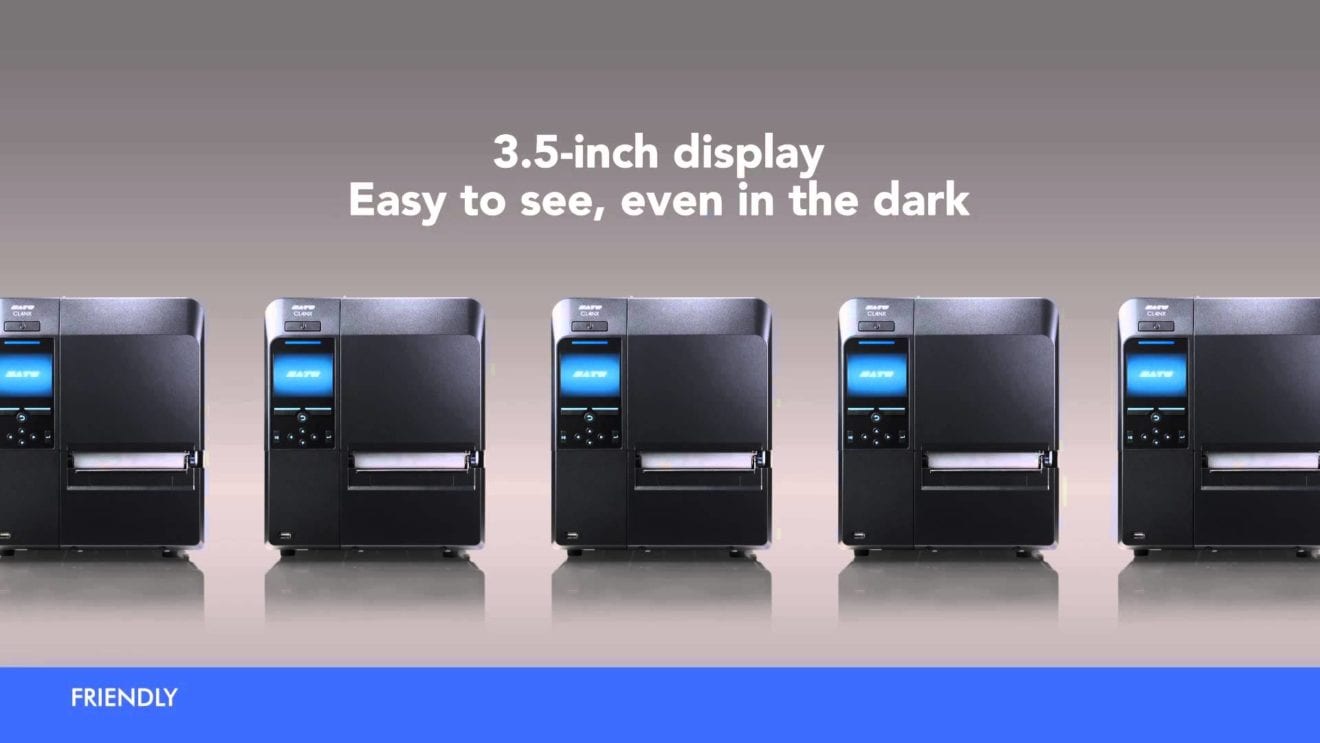
    It has now adopted RFID inventory system from SATO involving tagging apparel with RFID labels, and scanning incoming as well as outgoing items through an RFID enclosure.

    This has simplified stock-taking as it is done with a simple sweep of a mobile RFID scanner.

    “Today’s visit to Decks retail shop is an eye-opener for me,” said Singapore Minister for Manpower Lim Swee Say. “They have improved business outcomes for their company to create better jobs for Singaporeans and made their careers more meaningful.”

    The Retail Sectoral Manpower Plan (SMP) builds a future-ready retail workforce with the skills required to support the sector’s transformation.

    Retail SMP was developed by SPRING Singapore and the Singapore Workforce Development Agency (WDA) in consultation with industry stakeholders and unions.

    Decks was hailed as an example for the retail sector at the launch of the Retail Sectoral Manpower Plan (SMP) by Say.

    Looking forward, SATO will continue working with Decks through other retail solutions such as Anti-Theft and Self-Checkout and also help other players in this industry facing similar issues.

    “With the retail industry growing more competitive and the rise of e-commerce and m-commerce changing the way consumers shop, retailers have to act fast to keep up and stay ahead in the game,” said Kelvyn Chee, managing director of Decks Pte. Ltd. “Besides stock-taking advantages, the new RFID system SATO provided also helps us achieve greater inventory data accuracy enabling us to ensure stock availability and customer satisfaction.”


  • Standard Chartered hires Capital One’s James Dolphin as retail CIO

    Standard Chartered hires Capital One’s James Dolphin as retail CIO

    Standard Chartered has hired James Dolphin from Capital One as chief information officer, retail banking, to help kickstart the bank’s digital transformation initiative.

    Dolphin’s appointment comes after the bank announced plans to cut 15,000 jobs and accelerate its retail transformation strategy after reporting an unexpected $139 million loss for the third quarter, 2015. The updated strategy entails an investment of more than $3 billion in strengthening its technology and compliance and risk functions and a stated objective to reach 30% of sales and 40% of payments online by 2018.Dolphin joins Standard Chartered from Capital One where he has been CIO for retail and direct banking since 2012. In this role, he was instrumental in instilling a software development culture as the platform for change in the company’s retail business.

    Based in Singapore, Dolphin will report directly to Group CIO, Dr Michael Gorriz, a former aerospace engineer who joined the bank from Daimler last year.

    Gorriz says: “James brings with him a strong reputation as a technology leader and innovator. He is highly experienced in leading large teams and driving an agile culture that is innovative and customer-centric.”

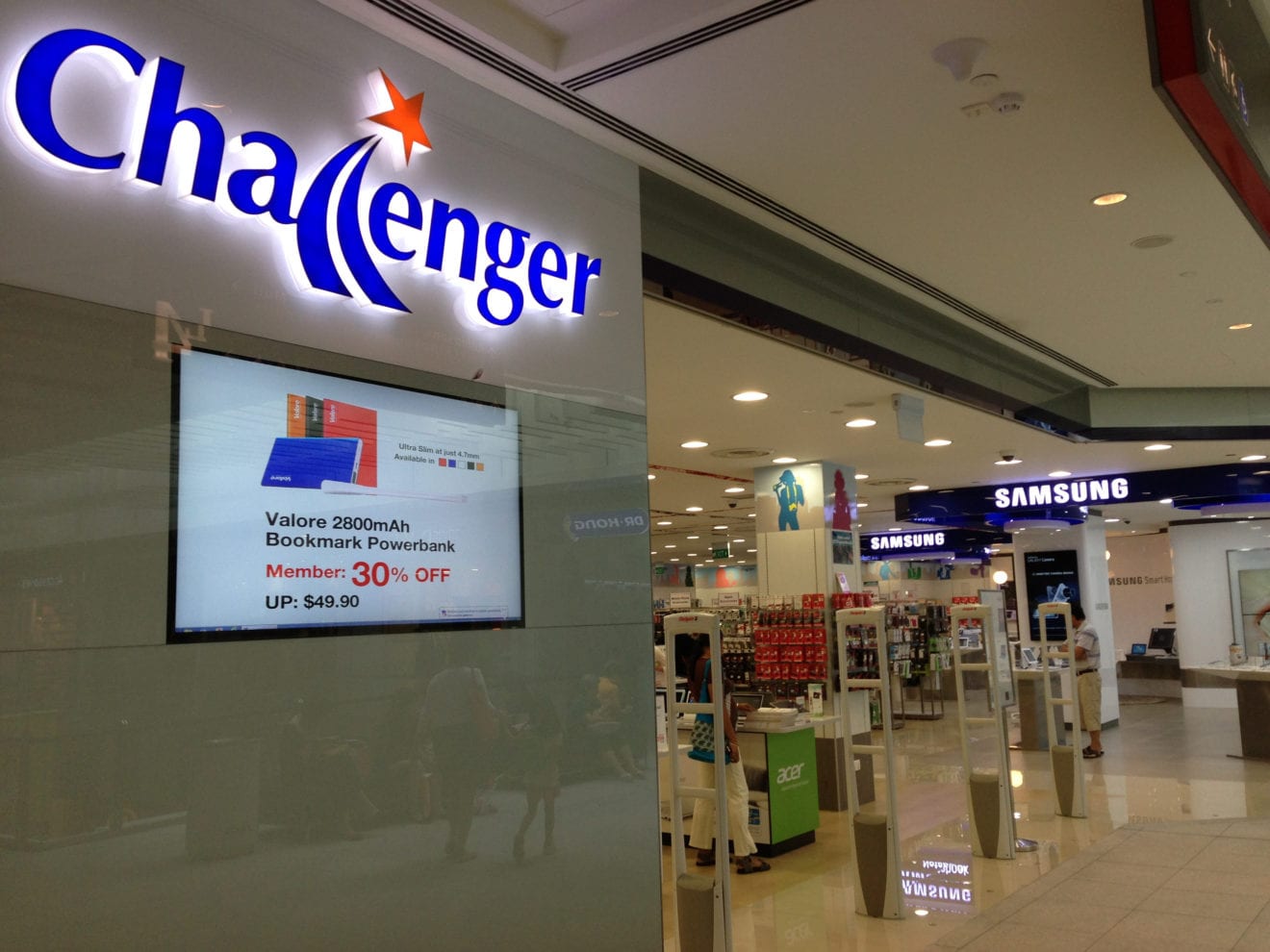
  • Challenger’s net profit in 2015 up 22%, plans to open new online store in April

    Challenger’s net profit in 2015 up 22%, plans to open new online store in April

    IT products and services provider Challenger will establish a new online store to maintain its relevance in the retail market.

    Known as Hachi.sg, the portal, which will be unveiled in April 2016, will boast more products, an improved shopper interface and an online sales platform, Challenger said in a statement on Tuesday (Feb 16).

    Chief executive Mr Loo Leong Thye said: “Our strong network of offline stores will complement the online business so our customers can enjoy a true shop-anywhere, offline-to-online and vice versa experience.”

    On Tuesday, the SGX Mainboard-listed technology company also announced net earnings of $18.3 million in 2015, a 22 per cent increase from the $15 million profit recorded the year before.

    The IT retailer attributed the higher net profits to higher government grants received and lower operating expenses from the closure of its Malaysia retail operations.

    In the final quarter of 2015, net profit also increased by 50 per cent, $7.5 million more than the previous year.

    Meanwhile, earnings per share rose by 1.01 cents, from 4.28 cents in 2014 to 5.29 cents in 2015.

    However, it recorded a one per cent dip in revenue over the year from $355.1 million in 2014 to $352.2 million, due to lower contribution from retail revenue in Singapore.

    Looking at the year ahead, Mr Loo observed that 2016 will continue to be a challenging year for the retail industry.

    “Weak market sentiment from last year will spill over into 2016. Hence, retailers like us have to keep innovating to retain existing customers and attract new ones. On top of that, we will continue to focus on other hygiene factors like keeping operating costs low with better cost management and increasing productivity,” he said.

    Mr Loo added that Challenger is looking to build up to a stronger position by investing resources and manpower for the next three to five years towards its online business.

    Currently, Challenger has a total of 48 stores in Singapore. But it revealed last December that it would be closing its flagship megastore in Funan DigitaLife Mall, after it was announced that the mall will shut down this year for redevelopment.


  • Rakuten Singapore axes eCommerce site

    Rakuten Singapore axes eCommerce site

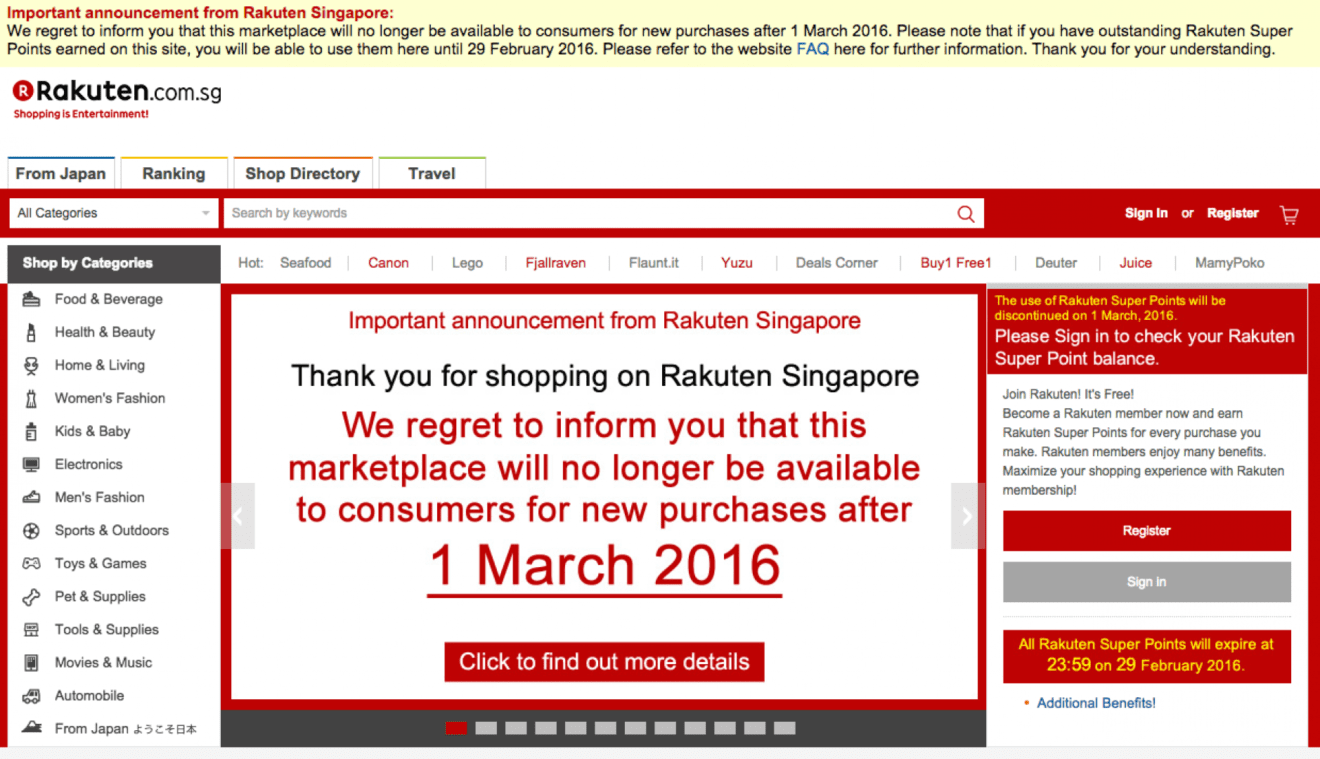
    Japan’s online retailing giant Rakuten is to close its eCommerce websites in Singapore, Indonesia andMalaysia on March 1.

    And it is reportedly seeking a buyer for its Thailand business Tarad.com which it bought in 2010.

    The decisions follow a disappointing trading result which has prompted the business to refocus on its domestic operations and scale back unprofitable overseas activities. The company reported net profit for the year fell 38 per cent year-on-year to 44.3 billion JPY (US$393 million) on revenue of 714 billion JPY ($6.3 billion) – up 19 per cent, largely due to writedowns of its Kobo, Southeast Asian and other struggling divisions.

    Some 30 staff in Singapore had their employment terminated on Friday, just five days into the Lunar New Year. By the time the sites are wound down, about 150 staff will have been axed in the three markets, but the company will retain a regional headquarters in the city state.

    Rakuten’s apparently profitable Taiwan business will continue to operate.

    Tech website Techcrunch reported the three eCommerce sites to be shuttered will be replaced by a new product in Southeast Asia, “a consumer-to-consumer app called Rakuma” which, Rakuten said, has grown 20 per cent month-on-month in Japan.

    “That concept sounds a lot like (indeed, the same as) Carousell, the app that Rakuten Ventures is an investor in. Singapore-based Carousell is currently in three countries in Southeast Asia but, as we reported late last year, it is trying to raise a $50 million round to expand its service significantly across Asia.”

    No further details of the Rakuma concept, which is mobile-based, have been released, with the project still under development.

    In a statement to Reuters, Rakuten said the new concept was a consumer-to-consumer business model, rather than the aggregation-based business-to-business-to-consumer format of the closing Rakuten sites.

    “In Southeast Asia, as the market itself changes and adapts, we are looking toward C2C (customer to customer) and mobile business models for eCommerce and other businesses,” Rakuten said.

  • Asian retail outlook: “more cautious”

    Asian retail outlook: “more cautious”

    High operating costs – particularly rents and labor in Asia – will ensure retailers are more cautious this year, concludes real estate specialist CBRE.

    In its annual Asian retail outlook, the company’s research department predicts many retailers will shift their strategic focus from expanding their store networks to rationalisation, improving in-store profitability and upgrading to better locations.

    That trend is expected across the broad Asia-pacific market, including Hong Kong.

    “Leasing activity will diverge across markets, with Australia, Japan and New Zealand the most upbeat, whereas Hong Kong and Singapore will continue to struggle,” CBRE concluded.

    “Driven by ongoing urbanisation and wage increases, Southeast Asia will also see solid leasing activity. Demand across the region will be led by food and beverage retailers, while affordable and niche luxury brands will also be active.”

    CBRE also warns the rise of online shopping will continue to force shopping malls to embrace ‘retail-tainment’ and adjust their trade mix to include more experience-oriented retailers to retain foot traffic. Around 63.8 million sqft of new shopping center supply is scheduled to be completed in 2016. Against the sluggish leasing demand and ample new supply, overall retail rents are forecast to experience a mild correction of below 1 per cent in 2016.

    In a broader property outlook, CBRE forecasts that due to Asia Pacific’s steady economic growth – which will continue to outpace the rest of the world in 2016 – investment activity in the region will remain solid, although activity will be limited by asset pricing and availability.

    “The region’s investment market will continue to see strong demand from real estate funds and institutional investors. Institutional investors will continue to invest in Asia Pacific to increase their exposure to real estate for strategic diversification,” said Dr Henry Chin, head of research, CBRE Asia Pacific.

    “That said, Asia Pacific will enter a period of slower growth in the commercial real estate market with activity likely to moderate over the course of the year as it becomes more challenging to source investable stock able to meet investors’ target returns. Interest rates will remain low in 2016 so yields are largely to remain stable across Asia Pacific. However, we are expecting to see a mild yield expansion in 2017 together with the rise in interest rates.”

    The economic slowdown in China – as well as higher-than-expected US interest hike rates, and currency volatility – will also remain a key concern for investors, given the scale of its impact across the whole region.

    “However, macro trends of urbanisation and the rise of the middle class remain largely unchanged and will continue to drive growth across Asia.

    “There are structural investment-themed opportunities for investors to focus on in 2016, such as the growth of e-commerce, regional tourism and demographic changes. Demographic changes will create opportunities in niche sectors such as self-storage facilities, senior and student housing, and data centers,” said Chin.

    “Regionally, active markets will continue to be led by Australia and Japan, whilst India expects to see a positive year following the relaxation of FDI norms at the end of last year.

    “China will also remain on the radar for most international investors although demand will be largely confined to tier I cities. Overall, the long-term outlook remains positive for the region,” he concluded.

    CBRE’s 2016 APAC Real Estate Market Outlook report can be downloaded here.

  • Profits plunge for Eu Yan Sang

    Profits plunge for Eu Yan Sang

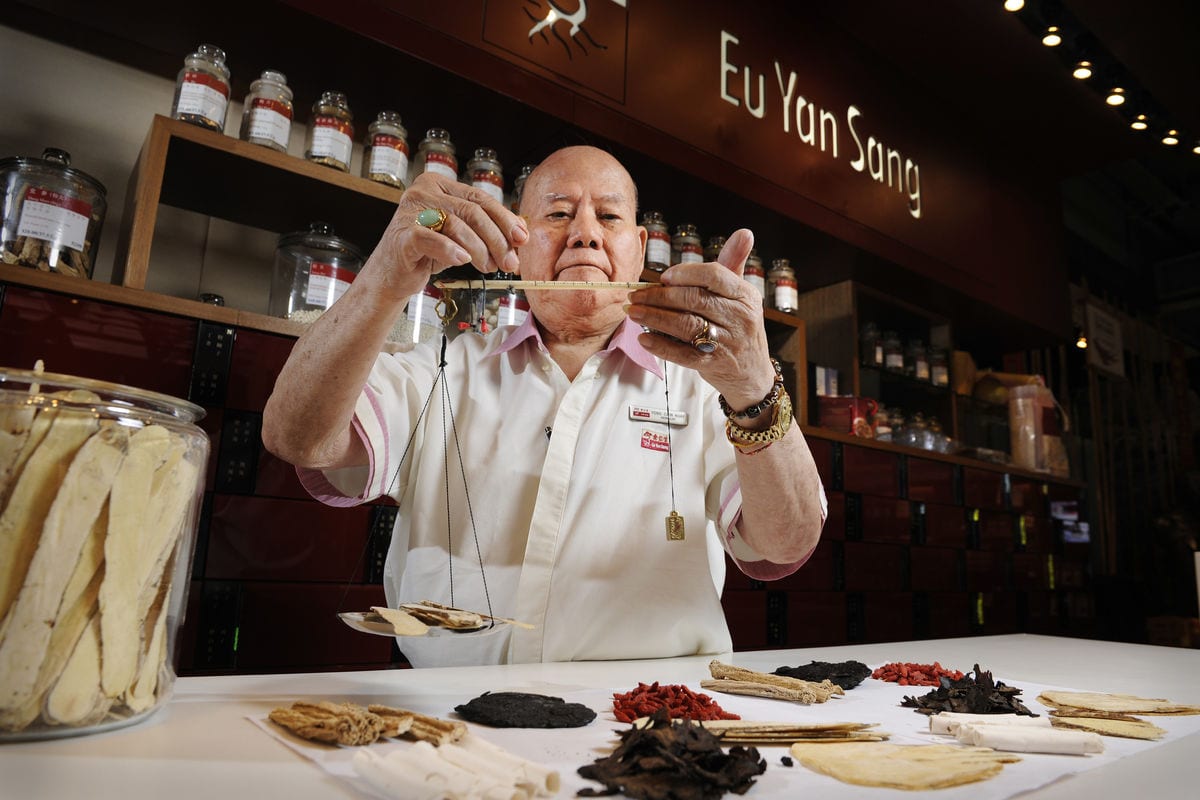
    A 75 per cent plunge in net profit has been reported by Singapore health and wellness company Eu Yan Sang International for its second quarter.

    However, higher sales in Singapore and Australia helped it post marginal improvements in revenue. This edged up 1 per cent over the three months ended December 31 to reach S$85.61 million ($61.14 million) compared to the same period a year earlier.

    Lower foreign exchange gain couples with higher distribution and selling expenses dragged its net profit down to S$498,000 from S$1.98 million, the company says.

    For the half-year, revenue dipped by 4 per cent year-on-year because of lower revenue from its wholesale segment in Hong Kong and the overall weakening of the Malaysian ringgit.

    Net profit for the period fell 87 per cent to S$348,000.

    “We are glad that Hong Kong’s rate of decline is showing signs of moderation and that there is an improvement in Malaysia,” says chief executive Richard Eu.

    Lower spending by mainland tourists a continuing challenging retail environment were blamed for the lower Hong Kong sales.

    “We are looking to expand the retail network within Australia and Malaysia, as well as the wholesale network in Singapore, to continue on this revenue rejuvenation journey for the group,” says Eu, who notes an “encouraging” outlook in China through strategic joint ventures.

  • Goldman Sachs enters Singapore retail fund market

    Goldman Sachs enters Singapore retail fund market

    Goldman Sachs Asset Management (GSAM), the asset management arm of Goldman Sachs Group Inc, is making its foray into the local unit trust industry with the launch of 13 retail funds in 1Q 2016.

    The new GSAM unit trusts, previously available only to private banking and institutional clients, will consist of fundamental and quantitative equity funds as well as those that invest in fixed income and multi-assets, according to the fund house which manages assets in excess of US$1 trillion ($1.4 trillion).

    These 13 Goldman Sachs funds approved for retail sales in Singapore include the Goldman Sachs Asia High Yield Bond Portfolio, Asia Portfolio, European Equity Partners Portfolio, European High Yield Bond Portfolio, Global Core Equity Portfolio, Global Equity Partners Portfolio, Global High Yield Portfolio,

    Global Income Builder Portfolio, Growth & Emerging Markets Broad Equity Portfolio, Growth & Emerging Markets Corporate Bond Portfolio, India Equity Portfolio, Japan Portfolio and US Real Estate Balanced Portfolio.

    “The global market volatility we are seeing right now underscores the need for world-class investment solutions that deliver highly differentiated strategies with real diversification benefits. We look forward to meeting the needs of Singapore retail investors through this range of funds,” says Sheila Patel, who is Singapore CEO of GSAM, in a statement.

    Singapore is GSAM’s Asia regional investment hub. The fund house’s team of Singapore-based investment professionals has been providing investment and advisory solutions to institutions including pension funds, sovereign wealth funds and financial intermediaries in the city state and across Asia since 1991.

  • Standard Chartered names James Dolphin as its CIO for retail banking

    Standard Chartered names James Dolphin as its CIO for retail banking

    Standard Chartered Bank has appointed James Dolphin as its Chief Information Officer (CIO) for retail banking. From March 2016, Dolphin will report directly to the bank’s Group CIO, Dr Michael Gorriz, and be based in Singapore.

    Prior to this role, Dolphin was Capital One’s CIO for retail and direct banking for since 2012. In that role, he led Capital One’s digital transformation strategy for the retail business by building strong engineering teams, and instilling a software development culture. He also redesigned and rewired Capital One’s retail channels to deliver market-leading digital experiences during his time there.

    Besides Capital One, Dolphin has held senior technology leadership roles at Bank of America too.

    “James brings with him a strong reputation as a technology leader and innovator. He is highly experienced in leading large teams and driving an agile culture that is innovative and customer-centric. I am confident that he will be a valuable addition to Standard Chartered,” said Dr Gorriz.

    1

  • Motor vehicles help December retail sales rise 2.9%

    Motor vehicles help December retail sales rise 2.9%

    Motor vehicles lifted Singapore’s retail sales to a 2.9 per cent year-on-year growth in December 2015 from what would otherwise have been a 3.6 per cent decline, according to the Department of Statistics.

    On a seasonally adjusted basis, retail sales in December declined by 2.1 per cent against November including motor vehicles. Excluding vehicles, retail sales would have declined by 2.8 per cent month on month.

    Total retail sales in December were estimated at S$4.1 billion, compared to S$4 billion a year earlier.

    The sale of food and beverages (F&B) declined by 5.7 per cent year on year, to S$665 million. On a seasonally adjusted basis, the F&B decline was 1.8 per cent versus November.

    Motor-vehicle sales jumped 62.5 per cent year on year, the single largest growth among the retail sectors. Against November, motor-vehicle sales grew by 1.6 per cent.

    Telecommunications apparatus and computers had the sharpest year-on-year fall, with retail sales dropping 26.4 per cent. Month-on-month sales fell 8.9 per cent for the sector.

  • Grim outlook for Singapore retailers

    Grim outlook for Singapore retailers

    Singapore retailers are facing “dark days”, including store closures, according to Singapore real estate company CBRE.

    With falling domestic demand and soaring costs, there will be more store consolidations and closures, it says in a new report.

    It predicts the retail market to undergo further restructuring following a muted performance last year, with weak brands being elbowed out, reports the Singapore Business Review.

    “This year will be marked by challenging conditions that could push weaker-performing brands to close or downsize.”

    There will also become harder to hire staff, with the report warning it is “highly unlikely” the government will lift restrictions on hiring foreigners. However, the costs and time associated with innovation and revamp are likely to keep a lid on expansion plans.

    CBRE says the fast-fashion segment will be particularly hit hard by manpower constraints and lack of suitable retail space. It says cheaper running costs in neighbouring countries have helped pull fast-fashion retailers’ attention away from Singapore.

  • Garuda Indonesia Group to Join Singapore Airshow 2016

    Garuda Indonesia Group to Join Singapore Airshow 2016

    As part of its company synergy, the Garuda Indonesia Group will for the first time join Singapore Airshow, Asia’s largest aerospace and defence event. This is Garuda Indonesia’s first participation as a Group, as only one subsidiary, the Garuda Maintenance Facility AeroAsia, had participated in the past.

    M. Arif Wibowo, President & CEO, Garuda Indonesia, feels the presence of the Garuda Indonsia Group at Singapore Airshow 2016 is inline with the company’s “Group Synergy” program, as detailed in its strategic plan 2016.

    “The Garuda Indonesia Group is delighted to present itself as an integrated whole, presenting our business synergies as group action in providing service excellence to all customers, through each member’s strengths and main businesses,” Arif added.

    The presence of Garuda Indonesia Group at the Singapore Airshow follows Group strategy to develop brand image, to elaborate potential business, to enhance business relations with stakeholders, and to boost up the awareness to Garuda Indonesia Group’s strategic role as Indonesia’s trade envoy in international level.

    At the Singapore Airshow 2016, Garuda Indonesia Group – through Garuda Maintenance Facility AeroAsia – looks to several short-term and long-term business contracts, of a value reaching USD 100 milions.

    Singapore Airshow is one of three prestigious airshows in the world, along with Farnborough Airshow and Paris Airshow. During the airshow, Garuda Indonesia Group will hold several partnership and business deal signings, including an announcement of attainment; which expected to promote and stregthen Garuda Indonesia Group’s value in global market.

    Garuda Indonesia currently has 6 subsidiaries with diverse business sectors, comprised of:

    – Garuda Maintenance Facility AeroAsia, specialized in integrated aircraft maintenance, including engine and aircraft components repair service;

    – Citilink, a low cost carrier (LCC) airline projected for budget traveller;

    – Aerowisata, specialized in hospitality, transportation, catering and travel agent service;

    – Gapura, specialized in ground handling service, supported by cargo and warehousing service;

    – Asyst, specialized in IT and consultation service;

    – Abacus – which now has transformed to Sabre Travel Network Indonesia – specialized in technology provider service for global travel and tourism.

    As part of the fleet revitalization program, throughout 2016, the Garuda Indonesia Group will receive 16 new aircraft in total; 1 Boeing 777-300ER, 4 Airbus A330-300, 4 ATR72-600, and also 8 Airbus A320 to be operated by Citilink. By the end of 2016, Garuda Indonesia Group will operate a total of 188 aircraft; 144 aircraft for Garuda Indonesia and 44 aircraft for Citilink.

    To continue the positive growth reached by its “Quick Wins” program in 2015, Garuda Indonesia will execute a “Sky Beyond” strategy in 2016 for short-term company expansion, focusing on three ‘core strategies’ – company group synergy, effectiveness and efficiency, and service enhancement – to accelerate company achievement and performance.

  • Debenhams poaches Body Shop Asia boss for international role

    Debenhams poaches Body Shop Asia boss for international role

    Smith will join Debenhams in May. He will also be appointed to the department store group’s executive committee. Smith, who is currently based in Singapore, has been with The Body Shop for five years and previously held the same position at Pepe Jeans. He has also spent time at VF Corporation, which owns fashion brands including Lee, The North Face and Vans.

    Outgoing chief executive Michael Sharp said that Smith’s “wide range of experience in growing International brands will play a key role in building our overseas presence”.

    Smith added: “The opportunities for global growth are very exciting for Debenhams. I look forward to building on what is already a well-established international business.”

    Former international director Francis McCauley left the retailer in June 2015 and was not part of the executive committee.

    In the eight months following his departure the role has been covered by directors within the international team including director of international franchise operations Phil Topham and director of business development John Scott.

    Debenhams’ management team has seen several changes at the top level in recent months.

    Sharp announced his intention to leave the business after five years at the helm last October. Since then, there has been no announcement regarding his replacement.

    The department store appointed former Kingfisher chief executive Sir Ian Cheshire as chairman last month.

    It announced a better than expected Christmas trading update last month. It has suffered volatile trading in recent years after a focus on discounting damaged margins.

  • How DBS Is Fronting And Doubling Down On The Push For Entrepreneurship In Singapore

    How DBS Is Fronting And Doubling Down On The Push For Entrepreneurship In Singapore

    We’ve all heard of DBS — after all, it’s the largest bank in Singapore and Southeast Asia. And, it has 280 branches all over the rest of Asia, including China, Hong Kong, Taiwan, India and Indonesia. Other than its extensive coverage, the bank recently launched a set of new initiatives to support entrepreneurs and the startup community here in Singapore.

    DBS Bay Area Series

    ernestine fu

    Venture Capitalist and DBS Advisor Ernestine Fu. Photo Credit: DBS.

    DBS kicked off their initiatives in late 2014 with a visit from Ernestine Fu, a venture capitalist and partner at Alsop Louie Partners in Silicon Valley. She has advised DBS on venture debt and their entrepreneurship programs. With her presence, DBS launched its inaugural entrepreneurship event and kicked off its prestigious “Bay Area Series” event.

    For those unfamiliar with Ernestine, she has been heralded as Silicon Valley’s youngest venture capitalist. She joined VC firm Alsop Louie Partners as a 20-year-old associate in March 2011 and has been making waves as a young VC in the bay area since.

    tim draper

    Third-Generation Venture Capitalist Tim Draper. Photo Credit: DBS.

    Tim Draper, founder and managing director at Draper Fisher Jurvetson (DFJ), joined the Bay Area Series in January of 2015. Tim Draper is a third-generation venture capitalist, and is well known for being one of the early investors in Skype, Baidu, Tesla, Theranos, Hotmail, Twitch.tv hundred of others. His grandfather co-founded one of the first venture capital firms in Silicon Valley. He shared with local entrepreneurs his visions and insights on venture investing when he was in Singapore too.

    The Bay Area Series provide an excellent opportunity for local investors and entrepreneurs to hear and learn from successful individuals from Silicon Valley.

    Disrupt @ The Bay Series

    disrupt bay

    Food & Beverage Event for Disrupt @ The Bay. Photo Credit: DBS.

    DBS also launched a series of events called “Disrupt @ The Bay” in 2015. The goal of these events is to foster relationships and synergies among local entrepreneurs and investors. We need to re-think how we “disrupt” current industry norms, and create exponential growth through new technologies and business ideas. Some of the events organized last year include the F&B Disrupt @ The Bay, Future of Retail Disrupt @ The Bay, as well as Future of Automotive Disrupt @ The Bay.

    future of retail

    Future of Retail Event for Disrupt @ The Bay. Photo Credit: DBS.

    disrupt automotive

    Future of Automotive Event for Disrupt @ The Bay. Photo Credit: DBS.

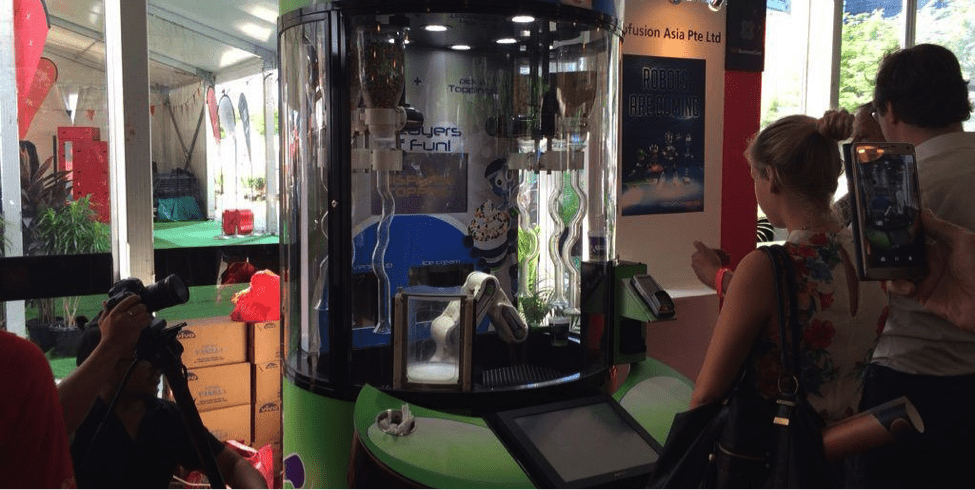
    The Disrupt @ The Bay events have attracted multiple large corporations, small businesses and startups, and venture capital firms. These organizations include: StarHub, StoreHub, Golden Gate Ventures, iChef, The French Cellar, Reimagine Food, The Oddle Company, Mobikon Technologies Pte Ltd, and Robofusion Asia Pte Ltd.

    The Disrupt @ The Bay Series is a good platform for like-minded business owners, investors, and entrepreneurs to connect. They can share information, exchange ideas, and form new partnerships.

    DBS Venture Debt

    venture debt

    DBS and Venture Debt. Image Credit: DBS.

    As part of these initiatives, DBS also introduced venture debt financing and is the first bank is Southeast Asia to do so. Venture debt is a way for the bank to financial support tech startups in the growth stage.

    Currently, venture debt applicants need to be Singapore-based, with primary operations in Singapore. The startup should have also raised at minimum of $1 million SGD in Series A funding.

    Image credit: Kauffman FellowsImage credit: Kauffman Fellows

    This initiative provides a unique later stage funding option to encourage the growth of technology startups in Singapore.

    DBS Mobile App

    dbs business class

    Image Credit: DBS.

    DBS also launched a mobile app called “DBS BusinessClass” to provide a networking platform for local entrepreneurs, investors, and advisors in Asia. Available on both iOS and Android, members can post questions, gain advice on their businesses, and join online discussions on startups topics.

    Since launching a year ago, the app grew to over 15,000 members and over 300 discussion topics.

    Overall, these new initiatives by DBS show great promise. The bank received the Asian Banker’s Best Social Media Engagement Project Award, along with multiple other awards. DBS has taken a comprehensive approach to positively impacting the local entrepreneurship ecosystem in Singapore.

    We are optimistic that DBS has a strong platform to expand and connect entrepreneurs and investors across the rest of Asia.


  • Cross-border deals, connected shoppers, and mobile payments

    Cross-border deals, connected shoppers, and mobile payments

    Black Friday, the day after the Thanksgiving holiday in the US (celebrated on the fourth Thursday in November), and Cyber Monday, the first Monday after Thanksgiving, mark the start of the year-end holiday shopping season.

    Figures from the United States National Retail Federation shows that over 151 million consumers made purchases online and in physical stores during the most recent Black Friday and Cyber Monday shopping seasons.

    The trend, however, is becoming global. In Asia, where connected shoppers are constantly searching for the best deals, often crossing physical and geographical boundaries, Black Friday and Cyber Monday have been integrated into the retail experience. This, despite the popularity of China’s own Single’s Day online shopping festival that is also being adopted by many retailers across the region.

    Warren Hayashi, President, Asia-Pacific, Adyen, said this is partly due to the growth of cross-border e-commerce, which is giving Asian consumers access to both US and European retailers, who market Black Friday and Cyber Monday promotions in the region and ship to Asia.

    The trend has also been driven by the growing reach of US e-commerce giants like Amazon, which has meant that e-commerce companies based in other markets, such as Lazada, Qoo10, Rakuten, Alibaba, and Zalora, are rolling out similar promotional periods.

    “An interesting effect of this trend is that rather than adversely affecting transactions during the non-promotion period, we are seeing that seasonal shopping promotions actually expand the size of the market. They provide consumers with even more opportunities to shop,” he explained.

    Ayden’s data shows that in Asia, sales volumes increased by 170 percent in a year-on-year comparison over the course of the Black Friday weekend. Meanwhile, shoppers in China spent twice the amount during Black Friday 2015 as compared to the same period in 2014. In Japan, the average transaction value increased by 50 percent.

    Interestingly, the payments industry for online and offline retail is also innovating to keep up with these developments in the retail scene. Ayden sees that companies are also going global with a payments first approach.

    “For example, we have Asian merchants expanding into Europe with their English-language website and local payment methods, such as iDEAL in the Netherlands (which accounts for over 60 percent of transaction volume in that market), SOFORT in Germany, and so on,” Hayashi shared.

    “Likewise, we have global customers selling in Asian markets from their global website, but offering targeted payment methods such as Alipay, which are dynamically offered at the checkout stage according to the shopper’s geographical location. This is a huge opportunity for retailers to expand globally,” he added.

    Interestingly, he said one of the most innovative payments technologies that is changing the user experience is the zero-click transaction – which takes place in the background, without any action required by the customer. An example is how Uber is accepting payments.

    “When passengers take an Uber, they do not need to take any specific action for the payment to be made, everything happens in the background. This kind of frictionless connectivity brings businesses closer to their customers and will spread rapidly,” he explained.

    In 2016, Hayashi sees the retail landscape in the region as going more on mobile, especially in the area of payments.

    Citing Ayden’s own data – tracked quarterly through the Mobile Payments Index – shows that Asia-based payment methods such as Alipay, UnionPay, and JCB have among the highest proportions of mobile payments globally.

    “With everything they do around payments, retailers should simply be asking themselves, how does this improve the customer experience? One key goal should be to provide a frictionless payment experience across channels,” he said.

    “For mobile, along with optimizing the size of the page, many merchants find that a “less is more” approach drives conversion increases, with page layout minimized to ensure the smoothest possible payment flow,” he continued. “It’s also important to remember that the checkout stage of the shopper should be the beginning of an on-going relationship with the consumer. Merchants that have created a frictionless checkout experience, regardless of the channel, see sustained increases in their repeat customers and purchases.”