Tag: Singapore

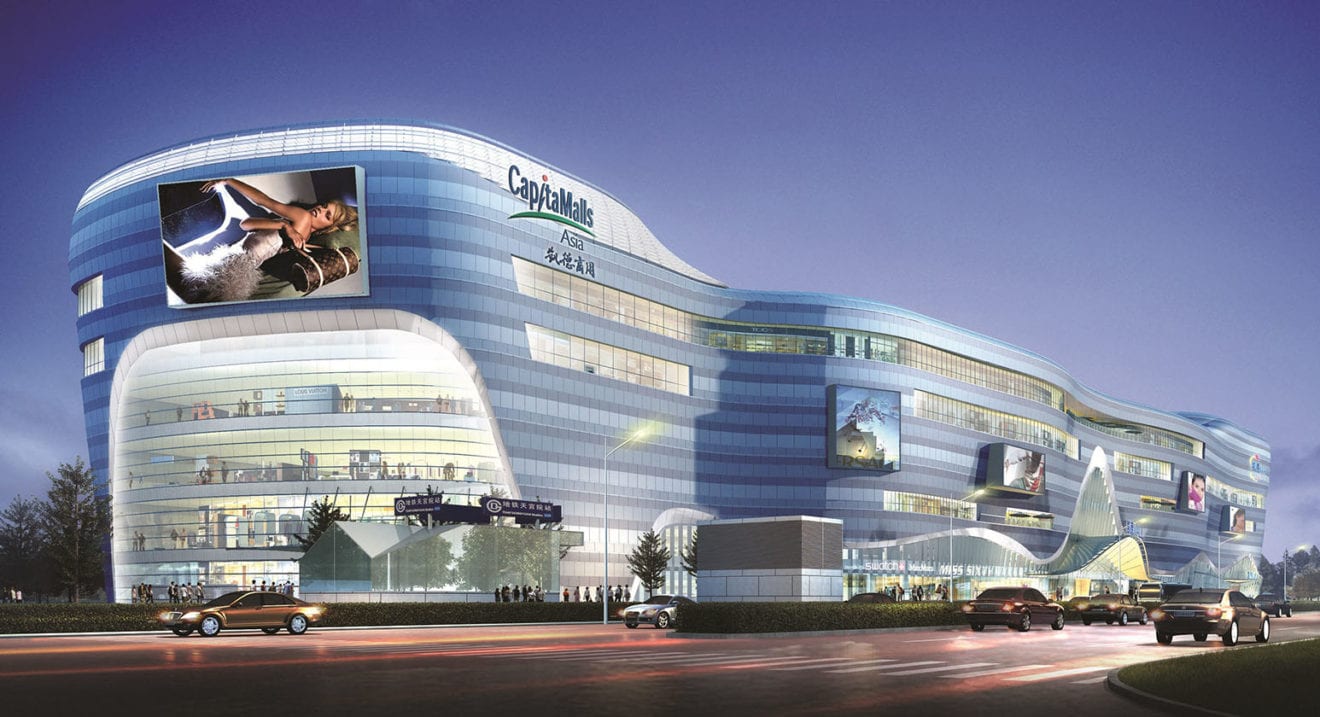
  • Capitaland Retail China Trust sees 4.4% rise in Q4 DPU to 2.59 cents

    Capitaland Retail China Trust sees 4.4% rise in Q4 DPU to 2.59 cents

    Capitaland Retail China Trust (CRCT) reported on Thursday (Feb 4) a 4.4 per cent rise in distribution per unit (DPU) to 2.59 Singapore cents for its fourth quarter ended Dec 31, 2015 from 2.48 cents for the year-ago quarter.

    Gross revenue increased 6.7 per cent to S$56.2 million while net property income rose 5.2 per cent to S$35.3 million.

    The rental growth came mainly from CapitaMall Qibao and CapitaMall Saihan. This increase was partially offset by lower revenue from CapitaMall Wuhu due to lower occupancy rate as the mall is undergoing tenancy adjustments and a one-off forfeiture of security deposits at CapitaMall Xizhimen.

    The bottomline in Singapore dollar terms was stronger than in yuan terms due to the appreciation of the Chinese currency against the Singapore unit during the quarter.

    Said Mr Tony Tan, CEO of the trust’s manager: “For FY 2015, CRCT’s gross revenue crossed the RMB1.0 billion mark for the first time. Portfolio occupancy remained high at 95.1 per cent as at Dec 31, 2015, while rental reversion for the full year was 8.1 per cent. Annual tenants’ sales increased 11.6 per cent and shopper traffic rose 1.8 per cent year-on-year.”

    “We will continue to strengthen our malls’ tenant mix and uplift the shopping experience through continual asset enhancement initiatives to remain relevant and attractive to the communities we serve,” he said.

    DPU for the full-year was up 7.9 per cent to 10.60 cents from 9.82 cents a year ago.

    Based on CRCT’s closing price of S$1.460 on Feb 3, the distribution yield for FY 2015 was 7.3 per cent.

    Unitholders can expect to receive their DPU of 2.59 cents for the fourth quarter along with their DPU of 2.64 cents for the third quarter, totalling 5.23 cents, on March 30. The book closure date is 16 February 2016.

  • Staying with Courts through thick and thin

    Staying with Courts through thick and thin

    When retail boss Terry O’Connor first joined Courts Singapore, he looked at its first managing director Christopher Wade and felt he could never emulate his record. Yet, he has done just that.

    Mr Wade is something of a legend around Courts. He was sent here to open its first store in 1974 and ran the show until he left in 1990.

    “The idea that this guy was with the company for 16 years; I thought, ‘Wow, that will never be me’,” said Mr O’Connor.

    But he, too, has clocked up an impressive stint at Courts Singapore, beginning in 1993 as a director of electrical buying at the age of 25 before moving up the ranks to his present position as Courts Asia’s group chief executive.

    Mr O’Connor, now 47, left school at 17 to work. His career as a buyer began a year later, laying the foundation for his retail experience.

    Later, he took the risk to move here from Liverpool and has been with Courts for most of his life, through thick and thin.

    That is why he is sticking by the firm, even as rising costs, weak market sentiment and challenges from e-commerce attack the bottom line.

    Group revenue has been slipping in recent years, coming in at $384.3 million in the six months to Sept 30 last year, down from the $409.7 million recorded in the same period in 2012. Courts Asia has a market capitalisation of about $175.8 million.

    Singapore sales contributed 63.3 per cent of the group’s sales for the six months, and dipped 2.6 per cent in the three months to Sept 30 last year, compared with the same period a year earlier, mainly due to lower sales across the categories.

    Group net profit in the six months to Sept 30 last year was $12 million, down from $22.6 million in the same period in 2012.

    The share price of the furniture and electronics retail giant has fallen by around 40 per cent since relisting in 2012.

    Despite the middling figures, Mr O’Connor believes in the firm. After all, worse things have happened.

    The litmus test came in 2004 when its British parent firm, known as a furniture retailer, was facing bankruptcy.

    As Courts Singapore’s managing director – a role he assumed in 2000, at the age of 32 – Mr O’Connor took charge of overhauling the Singapore operations with a team of 10 senior managers.

    It included rebranding Courts as a consumer electronics retailer instead of just a furniture seller, and privatising and restructuring the company as Courts Singapore.

    During that period, he stopped seeing himself as a mere manager and more of an entrepreneur who needed to save his baby. “With the events of 2004, you don’t think like a corporate employee any more. It’s more of an owner’s mindset.

    “Really, from that point onwards, I felt like a parent in many aspects, the person who’s responsible for the family, and started to think more like an entrepreneur.”

    He fondly recalls what a long-time employee of Courts Singapore told him on the day he gathered the staff to share news of the parent firm’s distress. “The longest-term employee, a lady by the name of Ms Stephanie Fong, said to me, ‘You’re our ‘father’ now.’ That’s a key point, as one of the things important to me was to be in front of my own management team and say, ‘Look, I’m not going anywhere.’ This is an opportunity, not a crisis.”

    Ms Fong, 59, who has been with Courts Singapore since 1975 and is now its senior manager of distribution, remembers those tough times like it was yesterday.

    “Back then, it was the saddest news I heard,” she told The Straits Times. “I went to my desk and started crying silently because I had so much passion working with Courts and the British directors, especially the Cohen family (owners of the Courts PLC business, then a majority shareholder of Courts Singapore).

    “The feeling was similar to the loss of our parents. I told Terry that he had to be the father of Courts Singapore, and all of us would need his leadership to bring Courts to greater heights. I believed in him and saw his potential.”

    Ms Fong said Mr O’Connor lived up to that monicker, unleashing his potential as he demonstrated “leadership with care and passion, and remained committed to the business from that day onwards”.

    She called him a man of his word, and that “his assurance to lead the business to success together with us came true”.

    Mr O’Connor made sure to tell his team that the Asian operations were different from Britain’s, that they were operating in a more modern manner and “this was our opportunity to create the kind of business that potentially wouldn’t have been allowed before”.

    That was how, bit by bit, he and his management nursed Courts back to health, eventually relisting the company as Courts Asia on the Singapore Exchange in October 2012.

    Mr O’Connor has an easy camaraderie with employees, who cheerfully call him by his given name, as he moves around the Tampines store.

    Mutual respect is important to the group chief executive, something he never forgets, even during store visits. “When you go to a store, first of all, it’s important to connect with the manager and give the manager ‘face’. It’s his or her business.”

    Mr O’Connor, a Singapore permanent resident who is married with a son and daughter, is no micro manager. If he spots a problem with the store, he will let the manager know and let them make the changes required to improve.

    “I don’t think there’s any point in going to the store, and tearing people apart or ripping into people. That’s not my style. But I might, if I go back and they haven’t fixed it. Mistakes are allowable, but not addressing the mistake isn’t.”

    Under his watch, Courts operates more than 80 stores – 15 here – across three markets, with more than 1.6 million sq ft of retail space.

    There are 62 stores in Malaysia, with two new outlets opening there by the end of March. Indonesia welcomed two new stores in January and should have nine by the first quarter of 2017, he said.

    “We recognise that the share price will move up and down, sometimes based on performance, sometimes based on market sentiment. I think the healthiest thing for us to do is to just focus on the business.”

    He added: “The upturn in South-east Asian markets always comes. We’re in this game for the long term and we’re used to going through cycles. In the interim, we’ll focus on strong cost and margin management, people development and planting seeds for the long-term growth of the company.”

    He let slip a little secret that would have changed the course of Courts forever, if it had panned out.

    “I did resign in 1996. I did three years (in Courts) and said I wanted to go back to Britain.

    “But I was persuaded by the then group chief executive to rescind my resignation. He said there were long-term plans for me and I’d be given a bigger commercial role. So I did and I decided to stay.”

    And that is how Mr O’Connor came to call both Courts and Singapore home.
  • Criteo notes eCommerce spike

    Criteo notes eCommerce spike

    In the two weeks leading up to the Chinese New Year, eCommerce sales in Asia grew by 40 per cent with 25 per cent more consumers shopping online.

    Three in 10 transactions were completed on a mobile device, according to performance marketing technology company Criteo in Hong Kong. Its findings are based on an analysis of 174 million online transactions in Hong Kong, Malaysia, Singapore, Taiwan and Vietnam.

    “Because of the traditional practice of wearing new clothes to symbolise a new beginning, consumers are doing a tremendous amount of online shopping two weeks before Chinese New Year,” says Criteo South-east Asia/Hong Kong/India/Taiwan MD Yuko Saito. “Based on 2015 data, sales on mobile devices in particular have hit record numbers.”

    In its eCommerce Industry Outlook 2016, Criteo cites three trends impacting Asian shoppers during the Chinese New Year season…

    Smartphone shopping will keep gaining ground: Smartphones are the first point of internet access or brand interaction for many consumers. In South-east Asia, Hong Kong, India and Taiwan, on aggregate, more than 45 per cent of online transactions are happening on mobile devices, compared to 29 per cent in the second quarter of last year. Indonesia was the highest at 56 per cent, followed by Singapore at 45 per cent.

    Retailers will see a high web influence on their in-store sales: Most consumers are researching online before or while visiting a store. According to Google, 80 per cent of 10 shoppers use a smartphone inside the store to help them with product research and price comparisons. Criteo says retailers can acquire a better view of customer behaviour by connecting with them via branded apps or beacon technology, before matching each customer’s email ID with loyalty programs at in-store POS terminals.

    Instant delivery services will become common: Order fulfilment will be a big focus for retailers this year, with many offering delivery options to match Amazon’s Prime Now service. Both online and “click-and-brick” retailers will be trying this strategy through specialised third-party eCommerce logistics providers. Faster delivery at lower charges will also drive growth of cross-border shopping.

    “During special occasions like Chinese New Year, we observe instances of intensive, last-minute shopping, where consumers take less time to consider a purchase and require products to be delivered on short notice for personal use or gift-giving,” says Saito. “Taking a three pronged approach – engaging consumers on the mobile web or on mobile apps, leveraging consumers’ web-browsing data to deliver personalised in-store and mobile shopping experiences, and investing in instant delivery services will be crucial to increasing sales conversions.”

  • Catch the Thrilling Action at Singapore Airshow 2016

    Catch the Thrilling Action at Singapore Airshow 2016

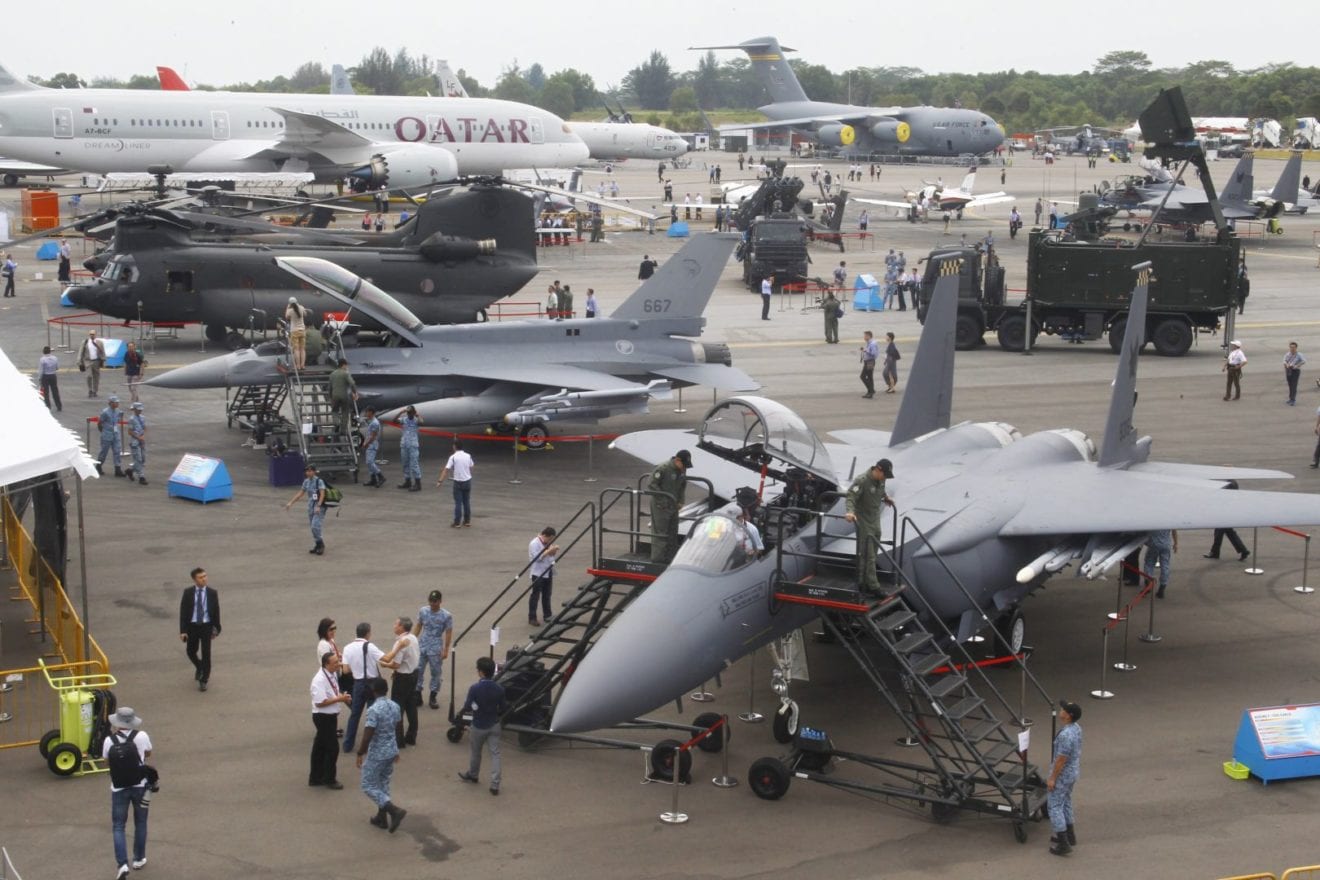
    The Singapore Airshow will once again feature spectacular flying displays, and also one of the widest range of business, commercial, and military aircraft at the static aircraft display area that will captivate and thrill visitors at the Changi Exhibition Centre (CEC) during its public weekend on 20 and 21 February 2016.

    In addition, there will also be a host of fun activities for fans of all ages and interests, while cosplayers in their fantastic costumes, and the Singapore Airshow’s official mascots, Captain Leo and his best friend Captain Leonette, will be on hand to greet visitors and have their photos taken.

    Breathtaking Aerial Stunts

    One of the key highlights in the aerobatic flying display will be the Republic of Singapore Air Force’s integrated aerial display team, comprising an F-15SG fighter jet and an AH-64D Apache attack helicopter. They will perform three integrated and eight solo manoeuvres, demonstrating power and agility. Their routine includes the Vertical Punch, a new manoeuvre that is being performed for the first time: The Apache AH-64D attack helicopter will pull up to the skies, and flip around as if performing an aerial ballet, before meeting the F-15SG flying in from the opposite direction. The F-15SG fighter jet will then punch through the clouds in a spectacular vertical climb.

    The exhilarating line-up for this year’s aerobatic flying display will also see the return of the Black Eagles from the Republic of Korea Air Force, known for their jaw-dropping aerobatic stunts. The Black Eagles will be looking to surpass their breathtaking performance in 2014 by bedazzling the crowds at Singapore Airshow 2016 with 3 more manoeuvres added to their repertoire.

    In addition, some of the magnificent aircraft that will take to the skies include the French Air Force’s Dassault Rafale, the U.S. Air Force’s C-17 Globemaster III and F-16C/D Fighting Falcon, and the Su-30MKM from the Royal Malaysia Air Force.

    The Singapore Airshow...epa04068174 An aerial display of the Rep

    Get up close and personal with the latest aircraft

    The Republic of Singapore Air Force Black Knights will showcase one of their F-16C aircraft, in its gleaming crescent and stars livery, at the static aircraft display. Aviation fans should not miss this rare opportunity to get up close and personal with the aircraft. Other key highlights of the static aircraft display include two USAF F-22 stealth fighters and the Airbus A400M – a modern military transport plane using the latest fly-by-wire flight control system – all of which will be taking part at the Singapore Airshow for the first time. Visitors can also look forward to some of the latest luxury business jets from Bombardier, Embraer and Gulfstream as well as other new aircraft and helicopter models such as Airbus H145 and Bell 505, all also appearing for the first time at the Singapore Airshow.

    Young and aspiring pilots will have the opportunity to meet and interact with the men and women who have chosen a career in the skies at the Meet-the-Pilots sessions. In addition, The Captain’s Den, a new e-store which offers a wide range of Singapore Airshow memorabilia has been launched. The popular Captain Leo and Captain Leonette plush toys, Singapore Airshow’s official mascots, and an expanded range of Singapore Airshow-themed gifts including model planes, umbrellas, mugs and caps is available for purchase at The Captain’s Den, and on-site during the Singapore Airshow.

    Mr Leck Chet Lam, Managing Director of Experia Events, said: “The Singapore Airshow has always been an exhilarating experience that offers something for fans of all ages and interests. We are putting the final touches on this year’s public day activities to provide even more engaging moments and look forward to welcoming returning and new visitors alike to the Singapore Airshow.”

    Ticketing and Event Information

    Tickets to Singapore Airshow 2016 can be purchased through the official agent, SISTIC, at www.sistic.com.sg, via the ticketing hotline at 6348-5555 or at any SISTIC authorised outlets. Group packages can only be purchased from the SISTIC website or via its ticketing hotline. Ticket sales will not be available on-site at Changi Exhibition Centre during the Singapore Airshow. Public day ticket holders are advised to visit www.singaporeairshow.com for the latest updates on the event, including traffic and transportation arrangements.

  • DHL launches S$10m innovation centre in Singapore

    DHL launches S$10m innovation centre in Singapore

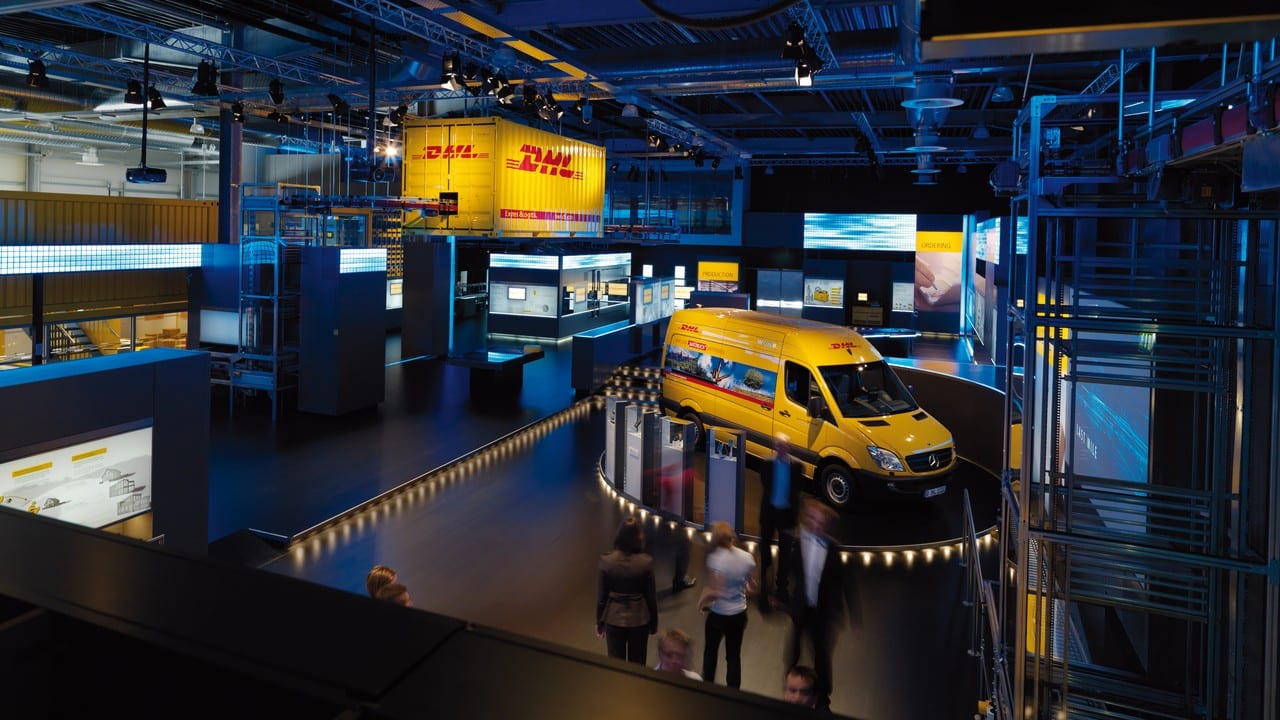
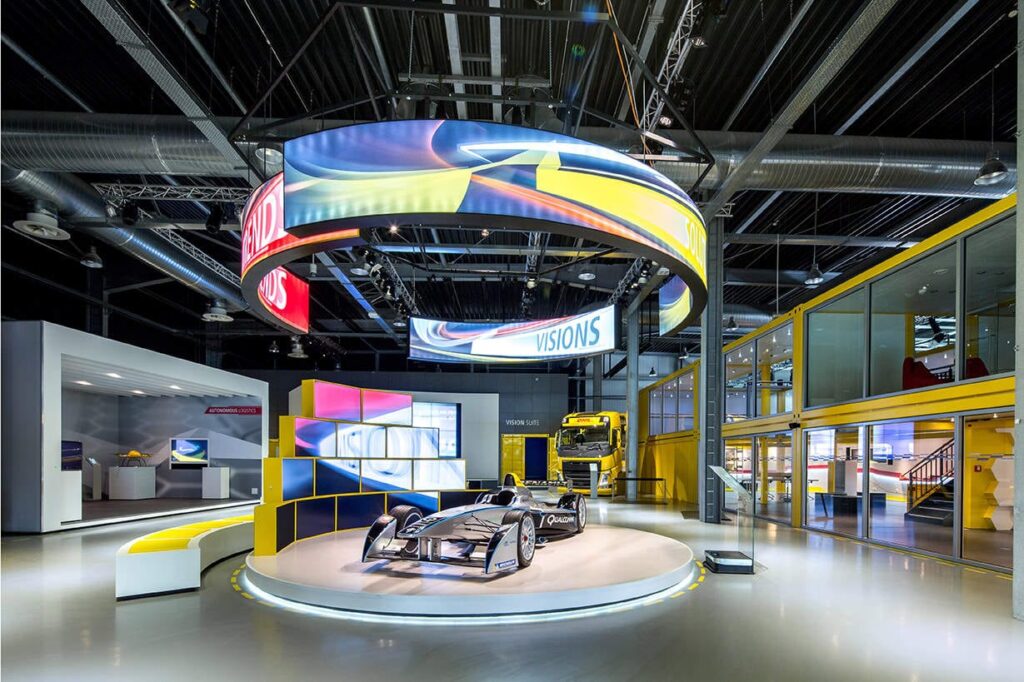
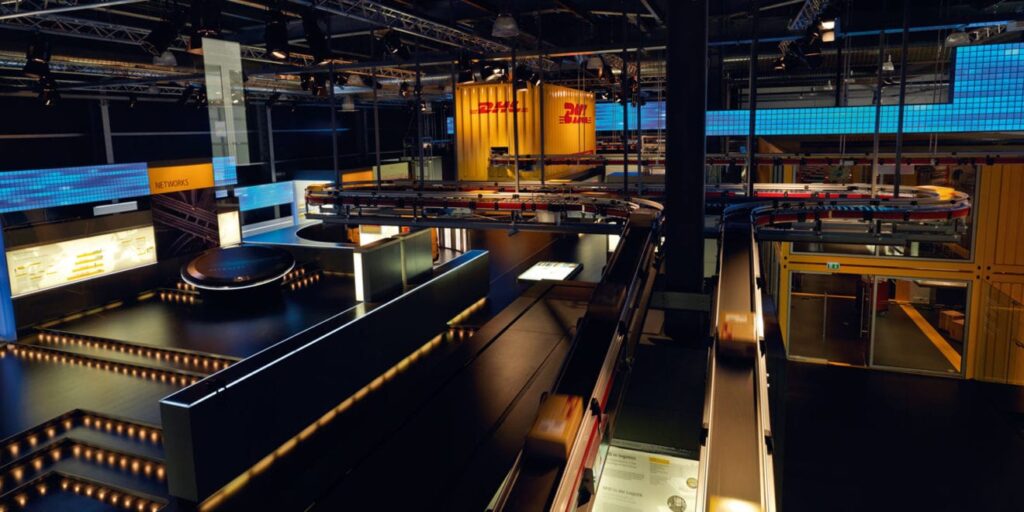
    DHL  launched its Asia Pacific Innovation Centre (APIC) in Singapore, its first innovation centre outside of Germany.

    Located at DHL’s Supply Chain Advanced Regional Centre building at Tampines LogisPark, the S$10 million facility is also the company’s first dedicated centre for innovation logistics services in the Asia Pacific region.

    DHL-Innovation-Center-1_xlarge

    APIC showcases technologies that will transform logistics operations, such as driverless shuttles for faster and more efficient transportation, and drones for the delivery of time-critical goods such as medicines. It was launched with the support of the Economic Development Board (EDB), the company said.

    Additionally, APIC also serves as a regional platform for collaborative innovation between DHL and its partners. The centre will also drive research initiatives that focuses on emerging trends in Asian logistics and economic activity. For instance, DHL’s Chief Commercial Officer Bill Meahl cited growing opportunities in e-commerce as well as growth in markets like India and China.

    There are also guided tours, innovation workshops and forums available for visitors to the facility, it added.

    DHL_pics_1600x800_01

    Said Mr Lee Eng Keat, Director, Logistics and Natural Resources at EDB: “The launch of the APIC is another important step towards enhancing Singapore’s value-adding role in the realm of global supply chain solutions.

    “With DHL as a strategic partner in this journey, Singapore is well positioned to serve the needs and harness the opportunities presented by the dynamic supply chain landscape and emerging technology and trends globally.”

  • Singapore firms capitalise on opportunity in China market

    Singapore firms capitalise on opportunity in China market

    China’s economic growth may have been at its weakest rate in a quarter of a century last year, but some Singaporean firms with operations there are finding pockets of opportunity as the world’s No 2 economy matures from one based on industry to one fuelled by consumption.

    Among them, warehouse operator Global Logistic Properties (GLP) yesterday reported a 64 per cent rise in third-quarter net profit to US$184 million (S$257.4 million), helped by a strong performance from its China operations, while CapitaLand Retail China Trust (CRCT) — the first China shopping mall real estate investment trust in Singapore — said its distributable income for the quarter ended December rose 6.5 per cent to S$21.8 million, highlighting China’s growing urban population and rising retail sales.

    Singapore-headquartered GLP, which operates warehouses in China, Japan, Brazil and the United States, said its China earnings were up 50 per cent on higher asset values, growth in rent, new leases and renewed lease contracts.

    Analysts expect the company to continue to benefit from demand for logistics facilities due to booming e-commerce, as well as the Chinese government’s attempts to guide its economy to a more sustainable path led by domestic consumption.

    “Within China, the domestic economy is being stoked by increasing urbanisation. There are geographies within the country that are growing well above the national average, particularly in Tier 2 and Tier 3 cities,” said Barclays senior regional economist Leong Wai Ho. “Logistics is one area of growth there. Logistics hubs have moved westwards. There’s been continuous investment in the sector itself,” he added.

    China’s growth has been steadily falling for the past half-decade as Beijing attempts to wean the economy away from exports and infrastructure investment and towards domestic consumption and services. The economy grew 6.9 per cent last year, its slowest expansion in 25 years.

    Chinese equities are slumping, too — the Shanghai Composite Index is down about 21.5 per cent this year. The yuan has weakened steadily since Beijing devalued the currency in August.

    The country on Wednesday announced an economic growth target of 6.5 per cent to 7 per cent this year.

    But the Chinese stock-market swings and capital outflows do not reflect trends in the economy, which is still expanding well amid efforts to rebalance growth, according to the head of the European Bank for Reconstruction and Development (EBRD).

    “The stock market issue, the currency issue in China, is a bit divorced actually from economic issues,” the EBRD’s president, Suma Chakrabarti, told Bloomberg in an interview on Monday. While the advance in China’s gross domestic product has slowed, 6.5 per cent “growth in the world’s second-biggest economy is pretty good actually for the rest of us”.

  • Perennial hints at changes afoot at Capitol Singapore

    Perennial hints at changes afoot at Capitol Singapore

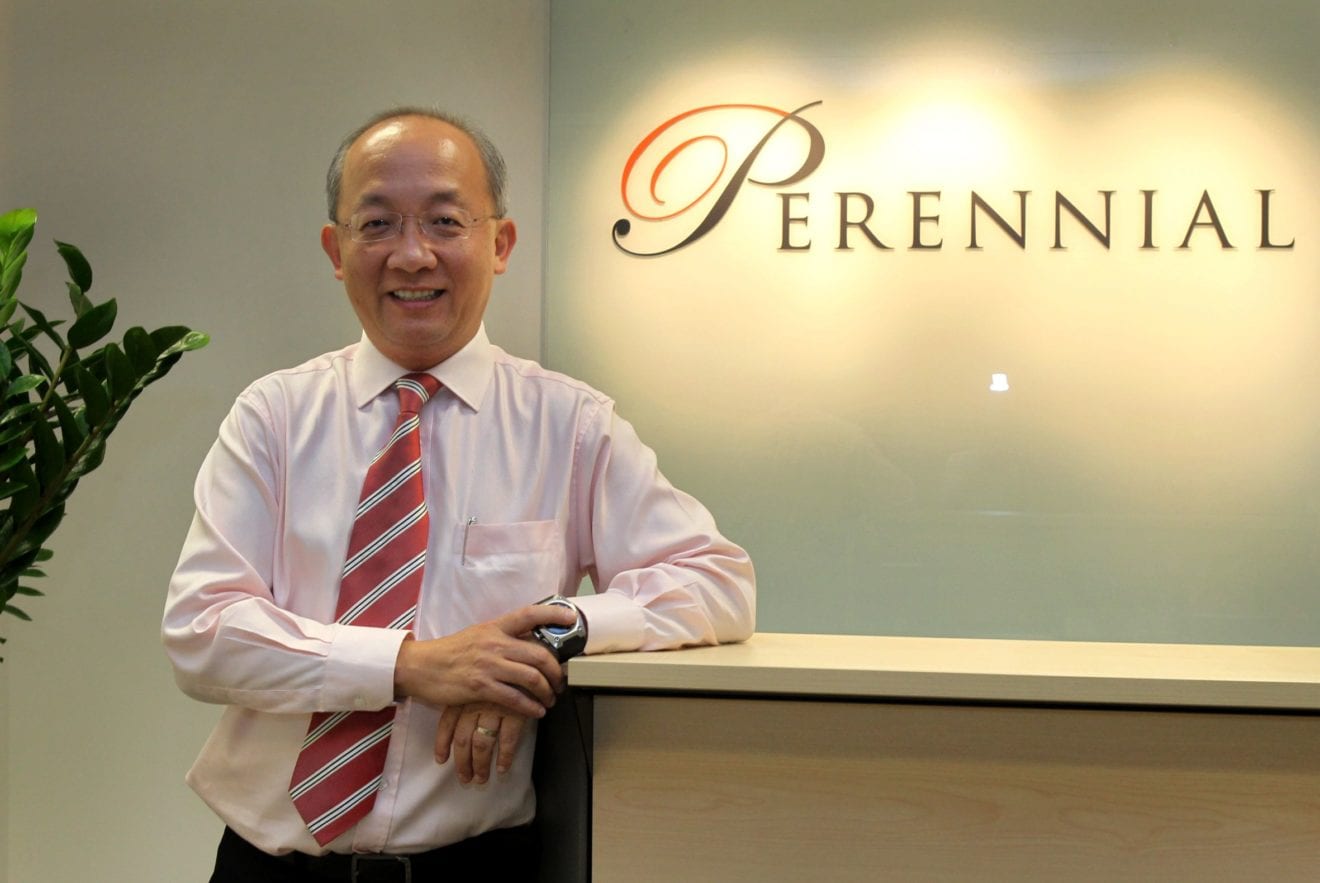
    Some changes could be afoot at Capitol Singapore after it has been hit with a depressed retail environment. Landlord Perennial Real Estate on Friday (Feb 5) said it is looking at ways to help tenants.

    CEO of Perennial Real Estate Holdings Pua Seck Guan, said: “The retail sector is not easy now, because a lot of retailers are faced with the problem of labour shortage and also in this volatile market.

    “As a landlord, we therefore have to adopt a strategy to find the right tenant and a win-win rental structure, and some of the rentals we may have to get it on a turnover basis rather than insist on a very high base rent.”

    The announcement comes as Capitol Singapore integrated development is edging closer to completion. The 157-room The Patina hotel has been completed, although it has not yet opened its doors. Meanwhile, the luxury Eden Residences expects to receive its Temporary Occupation License by end-February. The retail complex has been opening in phases since May 2015.

    Concerns about Capitol’s retail tenants aside, Perennial presented a strong report card for the three months to December at a briefing on Friday, with net profit almost doubling up 93 per cent to S$41.1 million.

    Property consultant, Chestertons, said Capitol could get a boost when the hotel starts operating. “One potential catalyst that might come out for Capitol’s retail centre would be the opening of Patina Hotel,” said managing director of Chestertons Donald Han.

    “The Patina is almost ready to open its doors and it would welcome high-end or business tourists. So effectively, that could be a crowd puller to be able to support some of the high -end offering in Capitol. This year might potentially might see some footfall traffic. I think it might see higher occupancy settling in, as the year moves on. ”

    Turning to its other Singapore properties, Perennial said it hopes to start selling office space and medical suites at TripleOne Somerset sometime in the second quarter, and it is awaiting final approval to do the same for AXA Tower.

    Perennial’s other properties in Singapore include Chinatown Point and CHIJMES. The Singapore properties account for 21 per cent of the group’s total assets, behind China whichs accounts for around 73 per cent.

  • HSBC Singapore plans to transfer retail, wealth business to local subsidiary

    HSBC Singapore plans to transfer retail, wealth business to local subsidiary

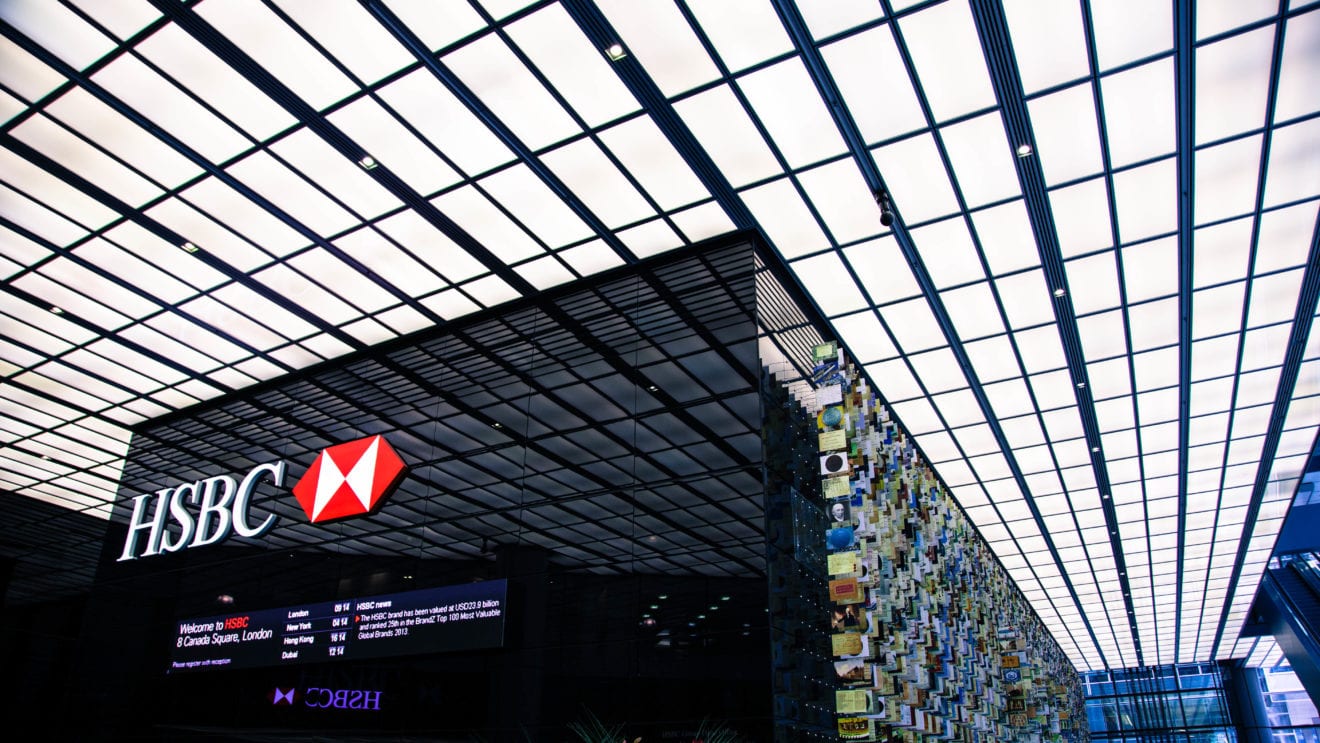
    The Hongkong and Shanghai Banking Corporation (HSBC) Singapore is planning to transfer its retail banking and wealth management (RBWM) division to a locally incorporated subsidiary named HSBC Bank (Singapore).

    Expected to become operational from 9 May this year, the subsidiary will be responsible for managing all the accounts, assets and security arrangements associated with the RBWM unit.

    The transfer of operations is subject to regulatory and court approvals.

    HSBC Bank (Singapore) will possess a full bank license with qualifying full bank privileges, which will allow the subsidiary to open more branches than other foreign banks, straitstimes reported.

    The move follows an announcement by the Monetary Authority of Singapore (MAS) in April last year that HSBC is considered one of seven domestic systemically important banks in Singapore, according to media sources.

    According to MAS, banks with a significant retail presence must locally incorporate their retail operations, a move that could help the Singapore financial system to function properly.

    HSBC Singapore CEO Guy Harvey-Samuel was quoted by Channel NewsAsia as saying: “The transfer of our retail banking and wealth management business in Singapore to a locally incorporated subsidiary reflects the success, scale of growth and significance of our retail business in this market.”

    HSBC’s other activities including commercial banking, private banking and global banking will continue to operate under the existing Singapore branch.

    “Singapore is a top-seven priority country for the HSBC Group globally and we will continue to invest in our business here. We are excited about new opportunities to further expand our presence,” Harvey-Samuel was quoted by straitstimes.

  • Car wash more than just a job for Minds trainees

    Car wash more than just a job for Minds trainees

    For 15 years, Ms Lim Sock Leng, who has intellectual disabilities, has been travelling from her home in Woodlands to a car wash in the southern part of Singapore for work. The trip takes her more than an hour, but she looks forward to seeing her friends at the car wash each day.

    “The customers buy drinks and food and I’ve friends here. I’m not bored,” she told The Straits Times, a big grin on her face.

    Ms Lim, who is in her 30s, is one of 30 trainees with intellectual disabilities who have found work at the car wash opened by the Movement for the Intellectually Disabled of Singapore (Minds) in 2001.

    Minds chief executive Keh Eng Song said: “I think it is very successful that we’ve sustained Minds Wash for 15 years.”

    This is something that the voluntary welfare organisation could not have done without the support of SPC, which provides Minds with the car wash facilities, he added.

    Minds Wash was started in 2001 at a BP petrol station in Pasir Panjang with funds from Merrill Lynch.

    Three years later, SPC acquired BP’s retail network in Singapore.

    In 2007, SPC moved Minds Wash from Pasir Panjang to Telok Blangah “where the station is more prominently located and in clear view of the customers”, said SPC managing director Xia Hongwei.

    “Since 2004, SPC has been providing the venue to Minds Wash at no cost, with the aim of helping them integrate into society and encourage their development as independent and self-supportive individuals,” he said.

    In 2001, the aim of Minds Wash was to increase public awareness and social acceptance of the group. Then, the car wash serviced 14 cars a day on weekdays.

    Today, it services an average of 70 customers a day and Minds Wash project officer George Koh estimated that 80 per cent are regular clients who come by with food and drinks for the trainees with intellectual disabilities.

    This helps Minds pay the trainees allowances of $250 to $350 per month. Any leftover funds are channelled to the other 1,100 trainees in Minds’ three vocational centres.

    Retiree Yat Ah Kwok, 66, has been visiting Minds Wash weekly from his home in Punggol since he stumbled upon it four years ago while pumping petrol. Now, this is the only car wash he visits because he wants to support the cause.

    “I won’t go to other places. These people are all my friends. I’ve also told my friends who live nearby to wash their cars here,” he said.

    Asked if Minds will consider opening another car wash, Mr Keh said he would do so if any other kiosk wants to provide Minds with the space. He said Minds wants its trainees to go out of the sheltered workshops if possible.

    “And if you ask me, this is much better than public education, public awareness, exhibitions and roadshow. You actually experience people with intellectual disabilities doing the work, you experience their capabilities,” he added.

    “That’s why we always remind them to smile!”

  • Will *Scape 2.0 be youth haven at last?

    Will *Scape 2.0 be youth haven at last?

    *Scape, a youth hangout which opened next to Orchard Cineleisure just six years ago, has been given a $2.5 million makeover.

    After completing the revamp late last year, it now offers facilities such as a 100-seater indoor gallery to host film screenings, recitals and talks. It also has an outdoor stage with seating areas for music and other performances, and a walkway to showcase street performances and wall art.

    A new hub where media groups can gather to hotdesk or run events is also ready. The Singapore Film Society and media community group Project Unsung Heroes have started using the space.

    Events slated for this month include open mike sessions at the outdoor bandstand this Saturday, and an interactive play that explores mental disorders at the media hub the following weekend.

    Plans for the makeover of the five-storey hub and outdoor space, which also houses shops and restaurants, were first announced in 2014 by the Ministry of Culture, Community and Youth (MCCY).

    “*Scape, conceived by youth 10 years ago and opened in 2010, is a popular youth hangout,” said then MCCY Minister Lawrence Wong of the hub run by a non-profit organisation of the same name. “But the youth landscape has evolved over the years and we need to keep up with the changes,” he added.

    While *Scape has seen footfall pick up by 8 to 10 per cent a year, its average monthly footfall of 492,000 is lower than that at other malls, which can be over a million.

    *Scape also offers affordable retail spaces to encourage young entrepreneurs. And interest groups also use the space for sports, performing and visual arts, and projects.

    The mall has 70 youth start-ups, 73 institutional and commercial tenants and seven interest groups.

    While *Scape’s focus has been on developing young people in areas such as music, media and dance, its executive director, Christopher Pragasam, said last year it plans to move towards providing them with more platforms for volunteerism.

    For instance, it has a workshop this month to help youth understand the strengths of different communities and use these resources to create projects for social good.

    Some observers say it has had limited success because of its lack of focus. “It suffers from an identity crisis and is trying to do everything at once, from retail to entrepreneurship to arts and media to community service,” said Mr Delane Lim, chief executive of Agape Group Holdings, a youth training and development consultancy.

    He said spaces elsewhere, such as the Youth Square in Hong Kong and Youth Hub in South Africa, are more of a hit because they are commercially run by youth entrepreneurs: “They do get government funding but when they run the place themselves, they bring in fresh ideas and have more say in shaping the space for their peers.”

    *Scape is overseen by MCCY and its team reports to a board of directors made up of government representatives and leaders from the private and public sectors. There was a change in some board members in October last year.

    Ms Elim Chew, founder of fashion chain 77th Street and a former director on the board, said: “With the new board and expertise, I am sure they will bring in even more relevant programmes.”

    Student Magdalene Low, 18, who hangs out at *Scape with her friends once a week during school holidays, said: “There is some good food there but the shops are not very attractive… It offers the space dancers need to practise but, overall, with all the new shopping malls next door, it’s becoming dull and needs to keep up.”

  • What businesses occupy the most expensive retail space?

    What businesses occupy the most expensive retail space?

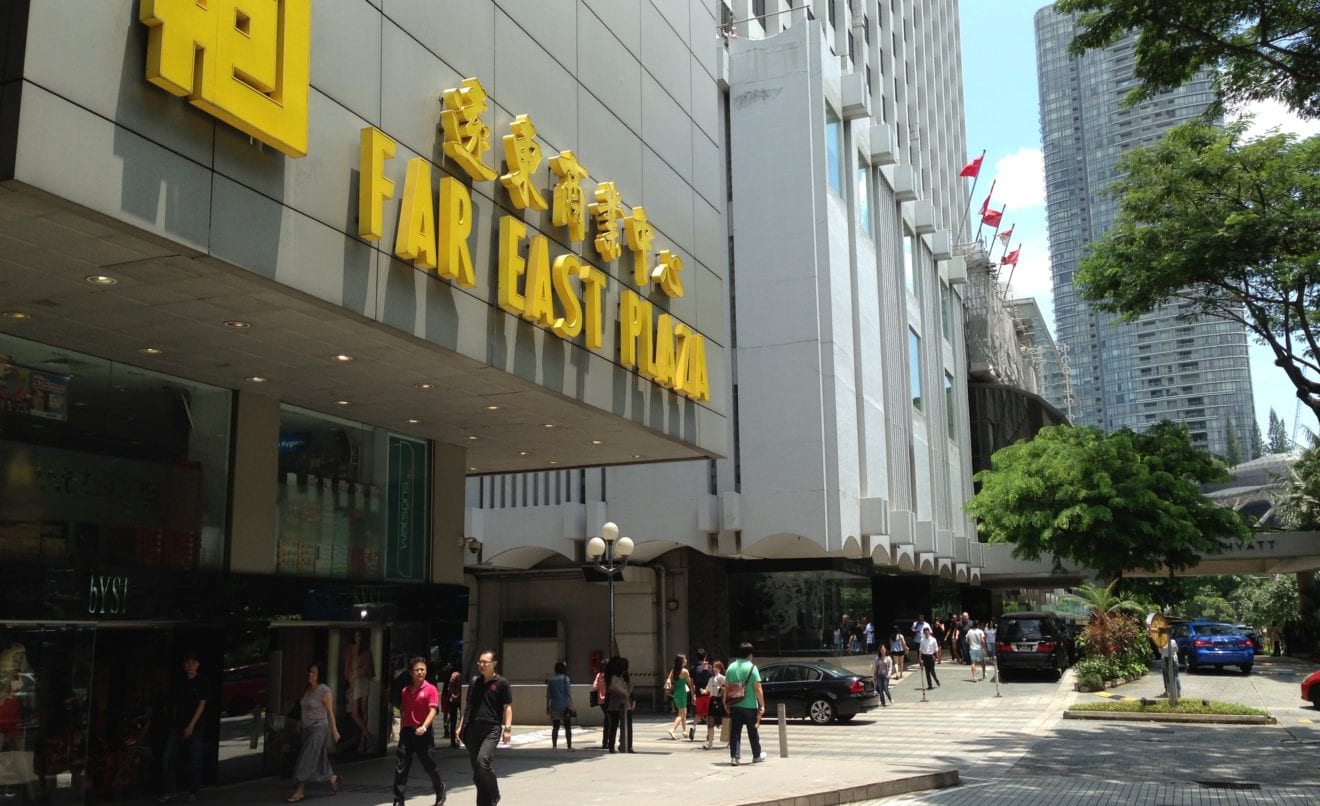
    At least 51 strata retail transactions have crossed the $10,000 psf mark, based on URA’s caveat data so far. These transactions took place as far back as 2005 at just nine developments: Alexandra  Central, Centrepoint, Far East Plaza, Lucky Plaza, Novena Regency, Pavilion Square, People’s Park Complex, Sim Lim Square and The Arcade.

    A 43 sq ft, ground-floor unit at The Arcade is by far the most expensive on price psf terms. The unit changed hands for $1.4 million, or $32,516 psf, in December 2015. The shop is prominently located at the entrance facing Raffles Place Park and enjoys high footfall. It is currently occupied by a money changer. Only two transactions at The Arcade crossed the $10,000 psf mark. The second transaction was that of a 65 sq ft shop on the second floor that fetched $780,000, or $12,077 psf, in February 2015. It is tenanted by a florist. The Arcade is a 99-year leasehold office-cum-retail development, with three levels of retail space, located within walking distance of Raffles Place MRT station. The Edge Property could not trace the profitability of these two transactions at The Arcade as there were no prior caveat records for the units.

    A new-sale transaction for a 161 sq ft unit at Alexandra Central that sold for $2.87 million, or $17,820 psf, in January 2013 ranks second on The Edge Property’s list of most expensive strata retail space psf. The unit is currently leased to an F&B business. According to the business’ director, who wished to remain anonymous, the monthly rent is $7,000 and the business is stable despite the low occupancy rate at the mall. Based on this, the monthly rent is $43.48 psf and gross rental yield is 2.9%.

    Transactions at Alexandra Central accounted for eight of the 51 top-dollar deals. All eight were new-sale transactions for ground-floor units that were sold in 1Q2013 at between $10,498 and $17,820 psf. Six of the eight units were unoccupied when The Edge Property visited Alexandra Central on Jan 5; two were occupied by F&B businesses Toast Box and 1-Box Bento.

    The third-most-expensive shop in terms of price psf is a 151 sq ft unit located on basement one of Lucky Plaza. The unit changed hands for $2.65 million, or $17,550 psf, in May 2011 and is occupied by a jewellery business.

    Based on the matching of caveats, the previous owner enjoyed a profit of $1.79 million, or 19% annualised capital gains, from the sale of this unit bought at $860,700 in April 2000.

    Lucky Plaza plays host to 14 of the 51 top- dollar cases that crossed the $10,000 psf mark. There were 58 transactions at Lucky Plaza between 2011 and 2015, with 11 above the $10,000 psf mark. The price ranged from a low of $1,490 to $17,550 psf, with the average at $6,994 psf.

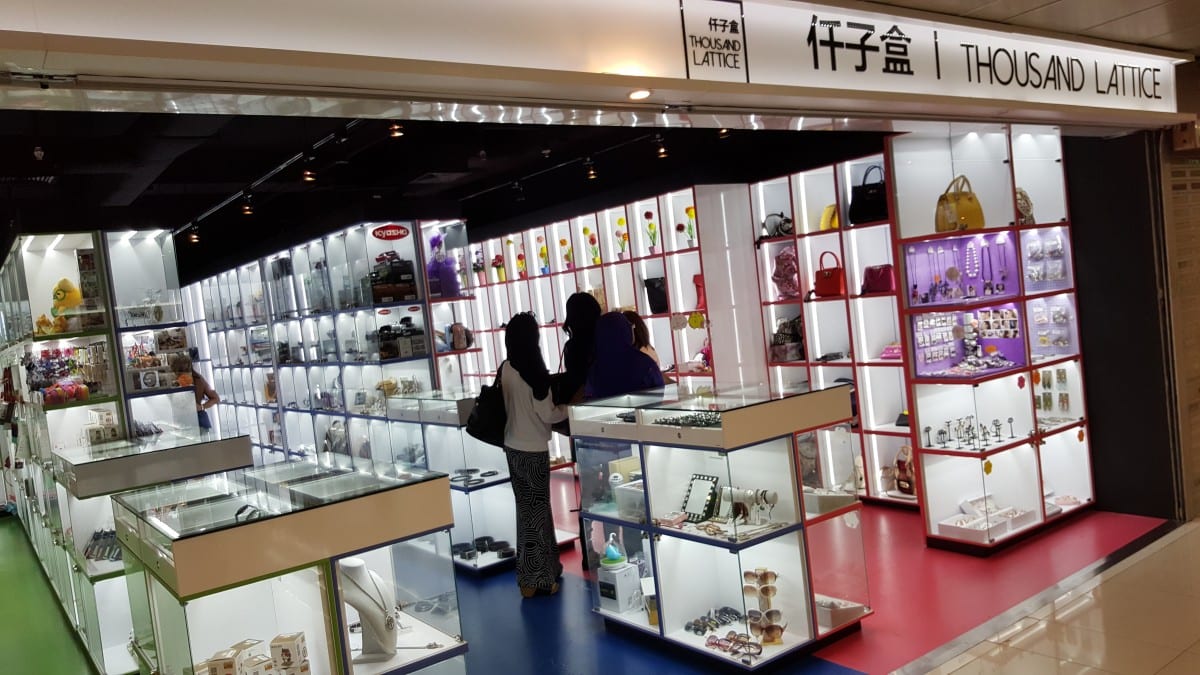
    Far East Plaza is another location with some of the priciest retail space, with 14 transactions crossing the $10,000 psf mark. The most expensive is a third-storey, 344 sq ft unit sold at $4.45 million, or $12,919 psf, in December 2012. Along with the two adjacent units, which are also on our list of pricey units at $12,533 and $12,514 psf respectively, the space is occupied by a consignment store offering micro retail “cubes” and shelf space.

    Of the 14 transactions at Far East Plaza, 13 were for units located on the third floor. The sole exception was a second-storey, 215 sq ft unit transacted at $2.65 million, or $12,310 psf, in April

    2014. According to the tenant, Suresh of Master Tailors, the monthly rent is $8,200. This puts the monthly rent at $38.14 psf and gross rental yield at 3.7%. “This location close to the escalators is important for my business as tailored suits are impulse buys. Although we have many repeat clients, we cannot move to another unit, as they will think that we have closed,” Suresh says.

    The most expensive unit at Far East Plaza is occupied by a consignment store. 

    far east plaza shop thousand lattice

    Six of the entries on the list of priciest retail space are at Pavilion Square, a residential and commercial development located on Geylang Road and slated for completion later this year. All six were new-sale transactions for first-floor units that took place in April 2013. The most expensive was a 118 sq ft unit sold at $1.29 million, or $10,879 psf. There have been 25 new-sale transactions for first-floor units at Pavilion Square, with the lowest price being $7,000 psf and the average at $8,658 psf. For the 25 second-storey units that were transacted, the price ranged from $5,097 to $5,791 psf and the average was $5,523 psf.

    Of the 51 transactions that crossed the $10,000 psf mark, 24 were resale cases whose previous caveats can be traced.  All 24 sellers reaped profits ranging from $132,000 to $11,680,000, or $3,047,871 on average.

    The transaction with the highest profit in absolute quantum was for a 1,281 sq ft, third-floor unit at Far East Plaza that is currently occupied by a fashion boutique. The previous owner bought the unit for $1.32 million in April 2005 and sold it for an $11.68 million profit in October 2014, resulting in an annualised profit of 93%.

    Among the 24 transactions, the highest annualised profit of 155% was for the 549 sq ft, third-floor unit at Far East Plaza occupied by the consignment store. This unit was purchased at $600,000 in March 2006 and subsequently resold at $6.88 million in December 2012.

    Three most expensive retail units over $10,000 psf mark per development

    No. Location Floor Type of business Area (sq ft) Type of sale Price ($ psf)  Price ($) Contract date
    1 Alexandra Central 1 F&B 161 New Sale        17,820 2,869,000 Jan-13
    2 1 Unoccupied 140 New Sale        17,221 2,411,000 Feb-13
    3 1 Unoccupied 161 New Sale        15,646 2,519,000 Feb-13
    1 Centrepoint 1 Department store 344 Resale        15,988 5,500,000 Jun-14
    1 Far East Plaza 3 Consignment store 344 Resale        12,936 4,450,000 Dec-12
    2 3 Accessories/Salon 549 Resale        12,750 7,000,000 Nov-12
    3 3 Consignment store 549 Resale        12,532 6,880,000 Dec-12
    1 Lucky Plaza B1 Jewellery 151 Resale        17,550 2,650,000 May-11
    2 B1 Perfume 151 Resale        17,351 2,620,000 Jul-11
    3 B1 Souvenir 151 Resale        16,424 2,480,000 Oct-10
    1 Novena Regency 1 Unoccupied 161 New Sale        10,298 1,658,000 Apr-13
    1 Pavilion Square 1 Uncompleted 118 New Sale        10,916 1,288,128 Apr-13
    2 1 Uncompleted 118 New Sale        10,492 1,238,048 Apr-13
    3 1 Uncompleted 118 New Sale        10,492 1,238,048 Apr-13
    1 People’S Park Complex 1 Bakery 291 Resale        10,997 3,200,000 Feb-13
    1 Sim Lim Square 1 Electronics 420 Resale        12,024 5,050,000 Nov-12
    2 1 Electronics 355 Resale        11,268 4,000,000 Jun-11
    3 1 Unoccupied 420 Resale        10,714 4,500,000 Mar-13
    1 The Arcade 1 Money changer 43 Resale        32,558 1,400,000 Dec-15
    2 2 Florist 65 Resale        12,000 780,000 Feb-15
    Source: URA, The Edge Property
  • Al-Futtaim and Chalhoub Group sign deal to bring Robinson across Middle East

    Al-Futtaim and Chalhoub Group sign deal to bring Robinson across Middle East

    Al-Futtaim, a business houses headquartered in Dubai, has signed a joint venture agreement with the Chalhoub Group to bring Singapore’s leading fashion department store Robinsons to the GCC and the Middle East region.

    The first Robinsons department store will open in spring 2017 at Dubai Festival City Mall, which is currently undergoing a major expansion programme.

    Spanning a total of 18,000sqm across three levels, the store will be the first of many to follow in the GCC.

    Paul Delaoutre, President – Retail, Al-Futtaim said: “Al-Futtaim has already been operating four Robinsons department stores in Singapore and Malaysia and through our partnership with the Chalhoub Group we will bring this unique format department store to the Middle East expanding the brand’s footprint and strengthening its international appeal.

    “Robinsons department stores in the GCC will be offering contemporary fashion covering the full spectrum, from accessible to luxury in a relaxing environment where fashion is alive. We will focus on novelty and style, a large part of the offer will be completely new to the Middle East.

    In 2008, Al-Futtaim acquired the Robinsons Group, regarded as Singapore’s legacy retailer. The Group is currently operating three Robinsons stores in Singapore and one in Malaysia. Over its 150 years of operation, Robinsons department store has become synonymous to Singapore and its fashion retail industry.

    Patrick Chalhoub, Chief Executive, Chalhoub Group said: “We are excited about this partnership as we will be combining Al Futtaim’s vast experience of operating over 200 companies with our intimate knowledge of the Middle-East luxury market and consumers, in order to deliver the most relevant offer of the Department Store adapted to the Middle East customer who is now knowledgeable and assertive.”

    Thierry Prevost, Managing Director – Fashion and Department store, Al-Futtaim Retail said: “The Robinsons department store in Dubai Festival City Mall will offer customers exclusive fashion brands across categories for  women, men, kids, beauty, home and lifestyle, food and beverages in addition to unique services.”

    The store will also feature a number of restaurants and views overlooking the Dubai Creek and the emirate’s skyline.

  • Which is the best Home & Electronics retailer in Singapore?

    Which is the best Home & Electronics retailer in Singapore?

    Furniture, home appliances and electronics. These are just some must-haves in every home but where’s the best place in Singapore to get them? AsiaOne wants you to tell us where is the best to go.

    AsiaOne People’s Choice Awards 2016 is constantly seeking to honour the best brands, services and products in Singapore. This year, five new categories including Best Home & Electronics Retailer were added to reflect changing consumer trends in Singapore.

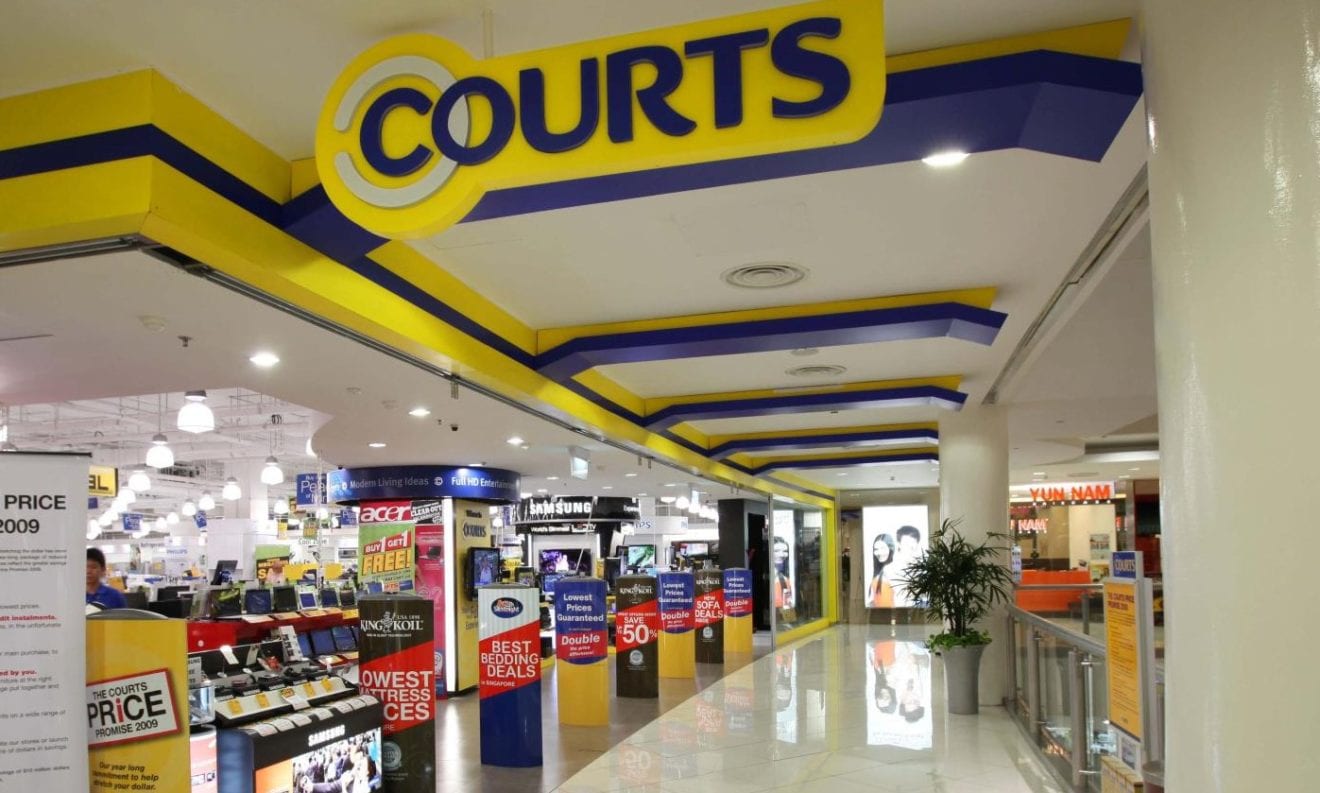
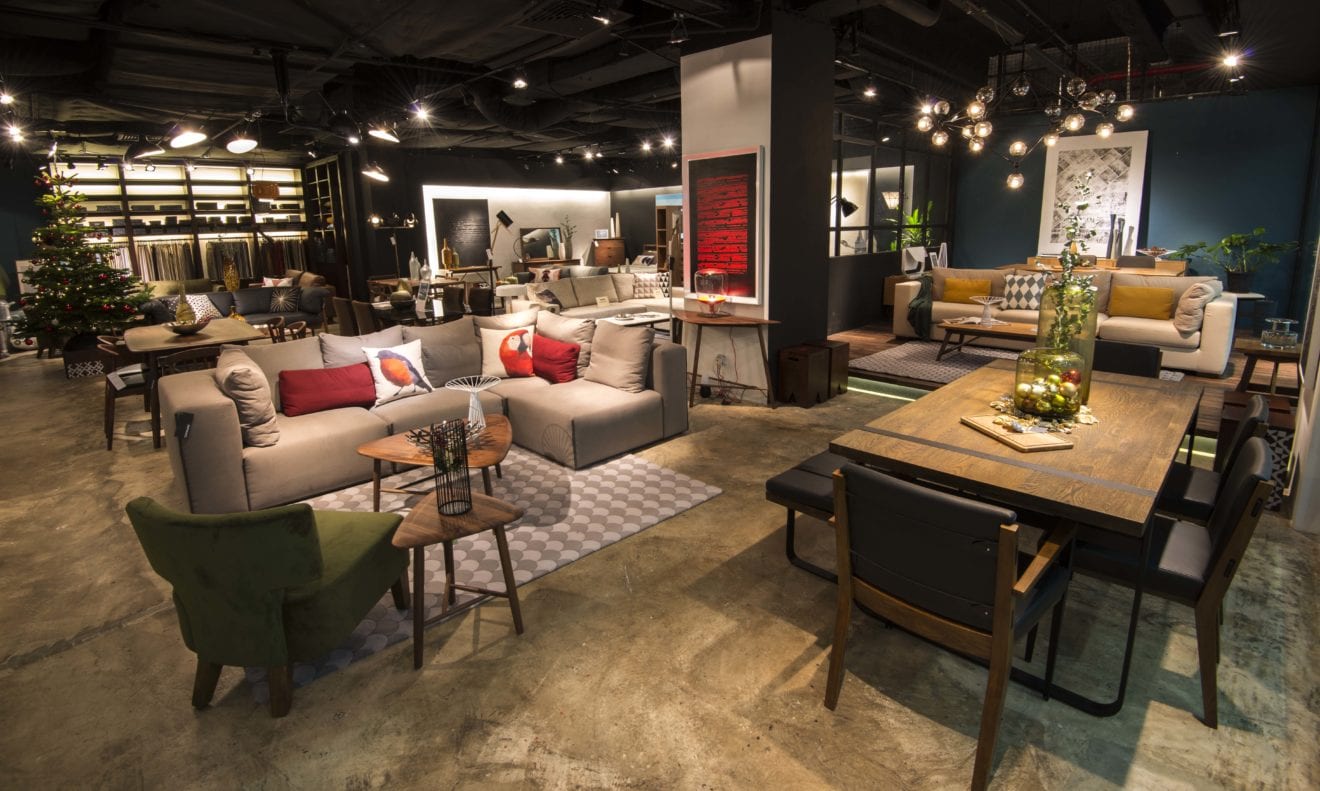
    Members of the public have helped to shortlist a number of companies and nominees Best Denki, Challenger Singapore, Courts, Crate and Barrel, Gain City, Harvey Norman, IKEA Singapore and Mustafa Centre are seeking for your votes to be named the winner in the first Best Home & Electronics Retailer category.

    Top retail players from overseas

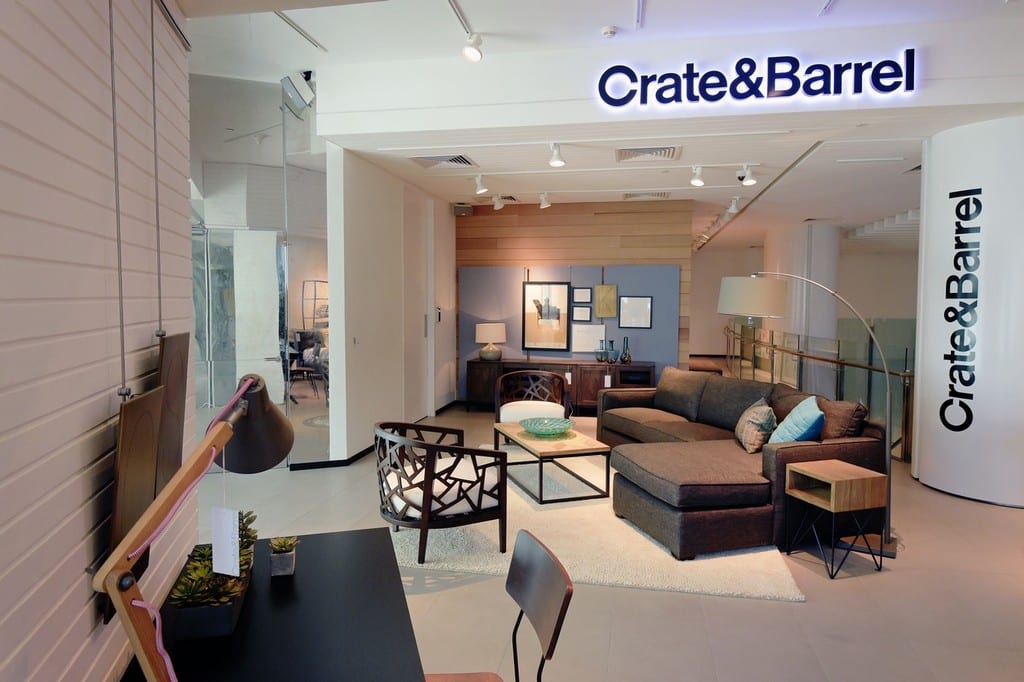
    High-end lifestyle brand Crate and Barrel is a retail chain offering a variety of stylish furniture, kitchenware and other home essentials.

    Started in Chicago by Gordon and Carole Segal in 1962, the company grew into an international brand with outlets in the United States and Canada, a far cry from its humble beginnings with just one employee and not even having a cash register, according to its website.

    The brand opened its five-storey flagship store at Orchard Gateway in April 2014, drawing customers in with its exquisite furniture and quirky kitchen gadgets. Their first Singapore outlet opened the previous year at ION Orchard.

    With a focus on furniture and home interior design, IKEA is another tough international competitor to beat under this category.

    The Swedish store has two massive outlets in Singapore and is a popular place for families to go to on weekends, thanks to its array of delicious and affordable food selection.

    The one-stop furniture shop aims to fulfil all your housing needs from sofas, work tables, mattresses, bed frames, decorative mirrors to even kitchen wares and plants. Even if you’re not looking for anything in particular, you just might end up with a useful kitchen tool, a set of new bedsheets and a basket full of Swedish biscuits and candies.

    IKEA is an establishment that also excites shoppers with their annual catalogues which are filled with colour photographs and home decor ideas.

    Local brands stake a claim on home ground

    Not to be beat, home-grown brands Challenger Singapore, Gain City and Mustafa Centre with their affordable pricing, friendly services and wide selection of goods, can seduce readers for their votes.

    If you need anything IT-related, Challenger may probably be the first place you will think of.

    At its outlets in town and in the heartlands, you can talk to store consultants and figure out which product best suits your needs at your own pace.

    Other than selling hardware, the shops also have an inventory of products you might not expect to find like lamps, cameras, mobile phones, audio speakers and toys.

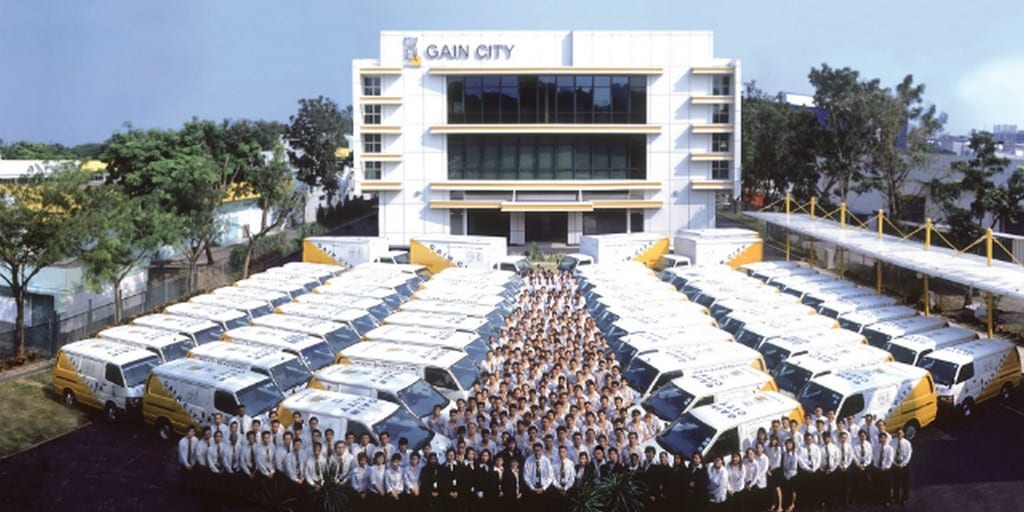
    You might be familiar with Gain City, as advertisements featuring their latest promotions are regularly carried in newspapers .

    Starting out as a company for commercial and residential air-conditioning needs in 1981, the business grew to become a retail giant incorporating electronics products and lifestyle goods.

    If you’re looking furnish a new home, a visit to their Sungei Kadut outlet might be a good place to start . But take heed, this new outlet is a whopping 11 storeys high and can be daunting for the uninitiated.

    Cheap and good is what comes to mind when we talk about home-grown Mustafa Centre. Started in 1973, the company began as a humble 900 sq ft shop and expanded to what it is today – a 150,000 sq ft space offering shoppers 24 hours of retail therapy.

    Unbeknownst to many, Mustafa at one point even sold cars which were parallel-imported, according to its website. Today, the company which is housed in a multi-storey building with its own supermarket, also offers foreign exchange and travel services.

    Which is your favourite place for all your home and electronics shopping needs? Let us know through your votes in the AsiaOne People’s Choice Awards!

    Cast your votes here and stand a chance to win $200 vouchers, an Apple Watch, a Dyson Pure Cool Purifier or a Microsoft Surface Pro 4 in one of our weekly lucky draws.

    Winners will be announced at an awards ceremony to be held in April 2016.

  • Maybank Singapore in ongoing talks with MAS over incorporation here

    Maybank Singapore in ongoing talks with MAS over incorporation here

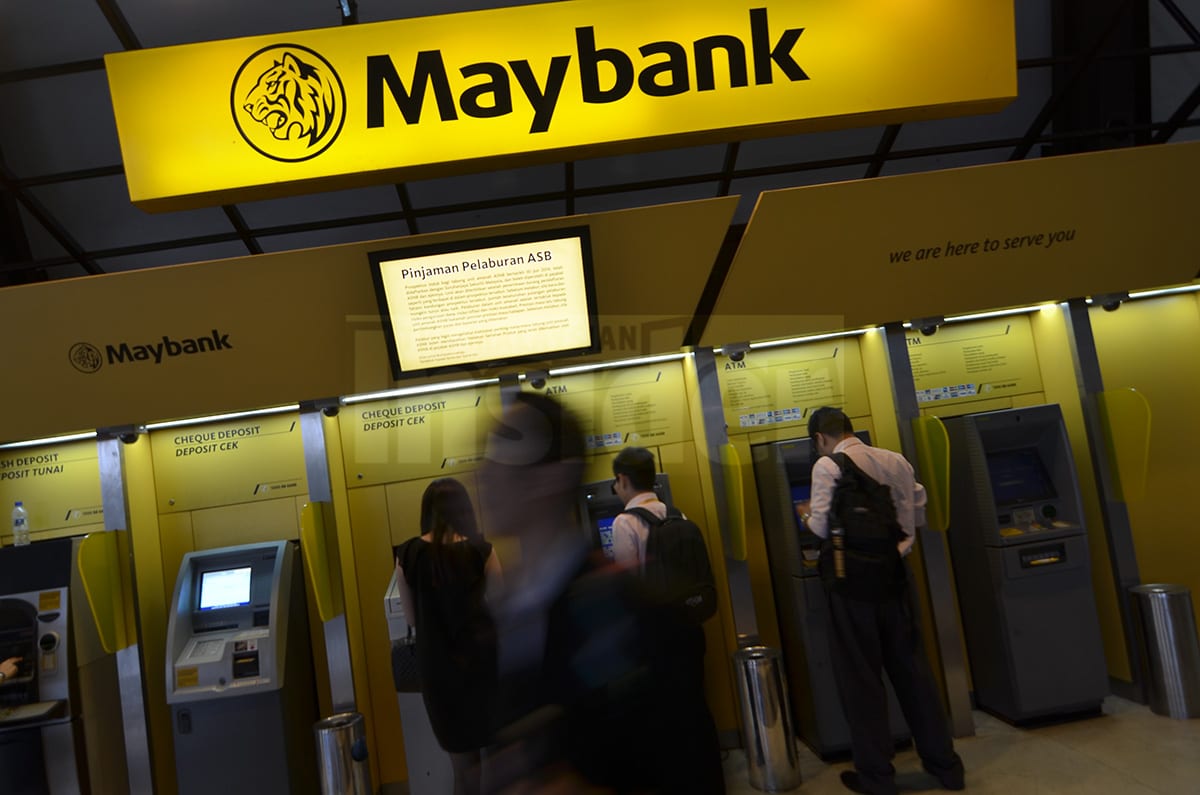
    Maybank Singapore on Thursday said it has had ongoing consultations with the Monetary Authority of Singapore (MAS) on the incorporation of its operations in Singapore, and “reaffirm our commitment to this”.

    It did not offer a date for the incorporation of its retail business here, and remains the only one of seven domestic systemically important banks (D-SIB) in Singapore that have not incorporate the business, or confirmed a timeline for this.

    A framework unveiled by the MAS in May 2015 listed seven banks – DBS, OCBC, UOB, Citibank, Standard Chartered, Maybank and HSBC – as lenders that are effectively deemed “too big to fail” in Singapore, mainly because of their significant retail presence here. These banks will face additional supervisory measures, and this includes locally incorporating their retail operations.

    This means the local deposits are ringfenced from the group’s operations, and it provides protection against a potential loss of Singapore-based consumers’ money when the overall group runs into trouble.

    HSBC has announced that it expects to incorporate its retail operations this year. All but Maybank and HSBC have ringfenced their retail business here.

    “Maybank sees Singapore as a key market, and an important gateway to the rest of the region. The local incorporation signifies a further deepening of Maybank’s roots in Singapore, cementing its unwavering commitment to the local community after 55 years in the country,” Maybank Singapore said.

    “Singapore is an important part of the bank’s strategy to continue growing its international business and we look forward to forging even closer ties with our customers in Singapore and the region.”

    Relating to banks that have to locally incorporate their retail operations, MAS has said that “where appropriate, MAS will provide such D-SIBs with an adequate transition period to comply with this requirement”.

  • Online shopping is killing department stores in Singapore

    Online shopping is killing department stores in Singapore

    Even grocery items are being bought online now.The rise of e-commerce is sounding a death knell for Singapore’s once-ubiquitous department stores and gadget shops, according to a report by property consultancy group JLL.

    The number of shoppers buying groceries and computer equipment rose around 70% in the last two years, while over 60% of shoppers already buy some clothing or footwear online. The report said that shoppers are buying lower value goods online and higher value goods over $500 in a physical store.

    “We expect online sales of groceries and electronic goods to grow exponentially in the next three years,” JLL said.

    As a result, department stores, supermarkets and houseware shops have reduced in size over the past few years, particularly in suburban malls. In contrast, food and beverage, fashion, beauty and health trades have taken up more space in the last seven years.

    “As shoppers tend to buy lower value goods online, malls are likely to attract higher-priced fashion and beauty brands, even in the suburbs. We expect to see electronics and grocery stores cutting back further in the next three years as more shoppers buy these goods online,” JLL said.

    Latest data from the InfoComm Development Authority (IDA) showed that about 1.44 million Singapore residents shopped online in 2014, 30% higher than in 2012.

    The sharp increase came from shoppers above 35 years old, as those in this group that used portable devices to access the internet rose 50% over two years. Over 70 per cent of those below 35 years old already shop online in 2012.