Tag: Singapore

  • Tanjong Pagar Centre — GuocoLand’s crowning glory

    Tanjong Pagar Centre — GuocoLand’s crowning glory

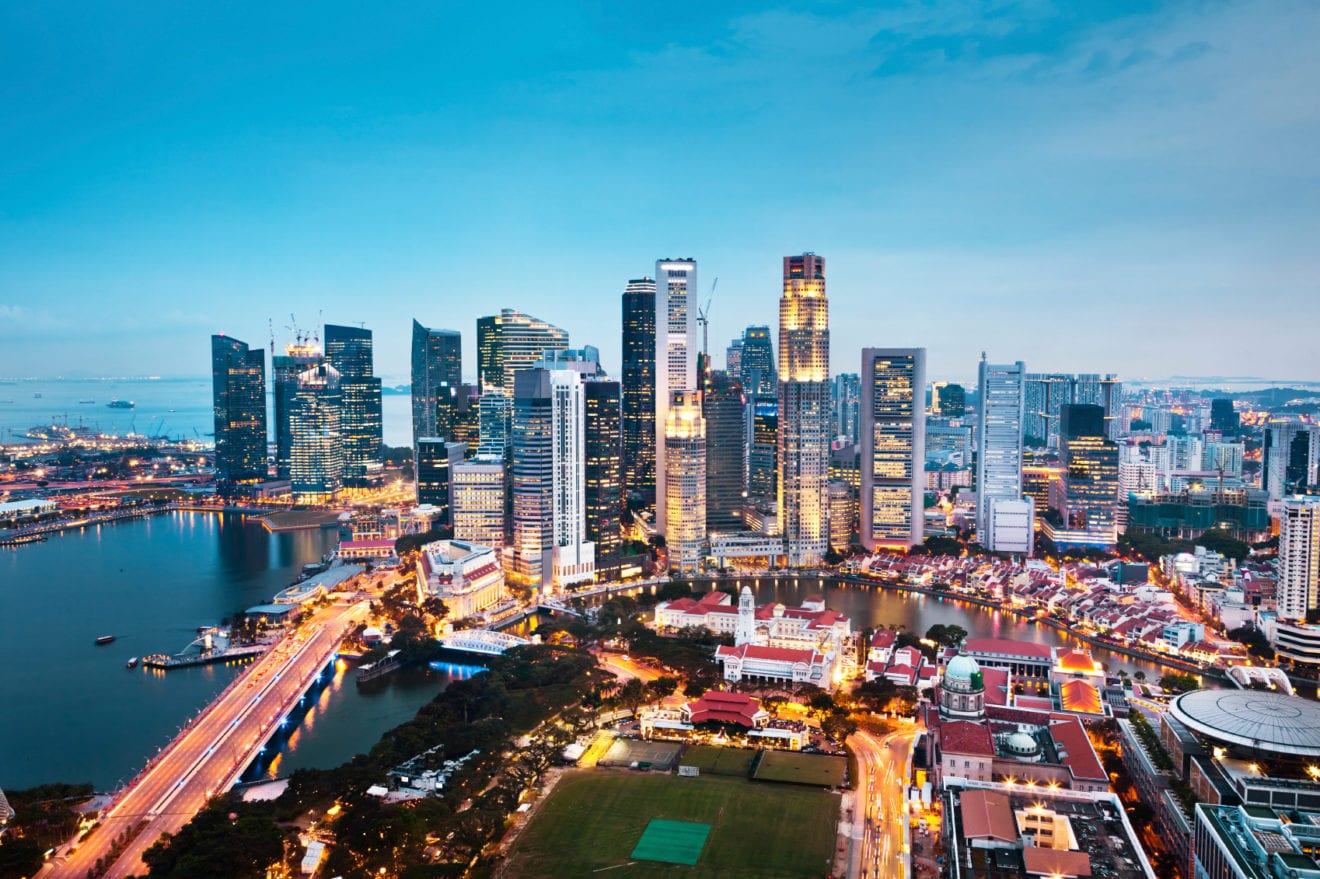
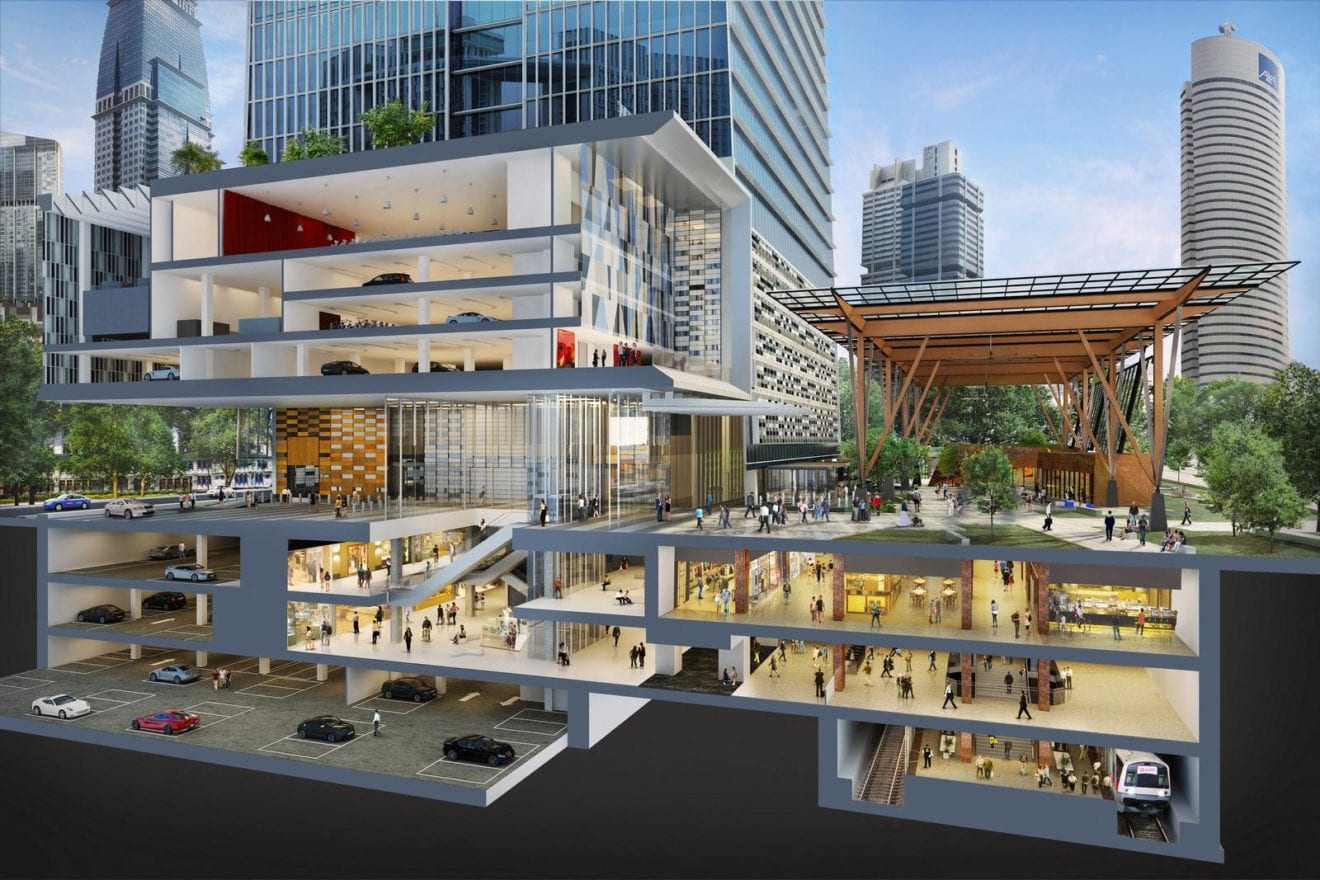
    GuocoLand held the topping-out ceremony of its $3.2 billion Tanjong Pagar Centre on Jan 13. Standing at 290m, it is Singapore’s tallest tower and the latest landmark at Tanjong Pagar.

    The mixed-use scheme will have a total of 1.7 million sq ft when completed and will be integrated with the Tanjong Pagar MRT interchange station. The development will have 890,000 sq ft of office space (Guoco Tower); 100,000 sq ft of retail space; 181 luxury apartments — Wallich Resi dence; the 222-room Sofitel Singapore City Centre; and a 150,000 sq ft landscaped urban park.

    Malaysia’s Employees Provident Fund took a 20% stake in Tanjong Pagar Centre five years ago. Shahril Ridza Ridzuan, CEO of EPF, attended the ceremony, along with Singapore’s Minister for National Development Lawrence Wong.

    The giant mixed-use scheme will be completed in phases. The office and retail components are expected to be completed in 2H2016, followed by the hotel, which is scheduled to open towards year-end. The residential block will be the last phase to be completed.

    Slow take-up of office space
    According to GuocoLand, tenants that have signed up for office space at Tanjong Pagar Centre include DNB Asia (subsidiary of Norway’s largest financial services group DNB Bank ASA), Hong Leong Bank, GuocoLand Group, trading and risk management solutions provider Open Link and serviced office provider Regus, resulting in a take-up rate of 10%.

    “The days of a mega tenant taking up 50% to 70% in a building are gone,” says Cheng Hsing Yao, managing director of GuocoLand (Singapore). In the current economic climate, office landlords prefer to have a diversified tenant base. The office space at Guoco Tower is seeing interest from occupiers looking at half a floor to two whole floors. Such tenants are more likely to commit closer to completion, he adds. Guoco Tower’s premium office floor plates measure 27,000 to 30,000 sq ft.

    “A 10% office space pre-commitment six months before TOP is quite normal,” says Chris Fossick, JLL’s managing director for Singapore and Southeast Asia. Serious discussions are underway for another 40% of the space.

    By contrast, the retail space at Tanjong Pagar Centre has achieved a 60% pre-commitment level. Fitness club Virgin Active is the anchor tenant and will take up 31,000 sq ft (31%) of the retail space.

    Rebranding of hotel, residences

    The hotel and residences at Tanjong Pagar Centre were previously branded Clermont, an extension of The Clermont Club, a members-only casino in Mayfair, London. The club is owned and operated by Clermont Leisure (UK) Ltd, a wholly-owned subsidiary of GuocoLeisure, a sister company of GuocoLand.

    The rebranding of the hotel to Sofitel and the residences to Wallich Residence took place last November. “Both companies [GuocoLand and Guoco- Leisure] felt that it may be too early to bring the Clermont brand to Asia,” explains Cheng. “We wanted a strong hotel group with a strong international network.” That led to its appointment of AccorGroup as the hotel management company and the re-branding of the hotel to Sofitel a week ago.

    The residential component was renamed Wallich Residence, as it sits on Wallich Street. This is in line with GuocoLand’s approach to turn its luxury residences into place makers — for instance Goodwood Residence on Bukit Timah Road, which overlooks Goodwood Hill, and Leedon Residence on Leedon Heights.

    So far, 16 of 54 units released at Wallich Residence have been sold at an average of $3,100 psf. The units are a mix of one- to four-bedroom apartments measuring 614 to 2,034 sq ft. The residential block takes up the 39th to 64th floors, and is crowned by a triplex super penthouse of 21,108 sq ft. GuocoLand’s Cheng says the price of the super penthouse has yet to be finalised. Two years ago, it was tagged at $30 million.

    GuocoLand will launch the residences closer to completion so that potential buyers can appreciate the quality of the final product, says Cheng. “We saw that happen with Goodwood Residence and Leedon Residence.” Both Goodwood Residence and Leedon Residence were launched when they were completed and they emerged the best-selling high-end condos in 2014 and 2015 respectively. Cheng is confident that Wallich Residence will draw a similar response upon completion.
  • Featured: DFS Group interview

    Featured: DFS Group interview

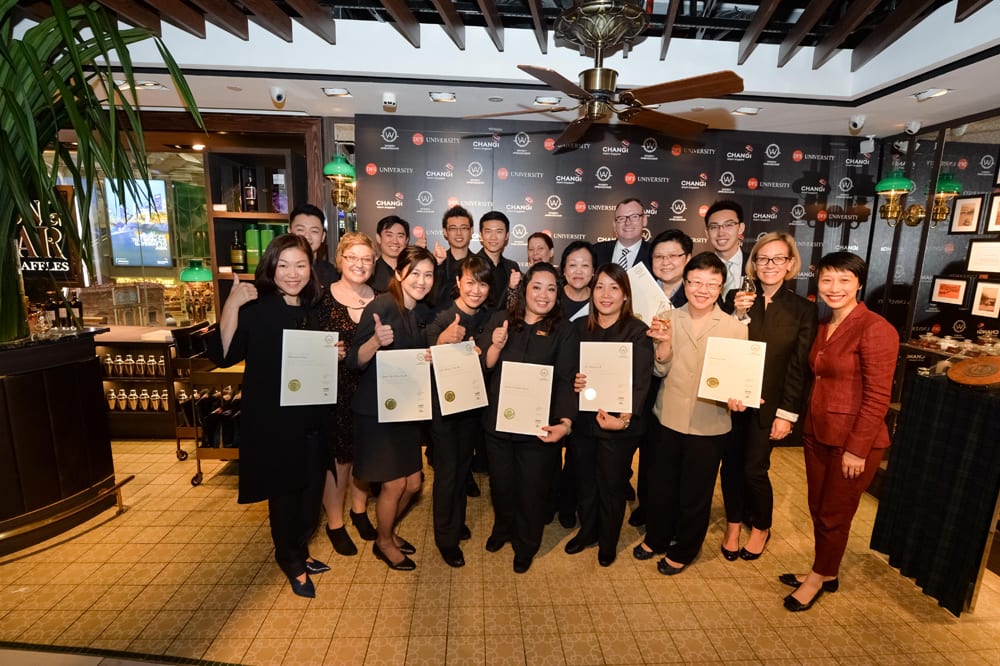
    In an exclusive interview, DFS Group’s Brooke Supernaw, Senior Vice President Spirits, Wines and Tobacco, told Charlotte Turner that the new accreditation is a reflection of the retailer’s dedication to its customers and staff. She also revealed that this training course is something which they are rolling out in Singapore, then Hong Kong before doing so globally.

    Charlotte Turner: Tell us what it means to be in charge of travel retail’s first Whisky Ambassador venue, and why does travel retail need these venues?

    Brooke Supernaw: We’re very honoured to be the world’s first travel retail venue to receive this accreditation. It’s really a reflection of our dedication to both our customers and our staff, to invest in their education, to bring a better experience to our customers.

    And that then relates to delivering a better experience to the customer. I see more and more and I hear more and more from our staff that our customers are becoming very savvy, especially when it comes to the world of whisky, and then even more so in the world of single malts.From our customers’ point of view when they shop for a whisky – which is inclusive of all different types of whisky – they want to know the history; they want to know the heritage; they want more information than just the age and the price. By putting our staff through this strong training programme, it’s not only going to build their confidence, but their passion around how whisky is made and really appreciate the heritage behind it.

    There are a lot more connoisseurs coming through over the last few years as this category starts to grow and we need to not only keep up with that, but we need to be ahead of it. We want our sales associates to not only feel confident, but deliver the best experience for the consumer, and to really inspire them through their knowledge and through their education. So for us we’re going to be rolling this out in Singapore and then in Hong Kong and then ultimately globally as part of our DFS University; our training programme.

    CT: How did this initiative come about exactly?

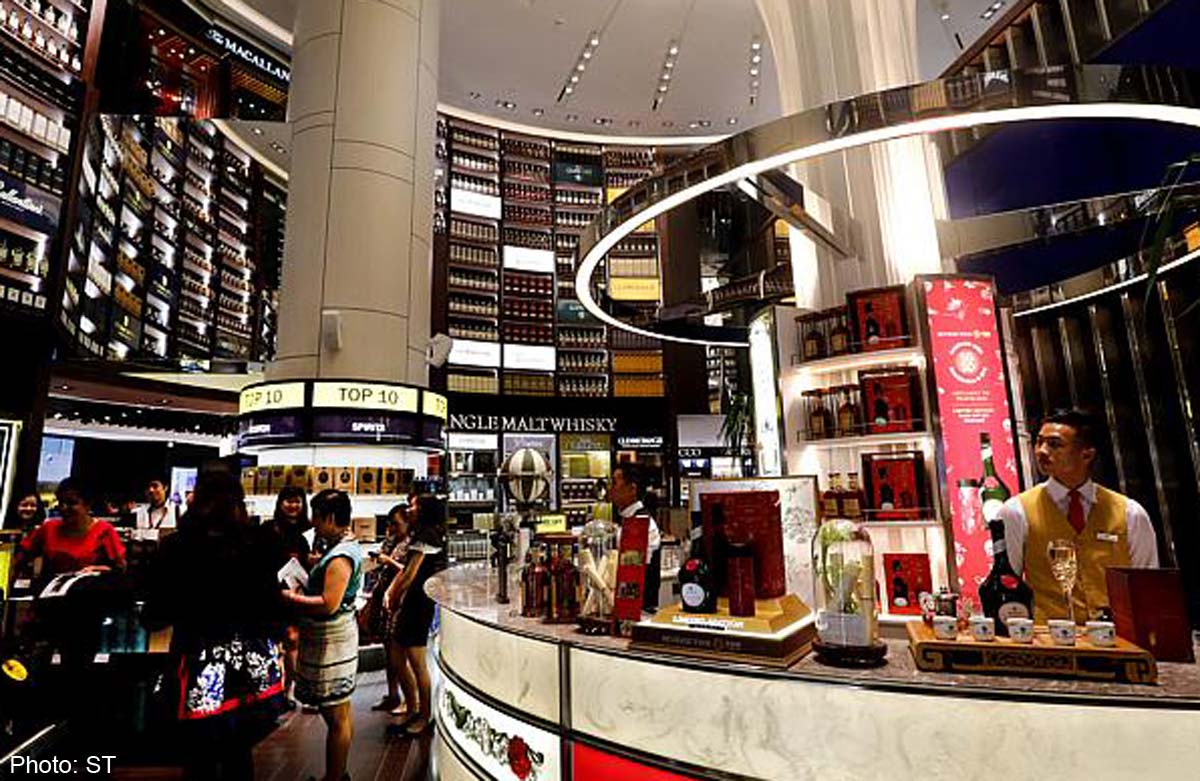
    BS: It first started with the launch of our duplex store here in Changi, and part of our ambition with the duplex store was to create a different environment and a different experience here. So each of the different shop-in-shops we have here – whether it’s The Macallan or Glenfiddich or Johnnie Walker – has a unique product and they have brand ambassadors that deliver a slightly more enriched experience.

    So they’re sent to a Chateaux, they’re trained with the distillers; they have a slightly higher knowledge, if you will, because of the investment that’s been made. But when we sat back and thought about it we said, ‘that’s great, but we want that for a broader range of our sales associates’. We want our customers to walk in and take away that enriching and educational experience, so why limit it to just the duplex?

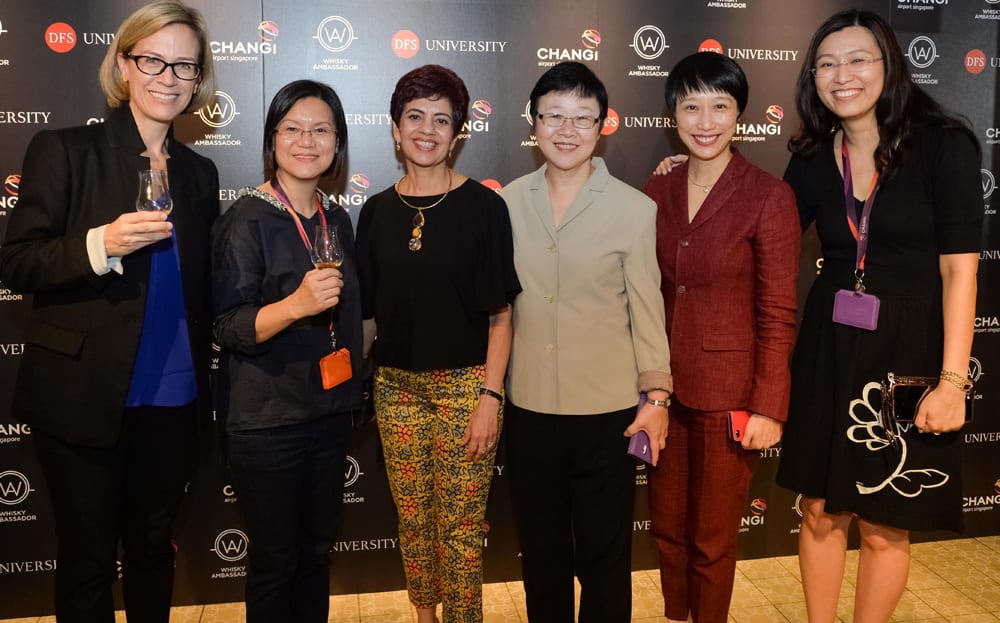
    Brooke-Supernaw,-Teo-Chew-Hoon,-Monet-Aluquin,-Patricia-Sim,-Wilcy-Wong,-Lim-Peck-Hoon

    L-to-R: Brooke Supernaw; Teo Chew Hoon; Monet Aluquin; Patricia Sim; Wilcy Wong; Lim Peck Hoon.

    That’s how we got inspired to say let’s incorporate it into our DFS University. We already had a wine school that you may be aware of? We have a DFS wine school that we branched into a DFS spirits school and within that a specific whisky programme because of the growth that we see and the potential that we see. It’s so amazing to see this.

    I’m guessing this is a DFS Group initiative so we won’t be seeing this from other retailers…

    It is. Whisky Ambassadors, this is actually a company that is based in the UK. They do have programmes that are accessible to hotels and restaurants and retailers and we actually went and interviewed multiple companies and we found that the Whisky Ambassador programme was the best fit for our needs, so we brought it into our school. I do believe we are the only travel retail operator that has an in-house university and an in-house training programme, and this is going to be one section of that.

    Moving back to the duplex itself, how have consumers reacted to it since it opened and does DFS think that the investment is worth it, because it was substantial…

    It was substantial and it was absolutely worth it and we had great responses from our customers on the second floor, and we really wanted to deliver a truly differentiated experience on the second level.

    When you come up the escalator the views of the double height wall bays and the bottles that surround it are quite breath-taking. Then you’re welcomed by the Raffles Bar before going through this series of boutiques that each speak to the brands’ personalities; to the DNA; to the history and to the heritage. You have welcoming brand ambassadors; you’re tasting product that isn’t traditionally tasted in travel retail; you have engraving services and scent labs. It’s truly not only a journey, it’s a unique experience almost like going through an art gallery.

    DFS-Changi-Whisky-Ambassadors-with-Brooke-Supernaw-&-Wilcy-Wong

    DFS Changi Whisky Ambassadors with Brooke Supernaw and Wilcy Wong.

    So we’ve had great responses as, again, customers become more savvy and they travel through travel retail. One of the values we can offer them is differentiated, unique and exclusive product and that’s really what this second level is delivering, as well as service.

    So it goes back to proper training, in-depth training, really engaging the consumer and inspiring them, and that’s a lot of what this is all about.


  • Lendlease-ADIA to include 429 apartments in Paya Lebar project

    Lendlease-ADIA to include 429 apartments in Paya Lebar project

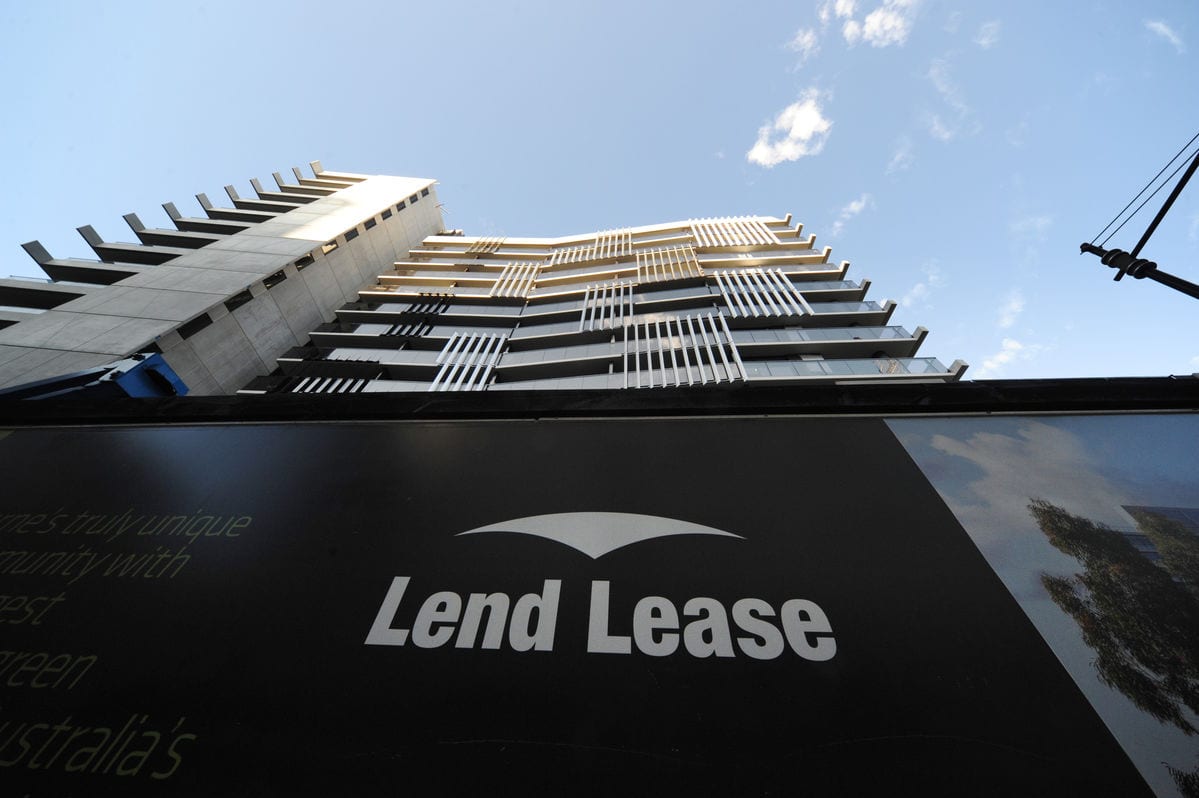
    The consortium comprising Lendlease and Abu Dhabi Investment Authority (ADIA) that last year bagged a plum site in Paya Lebar Central, has obtained provisional permission from Singapore’s planning authority to build a project that will comprise offices, retail space as well as 429 apartments.

    Going by market talk, the apartments are expected to be launched for sale probably next year.

    This will mark the first time the Australian group will be developing homes in Singapore. It has been operating here for more than four decades.

    The Urban Redevelopment Authority (URA) granted provisional permission last month for the developers to build a project that will have 91,340 square metres (983,175 sq ft) gross floor area (GFA) of office space and 43,740 sq m (470,813 sq ft ) of retail space in addition to the 429 apartments.

    The project is expected to be completed, that is, receive Temporary Occupation Permit in 2018, according to fourth quarter 2015 property market data released by the URA recently.

    When contacted, a spokesman for Lendlease said that the apartments will be in three towers. ” . . . Lendlease is confident that the . . . project will rejuvenate the precinct when it is completed,” he added.

    Word on the street is that CBRE and JLL have been appointed as leasing agents for the office space. Given its experience in the Singapore retail market, Lendlease will probably market the retail space itself.

    The Lendlease-ADIA consortium was the highest bidder for the 99-year leasehold site at a state tender that closed on March 31, 2015. Its winning bid of S$1.67 billion worked out to S$942.56 per square foot of potential gross floor area.

    The site comprises four plots – two land parcels, an underground area and an airspace. The site can be developed to a maximum GFA of 164,794 sq m (about 1.77 million sq ft). Of this, at least 90,000 sq m (968,751 sq ft), amounting to nearly 55 per cent of total GFA, has to be for office use. The project will boast direct connection to both the Paya Lebar East-West Line and Circle Line MRT stations .

    Lendlease has a 30 per cent stake in the consortium developing the project, while ADIA holds the majority 70 per cent.

    According to a previous article, the Abu Dhabi sovereign wealth fund (SWF) is said to be an investor in the Asian Retail Investment Fund (ARIF) managed by Lendlease.

    ARIF I has a 75 per cent stake in the 313@Somerset mall in Orchard Road, while ARIF III owns 75 per cent of the Jem office and retail development in Jurong East.

    ADIA is also understood to have invested in BlackRock-managed funds that developed the Asia Square project in the CBD.

    The SWF also previously held a 49 per cent direct stake in AXA Tower along Shenton Way in addition to being one of the investors in a BlackRock-managed fund that had owned the other 51 per cent in the circular office building opposite Tanjong Pagar MRT Station. They sold AXA Tower to a consortium led by Perennial Real Estate Holdings last year for S$1.17 billion.

    Lendlease is an integrated property and infrastructure group that has operated in Singapore since 1973; its capabilities span the entire property spectrum – development, investment management, project management and construction, and asset and property management.

    The URA’s Q4 2015 data also showed that MCL Land, a unit of Hongkong Land, obtained provisional permission in October for a 710-unit condo along Jurong West Street 41. The project’s name is Lake Grande.

    Chinese developer MCC Land received the URA’s provisional nod in December for a condo project of 626 units along Tampines Street 86.

    Meanwhile Gem Homes, the shareholders of which are Malaysia-listed group Gamuda, Evia Real Estate (7) and Maxdin, received provisional permission in November to develop a 578-unit condo in Lorong 5 Toa Payoh. When contacted, Evia Real Estate managing director Vincent Ong said that the project is slated for release in late April or early May; the average price will be S$1,480 psf. The development will have two 38-storey towers.

    The project was slated for launch in late March, but this has been delayed after the authorities turned down an earlier proposed name; the developers are now awaiting approval for a new name that they have proposed for the 99-year leasehold project.


  • Banks take up Visa Token Service

    Banks take up Visa Token Service

    An extra layer of security for mobile and digital payments has been introduced by Singapore’s United Overseas Bank (UOB) and Australia’s National Australia Bank (NAB).

    As well as making transactions safer, the new Visa Token Service also makes instore shopping easier.

    Credit or debit cards are no longer necessary under the Australian bank’s new mobile payment service,NAB Pay, which lets customers use their mobile phone for purchases.

    For UOB customers, the Visa Token Service has been integrated into the UOB Mighty digital wallet. It allows UOB Visa credit or debit card users to make contactless payments via an app on NFC-enabled Android smartphones at selected outlets in Singapore and overseas.

    Visa’s new technology replaces sensitive account information found on payment cards with a unique digital identifier or “token” that does not expose account details during the payment process. Tokenised cards are also domain controlled, meaning they link to the user’s phone or wallet application and are validated in real time by the global payment-processing platform VisaNet.

    Launched in the US, the Visa Token Service is being rolled out in several markets across Asia Pacific over the coming months. As payments shift from plastic to digital, Visa is working with financial institutions, merchants and technology partners to offer consumers a secure and easy way to buy.

    A key benefit of the service is that tokens do not carry the user’s primary account number, so there is less risk of storing them on mobile devices, online (eCommerce merchants) or in cloud-based mobile applications.

    Using ISO standards, the tokens can be processed and routed by merchants, acquirers and issues in the same was a traditional card payments.

    Tokens tied to lost or stolen mobile devices can be instantly reissued, and multiple tokens can be used for a single primary account, each tied to a specific device or service. Tokens can also be exclusive to specific merchants, mobile devices, transactions or transaction categories.

    VisaNet is capable of handling more than 65,000 transaction messages a second, with fraud protection for consumers and assured payment for merchants.

  • More space, lower rents in Singapore

    More space, lower rents in Singapore

    More retail space is available in the city, with a slight dip in prices and a decrease in rental costs.

    Singapore retail vacancy rates rose to 7.2 per cent at the end of the fourth quarter last year from 7 per cent at the end of the third quarter, according to the Singapore Urban Redevelopment Authority.

    During the quarter, there was a 0.1 per cent dip in the prices of retail space, compared to a decrease of 0.3 per cent the previous quarter. Rental rates fell 1.3 per cent, following a 2 per cent drop in the third quarter.

    For the year overall, prices for retail space were down 0.8 per cent while rentals fell by 4.1 per cent.

    At the end of the fourth quarter, there were 808,000 sqm of retail space in projects in the pipeline.

    Occupied retail space grew 8000 sqm in the fourth quarter of last year, compared to a drop of 13,000 sqm in the previous quarter. In the same period, the stock of retail space increased by 22,000 sqm compared to a 24,000 sqm decrease.

  • Courts opens second Indonesia megastore

    Courts opens second Indonesia megastore

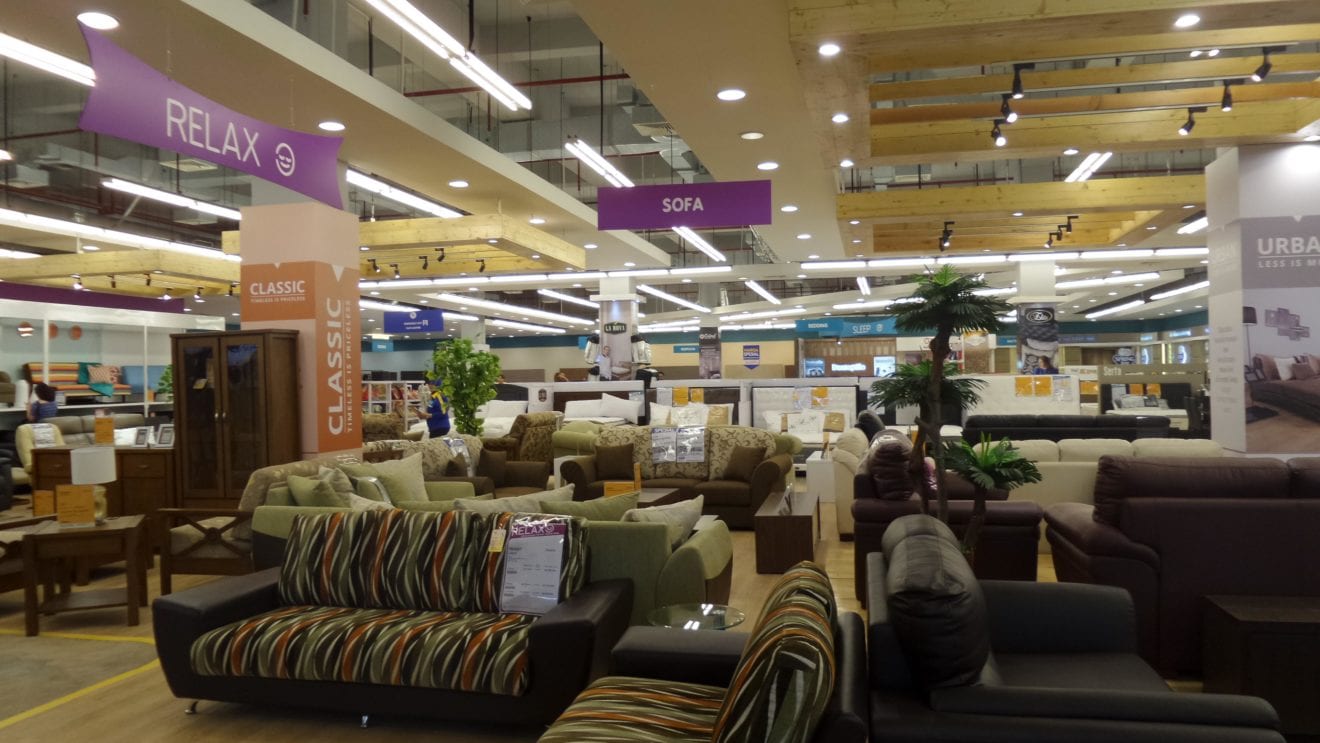
    Courts Indonesia has opened its second megastore – inside BSD City, about 42 km west of Jakarta.

    The new store is part of a strategy by Singapore-listed Courts Asia to expand its footprint beyond its core Singapore and Malaysia markets.

    Billed as the largest Courts Megastore in Asia, the new outlet covers 22,694 sqm of land and boasts a shopping area of about 20,400 sqm.

    “Indonesia is currently the driver of Courts’ growth,” said Roy Santoso, Courts Retail Indonesia CEO in a statement.

    “Since we first entered Indonesia in 2014, we now operate two megastores and three regular outlets. We aim to open 12 more outlets by 2018. This is our commitment in catering to the demands of Indonesians,” he said.

    The first Courts megastore, pictured above, opened at Bekasi, in Kota Harapan Indah, on the eastern side of Jakarta.

    Courts Asia said that as of November 2015, Indonesia accounted for 1.7 per cent of the company’s total sales of S$186.1 million – up 4.2 per cent year-on-year.

    Indonesia is expecting retail growth of between 11 and 12 per cent this calendar year, after a modest 8 per cent growth in 2015.

  • Starhill Global Reit’s Q2 distribution per unit rises 2.3%

    Starhill Global Reit’s Q2 distribution per unit rises 2.3%

    YTL Starhill Global REIT (SGReit) said its second quarter distribution per unit rose by 2.3 per cent to 1.32 cents.

    Revenue for the three months ended Dec 31 grew by 13.8 per cent to S$55.6 million while net property income (NPI) rose by 10.4 per cent to S$43.7 million.

    The growth in revenue and NPI was mainly driven by the contribution from Myer Centre Adelaide which was acquired in May 2015 and the resilience of the Singapore portfolio performance.

    This was partially offset by lower contributions from China and net foreign currency movements. Income distributable to unitholders was S$28.8 million, up 3.7 per cent. On an annualised basis, the second quarter distribution represents a yield of 6.94 per cent, based on the unit closing price of 75.5 cents as at Dec 31. Unitholders can expect to receive their distribution on Feb 29.

    YTL Starhill Global chairman Francis Yeoh said the Reit delivered another strong earnings growth in the second quarter, underpinned by the resilience of the Singapore portfolio and contribution from its latest acquisition.

    “While Asia’s economic growth is expected to ease, we are confident our prime assets in key Asia-Pacific cities will remain resilient in an evolving retail landscape,” he noted.

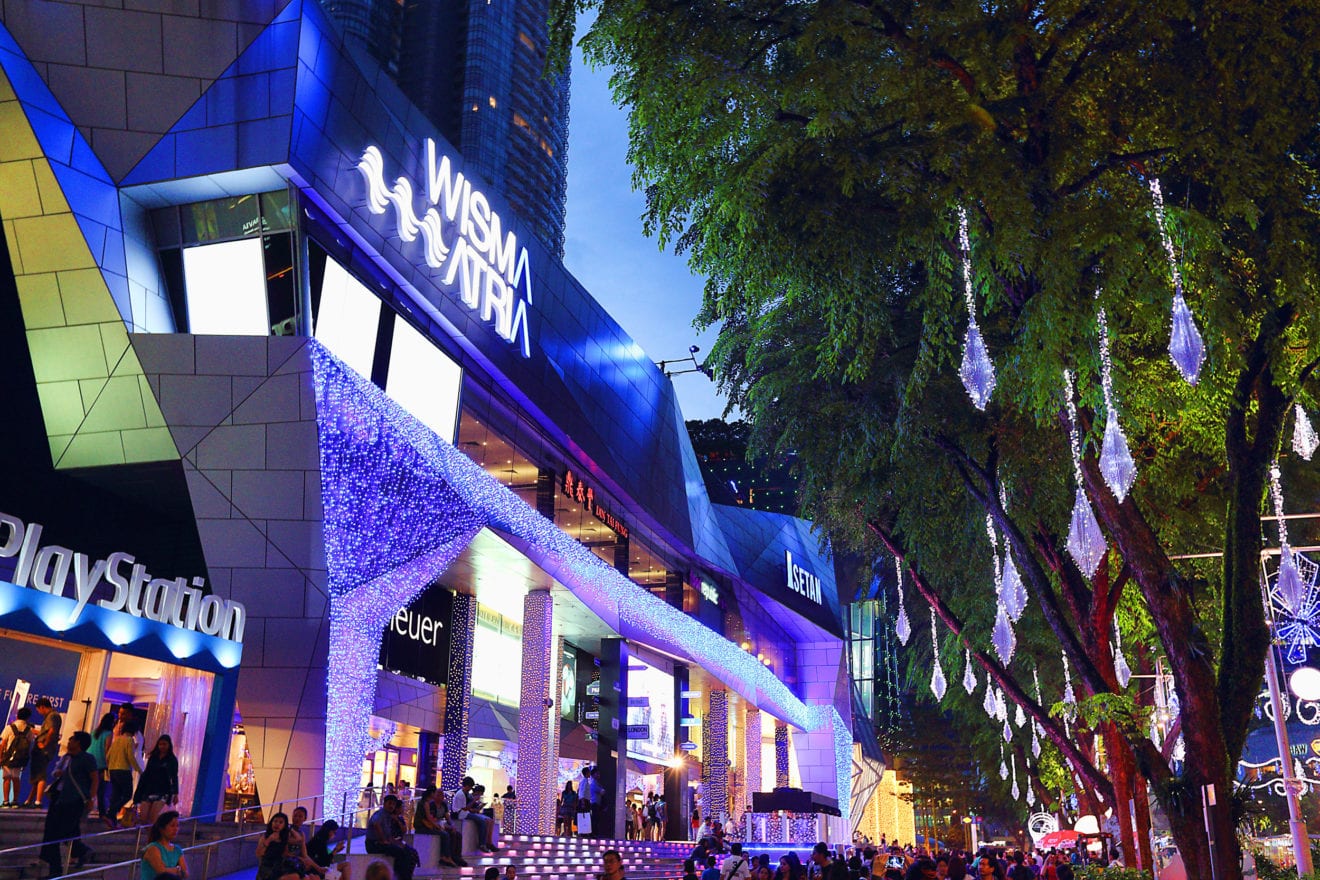
    SGReit’s Singapore portfolio, comprising interests in Wisma Atria and Ngee Ann City on Orchard Road, contributed 60.8 per cent of total revenue or S$33.8 million.

    Its NPI increased by 2.7 per cent to S$27.3 million, led by positive rental reversions achieved in previous quarters. Singapore retail portfolio recorded flat rental reversions for leases committed during the quarter.

    Wisma Atria retail revenue increased 1.7 per cent and its NPI grew 3 per cent over the previous corresponding period on the back of higher revenue and lower operating expenses.

    On the flip side, tenant sales at Wisma Atria declined 1 per cent, mainly due to lower committed occupancies at the mall and tenant transitions during the quarter. Shopper traffic was down 2.5 per cent as the majority of Isetan’s strata-owned space remained closed for renovations since April 2015.

    Wisma Atria retail recorded lower committed occupancy of 94.9 per cent as at Dec 31, largely due to tenant mix reconfiguration at level 1. Ngee Ann City retail revenue gained 1 per cent while NPI increased 2 per cent. The next rent review for the Toshin master lease is due in June 2016.

    Meanwhile, the Singapore office portfolio continues to be supported by leasing demand as office supply pipeline in Orchard Road remains limited. The Singapore office portfolio revenue and NPI increased 3.9 per cent and 3.4 per cent respectively, on the back of 1.7 per cent positive rental reversions for leases committed in the second quarter.

    As at Dec 31, full occupancies were achieved for both Wisma Atria and Ngee Ann City offices. Some 40 per cent of the office leases due for expiry this financial year by gross rent have been either renewed or newly leased out as at Dec 31. SGReit units today ended half a cent higher at 73 cents.

  • Changi Airport hits record high in retail sales

    Changi Airport hits record high in retail sales

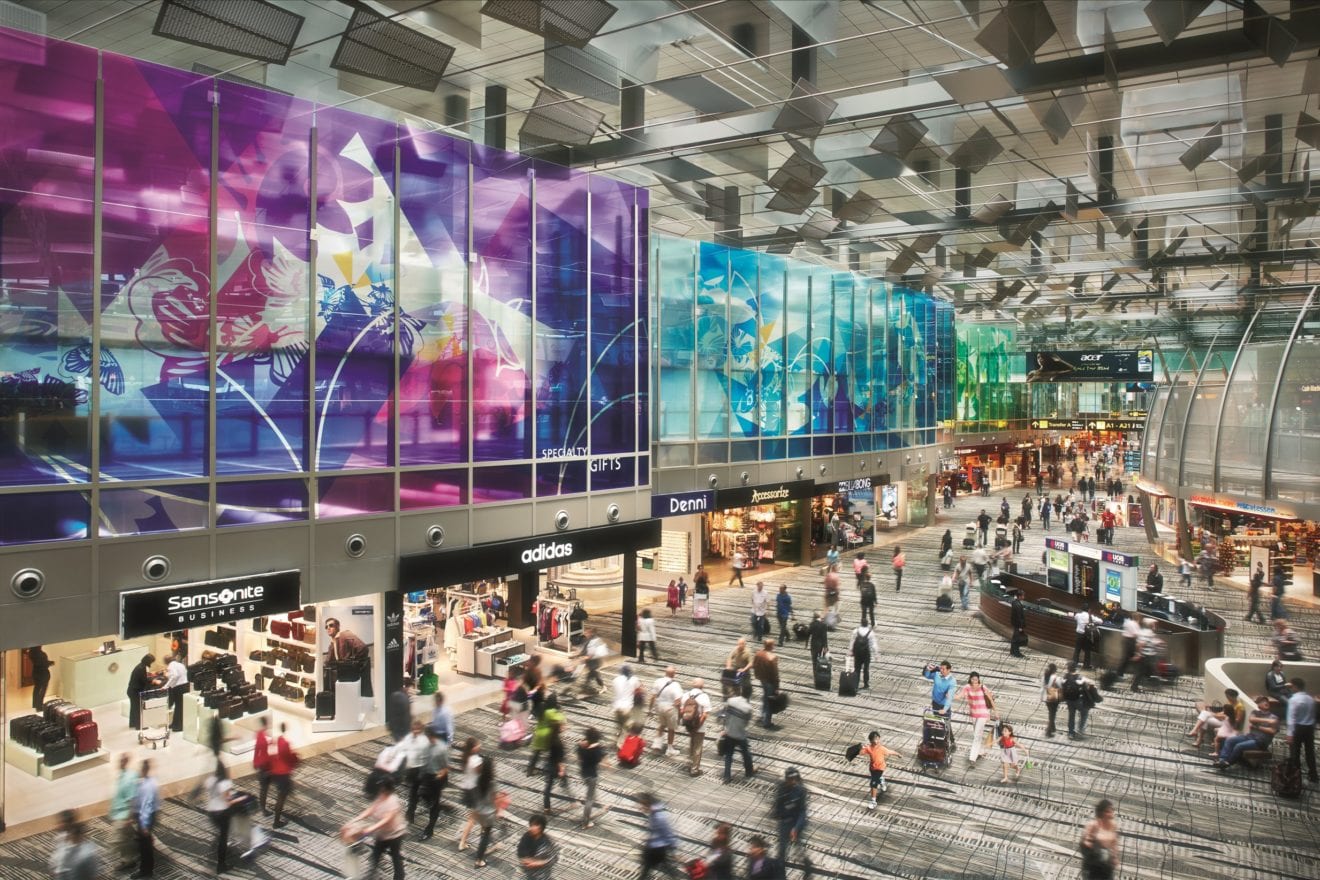
    Sales at Changi Airport hit a record high of $2.2 billion last year, on the back of growing passenger numbers.

    Spending at the airport’s retail and food stores grew by 8 per cent year on year, it was revealed yesterday.

    Travellers from China accounted for a third of the airport’s retail market and Singapore consumers, a fifth. The other top spenders were from Indonesia, India and Australia.

    Passenger traffic figures are expected to be released next week.

    In 2014, Changi Airport was among the top three airports in the world in terms of retail business performance. Last year’s ranking is not available yet.

    Ms Lim Peck Hoon, executive vice-president (commercial) at Changi Airport Group (CAG), said yesterday: “We are delighted to achieve yet another record high for concession sales at Changi Airport in 2015. This is positive for the Singapore air hub as profits from our retail business help to offset the cost of our aeronautical operations.”

    Despite the depressed market conditions, Ms Teo Chew Hoon, senior vice-president of airside concessions, said CAG is gunning for an even better sales target this year.

    Shoppers’ favourite buys are liquor, tobacco, cosmetics and perfumes. These are followed by luxury goods, electronics and equipment and chocolates and sweets.

    Ms Lim said last year’s retail performance was down to a successful commercial strategy, which saw the introduction of three liquor, beauty and fashion duplex stores, the first of their kind in the world. They even have their own bar lounges and wine-tasting corners.

    Well-known brands such as Zara and Samsung also launched their first stores at Changi Airport.

    Other promotions, such as one for Star Wars soft toys during the year-end holidays and the “Be a Changi Millionaire” draw, contributed to the retail buzz.

    British administrator Linda Tobin walked away a million dollars richer yesterday, after she won the Changi Millionaire draw.

    The 52-year-old took the top prize after her niece suggested that she pick boarding ticket No. 3, which fitted into a jigsaw puzzle of a picture of a boarding pass.

    Ms Tobin, one of the seven finalists picked for the grand draw, was on her third flight through the airport. She qualified after buying a $412 bottle of whisky.

    “I am on top of the world,” said Ms Tobin, who plans to use the money to spruce up her home and garden and buy a car. She also promised her niece a trip back to Singapore.

  • Asics Bugis Junction and VivoCity in Singapore

    Asics Bugis Junction and VivoCity in Singapore

    ASICS, a true sport performance brand, has opened 2 new stores in Singapore, increasing the number of ASICS stores to 7 locally to strategically cater to an increasingly more distributed retail need.

    Located in Bugis Junction Shopping Mall, a vibrant and popular mall in the central business district, and in VivoCity, the largest retail and lifestyle destination in Singapore, these new ASICS stores will front cutting-edge ASICS footwear and apparels for running and popular sports in the region, including badminton, netball, tennis, soccer and gym training. Products are displayed with the latest ASICS visual merchandising concept congruent with innovative trends, to inspire a premium and positive shopping experience for each customer.

    ASICS’ aspirational “Mix Up Your Run” concept inspires runners to run stronger, faster and further. To activate and strengthen different muscle groups for better performance, runners train under varied regimes. Runners “run long” to build endurance and conquer the longest distances, “run natural” to give the muscles a completely different workout, “run fast” to break the speed limit and attain new PB (personal best) and “run tough” to stimulate agility and improve balance.

    In line with the ASICS visual merchandising concept, finding the best footwear has now been simplified with colour coding; “RUNLONG” (in blue), “RUNNATURAL” (in magenta), “RUNFAST” (in orange) and “RUNTOUGH” (in green). Customers can easily select the right footwear by looking for footwear displayed with the relevant colour codes.

    Running enthusiasts will be spoilt for choice with the comprehensive range of footwear available in the store, including the much awaited GEL-KINSEI 6, GT-2000 4, GEL-KAYANO 22, GEL-NIMBUS 17 LITE-SHOW, and GEL-QUANTUM 360.

    ASICS Bugis Junction Store, Singapore

    ASICS Bugis Junction Store, Singapore

  • Platinum industry group to develop more investment products in Singapore

    Platinum industry group to develop more investment products in Singapore

    Singapore, which has seen a flurry of activity in its gold sector in recent years, could now see platinum take off in a similar way as the World Platinum Investment Council (WPIC) ramps up its promotional work here.

    The industry body has joined the Singapore Bullion Market Association (SBMA) here as it seeks to stimulate investor demand for physical platinum and increase the ways in which Asian investors can invest in the metal.

    As one of the most important wealth management markets globally with US$0.5 trillion in assets, Singapore offers “an abundance” of opportunities for both retail and institutional investment products, including coins and bars, and exchange-traded funds, said WPIC’s director of market development Marcus Grubb.

    SBMA chief executive Albert Cheng said WPIC is coming at “an interesting time” in the market’s development.

    “Since the removal of the Goods and Services Tax (GST) in 2012, there has been a real step-change in Singapore’s prominence as a major hub for precious metals trading and investment, a position we are working hard to consolidate,” said Mr Cheng. “The WPIC membership will undoubtedly contribute to our efforts by strengthening the region’s range and availability of investor products.”

    International Enterprise (IE) Singapore, the government agency responsible for developing the commodities sector in here, said the partnership will further strengthen the country’s position as Asia’s precious metal trading hub.

    “WPIC brings knowledge, experience and technical expertise in platinum as an investment, complementing SBMA’s role as a major association for precious metals for the region,” said IE Singapore assistant CEO Satvinder Singh.

  • Police, retailers in central Singapore partner to deter crime

    Police, retailers in central Singapore partner to deter crime

    The Marina Bay Neighbourhood Police Centre on Saturday (Jan 30) launched the Central Division Retail Watch Group, which aims to establish a partnership between the police and retailers to deter, detect and prevent crime.

    Rahayu Mahzam, Member of Parliament for Jurong GRC and a member of the Government Parliamentary Committee for Home Affairs and Law was the Guest of Honour for the event. In her speech, she referred to recent terrorist attacks in the region, and called on owners of retail and commercial establishments to be more vigilant and partner with the police to help ensure the safety and security of shoppers.

    In a media release, police said the Central Division Retail Watch Group consists of retailers from major shopping malls such as Bugis+, Bugis Junction, Raffles City, Marina Square and Suntec City. Membership is also open to all other retailers whose outlets fall within the jurisdiction of the Marina Bay Neighbourhood Police Centre.

    Police added that this Retail Watch Group serves as a platform for the police and retailers to exchange information and tips on how they can strengthen vigilance and measures against potential terrorist attacks.

    According to the release, the Central Division Retail Watch Group will implement two initiatives. Police will disseminate an e-newsletter to retailers with information on crime trends and statistics, as well as crime prevention and security practices. The second initiative is a “red teaming” exercise conducted by police and retail management.

    “These exercises aim to test the effectiveness of the stores’ security features and the vigilance of the duty staff,” said the police in their statement. “Following these exercises, the police will hold a review with the retail management to reinforce the learning points.”

  • Singapore’s retail sector receives boost in talent development

    Singapore’s retail sector receives boost in talent development

    This initiative sees the integration of Enhanced Internship with SkillsFuture Earn and Learn Programme; whereby five local retailers will invest in talent management and retention programmes during students’ internships.

    Singapore’s five polytechnics – Nanyang Polytechnic (NYP), Temasek Polytechnic (TP), Ngee Ann Polytechnic (NP), Singapore Polytechnic (SP) and Republic Polytechnic (RP) – together with the Institute of Technical Education (ITE) and five local retailers signed on Tuesday (26 Jan 2016) a Memorandum of Understanding (MoU) to integrate the Enhanced Internship with the SkillsFuture Earn and Learn Programme.

    The signing took place at an Industry Practitioner Seminar organised by the Singapore Institute of Retail Studies (SIRS), and was witnessed by Mr Ong Ye Kung, Acting Minister for Education (Higher Education and Skills).

    The MoU were coordinated by NYP, which leads the Retail Sector Coordination Team (SCT) in support of the national SkillsFuture movement. The Retail SCT also comprises the other four polytechnics, ITE and SIRS.

    Under this partnership, the five retailers – Charles & Keith (Singapore) Pte Ltd, Cold Storage Singapore Pte Ltd, Isetan (Singapore) Limited, StarHub Ltd and Wing Tai Retail Pte Ltd – will invest in talent management and retention programmes during students’ internships.

    Students who successfully complete at least 20 weeks of the Enhanced Internship with these firms may have a chance to be offered employment through the SkillsFuture Earn and Learn Programme.

    The duration of the SkillsFuture Earn and Learn Programme will be reduced to 12 months instead of the usual 18 months, and will culminate in a Singapore Workforce Skills Qualifications (WSQ) Specialist Diploma or WSQ Advanced Certificate in Retail Supervision. Supported by the Singapore Workforce Development Agency (WDA), this fast-track route enables a seamless integration of Enhanced Internship and the SkillsFuture Earn and Learn Programme.

    Another 11 retailers signed a separate MoU to offer Enhanced Internships to retail students. It was announced last year that Enhanced Internships would be offered to second- or third-year polytechnic or ITE students; and by 2020, all polytechnic and ITE courses will offer this.

    “As the sectoral lead for retail – an industry which is ever-changing and high in manpower demands – Nanyang Polytechnic aims to continue encouraging organisations to play a stronger role in talent growth and retention. The partnerships today will see more students getting a deeper knowledge of retail operations, and more importantly, allow companies to retain high-potential talents from the time they are interns,” said Jeanne Liew, Principal & Chief Executive Officer, Nanyang Polytechnic.

    “Integrating the Enhanced Internship with the SkillsFuture Earn and Learn Programme provides a seamless learning experience for students as they transit from school to the workplace. At the same time, the integration will boost employers’ efforts in identifying, attracting and developing skilled local talent. Both initiatives will work in tandem to better match polytechnic and ITE students with employers in their fields of study,” added Ng Cher Pong, Chief Executive of WDA.

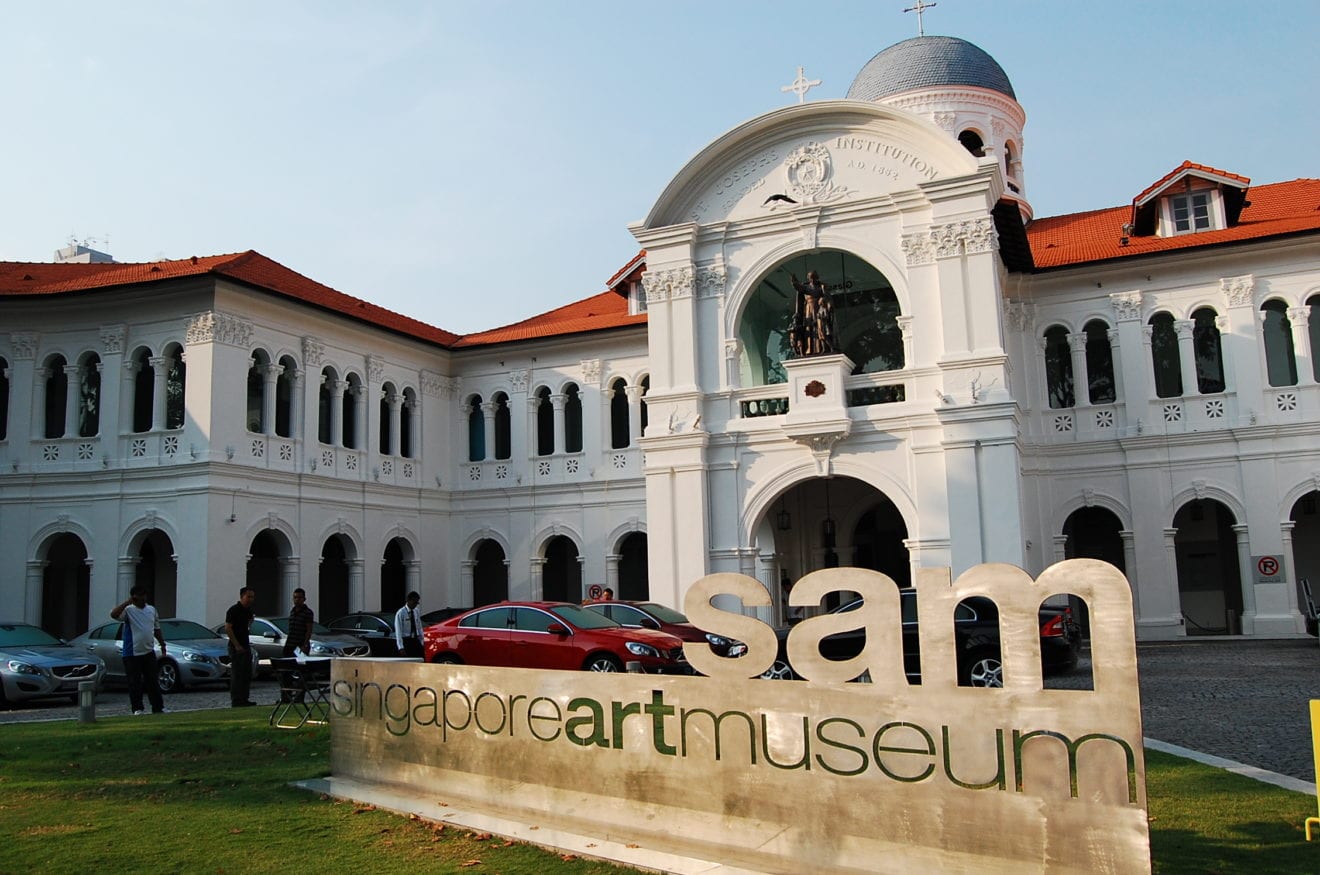
  • A New Breed of Museum Retail in Singapore

    A New Breed of Museum Retail in Singapore

    Collecting things, it can be said, is the bane of modern living. So it is refreshing to see just how Gallery & Co. boldly eschews the easy materialism of museum retail. Modeled to offer visitors a curated experience of its bookstore, bar, cafeteria, café and museum store in one continuous space, the new design merchandise and dining venue opened at National Gallery Singapore on Thursday, taking up 8,800 sq ft space on the first floor of the Southeast Asian art-centric museum’s City Hall Wing.

    As a museum store, Gallery & Co. is quite unlike any other in Singapore to date, and understandably so, being the result of a partnership between the National Gallery Singapore and interdisciplinary collective & Co. The latter comprises industry movers and shakers in the form of hotelier and restaurateur Loh Lik Peng; creative designers Yah-Leng Yu and Arthur Chin, and Luxasia managing director Alwyn Chong.

    Heading the retail strategy is Chong, who worked with Yu to drive merchandising, brand curation and exclusive collaborations. The culinary direction is helmed by Loh; Yu and Chin lead the branding, space and product design.

    Across the varied categories of fashion, design collectibles, home decor, publications and more, all the objects elected as part of the store selection come with creative appeal. Brands carried in-store include Maison Kitsune, Smile Q&Q, Garance Dore, Marou, Supermama, General Object and Matter Prints. As Chong commented, nothing in this “living and evolving space” is permanent. “We do not want to be a museum store that just accumulates, but rather one that truly curates our offerings.”

    With the museum’s Southeast Asian art focus, the space will merge artisanal design with artistic encounters in the museum itself. Products inspired by current artworks on display, as well as of the heritage building’s architectural features, will be part of the retail offerings. Collaborations between regional and international creatives are in the pipelines; in the works are a capsule collection by Matter Prints and artwork-inspired candles by Mud Rock and Candles of Light.

    There are also plans to introduce limited run menus inspired by the museum’s blockbuster exhibitions at the all-day dining cafeteria. Not that the contemporary Southeast Asian menu by Restaurant Ember chef Sufian Zain — including the Green Curry Seafood Pasta and the Otah Stack, a sandwich with grilled mackerel fish cake — is lacking at all.

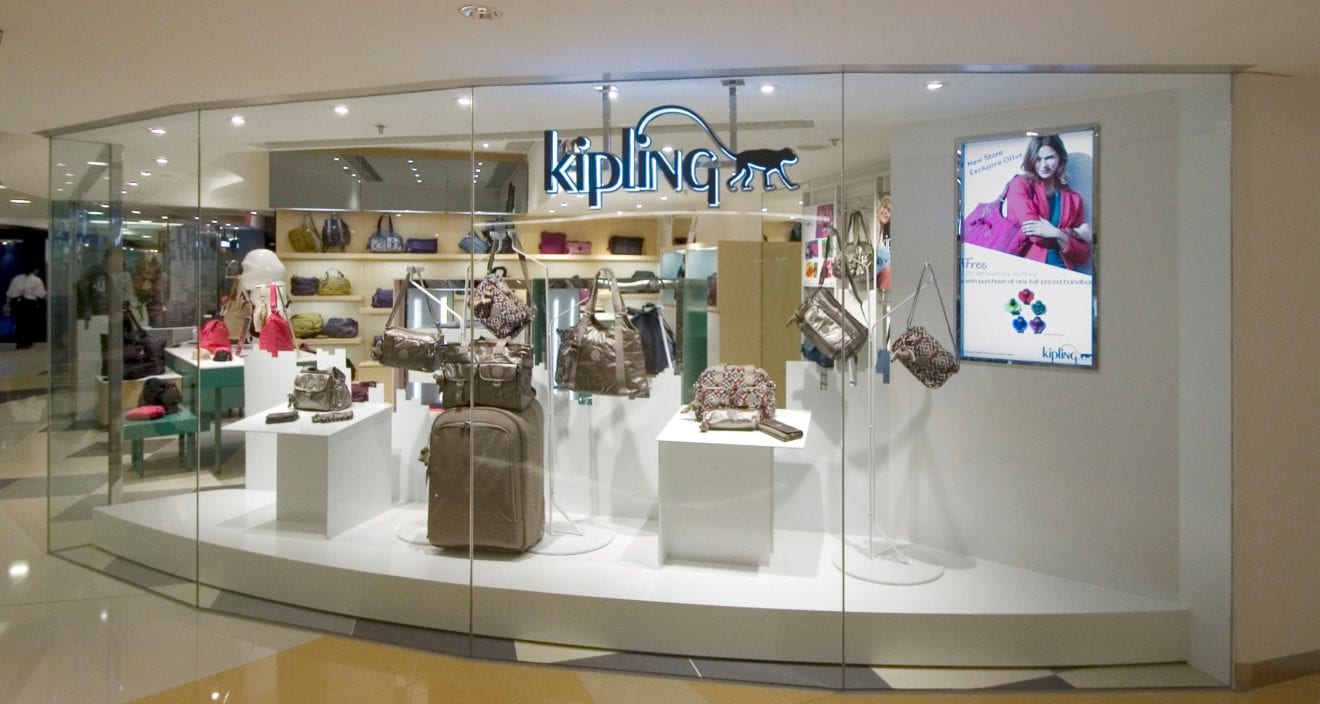
  • Kipling launches exclusive collection for Asia

    Kipling launches exclusive collection for Asia

    Kipling-Asia-range-lead Kipling has introduced an Asia exclusive collection, which celebrates individual style with ‘optimism and functionality’ and has been specially designed for the Chinese Zodiac’s Year of the Monkey.

    The monkey plays a key role in the Kipling accessories, as it is said to represent the smart, adventurous and playful spirit of the brand.

    Kipling-Asia-range-pinkThis season, Kipling’s Asia limited edition range offers ‘classic’ handbags and ‘functional’ backpacks, to ‘small and fun’ purses.
    Made for the ‘modern day’ woman the Monkey print collection showcases a collection of carry-ons that features monkey designs in shades of purple and hot pink.

    Kipling’s Monkey Print Collection has been launched exclusively in China, Hong Kong, Taiwan and Singapore, and is currently available in stores.

  • Online grocer RedMart eyes at Asian market

    Online grocer RedMart eyes at Asian market

    Singapore-based online grocery organization RedMart is near raising a huge $100 million Series C round to grow its services crosswise over Asia. The new subsidizing is relied upon to shut in the following couple months. The organization was established in November 2011 to convey online and on-demand shopping to Singapore. To date, RedMart has raised over $50 million from investors such as Garena, SoftBank Ventures Korea, Visionnaire Ventures, and Facebook co­founder Eduardo Saverin, with its latest raise a $26.7 million bridge round last year.

    Given the absence of Series C stores in Southeast Asia, this new round might well incorporate institutional and vital investors, however none of the participants were not unveiled at this point. The new financing will go towards growing the organization’s services into new markets in Asia, with Hong Kong liable to be the primary port of call, conceivably took after by Jakarta, Indonesia.

    RedMart CEO Roger Egan has been open about the organization’s craving to expand abroad, yet he and his group are determined that the organization should first lockdown its plan of action in Singapore — a nation of only five million people, but with a grocery market expected to worth around $16 billion every year. RedMart’s technique is to work its own particular logistics and distribution centers, a model that it trusts gives it more control of the client service cycle and will empower it to rapidly wander into different verticals later on.

    While it was apparently the first to pioneer online grocery sales in Southeast Asia, the scene is more focused today with investment supported new companies HonestBee ($15 million) and HappyFresh ($12 million) among a emerging pack of opponents.