Tag: Singapore

  • Changi online quadruples, concessions hit $1.5bn

    Changi online quadruples, concessions hit $1.5bn

    Concession sales at Singapore Changi Airport (SIN) rose by +8% in 2015 to over S$2.2bn/$1.54bn helped by the popularity of the airport’s online shopping portal (iShopChangi.com) and growing passenger interest in the Changi Millionaire draw.

    China, Singapore, Indonesia, India and Australia were the airport’s top five customer groups contributing most to sales last year, according to the airport operator, Changi Airport Group.

    Passengers from China accounted for almost 30% of total sales, registering the strongest growth of +28% while Singaporeans accounted for about 20%, maintaining modest growth of +3% year-on-year.

    Liquor and tobacco, and perfumes/cosmetics continued to be the most popular product categories at Changi, followed by luxury goods, electronics/equipment, and confectionery.

    ONLINE TRAFFIC DOUBLES, SALES QUADRUPLE

    A major change last year was that online shopping on iShopChangi.com saw a doubling of traffic to the portal compared to visits in 2014. However sales increased fourfold indicating a rising level of spending per head.

    Arriving, departing or transiting passengers at the Singapore hub can shop at iShopChangi.com from two weeks in advance of their travel, and up to 18 hours before their flight.That has been helped by the product range being expanded to seven categories since the site launched in 2013 and it now offers more than 6,000 items for passengers who want to shop online. However, only wine/spirits and beauty products are available for purchase and collection on arrival from DFS and Shilla outlets. Beauty products, electronics and wines and spirits are the most popular items.

    MILLIONAIRE DRIVER

    The Changi Millionaire promotion has also helped lift revenue. In 2015, the promotion, which runs from May to October, attracted nearly two million lucky draw entries from 229 nationalities globally. The top three groups were Singaporeans, Chinese nationals and Indonesians, with Singaporeans making up over one-in-three of the participants.

    To participate in the draw, passengers and visitors needed to shop or dine at Changi Airport, with a minimum spend of just S$30 in a single receipt. Purchases made in both the public and transit areas of Changi Airport are eligible for the draw. Travellers shopping on iShopChangi.com had up to 10 times more chances of being picked as a finalist.

    Commenting on the record concession sales, Lim Peck Hoon, Executive Vice President of Commercial at CAG, says: “This is positive for the Singapore air hub as profits from our retail business help to offset the cost of our aeronautical operations.”

  • Gallery & Co opens at National Gallery Singapore

    Gallery & Co opens at National Gallery Singapore

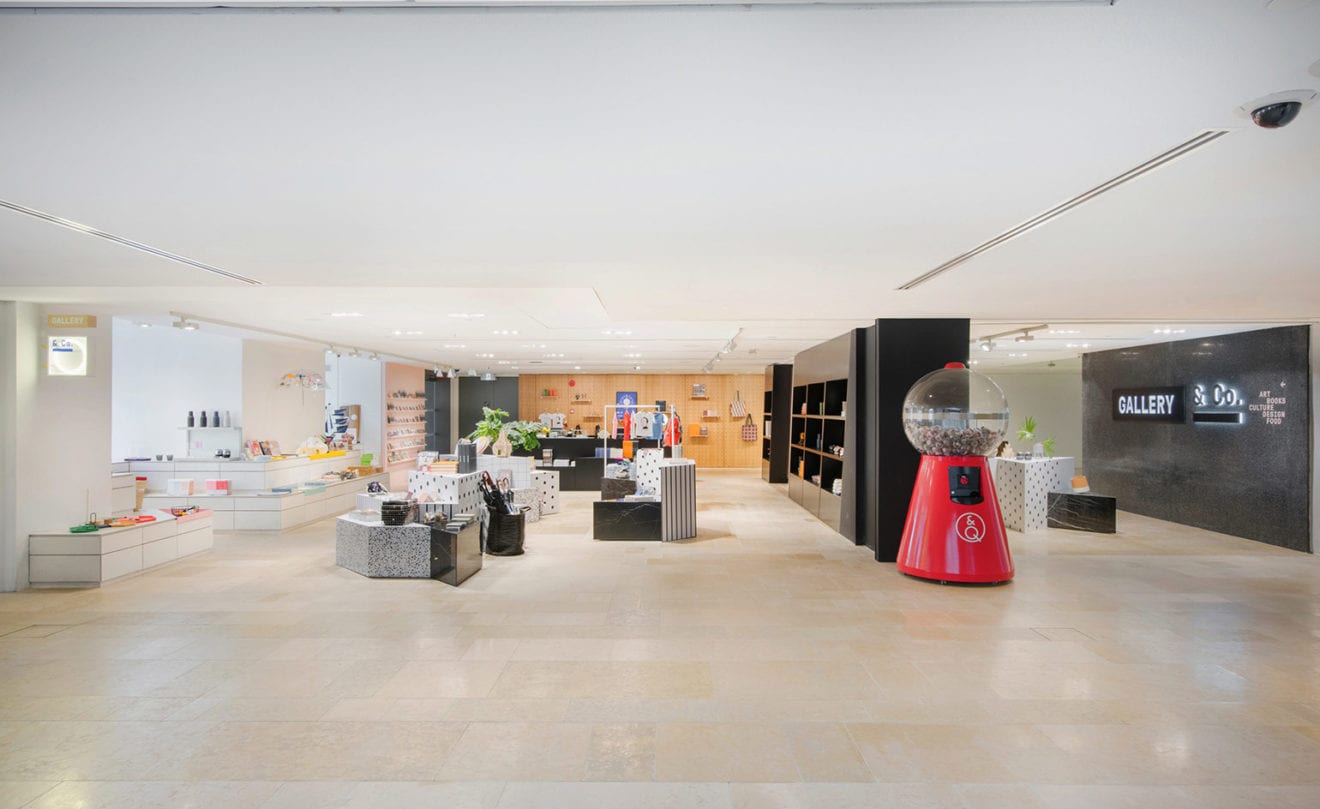
    Visitors to the National Gallery Singapore can now enjoy a quick dose of retail therapy and casual dining experience all under one roof at the newly opened Gallery & Co.

    Spanning 8,800 sq ft across the City Hall Wing on the ground floor, Gallery & Co comprises of a museum shop and cafeteria.

    According to a press release on Thursday (Jan 28), the shop is a partnership between the National Gallery and lifestyle and design collective & Co, which was founded by hotelier Loh Lik Peng, Yu Yah-Leng and Arthur Chin from Foreign Policy Design Group, and Alwyn Chong of Luxasia.

    Inspired by Southeast Asian arts and culture, Gallery & Co. hopes to fuse art and design into a curated retail and dining experience.

    “The Gallery is pleased to work with the principles of & Co who are passionate about this project and share our vision to create a seamless shopping and dining offering that is an extension of the National Gallery experience,” said Mr Kola Luu, Director (Business & Corporate Strategic Development Group), National Gallery Singapore.

  • Al Futtaim in joint venture to launch Robinsons

    Al Futtaim in joint venture to launch Robinsons

    Ties up with Chalhoub Group to bring in the Singapore-based fashion department store

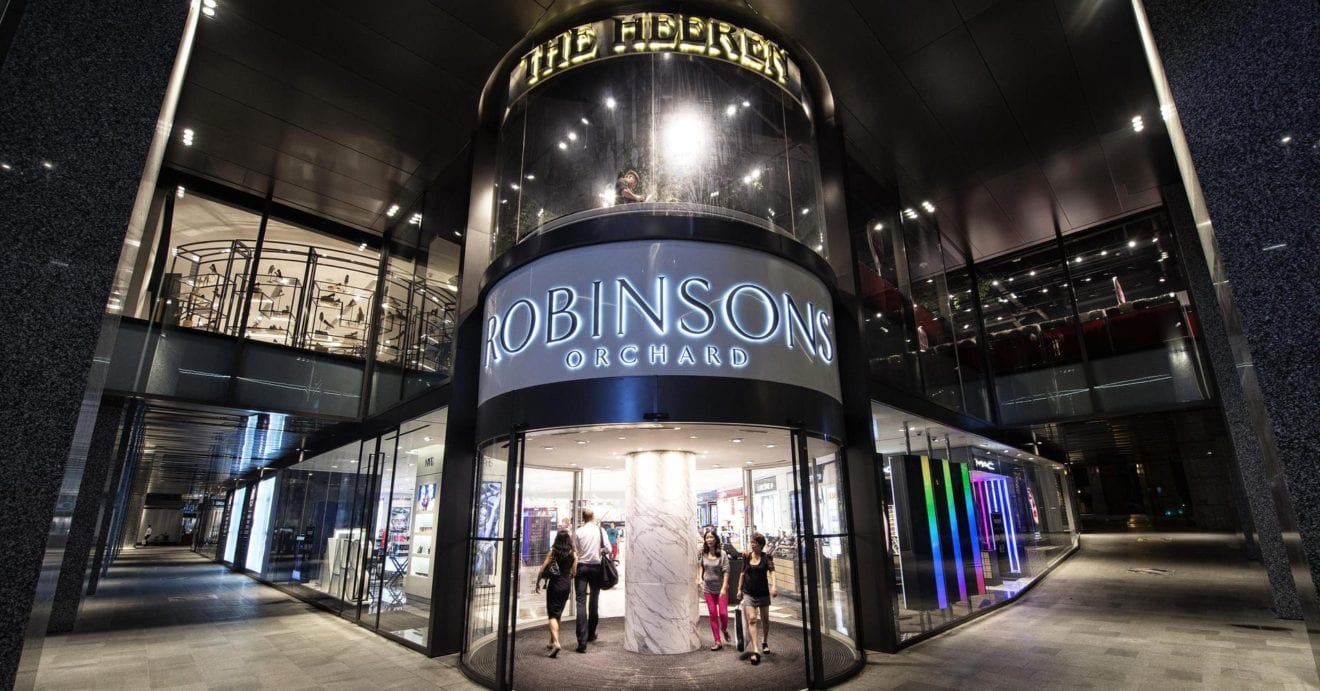
    Dubai: Two UAE based retail groups have come together to launch the first Robinsons fashion department store in the region. The first of the Singapore-based brand will open in the Spring of 2017 at the Dubai Festival City Mall, currently in a major expansion mode. The store will spread over 18,000 square metres across three levels.

    “Al-Futtaim has already been operating four Robinsons department stores in Singapore and Malaysia,” said Paul Delaoutre, President — Retail, Al-Futtaim. “Through our partnership with the Chalhoub Group we will bring this unique format department store to the Middle East expanding the brand’s footprint and strengthening its international appeal.”

    It was in 2008 that Al-Futtaim acquired the Robinsons Group, regarded as Singapore’s legacy retailer having been in existence now for 150 years. The Group currently operates three Robinsons stores in Singapore and one in Malaysia.

    According to Patrick Chalhoub, Chief Executive of Chalhoub Group, “We are excited about this partnership as we will be combining Al Futtaim’s vast experience of operating over 200 companies with our intimate knowledge of the Middle East luxury market, to deliver the most relevant offer of the department store adapted to the Middle East customer.”

  • Keppel Reit divests Sydney property for $160 million

    Keppel Reit divests Sydney property for $160 million

    Keppel Reit has divested its 100% interest in 77 King Street in Sydney, Australia to ARE Noble Pty Ltd, a wholly-owned subsidiary of Invesco Asia Core Fund for A$160 million (S$160 million), resulting in a divestment gain of A$28 million (S$28 million).

    77 King Street is located within Sydney’s CBD, and has 147,000 sq ft of net lettable area over 18 levels of offices and two basement levels of retail space. The sale price is 40% above Keppel Reit’s original purchase price of A$116 million at end 2010, and a 27% premium over the property’s latest valuation of A$126 million.

    Following the divestment of 77 King Street, Keppel Reit will still have four premium grade office buildings in Australia, comprising a 50% interest in 8 Chifley Square in Sydney; 275 George Street in Brisbane; the office towe and annex at the Old Treasury Building site in Perth; as well as 8 Exhibition Street, with two retail units and a 100% interest in its three adjoining retail units in Melbourne.

  • Singapore designer Sabrina Goh is creating a new fashion vision

    Singapore designer Sabrina Goh is creating a new fashion vision

    The petite designer has launched her new concept store at the boutique-centric Capitol Piazza

    Local fashion had a tough year in 2015, what with the high-profile shuttering of well-known labels such as Hansel by Jo Soh, the long-standing M)phosis and multi-label boutique Inhabit at Mandarin Gallery.

    The influx of fast fashion brands and e-commerce, rising rents and a murky economic outlook have all resulted in a particularly challenging retail environment here, with smaller labels taking the brunt of the impact.

    Yet, there have been a few bright sparks in recent months. There was the opening of local fashion label In Good Company’s first stand alone store in ION Orchard; and the sprawling 5,000 sqf Mporium, which champions Asian designers and indie labels, that took root at Suntec City. This week, local fashion designer Sabrina Goh officially launched her new flagship store at Capitol Piazza.

    sabrinagoh

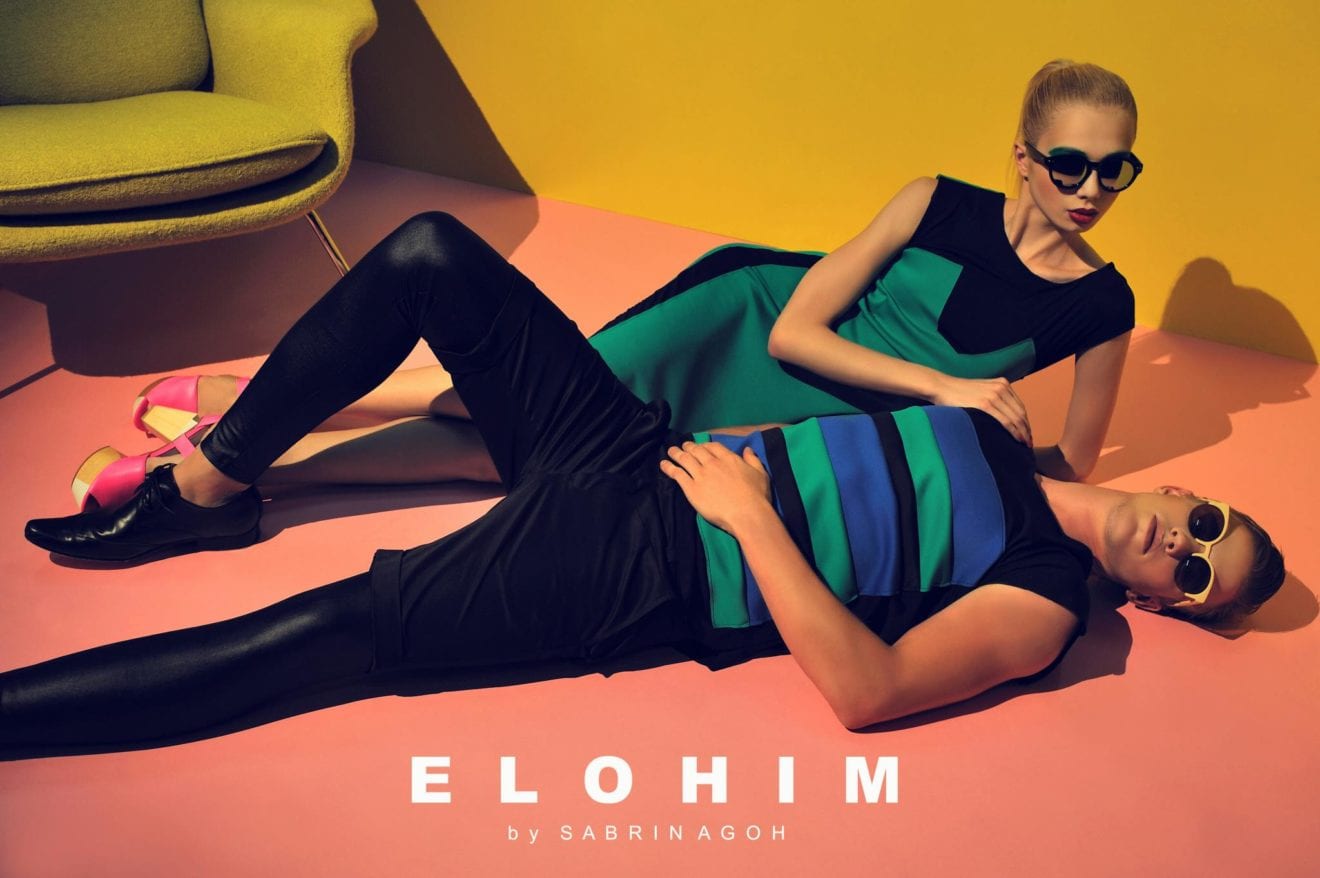
    Simply called SABRINAGOH, the launch also coincides with the seventh anniversary of her label ELOHIM by Sabrina Goh. The petite designer spearheads two of her own labels — Light by Sabrina Goh, and the more conceptual, premium label, ELOHIM — both of which are stocked on the 870 sqf store at the second level of the boutique-centric mall.

    However, unlike her previous boutique at Orchard Central, which closed in August last year, this flagship store boasts a new retail concept. Apart from Goh’s own designs, it also features offerings from other independent Singaporean and Asian labels that, according to Goh, share a similar DNA with her designs.

    The in-store offerings range from skincare, courtesy of Singaporean beauty labels FrankSkincare and Rough Beauty; to handmade cookies infused with local flavours from Spatula & Whisk. Handcrafted accessories such as snap-cases for iPhone 6 (by Fabrix), cool and quirky handbags (from Woodview) and whimsical stationary from local brand The Paper Bunny also make up the indie vibe at the boutique.

    “I was looking to shift from our previous location at Orchard Central as it was undergoing major revamp and renovation, and I felt that Capitol was very suitable for a new-to-market concept store like this,” said Goh. “My team and I wanted to develop a different kind of retail concept that is more about a complete lifestyle — but also showcasing many more Singaporean and international labels that people may not be familiar with.”

    Still, it’s interesting that, at a time when retailers are either downsizing their brick-and-mortar businesses or closing shop altogether, Goh has decided to take this leap of faith at this particular juncture in her designing career. Here, she explains why she made such a move.

    Q: What was behind the decision to open a flagship store at this point in time?

    A: I’ve always felt that having a physical space is very important. When we started in 2009, we were stocked in different concept stores where it was difficult to communicate our story. A stand alone store will be better able to have more interaction and receive feedback from our customers, which helps the brand to shape and grow. Plus, a store where people can try on your clothes is crucial to recruiting new customers to your brand, especially for one with our unique aesthetic.

    Q: Many local brands are going online. What do you think of the current retail environment for niche brick-and-mortar stores such as yours?

    A: After five years of running the boutique at Orchard Central, I realised that retail is very dry, very transactional — I feel challenged when it comes to retail. It’s very cold and there’s not much conversation about the creative process, or two-way communication between the designers and the customers. I feel that as a local designer, I cannot compete with big brands with big budgets, but I can share my feelings and my inspirations and brand identity; and this is the strength of the indie designer.

    Q: How is this translated in the store?

    A: There’s a need for designers to share and communicate the stories of their brands to their customers, something which we emphasise in the store. We trained our staff to share the story of all the different brands we carry: How they started, the inspirations (behind the designs or products), the unique stories — in order to create a more intimate retail experience. We also conduct workshops in-store where we invite customers and our partner brands to come and share their stories. We’ve done two for FrankSkincare and Amuse Projects Tea, and they have both been very well-received.

    Q: But why open a multi-label, lifestyle concept store?

    A: I wanted a more diverse range of products that have the same DNA as my labels, and we wanted to showcase other labels made in Singapore. We want to build a community in the creative industry here as retail is so transactional and it’s hard to find stockists here (for indie labels). We also find that Singaporean shoppers are now more open to hearing about the stories of the brands. They are looking for more meaningful products, in fashion and everywhere else in their lives.

    Q: What’s your advice to young designers looking to break into the local fashion scene?

    A: For new local designers, it’s definitely more challenging than when we started in 2009. There weren’t as many brands and variety for customers to choose from then; now, it’s more crowded. It’s essential to have a very strong unique point of view, otherwise you won’t stand out.

    We try not to compare ourselves to other local labels — we wanted to focus more on creativity with fashion design, conceptual clothing, playing around with cuts, materials and silhouettes. And we are fortunate to also have gotten international interest (ELOHIM is currently retailing in selected stores in the United States and Japan); and this year, we are also focused on moving into department stores such as Tangs and Takashimaya to try and capture a 
wider audience.

    The SABRINAGOH flagship store 
is at #02-14 Capitol Piazza.

  • Singapore supermarket lost $120000 on trolleys

    Singapore supermarket lost $120000 on trolleys

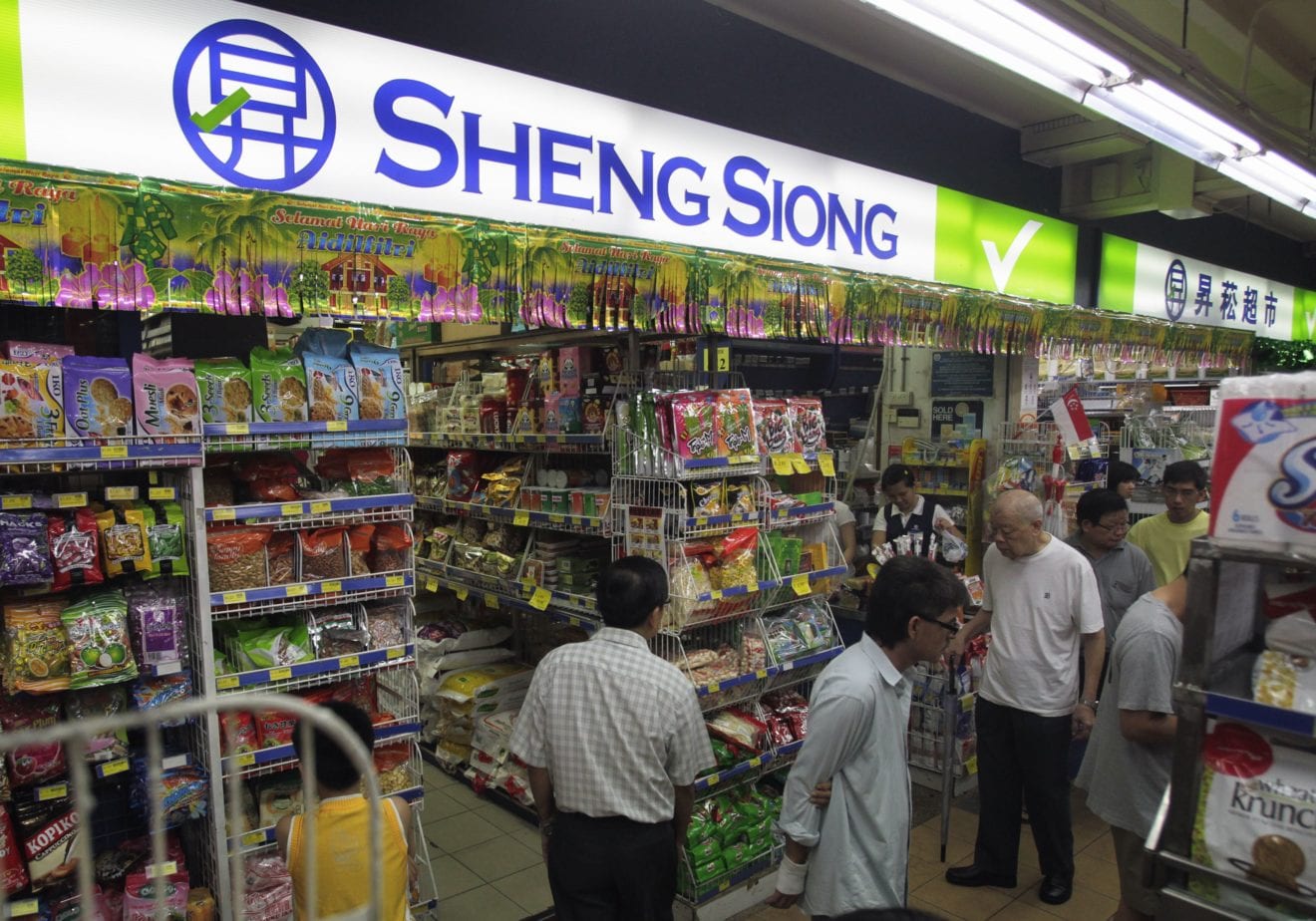
    The third largest chain of supermarkets in Singapore Sheng Siong loses 90 metal trolleys and 180 plastic ones over its outlets each month.  That interprets into a stunning $120,000 loss on just trolleys. Furthermore, this supermarket chain is not the only one. In the previous two years, NTUC FairPrice lost around 1,000 trolleys every year over more than 90 stores they operate in.

    The grocery store chain said it spends around $150,000 every year on repairing, supplanting and recovering abandoned trolleys. Sheng Siong said a few clients do return the trolleys, however not promptly, after use.  Be that as it may, in 2012, NTUC FairPrice lost just around 800 trolleys crosswise over more than 80 stores, proposing an ascent in the quantity of unreturned trolleys when contrasted to 2014 and 2015.

    For the supermarkets, store workers recover the trolleys from adjacent housing estates, asphalts and taxi stands now and then. Clients are required to store a one-dollar coin into the metal trolley when they acquire one from Sheng Siong general store, yet plastic ones don’t require any store. Similarly, NTUC FairPrice grocery stores’ trolleys require a deposite of either a one-dollar coin from the old coin series or a 50-penny coin from the new coin series. In spite of the series of un returned trolleys, Sheng Siong has not yet made any police reports in this regard.

  • Singapore investors buy record US$26.3b of overseas properties in 2015

    Singapore investors buy record US$26.3b of overseas properties in 2015

    Singapore-based investors purchased a record US$26.31 billion (S$37.83 billion) in overseas real estate in 2015, up 49 per cent from US$17.63 billion in 2014, going by preliminary data compiled by real-estate data and analytics firm Real Capital Analytics (RCA) as at Jan 12.

    The increase reflects Singapore investors’ strategy of targeting the world’s most liquid markets to diversify and grow their portfolios in the low-interest-rate environment.

    Last year’s record level of deals was boosted by big-ticket purchases by heavyweights such as GIC and Global Logistic Properties (GLP); however, mid-sized and smaller property purchases were also made by Singapore developers and family offices increasingly turning overseas in the face of a dour outlook for real estate at home, with the imposition of property cooling measures.

    RCA’s numbers may be updated as more transactions come to light.

    Globally, Singapore ranked as the fourth-largest cross-border property investor in 2015, the same as in 2014.

    US buyers were the most active in 2015, pouring US$58.74 billion in capital outside their borders; they were followed by their counterparts in Canada (US$32.17 billion) and Hong Kong (US$31.44 billion). China was in fifth position, at US$23.35 billion.

    Marc Giuffrida, executive director of global capital markets (Asia) at CBRE, said it was not surprising that Singapore-based investors emerged the fourth largest cross-border investors of real estate: “Singapore is a relatively small country, but has a relatively large wealth pool to invest – not just sovereign wealth, but corporates, families and private wealth. So there are only so many opportunities for them to put that money to work in Singapore.”

    The overseas property investment brigade from Singapore last year was led by bigwigs GIC, GLP, Temasek Holdings, Mapletree, ARA Asset Management Group and Ascendas Real Estate Investment Trust.

    RCA’s database covers only transactions above US$10 million in various asset classes, including development sites, office, industrial, retail, apartment, hotel and serviced apartments.

    The US$26.31 billion that Singapore investors ploughed into overseas real estate last year was six times the US$4.24 billion figure for 2009, when central banks embarked on the first round of quantitative easing, noted Petra Blazkova, senior director of analytics for the Asia-Pacific at RCA.

    The firm’s analysis also showed that the US$26.31 billion comprised 126 completed transactions, compared with 139 deals in 2014 and 26 in 2009. RCA also noted that there were 68 Singapore-based investors active overseas in 2015, almost double the 33 five years ago.

    Ms Blazkova said: “As more Singaporean investors look abroad to diversify a growing pool of domestic wealth, they have been drawn to offshore opportunities in real-estate markets that offer stable fundamentals, regulatory support and market transparency.”

    Historically, Singapore investors have been interested in the familiar Chinese property market. It was the top destination for Singaporean capital, attracting about US$25.87 billion of investment from 2009 to 2015. The next most popular destination was the US, which drew US$20.29 billion from the island-state’s investors during the same period, followed by Australia (US$15.35 billion), the UK (US$10.80 billion) and Japan (nearly US$7.1 billion).

    For 2015 itself, the US was the top investment destination for Singapore investors in search of overseas property; the US$14.76 billion they invested there was boosted by mega acquisitions by the likes of GIC and GLP in the industrial property sector. This resulted in industrial property being the most sought-after property class overseas among Singapore investors, drawing US$13.92 billion last year.

    A joint venture between GLP and GIC purchased Blackstone’s Indcor portfolio of 117 million sq ft across the US for slightly over US$8 billion; GLP also paid US$4.52 billion for a portfolio of industrial properties in the US which it acquired from Industrial Income Trust.

    In Australia, Ascendas Real Estate Investment Trust picked up a portfolio of 26 logistics properties for A$1.01 billion from GIC and Frasers Property Australia.

    Office and retail property remained popular among Singapore investors; they bought US$5.45 billion worth of office property and US$3.15 billion in retail property overseas last year.

    Of note was GIC’s purchase of a US retail portfolio comprising five malls from Macerich, said RCA.

    While Singapore’s overseas property investments have expanded over the past few years, the inflow of foreign capital into the Singapore property market remained stable at US$3.51 billion last year. This was in line with most of the previous years, with the exception of 2014, when the figure fell to US$1.22 billion.

    Ms Blazkova said: “Chinese investors maintained their lead as the largest source of foreign capital investing in Singapore property, accounting for US$1.03 billion of properties and development sites purchased in 2015.

    “That said, one of the largest sales of Singapore property to a foreign entity also took place in 2015, when a development site in Paya Lebar was acquired for total of US$1.28 billion by a joint venture between Abu Dhabi’s sovereign wealth fund Abu Dhabi Investment Authority and the Australian developer Lend Lease.”

    Apart from this transaction, China’s MCC (China Metallurgical) and Hao Yuan Investment group were the most active foreign investors in Singapore’s real estate market last year.

    Ms Blazkova noted that between 2011 and last year, the preferred route for foreign investors looking to access real estate in Singapore was by purchasing a development site. During the period, they picked up almost US$8 billion of development sites, accounting for 58 per cent of inward investment into Singapore real estate.

    Market watchers said this is partly due to the ease and transparency of the tender process when it comes to buying land at state tenders as well as a dearth of completed investment-grade properties available for sale, as most owners are long-term holders. Moreover, profit margins from property development are typically higher than rental yields.

    Mr Giuffrida of CBRE highlighted a recent trend of more transactions in the lower price bracket of, say, below US$100 million. This segment is starting to attract keen interest from smaller developers, family offices and private wealth on the lookout for opportunities, particularly for yield plays.

    For this year, he predicts two key trends for global cross-border property investments:

    The first is heightened interest in smaller-ticket deals from Asian investors, including Singaporean investors. The second trend is that more investors will move outside core locations. “In the Australian context, if they were previously looking at downtown CBD office buildings, now they are prepared to look at city-fringe locations.

    “In Europe, they might have previously focused on Central London office buildings, development sites and hotels; now they are looking at regional UK and branching into continental Europe.”

    Greg Hyland, head of capital markets, Singapore at JLL, said: “London is still a very important market, but there is an element of caution because of price appreciation; so investors may see better value in continental Europe – for example, Germany, Portugal, Italy, Spain and France.”
  • Pos Indonesia eyes eCommerce boom

    Pos Indonesia eyes eCommerce boom

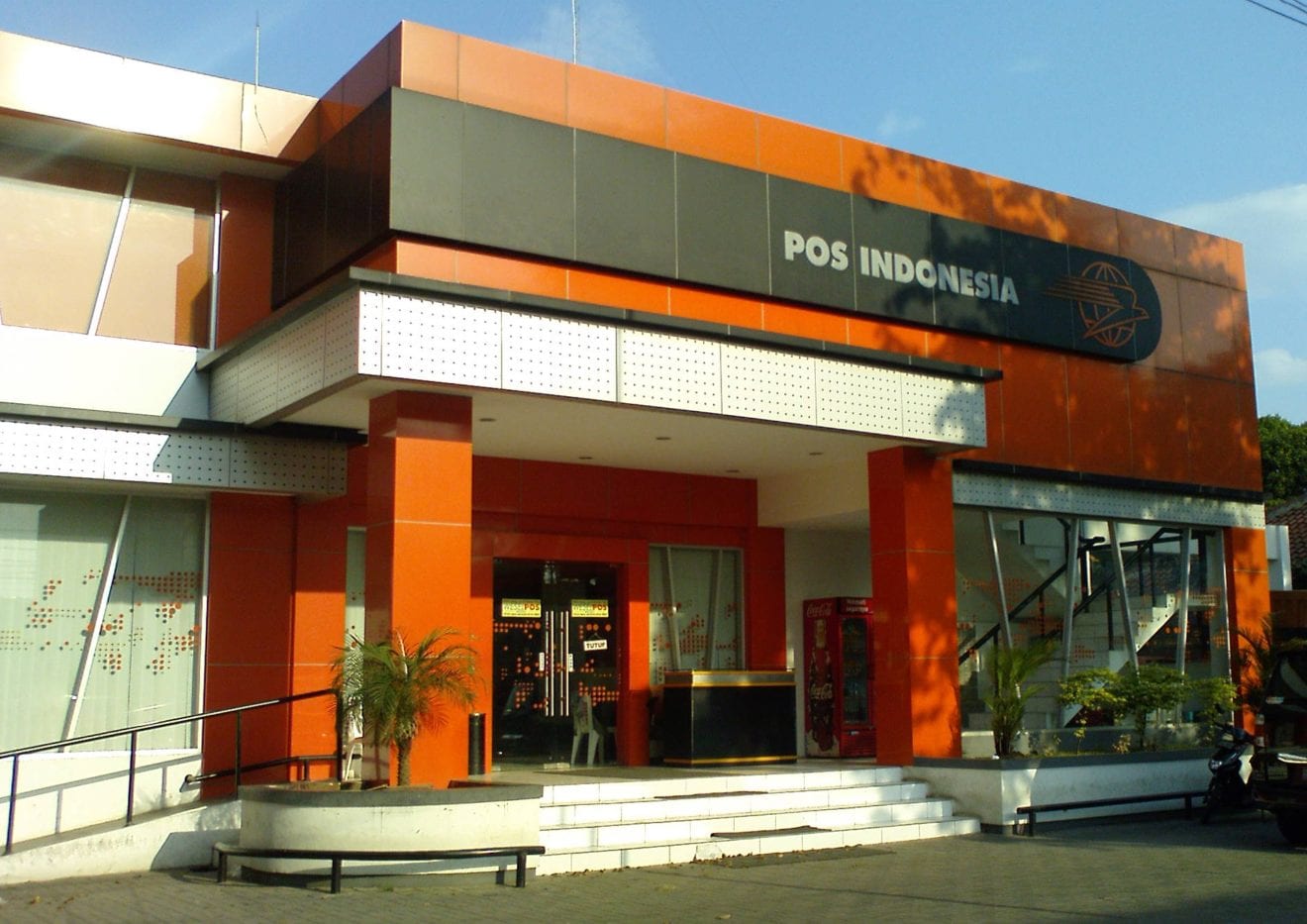
    Indonesia’s national postal service, Pos Indonesia, is mulling a spin-off its logistics arm in 2019 an IPO to capitalise on the online shopping boom.

    Pos Indonesia is aiming for Rp 11 trillion ($796 million) in revenue within the next two years, according to its director of technology and financial services, Indyruwani Asikin Natanegara. One third of this would come from its logistics arm, Pos Logistik Indonesia.

    This would more than double Pos Indonesia’s estimated revenue of about Rp 4 trillion last year, and be a nearly eightfold increase (about Rp 500 billion) for Pos Logistik Indonesia.

    Established four years ago, Pos Logistik Indonesia may make its trading debut before its holding company. It is something Pos Indonesia has been discussing for three years. With a network of 4367 offices and more than 28,000 agents, Pos Indonesia has established ties with such eCommerce companies as MatahariMall and Zalora Indonesia, in providing pickup and delivery services.

    Pos Logistik Indonesia’s business solutions director Yan Hendry Jauwena says the idea is to provide logistics for eCommerce companies. It has formed a partnership with Singapore-based technology firm Anchanto, which will be offering its services for warehousing and inventory, processing orders and delivery.

  • The New PasarBella Gourmet foodcourt, Singapore

    The New PasarBella Gourmet foodcourt, Singapore

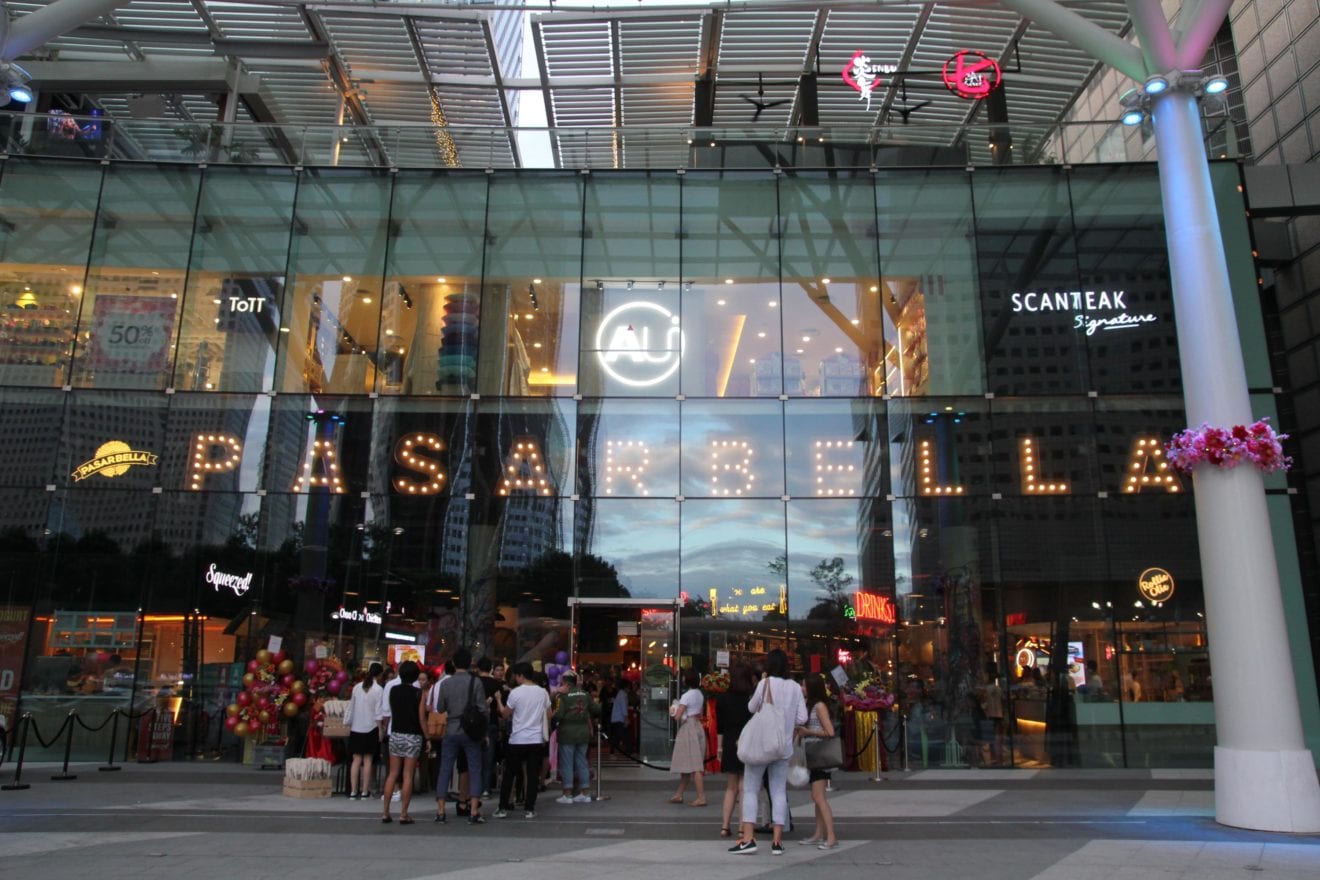
    Singapore design firm, Greymatters recently completed the interior design for PasarBella’s second outlet, at Suntec City.

    The design has been described as “an enclave of enchantment” with diverse food and beverage and retail offerings.

    The new space houses 15 gourmet concept stalls in its 7000 sqft (650 sqm) space, each of which was designed by the boutique firm.

    PASARBELLA INTERIOR2

    Greymatters says it took inspiration for the design from the streets of Lower East Side New York City, the enchanting one-of-a-kind marketplace features, graffitied walls and street art illustrations of happy food and familiar cartoon caricatures, hanging fruit crates and urban paved walkways “that resemble a bustling streetscape littered with vibrant stalls that will send you on a captivating marketing experience”.

    “It was an extremely exciting project, not only to give PasarBella@Suntec a new identity, but also to conceptualise each trader’s store design in a manner that would complement the overall theme of the space,” explains Alan Barr, founder and MD of Greymatters.

    PASARBELLA INTERIOR

    “This is our fourth collaboration with PasarBella and truly allowed us to express our creative ideas and solutions, in order to create a dynamic space that emulated the ethos of PasarBella, yet manifesting it in a unique way.”

    The eclectic space features painted roadways and zebra crossings on the floor, directory signage inspired by NYC’s subway map allow customers to follow their favourite coloured line from the directory to the trader of choice. Cobble tiles are also used for the flooring, which is a relic of NYC street paving of the past.

    The tabletops are made of recycled hardwood timber and salvages street and construction signage, adding to the overall vibe of the space.

    PASARBELLA INTERIOR5

    Each of the vendors in the space have their own distinct identity, all of which reflect the loud, organised chaos of the bustling streets of Barr’s hometown, New York City. In the streets of New York, caffeine is a staple, and serving up its infamous coffees and sweet treats at PasarBella@Suntec is well-loved brand Sarnies, nestled in a storefront that was designed to emulate that of the takeaway coffee joints along the streets of the Big Apple.

    PASARBELLA INTERIOR DETAIL1

    Pimp My Salad is another of the star contenders at PasarBella@Suntec, focusing on healthy food-togo; the compact kiosk is designed with visual impact in mind, featuring a glass display for the different meats, fish, vegetables and grains to be displayed allowing diners a feast of the senses as they select their ingredients in customising their salads.

    Other favourites include Porsena that adopted a New York City Deli vernacular for the stall, and stands proud at one of the main entry points. Wolf Burger is nestled in a loud and proud glistening space of glossy red tile, with a seductive female wolf head pieced together in red and white mosaic tile.

    PASARBELLA INTERIOR DETAIL2.

    Drinks was designed as an interpretation of an upcycled shipping container that can be seen all over the storage lots in the Lower East Side of New York City.

    PASARBELLA INTERIOR8

    Overall 14 choices of different cuisines in an extremely unique environment make for a dining experience unlike any other in Singapore. Designed at a world-class level, with no detail left untouched, PasarBella Suntec City traverses cultures, cuisines, and design styles with its diverse offerings, providing a one-of-a-kind dining experience for all foodies in Singapore.

    Earlier in October, the hospitality design firm was ranked #68 in Interior Design magazine’s annual industry rankings under “Hospitality Giants”, making it the only Singapore-based firm to make the list this year, and one of the only two firms headquartered in Asia.

    PASARBELLA INTERIOR9

    Greymatters recently celebrated its third anniversary in August 2015. The firm is set to complete its first full hotel project, the Amari Hotel & Resort in Galle, Sri Lanka, followed by a string of other accommodation venues across the region; Elbow Room, a bespoke cocktail bar in Phnom Penh, Cambodia that will launch early 2016; and Skin+bones restaurant slated to launch in Bangkok, in March.

    Greymatters’ next project with PasarBella, which is already in design, is the PasarBella iLights 2016 venue at Marina Bay Sands.

  • Singapore’s Anchanto in MoU with Pos Logistik Indonesia

    Singapore’s Anchanto in MoU with Pos Logistik Indonesia

    Singapore-headquartered e-commerce fulfillment company Anchanto said it has signed a Memorandum of Understanding (MoU) with Pos Logistik Indonesia to bring its technology, expertise and regional network to the fast-growing Indonesian market.

    Indonesia is the largest e-commerce market in South-East Asia, and growing rapidly as local consumers shift to online purchasing, Anchanto said in a statement.

    However, one barrier is that logistics providers continue to use processes built for B2B (business-to-business), and not purpose-built technology. This results in a lack of end-to-end visibility of orders, errors and delays in deliveries, and higher costs, the company argued.

    Anchanto was founded in June 2011, and last November landed an undisclosed Series B round from Japan’s Transcosmos Inc.

    The MoU between Anchanto and Pos Logistik Indonesia, a subsidiary of PT Post Indonesia, will bring Anchanto’s e-commerce-focused technology to Indonesia, it added.

    This will offer both local and cross-border companies fulfillment services that are developed from the ground-up.

    “This MoU allows us to build the biggest e-commerce fulfillment and logistics offering for the Indonesian market,” said Anchanto cofounder and chief executive officer Vaibhav Dabhade.

    “Our mission is to let e-commerce companies, sellers and brands focus on what they do best, while we take care of providing world-class fulfillment technology and infrastructure with 3PL (third-party logistics) partners in the region to them at scale, on demand,” he added.

    Once implemented by March, Anchanto and Pos Logistik Indonesia will carve out a dedicated e-commerce team to offer a complete suite of services.

    This will include real-time order visibility, picking and packing, channel sales management, persistent inventory listing across local and regional marketplaces, and customer support.

    “We have a robust plan to capture e-commerce logistics and cross-border e-commerce market share for the Indonesian market by helping SMEs (small and medium enterprises), local businesses and brands,” said Pos Logistik Indonesia director Hariyanto.

  • CapitaLand Malls ‘resilient’ to tough times

    CapitaLand Malls ‘resilient’ to tough times

    CapitaLand Mall Trust says its portfolio of “necessity malls” has proven resilient to the challenging economic and retail period of the last year.

    CapitaLand Mall Trust Management (CMTML), the manager of CapitaLand Mall Trust (CMT), has reported a distributable income for 2015 of S$392.0 million, up 4.4 per cent on 2014.

    Danny Teoh, Chairman of CMTML, said CMT has delivered a good set of financial results in 2015.

    “Distribution per unit to unitholders for 2015 increased 3.8 per cent to 11.25 cents, underscoring the underlying strength of our portfolio – made up of predominantly necessity shopping malls connected to or near transportation hubs serving large catchment areas.”

    Teoh says the trust reinforced its leadership position as Singapore’s largest real estate investment trust with the acquisition of Bedok Mall on October 1.

    “In addition, we unlocked value for unitholders with the sale of Rivervale Mall on December 15, where we recognised a gain of about S$72.7 million. Going forward, CMT’s established track record in proactive mall and asset management will ensure that we remain well-positioned to continually create value for our unitholders.”

    Wilson Tan, CEO of CMTML, said tenants’ sales per square foot and shopper traffic increased by 5.3 per cent and 4.9 per cent respectively last year.

    “Portfolio occupancy remained high, registering 97.6 per cent at December 31.”

    Clarke Quay achieved more than 90 per cent committed occupancy for the reconfigured space in Block C. Anchored by Zouk, a world-class dance club, Block C also comprises popular food and beverage (F&B) and entertainment outlets such as DV8 Club, a top notch live Mandopop concert club; Warehouse, a restaurant and bar with live music; Privé Clarke Quay, a new bar concept by lifestyle group Privé Group; Maziga Café & Bollywood Club, an Indian restaurant helmed by the team behind the Punjab Grill; and the highly anticipated Ramen Keisuke Lobster King, the latest offshoot of the well-known ramen chain Ramen Keisuke.

    “Singapore’s largest outlet mall IMM Building further enhanced its shopping experience and increased its total number of outlet stores to 85 with new designer brands such as Outlet by Club 21, Juicy Couture and Cole Haan. It also boosted its F&B offerings with additions such as Dôme Café. We will continue to transform our malls through asset enhancement initiatives and reinforce our relevance to the communities that we operate in,” said Tan.

    CapitaLand Mall Trust owns 16 shopping malls, strategically located in the suburban areas and downtown core of Singapore, comprise Tampines Mall, Junction 8, Funan DigitaLife Mall, IMM Building, Plaza Singapura, Bugis Junction, Sembawang Shopping Centre, JCube, Raffles City Singapore (40.0% interest), Lot One Shoppers’ Mall, 90 out of 91 strata lots in Bukit Panjang Plaza, The Atrium@Orchard, Clarke Quay, Bugis+, Westgate (30 per cent interest) and Bedok Mall.

    CMT also owns 122.7 million units in CapitaLand Retail China Trust, the first China shopping mall REIT listed on SGX-ST in December 2006.

  • CEO stresses value of physical stores, not just e-commerce

    CEO stresses value of physical stores, not just e-commerce

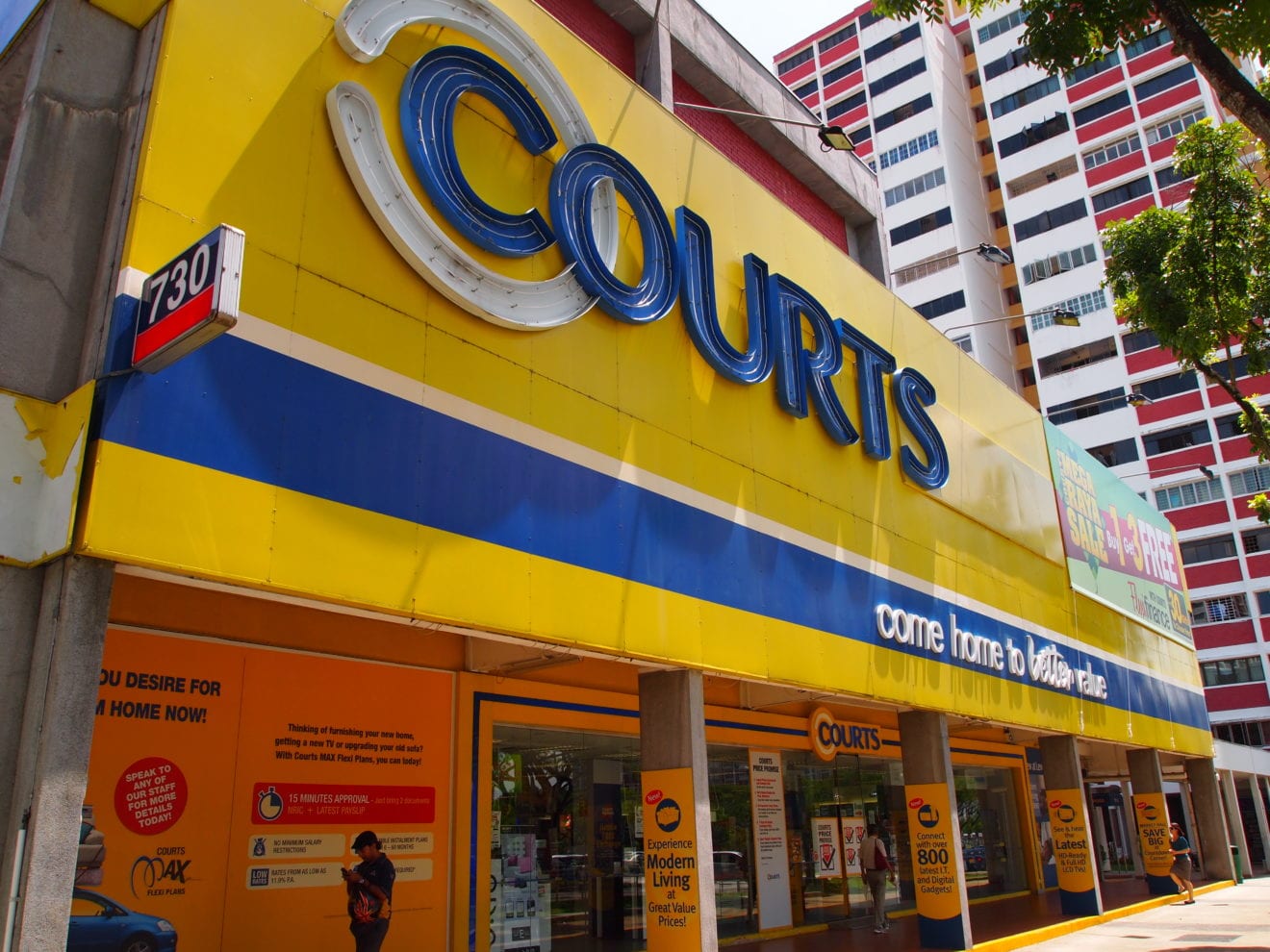
    Electrical goods, information technology and furniture retailer Courts Asia believes that while e-commerce has been gaining popularity, retailers should not neglect their brick-and-mortar operations. The Singapore-based company also sees technology and renting in suburban areas as important revenue sources.

    Terry O’Connor, Group CEO of Courts Asia (Photo by Courts Asia)

    Terry O’Connor, group CEO of the Singapore-based retailer, said that physical stores still play an important role for retailers. “Especially in the case of high-demand products like the latest smartphone, customers want to make sure they get one, rather than waiting for it to be delivered another day,” he said. O’Connor noted that online shoppers do not necessarily prefer delivery, as they may not be home to receive the goods when they arrive. “About half of our customers buy online and then collect (the goods) from the store,” he said.

    Investing in technology is also crucial for retailers to grow their business. Courts Asia recently implemented a queuing system recommended by Google for their online peak periods. “The system stops the website from crashing by having a slightly moderated waiting time of one to two minutes, so everyone effectively ends up transacting faster,” he said. “It has really helped in terms of the conversion rate and reduced some of the abandoned online shopping carts,” he observed. Courts Asia saw higher sales on 2015’s Black Friday and Cyber Monday peak shopping days compared with a year earlier.

    For retailers entering a new market, renting space in suburban areas can reduce costs and gain access to more customers. O’Connor warned that new retailers “will have to pay high rent from day one” if they instead start their business by renting space in the central business district or prime areas. He added that this in turn increases costs significantly and result in the retailer losing out on customers who live outside the city.

    He also suggested that investing in areas that complement the core business is an important step in a company’s expansion. “A lot of retailers that have gone into a completely different field have failed, as it is not their core skill set,” he said. Retailers should go to “the most adjacent category which has a synergy to what they already sell.”

    Courts Asia has grown into one of the largest retailers in Southeast Asia, with 80 stores totaling over 148,600 sq. meters of retail space. Originally named Courts, the company began as a furniture retailer in the U.K. It was established in Singapore and Malaysia in 1974 and 1987, respectively. In 2012, it was renamed Courts Asia and listed on the main board of the Singapore Exchange. In 2014, Courts Asia entered the Indonesian market.

  • Edrington brands shine at DFS Masters event

    Edrington brands shine at DFS Masters event

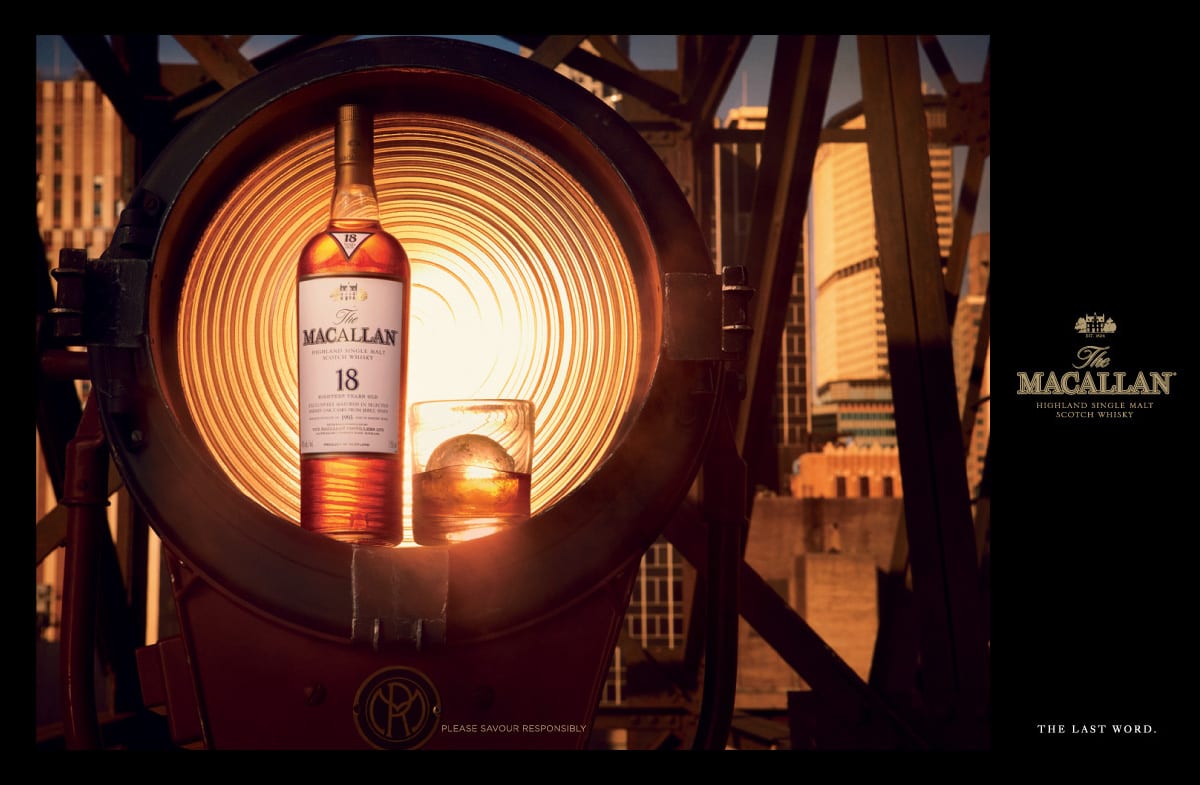
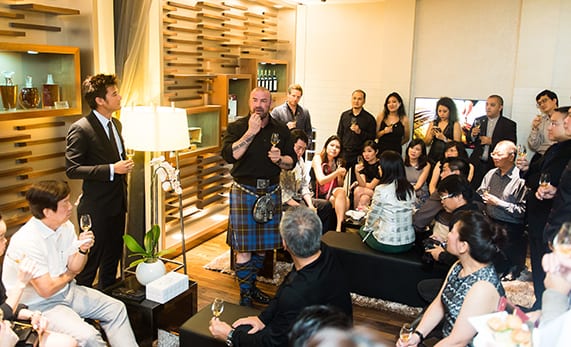
    Edrington Asia Travel Retail has sold more than $1.7m-worth of fine and rare bottlings of The Macallan and Highland Park Scotch malt whiskies at DFS Group’s Masters of Wine & Spirits’ (MOWS) events, since its launch in 2011.

    Edrington has also welcomed the latest new ‘revamped format’ of the event in Singapore, which Ryan Hill, Managing Director says has ‘opened up this unique experience to an even broader set of consumers’.

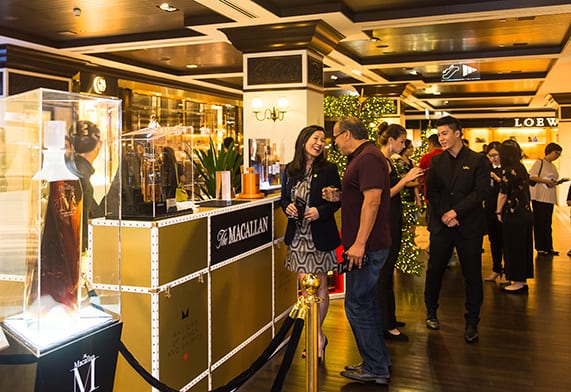
    This latest edition of the prestigious annual event was held over four floors of the DFS’ T Galleria Singapore on Scott’s Road in downtown Singapore, featuring a collection of rare wines, spirits and Champagne.

    What was previously an invitation-only event for top-tier VIPs was opened up to all DFS’ customers this year, featuring tastings from leading brands across a four-week period where Edrington showcased its travel retail exclusive range of The Macallan and Highland Park whiskies, with the recently released Macallan Rare Cask Black taking centre-stage.

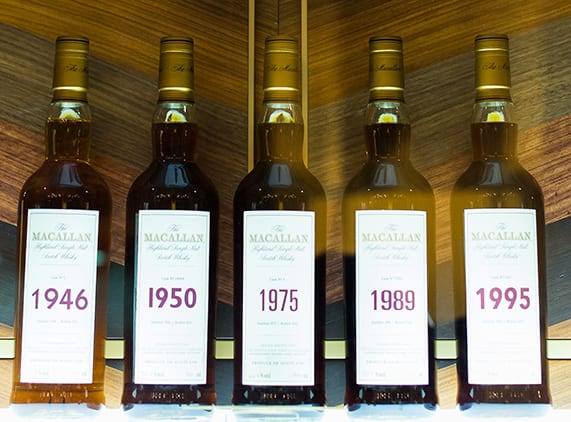
    DFS MOWS MACALLAN VINTAGES

    DFS MOWS 2016 Macallan

    Opening up this year’s MOWS event was a positive move, according to Edrington. Very rare ‘vintages’ were also on show with The Macallan.

    EXCLUSIVE RARE TASTINGS

    The company said: “Taking over the LOYAL T lounge for two nights, Edrington also hosted a series of exclusive invite-only tastings with members of DFS’ LOYAL T program and VIPs. The highlight of these educational sessions was an exclusive tasting of the Macallan Fine & Rare 1946 – one of the whiskies comprising the Five Decades Collection.

    “The tasting was led by Darryl Haldane, The Macallan’s Head of Education, who told the unique story of the 1946 – one of very few peated Macallans ever produced due to a post-war coal shortage. Guests were also able to taste The Macallan No.6 – part of the 1824 Series and another product of The Macallan’s longstanding partnership with Lalique.”

    The second night of the event saw featured The Macallan Fine & Rare 1949 and Highland Park Ragnvald and was co-hosted by Darryl Haldane and Martin Markvardsen, the Highland Park Brand Ambassador.

    Interestingly, the company said this was the first time a Highland Park Brand Ambassador has hosted a private tasting with VIPs from DFS, with feedback from guests highlighting a ‘significant new found interest in the brand’.

    Edrington’s Ryan Hill commented: “What has set this year’s event apart is the new, revamped format which has opened up this unique experience to an even broader set of consumers, providing an excellent opportunity to educate the next generation of connoisseurs.

    Edrington tasting at MOWS Singapore

    DFS ‘THRILLED’ WITH ‘INCREDIBLE PROGRAMME’

    “Alongside this, the private setting of the LOYAL T bar gave us an opportunity to conduct intimate group-tastings of some particularly rare expressions of The Macallan with a carefully selected group of DFS’ most loyal customers.”

    Adding her comments, DFS Group’s Brooke Supernaw, Senior Vice President Spirits, Wines and Tobacco said: “We’re thrilled that The Macallan has joined us for the fifth year at Masters of Wines and Spirits held at our own T Galleria by DFS store for the first time. Daryl and his team created an incredible programme, surprising and delighting our customers with their fantastic product offering and an unforgettable tasting experience.”

    Created exclusively for DFS, The Macallan 5 Decades Collection, features five Fine & Rare vintages from 1946, 1950, 1975, 1989 and 1995, each drawn from a single unique cask representing a different decade, to commemorate SG50 [Singapore’s independence jubilee-Ed], alongside this year’s DFS Masters of Wines and Spirits.

    The company added: “Exceptionally rare are the Fine & Rare 1946 and 1950, which are a couple of the oldest expressions that have ever been released to the public in the history of The Macallan. A truly iconic showpiece of liquid history, the 5 Decades Collection is presented in a specially designed bespoke cabinet.”

  • Bossini profit decimated

    Bossini profit decimated

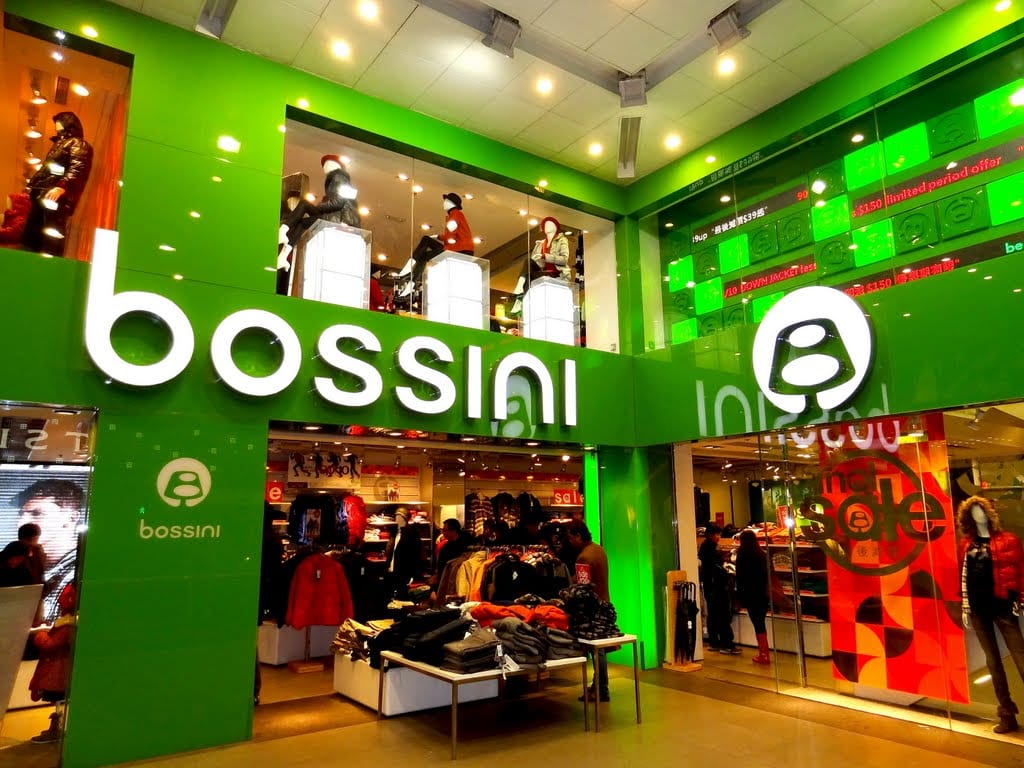
    Fast fashion retailer Bossini has warned shareholders its profit for the six months to December 31 will be down by between 80 and 90 per cent.

    Based on the comparable trading period to December 31, 2014, when Bossini reported a profit  of HK$665 million, that suggests a profit in the range of $66.5 million to $133 million.

    In a profit warning issued to the Hong Kong stock exchange, the company says the profit plunge “was mainly caused by the significant decrease in revenue and gross profit attributable to (i) less visitors and strong Hong Kong dollar which led to less consumption from them in Hong Kong and Macau, and (ii) weak local consumer sentiment, unseasonal warm winter weather and intensified competition in several core markets where the group operates”.

    “As the company is still in the course of preparing and finalising its interim results for the six months… the information… is only based on a preliminary assessment on the information currently available.”

    The full financial details, including the final Bossini profit, will be revealed in late February.

    While Bossini is not the first Hong Kong based retailer to warn of or report profit declines, most of the others are operating in the luxury end of the market, where sales of watches, jewellery and luxury fashion goods and apparel are down by up to 20 per cent year on year.

    But Bossini has no exposure to that market – its business is based on selling t-shirts and casual clothing at low price points.

    Data from GfK shows the number of Mainland Chinese visitors to Hong Kong in 2015 – up until November, at least – rose by 37 per cent. As previosuly reported by Inside Retail Asia, the issue for Hong Kong retailers is not that there are fewer tourists visiting the city – but there are fewer wealthy tourists visiting the city. So Bossini, and other retailers targeting the lower end of the market, are not managing to capture the imagination of the more profilgate shoppers now coming to the territory.

    Even more puzzling is that Bossini has been one of the few retail brands to stand out over the last 12 to 18 months as bucking the broader retail trend.

    In September, the company revealed its results for the year to June 30, reporting a mere one per cent decline in sales to HK$2.523 billion, and a three per cent decline in gross profit to HK$1.264 billion with gross margin down one per cent to 50 per cent. Profit attributable to shareholders fell nine per cent.

    “During the fiscal year 2014/15, despite facing challenging retail conditions in Hong Kong and Macau, its segmental business, which includes the export franchising operations, registered record-high sales with flat same-store sales growth for the directly managed stores,” the company said at the time.

    “The operations in mainland China, Taiwan and Singapore all experienced improvements in segment results, resulting from the continuously improving shop productivity and stringent cost control measures. Mainland China segment achieved six per cent same-store sales growth and also recorded nine consecutive quarters of positive same-store gross profit growth. Taiwan segment saw a same-store sales growth of seven per cent, representing seven consecutive quarters of positive same-store sales growth.”

    In the half year to December 31, 2014, Bossini reported a revenue increase of four per cent year-on-year to HK$1,319 million (then US$170,056,190) and gross profit for the period under review was HK$665 million (then US$85,737,200).

  • Hong Kong McDonald’s Next delivers world first

    Hong Kong McDonald’s Next delivers world first

    Forty years after the franchise entered Hong Kong, a taste of the future is offered by the new McDonald’s Next concept store – a world first.

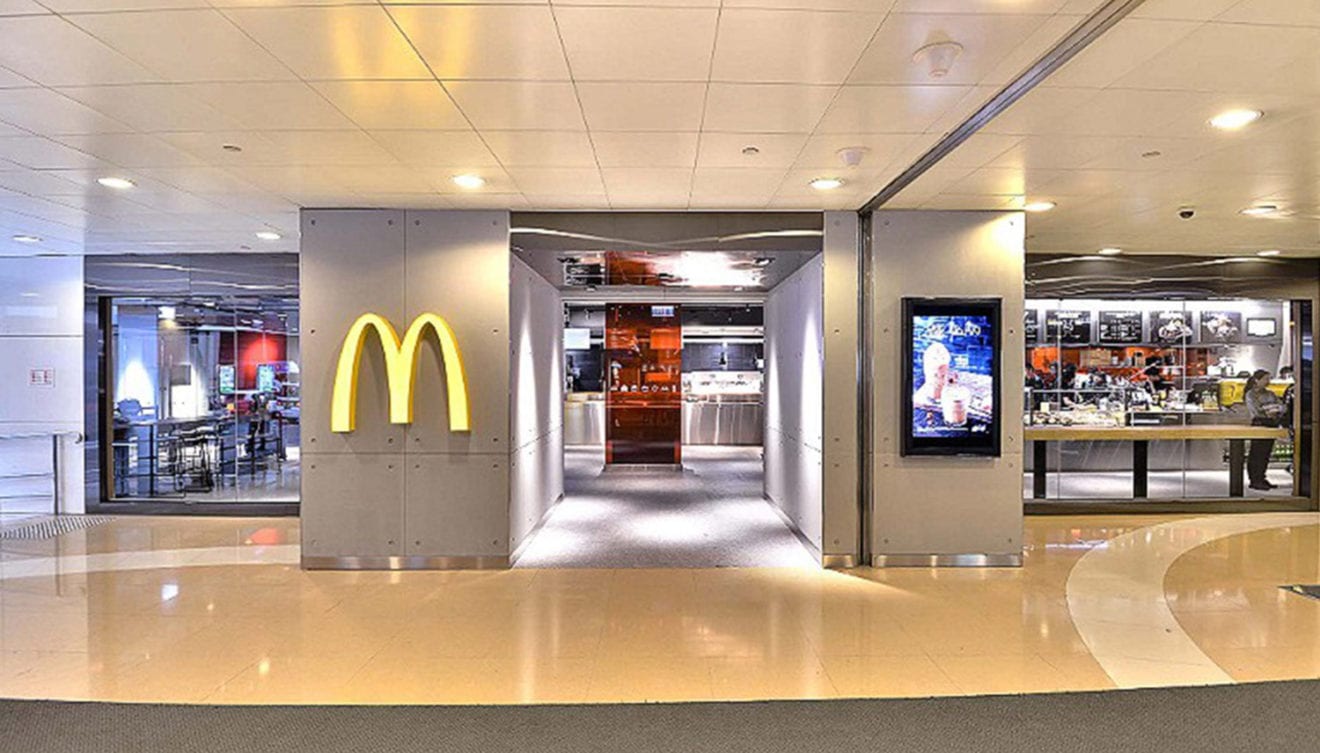
    In Admiralty Centre, the store has replaced the red-and-yellow colour palette with a black-and-white logo, ambient lighting, and glass and metallic interiors. There is not a clown to be seen – and the biggest surprise is a salad bar with 19 ingredient options including two choices of base greens, two types of cheese and three sauces.

    Also new for McDonald’s is table service after 6pm and premium coffee blends. Customers can also charge their mobile devices, use free Wi-Fi and can use self-ordering kiosks. For diehards, the regular menu is still available, plus there is the brand’s new Create Your Taste (CYT) concept, allowing touch-screen customisation of burgers. Launched last year, CYT has been rolled out in locations in Australia, China, Hong Kong (nine outlets), the UAE and the US.

    McDonald's Next Hong Kong salad

    McDonald’s Next combines the restaurant, CYT and McCafe all in one, offering a variety of exclusive products, says the company in a press release.

    Since CYT was introduced in Hong Kong in July, it was noticed that customers increasingly opted for healthy options, which led the brand to extend the concept to salads. Salads can also be matched with grilled chicken, chopped eggs, crayfish and cous cous or quinoa. The burgers are served on wooden boards.

    Also in response to local tastes, both coffee and desserts have been upgraded. Its new McCafe Premium House Blend single-origin beans are being packaged for customers to take home, and the restaurant serves traditional Belgian berry waffles.

    McDonald's Next Hong Kong burger on board

    A new “theatre kitchen” features bright lights and glass counters displaying ingredients. Customers may also watch the food preparation process. The restaurant decor includes a large screen displaying continually changing “interesting food patterns”, while there is “carefully selected” background music and adjustable LED lights to create atmosphere.

    McDonalds Next Hong Kong people eating

    As well as having new uniforms, the staff have had 720 hours’ of training for table service, offered from 6pm until the restaurant closes at 1am.

    “It’s friendlier, and feels more like a cafe than a McDonald’s,” French businessman Nicolas Cottard has told CNN. “I think it’s increased the value of the brand.”

    McDonald's next Hong Kong counter

    The introduction of the new concept follows McDonald’s announcing a major turnaround plan in May after both revenues and customer numbers tumbled internationally. CFO Kevin Ozan said the restaurant’s performance reflected the ongoing pressures of the business – not only competition in the fast-food market, but also the growing awareness of health issues around the world. Half of the global respondents to a Nielsen Global Health & Wellness survey last year said they were trying to lose weight, while 75 cent of them said they were changing their diets to focus on more natural, fresh foods.

    The McDonald’s Next restaurant was designed by Australian company Landini Associates, which told Dezeen magazine the grey-walled restaurant is “an experiment in non-design”.

    McDonald's Next Hong Kong interior

    “The colourful graphic environments that became the signature for McDonald’s internationally are replaced with a more simple, quieter and more classic approach,” said the Sydney-based architectural practice.

    “The intention is to hero the food, the service and the people who come to enjoy it, and to create a ‘recognisable neutrality’ that allows this to happen.”

    Landini Associates is now working on similar stores in Australia, China and Singapore.

    McDonald's Next Hong Kong bagged coffee