Tag: Singapore

  • Canada’s Manulife seeks to revive Singapore REIT IPO this year -exec

    Canada’s Manulife seeks to revive Singapore REIT IPO this year -exec

    Canada’s Manulife Financial Corp is looking to revive a plan to list a real estate investment trust in Singapore this year after an initial public offering (IPO) was shelved last year due to poor market conditions.

    “We’d very much like to bring it back,” Chief Financial Officer Stephen Roder told reporters at the launch of a 15-year life bancassurance partnership with Singapore’s DBS Group Holdings Ltd on Tuesday. He did not give an exact time frame or expected size of any IPO.

    Manulife shelved a nearly $400 million real estate investment trust IPO in Singapore in the third quarter last year citing deteriorating global markets.

    That left BHG Retail REIT as Singapore’s sole REIT IPO last year after several other deals were pulled due to uncertain financial markets and concerns over the impact of a potential U.S. interest rate hike.

    On Tuesday, Manulife and DBS also said they would co-invest up to S$100 million ($70.24 million) over the next 15 years in digital technology and innovation.

    ($1 = 1.4237 Singapore dollars)

  • 4 Quick Things to Learn from Singapore Press Holdings Limited’s Annual Report

    4 Quick Things to Learn from Singapore Press Holdings Limited’s Annual Report

    Reading the annual report of a company is a great way to learn more about it.

    I had recently read through the latest annual report from Singapore Press Holdings Limited, a leading media organization in Singapore. There are several important things I had picked out from the report which may be of interest to investors. Here are four of them:

    1. A multi-faceted media organization

    SPH houses multiple media formats under its umbrella. The best known are probably newspapers like The Straits Times and Lianhe Zaobao. Additionally, SPH owns more than 100 magazine titles and online sites such as AsiaOnehardwarezone.com, ShareInvestor, and Stomp.

    The company’s media segment also includes SPH Buzz, a network of 78 convenience stores, and radio stations like Kiss92 and ONE FM 91.3.

    Elsewhere, SPH has a 20% stake in MediaCorp TV Holdings and a 40% stake in MediaCorp Press Limited.

    2. SPH REIT is the key to its property segment

    “SPH REIT comprises Paragon, a premier upscale retail mall and medical suite/office property in Orchard Road and The Clementi Mall, a mid-market suburban mall in the centre of Clementi town. The Seletar Mall, located in Sengkang, is SPH’s latest retail development. This property is a potential asset to be injected into SPH REIT.”

    SPH owns more than 70% of SPH REIT. At the moment, the real estate investment trust (REIT) has only two properties in its portfolio. The new Seletar Mall, which enjoys 100% occupancy, might be injected into SPH REIT in the future.

    3. Newspaper circulation remains high

    “SPH’s total newspaper circulation, covering both print and digital editions, averaged 1,113,879 copies per day, a year-on-year increase of 4.3 per cent. This was achieved by reaching out to more readers on their mobile devices while continuing to excel in print.

    ST [Straits Times] and The Sunday Times registered a year-on-year growth of 4.9 per cent to 481,700 daily average circulation copies, with its paid digital edition ending the year at 177,400 copies, a growth of 18.6 per cent.”

    Circulation of newspapers, including digital formats, remains robust. For Straits Times and the Sunday Times, the majority of circulation growth had come from its digital edition which grew by 18.6%. The digital edition now makes up close to 37% of its circulation.

    As SPH transitions its traditional media platforms into digital formats, digital circulation and readership data will be important things for investors to watch.

    4. All eyes are on new digital formats

    “The Straits Times, Lianhe Zaobao, Lianhe Wanbao, together with news aggregator website AsiaOne and bilingual interactive web portal omy.sg, developed and launched Apple Watch applications.

    BT [Business Times] now caters to an increasingly mobile readership and has boosted the value of its All-in-One subscription bundle.

    Berita Harian (BH), the Group’s Malay-language newspaper, implemented several initiatives to streamline its operations and develop new revenue streams. In July 2015, the newspaper launched a new version of its mobile apps and e-newsletter.

    Mobile is an integral platform for publishers to deliver content to its users.”

    SPH is also exploring new formats for delivery of content on smart wearable devices, like with the Apple Watch. An overarching theme for the company’s digital efforts may be mobile, where most of the online traffic may be coming from.


  • Singapore needs to boast about its entrepreneurial success

    Singapore needs to boast about its entrepreneurial success

    Singapore and London can use more “buzz” to promote their technology ecosystems to the world – though each is already an innovation and finance hub in its own right, said Eileen Burbidge, the UK government’s first Special Envoy for FinTech, and venture capital partner at Passion Capital.

    “Tech is a noisy industry, just look at (what’s happening on) Twitter,” she told BT in an interview. While the buzz can be a distraction, it is legitimate when “something happens”, she said, which in the startup world could entail a successful fundraise, an exit, or even a favourable review of a new product.

    But compared to Silicon Valley, London and Singapore are “not boasting enough” about their entrepreneurial successes, said Ms Burbidge. And investors care for buzz, which can also spur ambition and competition among entrepreneurs, she added.

    Asked why London is excelling as a fintech hub, she said: “London combines the innovation of Silicon Valley with the financing heritage of New York’s Wall Street and the policy-making of Washington – all in one city.”

    Plus, the UK government genuinely supports entrepreneurship, she pointed out. “The 2007/2008 financial crisis crippled London’s services industry, and London doesn’t want to go through that again. So the government encourages companies to embrace innovation, and recognises that this is an ecosystem.”

    For instance, the UK now leads the world in equity crowdfunding, an industry that has matured and burgeoned owing to “progressive” policy-making by regulators, said Ms Burbidge. Retail investors in the UK are allowed to invest in companies in exchange for shares – an act reserved only for accredited investors elsewhere – though they must certify that they are not committing more than a 10th of their net investable assets.

    While the US is reportedly following the UK’s lead, other countries, such as Singapore, remain wary. Said Ms Burbidge: “It’s tricky. Singapore is being more protective (of its retail investors) and is still testing the waters . . . It’s got to let it happen and see how it pans out.”

    Policies and standards should not be enemies of innovation, according to Steve Leonard, executive deputy chairman of the Infocomm Development Authority of Singapore (IDA).

    He had pitched this last December to an innovation festival audience at unBOUND London 2015, an event that observers said capped off a good year of fraternising between Singapore and London, the two cities having forged stronger synergies in tech and entrepreneurship.

    unBOUND, for instance, was organised by Singapore- and London-based tech conference producer AcreWhite, and supported in great measure by Singapore companies, which include Singtel Innov8, NUS Enterprise, IDA and IDA’s venture arm Infocomm Investments (IIPL).

    Jeremy Basset, head of the Unilever Foundry and a speaker at unBOUND, pointed out: “Just as Singapore is the hub to test interesting opportunities and business models for South-east Asia, London is the gateway to Europe.”

    For that reason, the London-based corporate innovation platform, which connects startups to Unilever’s over 400 consumer brands, in January 2015 set up shop in Singapore – its fourth market after the UK, Australia and the Philippines.

    Entrepreneur First (EF), another London-based initiative, a “pre-idea, pre-team” startup accelerator that finds and grooms the best technical individuals into entrepreneurs, is also considering a launch in Singapore.

    Co-founder Alice Bentinck said: “I visited Singapore (in 2014) and was impressed. There are good universities and good technical talent. The startup ecosystem is also in its nascent stage like where Britain was three years ago.” Last July, EF raised £8.5 million (S$17.7 million) in a funding round in which IIPL participated.

    Then there was the 2015 Founders Forum (FF) Smart Nation Singapore launch in April, organised by IDA and FF (a London-based private network of tech entrepreneurs) to invite global tech influencers to join Singapore in discussions on Smart Nation. That had been FF’s first meeting in Asia.


  • Malaysians sell Singapore mall

    Malaysians sell Singapore mall

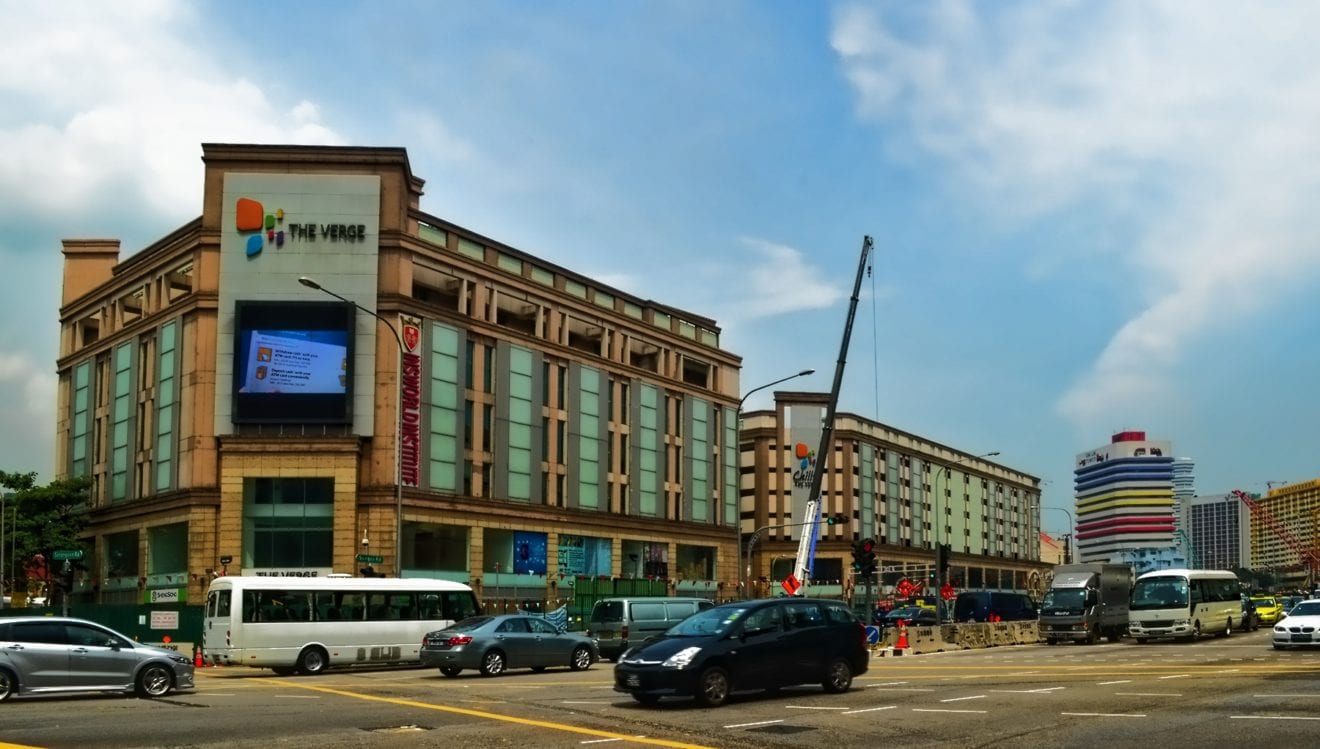
    Malaysia-listed DRB-Hicom and minority partner investors are selling at property at Little India which will be converted into a mixed use development including a multi-storey shopping centre.

    The property, previously named Tekka Mall and now known as The Verge, is located opposite the Tekka Centre in Serangoon Rd and has been on the market for a year.

    Heritage Group, headed by Keith Tang, the grandson of the late Tang Choon Keng, who founded Tangs department store, has spent $317 million to buy the site.

    Heritage owns a network of luxury hotels and serviced apartments in Australia and New Zealand and this project will be the company’s first in Singapore.

    DRB-Hicom stands to record a gain of about MYR427.5 million (S$139.4 million) from the sale of the Little India mall.

    The property comprises two blocks: The Verge, a six-storey shopping mall with two basement levels; and adjoining block Chill@The Verge, an eight-storey building with two storeys of retail units and a six-storey car park. The two buildings boast a combined 238,527 sqft of retail GFA.

    Leslie Ang, a spokesman for Mr Keith Tang, told the Straits Times Tang plans to redevelop the property into “Studio by Tang” serviced apartments, a mall and a “Signature” block which is likely to be offices or retail space.

  • National Park’s rental income surges with new tenants

    National Park’s rental income surges with new tenants

    The National Parks Board (NParks) collected a lot more rent in its last financial year, ending March 2015, with rental income surging by 48 per cent, or about $2.6 million.

    It had a new museum tenant in Fort Canning Park, as well as two fairly new retail shops in the Singapore Botanic Gardens, to thank for boosting its coffers.

    NParks said the opening of Singapore Pinacotheque de Paris, the first global offshoot of France’s largest private museum, as well as two shops by gift retail chain Risis, helped to increase rental income.

    According to NParks’ latest annual report, its rental income rose from about $5.5 million in financial year (FY) 2013 to about $8.2 million in FY2014. Rental income made up about 34 per cent of its total income for FY2014.

    The increase in rental income reflects how parks today have evolved to include many amenities and attractions, said Mr Chris Koh, director of estate agency Chris International.

    He said: “In the past, parks used to be just places of greenery, but now you have museums, retail and food and beverage shops.

    “While NParks needs revenue for these places, members of the public will also stand to benefit by having such amenities.”

    There are more than 60 tenants in public parks around the island, with most being dining outlets, according to NParks’ website.

    Overall, NParks’ income increased by 29 per cent to about $24 million in FY2014, mainly because of more income from rents and admission charges, said a spokesman.

    The rise in admission charges was due to ticket sales for the Singapore Garden Festival in August 2014, which had about 300,000 visitors, she added.

    Both the museum and Risis declined to say how much rent they are paying.

    Risis now has three outlets in the Singapore Botanic Gardens which opened in 2013 and 2014, ranging in size from 49 to 215 sq m. The rent for shops at the gardens could be about 20 per cent lower than those in shopping malls, said R’ST Research director Ong Kah Seng. A 49 sq m shop space in a mall could cost $7,000 to $10,000 a month. He added: “Retailers these days have more avenues to get niche retail spaces which are unlike those in conventional shopping malls.

    “The shoppers are those who like to visit interesting places and they may like the greenery that NParks can provide.”

    Mr Sanchit Bhatnagar, director of sales, marketing and communications at Art Heritage Singapore, which manages the Singapore Pinacotheque de Paris museum, said it chose Fort Canning Park for its central location and greenery, among other reasons.

    Since its opening in May last year, the museum, which is in the Fort Canning Arts Centre, has attracted 30,000 visitors to both paid and free galleries.

    “Visitors have shared that the museum is suitably placed at a venue with strong local history. We are working with the relevant stakeholders to further enhance accessibility for the public,” he added.

    Ms Wee Swee Poh, chief executive officer of BP de Silva, the parent company of Risis, which manages the three outlets at the Singapore Botanic Gardens, said it had space constraints when it had just one outlet there.

    She said: “Having three stores within the gardens allows us to better cater to visitors. ”

  • Study reveals Asian dining spending trends

    Study reveals Asian dining spending trends

    One in three millennials in Asia are eating at fine dining restaurants at least once a month – more often than those aged over 30.

    The surprise finding is one of a list of revelations uncovered by a MasterCard survey of Asian dining trends away from home. It featured consumers in 17 Asia Pacific markets: Australia, Bangladesh, China, Hong Kong, India, Indonesia, Japan, Malaysia, Myanmar, New Zealand, Philippines, Singapore, South Korea, Sri Lanka, Taiwan, Thailand and Vietnam.

    The most frequent fine-diners in Asia Pacific are millennials (18-29 year olds) from China – on average they visit more expensive establishments two or three times a month. This is higher than the average for millennials across the region and higher than any other age group.

    When choosing where to eat, consumers in Asia Pacific still prefer to rely on word of mouth and recommendations from friends and family (50 per cent). This was applicable for all consumers, regardless of age group, with even millennials trusting word of mouth recommendations (52 per cent) more than online reviews (38 per cent).

    This is despite the fact that more than a third of millennials (36 per cent) post comments and reviews of their dining experiences online. This is especially true of Chinese (61 per cent) and Thai (52 per cent) millennials, where more than half of the young people polled regularly post reviews after a meal.

    Beyond millennials, people in Thailand (39 per cent) and China (30 per cent) are also the most likely to spend more on dining over the next six months with around one in three indicating they plan to eat at more expensive establishments.

    But while consumers may be enjoying fine dining, they are still cost conscious. Sixty-four per cent of consumers in Asia Pacific regularly check for discounts or dining deals from coupon websites, mobile applications or credit card promotions. Sixty-eight per cent of millennials regularly look out for deals before choosing a place to eat.

    Eric Schneider, regional head, Asia Pacific, with MasterCard Advisors, said Asia has always had a strong dining out culture and so it is not surprising that affluent millennials in the region are ‘foodies,’ with many sharing their dining experiences on social media and posting reviews online.

    “While the survey has shown that people are increasingly moving from the hawker centres and into restaurants, young people are still cost conscious, taking a practical and savvy approach by looking for discounts and deals. Young people also still rely on word of mouth recommendations, despite many posting online reviews of dining spots. As Asia’s economies continue to grow, and with technology and social media revolutionizing the dining experience, people will increasingly demand top quality experiences when dining out,” he said.

    Other findings from the survey included:

    • Overall, consumers in Asia Pacific are not looking to make any significant changes to their dining out plans with 61 per cent of all consumers indicating they will look to eat out at the same frequency in the next six months. Twenty per cent plan to eat out more and 19 per cent plan to eat out less in the next six months.
    • The most popular dining option for consumers in Asia Pacific are mid-range restaurants and cafes, followed by fast food outlets and then hawker centres and food courts.
    • Consumers in the Philippines (44 per cent) are looking to tighten their belts with close to one in two planning to eat at less expensive venues in the next six months. Forty-nine per cent also plan to eat out less regularly.
    • A significant proportion of older consumers are going online to check for dining discounts whether on coupon websites/applications or credit card promotions. More than one-third of consumers aged 55 years old and above (36 per cent) indicated they regularly do so before deciding on a dining option.
    • Consumers in China (58 per cent), Taiwan (44 per cent) and Thailand (44 per cent) are the most likely to book dining deals on coupon sites or coupon applications; while consumers in Bangladesh (1 per cent) and Indonesia (11 per cent) were least likely to do so.
    • Diners in Thailand (60 per cent) and China (57 per cent) are most likely to post comments or reviews on social networking sites like Facebook and Twitter with about one in two respondents in these markets reporting that they regularly post comments online following their dining experience.

    The results are based on interviews with 8698 individuals aged 18 to 64 years-old.

  • Is E-commerce Threatening Singapore Malls?

    Is E-commerce Threatening Singapore Malls?

    With the advent of e-commerce and online shops selling anything you could ever think about buying, some fear for the safety of the shopping malls that have made Singapore the shopping haven that it is famous for.

    There have been a number of cities where e-commerce has overtaken the physical means of shopping. However, in-depth research into the shopping behaviors and statistics of Singaporean shoppers prove that the physical shopping stores’ performance has improved and that they are here to stay with e-commerce actually augmenting sales.

    There are 4 main reasons why experts think that shopping malls will still be standing strong in Singapore.

    Online and Offline Retail Worlds are not Really Competitors

    Singapore is no different from all other countries in the world. With the advent of the digital age, its e-commerce sector is booming. Boasting staggering growth of nearly 50% in the past two years, the online retail market in 2015 is estimated to be SG$4.4 billion.

    The much smaller e-commerce retail scene might be showcasing incredible growth rates, but the physical in-store sales comes out to be the champion in this matchup.

    An enormous market valued at SG$52.4 billion in 2015, in-store retail sales have shown strong CAGR growth of 8.3% over the past two years and shows no signs of stopping.

    To put things into perspective, at this moment, only 4% of household spending is done online in Singapore

    Singapore’s E-commerce is Still at a Premature Stage

    Singapore is home to a very late e-commerce scene. Relative to other countries such as US and UK, much fewer things are done online. The research looked at three key metrics to measure how advanced a country’s e-commerce is.

    First, only 49% of Singaporeans book their flights online, falling way behind the UK’s 80%.

    Secondly, the proportion of hotel bookings was examined. In comparison to the US’ 73%, only 40% of Singaporeans are using the internet to book their hotel rooms.

    Lastly, apparel purchases online are at an alarmingly low 4% of all purchases. This is a significant indicator because the majority of online shops on the market are selling apparel.

    Shopping is a Huge Part of Singaporean Culture

    According to Letty Lee, CBRE’s Retail Director and an expert on real estate in Singapore, “Singapore is a shopping nation. Shopping isn’t just about buying something, it is about socializing and experiencing.”

    Singapore as a nation has developed its shopping culture to an extent that many of its citizens prefer spending the time in malls rather than just quickly browsing on the internet. It is not only about the purchases consumers are making but the experience of “shopping” they’re after.

    85% of all Singapore denizens shop in stores at least once a month compared to 49% of those who shop online.

    In fact, to put things into perspective, Singapore has twice the retail space per person than Australia even though it is 10,000 times smaller.

    Physical Stores Have Irreplaceable Features

    There are some things that the internet and all the technology in the world will never replace. And those are the advantageous features that malls offer.

    In addition to physically being there, malls offer the shoppers the opportunity to socialize with their fellow shoppers, dine with their friends, and enjoy the atmosphere of a mall which cannot be replicated for a person just browsing through the net.

    The Omnichannel Shopping Experience

    The management of the malls themselves are aware of the fact that they will still be here to stay for some time and are looking for ways to augment the strength of the malls with the technology of the online shops to create an “omnichannel” integrating both online and offline shops.

    Some of the things that they have started include but are not limited to, Magic Mirrors where a shopper can virtually try on items, and “click-and-mortar” stores in which store items are tagged with a QR code that shoppers can scan and add to their online shopping carts for later buy.

    E-commerce may be disruptive to physical stores in other places, but in Singapore it’s here to improve the shopping experience in both online and offline stores.

  • An Investor’s Guide: The Owners of Orchard Road

    An Investor’s Guide: The Owners of Orchard Road

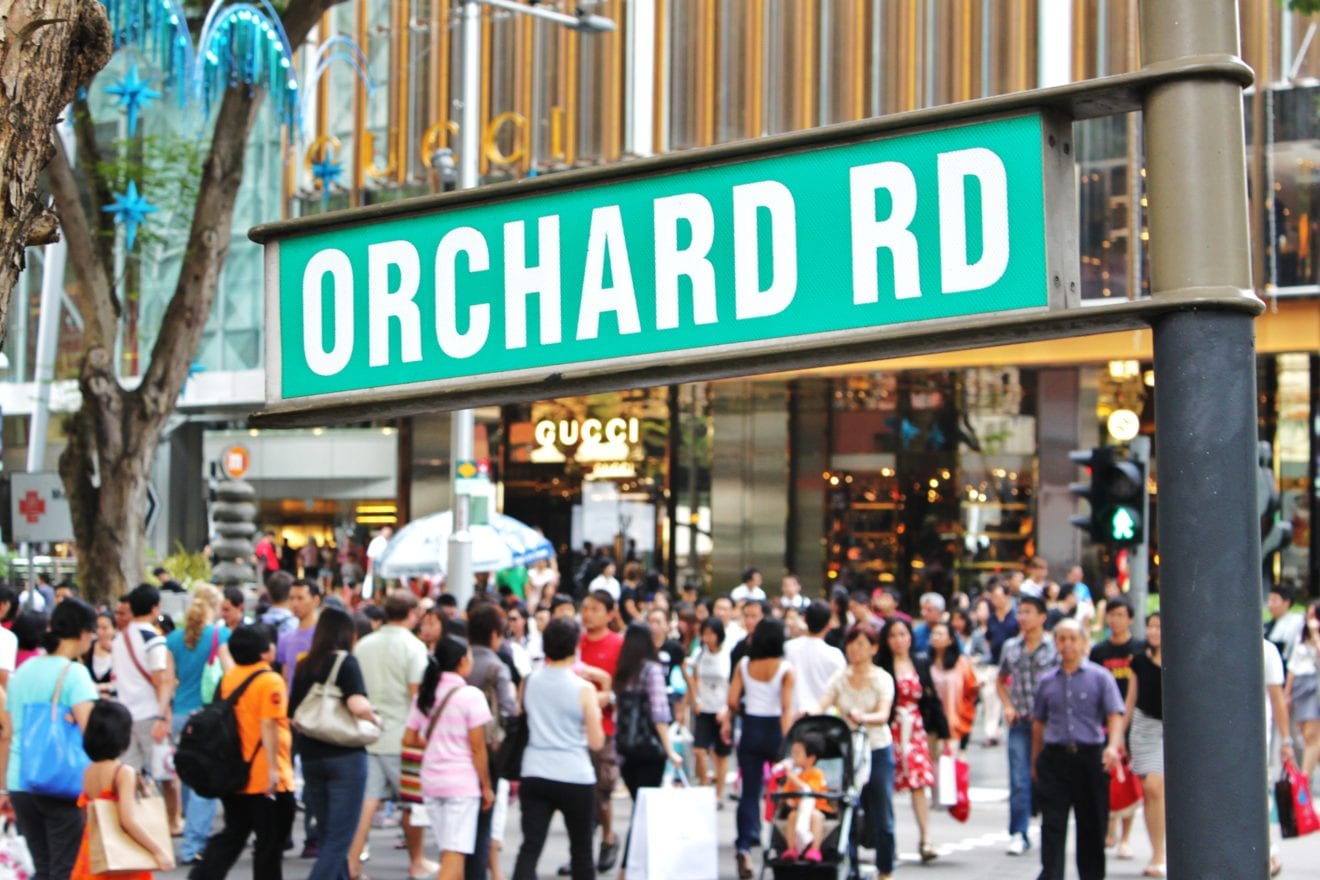
    Have you walked down our Garden City’s famous shopping belt, Orchard Road, recently?

    I was not expecting to see the sheer number of people I did on Orchard Road when I was there recently. The amount of foot-traffic on this famous road seems to move only in one direction year after year – up.

    Imagine that you are a landlord on one of the properties on Orchard Road. Wouldn’t you feel happy just by standing on the roadside and watching the crowd walk by with their handfuls of shopping bags?

    Ho ho ho…

    As it turns out, we can indeed own many of the properties on Orchard Road, albeit indirectly. There are numerous properties in the shopping belt that are owned by companies or by real estate investment trusts that are listed in Singapore.

    If you are interested in the properties on Orchard Road, here is a quick guide on how you can get exposure to some of them:

    1-5) ION Orchard, Wisma Atria, Ngee Ann City, Mandarin Gallery, Mandarin Orchard Singapore 

    6) The Centrepoint

    One of the oldest shopping malls on Orchard road, The Centrepoint has been open since 1983. The shopping mall is owned by real estate outfit Frasers Centrepoint Limited. Valued at S$646 million on its balance sheet, Frasers Centrepoint counts The Centrepoint as one of the most valuable properties in its portfolio.

    7) Paragon

    One of the most upscale properties on Orchard road, Paragon consists of nearly 490,000 square feet of retail space and 230,000 sqft of medical suites and offices. Paragon, which is most recently valued at S$2.6 billion, is part of newspaper publisher Singapore Press Holdings Limited’s real estate portfolio. The company is the majority owner and manager of the retail-focused real estate investment trust SPH REIT, which in turn owns and manages Paragon.

    8) Wheelock Place

    Wheelock Place, a S$915 million seven-storey retail mall and 16-storey office tower, is seated at the edge of Orchard road. The property, which is owned by Wheelock Properties (Singapore) Ltd, had enjoyed close to 100% occupancy as of 2014 and is a very important piece of real estate for the company.

    Summary

    Feeling impressed by any of the buildings you come across while shopping along Orchard Road? Who knows, you just might be able to share in the economic benefits of some of them.

  • First Monica Vinader Singapore store opens

    First Monica Vinader Singapore store opens

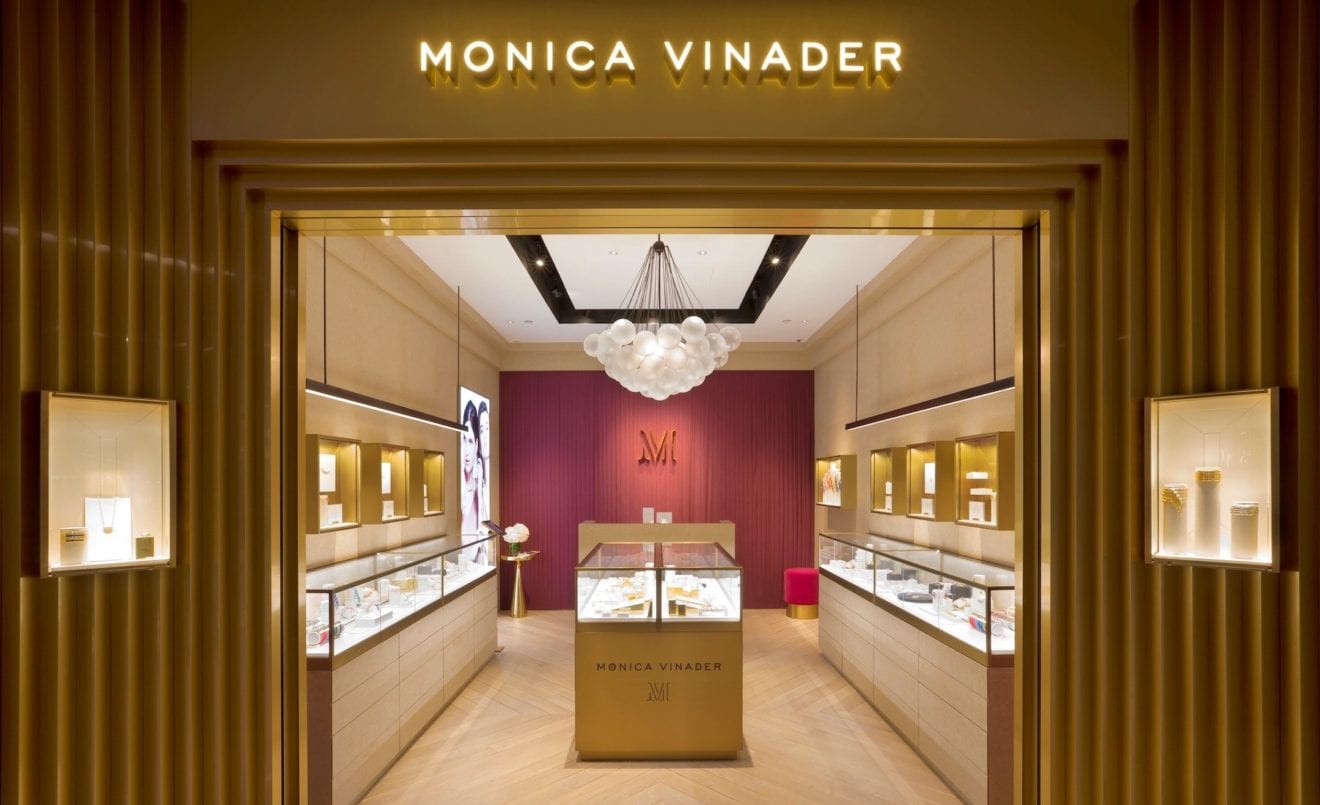
    British luxury jewellery brand, Monica Vinader has opened the doors to its first Singapore boutique.

    The Monica Vinader Singapore store is located inside the Ion Orchard shopping centre on Orchard Rd.

    “I am delighted to be opening our first store in Singapore, such an internationally vibrant city, and excited to be able to welcome our Singapore customers to our new boutique at Ion Orchard mall,” said Monica Vinader, CEO & founder of the namesake retail brand.

    The new store offers all the Monica Vinader collections from Friendship bracelets, to bespoke cut gemstone jewellery and contemporary diamond ranges. Customers will be encouraged to visit the Friendship bar where they can engrave personal messages, motifs or hand drawn doodles using the complimentary engraving service, or to layer and stack bracelets, pendants or rings to define their individual styles for any occasion.

    The store’s interior features marmorino walls and iconic gold vitrines which align with the brand’s philosophy, “using high specification materials, custom fixtures and fittings to create a welcoming and vibrant luxury shopping environment”.

    Monica Vinader has become globally renowned for its instantly wearable, contemporary designs, and is a favourite amongst A-list names such as Olivia Palermo, Emma Watson and HRH the Duchess of Cambridge.

    Monica Vinader was founded in 2002 after she began creating a jewellery collection while working in South America with her husband. Initially she focused on creating bespoke pieces for private clients, but demand soon grew to a larger audience. In 2006, the company began trading as Monica Vinader Ltd and went on to win Retail Jewellers’ Jewellery Brand of the Year award in 2009 before securing private equity investment for an international expansion.

  • Does arrival of Michelin Guide reflect a more mature dining scene in Singapore?

    Does arrival of Michelin Guide reflect a more mature dining scene in Singapore?

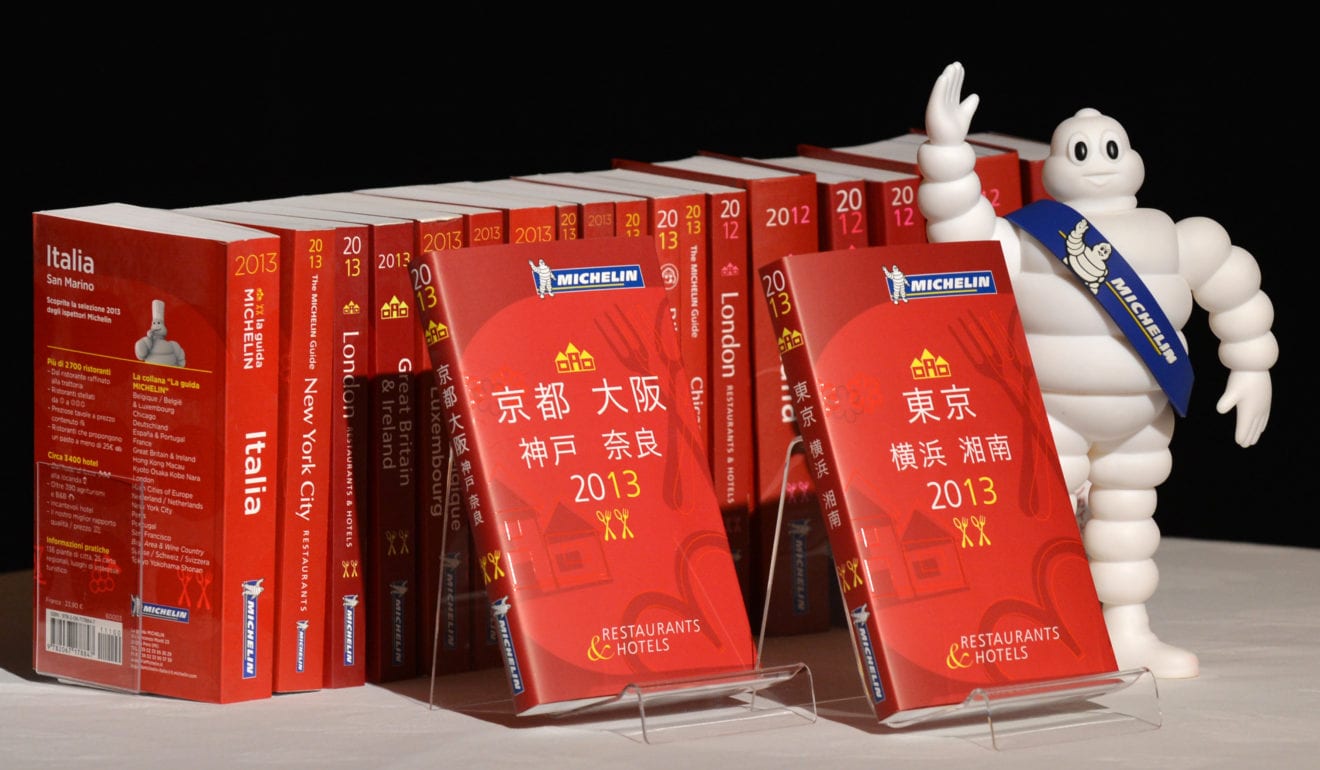
    The Singapore Michelin Guide will be launched next year. The confirmation of a Singapore Michelin Guide as early as next year topped what has been an exciting 2015 for a nation of food lovers.

    Local fare has never been more openly celebrated, both here and abroad (what with Anthony Bourdain’s plans to bring Asian street food to New York and the supposed new chicken rice war brewing in Shanghai); and local chefs and bartenders are continuing to rake in top honours on the global stage.

    So what’s cooking for next year? The warm reception to local start-ups this year could mean that we can see more permanent brick-and-mortar outlets emulating the likes of Bird Bird House of Thai Chicken, Park Bench Deli, Paper Crane and L’eclair Patisserie. More independent restaurants are expected to woo people in the heartlands next year — even if these will be of a smaller scale, thanks to the ongoing labour crunch, said Konstantino Blokbergen, director of Singapore-based hospitality and lifestyle consulting company Gastro-Sense.

    But the arrival of the world’s most recognised dining guide is on everyone’s lips, although, whether its presence marks a coming of age for the local dining scene is up for discussion.

    “To see… Michelin penetrate the Singapore market before any other country in South-east Asia is definitely a sign of achievement in recognition and proof of our local dining scene’s maturity,” said Blokbergen.

    It will further reinforce Singapore’s standing as the regional hub for culinary excellence, added Ranita Sundramoorthy, director, Attractions, Dining and Retail, Singapore Tourism Board, who said the guide’s arrival will “encourage continuous culinary innovation and excellence among Singapore players” as well as the growth of gastro-tourism.

    While Mod-Sin cuisine pioneer Willin Low said that the Singaporean diner is far from naive when it comes to the best places to dine, other players adopted a more cautious stance.

    Said Edina Hong-Stroobant, marketing director of Emmanuel Stroobant Group: “I think it’s a budding scene. The Michelin Guide will hopefully reinforce the fact that Rome was not built in a day. One of the reasons the Japanese have a higher number of Michelin restaurants is their culture — it is all about discipline and in-depth knowledge; I think Michelin will help us achieve this maturity … but not yet.”

    Les Amis Group’s Raymond Lim predicted only four restaurants earning a coveted three-star rating. “Maturity doesn’t happen overnight, it will take at least five to 10 years. Yes, Singapore is ready (for the guide) but a market doesn’t transform so much within a year,” he said, adding that the Michelin Guide is not an award but a guidebook to the best restaurants with the best value.

    And while we’ve grown more appreciative of the value our dining scene purveys, there is clearly quite a bit of growing up left to do, before, as Low put it, “the day consumers are willing to pay the same price for a hand made soon kueh as they would for a macaron or cupcake”.

  • Mr Churro Singapore opens at Ion Orchard

    Mr Churro Singapore opens at Ion Orchard

    Mr Churro Singapore opens officially at Ion Orchard shopping mall today, (December 18).

    Churros are a fried-dough pastry based snack, usually sweet, popular in Spain, France, the Philippines, Portugal and the Southwestern US. In Spain, churros can either be thin (and sometimes knotted) or long and thick. They are normally eaten for breakfast dipped in champurrado, hot chocolate or cafe con leche.

    Mr Churro is a Korean-founded chain which describes itself as “an artisanal churros kiosk”. It describes the new Ion Orchard store as a “flagship outlet”.

    Mr Churro Singapore

    The kiosk has been trading for several weeks in preparation for its formal opening.

    Mr Churro is a franchised business and Singapore is believed to be one of its first markets outside Korea.

    Mr Churro

  • Is Orchard Road the Champs-Élysées of Asia?

    Is Orchard Road the Champs-Élysées of Asia?

    An aunt from my husband’s side, he’s not Singaporean, came to visit Singapore recently. She took her cohort of grandchildren to Universal Studios last week.

    They spent a weekend sightseeing, eating and — of course — shopping which included a stroll down Orchard Road.

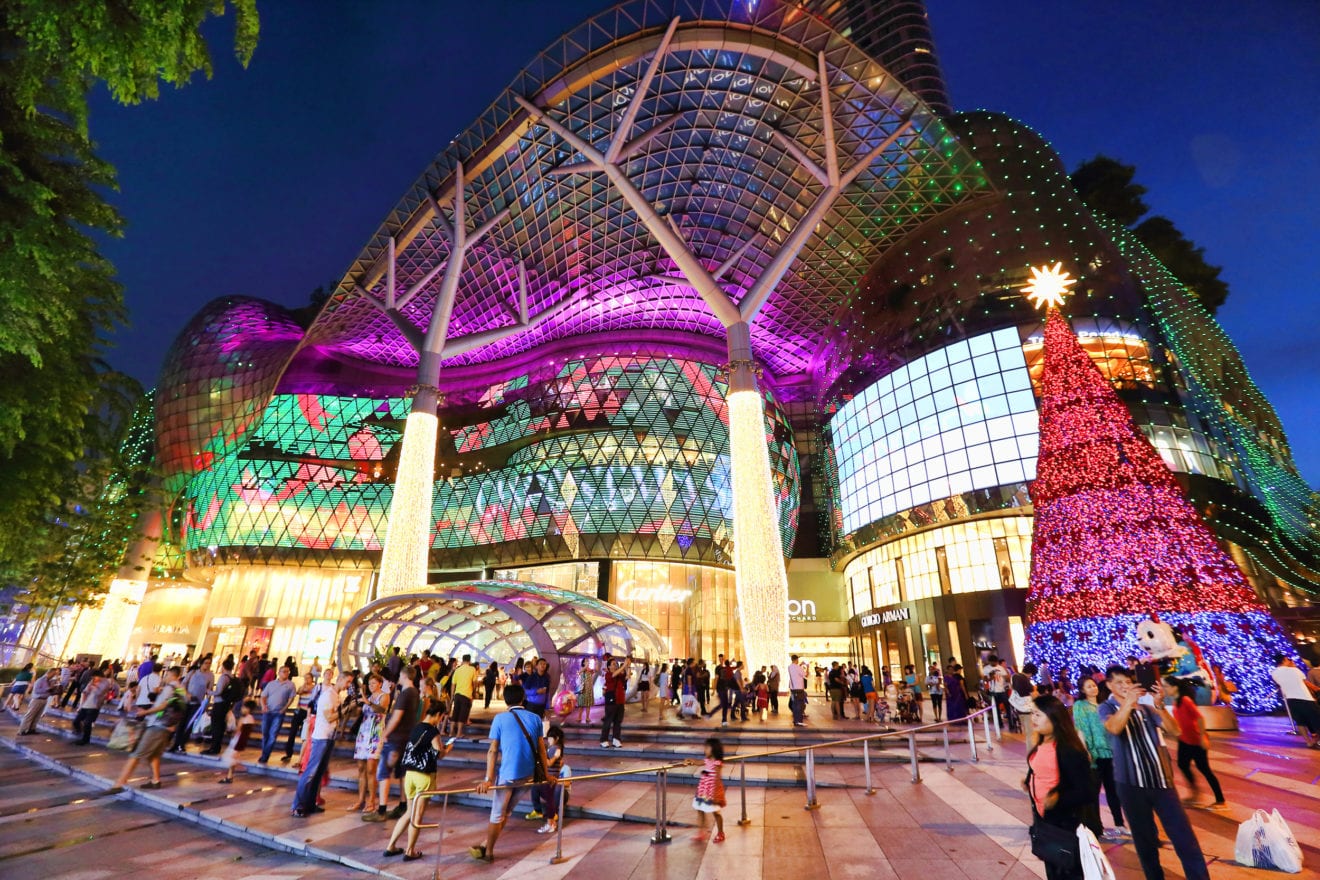
    Unfortunately her takeaway was less than favourable; all the Christmas lights gave her a headache and it was all just too much.

    Crowded, she said and tacky, she added… and ostentatious for good measure.

    Maybe I’m revealing myself to be tasteless but I have to say, I disagree with her humble assessment.

    I like it! I have always loved Orchard Road. When I was much younger — wandering to the concourse of Far East Plaza was a source of endless excitement.

    Perhaps youngsters these days will scoff at my naiveté but at 14 venturing beyond my housing estate mall to catch a movie at Lido or browse the stores at The Heeren were exceptionally exciting.

    Dozens of new malls, the addition of connectors in almost every direction makes the stroll seem that much more endless — shops in every direction bursting with people shopping, eating, laughing — living the big crowded city life.

    These days, our modest shopping street has grown up and is ready to rival any other contender on a global stage.

    I spent a few months in Paris — on exchange during university — some years ago and like a good starry-eyed South-east Asian I made frequent pilgrimages to the Champs Elyses for my dose of window shopping and it was always beautiful.

    But I yearned for the hustle and bustle of food-courts and fruit stalls in basement malls. Fifth Avenue at Christmas is magical but otherwise a little staid and Tokyo’s Chuo street is very elegant but I never saw anyone there selling potong ice cream and it doesn’t seem to house anything as frayed as my favourite Far East Shopping centre or the infamous Orchard Towers.

    And that’s the point: Orchard Road is actually rather diverse, from swanky Paragon and the Grand Hyatt down to Lucky Plaza and everything in between. It’s a living museum of Singapore’s retail history, which for a trading post is analogous with the nation’s history.

    Far Eat Plaza is the 80s, Ngee Ann City the 90s, ION the decade after and Orchard Gateway — the present.

    Despite refurbishment efforts, these retail meccas still carry the stamp of the era in which they were constructed.  Of course Orchard’s history stretches back beyond that – named for the plantations that lined it in 1800s and hosting a series of graveyards during the early 20th century, the road has been part of life (and death) on this island for over a century.

    Whether it’s the presence of the Istana on one end or the Botanic Gardens on the other, the fact that the very first hawker centre opened here, or maybe just the fact that this is where generations of Singaporeans have come to celebrate and shop, this is a place of national significance.

    It’s a strip of living history and personally I think that the road itself is more deserving of world heritage status than the now UNESCO listed Botanic Gardens.

    The Singapore Tourism Board seems to completely understand this. They’ve been busily branding and marketing the 2.2 kilometre strip for decades making it clear this is one of the nation’s principle attractions.

    Their efforts at marketing what, just a century ago was a stretch of canal and making it a draw for travellers from around the region and even the world have been relentless and successful.

    Tacky?  I wouldn’t say so – that’s just Singapore. Crowded, colourful, a little brash and full of business.

  • Dover Street Market Will Open a Store in Singapore

    Dover Street Market Will Open a Store in Singapore

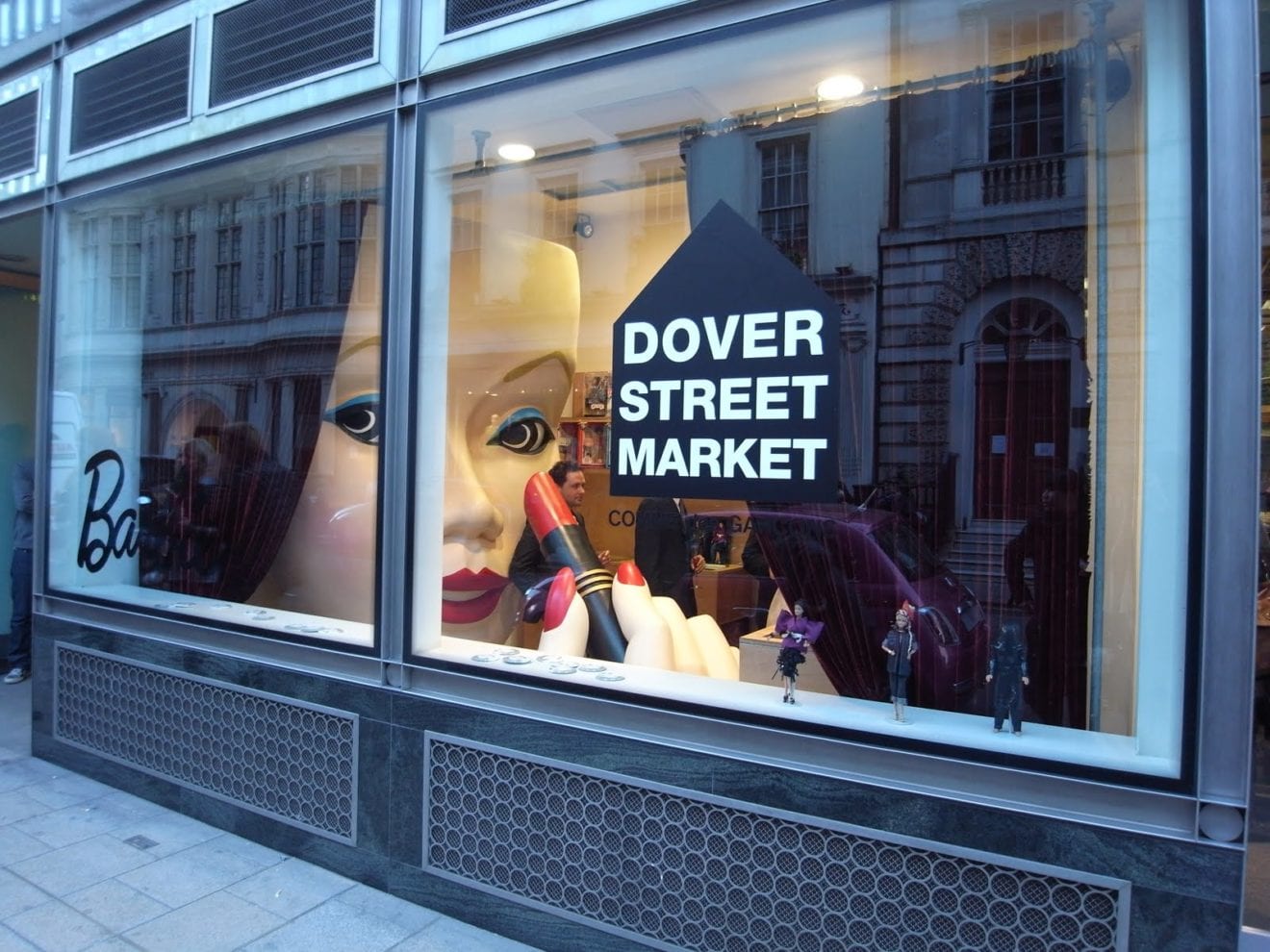
    Dover Street Market is coming to Singapore. Founder Rei Kawakubo is opening another retail space in Southeast Asia next year. The new store will be its fifth location following New York, Beijing, Tokyo, and London, where it first began as a shop front for Kawakubo’s renowned label Comme des Garçons over 10 years ago.

    Soon, shoppers in Singapore will have access to a massive selection of noteworthy brands and exclusive products that makes the multi-brand marketplace one of the best boutiques on earth.

    The upcoming location will be seated in a retail space called “COMO Dempsey” and is likely to share the same “beautiful chaos” philosophy Kawakubo has infused in her other locations.

    An exact opening date hasn’t been released yet, but stay tuned for more details.

  • Singapore’s Honestbee launches in Japan

    Singapore’s Honestbee launches in Japan

    Honestbee, the fast-growing on-demand grocery concierge and delivery service company founded in Singapore just last July, has launched its service in Japan.

    The first Japan stop of many to come, visiting tourists can now enjoy the convenience of grocery shopping via the online portal honestbee.jp in Niseko, Hokkaido, Japan, from now until February 29.

    Honestbee’s point of difference to other online grocery shopping services is that it partners with retailers to offer a high-quality array of products and uses concierge shoppers to fulfil orders on demand – and then deliver them. It expanded into Hong Kong in October, and its next market is Taiwan, where it launches in a fortnight.

    “Niseko is one of the most popular ski destinations in the world which sees a great amount of tourist visits every season. While these families look forward to grocery shopping, the closest supermarket in the area is an hour away,” said Joel Sng, co-founder and CEO, Honestbee.

    “With technology and software, we plan to offer our customers the same level of convenience they have back home by travelling alongside them. Now they can better spend their time skiing or sipping hot chocolate somewhere else.”

    With the launch of this service, ski-lovers and snowboarders can now spend more time skiing on the powdery slopes of Niseko and have their groceries covered by Honestbee.

    As the third-largest economy in the world, Japan presents a wealth of opportunities for Honestbee’s expansion. Niseko is a world-renowned region in the Hokkaido prefecture. With the launch of the New Chitose Airport, increased direct flights to Sapporo from neighbouring cities have contributed to the dramatic rise of international tourists to about 1.5 million throughout the year. Foreign investments in properties in the ski areas have also fuelled economic growth in Niseko.

    Maintaining its commitment to offering a one-stop shop for a range of highly curated and specialty products, customers in Niseko will be able to shop for the freshest groceries, local Hokkaido and international products at major brands well-loved by the locals.

    While the Hokkaido launch may be perceived as something of an experiment or publicity stunt, Honestbee has confirmed it will offer a permanent service in more Japanese cities next year.

  • Japan’s Miniso opens Singapore flagship

    Japan’s Miniso opens Singapore flagship

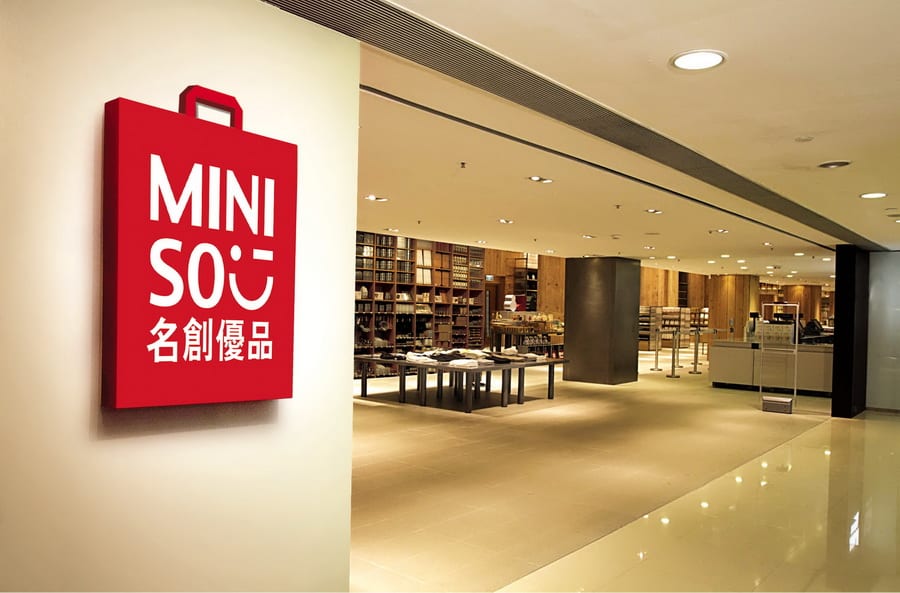
    Japanese fast fashion brand Miniso has opened new flagship stores in Singapore and Dubai as it works on a global rollout.

    Miniso, founded by designer Miyake Jyunya and partner Ye Guofu, advocates the philosophy of ‘simple, natural and quality life and brand essence’ by “returning to nature and restoring product nature”.

    The brand is opening new stores at the rate of 20 to 30 a month, with China – where it made its debut in 2013 – a major focus.

    Jyunya, who attended the Singapore store opening at the Harbourfront Centre on Saturday (December 12), aims to provide “high-quality, low-priced and innovative products for global consumers”. Its stores are decorated in a fresh and natural style, establishing a service-oriented shopping environment that is finding favour with consumers.

    Jyunya described the Singapore and Dubai openings as “a major milestone in the company’s globalisation strategy”.

    “As one of the most developed market economies in Asia, a key services and shipping hub and the fourth global financial center after New York, London and Hong Kong, Singapore is an important destination for Miniso’s first international venture. Singaporean consumers have always been sensitive to changes in fashion, a philosophy built on and shared by Miniso,” the company said in a statement.

    “Dubai likewise is a significant location in the global services and retail sector and serves to highlight the newly established reach of the Miniso brand in addition to its ability to expand into developed markets.”

    In future, Miniso plans to continue to actively explore internationally, with the aim of offering a new generation of consumers an alternative to high-level retail through quality products at affordable prices.

    After its expansion into Singapore and Dubai, the company will turn its attention to Europe and eventually the rest of the world, “evolving into a superior international brand enjoyed and talked about by consumers everywhere”.