Tag: #sport

  • The improved popularity of Cricket and the billions it makes in India

    The improved popularity of Cricket and the billions it makes in India

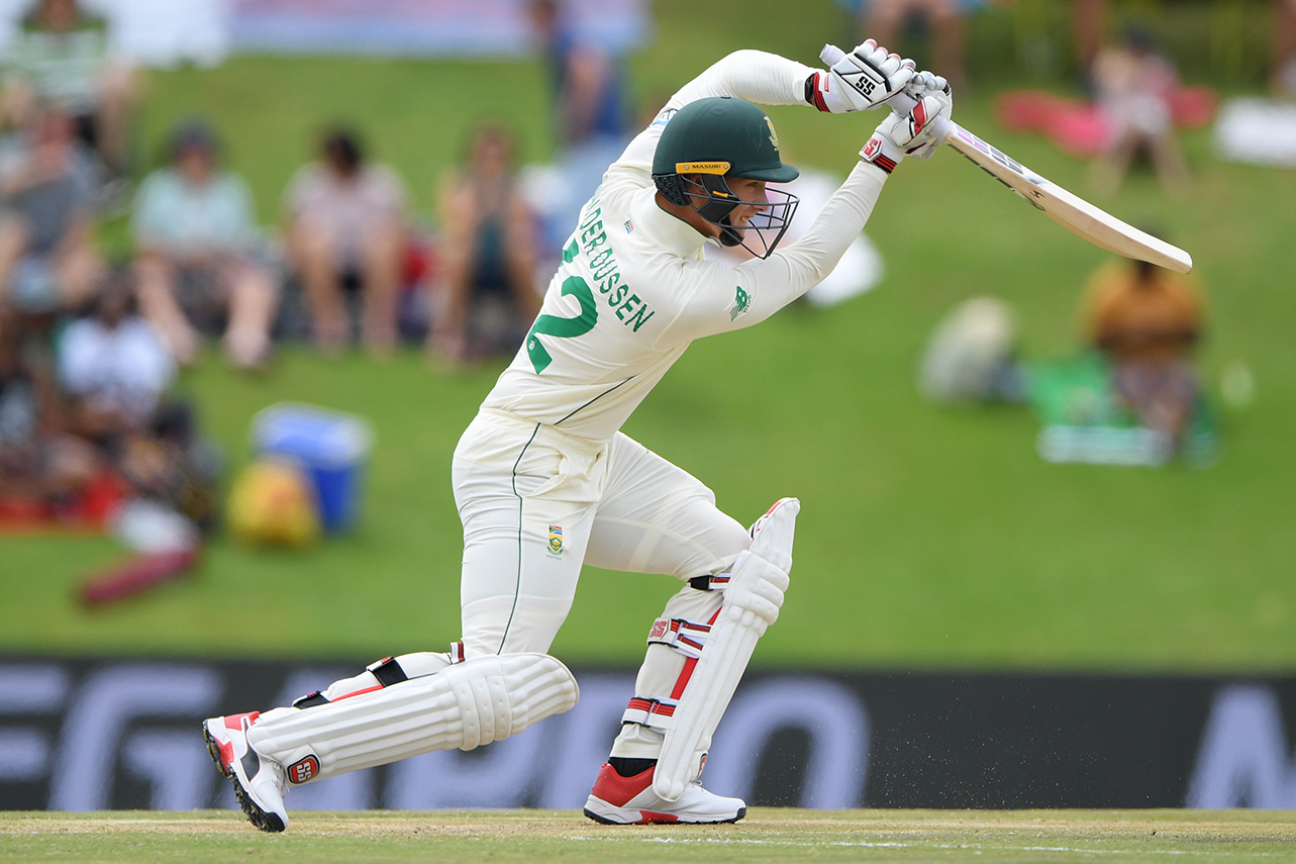
    Cricket is one of the most popular sports in countries like the United Kingdom, India, and Australia. However, most of the market share of this sport is taken by India considering how the country has such a large population. In fact, the largest event in the sport, Indian Premier League (IPL) is sometimes responsible for revenues averaging $3 billion within a year.

    In fact, 2004 was the best performing year for the IPL where it managed to generate around $4.1 billion revenue just from advertising, player auctions and viewership fees. The only time that it managed to match the same numbers was in 2017, signaling that the sport is starting to become more and more popular over the last few years after decreasing significantly in the decade.

    How the IPL generates income

    The Indian Premier League, much like any other sports industry in the world relies on advertising, viewership tickets and the auctions conducted on the players. Not to mention dozens of sponsors vying for a spot on the sportsmen’s uniforms and etc.

    Whatever the sports industry gets their hands on, they manage to generate some income out of it, but there are some that are better at it.

    When it comes to world coverage, there is no sport that beats football, but in terms of the volume of viewers, Cricket is starting to climb the ranking thanks to the millions of viewers from India alone.

    You see, by pairing up the prices of the United Kingdom and Australia with the viewership of India, Cricket is able to generate billions of dollars by simply recording the games and airing them on specific channels where they get additionally profitable advertising deals.

    A darker side of Cricket

    Finally, we have one of the most popular and pretty much ancient ways of generating profit from sports. Betting.

    Cricket, much like any other sport in the world has a large betting industry. Every viewer has the opportunity to place a bet on their favorite player as well as a team to predict the outcome of a match. If they were correct, they get a significantly large sum of money back.

    However, considering how Cricket is a sport where almost everything can go wrong within seconds of starting the game, the chance to win is much lower. However, in order to compensate for these issues, especially during the Indian Premier League 2020, most betting companies increase the prize pool to make it more enticing.

    It would be false to say that nobody wins when betting on Cricket, but it’s much harder and complicated when comparing it to betting on football or basketball.

    2019 proceedings to predict 2020

    The IPL conducted in 2019 received the valuation of around $6.8 billion, giving the sport the highest value it has ever seen in the past.

    In terms of ad revenue, the 2019 IPL season managed to bring in slightly more than it’s 2018 predecessor, but that doesn’t mean that 2020 will see an increase on that number as well.

    You see, when industries grow extremely fast over the years, every year becomes harder and harder to match. Imagine a company that had the goal of achieving $20 million in revenue in 2015. Let’s say they managed to do it and increased their goals for 2016 of around $22 million. They reached it as well but with much more hard work and dedication. Say this continues up until 2018 where the company barely managed to reach its goal of $30 million in revenue. So much so that they had to fire some employees along the way just to reach it.

    The $35 million goals for 2019 would become even harder, and thus have the possibility of making the company fail. Constant growth is not maintainable and hyping it up will bring a lot more damage than it will fix.

    Therefore, there are many experts saying that overcoming the expectations of IPL 2020 revenue is going to be nearly impossible.

    Because of this, it is expected that in the year 2020 there will be a lot fewer sponsors vouching for teams and individual players, fewer people watching the events and even players participating in it due to slightly lowered salaries and payouts.

    Overall, the expectations on IPL 2020 performance are very pessimistic, however, should they prove to overcome this pessimism, it’s almost guaranteed to kickstart a new level of confidence in the sport for coming seasons in 2021 and 2022. So IPL 2020 is more of an investment for the sport than the organizers can realize.
  • 2020 Lamborghini Huracan Evo Rear-Wheel Drive Breaks Cover

    2020 Lamborghini Huracan Evo Rear-Wheel Drive Breaks Cover

    It’s hard to think about how can the Huracan be more engaging for the driver without losing control. Lamborghini seemed to have a similar thought very recently and has introduced an unfiltered, unadulterated version of the supercar with the new Huracan Evo rear-wheel drive. The new Lamborghini Huracan Evo RWD is the newest addition to the Huracan family and keeps that Italian bull only on its hind legs. Admittedly, the Huracan Evo RWD makes less power than the AWD version with the 5.2-litre naturally aspirated V10 belting out 594 bhp, about 29 horses less than the standard Huracan Evo. However, what it promises is a lot of sideways action.

    Essentially, the 2020 Lamborghini Huracan Evo RWD is the no-frills edition of the two-door coupe, which in Italian supercar speak means “more fun.” So, the car misses out on the front axle, the rear steering and gets a power cut. There are some nifty additions though that aim to make the driving experience more seamless and exhilarating. This includes the new P-TCS or Performance Traction Control System that is unique to the 2020 Huracan Evo RWD and lets you slide and skate during acceleration, according to the manufacturer. Lamborghini also says that P-TCS never cuts torque abruptly. Instead, it will feed extra torque before the car gets into a slide and then will back off more gently, in the Sport mode. The system will also allow the car to exit corners more quickly in the Corsa mode, lending more control to the driver.

    Compared to the older Huracan LP580-2, the new Huracan Evo RWD gets about 30 per cent oversteer, as per Lamborghini’s proprietary fun calculator. The car weighs 1389 kg, which is lighter than the AWD version and has a top speed of 3.3 seconds. Visually, the 2020 Lamborghini Huracan Evo RWD is difficult to distinguish from the standard versions but take a hard look and you’ll find a new front splitter and fins in the front intakes while a new diffuser is visible at the rear. The car also wears its own shade of yellow – Giallo Belenus but can be ordered in a plethora of colour and leather options to match your taste.

  • Audi Introduces 25 Years Anniversary Package For RS Models In Europe

    Audi Introduces 25 Years Anniversary Package For RS Models In Europe

    Audi is celebrating 25 years of its RS models and has announced an exclusive package for its performance models. Audi has released an exclusive equipment package for the Audi TT RS Coupe, RS 4 Avant, RS 5 Coupe, RS 5 Sportback, RS 6 Avant and the RS 7 Sportback models. It was the RS 2 Avant that kicked off things for Audi in the hot performance segment back in 1994 and every RS model gets some elements both on the outside and inside which are inspired by the RS 2 Avant.

    The anniversary package includes a matt aluminum look with gloss black for the exterior of all models, a front blade for models like the RS 4, RS 5, RS 6, and RS 7*, as well as the inlays in the side sills. The horizontal web of the rear diffuser also features a matt aluminum look. Moreover, the four rings, RS logos and wing mirrors along with the rear wing of the TT RS Coupe are finished in gloss black. An exclusive RS anniversary logo showing the number “25” is projected onto the ground when the doors are opened and is also featured on the hub cap. The wheels itself are designed in a two-color look featuring silver and gloss anthracite.

    The interior is also inspired by the iconic RS 2. The cabin is finished in all black an there are cobalt blue accents in Alcantara on the piping of the floor mats and the 12 o’clock marking on the steering wheel rim. The RS sport seats with a honeycomb pattern in the TT RS, RS 4, and RS 5 are draped in Nappa leather with seat center panels in Alcantara, just like the very first RS 2 Avant had back in the day. The seat upholstery of the RS sport seats in the RS 6 and RS 7 is finished in perforated Valcona leather. A special touch on the inside is the ’25 years’ logo on the shoulder area of the seats, floor mats, and the door trim panels. The anniversary package has only given cosmetic updates to the RS models and mechanically they remain unchanged.

  • Sportswear Label Sweaty Betty opens first Asian store

    Sportswear Label Sweaty Betty opens first Asian store

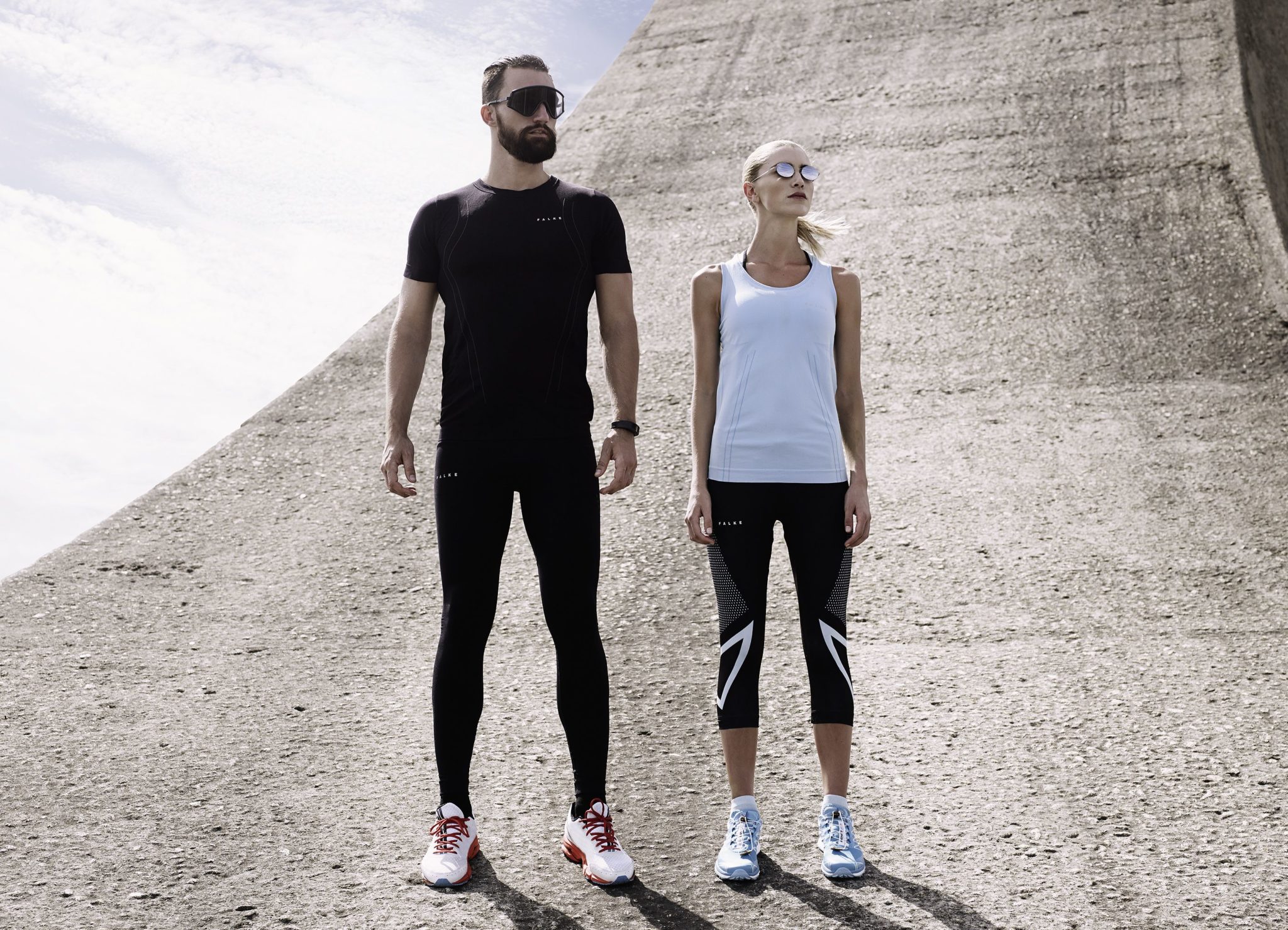
    Sportswear label Sweaty Betty has made its Asian debut, opening a store at Hong Kong’s IFC mall.

    The British retailer, often described as a premium competitor of Canada’s Lululemon, specializes in women’s activewear. It was founded by Tamara and Simon Hill-Norton.

    The Hong Kong store features the brand’s entire range as well as the add-on services popular at its London flagship, including monogramming, free-flow kombucha tea, personal shopping and yoga sessions.

    In an interview with Vogue magazine, Tamara Hill-Norton, who is also the label’s creative director, said the brand’s signature leggings are approaching the perfect fit.

    “We worked so hard on it – the gusset, the high hem, the seaming details – all of it is so important,” explained Hill-Norton. “We have a big focus on the fit and the team really pays a lot of attention to how it looks on a woman’s body.”

    Sweaty Betty has a network of more than 60 shops, mostly in the UK and the US.

  • Maserati’s First Electrified Model To Roll Out In 2020

    Maserati’s First Electrified Model To Roll Out In 2020

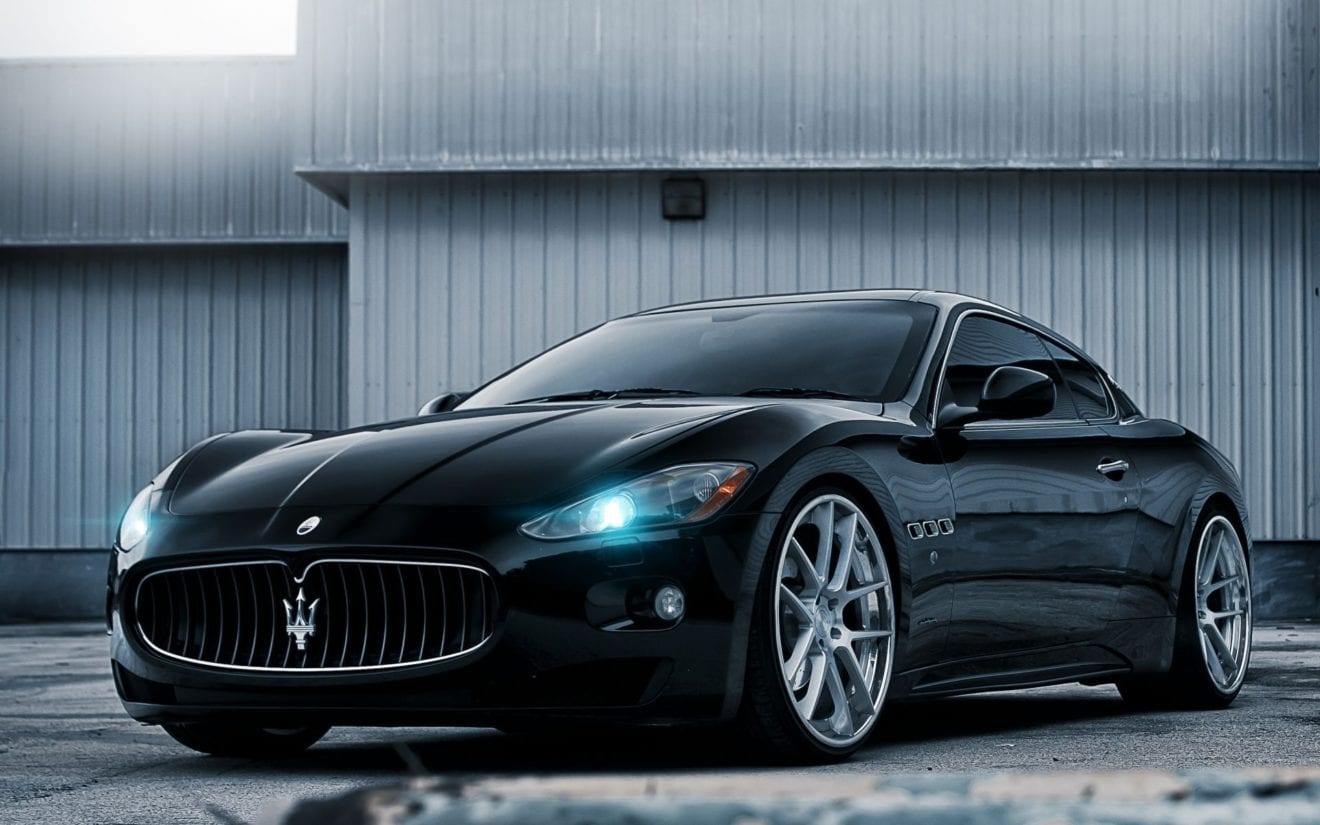
    The electric vehicle segment is catching the attention of premium carmakers globally. It’s been quite some time now that the German trio- Mercedes-Benz, BMW and Audi have introduced their electric vehicles or concepts and other carmakers are joining the fray. Just a day after Volvo announced its first fully electric vehicle- the XC40 Electric, Maserati has shared plans about its electrified products. In line with Fiat Chrysler Automobile (FCA) group’s 5 Billion Euro investment in Italy, Maserati has announced plans for electrification and autonomous driving technologies.

    The company has said that all Maserati new models will be made completely in Italy and will be powered by hybrid and battery electric powertrains offering unique driving modes, extended driving range and ultra-fast charging Capabilities. Moreover, all new Maserati cars, including updated models, will feature a range of autonomous driving capabilities like the Maserati Level 3 Highway Assist which enables the car to be driven with hands off the steering wheel, it can maneuver in and out of lanes and can bring the vehicle to a halt at the side of the road just in case the driver is unable to take control.

    Maserati will introduce its first electrified model in 2020 which will be a Maserati Ghibli Hybrid. It will be manufactured at the Modena plant where the company is significantly upgrading the production line along with investing 800 Million Euros for a new production line. The first pre-production cars are expected to be rolled off by 2021. The company will also manufacture the all-new Gran Turismo and Gran Cabrio in Turin where FCA is investing another 800 Million Euros. Between 2019 and 2021, FCA will be developing 13 new or significantly updated models and electrified versions of 12 models including Maserati and Alfa Romeo cars.

  • Lamborghini Sian Revealed Ahead Of The 2019 Frankfurt Motor Show

    Lamborghini Sian Revealed Ahead Of The 2019 Frankfurt Motor Show

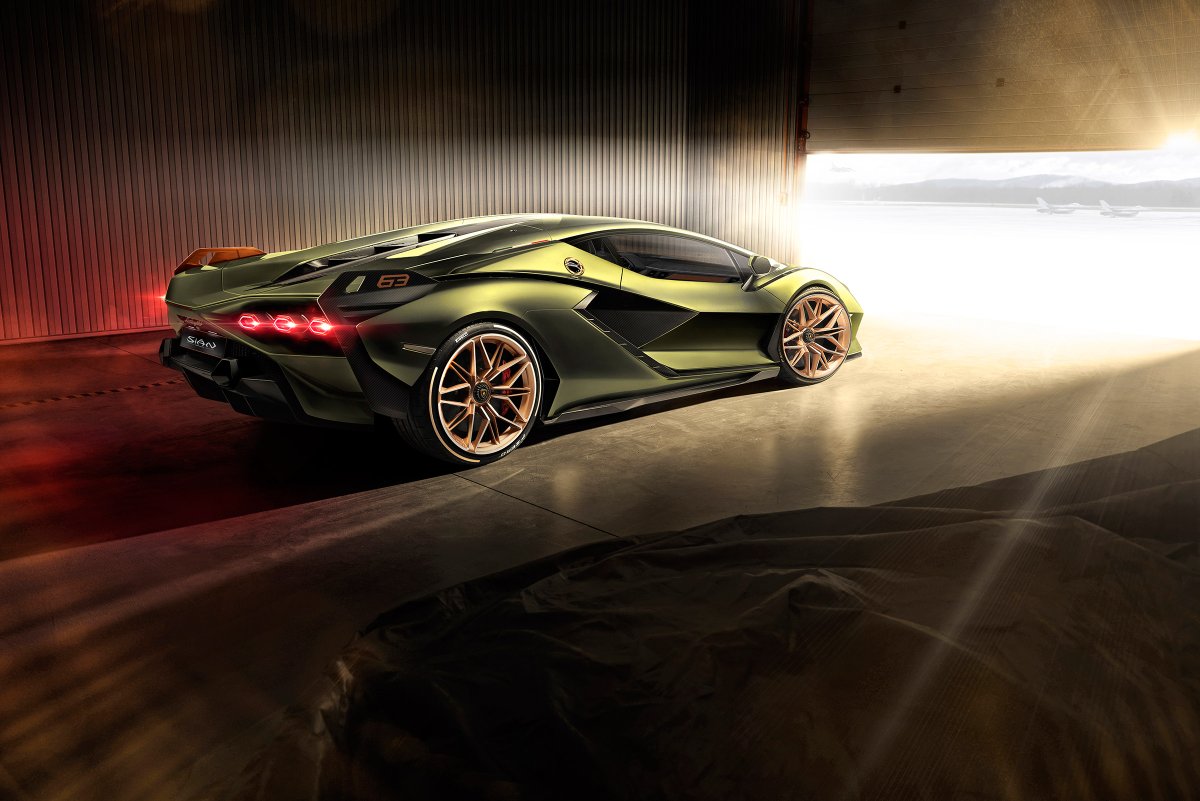
    Lamborghini has already revealed the details of what will be there at the upcoming 2019 Frankfurt Motor Show. It’s the all-new Lamborghini Sian which will be the first hybrid supercar that the brand has ever done. The SVJ sourced 6.5-litre, Naturally Aspirated, V12 engine is coupled with a 48-volt mild-hybrid system which adds 33 bhp more taking the total maximum output to a staggering 808 bhp at 8500 rpm, enough to clock triple digit speeds in under 2.8 seconds. It is the most powerful production Lamborghini ever built and can reach a top speed of 350 kmph.

    The Sian is anything but a fancy supercar. It’s been commissioned to perform and not just to impress with all that it packs in. The most interesting of all is the first ever supercapacitor system debuted in the Aventador and Sian has built on it immensely. It’s three times more powerful than a similarly sized battery which also weighs just 34 kg offering an impressive weight-to-power ratio of 1.0 kg / bhp. The braking system also works to completely charge the supercapacitor every time it brakes. The stored energy provides an instant boost up to 130 kmph making it 10 percent faster. The electric motor disconnects past 130 kmph and the powertrain completely takes over. Compared to the Aventador SVJ which currently sits on Lamborghini’s throne, the Sian is 0.2 seconds faster between 30 to 60 kmph and in higher gears, the traction force is increase by up to 20 percent making it 1.2 seconds faster between 70 to 120 kmph.

    Lamborghinis have always been head turners as far as looks are concerned and going by these sketches, the Sian takes inspiration from the Countach and has the bold and sharp design elements intact as well which is typical of a Lamborghini. The air inlets sport the iconic Lamborghini Y shaped curtains and the hood is sculpted with diagonal lines. The lower section of the front integrates a carbon fibre splitter flanked by Y shaped headlights which come together to give a very aggressive stance.

    Lamborghini is planning to make just 63 units of the Sian in honour of the foundation year of Lamborghini and it will be showcased at the upcoming Frankfurt Motor Show.

  • Harley-Davidson Street 750 10th Anniversary Edition Launched In India

    Harley-Davidson Street 750 10th Anniversary Edition Launched In India

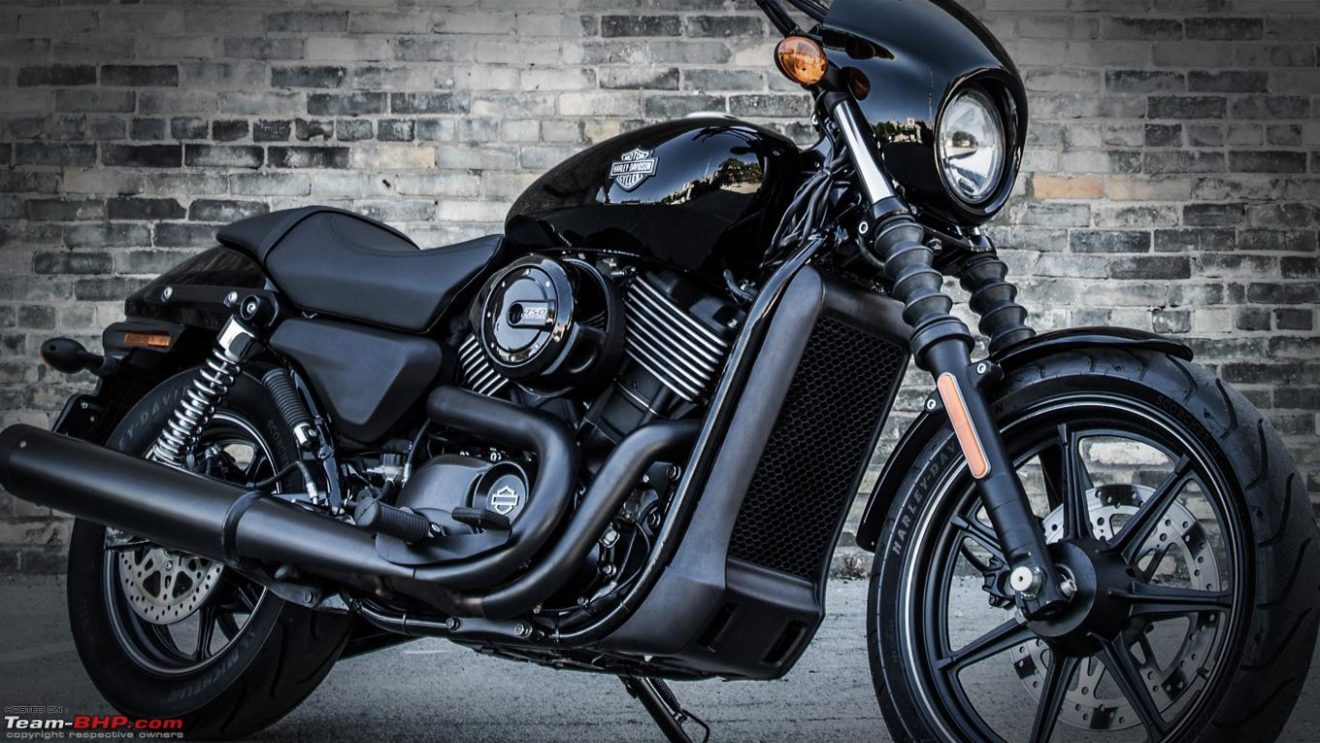
    American motorcycle manufacturer Harley-Davidson completes ten years in India this year, and to commemorate the occasion, the company has introduced a limited edition version of its entry-level offering. The Harley-Davidson Street 750 10th Anniversary Edition is priced at ₹ 5.47 lakh (ex-showroom, India) and becomes the first motorcycle in the bike maker’s line-up to meet the upcoming BS6 emission norms. The special model is about ₹ 13,000 more expensive than the standard version, and production is restricted to just 300 units in order to maintain the exclusivity on the model.

    The Harley-Davidson Street 750 10th Anniversary Edition remains largely identical to the standard model, but you do get the new Indian motif on the fuel tank and on the tail section just above the taillight. The bike continues to sport black finished alloy wheels, along with fork gaiters on the front forks. The short seat remains the same too on the 2020 Street 750.

    Mechanically, the Harley Street 750 anniversary edition the same components. The bike draws power from the same 749 cc liquid-cooled, V-Twin Revolution X engine that has been upgraded for the new and stringent emission norms, and churns out 60 Nm of peak torque at 3750 rpm, while paired with a 6-speed gearbox. The bike uses telescopic forks up front and twin shocks at the rear for suspension duties, while braking performance comes from disc brakes with dual-channel ABS.

    Apart from announcing the new Street 750, Harley-Davidson India also unveiled the LiveWire in the country. The production-spec version of the much-awaited motorcycle remains only an unveil for now and there has been no announcement on the launch of the motorcycle.

  • Decathlon moving into old Metro store at Singapore’s The Centrepoint

    Decathlon moving into old Metro store at Singapore’s The Centrepoint

    After five years at The Centrepoint, Metro Department Store will shutter its flagship next month.

    The announcement heralds the latest in a series of closures at the 36-year-old mall, which has close to 10 vacant units with more already expected to come.

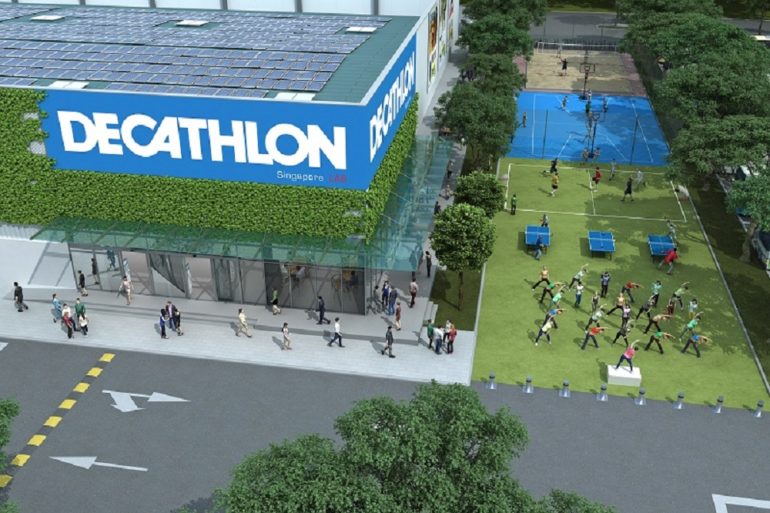
    However, Frasers Property has since confirmed that sports-goods retailer Decathlon will take over at least part of the Metro space, scheduled to open in the first part of next year once fitout is complete.

    Metro’s September 15 withdrawal from the mall will leave only two of its Singapore outlets open, at Paragon and Causeway Point respectively. Staff of the store have yet to be briefed as to whether or not they can expect to be employed at the other outlets.

    “In recent years, Metro has been rationalising its retail business in response to changing market conditions,” said a spokesperson for the firm. “Metro continues to focus on its core businesses of retail in Singapore and Indonesia, together with property investment and development.”

    Adding Decathlon to the tenant mix will provide a significant drawcard to the troubled mall which is seeking to morph into a lifestyle destination with experiential retail concepts targeting younger consumers.

  • Peu a Peu opens new flagship in Hangzhou

    Peu a Peu opens new flagship in Hangzhou

    Hangzhou-based Chinese design firm So Studio has created a retail space for sporting goods brand Peu a Peu featuring a system of pulleys, steel racks, and large metallic spheres.

    The store’s 70sqm interior, which was recently celebrated in a Designboom report, is inspired by the movement and interaction observed on a sports field as well as contemporary pop artist Jeff Koons’ balloon series.

    Peu a Peu, owned by JNBY, a designer brand focused on contemporary apparel, footwear and accessories.

    The retail space shows off metal finishes alongside grey coloured floors and walls, attempting to create a futuristic and industrial atmosphere. The detachable racks serve to divide up the room as well as supporting the metallic spheres that move around the shop area.

  • Global athleisure wear market expect strong growth numbers

    Global athleisure wear market expect strong growth numbers

    Consumer desire for a multifunctional wardrobe is set to continue driving the global athleisure wear market, according to data and analytics research group GlobalData.

    Over the last two years, the athleisure trend has risen as demand for comfort, performance and style has driven the need for a multifunctional wardrobe. 68 percent of consumers who purchased sports clothing for exercise also wore such items for eating out or shopping.

    The firm forecasts that the global athleisure wear market will rise 9 percent this year and will continue to outperform the total clothing and footwear market beyond their 2023 forecast period.

    “Over the next five years, the sportswear market will be one of the leading retail sectors,” said GlobalData principal retail analyst Honor Strachan. “Activewear brands are selling consumers a lifestyle, and fashion retailers are leveraging their style credentials to produce affordable fitness ranges to sell alongside core casual and formalwear collections.”

    In the UK, 20 percent of consumers purchased sports clothing specifically for leisure activities and free time, not to exercise in.

    “This willingness to pair sportswear with core wardrobe pieces has opened sportswear brands up to new audiences and allowed them to diversify into new product areas,” said Strachan, “boosting their share of the global clothing & footwear market.”

    While fashion trends and influencers have driven the success of the global athleisure wear market , the sustainability movement will continue to support the desire for a multifunctional wardrobe. Consumers are purchasing more consciously and reducing spend on fast fashion, playing into the hands of those retailers and brands that can showcase the versatility of their items, as well as the durability and quality.

    Moreover, increasing consumer appetite for comfort has also fuelled sales of activewear and trainers with brands utilizing their technical expertise in ensuring products offer freedom of movement, aid temperature and sweat control, shape the body and provide support. These qualities have filtered into consumers’ everyday wear and not just when they are at the gym.

    Adoption of the athleisure trend in much of Asia has been slower, so international and national brands are leveraging social media, third-party selling platforms and brand ambassadors to sell the appeal of having a sports and street-influenced wardrobe.

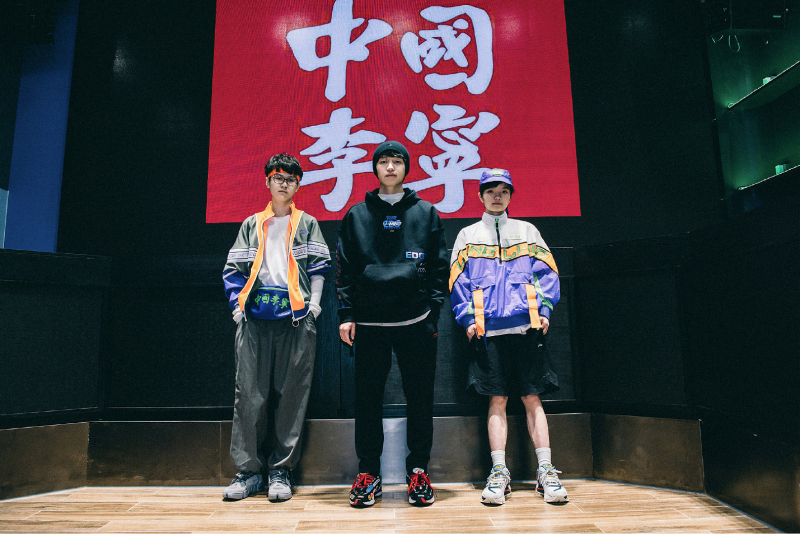
    “Chinese brand Li-Ning has exploited its credentials as a sports manufacturer to produce high fashion casualwear which can be worn for training or leisure,” concluded Strachan, “while Nike’s instore and online outfit styling provides inspiration on how to wear pieces for multiple uses encouraging consumers in China, Taiwan, South Korea, and Japan to incorporate sportswear into their everyday wardrobes.”

  • Li Ning profit up as restructure pays off

    Li Ning profit up as restructure pays off

    Chinese sportswear retailer Li Ning reaped the benefits of a restructure in the first half of this year, with net profit attributable to shareholders by 196 per cent to RMB795 million (US$113 million).

    For the last two years, Li Ning has been investing in its retail business, upgrading stores, refining its product offer and reorganising its supply chain and other back-of-house operations.

    More recently it has launched a new retail brand Li Ning Young, which has added 79 more stores so far this year, taking the network to 872.

    The company said its margin has increased from 5.7 per cent during the first half of last year to 12.7 per cent in the same period this year.

    While the huge profit boost was partly due to non-operational factors, the regular business still posted a surplus up 109 per cent to RMB561 million, and net profit margin was 9 per cent.

    Group sales revenue rose 33 per cent to RMB6.255 billion ($889.5 million), with same-store sales growing by the mid-teens.

    The company said it was focused on strengthening its brand and product competitiveness during the first half, especially its five core categories: basketball, running, training, badminton and sports casual.

    “We set professionalism and functionalism as the foundation, and consolidated the brand’s DNA of professional sports,” the company said in an earnings statement.

    As at June 30, Li Ning had 6422 points of sale, a net increase of 112 over three months.

    The network of conventional stores, flagship stores, China Li-Ning stores, factory outlets and multi-brand stores under its brands amounted to 7294 as of June 30, representing a net increase of 157 since December 31.

  • Yue Yuen to move more production into SE Asia as trade war continues

    Yue Yuen to move more production into SE Asia as trade war continues

    Hong Kong-listed footwear manufacturer Yue Yuen Industries says it expects to move more of its manufacturing from China to other Southeast Asia countries as the US-China trade conflict shows no sign of abating.

    “The US government’s plans to implement a 10-per-cent tariff on US$300 billion of exports from the PRC, which will include footwear, could further accelerate the pace of capacity migration from the PRC to Southeast Asia,” said chairman Chu Chin Lu in the management review of the company’s half-year results.

    Vietnam accounted for 45 percent of Yue Yuen’s shipments in the first half of this year and Indonesia for 38 percent. Mainland China accounts for 13 percent

    “The group will continue to migrate its manufacturing capacity from the PRC to Southeast Asia, while being mindful of the labor supply situation in countries where we operate, especially in Vietnam,” said Lu, who is also worried that continued uncertainty surrounding both the US and China’s future trade policies may impact on consumer sentiment.

    The group’s manufacturing business produced 163.2 million pairs of shoes in the six months to June 30, an increase of 2.7 percent year on year.

    The average selling price per pair was US$16.49, up by 2.2 percent.

    Sales through the company’s listed subsidiary Pou Sheng, increased by 12.3 percent returning 1.968 billion to Yue Yuen. In RMB terms (Pou Sheng’s reporting currency), revenue during the first half of increased by 19.4 percent.

    Yue Yuen reported group revenue to $5.071 billion for the half-year, up by 6.3 percent with profit attributable to shareholders up by 10.5 percent to US$165.9 million. Non-recurring profit was boosted by $19.1 million from the disposal of Texas Clothing Holding Corp.

    Lu said the group faced several headwinds during the half other than the trade war.

    “The group continued to face operational disruptions and challenges resulting from brand customers’ demands for more flexible procurement approaches and changing consumer preferences. This resulted in more volatile monthly sales orders, uneven capacity utilization, and lower production efficiency, alongside the increased complexity and versatility of product portfolios during the period,” he said.

    “To address these challenges and sustain our long-term position, we have continued to ramp-up the implementation of automated production and enhance our operating efficiency through process re-engineering to provide differentiated value-added and one-stop OEM/ODM services to customers with whom we have maintained long-term relationships. We also furthered our efforts to foster environmental sustainability, eyeing at the long-term growth viability of our business.”

    The group’s athletic footwear category outperformed all other categories as a result of the global athleisure trend, accounting for 78.1 percent of footwear manufacturing revenue in the first half of the year. Casual and outdoor shoes accounted for 19.7 percent of footwear manufacturing revenue.

  • SUTL Global takes over Nike retailer Sportsland

    SUTL Global takes over Nike retailer Sportsland

    Singaporean consumer goods firm SUTL Global has crossed the border, buying a 51-per-cent stake in Malaysian Nike retailer Sportsland.

    Sportsland – to be renamed SUTL Sportsland – currently operates Nike mono-brand stores in Kuala Lumpur, Ipoh, and Penang, with an upcoming store in Johor Bahru in September.

    The acquisition comes just months after the successful opening of Nike Jewel Changi Airport in Singapore in February, lauded to be the largest Nike store in Southeast Asia and India to date. It also fulfills SUTL Sports Retailing’s long-time goal to expand beyond the shores of Singapore and attests to the Group’s agility in realizing market opportunities in its partnership with Nike.

    As the majority stakeholder of SUTL Sportsland, SUTL Sports Retailing will streamline and consolidate the centralized leadership team in Singapore, which will be responsible for the overall running of the Nike partnership business across both countries and supported by a local Malaysia-based operations team.

    Meanwhile, SUTL Global will extend its SUTL Life membership benefits to the stores operated by SUTL Sportsland in Malaysia. SUTL Life is a membership-based program that offers customers discounts off regular-priced merchandise and allows them to earn points to offset future purchases. Members also enjoy privileges that include exclusive invitations to members-only events, birthday treats, and personalized offers.

    “Over the years, SUTL Global has established itself as a leading operator of Nike stores in Singapore, backed by our strong understanding of the local retail landscape, focus on operational excellence and commitment to the creation of differentiated customer experiences,” said SUTL Global chairman Arthur Tay.

    “I believe SUTL Global’s track record and experience will hold us in good stead as we gain access to new markets and their consumer base.

    “SUTL Global will continue to explore opportunities to further add value to and expand its portfolio in Singapore, Malaysia as well as potential new markets. We look forward to establishing the SUTL brand name as a premier distributor of Nike products within a challenging, yet rewarding and dynamic global lifestyle and retail environment.”

  • Nike grows profit, pulls product in China

    Nike grows profit, pulls product in China

    Sportswear brand Nike has revealed its net profit increased to US$4 billion during the 2019 financial year, compared to the previous year, which saw Nike earn US$1.9 billion.

    The large disparity is attributed to the enactment of the Tax Act last year, which raised Nike’s effective tax rate to 55.3 percent – causing a 54 percent drop in profits. In FY19, Nike’s tax rate returned to a more normalized level of 16.1 percent.

    The positive results come at a turbulent time for the sportswear giant, which recently faced a social media backlash in China after Undercover, a Japanese streetwear label it collaborated with on a line of sneakers, shared an Instagram Story with the caption, “No Extradition to China,” and “Go Hong Kong”.

    Nike subsequently pulled the sneakers from its offering in China, according to media reports.

    Nike president, chairman, and chief executive Mark Parker told investors the business is committed to the China market “for decades to come”.

    “We are and remain a brand of China and for China,” Parker told analysts, according to the Financial Times.

    “We’re confident that we’ll continue to grow sport and our business in China for decades to come.”

    On Thursday, Parker told investors FY19 was a pivotal year for the retailer.

    “Our distinctive innovation and digital advantage led to accelerated growth across our complete portfolio, while our brand fuelled deeper relationships with consumers around the globe,” he said in a statement.

    Revenue grew 7 per cent to US$39.1 billion, driven by sportswear, Jordan, and running, as well as strategic investments in innovation and digital led by Nike Direct.

    The Converse brand saw revenue grow 3 per cent to US$1.9 billion, which was mainly driven by double-digit growth in Asia and digital.

    Nike and Retail Prodigy Group have been contacted for comment.

  • Mitre 10 workers win living wage case

    Mitre 10 workers win living wage case

    Two Mitre 10 stores were told to pay their employees a living wage in a decision by the Employment Relations Authority (ERA).

    Called a landmark case, the decision was the first collective agreement in New Zealand that was determined by the ERA with a living wage being imposed on the employer, according to a statement by the First Union said.

    Members of the First Union who work at Mitre 10 Mega in Dunedin and Mitre 10 Mosgiel, which are both owned and operated by local Otago business Jack’s Hardware and Timber, will be given their first collective agreement which affords a living wage.

    Jack’s Hardware and Timber is just one of the many locally owned and operated businesses across New Zealand that make up the Mitre 10 NZ Ltd co-operative.

    According to First Union, the ERA determination has set a precedent for retail staff and has widespread implications for other retail sites in the country.

    The determination states that an employee who has some industry experience or skill that they utilise in their role should be paid no less than $21.00 per hour. For a worker with a trade qualification that increases to $23.00 per hour and the start rate is $19 per hour.

    Neil Finn-House, Jack’s Hardware and Timber Limited CEO, said he is pleased to have concluded collective agreement negotiations with First Union following the ERA hearing that has settled two final outstanding matters: minimum wage rates and duration of the contract.

    “Most kiwis will agree that it is important that local New Zealand owned and operated businesses are able to pay their employees rates that are locally comparable,” Finn-House said.

    “Our objective at the Hearing was to reach a fair outcome, consistent with market rates of comparable businesses in the South Island, which maintains our ability to reward and recognize our staff above and beyond the minimum pay rates that the collective will contain,” Finn-House said.

    Greg Hartford, CEO of Retail NZ, noted, however, that the new rate will see entry-level staff receive $1.30 an hour more than the legal minimum wage, and $1 more than the median wage paid in heartland South Island regions.

    “While both the Union and the employer are hailing today’s decision as a fair compromise, the rates set are higher than those being paid by comparable companies in the regional South Island market,” Hartford said in a statement.

    “When setting rates, all parties need to make sure that they are taking individual circumstances into account and that any comparisons made between businesses are comparing like for like. It is hard, for example, to compare wage rates paid by a small local store to those paid a large regional business, and it’s hard to compare a large regional business to a national or multinational chain.”