Retail News CRM

Tag: #sport

  • Lee Gardens Unveils Hong Kong’s First Floor-Less “Tennis in the Air”

    Lee Gardens Unveils Hong Kong’s First Floor-Less “Tennis in the Air”

    As the official shopping mall partner of the Hong Kong Tennis Open 2016, the entire Lee Gardens is transforming into Hong Kong’s Coolest Tennis Court from 30 September to 16 October. Throughout this period, you will have the opportunity to experience an exciting array of tennis-related activities and kick off your start to a healthier and active lifestyle. Thanks to the joint efforts of Lee Gardens and its merchants, over HK$1,000,000 worth of prizes are up for grabs!

    Lee Gardens (including Hysan Place, Lee Garden One – Six, 25 Lan Fong Road, Lee Theatre, Leighton, I.T Hysan One) is dedicated to providing the best work-life balance in town.

    Air Tennis Mobile Game – Swing and Win (27 September – 16 October)

    Warm up with the Air Tennis Mobile Game, where you can use your cell phone to “serve” a tennis ball and try to hit prize targets. Successful hits will help win instant reward e-coupons for exciting gifts or shopping discounts or tickets for the VR 360 Tennis in the Air, or. You can play the game at airtennis.leegardens.com.hk.

    VR 360 Tennis in the Air – Be the First to Play a Match Mid-Air, High Above Victoria Harbour (30 September – 16 October)

    With the assistance of a VR headset and two hand-held controllers, this game will “transport” you from the 1/F Atrium of Hysan Place to a tennis court high in the skies above Victoria Harbour. With 360º views of Hong Kong’s beautiful scenery during the day, an intoxicating night view after 6pm, and the sound of a gentle breeze in the background, you and your opponent will experience a thrilling simulated game of “tennis in the air”. You can enjoy this VR experience either by using a prize ticket or upon spending HK$100 at Lee Gardens.

    Bounce for Tennis – Create Fun Mementos and Contribute to Children’s Sports Education (30 September – 16 October)

    Lee Gardens invites you to create mementos of your experience by uploading a photo and designing your own personalised tennis ball via the airtennis.leegardens.com.hk. For HK$50, you can print out your customised tennis ball at the Lee Theatre. The proceeds of the Bounce for Tennis programme will benefit the Hong Kong Tennis Association, a non-governmental organisation and organiser of the Hong Kong Tennis Open, to help support their initiative to popularise sports education in under-resourced districts by teaching local children to play tennis.

    Special Tennis-Themed Food and Drinks – Enjoy the Tournament as a Foodie (30 September – 16 October)

    During this event, many of Lee Gardens’ exciting dining venues, including Shelter Italian Bar & Restaurant, Wired Café, Seasons, Smile Yoghurt and Habitu, will be serving up tennis-themed delights for their visitors.

    Fan Zone – Cheers for the Climax (15 – 16 October)

    Besides enjoying the live matches at Victoria Park Tennis Stadium, tennis fans can make their way over to a specially designated Fan Zone on Pak Sha Road to take part in live-streamed matches, extending the excitement from the Tennis Stadium to “The Coolest Tennis Court” in Causeway Bay. Organised by Hong Kong Tennis Association and supported Wan Chai District Council’s Cultural and Leisure Services Committee, as well as by  Lee Gardens Association, the fan zone will be open to the public during the Semi Finals and Finals of the tournament, which will take place on 15 and 16 October.

    Instant Rewards

    Lee Gardens has joined hands with its merchants to give out coupons and gifts valued at more than HK$1,000,000, including a Fila gift set (value over HK$1,800), UNIQLO gift set (value HK$1,000), Pressed Juice One Day Cleanse (value HK$550) and more. Rewards are available for all players, so come down to Lee Gardens and have fun playing!

    FILA Exclusive Pop-up Store

    FILA will set up a Pop-up store decorated as a container house exclusively for the event, displaying its distinguished history of tennis culture since 1911. You can appreciate the precious Settanta Polo T-shirt co-designed by FILA and Wallpaper saluting Björn Borg, one of the greatest tennis athletes from 1970s to 1980s. Printed between every stripe on the Polo T-shirt is the score of his champion matches. Various pieceis of other tennis apparel are also available in the exclusive Pop-up store.


  • Indonesia outlines strategy for sports development

    Indonesia outlines strategy for sports development

    Indonesia President Joko Widodo on Wednesday stressed on the development of sports which have the potential to garner medals at international championships, including badminton, archery and weightlifting.

    “Prioritise development of games which have already shown achievements,” President Widodo said at the State Palace after congratulating the country’s medallists at the Rio Olympics, including the gold medallists in the badminton mixed doubles.

    In addition to that one gold medal, Indonesia also collected one silver medal and one bronze medal in weightlifting competitions at the Olympics, improving from the achievement at the Olympics in 2012, during which only one silver medal and one bronze medal were secured, reports Xinhua.

    Widodo added that the development “includes the improvements of facilities, infrastructure and training camps”.

    “If it is better undertaken with a long strategy, more gold medals will be able to be garnered,” he said.

    Widodo said that he had coordinated with the sports minister on how to materialise the new strategy.

  • Will Singapore Pools’ new sports betting site launch in time for Euro 2016?

    Will Singapore Pools’ new sports betting site launch in time for Euro 2016?

    It’s anybody’s guess as to whether Singapore Pools will be able to launch its new online sports betting site in time for the Euro 2016 football tournament.

    In February 2015, Singapore’s new Remote Gambling Act (RGA) took effect, prohibiting all online gambling sites except those that divert most of their proceeds to charitable and other social causes. Unsurprisingly, the new act led to an exodus of betting sites that had been serving the market.

    Singapore Pools, which holds a monopoly on sports lottery products in the city-state, was given six months in which to apply for an exemption to the RGA. The company duly submitted its application last July, but was warned at the time that the approval process could take up to one year.singapore-pools-betting-site-euro-2016

    Fast-forward 11 months and Singapore Pools is no closer to launching its new site. This, despite less than two weeks remaining to the June 10 kickoff of Euro 2016. The Straits Times recently contacted the Ministry of Home Affairs to inquire about the state of Singapore Pools’ application, only to be told the paperwork is “currently being evaluated.”

    The company’s existing site allows punters to check sports odds, but actual wagers must be placed over the phone or at one of the company’s retail points of sale. Singapore Pools’ new site, which is to be powered by betting technology stalwarts OpenBet, would allow punters to place wagers directly online.

    Given the lateness of the hour, Singapore Pools’ management is likely going through antiperspirant products much faster than usual. But given that the company is hardly a stranger to local authorities, the possibility that the new site won’t launch in time – which could reduce sales during Euro 2016 and thus deprive those social causes of badly needed funds – the delay in approving the company’s application seems sketchy at best.

  • Under Armour in trademark fight with Uncle Martian

    Under Armour in trademark fight with Uncle Martian

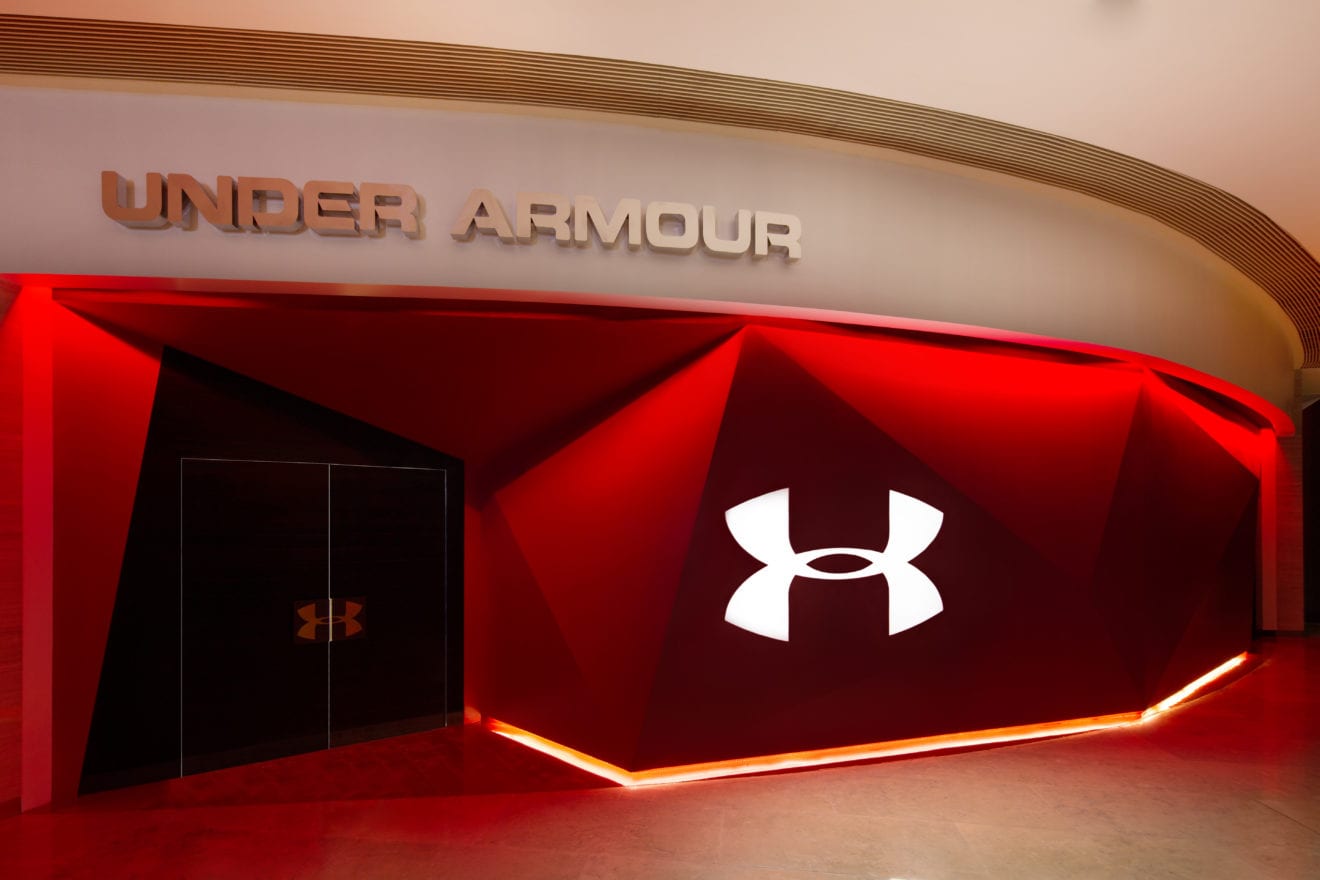
    Uncle Martian, a new competitor for sportswear brand Under Armour in one of its main markets, China, is in hot water for co-opting the US company’s logo.

    Under Armour uses a U over an inverted U that intersect to form a stylised A. Uncle Martian has the same two-U configuration, but the letters do not touch.

    Apparel manufacturer Tingfei Long Sporting Goods in Fujian province, in southeastern China, is the company behind the new brand, which is offering shoes in its first foray into athletic wear.

    Executive Huang Canlong says the brand aims to be associated with “comfort, excellence and innovation”. He told Shoes.net.cn he wants to create a high-profile brand with “high standards”.
    Out of Baltimore in the US, Under Armour has seen its sales in China almost triple in the first quarter of this year compared with the same period last year.

    Meanwhile, Chinese consumers have been criticising Uncle Martian for its blatant hijack of the Under Armour logo.

    “How come you can’t even design a logo? All you do is plagiarise – don’t you feel it’s disgusting?” one critic wrote on Weibo.
    Another Weibo user, Zhang Gemeng, has pointed out that such blatant copying goes against the national policy of encouraging homegrown creativity.
    “Don’t blame people when they say they look down upon domestic brands,” wrote another user, indicating the move as a “loss of face” for China.

    Under Armour, of course, is also unamused and is pursuing “all business and legal courses of action” according to spokesperson Diane Pelkey.

    “Uncle Martian’s uses of Under Armour’s famous logo, name and other intellectual property are a serious concern and blatant infringement.”

  • Adidas Sets Goal For 3,000 More Chinese Stores

    Adidas Sets Goal For 3,000 More Chinese Stores

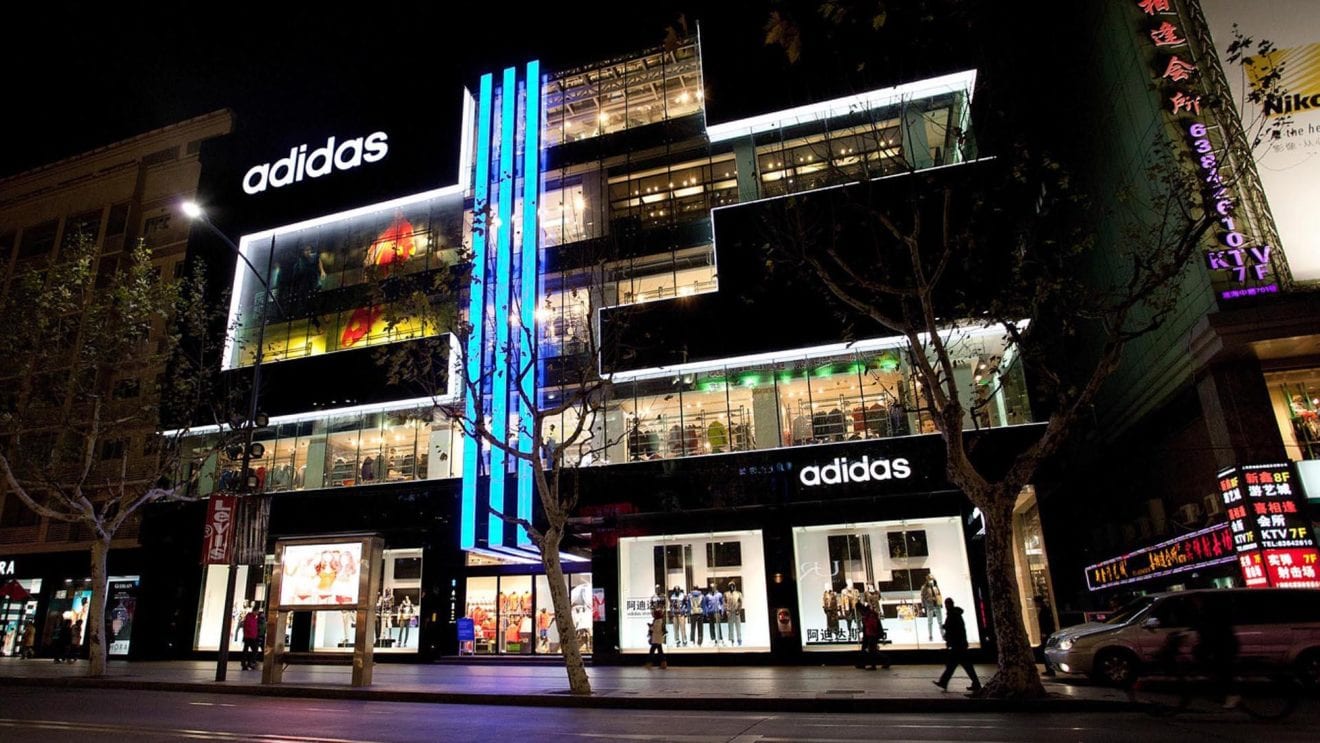
    Colin Currie, head of Adidas’ China operations, announced in a press conference that the sportswear company would be adding 3,000 more storefronts to the 9,000 it already operates inside the People’s Republic. Currie emphasized that these new stores wouldn’t just be rehashes of existing designs but targeted implementations of locations that focus on running, soccer and tennis equipment and apparel.

    It’s details like these that Currie hopes can help Adidas find revenue, even when the Chinese economy doesn’t seem to be making it any easier.

    “We are cautiously optimistic, but we’re far more on the optimistic side,” Currie said during the briefing.

    It’s one thing to say that Adidas is confident but another thing to actually mean it. A pledge to open 3,000 stores certainly seems like an earnest statement that can’t be easily walked back, explained that changing demographics might be why Adidas is so ready to hitch its wagon to the down-right-now Chinese economy. As more and more Chinese consumers enter the middle class, Adidas has planned, since at least 2010, to take advantage of the growing desire for sportswear, not just for fitness but as everyday dress as well.

    “We expect two-thirds of our growth to be from consumers in the lower-tier cities as they become attracted to sportswear — not just for fitness but for easy casual wear,” Currie said at an event in 2010.

    If it’s any consolation for Adidas and the Chinese economy at large, odds are both parties will succeed or fail together.

  • China’s 361 Degrees Net Profit Up 30.2% In 2015

    China’s 361 Degrees Net Profit Up 30.2% In 2015

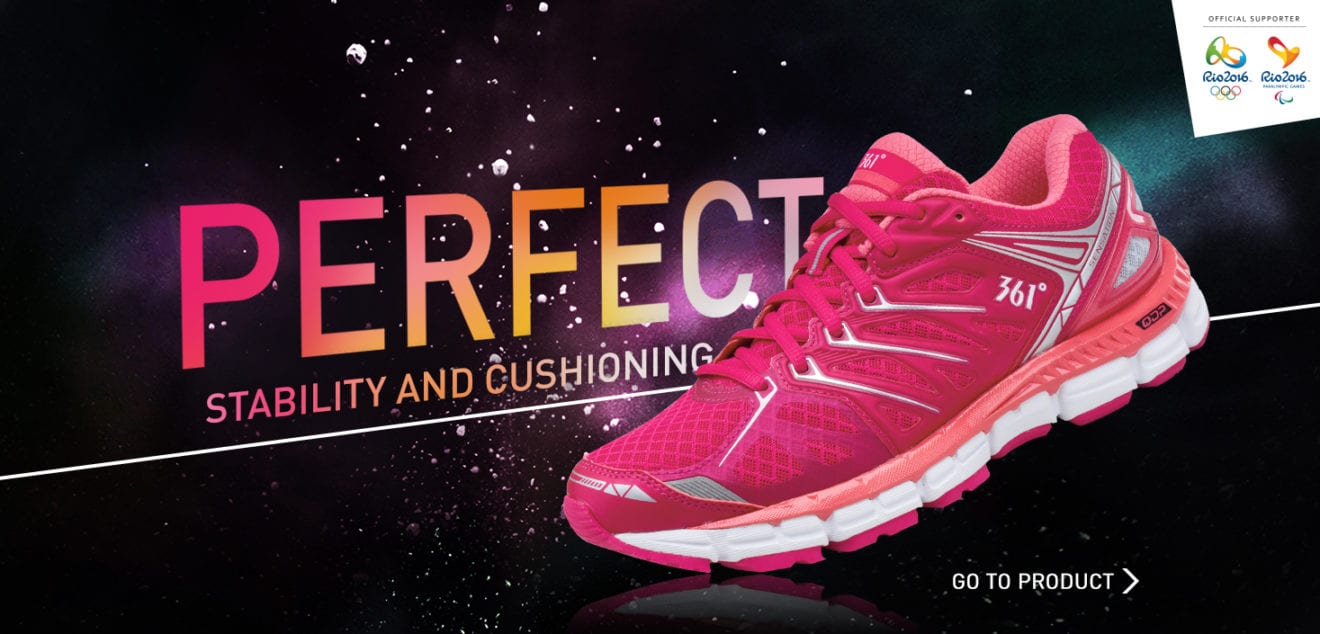
    Chinese sportswear maker 361 Degrees Group published its financial report for 2015 in Hong Kong, stating that its turnover reached CNY4.459 billion in 2015, a year-on-year increase of 14.1%; its gross profit was CNY1.823 billion; its gross margin was 40.9%; and its net profit attributable to shareholders was CNY518 million, a year-on-year increase of 30.2%.

    Meanwhile, by December 31, 2015, the company had distribution in 7,208 stores.

    The company said their children’s wear business showed strong performance. Since its launch in 2009, 361 Degrees’ children’s wear business achieved profit in six consecutive years. In 2015, its performance saw a year-on-year increase of 16% to nearly CNY600 million, accounting for 13.2% of the total operating revenue of the group. The number of children’s wear stores increased to 2,350.

    361 Degrees will continue to cooperate with the Finnish top outdoor brand One Way and promote three product series, which are for cycling, skiing, and outdoor adventure. At present, One Way has 47 owned stores in 23 Chinese cities, including Beijing, Shanghai, and Shenzhen.

    In the e-commerce sector, 361 Degrees is gradually improving the diversity and uniqueness of its e-commerce products. The e-commerce platform has also become an important channel for the company to launch smart products like smart shoes. So far, 361 Degrees’ online products and traditional store products each account for half of the business.

    In addition, 361 Degrees is actively developing new businesses and expanding overseas markets. By December 11, 2015, the company had 116 sales sites in America, 415 sales sites in Brazil, and 30 sales sites in Europe. Ding Wuhao, president of 61 Degrees, revealed that as an official partner of the Rio 2016 Summer Olympic Games, the company will fully expand the overseas markets with this opportunity.

  • Is French Company Decathlon Looking to Invest $500M in Indonesia?

    Is French Company Decathlon Looking to Invest $500M in Indonesia?

    Indonesia’s struggling textile and garment sector could get a badly needed dose of investment. A French company specializing in sports apparel has plans to pump $500 million into the archipelago.

    Franky Sibarani, chairman of the Investment Coordinating Board (BKPM), did not disclose the name of the company, but revealed that it’s based in Lille in northern France.

    “Not only will the company market its products domestically, it will also export to other department stores overseas,” Sibarani said, noting that the unnamed company had reached out to BKPM’s representative in London and the organization intended to communicate directly with the potential investors.

    Nurul Ichwan, BKPM’s investment promotion rep in London, told Jakarta Post that the company expects to operate its first department stores in Malaysia and Indonesia this year.

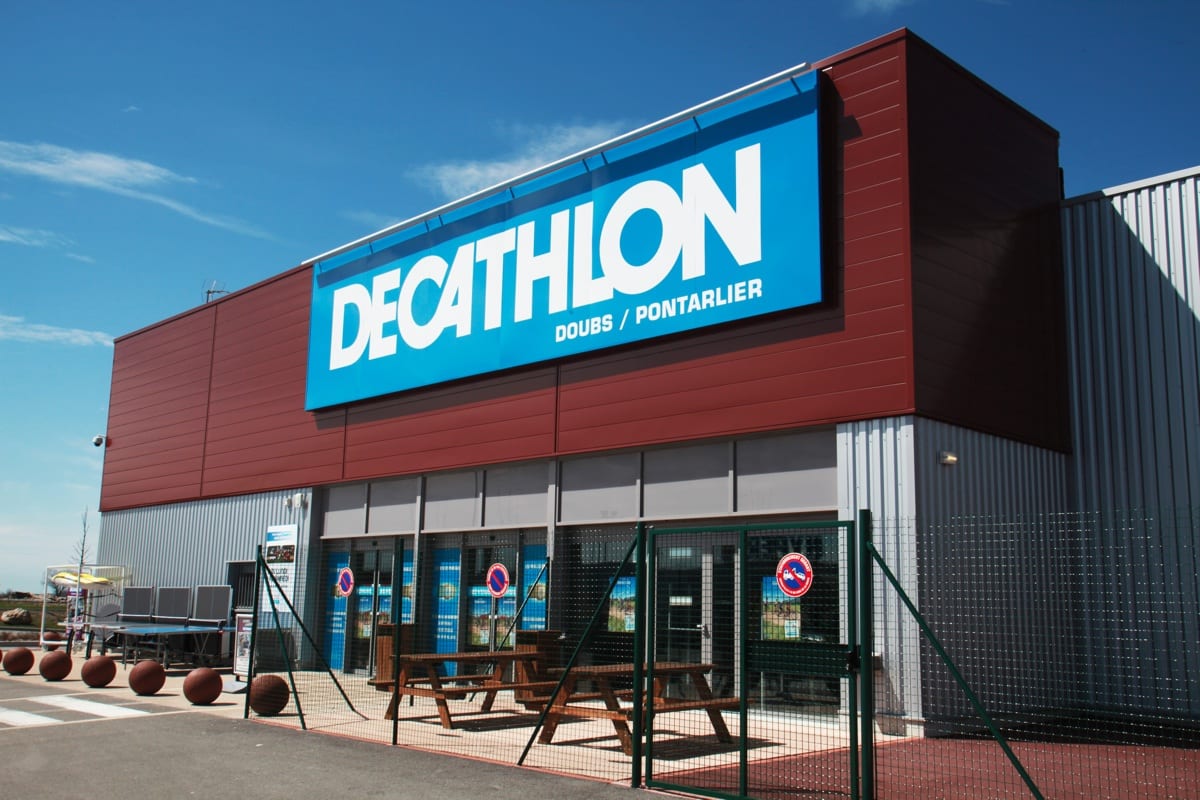
    All signs point to Decathlon, a 40-year-old sporting goods and apparel retailer that sells several of its own brands and has more than 1,000 stores worldwide. It has its head office in Villeneuve-d’Ascq, close to Lille, and the company raked in 9.1 billion euro (or $10.1 billion) in 2015. It’s also opening its first Malaysian location in April and is currently hiring retail staff in Indonesia.

    A half-million dollar investment is money the country’s textile industry could do with. According to government data, garment shipments dropped by almost 11 percent last year, as Indonesia fell to fourth place as a source of U.S. apparel imports (behind China, Vietnam and Bangladesh) in the first 11 months of 2015 with just 5.8% of the year-to-date total.

    That could fall further if the 12-nation Trans-Pacific Partnership (TPP), which Indonesia is not part of, comes into force. To that end, BKPM is urgently pursuing European investors, targeting the U.K., Germany, Netherlands, France, Spain and Switzerland.

  • China’s Alibaba seeks sporting gold

    China’s Alibaba seeks sporting gold

    Chinese e-commerce giant Alibaba is looking to turn its hundreds of millions of users into sportsmen as it seeks to cash in on the country’s growing sporting market, an executive said.

    The comments by Zhang Dazhong, chief executive of its Alisports unit, come as Chinese football clubs rank second only to English in spending during the winter transfer window and President Xi Jinping harbours dreams of winning a World Cup, and with the country set to host the 2022 Winter Olympics.

    Alibaba, which owns a 37 per cent stake in Asian football champions Guangzhou Evergrande Taobao, launched Alisports in September to develop the sporting economy in “an innovative way with digital thinking”, according to its website.

    “Alibaba would like to convert their nearly 500 million people or users into sportsmen and to utilise its strengths to help them,” Zhang told Hong Kong’s South China Morning Post newspaper.

    “Consumption power in China is huge and gigantic — the consumption of sport is about to burst in China,” he said.

    Alibaba in December agreed to buy the English-language newspaper in Hong Kong for USD 266 million.

    In the months since its establishment, Alisports has signed deals to stream NFL American football games in China, sponsor FIFA’s Club World Cup, and partnerships with both world amateur boxing body AIBA and the governing organisation for basketball FIBA.

    Zhang also met with football agent Jorge Mendes and his client, former Chelsea manager Jose Mourinho, in Shanghai last month to discuss partnerships, the SCMP said.

    adidas-Women_running

    The Chinese government said in 2014 that it aimed to grow the country’s sports market to more than five trillion yuan (USD 760 billion) by 2025 to become “a vital driver for sustainable economic and social development”.

    Many Chinese companies are seeking to ride the wave, with high-profile deals including property behemoth Wanda’s acquisition of Swiss sports marketing group Infront and a share of Spanish football club Atletico Madrid, as well a consortium led by state-backed China Media Capital buying a USD 400 million stake in Premier League giants Manchester City.

    But Zhang told the SCMP that Alisports would prefer to sponsor a big league as a whole: “It’s not our direction to buy a club or team, but to create a platform for clubs and teams.”

    Alibaba’s sports drive can help modernise the industry in China and fulfil Xi’s hopes for the country to qualify for a World Cup, host one and win one, he added.

    “I believe the World Cup will definitely come to China sooner or later. With the emergence of Alisport (that) dream… will come even earlier,” the paper quoted him as saying.

  • Score Alarm Plans to Expand from Germany to Asia

    Score Alarm Plans to Expand from Germany to Asia

    Score Alarm, a start-up from Zagreb, has become the official technology platform used by mobile applications for Oddset, the most popular sports betting service in Germany. It is a service which is offered by almost all lotteries in Germany and is represented at more than 15,000 retail outlets, reports Poslovni.hr on December 26, 2015.

    Ivan Klarić, the founder and director of Score Alarm, said that he was pleased with the latest success of his company. “Now we can truly say that we do business with German lotteries, given that they are the ones which distribute the Oddset service whose mobile applications are running on our platform”, Klarić said. He added that currently they have eight large corporate clients, including Bet Live, the biggest provider of gaming services in Bosnia and Herzegovina, then the Romanian Casa Pariurilor and Hungarian state lottery Szerencsejatek. With these clients, Score Alarm has become a platform used by more than 250,000 end users. By the end of 2016, they expect the number of end users to exceed one million.

    Klarić explained that he could not go into details about his customers, but did say that the applications which are being used in Germany have been downloaded several thousand times and are achieving high growth. “The German market is one of the most valuable in the industry, and Oddset – Die Sportwette is one of the first and most recognizable sports betting games in that market. Together with new clients and technological solutions which we are going to present soon, that will enable us to reach a million end users of our platforms in 2016″, Klarić said.

    Score Alarm began its expansion in spring of 2012. A mobile application which displays results of sporting events appeared on Google Play and AppStore at a cost of two dollars. Six months later, Score Alarm already had more than 13,000 paying customers and the Croatian Lottery expressed its interest. For 250,000 kuna, it bought exclusive rights to the Croatian market for a year. Cooperation was continued in the following years, and Score Alarm in the meantime transformed from an application for end users into a platform, a specialized IT system for large national lotteries and other companies offering sports betting services.

    Klarić said that he expected that most of the growth in the sports betting industry in the next few years will switch to mobile platforms. This represents an opportunity for Score Alarm to become the market leader in this new and rapidly growing industry. He added that they are now preparing for the ICE conference in London next year, which is the largest annual gathering of gaming industry. “Once we achieve good results in the European market, we want to spread to Asia, where there are opportunities in the Far East, and to Africa, where there is also interest for our platform”, Klarić concluded.

  • Thailand’s first Decathlon store opens in Bangkok

    Thailand’s first Decathlon store opens in Bangkok

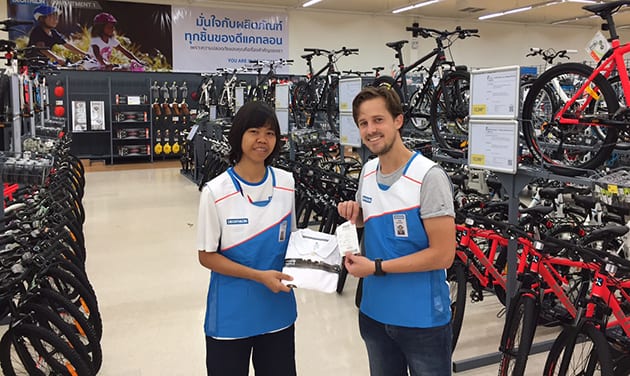
    People in Thailand are particularly passionate about football, water sports, trekking, running, road biking and golf. As of 22 October, they’ll have access to a wide range of technically sophisticated products available in Decathlon stores designed to help them enjoy these sports. Operational in Thailand for around twenty years with its production activities, the company has now swung its distribution arm into action!

    “We’re opening five stores in Bangkok, whose surface areas range from 1,700m2 to 2,700m2. They’re nicely spread out across the capital, including one right in the centre,” explains Decathlon Thailand boss Frédéric Bichet. These stores will be exclusive retailers of Decathlon’s Passion brands.

    Team recruitment based on sporting values
    In order to provide the best possible service for Thai customers, we had to attract new employees who weren’t yet familiar with the company. In total, 120 new team members will be joining the latest stores to serve our customers. So we could share our company values with them, they were recruited locally at sports events, at sales and retail workshops and at interviews with directors appointed to run the new stores.

    Just like the business itself, these teams have a strong international flavour. Decathlon’s new employees have come from Belgium, China, Romania and even Russia, looking to be part of the company’s next growth phase. One of the new store directors is even a former employee of the Thai production office, where he worked for twenty years. “It’s a great asset being able to benefit from all of these viewpoints and experiences brought to us by such international profiles,” insists Frédéric, “and it’s also important for the countries where these employees hail from. It’s proof that it is possible to successfully run this type of international project at Decathlon.”

    Thailand’s first Decathlon store opens in Bangkok

  • Li-Ning growth strengthens

    Li-Ning growth strengthens

    Hong Kong-listed Chinese sportswear brand Li-Ning has released the vaguest operational update of the year – but nevertheless, it’s clear the brand is still growing.

    A year after seemingly being down for the count, Li-Ning revealed a first half year profit in August, proving its massive transformational program was have a positive effect.

    Now the company has released information on orders from its franchised distributors at its September trade fair, where it unveiled its range for distribution in the second quarter of 2016. For the eighth consecutive quarter, orders increased.

    “The orders from the latest trade fair… registered high-teens growth on a year-on-year basis. This growth is driven by mid-teens increase in footwear as well as low-twenties increase in apparel.”

    Meanwhile, same-store sales for Li-Ning-branded stores in the quarter to September 30

    increased by “mid-single-digits” year on year.

    “In terms of channels, growth rates of retail (direct operation) and wholesale (franchised distributors) were mid-single-digit and low-single-digit on a year-on-year basis respectively. Comparable growth on our eCommerce virtual stores more than doubled on a year-on-year basis. We have started reporting the eCommerce revenue growth as it is an increasingly important channel.”

    At the end of last month there were 5953 Li-Ning branded points of sale in China, a net increase of 327 since January 1, and 208 more than at the end of the previous quarter.

  • Wearable tech drives fitness tracker boom

    Wearable tech drives fitness tracker boom

    Nearly 19,000 health fitness trackers were sold in Singapore in the last six months as wearable technology meets fitness fad.

    According to data from research house GfK, the tracker market was worth more than US$2.3 million during the last six months,as increasing numbers of enthusiasts are slowly, but surely picking up the new ‘tech toy’.

    More than 100 units were sold every day between September and February.

    GfK commenced point of sales tracking of health and fitness trackers soon after the product entered the mainstream market and started witnessing rising consumer receptivity. At its peak month in December 2014, over 5200 of the gadgets were sold -generating more than US$530,000 in overall sales in one month alone.

    “Still considered at the infancy stage of the product lifecycle as it has barely been a year since the product has been launched here, the health and fitness tracker is currently appealing to the tech-savvy early adopters,” said Gerard Tan, account director for Digital World at GfK. “However, since GfK started tracking sales of the product in September, we have witnessed stable demand, growing the market steadily in into an approximate US$2 million business in the six month span.”

    GfK reports eight major brands of health and fitness trackers offering nearly 50 models in Singapore. A comparison of monthly sales performance in the six months revealed some emerging preferences among local consumers. For instance, devices that are equipped with a wireless feature have been consecutively rising in share of sales volume, from 54 per cent in September to 76 per cent in the latest month.

    And there is growing demand for models which come with the heart rate sensor. In February 2015, two in every five health and fitness trackers purchased have this feature – compared to just six per cent six months ago.

    “Consumers in our developed market are receptive towards the new wearable technology and manufacturers continue to actively launch their flagship models in Singapore first for the Asia region,” said Tan. “As the market starts getting increasingly crowded, manufacturers will need to identify their distinct fitness tracking feature or move away from the traditional form factor to create new wearable designs and experiences in order to stand out and gain edge in the market,” he concluded.

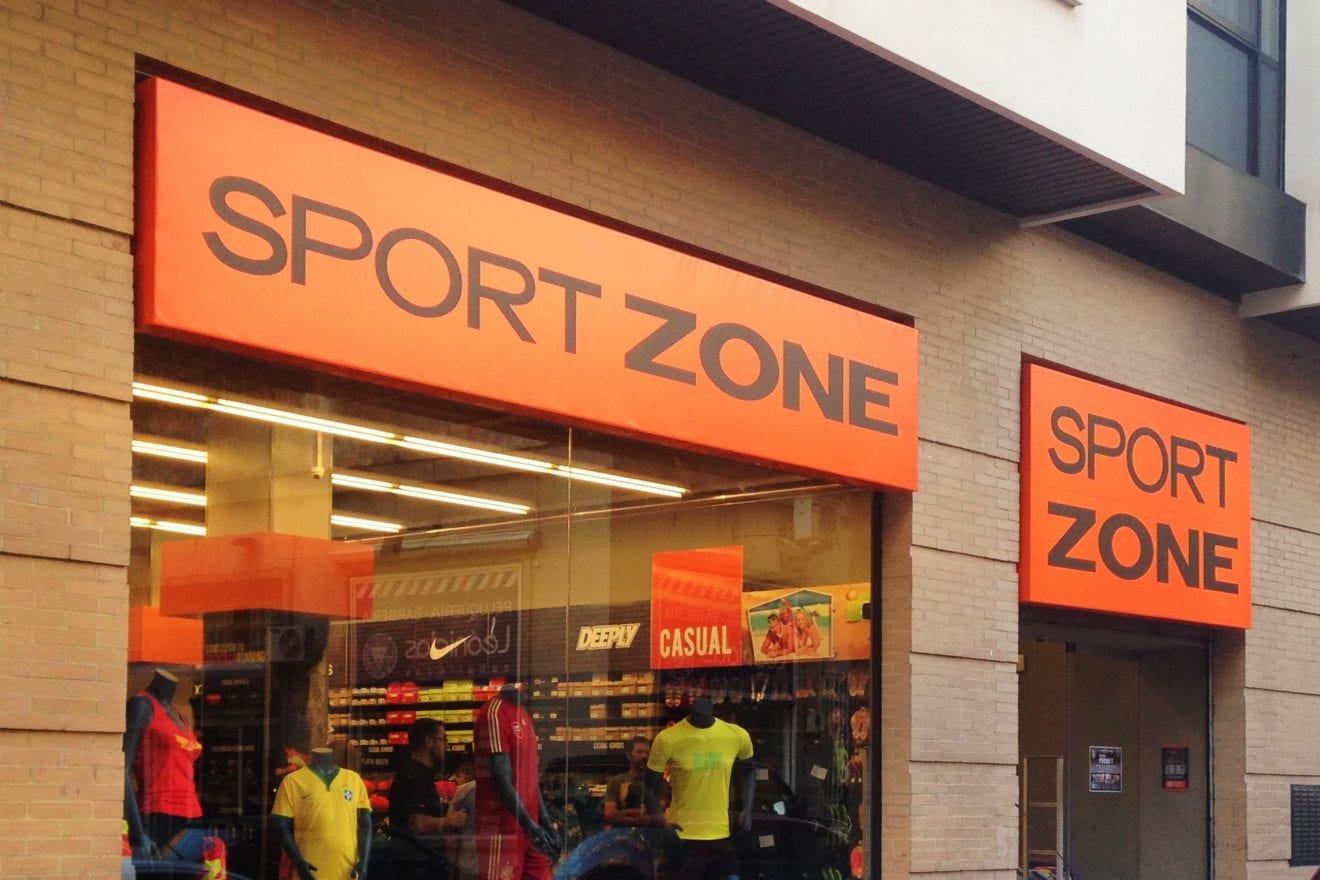
  • Trent and Sonae take Sport Zone to India

    Trent and Sonae take Sport Zone to India

    Sport Zone, Portugal’s leading sports retail chain, will launch in India through stores managed by Trent.

    Part of the Tata group, Trent is one of India’s largest and fastest growing retail chains.

    Sport Zone, headquartered in Iberia and owned by Sonae, is the largest chain of sports shops in Portugal. The innovative products and equipment developed and marketed by Sport Zone will be available to Indian customers in franchised stores and shop-in-shops in department stores managed by Trent.

    The first such store is the newly launched Commercial St store of Landmark.

    The partnership plans to open the first five Sport Zone stores in India by end of 2016.

    Miguel Mota Freitas, CEO of Sonae SR, said Sonae wants to capitalise on the distinctive factors of its brands worldwide, exploiting their competitive advantages, based on the design and quality of their products.

    “The group’s entry into the Indian market is another important step in this strategy, as it enables us to strengthen our presence in Asia and allows us to have Trent as a benchmark partner in the second most populous country in the world.”

    Established in 1997, Sport Zone offers a wide range of sports goods and equipment of leading international brands as well as exclusive brands and has over 100 stores across the world. Sport Zone also markets its brands and innovations worldwide since its exclusive brands are available through wholesale channels in 22 countries.

    Sonae is one of the largest retail groups in Portugal with two major partnerships in Shopping Centers (Sonae Sierra) and Telecommunications (Sonaecom) businesses. At the end of 2014, Sonae achieved turnover of around 5 billion euros.