Retail News CRM

Tag: #sport

  • Nike arrives at number one in Brand Finance Top 50

    Nike arrives at number one in Brand Finance Top 50

    Despite losing popularity with American teenagers and a drop in brand value of 41 per cent, Nike is still way out in front in the Brand Finance Top 50 list of the most valuable apparel brands in the world.

    In the list, just been release by the independent brand valuation and strategy consultancy, Nike’s main competitor Adidas was fourth behind H&M and Zara with an increase in brand value of 41 per cent.

    In the realm of luxury brands, Hermes overtook Louis Vuitton, jumping two spots from 7th to 5th from last year. Luxury brands including Cartier, Gucci, Hermes and LV had strong growth in value as more consumers in emerging markets buy into the market.

    Japan’s Uniqlo was the only Asian brand in the top 10, with Hong Kong jeweller Chow Tai Fook and China’s Anta Sports taking up the 13th and 33rd spots respectively.

    These are the top 50 most-valuable apparel brands in the world this year:

      1. Nike (brand value, US$2.8 billion)
      2. H&M ($1.8 billion)
      3. Zara ($1.7 billion)
      4. Adidas ($1.4 billion)
      5. Hermes ($11.3 billion)
      6. Louis Vuitton ($10.4 billion)
      7. Cartier ($9.8 billion)
      8. Gucci ($8.5 billion)
      9. Uniqlo ($8 billion)
      10. Rolex ($6.3 billion)
      11. Coach ($6.1 billion); 12. Victoria’s Secret ($6.1 billion); 13. Chow Tai Fook ($5 billion); 14. Tiffany & Co ($4.6 billion); 15. Burberry ($4.5 billion);16. Christian Dior ($4 billion); 17. Polo Ralph Lauren ($4 billion); 18. Prada ($3.8 billion); 19. Under Armour ($3.7 billion); 20. Armani ($3.5 billion)
      12. Puma ($3.3 billion); 22. Ray-Ban ($3.2 billion); 23. Omega ($3.1 billion); 24. The North Face ($3.1 billion); 25. Pandora ($3 billion); 26. Michael Kors ($2.7 billion); 27. Tommy Hilfiger ($2.6 billion); 28. Anta ($2.6 billion); 29. Old Navy ($2.3 billion); 30. Bulgari ($2.2 billion)
      13. Bershka ($2.2 billion); 32. Calvin Klein ($2.2 billion); 33. Levi’s ($2.2 billion); 34. Primark/Penneys ($2.1 billion); 35. Moncler ($2 billion); 36. Boss ($2 billion) 37. Gap ($2 billion); 38. Ferragamo ($1.9 billion); 39. Saint Laurent ($1.8 billion); 40. Bottega Veneta ($1.8 billion)
      14. Valentino ($1.8 billion); 42. Skechers ($1.6 billion); 43. Swatch ($1.6 billion); 44. Tag Heuer ($1.5 billion); 45. Timberland ($1.4 billion); 46. Massimo Dutti ($1.3 billion); 47. Reebok ($1.3 billion); 48. Woolworths ($1.2 billion); 49. Stradivarius ($1.2 billion); 50. Pull and Bear ($1.2 billion).
  • JD Sports Fashion Korea

    JD Sports Fashion Korea

    JD Sports Fashion Korea will launch with a store in Seoul’s Gangnam district on Friday week.

    It is the British sports fashion brand’s first venture into the Northeast Asian market since forming a JV with Korean retailer Shoemarker in September.

    By the end of the year, JD Sports hopes to have 32 stores across Korea, to be promoted and managed by Shoemarker. They will offer such global sportswear brands as Adidas, Fila, Nike and Puma.

    Founded in 1981, JD Sports Fashio has more than 1250 stores in 14 countries including Australia, France, Germany and the UK. Sales reached US$3.24 billion in 2016.

  • GXG joins an Australian sportswear brand

    GXG joins an Australian sportswear brand

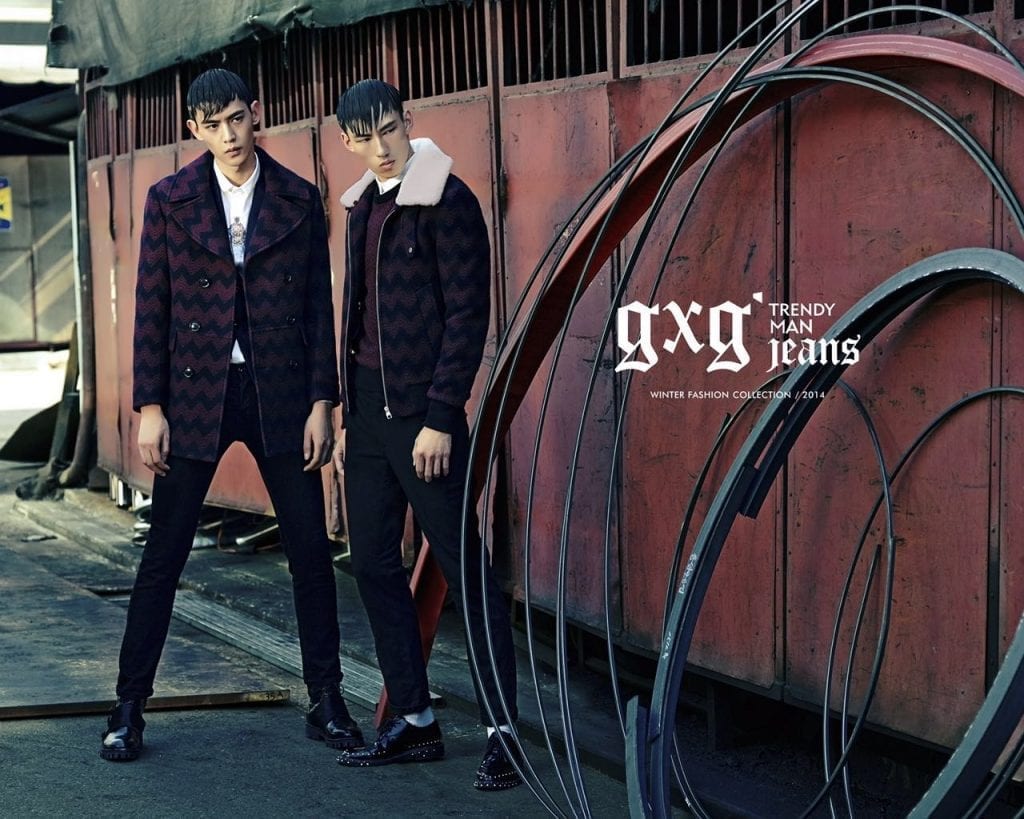
    Australian compression and high-performance sportswear brand 2XU has formed a JV with Chinese fashion retailer GXG as part of an Asia expansion plan.

    This will give it access to more than 1 billion Chinese consumers, and 2XU plans to add special apparel lines for the market. China’s gym and fitness industry has been growing at an annualised rate of 11.8 per cent since 2011 and generated nearly US$4.6 billion in revenue last year.

    Under the JV, 2XU plans to open up to 50 retail stores throughout mainland China in the next three years as well as its online and wholesale business.

    CEO Paul Higgins says the move is significant for the business, which launched in Melbourne 12 years ago. It first entered Asia in 2008 with a wholesale presence in Hong Kong and Singapore, and is now in 13 markets across Asia Pacific. It plans to increase its stores from 22 to 50 in the next 12 months, and to 100 in the next three years.

    Growth in the sportswear market in China has been driven by an upswing in sports participation rates. About 2.8 million runners last year took part in events, according to the Chinese Athletic Association – double the number in 2015. However, the number of gym attendees across 70 major cities has grown by up to 5 million every year since 2011.

    Already 2XU has been generating 51 per cent year-on-year growth in Asia Pacific in the past 12 months. The brand is available in Mainland China via concept stores in seven major cities, and has retail and wholesale channels in Hong Kong, Indonesia, Japan, Malaysia, Singapore, South Korea, Taiwan, the Philippines and Vietnam.

    Under the new JV, 2XU Performance Centres will start opening in major Chinese cities from early next year.

  • Premium outdoor brand ‘Gregory’ to open its first flagship store

    Premium outdoor brand ‘Gregory’ to open its first flagship store

    Under the unique brand philosophy of ‘Backpacks should be as easy to wear’, Gregory has opened the first flagship store in Sangsu dong, Seoul.

    Based on its ergonomic design and state-of-the-art technology, Gregory has been becoming a brand with a new category of ‘Outdoor Lifestyle Backpack’.

    Since Gregory offers a total of three product lines including functionality, lifestyle, and business line, the brand is widely loved by a wide range of customers from college students in twenties who pursue athletic lifestyle to office workers in thirties who place on functionality and quality.

    Gregory’s “Fit Jig” service is the best example of this brand identity. When choosing a backpack, it is important to consider a variety of factors such as gender, body size, amount of baggage, and purpose, and choose a product that provides a comfortable fit without feeling uncomfortable to the body.

    The Gregory Sangsu flagship store offers a service that recommends an optimal model based on your body size and usage, using a body meter.

    In addition, as it is the only flagship store in Korea, customers can try out the most various products. The Gregory flagship store also offers ‘Old Logo’ products, which are available only here.

    It sells a variety of products that can look at the history and identity of the brand from the vintage items with the old logo to the limited edition. Also from the August 25th, Gregory will show apparel products with its sensitivity.

    The Gregory Flagship Store also attracted visitors with a variety of cultural experience events.  In particular, it celebrated its opening in March last year, and its stores were decorated like galleries.

    Gregory’s early products, founded in 1977 in San Diego, USA, have provided a variety of information related to the brand’s history for 40 years. A Gregory official said, “The Gregory Flagship Store is a place where you can meet all of Gregory’s products that symbolize outdoor and lifestyle.”

  • Lululemon fined for violating guarantee rights

    Lululemon fined for violating guarantee rights

    Sportswear retailer, Lululemon Athletica Australia, has paid penalties totalling $32,400 following the ACCC issuing three infringement notices for violating consumer guarantee rights.

    In May earlier this year, Lululemon listed sale items on its website under the heading “We Made Too Much”. The web page read “We made a little extra – don’t be shy, help yourself. It’s yours for keeps so no returns and no exchanges”.

    The ACCC said that, by this statement, Lululemon represented that consumers were not entitled to return and obtain a refund for, or exchange, these products under any circumstances.

    Lululemon has also posted this return policy on its website stating: “Final sale items like underwear, water bottles + We Made Too Much gear are yours for keeps”.

    The statements, according to the consumer watchdog, represented that consumers were not entitled to a remedy for these products under any circumstances.

    The ACCC also mentioned in November last year, a customer has contacted Lululemon requesting a refund for products she considered were faulty but received an e-mail from a Lululemon representative that said “We do not offer refunds for quality affected garments”.

    “The ACCC alleges that Lululemon made representations to customers that they were not entitled to a refund or replacement for products under any circumstances, when that was not the case,” ACCC deputy chair Delia Rickard said.

    Rickard said if a product or service fails to meet a consumer guarantee, people are automatically entitled to a remedy under the Australian Consumer Law.

    “If products develop a fault which constitutes a major failure, customers are entitled to a refund, even if the product was purchased on sale,” she said.

    “Businesses must ensure their refund and returns policy do not breach consumer law, and that representations they make about consumers’ rights to return goods or obtain a refund accurately reflect the consumer guarantee rights under the Australia Consumer Law,” Rickard said.

  • Toby’s Sports to expand online

    Toby’s Sports to expand online

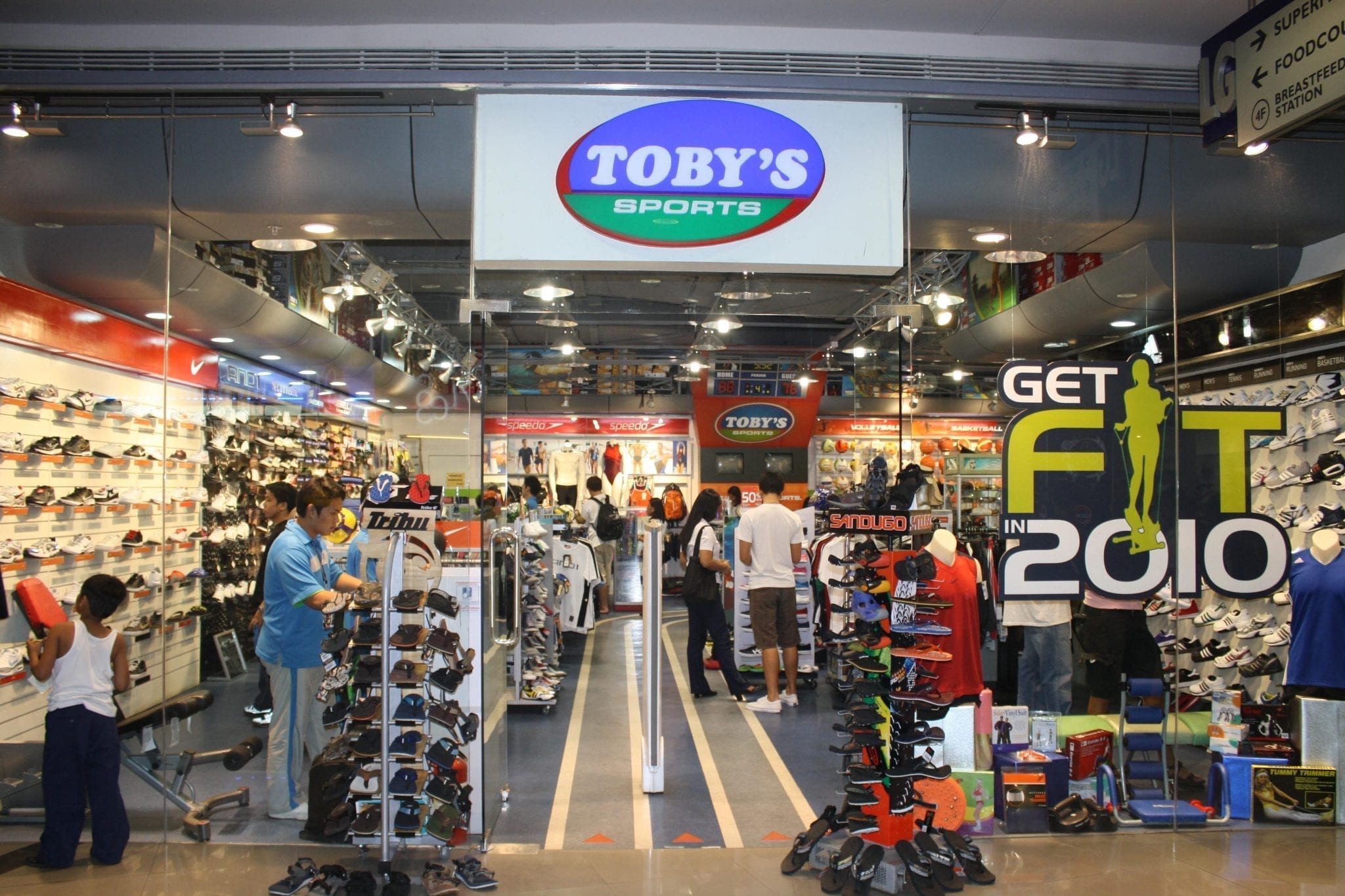
    Philippines-founded retailer Toby’s Sports has launched a new e-commerce site as it marks its 40th anniversary.

    “Our e-commerce platform was completely revamped and we have since added multiple services to allow for a more convenient shopping experience,” explains Toby Claudio, president of Quorum International, parent of Toby’s Sports.

    The site features a wide range of footwear, apparel and equipment from high-profile international sports brands.

    Also coinciding with the anniversary, Toby’s Sports has launched a national campaign entitled, ‘We Got This’, highlighting an individual’s journey to achieve success in whatever sport or fitness activity they pursue.

    A video journey examines the mental and physical hardships of sports training – from an aching, calloused body to a state of frustration and self-doubt – to achieving success.

    “When you take on a challenge or set a goal for yourself in sports and fitness, you undergo several hurdles that make you want to give up. #WeGotThis is our rally cry to keep them going; to let them know that as the leader in the sports industry. We are here not just here to provide them with the right gear, but to also give them the support they need to succeed,” said Claudio.

    “Officially introducing the site at the same time as the new campaign really brings the message home for us – that our dedication to our customers and their well being is unparalleled,” he added.

  • Audi to use Valeo’s stop-start technology in sports coupe

    Audi to use Valeo’s stop-start technology in sports coupe

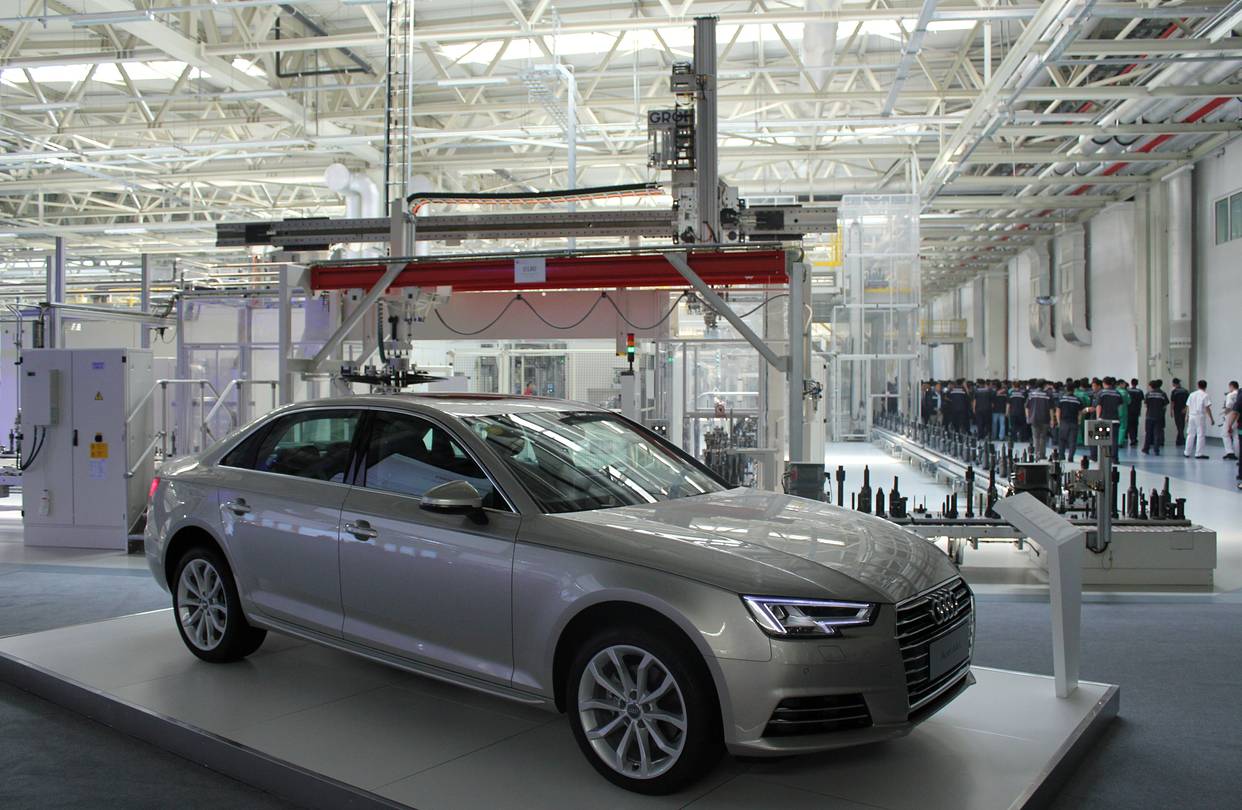
    Luxury carmaker Audi will introduce Valeo’s micro-hybrid “stop-and-start” systems in its RS5 sports coupe, sources told Reuters, in a sign that the Paris-based supplier may be tapping new premium demand for the fuel-saving technology.

    The contract with Volkswagen’s (VOWG_p.DE) upscale Audi division underlines increased spending by automakers on technology designed to reduce carbon dioxide emissions, in response to tightening standards and testing regimes.

    Volkswagen and Valeo both declined to comment.

    Unlike a typical alternator, which converts engine torque to electricity to power a vehicle’s circuitry and charge its battery, the starter-alternator can also re-start the engine in a fraction of a second.

    The Valeo system delivers fuel savings of up to 15 percent by automatically shutting down the engine whenever a car is halted by a red light or traffic, with an in-step reduction of CO2 and pollution emissions in congested cities.

    First introduced in 2004, the so-called “i-StARS” technology is a flagship product of Valeo’s 4 billion euro ($4.6 billion)propulsion systems division, with 3 million units sold.

    But launch customer PSA Group (PEUP.PA) and other volume manufacturers have since dropped it from new models in favor of beefed-up starter motors, a cheaper though less efficient stop-and-start solution.

    The i-StARS system is beginning to find new markets, however, Valeo boss Jacques Aschenbroich told Reuters. “Demand for it is continuing to grow significantly,” the CEO said, predicting double-digit percentage sales rise.

    With the mild-hybrid RS5, which went on sale this month in Germany and in France next week, Audi becomes the first German premium brand to use the technology on its current vehicle lineup.

  • Canterbury open new stores in Bangkok

    Canterbury open new stores in Bangkok

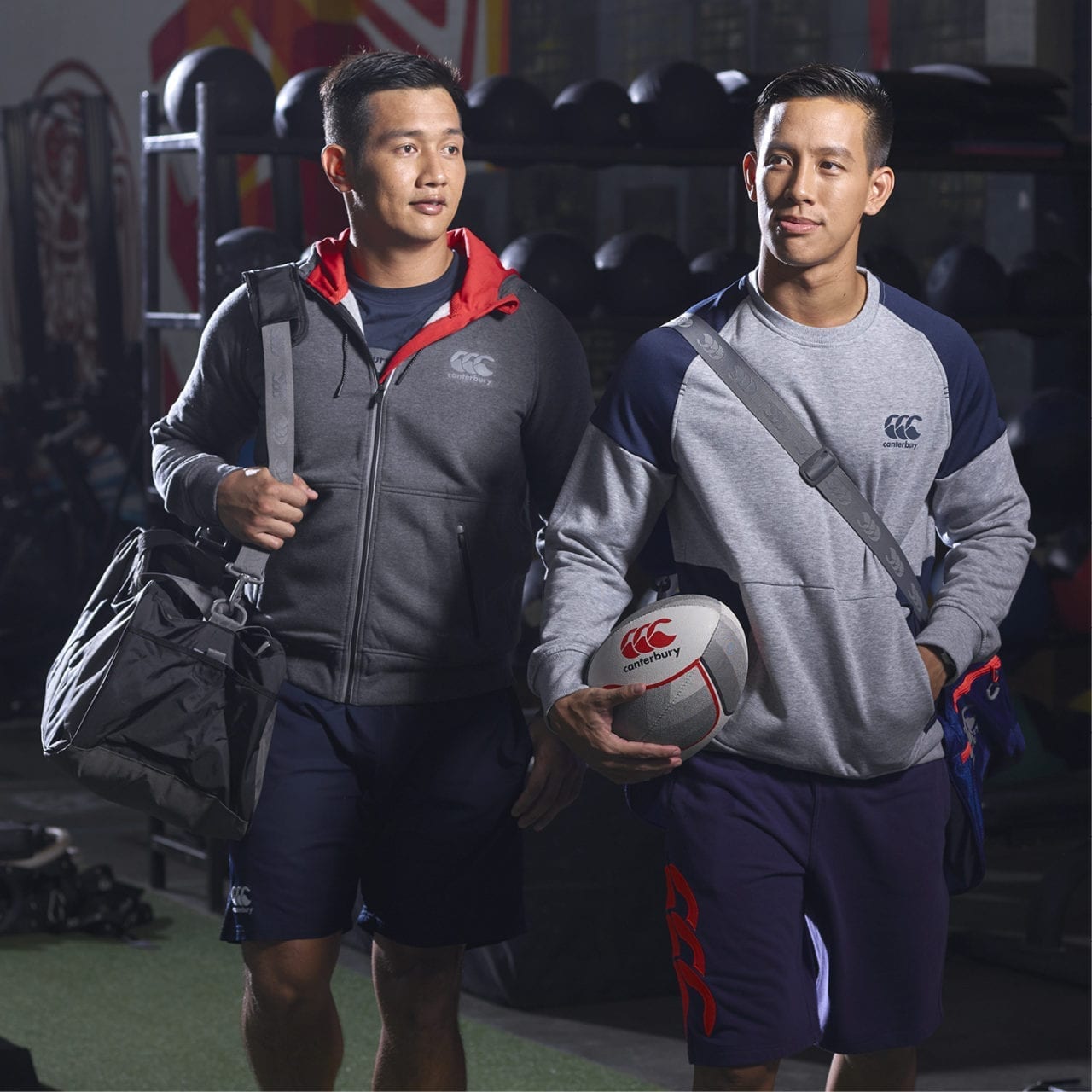
    Leading sports brand Canterbury has opened its latest store in Bangkok, bringing the total number to five since the New Zealand-founded company launched its flagship store in February this year.

    Canterbury’s expansion in Thailand reflects the increasing popularity of the sport of rugby and the fitness industry, and showcases how attitudes towards healthy living and exercise have shifted in recent years. Rugby is the fastest growing team sport on the planet and player numbers in Thailand are rapidly increasing due to initiatives of the Thai Rugby Union.

    The latest store opening at Go Sports Mega Bangna follows four successful store openings in Bangkok in just five months: Supersports at CentralWorld, Sports Mall at Emporium, the lifestyle section of EmQuartier, and the flagship Phayathai Building shop.

    “We have expanded our footprint here in response to the flourishing rugby, and fitness industry, and are proud to be able to play our part in advocating a healthy lifestyle,” said Mark Bennett, Managing Director, Silver Fern Holding Ltd., the exclusive distributor of Canterbury.

    Although Canterbury is widely recognized as the “world’s original rugby brand”, its product line goes beyond rugby essentials, and includes a wide range of quality sportswear featuring innovative technology that is both practical and stylish. Canterbury’s latest Vapordri+ collection, for example, has been specially engineered to help regulate the wearer’s body temperature, and is especially useful in tropical climates like Thailand.

    All pieces in the Vapodri+ range are made with a special fabric that features advanced wicking properties that help evaporate sweat, allowing garments to dry quickly. The Vapodri+ technology provides dynamic cooling and this adaptive technology reacts to the wearers’ changing body temperature to ensure they can focus on performance.

    “Eating right and exercising regularly is the core to any healthy lifestyle, but it is also essential that people wear the right sporting gear when they exercise, in order to train better and maximize performance.” said Mr. Bennett.

  • Peak Sport first Chinese firm to release 3D sneakers

    Peak Sport first Chinese firm to release 3D sneakers

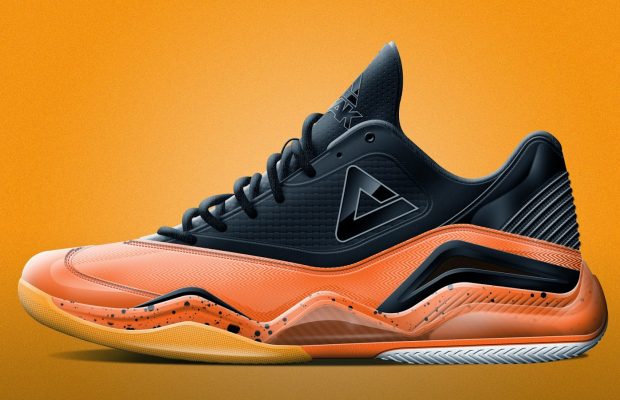
    Sports brand Peak has released its first 3D printed running shoes in Beijing, the first-ever Chinese firm to successfully launch the innovative sneakers.

    Dubbed ‘Future I’, the sneakers are being sold on local e-commerce platform Tmall for RMB1299 (US$188).

    The 3D printed running shoes are based on the most popular Peak FLY V, with 3D printed technology applied to achieve technological innovation. Promoting comfort and breathability, the shoes are made with a special lattice structure insole made via 3D technology.

    In a press release, Peak said its “SLS laser sintering technology shapes the shoes with the more elastic TPU, to ensure the lightness and flexibility… bringing an extraordinary and excellent wearing experience.”

    Peak brought in 3D printing technology in 2013, and over the past 5 years, the firm has used 3D printing technology to produce shoe molds to make 3D printed versions to create exclusive design for athletes such as NBA player Dwight Howard.

    This latest design feat crowns Peak’s design efforts, and harks a promising future in innovative sportswear.

    “This pair of 3D printed shoes is Peak’s latest outcome of Peak Innovation Strategy, our goal is to build Peak as the most international, professional and innovative sports brand in China,” said Zhihua Xu, general manger of Peak Sport.

    Peak owns five research and technology centres in Beijing, Guangzhou, Quanzhou, Xiamen and Los Angeles, with 200 staff across all campuses.

    Based on 3D printed technology, Peak’s ‘Longji’ running shoes were awarded first prize in the first China Industrial Design Competition.

    “In the future, Peak will insist on technological innovation research and release more professional sports products to meet the mass requirements, and become the leading sports brand,” added Zhihua Xu.

    Peak is the third sports brand to release and sell 3D printed running shoes after Adidas and Under Armour.

  • Reebok to accelerate China expansion with 500 new stores by 2020

    Reebok to accelerate China expansion with 500 new stores by 2020

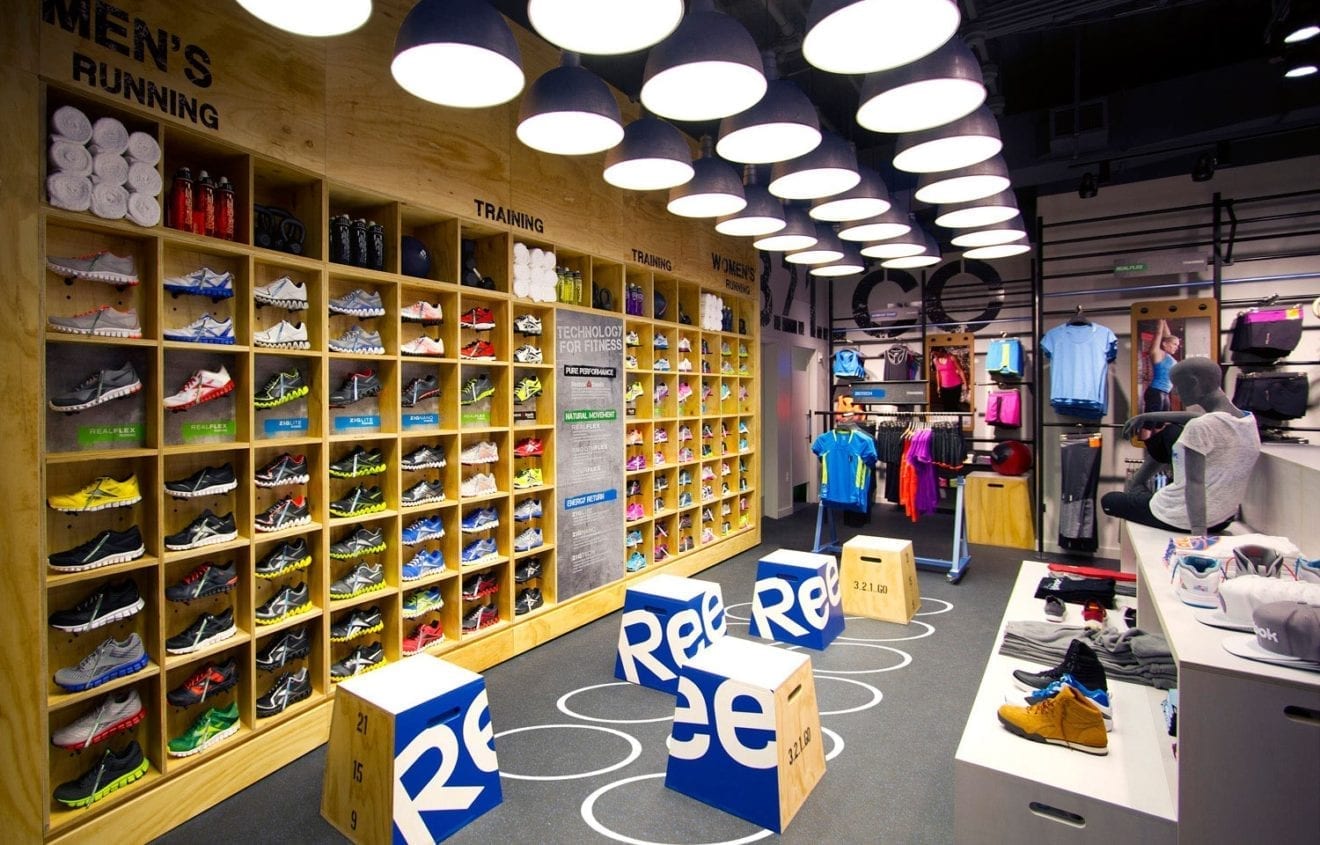
    Global fitness and lifestyle brand Reebok has unveiled plans to open 500 FitHub stores in China by 2020 as part of a major push to become the region’s leading fitness brand.
    The label, owned by Adidas, aims to expand its physical presence in China where it says the market for fitness is growing fast.

    The FitHub concept is an extension of the brand’s new positioning as a fitness-focused label and offers customers an integrated store experience with in-store classes, events and a team of product experts who can provide advice on the right gear for every workout.

    Reebok has already opened seven FitHub stores in China in the last few months, including locations in Wuhan, Qingdao, Hangzhou and Beijing.

    And 50 further stores are scheduled to open this year to meet the target of 500 FitHubs in China by 2020, according to local media reports. Reebok is collaborating with its retail partner Belle International Holdings Ltd to drive the rollout.

    “For a fitness brand, there is no better country to invest in right now than China,” said Chad Wittman, general manager of Reebok Greater China to China Daily.

    “We’ve spent a lot of time and energy putting together a China strategy that meets the specific needs of Chinese consumers in terms of product, messaging and experiences.”

    Wittman said the strategy of offering events in stores will resonate in China, where consumers “want to do fitness activities to be more healthy and more successful. There are lots of opportunities to offer Chinese consumers a better life through fitness activities.”

    In addition to its global range of fitness apparel, footwear and equipment, the brand will be working with teams based in China to design and manufacture products that meet the specific needs of Chinese shoppers.

    Reebok, a 120-year-old brand, has been shifting away from celebrity athletes and repositioning itself as a brand for fitness lovers in the past few years. It is currently focusing on three key categories: running, training and classics, and this year running will be a key category according to Wittman.

  • 2XU launches first flagship store in Hong Kong

    2XU launches first flagship store in Hong Kong

    Australian sportswear brand 2XU has opened a Hong Kong flagship store this month, located in the prestigious Causeway Bay shopping district.

    Situated in the heart of Causeway Bay, at 77 Leighton Road, the new 930 square foot store is the official Hong Kong flagship and is the first standalone store for the high-performance sports apparel brand in the city. 2XU successfully debuted a Hong Kong e-commerce platform at the end of 2015.

    Melbourne-born, 2XU specialises in technical fabrics, particularly compression wear. Its products are used by top athletes in Australia and internationally (it is distributed in fifty markets) and has been worn by basketball players in the NBA and NFL football leagues in the United States.

    It boasted an annual 40 per cent increase in sales over the past five years, and has grown EBITDA at around 25 per cent per annum for same period.

    In December 2013, L Capital Asia acquired a 40 per cent share of 2XU. In 2015, there was talk of L Capital Asia mulling a public float in either in Australia or New York that could value the business at more than $600 million.

    2XU was founded in 2005 by Clyde Davenport, James Hunt and Aidan Clarke. The founders still hold a 42 per cent share, while Lazard Australian Private Equity holding an 18 per cent stake.

  • Adidas China to open 2,000 new stores by 2020

    Adidas China to open 2,000 new stores by 2020

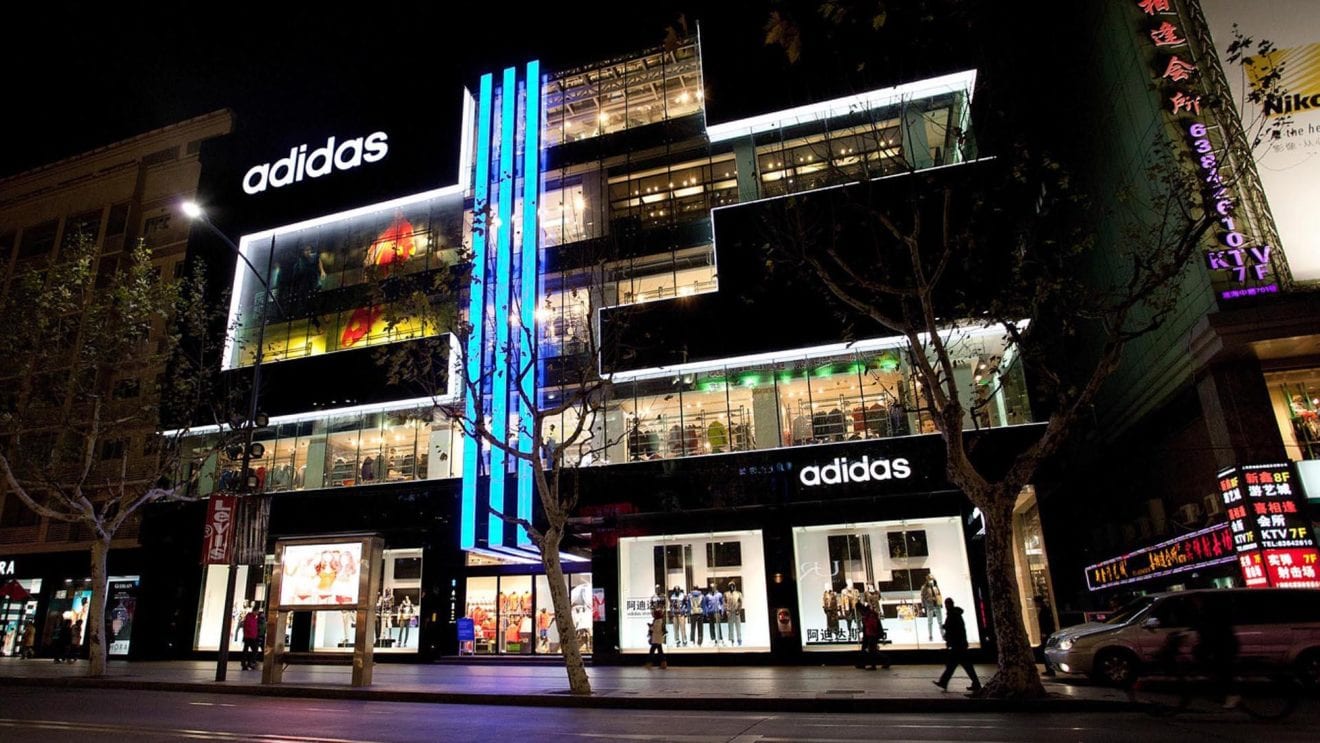
    Adidas AG plans to open 2,000 new stores in China by 2020, after the sports group’s business in the Asian nation grew nearly 30% last year, making it the second-largest market in the world after Western Europe.

    According to local media reports, Adidas AG – which covers Reebok, TaylorMade and Reebok-CCM Hockey, as well as the its namesake Adidas – is eyeing 12,000 stores in China by 2020, adding to the 10,000 stores it already has there.

    Adidas’s Reebok brand also plans to open 500 new stores in China by 2020, as per reports.

    In 2016, Adidas recorded sales of 3 billion euros ($3.26 billion) in China on the back of updated products, new stores (Adidas opened 1,000 stores in the country), and the development of e-commerce.

    Colin Currie, managing director of Adidas in China told China Daily that round 50% of the group’s revenue comes from 23 major cities in China. Adidas is present in more than 1,000 cities, and in therefore, wants to open stores across 2,000 cities in China.

    “We believe smaller cities will give us 50% of our growth in the coming years,” Currie said.

    Moving forward, Adidas CEO Kasper Rorsted also said on a recent visit to China in late April that e-commerce would be a huge driver for its business going forward in China.

    “China has one of the most sophisticated e-commerce and digital landscapes in the world, which we plan to make extensive use of,” said Rorsted.
    Adidas sold 43 million euros worth of product over China’s Singles Day last year. Rorsted said Adidas is intent on learning how to connect its physical locations to digital channels, for a smoother customer experience.

  • Vingroup to invest in HCM City sports complex

    Vingroup to invest in HCM City sports complex

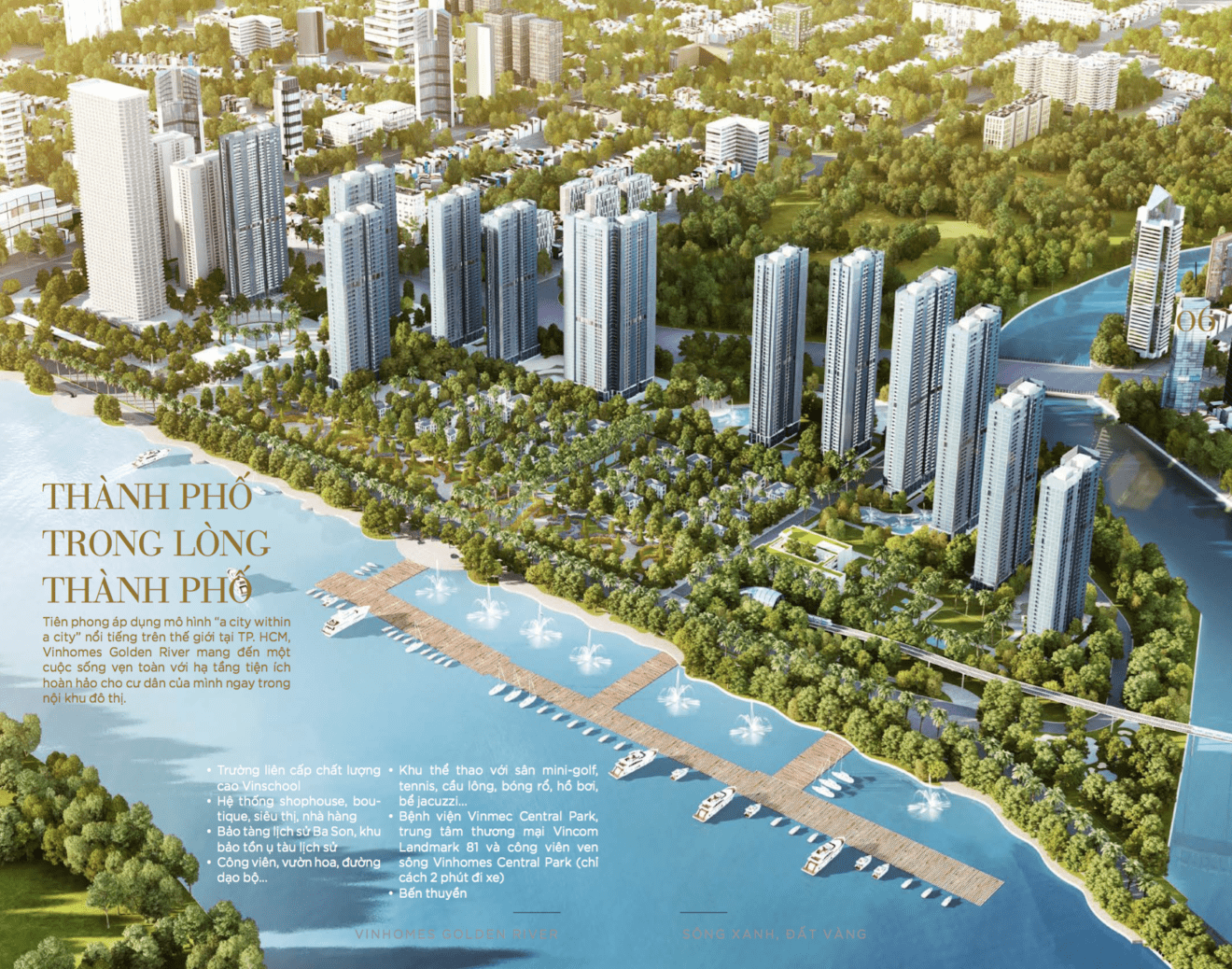
    HCM City’s People’s Committee had given Vingroup Joint Stock Company (Vingroup JSC) the go-ahead to invest in a sports and entertainment complex in District 2’s new Thủ Thiêm urban area.

    The complex would be located on 31.39 hectares, and the People’s Committee has approved a district planning scale of 1/2,000, the city’s department of planning and architecture (DPA) said on Monday.

    The project would require an estimated total capital of VNĐ6.77 trillion (US$305.1 million), excluding compensation for site clearance.

    So far, 99 per cent of the land in Thủ Thiêm urban area had been cleared, with 382 hectares set aside for residential purpose and another 334 hectares for commercial purpose. Once Thủ Thiêm had been developed, it would be able to house 150,000 residents and attract 220,000 workers.

    Vingroup JSC had acquired approval to build the complex as part of the second functional area in Thủ Thiêm and An Lợi Đông wards, Disctrict 2. The total construction is expected to take 36 months; the project utility period would be 50 years.

    Vingroup JSC’s sports complex would have infrastructure so it could be used as a multifunctional sporting halt and an amusement park. It is considered to be one of the key high-value projects in the planning of Thủ Thiêm urban area.

    Recently, many domestic and foreign investors had expressed interest in putting money into housing, commercial and office projects in Thủ Thiêm.

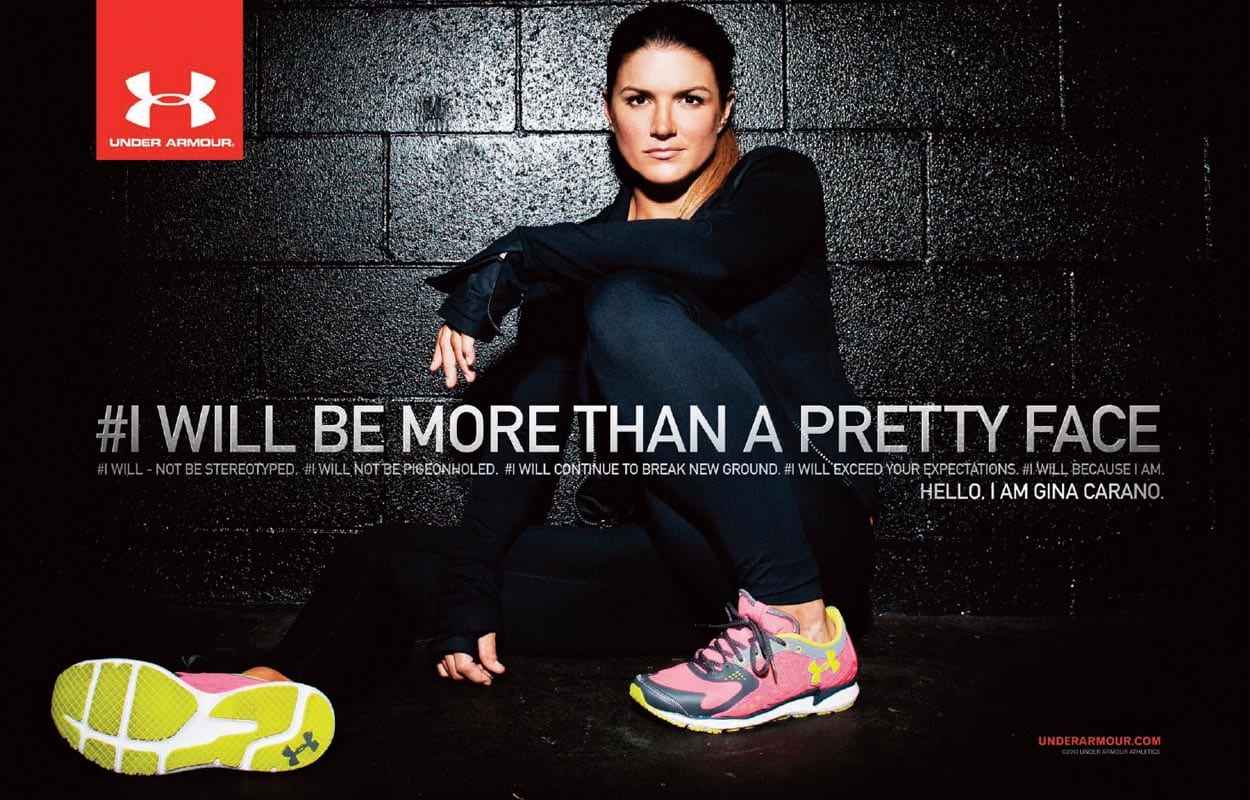
  • Under Armour opens office in Korea

    Under Armour opens office in Korea

    U.S. sports brand Under Armour said Thursday that it has opened an office in Korea to operate its business directly next year. So far, its clothes, shoes and sports equipment have been imported, marketed and sold through business partner Hyosung Galaxia.

    The company said it decided to bring its products directly to Korean consumers as the country’s sports and fitness market continues to grow.

    “Under Armour will strengthen its marketing, distribution and retail efforts, providing Korean consumers with the best brand and shopping experience,” said David Song, country manager of Under Armour Korea. “We will open our flagship store in southern Seoul in January. The brand will also continue to connect with athletes directly and promote sports, fitness and healthy living through its connected fitness platform, which is the world’s largest digital health and fitness community.”

    Song said driving deeper growth in Korea is a pivotal component of the firm’s comprehensive international growth strategy. “Through design, innovation and our Under Armour connected fitness platform, we look forward to forging long-term relationships directly with athletes at every level in the country.”

    Under Armour Korea plans to open premiere retail shops and carry out robust marketing campaigns to tell its unique brand story, as well as invest in the next generation of Korean athletes to exemplify its brand.

  • Japanese manufacturers pitch new products at Indonesia motorcycle show

    Japanese manufacturers pitch new products at Indonesia motorcycle show

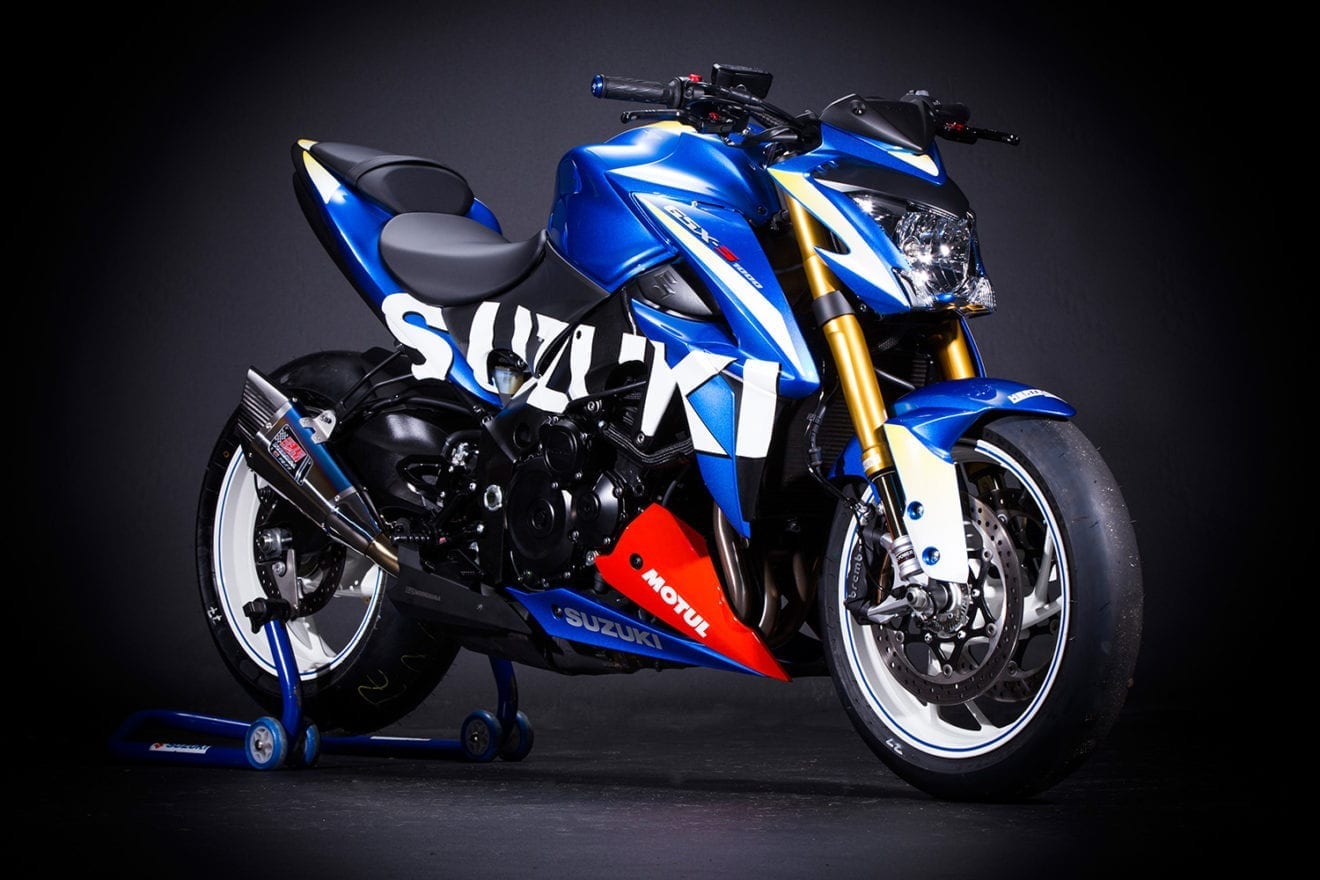
    Japanese motorcycle manufacturers are promoting their products at the Indonesian Motorcycle Show 2016 in Jakarta, with Suzuki Motor Corp. using the biennial event to unveil its latest models.

    Suzuki took the wraps off the GSX-R 150 and GSX-S 150 sport motorcycle models at the five-day show, which runs until Sunday, giving the Indonesian public an opportunity to see its latest products before their official launch in the first half of 2017.

    “We are very proud to introduce the GSX-R 150 and GSX-S 150 for the first time in the world,” Kazumasa Watanabe, manager of Suzuki’s motorcycle marketing group for the Association of Southeast Asian Nations, said at the show Wednesday.

    He described the Suzuki GSX-RR technology, on which the new models are based, as the company’s “highest achievement” in the GSX series that helped Suzuki win the 12th round of MotoGP, the world’s most prestigious motorcycle race, in Britain on Sept. 4.

    Kawasaki Heavy Industries Ltd. also unveiled its Kawasaki Ninja 650, while Honda Motor Co. released the prices of its All New Honda CBR250RR, introduced last July, which are $4,900 for the standard model and $5,300 for the model equipped with an anti-lock braking system.

    In the scooter category, Yamaha Motor Co. introduced the three-wheeled Tricity 155 in Indonesia after it was launched globally five months ago.

    Indonesia’s three-wheeler market is still very new, but Mohammad Masykur, assistant general manager for marketing at PT Yamaha Indonesia Motor Manufacturing, was optimistic about its future.

    “The presence of Tricity in Indonesia will give a new color to the Indonesian automotive world,” he said, adding that the company’s “Leaning-Multi Wheel technology will make a difference on the Indonesia road.”