Retail News CRM

Tag: #sport

  • Puma pips rivals, becomes top sportswear brand in India

    Puma pips rivals, becomes top sportswear brand in India

    German sportswear major Puma on Monday claimed that it has become the top sportswear retailer in India, surpassing rivals such as Nike, Adidas, Skechers and Reebok in terms of yearly sales. Puma, the third-largest sportswear manufacturer in the world, has reported sales of Rs 1,157 crore for the 12-month period ending December 2018 against Rs 958 crore reported in the year ago period.

    The company follows the January-December calendar year, while its Nike, Adidas, Skechers and Reebok go by the April-March financial year (FY) cycle.

    In FY 2017-18, Puma’s compatriot Adidas had registered sales of Rs 1,132 crore, up from Rs 1,100 crore reported in FY 2016-17.

    During the same period, American sportswear giant Nike reported sales of Rs 828 crore against Rs 807 crore reported in the previous fiscal.

    Reebok, which is owned by Adidas, saw its sales drop from Rs 416 crore in FY 2016-17 to Rs 391 crore in FY 2017-18.

    Another American brand Skechers, which is relatively new in the Indian market, reported sales of Rs 440 crore in FY 2018-19, up from Rs 282 crore reported in FY2016-17.

    “We are making strong progress in both sports performance and sport style categories,” Puma India Managing Director Abhishek Ganguly was quoted as saying.

    Interestingly, India is the only country where Puma’s sales have crossed the sales of other sportswear giants such as Adidas and Nike.

    Over the past few years, India has rapidly caught up with the wider global fitness trends. From 2015 to 2016, the Indian sportswear market grew 22 per cent, outpacing the segment’s global increase of 7 per cent, according to Euromonitor International. By 2020, it is expected to grow an additional 12 per cent CAGR (compound annual growth rate) with sales expected to reach $8 billion.

    The bitter rivalry between Puma and Adidas goes beyond mere corporate competition. It was in fact a sibling fallout that created two of the world’s biggest sportswear brands.

    In the 1920s, German brothers Adolf and Rudolf Dassler launched a shoe company together. Their business picked up after Dassler shoes were used by medal-winning Olympians through out the 1930s.

    But along with sales, tension also spiked between the Dassler brothers, which reached a boiling point during World War II. While it was not clear what exactly caused the rift, it was said to be a result of miscommunication.

    The brothers eventually split in 1947 with Rudolf forming a new firm that he called Ruda – from Rudolf Dassler – later rebranded Puma, while Adolf, who preferred to be called Adi, named his business Adidas.

  • Footasylum shares soar after JD Sports takes stake

    Footasylum shares soar after JD Sports takes stake

    Shares in Footasylum soared after British retailer JD Sports said it had acquired an 8.3 percent stake and could buy nearly 30 percent of its smaller rival. JD, which has used a number of corporate acquisitions to assemble its network of more than 2,400 stores over the past two decades, said that it “confirms it is not intending to make an offer for Footasylum” under merger regulations.

    But investors drove shares in the company, which is listed on the secondary market of the London Stock Exchange, rose 58.6 percent to 46 pence in the first hour of trading.

    Footasylum, started by JD Sports co-founder David Makin in 2005, was forced to cut prices at its 60 stores after a disappointing run up to Christmas which saw British consumers rein in spending.

    It now competes with JD Sports, Sports Direct and Asos among others, which are all feeling the impact of sluggish British consumer spending amid squeezed household incomes and uncertainty ahead of Britain’s impending exit from the European Union.

    Makin and fellow JD Sports founder John Wardle were bought out by the company’s current majority owners Pentland Group in 2005 and later resigned as directors.

    Footasylum said in January its full-year core earnings would come in at the lower end of analysts’ estimates.

    JD Sports shares were up about 1 percent at 454.03 pence.

  • Under Armour Thailand predicts sales growth

    Under Armour Thailand predicts sales growth

    Under Armour Thailand is targeting a 20-per-cent sales increase in the kingdom, according to the brand’s exclusive Asian distributor Triple Pte Ltd. The company is focusing on footwear sales to follow up on its gains in the apparel sector in a sporting goods market expected to see 5–7 per cent growth this year. It will also offer a wider range of branded products, including sleepwear.

    “Under Armour is a relatively new brand in Thailand, and it has huge potential to spread its wings here,” said company CEO Michael Binger during a visit to Thailand last week. “We want to grow our footwear business at a faster pace than in the past and expect footwear sales to increase to 35 per cent of total sales by 2020, up from 25 per cent last year.”

    As part of this year’s expansion plans, Triple Pte is planning exploratory Under Armour Thailand outlets in the country’s north, with a shop-in-shop scheduled for the Mall Nakhon Ratchasima as well as a potential new shop in popular tourist destination Chiang Mai. It will also launch another branch in suburban Bangkok.

    “We see huge potential in the sporting goods business in Thailand,” said Binger, “and we feel confident in our capability to propel Under Armour to success here because we are an alternative brand for people looking for innovative performance shoes.”

    Thailand is Under Armour’s second fastest-growing market in Southeast Asia after Singapore.

  • Skechers Takes Control of India Business

    Skechers Takes Control of India Business

    Skechers has bought its joint venture partner in Skechers India, taking the business inhouse. Skechers India has 223 retail locations across the country, 61 of which are company owned and operated, with the remainder franchised. Last year, Skechers saw double-digit increases in wholesale and retail sales and an 80 per cent increase in pairs sold, reaching 2.7 million.

    An additional 80 to 100 stores are planned for this year – of which about 20 will be company-owned.

    The dual-ownership model is expected to allow Skechers India to grow and expand its presence faster, the parent company said in a statement.

    “Skechers is still a relatively young brand in this country, having been in India for less than a decade, yet in the last five years, we have seen significant growth through our joint venture,” said Michael Greenberg, president of Skechers.

    “The substantial existing retail network of over 200 stores, a strong wholesale business and a recently launched e-commerce site is a solid foundation that we can build upon. These accomplishments, as well as opportunities we see to increase the brand’s exposure and drive sales, give us great optimism and confidence for the growth of Skechers in India.”

    Rahul Vira, CEO at Skechers South Asia, said the company was delighted to become a wholly-owned subsidiary of Skechers.

    “This development will enable us to amplify our growth plans, accelerate expansion of our operations and build a stronger network to further gain market share in India,” he said.

    Skechers India will continue operating under its existing structure and from its existing headquarters in Mumbai.

  • Decathlon opens Singapore megastore

    Decathlon opens Singapore megastore

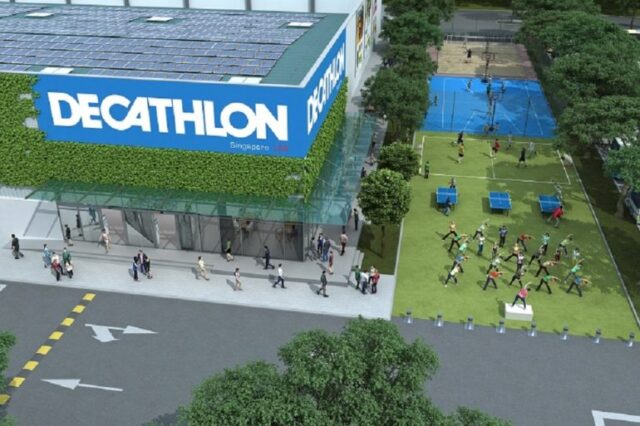
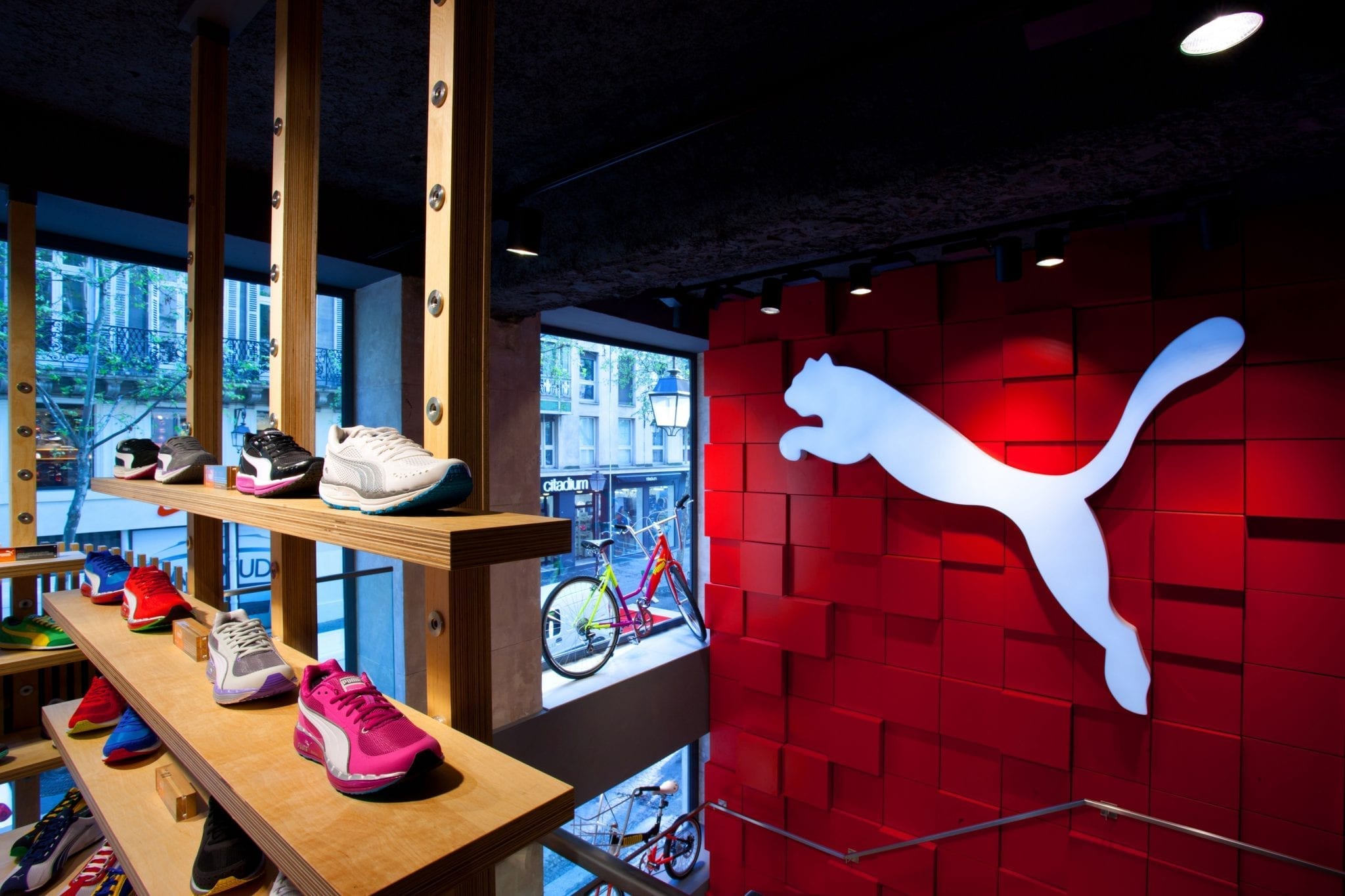
    French sports chain Decathlon opened its largest store in Singapore late last month, as the European retailer continues to build upon its popularity in the Asian market. Dubbed ‘Decathlon Singapore Lab’, the new experience store is located at Stadium Boulevard and covers 5,000 square metres of retail space, making it the biggest Singapore store. It is also opened 24 hours.

    In addition to Decathlon’s inventory of sports apparel, footwear and accessories, the new ‘Lab’ boasts a series of ‘experiential’ features including an indoor area of four different running surfaces wherein shoppers can test running shoes before purchasing, as well as a hiking path with a gravel surface for the testing products in-store.

    At a media briefing last month, Decathlon Singapore chief executive Yves Claude said the store has been named Decathlon Singapore Lab “because a lab is a disruptive and innovative place where we test new solutions.”

    The store also hosts an Active Health Lab in partnership with Sport Singapore, where users can take a free health assessment and there are free-to-play areas next to the store as well.

    To speed up the delivery process for shoppers, Decathlon has established an in-house conveyor built that transports products as soon as they are ordered online. Shoppers can also order online and collect their items at their preferred store within two hours for free.

    “We have to give new reasons for customers to come back to our store,” added Claude.

    The store is the latest in a string of ‘Decathlon Experience’ stores being rolled out across Singapore and is the fourth in the nation’s offering.

    Decathlon also has a 4,000-square-metre showroom in Joo Koon and two click-and-collect stores.

    In May last year, Decathlon signed a memorandum of understanding with Sport Singapore, which marked the announcement of this new Decathlon in Kallang.

    “We share a common purpose, which is to make sport accessible. They come with a good price point, high-quality products, (and) most importantly, they come with ideas on how to improve participation,” said Lim Teck Yin, Sport Singapore CEO.

  • Brands planning to cash in on rising menswear trend

    Brands planning to cash in on rising menswear trend

    This week, Nike launched its new collection of yoga wear for men. While this was the company’s first foray into men’s yoga apparel, the move was very much in line with competitors who have been making a push into the menswear apparel market recently. Lululemon, whose bread and butter has long been women’s yoga trousers, is one of those competitors. Former CEO Laurent Potdevin described menswear as one of the brand’s “best-kept secrets.” The company is now looking to grow this division into a billion-dollar business.

    Gap also jumped on the bandwagon last year, with its new casual menswear brand Hill City. But a push into menswear stretches beyond the athletic wear market – Madewell rolled out menswear in September, Saks Fifth Avenue recently closed its womenswear store in Brookfield Place but kept its menswear location open, sisters Mary-Kate and Ashley Olsen launched their own menswear collection for fashion brand The Row last year, and the list continues.

    These brands are all looking to capitalise on a big change in fashion, and that is that in the not too distant future, menswear may outgrow womenswear.

    Business intelligence firm Gartner L2 estimated that in just two years, revenue growth of men’s clothing will surpass that of women’s clothing. This data is backed up by Euromonitor International, which estimated that men’s lines will outperform women’s over the next six years. 

    “Fashion has always been about women but men are finally having their time,” says Lizzy Bowring, catwalk director at trend-forecasting agency WSGN.

    Bowring believes that the rise of a young, fashion-conscious male consumer is a key reason for this. “It’s the younger men that are driving the push for menswear,” she says. “These men are more savvy and aware, and there is a lot of competition to look the part.”

    Ayako Homma, beauty and fashion consultant at Euromonitor International, echoed these thoughts in an email.

    “One key trend is men’s changing perception of fashion. Men are spending more time, effort and money on their grooming and appearance,” she wrote.

    Experts say that this peak in menswear can be traced back to a boom in streetwear clothing, which has been driven by brands such as Supreme, Yeezy, and Off-White. These brands have experienced explosive growth in recent years and are considered to be redefining the fashion landscape.

    These labels have been embraced by luxury players, a move that has in turn given new life to some of the luxury brands.

    Louis Vuitton recently hired industry pro Virgil Abloh to become its new artistic director. Abloh is responsible for setting up perhaps the buzziest streetwear brand of all, Off-White, which was recently ranked the hottest label in the world.

    “The men’s business has exploded in the past five years,” Roopal Patel, fashion director of Saks Fifth Avenue said. Patel said the focus had shifted to bringing in newer menswear-focused labels such as Off-White.

    “We’ve gone from just category addressing to designers looking at how they’re going to wardrobe a man’s lifestyle, everything from work to evening to weekend to sport,” she said.

    Industry insiders say this trend is here to stay. “It’s more than a buzz. It’s a deeper trend,” said Sidney Toledano, head of LVMH’s fashion group. He continued: “There’s strong demand across the men’s fashion industry, in all its shapes and forms, and which comes in part from a younger clientele. We see it very clearly in the sales.”

  • Decathlon Singapore Lab now open

    Decathlon Singapore Lab now open

    Sporting goods retailer Decathlon has opened a landmark 5000sqm retail space at Kallang’s Stadium Boulevard, its largest store in Singapore. Designated the Decathlon Singapore Lab, the outlet includes a running area with four different surface types – including a gravel hiking path – for in-store shoe testing. Robotic inventory monitoring and a conveyor belt that immediately transports products once ordered online, allowing two-hour pickups from a customer’s preferred store, are also key features. An Active Health Lab hosted in the store provides free health assessments for customers in partnership with Sport Singapore.

    “A lab is a disruptive and innovative place where we test new solutions”, said Decathlon Singapore CEO Yves Claude in explanation of the store’s name. “We have to give new reasons for customers to come back to our store”, he said.

    “Retail used to be monotonous. Now because our customers are moving to more digital means of shopping, our jobs will also have to evolve”, said Decathlon Singapore Lab store leader Nathaniel Gregory. “In the last three years, my job was very brick-and-mortar style. Tomorrow I need to learn about SEO and digital marketing”.

  • Smart Garments: The next big thing in sportswear

    Smart Garments: The next big thing in sportswear

    Fitness wearables are no longer just a matter of wrist straps or pieces of practical jewelry. Such technology now works via our clothing. Smart garments are all set to supercharge the fashion industry in the years to come. We are fortunate to have been living in an era which will go down in history as the apogee of technological advancement.
    Technology is an indispensable part of our life today. It has thoroughly morphed all aspects of human life — right from the way we communicate,travel, exchange information to the way we eat, live and drink. Hence, it is but only natural that technology has heralded a propitious change in the way we dress and clothe ourselves today.

    After the huge success of fitness wearables like Apple Watch, Fitbit, Polar fitness monitors, etc., etc., smartness and intelligence is progressively making inroads into the clothes we wear. The fashion world, more so in the last few years, is abuzz with words like wearable technology, smart garments, intelligent garments, e-textiles, etc.

    Although used interchangeably, in a broad sense, they all refer to any piece of clothing with integrated sensors and digital components. The integrated technology monitors the physical conditions of the user and uses big data analytics to predict and show the results.Newer smart clothing technologies can also sense and monitor the environment condition as well.

    GROWTH DRIVERS

    A recent survey by the World Economic Forum (WEF) reveals that 92.1 percent of corporate leaders believe 10 percent of people will wear clothes connected to the internet by 2025, and 85.5percent believe 105 percent of eyewear will be internet connected.

    Growing use across various industrial verticals such as sports and fitness, healthcare, military and defense is driving the smart clothing market globally. The rising demand for monitoring body activities through sensors is expected to surge the demand for smart clothing market over the forecast timespan. Growing awareness among individuals regarding fitness is providing an impetus to the industry growth. In addition, the inclination of athletes towards the use of these products to prevent injuries and optimize their performance will have a positive impact on the business. Additionally, incorporation of newly developed and advanced fibers such as nanofibers and hybrid materials is expected to drive the growth of smart clothing market.

    THE MARKET SIZE

    As per the US based global market research and management consulting company Global Market Insights Inc., the size of the smart clothing market was over US$ 150 million with shipments of around 800,000 units in 2016. The market is expected to balloon to over US$ 4 billion by 2024, and shipments are forecast to grow at over 50 percent CAGR.

    Smart t-shirts are emerging as one of the most popular and widely used categories of this segment in recent times. Projected to grow at over 50 percent CAGR from 2017 to 2024, these smart garments can provide biometric data such as heart rate, breathing rate and volume, muscle activity, etc., which are utilsed to optimize performance and workout plans professionally. Smart jackets are set to witness growth over the future owing to the ability of these products to control the mobile devices of the wearer and connect to several services such as music and camera, device charging, etc., directly from the jacket.

    Military and defense applications are predicted to witness high growth with a CAGR of over 55 percent from 2017 to 2024. In order to gain visibility into the health of a soldier as well as crucial battlefield insights, various government institutions are investing heavily to develop technologically advanced military uniforms.

    The US smart clothing market, the biggest hitherto in the world, is estimated to witness huge adoption and will dominate the industry with the significant revenue share. Increasing investments by various sports associations to eliminate the possibility of any preventable injuries of highly paid professional athletes is expected to fuel the industry growth.

    The Asia Pacific smart clothing market is expected to witness substantial growth over the forecast timespan. This can be attributed to the growing adoption of various wearable devices coupled with the increasing demand for advanced features in the products. In addition, rising security concerns and increasing military and defense budgets across countries such as India and China is predicted to witness huge demand for these products.

    THE INDIAN SCENARIO

    The smart garments segment is still in its nascent stages in India, and very under-developed compared to its peers in the Asia Pacific.

    The Indian ecosystem is just experiencing the advent of wearable technology and while the initial focus is mainly on the fitness and healthcare sector, there is a lot of scope for innovation in the existing product line – such as gamification, introducing social incentives to encourage community / group adoption as well as building an augmented product by providing a comprehensive set of services and charging based on usage. There are immense opportunities in the other sectors as well.

    Here is a look at some of the best Indian companies who are shelling who are breaking new ground in the smart garment industry:

    SYGNAL – Hyderabad based startup, Broadcast Wearables Pvt Ltd. is an AI based wearables company on a mission to make everyday devices smart. It is the parent holding of SYGNALS who has the distinction of producing the world’s first touch- enabled t-shirt.

    Loaded with a bunch of sensors packed in a small chip, the brand’s smart t-shirts are equipped to track a plethora of things including, the number of steps taken in the entire day, calories burnt even in the slightest form of exercise, floors climbed, distance walked or run. It can also navigate the wearer to a desired location. All the data is synched through Bluetooth to the app, and can be viewed for at least three days.

    LECHAL – Hyderabad based Ducere Technologies Pvt Ltd., is another noteworthy name in the field of Indian smart fashion. The company’s offering Lechal uses GPS to track down the users location through a GPS linked app, which then sends vibrations to his soles, thus telling him which turn to take. Built into the shape of a small pod which comes fitted into insoles, it functions through an app installed on a smartphone. The app also allows the user to keep a record of his route and tracks the steps taken, the distance travelled and the calories burned. The pods have a claimed life of 15 days on each charge.

    BOLTT – Boltt is a ‘sports tech-brand’ that is developing next generation consumer-centric solutions for personal health & fitness. Known for its advanced artificial intelligence (AI) ecosystem, Boltt provides ‘connected fitness solutions’ bundled with the hardware.The hardware includes smart shoes, stride sensor and activity tracker. The Boltt sensor is powered by Garmin’s patented SDM Technology. Boltt’s AI is aimed at solving problems in health and fitness coaching by providing real-time audio feedback and provides customised workout suggestions. As of now, there are Boltt’s wearables portfolio encompasses such as Boltt Fit, Boltt Beat, Boltt Beat 2.0, Boltt Ace, Boltt Verve Luxe, etc.

    ARROW – Popular shirt brand Arrow from Arvind Ltd., launched its first smart shirt and India’s first smart garment in 2016. The Smart Shirt comes with an inbuilt chip on the cuff that can be programmed by downloading the Arrow mobile app on a near field communication (NFC)-enabled smartphone. The Smart Shirt allows the wearer to share things like his LinkenIn profile, his Facebook profile or visiting card through a tap on the shirt’s cuff with a smartphone. Among other functions it performs are connecting via Bluetooth to play your favourite songs on the phone or switching your phone to ‘meeting mode’.
  • Nike Korea blooms and upgraded its employees

    Nike Korea blooms and upgraded its employees

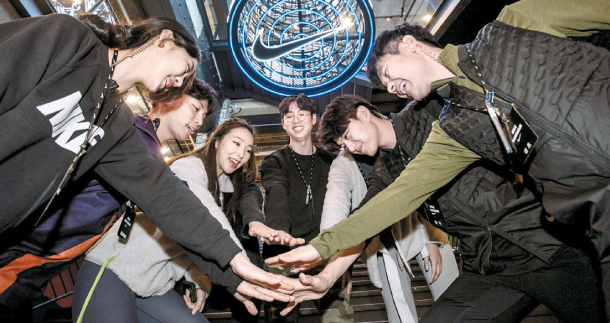
    Nike Korea’s revenue is forecast to exceed 1 trillion won ($884.27 million) in 2018. If all goes as expected, it will be the first sportswear company in Korea to achieve that milestone. Nike’s annual revenues in Korea have been rising by around 10 percent annually for the last two years, while competitors have only experienced average growth of 3 percent.

    Its sales have been strong across the board, both online and offline. But sales at the 15 company-owned offline stores were particularly strong, with revenues rising over 20 percent annually over the past two years.

    What’s behind the success? The company believes it was the decision to give permanent-employee status to its irregular workers.

    “Our company’s performance greatly improved after we upgraded irregular workers to permanent employees,” said a public relations officer at Nike Korea.

    Between November 2015 and May 2016, Nike Korea converted 654 of its irregular employees at company-owned stores to permanent employees.

    Prior to that, it had only had 310 permanent workers. The 654 new regular employees earned 20 percent more in wages after the change and gained access to a range of benefits, including tuition assistance for children. Labor costs for Nike Korea rose around 10 percent in total as a result of the move.

    Employees say that their new status as permanent workers made them more dedicated to the company.

    “Before, I used to say I work at a store when asked about my job, but now that I’m a regular employee, I confidently say I’m working for Nike Korea,” said 25-year-old Cho Hye-rim who works at a Nike outlet in Gimpo, Gyeonggi. “With a new sense of belonging and loyalty to the company, I began feeling a stronger sense of responsibility when dealing with customers.”

    “When I first heard that I was going to be a regular employee, I had to pinch my cheeks to check whether I was dreaming or not,” said 34-year-old Hwang Hyun-woo, who works at a Nike store in Myeong-dong, central Seoul. “With my experience working in sales at the store, I plan to try out an office job at the company headquarters as well.”

    Very few companies in Korea have converted irregular employees to permanent employees on the same scale as Nike.

    Exceptions include Homeplus, which converted around 1,000 cashiers and store assistants into regular workers this year, and SPC Group, which directly hired 800 workers from subcontracting firms.

    At Nike, the campaign to offer permanent-employee status to irregular workers was led by CEO David Wook-hwan Song, 48, after he took the top office at Nike Korea in 2015.

    He worked with the U.S. headquarters to achieve the transition.

    “I expected that performance would naturally improve if employees came together as a team and developed the pride and confidence that comes with being part of Nike, one the world’s best companies,” said Song.

    Song, who immigrated to Canada in his last year of high school, was hired by Nike Korea in 1994.

    He also earned an MBA from Harvard Business School and worked briefly at McKinsey.

    Last year, Nike included Seoul in its list of 12 key cities for growth.

    Seoul is Nike’s third-highest earning city after New York and LA.

  • Demand of women’s athleisure wear growing at a rapid pace globally : Lotto

    Demand of women’s athleisure wear growing at a rapid pace globally : Lotto

    Lotto Sport Italia S.P.A, a major name in international sports industry, is nothing less than a household name in India. The brand is manufactured, retailed and licensed by Sports Station Pvt Ltd (SSIPL) in India. The organization has been instrumental in the brilliant re-launch of the brand Lotto Sports in India, making it available across nation.

    According to Shivam Kataria, Vice President, SSIPL Retail, since Lotto has been in India from a very long period of time, either customers have grown up wearing the brand or are aspiring to wear it. “The brand awareness of Lotto is so strong in India that many customers instead of considering it as an Italian brand, think that it is an Indian brand.”

    Abroad, the brand is associated with football and tennis. But it gained its share of popularity in India in the running segment. Slowly and gradually as the Indian market followed international trends and inclined towards the athleisure segment from performance wear, Lotto has also changed its perspective.

    “The Athleisure market is poised to grow 15-20 percent year-on-year. Seeing the immense scope in the category going ahead, Lotto also started changing its outlook towards the market by expanding into the athleisure segment. However, the running segment, football and tennis shoes remain core to the brand,” states Kataria.

    Explaining it further, he says, “A majority of people across the globe have started participating in sports, not for competition but for their well-being, for interaction and for fun. They want sportswear which can be worn in the morning, afternoon and evening. They want to feel comfortable wearing the same shoes in office as well as to a club, and this is the major reason behind the rising demand of athleisure.”

    Another category which has seen a spike in demand at Lotto is women’s wear.

    “Currently, 30 percent revenue is coming from the women’s segment. We are targeting to close this year with 30 percent contribution from women customer including footwear and apparel,” asserts Kataria.

    Target Consumer

    The brand caters to modern-day consumers who consider fitness a lifestyle. It also focuses towards catering to the needs of serious sports enthusiasts. Lotto is also positioned as a brand, which delivers international standard sports merchandise to Indian sport enthusiasts.

    Omnichannel Strategy

    According to Kataria, there are two ways to go Omnichannel – to have your own website or to partner with various e-commerce players. “We have partnered with various e-commerce players as cost of customer acquisition is quite high with our portal.”

    “Omnichannel is still evolving in India and in the next six months to one year, the entire system around Omnichannel is expected to get cemented,” he explains. Going forward, Lotto is planning to introduce their own e-commerce portal.

    “Store integration from an Omnichannel perspective is underway and we can expect it to be fully functional in six months,” he states The brand, which has men’s footwear as the fastest moving category, gets 25 percent contribution to the overall revenue from online business.

    Future Plans

    At present, the brand has 36 EBOs across major locations in Delhi/ NCR, UP, Haryana, Maharashtra, West Bengal, MP, J&K, Uttrakhand and Gujarat. It has presence in over 200+ MBO’s including Sports Station, Reliance Footprints, Pantaloons, and leading e-com portals like Flipkart, Amazon, Snapdeal and Jabong.

    Elaborating on the expansion plans of the brand, Kataria reveals, “This fiscal, we are planning to open more 15 EBOs in North, East and South regions and add another 25-30 stores next fiscal. Our plan is to double the store count in one year’s time.”

    “In the next fiscal we will be adding 100 more SIS. We are also looking forward into new categories like bags, luggage and light fitness equipment,” he adds.

    At the same time, the brand is expanding the categories like women’s wear and apparel. According to Kataria, Tier I and Metro cities are where Lotto’s business is and Tier II and beyond is where its growth lies.

    The brand, which has been growing on 35-40 percent year-on-year, plans to grow at the same scale this fi scal too.

    “The same store sales growth has been flatish or slightly negative as compared to last year. However, we are expecting to see a good season from January onwards,” he says.

    The sportswear brand, which endorses the best of athletes in the sports arena including major names like Luca Toni, David Ferrer, Agnieszka Radwanska, Carla Suarez Navarro, Kevin Anderson and many more, is targeting Rs 150 crore plus revenue in India.

  • ASICS India opens first store in Kolkata

    ASICS India opens first store in Kolkata

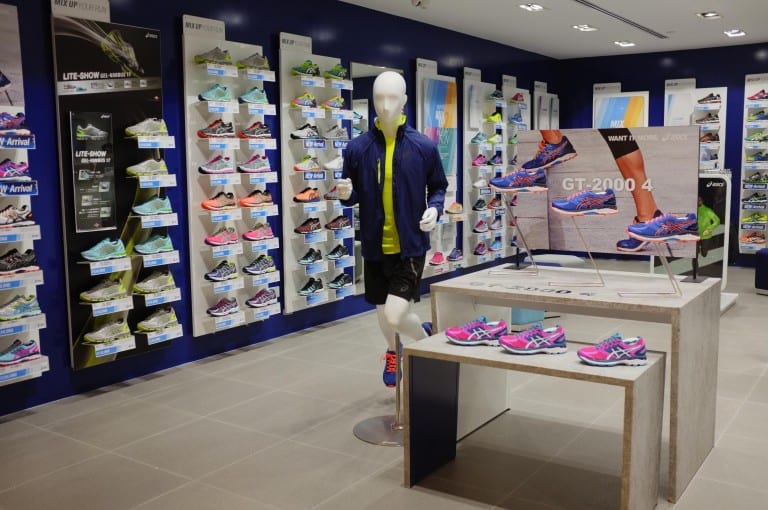
    ASICS, a true sport performance brand, launched its first store in Kolkata thereby expanding its retail footprint in a bid to strengthen its presence in India. With the opening of the ASICS Kolkata store, the brand has taken a step forward to strengthen its presence in the east region. The new store is located conveniently in one of the finest malls of the city – South City Mall. The store will offer a wide range of running, training and core performance sports shoes, apparel and accessories for men and women.

    The brand will accelerate its expansion of operations in India, bolstering sales and marketing support for retail stores in response to increasing consumer awareness of health and fitness and rise in spending power.

    Speaking on the new launch, Rajat Khurana, Managing Director, ASICS India said, “Given the potential and growing demand for fitness and sports, India has emerged as an important market for ASICS. This year, our focus is to expand our footprint in both tier 1 and tier 2 cities and offer our best in class products ranging from running, sports, for gym and other fitness-related gear. Kolkata is a very key market for us considering the large audience for sports and fitness in this market. We are hopeful that our products designed keeping core performance in mind will be able to cater to the needs of sports and fitness lovers in the city.”

    The store will showcase the latest ASICS AW18 collection that will host a range of key collections, like the newest additions to the ASICS running portfolio – ASICS Liteshow along with key products like Kayano 25 and Nimbus all featureing FLYTEFOAMTM, ASICS lightest-ever midsole technology. FLYTEFOAM works with the wearer’s foot to deliver superior cushioning every step of the way. It is also about 55 percent lighter than the industry standard midsole material, offering runners a comfortable fit with a fast, responsive feel.

  • Willy Bogner opens in China ski resort

    Willy Bogner opens in China ski resort

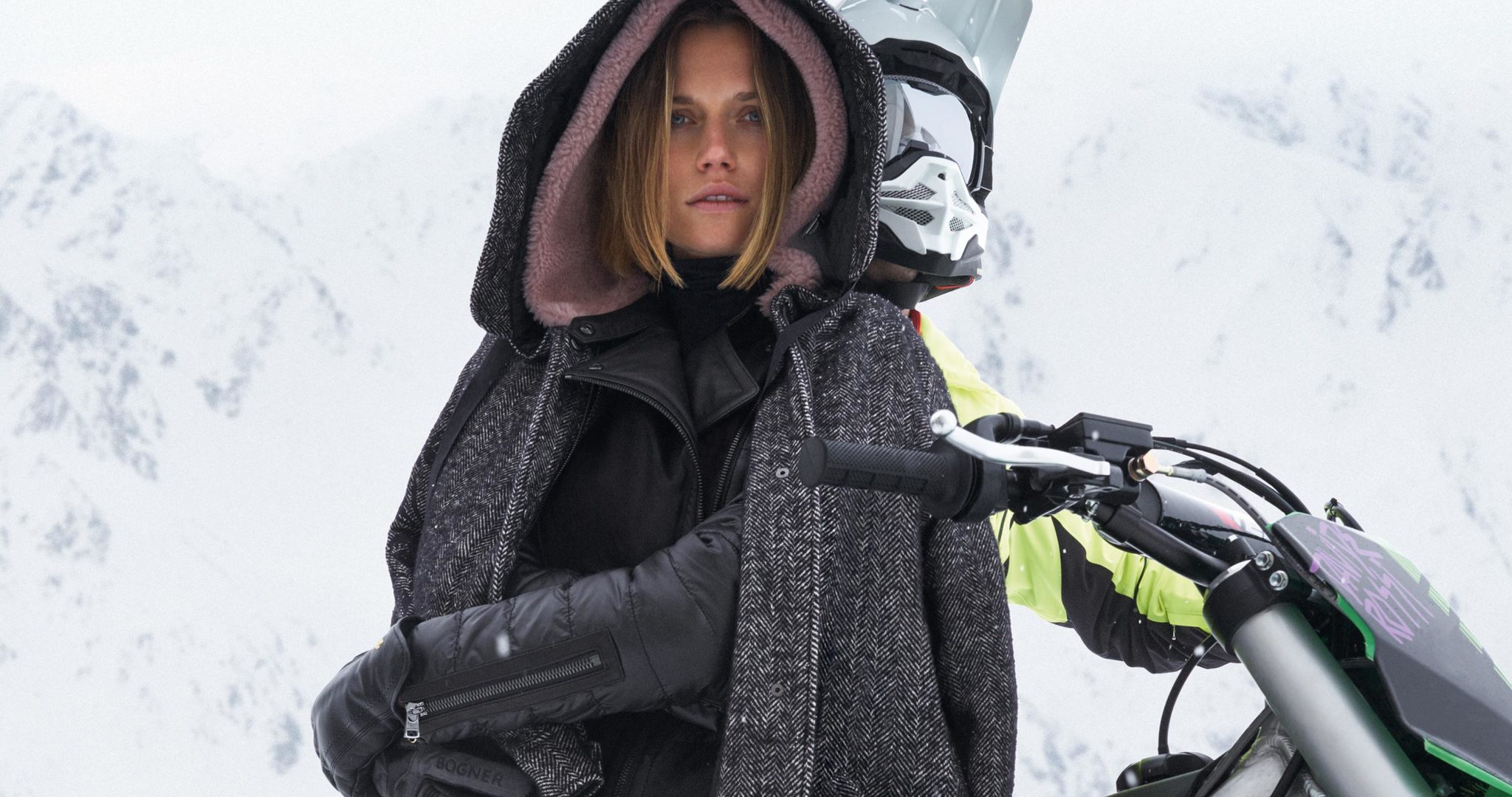
    Munich fashion firm Willy Bogner is pushing towards internationalisation with the opening of a new Bogner store at the Thaiwoo Resort near Chongli, China. The resort is located in Hebei Province directly on the Great Wall of China, and extends over 40sqkm, three hours by car from Beijing. Once completed, it will feature 200 ski slopes and 45 lifts and gondolas, fitting snugly with Bogner’s traditional ski and winter sports business.

    The store has a sales floor area of 164sqm and has been designed according to the brand’s “Modern Natural” store concept.

    As the Chongli Area is considered to be the largest ski resort in China, the Thaiwoo Resort will play an important role at the Beijing Winter Olympic Games in 2022. The Chinese government has declared its intention to attract 300 million winter sports enthusiasts to China for the event.

    Bogner CEO Andreas Baumgartner said: “The Thaiwoo Resort is currently completely focused on skiing, the skiing season here lasts over 150 days thanks to the perfect altitude and climate – ideal for a store and the corresponding clothing that Bogner offers.”

    Global representation of Bogner currently consists of 19 of its own stores, 33 partner stores and more than 6500 trading partners in more than 50 countries. Together with its partners, Bogner operates more than 100 sites in the Asia Pacific region. The Bogner store at Thaiwoo will be the first partner store there.

  • Palace skate wear to make debut in Tokyo

    Palace skate wear to make debut in Tokyo

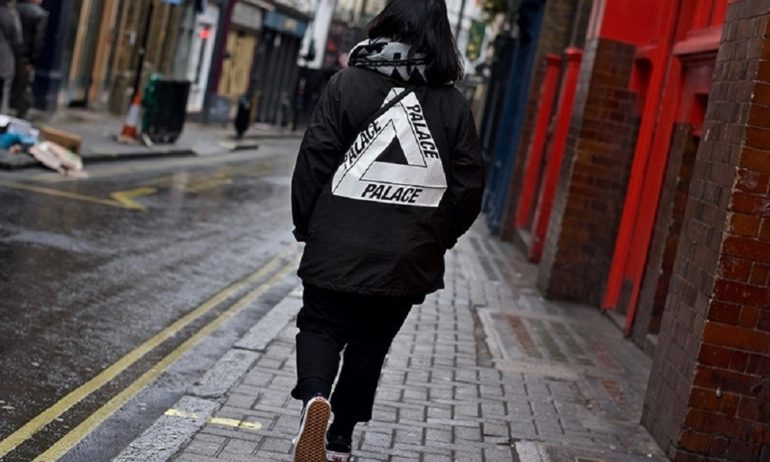
    Cult-classic skate brand Palace opened its first store in Tokyo, opting for the Japanese capital to debut its logo-ed fashion and apparel in the archipelago Asian nation.nThe British street label first announced the Tokyo location via Instagram, in a short teaser film featuring actor and comedian Jonah Hill, which was a similar store reveal stint used by Palace to unveil its New York store.

    Marking the new Shibuya district store, which took place November 3, the London brand has released a series of fashion items exclusively for the new location.

    The Tokyo capsule features pieces referencing Japan, including a Mount Fuji graphic hoodie.

    In the mix is also a limited-edition “P.A.L.A.C.E” branded leather card holder, luggage tag and passport cover, as well as “Made in Scotland, Designed in London” rainbow knitwear, in collaboration with fellow Briton Pringle of Scotland.

    Founded in London in 2009 by Levent Tanju and Gareth Skewis, Palace has in the last nine years garnered a cult-style following among skaters by toying with industry conventions.

    It is known for flipping 90s skate videos upside, promoting the kitschy side of the era’s VHS tapes, as well as its now globally recognised Palace logo, which features on oversized hoodies, sweaters and other streetwear pieces.

    It has been in collaboration with Adidas since 2015 and has also previously collaborated with Reebok and Oakley. Most recently, it has teased an upcoming collaboration with Ralph Lauren in Japan.

    Palace currently operates locations in London and, since spring 2017, New York’s SoHo neighbourhood.

    Palace Tokyo’s official address is 2F & 3F, 5-9-20 Jingumae, Shibuya-ku in Tokyo, Japan.

  • Xtep Sports opens sportswear store in India

    Xtep Sports opens sportswear store in India

    Hong Kong-headquartered Xtep Sports has opened its first Indian flagship store, in Bengaluru. The Xtep group, which specialises in footwear and sportswear, currently has 6035 stores in 31 Mainland China provinces as well as in Vietnam, Nepal, Saudi Arabia and Spain. The company was founded by Ding Shui Po, now its CEO, in 1999 as an original equipment manufacturers for global sports brands. It launched its own label in 2002.

    The company is reportedly planning to open five stores in India by the end of this year and will also sell through local online marketplaces.

  • Hanoi revives $500 million horse racing, entertainment complex

    Hanoi revives $500 million horse racing, entertainment complex

    A $500 million complex including horse racing in Soc Son District is off the shelf after 10 years. Hanoi authorities have approved the addition of the long-delayed Soc Son multi-purpose entertainment complex and horse racecourse project to the city’s master plan on socio-economic development to 2020 with orientation until 2030.

    The total investment for this project is currently estimated at about $500 million. The project is expected to go into operation after 2021.

    The planned site is mostly agricultural land. Once put into operation, the project will employ an estimated 5,000 direct laborers and 20,000-25,000 indirect laborers, generating a relatively large, regular revenue for the city’ budget.

    The project, which will be built in a planned tourist area about 40 kilometers north of Hanoi, will add a high-quality tourism product to Soc Son District in particular and the capital in general, the city stated.

    According to Hanoi authorities’ data, the capital has received over 26 million visitors this year, including 5.7 million foreign visitors, which are a 9 percent and 16 percent increase compared to last year respectively.

    The project to build a horse racecourse in Hanoi was first researched in 1999, with the racecourse’s proposed location in the southern districts of Hoang Mai and Thanh Tri.

    However, as Vietnam’s legal framework for sports betting and horse racing was incomplete at the time, the city’s foreign partner eventually withdrew from the project.

    The project was then revived in 2007 when the travel company Hanoi Tourist and South Korea’s Global Consultant Network asked for the city’s permission to research it, and was told by the government that it would be approved once the legal framework for sports betting is completed.

    Vietnam’s legislative body, the National Assembly, approved a bill legalizing sports betting last year and the government earlier this year promulgated a decree regulating the sports-betting business, throwing open opportunities for foreign investors to build racecourses in the country.

    In addition to the racecourse in Hanoi, foreign firms are also said to be pursuing plans to build horse racecourses in the northern provinces of Bac Ninh, Vinh Phuc and in Ho Chi Minh City.