Retail News CRM

Tag: #sport

  • 2019 Porsche 911 India Launched

    2019 Porsche 911 India Launched

    The new-generation 2019 Porsche 911 went on sale in India today and we have all the highlights from the from the launch here. The eighth-generation Porsche 911 coming to India was internally codenamed 992 and retains the iconic silhouette that is distinctive to the Porsche 911 family. Furthermore, the car also comes with a heavily revised, more powerful range of six-cylinder turbo petrol engines. In India the new Porsche 911 comes in two variants as of now – Carrera S and Carrera S Cabriolet, priced at Rs. 1.82 crore and 1.99 crore respectively, very close to what we has expected.

    The eighth-generation Porsche 911 gets an extensively re-engineered platform that uses generous amounts of aluminium in its construction in its rear section, for improved weight distribution. Under the hood, the Porsche 911 Carrera S is powered by the extensively 3.0-litre flat-six, turbo petrol engine that makes an additional 30 horses. The total power output now stands at 444 bhp.

    The 0-100 kmph sprint time has been dropped under 4 seconds, with the new Porsche 911 Carrera S reaching 100 kmph from standstill in just 3.7 seconds. The 911 Carrera 4S does the same run in just 3.6 seconds and it also comes with all-wheel drive. The optional Sport Chrono Package further reduces the sprint by 0.2 seconds. The top speed on the Carrera S is rated at 308 kmph, while that on the heavier Carrera 4S is 306 kmph.

  • BMW 620d Gran Turismo Launched In India

    BMW 620d Gran Turismo Launched In India

    Adding a new entry-level variant to the 6 Series GT line-up, BMW India has introduced the new 620d in the country. The new BMW 620d Gran Turismo is priced at ₹ 63.90 lakh and is available in the Luxury Line design scheme. The 6 GT is already available in the 630d GT diesel Luxury Line and M Sport trims, and the new 620d GT joins the model at the automaker’s Chennai-based production facility for local assembly. The new model is now available for bookings at the company’s dealerships and BMW says it diversifies the 6GT’s diesel portfolio. Despite being the more affordable version, the new 620d GT is loaded on all the essential electronics and creature comforts that the German models are known for.

    Speaking on the launch, BMW Group India – President, Dr. Hans-Christian Baertels said, “With the launch of the first-ever BMW 6 Series Gran Turismo, we created a new segment in the Indian luxury car market. Its distinctive vehicle concept, which fuses the long distance comfort of a luxury sedan and modern functionality in an alluring coupé style, has proven to be an instant hit in this class and has become a trend-setter. The BMW 620d Gran Turismo featuring an exceptionally efficient entry level diesel engine further strengthens the portfolio of the first-ever BMW 6 Series Gran Turismo.

    This is for the first time that the BMW 620d Gran Turismo variant is being sold in India. The model can seat five in comfort and gets a host of features including a two-part panorama glass roof, electrically operated adjustable rear seats with electrically operated sunblinds for rear side. There is also a rear-seat Entertainment Professional system with two 10.2-inch colour screens mounted behind the front-seat backrests, a BluRay player, HDMI connection for mobiles, as well as various connections for MP3 players and gaming consoles.

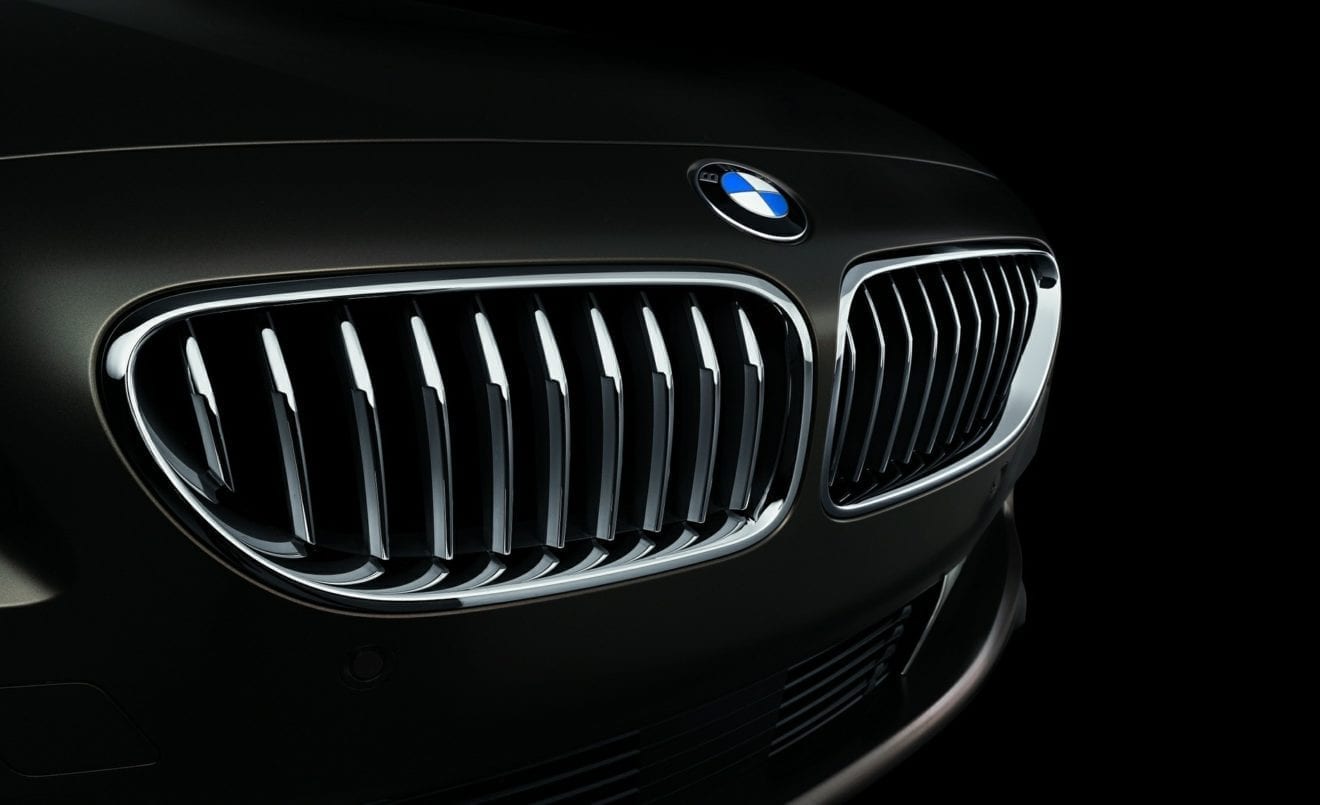
    The design language on the BMW 6 Series GT line-up was updated last year and the model 620d Gran Turismo continues to come with the frameless windows, distinctive coupe roofline, and an automatic tailgate. The wide kidney grille continues to bring the imposing stance and is complemented by the wide Adaptive LED headlights with BMW Selective Beam and cornering lights. The 620d GT also comes with an Active rear spoiler, while the Luxury Line trim adds a dash of chrome to the package for a premium appeal.

    Inside, the BMW 620d Gran Turismo gets a leather-wrapped sports steering wheel, ambient lighting with exclusive colours and fine wood inserts across the cabin. The pearl chrome finish also highlights the exclusivity of the variant.

    With respect to the powertrain, the BMW 620d GT uses the 2.0-litre four-cylinder Twin Turbo diesel engine tuned for 188 bhp and 400 Nm of peak torque available between 1750-2500 rpm. The 620d Gran Turismo is fast and can propel from 0-100 kmph in 7.9 seconds. The motor is paired with an 8-speed Steptronic automatic transmission and gets cruise control, as well as multiple driving modes – Sport, Comfort, Comfort+ , Eco Pro and Adaptive. The car comes with an adaptive 2-axle air suspension with automatic self-levelling for improved ride comfort and also sharpens the driving dynamics.

  • Fiat Chrysler Auto Expands India Footprint

    Fiat Chrysler Auto Expands India Footprint

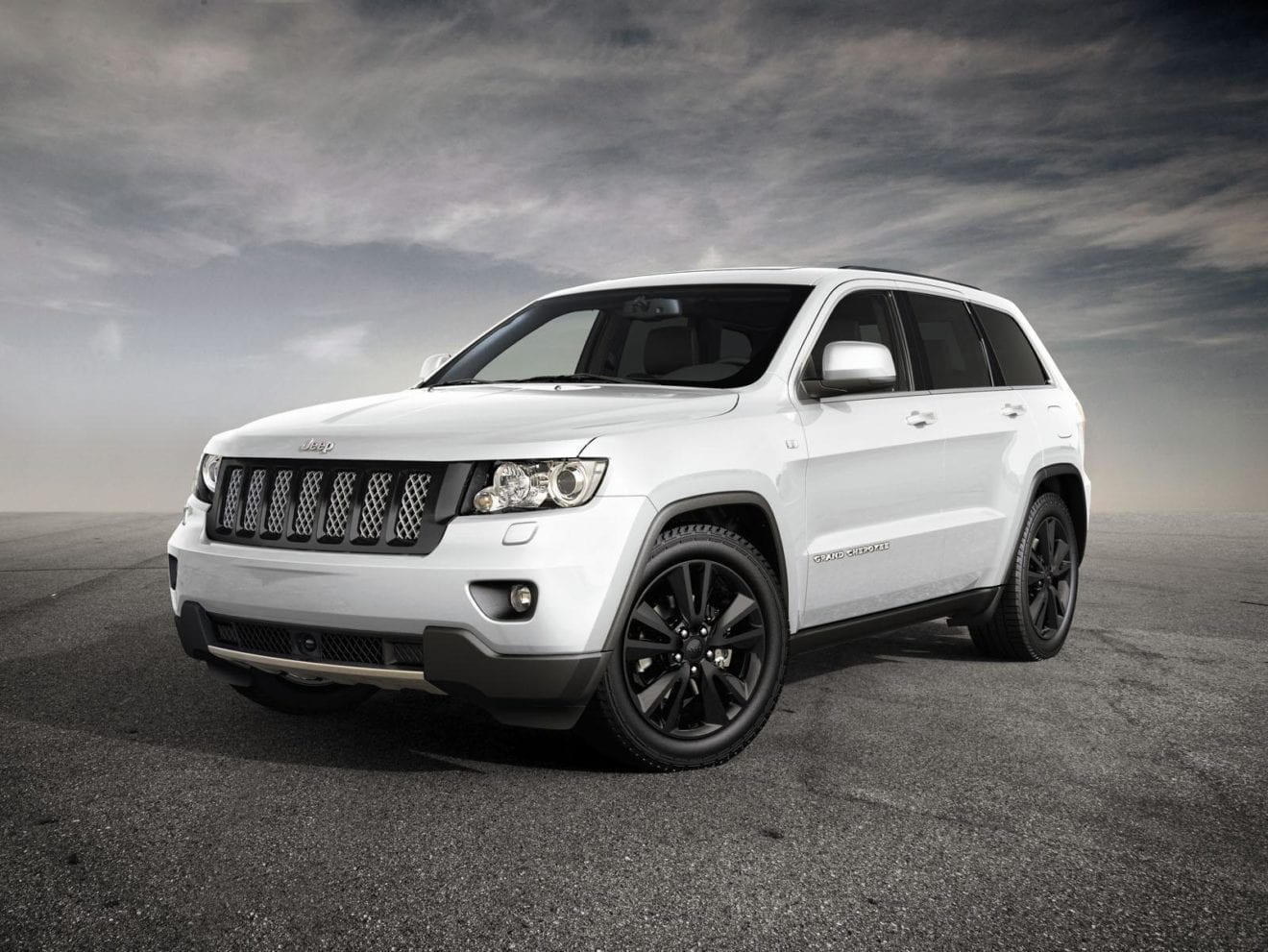
    Fiat Chrysler Auto is in the process of expanding its India business and it recently opened its 82nd point of sale in India. At present, FCA has its presence in 70 cities and town in India which include all-brand showrooms that sell Jeep, Fiat and Abarth vehicles along with Jeep Connect showrooms, which are premium retail outlets that cater to potential customers in satellite cities and towns. The company recently inaugurated two all-brand showrooms in Bengaluru along with a new all-brand showroom in Panjim, Goa along with two new Jeep Connect showrooms in Ajmer, Rajasthan and Patiala, Punjab. Along with sales points, Jeep is also increasing its after sales touch points in India. At present, the company has 84 Mopar (mobility and parts) workshops.

    Kevin Flynn, President and Managing Director, FCA India said, “Our vision was to have a growing retail and after-sales network which could strategically complement our growing volumes in the market. With 82 retail outlets in 70 towns and cities we are covering a significant amount of landmass and customer base. We have grown over 50 per cent in our retail network since the Jeep Compass launch in August 2017. Our effort has been to maintain consistency in our network expansion and ensure excellence in customer experience along with improved service coverage.”

    The company’s last launch was the Jeep Compass Sport Plus Variant, which is priced at ₹ 15.99 lakh and is positioned above the base Sport variant, getting more features. Jeep has two new products coming up in India which are the Trailhawk variant of the Jeep Compass and the new-generation Wrangler Unlimited.

  • Hong Kong fitness centres named and shamed

    Hong Kong fitness centres named and shamed

    Expressing deep concern for “unscrupulous sales practices” of some Hong Kong fitness centres, the Consumer Council has named and shamed four operators it says targets young consumers with high-pressure sales tactics.

    “After careful consideration, the council today publicly names four fitness centres and strongly reprimands them for their undesirable sales practices targeting inexperienced young consumers,” the council said in a statement. “The complaint cases levelled against the four centres involved some $40,000 on average and in the most extreme case it stunningly reached the sum of $1.75 million.”

    The council said the centres’ behaviour is “detrimental to consumer rights and interests”.

    The four centres shamed are:

    • SML Studio/TIA Studio, CMB Wing Lung Bank Centre, Nathan Road, Mong Kok.
    • Fitness Express, Mongkok Metro, Nathan Road, Mong Kok and Grand Place, Nathan Road, Mong Kok.
    • Legend Fight & Fitness, Russell Street, Causeway Bay.
    • A Plus Fitness, Argyle Street, Mong Kok.

    More than 90 per cent of the complaints the council has received relating to the Hong Kong fitness centres, related to customers aged 25 or younger, and some of the victims were even mentally incapacitated.

    “High-pressure tactics were deployed throughout the course of the sales process. Young consumers, under threat of personal safety, succumbed to the unrelenting pressure to sign the contracts so as to swiftly escape from the uncomfortable situation. Some traders also resorted to unconventional payment methods, including taking the complainants to major chain stores to buy gift vouchers to pay for fitness centre memberships, or requiring bank transfers or electronic payments and in some cases the funds were transferred to the personal accounts of the salesperson.

    “Consumers were generally given only a copy of the signed contract but not an official payment receipt.  Recent complaints have indicated that they were not even given a copy of the service agreement.”

    The council said most complainants were allegedly forced to have a photo or video taken, or were made to declare and sign a statement that they had signed the contract of their own free will, and that they would not make any claims against the company in the future.

    “Since the payments are made indirectly to the fitness centres, and there are no official receipts, it is incredibly difficult for consumers to seek legal redress in the face of such blatant disregard of consumer rights.”

    Targeting the young

    According to the council there has been a growing emergence of small independent Hong Kong fitness centres in areas frequented by young people, such as Mongkok and Causeway Bay, in recent years.

    “Unscrupulous traders have seized the opportunity to set up fitness centres in small premises with limited gym facilities, so it’s hard to believe they have ever had a long-term development plan to provide quality service to consumers.

    “In general, the modus operandi of these centres involves staff first appealing to the sympathy of complainants to help filling out a questionnaire, and then luring them to a nearby fitness centre. Once inside the premises, another sales team take over and use warm and friendly persuasion to lower the targets’ alertness as much as possible. On the pretext of validating the questionnaire, they then coax the targets to hand over their credit cards and identity cards with the actual intention of drawing up a contract and transferring funds.”

    It was further alleged that any attempts to leave the premises were often met with oral and even physical threats of the staff.

    In the past year, the council received 160 complaints against the four fitness centres, involving $6.78 million.  In the case of the highest amount from A Plus Fitness, within just four months, the complainant was persuaded to buy a 15-year membership and 1050 private coaching sessions, totalling more than $1.75 million.  Hundreds of thousands of this amount was borrowed from a moneylender. After explaining that the fitness centre could not open a credit-card account, its staff asked the complainant to make electronic transfers to pay for the membership and coaching sessions through 20 transfers of some $1 million in total.

    Complaints against Legend Fight & Fitness revealed an even more unusual means of payment method. The complainants were taken to nearby electronic goods and personal care chain stores to buy gift vouchers worth tens of thousands of dollars as payment for the fitness expenses.  As the complainants paid for the fitness centre membership with gift vouchers purchased from a third party and the fitness centre kept the receipts for the gift vouchers without giving a copy to the complainants, this will make it difficult for complainants to seek legal remedy in the future.

    Despite repeated enquiries by the council about how the fitness centre converted the gift vouchers to cash and deposited the cash into the company’s bank account, the centre staff refused to respond.

    Of the 237 complaint cases levelled against the four Hong Kong fitness centres between January last year and last February, the council referred 16 complaints to the Customs and Excise Department (CED) for follow-up whereas 51 complainants approached the CED direct to report their cases. Two other cases are currently receiving assistance from the Consumer Legal Action Fund (CLAF).

    Complaints escalate

    The council says that while the number of complaints about sales malpractices have been declining in recent years, after removing complaints relating to fitness centres closing down, those relating to the fitness sector have shown no signs of declining, running at 500 to 700 cases a year.  Complaints about sales malpractices have continued to rise unabated, jumping 88 per cent last year to 415 cases.

    The council advised consumers who felt coerced into signing a contract for an unreasonable amount to discuss the problem with their family immediately and if necessary, contact the Consumer Council or report the business to the Customs and Excise Department or the police.
  • Adidas and Beyonce Relaunch in Ivy Park

    Adidas and Beyonce Relaunch in Ivy Park

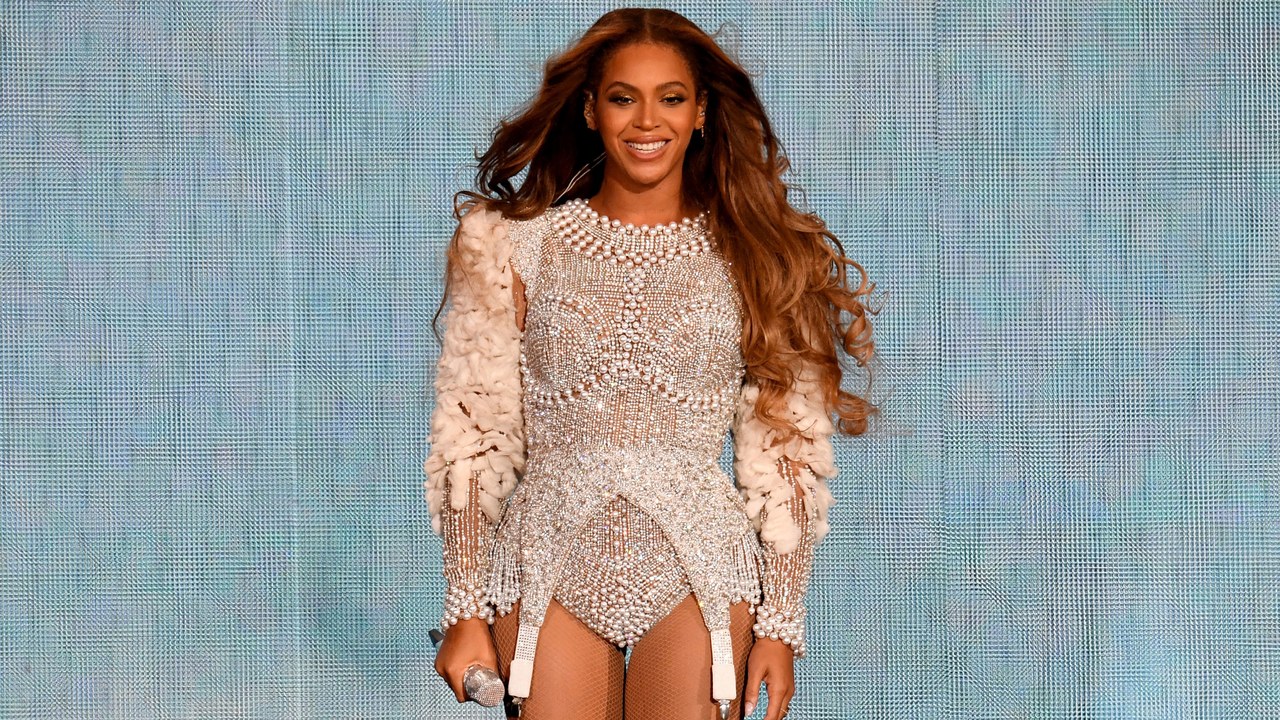
    Adidas and Beyonce are teaming up to relaunch the superstar’s Ivy Park label.

    The sportswear firm has announced a multi-layered partnership with the performer to “inspire and empower the next generation of creators; drive positive change in the world through sport; and identify new business opportunities”.

    “This is the partnership of a lifetime for me,” said Beyonce. “Adidas has had tremendous success in pushing creative boundaries. We share a philosophy that puts creativity, growth and social responsibility at the forefront of business. I look forward to re-launching and expanding Ivy Park on a truly global scale with a proven, dynamic leader.”

    The partnership will result in the co-creation of new products – from performance to lifestyle – and a unique purpose-driven program focused on empowering and enabling the next generation of athletes, creators and leaders.

    According to a joint statement, meaningful and rich storytelling will be the foundation for both Beyonce’s collection with Adidas as well as the re-launch of her Ivy Park brand.

    “As the creator sports brand, Adidas challenges the status quo and pushes the limits of creativity through its open source approach,” said executive board member – global brands Adidas Eric Liedtke.

    “Beyonce is an iconic creator but also a proven business leader, and together we have the ability to inspire change and empower the next generation of creators.”

  • Jeep Compass Sport Plus Launched In India

    Jeep Compass Sport Plus Launched In India

    The Tata Harrier has surely escalated the competition in the compact SUV segment and it has proved to be a strong product, especially at the price Tata Motors has launched it. The Jeep Compass is the obvious-first rival to the Harrier and the company has added a new Sport Plus variant to the range in a bid to compete against the Harrier. The Jeep Compass Sport Plus has been launched in India at ₹ 15.99 lakh for the petrol variant and ₹ 16.99 lakh for the diesel variant.

    The Sport Plus variant of the Compass has been positioned above the base Sport variant and is more feature-rich. The added exterior kit includes 16-inch alloy wheels finished in silver, black roof rails and rear parking sensors. The rear windscreen, pillars and window fringes are also finished in black. The cabin of the Jeep Compass Sport Plus trim will be equipped with a 5.0-inch touchscreen infotainment system and dual-zone climate control which the base trim doesn’t get. We would have liked Jeep to also include the power folding wing mirrors which makes maneuvering through tight spots easy. However, safety kits such as dual front airbags, ABS, ESC and traction control are standard throughout the range.

    Mechanically the Compass Sport Plus remains identical to the base variant. The diesel is powered by the same 2.0-litre, four-cylinder Multijet turbo motor which makes 172 bhp and 350 Nm of peak torque and is mated to a six-speed gearbox as standard. The petrol is the 1.4-litre, four-cylinder MultiAir Turbo motor which develops 161 bhp and 250 Nm of peak torque and is also offered with an automatic gearbox, while the six-speed manual is standard.

    Other than the Harrier, the Jeep Compass Sport Plus will compete with the W4 variant of the Mahindra XUV500 and SX variant of the Hyundai Creta.

  • Lululemon says e-commerce investment pays off

    Lululemon says e-commerce investment pays off

    Athleisure retailer Lululemon’s investment in e-commerce — revamping its website and improving on direct-marketing efforts to draw new customers — has paid off. Lululemon has posted a 46 per cent increase in its online revenue last year, adding that it has reached an e-commerce penetration rate of 26 per cent.

    The company announced it will be investing aggressively in e-commerce in new territories and plans to open e-commerce markets in France, Japan and Germany. The retailer also said it will roll out its “order online, pick up in store” program across the US by the winter holidays this year.

    The Canada-based retailer said they will step up on their international expansion plans, saying more than half of its planned 40 to 50 store openings this year would be in overseas markets.

    Lululemon posted a 24 per cent increase in revenue to $3.3 billion for the fiscal year ending February 3 from the $2.65 billion from the previous corresponding period.

    “Lululemon has delivered one of its strongest years yet, a result of broad-based strength across the business,” said company CEO Calvin McDonald in a press release.

    “We are energised to build upon our momentum and to seize the many opportunities ahead for Lululemon around the world.”

    For the fourth quarter, Lululemon said net revenue rose 26 per cent to $1.2 billion aided by holiday sales.

    Total revenue for fiscal 2018 was $3.3 billion.

    The retailer’s profitability in Asia and Australia more than offset the operating loss in Europe. Now with the company having 21 stores in Europe, Lululemon said it was about a year and half away from breaking even in Europe.

    The company forecast the momentum would continue this year, saying they expect a net revenue to be in the range of $3.7 billion to $3.74 billion for the full fiscal 2019.

  • Aggressive expansion planned by Under Armour Asia

    Aggressive expansion planned by Under Armour Asia

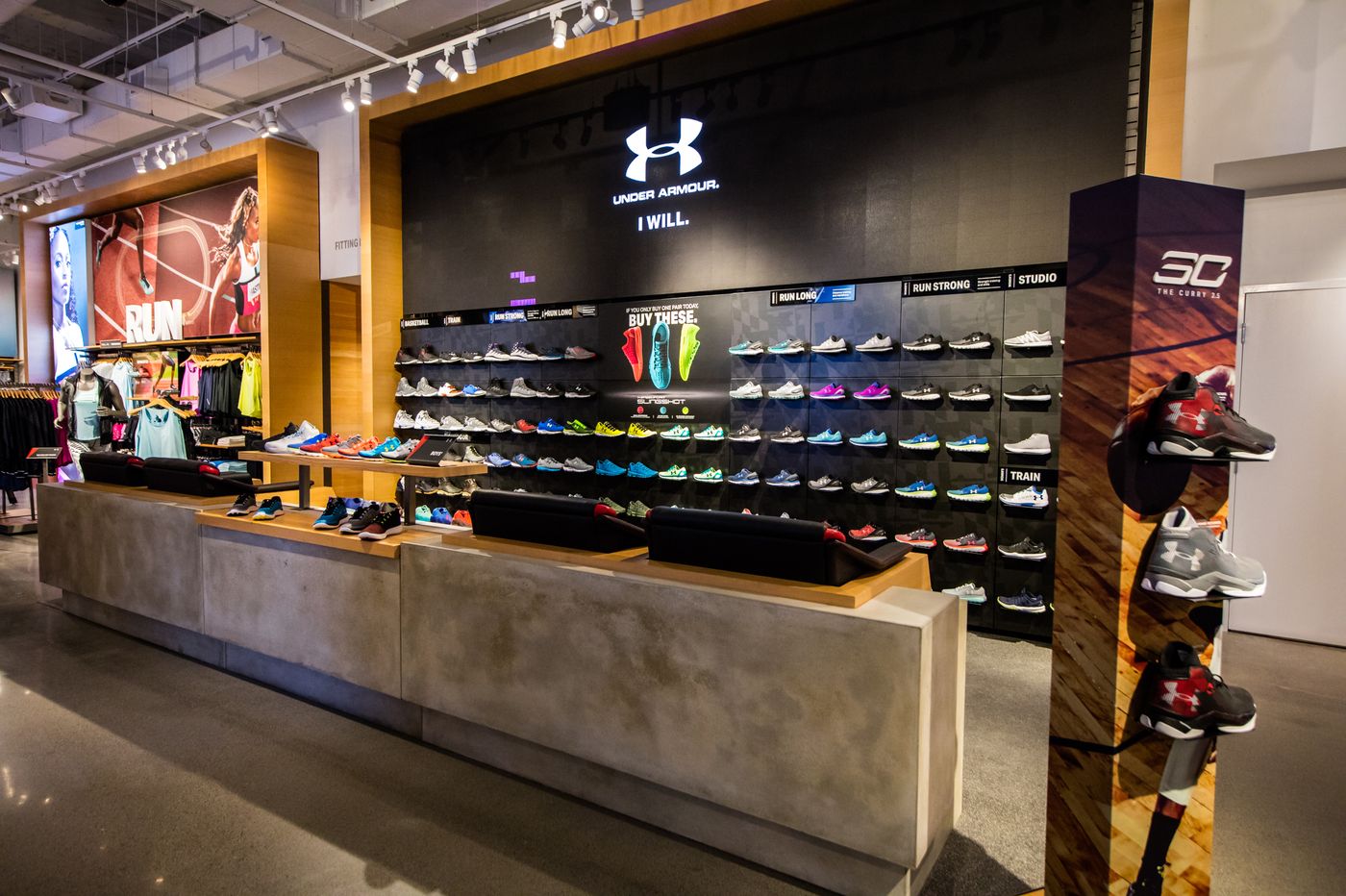
    US sportswear brand Under Armour is expanding its operations in Asia, as well as Europe and Latin America.

    An Under Armour Asia headquarters is set to open in Hong Kong this year, as the brand strengthens its commitment premium-grade sportswear rather than follow the currently fashionable athleisure market.

    “As part of the transformation into this new operating model, one of the things that we wanted to do was to really empower our regions,” the firm’s president and COO Patrik Frisk said in an interview published by the South China Morning Post. “So we decided to move into an Apac, Latin America, EMEA and North America structure.

    “We weren’t able to scale our international business without giving the regions more horsepower to drive the business.”

    “China is the big machine in the region,” added newly appointed Under Armour Asia-Pacific MD Jason Archer. “If you combine a lot of the external focus on the region, as well as the Chinese government investing in sport, in health and wellness. That is just exciting for us – the macro landscape.”

    The firm’s international takings have been burgeoning overseas in comparison to their home market, with a 43.34 per cent increase seen internationally over just 2.63 per cent in North America. US sales remain double those globally, although last year Asian sales grew 61 per cent against a 5 per cent drop back home.

    Under Armour has a global network of 1100 stores, and plans to build a further 1500 locations within five years, with 73 per cent of these launching in Asia, mostly in China.

  • Nike sees steap growth numbers in Asia

    Nike sees steap growth numbers in Asia

    Sportswear retailer Nike has grown net income to US$1.1 billion over its third quarter, with the group’s consumer-direct  approach delivering growth across all four of its geographic regions.

    Revenues increased 7 per cent to $9.6 billion, up 11 per cent. The Nike brand contributed $9.1 billion of this, while footwear brand Converse brought $463 million – down 2 per cent compared to the prior corresponding period.

    “In Q3, our team once again drove strong, healthy growth across Nike’s complete portfolio,” Nike chairman, president and CEO Mark Parker said.

    “Our business momentum is being accelerated by our ability to scale innovation at a faster pace and expand new digital consumer experiences around the world.”

    In Asia-Pacific, the group saw footwear sales increase 3 per cent to $909 million, while apparel sales grew 6 per cent to $340 million.

    However, sales in the equipment category fell 8 per cent over the period, to $58 million.

    Greater China, saw equipment sales stay flat at $29 million, but experienced a strong 21 per cent growth in apparel sales to $444 million, and footwear sales 19 per cent above the prior period at $1.11 billion.

    The group’s gross margin increased over the period to 45.1 per cent, driven by higher selling prices, favourable changes in foreign currency exchange rates and growth in Nike Direct.

    Additionally, the group’s effective tax rate was 14.7 per cent, compared to 179.5 per cent during the same period last year, which included one-time charges related to the enactment of the US Tax Cuts and Jobs Act, which drove a $921 million loss.

  • JD Sports to acquire Footasylum

    JD Sports to acquire Footasylum

    JD Sports has launched a takeover bid for UK footwear retailer Footasylum. The offer, which amounts to up to US$119.6 million (£90.1 million) for the remaining shares the business does not already own, represents a 77.4 per cent premium on the closing price of Footasylum shares on the day prior to the announcement.

    JD executive chairman Peter Cowgill said the footwear business was “very complementary” to JD’s existing UK operations, due to its focus on a slightly older consumer, targeting 16-24 year olds.

    “We believe that there will be significant operational and strategic benefits through the combination of the very experienced and knowledgeable management team at Footasylum and our own expertise,” Cowgill said.

    Footasylum directors intend on accepting the offer in regards to the 63 per cent of shares they hold, and plan to recommend shareholders do the same.

    JD Sports has already procured a further 65.6 per cent of the available shares in the business, but requires 90 per cent of shares in order to make the offer final.

    According to GlobalData UK retail research director Patrick O’Brien, Footasylum had seen the wheels coming off of the business since May last year, with a highly promotional market smothering the business’ margins.

    O’Brien said the move appeared to be a defensive move by JD Sports against a potential acquisition by Sports Direct’s Mike Ashley.

    “With Footasylum’s share price so low, it looked like only a matter of time before the hoover of the high street would strike, before JD Sports began building its stake last month,” O’Brien said.

    “But, the deal seems a positive one for JD Sports, which has the clout to restart Footasylum’s expansion and use its sourcing scale to make it more efficient and we expect it to develop what is still a very marketable fascia.”

  • Most Affordable Bugatti Launched

    Most Affordable Bugatti Launched

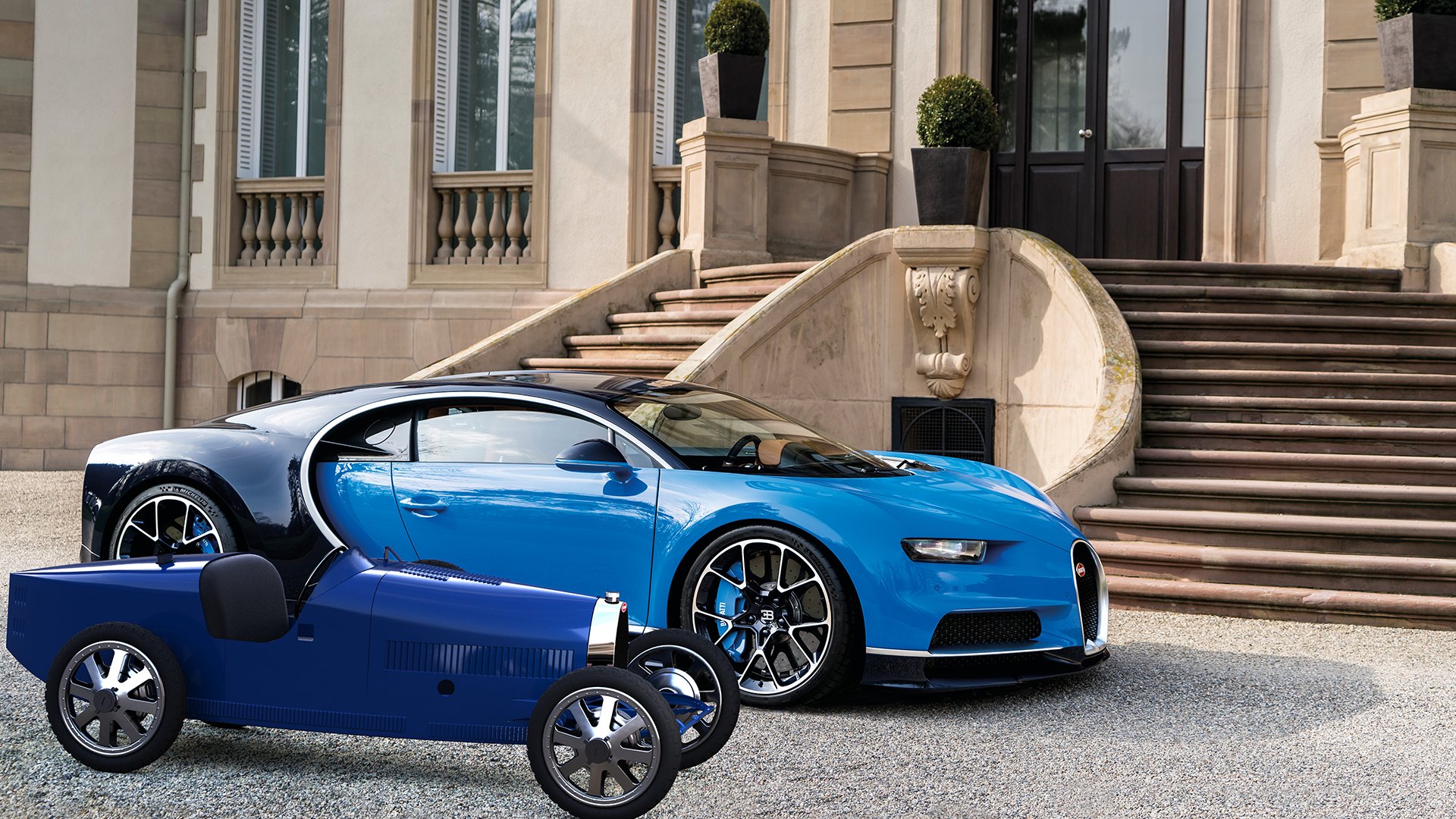
    If you thought this was a click-bait headline, we wouldn’t blame you for it. Bugatti and cheap or affordable rarely go together in a sentence and only even then, the figures resemble a small country’s GDP. This time, however, we actually mean it. Bugatti, the creator of hypercars like the Veyron and the Chiron, has launched its most affordable offering. This time though, it’s in the toy sector with its new Bugatti Baby II ride-on electric vehicle. Inspired from the Bugatti Baby I, the toy car can be driven by both kids and adults, and is priced at $34,000.

    The Bugatti Baby II is a modernised version of the half-scale Type 35 race car replica that the automaker’s founder Ettore Bugatti had built for his son nearly a century ago. While the original Baby I built between 1927 and 1936, was specifically for children, the Baby II is more accommodating and can be driven by adults too thanks to the larger proportions. The toy car gets an electric motor and with two power modes – child and adult. The child mode restricts the top speed to 20 kmph with power limited to 1.3 bhp, while the adult mode will let you top it out at 45 kmph. Much like the Chiron though, the Baby II also comes with a “speed key” that allows you to remove the limiter altogether unleashing all the 13 horses from the electric motor. The higher speed though, we reckon will come at the cost of battery life.

    The Bugatti standards of manufacturing apply to its most affordable offering as well. The cockpit is fitted with all plush materials including the aluminium dashboard, leather upholstered seat, an old-fashioned Type 35-style four-spoke steering wheel and a Bugatti instrument panel. You can also match the Baby II’s colour scheme with that of your Chiron, plus eight-spoke aluminum alloy wheels and fully functioning headlights can be added as optional extras. Definitely an upgrade over the toy cars sold at Hamleys.

    At $34,000, the Bugatti Baby II is not cheap. In fact, for those in the US, a couple of extra thousand dollars will get you a Tesla Model 3. But then again, this is for the ultra rich that may have a Veyron or a Chiron stacked up in a garage somewhere. The fact that only 500 of these will be made (just like the original), certainly makes them a lot more rare than we’d expect.

  • Globe opens its first Esports Center

    Globe opens its first Esports Center

    The Philippines’ Globe Telecom has announced the launch of its first Esports Center, aimed at supporting various local esports communities.

    The Esports Center at Play Nation in the UP Town Center in Quezon City will offer various initiatives including esports competitions, as well as support helping gamers create live streaming content and interact with other members of different esports communities.

    Globe SVP and head of content business group Nikko Acosta said the facility will help Globe’s Games and Esports division achieve one of its key goals of strengthening support for esports in the Philippines in cooperation with various fan communities.

    “We want to bring together different communities of popular games like Arena of Valor, Rules of Survival, League of Legends, and Tekken – among others – in one venue to upgrade their knowledge and gauge their skill levels with others through peer learning of new strategies and techniques,” he said.

    “We are positioning esports as a real sport, to make a gamer into a real athlete harnessing both physical and mental attributes by playing it right,” Acosta added, mentioning the company’s #PlayItRight advocacy campaign, which seeks to emphasize the importance of discipline, nutrition, physical wellness, and cognitive development in esports.

  • Toby’s Sports flagship opening in BGC soon

    Toby’s Sports flagship opening in BGC soon

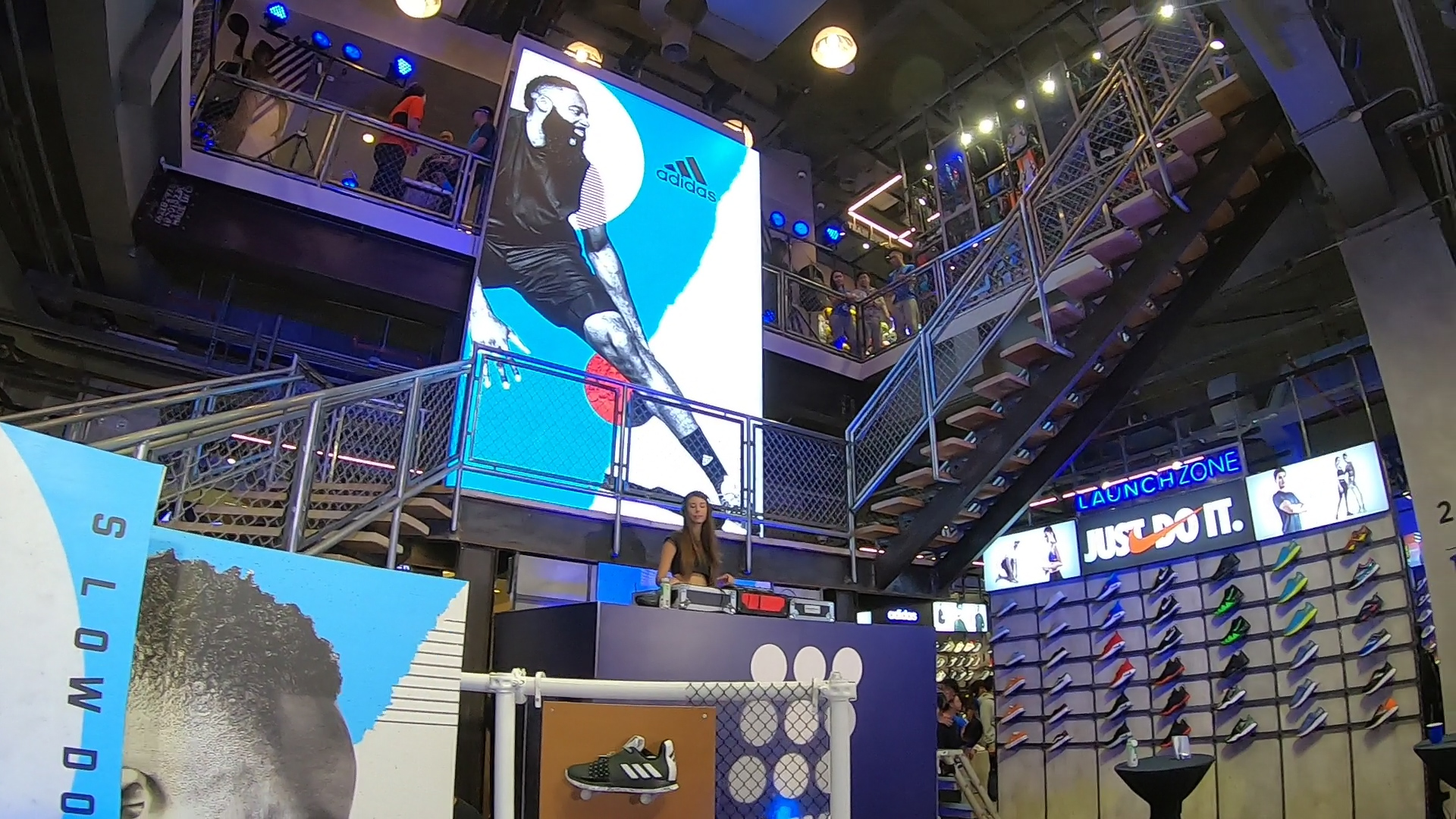
    A new Toby’s Sports flagship store just opened in BGC is the chain’s largest yet. The 1000sqm store, which takes up two floors, was designed by German architectural firm Blocher + Blocher and Philippine-based Sonia Olivares and Associates. The interior design was inspired by Manila’s “raw aesthetics” with larger-than-life graphics and bursts of color that reflect “the vibrant nature of sports”. Interactive touch screen displays throughout the store use RFID tags to provide shoppers with information about products.

    “We harnessed the latest technology to bring our store experience to the next level,” said Toby’s Sports president Toby Claudio. “We wanted to create more than just a store, but a space that tells stories about the latest sports innovations and inspire people to play; an iconic store, a pinnacle shopping experience in the heart of Metro Manila.”

    On the outside, a large LED display rises over Fifth Avenue.

    The store stocks a premium collection of footwear, sports apparel and equipment from multiple international brands.

    “The new Toby’s Sports flagship store is a statement we wanted to make, that even after 40 years in the business, we are still looking for ways to improve. It has allowed us to provide new and exciting experiences and best-level products for our customers. My hope is that the flagship can become an epicenter for sports and sneaker culture in the Philippines,” said Claudio.

    The store features several zones to provide an experiential component to shopping.

    An interactive PlayZone hosts events and doubles as a basketball court, featuring a professional-grade basketball shooting machine.

    LaunchZone will showcase new products and double as a space for pop-up installations, VIP events and guest appearances by athletes.

    Toby’s Custom Lab on the second floor, offers apparel customization services for customers, and is able to create team uniforms of personalised products for individuals.

    The BGC store is Toby’s Sports 55th shop in the Philippines and more are in planning.

  • Anta Sports shows positive result

    Anta Sports shows positive result

    Anta Sports Products is planning more than 1000 new stores this year after revealing another record profit. The Hong Kong-listed Chinese sports apparel and footwear manufacturer operates more than 11,600 stores in Greater China and beyond under its own Anta brand, and banners like Fila and Descente, for which it owns regional rights.

    In September last year it led a takeover bid for Amer Sports, which owns Salomon, Wilson, Arc’teryx, Suunto, Peak Performance and Precor, among other brands – a deal likely to be completed as early as next month.

    This year’s net profit was the fourth consecutive annual record and reflects growing popularity of sport and fitness in Mainland China and a strengthening of its online offer.

    The company’s profit jumped 32.9 per cent to RMB 4.103 billion ($613.13 million) last year on sales up 44.4 per cent to RMB 24.10 billion (US$3.597 billion).

    In a stock exchange filing, Anta said it was “cautiously optimistic” about the prospects of the business in China in the coming year, despite reduced business confidence across the region. It plans to open more than 1000 Anta-branded stores on the mainland this year along with up to 250 Fila, Fila Kids and Fila Fusion stores on the mainland and in Hong Kong, Macau and Singapore.

    Anta-branded products saw a mid-teens increase in retail sales in the latest quarter compared to the same period last year, however sales in stores bearing other banners rose between 85 and 90 per cent.

    Anta Sports, was founded in 1991 as a manufacturing supplier to the footwear industry. Since then it has grown to become China’s largest domestic sportswear brand, and industry analysts estimate it is the world’s third largest by market capitalisation after Nike and Adidas.

  • Puma reports strong sales, profitability in 2018

    Puma reports strong sales, profitability in 2018

    Sportswear giant Puma reported strong annual results in 2018, as the German company witnessed double-digit growth across all geographic zones and product divisions. For the year ending December 31, 2018, the Herzogenaurach-based company said sales increase by 17.6% currency adjusted to €4,648 million (+12.4% reported) with double-digit growth in all regions.

    Asia-Pacific, despite being the smallest of Puma’s three regions after the Americas (+16.9%) and market leader EMEA (+11.4%), was the strongest in growth terms for 2018, up 28.8% to €1,235.5 million. APAC was mainly driven by high growth in China and Korea, while sales in Japan increased at a more moderate mid to high single-digit rate.

    In product terms, Puma highlighted the success of new sneaker styles Thunder, RS-0 and RS-X in 2018, as part of the company’s debut into the “chunky shoe” category.

    Puma also spent 2018 re-entering the basketball category after 20 years, and signed supermodel Adriana Lima as its women’s training ambassador.

    Net earnings increased by 38 % from €135.8 million to €187.4 million, and earnings per share lifted from €9.09 to €12.54.

    “We are very happy with how our business developed in 2018. Sales rose organically by 17.6% to €4,648 million and the operating result (Ebit) improved by 37.9% % to €337 million, which shows our strong momentum,” said Bjørn Gulden, Chief executive officer of Puma.

    “The double-digit growth in all regions is a proof that the we have strengthened the Puma brand globally and the double-digit growth in all product divisions shows that we have enhanced our product portfolio,” added Gulden.

    In 2019, Puma said it expects currency adjusted sales to grow around 10% and operating results to increase to a range between €395 million and €415 million.

    “We still have a lot to improve, but we feel we are moving our brand and company in a good direction,” said Gulden.