Tag: starbucks

  • US investor buys into Mitra Adiperkasa

    US investor buys into Mitra Adiperkasa

    US private-equity company General Atlantic has made its first investment in Indonesia by buying into lifestyle retailer Mitra Adiperkasa (Map).

    It has subscribed for Rp1.08 trillion (US$80.5 million) in bonds issued by Map which are convertible into shares in its F&B subsidiary Map Boga Adiperkasa (MBA), which runs Cold Stone Creamery, Godiva, Krispy Kreme, Pizza Express and Starbucks in Indonesia. It has more than 300 stores across 24 cities, and has more than doubled its store count over the past five years.

    Map runs multi-channel retail concepts in Indonesia across a diversified portfolio of department stores, sportswear, specialty fashion, F&B, and lifestyle products. It has nearly 2000 retail stores.

    “We believe the rapid rise in Indonesia’s middle and young working classes, the increase in this population’s disposable income, and the continued rural-to-urban migration represents an opportunity for us to strengthen our international food brands and cement our leadership position in the F&B market,” says Map CEO V.P.

    Sharma. A portion of the investment money will be used to accelerate the F&B division’s network expansion.
    “Indonesia’s domestic consumption comprises more than half of gross domestic product, and consumption patterns are increasingly shifting toward modern and aspirational lifestyle brands,” says General Atlantic Southeast Asia head Wai hoong Fock. “These secular trends position MBA’s food & beverage portfolio well for further expansion.”

    Regional commitment

    The partnership, General Atlantic’s first investment in Indonesia, indicates its commitment to long-term market prospects in South-east Asia,” says Fock, who joined General Atlantic from CVC Capital Partners last year to lead its South-east Asia investing program. He is based in the firm’s Singapore office.
    General Atlantic has 18 investment professionals in Asia, based in offices in Beijing, Hong Kong, Mumbai and Singapore. The firm opened its Singapore office in 2011, investing three years later in Singapore-based online mobile entertainment/communication Garena platform. It has also supported the growth of retail and F&B companies including lifestyle brand Tory Burch, luxury fashion brand Zimmermann, restaurant group Barteca Holdings, urban juice-bar concept Joe & The Juice, community accommodation marketplace AirBNB and transportation network company Uber.

    Map has 1921 retail outlets in 68 cities throughout Indonesia. Its retail concepts include department stores (Debenhams, Galeries Lafayette, Seibu and Sogo), fashion and lifestyle (Crabtree & Evelyn, Kipling, Lacoste, Marks & Spencer, Massimo Dutti, Nautica, Sephora, Swarovski, Topman, Topshop and Zara), sports (Converse, Golf House, Oakley, Payless ShoeSource, Reebok, Rockport, Skechers, The Athlete’s Foot and The Sports Warehouse), F&B (Burger King, Cold Stone Creamery, Domino’s Pizza, Godiva, Krispy Kreme and Starbucks), kids (Kidz Station and Oshkosh B’Gosh) and bookstore Kinokuniya.
  • Military minimall for US troops in Korea

    Military minimall for US troops in Korea

    A $6.2 million US military minimall has been officially opened for troops relocating to an expandedCamp Humphreys in South Korea.

    The Army and Air Force Exchange Service (AAFES) centre includes fast-food restaurants, a barber shop and a retail store, across the street from a new barracks at the US Army garrison 88km south of Seoul. This means soldiers will no longer need to take a bus to the central food court and commissary that previously served the whole post.

    Soldiers at the opening ceremony were told the minimall will save them time and help alleviate queues and crowding. The complex also is near a chapel, theatre and gym.

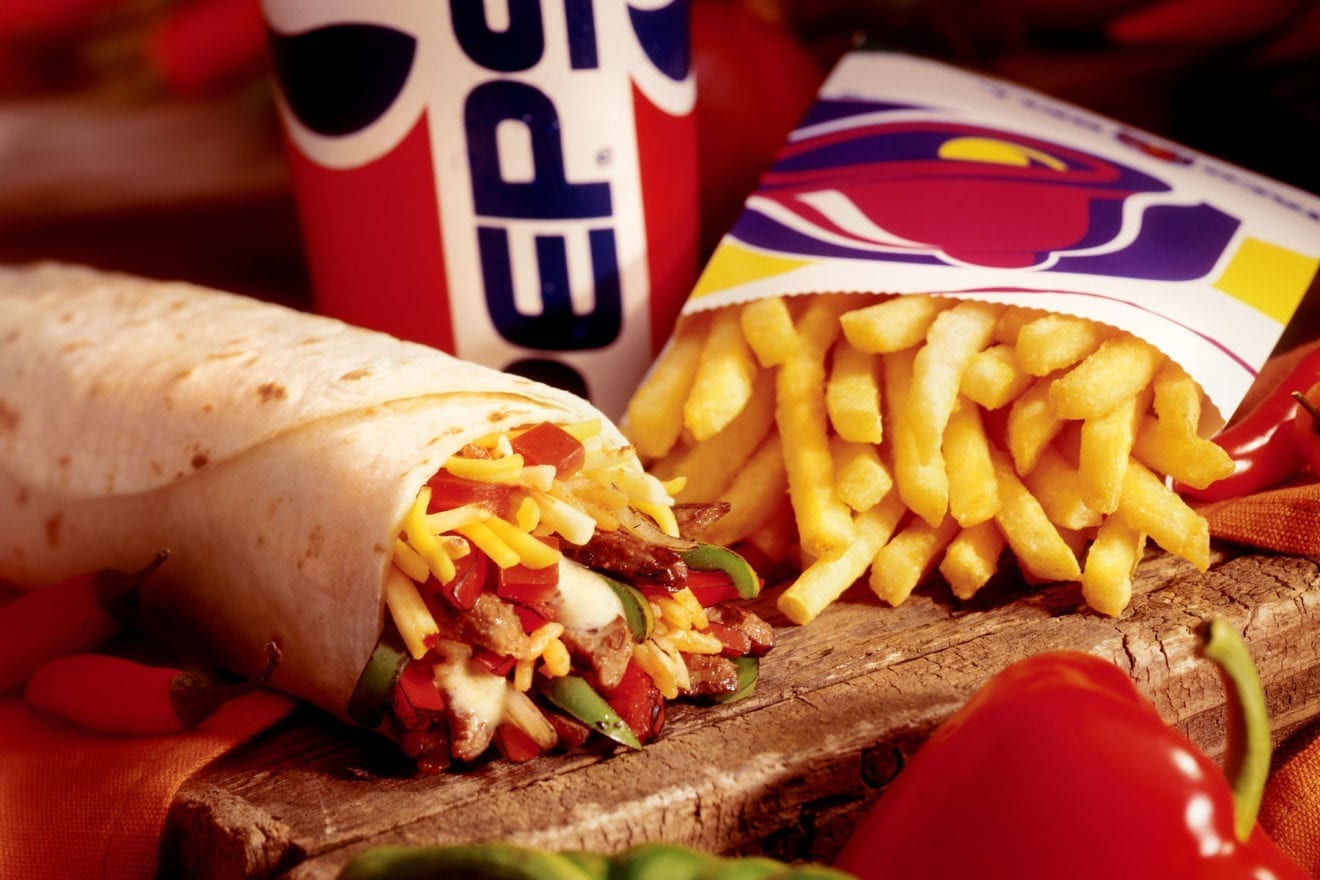
    Its 124-seat dining room has a Starbucks, Subway and Taco Bell. There is also a dry cleaner, an eight-chair barber shop and a grocery store that also sells other items.

    Construction of the almost 24,000 sqft (2229 sqm) building three years ago, with the South Korean government paying $4.4 million and the AAFES $1.8 million. The South Korean government is funding most of the $10.7 billion overall expansion project.

    AAFES regional senior VP Karin Duncan says four more amenities will open late next year, including a 300,000 sqft post exchange.

    The US has about 28,500 serving military in South Korea, which remains technically at war with the North after the 1950-53 conflict ended in an armistice instead of a peace treaty.

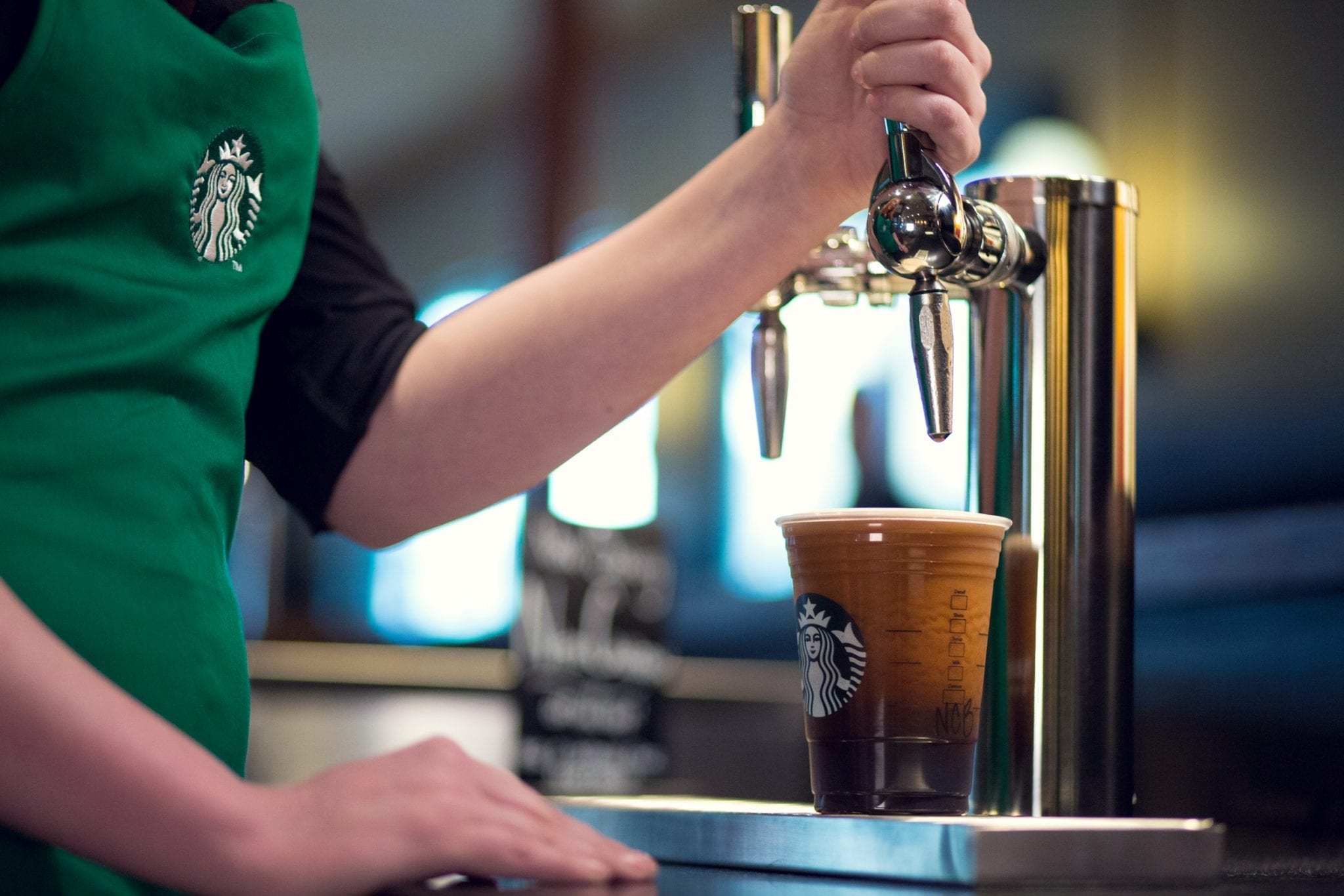
  • Starbucks announces the introduction of Nitro Cold Brew in China

    Starbucks announces the introduction of Nitro Cold Brew in China

  • Apple, Nike and Playboy among most popular US brands on Alibaba’s Singles Day

    Apple, Nike and Playboy among most popular US brands on Alibaba’s Singles Day

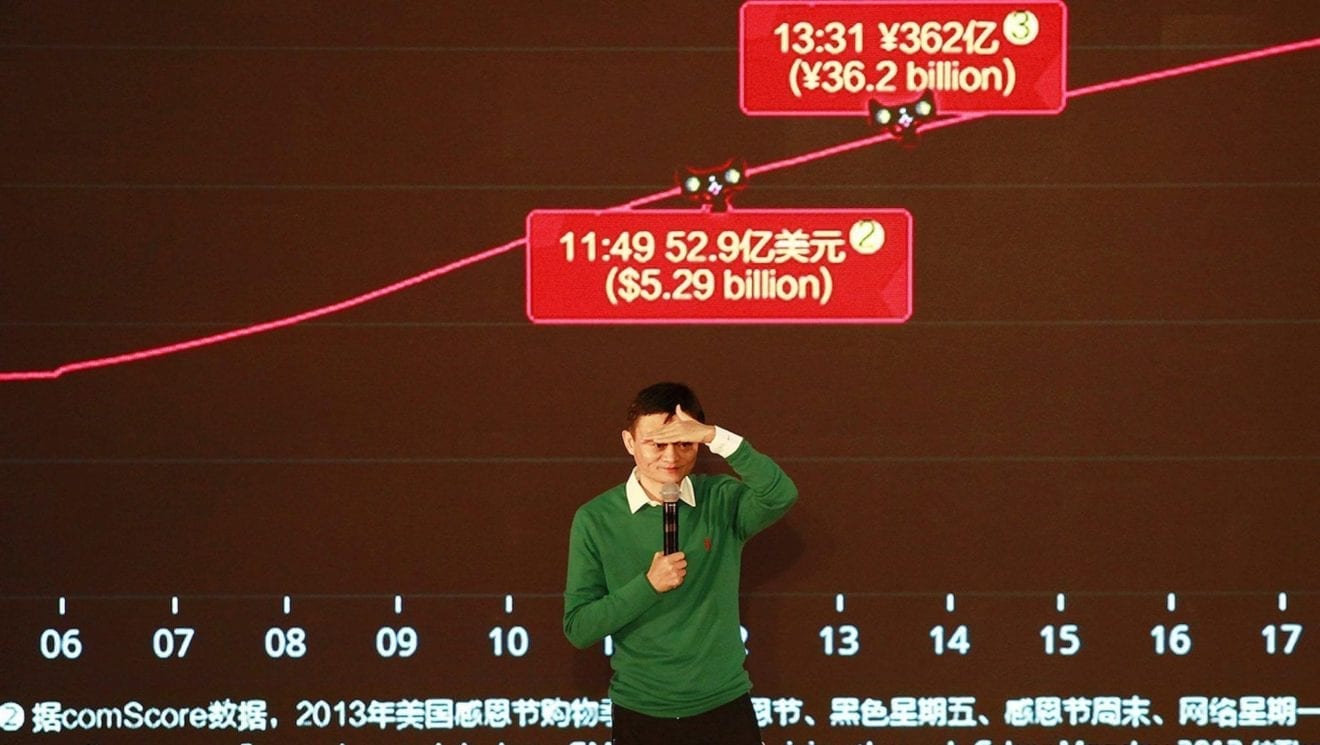
    Alibaba Group Holding Ltd. says sales from its massive Singles Day shopping event totaled $17.8 billion, up more than 24% from the record $14.3 billion sold last year.

    (This year’s total is RMB 120.7 billion, up 32% year-over-year due to fluctuations in the Chinese currency.)

    The most popular U.S. brands as of about 10:30 p.m. CST were, in order: Apple Inc. Nike Inc. New Balance, Playboy, and Skechers USA Inc.

    “Alibaba is using this year’s Singles Day to showcase the number of international brands participating, everyone from Apple, Victoria’s Secret, Burberry, Gap, [and] Nike, acting as the gateway to China for these brands and fulfilling Chinese consumers’ insatiable demand for Western products,” said Danielle Bailey, head of Asia-Pacific research for L2 Inc.

    Victoria’s Secret is in the L Brands Inc.  portfolio.

    Singles Day started strong, with sales of $1 billion recorded in the first five minutes.

    Alibaba Offers Virtual-Reality Shopping on Singles’ Day

    Alibaba is hoping to boost sales from China’s biggest annual online-shopping event–Singles’ Day–with what it claims is the world’s first virtual-reality shopping experience.

    Many U.S. brands have tried and, so far, failed to find success in the Chinese market. Recently, Netflix Inc. said it would abandon efforts to launch a full-service offering in China.

    Wal-Mart Stores Inc.  announced in June that it would partner with Alibaba rival JD.Com Inc. to grow its China business. The partners announced new initiatives in October.

    Apple and Nike are popular in China irrespective of the day, with Nike reporting 21% revenue growth in China in fiscal first-quarter 2017. The U.S. and China are Nike’s two biggest basketball markets, Trevor Edwards, Nike brand president, said on the Sept. 27 earnings call, according to a FactSet transcript.

    The Playboy brand is also popular in China, with items like jewelry and fragrances selling well.

    Starbucks Corp. seized the opportunity to get into the Singles Day festivities, offering a Cocoa Java Mocha beverage exclusively for the day at locations across China. The company also sold gift sets, exclusively-designed gift cards, and limited-edition My Starbucks Rewards Cards 11/11.

    Forty-seven million users purchased international brands, led by U.S. brands, according to L2 data, and 82% of sales were made on a mobile device.

    “With Alibaba distributing different deals across different devices, they have encouraged devoted savings seekers to keep separate shopping carts on their desktops and mobile phones,” said Tim Barrett, retail analyst at Euromonitor International. “Alibaba is grooming a generation of mobile-first shoppers, a move which will pay off greatly when the entire world is addicted to their mobile devices.”

    For Alibaba Chief Executive Daniel Zhang, this integration of sales across different platforms is critical.

    “If you look at this as an online game, people see you will have less margin in the future,” Zhang said, according to the Alibaba live blog of the Singles Day event. “But when we look at the entire landscape, only 10% of China’s total retail is online. What we believe is that at the end of this, online and offline… should be fully integrated.”

    This year, Alibaba introduced virtual reality into the 11.11 experience, as well as games, with 2.6 billion games played, according to L2.

    “Alibaba is blurring the lines between entertainment and e-commerce and extending technologies thought to be simply gimmicks in the West,” said Bailey.

    Even with the eye-popping sales numbers, popular brands and new technologies, Alibaba shares are down 1.4% in Friday trading.

    “In keeping with the de-emphasis of GMV [gross merchandise value] as a reported metric, we expect sales volume to become but one of many focuses of the event, with others being new mobile functionality, innovations and improvements in logistics, new partnerships,” said Deutsche Bank in a note published Tuesday, which calls Singles Day “a PR exercise.” Analysts there expected 35% year-over-year growth.

    Deutsche Bank rates Alibaba shares buy with a $138 price target.

    Alibaba shares are up 14.4% for the year so far while the S&P 500 is up 5.7% for the same period.

  • CityOn.Zhengzhou to open fully leased

    CityOn.Zhengzhou to open fully leased

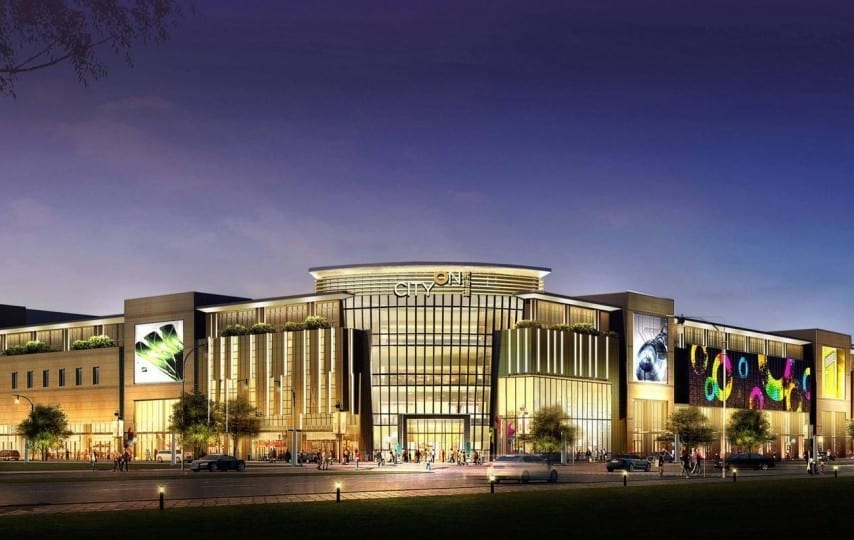
    Taubman Asia, a subsidiary of US shopping centre group Taubman Centers, and China’s Wangfujing Group, have announced the line-up of retailers for its CityOn.Zhengzhou mall in Henan province, set to open on March 16.

    When it opens, the centre will be 100 per cent leased and 90 per cent occupied with nearly 200 stores and restaurants. In the heart of Zhengdong New District, the six-level, 94,000 sqm shopping and dining destination will offer domestic, international and lifestyle brands from fast fashion to accessible luxury, anchored by a four-level Wangfujing department store.

    “We are thrilled to see our second China project coming to life in Zhengzhou,” says Taubman Asia president Rene Tremblay.

    Local, regional and international cuisine at all price points and in both seated restaurants and quick-serve formats will be a feature of the centre, which will also offer family-friendly experiential, educational and entertainment offerings.

    Many international brands will be making their central China debut at the centre, says Taubman Asia group VP Paul Wright.

    Outlets at the mall include…

    Fashion: Adidas, Ajidou, Basic House, Bershka, Charles & Keith, Columbia, Converse, Ecco, Five Plus, Forever 21, H&M, Innisfree, Jack & Jones, KIKC, Kipling, La Chapelle, Lee, Levi’s, Mango, Massimo Dutti, Miniso, Mishka, Mobi Garden, Nike, Pandora, Polo, Sand & Foam, Sephora, Skechers, Stradivarius, The North Face, Uniqlo, Vans, Vero Moda, Westlink and Zara.

    F&B/entertainment/kids/lifestyle/electronics: Acasia Food Village (featuring 14 food vendors), Benfu Sushi, Boat Noodle, Chatime, Chez Choux, Chicken Container, Coco, Dollar Shop, FrozenYo, GB Kids Station, Gong Cha, Grandma’s Kitchen, Guoguo Mutton Soup Restaurant, Guxiang No. 9 Catering, Hallmark Babies, Homao, Huawei, iSpace, La Chapelle Kids, Lenovo, MagicSalad, MM by Haircode, Mr Wish, NaughtyKids, New York Fries, Oscar CityOn Cinema, PapaBubble, Pizza Zone, Rbike, Siwuke Tea, Starbucks, Strawberry Forever, Subway, Teppanyaki Xiang, Toot Science, Udon & Tempura, Uncle, Wan Quan Bu Tong, Xiang Tian Xia Huo Guo, Xiao Liu Jia, Xiao Zhu Zhu Kao Rou, Xue Mi Da, Yang Xiang Dou Pi Shuan Niu Du, YuYuTo, ZBX Fresh Fish Hot Pot, Zheng Shi Yi and Zoo Steak.

  • Penang outlet mall Design Village about to launch

    Penang outlet mall Design Village about to launch

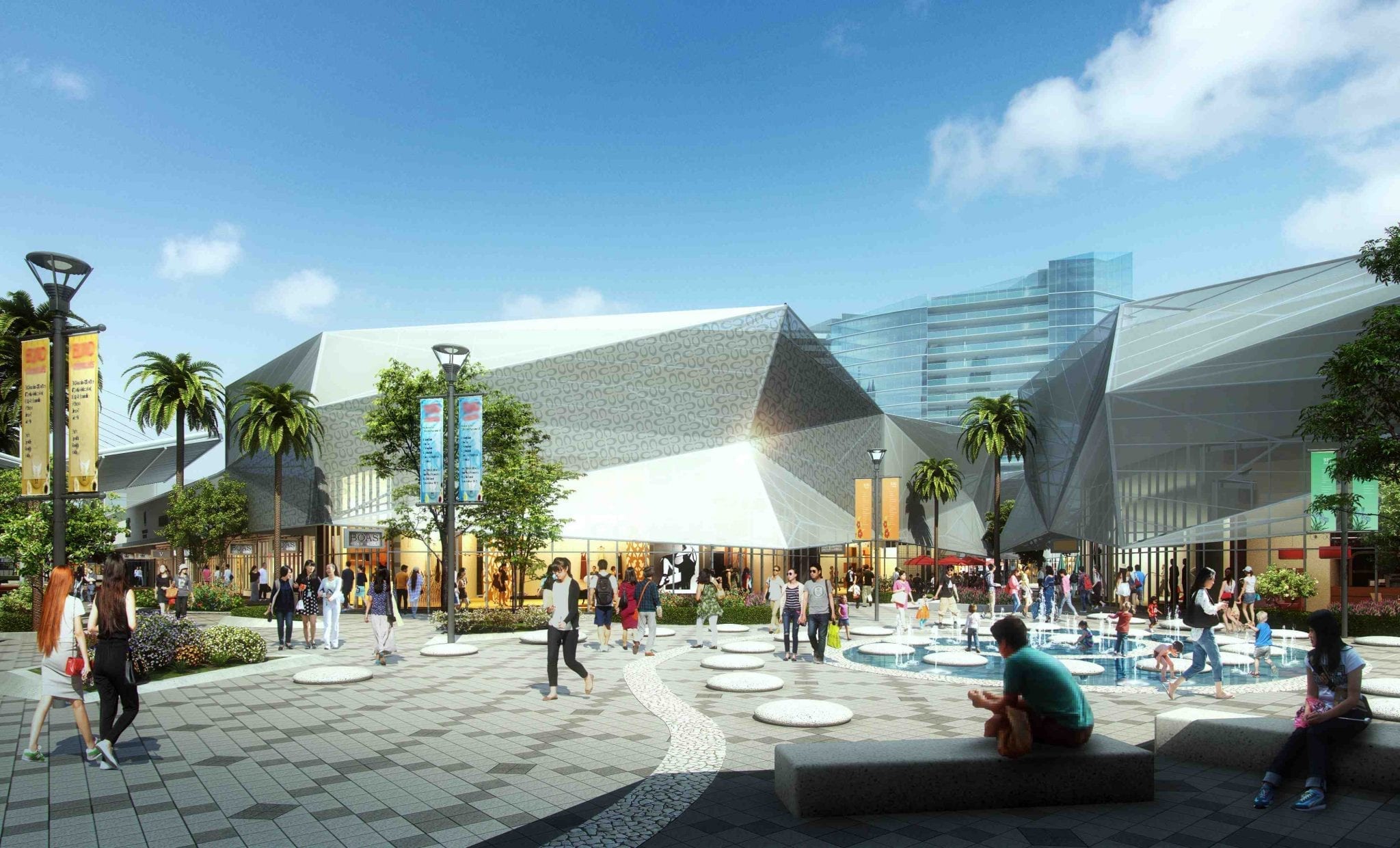
    Penang will gain its first premium outlet mall, Design Village, next month.

    In Batu Kawan in mainland Penang, it will be the biggest outlet mall in Malaysia. It was developed by PE Land, which owns and runs The Spring shopping mall in Kuching.

    The outlet mall is on a mixed-use site that will include a hotel and high-end condominiums. The single-storey mall has a net leasable space of 400,000 sqft (37,161 sqm) for 150 stores.

    There are more than 80 brands already committed to the mall, which is aiming for up to 100, says Savills Malaysia MD Allan Soo. The company is the international leasing and retail development adviser for Design Village.

    Design Village Malaysia 1

    The mall’s retail mix will be 20 per cent large-format stores, 15 per cent F&B, 7 per cent sports outlets and 5 per cent children’s stores, with 25 per cent new tenants and 28 per cent others.

    It will include the biggest Adidas outlet in Malaysia, plus the first outlet stores for Aldo and Bata. Other retailers include Banana Republic, Guess, Padini Concept Store, Sacoor Brothers, Samsonite and Starbucks.

    The mall will provide daily shuttle services to and from hotels and the airport.

    Design Village GM Aileen Tay says the mall is also working with tour companies to bring in tourists who will be offered rebates through tax-free shopping network Global Blue.

    PE Land is the retail and property development arm of Borneo-based conglomerate Pan Sarawak Holdings.

  • Starbucks Reserve Roastery Japan for Tokyo

    Starbucks Reserve Roastery Japan for Tokyo

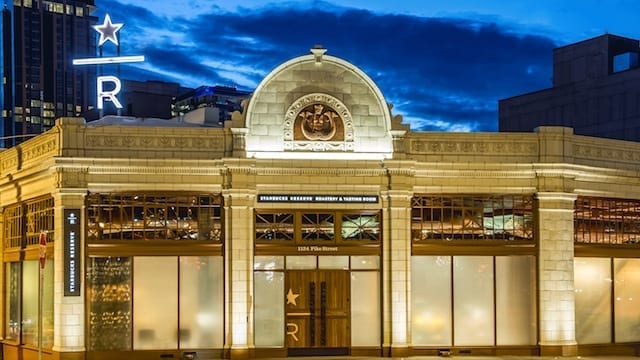
    A Starbucks Reserve Roastery Japan will open in Tokyo’s Nakameguro district in 2018.

    Starbucks Coffee Company says the 1200 sqm space will be in an upscale neighborhood known for its boutiques and art galleries. It will offer customers an immersive coffee environment unlike any other in the market.

    Starbucks Roastery Lower Bar

    Customers will be able to watch green coffee beans arrive, connect with coffee specialists and master roasters and choose from a curated range of handcrafted beverages.

    Starbucks Roastery Scoop Bar

    Artisan food and breads baked on site by Italian food purveyor Princi will also feature at the roastery.

    Starbucks Roastery Copper R

    Architect and Tokyo Olympics 2020 designer Kengo Kuma is leading the design of the roastery, which will blend art and nature with a Japanese design sense to pay tribute to coffee artistry and craft. His design for the Starbucks store in Fukuoka has won awards.

    Starbucks Roastery Upper Bar1

    Starbucks Roastery Upper Bar

    Japan is one of the largest markets in Asia Pacific for Starbucks and is regarded as a key driver of the company’s global growth.

    Starbucks Roastery


    Starbucks Roastery had its debut in Seattle in 2014, the most successful store opening in the company’s history. The company has announced new Roastery locations for Shanghai next year and New York in 2018.

  • Starbucks plans to double its stores in China to 5000 by 2021, opening a new one every day

    Starbucks plans to double its stores in China to 5000 by 2021, opening a new one every day

    Starbucks announced that it plans to double the number of its stores in China from more than 2,300 to 5,000 by 2021. According to CNN, Starbucks says that it will open more than one new store a day for the next five years.

    To oversee this task (which Starbucks also hinted at in January), the company promoted Belinda Wong to Starbucks China CEO. According to the company’s official statement, Wong will also be in change of “digital and e-commerce opportunities across China,” as well as the opening of Starbucks’ first international Roastery and Reserve Tasting Room in Shanghai in 2017.

    belinda_wang.jpgAs Starbucks China’s former president, Wong led a team that drove the company’s growth in China from 400 stores in 2011 to more than 2,300 stories currently, operating in over 100 cities.

    The 45-year-old Starbucks Coffee Company opened its first store in China 17 years ago. In an interview with CNN, Starbucks CEO Howard Schultz discussed the initial road bumps the company encountered in the tea-obsessed country. “We had to educate and teach many Chinese about what coffee was — the coffee ritual, what a latte was… So in the early years, we did not make money,” Schultz said.

    Since then, excluding some meat scandals, Starbucks China’s business has been doing quite well. The South China Morning Post reports that “Starbucks’ second-quarter sales rose 18% in China, a faster pace than the company’s worldwide revenue increase of 9% over the same period.” Starbucks’s growth is even more impressive given that China’s economic growth was just 6.7% this quarter (again).

    Compared to Starbucks, other Western brands have not fared so well in China. Disappointed with its poor profits and earnings for the third quarter this year, the CEO of Yum Brands, which owns KFC and Pizza Hut, has pointed blame at the South China Sea ruling. This rise and fall of Western food brands is also apparent in retail brands.

    Hopefully customers will show as much loyalty to the company as one “Starbucks uncle” during the recent flooding in Hong Kong.

  • TWG Tea makes debut in Canada

    TWG Tea makes debut in Canada

    Singaporean brand TWG Tea has entered the North American market with a store in Vancouver.

    In its eight years, TWG Tea has opened 56 owned and franchised boutiques and salons in 17 cities including Dubai, London and Shanghai.

    In Canada, its franchise and distribution rights have been bought by Tom and Karinna James, who previously owned Urban Tea Merchants in Vancouver. The city is ideal for TWG’s North American debut because of its tea culture, large Asian population and local appreciation for niche and artisanal beverages.

    “Our Asian population are very sophisticated tea drinkers,” says Tom James, thanks to the introduction of tea concepts such as Davids Tea and Starbucks’ Teavana.

    Tea sales in Canada reached $1.3 billion last year, with 40 per cent growth by 2020 predicted.

    Tom and Karinna James opened luxury tea house Urban Tea Merchant in 2004. The shop has been closed and will reopen as TWG next month with a boutique, salon and small wholesale component focussing on hotels and gourmet stores.

    Tea will be served in 18-carat gold-plated teapots, says James, who plans to open several stores in Canada.

  • Inside Starbucks Cambodia flagship

    Inside Starbucks Cambodia flagship

    Starbucks Cambodia has opened a new flagship store in Phnom Penh, in partnership with regional partner Maxim’s Group of Hong Kong.

    Cambodia is Starbucks 16th market in the China/Asia Pacific region, where it has more than 6200 stores. This is the third store in the country. Last month, Starbucks celebrated 20 years since the opening of its first store outside North America – in Japan.

    Starbucks BKK

    The Starbucks Cambodia Phnom Penh flagship, in the Boeung Keng Kang neighbourhood, will introduce Starbucks Reserve coffees to Cambodia, says Starbucks Asia Pacific president Mark Ring. An interactive coffee bar will allow customers to experience a range of brewing techniques including siphon, cold brew, pour-over, coffee press and espresso machine.

    Starbucks BKK

    Inspired by Starbucks’ 45-year history, the flagship store features not only the brand’s core menu but also rare, small-lot coffees. For the store opening, baristas handcrafted two small-lot Starbucks Reserve coffees, Colombia La Union 16 and Papua New Guinea Luoka. Over time, the store will showcase a variety of coffees from small-lot coffee farmers in various countries. All Starbucks Reserve coffee is roasted in Seattle.

    Starbucks BKK

    Starbucks BKK

    Through its licensed partner Coffee Concepts (Cambodia), a subsidiary of Hong Kong Maxim’s Group, Starbucks entered the Cambodian market in December 2015. It has two stores at Aeon Mall and Phnom Penh International Airport.

    Photo: Nick Sells at www.SoShootMeStudio.com

    It latest store covers 650 sqm over two levels and features local craftsmanship as well as iconic global images, including a hand-carved Cambodian sandstone siren, an illustration of Starbucks first store on a textured rattan canvas, a coffee landscape tapestry made of fabric woven on a rattan frame, and a metal sculpture over the bar.

    Starbucks BKK

    The centerpiece is a hand-painted mural over the stairs to the second floor, illustrating the Cambodian folklore of Sovann Maccha, the siren princess with a tail that is transformed into two Naga dragons.

    Starbucks BKK

    Starbucks is working with Cambodian Children’s Fund, a non-government organisation that works with children in one of the most underserved areas of Phnom Penh.

  • Starbucks Coffee Company opened the doors to its store in Phnom Penh, Cambodia

    Starbucks Coffee Company opened the doors to its store in Phnom Penh, Cambodia

    Starbucks Coffee Company last week opened the doors to its newest flagship store in Asia, located in Phnom Penh, Cambodia, building on its long-term relationship with Hong Kong Maxim’s Group. Cambodia is Starbucks 16th market in the China and Asia Pacific region. In September, Starbucks celebrated 20 years since the opening of its first store outside North America in Japan and today, the company has more than 6,200 stores across the China and Asia Pacific Region.

    “We are proud to bring an elevated experience to Cambodia with the introduction of our Starbucks Reserve™ coffees,” said Mark Ring, president, Starbucks Asia Pacific. “Our new flagship store in Phnom Penh’s vibrant Boeung Keng Kang neighborhood will excite Cambodian customers with a unique coffee experience that showcases our deep passion for some of the finest coffees from around the world, while honoring the country’s rich heritage and culture.”

    At the flagship store, customers can discover exceptional coffees, engage with Starbucks partners (employees) and form a deeper connection with Starbucks coffee heritage. With an atmosphere that invites customers to explore the tastes and flavors of coffees from around the world, they can sit at the interactive coffee bar and experience a range of brewing techniques including Siphon, Cold Brew, Pour-over, Coffee Press and the state-of-the-art Black Eagle espresso machine. In the hands of Starbucks skilled baristas, the Black Eagle espresso machine delivers a smooth quality and consistent taste profile that complements Starbucks® signature handcrafted beverages.

    Inspired by Starbucks 45-year history of sourcing, roasting and serving some of the world’s finest coffees, the flagship store features Starbucks core menu in addition to rare small-lot coffees through its exclusive Starbucks Reserve™ coffee program. For the store opening, baristas are handcrafting two small lot Starbucks Reserve™ coffees: Colombia La Unión 16 and Papua New Guinea Luoka. Over time, the store will showcase a rich variety of coffees that draw on Starbucks relationships with small lot coffee farmers from the world’s coffee growing regions. All Starbucks Reserve™ coffee is roasted at the Starbucks Reserve™ Roastery and Tasting Room in Seattle.

    To further elevate the coffee experience for customers, select partners at the store are Starbucks Coffee Masters. The Coffee Master program recognizes their expertise with the special designation of the black apron after they pass written and taste tests.

    Through its licensed partner Coffee Concepts (Cambodia) Limited, a subsidiary of Hong Kong Maxim’s Group, Starbucks entered the Cambodian market in December 2015 and currently operates two stores at Aeon Mall and the Phnom Penh International Airport.

    “We are pleased to further strengthen the partnership between Maxim’s and Starbucks in Asia and look forward to continuing to deliver the unique Starbucks Experience through coffee leadership, high-quality products, exceptional service and engaging baristas in a welcoming environment to customers across Cambodia,” said Michael Wu, Chairman and Managing Director, Hong Kong Maxim’s Group.

    A Perfect Blend of Cultures

    The design of the new two-story, 650 square-meter (7,000 square-feet) store features local craftsmanship and iconic global images, including a hand-carved Siren made of Cambodian sandstone, an illustration of Starbucks first store at the Pike Place market on a textured rattan canvas, a coffee landscape inspired tapestry made of fabric tightly woven on a rattan frame, and a metal sculpture hanging over the bar inspired by the coffee aroma.

    The centerpiece is a hand-painted mural over the staircase to the second floor, and illustrates the popular Cambodian folklore of Sovann Maccha, the siren princess with a tail that is transformed into two majestic Naga dragons. Illustrated by prominent local urban artists Peap Tarr and Lisa Mam, the artist highlights the distinct beauty and characteristics of urban Khmer art.

    Long-term Community Investments
    As Starbucks continues to expand its store footprint in Cambodia, it is deeply committed to being an active member of the community and a catalyst for positive change. Currently, Starbucks is working with Cambodian Children’s Fund, a non-government organization that works with children in one of the most underserved areas of Phnom Penh. The Cambodian Children’s Fund aims to transform the country’s most impoverished children into future leaders, by delivering education, family support and social development programs to the local community.


  • Why Is China The Center-Piece Of Starbucks’ Growth Story?

    Why Is China The Center-Piece Of Starbucks’ Growth Story?

    China is the brightest star of the Starbucks growth story. The company has almost 2,300 stores in over 100 cities in China, and continues to open more than one store per day. China outshone the other regions in the June quarter, by posting 7% comparable sales growth due to increased traffic. Further, China accounts for over 10 million of the 19 million Starbucks Reward members in China and Asia Pacific (CAP). To reinforce China’s growth potential, Starbucks has plans to open up 2,500 stores for the next five years in the region.

    s1

    Why Is The Focus On China?

    Starbucks is facing intense competition from western brands like McDonald’s, Dunkin’ Donuts, and Burger King, to establish a foothold in China, not to mention the existing domestic players. However, Starbucks differs from the other food chains in the fact that it is seeing continued success in the region, while others, like McDonald’s, which is selling-off its restaurants in mainland China, are seeing their business flailing. The question to be asked here is why is everyone focusing on China. There are a number of reasons. Firstly, the American market is largely mature. Consequently, a large growth impetus cannot be expected from the U.S. That means Starbucks, like others, needs to look at emerging countries and markets with low penetration to drive revenues. This leads us to China, which is the second largest economy in the world. The middle income class in China is expected to double over a period as short as five years. Although, its economy has slowed down recently, China is still among the fastest growing nations, far ahead of Europe and the States.

    s2

    What Is The Reason Behind Starbucks’ Success In China?

    According to data from Roland Berger, Starbucks dominated the Chinese coffee market with an impressive 60% share, while McDonald’s and Costa only make for 13% and 11% of the total. One of the major reasons behind Starbucks’ success in China, when others are failing, is its commitment towards delivering what customers want. Instead of trying to pitch the U.S. bestsellers in China, it came up with new and innovative products, such as green-tea flavored coffee, which holds appeal for the country’s masses. Secondly, rather than pushing take-out orders, which account for the majority of American sales, Starbucks adapted to local consumer wants and promoted dine-in service. Although dine-in services bring in lesser revenue per square meter, Starbucks’ high pricing strategy in the area results in China being as profitable a market as the U.S.

    In addition to all this, Starbucks proved itself to be an employee-friendly workplace. While most western conglomerates treat their Chinese employees like cheap labor, causing the turnover rate to be high, Starbucks has invested in its employees through programs like student loans and subsidized accommodation. This further strengthened Starbucks position in China as satisfied employees are the best marketing agents a company can possibly ask for as they are the ones responsible for customer experience. Moreover, it has smartly partnered with local companies in various parts of China to overcome hurdles, deal with the complex foreign laws, and thus, grow effectively. The recent partnerships with the Chinese company, Tingyi, to manufacture and sell “ready to drink” products in China, is one example.

    s3

    What Is Next For Starbucks In China?

    According to the management, Starbucks plans to make China its largest retail market by the end of 2019. As mentioned before, it plans to open 2,500 new stores over the next five years in the region, even as the concerns about the slowdown in China increase. In 2017, it plans to open up a 30,000 square-foot Starbucks Shanghai Roastery and Tasting Room to appeal to the growing and increasingly rich upper class of China.

    Starbucks has also begun sourcing its coffee beans from areas within China, to seem less foreign and help the domestic coffee industry flourish. Further, Starbucks has branched out into selling tea drinks, such as Teavana, in China. According to Euromonitor, the size of China’s retail tea market was nearly $10 billion in 2014, the largest in the world and far ahead of second-positioned Russia.

    s3

  • Starbucks Asia rolls out Teavana

    Starbucks Asia rolls out Teavana

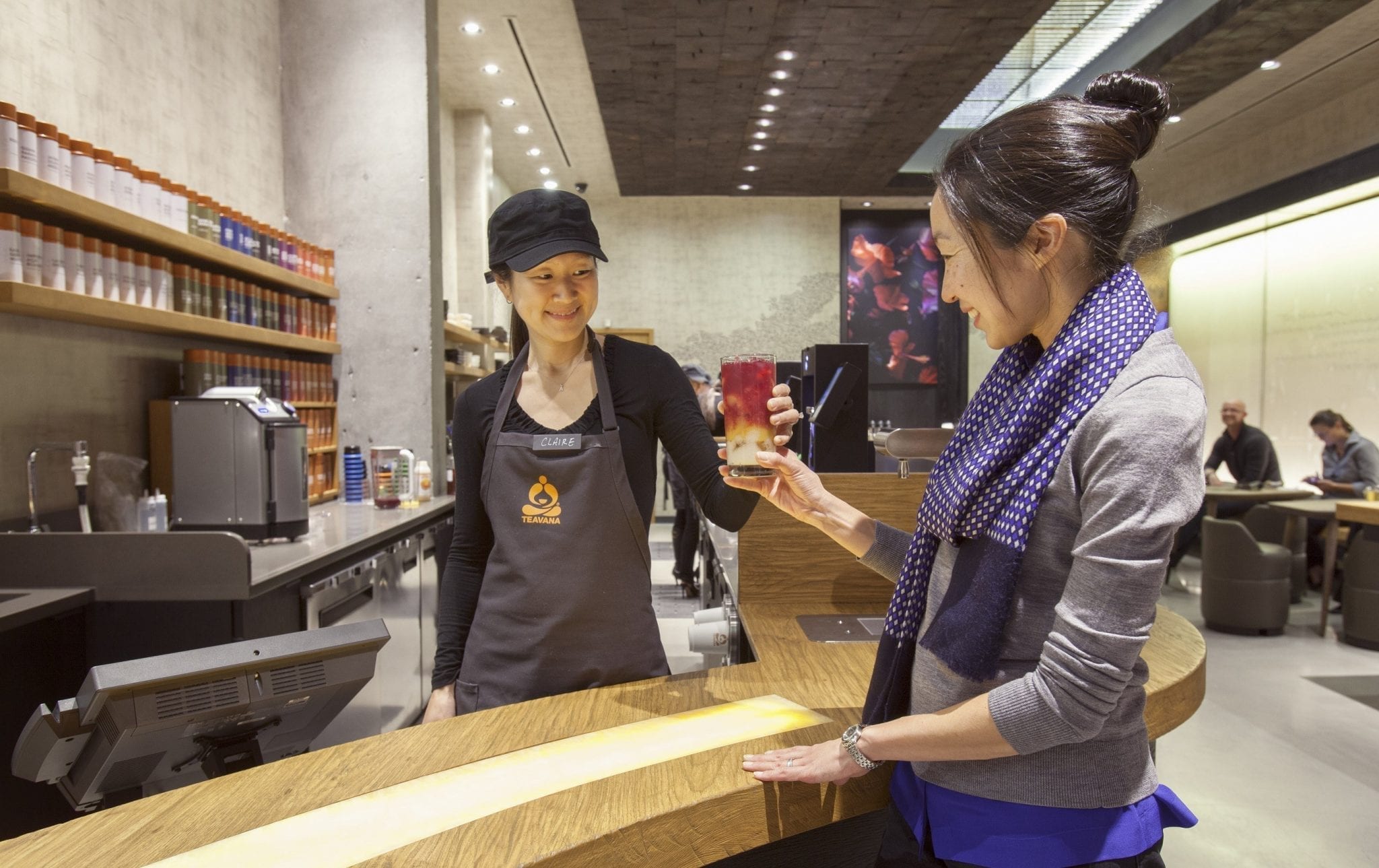
    Starbucks Asia is rolling out Teavana in 6200 stores across its 16 Apac markets.

    Four tea beverages prepared in-store will be offered to the 16 countries, with two or three expected to be sold in each market, the choice up to each one.

    Starbucks acquired US-based Teavana Holdings in December 2012, a “super premium tea” product it says brings “exotic blends, great flavors, wellness and innovation” to customers globally.

    The Asian launch began with China at the end of last month, with Korea and Indonesia following at the beginning of this month. The majority of Asian markets will see the new lines in mid-September, with a Japan launch scheduled for October and India later this year.

    Vera Wang, director, product line innovation at Starbucks China and Asia Pacific said the teas have been developed especially for Asian tastes.

    “We recognise Asian consumers are developing sophisticated taste preferences.”

    While a premium product, pricing will be left to the determination of each market, she said.

    “Pricing (of all Starbucks lines) is determined product by product and market by market.”

    She declined to discuss the company’s expectations for Teavana’s share of Starbucks sales in the region.

    “I’m not at liberty to talk about that. But tea definitely has huge potential for us and we have a lot of confidence going into Asia with Teavana.”

    Starbucks Korea staff promoting Teavana at the Starfield Hanam GL store.

    Besides fresh-brewed tea in cafes, Teavana full-leaf tea sachets will also be sold for take-home use.

    The four launch lines of Teavana in Asia are Matcha & Espresso Fusion (a matcha tea blended with a shot of espresso), Black Tea with Ruby Grapefruit and Honey, Iced Shaken Green Tea with Aloe and Prickly Pear; and Iced Shaken Hibiscus Tea with Pomegranate Pearls.

    Wang said, those core lines would be complemented by other blends selected on a market-by-market basis in the future, depending on customer feedback.

    John Culver, group president of Starbucks global retail said in a statement Teavana represents “a tremendous opportunity to leverage the company’s expertise in creating best-in-class retail experiences, handcrafting custom beverages, and sourcing the finest ingredients, to become a leader in a new category for us”.

    “Just as we’ve done for coffee, this is tea reimagined at Starbucks.”

    Last year, Starbucks’ tea business in the US grew by 12 per cent with all tea categories posting strong growth, led by iced tea at 29 per cent. Building on this and the success of Teavana to date in other parts of the world, Starbucks aims to increase its global tea business to US$3 billion over the next five years.

    Starbucks Teavana will be launched in all stores in Australia, Brunei, Cambodia, China, Hong Kong, India, Indonesia, Japan, Korea, Malaysia, New Zealand, The Philippines, Singapore, Taiwan, Thailand and Vietnam.

  • Starbucks Korea hosted 2nd annual Barista Championship for Partners with Disabilities

    Starbucks Korea hosted 2nd annual Barista Championship for Partners with Disabilities

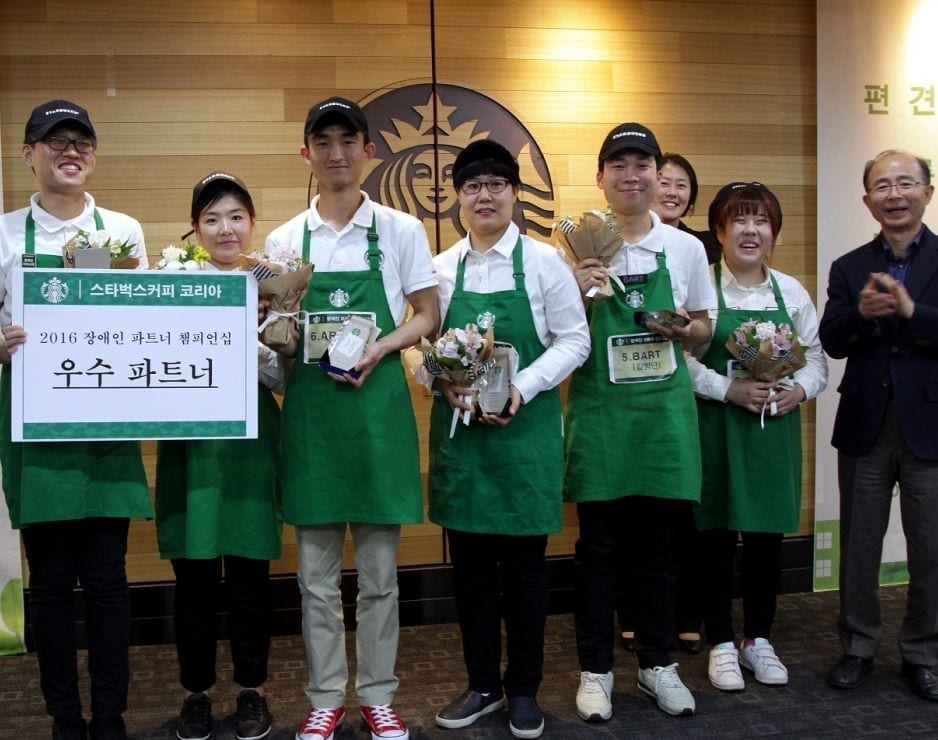
    Learning that she was the winner of Starbucks Korea’s Barista Championship for Partners with Disabilities was a surprise for Banny M.H. Choi.

    “When I found out about this championship, I wasn’t sure if I could do it, but I decided to challenge myself,” said Choi, who has a hearing loss. “When they announced that I was the winner I couldn’t believe it. I didn’t expect to earn first prize because I was so nervous.”

    Excelling in the competition was a source of pride for Choi.

    “I have always tried my best to eliminate prejudice about the disabled,” Choi said. “After winning this competition, I am confident that I can do anything regardless of my disability.”

    Starbucks Korea hosted the championship for the second consecutive year, as a way to recognize partners (employees) with disabilities. Choi and the remaining nine finalists were selected to participate based on recommendations from their district managers.

    During the competition, they were judged by three partners from the Starbucks Coffee Leadership and Operations Service Team on beverage quality, speed of service, cleanliness and latte art. As the victor, Choi received a trophy and a Starbucks Card loaded with 100,000 Korean Won (approximately USD$90.00).

    “We take pride in the fact that Starbucks is a welcoming workplace for everyone,” said S.K. Lee, president, Starbucks Coffee Korea. “We hope to demonstrate the talents of all our baristas and change perceptions about the abilities of people with disabilities.”

    The company’s effort to hire and train people with disabilities has not gone unnoticed. In April, Starbucks Korea received the presidential award from the Korea Employment Agency for the Disabled and the Ministry of Employment and Labor.

    “This year’s finalists had very impressive skills, which made it difficult to select one winner,” said Lee. “Next year, we will offer a competition in each market in the China and Asia Pacific region to recognize more of our partners.”


  • Starbucks Asia showcases local art

    Starbucks Asia showcases local art

    Art is playing a major role in the store design of Starbucks Asia.

    Michael Izon, director of store design in Starbucks China/Asia Pacific region, says his team works with artists, who work in a variety of mediums, to enhance stores in the Philippines and Thailand.

    Gaysorn_Starbucks_Thailand_(1)

    “Sometimes we seek the help of companies that represent local artists, while other times we find artists by chance. We once discovered an artist’s work while walking the streets of Hong Kong and asked to commission his work for one of our stores,” Izon said.

    Decisions about artwork occur at the beginning of the store design process.

    “We call our process holistic store design because we don’t want elements like artwork to look additive, we want them integrated in the overall design and become a natural part of the store,” said Izon.

    He added, art in Starbucks stores should be visually pleasing, but also informative in telling the brand’s story.

    One of the artists whom Starbucks was worked with is Ella Hipolito. Known for using coffee grounds to create realistic paintings, Hipolito has created artwork for Starbucks Philippines, including one for the S’Maison Starbucks in Pasay City.

    SMaison_Starbucks_Philippines_(5)

    “We wanted to highlight the work that takes place on Philippine coffee farms. Ella created a huge landscape painting on one of the walls in the store that depicts farmers harvesting coffee cherries,” Izon said.

    In Thailand, as customers enter the Gaysorn Starbucks in Bangkok, they encounter a mural that represents Starbucks’ travel around the world to source coffee. The mural was created in partnership with Jeentee Baiposuwan, a local artist and graduate of Silapakorn University.

    Gaysorn_Starbucks_Thailand_(3)

    Gaysorn_Starbucks_Thailand_(4)

    “Jeentee is a traditional Thai painter and used this style to develop a wonderful piece depicting the Starbucks Siren and the beginning of the Starbucks coffee journey,” said Izon.

    Smaller landscape paintings featured throughout the store share the story of single origin coffees and farmers.

    “Gaysorn is a premium mall, so the store has a luxurious look to it and the artwork reflects that as well,” added Izon.

    Gaysorn_Starbucks_Thailand_(2)

    When Izon and team received the design brief for the Siam Discovery store in Bangkok, the vision was to showcase Starbucks global social responsibility efforts in addition to highlighting coffee.

    Siam_Discovery_Starbucks_Thailand_(2)

    In the seating area of the store is Jeentee Baiposuwan’s large wire-art installation depicting 12 of Starbucks social impact initiatives.

    “There’s a lot of satisfaction knowing that what we design on paper for several months, will engage customers for many years,” said Izon.