Tag: starbucks

  • Starbucks Korea offering workers education

    Starbucks Korea offering workers education

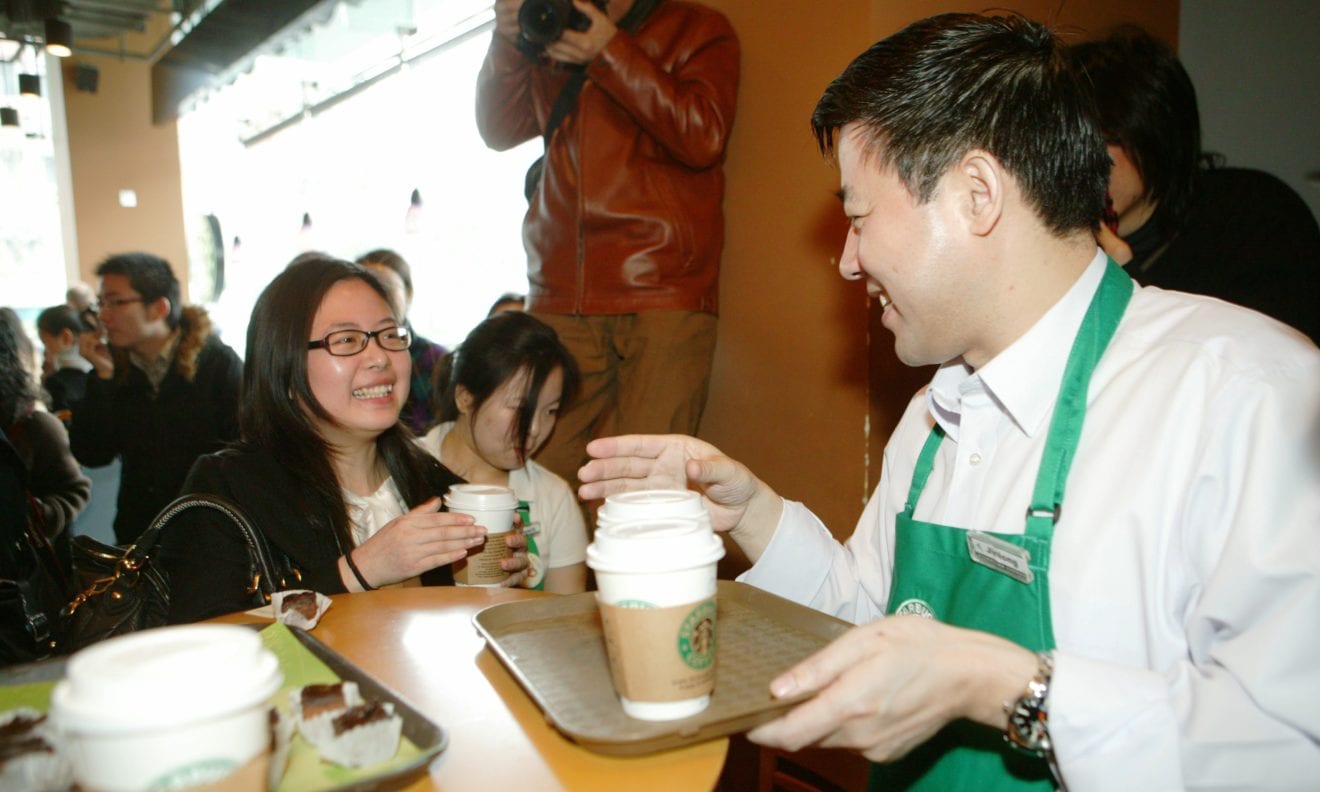
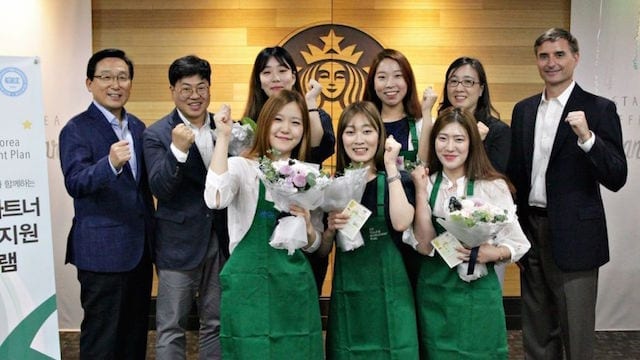
    Starbucks Korea employees are being offered a chance to achieve their academic goals.

    The company has introduced a college achievement plan to enable employees (termed “partners”) to finish four-year college degrees. Already, 146 have enrolled at Hanyang Cyber University.

    “At the core of our success are our partners who deliver an unparalleled Starbucks experience, and we are pleased to help them achieve their academic dreams,” says CEO Seock-koo Lee. “The college achievement plan gives partners the chance to earn their degree without the financial burden.”
    starbucks scholar

    Hanyang Cyber University offers 36 majors ranging from liberal arts to business management. Barista training is also included. As all regular classes and tests are delivered online, students can focus on their jobs as well as their studies without having to attend a physical school.

    “The Starbucks mission of inspiring and nurturing the human spirit resonates with our goal of providing young talent with access to higher education for their pathway to success,” says the university’s office of admissions dean Seungyeon Han.

    Employees applying for the program need to provide their study plans and complete aptitude tests. Once admitted, they can choose any major, even if unrelated to their work.

    Starbucks Korea estimates that more than 1000 employees will be able to earn bachelor’s degrees by 2020. Along with the university, it plans to recruit up to 300 students each school year. Those who achieve a grade point average of B or higher will be entitled to a Starbucks scholarship covering full tuition.

    Employees who receive the scholarship are not obligated to work for Starbucks after graduation.

    The program is similar to the Starbucks college achievement plan in the US, introduced in 2014. It allows eligible employees to earn their bachelor’s degree with full tuition reimbursement through Arizona State University’s online degree program.
  • ‘Modest’ growth for Dairy Farm International

    ‘Modest’ growth for Dairy Farm International

    Pan-Asia retailer Dairy Farm International Holdings reports “modest” sales growth for the six months ended June 30.

    Underlying profit was slightly ahead as higher contributions from food, home furnishings, restaurants and China hypermarket Yonghui offset a lower contribution from the group’s health and beauty division. The group is seeing the benefits from investments made last year.

    Sales for the period, excluding associates and joint ventures, were down 1 per cent but up 2 per cent at constant exchange rates. Sales were impacted by the closure of underperforming stores in Indonesia and Singapore.

    The operating profit was stable at US$197 million, compared with $201 million in the first half of last year.

    Under pressure

    In the food division, sales within supermarkets and hypermarkets were up 2 per cent despite deflationary pressures.

    In Hong Kong, sales increased modestly but profits were impacted by higher rental and labour costs. In Indonesia and Singapore, profitability improved despite reduced sales following store closures. Sales were flat but profits lower in Malaysia, while the Philippines had good sales growth and improved profitability.

    Convenience stores in Hong Kong and Macau performed satisfactorily in a difficult trading environment, while overall sales in Singapore were flat because of the cutback in stores yet sales were positive and profits higher.

    Store expansion continued in mainland China, and there was good sales and profits growth.

    In the health and beauty division, sales improved in Hong Kong but Macau and Malaysia were behind with lower profitability.

    Like-for-like sales were positive in China, and in Indonesia “encouraging” improvements were made in sales and profits following a store rationalisation program.

    In the Philippines, good progress continues to be made on the integration of Rose Pharmacy.

    In home furnishings, Ikea performed well, producing growth in both sales and profits in its three markets. Store expansion opportunities are being pursued.

    Still expanding

    In the restaurant division, Maxim’s maintained its impressive track record with higher sales and profits in China and Hong Kong. The group is growing its presence on the mainland and continues to expand its Starbucks network in Cambodia and Vietnam.

    Yonghui reported 18 per cent revenue growth in the first half.

    In February, PT Hero agreed to sell its remaining Starmart stores in Indonesia. The transfer of the stores is expected to be completed in the fourth quarter.

    In March, the group refinanced short-term borrowings of $900 million, to be used in part to invest a further $191 million in Yonghui. This will maintain the group’s 19.99 per cent interest following the placement by Yonghui of a 10 per cent shareholding to JD.com.

    In April, Maxim’s acquired the Cova patisserie and restaurant franchise in Hong Kong, which has 10 outlets. Maxim’s also opened its first The Cheesecake Factory in Shanghai Disney Town.

    At the end of June, Dairy Farm, including Yonghui, had about 6500 outlets across all formats and employed 180,000-plus people.

    “While sales and profit performance in the first half have been encouraging in a challenging
    trading environment, the outlook remains uncertain with consumer confidence fragile in most
    Markets,” says chairman Ben Keswick.

    Incorporated in Bermuda, Dairy Farm International Holdings has its primary listing on the London Stock Exchange with secondary listings in Bermuda and Singapore. The group’s businesses are managed from Hong Kong by Dairy Farm Management Services through its regional offices. Dairy Farm is a member of the Jardine Matheson Group.

  • NYDC Vietnam closes last store

    NYDC Vietnam closes last store

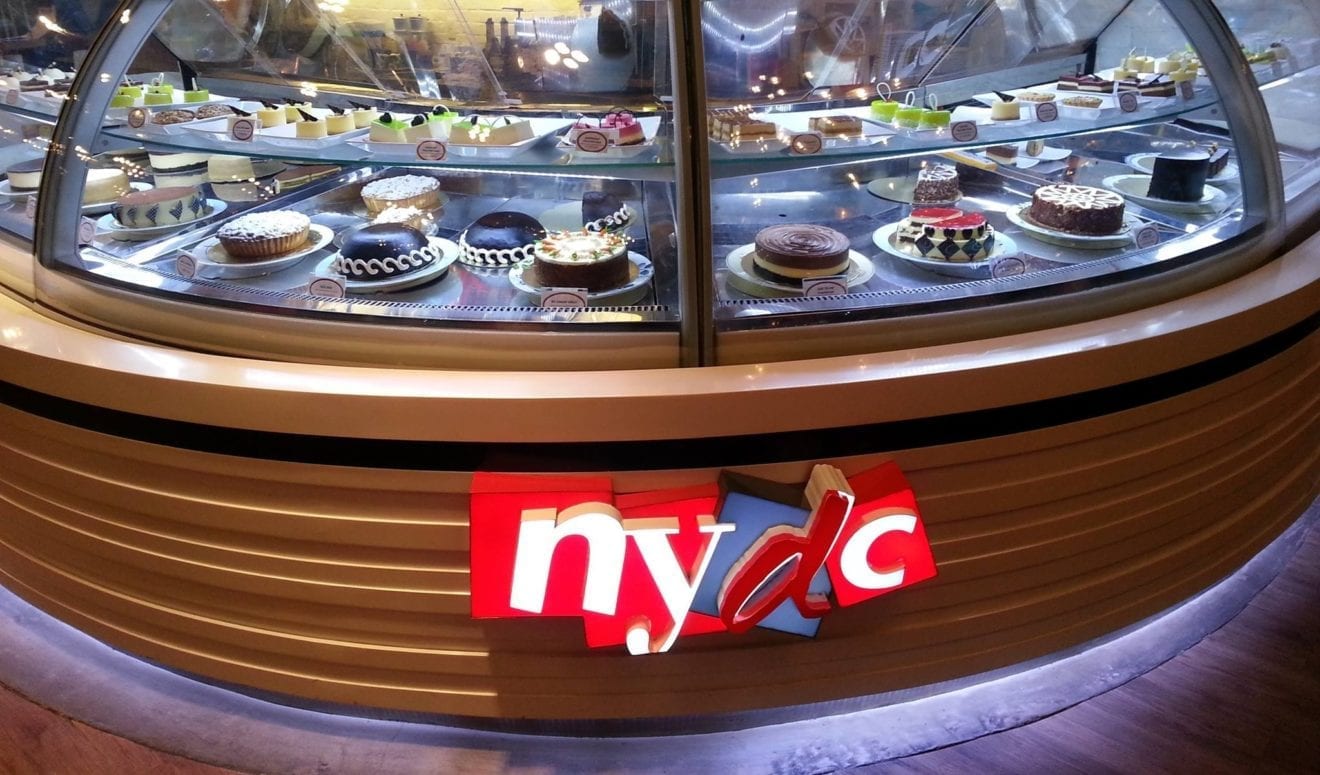
    The last NYDC Vietnam dessert and cafe restaurant has closed its doors after months of struggling to stay viable.

    The chain sent its goodbyes to its customers via its Facebook page last Wednesday, promising to “return someday”.

    NYDC’s struggles first became apparent in May when it closed three stores in a row – Nguyen Trai, Cantavil, and Crescent stores in Ho Chi Minh City. It continued to operate its highest-profile store inside the Metropolitan Tower in the city’s CBD. However, after six months trying, finally they decided to close their last store.

    Two factors likely led to the demise of NYDC Vietnam: First, the increasing dominance of  local cafe chains such as The Coffee House, Phuc Long, Urban Station, Trung Nguyen, Kafe and Highlands, which offer affordable prices and comfortable spaces. The second is the more recent arrival of international chains, such as Starbucks. Before Starbucks arrived in Vietnam in 2012, NYDC’s main competitors were Gloria’s Jeans and Coffee Bean and Tea Leaf.

    Many foreign food chains have struggled to gain momentum in Vietnam market. Both Gloria’s Jeans and Coffee Bean and Tea Leaf had to close larger outlets about three years ago due to rising rentals. Burger King launched in 2012 with ambitious plans for about 60 stores within five years. It has recently closed several and as of February its network stood at just 16.

    Sean T Ngo, CEO of VF Franchise Consulting, said that even though Vietnam is one of the hottest franchising markets in Southeast Asia, the exit of NYDC from Vietnam clearly demonstrates the challenges that many foreign firms face when entering a developing market like Vietnam.

    “Clear differentiation and positioning from competitors and near perfect execution is required if any foreign brand is to do well in this market place.”

    Brought to Vietnam in 2009 by Singapore’s SUTL Group, NYDC used to be one of the most popular foreign cafe chains in HCMC. The first two outlets were opened in the center of the city, at Metropolitan tower and Now Zone shopping mall, followed by Vincom, Nguyen Trai, Cantavil, and Crescent mall stores. The original plan was to open 20 outlets in five years with more than US$300,000 investment reportedly required for each.

    Opposite to NYDC, SUTL has been successful with its investment in KFC, which now operates more than 140 stores across Vietnam.

  • Store roll-out boosts Starbucks Asia

    Store roll-out boosts Starbucks Asia

    A massive Starbucks Asia store roll-out has boosted the global coffee company’s third quarter results.

    Across China and the Asia-Pacific region, Starbucks opened 888 new stores in the first nine months of the current financial year. That helped lift revenues by 18 per cent in the region.

    However, underlying same-store sales were a far more modest 3 per cent up on the same quarter last year.

    “The concern is that some of this is related to a general slowdown in China which, if part of a longer term trend, could harm company earnings,’ observed retail analyst Neil Saunders, CEO of Conlumino.

    The company’s Channel Development division – which encompasses the sale of Starbucks branded products in grocers and other stores- also posted positive numbers, with revenues rising 9 per cent. This was aided by strong sales of single-serve Starbucks products following a new agreement with Keurig Green Mountain to push branded K-Cups into more channels. A new partnership with Nespresso to launch Starbucks-branded pods should provided a further uplift to this division in the quarters ahead.

    “Unfortunately, the stronger performances in Asia and in the Channel Development Segment were not enough to offset the weakness in the Americas, which remains larger than all other divisions combined,” said Saunders.

    “And therein lies the forward issue for Starbucks: it has to increase momentum in this part of its business if it is to get back into high growth territory and if it is to avoid a future squeeze on profits.”

    Globally, Starbucks seemed to lose momentum in the third quarter, with overall growth slowing to 7 per cent and global same-store growth moderating to 4 per cent – both below forecast.

    “Worryingly, the slowdown took hold across all regions with even the Americas division, which usually puts in a fairly robust performance, posting a lacklustre same-store increase of 4 per cent. The fact that the company appears to have run out of steam somewhat overshadows its nonetheless impressive achievement of breaking the $1 billion operating income barrier for the first time in a non-holiday quarter.”

  • Starbucks investing in upscale chains

    Starbucks investing in upscale chains

    Starbucks plans to open a new brand of stores called Starbucks Reserve-only starting next year.

    The coffee chain has also joined global investment team, Milan-based Angel Lab and Pekepan Investments to expand the footprint of standalone boutique bakery’s and cafes into international markets.

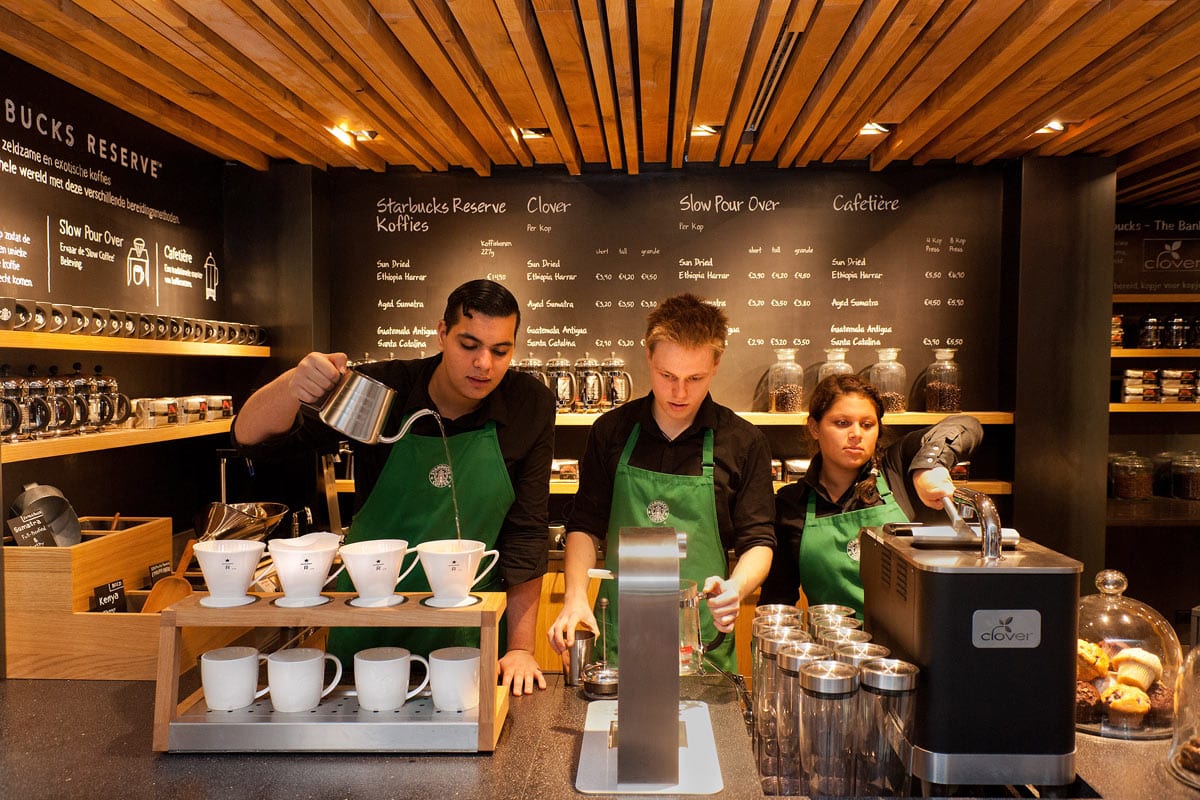
    Starbucks Reserve-only will offer premium, small lot reserve coffee in stores that will be approximately twice as large as current Starbucks stores and will feature ‘more of a cafe atmosphere’.

    “We recognise our customers expect and desire a higher level of product and we want to give it to them,” said Howard Schultz, company chair and CEO.

    The company plans to open the new stores next year in hundreds of locations.

    Schultz said the new brand is part of a broader company plan to improve and expand its food offerings.

    The company also announced earlier it has partnered with Italian restaurant Princi, the boutique bakery and café founded by Rocco Princi in 1986 known for its artisan breads created from traditional family recipes.

    Princi’s menu will become the exclusive food offering in all new Starbucks Roastery locations, including Shanghai and New York and will be fully integrated into all new Starbucks Reserve-only stores starting 2017.

    The investment team, which includes Milan-based Angel Lab and Pekepan Investments, will focus on expanding the number of standalone Princi locations worldwide as well as making Princi the exclusive food purveyor at the new Starbucks Reserve Roastery and Tasting Rooms in Shanghai and New York. The Shanghai and New York Roastery locations are on track to open in 2017 and 2018, respectively.

    “We have never baked in our stores in 45 years. But all of that will change with the creation of this unique partnership,” Schultz said.

    “Rocco and his team at Princi possess a passion for handcrafted food and artisanal baked goods that mirrors how I feel about our coffee. The attention to detail, the care invested in selecting the ingredients and the artistry of preparation is second only to the service Rocco offers customers inside his Princi stores.”

    “I can think of no better pairing for our most premium coffee experience and am excited by the possibilities we envision in Princi food elevating every daypart – breakfast, lunch, and dinner – in Starbucks Roasteries and Reserve Stores.”

    Currently, Starbucks has nearly 24,000 stores worldwide and offers Reserve coffee in 2,000 locations in 30 countries.

  • Starbucks rolls out mobile pay app in China

    Starbucks rolls out mobile pay app in China

    Starbucks this week launched its mobile payment system in China, marking another step forward in two areas the company sees huge growth potential: China and mobile technology.

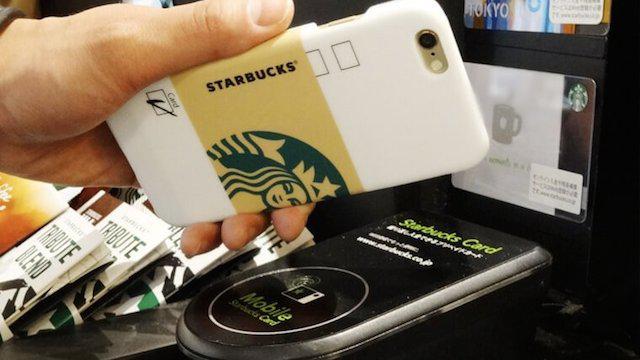
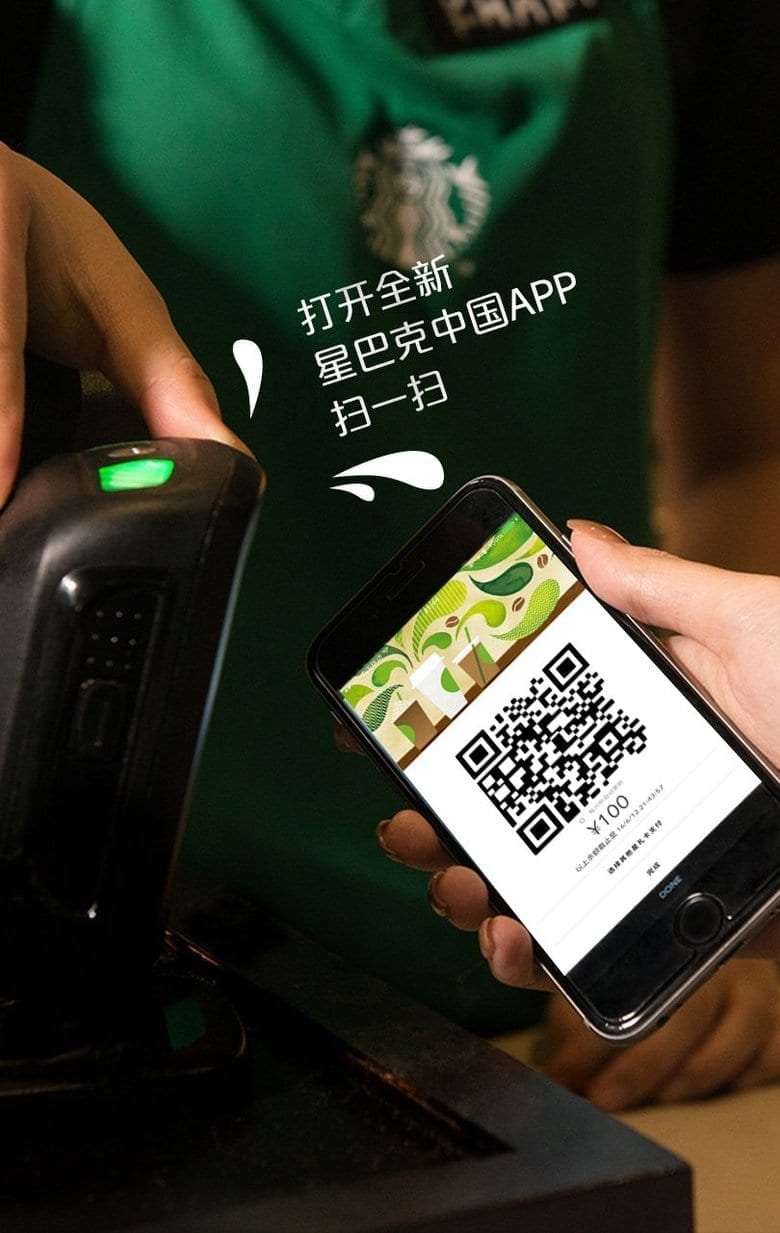
    Customers can now pay for their Starbucks purchases at some 2,200 stores in China by using the Starbucks app on their phone, linked to a pre-loaded Starbucks gift card.

    “With the ongoing seismic shift in consumer behavior due to mobile technology, Starbucks is committed to exploring new ways to leverage digital innovations to deliver an elevated Starbucks Experience to our customers,” Belinda Wong, president of Starbucks China, said in a news release.

    “We are confident our social, web, mobile, loyalty and card assets will deliver greater value and convenience to our customers, while further differentiating the brand in China.”

    Starbucks is betting big on China, where the company is adding 500 stores a year. It plans to have 3,400 stores there by the end of 2019.

    1bfaa232-492f-11e6-85c2-6f67e37b8616-780x1233

    In June, it opened a store at Shanghai Disney Resort — a location that Starbucks CEO Howard Schultz said earlier this year could become “Starbucks’ highest-grossing retail store overnight.”

    In the most recent quarter, Starbucks’ China market saw 18 percent revenue growth — likely due to new stores the company is opening there — and 5 percent transaction growth, according to the company.

    The 5 percent transaction growth is the “highest anywhere in the world,” said Scott Maw, Starbucks’ chief financial officer.

    The mobile app lets customers in China not only use their phones to pay for their coffee drinks but also manage their Starbucks Card account, find nearby Starbucks stores and track and redeem rewards.

    Starbucks’ mobile app has been a big success for the company.

    About 21 percent of all transactions in its company-owned U.S. retail stores take place through its mobile app, according to Bloomberg News.

    In the U.S., where the company has rolled out a “mobile order and pay” that lets customers bypass store lines by ordering and paying for their drinks ahead of time on their phones, usage doubled year-over-year in the most recent quarter.

    Starbucks processes 8 million mobile order and pay transactions per month, the company said.

    The company has also closely linked its loyalty rewards program with its mobile app, tying payments made via the app toward earning rewards, and displaying prominently progress made toward earning a reward.

  • Starbucks barista from Indonesia Ryan Wibawa competes in the World Brewers Cup finals

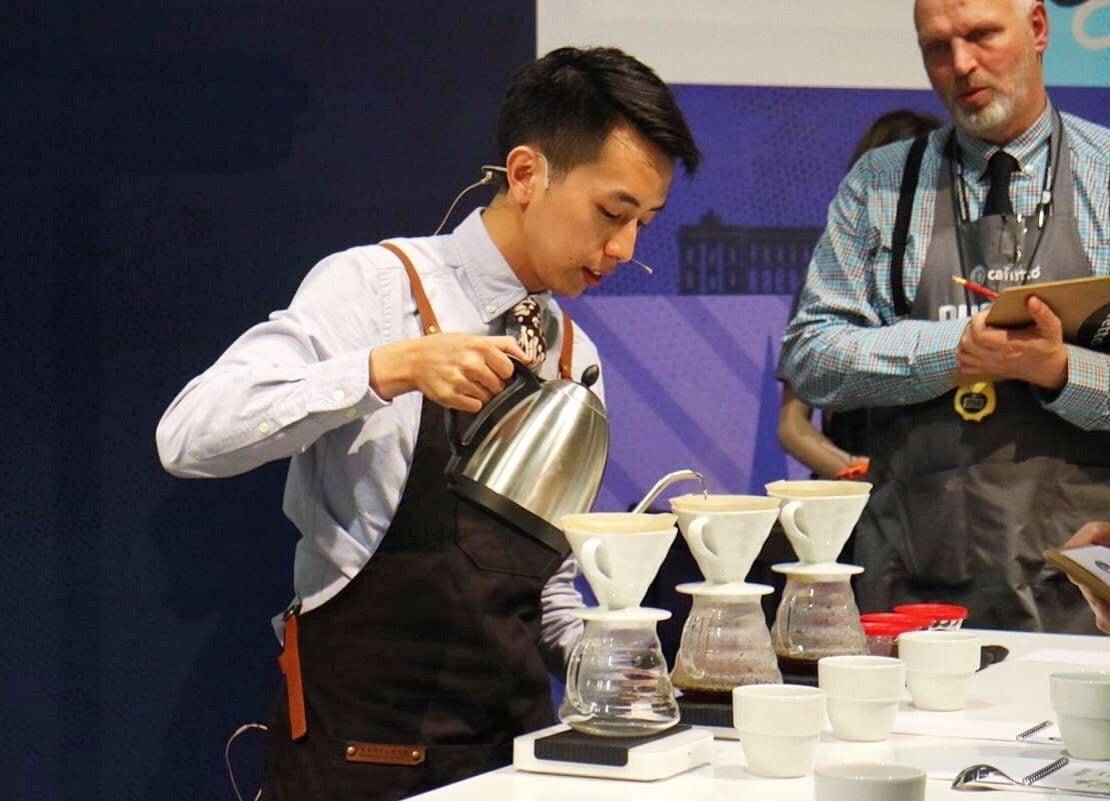
    Starbucks barista from Indonesia Ryan Wibawa competes in the World Brewers Cup finals

    “It was like a dream come true,” said Wibawa, a Starbucks barista from Indonesia.  I felt very humbled and honored to represent my country in an international competition. The experience was the best teacher.”

    Wibawa was matched against 36 competitors from all over the world at the championships, which took place from June 23-25 in Dublin, Ireland. As part of the competition, he crafted three coffee beverages that were judged on aroma, flavor, taste, acidity, body and balance. Wibawa also had to impress the judges with his customer service skills.

    “The competition was hard, but it was a great challenge for me,” he said. “No words can describe the feeling,” he said. “From every competition I gain something, new knowledge, new friends and new skills.”

    Although a competitor from Japan took first place, Wibawa is proud to have ranked among the top 25.

    Wibawa was first exposed to coffee when he joined Starbucks two years ago. He learned quickly and developed an enthusiasm for all things coffee, which led to being selected as his district’s coffee master in 2014. A year later, he won Starbucks Indonesia’s Barista Championships and ranked number one in the Indonesian Brewers Cup Championship. In February 2016, he placed in the top three at the China and Asia Pacific (CAP) region’s Starbucks Barista Championships. His vast experience paved the way for competing in Dublin.

    “Participating in a world competition definitely had a different feeling,” said Wibawa. “The competitors from all around the world had excellent coffee skills. It was a tough competition and a great learning experience.”

    When Wibawa is not competing, he works at Indonesia’s first Starbucks Reserve store in Jakarta, where he delights customers with his coffee craft. He also shares his expertise by training other Starbucks partners at Indonesia’s third Starbucks Reserve location in Bandung.

    “I am very lucky and grateful to have a very supportive family, friends and all Starbucks partners,” he said. “They gave me the strength to compete in the World Brewers Cup competition.”

  • Starbucks India helping Tata Group internationally

    Starbucks India helping Tata Group internationally

    Strengthening their partnership, Coffee retailer Starbucks India is helping lift international exposure for India’s Tata Group brands.

    Starbucks is introducing Tata’s single-origin coffee in the US and its mineral water in Singapore, and helping develop a signature Indian tea blend. In return, Tata group is introducing Starbucks coffee on Vistara flights and launching its specialty tea brand Teavana in India.

    Starbucks will sell single-origin, premium coffee from India at its Starbucks Reserve Roastery and Tasting Room in Seattle, says chairman/CEO Howard Schultz said after meeting Tata chairman Cyrus Mistry at the iconic store. Starbucks will be opening a similar outlet in Shanghai next year.

    Tata-Starbucks will also introduce Kenyan and Sumatran coffees at Starbucks stores across India, says the company, and Starbucks coffee will be available on Vistara, a full-service airline, later this year. Vistara is a joint venture between Tata Sons and Singapore Airlines, and has more than 457 flights weekly to 17 destinations.

    Following the success of the tea category in its US stores, Starbucks will extend its Teavana specialty tea brand to India in December. The joint venture is also collaborating on the development of a signature Indian tea blend for Starbucks stores in India.

    India has become Starbucks’ fastest-growing market since the first cafe opened in 2012 in a partnership with Tata Global Beverages. The chain has expanded to 84 locations across six cities.

    The company’s China and Asia-Pacific unit generates about 13 per cent of its total revenue, and Starbucks plans to open about 900 outlets in the region this fiscal year, compared with 700 store additions in the Americas and 200 in Europe, the Middle East and Africa. It has more than 2000 cafes in China alone and plans about 500 new stores a year in the country.

    Starbucks also plans to expand the availability of Himalayan Mineral Water, bottled by Tata Global Beverages, beyond Starbucks stores in India to Singapore this year. It is also exploring opportunities to introduce the brand to stores across Starbucks China and Asia-Pacific region.

  • Another Vietnam asset for Mapletree Investments

    Another Vietnam asset for Mapletree Investments

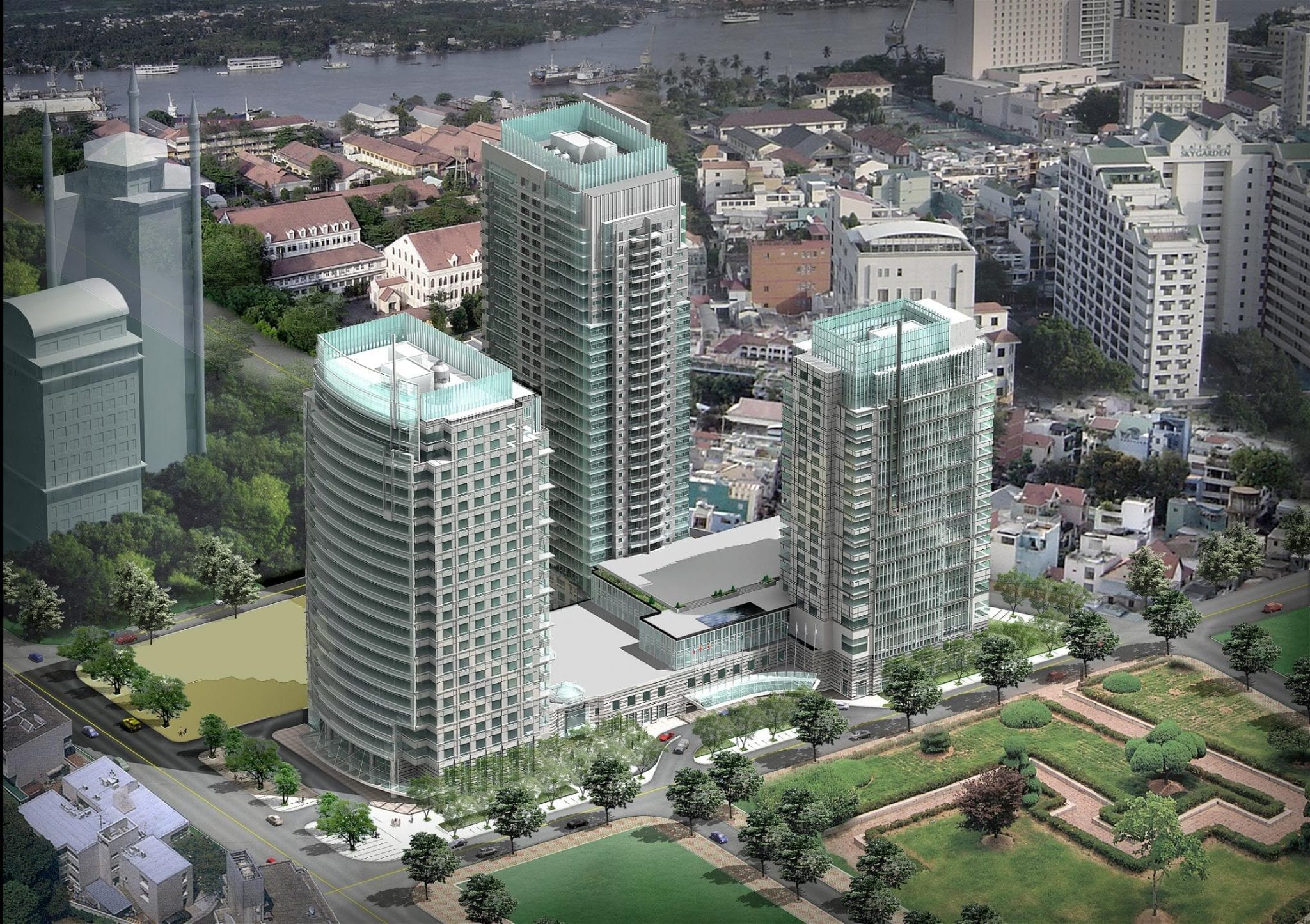
    Singaporean real-estate investment firm Mapletree Investments has acquired Kumho Asiana Plaza Saigon, a mixed-use complex in Ho Chi Minh City’s CBD, taking its total assets under management in Vietnam to more than US$1 billion.

    As well as a supermarket, the plaza has mainly restaurants and is anchored by Hard Rock Cafe and Starbucks. It also has Grade A offices, serviced apartments and a hotel managed by InterContinental Hotels Group (IHG). It is Mapletree’s largest acquisition in Vietnam involving a completed income-producing property.

    Korean media outlets say that South Korea’s second-largest flag carrier, Asiana Airlines, and Kumho Industrial, the two joint-venture partners of the complex, have sold off their interest for US$215 million in a bid to improve their financial health.

    “Kumho Asiana Plaza is a rare asset given its attributes such as size, strong occupancy and location,” says Mapletree CEO Hiew Yoon Khong.

    He says the group will continue to seek similar investment opportunities in Ho Chi Minh City and Hanoi.

    Mapletree entered Vietnam in 2005, and most of its projects are developed within central business districts as well as four logistics parks across the country.

    One of its main current developments is Saigon South Place, a mixed-use project in Ho Chi Minh City that will comprise Grade A office towers, serviced apartment and residential buildings, as well as the current shopping centre SC VivoCity, which Mapletree jointly developed with Vietnam retailer Saigon Co.op.

  • BFood sales rise despite consumer caution

    BFood sales rise despite consumer caution

    Malaysian food outlet group Berjaya Food (BFood) has had an 8 per cent rise in revenue to RM139.05 million (US$34.03 million) for its fourth quarter, ended April 30.

    BFood, which runs Jollibean, Kenny Rogers Roasters (KRR) and Starbucks outlets, says the increase is mainly because of higher sales in existing cafes along with income from new cafes.

    The group’s pre-tax profit dropped to RM7.67 million from RM10.06 million in the same quarter last year, mainly because of a lower contribution from KKR outlets as Malaysian consumers have been more cautious about spending after the implementation of the GST tax, plus the steep depreciation of the ringgit, affecting the profit margin of Berjaya Starbucks Coffee Company (BStarbucks).

    As well as this, during the quarter about RM600,000 was paid to Royal Malaysian Customs Department by BStarbucks for additional import duty and sales tax on purchases from its principal over the past few years.

    For the financial year, the group’s revenue grew 47 per cent to RM554.15 million from RM376.78 million the previous year. The higher revenue was mainly because of the full effect of consolidating BStarbucks, which became a subsidiary the previous financial year.

    With the weak consumer sentiment brought on by the introduction of the GST and various other factors, BFood will be working in a challenging environment in the next financial year, says the group. Nevertheless, it expects BStarbucks to maintain its revenue growth momentum.

  • Starbucks Disneytown cafe opens

    Starbucks Disneytown cafe opens

    Starbucks has opened its first flagship store within a Disney resort in Asia.

    The new Starbucks Disneytown Shanghai cafe opened on Wednesday. It will employ 110 staff creating a destination for resort-goers to relax and recharge.

    “We will bring to life the craft of coffee in an immersive environment which will include new menu ordering options through a variety of mobile devices,” said Starbucks in a statement.

    Starbucks_Disneytown_China_(2)

    With the addition of this latest flagship store in Shanghai, China will be the only market in Starbucks China and Asia Pacific region to pioneer and operate four distinct flagship stores.

    “China today represents the most significant and exciting opportunity ahead for Starbucks and our aspiration is to delight our customers and partners throughout China with an extraordinary store experience,” said John Culver, group president of Starbucks China and Asia Pacific.

    “We expect the Starbucks Disneytown flagship store to be one of our busiest stores globally, serving and bringing the unique Starbucks experience to thousands of customers daily,” said Culver.

    “This store builds on our ongoing commitment to the China market, following the announcement of our plans to open a Starbucks Roastery and Reserve Tasting Room in Shanghai late next year.”

    “First of its kind experience”

    Reflective of Starbucks unique, sophisticated and locally relevant design, customers will immediately recognise the two-story Starbucks Disneytown store located at the crossroads of the shopping, dining and entertainment district just outside the main entrance to the theme park, adjacent to the Wishing Star Park. Atop the store, a specially crafted wind vane will evoke the playfulness of Disney with the Starbucks siren.

    Starbucks_Disneytown_China_(3)

    Upon entering through grand, castle-like doors customers will be greeted by a Starbucks barista and a sweeping view of a warm, inviting environment created out of natural woods and materials reflecting the raw, agricultural roots of coffee. Seating will surround the cafe bar allowing families and friends to gather, creating connection and community as they immerse in the story of coffee.

    The first and second floors of the store will be joined by gently terraced stairs, and the copper wall panels celebrate the different degrees of coffee roasting highlighting the proud coffees in Starbucks portfolio.

    Starbucks_Disneytown_China_(5)

    Hanging from the ceiling is a delicately constructed piece of artwork designed from gold and white metal wiring inspired by latte art crafted by baristas, while a mural of the Starbucks siren is made out of Starbucks cups. A centerpiece, this mural includes intricately designed silhouette scenes inside a handful of cups designed by local artists representing China’s cultural heritage.

    Technology

    Starbucks_Disneytown_China_(1)

    For the first time in China, the traditional menu board is replaced by a digital menu. Customers can order their favorite beverages and food using a mobile handheld device available at the store or from their personal mobile device. This integration of technology offers a convenient experience that was inspired by Starbucks stores in the US, including its express format on Wall St in New York and the Starbucks Roastery located in its hometown of Seattle, Washington.

    “This new Starbucks Disneytown Flagship store will bring its own distinctive, unforgettable moments of connection while inspiring playful imagination for customers of all ages,” added Henry Xie, GM of President Starbucks Coffee Shanghai Co.

    This new Shanghai location is the 12th Starbucks store globally to open as part of a Disney resort.

  • Starbucks, Tata extend partnership beyond India

    Starbucks has more than 2,000 cafes in China alone and is opening about 500 new stores a year in the country. John Culver, president of Starbucks’/

  • Starbucks Roastery going international

    Starbucks Roastery going international

    Starbucks Coffee Company is to launch its first international Starbucks Roastery and Reserve Tasting Room in China next year.

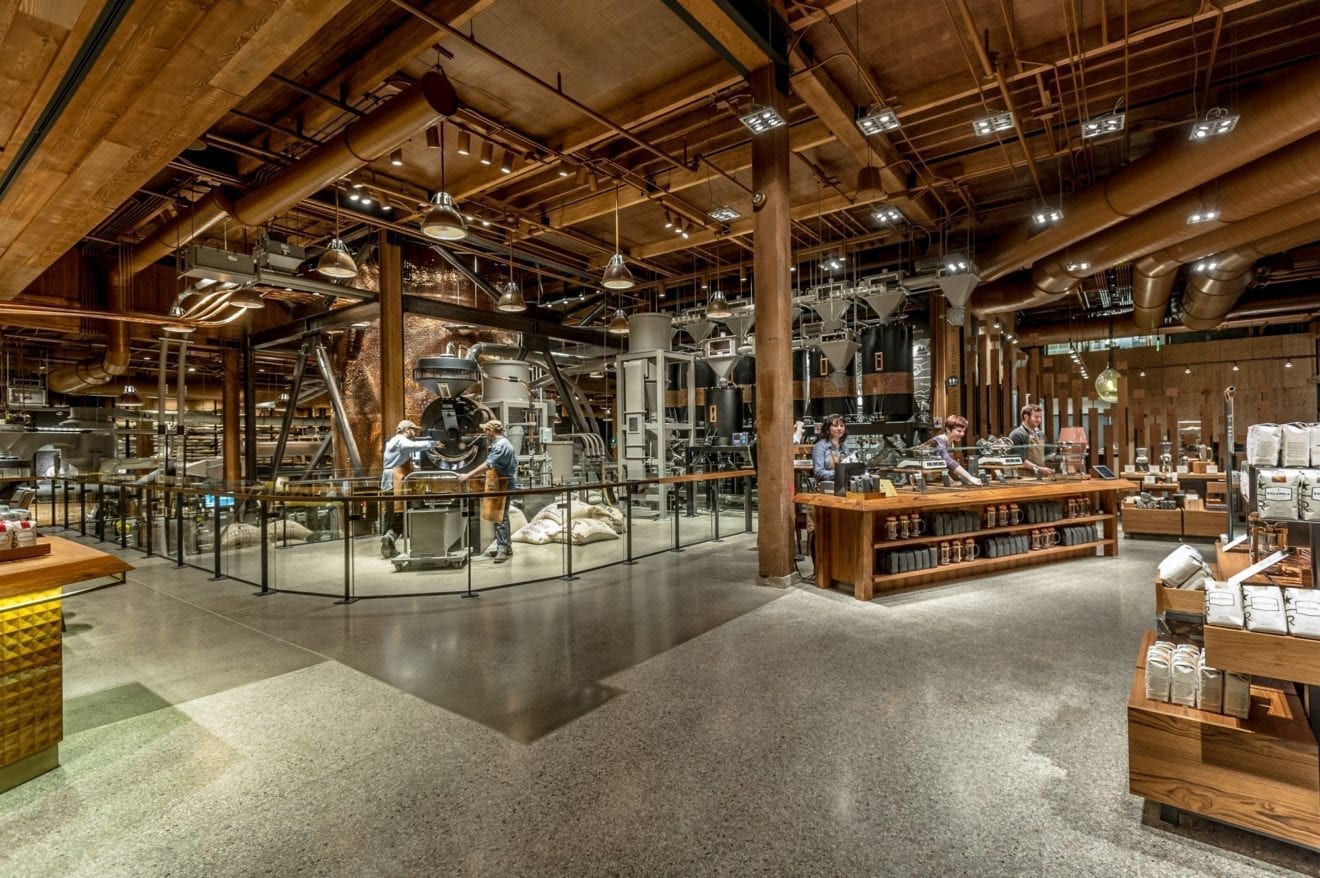
    It will be along Shanghai’s Nanjing Rd West as part of the HKRI Taikoo Hui project, a premium retail, office and hotel precinct, and draws its inspiration from the first roastery that opened in the company’s hometown of Seattle, Washington, in December 2014. There will be a similar immersive, all-sensory experience, offering customers an understanding of the craft of roasting and brewing Starbucks coffees, including the limited-edition Starbucks Reserve coffees.

    Starbucks Roastery photographed on March 10, 2016. (Joshua Trujillo, Starbucks)

    Starbucks_Reserve_Roastery_(2)

    “As our first international roastery, we will take even bolder steps to make the Shanghai location our most stunning store, while relevant to the Chinese customer,” says Starbucks chairman/CEO Howard Schultz.

    Starbucks Roastery photographed on March 10, 2016. (Joshua Trujillo, Starbucks)

    Starbucks Roastery photographed on March 10, 2016. (Joshua Trujillo, Starbucks)

    Starbucks Roastery photographed on March 10, 2016. (Joshua Trujillo, Starbucks)

    China is the company’s largest international market with more than 2100 stores across 102 cities, including 55 Starbucks Reserve stores. Only at the roastery will customers be able to watch freshly roasted beans arrive, connect with coffee specialists and master roasters and sample small-lot coffees brewed in different styles. There will also be a beverage and food menu.

    Starbucks_Reserve_Roastery

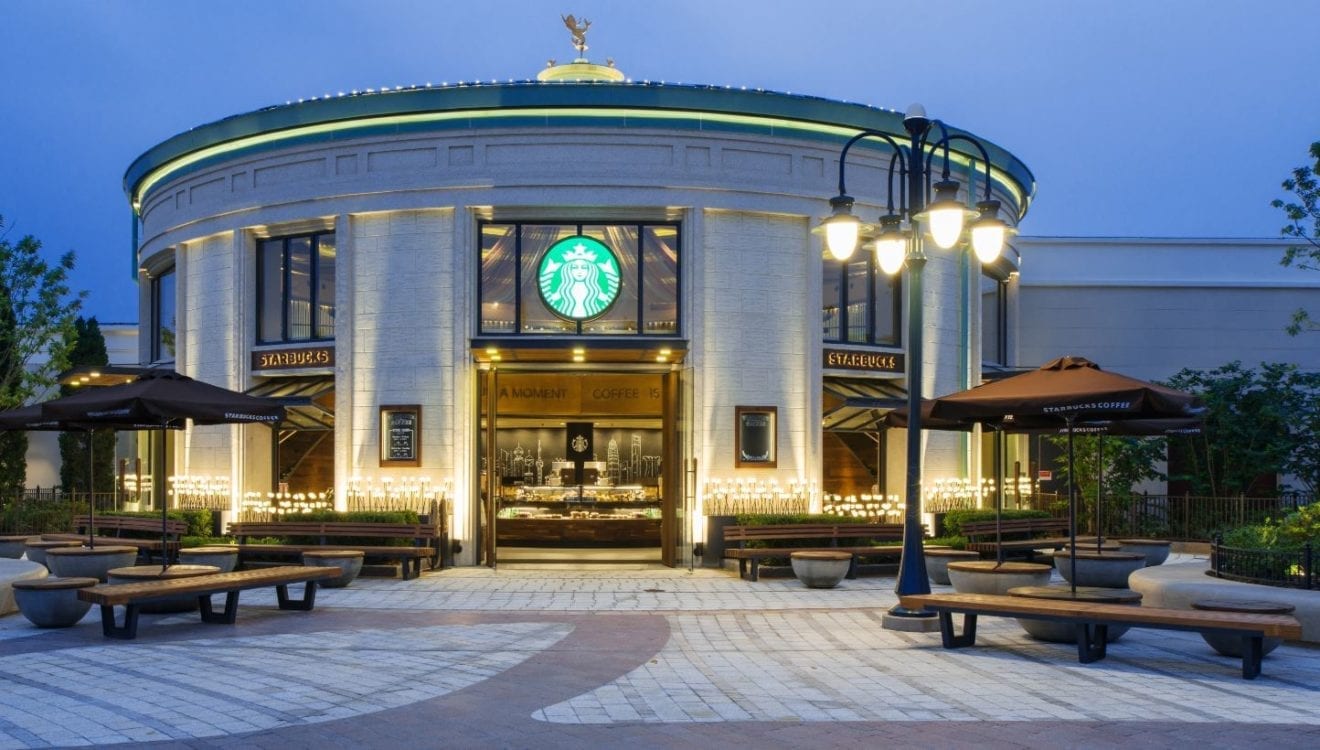
    The HKRI Taikoo Hui complex is a pioneering project combining sustainability and quality, being developed by HKR International and Swire Properties. The roastery retail experience will be in a standalone semi-circle building facing Nanjing Road, known as China’s top commercial street.

    “The new Jing’an is focused on developing high-end commercial sectors,” says Shanghai Jing’an mayor Lu Xiaodong. “We aim to establish new developmental goals for a modern cosmopolitan city, and encourage new retail innovations within our district. The government fully supports this pioneering retail experience and initiative from Starbucks.”

  • Starbucks Cambodia opens new and first mall outlet

    Starbucks Cambodia opens new and first mall outlet

    Coffee franchise giant Starbucks Cambodia has opened its second outlet, at Aeon Mall in Phnom Penh.

    Licensed as Coffee Concepts Cambodia, the outlet comes less than six months after the US chain made its debut at Phnom Penh International Airport. However, the mall store is the first fully accessible to the public.

    Starbuck PhnomPenh 1

    Despite its limited access, Starbucks has grown in reputation and cemented the brand, assuring long-term investment, says GM Por Lim.

    Its next store is scheduled to open in the Boeung Keng Kang district of Phnom Penh in October, with further expansion depending on brand pick-up, says Lim.

  • Siam Discovery about to launch ‘retail revolution’

    Siam Discovery about to launch ‘retail revolution’

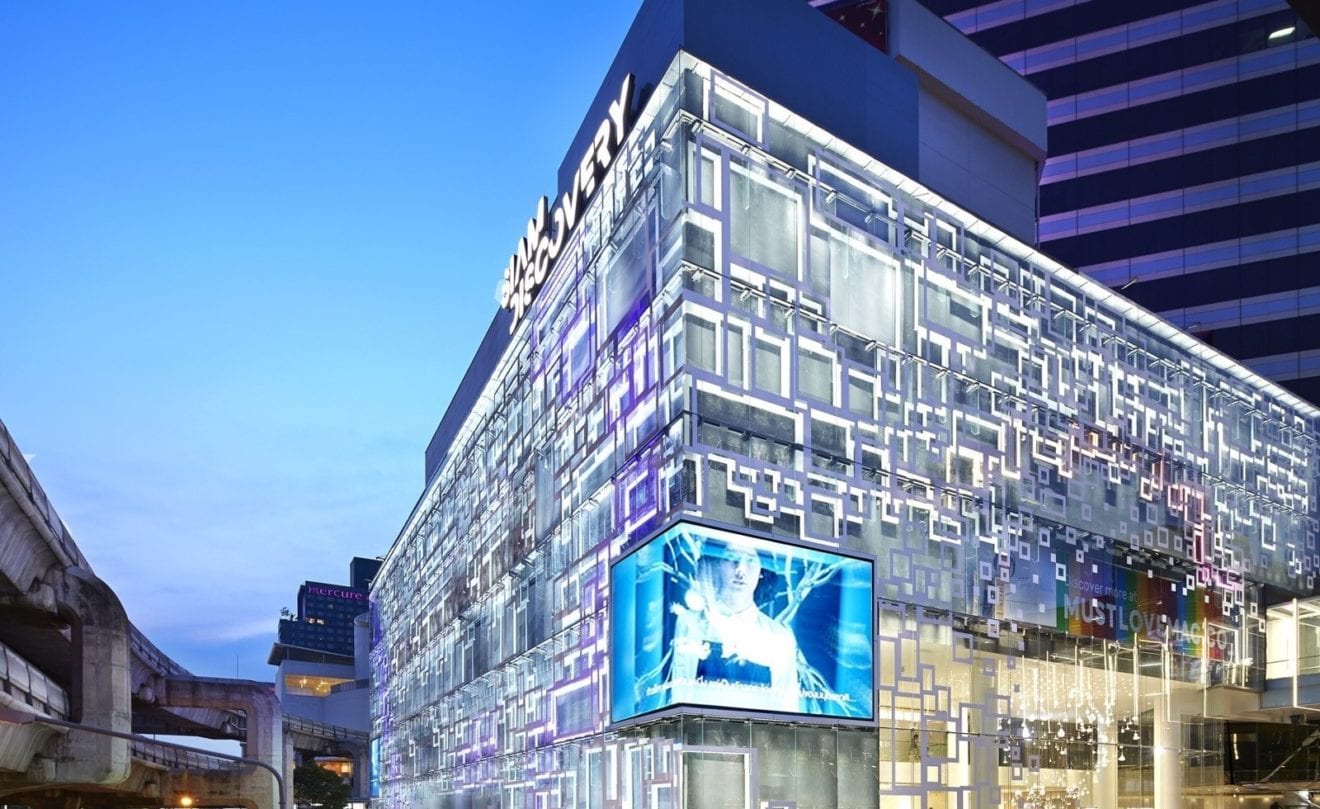
    After a Bht 4000 million (US$113 million) overhaul, Siam Discovery will re-open in Bangkok this month as a self-described “hybrid retail development”.

    As well as Thailand’s largest lifestyle speciality store, the complex will feature an “arena of lifestyle experiments”.

    Opening on May 28, the complex is owned and run by Siam Piwat, which also has Siam Paragon, Siam Center, Paradise Park and, in a joint venture, IconSiam. This new development will be sub-branded The Exploratorium, and introduce what CEO Chadatip Chutrakul describes as a “revolutionary new retail concept”.

    This concept is spread across 50,000 sqm, and senior executive vice-president Charnchai Cherdchuwongthanakorn says the company expects to double its sales per square metre as well as reinforce Siam Piwat’s reputation as a thought-leader in Thailand’s retail sector.

    Siam Discovery – The Exploratorium will encourage visitors to experiment and discover what they like. Without the constraints of a particular brand or school of design, products are brought together under a single universal concept that puts customers at the centre, says the company.

    Charnchai says that in its first year the eight-level complex is expected to draw 100,000 visitors a day, with a mix of 65 per Thais and 35 per cent tourists. Before the renovation the centre had 750,000 visitors a day.

    There are many firsts and concept stores in the centre…

    • In a partnership with the Department of Export Promotion, Siam Discovery will feature award-winning designers in the Objects of Desire Store.
    • Nike will launch its only concept store for Southeast Asia, including a personalised embroidery service.
    • Designer Issey Miyake which have its first concept store outside of Japan, called the World of Issey Miyake and offering products for men for the first time in Thailand.
    • Home decorative brands like Hay, Kartell and Tom Dixon and Kartell will open their first concept stores in Thailand, and artists Lisa Larson and Yayoi Kusama will make their Thailand debut.
    • As well featuring designs from Tokyo Fashion Week, Siam Discovery will highlight Asian designers with brands such as Beautiful People, Discord by Yoji Yamamoto, Dressed Undressed, Factotum and Yoshio Kubo being introduced to Thailand.
    • As a world first, music magazine Billboard will have a cafe with a food-and-drink corner catered by Dean & Deluca and a live radio show.
    • An innovative retail service developed by Siam Discovery will offer customers a personal stylist and a private dressing room.
    • Tokyo Bike will offer cycling products and equipment as well as a customised bicycle fitting service and a test-ride space.
    • Starbucks Coffee will feature a coffee drip for hard-core coffee fans, plus furniture made from recycled coffee grounds.

    Siam Piwat is spending Bht 300 million on the grand opening. But first, 500 members of the public will be able to experience the space first by entering an online draw. Also before the opening, a 7m-tall “Discovery Man” will go on a promotional roadshow throughout Bangkok.

    A Discovery Man exhibition at the opening of Siam Discovery is being curated by Japanese designer Oki Sato, who was chief advisor for the building’s design and interior.

    A highlight during the grand opening period will be Social Discovery, an interactive exhibition that is a collaboration between Siam Discovery and creative designer Black Egg. It will combine storytelling with digital technology to create an experience themed “When Obsession Becomes Identity”.