Tag: stock market

  • HSBC sells 49% of HSBC Amanah Takaful

    HSBC sells 49% of HSBC Amanah Takaful

    HSBC Holdings plc’s indirect wholly owned subsidiary HSBC Insurance (Asia Pacific) Holdings Ltd is selling a 49% stake in HSBC Amanah Takaful (Malaysia) Bhd to FWD Life Insurance Company (Bermuda) Ltd. The transaction has obtained approval from the Minister of Finance, via Bank Negara Malaysia, and is expected to be completed during the first half of 2019.

    “We have decided to exit the takaful manufacturing business and focus on our banking operations in Malaysia. This transaction relates only to a change in ownership for the takaful joint venture. For the HSBC Group, the transaction does not have any impact on our current businesses in Malaysia, comprising HSBC Bank Malaysia Bhd and HSBC Amanah Malaysia Bhd. Malaysia remains a key insurance distribution market for us and we will continue to support the insurance needs of our customers through our insurance partners,” said HSBC Bank Malaysia Bhd CEO Stuart Milne.

  • Vietnam Airlines eyes stock market listing in 2019

    Vietnam Airlines eyes stock market listing in 2019

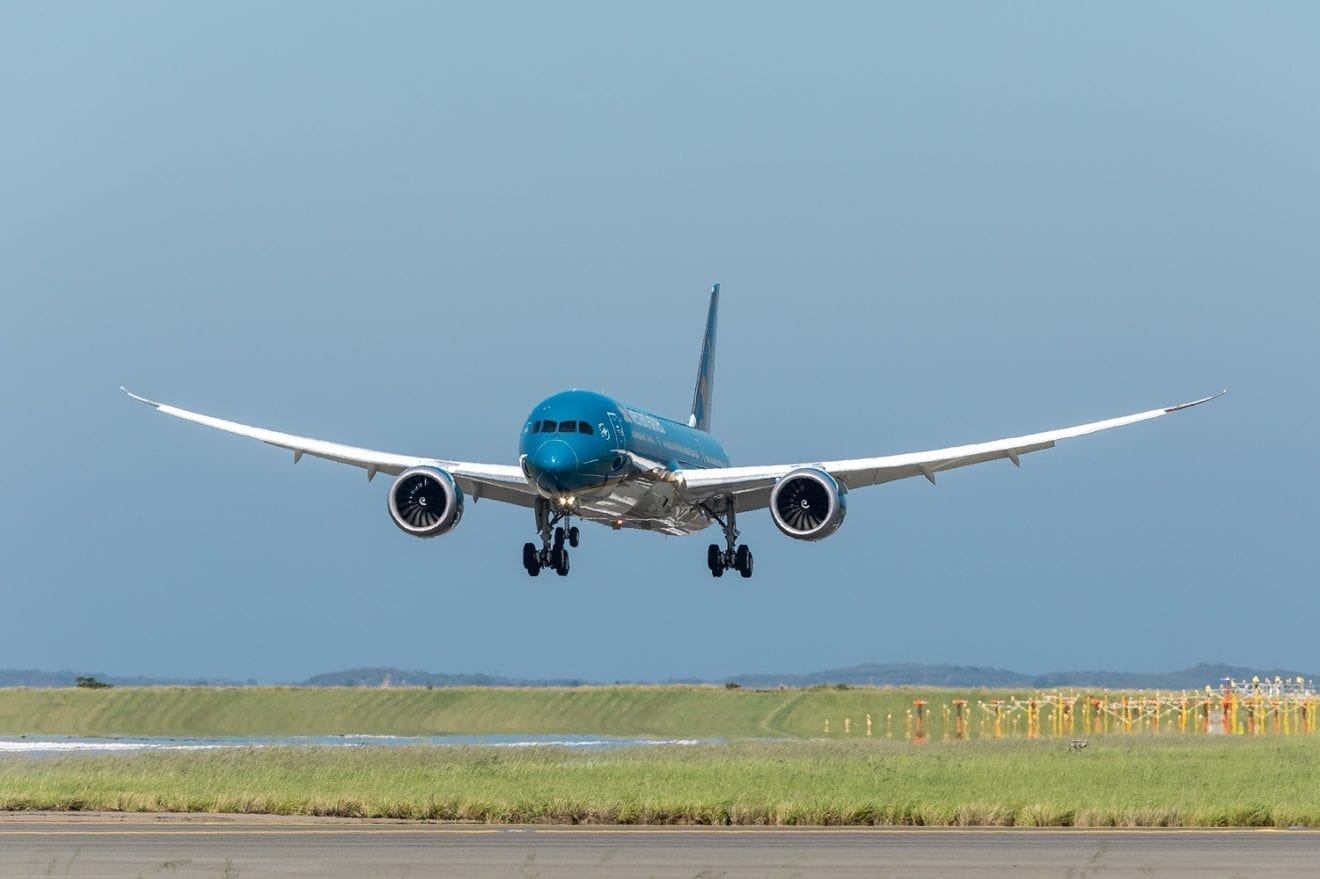
    Vietnam Airlines plans to list its shares on the Ho Chi Minh City Stock Exchange next year amidst rising competition of low-cost carriers. “Vietnam Airlines will go public in the first quarter of next year,” its chief executive, Duong Tri Thanh said. “We are making our target the first quarter of next year, and I think it is feasible.”

    But he admitted the final decision rests with the government.

    The carrier’s shares are traded on Hanoi’s Unlisted Public Company Market (UPCoM) and it has a market capitalization of more than $2 billion.

    The government currently owns around 86 percent of Vietnam Airlines, but has said it wants to reduce this to 51 percent by 2020.

    The country’s largest airline by passengers carried now faces rising competition from budget carrier VietJet Aviation and others. Last month Vietjet became the second most valuable airline in Southeast Asia by market cap behind only Singapore Airlines.

    With the domestic market showing signs of saturation, Vietnam Airlines seeks to expand overseas. In October it started a daily service from central Da Nang City to Osaka City to add to the 70 weekly flights from Vietnam to Japan. In 2020 it plans to begin a direct service to the U.S.

    Vietjet launched a daily service from Hanoi to Osaka last month to take its total number of international routes to 64 in 11 countries. It plans to add two more routes to Japan by next month.

    Other airlines are also jostling for market share. Bamboo Airways, Vietnam’s newest airline, received a license last month and is set to make its maiden flight on December 29.

    Experts said the listing of Vietnam Airlines would allow it to compete with other carriers by attracting more investors.

    “This would be a major Vietnamese company joining the stock exchange, which would interest international investors and potentially enable Vietnam Airlines to raise funds more easily to compete with the likes of VietJet and Bamboo,” the Financial Times quoted Tony Foster, a partner at Hanoi law firm Freshfields, as saying.

    Vietnam’s international aviation market, driven by the rapid growth in tourism, has been expanding at more than 30 percent a year, according to the CAPA Centre for Aviation, an Australian consultancy.

    Vietnam welcomed 14.1 million international tourists from January to November, up 21.3 percent year-on-year, according to the General Statistics Office. As many as 11.4 million of them came by plane, up 15.3 percent, it added.

    Vietnamese carriers transported 45.1 million passengers between January and November, up 11.9 percent year-on-year, and 369.2 million tons of goods, up 18.6 percent, according to the General Statistics Office.

    There are five carriers in Vietnam: Vietnam Airlines, Vietjet Air, Bamboo Airways, Jetstar Pacific and VASCO. Vietnam Airlines owns VASCO and has a 70 percent stake in Jetstar Pacific.

  • Troubled Mr. Pizza heads for Kosdaq delisting

    Troubled Mr. Pizza heads for Kosdaq delisting

    Troubled pizza company MP Group may soon be delisted from the Kosdaq after nine years on the exchange. Korea Exchange announced Monday that a committee on corporate evaluation agreed to delist the company, which operates pizza franchise Mr. Pizza, from the secondary board. Another committee, which is specifically responsible for Kosdaq listings, will reach a final decision by Dec. 24 on whether to delist MP Group or grant it time to its improve performance.

    Chances are high that the MP Group will face delisting by the end of this month. The company had already been given 12 months last October to address issues of concern, but was unable to turn its finances around.

    MP Group recorded 11.14 billion won ($10.07 million) in net losses last year, according to the Financial Supervisory Service (FSS). The situation only improved somewhat this year, with the company reporting 1.04 billion won of net losses in the first three quarters of 2018.

    At the height of its popularity, Mr. Pizza was Korea’s largest pizza chain, with around 433 franchisees in 2014. Though the Mr. Pizza brand started off in Japan, it was in Korea where it became a huge success, riding a wave in the domestic pizza market.

    Jung Woo-hyun, a former chairman, introduced the first Mr. Pizza store in Korea in 1990 and eventually bought the Japanese parent in 1996. By August 2009, MP Group was listed on the Kosdaq.

    The pizza company’s affairs took a dramatic turn for the worse in 2016 when Jung made headlines for a series of alleged offenses, ranging from the physical assault of a security guard to fair-trade violations.

    As accusations continued to surface of Jung and the MP Group’s gapjil, or abuse of power, consumers turned their backs on the franchise. The reaction took a toll on MP Group’s profits, and the number of Mr. Pizza stores quickly dropped.

    The biggest blow came last July when Jung was arrested for embezzlement and breach of trust.

  • Amazon briefly edges out Apple to top Nasdaq

    Amazon briefly edges out Apple to top Nasdaq

    Amazon briefly became the most valuable company on Wall Street in intraday trade on Monday, days after Microsoft dethroned long-time leader Apple. Amazon rose by 4.7 percent at one point, putting its market capitalization at $865.0 billion. At the same time, Apple traded up 2.1 percent, giving it a market capitalization of $864.8 billion.

    Microsoft, which on Friday closed above Apple’s market capitalization for the first time in eight years, was up 0.9 percent, leaving its stock market value at $859.0 billion, third in the group.

    Amazon’s lead lasted only a few seconds. At the close, Apple was back on top with a 3.49 percent increase in its stock that put its total value at $877 billion. It was followed by Amazon, up 4.86 percent with a market capitalization of $866.6 billion, and then Microsoft, up 1.08 percent and a stock market value of $860.4 billion.

    The tight race between the trio of high-powered technology stocks coincided with a broad stock market rally after the United States and China agreed on a temporary truce in their ongoing trade dispute.

    Apple in August became the first U.S. publicly listed company to reach a $1 trillion market capitalization, but its share price has fallen sharply in recent months as investors worried that demand for iPhones was losing steam.

    Its market capitalization overtook Microsoft’s in 2010 as Microsoft struggled with slow demand for personal computers, due in part to the explosion of smartphones like the iPhone.

    Amazon’s stock has recovered most of the ground it lost after the online retailer in October forecast disappointing sales for the holiday quarter.

  • Hyundai AutoEver plans IPO

    Hyundai AutoEver plans IPO

    Hyundai AutoEver, an ICT affiliate of Hyundai Motor Group, plans to go public on the Korean stock market, a move seen as a preliminary step to the group’s restructuring. The company said it submitted an application for preliminary screening to the Korea Exchange on Thursday. NH Investment and Securities will oversee the deal. “In time for the paradigm shift such as the fourth industrial revolution, [the initial public offering (IPO)] is to enhance the company’s competitiveness in digital technology as well as the company’s awareness, in addition to further secure investment for research and development,” the company said.

    Hyundai AutoEver was established in 2000 as a B2B company that develops a range of auto software systems related to connected and cloud services. It posted 1.1 trillion won ($971.4 million) in revenue last year with 52.1 billion won in net profit.

    In addition to fortifying the company’s competitiveness, the IPO is expected to relieve more than one risk at Hyundai Motor Group once it restarts its governance restructuring scheme. The company’s internal trade with other Hyundai affiliates accounted for more than 80 percent of its revenue last year.

    Kim Sang-jo, head of the Fair Trade Commission, has been pushing chaebol to eliminate trade among affiliates.

    Domestic fair trade law regulates family members of chaebol from owning more than 20 percent of the group affiliate’s shares. Hyundai Motor Group Executive Vice Chairman Chung Eui-sun slightly missed the spot by owning a 19 percent stake in Hyundai AutoEver, yet the latest push for an IPO is seen as a move to eliminate any possible risk of controversy.

    The public listing of the company is also expected to help Chung secure more funds required for the future governance restructuring as it will encompass numerous spinoffs and mergers.

    Hyundai Motor Group initially released a restructuring scheme back in March that never got off the ground due to a negative response from the market.

  • Bursa slips on Wall Street, oil price slump

    Bursa slips on Wall Street, oil price slump

    Bursa Malaysia was not spared the fallout from this week’s rout on Wall Street and the slump in crude oil prices, with the FBM KLCI sliding 15.34 points to close at 1,695.37 points today. Most sectoral indices on the local bourse ended in the red today, save those for construction, healthcare, utilities and the ACE Market, and the FBM Fledgling Index.

    The selloff on Wall Street has been led by technology stocks, and the New York stock market’s gains for 2018 have been wiped out with the latest plunge on Tuesday.

    The Dow Jones Industrial Average and the S&P 500 ended at their weakest since late October on Tuesday, diving 553 points or 2.2 % and 49 points or 1.8 % respectively. The technology-heavy Nasdaq declined 117 points or 1.7 %, the lowest it has hit in seven months.

    Energy stocks also took a beating after crude oil prices slumped 6.6%.

    Rakuten Trade Sdn Bhd head of research Kenny Yee said that the performance of the local bourse is attributable to developments on Wall Street and the decline in crude oil prices – which will be used as the “relevant excuse” by investors to take profits given the recent climb in stock prices.

    Asked if the selling will persist, he said this will depend on Wall Street’s performance.

    Yee projects the FBM KLCI to trade around the 1,680 level, which he said is a well-supported position.

    He noted that selling could also be induced by the expected dip in third quarter corporate earnings, in which further downgrades on corporate earnings growth are expected.

    “We were deep into the tech bubble and now it is bursting. The bubble is not totally without fundamentals but prices rose too much over a long period of time. For the US, it is only starting and for Malaysia the oil price drop marked our peak. We were just trying to recover before the bursting of this bubble hit us,” explained Inter-Pacific Securities Sdn Bhd head of research Pong Teng Siew.

    “There is no cover currently. All asset classes are being hit. Bonds, stocks, commodities, properties, cryptocurrencies … all are being hit. Even gold is going nowhere,” he said.

    Asked if this will continue, Pong noted that the market does look like continuing its bearish streak in all asset classes as the tide of liquidity is flowing out at the moment.

    Sapura Energy was the most active counter on Bursa Malaysia yesterday, surging 4.17% to 37.5 sen with 87.49 million shares traded.

    Malaysian Pacific Industries was the top loser, falling 4.08% to RM11.74 on volume of 480,600 shares.

  • Most SE Asia stocks fall in line with broader Asia; Indonesia climbs 1 pct

    Most SE Asia stocks fall in line with broader Asia; Indonesia climbs 1 pct

    Most Southeast Asian stock markets fell on Tuesday, tracking broader Asia after a selloff on Wall Street overnight. As reported, citing sources from both sides, that China’s top trade negotiator Liu He may visit Washington to prepare for the talks between U.S. President Donald Trump and his Chinese counterpart Xi Jinping on the sidelines of the G20 summit in Argentina later this month.

    Philippine shares declined 1.2 percent, extending falls into a third session, dragged by industrial and real estate stocks. SM Prime Holdings declined 2.3 percent, while JG Summit Holdings fell 6.9 percent.

    Singapore shares declined for a third consecutive session, dragged by financials. DBS Group Holdings, the city-state’s largest lender, slipped 0.9 percent, while rival United Overseas Bank Ltd fell 1.2 percent.

    Malaysian shares extended falls into a third session, with IOI Corp Bhd shedding 3.1 percent to a near 11-month closing low and IHH Healthcare Bhd declining 2.8 percent to its lowest close since July 2014.

    Trade tensions between the United States and China will create a “domino effect” and prompt other countries to turn protectionist, said Malaysian Prime Minister Mahathir Mohamad.

    Vietnam shares declined 1.4 percent, dragged by financial and real estate stocks. Joint Stock Commercial Bank for Investment and Development of Vietnam (BIDV) fell 3.7 percent, while real estate investor Vingroup JSC ended 2.7 percent lower.

    Indonesian shares were the top gainers in Southeast Asia with a rise of 1 percent. Consumer staples and financials led the gains with United Tractors Tbk PT and Bank Central Asia Tbk PT rising 5.5 percent and 1.6 percent respectively.

    Thai shares climbed 0.3 percent, helped by consumer staples.

    Glass container manufacturer Berli Jucker PCL rose 1.4 percent, while convenience stores operator CP All PCL climbed 2.6 percent to a more than one-month closing high.

    “Stocks are rising on internal factors like government improving infrastructure and linking of our three airports,” said Teerada Charnyingyong, an analyst with Phillip Capital Thailand.”The government also announced measures to stimulate spending by promoting the tourism sector.”

  • SE Asia Stocks end firmer; Vietnam gains 2.9 percent

    SE Asia Stocks end firmer; Vietnam gains 2.9 percent

    Southeast Asian stock markets ended higher on Wednesday tracking a firm finish on Wall Street, though they posted heavy losses in October.

    Financial markets across the globe faced a raft of negative factors, including Sino-U.S. trade tensions, to worries about global economic growth, higher U.S. interest rates and company earnings in the past few weeks.

    In Southeast Asia, Singaporean shares ended 1.8 percent firmer, but lost 7.3 percent this month.

    Conglomerate Jardine Matheson Holdings Ltd closed up 0.9 percent, while lender DBS Group Holdings Ltd added 2.9 percent to the bourse.

    Vietnam shares snapped nine sessions of declines to close 2.9 percent higher.

    Banking sector stocks accounted for most gains, with Joint Stock Commercial Bank for Investment and Development of Vietnam (BIDV) closing 6.9 percent higher. BIDV, Vietnam’s second-biggest bank by market value, said it intends to sell 15 percent shares to South Korea’s KEB Hana Bank.

    Meanwhile, gains in the real estate sector were led by Vinhomes JSC after the property developer posted a 177 percent surge in third-quarter net profit.

    Malaysian shares closed 1.4 percent firmer as sentiment was balanced on hopes that cost-saving measures will be included in the country’s 2019 budget due later in the week.

    The country’s newly elected government, led by Prime Minister Mahathir Mohamad, is likely to announce broad spending cuts in the budget speech scheduled on Nov 2.

    The Philippines market rebounded from previous session’s declines, underpinned by broad gains in the industrial and real estate stocks.

    Thai shares ended firmer on the back of energy stocks, which gained on higher oil prices. However, the index posted a 5.2 percent drop for the month.

    The biggest gainer on the index, petroleum and gas company PTT Pcl, closed at its highest in more than a week.

    The bourse was further cushioned by data from the Bank of Thailand, which stated September trade surplus of Thailand was at $1.96 billion, after a $0.60 billion surplus in August.

  • SE Asia Stocks not looking good, Singapore hits 22-month low

    SE Asia Stocks not looking good, Singapore hits 22-month low

    Philippines shares regained on Friday after reduction in previous section, while regional markets fell in line with broader Asia. The previous session saw sharp losses in the Philippines and other regional markets, as a tech-fuelled rout on Wall Street spooked investors across Asia, leading to a massive sell-off in regional equities.

    Asian bourses are likely to benefit from “tentative bottom-fishing”, analysts at OCBC said in a note.

    The Philippine index, which has been the region’s worst performer this year and the biggest loser in the previous session, rose 0.7 percent, boosted by real-estate stocks.

     “This is a short-lived bounce, since it was the worst performer and had seen a steep drop yesterday, I think investors think the 6,900 level of the index is a good time to buy… the last time it hit that level, investors bought back,” said Miguel Ong, research analyst at AP Securities.

    Real estate conglomerate Ayala Land Inc gained 2.1 percent and SM Investments Corp added 1.5 percent.

    Indonesian shares also ticked up, helped by telecom and financial stocks. Sector heavyweight PT Telekomunikasi Indonesia Tbk rose 0.8 percent and PT Bank Central Asia Tbk rose 0.9 percent.

    Vietnamese stocks were on track for a seventh losing session and a fourth straight week of losses, with real estate stocks and industrials being the biggest drags on the benchmark.

    Vinhomes Joint Stock Company fell 3.7 percent and No Va Land Investment Group Corporation lost 3.1 percent.

    Singapore stocks approached their lowest in nearly 22 months, falling 1.7 percent and on track for a fourth week in the red. Financial heavyweights like United Overseas Bank Ltd lost 3.5 percent and DBS Bank’s parent company DBS Group Holdings Ltd lost 2.6 percent.

    Thai shares failed to sustain the previous session’s brief bounce and looked set to post a fourth week of losses. Its energy sector, which drove a turnaround in the index in the previous session, was the biggest drag.

    Oil and gas giant PTT PCL lost 2 percent, while PTT Exploration and Production PCL traded 2.2 percent lower.

    Malaysian stocks edged lower on the back of telecom stocks, with Telekom Malaysia Berhad shedding 1.3 percent and wireless service provider Digi.Com Berhad losing 1.7 percent.

  • SE Asia Stocks: Most lose ground, Vietnam dives to three-month low

    SE Asia Stocks: Most lose ground, Vietnam dives to three-month low

    Most Southeast Asian stock markets slumped on Thursday, following a tech rout on Wall Street that saw the year’s gains being wiped out. Disappointing forecasts from chipmakers beat down the tech sector, sending investors scurrying to the safety of sovereign bonds, pushing Wall Street to its worst single-day fall since 2011.

    A concoction of other negative factors like Saudi Arabia’s diplomatic tensions, fears of slowing global growth and the Brexit stalemate spooked investors, with MSCI’s broadest index of Asia-Pacific shares outside Japan dropping about 2 percent.

    Vietnamese stocks dived as much as 4 percent to an over three-month low and were on track for a sixth straight day in the red.

    Financial and real-estate stocks bore the brunt of the beating, with lender Joint Stock Commercial Bank for Foreign Trade of Vietnam (Vietcombank) losing 2.7 percent and conglomerate Vingroup JSC shedding 2.3 percent.

    Philippine shares fell 2.3 percent, dragged by banking and industrial stocks, pushing the index’s loss this week to 2.6 percent.

    “About 45 minutes into trading, net foreign selling has already reached over 100 million pesos. After last night’s bloody session on Wall Street, as expected foreigners are stepping up selling of Philippine shares, while local investors are staying on the sidelines,” said Fio Dejesus, a research analyst at RCBC Securities.

    Banking giant BDO Unibank Inc shed 3.6 percent and industrial conglomerate SM Investments Corp fell 2.7 percent.

    “It’s a flight to safety, they’re entering into lower risk assets like govt treasuries because the risk-off sentiment has hit emerging markets really hard,” he added.

    Singapore stocks saw the same dismal sentiment, giving up the previous day’s short-lived gains to take weekly losses to over 2 percent.

    Casino and gaming operator Genting Singapore Ltd fell 3.3 percent and investor Yangzijiang Shipbuilding (Holdings) Ltd lost 1.7 percent.

    Malaysian shares followed the same trajectory, shedding 0.8 percent, on track to post their sixth straight session of losses.

    Plantation and industrial heavyweight Sime Darby Berhad lost 5.9 percent and oil and gas services provider Dialog Group Berhad fell 3.9 percent.

    After the previous session’s sharp losses on energy stocks, the Thai index extended losses and were poised for a six-day run of losses.

    All sectors traded in the red, with oil and gas refiner PTT PCL losing 1 percent and lender Siam Commercial Bank PCL lost 2.2 percent.

    Indonesian shares appeared to escape the worst, trading slightly higher as gains in financial stocks offset losses in other sectors.

    Lender PT Bank Central Asia Tbk gained 0.8 percent while sector heavyweight and auto truck manufacturer PT Astra International Tbk lost 0.3 percent.

  • Soft Start Predicted For Thai Stock Market

    Soft Start Predicted For Thai Stock Market

    The Thai stock market has moved lower in back-to-back trading days, sliding almost 10 points or 0.6 percent along the way. The Stock Exchange of Thailand remains just beneath the 1,750-point plateau and it’s tipped to open in the red again on Wednesday.

    The global forecast for the Asian markets is murky, with little movement expected ahead of the FOMC interest rate decision later today. The European markets were up and the U.S. bourses were mostly lower – and the Asian markets figure to split the difference.

    The SET finished slightly lower on Tuesday following mixed performances from the financial shares and the energy producers.

    For the day, the index dipped 1.43 points or 0.08 percent to finish at 1,747.99 after trading between 1,745.73 and 1,756.85. Volume was 12.141 billion shares worth 42.321 billion baht. There were 906 decliners and 441 gainers, with 531 stocks finishing unchanged.

    Among the actives, Advanced Info shed 0.25 percent, while Thailand Airport added 0.76 percent, Beauty Community lost 0.85 percent, Bangkok Expressway skidded 1.71 percent, Krung Thai Bank collected 0.50 percent, PTT Exploration and Production fell 0.65 percent, PTT Global Chemical jumped 1.57 percent, Siam Commercial Bank picked up 0.34 percent, Siam Concrete advanced 0.44 percent and PTT, Kasikornbank, Charoen Pokphand Foods, Banpu, Bangkok Bank and Bangkok Medical all were unchanged.

    The lead from Wall Street offers little guidance as stocks opened slightly higher on Tuesday before fading in afternoon trade – although the tech-heavy NASDAQ remained in the green.

    The Dow shed 69.84 points or 0.26 percent to finish at 26,492.21, while the NASDAQ added 14.22 points or 0.18 percent to 8,007.47 and the S&) fell 3.81 points or 0.13 percent to 2,915.56.

    The uncertainty on Wall Street comes as traders look ahead to the Fed’s monetary policy announcement. The Fed is widely expected to raise interest rates by a 25 basis points, although traders will pay attention to the accompanying statement for clues about the outlook for rates.

    Fed Chairman Jerome Powell’s subsequent press conference is also likely to attract attention, with the central bank expected to raise rates by at least once more this year.

    In economic news, the Conference Board noted an unexpected improvement in consumer confidence in September as its index hit an 18-year high.

    Crude oil prices climbed on Tuesday after OPEC declined to increase production after upcoming U.S. sanctions against Iran take hold. U.S. West Texas Intermediate futures for November delivery gained $0.20 or 0.3 percent to $72.28.

  • VN-Index claws back to four figures after two months

    VN-Index claws back to four figures after two months

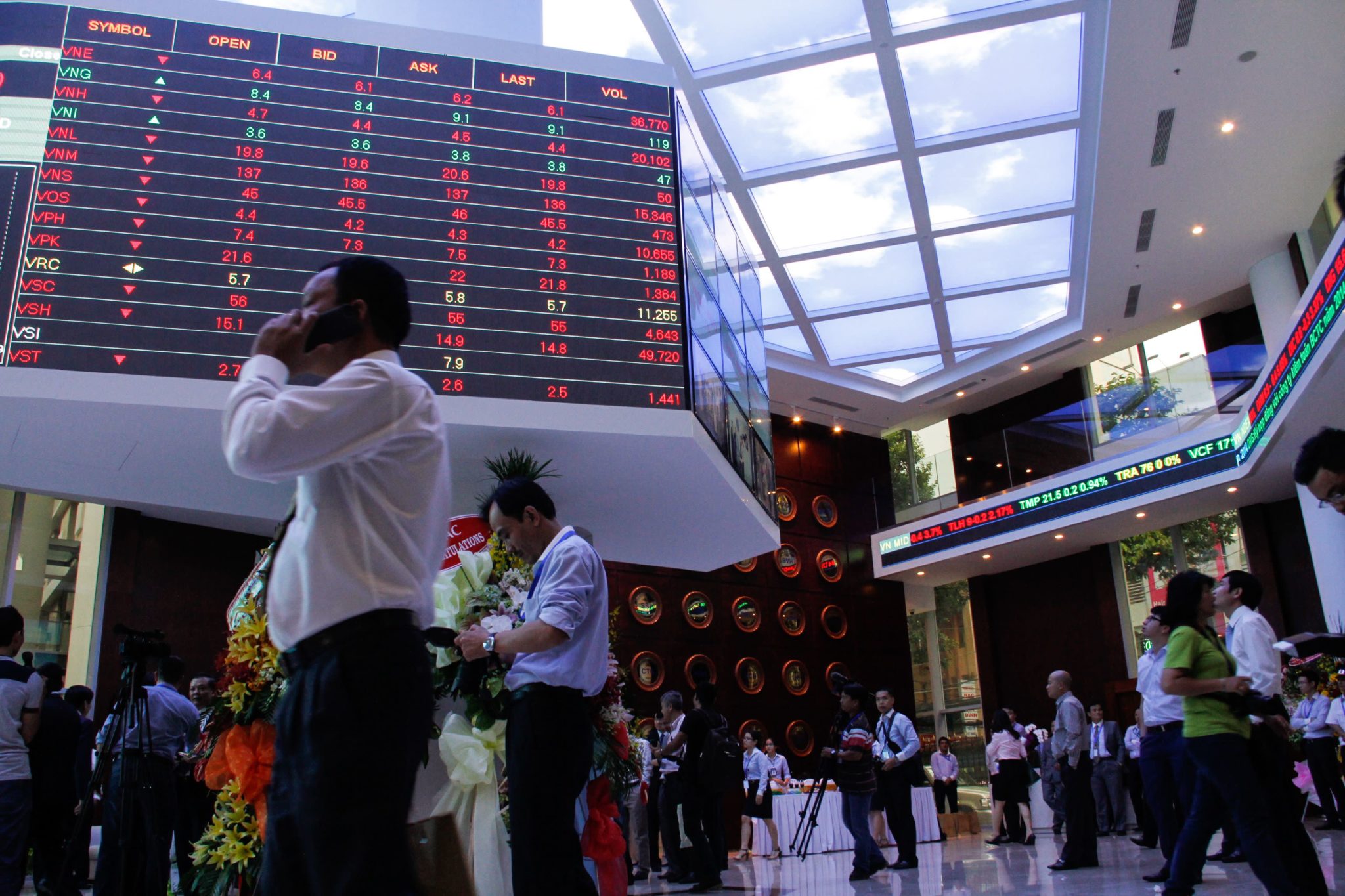
    Vietnam’s benchmark VN-Index closed at 1,004.74 points Thursday, reaching four figures for the first time in two months.

    It gained 9.2 points.

    The HNX-Index on the Hanoi Stock Exchange and the UPCoM-Index for unlisted companies rose by 0.75 percent and 1.01 percent respectively.

    The VN30-Index, representing the 30 largest stocks in terms of capitalization, gained almost 8.5 points to finish the day at 971.

    Twenty one of the 30 stocks rose, including FPT by almost 1 percent. Hoa Phat steel company (HPG) gained VND1,250 (5.4 cents) and food producer Masan (MSN) by VND1,300 (5.6 cents).

    PetroVietnam Gas (GAS), PetroVietnam Oil (OIL) and Binh Son Refinery (BSR) were other prominent gainers.

    Fifteen of 17 bank stocks closed in the green. Techcombank (TCB) stock rose by VND1,400 (6 cents) and VPBank (VPB) VND850 (3.7 cents).

    Nguyen The Minh, director of analysis at Yuanta Brokerage said the market would continue to rise in the short-term despite fluctuations on the international market.

    He expected the VN-Index to touch 1,100 points in the near future.

    It started recovering on September 12 after plunging by 18.19 percent in the second quarter to become the worst-performing market in the world.

  • Indonesia Companies Rush to List Before Upcoming Election Year

    Indonesia Companies Rush to List Before Upcoming Election Year


    Companies are rushing to go public this year in search of fresh funds despite volatility in the market and investors likely to maintain a tight grip on the purse strings ahead of Indonesia’s 2019 general election.

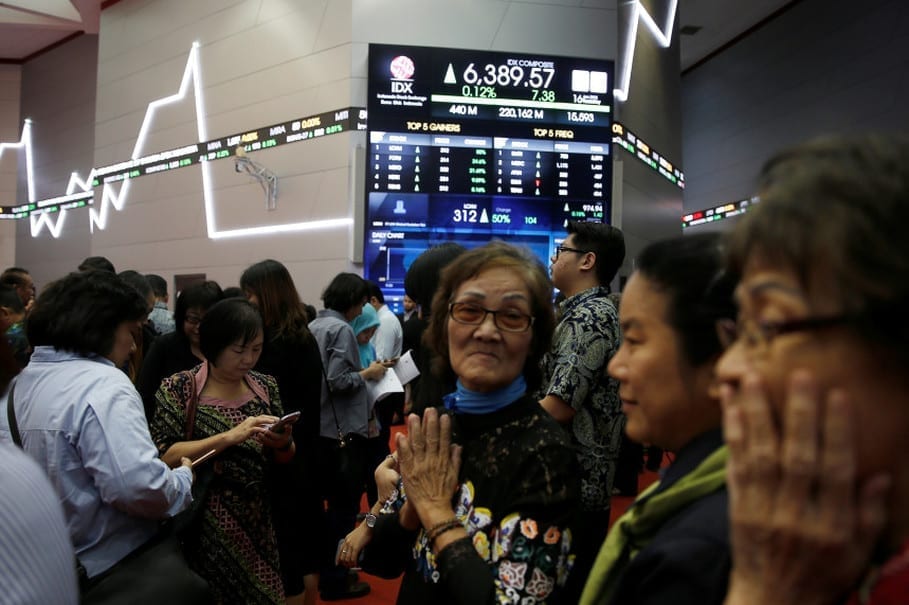
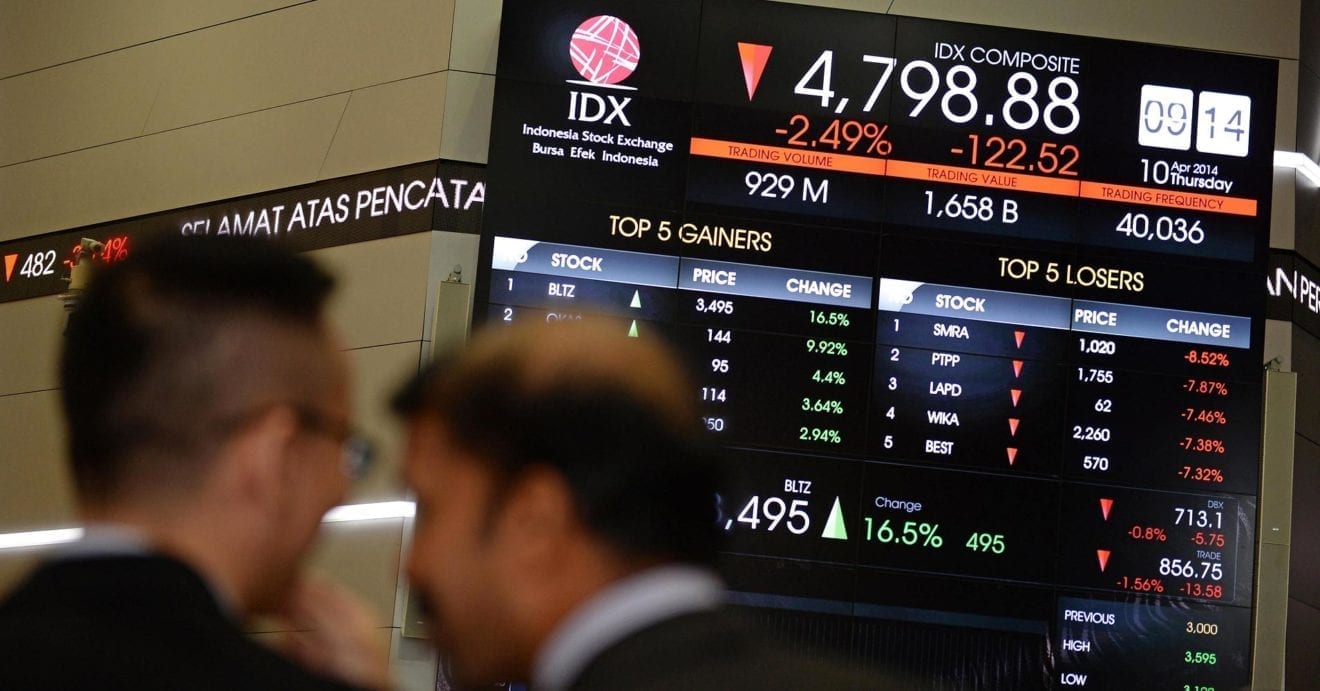
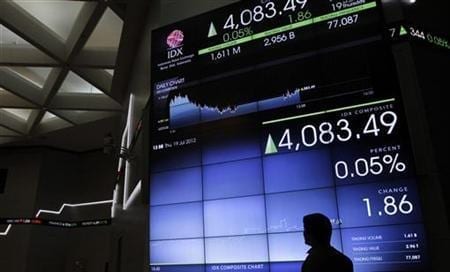
    Thirty companies have listed on the Indonesia Stock Exchange (IDX) between Jan. 1 and July 12, raising a total Rp 11.5 trillion ($790 million). In contrast, 20 companies undertook initial public offerings in the same period last year, raising about Rp 3.8 trillion in fresh capital.

    The bourse expects 16 more companies to list during the rest of this year, among them Garuda Food, MD Pictures, Arkadia Digital and Media Net Visi Media, better known as Net TV. That would bring the total for the year to a record 46.

    Kiswoyo Adi Joe, an analyst at Narada Kapital Indonesia, said prospective companies are hurrying for early listings on the IDX this year rather than wait for next year because of the uncertainty associated with an election year.

    “They seem to worry about the upcoming election year, which would be more difficult and uncertain. While the JCI [Jakarta Composite Index] is flashing green, these companies will rush to list on the IDX,” Kiswoyo said.

    Most of the public listings so far this year were by small and medium firms, such as digital exchange platform NFC Indonesia, palm oil producer Mahkota Group and property firm Sinergi Megah Internusa.

    Among them were subsidiaries of state-owned companies, such as insurance firm Asuransi Tugu Pratama Indonesia, shariah-compliant lender BRI Syariah and logistic firm Indonesia Kendaraan Terminal, which raised more than Rp 1 trillion.

    These companies prefer to seek funding through IPOs because it is cheaper than borrowing from banks or issuing bonds and medium-term notes, said I Gede Nyoman Yetna Setia, newly appointed company valuation director at the IDX.

    “Banks require guarantees and companies usually only qualify for loans of up to 30 percent of their guarantee value. At a certain point, when they need loans for big expansions, they do not have any guarantees left,” Nyoman said.

    However, companies seeking to raise capital will find themselves in a volatile market.

    The benchmark JCI has slipped more than 7 percent since the beginning of the year, with foreign investors dumping Rp 51 trillion in shares. The rupiah has meanwhile lost 6.9 percent of its value since the beginning of the year and currently trades at 14,487 against the US dollar.

    “Whenever the US Federal Reserve raises interest rates, it affects our stock market and bonds. There are also other factors, including the current geopolitical situation, especially the heated trade war between the United States and China,” said Ari Pitojo, chief investment officer at asset management firm Eastspring Investments.

    While the uncertainty will force some investors to adopt a wait-and-see approach, others will perceive the valuations of these companies as low and scoop up their stocks at bargain prices. This will shore up demand for the IPOs this year.

    “Market volatility has little effect on any particular IPO because it is mostly about a company’s fundamentals,” said Nafan Aji, an analyst at Binaartha Sekuritas.

    “But this year, the stock market is perceived as relatively cheap, so many want to hold IPOs.”
  • Foreign selling on Bursa Malaysia last week halves to RM247.1m

    The net amount sold by foreign investors last week shrank by more than half from RM531.8 million to RM247.1 million, the smallest weekly attrition so far this year.

    The pace at which international investors are disposing of stocks listed on Bursa Malaysia has been slowing down for the past four consecutive weeks, MIDF Research said in its weekly fund flow report.

    The research firm noted that global investors were net sellers on every single day except on Wednesday, which saw a foreign inflow worth RM71.7 million net, the first since June 29.

    The local bourse ended 0.91% higher at 1,753 points that day after Federal Reserve Board chairman Jerome Powell’s reaffirmation of his upbeat assessment on the US economy.

    Bursa Malaysia’s Asian peers, namely South Korea, Taiwan and the Philippines, also experienced a surge of inflows on the same day.

    MIDF Research said foreign net selling that occurred on other days remained well below RM100 million, a level deemed moderate, while Thursday recorded the highest foreign net selling during the week at US$95.6 million net.

    “Notwithstanding this, the FBM KLCI marked its nine-day winning streak on the same day supported by the rise in construction stocks following the announcement that the KL-Singapore HSR project will be deferred instead of being unilaterally cancelled,” it added.

    However, MIDF Research said the reduction of outflows to RM64.6 million net on Friday coincided with the 0.26% decline in the FBM KLCI amid profit-taking activity in telecommunication stocks as they led decliners.

    MIDF Research said Malaysia’s year-to-date foreign net outflow has reached RM8.31 billion or US$2.07 billion, offsetting approximately 80% of last year’s RM10.33 billion inflow.

    “Nevertheless, this figure is still the second lowest outflow amongst the four Asean markets we track, standing below the Philippines which has a year-to-date outflow of US$1.31 billion net.”

    The research house added that participation amongst foreign investors, retailers and local institutional funds remained upbeat as each of their average daily traded values stood above RM1 billion, RM800 million and RM2 billion, respectively.

  • SE Asia Stocks: Indonesia, Vietnam rise; others subdued

    SE Asia Stocks: Indonesia, Vietnam rise; others subdued

    Investors’ risk appetite soured on fears of more trade protectionist measures from the United States as U.S. President Donald Trump said on Friday he was ready to impose tariffs on all $500 billion of imported goods from China, threatening to escalate a clash over trade policy that has unnerved financial markets.

    The dollar declined against major currencies after Trump criticised the Federal Reserve’s monetary tightening policy.

    “Market players will likely closely monitor China’s policy reaction, especially on the RMB front in the interim. Asian markets are likely to also trade with a cautious tone today,” OCBC said in a note.

    Singapore shares were down after four straight sessions of gains ahead of June inflation data.

    The annual headline inflation rate is expected to have risen in June from the previous month, according to a Reuters poll.

    Financials were among the biggest drag with index heavyweights DBS Group Holdings, Oversea-Chinese Banking Corp and United Overseas Bank shedding between 0.9 percent and 1 percent.

    Indonesian shares rose 0.9 percent with all sectors but materials in positive territory.

    Financials led the charge, with Bank Central Asia Tbk PT rising 1.7 percent to its highest in more than three months, while Bank Mandiri (Persero) Tbk PT gained nearly 2 percent.

    The impact of U.S.-China trade tensions on Indonesia is “not a lot” as exports to these countries are not the biggest parts of Indonesia’s economy, said Nomura Indonesia analyst Elvira Tjandrawinata.

    “Indonesia is instead affected through the impact global events have on the local currency, which pours into general sentiment in the economy,” she said.

    Last week, the central bank kept its benchmark interest rate unchanged as expected, taking a pause in its monetary tightening cycle.

    Vietnam shares jumped 1.4 percent, driven by gains in real estate and financial stocks. Vingroup JSC and Petrovietnam Gas Joint Stock Corp were the top gainers.