Tag: telecom

  • SIM Cards Must Now Be Registered With Telcos in the Philippines

    SIM Cards Must Now Be Registered With Telcos in the Philippines

    Mobile phone users in the Philippines must now register their SIM cards with their telecom provider after the country’s President, Ferdinand Marcos Jr., signed into law the SIM Card Registration Act.

    According to the official dispatch, the new measure aims to promote accountability in the use of SIM cards and help law enforcement to track those involved in crimes committed through mobile phones.

    Under the new law, all public telecommunications entities or direct sellers must require the SIM card user to show a valid identification document with a photo.

    The registered SIM card details will not be disclosed unless the user authorizes access to his information.

    Law enforcement agencies that conduct probes on purported crimes committed through phones may also submit a written request to telco firms to disclose the details of the SIM card holder.

    The two telecom giants in the Philippines, Globe Telecom and PLDT Group, had previously expressed support for this measure, saying they would be helping the government in preventing crimes committed electronically.

    The law consolidates the bills approved by the House of Representatives and the Senate.

  • Two regulators open investigations into Optus over data breach

    Two regulators open investigations into Optus over data breach

    Two Australian regulators said on Tuesday they have opened investigations into Optus, the country’s No. 2 telecoms provider, after a breach of its systems resulted in the theft of personal data from up to 10 million accounts.

    The probes only add to headaches for Optus, which disclosed the breach on Sept. 22 and has since come under heavy fire from the government and the public for not preventing the massive cyberattack.

    The Office of the Australian Information Commissioner (OAIC) said it was investigating whether the Singapore Telecommunications Ltd-owned company took reasonable steps to protect customer data and comply with privacy laws.

    The Australian Communications and Media Authority (ACMA) said it was investigating whether Optus met its industry obligations as a telecommunications provider in terms of the keeping and disposing of personal data.

    Amid the widening fallout, the federal government has flagged it will overhaul data security laws to force firms that have had a cyberattack to notify banks about customers who may be compromised. Several law firms are also considering filing class action lawsuits.

    The OAIC said in a statement if it finds that “interference with the privacy of one or more individuals has occurred”, it may force Optus to take steps to ensure the breach cannot be repeated.

    The agency added that it finds there was a breach of Australian privacy law, it can seek civil penalties of up to A$2.2 million ($1.4 million) per contravention.

    ACMA Chair Nerida O’Loughlin said in a statement that failure by telecommunications providers to safeguard customer information “has significant consequences for all involved”.

    Australian Competition and Consumer Commission Chair Gina Cass-Gottlieb told a parliamentary hearing the regulator was receiving 600 calls a day from people concerned about the Optus breach, although few had been scammed as a result.

    Optus said in a statement that it had received formal notices of investigation from both regulators and that it would fully engage with them.

  • Axis Communications Debuts First Axis Experience Center

    Axis Communications Debuts First Axis Experience Center

    Axis Communications has launched its first Axis Experience Center (AEC) in Singapore. Representing the first AEC in Southeast Asia, the state-of-the-art facility is designed to showcase cutting-edge security innovations and solutions. The launch reaffirms Axis’ commitment to elevating security standards not only in Singapore but also the broader region, for a smarter and safer world.

    The S$1 million Experience Center was unveiled at Axis Communications’ Singapore headquarters. The opening was graced by Jacqueline Poh, managing director at the Singapore Economic Development Board (EDB), as the Guest-of-Honor. Other distinguished guests included His Excellency Kent Härstedt, Ambassador to Singapore, Kingdom of Sweden, as well as senior leadership representatives from Axis Communications, Boudewijn Pesch, vice president, Asia Pacific, and Carl Malmqvist, regional director, South Asia Pacific.

    Through physical product showcases and interactive demonstrations, guests can experience first-hand the ability of future-ready technologies to deliver optimal security outcomes. This includes advanced surveillance systems encompassing features such as audio analytics, intrusion detection, automated access control systems as well as data analysis tools that yield actionable insights for better decision-making. As the 25th AEC globally, the Singapore facility is envisioned to serve as the center of excellence for the region. It will be joined by new AECs across key cities in Asia Pacific such as Kuala Lumpur, Jakarta, Bangkok, Bangalore, Mumbai, and Delhi, among others, unlocking further opportunities for growth and partnerships.

    Carl Malmqvist, regional director, South Asia Pacific at Axis Communications, said, “The digitalisation of Southeast Asia has reached a tipping point, driven by increasing awareness of the benefits that digital technologies can provide. We anticipate continued technology adoption and innovation to create opportunities for the growth of advanced security applications. Having an Experience Center in a regional business hub like Singapore provides Axis with the platform to better engage its ecosystem of stakeholders across Southeast Asia, facilitating collaboration essential to meet evolving security requirements in today’s increasingly networked environments. We look forward to working closely with trusted partners such as Singapore’s Economic Development Board to build smarter, safer, sustainable and efficient cities of the future.”

    Jacqueline Poh, managing director at the Singapore Economic Development Board, added: “We expect demand for advanced security solutions that incorporate digital technologies to grow in Southeast Asia as the benefits of digitalization become more widely known. Singapore’s strengths and capabilities in network security and advanced analytics, coupled with our hub advantages, make it an ideal location for the Axis Experience Center. We look forward to Axis’ plans to enhance our ecosystem by bringing private and public sector stakeholders together to address important and emerging security challenges.”

    Collaboration with like-minded industry partners both locally and regionally is a key factor in driving Axis’ growth in Asia. One such partner is Singtel, with whom Axis is currently exploring 5G use cases for security applications. 5G networks can support increased bandwidth that is essential for data aggregation and analysis, giving rise to more innovative security solutions in areas such as automation and machine learning.

    Dennis Wong, VP 5G Enterprise & Cloud, Singtel Group, noted, “Many enterprises are undergoing rapid digitalisation while exploring and developing 5G solutions for deployment in their industries. Singtel’s 5G network and Paragon MEC platform have been specially designed to help them address their business needs, improve operational efficiencies, and unlock new opportunities to advance in a 5G world. Such solutions, developed with industry partners like Axis, are currently being showcased and trialled at Singtel’s facilities such as the FutureNow Innovation Centre, Centre of Digital Excellence, as well as the 5G Garage, which is a live test facility, training centre and ideation lab. With the opening of the AEC, enterprises have a new avenue to secure the solutions and support they need to help them achieve their digitalisation goals and aspirations in Singapore and beyond.”

  • Globe’s ‘Historic’ Subsea Cable Project to Be Completed by April 2023

    Globe’s ‘Historic’ Subsea Cable Project to Be Completed by April 2023

    Globe has announced that it has landed fiber optic cable in eight provinces within just two months, on track to complete the landmark project by April 2023.

    The $150-million Philippine Domestic Submarine Cable Network (PDSCN), the longest domestic subsea cable project in the Philippines, has landed in Lucena City, Boac in Marinduque, Calatrava in Romblon, Placer in Masbate, Iloilo City, Bacolod City, Roxas City and most recently, the tourist island of Siargao in Surigao del Norte.

    “This is a historic subsea cable project that will bring better connectivity and data capacity to several communities who rely on communications for their day-to-day needs, including education, work and livelihood,” announced Globe Group President and CEO Ernest Cu.

    The sites are among 33 landing points of PDSCN, which has a total cable distance of about 2,500 kilometers. The project commenced in July and is set to finish covering all sites by April next year.

    “Despite disruptive weather events this wet season, our PDSCN project has been touching down its landing points as planned, bringing reliable fiber connectivity to remote and underserved areas,” said Arlene Jallorina, vice president for strategic infrastructure investments for Globe Business, Enterprise Group.

    The project kicked off in July at the Subic Bay when Globe, Infinivan, Inc. and Eastern Communications, along with Japanese vendor partner Kokusai Cable Ship Co., started transporting fiber optic cable manufactured by global firm Nexans to the landing points across the country.

    The project is seen to deliver connectivity crucial to the country’s recovery from the pandemic, as it will support the government, education, business and even recreational needs for reliable communication facilities.

    Further cable landings will be made in the coming months, including in Mactan, Cebu and Boracay, Aklan. Fiber connections will be activated thereafter.

  • NTT DOCOMO and NEC Test Energy Efficiency of AWS Graviton2 for 5G SA Core

    NTT DOCOMO and NEC Test Energy Efficiency of AWS Graviton2 for 5G SA Core

    NTT DOCOMO and NEC Corporation announced the completion of a trial to test the energy efficiency and high performance of AWS Graviton2 processors across key elements of the 5G core network (5GC). The trial demonstrated an average of a 72% reduction in power consumption against incumbent x86 processors using NEC’s 5GC software running on AWS Graviton2. The trial tested performance within a 5GC hybrid cloud environment leveraging AWS Graviton2 and DOCOMO’s on-premises Network Functions Virtualization (NFV) infrastructure.

    These results support the future realization of a hybrid cloud environment for telecommunication networks, which enables mobile operators to provide enhanced disaster-resilient networks to customers.

    AWS Graviton2 processors deliver a major leap in performance and help reduce the carbon footprint of IT workloads through energy efficiency. Traditionally, many telecommunication workloads need to reside on edge infrastructure, which have power and real estate constraints. AWS Graviton2 offers efficiency with very low cost, low power and a low hardware footprint. In this proof of concept, the use of Graviton2 reduced power consumption of 5GC by 72% on average.

    Following the completion of this first phase, the companies will now conduct a second phase trial to test the 5GC network function on AWS Outposts equipped with Graviton2 processors on DOCOMO’s premises.

    “We are delighted to announce that we achieved a significant reduction of power consumption of 5GC thanks to NEC’s advanced, cloud-native 5GC software and AWS’s innovative and highly efficient Graviton2,” said Naoki Tani, executive vice president, chief technology officer and executive general manager of the R&D innovation division of NTT DOCOMO. “We will continue collaborating on the PoC with NEC and AWS for future delivery of environmentally friendly and disaster-resilient 5G network service to our customers.”

    “The significant power reduction achieved through this trial indicates a big step forward in commercializing environmentally friendly, sustainable, next-generation mobile infrastructure. NEC will continue adopting cutting-edge, low-power technologies, such as Graviton2, for its UPF and vRAN domains. We aim to further contribute to building a sustainable society through provision of sustainable virtual networks and the realization of next-generation, low-power mobile infrastructure,” said Atsuo Kawamura, executive vice president, NEC.

    “Like many industries, telecommunications companies want to be able to ensure sustainability operations while maintaining the high-performance and quality of service their customers need and expect,” noted Adolfo Hernandez, vice president and general manager, telecom industry business unit at AWS. “AWS is committed to building a sustainable business for our customers and the planet and is thrilled to see the power savings Graviton2 delivers in telecommunications. We look forward to continuing to work with NTT DOCOMO and NEC to further expand the use of cloud and AWS technologies to advance sustainability and resiliency goals.”

  • Yonyou Rolls Out the Next-Gen Cloud ERP

    Yonyou Rolls Out the Next-Gen Cloud ERP

    With more and more organizations realizing the benefits of digital transformation, enterprise management software solutions and cloud service providers, Yonyou is also quickly expanding its digital ecosystem amid increasing business partnerships within various public and private sectors.

    Telecom Review Asia interviews Bowen Guo, general manager, Overseas Business Unit of Yonyou Network Technology Co., Ltd. and Yonyou (Hong Kong) Co., Ltd. on the vital role of high-quality and secure cloud services to maximize its business capabilities, especially amid its global expansion.

    Yonyou has been recognized by Gartner as one of the global top 10 ERP providers and is ranked by the International Data Corporation as the largest enterprise management software provider in China. Yonyou has over 230 branches and 10,000 ecosystem partners worldwide, providing best practices for cross-border enterprises.

    And to further strengthen its capabilities, the company is leveraging cloud-native technology. Yonyou sees the need for strong technical support and high global accessibility, such as what Huawei Cloud delivers.

    Secure and High-Quality Cloud Technologies

    As the largest B2B SaaS vendor in China, Yonyou is quickly building up a thriving digital ecosystem, prompting the need for more secure and high-quality services. And to provide secure technologies and support, the company continues to partner with Huawei Cloud for its strong technical support and high global accessibility.

    Guo stresses that the Huawei Cloud focuses on the IaaS and PaaS layers, while Yonyou focuses on the SaaS layer. And Huawei cloud mostly deals with the bottom layer or underlying technologies, thereby delivering high-quality services to Yonyou to help them serve their customers.

    As Guo explains, “Huawei cloud mainly focuses on the IaaS and PaaS layers. IaaS means the infrastructure, and I think Huawei is a leading player in providing a wide range of cloud infrastructure. It offers diversified infrastructure products, including cloud infrastructures, databases, middleware and security technologies. I think they can provide all-rounded businesses and technologies in these domains, and Huawei plans to develop the operating systems further. Thus, I believe that is also one of their advantages with the all-rounded infrastructure of Huawei cloud. Yonyou is actually growing with Huawei cloud.”

    As the ecosystem partner of Huawei, Yonyou is also maximizing the resources shared by Huawei Cloud, including customer resources and partner resources, as well as technological advantages in this domain.

    Yonyou’s New Product Lines 

    Yonyou has also launched its latest business innovation platform, the Yonyou BIP, or business innovation platform. The company boasts that this is its next-gen cloud ERP product for overseas users.

    Yonyou BIP is the company’s new generation cloud product platform. BIP consists of two business lines: the first one is YonBIP, which mainly aims at larger-sized customers; and the second is YonSuite, which primarily serves small and medium-sized customers. With these new product offerings, the company is working with Huawei to provide personalized and customized services to its customers.

    “So Yonyou BIP is our new generation cloud product platform. It follows the 1+3+X architecture. 1 indicates the technological platform, and 3 indicates the application in 3 domains, including human resources, financial services and supply chain. And X actually indicates our ecosystem, and it includes more than 10,000 ecosystem partners who work together with Yonyou to provide services to customers,” Guo.

    Guo stresses that their latest product developments allow for the acceleration of digital transformation of their partners and customers.

    Furthermore, Yonyou has also built a new data center in Singapore to support the business development of Yonyou BIP and help the company respond to some issues or challenges in Southeast Asia.

    Guo explains, “And now, we can provide better, localized cloud services to serve our customer segments in this region better. And then, we can better link or work with our ISV partners. These ISV partners can provide better-localized services. So, in addition to globalization, we must focus on localization. So, with the joint collaboration with the ISV partners, we can better comply with the local accounting rules or the human resources policies like the labor laws in the regions.”

    With 11 certifications from worldwide security authorities such as ISO 27001, EAL3+ and CSA STAR, Yonyou has largely enhanced data security and strengthened data storage capability by data deployment overseas. And Yonyou says that this, with the help of Huawei Cloud, will deliver reliable and secure cloud service to global customers.


  • Huawei Unveils Upgraded Intelligent Cloud-Network to Drive Digital Innovation

    Huawei Unveils Upgraded Intelligent Cloud-Network to Drive Digital Innovation

    At the summit entitled “Huawei Intelligent Cloud-Network, Leading Digital Innovation,” Huawei unveiled the upgraded capabilities of its Intelligent Cloud-Network Solution. Held during HUAWEI CONNECT 2022 Bangkok, the summit highlighted its capabilities covering three major scenarios — CloudFabric, CloudWAN and CloudCampus — which were created in an effort to meet customers’ changing requirements.

    Huawei also unveiled several new data communication products, such as the industry’s first Wi-Fi 7 AP, AirEngine 8771-X1T; the 400G-ready next-generation campus core switch, CloudEngine S16700; and the 4-in-1 universal-service intelligent router, NetEngine 8000 M4.

    As digital transformation advances, enterprise services pose a set of new requirements on data communication networks. First, massive numbers of IoT connections demand ultra-broadband and ubiquitous connectivity. Second, enterprise branch services are gradually moving to the cloud, requiring networks to provide flexible deployment and fast cloudification capabilities. Third, new services need to be rolled out on a large scale and services need frequent adjustments, requiring networks to be agile, secure, and efficient. Finally, video conferencing is becoming commonplace, meaning that networks have to provide deterministic experience assurance.

    Vice President of Huawei’s Data Communication Product Line, Sun Liang, noted that Huawei Datacom had developed the Intelligent Cloud-Network Solution through continuous innovation to address the preceding challenges. This solution provides key capabilities such as ultimate access experience, ultra-fast cloud access by branches, deterministic experience and efficient and simplified deployment.

    Liu Jianning, president of Huawei’s Global Enterprise Network Marketing & Solutions Sales Department, also released the “Wireless Intelligent Network Architecture White Paper.” Liu noted that one of the most important changes to campus networks is fully wireless.

    The future adoption of Wi-Fi 6 and Wi-Fi 7 poses new requirements on network bandwidth, architecture and O&M. To meet these new requirements, Huawei proposes the next-generation campus network architecture — wireless intelligent network architecture. This apparatus has seven unique features: fully-wireless, hyper-converged, ultra-broadband, simplified, low-carbon, secure and intelligent.

  • DITO and ZTE Launch Super Core Data Center in Philippines

    DITO and ZTE Launch Super Core Data Center in Philippines

    DITO Telecommunity, one of the major telecommunications corporations in the Philippines, has launched the DITO Super Core Data Center in Batangas, Philippines, powered by ZTE.

    The data center complies with the Tier III design standard and will become the first center in the Philippines to pass such standard certification. The DITO Super Core Data Center is designed to further improve local digital infrastructure and enhance data services.

    The design of the data center focuses on the security of network transmission through resiliency against natural disasters such as typhoons and earthquakes. The facilities also pay more attention to the growing concern of the telecommunications industry on energy efficiency and environmental protection in such design and operations.

    As the major partner of DITO Telecommunity in this project, ZTE has shared its rich end-to-end expertise, from analyzing local process specifications in the early stages of the project, consultation on construction solutions, to the design of solutions, and project delivery, ensuring the smooth and timely turnover of the data center.

    ZTE’s iDCIM intelligent management system has been adopted in the building’s equipment management to improve the operation efficiency of the data center and achieve green energy savings. The system manages operation parameters of the data center in real-time to provide data support for efficient energy saving and O&M.

    Compared to the traditional data center featuring multiple interfaces, complex procedures and a long construction period, the DITO Super Core Data Center employs ZTE’s micro-module solution, which is modular and standardized. Multiple modules can be installed in parallel, enabling the delivery time to be shortened by 60%.

    “We can regard the DITO Super Core Data Center as the heart of the body. Only a safe and healthy beating heart can support the business. The data center adopts the advanced and innovative technology in the industry. Through its multiple-level protections, the data center is truly reliable ,” said Wan Min, president of ZTE Philippines. “It will also become the first Uptime Tier-III data center in the Philippines. By adhering to energy conservation and emission reduction, it has achieved a lower PUE with an intelligent energy management system, which is efficient and environmentally friendly.”

    The launch of the DITO Super Core Data Center further solidifies the commitment of DITO Telecommunity to providing world-class telecommunication services for Filipinos, thus boosting the digital transformation of the Philippines.

  • APTelecom Captures Growth Opportunities in New Verticals and Emerging Markets

    APTelecom Captures Growth Opportunities in New Verticals and Emerging Markets

    During the 25th Submarine Networks World, Telecom Review Asia interviewed Eric Handa, CEO of APTelecom, to learn more about its Vision 2025 business plan to support growing verticals and ambitions to bridge the digital divide in emerging markets.

    APTelecom specializes in the subsea sector but has expanded its services to benefit more verticals as part of the Vision 2025 business plan. Can you share with us some developments?

    APTelecom started as a submarine cable specialist when it was first established about a decade ago, but we have since diversified our portfolio to include satellite and data center services. As part of this diversification, Vision 2025 enables us to pivot toward digital infrastructure consulting, with the subsea sector remaining our core competency, as we extend offerings to a wide range of verticals. This has led to strategic partnerships with organizations like Equinix.

    Our team and client base have expanded as our offerings grow in terms of breadth and depth. For instance, APTelecom extends terrestrial connectivity – complementing subsea connectivity – to deliver power-converged connectivity. Already, many cable landing stations are also doubling as edge data centers. As many traditional business ways are being transformed, APTelecom recognizes the need to pivot and better support businesses.

    Earlier this year, APTelecom launched a new investment arm to spotlight edge data center opportunities. What is the motivation behind this?

    From a technical and commercial perspective, proximity to the end user is driving the need for increased edge data centers. To cope with new demands, a typical data center needs to achieve a latency of 5-7 milliseconds to the end user – something that is not feasible from a connectivity standpoint from a single location to support applications including artificial intelligence and user-generated content.

    APTProcure serves as the investment arm to capitalize on the growing need for more edge data centers to support emerging markets not just in Southeast Asia, but also in Africa and the Middle East, in the coming 5-7 years.

    Can you tell us about some strategic partnerships forged and how APTelecom plays an integral part in bridging a digital divide?

    We have forged many meaningful partnerships, including with Angola Cables in Africa, which has enabled us to provide connectivity for global hyperscalers to deliver modern technologies to otherwise neglected areas in the world.

    Subject matter expertise and knowledge are critical building blocks to bridging a digital divide. APTelecom is able to bring both subject matter expertise and knowledge to the table to make a difference in underserved areas. Needless to say, capital is also required to provide much-needed financing. This is the impetus for establishing APTProcure, to provide opportunities to fund or finance projects requiring $4-5 million – projects often overlooked as they fall below a threshold of capital.

    To APTelecom, emerging markets represent an opportunity to address a digital divide and bridge the “haves” and “have nots” from a connectivity standpoint. We see many commercial opportunities in emerging countries, where we are particularly keen to support their growth in the area of sustainability. We believe that existing climate concerns require more actions and executions than discussions, and emphasize the importance of bringing connectivity to areas in the world that can exploit sustainable and green power – an area that is close to our heart. Be it in western Europe, Africa or the Middle East, this is also a key area where we are working with clients to unearth sustainable, green power. We believe that future cables will be built and deployed to where power is green and readily available to support and grow more underserved areas.

  • Celcom Partners With Allo to Boost Connectivity Solutions

    Celcom Partners With Allo to Boost Connectivity Solutions

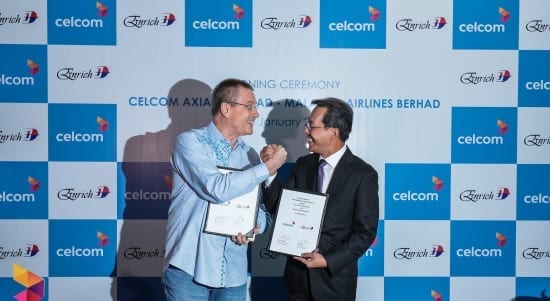
    Celcom has announced that it has signed a partnership deal with Allo aimed at improving telco-related services and connectivity solutions.

    Among the areas that they seek to focus on are fiberization, network resiliency, connectivity, information and communications technology (ICT), internet of things (IoT), 5G and smart solutions.

    In a statement, Celcom said the partnership will enable a faster fiber infrastructure rollout by Allo while facilitating the rapid deployment of high-speed broadband in targeted industrial areas, network base stations and fiberization of Celcom-selected sites.

    The collaboration between Malaysia’s major telecom provider and Allo, a wholly owned subsidiary of Tenaga Nasional Berhad (TNB), will also seek to speed up the progress of smart cities through digital connectivity by both parties.

    “The development of a good digital ecosystem requires the cooperation between various sectors, including public and private sectors, towards achieving the nation’s aspirations that have been outlined in the government’s plans for the benefit of the people. Today’s initiative should be continued because the cooperation between companies will of course bring results that have high impacts to the people and the nation,” said Dato Sri Haji Mohammad Mentek.

    TNB President and CEO Dato’ Indera Ir. Baharin Din said TNB, through Allo, is fully committed to undertaking efforts that benefit the nation’s economic recovery and supports the Government’s initiatives to make lives better and brighter for Malaysians.

    “By leveraging on over 25,000km of TNB’s fiber optic infrastructure, Allo has peninsula-wide coverage to support a rapid and cost-effective deployment of high-speed broadband connectivity services. We believe the digital economy sector is crucial to the future development of Malaysia’s economy by supporting the growth of the nation’s GDP. Our role as the catalyst for the nation’s economy is closely related to the implementation of a modern, reliable, and extensive connectivity network as underlined in the MoU between Allo and Celcom today. Through a reliable connectivity ecosystem that is offered by Allo and Celcom, it can be a driving force for comprehensive value creation across the industry, the development of smart cities, and the ability to transform the socio-economic landscape in Malaysia,” he said.

    Commenting on the collaboration, Datuk Idham Nawawi, chief executive officer of Celcom Axiata Berhad said that Celcom and Allo’s strategic partnership will leverage the strengths of both organizations towards the acceleration of digitalization across Malaysian Homes and Enterprises as well as      significantly boost network operational efficiency.

    “The opportunity to provide high quality and affordable fibre connectivity to homes across the nation is immense, and through this partnership, both parties can play a much larger role and make significant impacts towards digitising Malaysian societies. The strength of Celcom with the widest mobile network and the potential reach of Allo’s fibre via TNB’s infrastructure opens this partnership to a world of new opportunities,” Idham said.

    The collaboration is also expected to boost efforts from Allo and Celcom to drive connectivity and digitalization across industries with technology solutions and services such as ICT cybersecurity solutions, cloud, data centers and managed services, as well as IoT smart city solutions.

  • Globe Deploys 933 5G Sites in 1st Half 2022

    Globe Deploys 933 5G Sites in 1st Half 2022

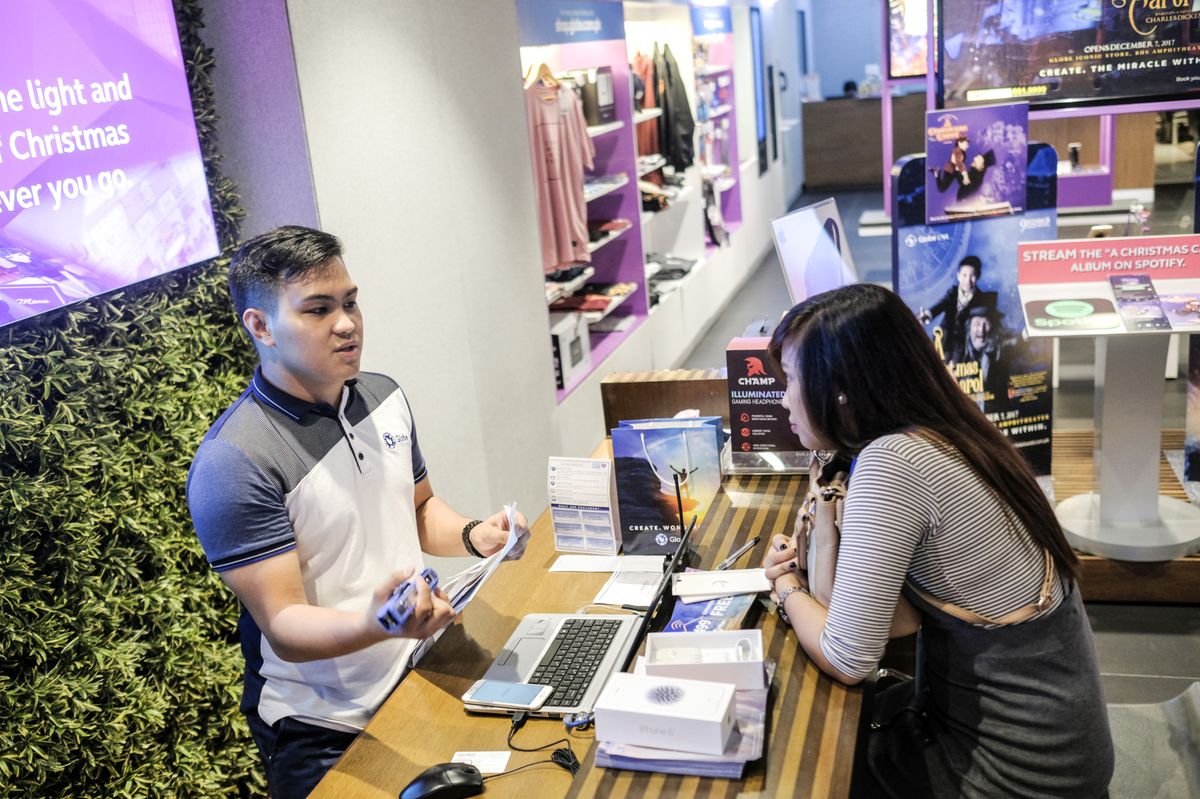
    Globe Telecom has announced that it has built 933 base stations in the first half of 2022 as part of its continued 5G rollout across the Philippines.

    Globe’s 5G network outdoor coverage has reached nearly 97% of the National Capital Region and 86% of key cities in Visayas and Mindanao.

    “Globe has been ramping up its rollout amid rising demand for 5G connectivity. The drive to build more and faster is fueled by our desire to deliver more improvements in our customer service experience that are consistent and reliable,” said Joel Agustin, SVP and head of network planning and engineering at Globe.

    As of end-June 2022, Globe has logged approximately 2.7 million devices on its 5G network.

    The telco giant is also accelerating its 5G roaming rollout to more countries in Asia, the Middle East and Europe to enable the connectivity experience for travelers and overseas Filipino workers.

    For data-related upgrades and expansion, Globe has already spent P50.5 billion out of its P89 billion capital expenditure allocation for 2022. The majority of the amount was used to build its fiber assets further, put up more cell sites, upgrade towers to 4G LTE and roll out 5G technology and in-building solutions.

  • Huawei Launches Tech Seminar to Inspire Next-Gen Leaders

    Huawei Launches Tech Seminar to Inspire Next-Gen Leaders

    Leading global ICT provider, Huawei today hosts the 11th edition of the Seeds for the Future Program in Singapore. For the first time in conjunction with the program, Huawei also debuted the Tech to Build Your Career seminar at Singapore University of Technology and Design (SUTD), which participants learn about the future of tech careers and foster entrepreneurship.

    The seminar is a key component of the Seeds for the Future Accelerator camp starting from August 29 to September 2 in Singapore. Seeds for the Future is the global flagship CSR project run by Huawei since 2008. Aiming to inspire the next generation of leaders through technological innovation and cross-cultural exchange, the program has attracted over 12,000 students from 137 countries and regions to attend over the last 14 years. As of 2022, Huawei has trained a total of 203 participants in Singapore under the Seeds for the Future Program.

    Huawei Asia Pacific Seeds for the Future Program 2022 was first kicked off in Bangkok on August 19. During the 9-day digital boot camp, 120 outstanding students from 16 countries across the Asia-Pacific region enjoyed a cross-cultural digital journey in Thailand. 33 out of 120 were selected for the Acceleration Camp. During their stay in Singapore, they will be guided by entrepreneurial leaders from various tech sectors, which will inspire them to consider the practicability and realization of their ideas.

    “As part of Huawei’s Seeds for the Future Program, the Tech to Build Your Career seminar will connect the next-gen leaders from other ASEAN countries with top talents in Singapore and bring together great minds across the ecosystem to discuss, share and inspire ideas of innovation,” said Charles Cheng, managing director of Huawei International, “We believe that our collective effort will contribute to a more sustainable and progressive Singapore, and help the nation build a world-class talent pool in the long-term.”

    The Tech to Build Your Career seminar began with opening remarks from Prof. Low Hong Yee, head of pillar – designate, associate professor & director of the Digital Manufacturing and Design Centre, SUTD. In her speech, she identified potential opportunities and risks that the new era posed, while addressing how the students could prepare for the upcoming challenges and bring their ideas from ideation to realization.

    Culminated by a panel discussion, the session covered an array of topics, from entrepreneurship in the digital future to community creation in the digital era. It brought together a group of distinguished home-grown entrepreneurs including Zack Yang, chief operating officer and co-founder of FOMO Pay, Elroy Cheo, co-founder of ARC Community and Vivian Lim, co-founder and CEO of The Idea Co, lead curator and license holder for TEDx Singapore.

    The panelists shared their personal experiences on finding the right career path for themselves and how technology has played an important role in their self-discovery journey, regardless of future developments and application of blockchain technology or tech-enhanced community building. They also provided future outlooks into what the technology industry would look like and provided industry insights on which fields they predict will be suitable for young talents to pursue.

    The seminar closed with Tech4Good presentations, where participants were invited to present their solutions and ideas. Tech4Good is a competition designed to help young adults learn about the latest trends in digitalization and explore how digital technologies can address common social issues. Upon completion of the presentations, participants were given additional feedback and suggestions on how to strengthen their ideas.

    The winning team of the Huawei Asia Pacific Seeds for the Future Tech4Good Competition will be announced at the Awards Ceremony of its Seeds for the Future Accelerator Camp in September. The winning team, as one of the top 10 finalists, will continue their journey for Huawei Seeds for the Future Tech4Good Global Competition next January.

  • India’s Reliance to develop new smartphone with Google in $25 billion 5G push

    India’s Reliance to develop new smartphone with Google in $25 billion 5G push

    India’s telecom leader Reliance said on Monday it is working with Alphabet’s Google to launch a budget 5G smartphone as it laid out a $25 billion plan for introducing the next-generation wireless services within two months.

    Speaking at the company’s annual general meeting, Reliance Chairman Mukesh Ambani said Jio’s 5G network will be the world’s largest, launching in main cities including New Delhi and Mumbai before being expanded across India by December next year.

    Ambani, one of India’s richest men, said only that the phone being developed with Google would be “ultra-affordable”. The cheapest 5G phones retail for around $150 currently in India, where around 700 million people don’t have a smartphone.

    “To take the 5G mass market, a sub-$100 phone is imperative and Jio is rightly positioned to bring 5G to the masses,” said Neil Shah, vice president of research at Counterpoint.

    5G data speeds in India are expected to be about 10 times faster than those of 4G, with the network seen as vital for emerging technologies like self-driving cars and artificial intelligence.

    Reliance’s 5G plans throw down the gauntlet to rivals Bharti Airtel and Vodafone-Idea in the world’s second biggest mobile market. Shares in Airtel and Vodafone closed down 1.3% and 3.3% respectively in a weak Mumbai market where Reliance also slipped 0.78%.

    Jio, India’s biggest mobile carrier with more than 420 million customers, snapped up airwaves worth $11 billion in a $19 billion 5G spectrum auction earlier this month.

    The aggressive 5G strategy builds on Jio’s playbook of disrupting India’s telecoms market having sparked a price war in 2016 when it launched cheap 4G data plans and free voice services, and later a 4G smartphone costing just $81, again in partnership with Google.

    With a market value of $220 billion, Ambani’s business empire spans telecoms, retail, oil-and-gas and new energy.

    He said he was among those mentoring his children on a daily basis as they begin to take the reins at the company, with Akash and Isha assuming leadership roles in Jio digital and in retail respectively, and Anant joining the new energy business.

    Akash, 30, was also named chairman of the board of Reliance’s telecom unit in June.

    Ambani senior added that he would provide an update next year on IPO plans for Reliance’s digital and retail units, which raised around $22 billion from global investors such as KKR & Co Inc and Silver Lake in 2020.

    Reliance also announced the long-awaited integration of its grocery shopping app JioMart with investor-partner Meta Platform Inc’s WhatsApp, allowing users to shop via the messaging app.

    Separately, Isha Ambani said Reliance will launch a new consumer goods company this year, without giving details.

    Reuters exclusively reported in May that Reliance has plans to acquire dozens of grocery and non-food brands to build a $6.5 billion business to challenge foreign giants like Unilever

  • India’s 5G to Rollout by October 12

    India’s 5G to Rollout by October 12

    India is expected to roll out 5G services by October 12, according to Ashwini Vaishnaw, union communication, electronics and information technology minister.

    Vaishnaw revealed that 5G prices will be reasonable for users and that 5G services will be scaled up after launch to reach more parts of the country in the coming two to three years, with a focus on delivering 5G connectivity to both urban and rural areas.

    India has entered its final stage of rolling out 5G services, with the government having issued spectrum allocation letters to telecom operators in preparation for the impending 5G rollout

    During the initial phase of rollout, 5G will reach 13 cities, namely Ahmedabad, Bengaluru, Chandigarh, Chennai, Delhi, Gandhinagar, Gurugram, Hyderabad, Jamnagar, Kolkata, Lucknow, Mumbai and Pune.

    Separately, PM Modi said during the Grand Finale of Smart India Hackathon 2022 that India is preparing to launch 6G by the end of the decade – which will be a boost to sectors such as gaming and entertainment.

  • HKT Posts First-Half Results

    HKT Posts First-Half Results

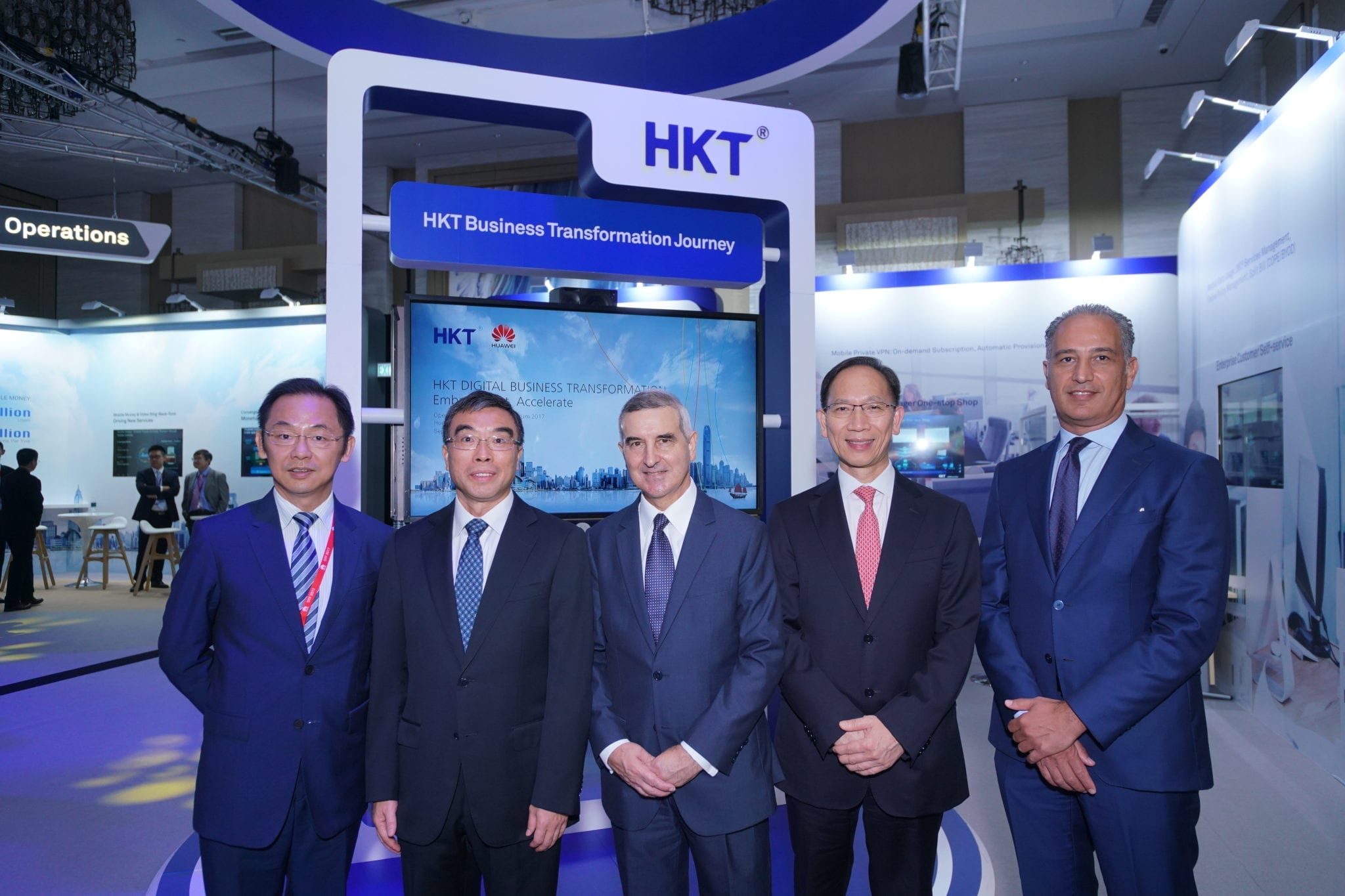
    HKT announced a 3% increase in its total revenue for the first half of the year, amounting to HK$16,157 million, while total revenue excluding mobile product sales grew by 5% to HK$14,868 million.

    The company cites continued strong demand for high-speed broadband services alongside the growing adoption of its 5G services by both consumer and enterprise customers as the reason for their revenue growth.

    According to HKT’s press release, total EBITDA increased by 2% to HK$5,834 million, while adjusted funds flow increased by 2% to HK$2,377 million, and profit attributable to holders of Share Stapled Units increased by 1% to HK$1,910 million.

    Despite the pandemic’s negative impact on the Hong Kong economy, HKT said it remained focused on its strategic priorities in serving both the consumer and business segments and thus managed to achieve steady growth during the period.

    With the subdued consumer sentiment in the first half, its mobile business recorded a 2% growth in services revenue to HK$3,647 million for the six months ended 30 June. Local core revenue grew by 2%, benefiting from continued 5G adoption, growth in the company’s post-paid customer base, as well as higher revenue contribution from mobile enterprise solutions.

    Comparatively lower mobile product sales were recorded by HKT during the period as a result of elevated sales in the first half of 2021 following the delayed launch of popular handset models and the adverse impact of supply chain disruptions.

    EBITDA from the mobile segment increased by 2% to HK$2,122 million during the period, in line with growth in mobile services revenue.

    As individuals, households and enterprises returned to hybrid arrangements during the onset of the fifth wave, the Telecommunications Services (TSS) business continued to benefit on the back of its reliable and extensive fixed network, with revenue growing by 5% to HK$11,596 million.

    The consumer broadband business, meanwhile, witnessed further uptake of its high-speed fiber-to-the-home (FTTH) services and home Wi-Fi solutions, helping to lift average revenue per user (ARPU). The enterprise segment continued to demonstrate robust growth as both private enterprises and the public sector accelerated their digital transformation and smart city initiatives. As a result, the local data services business registered a solid revenue growth of 6% during the period.

    The International Telecommunications Services business achieved 9% growth in revenue, driven by increased global voice revenue, resilient data revenue supported by recent cable projects and      the growing adoption of our Console Connect platform. Total TSS EBITDA increased by 2% to HK$4,104 million, reflecting further operating efficiencies.

    HKT’s group managing director, Susanna Hui, said, “This May, together with PCCW Limited and in partnership with The Sandbox, HKT became the first Hong Kong-based integrated communications, media and technology organisation to join the metaverse. We aim to leverage our digital ecosystem to explore opportunities presented by Web3 by connecting the physical world with the virtual.”

    Hui added, “As we capitalise on our resources for the good of the public and our business, we shall continue to closely observe the macroeconomic environment for effective contribution and efficient business judgement, to ensure our capabilities and resilience yield sustained returns for unitholders.”