Tag: telecom

  • AIS, True must launch low-cost 4G SIMs for poor

    AIS, True must launch low-cost 4G SIMs for poor

    Thailand’s telecoms regulator NBTC has issued an order requiring AIS and True Move to provide low-cost 4G SIMs for disabled and low-income citizens.

    The order is based on the terms of the licenses for 1800-MHz and 900-MHz 4G spectrum won by the two operators in an auction last year.

    As per the order, low-cost 4G SIMs must provide tariffs at least 10% cheaper than the maximum cap on 4G voice and data tariffs imposed by the regulator.

    Caps in the 1800-MHz and 900-MHz bands have been set at 0.69 baht ($0.019) per minute for voice calls and 0.26 baht per megabyte for data services.

    The new low-cost SIMs will need to be available by March, and the operators will be required to design a process to meet this deadline.

    The NBTC is yet to set definitions of disabled and low-income for the purposes of determining eligibility for the discount plans, but has suggested that low-income may be defined as earning less than 10,000 baht ($281) per month.

    According to NBTC secretary-general Takorn Tantasith, last year’s 900-MHz and 1800-MHz auctions had the explicit purpose of bridging the digital divide, and all Thais must be able to benefit from national resources including spectrum.

  • Philippines Senate plans major telco sector reform

    Philippines Senate plans major telco sector reform

    A Philippines Senate committee plans next year to draw up legislation that would reform the nation’s telecommunications industry.

    The Senate committee on economic affairs is considering reforms including granting more powers to regulator the National Telecommunications Commission (NTC), Rappler reported.

    Another proposed change involves removing the 40% owner restriction on overseas investments in telecommunications ventures to allow foreign players to more freely operate in the market.

    The committee is critical of the NTC’s recent decision to quickly review the planned sale of San Miguel Corporation’s telecoms assets, including its highly-prized allocation of 700-MHz spectrum, to the incumbent duopoly of Globe and PLDT.

    The committee aims to strengthen the NTC’s powers to protect consumers and promote healthy competition, while ensuring the regulator is independent.

    In terms of foreign investments, operators are currently classed as public utilities, limiting foreign investment to 40% and restraining the establishment of prospective joint ventures and the entry of new players.

    The committee is proposing to exclude telecommunications from the definition of a public utility, which would circumvent the need for a constitutional change to allow the liberalization of the nation’s telecoms sector.

    Even incumbents PLDT and Globe are supporting the proposal to open up telecoms to foreign players on the grounds that it would benefit both consumers and the industry.

  • Australia may revamp telecoms USO

    Australia may revamp telecoms USO

    Australia’s Productivity Commission has called for the current telecommunications universal service obligation (TUSO) scheme to be scrapped and replaced with a more future-proof regime.

    Currently the government has a deal to provide former state-owned operator and fixed line market leader Telstra $300 million per year to ensure fixed voice and payphone services are available to every Australian.

    Nearly $3 billion of the 20-year TUSO contract is provided by tax payers, with the remaining $3 billion provided by Telstra and rival operators. But these rivals have often complained about issues including a lack of transparency from Telstra over how it is spending the money.

    As with all other markets, fixed voice services have also been declining in popularity as mobile adoption reaches a saturation point.

    In a new report, recommended that the current TUSO scheme be replaced with a version that seeks to ensure all Australians have access to a baseline broadband connection including a voice service.

    The responsibility for meeting TUSO obligations would also shift from Telstra to the state-owned national broadband network (NBN), which is expected to be fully rolled out by 2020.

    “In a digital age, the current obligation — requiring Telstra to provide all Australians with access to basic fixed line telephones and payphones — is anachronistic and needs to change,” commissioner Paul Lindwall said.

    “Once rolled out to all Australians, the NBN will be the foundation on which a future broadband based telecommunications universal service policy should be built. A completed NBN, which provides broadband and voice services to all Australians, will make the current TUSO obsolete.”

    But the commission has acknowledged that there could be difficulties ensuring a basic broadband service is provided in areas only due to be served by the wireless and satellite component of the NBN.

  • CTG, Nepal Telecom to offer IP services in Nepal

    CTG, Nepal Telecom to offer IP services in Nepal

    China Telecom Global has teamed up with Nepal’s largest operator Nepal Telecom to jointly offer IP services to the Nepalese market.

    The companies will use the newly-launched Jilong-Rasuwa Gateway terrestrial cable linking China and Nepal to provide services to Nepal as well as transit services from India.

    The new China-Nepal route offers a new direct alternative route for traffic generated from Nepal and can provide low-latency connectivity for end-users in the market. In addition, the system could help improve Nepal’s internet connection speeds away from the capital Kathmandu.

    “China Telecom is dedicated to expanding our footprint by connecting with neighbouring countries,” China Telecom Global EVP Ou Yan said.

    “China Telecom has put tremendous effort into building the route through the Himalayas. We are committed to delivering a state of the art route for Nepal Telecom.”

    Nepal Telecom and China Telecom Global completed a project to lay fiber to the Nepal-China border in the first half of the year, setting the stage for an interconnection to China Telecom’s network.

    China Telecom Global has been aggressively pursuing international expansion this year. The operator also recently selected a data center to serve as a new hub in East Africa, connecting to its subsea cable network including the SEA-ME-WE 5.

  • Huawei forges 5G research partnership with BT

    Huawei forges 5G research partnership with BT

    Huawei has announced a partnership with UK-based operator BT to conduct joint research into potential new 5G applications.

    The companies will work at the BT Labs in Ipswich and other locations in the UK to explore aspects of 5G including future network architecture, a new air interface between devices and base stations, network slicing to proportion resources for specific services, 5G IoT applications and security technologies.

    The partners said they hope that the research will drive the development and industry-wide standardization of 5G technologies.

    “[Working with BT] we can explore the potential of 5G networks and analyze how this vital technology can best be delivered,” Huawei rotating CEO Ken Hu said.

    “The partnership also demonstrates Huawei’s continued commitment to partnering with world-leading business and academic organizations in the UK to further research and development. We have operated in the UK for 15 years and we look forward to continuing to help build a better connected UK in partnership with BT.”

    Huawei and BT have been collaborating on telecommunications R&D for 11 years. Most recently, the companies announced breakthroughs including a 3Tbps data transfer over BT’s core network, as well as research into 40Gbps speeds on the Openreach access network.

  • Airtel investing in cable to Myanmar

    Airtel investing in cable to Myanmar

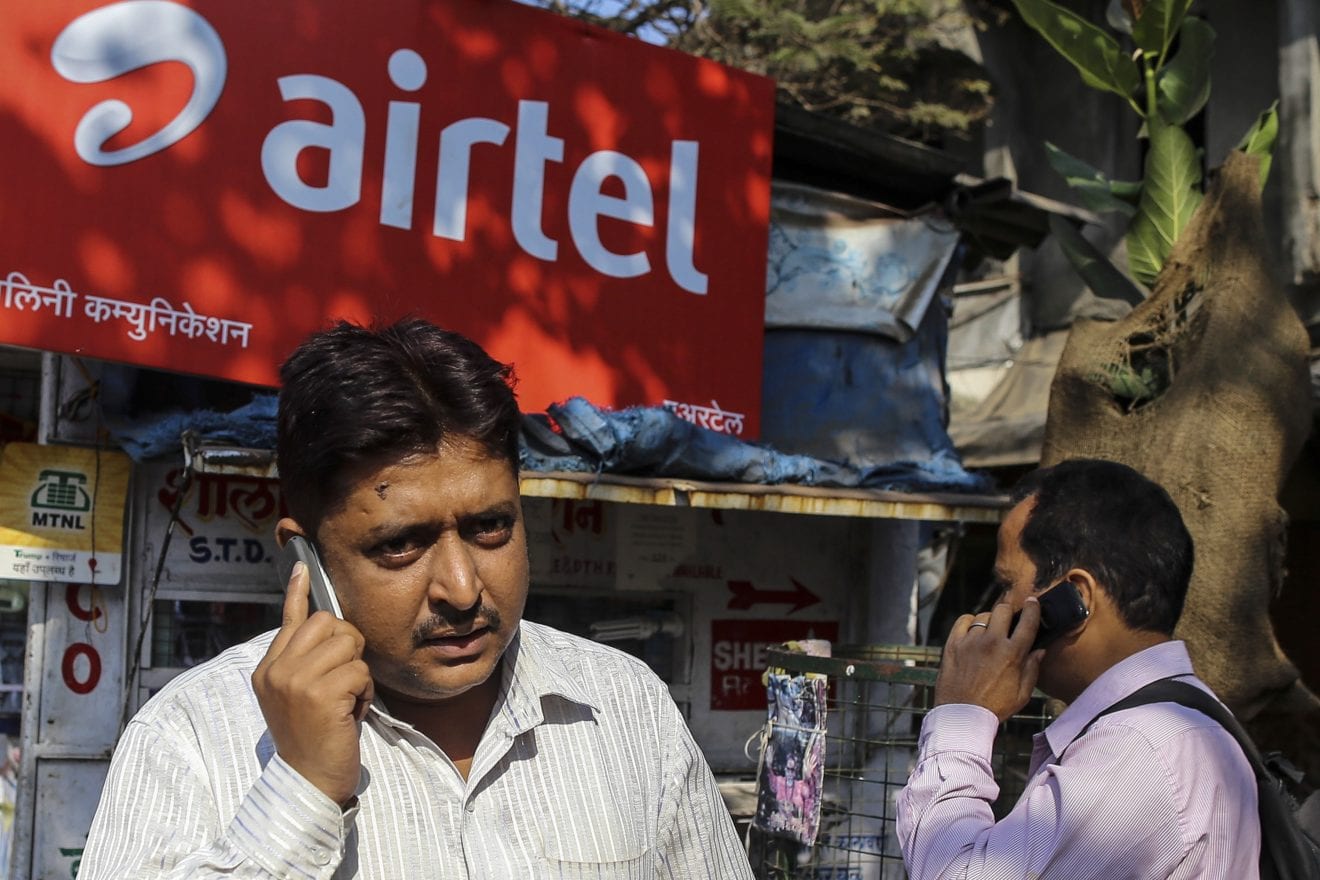
    India’s largest mobile operator Bharti Airtel has announced it is investing in a new fiber cable between India and Myanmar.

    The operator plans to use the new fiber asset to offer end-to-end connectivity solutions in the Myanmar market.

    The 6,500km terrestrial cable will connect to Airtel’s landing stations in Chennai on the east coast and Mumbai on the west.

    Bharti Airtel CEO for global voice and data Ajay Chitkara told the publication that Myanmar is experiencing strong uptake of digital services as one of the last major growth frontiers in Asia, and the company aims to take advantage of that growth by introducing new connectivity services.

    Myanmar liberalized its telecoms sector in 2011, resulting in a rush of foreign entrants into the market and strong subscriber growth and development.

    But Telenor Myanmar, which launched services in September 2014 after securing one of two mobile licenses allocated through a tender process following the opening up of the sector, believes that the market’s hyper growth era has now ended.

    News of the terrestrial cable project came as China Telecom Global and Nepal Telecom announced they have linked China and Nepal through the Himalayas and plan to use the new terrestrial cable to offer IP services to the Nepalese market.

  • Spark deploys 200G OTN technology

    Spark deploys 200G OTN technology

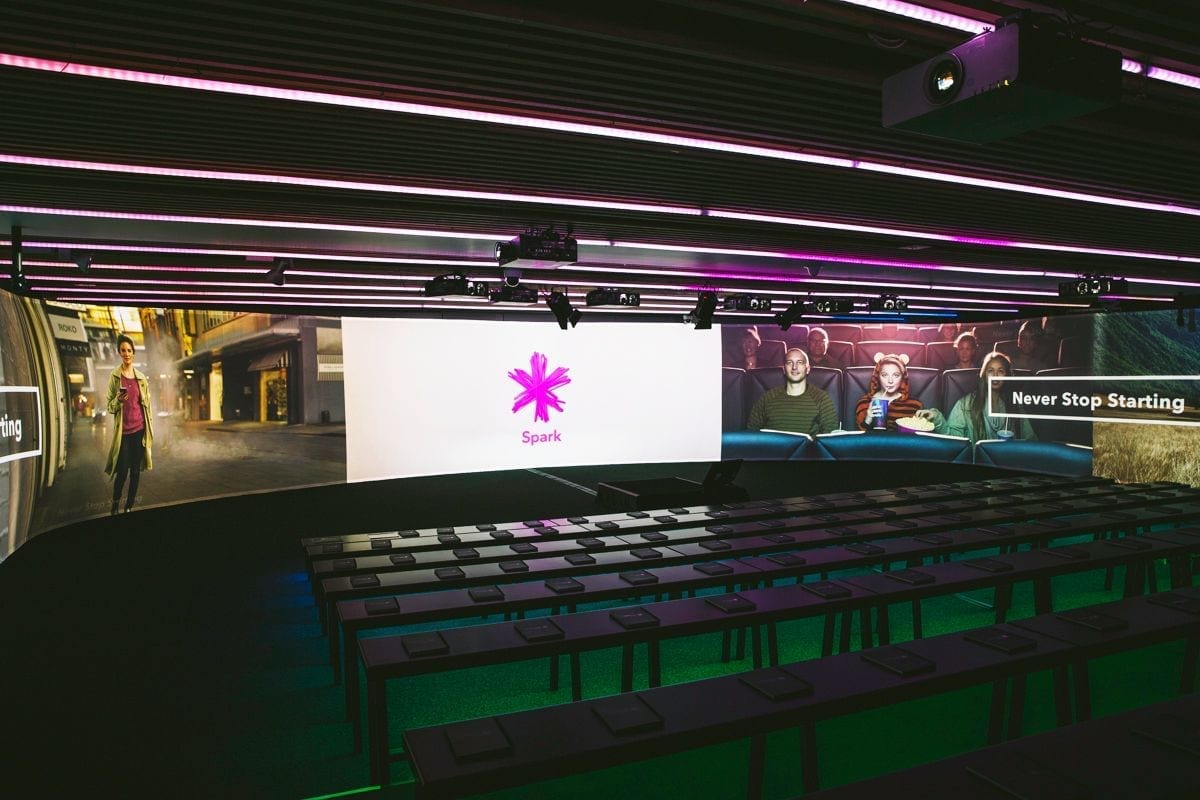
    New Zealand’s largest operator Spark has deployed the market’s first 200G per wavelength production fiber link using equipment from Nokia.

    The operator’s new 200Gbps network link connects its core network with the global gateway, and will co-exist with Spark’s existing 10G and 100G channels.

    Spark general manager of networks Colin Brown said the upgrade is aimed at meeting massive growth in demand for bandwidth in an increasingly digital world.

    “Nokia has helped Spark NZ reach a new milestone with our world-class optical transport network, achieving our vision of a data-driven future for New Zealand and underpinning an integrated network including fiber, 3G, 4G, 4.5G, wireless broadband and Wi-Fi,” he said.

    Spark is using Nokia’s optical transport network technology. The vendor said it has now shipped its 200G solution to more than 88 customers worldwide, and demand is growing rapidly as operators see the benefits of 200G 8x quadrature amplitude modulation (8QAM).

    “Like many operators, Spark has faced relentless growth in bandwidth demand, largely driven by an increase in video streaming by business and consumer users,” Nokia head of Oceania Ray Owen said.

    “By taking a flexible approach to this challenge with New Zealand’s first 200Gbps fiber link, together with Nokia, Spark is well placed to meet continued demand growth while meeting existing user expectations.”

  • BT partners with DCI on Indonesia cloud venture

    BT partners with DCI on Indonesia cloud venture

    BT, DCI Indonesia, and Equinix, a DCI partner, announced that they are working together to provide private cloud infrastructure in Indonesia.

    The companies said by using BT’s private cloud solutions as part of the BT Compute portfolio, enterprises active in Indonesia will now be able to reap the full benefits of the cloud to realise their digital transformation, launch new services more rapidly, mitigate risks, reduce costs and focus on business growth.

    The combination of BT and DCI data center capabilities also enables international businesses expanding into Indonesia to accelerate market entry, as they no longer need to invest time and resources to set up their own data center infrastructure and deploy business critical applications.

    Ron Totton, Southeast Asia managing director, BT, said, “Indonesia is a promising market for BT, where demand for private cloud and data center services is growing fast, especially in sectors such as finance, energy, and the telecom industry.”

    “This collaboration with DCI builds on our Cloud of Clouds portfolio strategy and is aligned to our ambition to be the world’s leading cloud services integrator. This will help give BT customers a competitive advantage in Indonesia and beyond,” Totton said.

    Through this collaboration, BT becomes the first global networked IT services provider to offer private cloud infrastructure in Indonesia. BT will be hosting its Point of Presence in DCI’s data center. By using the BT Private Compute platform, businesses can run a full range of applications, from network and storage to computing and security without having to invest into their own cloud infrastructure.

    DCI Indonesia is the only tier-IV data center service provider in Indonesia providing the most stringent service level agreement of 99.999% uptime through dual configuration infrastructure that ensures redundancy.

    Marina Budiman, president director of DCI, said “DCI is well-positioned to support the BT Private Compute platform.”

    “With DCI’s fault-tolerant infrastructure, strong financial ecosystem and global interconnection through Equinix’s Cloud Exchange, we believe our collaboration will provide BT’s customers with the best-in-class service in Indonesia,” Budiman said .

    Last year, BT was awarded the Siskomdat license, enabling it to offer its portfolio of networked IT services and applications directly to customers in Indonesia.

    DCI Indonesia has zero history of downtime since the first time it serves the market. This exceptional performance comes from solid experience from industry players with more than 20 years of experience in information technology, data center services and infrastructure management.

  • New Zealand’s Spark warned off marketing Gigabit plans

    New Zealand’s Spark warned off marketing Gigabit plans

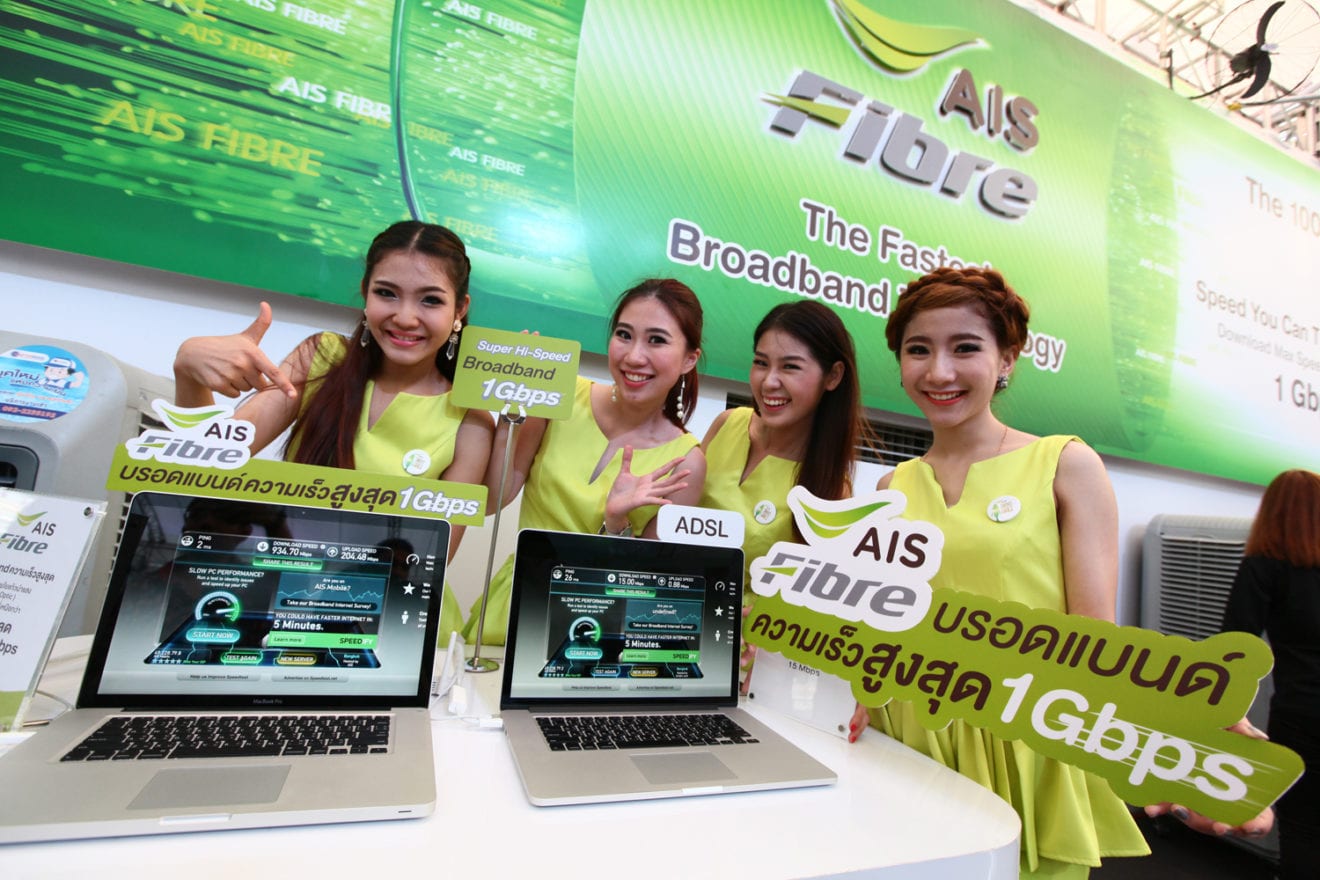
    New Zealand operator Spark has been cautioned against advertising its high-speed fiber services as “gigabit” plans by competition regulator the Commerce Commission.

    The ISP launched its fastest fiber service yesterday, labeling it “Ultra Fast Fibre MAX” instead of the planned Gigabit name.

    The Commerce Commission held that advertising the service as a Gigabit speed would mislead consumers into expecting speeds of 1,000Mbps, whereas the Spark service will deliver speeds of between 700Mbps and 900Mbps.

    As well as Spark, the Commission also plans to get into contact with other ISPs making similar claims, noting that it has received enough consumer complaints to deem the action necessary.

    The Commission hasn’t made a formal ruling, but said Spark had recognized the concerns the regulator had raised and decided to take action accordingly.

    But the Telecommunications Users Association has criticized the decision as being “pedantic”, noting that other markets advertise similar-speed plans as Gigabit services, and that technical constraints will mean services always fall below their full potential speeds.

  • Five apply for Philippines’ new entrant auction

    Five apply for Philippines’ new entrant auction

    Five different companies have reportedly expressed an interest in bidding to become the Philippines’ third operator during next year’s planned new entrant spectrum auction.

    Companies including Philippines TMT company Now Corporation and ISP Converge ICT Solutions have declared their interest in participating. The three other companies have not been named.

    Now Corp secured a CMTS license in 2006, and plans to find a foreign partner for its bid to become the market’s third mobile operator, the report states.

    Both Now Corp and Converge ICT Solutions offer broadband services to corporate clients, with the latter also offering home and SME broadband services.

    Last month, the NBTC announced plans to hold the planned third entrant auctionin mid-2017.

    Spectrum in the 700-MHz, 2500-MHz, 800-MHz and 3500-MHz bands, surrendered as a condition of the $1.5 billion acquisition of San Miguel Corp’s telecoms assets by incumbents Globe and PLDT, will be put on the block.

    But any new entrant to the market will face an uphill battle disrupting the Globe-PLDT duopoly. The report cites Edgardo Cabarios, deputy commissioner of telecoms regulator NTC, as stating that a thrid entrant should invest at least 30 billion pesos ($604.1 million) over the first two years of operation on a nationwide rollout.

  • Optus offers bonus data for viewing ads

    Optus offers bonus data for viewing ads

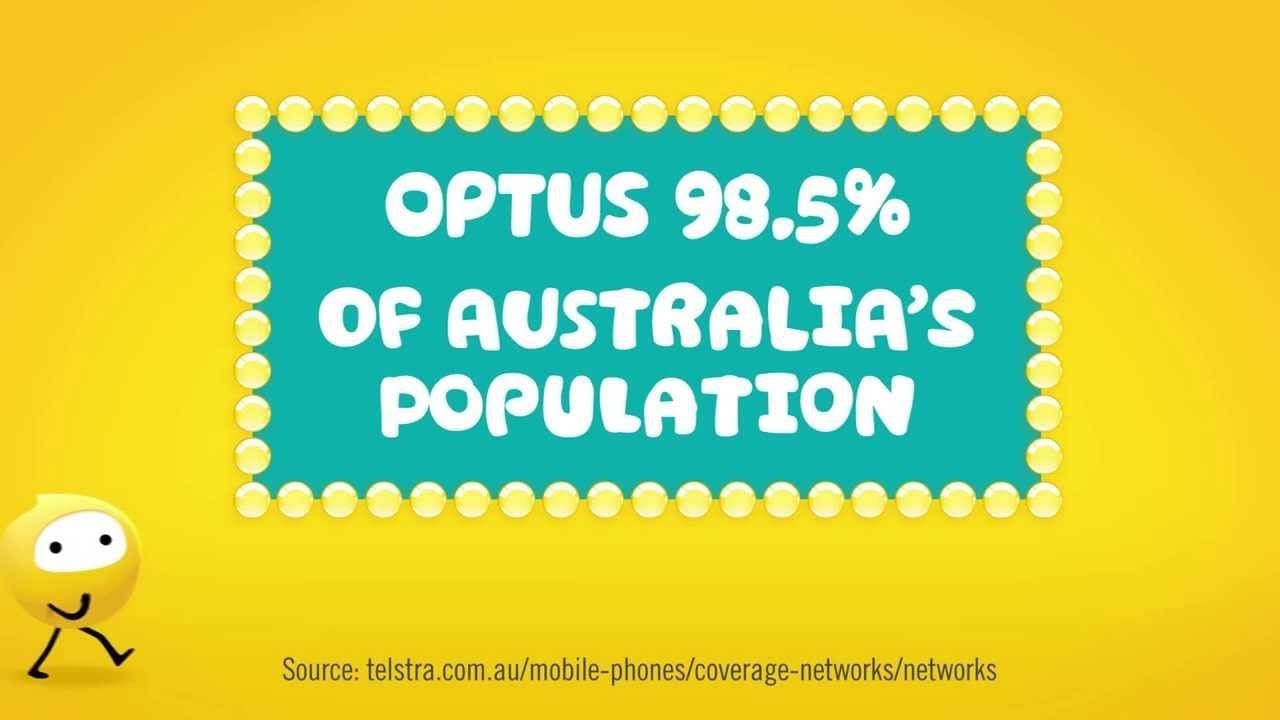
    Australia’s second largest mobile operator Optus has introduced a new ad-supported offer allowing customers to be allocated extra data or credit by agreeing to have marketing messages displayed on their device’s lock screen.

    The Singtel subsidiary has announced Optus Xtra, which gives prepaid customers the option to earn 1GB of bonus data on eligible monthly plans or $2 of extra credit on daily plans every 28 days.

    Optus has developed the service in partnership with New Zealand based mobile advertising start-up Postr. The company has developed a technical platform for lock screen advertising and has similar operator partnerships in New Zealand and Southeast Asia.

    As well as static ads, the platform can give customers the option of viewing a video version of the ad or visiting an advertiser’s website. Users can nominate interests across eight categories – beauty, employment, fashion, government and politics, health, money, technology and travel.

    Singtel’s digital marketing subsidiary Amobee manages advertising for the service.

    “Optus Xtra is a mobile advertising solution that puts mobile first and allows advertisers to reach audiences who have opted-in to see ads that are highly relevant to their interests and preferences,” Amobee managing director for Australia and New Zealand Liam Walsh said.

    “The Optus Xtra lock screen format lets brand advertisers target highly engaged audiences, where they are guaranteed a full screen creative canvas and 100% viewability.”

  • Smart Axiata deploys SMS spam filtering suite

    Smart Axiata deploys SMS spam filtering suite

    Cambodia’s Smart Axiata announced it has deployed an SMS spam filtering and A2P SMS monetization platform from 365squared for its more than 8 million customers.

    The operator is using the 365secure service to continuously monitor and filer SMS traffic from any source on a round-the-clock basis. The service is designed to detect and block fraudulent SMS messages delivered through gray routes.

    Smart will also be able to use the service’s proprietary 365analytics software to conduct detailed traffic analysis and reporting. The implementation was conducted by 365squared last month.

    “Spam messages are disliked by everyone. The partnership with 365squared stands on our desire to strengthen customer relationships based on trust,” Smart Axiata CEO Thomas Hundt said.

    “By filtering intrusive and uninvited messages we provide to our customers peace of mind and therewith step up our customer experience efforts further.”

    Smart Axiata launched LTE services in January 2014, and has now expanded the network to cover 25 key provincial capitals as well as other key cities. The company’s combined 2G, 2.5G, 3G, 3.75G and 4G mobile network covers more than 98% of the Cambodian population.

  • Hong Kong consumers oppose spectrum fee hike

    Hong Kong consumers oppose spectrum fee hike

    PCCW’s HKT is opposing a proposal by the SAR government to raise the spectrum utilization fee for all mobile operators, publishing research indicating that a wide majority of consumers oppose the suggestion.

    Research commissioned by HKT and conducted by Policy 21 suggests that 72.8% of consumers believe a fee increase that the operator said would be likely in the event the government raises spectrum prices would be unacceptable.

    Hong Kong mobile users currently pay a fee of HK$18 per month covering contributions towards mobile license, administration and MTR and tunnels expansion costs, and operators are likely to raise this fee if their spectrum costs increase.

    Of the remaining 17.4% of respondents who consider a fee increase acceptable, 84.7% would only accept an increase of HK$10 or less per month.

    The government’s proposed fee increase would be implemented on the expiry of existing 900-MHz and 1800-MHz licenses, and would affect 40% of the total amount of spectrum currently assigned to mobile operators.

    HKT presented the findings yesterday at an industry forum organized by the Hong Kong General Chamber of Commerce. Consultancy firm Network Strategies also used the event to unveil a study into the optimal price of spectrum in Hong Kong.

    “In comparison with international benchmarks, the reference prices are very high. Use of these reference prices for setting reserve or fixed prices may lead to artificially high SUFs which may have a distortionary effect on the market,” Network Strategies director and founder Dr Suella Hansen said at the forum.

    “With efficient spectrum pricing and sufficient spectrum allocation, incumbent operators may minimize costs to produce retail services efficiently, continue to invest and develop innovative services and products, all of which promote social efficiency. However, consumer welfare will not be promoted if the price of spectrum does not reflect its true market value.”

  • HKT to build fiber super highway for Hong Kong DCs

    HKT to build fiber super highway for Hong Kong DCs

    PCCW’s HKT has revealed plans to build what it is calling a “fiber super highway” connecting the Tseung Kwan O Industrial Estate (TKOIE) with the Chai Wan area.

    The Ultra Express Link will be a 3km high-capacity, low-latency subsea cable system spanning the Junk Bay. The cable system has a target ready for service date in 2017

    HKT group managing director Alex Arena said the system will provide additional diversity in connectivity for the multiple data centers in TKOIE, and serve to position the estate as Asia’s data center hub.

    “The building of Ultra Express Link demonstrates once again not only our leading position in solid fiber infrastructure in Hong Kong, but also our dedication to build Hong Kong into a regional data center hub,” he said.

    “The new cable, together with the existing extensive fiber infrastructure provided by HKT, will allow us to meet the rising demand for high speed and high capacity connectivity from data center operators.”

    Arena said HKT is the only operator to provide full fiber coverage in all data centers in Hong Kong with diversity paths in all data centers in TKOIE.

    HKT is a quadruple-play operator in Hong Kong serving both consumer and enterprise customers.

  • StarHub launches shopping channel

    StarHub launches shopping channel

    Singapore telco StarHub has launched a 24-hour Chinese language shopping channel called Go Shop in a deal with Malaysian pay-TV giant Astro.

    Singapore, 24 November 2016 – This festive season, StarHub TV customers can look forward to an exciting round-the-clock shopping destination right at their fingertips. Starting tomorrow, StarHub TV, in partnership with Astro Malaysia, will be launching Go Shop (StarHub TV Channel 110), a 24-hour, Mandarin shopping channel. Go Shop will also be made available on StarHub Go, StarHub’s video streaming service, by early next year.

    Customers in Singapore can now immerse themselves in a shopping experience that is differentiated, hassle-free and convenient, anytime anywhere. Through Go Shop’s fun and informative TV demonstrations, customers can understand the benefits of each product in-depth as well as the value of the offer. The well-researched product demonstrations are specially tailored to cater to the preferences and lifestyles of Singapore’s consumers.

    Targeted at StarHub’s audiences as well as connected online and mobile shoppers in Singapore, Go Shop offerspremium and trusted international brands such as Finn Esker, HappyCall, Kloken and Shogun across various product categories from Living, Beauty, Fashion, Kitchenware and Home Appliances. New product categories such as Digital Electronics, Health and Wellness, Sports and Leisure will be introduced progressively.

    Go Shop is a joint venture between Astro Retail Ventures, a wholly owned subsidiary of Astro Malaysia, and GS Home Shopping, the global leader in TV home shopping. GS Home Shopping has international presence in nine countries such as South Korea, Malaysia, China and Russia. To celebrate its launch in Singapore, Go Shop will be introducing some of its global best-selling items on StarHub TV. These include Age 20s, an award-winning Moisture Compact Foundation from Korea, Hurom Slow Juicer which comes with a low speed rotation to preserve nutrients, and the Roichen Cookware set, made with a safe and natural stone coating.

    To entice consumers, Go Shop will introduce special offers on TV through innovative bundling that cannot be found anywhere else. It aims to offer unbeatable value by combining the main product with other product lines to complement the core offering. For instance, a set of Laneige sleeping masks can be bundled with other items from the same skincare line for a complete, value-for-money deal. Consumers can also look forward to special festive offers from time to time.

    Commenting on the launch, Ms Lee Soo Hui, Head of Content & TV, StarHub, said: “Shopping is a favourite pastime of Singaporeans, whether it is online or at the mall. Go Shop’s extensive catalogue, accompanied with detailed product demonstrations, will enable our viewers to make informed decisions before making that purchase from the comfort of their living rooms. With the upcoming festive season, the timely launch of Go Shop on StarHub TV will enable customers to get a head start on their Christmas shopping!”

    According to Go Shop’s Chief Executive Officer, Grace Lee, “Go Shop is excited to expand our wings to serve customers in Singapore, after seeing our service grow rapidly in Malaysia. We offer a differentiated shopping experience that gives our customers choice, convenience and peace of mind through our entertaining and informative product demonstrations, reputation for providing trusted international brands and products as well as great value from innovative product bundling and free delivery in a matter of days.”

    To make a purchase on Go Shop, customers can order online via www.goshop.com.sg. Payment can be made via selected credit or debit cards. The products will then be delivered to the customer within two to three days with no additional shipping fee. In addition, customers can shop with peace of mind, knowing that sales support does not end at the point of purchase. A group of specially-trained agents called Personal Go Shoppers, will be offering their assistance online or through Go Shop’s hotline around the clock. To start shopping, tune in to Go Shop on StarHub TV channel Ch 110 at 9am tomorrow.