Tag: telecom

  • StarHub, Nokia achieve 4.3Gbps speeds over cmWave

    StarHub, Nokia achieve 4.3Gbps speeds over cmWave

    Nokia and Singapore’s StarHub have jointly demonstrated speeds of 4.3Gbps and 1ms latency using 5G centimeter wave (cmWave) frequencies.

    The company’s have been trialing Nokia’s AirScale integrated radio access network platform over StarHub’s live mobile network.

    The 5G demonstration was conducted at StarHub’s headquarters as part of the operator’s ongoing trials into future technologies to facilitate emerging use cases such as virtual and augmented reality streaming and e-health applications.

    Centimeter wave refers to carrier frequencies between 3-GHz and 30-GHz, which compares to millimeter wave frequencies above 30-GHz. These higher-band frequencies are expected to form a key component of future 5G networks.

    “5G, while still a distance away, will become reality in the time to come. Through our ongoing trials of new technologies such as Nokia’s integrated AirScale solution, we are exploring how we can use 5G technologies to enrich the lives of our customers,” StarHub head of network engineering Chong Siew Loong said.

    AirScale is designed to allow the simultaneous operation of multiple generations of network technologies, such as 3G, 4G and 5G. The platform promises 60% lower energy consumption and a smaller physical footprint compared to previous generation radio access technologies.


  • Globe Telecom expands Cartoon Network app in Philippines

    Globe Telecom expands Cartoon Network app in Philippines

    Globe Telecom in the Philippines is providing a major enhancement to its Cartoon Network Watch and Play app, allowing customers to livestream Cartoon Network and on-demand content via a new authenticated service.

    Globe customers will soon be able to log in to the free app using their username and password to unlock an array of value-added services, which includes livestreaming the channel on devices, games and access to full episodes on demand.

    In addition, Cartoon Network Anything – a micro-network that presents short-form content – is now offered as part of the Globe app bundle.

    “This partnership creates a truly unique and enjoyable second-screen brand experience for kids to enjoy and for parents to trust,” said Phil Nelson, Turner’s managing director in Southeast Asia.

    Both apps let kids enjoy their favorite characters and shows whenever. Fueling their imagination, they allow them to be a hero with Ben 10 and the Omnitrix, rule the Candy Kingdom with Princess Bubblegum, flip out with The Powerpuff Girls, or embark on mathematical adventures with Finn and Jake whenever they want.

    “Together with Turner, we are able to give our customers a more wonderful digital entertainment experience on mobile,” said Dan Horan, Globe senior advisor for consumer business.

    Dedicated data usage for the apps will be offset via a data wallet system, available via users’ subscription plans, meaning they won’t have to worry about eating into their monthly allowance.

  • HKBN Mobile launches Greater China 4G plans

    HKBN Mobile launches Greater China 4G plans

    Hong Kong Broadband Network’s new Mobile Services MVNO division has launched a line of Greater China 4G plans for corporate customers who frequently travel between mainland China, Hong Kong, Macau and Taiwan.

    The new mobile plans include data allocations shareable across the four markets via a single SIM. HKBN is using China Mobile Hong Kong’s 4G network to provide the service.

    HKBN secured an MVNO a license in July, and launched mobile services in September, introducing a range of consumer plans including a HK$446 ($57.50) unlimited 4G service.

    The new corporate 4G plans range from HK$198 for 1GB of data shareable across the four markets to HK$448 for 10GB of data.

    Each plan comes with unlimited voice calls and SMS, as well as free call management value added services during the contract period and free use of the MobileOffice Plus app, which allows smartphone users to remotely make and receive calls from their designated business number from anywhere.

    “With increasing business travelling between Mainland China, Hong Kong, Macau and Taiwan, cross-border data services are in high demand,” HKBN chief commercial officer for enterprise solutions Billy Yeung said.

    “By partnering with CMHK, we are best positioned to offer our customers high-value and cost-effective Greater China service plans.”

  • Ericsson appoints new CEO

    Ericsson appoints new CEO

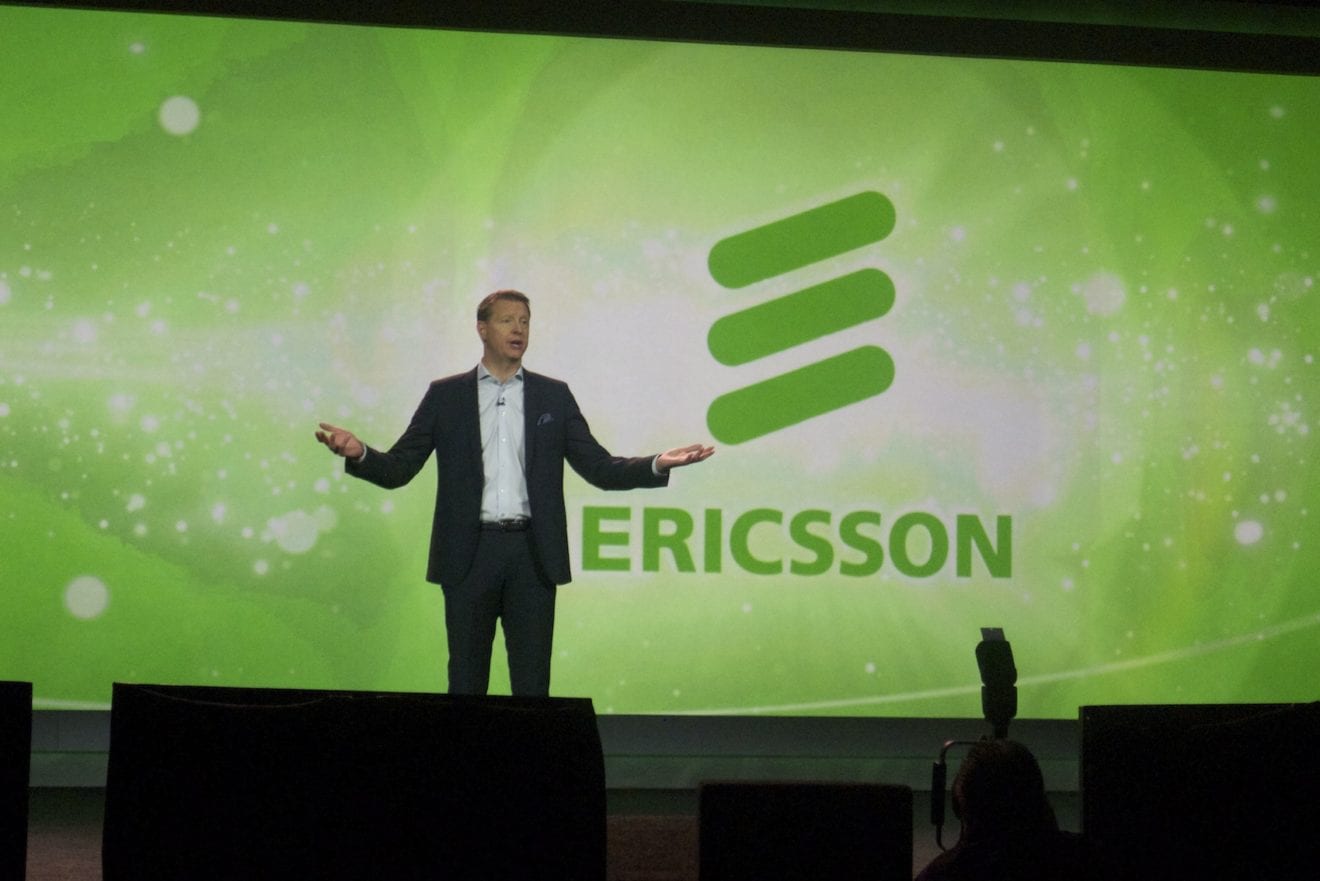
    Ericsson has appointed long-time board member Börje Ekholm president and CEO, effective from mid-January.

    Ekholm will replace interim CEO Jan Frykhammar on January 16, who is standing in following the resignation of Hans Vestberg in July.

    Ekholm joins Ericsson from Patricia Industries, a division of Sweden’s Investor – Ericsson’s largest shareholder -where he is CEO. Prior to this he was CEO of Investor AB between 2005 and 2015, and has held positions at companies including Novare Kapital and McKinsey and Co.

    “I am very excited about this opportunity. As the networks and applications become even more important in a 5G connected world, our customers, and the industry, look for continuous innovation,” he commented.

    “I look forward to joining the great team at Ericsson and work closely with existing and new customers around the world in shaping the future of our industry.”

    Ekholm is also a board member of Alibaba and several other companies. He is based in the US, and will stay there when he takes the role. He will retain his position on the Ericsson board.

    Ericsson recently announced plans to cut 3,000 jobs in Sweden as part of the vendor’s ongoing cost cutting program.

  • Nepal Telecom receives 4G license

    Nepal Telecom receives 4G license

    Nepal Telecom has finally received a 4G operating license, clearing the company to launch services on January 1.

    Regulator the Nepal Telecommunications Authority has resolved to issue the license based on the detail rollout plan the operator submitted recently.   Nepal Telecom submitted the rollout plan after receiving initial approval for its 4G application earlier this month.

    With the decision, Nepal Telecom has become the market’s first operator to be cleared to launch 4G services. The operator will use the 1800-MHz spectrum it has been using for 2G services.

    Nepal Telecom plans to commence its rollout in the Kathmandu Valley area and Pokhara, before progressively expanding to other parts of the country.

    The operator had initially proposed to launch services on December 15, but the regulator has decided to delay the launch so the operator can smoothly complete the required preparatory works.

    Two other operators had applied for 4G licenses. One of these applications – submitted by Smart Telecom – has been rejected. The government has yet to make a decision on the second application, submitted by Ncell.

  • Sri Lanka Telecom to build government fiber network

    Sri Lanka Telecom has secured a contract to build a fiber network connecting government offices in the nation.

    The operator has been selected to build the LGN2.0 (Lanka government network 2.0).

    As well as connecting government agencies and public institutions, the network will be used to provide free public Wi-Fi to citizens.

    The LGN2.0 project is being overseen by the Information and Communication Technology Agency of Sri Lanka (ICTA). It has a total budget of 12.7 billion rupees ($86.1 million) over the next two years.

    Sri Lanka’s Minister of Mass Media Gayantha Karunathilaka has stated that the project aims to address concerns that the existing LGN is not fast enough to support Sri Lanka’s ambitions to digitize the national economy.

    The original LGN was deployed between 2007 and 2012. It is managed by the government-owned entity Lanka Government Information Infrastructure (LGII).

  • GTel Mobile has become Vietnam’s fourth 4G licensee

    GTel Mobile has become Vietnam’s fourth 4G licensee

    GTel Mobile has become Vietnam’s fourth 4G licensee, joining MobiFone, Viettel and VNPT in securing a license.

    As with the major operators, GTel Mobile has secured permission to deploy 4G services on the 1800-MHz band.

    GTel Mobile is owned by Vietnam’s Global Telecommunications Corporation (GTC).

    The operator was originally established as a joint venture between Russia’s Vimpelcom and GTC, providing services under the Beeline brand, but Vimpelcom sold its indirect 49% stake in April 2012. The company now provides services under the Gmobile brand.

    The news comes days after the government revealed it had allocated 4G licenses to MobiFone, Viettel and VNPT. The telecoms ministry has set a target of ensuring at least 95% of Vietnam’s population is covered with 3G or 4G infrastructure by 2020.

    GTel’s license acquisition leaves Vietnamobile as the market’s only operator yet to secure a 4G license, the report adds.

  • Vietnam grants 4G licenses to three cellcos

    Vietnam grants 4G licenses to three cellcos

    Vietnam has granted 4G licenses to three of the market’s major mobile operators – MobiFone, military-run Viettel and state-owned VNPT.

    The operators have been granted permission to roll out LTE services over the 1800-MHz band.

    Each of the three operators have been piloting LTE and LTE-Advanced services in multiple cities, with Viettel launching a trial in late 2015, VNPT testing services since January this year and MobiFone commencing a pilot in July.

    The licenses will be allocated as part of Vietnam’s government-approved telecommunications development plan, which includes a target of covering 95% of the population with 3G and 4G services by 2020 as part of efforts to ensure nationwide coverage of broadband infrastructure.

    According to the report, major operators have indicated they will be ready to launch LTE soon after receiving the licenses. They will be valid until 2024.

  • CITIC Telecom to acquire Acclivis

    CITIC Telecom to acquire Acclivis

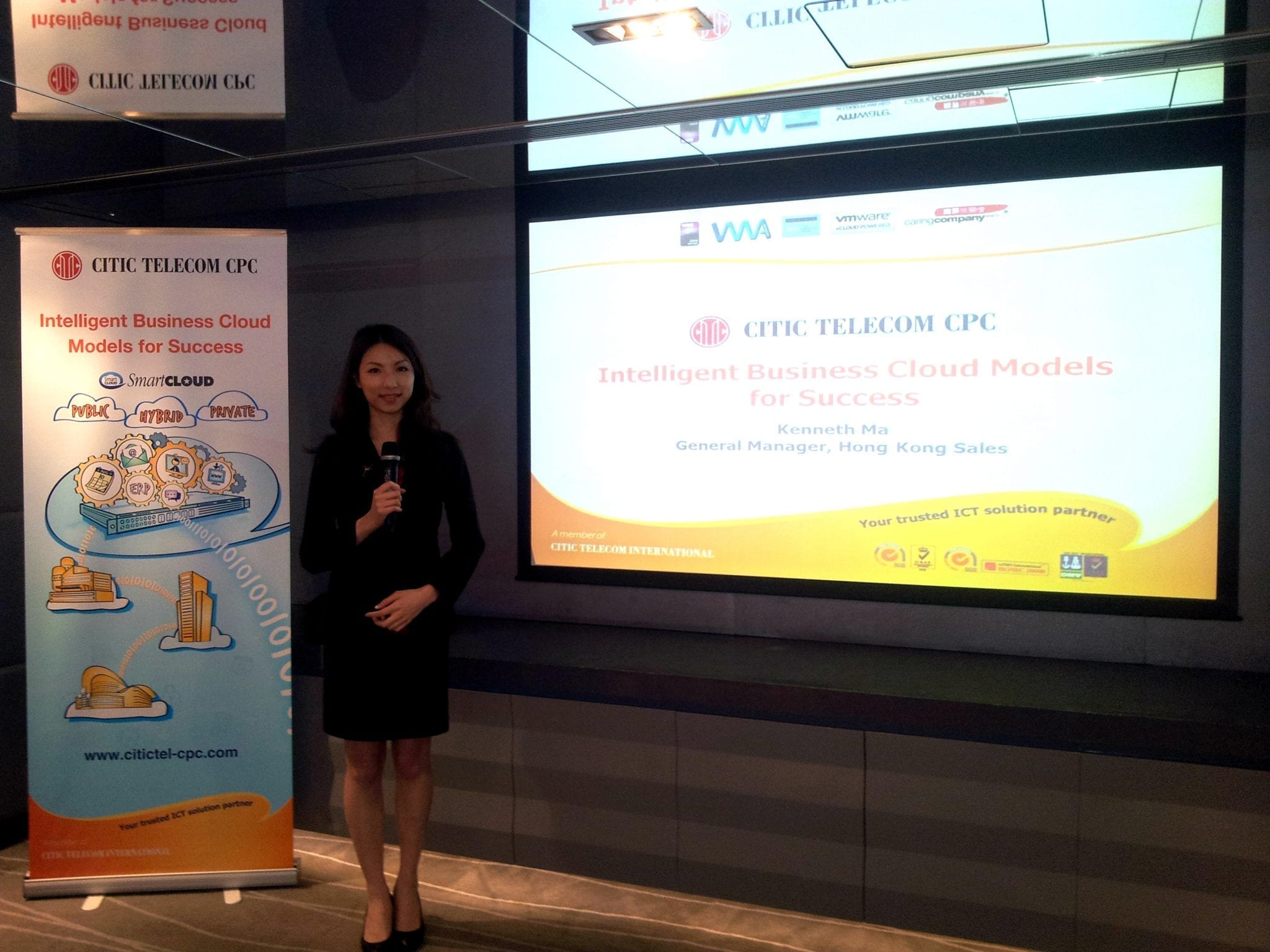
    Hong Kong’s CITIC Telecom International has expanded its presence in Southeast Asia with the acquisition of a 100% stake in cloud infrastructure services provider Acclivis.

    Acclivis mainly operates cloud facilities in the markets of Singapore, Indonesia, Malaysia and Thailand. The company also owns the ISP Pacific Internet in Singapore and Thailand.

    CITIC Telecom said the acquisition will transform the company into one of the few trans-regional one-stop ICT services providers in Southeast Asia, and will create synergies with the company’s subsidiaries including CITIC Telecom CPC.

    “Acclivis is a technology company that has strong technological capabilities and unique advantages. It operates internet service via Pacific Internet in the region and its businesses and the services we offer to our corporate customers have apparent strategic synergies,” CITIC Teleom CEO Dr Lin Zhenhui said.

    “The acquisition will enable us to expand our services to internet service, cloud computing and management services, support our transformation geared towards the mobile and internet arenas and expansion of the Southeast Asia market, giving us another rapid growth driver.”

    The deal still requires the approval of Acclivis parent DeClout, but pending this is expected to be completed by the end of the year.

    CITIC’s current development strategy is focused on “taking roots in the Mainland market while accelerating expansion and geographic coverage in the international market with Hong Kong and Macau serving as bases and connections.”

  • Telecoms billing market on pace to $14b in 2022

    Telecoms billing market on pace to $14b in 2022

    The global telecom billing and revenue management market is expected to reach$14.2 billion in 2022 with a CAGR of 8% from $7.6 billion in 2014.

    The factors that are favoring the market growth include, hastily growing telecommunication sector, deployment of innovative services and increasing number of customers, whereas factors such as quick growth of subscribers, network clogging, plunge in quality of services, and fallout of services area are inhibiting the market growth.

    North America and Europe have the highest adoption of billing and revenue management in the telecom ecosystem and regions such as Asia-Pacific, Middle East and Africa along with Latin America offer a lot of opportunities for the vendors.

    Countries in Asia Pacific such as China and India have large subscriber bases and ever changing regulatory scenarios, thus creating demand for billing and revenue management solutions.

    The global telecom billing and revenue management market is segmented on the basis of deployment type, service, software, and geography. On the basis of deployment, the market is segregated into on-site and cloud.

    On the basis of service, the market is categorized into system integration, planning and consulting services, operations and maintenance services, managed services and others. The market is segmented on the basis of software into negotiation, revenue assurance, partner management, fraud management, billing and charging and others.

    The key players in the global telecom billing and revenue management market include Accenture, Cisco, Oracle, Ericsson, Hewlett-Packard (HP), SAP, Huawei Technologies, NEC, Amdocs and Comverse.

  • Omantel taps Redknee for multi-play monetization

    Omantel taps Redknee for multi-play monetization

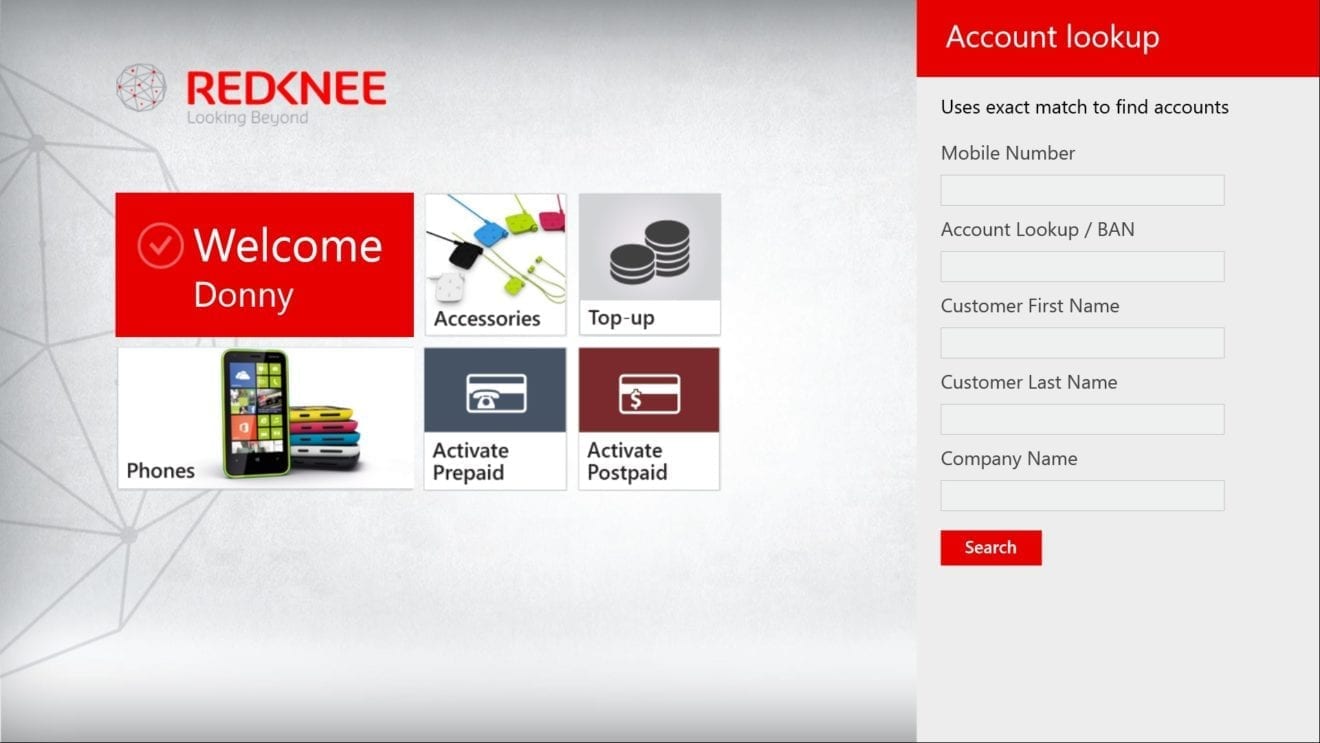
    Omantel, a communication service provider (CSP) in the Middle East, has implemented Redknee Unified, a converged multi-play billing, charging and customer care platform from Redknee Solutions.

    The successful implementation of Redknee Unified transformed Omantel’s IT infrastructure across multiple lines of business including mobile, fixed, IPTV, Internet, and cable.

    Redknee Unified reduces time to market and provides Omantel with the flexibility it needs to create new product offerings and connect with different customer groups to generate greater business value.

    Redknee said the solution is an agile, flexible and scalable real-time converged rating, charging and billing solution that is easy to deploy and which delivers an enriched customer experience across multiple industries including telecommunications, utilities, transportation, connected homes, and IoT.

    By leveraging Redknee’s experience with large scale BSS transformation projects, Omantel was able to consolidate multiple systems and processes onto one platform to create cost savings and operational efficiency.

    Redknee Unified also simplifies price plan configurations across the business and improves competitiveness by offering multi-play solutions that are tailored to Omantel’s customer base.

  • Duterte may break Philippine telecoms duopoly

    Duterte may break Philippine telecoms duopoly

    Philippine president Rodrigo Duterte has threatened to break up the market’s telecoms duopoly if incumbent operators Globe and PLDT do not improve their services.

    Duterte has indicated he may bring in competitors from China unless consumer complaints about poor service quality and slow internet speeds are addressed.

    According to sources quoted in the report, when Australia’s Telstra tried to enter the Philippines market last year, the company was met with a hostile reception from the former Aquino administration, with the company told that the president supports PLDT and Globe and that cases seeking to delay its entry into the market will be filed in court.

    But Duterte has by contrast taken a more antagonistic approach to the oligarchs controlling PLDT and Globe, and is more receptive to disrupting the duopoly.

    China’s state-owned operators are likely to jump at the chance to enter the Philippines market, and if the Philippine Competition Commission blocks the planned sale of conglomerate San Miguel Corp’s 700-MHz spectrum to Globe and PLDT, Chinese operators would have a go-to partner for a Philippine venture.

    Philippine consumers have long complained about the market’s slow internet speeds. Akamai’s recent State of the Internet report measures the Philippines’ average speed at 4.3Mbps, well below the global average of 6.1Mbps.

  • 60 companies apply for MVNO licenses in India

    60 companies apply for MVNO licenses in India

    India’s Department of Telecom (DoT) has published a list of 60 companies applying for an MVNO license in various cities.

    The companies have between them applied for 70 state, city or sub-district specific licenses across 11 of India’s 22 telecoms circles.

    The DoT is offering MVNO licenses under a unified license arrangement, with an entry fee of 75 million rupees ($1.1 million).

    MVNOs seeking to offer services on a pan-India basis will need to pay a 1.5 million rupee license fee and a 10.25 million rupee fee for a national and international long distance license.

    There were no applications for the Bangalore circle and only one each for Punjab, Maharashra, Rajasthan and Tamil Nadu. By contrast, Gujarat received 22 applications, Mumbai received 12, Uttar Pradesh got 11 and there were eight in Delhi.

    Some companies applied for more than one city or circle specific license, with Mumbai’s Telenet Services making seven applications.

    MVNOs will be able to partner with multiple operators, but with the exception of data services, will be able to have only one MNO provider per access service type.

  • ITU Telecom World 2017 to be held in South Korea

    ITU Telecom World 2017 to be held in South Korea

    South Korea’s Ministry of Science, ICT and Future Planning will host next year’s ITU Telecom World conference in the city of Busan.

    The event will take place on September 25-28. It will include an international exhibition designed to showcase new technologies in areas including smart cities, 5G, IoT, automation and AI.

    An accompanying forum will involve high-level discussions exploring the technologies, policies and strategies driving the digital economy, as well as the ICT-related efforts to meet the UN’s Sustainable Development Goals.

    In addition, the annual ITU Telecom World Awards will recognize innovation in ICT solutions with social impact from companies of any size, from SMEs ranging up to large corporations.

    “The Republic of Korea has been a terrific partner of ITU for many years,” ITU secretary-general Houlin Zhao said.

    “Busan will be a great setting for ITU Telecom World 2017 to continue our mission of promoting cross-sector partnerships in ICTs to achieve the Sustainable Development Goals.”

    ITU Telecom World 2016 will take place in Bangkok on November 14-17.

  • Nepal Telecom’s 4G application approved

    Nepal Telecom’s 4G application approved

    State-owned operator Nepal Telecom has become the nation’s first operator to secure approval to deploy a 4G service.

    Regulator the Nepal Telecommunications Authority has asked the operator to submit a detailed 4G  rollout plan before the license is formally issued.

    The proposal will need to include a detailed work plan, including the location and date the operator plans to use to commence the service.

    Nepal Telecom has previously indicated that the operator plans to roll out services within two months of securing approval.

    But the regulator has deferred the decision whether to approve the allocation of a license to private operator Ncell due to undisclosed reasons.

    As expected, the application of a third 4G hopeful, Smart Telecom, has been rejected due to failing to meet certain required criteria.