Tag: video

  • Netflix pauses streaming in Russia indefinitely

    Netflix pauses streaming in Russia indefinitely

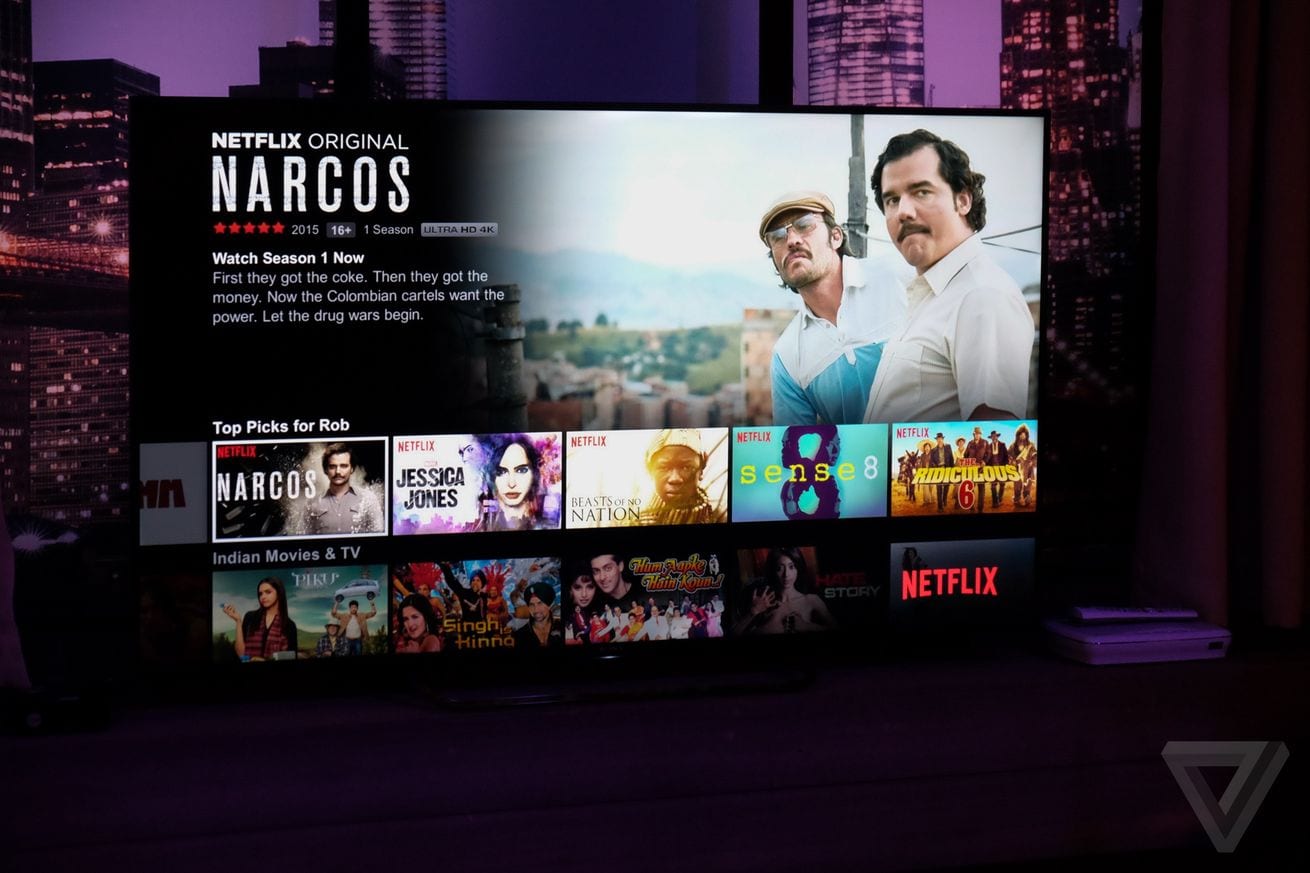
    Netflix is the latest giant to take a stand in the Russia-Ukraine crisis, as the company announced last night that it is cutting off all of its streaming services to Russia. This is certainly no small decision, as Russia makes up nearly one million of Netflix’ massive 222,000,000 user base.

    Тhe decision was made public on Sunday, March 6, when the company announced that “Given the circumstances on the ground, we have decided to suspend our service in Russia.” While Netflix is still allowing current Russia-based subscribers to enjoy the streaming services until the end of their billing cycle, starting March 7, nobody will be able to sign up for a new membership within the country.

    This isn’t the first move Netflix has taken to make its position in the ongoing crisis clear. When Russia first began to invade Ukraine, Netflix immediately put a stop to all four of the Russian-language series it had been working on—all of them significant investments that had already reached mid- or post-production.
    One of them was the much-anticipated first-ever Russian Netflix original series, a neo-noir drama and mystery series called “ZATO.” After dropping all production work on ZATO, Netflix said it doesn’t plan to create any new Russian content indefinitely.
    Netflix is also far from the only company in the Big Tech that took such a drastic step against Russia in the current crisis. Other companies that have taken measures to sanction Russia in favor of war-torn Ukraine include Apple, Facebook, Microsoft, Google, TikTok, Intel, and AMD—and others are sure to follow suit.
    Plenty of streaming companies have joined in the fray alongside these tech giants as well; Disney, Paramount Pictures, Universal Pictures, Warner Bros, and Sony have all put new film releases in Russia on hold for an undetermined period of time.
    It is still unclear how Netflix’s decision to boycott Russia will impact its stock prices. Last month, the company reported a massive drop in Netflix’ stock value, to the disappointment of investors, despite recent U.S. price hikes and new original releases.
  • Disney officially introduces its cheap, ad-supported plan

    Disney officially introduces its cheap, ad-supported plan

    It’s been less than a day since reports about a possible Disney+ ad-supported plan emerged, and the US streaming service made it official. Although it’s not yet available, at least we now know Disney+ will eventually introduce a cheaper, ad-supported subscription this year.

    In a statement published today, Disney+ announced plans to expand its offerings by launching a subscription supported by ads in addition to its option without ads, beginning in the United States in late 2022, with plans to expand globally in 2023.

    Unfortunately, Disney left out a crucial piece of information from the announcement: price. The company promised to provide more details, including launch date and pricing at a later date, so we’ll just have to wait until it figures it out.

    The reason behind the addition of such a cheap ad-supported plan is to gain more customers. Today’s announcement mentions that the plan is meant to allow Disney+ to “achieve its long-term target of 230-260 million subscribers by FY24.”

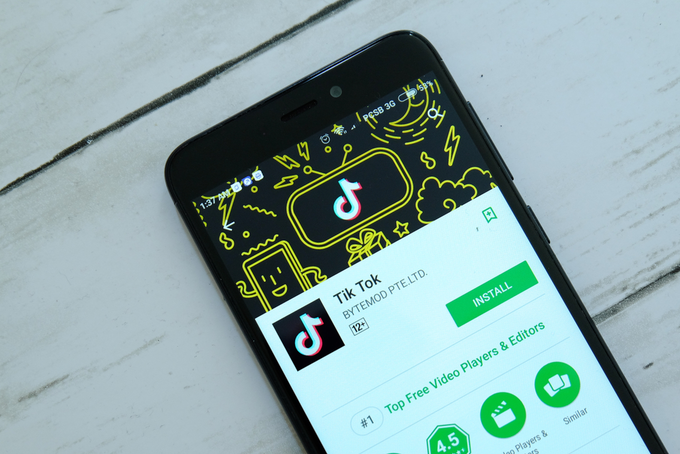
  • TikTok expands its maximum video size to 10 minutes in possible challenge to YouTube

    TikTok expands its maximum video size to 10 minutes in possible challenge to YouTube

    The length of videos created on the platform can now run as long as 10 minutes which more than triples the previous maximum length for videos recorded on the app. Last July TikTok raised the limit on video length to three minutes from 60 seconds. So in less than one year, TikTok subscribers went from recording videos no longer than 1-minute to recording videos that run as long as 10 times that length.

    We aren’t sure that we can continue to call TikTok a short-form video app with the new expanded 10-minute maximum video length. But with the longer recording capabilities available to TikTok creators, users now have a reason to spend more time in the app, watching videos. The Wall Street Journal says that according to people familiar with the matter, ByteDance told some unnamed people back in January that TikTok took in $4 billion in ad revenue for 2021.

    TikTok has over 1 billion monthly active users who receive short-form videos that are sent to their TikTok feed thanks to an algorithm that matches subscribers’ interests with the subject of the videos sent to their feeds. Social Media consultant Matt Navarra made an interesting point when he sent a tweet that said, “TikTok creeping in on YouTube territory. I can now upload videos up to 10 minutes long.”

    Navarra’s tweet included directions from TikTok about the update and it told users to make sure that they have downloaded the latest version of the TikTok app before setting out to record content as long as ten minutes. In a statement, TikTok said, “We’re always thinking about new ways to bring value to our community and enrich the TikTok experience.”

    “Last year, we introduced longer videos, giving our community more time to create and be entertained on TikTok,” the statement continued. “Today, we’re excited to start rolling out the ability to upload videos that are up to 10 minutes, which we hope would unleash even more creative possibilities for our creators around the world.”

    Last August, we told you that TikTok was working to increase the cap on video length to 5 minutes or longer which would have been a 67% hike from the 3 minutes that TikTok was allowing at the time. While the tipsters were right about what ByteDance was working on, they were wrong about how much longer users would get to record their content.

    Content created on TikTok includes dancing, lip-syncing, singing, comedy, and more. But where the extra time really comes in handy is with video tutorials that viewers might be able to watch in full without having to watch it in different parts. For example, a TikTok video showing users how to explain baseball’s complex “Infield Fly Rule” might take just one long 10-minute video to explain instead of forcing users to view three or four shorter clips instead.

    While Social Media consultant Navarra mused about TikTok quietly making a move on YouTube, the former has a long way to go to come close to YouTube’s advertising revenue. Google’s streaming video app took in $28.8 billion in revenue last year, more than seven times the amount that TikTok did.

    Still, YouTube felt threatened enough by TikTok that it created a short-form video service of its own called YouTube Shorts. Other social media apps went after TikTok including Instagram which launched its short-form Reels feature in 2020. Facebook and Snapchat also developed their own short-form video platforms in an attempt to attract TikTok users and convert them to their own video apps.

    The new 10 minute video recording cap will start rolling out to TikTok users worldwide during the upcoming weeks. Users will receive a notification when the update containing the new cap is available to be downloaded.

    You can download the TikTok app for Android and iOS from the Google Play Store and the App Store respectively. TikTok remains one of the most downloaded apps in the world.

  • Twitter is testing the option to change video playback speeds

    Twitter is testing the option to change video playback speeds

    Twitter announced that it is testing a new option for changing the playback speed of a video, which is just like the playback option on YouTube, Netflix, and other video platforms.

    In the tweet from Twitter, we see that the new playback option may appear as a gear icon on top of the currently playing video. When tapped, a menu would appear with speed options varying from 0.25x to 2x, making it exceptionally useful for people who don’t have much time to watch videos or for people who need to slow the playback for some reason. Twitter also mentioned that the available speeds might differ based on whether you are watching the video on Android or the web.

    Currently, Twitter’s playback option is only available on the Android and web versions of the platform, and only certain people have access to it. In the future, the test option will be available for iPhones as well, and at this time, there is no information on when we could expect Twitter to make the new feature available for every Twitter user.

    The playback option would be available on ‘Tweet Videos, Amplify Videos, Voice Tweets, videos in DMs, and Video Live Replays, depending on their platform.’

    I was curious to see if I was one of the users who have access to the new playback speed option, and I indeed have a gear icon when I open a video on Twitter. When I click on the gear button, however, I only find playback speed options ranging from 1x to 2x in the browser version of Twitter and 1x to 1.75x with 200% as the maximum option in the mobile app of the platform.

  • YouTube for Android gets new look in fullscreen mode

    YouTube for Android gets new look in fullscreen mode

    The YouTube app for Android is receiving a new look starting today when videos are viewed in fullscreen. If you turn your phone into landscape mode while viewing a YouTube video and press pause, you’ll notice something new. On the bottom of the left side of the display, there are thin outlines of new icons that allow you to like the video, dislike it, comment about the video, add it to a playlist, or share it with someone else.

    On the bottom right of the fullscreen view is an icon showing multiple videos in fullscreen mode alongside the words: “More Videos, Tap to see all.” When you tap on it, a carousel surfaces to show other videos that you might find interesting. The video timeline is moved a little higher and the three-dot settings icon on the upper right corner is turned into the gear icon used to represent the settings menu on several other apps (although that change was made for both the landscape and portrait modes of YouTube).

    Lastly, tapping on the small upside-down pointer, triangle, or chevron (whatever you want to call it) next to the title of a video will bring up the description of it with the number of likes, the number of views, and the date that the video was first posted on YouTube. This is where some videos will have a written description and some will be broken down by chapters making them easier to navigate.

    The new fullscreen UI for YouTube has been rolling out today from Google to Android users while iOS users will have to wait for the new look UI.

  • Netflix indirectly confirms Exynos 2200 launch with Galaxy S22

    Netflix indirectly confirms Exynos 2200 launch with Galaxy S22

    The release of Samsung’s latest flagship series, the Galaxy S22 family, is just around the corner. This fact alone guarantees an increasing influx of leaks as the day approaches, and the latest one comes in the form of Netflix indirectly confirming the Exynos 2200 chipset in the Galaxy S22.

    Netflix has always kept a detailed list of specific chipsets, as well as mobile devices, that are supported by the streaming platform—and an Exynos 2200 has just been added to the mix, as XDA Developers reports.

    As far as we already knew, the Korean tech giant has been long in developing the Exynos 2200 processing chipset especially for use in the Galaxy S22 series, and Netflix has already more or less confirmed this fact. We can be sure that we’ll see the new chipset debut with the new series now, without fear of chip shortage-induced delays postponing the chip to a further generation.

    If Samsung keeps to tradition, the versions of the S22 series equipped with the Exynos 2200 processor will be available all throughout Europe, while the models sold in United States, China, and India will be “stuck” with the powerful Snapdragon 8 Gen 1 chipset.

    While the United States certainly aren’t getting the short end of the straw in this case, Verizon has been pressuring Samsung for the Exynos 2200 version for a while now. And if Samsung concedes, this means U.S. citizens will also have access to the revolutionary ray-tracing technology in the in-house chipset, which is a first in the industry.

    The release date of the Samsung Galaxy S22 has been officially set for February 9, and the company has even opened a “reserve” option for users who want to get their hands on Samsung’s latest and greatest. Reserving a model before the big day also guarantees you a $50 credit towards accessories.

    As for a quick refresher on the specs, the new series will pack displays ever so slightly smaller than the S21 series. The base model will have 6.1 inches of screen real estate, the middle model will have a 6.6-inch panel, and the Ultra will be a 6.8-inch giant—same as the S21 Ultra, in fact.

    The Galaxy S22 Ultra is rumored to be more akin to the Galaxy Note series than any S-series predecessor, packing an S Pen slot as well as a curved display. Remember, the S Pen is a defining characteristic of the productivity-oriented Galaxy Note family, and it will be more than interesting to see it with this top-of-the-line flagship.

    The Galaxy S22+, on the other hand, promises the perfect middle ground for the average user, who wants Ultra-level power and features, along with a much lighter and more compact form factor. Because let’s face it: the S Pen slot will add a very noticeable difference in girth and weight to the top model.

    As for the S22 batteries, they are known to be getting significant downgrades in terms of capacity—a fact which has left us questioning whether it will be truly compensated by the boost in more efficient and less power-hungry new chipset. According to reliable sources, the three models are expected to feature 3,700 mAh, 4,500 mAh, and 5,000 mAh batteries, respectively.

    We already know about the Exynos 2200 and Snapdragon 8 Gen 1 chipset situation, so that leaves the S22 cameras. The S22 Ultra will feature a quad-camera setup with a 108MP main shooter, two 10MP telephoto cameras, and a 12MP ultra-wide lens.

    The Galaxy S22 and S22 Plus, on the other hand, will feature identical triple-camera setups with a 50MP main camera, a 12MP telephoto with OIS stabilization, and a 12MP ultra-wide.

    As per most leaks, it appears all the S22 models will keep more or less the same design as their S21 counterparts—save, of course for the deviant S22 Ultra.

  • TikTok testing new Video Avatar Tools, audio-only live streams, and more

    TikTok testing new Video Avatar Tools, audio-only live streams, and more

    TikTok is testing a couple of new features, and thanks to social media expert Matt Navarra (who has a great track record of revealing them) we have some inside information on how they look and what they actually do.

    TikTok experimental features at a glance:

    1. Video Avatar Tools
    2. Keyword filtering
    3. Group Chat shareable link invite
    4. Audio-only live streams
    5. Screen sharing in live

    1. Video Avatar Tools

    The first new feature is very similar to Apple’s Memoji, and will allow users to create a digital avatar based on a selfie shot. First you’ll need to choose a face template, which you would be able to subsequently edit with expressions based on your own face.

    “The feature lets you use your phone’s camera to take a selfie with a fun facial expression which your avatar will match,” wrote Navarra on his Twitter page.

    The screenshots, posted by Navarra, don’t explain the exact way this feature works, and whether it would be capable of tracking and mimicking your face in real time, or it would only be able to pre-record short video avatars/still images.

    2. Keyword filtering

    There’s also an interesting keyword filtering feature in the works, apparently. Contrary to the way most filtering options work, the TikTok keyword filtering will allow you to hide content from your feeds.

    Adding a keyword or hashtags to your filter will result in videos containing these words in the description or stickers not showing in your For You page or Following feeds. Advertisement containing these “filtered” keywords may still appear, though.

    3. Group Chat shareable link invite

    Also in the code, dug up by Navarra, lies a string suggesting that a new Group Chat feature is being developed. TikTok users will have the option to invite people to a group chat via a shareable link.

    TikTok has a Group Chat feature but you need to manually invite people by sending a video or creating a group chat in inbox and selecting the users you want to invite. The shareable link invite feature simplifies the process.

    4. Audio-only live streams

    TikTok is experimenting with the option to allow users to join live streams with audio-only, trying to hop on the Clubhouse train, even though the popularity of the app and all of its clones has plummeted in recent months.

    Twitter Spaces is a recent example and the company recently rolled out a new feature called Record and Replay, allowing users to record their conversations and make them available for anyone who wants to listen at a later time.

    5. Screen sharing in live streams

    This one is pretty interesting, as per the code: “Screen sharing allows viewers to see what’s on your screen in real time, including camera, audio, notification, and other alerts.”

    The ability to share your screen with friends will give TikTok creators new tools to enhance their material, new ways to make tutorials, and make live streams more interesting in general.

    TikTok provided an official statement to SocialMediaToday, shedding light on the idea behind these new experimental features:

    “We’re always thinking about new ways to bring value to our community and enrich the TikTok experience. Currently, we’re experimenting with ways to give creators tools to express themselves on TikTok.”

  • New report hints at the potential power of Apple’s upcoming AR/VR headset

    New report hints at the potential power of Apple’s upcoming AR/VR headset

    Apple’s first genuinely new product in a while is expected to see the light of day in the second half of 2022, and it is the alleged AR/VR headset. The rumor mill has been spilling out all kinds of reports and rumors about the device, one of which reveals Apple’s intent for its implementation.

    More recently, a new report from the well-known and respected tech analyst Ming-Chi Kuo pulls the curtains yet even more. He claims that the headset will be powered by the same 96W USB-C power adapter that comes with the MacBook Pro.

    At first glance, this piece of information might seem boring or even unworthy of being mentioned. However, it could be a showing sign of the power that stands behind Apple’s mixed reality wearable product. Previous rumors say that it will be rocking a Mac-level computing power, which would explain the big power adapter.

    To be more precise, Kuo has stated that there will be two processors that will contribute to the headset’s capabilities: a 5nm chip and a 4nm one, supposedly manufactured by TSMC. He also says that one of the chips will be similar in performance to that of the M1 SoC, while the other will be responsible for all the sensors.

    Needless to say, this first iteration will likely be a very niche product, going for insane amounts of money and reserved for the early adopters and developers. That is why Apple is said to make only a small number of them for 2022.

    That being said, Kuo predicts that the next generation will enter the market with a more competitive price point and slowly become more affordable and available. Tim Cook, Apple’s current CEO, has expressed a tremendous interest in the technology. Significant amounts of investments are being made in both VR and AR, so both are probably here to stay and have some part to play in the future

  • Photo shows that Google is testing Material You design for Android’s YouTube app

    Photo shows that Google is testing Material You design for Android’s YouTube app

    Some new buttons that Google is testing for the Android version of the YouTube app point toward the release of a Material You update for the popular video streamer. According to Google, Material You is “a radical new way to think about design. Material You will transform design for Android, for Google, and for the entire tech industry.”

    New look for YouTube buttons currently being tested hints at Material You update for YouTube in the near future

    The Google News-Telegram group has posted a photo revealing that Google is testing a new look for the row of buttons found under a YouTube video that appears to have been taken from the Material Design 3 guidelines that Google released in October. The revised Material You look adds pill-shaped buttons under the video. One button shows the combined number of likes and dislikes. Three weeks ago, Google did away with showing the number of dislikes that YouTube videos have garnered in order to protect their creators.

    You might notice that the text revealing the title of each button is now placed next to the icon instead of underneath it which forces the bar to be longer. It isn’t known just yet when Android users can expect to receive the new button design which would be the first sign of an impending Material You update for the app.

  • Spotify is testing a TikTok-like video feed

    Spotify is testing a TikTok-like video feed

    Spotify wants to become more TikTok-like… sort of. Apparently, the music streaming service is testing a new feature called Discover for its app. The feature will allow artists to post vertical videos to their songs and allow listeners to discover new songs more easily.

    The new Spotify Discover feature was spotted by Chris Messina in the music app’s latest iOS TestFlight beta version. The new Discover button is located between the Home and Search buttons. When you Discover, you are presented with a TikTok-style video feed of artists and their songs. You can like the song by tapping on the heart icon or hitting the three-dot button for more information.

    Spotify declined to comment on whether the new feature will make it into the official version of the app or if it will be ditched entirely. A spokesman for the streaming service gave the following statement:“At Spotify, we routinely conduct a number of tests in an effort to improve our user experience. Some of those tests end up paving the way for our broader user experience and others serve only as an important learning. We don’t have any further news to share at this time.” – Spotify spokesperson.

    The new Discover feature could prove very useful for artists as it will allow them to add a visualization to their songs without the need for an expensive music video. The feature will also allow Spotify to differentiate itself more from its biggest competitor, Apple Music, as the latter doesn’t have a video feed section.

    A couple of artists have already made vertical music videos in the past. For example, back in February and April of 2019, British singer MARINA published vertical videos for her songs Handmade Heaven and Orange Trees, which ere posted on all social media, taking advantage of the smartphone form factor. Later, Billie Eilish jumped on the new trend as well. The American music artist posted a vertical video of her hit song Bad Guy in August of 2019.

    If Spotify indeed adds the new Discover section to its app, vertical music videos could become mainstream. If that happens, Apple will probably add a similar feature to its music streaming service too.

    Spotify isn’t the first popular app to work on a TikTok-like video feed. Instagram introduced a very similar feature in its app called Instagram Reels. YouTube also introduced its own version of a vertical video feed called YouTube Shorts.

    Both Reels and Shorts proved to be quite successful, and it isn’t surprising that other big companies want to add similar features to their apps. Netflix also recently introduced a video feed to its app containing comedy content. The new Netflix feature is called Fast Laughs.

  • Netflix games to avoid breaking App Store rules by getting launched individually

    Netflix games to avoid breaking App Store rules by getting launched individually

    After months of testing and controlled releases, Netflix finally released its mobile games library to Android users worldwide on November 2. Unfortunately, the iOS version of the app is yet to receive this new addition of entertainment choice. At the very least, Netflix did let us know that the feature is also coming to iOS.

    In truth, there might be a good reason Netflix games arrived on Android sooner than iOS, and that could very well be the App Store strict rules. With Android, there is a new tab dedicated to the game library. When you choose a game you want to play and tap on it, you are taken to the Play Store to download the app. After a quick sign-in with your Netflix account, you are set to go.

    In the iOS version of the Netflix app, however, likely, we will not see a dedicated game library tab since the App Store rules do not allow it.

    A developer named Steve Moser told Bloomberg that Netflix is planning to release each of its games individually in the App Store. He got to this conclusion after digging inside the Netflix app code. Each title will have to be downloaded separately from the Netflix app. Then, just like with the Android version, you sign in with your account and start playing.

    While this solves the App Store guidelines problem for Netflix, it is not a best-case scenario either. Even though not having a dedicated games tab might seem like a tiny nuisance, it breaks the seamless experience within the ecosystem, which Netflix is trying to build right now. On the other hand, this might not have to continue for too long, as Apple is still getting a lot of pressure regarding the App Store’s guidelines.

  • Skype takes the first step toward greatness, new update released

    Skype takes the first step toward greatness, new update released

    Microsoft revealed last month a large plan to rehabilitate Skype and bring it on par with other instant messaging apps. A bunch of new features has been confirmed to be delivered to Skype in the coming months, but no roadmap has been unveiled.

    Today, Microsoft announced a new Skype version is making its way to Android and iOS devices. The update adds several important new features and improvements that many users have been expected for quite a while.

    First off, Skype on the Web can now be used on an Android phone or tablet. Background blur for Skype on the Web video calls is now available for all users, as well as support for audio calls in Mozilla Firefox.

    The camera function on Skype for iOS has been updated to take full advantage of Office Lens. Improvements have been made to the Meet Now flow too, while issues with video rendering on mobile have been fixed.

    The update also adds the ability to pin participants to the active call stage. Last but not least, expect some visual changes meant to modernize Skype’s look. The new features and improvements are rolling out gradually over the next couple of days, so if you don’t see them right away, check again after a while.

  • Netflix brings its thin mobile games library to all Android users

    Netflix brings its thin mobile games library to all Android users

    Netflix is pretty serious about games and while the company doesn’t have a pedigree when it comes to this part of the entertainment industry, it needs to start somewhere if it wants a seat at the big revenue earners’ table.

    After testing its games service in selected regions, Netflix announced today that its entire catalog of games is now available for all Android users who pay for a Netflix subscription. Although the library is quite thin, we’re promised more titles in the future.

    Starting today, Netflix subscribers can play five mobile games: Stranger Things: 1984, Stranger Things 3: The Game, Shooting Hoops, Card Blast, and Teeter Up. It’s important to mention that these games don’t feature any ads, additional fees and in-app purchases, so all you need is a Netflix subscription.

    Netflix subscribers will see a dedicated games row and games tab on their Android devices where they can select any game to download. These games can be played on multiple devices on the same account. Keep in mind that some games may require an internet connection, but there are some that you can play offline.

  • YouTube adds ‘continue watching’ feature to mobile

    YouTube adds ‘continue watching’ feature to mobile

    YouTube is once again testing out a new feature, and this one isn’t only for Premium users, but seems to be slowly making its way across the platform to all. In a bid to further enhance video watching continuity across devices, the YouTube platform is introducing a new “continue watching” feature for Android and iOS mobile devices.

    A feature like this already exists on the web version of YouTube (shown below), which allows users to continue watching a video from where they last left off, even after getting off the computer and using YouTube on mobile in between.

    YouTube is already the second most popular “social media” app—ranking second only to Facebook across the globe, and beating out WhatsApp in active user count. YouTube is the place where you can get lost in videos of every genre imaginable, from science and educational videos to video game streams, conspiracy theories, keeping up with your favorite vloggers, and the list goes on.

    And because of its widespread popularity, it’s only natural that the video app provides no less than a streamlined watching experience across all platforms it is used on.

    Once the new “continue watching” feature rolls out to your own handset, this will mean that even if you were watching a YouTube video on your laptop and your battery dies, or you have to go somewhere, you are able to whip out your phone at any time, open the YouTube app, and you will see the mini-player at the bottom, allowing you to open up the last YouTube video you never finished. It will start playing at most a couple of seconds back from where it dropped off, on whichever device played it previously.

    Naturally, in order for your mobile YouTube app to be able to sync your watched videos between various devices, you need to make sure you are logged into the same Google account on your computer, tablet, and phones.

    The “continue watching” feature for YouTube on mobile is no longer in beta phase, either, so although we don’t know exactly how YouTube is going about rolling it out, you can likely expect it to hit your phone anytime in the coming weeks.

  • Apple fans have their minds blown by Intel in new video

    Apple fans have their minds blown by Intel in new video

    When Apple decided to use its own “Apple Silicon” on Macs replacing Intel processors, Intel was not happy. Today, Intel got back at Apple by posting a series of videos showing how Apple fans can be tricked into thinking that innovations created by Intel were discovered by Apple. In the first video called Breaking the Spell, a moderator named Kevin meets with Apple fans (“I’m an Apple girl in an Apple World,” says one) for some one-on-one discussions.

    Kevin has these Apple fans watch a video that they believe is about to show off a new Apple product. The video shows a chip called CPU Pro and on the screen, the video says, “Systems you can customize,” “Laptops you can upgrade,” and “Now you’re in control.” The Apple fans watching the video shake their heads up and down. This is what they have all been wanting.

    The moderator captures the attention of the Apple fans by asking them whether they would be interested in a device that plays over 57,000 different games effortlessly. He then shows an animation of a laptop with two 4K touchscreens. And if the laptop could fold into a tablet, that would be even better, the Apple fans said. “I would like to have my iPad and my laptop combined,” said one.

    Kevin goes out of the room and brings back a two-in-one laptop/tablet. “That kind of eliminates the need of an iPad,” one Apple fan says. The moderator then asks, “What if I told you that everything we’ve been talking about today is available now?” But Kevin then reveals, “But this was not Apple. That is a PC powered by Intel.”

    When the group hears that it was Intel, not Apple, that was behind the device that had just seen, they are stunned. Some laughed, others said, “Really” in disbelief. Several were ready to whip out their credit cards right away. The tag line: “When you break Apple’s spell the choice becomes clear.”

    Intel released the video on Monday and titled it a social experiment. You might recall that Apple was about to use a new 5G modem chip developed by Intel until it reached a settlement wiping out litigation between Apple and Qualcomm. As a result, Apple is able to stuff Qualcomm’s 5G modem chip inside both the iPhone 12 and iPhone 13 series. Eventually, though, Apple plans on designing its own 5G modem chips.

    In July 2019, Apple purchased most of Intel’s smartphone modem chip business for a cool billion dollars. And this past summer, roughly two years after it bought Intel’s smartphone modem chip operations, prescient TF International analyst Ming-Chi Kuo said that by as early as 2023, Apple might be ready to use its own 5G modem chip for the handsets that would make up the iPhone 15 line.

    Losing this business would be a terrible blow to the pocketbook for Qualcomm since the latter cannot make up for the loss of this business by designing Apple’s AP chips. Apple does that itself while having the chipset built by TSMC. Kuo said that Qualcomm might be forced to enter new markets in order to compensate for losing Apple’s 5G modem chip business for the iPhone.

    Even if Apple does start including a 5G modem chip that it designed itself with the iPhone 15, some older models that could still be in production would continue to use Qualcomm’s 5G modem chips. If for some reason you are unaware, Apple started offering 5G connectivity on the iPhone with the 2020 iPhone 12 series.

    This year, Apple started replacing Intel processors on Macs with the M1. This is a powerful chip designed by Apple and is built by TSMC using the 5nm process node. It contains a whopping 16 billion transistors.