Retail News CRM

Tag: video

  • Foreign streaming firms earn $43 mln in Vietnam, pay no tax

    Foreign streaming firms earn $43 mln in Vietnam, pay no tax

    Foreign streaming companies like Netflix and Apple TV have earned combined revenues of nearly VND1 trillion ($43 million) so far but have not paid any tax on them.

    Minister of Information and Communications Nguyen Manh Hung said the figure was arrived at from the fact they have one million subscribers.

    “Vietnamese companies have to abide by tax and content regulations while foreign firms do not pay tax and do not follow the laws, which is unfair competition,” he said at a National Assembly Q&A session Tuesday.

    There are 35 local TV and Internet streaming companies with 14 million subscribers.

    Some foreign companies have flouted regulations related to the history and sovereignty of the country, violence, drug use, and sex, Hung said.

    U.S.-owned Netflix said in a statement last month it was working with Vietnamese authorities to set up a mechanism for tax collection.

    The Cybersecurity Law requires all foreign businesses which earn an income from online activities in Vietnam to store their data in the country, but Netflix is unwilling to place its servers locally or open an office in Vietnam.

    Other Southeast Asian countries have also been making moves to tax Netflix and other Internet giants. Indonesia imposed a 10 percent value-added tax on sales on technology firms including Amazon, Netflix, Spotify, and Google in July, while Singapore has since January required subscribers to Netflix and other overseas digital services to pay a 7 percent goods and services tax.

  • Zoom lied about using end-to-end encryption and is lightly spanked by the FTC

    Zoom lied about using end-to-end encryption and is lightly spanked by the FTC

    Announced on Monday, a settlement between video conferencing app Zoom and the FTC revealed that since 2016, Zoom had been lying about providing ‘end-to-end, 256-bit encryption’ to protect the security of users’ communication. The truth was that Zoom was actually giving users a lower level of security. As the FTC said on Monday, “Zoom maintained the cryptographic keys that could allow Zoom to access the content of its customers’ meetings, and secured its Zoom Meetings, in part, with a lower level of encryption than promised.”

    The FTC complaint chronicles the rapid growth of the company. In July 2019 it had 600,000 paid subscribers and 88% of its paid subscribers were small businesses with 10 or fewer employees. By December of 2019, 10 million people around the world were participating in a Zoom chat daily. And by the time COVID-19 hit the U.S. big time in April 2020, the number of people around the globe participating on a Zoom chat everyday had skyrocketed to a whopping 300 million.

    During this amazing period of growth, Zoom made various representations about the strength of its security measures. On its websites and in its security guides Zoom said that it takes “security seriously,” that it “places privacy and security as the highest priority.” Zoom also made it known that “it is committed to protecting your privacy.” Since 2016 Zoom has been making claims that its chats offer end-to-end encryption. One way that it did this was by placing an icon of a green padlock in the top left corner of a Zoom Meeting. When a user hovered near the icon, he or she would see a popup that read “Zoom is using an end-to-end encrypted connection.”

    But as the FTC notes, “Zoom did not provide end-to-end encryption for any Zoom Meeting that was conducted outside of Zoom’s Connector product. On a blog post written by Zoom’s Chief Product Officer, the company finally admitted that “while we never intended to deceive any of our customers, we recognize that there is a discrepancy between the commonly accepted definition of end-to-end encryption and how we were using it.” The FTC also noted that the claim made last year by Zoom that its recorded meetings were stored encrypted as soon as the Meeting was over simply was not true. As it turns out, recorded Meetings were kept in Zoom’s own server unencrypted for up to 60 days before they were transferred to Zoom’s secure cloud storage where they were stored encrypted.

    The Democrats on the FTC panel are not happy about the settlement since they feel that it does not punish Zoom enough for its lies. Democratic Commissioner Rebecca Kelly Slaughter said, “Zoom is not required to offer redress, refunds, or even notice to its customers that material claims regarding the security of its services were false. This failure of the proposed settlement does a disservice to Zoom’s customers, and substantially limits the deterrence value of the case.” However, Zoom does face lawsuits from customers and investors and these could result in the company being ordered to make financial restitution to those who were hurt by the firm’s dishonesty.

    The proposed settlement that Zoom has agreed to includes beefing up its security including the use of multi-factor authentication as a way to prevent unauthorized access to the Zoom network. The settlement is open for the public to comment on it for 30 days; once that time is up, the Commission gets to vote on making it final. The 30 days begins once the settlement is published in the Federal Register. Zoom will have to notify the FTC if there are any data breaches. All software updates will need to be examined by Zoom for any security flaws. And a third-party will need to sign-off on Zoom’s security program once the settlement is finalized and for every two years after that for a total of 20 years.

  • No plans for Netflix office, servers in Vietnam at this time

    No plans for Netflix office, servers in Vietnam at this time

    Netflix does not have plans to open a representative office or place servers in Vietnam, but said it is working with authorities to meet tax obligations.

    The U.S. streaming giant said in a statement Friday that it is for governments to decide the rules on tax, and Netflix complies with applicable laws, but these do not require the company to open a local office, nor to place servers locally.

    It is “supportive of the implementation of a mechanism that will make it possible for foreign service providers like Netflix to collect and remit taxes in Vietnam,” it said.

    A mechanism for this does not currently exist but should be set up in the near future, and it is discussing best practices with the authorities to make it practical for all, it added.

    In other markets where it does not have a local office, it is still able to contribute to growth, remit taxes and protect consumers through simple offshore registration, it claimed.

    This contradicts what a Vietnamese tax official recently said. Vu Manh Cuong, director of the General Department of Taxation’s inspection agency, said on Tuesday that Netflix had been working with the Ministry of Finance and the tax department to set up a representative office and servers in Vietnam to declare tax.

    The department is working to assess Netflix’s revenues in Vietnam since its entry in 2016 for tax collection, he added.

    The Cybersecurity Law requires all foreign businesses which earn an income from online activities in Vietnam to store their data in the country and file tax returns.

    Authorities had earlier said that Netflix, which has around 300,000 subscribers in Vietnam and collects a monthly subscription of VND180,000-260,000 ($7.75-11.19), has never paid tax in the country.

    Other Southeast Asian countries have also been making moves to tax Netflix and other Internet giants. Indonesia imposed a 10 percent value-added tax on sales on technology firms including Amazon, Netflix, Spotify, and Google in July, while Singapore has since January required subscribers to Netflix and other overseas digital services to pay a 7 percent goods and tax.

  • The world’s last Blockbuster can now be rented for a sleepover on an Airbnb

    The world’s last Blockbuster can now be rented for a sleepover on an Airbnb

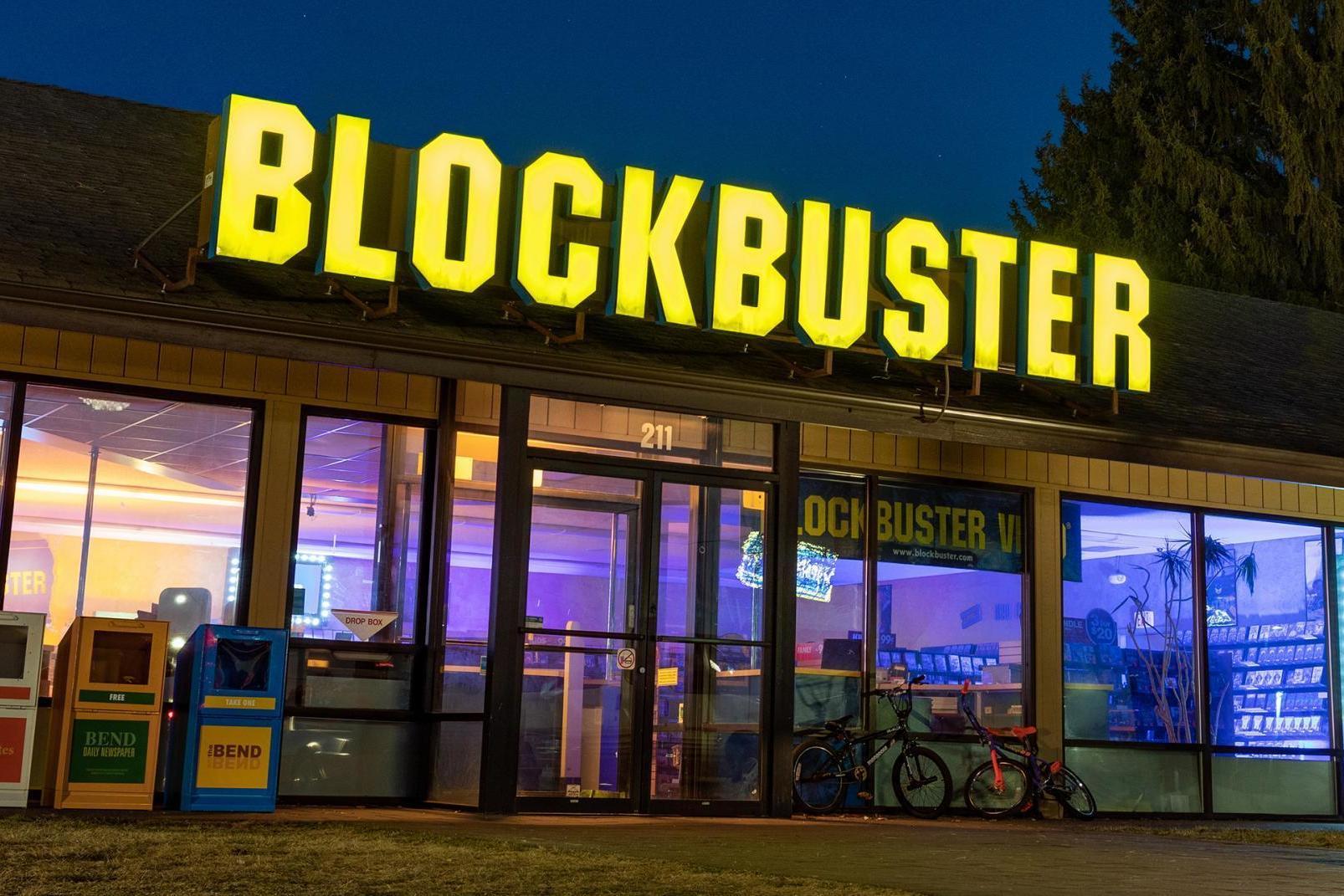
    The manager of the world’s last Blockbuster video rental outlet Sandi Harding is listing the store on vacation rental marketplace Airbnb as an accommodation venue for three nights only.

    The Oregon store will be available for a “90s-themed stay” on September 18, 19 and 20 as a chance to relive the Friday night tradition of video watching during the era. It is open to guests residing in the surrounding Deschutes County, a community that has supported the business ever since the demise of VHS technology.

    Residents of the country will have the opportunity to book a “slumber party” at the Blockbuster store from August 17 at a cost of US$4, just a penny more than the rental cost of a movie. Guests will sleep on a futon under 90s-era blankets set up in front of a large TV. The store shelves will be fully stocked with the store’s complement of movies on tape.

    While the atmosphere of the sleepover in the world’s last Blockbuster store may hearken back 20 years, in at least one respect the mood must necessarily be overshadowed by the 2020 reality of the coronavirus pandemic – guests will need to follow Covid-19 precautions, and overnighters must come from the same family unit to avoid potential cross-infection. The store will be cleaned and prepared in accordance with CDC guidelines and consistent with the Airbnb enhanced cleaning protocol.

    Oregon’s Blockbuster store has been in continuous operation since 2004.

  • Disney+ hits a crucial figure four years ahead of expectations

    Disney+ hits a crucial figure four years ahead of expectations

    The Disney+ streaming service launched on November 12th and after just two weeks we called it “a real threat to Netflix.” While that was met by more than a few skeptics among our loyal readers saying that we jumped the gun, the streamer has gone from strength to strength. According to Today, the House of Mouse released its fiscal third-quarter earnings and announced that as of Monday, Disney+ had 60.5 million paid subscribers. The company’s goal of reaching 60 million to 90 million paid subscribers by 2024 was achieved four years earlier than expected thanks to the pandemic.

    With many families locked inside because of the coronavirus outbreak, Disney+ provided entertainment featuring characters well-loved by parents and their children. And this afternoon, the entertainment firm announced that with movie theaters still closed, the live-action version of Mulan will launch exclusively on Disney+. The film will debut on the site beginning September 4th. However, it will still cost subscribers an additional $29.99 to watch the film on the platform.

    And as if we needed another streaming service in the world, Disney also announced an upcoming new “general entertainment” streamer that will debut next year; it will use the Star brand that Disney acquired from Fox. The streaming content offered by this streamer will include titles from companies already owned by Disney such as ABC Studios, Fox Television, FX, Freeform, 20th Century Studios, and Searchlight. In many markets, the new service will be integrated with Disney+.

    While the most up-to-date numbers show 60.5 million paid subscribers for Disney+, during the fiscal third quarter that figure was 57.5 million while Hulu had 35.5 subscribers. Add in the 8.5 million ESPN+ paid members during the same three months and overall Disney had over 100 million subscribers paying for its streaming services.

    The real test for Disney will come on Disney+’s one-year anniversary. That’s because the initial batch of Verizon’s unlimited subscribers, who receive a free one-year Disney+ subscription, will have to decide whether or not they want to lay out their own money to continue receiving the service. Unlike most things, Disney, Disney+ is actually very reasonably priced at $6.99 per month or $69.99 for a year. Each account can include seven different user-profiles and four can stream on different screens simultaneously.

    While it is obvious that Disney+ includes Disney’s classic animation like Cinderella, the Lion King, and Beauty and the Beast, it also includes Pixar classics like all of the Toy Story films. If you grew up on Disney Channel shows like That’s So Raven, Even Stevens, Hannah Montana, and Lizzie McGuire, they are all on the app as well. And some shows that were broadcast on network television while produced by Disney, such as the very underrated Boy Meets World, make great binge-watching fare. Star Wars fans can view every film from the series and relive the moments when you first met characters like Luke, Darth Vader, R2D2, and Jar Jar Binks. Other Star Wars related titles can be streamed include Disney+’s first breakout hit The Mandalorian which introduced us to the adorable Baby Yoda.

    Marvel fans can turn to Disney+ to watch the Avengers, Iron Man, and Black Panther films. And adventure junkies will surely find content to watch under the National Geographic heading on the app. While the service might not cater to all tastes as Netflix does, you shouldn’t have a problem discovering something to stream on Disney+.

    Discussing the results of its streaming services during the quarter, Disney CEO Bob Chapek said, “Despite the ongoing challenges of the pandemic, we’ve continued to build on the incredible success of Disney+ as we grow our global direct-to-consumer business. The global reach of our full portfolio of direct-to-consumer services now exceeds an astounding 100 million paid subscriptions — a significant milestone and a reaffirmation of our DTC strategy, which we view as key to the future growth of our company.”

    If you have an iPhone, iPad, or iPod touch, you can download Disney+ from the Apple App Store. Those with an Android device can do the same from the Google Play Store. And the app can be loaded on the web at www.disneyplus.com. But be careful. Watch Disney+ for too long and you might start feeling a little goofy.

  • Spotify launches Group Session feature for Premium users

    Spotify launches Group Session feature for Premium users

    Spotify introduced two weeks ago a special premium plan for couples, which allows two users who reside at the same address to get similar benefits for just $12.99 per month. While the new plan does make sense for a certain category of customers, it’s limited by the fact that both users must have the same address to be eligible for the Spotify Premium Duo plan.

    Spotify announced a new feature that will allow multiple Premium users to share control of their listening sessions with others in real-time. Basically, Spotify Premium users will be able to listen together to their favorite tune, regardless of their location.

    Group Session, as Spotify calls it, enables groups of two to five people to use the feature by sharing a “join” link via messaging apps or social media with each other. Initially released in beta back in May, the new Group Session feature is only available to Premium users and lets both host and guests pause, skip, play, and select tracks in the queue.

    Also, Group Session includes the option to add in choices whenever the host or guests feel like. All changes are made instantaneously, so if you want to change add a new song to the list or skip the current one, these actions will be reflected on all participant devices immediately.

    Spotify Premium users can start taking advantage of the new feature by heading to the Connect menu and tapping on the “Start a group session” option. Then, they will be able to share the invite link they get with their friends or have them scan the Spotify code to join the session.

  • HBO Max already has over 4 million subscribers in the US

    HBO Max already has over 4 million subscribers in the US

    HBO Max launched in the United States at the end of May. Today, almost two months later, WarnerMedia parent company AT&T has announced that the streaming service already has over 4 million subscribers.

    Speaking on an earnings call earlier today, AT&T CEO John Stankey revealed to analysts and investors that HBO and HBO Max reached a combined total of 36.3 million subscribers by the end of June.

    Therefore, HBO Max reached its 4.1 million subscriber count in little over a month. The numbers do pale in comparison to the incredible 10 million subscriber count Disney+ achieved in only 24 hours, but the HBO Max feat is impressive nonetheless.

    Roughly 3 million were retail customers while the remaining 1.1 million came from activations through AT&T platforms such as bundle plans. The latter is surprisingly low considering the millions of customers that are eligible for the service.

    WarnerMedia already had 30 million cable customers and HBO Now subscribers that could be moved over to HBO Max at launch. But Stankey revealed the company has had trouble getting people subscribed to cable services over to the service.

    Improving that situation is now an area of focus, the CEO said. The company is also having discussions with Roku and Amazon about getting the streaming service onto their respective Roku TV and Fire TV platforms, which are the two most popular in the US.

    The negotiations aren’t going as smoothly as they could, though. Amazon, in particular, has reportedly taken an “approach of treating HBO Max and its customers differently” than competing services and their respective customers.

    WarnerMedia insists that HBO Max should be launched as an independent app on both Roku and Amazon platforms, but these company want the streaming service integrated into their Channels section like HBO and HBO Now.

    Whatever the outcome, it seems customers will enjoy the service. The amount of time spent inside the HBO Max app is up an impressive 70% compared to HBO Now thanks to the expanded content library.

  • Spotify rolls out video podcasts to free and premium users worldwide

    Spotify rolls out video podcasts to free and premium users worldwide

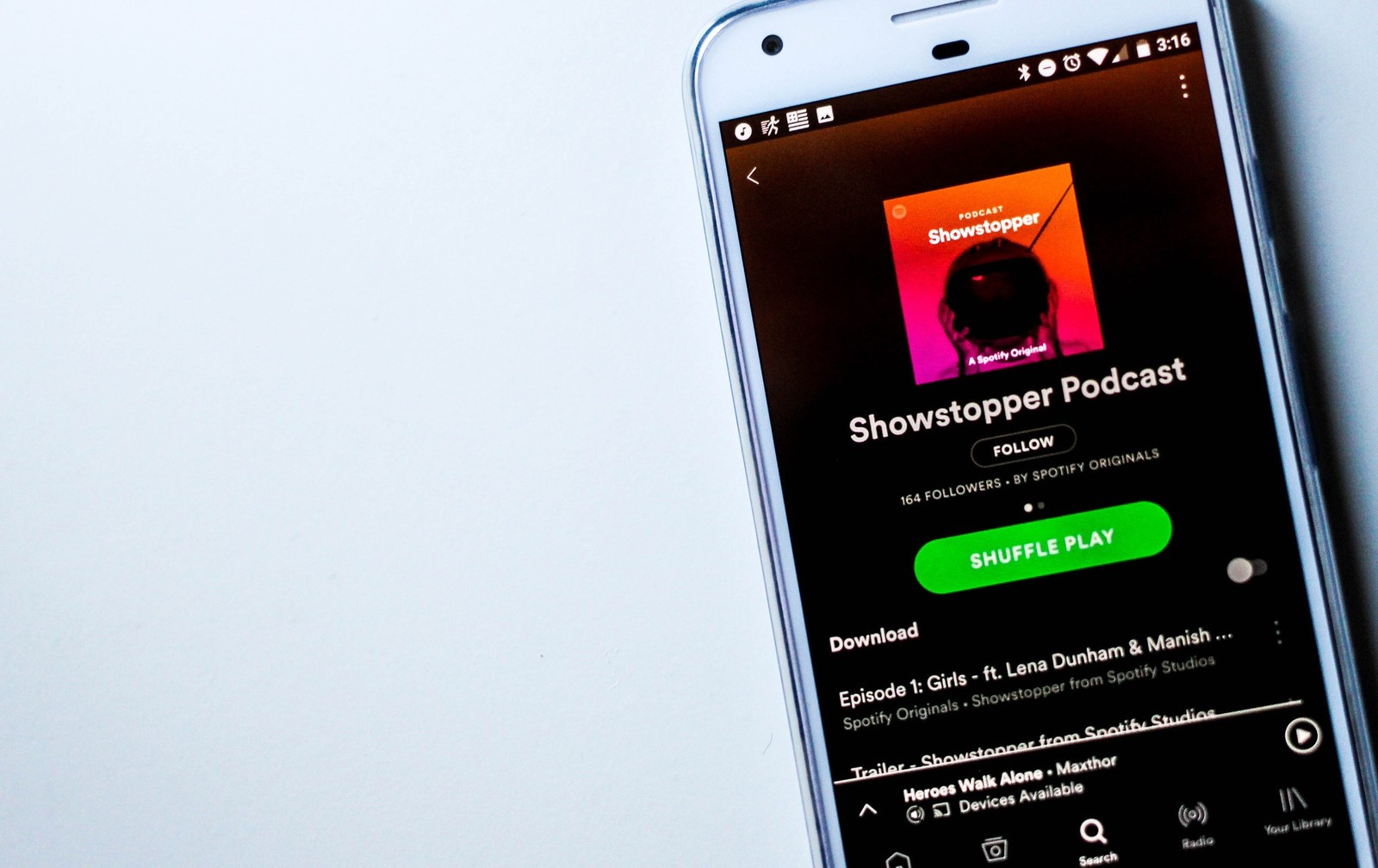
    Podcasts are a thing for several years now, but they only recently blow up. Spotify and other music streaming services are pushing out lots of features related to podcasts, including the option to see the actual podcasters, while listening to them.

    Spotify revealed that it’s now rolling out a new video podcast feature with select podcasts, which will allow both free and premium users to listen to or watch these podcasts. Spotify also highlighted some of the podcasts that will benefit from video integration: Book of Basketball 2.0, Fantasy Footballers, The Misfits Podcast, H3 Podcast, The Morning Toast, Higher Learning with Van Lathan & Rachel Lindsay, and The Rooster Teeth Podcast.

    Regardless of whether you’re using an Android or iOS device, you can watch podcasts by pressing the play icon that usually appears on compatible podcasts. They should start automatically and sync almost immediately with the audio feed.

    The option to download the audio on your phone so that you can listen to your favorite podcasts on the go will remain available. Keep in mind that the video feature will only roll out in countries where podcasts are supported.

  • More people used Snapchat last quarter although more red ink was spilled

    More people used Snapchat last quarter although more red ink was spilled

    The parent company of social-media app Snapchat, Snap, reported its second-quarter results after the market closed today at 4 pm EDT. During the three months including April, May, and June, Snap reported a 17% hike in revenue year-over-year to $454 million. However, the net loss increased from $255 million during last year’s second quarter to $326 million during the same quarter this year. Snap’s red ink rose 28% from 19 cents per share during the second quarter of 2019 to a loss of 23 cents per share for this year’s second quarter.

    Snapchat had 238 million Daily Active Users during the second quarter, 35 million or 17% more than the 203 million DAUs it reported during the same quarter last year. In North America, Europe, and the Rest of the World, DAUs increased both year-over-year and sequentially during Q2. The number of daily active users also rose year-over-year and sequentially on both the iOS and Android platforms. During the quarter, Snapchat users opened the app nearly 30 times per day on average.

    CEO Evan Spiegel says, “We continued to grow our community and business in a challenging and uncertain environment. I am proud of our team for innovating on new experiences for our community and driving value for our partners, demonstrating the importance of our service in people’s lives. We are grateful that the resilience of our business has allowed us to remain focused on our future growth and opportunity.”

    Some of the Q2 results released by Snap seem promising as the daily average number of users watching Shows rose 40% year-over-year. The daily average of Snapchat users over the age of 35 who were viewing the app’s Discover news feed rose 40% on an annual basis during the second quarter. And Snap also announced expanded multi-year content partnerships with Disney, ESPN, NBC, ViacomCBS, the NBA, and the NFL.

    Snapchat has sure come a long way since it was known as the app that automatically deleted photos in 10 seconds leaving no trace of the X-rated material that was just disseminated. A rumor that circulated in 2013 claimed that Facebook offered $1 billion for Snapchat proving that sometimes the best deals you make are the ones that never get done. On the other hand, Facebook made an amazing deal when it purchased Instagram for $1 billion in 2012. At the time, the latter was known for its camera filters and had about 30 million users. In 2016, Instagram stole Stories from Snapchat; these are visual messages that stay on the app for 24 hours. Instagram now has over 1 billion users and a valuation in excess of $100 billion.

    Snap CFO Derek Anderson said that the early bounce that Snapchat received when the pandemic forced people to stay at home has ended. Anderson also pointed out that things have yet to return to normal making it hard to forecast what the current quarter’s results might be. He stated that “At the onset of widespread shelter in place orders, as people sought to stay connected and entertained from home, we observed an increase in daily active users that informed our initial estimate. This initial lift dissipated faster than we anticipated as shelter in place conditions persisted.

    Advertising demand in Q3 has historically been bolstered by factors that appear unlikely to materialize in the same way they have in prior years, including the back to school season, film release schedules, and the operations of various sports leagues. At this point in time, it is difficult to predict how these factors may impact advertising demand in the remainder of Q3.” The company said that so far in Q3, revenue is up 32% from the previous year, but it expects that growth to slow down through the rest of the quarter, ending up with an increase of 20% in advertising revenue for Q3.

    Investors aren’t grasping the future potential of Snapchat based on the larger flow of red ink. After hours when the report was released, the shares dropped over 6% to $23.20 a share.

  • Here’s how you can win over 83 years of free Netflix service

    Here’s how you can win over 83 years of free Netflix service

    This year, thanks to the global pandemic, Netflix has proven to be a much-needed distraction for those stuck inside. During the second quarter, the company added more than 10 million new subscribers worldwide. And now one lucky person could end up winning 1,000 free months of Netflix service. That works out to more than 83 years of service. You read that right. Who knows? COVID-19  might be eradicated by then. Netflix calls it the “immortal account.”

    To win the contest, you need to play a Netflix original game based on its new action film “The Old Guard.” This is the motion picture version of a graphic novel written by Greg Rucka. Starring Charlize Theron, the film is about a team of “noble mercenaries” who just cannot die. And this immortality is the reason why Netflix is giving away 83 years of service. As the streamer asks, “But how long is immortality, really? Netflix can’t promise a truly eternal subscription to its service, but it can offer the closest alternative: 1,000 months of service, which comes out to a bit over 83 years.”

    The grand prize winner must ring up the highest score while playing Netflix’s “The Old Guard” video game. You must be at least 18 years of age and reside in one of the 50 U.S. states or the District of Columbia. The contest ends at 8 am PT on July 20th which means that time is a-wastin’. You can play the game as often as you’d like until the contest ends, and the top 10 scores will be posted on a leaderboard.

    The grand prize winner will receive a special code good for 1,000 months of free Netflix service covering two screens. The person who achieves the second-highest score wins the second prize consisting of a code good for one year of free Netflix service for two screens. And the entrant who manages to get the third-highest score playing the game wins a code that can be used to obtain six free months of Netflix for a pair of screens. The codes must be redeemed within one month of their activation which is expected to take place on July 20th. The ARV (Approximate Retail Value) of all of the prizes adds up to $10,169.82.

    “The Old Guard” video game mirrors the events of the movie and in the game, you play the lead character looking to fight off your enemies using a one-handed Labrys. The latter is a giant, double-bladed ax. Netflix hints that getting killed in the game slows you down, so to ring up a high score, you need to defeat enemies quickly, without getting hit.

    While Netflix is the most popular subscription streamer in the world, the company’s estimate for new subscribers during the current quarter was 2.5 million. That is less than half the 5.27 million expected on Wall Street and the company is blaming the shortfall on short-form video app TikTok. Netflix told stockholders that “TikTok’s growth is astounding, showing the fluidity of internet entertainment. Instead of worrying about all these competitors, we continue to stick to our strategy of trying to improve our service and content every quarter faster than our peers. Our continued strong growth is a testament to this approach and the size of the entertainment market.”

    If the U.S. government gets its way, TikTok will be banned in the states because it is owned by Chinese firm ByteDancer. The U.S. is concerned, as it is with all apps and products owned by a Chinese company, that ByteDancer is secretly collecting information that it sends to a server in Beijing. The company has denied this and no evidence to support the allegations has ever surfaced.

    Besides TikTok, a number of new streamers could prove to be competition for Netflix. Disney+, launched last November, is off to a strong start. HBOMax and NBCUniversal’s Peacock are also available to iOS and Android users.

  • U.S. is considering a ban on popular short-form video app TikTok

    U.S. is considering a ban on popular short-form video app TikTok

    Tick tock, tick-tock. That’s the sound of a clock ticking off the time that popular short-form video app TikTok might have left in the U.S. On Monday Secretary of State Mike Pompeo said that the U.S. government was looking at banning the Chinese-owned app along with Chinese-based tech firms. Rising tension between the United States and China is the reason why the current administration is looking to kick TikTok out of the U.S. as it did with Huawei. The latter is currently the largest smartphone manufacturer in the world and also is the global leader in supplying networking equipment to carriers.

    Speaking with Fox News, Secretary Pompeo said about the ban, “We are taking this very seriously. We are certainly looking at it. We have worked on this very issue for a long time.” He added, “Whether it was the problems of having Huawei technology in your infrastructure we’ve gone all over the world and we’re making real progress getting that out. We declared ZTE a danger to American national security. With respect to Chinese apps on peoples’ cellphones, the United States will get this one right too.”

    TikTok has been one of the most popular apps in the U.S. always among the most installed apps on iOS and Android every month. The app has more than 2 billion installations globally. The pandemic has caused it to become even more popular as kids stuck at home looking for things to do create short videos using the app. If TikTok does get banned from the U.S., Wall Street has already selected the domestic social-media app that it believes will replace TikTok in popularity.

    Shares of Snap, parent company of Snapchat, rose 8% on Tuesday after word spread about Pompeo’s comments. On Tuesday morning, the sales team belonging to securities house Morgan Stanley said that if TikTok is forced to shut down, both Snapchat and Facebook will benefit.

    TikTok has been trying to stay distant from its Chinese parent ByteDance. Like Huawei and ZTE before it, TikTok has caught the attention of U.S. agencies concerned that it is spying on Americans and sending personal data to Beijing. Earlier this year TikTok hired former Disney executive Kevin Mayer to be CEO in an attempt to cover itself with the American flag.

  • YouTube TV outrageously raises monthly subscription prices

    YouTube TV outrageously raises monthly subscription prices

    It’s not the first time that Google decides to raise YouTube TV subscription prices whenever it felt that the portfolio was large enough to justify the price hikes. Unfortunately, this time it raised the monthly subscription costs by quite a lot and we’re quite sure that many customers will refuse to renew their subscriptions.

    The search giant announced earlier this week that YouTube TV monthly fees will increase from $50 to $65, so customers would have to pay about 30% more. The new price takes effect on June 30 for new subscribers, while existing subscribers will see the changes reflected in their next billing cycle on or after July 30.

    To justify the new price, Google reiterates that it added eight of ViacomCBS’s family channels – BET, CMT, Comedy Central, MTV, Nickelodeon, Paramount Network, TV Land and VH1, which will be available starting today. Six other channels will be added to YouTube TV at a later date, including BET Her, MTV2, MTV Classic, Nick Jr., Nick Toon, and TeenNick.

    According to Google, the price increase was necessary because most networks require that YouTube TV include not just some of their channels, but all of them. Perhaps adding one or more flexible plans to its portfolio might allow customers to choose what they want to watch and how much they want to pay.

    Customers who wish to pause or cancel their YouTube TV membership can do it anytime here. Otherwise, you’ll be forced to pay a lot more starting July 30.

  • Zoom explains why it won’t enable this major feature for free users

    Zoom explains why it won’t enable this major feature for free users

    Following Zoom’s unprecedented rise in our current at-home climate, a number of issues surrounding security and privacy have been raised against the cloud meeting service. As reported by Bloomberg, Zoom’s CEO explained some of the reasoning behind certain security decisions for the company’s free service tier.

    The video conferencing service came under fire some months ago for making misleading claims about the level of encryption available for its meetings. Though Zoom advertised ‘end-to-end encryption’ (or E2EE), the company was revealed to be using its own unique definition of the term—meetings are encrypted between Zoom’s servers, not individual clients, meaning that the company could theoretically access any meeting it chooses.

    Though Zoom has stated that such monitoring won’t ever happen, it’s also reportedly working on increased security and planning to bring E2EE to all paying customers in the near future. Yes, that excludes all free customers, and the company has explained that this is in order to cooperate more easily with law enforcement and authorities.

    “Free users for sure we don’t want to give that because we also want to work together with FBI, with local law enforcement in case some people use Zoom for a bad purpose,” CEO Eric Yuan is quoted as saying. In the past, Zoom has been exploited in a wide range of ways, from harmless-but-disruptive ‘Zoombombing’ to truly nefarious purposes like hate speech, child abuse, and other illegal activities.

    Right now, Zoom’s employees can enter meetings as a failsafe backdoor to crack down on abuse of its platform, but this would be impossible with an E2E encrypted connection. That’s why the company is limiting the availability of the enhanced security standard in an effort to prevent misuse.

    Zoom’s security consultant Alex Stamos also tweeted about the situation, explaining that the implementation of E2EE requires a “difficult balancing act”. Keeping E2EE demarcated to paid users more likely to actually require it will inevitably help, but Zoom has also stated its commitment to providing more comprehensive solutions in the future.

    Evidently, the widespread need for a video conferencing solution and the multifaceted complexity of securing internet connections both complicate the process of working towards a more convenient, safe, and secure cloud. But hopefully, Zoom’s latest efforts will be able to keep up with the needs of its ever-growing user base.

  • Hidden code suggests a change in how Netflix will handle downloaded content on Android

    Hidden code suggests a change in how Netflix will handle downloaded content on Android

    Are you old enough to remember when Netflix’s business model revolved around subscribers receiving CDs by mail? The company’s hook was that it didn’t charge a late fee. And once smartphones started to rule the world, the Netflix app allowed mobile users to view movies and shows on the go. We can fondly remember installing the app on our Motorola DROID back in May 2011.

    By December 2016, Netflix started to allow both iOS and Android users to download certain shows and movies on their mobile devices so that they could be viewed later when the user is offline. This will also allow a Netflix user to download some content that he or she wants to view in Airplane Mode while traveling. There is one downside to downloading Netflix content; if you don’t complete downloading the entire video, it cannot be played. Eventually, when everyone is rocking a 5G phone, this won’t happen since downloading content would take no longer than a few seconds. But for now, such an activity can take several minutes over a 4G LTE network.

    If you’ve decided not to invest in a 5G phone yet, there could be some good news anyway. XDA found some hidden code in the latest version of the Netflix app (version 7.58.0) which suggests that a change is coming. The strings of code found by XDA suggest that Netflix will give users the ability to watch downloaded content even if it has been only partially downloaded. This will allow Netflix subscribers who run out of data or who can’t access their network for some reason in the middle of downloading content, to view at least the part of the movie or TV show they were able to install.

    We don’t know when or even if- this feature will be rolling out to Netflix users, but if it is and it will make your life easier, we know exactly whom to thank. Back in February, a Twitter user named Sanjay Pahuja (@sanjay31051986) suggested to Netflix that the video streamer allow content partially downloaded to be viewable by users. Netflix said that it would take the suggestion under consideration. Now it appears that the company has done more than just that and that the ability to view partially downloaded content is on the way.

    If you don’t have Netflix on your mobile device, you can find the app in both the App Store for iOS users and the Google Play Store for those with an Android device. After a free month of service, Netflix will cost you $8.99 per month for the Basic service that allows you to stream on one screen at a time. The Standard subscription costs $12.99 per month and offers streams to be viewed in HD with two screens able to use the subscription at the same time. For $15.99 per month, the Premium service allows streams to be viewed in HD and Ultra-HD with four screens able to view Netflix at the same time.

    Netflix has released some red hot original series and the second half of the fifth and final season of Fuller House will drop on June 2nd. This series is the sequel to ABC’s popular Full House which ran from 1987-1995 and put the Olson twins on the map. Ryan Murphy’s controversial eight-episode Hollywood series is a fictionalized look at Tinseltown using real-life characters. If you’ve ever watched one of Murphy’s shows, you know what to expect so you know not to let the kiddies view this. But if you’re like many, Hollywood is like a book that you just can’t put down and many have binge-watched the series in one night. The ensemble cast includes Big Bang Theory’s Jim Parsons and Patti Lupone (Evita). And if you’re in the mood for a dark comedy, the second season of Dead to Me is now available. Starring Christina Applegate (Kelly Bundy from Married with Children) and Linda Cardellini (ER), this is another Netflix original that you can’t get enough of.

  • HBO Now waves goodbye to older Apple TVs

    HBO Now waves goodbye to older Apple TVs

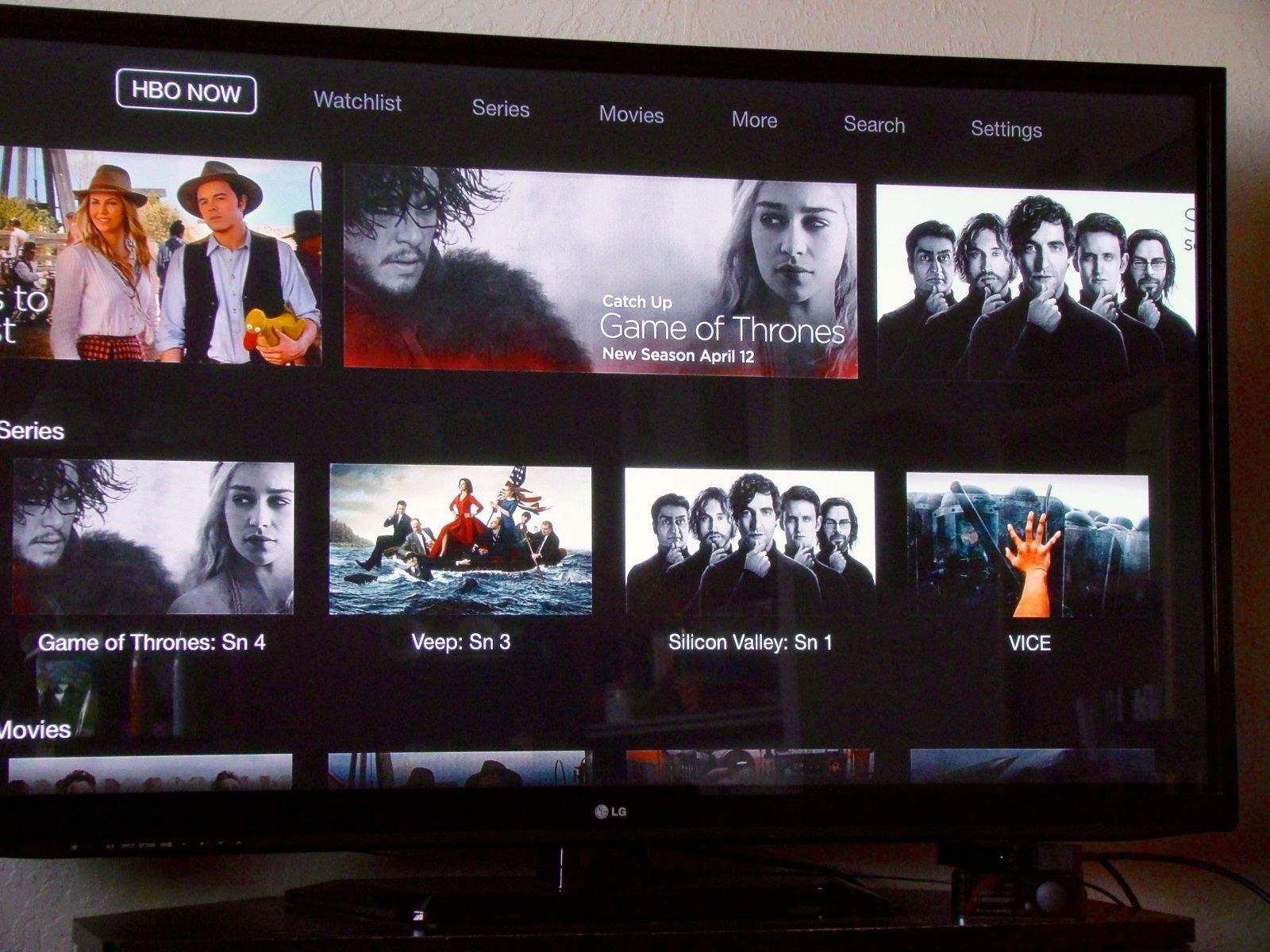
    The HBO Now app waves goodbye to 2nd- and 3rd-gen Apple TVs. The company has removed the app from the devices above after extending the deadline for two additional weeks. Initially, the deadline was set for the end of April, but after complaints from users, the date was pushed back to May 15.

    Third-gen Apple TVs launched eight years ago, and HBO thinks it’s time for an upgrade. However, people don’t buy set boxes as frequently as other gadgets (mobile phones, for example), and many of them are still using these older Apple TV models. The timing is not perfect either – there are rumors of a tvOS hardware refresh later this year, so don’t rush to the stores yet.

    HBO Go will have to go, too – it will be available for a couple more months and then follow HBO Now’s fate. The upcoming HBO Max streaming service will also be supported on the 4th-gen and later Apple TVs. All in all, everything points toward an upgrade, but if new hardware is in the pipeline, a little patience can be a wiser choice.