Retail News CRM

Tag: video

  • Disney+ may close gap with Netflix by 20 million subscribers this year

    Disney+ may close gap with Netflix by 20 million subscribers this year

    Ever since Disney+ got off to a strong start in November 2019, you might have noticed Netflix executives wearing more frowns than usual. While Netflix is the top provider of streaming video content on this planet, Disney+ has used its strong slate of Marvel-related programming and original Pixar titles to pick up ground on Netflix. Last week Disney reported that it had 116 million subscribers during the second quarter compared to the consensus expectations of 112.8 million.

    For the three months from April through June, 12.4 million new subscribers joined Disney+; compare that with the measly 1.5 million net new subscribers that joined Netflix during the same three-month period. During the previous quarter Netflix added 4 million net new subscribers and expects 3.5 million for the current quarter. If you’re wondering if Disney can surpass Netflix at the current rates, let’s look at the numbers.

    According to Rosenblatt analyst Mark Zgutowicz, Disney+ is approximately 90 million subscribers behind Netflix but should pick up 20 million new customers on Netflix this year. If this were to continue, Disney would jump over Netflix in five years.

    Many analysts never expected Disney+ to challenge Netflix as they considered the former to offer content mostly for children unlike the more varied categories of video streams that Netflix offers. The truth, however, is that Disney+ has content for subscribers of all ages from pre-schoolers to adults. The recent Marvel Cinematic Universe (MCU) based mini-series including WandaVision and Loki put up some huge ratings and Disney has already announced that Thor’s brother will star in another season of the show.

    Globally Netflix has 209 million paying subscribers with 74 million of these customers living in the U.S. and Canada. Including Hotstar, Disney’s high volume but low revenue service in India, Disney+ has 116 million users worldwide. If you add Hulu and ESPN, the grand total for Disney’s streaming services amounts to close to 174 million subscribers.

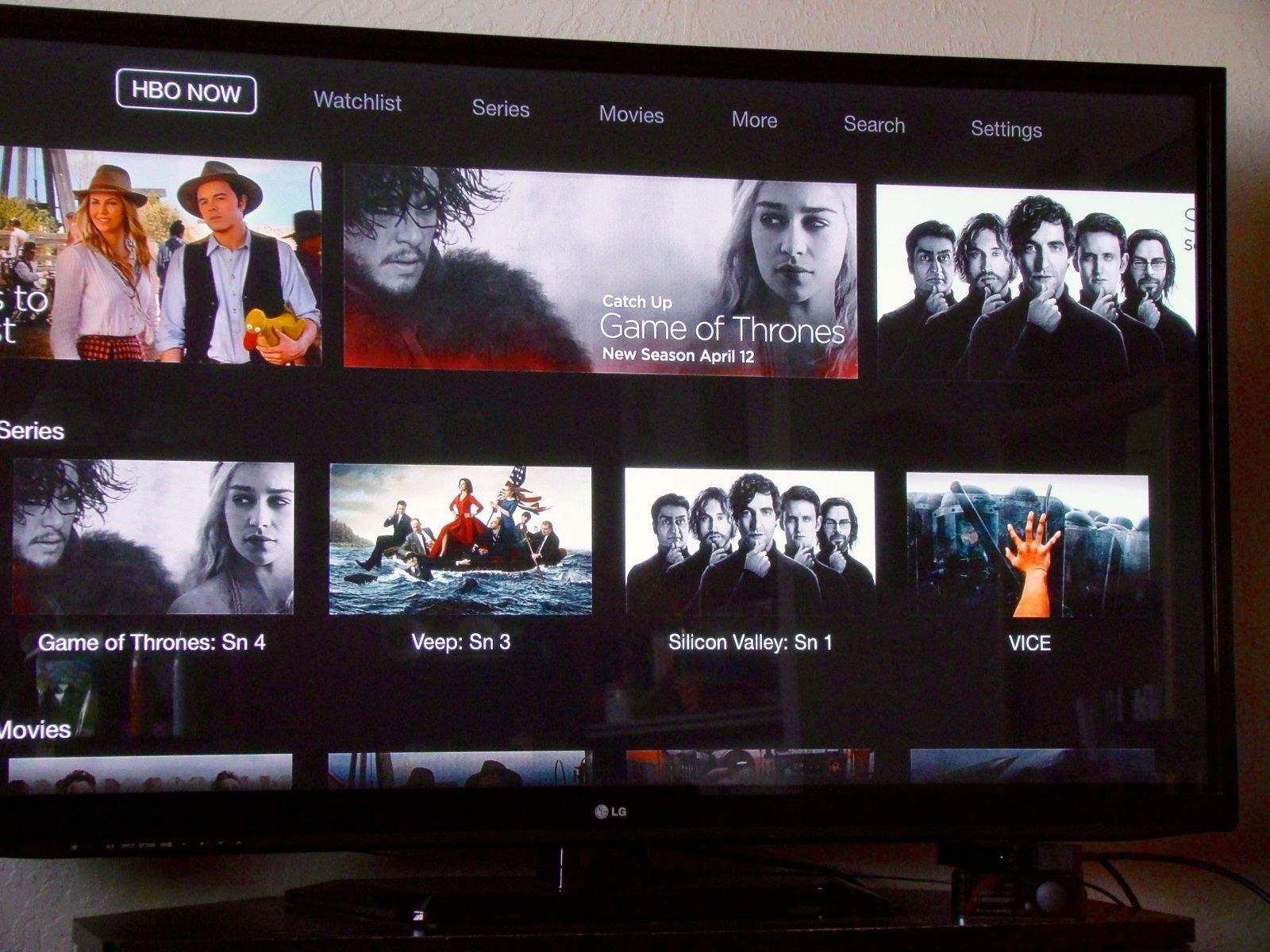
    If Netflix and Disney+ are considered numbers one and two when it comes to streaming video content, HBO Max might be a legitimate third place challenger. It has 67.5 million global subscribers with 47 million of them in the states. It also outperformed Netflix in Q2 by adding 3.6 million global subscribers and 2.8 million in the U.S. It’s ARPU weighs in at $11.90.

    One area where Netflix holds a huge lead over Disney+ is with the average revenue per user (ARPU). In the U.S. Netflix garners $14.54 per subscriber compared to the measly global ARPU of $4.16 that  Disney+ has been collecting. That figure has been hit hard by Hotstar’s strong growth. Disney CEO Bob Chapek has announced that November 12th will be “Disney+ Day” with the company using cross-promotion to bolster subscription numbers.

    Rivals to Disney+ and Netflix include Amazon Prime Video, but the $12.99 monthly cost of the service actually covers the free overnight shipping that Prime members are known to receive with Amazon’s streaming video inventory basically a free throw-in. More than 175 million Prime members streamed Amazon’s video content over the last year, but you cannot compare the service to Netflix or Disney+.

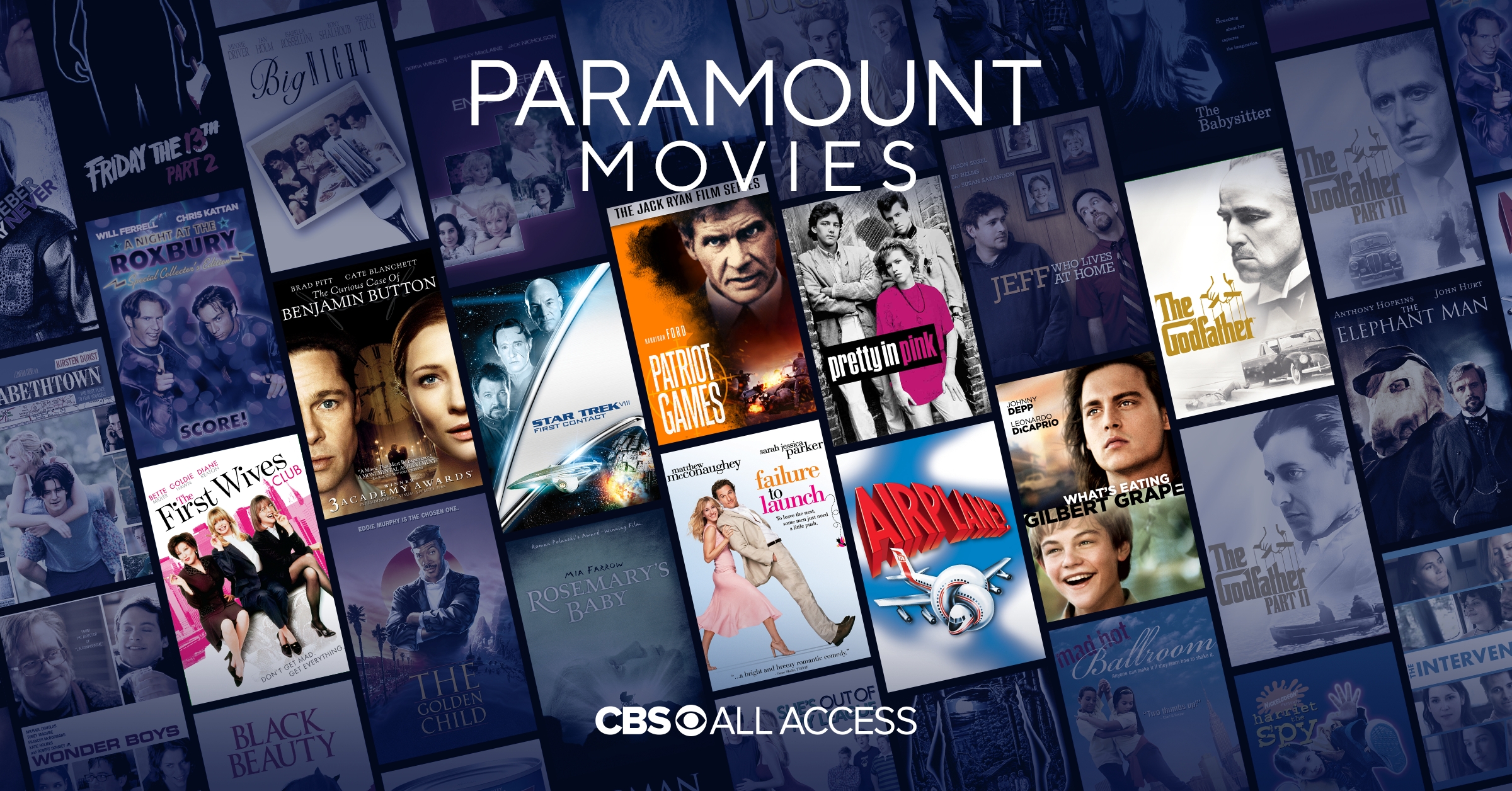
    NBCUniversal’s Peacock adds paid subscribers with free users to generate a metric it calls “sign-ups.” Thanks to the platform’s Olympics coverage, Peacock had 54 million sign-ups, up 12 million on a sequential basis. Viacom/CBS has various streaming services (Paramount+, CBS All Access, Showtime, and other smaller services) that add up to 42 million subscribers. That is up 6.1 million subscribers sequentially for a 17%  quarter vs. quarter hike.
  • End-to-end encryption now covers Messenger video and audio calls

    End-to-end encryption now covers Messenger video and audio calls

    In this era where privacy reigns, end-to-end encryption (E2EE) is an important feature because it keeps messages private and only the sender and the recipient know what it says. It prevents law enforcement, employees of the platform being used, and others from reading something that was not meant for their eyes. Facebook Messenger has offered end-to-end encryption for messages since 2016 and Facebook has announced in a blog post that it is now extending this privacy protection to both Messenger voice and video calls.

    As Facebook pointed out on Friday, 150 million video calls a day are handled by Messenger, and voice calls are now being added to this chat mode to protect both video and audio calls with the same encryption protection. Facebook states that “End-to-end encryption is already widely used by apps like WhatsApp to keep personal conversations safe from hackers and criminals. It’s becoming the industry standard and works like a lock and key, where just you and the people in the chat or call have access to the conversation.

    The content of your messages and calls in an end-to-end encrypted conversation is protected from the moment it leaves your device to the moment it reaches the receiver’s device. This means that nobody else, including Facebook, can see or listen to what’s sent or said. Keep in mind, you can report an end-to-end encrypted message to us if something’s wrong.”

    Facebook also announced that it updated its disappearing messages feature within its E2EE chats. With the newly updated controls, users will be given more options as to when they want their messages to disappear. The new range runs from just five seconds to as long as 24 hours. Not only will these messages be encrypted, they could also be set to fall off of the platform by the time five seconds can be counted.

    Over the next few weeks, Facebook will test end-to-end encrypted group chats and calls in Messenger. This includes both video and voice calls for family members that have an existing chat thread or are already connected. As noted by Facebook, “We’ll also begin a test for your delivery controls to work with your end-to-end encrypted chats. That way, you can prevent unwanted interactions by deciding who can reach your chats list, who goes to your requests folder, and who can’t message you at all.”

    Instagram users will also share in this bid to expand end-to-end encryption. In certain countries, adult Instagram users will be allowed to opt-in to end-to-end encrypted messages and calls for one-on-one conversations. You will need to have an existing chat or be following each other to start an encrypted DM (the same conditions needed to start an end-to-end encrypted voice or video call in Messenger).

    Facebook points out that you can always block someone that you don’t want to DM with. The option to make video and voice calls end-to-end encrypted on Messenger, along with updated controls for disappearing messages, will start rolling out today. “People expect their messaging apps to be secure and private, and with these new features, we’re giving them more control over how private they want their calls and chats to be,” Facebook says.
    The U.S. Justice Department under William Barr in 2020 issued a statement along with Australia, Canada, New Zealand, and the United Kingdom in favor of strong encryption. A statement issued by this group, called the Five Eyes, said that end-to-end encryption “plays a crucial role in protecting personal data, privacy, intellectual property, trade secrets and cybersecurity…and also serves a vital purpose in repressive states to protect journalists, human rights defenders and other vulnerable people.”

    Yet just the year before, the Trump administration reportedly weighed the idea of outlawing end-to-end encryption, and there was talk about the DOJ asking Apple to add a backdoor to the iPhone that would allow law enforcement to read certain messages related to investigations of drug trafficking, terrorism, and child pornography. Ironically, Apple itself plans on scanning iPhones seeking images that could be considered child abuse including child porn.

  • Hulu Plus Live TV adds NFL Network at no extra cost, new sports package available

    Hulu Plus Live TV adds NFL Network at no extra cost, new sports package available

    Hulu is one of the few streaming services that didn’t increase its prices very often. On the contrary, the service added more than a dozen new channels at the beginning of the year at no extra cost. Today, Hulu Plus Live TV is adding another new channel for which customers won’t have to pay extra since it’s part of the basic $65 monthly subscription: NFL Network.

    But that’s not the only new sports channel offered by the streaming service. Hulu promised back in April that it will add NFL RedZone to its offering by early August and that customers will have to pay a fee to watch it.

    Today, Hulu announced that the NFL RedZone is available as part of the new sports add-on, which costs $10 per month. Aside from NFL RedZone, the new sports package includes channels like MAVTV Motorsports Network, Outdoor Channel, Sportsman Channel, TVG, and TVG 2.

    NFL Network is available to all Hulu’s Live TV subscribers starting today, while the new sports add-on will also launch today.

  • Select HBO Max full pilot episodes now available on Snapchat

    Select HBO Max full pilot episodes now available on Snapchat

    It looks like HBO Max is stretching its arms to create new partnerships and reap new benefits. Today, the streaming service has teamed up with Snapchat and made it possible to watch full-length pilot episodes of select shows on the social media platform.

    Some examples include Looney Tunes, Gossip Girl, and even the all-popular Game of Thrones. The option is available through the Snap Minis feature, which debuted last year. Snapchat Minis is a way for third-party developers to showcase their product inside the social platform.

    One of the more popular channels to make use of this feature was Headspace. HBO, however, is the first of its caliber to upload full episodes.

    The main aim of this deal is obviously to attract more people to subscribe to HBO’s program, but it is more than that. The most noteworthy part of HBO Max’s Snapchat minis is having the ability to invite up to 63 people to watch the content together. What’s even better is that all participants can chat and share Bitmoji reactions during the show.

    No HBO Max subscription is required to watch any of the shows, but don’t go thinking there are no catches laid out for you. At the end of each pilot episode, users who are 18 years or older will receive a pop-up prompting an HBO Max subscription.

    The new Snapchat feature is available both on Android and iOS, and the pilot episodes on display will be refreshed in intervals yet to be announced. It would be interesting to see if competitors like Netflix and Disney+ follow in HBO’s footsteps. If so, this could prove to be a great benefit for Snapchat, maybe developing the trend into something more in the future.

  • WhatsApp developing a way for users to send hi-res videos without attaching them as documents

    WhatsApp developing a way for users to send hi-res videos without attaching them as documents

    WhatsApp is developing an improvement to the options that users have when they send videos from the app. Unless they send a video through WhatsApp as a document, their clips will be automatically compressed on its way to recipients which negatively impacts its quality. At the beginning of this month, WABetaInfo discovered that WhatsApp is working on a way for Android users to customize the quality of their video uploads on WhatsApp and send hi-res video to others.

    The options being developed for WhatsApp beta users include “Auto,” “Best quality,” and “Data saver.” The “Auto” setting is the one recommended and continues using compression to send videos through a slower data network. “Best quality” will allow a WhatsApp user to share a higher resolution version of a video without having to send it as an attached document. Instead, with this setting, a high-res video can be sent through the app’s gallery (perhaps taking a little bit longer to disseminate because it is a larger file size) without a huge loss in quality.

    “Data Saver” will send a video without you worrying that you are about to run through your data cap. Of course, saving data while sending video means that the quality of the clip is going to be lower. And today, WABetaInfo found that in beta version 2.21.14.16, WhatsApp users get the ability to not only improve the quality of video that they are sending, but also improve the resolution of photos being uploaded.

    The three options for still photos are the same as the three offered for video: Auto (Recommended), Best quality, and Data saver. WhatsApp reminds users that “Best quality photos are larger and can take longer to send.” These options will be found in the “Media upload quality” section in “Storage and data” although this cannot be found yet on the current version of WhatsApp available from the Google Play Store.

    WhatsApp users are hoping that this update will be arriving very soon.

  • Apple TV app fully entering the world of Android TV

    Apple TV app fully entering the world of Android TV

    Once in a blue moon, something beautiful happens when it comes to the relationship between Apple and Google, and in this case, that is the complete introduction of the Apple TV app to all modern devices with Android TV.

    The search engine giant said that starting today, the Apple TV app will be available throughout the “Android TV OS ecosystem,” which means that the streaming service is no longer limited to just Sony Bravia TVs and Chromecast with Google TV but is now released to other media and streaming devices manufactured by companies like Xiaomi, OnePlus, Nvidia, and more.

    The news of Apple lowering its ecosystem garden walls broke when Nvidia shared that the Apple TV app will be coming to their Shield TV streaming box at the Computex virtual conference this week. Later on, a tweet from a Xiaomi executive further cemented the news by confirming that the app is coming on all of their Android TV products.

    Apple extends an extra pair of hands for those who own one or more of their devices in the form of a one-year subscription to the Apple TV+ streaming service. A very welcome gesture that will without a doubt attract even more people to their already popular streaming service, especially considering the generous periodic extensions of this offer that they’ve showcased up until now.

    In a very Apple fashion, they also make it easier for you to set up and sign in through your device by offering the option to do it via scanning a QR code that shows up in the app with your iPhone or iPad.

    All’s to say, it seems that Apple is starting to loosen up its historical tight grip on its ecosystem, resulting in a wider audience reach for them and more flexibility for us in our choice and preference, which I will welcome any day.

  • Google is testing two features for mobile YouTube users

    Google is testing two features for mobile YouTube users

    Google has been busy testing new features on the mobile version of YouTube. Remember back in 2007 when one ad for the Apple iPhone said that “maybe the biggest surprise is finding YouTube on your phone.” But these days, every iOS and Android phone has access to the streaming video site and Google continues to improve the UI and functionality of the app.

    For example, a limited number of Android users are in the process of testing a feature called Loop video that is already offered to those running the desktop version of YouTube. With this feature, a video will automatically continue to play over and over again. This really isn’t meant for a long movie like Titanic (which runs for three hours and 30 minutes), but for short music videos that can be over in under four minutes.

    If you have an Android device, you can look for the Loop video option by tapping the three-dot menu button. The feature does have an icon consisting of a right-facing arrow on top, a left-facing arrow at the bottom with the number “1” sandwiched in between.

    Also being tested is another feature called Clip that allows YouTube users to create 60-second video clips from existing videos. The clip you create can then be shared with others. Clip, which uses the image of a scissor for its icon, is being tested on both Android and iOS devices which means that you might not see it on your device at the moment.

  • Tesla Crash Victim Lauded ‘Full Self-Driving’ In Videos On Tiktok

    Tesla Crash Victim Lauded ‘Full Self-Driving’ In Videos On Tiktok

    A Tesla car driver killed in a recent accident in California praised the automaker’s “full self-driving” features, and posted videos on his apparent Tiktok account, in which he appeared to drive with his hands off the wheel. On May 5, a Tesla Model 3 crashed into an overturned truck on a highway in Fontana, killing the Tesla driver and injuring the truck driver and a motorist who had stopped to help him.

    The Associated Press news agency cited police as saying a preliminary investigation had determined the Tesla’s driver assistant system Autopilot was engaged prior to the crash.

    But in a correction issued late on Friday, police said, “There has not been a final determination made as to what driving mode the Tesla was in.”

    Since 2016 at least three Tesla vehicles operating on Autopilot have been in fatal crashes, two involving a Tesla car driving beneath a semi-truck in Florida.

    Two videos of a man driving with his hands off the wheel were posted on the alleged Tiktok account of the victim, 35-year-old Steven Hendrickson of Running Springs in California.

    “What would do I do without my full self-driving Tesla after a long day at work,” said a message on one. “Coming home from LA after work, thank god, self-drive,” said a comment on another video, adding, “Best car ever!”

    Tesla dubbed its driver assistant features “Autopilot” or “Full Self-driving,” which experts say could mislead consumers into believing the car can drive by itself.

    On its website, Tesla said its Autopilot feature does not make the vehicle autonomous, however.

    On his Facebook account, Hendrickson was shooting a video while driving on autopilot, saying, “Don’t worry. I am on autopilot.”

    Family members were not available for comment and Tesla, which has disbanded its public relations teams, was not immediately available for comment.

    Tesla Club-SoCal, a group of Tesla owners in Southern California, said on social media that he was an active member who “loved his Tesla.” He is survived by his wife and two children, it added.

    The National Highway Traffic Safety Administration has been investigating more than two dozen crashes of Tesla vehicles, including the Fontana crash and a high-profile one in Texas last month that killed two men.

    Since 2016 at least three Tesla vehicles operating on Autopilot have been in fatal crashes, two involving a Tesla car driving beneath a semi-truck in Florida.

    The U.S. transport safety board said Tesla’s autopilot system failed to properly detect a truck as it crossed the car’s path, contributing to the accidents also caused

  • Disney+ blows past 100 million subscriber milestone even as its growth starts to slow down

    Disney+ blows past 100 million subscriber milestone even as its growth starts to slow down

    As heated as the battle for global supremacy in the crowded video streaming space may have seemed just a couple of years ago, it has become increasingly clear in recent months that the market is largely headed for a duopoly.

    That’s because the likes of Apple TV+, HBO Max, and Peacock are not really going anywhere while Disney+ is practically going everywhere, growing at a Netflix-threatening pace quarter after quarter.

    As expected at the end of last year, the late 2019-released streaming service has concluded the first quarter of 2021 well above the 100 million subscriber mark. Namely, Disney Plus counted a grand total of 103.6 million users around the world as of April 3, up from “just” 94.9 million subscribers on January 2, 2021.

    That’s a huge number for the ever-expanding Walt Disney Company no matter how you look at it, inching closer to Netflix’s industry-leading 208 million paid subscriber base last updated in April for Q1 2021.

    While the gap between the two streaming giants may seem substantial (because it is), Disney+ has impressively managed to eat away at the global champ’s advantage ever since it made its debut back in November 2019. This year’s first quarter is no exception, although for the first time since the beginning of the COVID-19 pandemic, both Netflix and Disney+ failed to meet the expectations of industry pundits.

    Following 29 and 28 percent surges in worldwide subscribers in Q3 and Q4 2020 compared to their previous quarters, Disney+ had to settle for the aforementioned 8.7 million sequential growth, equating to less than 10 percent, which was still more than enough to outpace Netflix’s modest 4 million or so gain during Q1 2021.

    If current projections hold up, Disney+ could reach anywhere between 230 and 260 million paid global subscribers by the end of 2024, which is when the streaming platform’s parent company originally expected the service to sit at no more than 90 million users.

    In comparison (although it’s obviously not a very fair one), Netflix broke the 100 million barrier at some point in 2017 after being founded in 1997 and branching out from the DVD sales and rental business to the online world in 2007.

    Meanwhile, in case you’re wondering, mum’s the word on the paying subscriber figures of Apple TV+, which pretty much tells you everything you need to know about the much-hyped platform that essentially saw daylight at the same time as Disney+.

  • Video from Google shows an unreleased Pixel smartphone

    Video from Google shows an unreleased Pixel smartphone

    An unreleased Google Pixel smartphone was spotted on the Instagram story of Made By Google, reports Android Authority. The story has now expired, but the outlet has shared a screenshot that shows the phone.

    The device in question appears to be a white variant of the Pixel 4a. Like the Clearly White Pixel 3a, it has an orange power button.

    The Pixel 4a was delayed by months due to the pandemic. At launch, only the Just Black variant was available. A few months later, a Barely Blue option was also released. Maybe Google had originally planned to release a white model as well but decided to drop it because of production challenges posed by the pandemic.

    The Pixel 4a is one of the best affordable phones around. We are unlikely to see the alleged Clearly White model as Google is now gearing up to launch the Pixel 5a, which will probably be announced in August. It will have a very limited release.

    The phone will apparently stay close to the Pixel 4a 5G and Pixel 5. It will reportedly also have the same Qualcomm Snapdragon 765G chip under the hood. Other details remain scarce at this point, but it appears that Google is disproportionately focused on the Pixel 6 and 6 XL – which are rumored to feature a 5nm in-house chipset and the Ultra-wideband tech, amongst other upgrades – and its first foldable handset.

  • Telegram to launch long-awaited group video call feature in May

    Telegram to launch long-awaited group video call feature in May

    Telegram will be finally adding a group video call feature to its portfolio next month. Yesterday, the company CEO Pavel Durov posted a short video showing the upcoming feature in action.

    ”Speaking of video calls, we will be adding a video dimension to our voice chats in May, making Telegram a powerful platform for group video calls,” wrote Durov.

    Telegram is a bit late to the group video chat party, as competitors such as Zoom, WhatsApp, Messenger Rooms, Hangouts – already reap the benefits of the global pandemic and lockdown situation worldwide.

    The company announced plans for a group video feature a whole year ago and despite the delay, the feature could boost Telegram’s popularity and help compete with the aforementioned platforms.

    Group video calls on Telegram will support Screen sharing, encryption, noise-cancellation, as well as desktop and tablet, and smartphone devices. We’ll have to wait and see whether Telegram will join the best video conferencing apps out there with its new feature.

  • HBO Max cheaper ad-supported plan reportedly coming in June

    HBO Max cheaper ad-supported plan reportedly coming in June

    HBO Max is already one of the most expensive streaming services in the United States, and that gave WarnerMedia an idea. Last month, the media giant confirmed plans to introduce a cheaper ad-supported plan for those who can’t afford to pay $15 per month for the regular plan.

    However, WarnerMedia did not say when the plan will be launched and how much it will cost. CBNC claims sources close to the company say HBO Max will introduce a cheaper service in June that will cost just $9.99.

    The new ad-supported plan will be available via AT&T at first, but pay-TV distributors might be willing to accept the cheaper service too, even though they would get a lower revenue percentage per user.

    It’s also important to mention that HBO Max will not run ads during original shows, but everything else will be peppered with commercials; that’s something that WarnerMedia has already confirmed last month.

    Initially, WarnerMedia considered a much cheaper $4.99 ad-supported plan that would offer just HBO Max content, but the company decided to go for a more varied product in the end.

  • HBO Max to offer at least 6,000 hours of described content by March 2023

    HBO Max to offer at least 6,000 hours of described content by March 2023

    HBO Max has big plans for 2021, as the streaming giant is ready to implement lots of major enhancements to its service. One of the first important changes coming to HBO Max this week is aimed at visually impaired users.

    Starting this week, HBO Max will roll out newly 1,500 hours of audio described content on the web and mobile platforms including select HBO originals, Max Originals, Warner Bros movies, and some acquired content, WarnerMedia announced earlier today.

    The new feature will run as a separate audio track that offers a verbal description of visual elements on the screen. Apart from that, HBO Max will include a new Audio Description category in the navigation menu.

    HBO Max also announced that other improvements to the accessibility will be added this week to the Android and iOS apps for visually impaired users that take advantage of the screen reader software to browse the service’s digital content.

    Finally, HBO Max revealed that it will make audio descriptions available across all supported Internet-connected TVs later this year. Also, by March 2022, HBO Max users should expect to get 3,000 hours of described content and at least 6,000 hours by the end of March 2023.

  • Paramount, the Netflix’s newest rival starts streaming today

    Paramount, the Netflix’s newest rival starts streaming today

    Paramount+ launches today to give the world exactly what it needs during a pandemic-another streaming app service. Even though we were aiming for sarcasm with that comment, there are statistics showing that streamers are doing well. Disney+, with its highly recognizable brand and videos for just about everyone, said last month that it had 94.9 million subscribers and forecast that it would have 230 million to 260 million by 2024.

    With content from Disney, Pixar, Marvel, Star Wars, and National Geographic, Disney+ has enough movies, television shows, and documentaries to suit everyone. It also has the most streamed program in the world right now with Marvel’s WandaVision MCU spinoff. The leading streamer on the planet, Netflix, had over 203 million global subscribers as of the end of last quarter. Last May, HBO Max became the newest streamer and was guaranteed a decent-sized viewing audience thanks to the $425 million it shelled out to be the exclusive streaming home for popular sit-com Friends.

    Until March 31st, you can get a one-month free trial of Paramount+. After your free month is over, subscription rates in the U.S. start at $5.99 per month for the service (more on this below). Most of the current television shows on the service come from CBS/Viacom and there are listings that you will be familiar with including cop drama Blue Bloods, starring Tom Selleck (just don’t let him talk about reverse mortgages), courtroom hit Bull, and police drama FBI. There are also older shows in the Paramount+ library such as Hot in Cleveland and Reno 911. Paramount+ is also the exclusive streaming home for the RuPaul’s Drag Race franchise.

    Just like its rivals, Paramount+ will try to attract subscribers by producing original content including Kamp Koral, an animated series about Sponge Bob’s younger years. A Frasier reboot starring Kelsey Grammer is on tap and popular kids’ show Rugrats is back with new episodes, this time created using CGI. Programming for the streamer comes from CBS, BET, Comedy Central, Nickelodeon, MTV, and the Smithsonian Channel.

    The Paramount+ app is available from the Google Play Store and the App Store which means that it is available for all Android phones and tablets and can be installed on all iPhone units, the iPod touch and iPad slates. It also can be used with Apple TV, Chromecast, Fire TV, Portal TV, PlayStation 4, Samsung TV, Vizio TV, LG TV, Roku, Xbox, and Xfinity Flex. There are two subscription options for Paramount+ subscribers. The one with Limited Commercials offers over “30,000 episodes and movies, originals, live sports and news with limited commercial interruptions” and is priced at $5.99 a month or $59.99 for a year (which works out to more than a 15% savings for paying a year in advance).

    The second subscriber option is ad-free service. Besides watching content without ads, those with this tier of service are allowed to download content to view offline. The price of this subscription tier is $9.99 per month, or $99.99 for a full year of service. (Pay a year in advance to receive a 15% discount). Each subscription allows content to be viewed over three devices simultaneously and profiles can be created for each member of your family. With Paramount+, users can cancel or change their plan at any time. Thus, there are no commitments.

    Demand for major streaming services has been on the rise. Recently Disney+ was able to hike its monthly subscription price from $6.99 a month to $7.99 a month. While that doesn’t sound like a huge increase for Disney+ members, it is a big deal for Disney since it adds over $90 million a month or over $1 billion into Disney’s coffers over the course of one year.

  • YouTube TV confirms 4K streaming support and offline viewing option

    YouTube TV confirms 4K streaming support and offline viewing option

    Word that YouTube TV might allow users to download shows for offline view surfaced a few days ago. Today, the company announced several premium features that will be available for all users of the streaming service.

    First and foremost, YouTube TV will introduce a new add-on package with 4K streaming, offline viewing, and unlimited concurrent streams at home. This means that a YouTube TV base plan that supports six user accounts and up to three simultaneous streams will be able to take advantage of the 4K streaming option without restrictions.

    Unfortunately, this will come as “an optional add-on for members” for which they will have to pay. The amount hasn’t been revealed yet, but we suspect it will be announced once the new features will be ready for prime time.

    What’s really strange is the fact that YouTube TV has decided to put the option to download shows for offline viewing under a paywall too. Other streaming services typically offer these features for free, but for some reason, YouTube TV feels that those 3 million paid subscribers that it now has will be willing to pay extra for something that should be free.