Retail News CRM

Tag: video

  • YouTube removes 2,000 animated Vietnamese videos for copyright violation

    YouTube removes 2,000 animated Vietnamese videos for copyright violation

    Nearly 2,000 Wolfoo videos about the animated wolf and his family have been removed by YouTube for copyright violation, causing losses of around US$2 million for their Vietnamese producer.

    Between June and October the three YouTube channels, Wolfoo Family, Wolfoo Channel and Wolfoo’s Story potentially each lost 2-3 billion views, according to social media data provider Social Blade. This caused the company losses of $2 million, and “The damage is increasing every hour,” it said.

    Sconnect said YouTube removed the videos following a demand by the UK’s Entertainment One, the producer of Peppa Pig, an animated series about a pig and his family.

    “Entertainment One has falsely identified our videos as a product derived from Peppa Pig and filed their complaints to YouTube, which accepted all their copyright claims and deleted Wolfoo videos.”

    YouTube allows users to seek the removal of videos they deem a violation of its policies.

    The fact that YouTube removed the videos showed that its request was “per the procedures as prescribed” by the platform, eOne said.

    YouTube said Saturday it never acts as an intermediary to resolve conflicts between two parties and only provides a tool for users to protect themselves.

    Content owners are provided with a tool to protect their videos while users are provided with a tool to report copyright violations, it added.

    Sconnect said 195 Wolfoo videos are no longer restricted, but nearly 2,000 others remain flagged and restricted.

    Nguyen Xuan Cuong, deputy chairman of the Vietnam Digital Communications Association, said YouTube’s removal of nearly 2,000 Wolfoo videos has caused great damage to Sconnect.

    All parties involved should contribute to the case so that it could be a learning experience for other Vietnamese businesses of cross-border services. Sconnect was launched in 2014 as a social media video platform. It has a total of 56 million subscribers to its 19 channels and 18 billion views. Peppa Pig debuted in 2004 on TV before being uploaded on social media platforms.

    Sconnect recently filed a lawsuit against the British company for unfair competition, claiming losses of nearly $292,000 as a result.

    It had been sued by the latter in January in Russian and British courts for intellectual property infringement, claiming Wolfoo is a “reworked” version of the Peppa Pig characters. But the Moscow City Court ruled against eOne. Immediately the company withdrew all claims.

    Sconnect said during the legal battle eONE had used the unresolved lawsuit to copyright “Wolfoo” videos on YouTube.
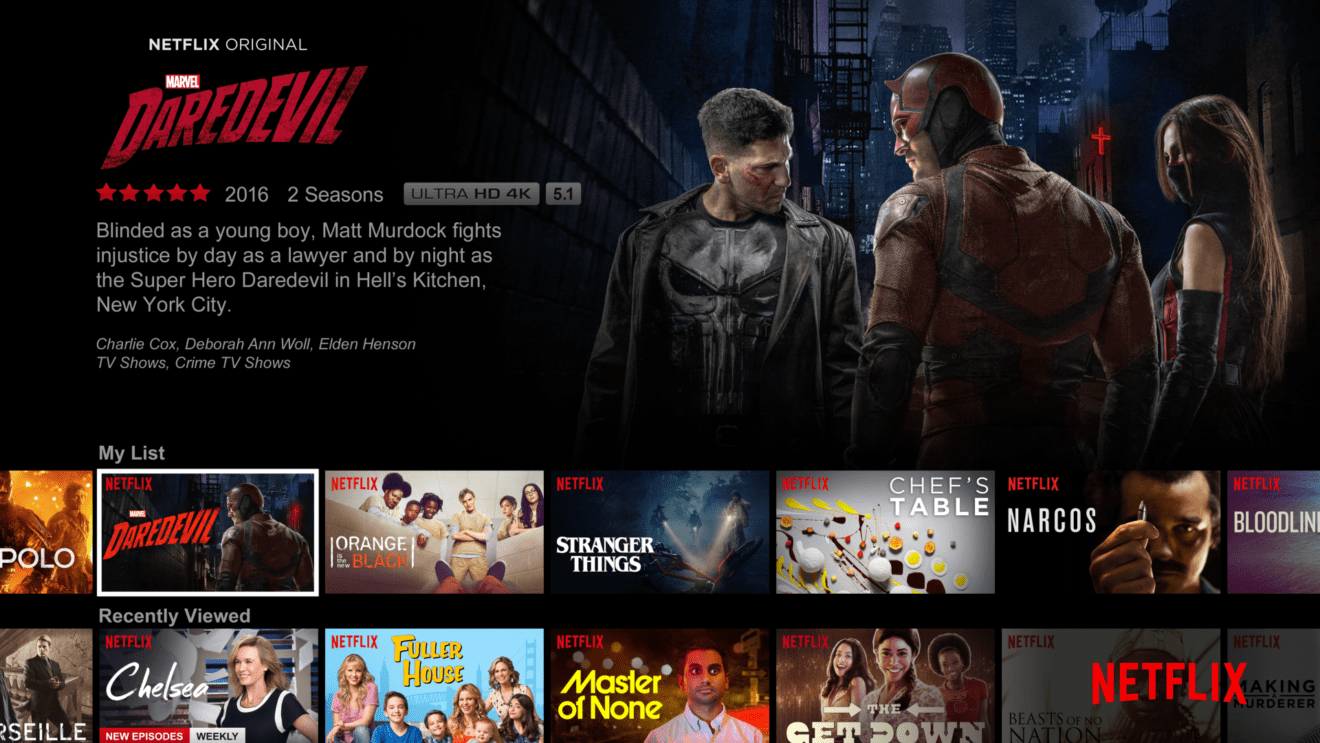
  • Netflix announces new ad-supported plan

    Netflix announces new ad-supported plan

    Brace yourselves – ads are coming…to Netflix. The streaming platform has formally bid farewell to its ‘no ads’ policy and announced today its first ad-supported plan in an official blogpost.

    The ‘Basic with Ads’ (as if Netflix could have devised a more unappealing name) plan will cost US users just $6.99 per month, a full $3 less than the current entry-level option, and will be available in the beginning of November.

    According to Netflix, the ‘Basic with Ads’ plan will bring the best of what Netflix has to offer, at a much lower price tag. Naturally, however, there are a number of caveats.

    As indicated by the name, users will have to stomach a barrage of ads both before and during their favorite Netflix titles. The ads are going to be between 15 and 30 seconds in length, with an average total ad time of about 4-5 minutes per hour.

    For reference, this means that users could be forced to watch up to 20 ads in the span of a single episode of a TV show.

    However, this is not the only downside of Netflix’s new subscription plan. Because of legal reasons, a number of titles will not be available at launch and users will not have the option to watch any content offline.

    In a nutshell, you will be getting a decidedly less pleasant viewing experience, a smaller library to choose from and the detriment of always having to rely on a stable network connection. Quite a steep price to pay in order to save $3.

    At the very least, the video quality will remain in line with what users would find on the standard Netflix ‘Basic’ plan (i.e. up to 720p or HD). Lastly, the new subscription tier will not affect existing plans.

    The ‘Basic with Ads’ plan will launch on November 3 at 9 am PT and will be available in 12 countries.

  • HBO Max is set to become cheaper

    HBO Max is set to become cheaper

    The battle of the subscription services is on. This time around, it is time for HBO Max to shine with an exclusive offer of its own. HBO Max, the television giant’s take on a video streaming service, is set to become even more accessible. The company announced that it would be offering a 30% discount on its yearly subscription price to new and returning users.

    This translates to $104.99 for the ad-free plan, or just $69.99 for the ad-supported one. For reference, this means that HBO Max would cost either $8.75 a month (for the more expensive plan), or $5.85 (for the cheaper option).

    HBO Max’s main appeal lies in its plethora of original titles that tend to enjoy immense critical and commercial success. Through the platform, users can watch (in)famous series like Game of Thrones, Succession, The Undoing, alongside all-time classics like Sex and the City and The Sopranos.

    Admittedly, the roster of HBO Max is set to become somewhat more limited in the aftermath of the messy merger with Warner Bros. Discovery. As a result of the business decision, a number of HBO Max series have already been canceled and some are rumored to be on the chopping block.

    It should be noted that HBO Max will continue to coexist with Discovery Plus for the time being. However, there are plans for the two platforms to eventually become one. But even on its own, HBO Max is worth checking out especially given the current prices.

    The service is now cheaper than all of Netflix’s current subscription options. On the other hand, the ad-supported HBO Max plan now comes in at the same price as the Hulu equivalent. And we still haven’t mentioned the best part – the discount comes just in time for the premiere of House of the Dragon.

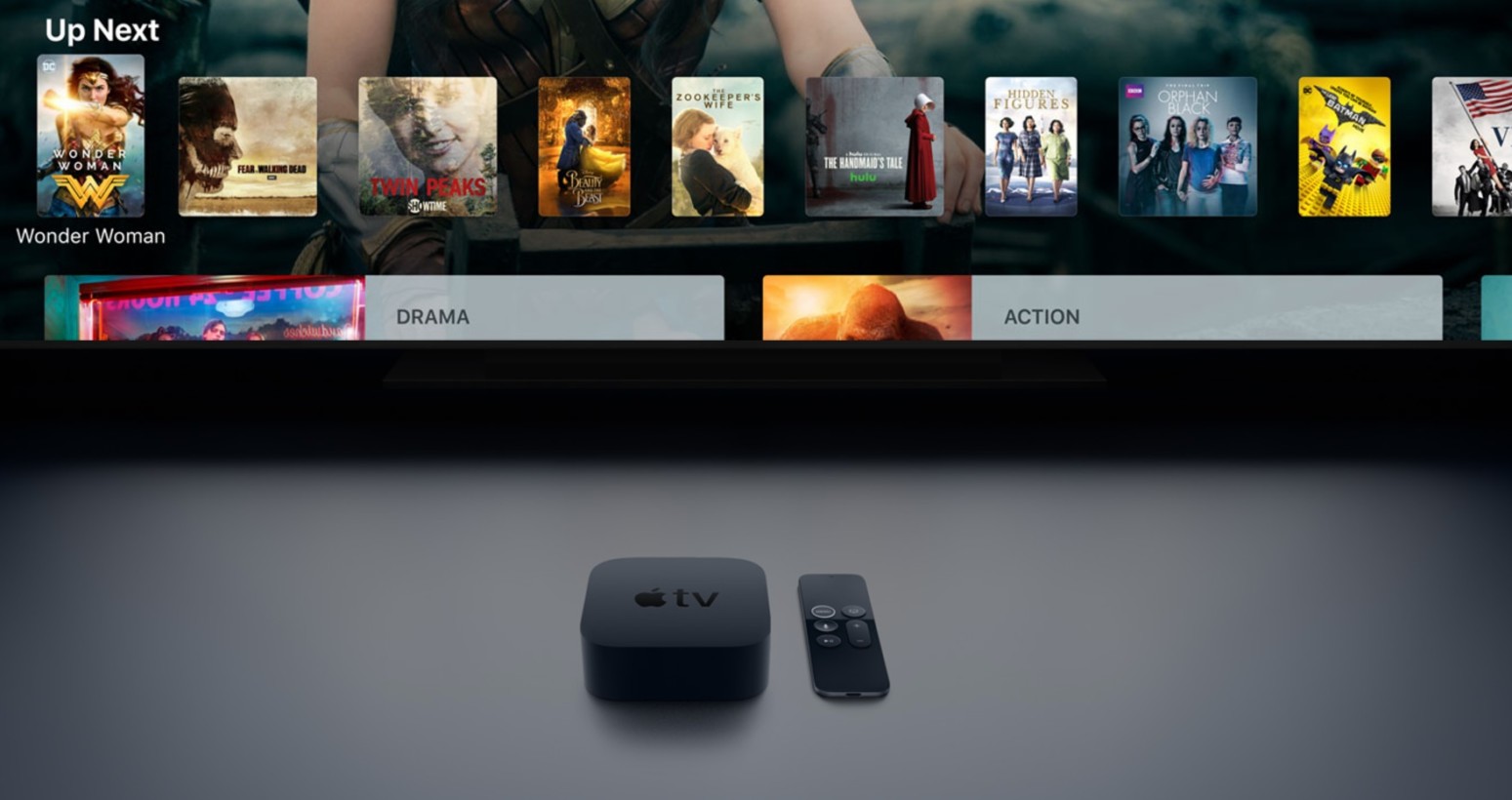
  • With iPhone 14 coming soon, Apple changes the focus of its television advertising

    With iPhone 14 coming soon, Apple changes the focus of its television advertising

    Apple’s Services unit is the company’s second-largest business segment after iPhone. With nearly $20 billion in revenue during the fiscal third quarter, the unit is running at close to an $80 billion annual rate. One of the less-heralded but brilliant moves made during the Tim Cook era was to take advantage of the large number of active iPhones around the world and sell their users recurring monthly subscriptions that bring in revenue 12 times a year.
    Apple Services includes Apple Music, Apple News+, Apple TV+, Fitness+, iCloud, and Apple Arcade. Those services charge monthly subscription rates. Other Apple services that are part of the unit include the App Store, Apple Pay, Apple Care+, and more.
    With the unveiling of the new iPhone 14 line approximately four weeks away, Apple has apparently decided that now isn’t the time to advertise the iPhone 13 series with the world waiting for the 2022 handsets to be introduced. In other words, Apple wouldn’t be getting the same bang for the advertising buck with many potential buyers waiting for the new line to be announced.
    So today Apple released its latest television ad, a thirty-second spot for Apple One. In 2020, Apple created the Apple One bundle which has three separate tiers of service. These are the Individual Plan, the Family Plan, and the Premier Plan.
    Individual Plan-$14.95 per month (saves $6/month)
    • Apple Music
    • Apple TV+
    • Apple Arcade
    • 50GB of iCloud storage
    Family Plan-$19.95 per month (saves $8/month; can be shared with five other people)
    • Apple Music
    • Apple TV+
    • Apple Arcade
    • 200GB of iCloud storage
    Premier Plan-$29.95 per month (saves $25/month, can be shared with five other people)
    • Apple Music
    • Apple TV+
    • Apple Arcade
    • 2TB of iCloud storage
    • News+
    • Fitness+
    The new ad shows off the services inside the bundle. Apple Music is mentioned first and the music streamer includes surround sound. The 3D Spatial Audio feature allows you to hear music that sounds like it is coming from all around you. Next is Fitness+, which is only part of the most expensive Premier plan although it can be subscribed to a la carte ($7.99/month, $79.99/year). Fitness+ offers workout videos that cover 11 different styles. While you are working out, the screen will show your heart rate along with other metrics related to your workout.
    Like Apple Music, TV+ is available on all three tiers of Apple One. The new ad points out that with TV+ you can see the biggest stars just as the screen quickly shows Jennifer Aniston and  Reese Witherspoon (The Morning Show) and Tom Hanks (various films). News+ is also found only on the highest-priced Premier tier of Apple One and includes the best publications on Earth, according to Apple.
    Apple Arcade is also available on all three tiers of the Apple One bundle and features over 200 ad-free games. Also on all three tiers is cloud storage service iCloud. Apple says that with iCloud, you can store everything that you love. Note, however, that the amount of available storage depends on the plan you purchase. The individual plan comes with 50GB of cloud storage, rising to 200GB with the Family Plan. And with Premier, you get a whopping 2TB of cloud storage.

    If you’re already subscribed to some of Apple’s recurring subscription services, you might be able to save some money by signing up for Apple One instead. With the Premier tier, you can save as much as $25 per month by going with the bundle. You can start with a one-month trial of Apple One. From your iPhone, tap on Settings and then your name. Go to subscriptions and tap on the Apple One box. That will take you to the sign-in page and at the bottom of the screen you will see a blue button that says “Start Free Trial.”

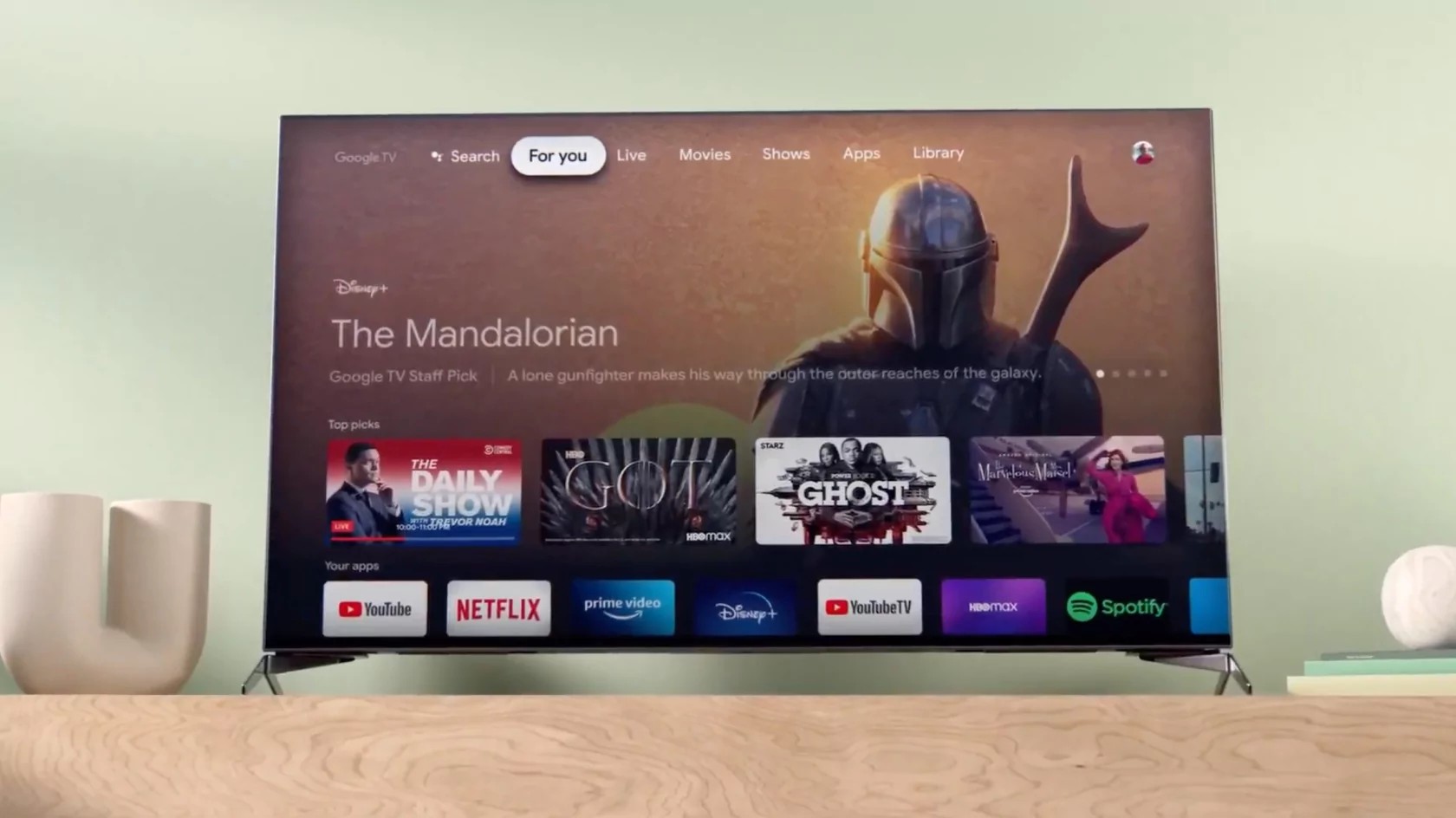
  • 50 free TV channels are coming to Google TV

    50 free TV channels are coming to Google TV

    Google TV is an app available for both Android and iOS devices. The app allows you to find movies and television shows that you can watch on demand from several platforms including Pluto TV, Tubi TV, Plex, Prime Video, Peacock, YouTube, and more. 9to5Google found code hidden in the latest version of an app that Google listed in the Play Store. One bit of code said, “Enjoy 50 channels of live TV without the need to subscribe, sign-up, or download.”
    That sure sounds good. The live television channels, unlike the platforms that Google TV offers today, do not require you to download a third-party app. The code reveals that there should be a variety of live programming including “news, sports, movies, and shows.” Even more interesting, 9to5Google unearthed a graphic showing 34 of the 50 live television channels.
    That list includes:
    • ABC News Live
    • America’s Test Kitchen
    • American Classics
    • The Asylum
    • Battery Pop
    • CBC News
    • ChiveTV
    • Deal or No Deal
    • Divorce Court
    • Dry Bar Comedy
    • FailArmy
    • Filmrise Free Movies
    • Hallmark Movies & More
    • It’s Showtime at the Apollo!
    • Kevin Hart’s LOL! Network
    • Love Nature
    • Maverick Black Cinema
    • MooviMex
    • Nature Vision
    • NBC News Now
    • Newsmax TV
    • Nosey
    • The Pet Collective
    • Power Nation
    • Reelz
    • Teletubbies
    • Today All Day
    • Toon Goggles
    • USA Today
    • World Poker Tour
    • Wu-Tang Collection TV
    • Xumo Crime TV
    • Xumo Movies
    • Xumo Westerns
    Again, these are just some of the 50 channels that will be offered to Google TV users. When this will roll out-if it does-is unclear. The app still has a long way to go to match the quantity of the content available on Samsung TV Plus which supports over 200 channels.
    Android users can download the app from the Google Play Store. Apple iPhone users can download the app from the App Store. Keep in mind that until the “Google TV channels” appear, the Google TV app is a way to manage those streaming third-party apps that you use to watch movies and television shows. The app also helps you find where your favorite movies and television shows are streaming, and by looking at the content that you give thumbs up or thumbs down to, Google’s algorithm will help recommend shows and movies for you to watch.
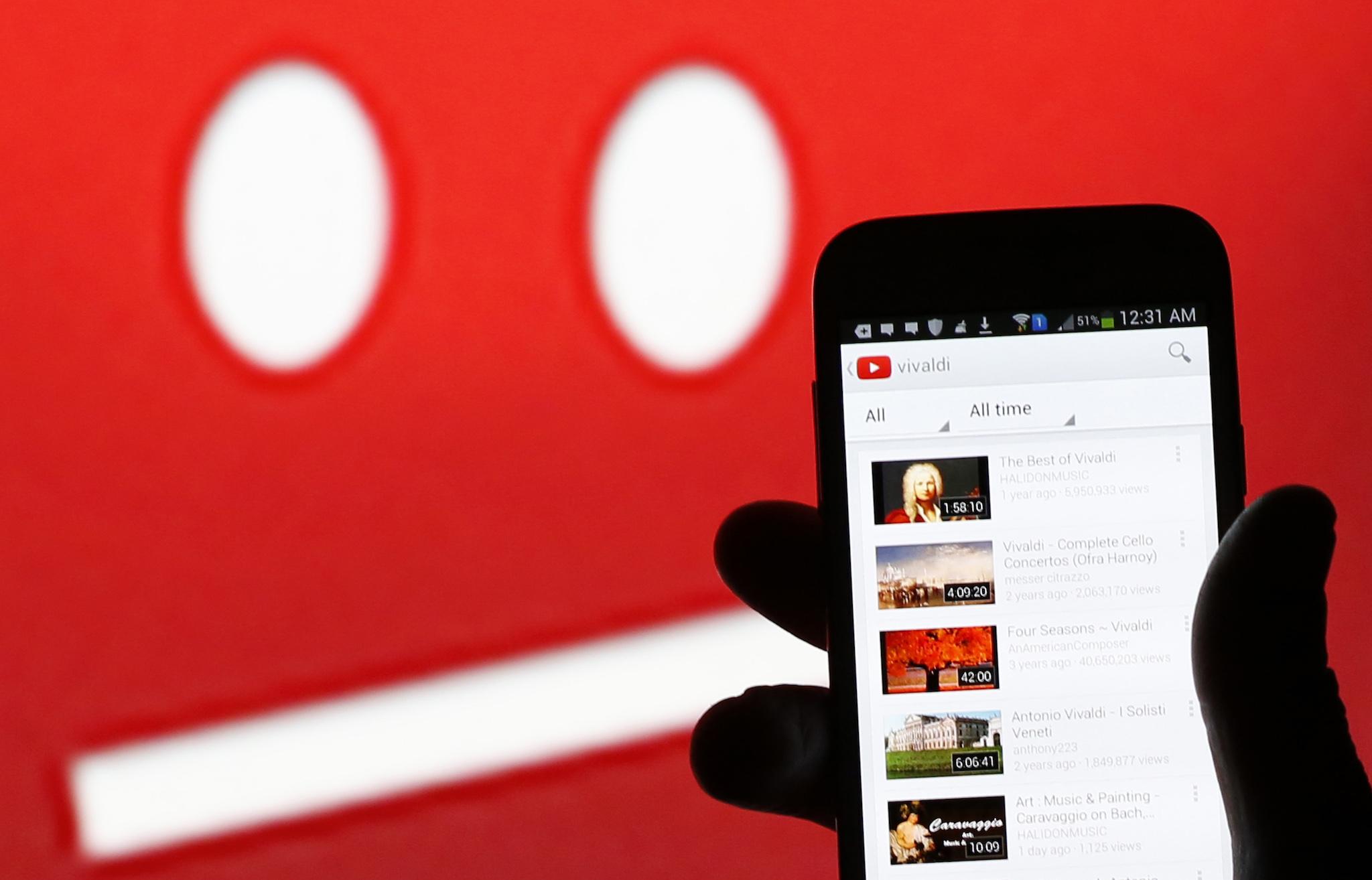
  • YouTube might soon let you zoom in on videos

    YouTube might soon let you zoom in on videos

    A new useful feature might soon come to YouTube. Apparently, the video platform is working on a new option called “Pinch to zoom,” which will let you zoom in on the videos you watch by pinching the video player with two fingers.

    At the moment, Pinch to zoom is only an experimental feature, but YouTube Premium subscribers can freely enroll in the testing through YouTube’s experimental features site and try it themselves. However, they can only do so until September 1st. After that, the Pinch to zoom test won’t be available.

    Most likely, after September 1st, based on Premium subscribers’ feedback, YouTube will decide if it will officially release Pinch to zoom on its platform or just scrap the project entirely.

    If you regularly watch YouTube videos, you know there could be many instances where you would like to zoom in on a portion of the video. For example, tutorial clips often arrange information in small tables, and a zoom-in option would really help you read the displayed data more easily. Or maybe there is a small detail in the latest video of your favorite YouTuber that you would like to zoom in on in order to pay more attention to. Whatever the reason, a zoom-in option on YouTube will most likely be a very useful feature. We really hope YouTube decides to release it to all its users after the testing is finished.

  • Netflix escapes Apple Tax at last as app links to streamer’s own subscription site

    Netflix escapes Apple Tax at last as app links to streamer’s own subscription site

    As Bob Dylan once sang, “The Times They Are A-Changin.” iPhone and iPad users looking to subscribe to Netflix from the video streamer’s App Store app are now being directed by Netflix to an external website. From the site, iOS and iPadOS users can sign up for service from Netflix. This is in line with Apple’s recent decision to allow what are known as “reader apps” (apps that deliver digital content) to link to their own external websites to help subscribers sign-up and manage their accounts.
    Apple announced last September that it would allow reader apps to include a single in-app link to their own websites. Tapping on the “subscribe” button in the Netflix app brings up a message that says “you’re about to leave the app and go to an external website.” The app also points out that any transaction will not be Apple’s responsibility and that all subscription management should be handled through Netflix’s platform.
    More specifically, reader apps are those that provide content that was previously purchased or content available from an app that users pay for on a recurring basis such as music, video, digital magazines, newspapers, books, and audio.
    The message also states that “Any accounts or purchases made outside of this app will be managed by the developer ‘Netflix.’ Your App Store account, stored payment methods, and related features, such as subscription management and refund requests, will not be available. Apple is not responsible for the privacy or security of transactions made with this developer.”

    If you continue the process you are sent to a Netflix website from where you can subscribe to the service bypassing Apple’s in-app payment platform. As a result, Netflix doesn’t have to give Apple the 30% cut of the transaction price on initial subscriptions and as much as 15% for recurring subscriptions made after one year.

    The so-called Apple Tax has been a controversial lightning rod for politicians, developers, and others. Companies like Spotify and Netflix prevented subscribers from signing up for certain subscriptions directly from the App Store so that they wouldn’t have to pay Apple. And nearly two years ago, Apple kicked Epic and its popular Fortnite game out of the App Store after Epic offered game players a link to its own in-app payment platform.
    Without having to pay Apple its cut, Epic offered currency to Fortnite players at a lower price. This led to an epic lawsuit (sorry) which resulted in a ruling from Judge Yvonne Gonzalez Rogers who wrote, “The Court concludes that Apple’s anti-steering provisions hide critical information from consumers and illegally stifle consumer choice. When coupled with Apple’s incipient antitrust violations, these anti-steering provisions are anticompetitive and a nationwide remedy to eliminate those provisions is warranted.”

    Rogers did say that Apple was not a monopolist and that there was nothing illegal about the success of the App Store. She did rule that Apple would have to allow developers to redirect users to developers’ own websites to manage their subscriptions. Other countries have gone after the Apple Tax and developers in South Korea can promote alternative payment methods in the App Store, although Apple will still hit up the developers for 26% of the transaction value.

    In the Netherlands, some dating apps will be allowed to embed alternative payment methods inside these apps after Apple was fined $52.58 million by the Netherlands’ antitrust watchdog, the Authority for Consumers and Markets (ACM). With the recent approval of the European Union’s (EU) Digital Markets Act (DMA), Apple might be required to offer third-party payment platforms for the App Store in Europe, allow iPhone users to sideload apps (in other words, install apps from third-party app stores) on the continent, and add support for iMessages in competing operating systems in Europe.

    All together, pressure from lawsuits, developers, lawmakers, and the media combined to produce the first cracks in Apple’s in-app payment platform which includes the Apple Tax. Apple still has a set of rules that developers of reader apps must follow. The link published on the app cannot contain pricing information, and each developer must submit an “entitlement” to obtain permission from Apple to include a link on their app.

  • Netflix partners with Microsoft for upcoming ad-supported plan

    Netflix partners with Microsoft for upcoming ad-supported plan

    After it teased the upcoming launch of an ad-supported subscription plan, Netflix has now revealed that it picked Microsoft to help make that happen. Under the agreement, all ads served on Netflix will be exclusively available through the Microsoft platform.

    “It’s very early days and we have much to work through. But our long-term goal is clear. More choice for consumers and a premium, better-than-linear TV brand experience for advertisers. We’re excited to work with Microsoft as we bring this new service to life,” said Netflix COO Greg Peters.

    Netflix has been making headlines lately with announcement involving layoffs, after the streaming giant reported losses in the previous quarter. Early this year, Netflix reported a loss of 200,000 subscribers, but that feels extremely negligible compared to the service’s subscriber base of over 221 million.

    The recent subscriber base decline doesn’t really justify so many layoffs, but perhaps Netflix is afraid that will become a trend. That said, the launch of a new ad-supported plan will certainly increase its customer base.

    However, it remains to be seen if the company will manage to turn those casual consumers into paying customers following the launch of the ad-supported plan later this year.

  • YouTube Go is going away this August

    YouTube Go is going away this August

    The world is now a better place – broadband internet is everywhere, data prices are falling, and practically every smartphone out there can surf the web well enough. There’s no sarcasm in these words, guys – and the latest news from Google proves it!

    Earlier this year, the search giant announced that it will retire the Lite mode in Chrome, saying that “In recent years we’ve seen a decrease in cost for mobile data in many countries, and we’ve shipped many improvements to Chrome to further minimize data usage and improve web page loading.”

    Now Google is preparing to pull the plug on another “lightweight” app – YouTube Go. “Today, we are announcing that YouTube Go will be sunsetted beginning in August,” reads part of the official announcement on Google’s support pages.

    Again, the reasoning behind the retirement of this app lies in the fact that entry-level devices have become so powerful that they can run the main YouTube app well enough, and connectivity and data prices are not a critical issue anymore.

    Google says that it’s working on additional user controls that help to decrease mobile data usage for viewers with limited data, so any fringe cases can be addressed. YouTube Go lacks several features compared to the main app, including the ability to comment, post, create content, and use dark themes.

    There are, however, some question marks around the transition to the main YouTube app. Some users have raised concerns about functionalities that are not present on the current free version of YouTube, the ability to download videos and watch them later, and also the option to disable YouTube shorts in your feed.

  • Netflix may abandon its “no ads” policy in a push for cheaper subscription plans

    Netflix may abandon its “no ads” policy in a push for cheaper subscription plans

    Netflix, the world’s largest streaming platform, seems to be having a major change of heart with regards to ads. For a long time the company was adamant in refusing to introduce ads, but the need for cheaper subscription options may force it to relent.

    The decision to explore this path has not been taken lightly. The gradual shift in Netflix’s stance on ads has been taking place for quite a while. What started off as a decisive “no”, then became a “never say never” before moving through the “maybe” phase and could now be a reality in the next couple of years.

    Direct competitors to Netflix have long profited from ad revenue, which has allowed them to sustain more competitive prices. Hulu for one offers an ad-supported option for just 6.99$ per month, in comparison to the 9.99$ per month asked from Netflix for its entry-level subscription plan.

    It should be noted that the inclusion of ads allows Hulu to slash a full 6$ from the price of what is an almost identical service as the ad-free one (which comes at 12.99$ instead). If Netflix were to replicate the model and slash 30-40% of the price they could have a very tempting offer in their hands.

    And Netflix is in desperate need of such an offer. Dwindling subscription numbers and plummeting share prices have pushed the business model of the company to its limits. The suspension of the service in Russia and the war in Ukraine have also done their fair share of damage.

    Not so long ago, during the peak of the COVID-19 pandemic, Netflix was in its prime (Amazon did well too). Now, for the first time in a decade, the company is losing subscribers. Perhaps a cheaper alternative will be able to change that.

  • Netflix loses a quarter of its value after reporting a shocking figure for the first quarter

    Netflix loses a quarter of its value after reporting a shocking figure for the first quarter

    Netflix shares lost more than a quarter of their value this evening after the company released shocking news about the video streamer’s first-quarter earnings. For the first time in over a decade, the company reported a quarterly loss in the number of subscribers which totaled about 200,000 users. Netflix blamed the drop on password sharing, increased competition, inflation, and the Russian invasion of Ukraine.
    The last time Netflix reported a decline in subscribers was in October 2011. And the bleeding is going to continue with the company forecasting a further decline of two million subscribers for the current quarter that wraps up at the end of June.
    The report was released after regular trading hours on NASDAQ where Netflix shares had risen by $10.75 or 3.18% to close at $348.61 per share. But once investors saw the first quarter results and the forecast for the current quarter, they dumped the stock taking it down to $259 for a loss of $89.61 or 25.70% in after-hours trading. Netflix also took down the shares of fellow streamers like Roku, Disney, and Spotify, all of which declined thanks to Netflix. For example, Disney stock, which rose $4.40 during regular trading hours, gave it back and more when the report was released.
    In a letter to shareholders, Netflix wrote, “Our revenue growth has slowed considerably. Streaming is winning over linear, as we predicted, and Netflix titles are very popular globally. However, our relatively high household penetration — when including the large number of households sharing accounts — combined with competition, is creating revenue growth headwinds.”
    Netflix pointed out that there is plenty of growth potential ahead as half of the world’s broadband users still do not have a Netflix account. As the company stated, “while hundreds of millions of homes pay for Netflix, well over half of the world’s broadband homes don’t yet, representing huge future growth potential.”
    Looking to reduce the practice of password sharing which is eating into Netflix’s results, the streamer is looking to hike the subscription rate for plans that are shared between households. This could result in subscribers paying an extra $2.99 monthly to allow a family member who doesn’t live at the same address to share the account. Netflix Co-CEO Reed Hastings said that the company is considering offering lower-priced ad-supported tiers of service (similar to NBCUniversal’s Peacock).
    During the first quarter of 2022, Netflix took in $7.87 billion, up 9.8% on an annual basis. Net income declined 5.9% from $1.7 billion to 1.6 billion during the first quarter. Diluted earnings per share slipped 5.8% to $3.53. For this quarter, Netflix sees earnings per share of $3.00.
    The number of global streaming paid memberships declined from 221,840,000 to 221,640,000 from the 4th quarter of 2021 to the first quarter of 2022. Wall Street was expecting a 2.7 million increase in subscribers. The suspension of Netflix’s streaming service in Russia cost Netflix 700,000 subscribers. If not for that activity, Netflix would have reported an increase of 500,000 subscribers during the quarter.
    Netflix announced today that over 100 million global households use a shared password and that a global crackdown on this practice is coming. 30 million Netflix users in the U.S. and Canada are believed to be sharing Netflix passwords while over 100 million additional households worldwide are sharing the same passwords. Netflix told shareholders on Tuesday that, “Account sharing as a percentage of our paying membership hasn’t changed much over the years, but…it’s harder to grow membership in many markets — an issue that was obscured by our COVID growth.”
    Netflix said that originally it generously allowed users ti share passwords to help users get “hooked” to the service. But now, with the heavy competition that it faces from Disney+, Peacock, AppleTV+ and others, Netflix says that it is time for those getting the service for free to start paying for it.
  • Netflix adds a ‘Double Thumbs Up’ button to further improve its recommendations

    Netflix adds a ‘Double Thumbs Up’ button to further improve its recommendations

    In an attempt to better attune its recommendations to its users, Netflix introduced a third button to its rating system. Yes, from now on, Netflix will have not two, but three reaction buttons: a thumbs up, a thumbs down, and a double thumbs up button.

    According to Netflix, the thumbs-up button shows Netflix’s algorithms what movies and TV shows you like, but the double thumbs-up button shows which movies and TV shows you love. Based on which movies and shows received your double thumbs-up reaction, Netflix’s algorithms will better recommend similar movies and shows that “what you enjoy.”

    As Netflix explained, if you reacted with a double thumbs up to the TV show Bridgerton, the platform may even recommend you more movies or series starring some of the show’s cast or other movies and shows from the same production company, which in this case is Shondaland.

    Netflix’s double thumbs-up button is located next to the thumbs-up and thumbs-down buttons. You can see and use it now on the TV, web, and mobile versions of the service. And as Netflix said, “Don’t be shy. Express yourself and tell us what you’re loving on Netflix. You know you want to.”

  • Reddit could introduce a TikTok-like video feature

    Reddit could introduce a TikTok-like video feature

    Reddit is allegedly thinking of introducing a TikTok-like video feature. As TechCrunch first reported, Reddit is “exploring the idea” of introducing TikTok-like video editing tools with the option for Redditors to react to videos uploaded on the platform. The feature will be similar to TikTok’s Duet and Stitch features.

    If you are not much of a TikTok user and don’t know what the Duet and Stitch features are, Duet allows you to play your video alongside someone else’s, while Stitch allows you to incorporate up to 5 seconds of another person’s video into your own.

    But the goal of this possible TikTok-like video feature won’t be for Reddit to become a TikTok competitor. According to the report, Reddit is considering implementing such a feature only to provide a better way for Redditors to further participate in discussions that they are passionate about.

    It must be noted that, at the moment, Reddit is only thinking about implementing this TikTok-like video feature, but the company hasn’t yet begun working on it. Before deciding if the feature is worth it or not, Reddit will ask users in various subreddits, which are different online communities on the platform, to determine if such a tool would be interesting and beneficial to them.

    According to the report, Reddit will specifically ask subreddits where it thinks that the video feature would be most beneficial to them. However, it should be noted that community testing has not yet started.

    A Reddit spokesperson told TechCrunch, “In line with our work to help people engage in the topics that matter to them through social audio, video, text, memes, and more, we’re in the process of reaching out to a few Reddit communities to see if a new video feature we’re working on is something they find useful and fun.”

  • YouTube working on a new home feed with dimmed background for videos on autoplay

    YouTube working on a new home feed with dimmed background for videos on autoplay

    There is a new user interface test that’s been going on for YouTube on mobile, which is introducing some new tweaks to the “Playback in feed” feature in order to make it more immersive. The tweaks were discovered in a beta version of the app. The change to the user interface will have new in-feed controls for the volume of the video that has played automatically, as well as closed captions, alongside the ability to save it to “Watch later” or skip it. At the same time, the rest of the YouTube home feed will be dimmed shortly after a video starts to autoplay.

    If you want to access the controls, you need to tap on the three-dot expanded menu option that will be alongside the video title, channel icon, and the count of views. Pretty much, to some, this change might appear a bit intrusive.

    However, it is most probably in testing so that the YouTube auto-playing feature gets more immersive. Basically, the feature is reminiscent of the Turn Off the Lights extension for Chrome, which goes and dims all other elements of the UI except for the video player. For people who want to focus on the content in the video, this feature will prove to be quite useful.

    This change has been noticed in YouTube beta v17.10.35, but it is not widely available yet, probably more like a part of an A/B test. At the moment, it seems there isn’t a way to adjust this feature or disable it.

    We can’t help but think of TikTok for this one, as its purpose is viewing videos in-feed instead of on dedicated channels. Probably, YouTube is planning that in order to better rival TikTok’s growing popularity. We also have YouTube Shorts that’s another way the company is looking to better match what users like and how users prefer to consume content online.

  • Netflix answers whether it will offer an ad-supported subscription plan

    Netflix answers whether it will offer an ad-supported subscription plan

    There is a very small probability that one day, in some possible future, you may be able to watch Netflix through an ad-supported tier. If this ever happens, you might be able to pay less for Netflix and watch your favorite episodes with some ads between them.

    Spencer Neumann, Netflix’s CFO, stated at an investor conference that although Netflix is not currently planning to introduce an ad-supported video on demand (VOD) subscription plan, the option is not fully ruled out either.

    Spencer Neumann said, “It’s not like we have religion against advertising, to be clear. But that’s not something that’s in our plans right now… We have a really nice scalable subscription model, and again, never say never, but it’s not in our plan.”

    Some of Netflix’s competitors are offering ad-supported subscription plans. Hulu, HBO Max, and Paramount Plus already have such a subscription plan. Even Disney Plus will roll out later this year an ad-supported tier.

    In response to a question about whether Netflix is also thinking of introducing an ad-supported tier, Neumann said, “It’s hard for us to kind of ignore that others are doing it, but it now doesn’t make sense for us.” He also stated, “Some other services are going low-price, but I think they’re also losing a lot of money. Netflix is focused on building a profitable business that, in terms of free cash flow, was breakeven last year and is projected to be free cash flow positive this year.”

    So, in other words, don’t expect Netflix to roll out a cheaper ad-supported subscription plan any time soon. Currently, the price of Netflix’s cheapest Basic plan is $9.99 a month, and the top tier Premium plan is $19.99 a month.