Tag: Vietnam

  • Vietnam eyes $13.7 billion port upgrade to boost trade

    Vietnam eyes $13.7 billion port upgrade to boost trade

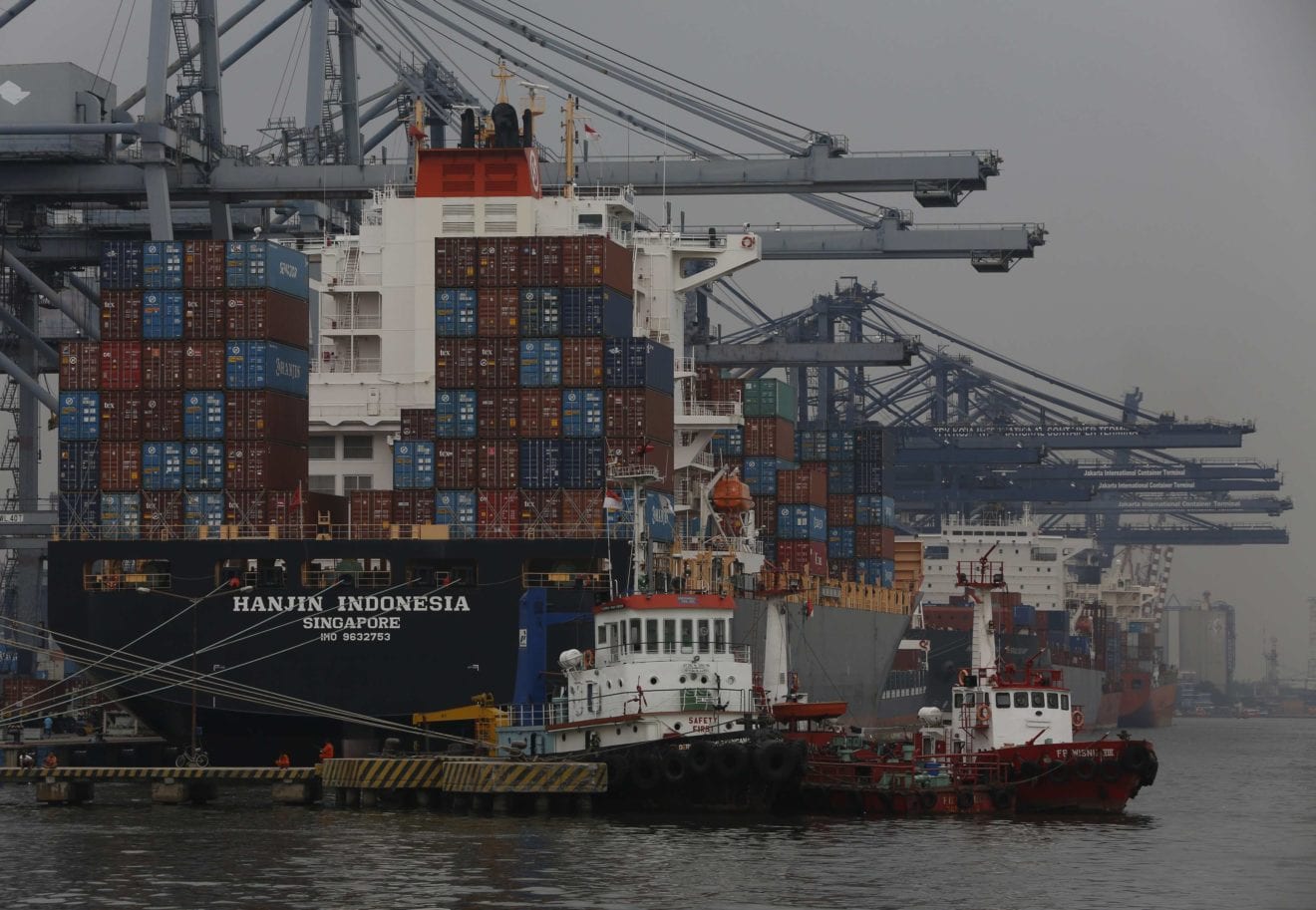
    Vietnam needs VND313 trillion ($13.77 billion) by 2030 to upgrade and optimize its port system to reduce dependency on road transportation and boost trade.

    There will be two special graded terminals: Nam Do Son in the northern city of Hai Phong and Cai Mep in the southern province of Ba Ria-Vung Tau, according to a government plan for the 2021-2030 period with a vision until 2050.

    These terminals will act as international hubs for Vietnamese goods to be transported directly to Europe and the U.S. (the two biggest export markets) so businesses no longer need to send their goods to intermediate hubs in other countries.

    The remaining 34 ports will be divided into three categories: tier 1, 2 and 3, depending on their capacity and location.

    Special graded and tier 1 ports will be connected with smaller ports by newly prioritized railways and roads.

    The smallest ports located deep inland will be removed.

    Deputy Minister of Transport Nguyen Xuan Sang said the new plan will focus on developing a shipping route between localities instead of relying on roads.

    For example, Chinese imports could be shipped to Quang Ninh ports in the north and then to other localities along the coast, instead of being transported via road as in the current case.

    “Our country has a long coastline, why do we need to use roads while we can use sea routes?” he said, adding that on average shipping costs are lower than road delivery.

    The use of ports would also lower logistics costs and reduce pressure on roads, which would increase transport safety.

    The majority, around 95 percent, of funding for this plan will come from private companies and other legal sources, according to the transport ministry.

  • Vietnam unemployment rate peaks since Covid onset

    Vietnam unemployment rate peaks since Covid onset

    Vietnam’s unemployment rate rose to 3.72 percent in Q3, the highest since early 2020 when the novel coronavirus was first detected in the country.

    The rate was calculated among the working-age population, defined as those aged 15-60 for men and 15-55 for women, according to the General Statistics Office (GSO).

    Vietnam had around 49.2 million workers aged 15 or more in Q3, down 1.9 million against Q2, and down 2.1 million against the same period last year.

    The unemployment rate in the first nine months of this year stood at 2.91 percent.

    The complicated Covid-19 situations significantly affected people’s lives in the first nine months of this year, the GSO said in a report.

    As of September 21, social security relief of nearly VND13.8 trillion ($600 million) was provided to roughly 17.6 million people. This included VND11.4 trillion spent in 23 cities and provinces hardest hit by the pandemic. Over VND5.446 trillion was spent on more than 4.8 million people in HCMC alone.

    More than 136,349 tons of rice from national reserves was distributed among more than 2.4 million households with nearly 9.1 million members.

    By the end of 2020, Vietnam had a population of 97.58 million, with 36.8 percent living in urban areas and the rest in rural areas. The unemployment rate among its working-age population last year was 2.48 percent.

  • Vietnam private carriers seek zero interest loans

    Vietnam private carriers seek zero interest loans

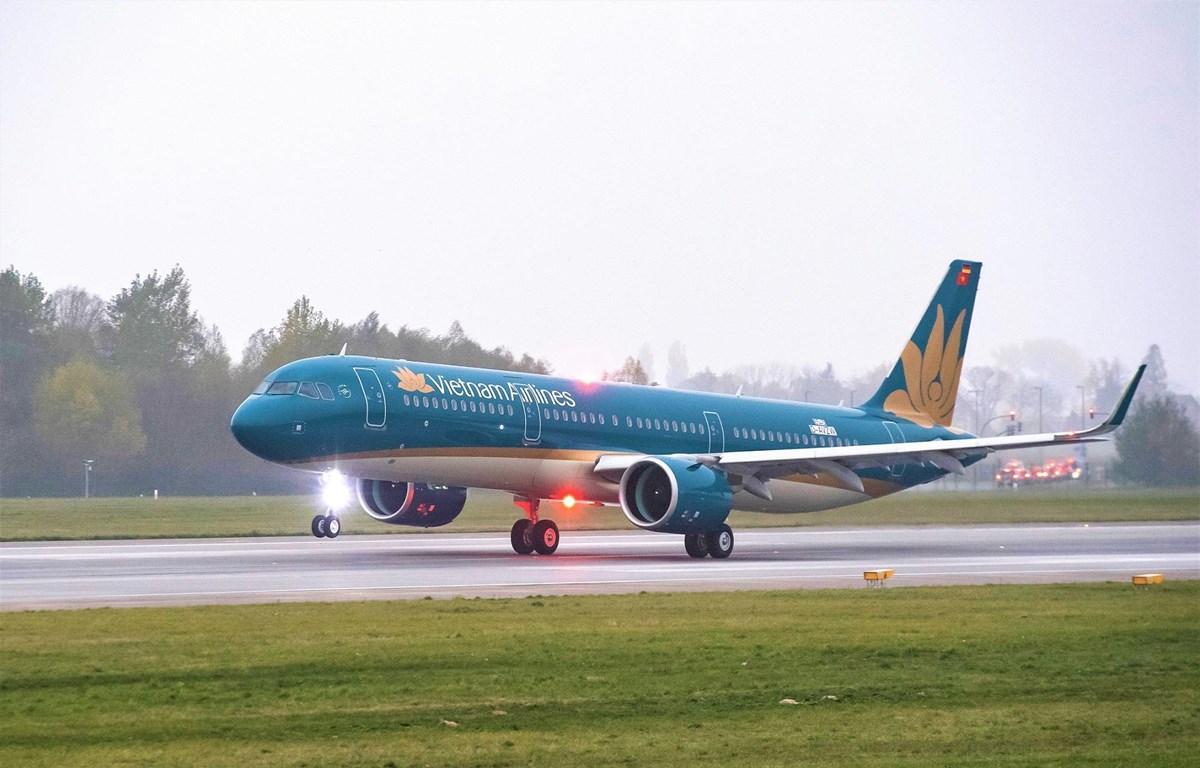
    The Vietnam Aviation Business Association (VABA) has proposed an interest-free loan package for private airlines, similar to the one accorded national carrier Vietnam Airlines.

    The airlines are bearing high costs while revenue has declined drastically, but they have to maintain equipment and workforce so as to restart when the market recovers, VABA vice president and general secretary Bui Doan Ne, said at a recent meeting to discuss a bailout package for enterprises.

    Ne suggested stronger support from the government, including a preferential loan package with zero percent interest, similar to the one given to Vietnam Airlines.

    This year, the State Bank of Vietnam (SBV) has provided a refinancing loan of VND4 trillion ($173 million) at zero percent interest for one year to support Vietnam Airlines.

    The support for aviation businesses is necessary because this is an industry that has the ability to recover quickly when the economy opens and is also a major contributor to the state budget, Ne said.

    Vietnam Airlines, budget carrier Vietjet Air, the Airports Corporation of Vietnam (ACV), and the Vietnam Air Traffic Management Corporation (VATM) contributed over VND22 trillion in taxes and fees to the state budget in 2019.

    He said aviation development will spur tourism in particular and the economy as a whole. Some estimates say aviation growth of 2.5 percent will stimulate 1 percent of GDP growth.

    Nguyen Tuan Anh, head of the central bank’s Credit Department, said that it was planning a VND3 trillion aid package for enterprises.

    Nguyen Quoc Hung, general secretary of the Vietnam Banks Association, noted that not only airlines but a number of other businesses in the hospitality field were also severely affected by the pandemic and need support.

    “We should not support some industries while ignoring others as it would create inequality,” Hung said.

    The aviation industry has been among the hardest hit by the Covid-19 pandemic. In the first seven months of this year, Vietnamese carriers served 13.7 million passengers, down 32 percent year-on-year, according to the General Statistics Office.

  • iPhone 13 module production to pick up in October

    iPhone 13 module production to pick up in October

    The delay in iPhone 13 parts manufacturing in Vietnam is set to improve in mid-October as one key facility could resume production after months of Covid-19 disruption.

    The facility in southern Vietnam, a key iPhone camera module manufacturing facility in the country, has gradually resumed production in recent days, an executive familiar with the situation said.

    The delay in making the new sensor-shift optical image stabilization module is causing buyers of iPhone 13 to face longer delivery times, it said.

    “There’s nothing we can do but to monitor the situation in Vietnam every day and wait for them to ramp up the output,” one of the executives with direct knowledge told the news outlet.

    The module is used on all four new iPhone 13 models. Previously, it was only in the premium iPhone 12 Pro Max.

    Vietnam has suffered severe Covid-19 impacts in the fourth wave, resulting in strict restrictions being imposed on factories and transportation in many localities, especially in HCMC and neighboring Binh Duong Province.

  • Italian brand Frette opens doors in Singapore

    Italian brand Frette opens doors in Singapore

    Italian home accessories and lifestyle brand, Frette, has expanded its footprint in Singapore with its first boutique in Marina Bay Sands.

    The store also marks the brand’s first mono-brand boutique in the territory. Designed by Milan-based architecture studio Archibrando, the new Frette store features elements used in the brand’s global flagship boutique on Milan’s Via Manzoni and custom furnishings crafted from natural Afara wood, “encapsulating the luxurious ambience and timeless elegance and essence of the brand”.

    Frette Singapore occupies a 65sqm area of the shopping centre, offering crafted linens and decorative home accessories, ranging from embroidery bedding, bath towels, to men’s and women’s loungewear. The Marina Bay Sands boutique also offers custom embroidery and personalisation, bedroom styling as well as installation.

    The 160-year-old brand is known for its “chic, original designs and inimitable finish and feel”. Frette operates nine retail locations in the US and 25 in Asia. The brand has flagship stores in China, South Korea, Taiwan, Vietnam and Cambodia.

  • Airlines want minimum fares, no one else does

    Airlines want minimum fares, no one else does

    While economists fear having lower limits for airfares will distort competition, some airlines worry safety is at stake. If fares do not make up even the fuel costs of a flight, aviation safety would be affected, Dang Ngoc Hoa, chairman of Vietnam Airlines, said at a meeting held on Monday to get feedback from economists on proposed minimum fares.

    The Civil Aviation Administration of Vietnam (CAAV) has proposed minimum fares of VND320,000-VND750,000 ($14.06 – $32.95) for domestic flights between November 1 and October 31 next year to help airlines overcome the difficulties caused by the Covid-19 pandemic.

    Too low prices would weaken all airlines, Hoa said. Many countries like China and India have floor prices for air tickets, he pointed out.

    He said amid the pandemic fares are very low at just 40 percent of those in 2018-19, and 250 airplanes are parked in airports, some of which are running out of parking space.

    But despite the low fares, airlines have to keep operating to maintain parking space, minimum cash flows and planes, he said.

    During the first Covid outbreak in March 2020, there were three flights a day in total, while during the fourth wave starting in April 2021, especially July-August, “there were no flights”, he said.

    All carriers have been hit and most airlines are facing losses, he said.

    Vietnam Airlines made a loss of VND7 trillion ($301.7 million) in the first half of the year, while private airlines reported losses of a trillion dong, he added.

    But despite his impassioned argument, economists at the meeting said minimum fares are not acceptable.

    Can Van Luc, chief economist of BIDV, said floor prices could cause confusion and be unfair to both state-owned and private enterprises, and even violate the Law on Prices and the Law on Enterprises.

    Nguyen Sy Dung, former deputy head of the Office of the National Assembly, said: “it is unfair to impose a floor price on air tickets”.

    If minimum fares are applied, a three-star airline must sell at the same price as a five-star airline, and no customer would spend money to travel in the former, he pointed out.

    “We might kill an airline through price policy. It’s unacceptable”.

    In a recent communication to the Ministry of Transport, three airlines agreed to apply floor prices airfares while two others disagreed.

    The Department of Transport admitted that since costs and services are not comparable, it would be difficult to determine common minimum fares applicable to all airlines.

    In the first seven months of this year Vietnamese carriers carried 13.7 million passengers, down 57.7 percent from the same period in 2019.

  • Airlines want minimum fares, no one else does

    Airlines want minimum fares, no one else does

    While economists fear having lower limits for airfares will distort competition, some airlines worry safety is at stake.

    If fares do not makeup even the fuel costs of a flight, aviation safety would be affected, Dang Ngoc Hoa, chairman of Vietnam Airlines, said at a meeting held on Monday to get feedback from economists on proposed minimum fares.

    The Civil Aviation Administration of Vietnam (CAAV) has proposed minimum fares of VND320,000-VND750,000 ($14.06 – $32.95) for domestic flights between November 1 and October 31 next year to help airlines overcome the difficulties caused by the Covid-19 pandemic.

    Too low prices would weaken all airlines, Hoa said. Many countries like China and India have floor prices for air tickets, he pointed out.

    He said amid the pandemic fares are very low at just 40 percent of those in 2018-19, and 250 airplanes are parked in airports, some of which are running out of parking space.

    But despite the low fares, airlines have to keep operating to maintain parking space, minimum cash flows and planes, he said.

    During the first Covid outbreak in March 2020, there were three flights a day in total, while during the fourth wave starting in April 2021, especially July-August, “there were no flights”, he said.

    All carriers have been hit and most airlines are facing losses, he said.

    Vietnam Airlines made a loss of VND7 trillion ($301.7 million) in the first half of the year, while private airlines reported losses of a trillion dong, he added. But despite his impassioned argument, economists at the meeting said minimum fares are not acceptable.

    Can Van Luc, chief economist of BIDV, said floor prices could cause confusion and be unfair to both state-owned and private enterprises, and even violate the Law on Prices and the Law on Enterprises.

    Nguyen Sy Dung, former deputy head of the Office of the National Assembly, said: “it is unfair to impose a floor price on air tickets”. If minimum fares are applied, a three-star airline must sell at the same price as a five-star airline, and no customer would spend money to travel in the former, he pointed out.

    “We might kill an airline through price policy. It’s unacceptable”.

    In a recent communication to the Ministry of Transport, three airlines agreed to apply floor prices airfares while two others disagreed.

    The Department of Transport admitted that since costs and services are not comparable, it would be difficult to determine common minimum fares applicable to all airlines.

  • Hotels become quarantine facilities to survive Covid

    Hotels become quarantine facilities to survive Covid

    Some 10 percent of hotels in big cities are used exclusively for quarantining Covid-19 patients and those who were in close contact with patients, according to Savills.

    They include 25 in HCMC with more than 3,000 rooms, mostly in Districts 1 and Tan Binh, 20 with 1,600 rooms in Hanoi and 34 with 3,000 rooms in Da Nang.

    The fourth wave of the Covid pandemic led to the lowest occupancy rates in a decade and a drop in room rents.

    Average occupancy rates at 3-5-star hotels in Hanoi regularly topped 74 percent in the decade before the pandemic.

    In 2020, it fell to 30 percent, and the average room rent to $81 from $113.

    In the first half of this year, they declined further to 25 percent and $72.

    In HCMC, the rate this year has been only 18 percent due to stringent social distancing regulations, and the rent fell to $69.

    The switch as medical isolation areas has thrown all of them a lifeline.

  • Vietnam’s carmaker VinFast eyes more countries for its European strategy

    Vietnam’s carmaker VinFast eyes more countries for its European strategy

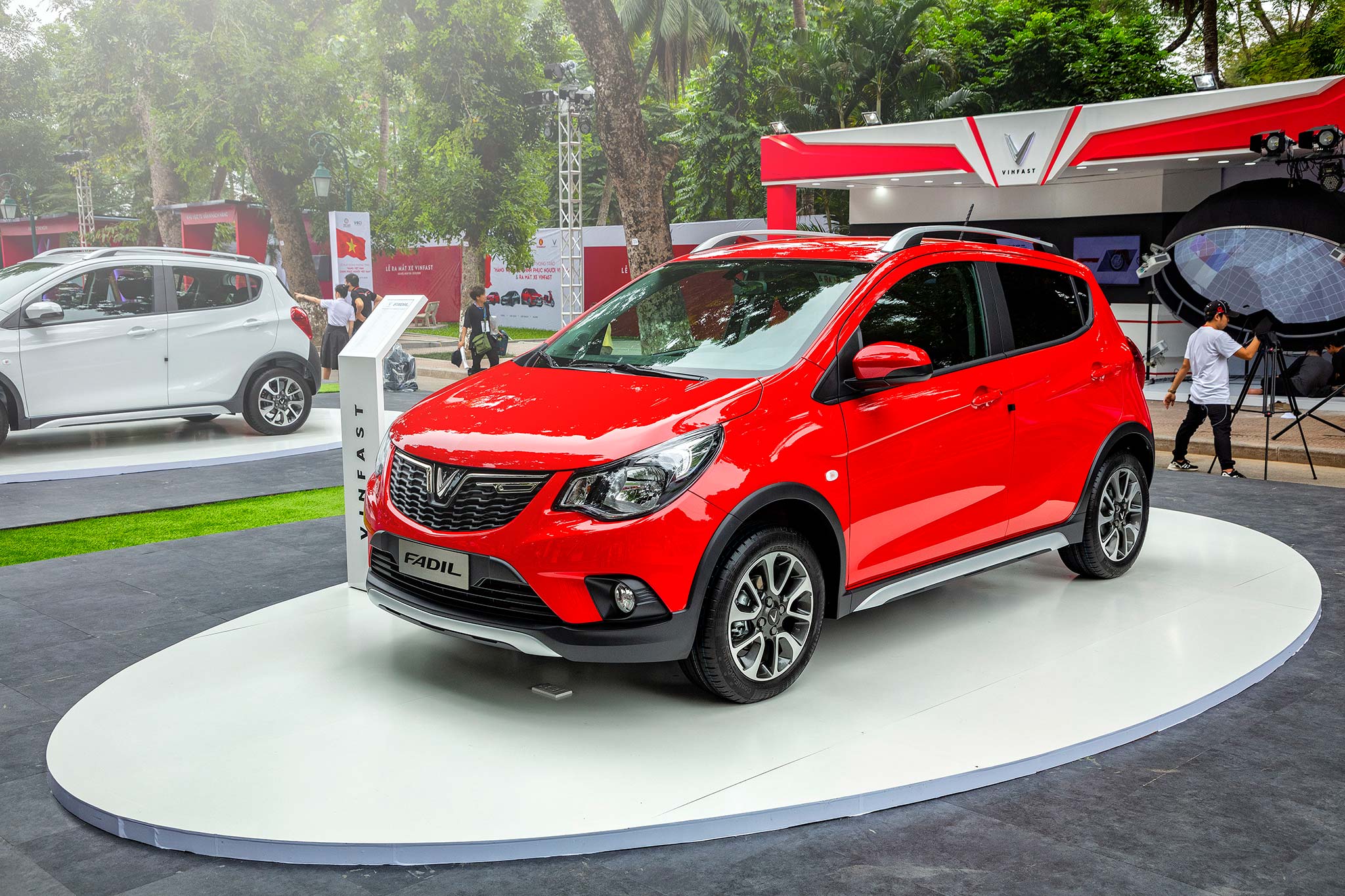
    Vietnamese carmaker VinFast could add other markets in 2023 to expand its European strategy beyond a planned debut in Germany, France and the Netherlands next year.

    The company, a unit of Vingroup Jsc, Vietnam’s largest conglomerate which some have called “Vietnam’s answer to Tesla,” will debut in Europe next year with two battery-electric SUVs models, the midsized VF e35 and the seven-seater VF e36, both designed by Italy’s Pininfarina.

    The two models launch in Vietnam, North America and Europe around mid-2022, after an unveiling planned later this year.

    VinFast became Vietnam’s first fully-fledged domestic car manufacturer when its first gasoline-powered models built under its own badge hit the streets in 2019.

    VinFast’s B2B Sales Vice President Emiel Hendriksen said on Thursday it was also looking at Italy, Scandinavia, Switzerland and Austria for a second step in its European strategy.

    “We’re considering those countries for 2023,” he said during a presentation at Pininfarina headquarters in Turin.

    VinFast will initially rely on a direct distribution model in Germany, France and the Netherlands, based on property showrooms, but could later consider an agency model for sales in other countries, Hendriksen said.

    The company sold about 30,000 vehicles domestically last year and had set a target of selling 15,000 electric vehicles in 2022, although its representatives did not provide detailed forecasts for the European market on Thursday.

    Earlier this year sources said parent Vingroup JSC was considering an U.S. initial public offering (IPO) of its car unit that could value VinFast at about $60 billion, though an initial second-quarter deadline for the deal mentioned by one of the sources was delayed.

    VinFast Europe CEO Bich Tran said any IPO decision was up to the company’s headquarters in Vietnam.

    “Our European plans are independent from any IPO. We’re carrying on with our plans, everything in Europe is moving as planned,” she said.

  • Rocket Internet-backed Flash Coffee plans Asia-wide rollout

    Rocket Internet-backed Flash Coffee plans Asia-wide rollout

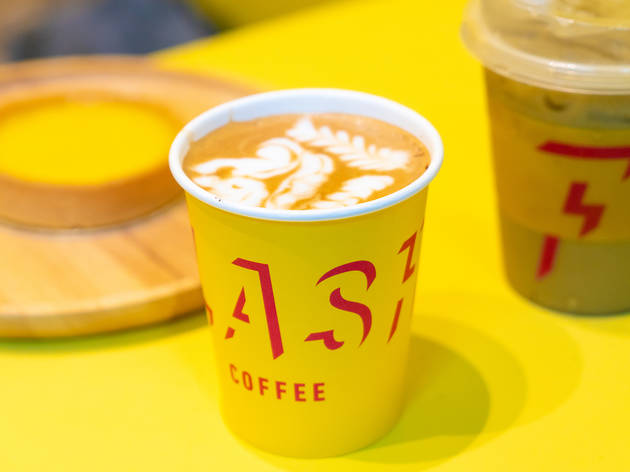
    The tech-enabled coffee chain, Flash Coffee, is accelerating its Asian expansion plan, making its Hong Kong debut this month and committing to opening its first stores in Japan and South Korea later this year.

    Launched last year, Flash Coffee already operates more than 100 locations across Indonesia, Thailand, Singapore, Taiwan and Hong Kong. The chain aims to increase its network to more than 300 stores, expanding its footprint into Malaysia, Vietnam and the Philippines next year.

    The Hong Kong launch follows Flash Coffee’s Series A funding round led by tech investment firm White Star Capital last April where it successfully secured US$20 million from a range of investors, including Rocket Internet, whose subsidiaries include Global Fashion Group and HelloFresh.

    Located at Golden Centre in Sheung Wan, the chain’s first Hong Kong store is – like its others – designed to “fit the needs of the ‘new normal’ and cater to a bustling lifestyle”. Customers can order through a mobile app and pay before picking the order at the store or have it delivered. Meanwhile, Flash Coffee connects its customers and baristas through individualized consumer and barista mobile apps, matching the order with a nearby pick-up outlet.

    The chain also offers a digital coffee loyalty program on the app, offering gamified challenges and personalized rewards.

    “Hong Kong is already recognized as a city that is willing to embrace technology,” said Jonathan Tsao, MD at Flash Coffee. “Over the past few decades the city has also built up a reputation for its love of premium coffee – but so far, this has only been available at premium prices.

    “Flash Coffee intends to shake things up, by offering a new coffee culture built around technology, affordability, and digitally-driven customer-focused solutions.”

    The launch of Hong Kong’s first Flash Coffee store will be followed by a series of new store openings in Causeway Bay, Mong Kok and Wan Chai by the end of next month. The coffee chain aims to reach 50 stores in the territory by mid-next year.

  • Masan to leverage retail, telecom synergy by acquiring Mobicast

    Masan to leverage retail, telecom synergy by acquiring Mobicast

    The Sherpa, a subsidiary of Masan, has announced a 70 percent acquisition of Mobicast shares with a total cash consideration of VND295.5 billion ($13 million).

    Investment in Mobicast is the next step taken by Masan to integrate its third piece, digital services, into its ecosystem, after the successful inclusion of grocery and financial services.

    This was carefully mapped out by Masan in 2019 when the group revealed its plan to build a one-stop-shop that satisfies consumers’ essential, financial, educational, social, entertainment, and healthcare needs. For Masan, this is a unified off to online platform, “Point of Life”.

    The entry into the telecommunication and essential service sectors on a digital platform will enable Masan to gain access to approximately 80 percent of the consumer wallet share.

    Operating under the brand Reddi, Mobicast is a Vietnamese start-up, full-serviced Mobile Virtual Network Operator (MVNO). MVNOs are wireless communication service providers that do not have their own frequency spectrum allocation or wireless network infrastructure.

    MVNOs partner with traditional Mobile Network Operators (MNO) to use their wireless network infrastructure to provide telecom and data services to consumers. MVNOs use an asset-light business model by leveraging existing transmission and network infrastructure. MVNOs are a common business model in the telecom space globally. For example, MVNOs command a nearly 20 percent market share of the total United Kingdom mobile market.

    When incorporated into “Point of Life”, Reddi stands to benefit from exclusive access to Masan’s consumer base and physical and online touch points nationwide. This will significantly lower Reddi’s consumer acquisition cost, enabling it to reinvest savings to develop unique digital consumer solutions, given that 44 percent of subscribers predominately use voice and SMS in Vietnam, and customer service experience platforms.

    Masan Group CEO, Danny Le, said: “Reddi is the first step to digitalize our “Point of Life” platform and synchronize our products and services into a unified offering. While we are in the early innings, we have all the strategic components to develop the most cost effective consumer acquisition model, thereby lowering the costs of our services and products for the benefit of our consumers – this is the definition of Point of Life.”

    Previously, in June 2021, Masan launched its first CVLife store that integrates financial services offered by Techcombank and Phuc Long Kiosk into WinMart+ supermarkets (formerly known as VinMart+). As shared by Masan, the current number of over 2,300 WinMart+ stores would be expanded to more than 3,001, with around 700 new stores to be launched, by the end of 2021. The Phuc Long Kiosk model will be integrated into 1,000 WinMart+ stores, thus boosting revenue and profit margins and bringing in more modern customers.According to Masan, Reddi’s target market is modern consumers who are digital savvy. This group of customers is willing to change and try out new products and services to refresh their consumer experience.

    Masan has a wide distribution network as its first advantage, with nearly 2,400 WinMart/WinMart+ supermarkets and stores nationwide to serve more than 300 million customers annually. Added to this is Masan’s strong consumer relationship with 300,000 general trade (GT) retailers. Masan’s distribution network “weaves” across the country, offering convenient and fast access to its services.

    Masan also has a loyalty customer base of nine million WinMart/WinMart+ members, including a large number of young, urban and digital-savvy customers from Phuc Long, five million affluent consumers from Techcombank and millions of customers from other Masan partners.

    These two strategic factors allow Reddi to maximize its cost and time savings in building a distribution network, while optimizing its consumer acquisition and retention cost.

    According to MIC’s Department of Telecommunications, Vietnam had nearly 133 million mobile subscribers as of the end of 2020, while its population is more than 97 million. Of these 133 million subscribers, 56 percent have 3G, 4G and 5G coverage.

    According to the We Are Social 2021 report, the most used mobile apps include: chat apps (94.7 percent), entertainment and video apps (83.4 percent), music apps (58 percent), game apps (57.2 percent), shopping apps (68.5 percent), banking and financial services apps (40.1 percent).

    Entry of a retail company into the telecommunication sector has become a huge success in India, as in the case of Reliance Jio, the largest mobile network operator in the world’s second-largest mobile market. Reliance Industries is India’s largest retailer with nearly 11,000 points of sale, 23 distribution centers and a database with more than 110 million loyal customers.

    In 2016, Reliance stepped into the digital services and electronics telecommunication sectors by launching the Jio network operator. To date, Jio has raced past competitors to become India’s largest mobile operator thanks to its reasonable pricing, good signal quality and appealing, differentiating service plans. Jio currently has about 400 million paying subscribers for services in their ecosystem

  • Bamboo Airways launches ‘historic’ direct Vietnam-US flight

    Bamboo Airways launches ‘historic’ direct Vietnam-US flight

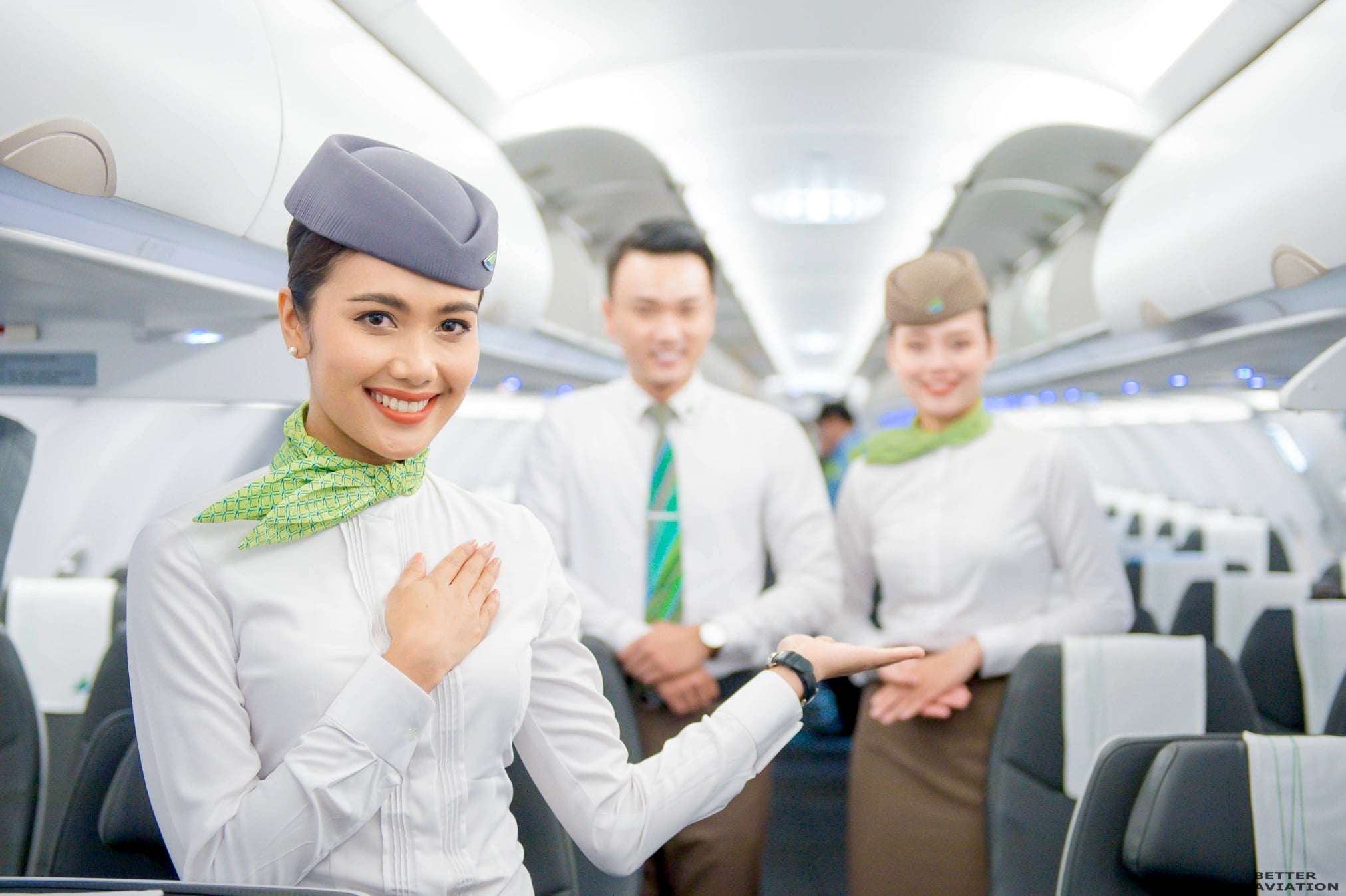
    Bamboo Airways conducted its first direct flight from Vietnam to the U.S. Thursday night. The QH9149 flight, using the Boeing 787-9 Dreamliner aircraft, took off at 7:55 p.m. from Hanoi’s Noi Bai Airport for San Francisco.

    The flight, the first of 12 direct flights between Vietnam and the U.S. that Bamboo Airways has won approval from the Transportation Security Administration (TSA), is expected to take over 14 hours.

    The flight crew included four pilots, 14 flight attendants, and several technicians and ground controllers to perform necessary functions at the San Francisco Airport.

    Before the flight took off, a commemoration ceremony was held at the airline’s headquarters on Cau Giay Street the same day.

    Nguyen Manh Quan, deputy general director of Bamboo Airways, said the flight was a historic one, not just for Bamboo Airways also for Vietnam’s aviation industry itself.

    “We will once again affirm the capability for operation, safety, security and infrastructure for Vietnamese airlines and the entire Vietnamese aviation industry in general,” he said at the meeting.

    Nguyen Ngoc Trong, another deputy general director of Bamboo Airways, said the flight’s goals were to serve tourists in both Vietnam and the U.S., foster commercial, diplomatic and cultural exchanges, and to affirm the status of Bamboo Airways, considering that direct flight to the U.S. is among the hardest flight paths to achieve.

    “In the last two years, we’ve managed to see opportunities in developing flights not just within Vietnam, but also in Southeast Asia and Northeast Asia like Japan, Taiwan, and even reaching towards Europe and Australia. And now, to the U.S.,” he said.

    “By introducing direct flights to the U.S. at this moment in time, we’re showing that we are ready to operate commercial flights once the pandemic dies down to meet customers’ demands in both countries,” he added.

    Bamboo Airways had earlier announced plans to organize three direct flights to the U.S. each week, gradually increasing the frequency to 5-7 flights, and then to daily flights.

    Vietnam Airlines has conducted several direct U.S. flights for Covid-19 repatriation purposes. The national carrier said this week it is set to receive its final permit from U.S. authorities.

  • Nike’s Vietnam supply hurdles in focus ahead of quarterly results

    Nike’s Vietnam supply hurdles in focus ahead of quarterly results

    Nike’s updates to its full-year sales outlook on Thursday will likely answer that pressing question for Wall Street as the world’s largest sportswear maker deals with unprecedented supply challenges ahead of the holiday season.

    Three months ago, Nike gave a rosy outlook for the rest of the year as it benefited from consumers splurging on sneakers for running and hiking as they returned to their routines after over a year of staying at home.

    Still, some analysts have cut their outlook for Nike’s sales, predicting that lockdowns and factory closures in Vietnam, where about half of all Nike footwear is manufactured, will cause shortages during the crucial shopping season.

    “We believe the risk of significant cancellations beginning this holiday and running through at least next spring has risen materially for Nike as it is now facing at least two months of virtually no unit production at its Vietnamese factories,” BTIG analysts wrote in a note.

    Many factories in Vietnam’s manufacturing hubs have been shut or are operating with drastically fewer on-floor workers since mid-July as a surge in Delta variant cases forced the government to implement tight containment policies.

    Other apparel companies including Abercrombie & Fitch and Adidas AG have taken a hit to their businesses due to production issues in Vietnam. read more

    Some analysts, however, see Nike using its scale to offset the sales impact from Vietnam shutdowns.

    “The company should be able to mitigate some headwind by shifting production to other countries, like China, and prioritizing top sellers, key products, and its DTC (direct-to-consumer) channel,” Telsey Advisory Group analysts said.

    Since the start of September, analysts have cut their full-year sales expectations for Nike to $49.81 billion from $50.34 billion due to worries about supply shortages

    Full-year earnings per share estimates have also fallen to $4.24 from $4.33, according to IBES data from Refinitiv.

    Nike’s revenue for the reporting quarter is expected to have risen 17.7 percent to $12.46 billion from a year earlier.

    The blue-chip stock has gained 11 percent this year, but is down about 10 percent from its record high hit in August.

  • Vietnam considers lifting Boeing 737 Max ban

    Vietnam considers lifting Boeing 737 Max ban

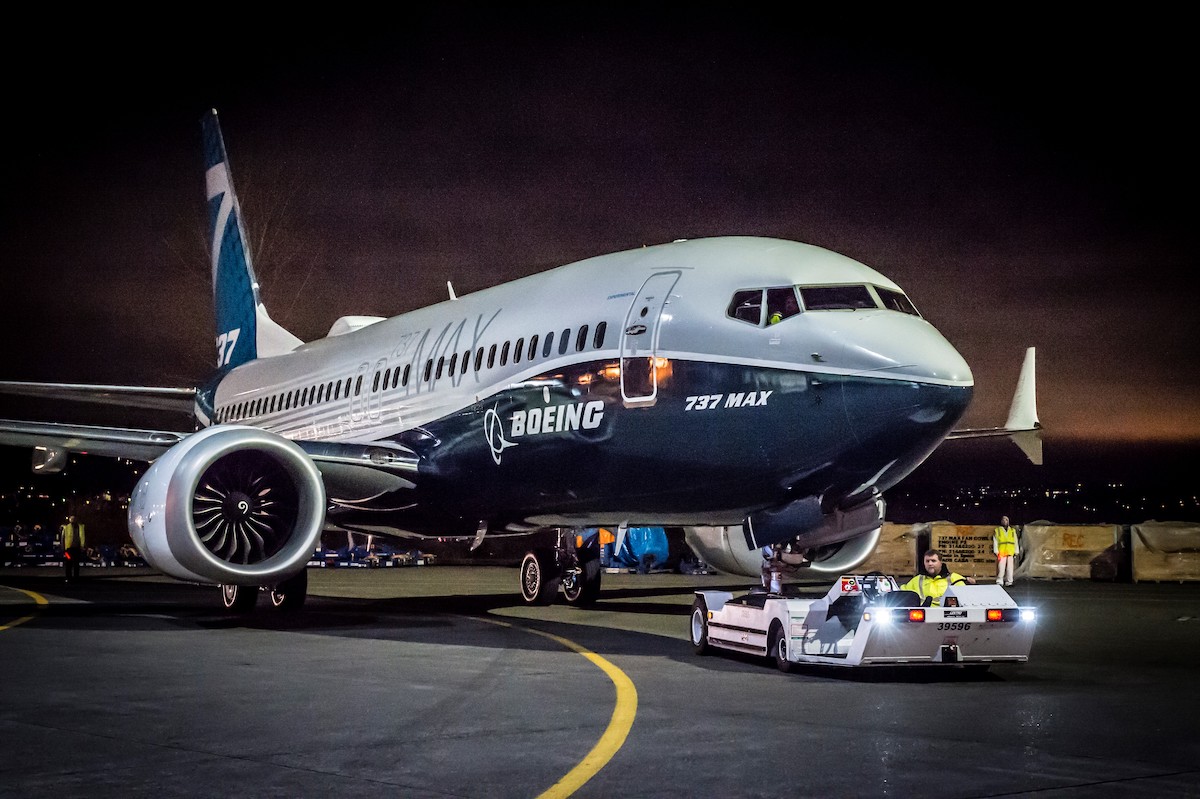
    The Civil Aviation Authority of Vietnam has proposed that the Boeing 737 Max aircraft be allowed to operate and imported to the country after a ban of over two years.

    The CAAV petitioned the Ministry of Transport to consider greenlighting the aircraft after 178 out of 195 global aviation authorities had lifted the ban on the jet.

    Over 360 Boeing 737 Max aircraft of 35 airlines have resumed service, it said.

    As of Sept.15, the aircraft has operated over 150,000 flights with over 370,000 hours of safe performance.

    Vietnam in April allowed the Boeing 737 Max to pass through its airspace, two years after it was grounded worldwide in March 2019 after 346 people were killed in two crashes in the space of a few months in Indonesia and Ethiopia.

  • Vietnam Airlines ready for US direct route

    Vietnam Airlines ready for US direct route

    Vietnam Airlines is set to receive its final permit from U.S. authorities to conduct regular direct flights to the U.S. after nearly two decades of preparation.

    The national flag carrier has completed all necessary documents to be approved by the U.S. Transportation Security Administration (TSA), it stated.

    It is set to receive the permit from Federal Aviation Administration (FAA) soon. The airline did not specify a date.

    Vietnam Airlines said the permit is different from that given earlier for international special charter flights between Vietnam and the U.S.

    The carrier had earlier received permits to conduct 12 charter flights last year and another 12 this year.

    Bamboo Airways had also received a permit to fly 12 charter flights to the U.S. from this month to November.

    Last month, Vietnam Airlines was planning to operate regular flights between Vietnam and the U.S. starting October.

    The airline in 2003 was ordered by the Ministry of Transport to begin direct services to the U.S. by 2005. However, concerns about profitability kept the carrier from realizing the goal until now.